





Google has introduced Gemini 3, its most advanced AI model to date. The launch expands Gemini’s scope across search, app experiences, and developer platforms. With deeper reasoning, richer multimodal understanding, and intelligent agent capabilities, Gemini 3 is built to help users learn, build, plan, and bring complex ideas to life.
Here’s a detailed breakdown of what Gemini 3 brings to the table: its key features, benchmarks, use cases, and how developers can leverage it to build powerful agent-driven applications.
Key Features of Gemini 3
1. Advanced Reasoning and Intelligence
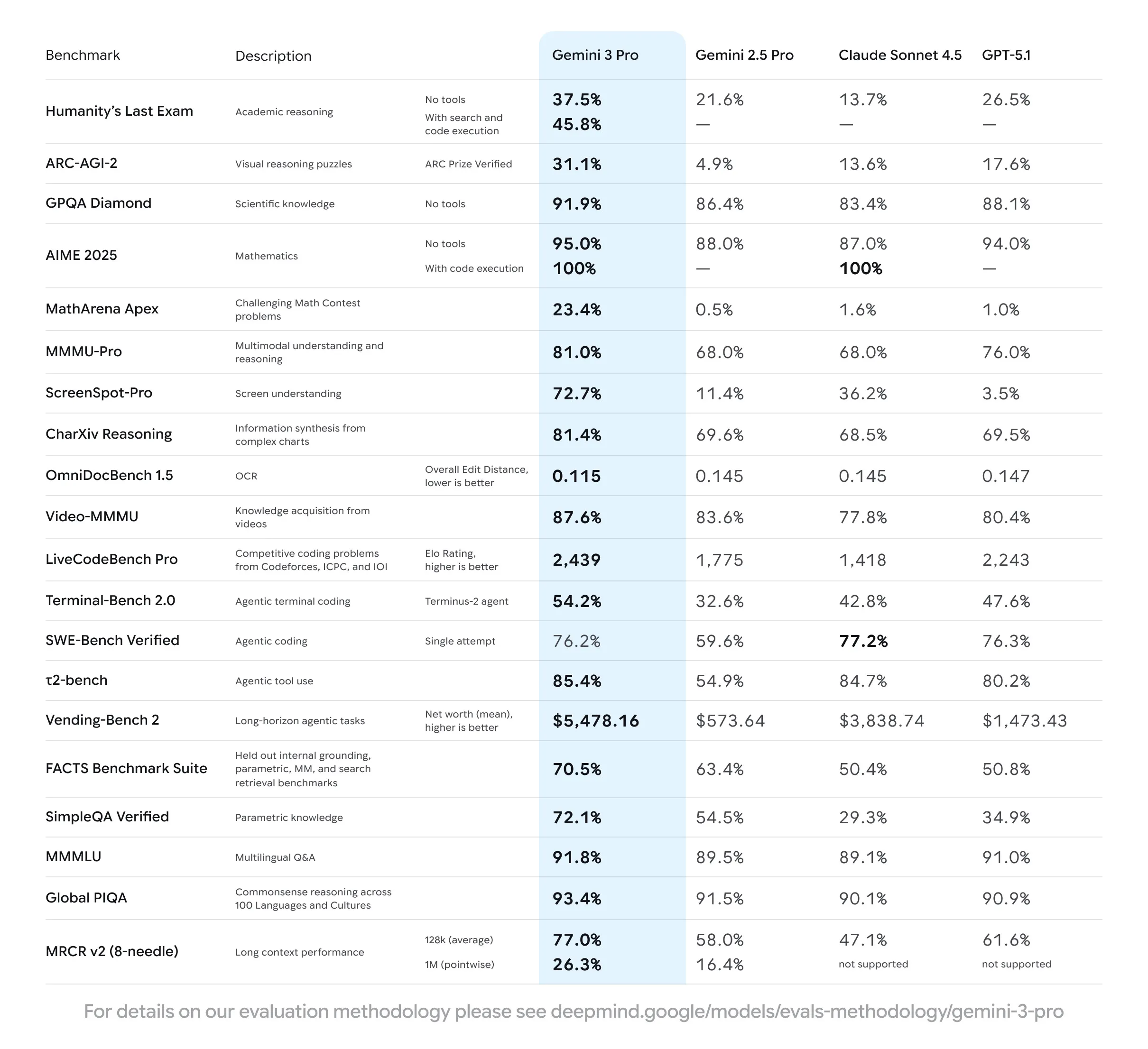
- Gemini 3 Pro is positioned as Google’s “most intelligent” model, outperforming its predecessor (Gemini 2.5 Pro) on “every major AI benchmark.
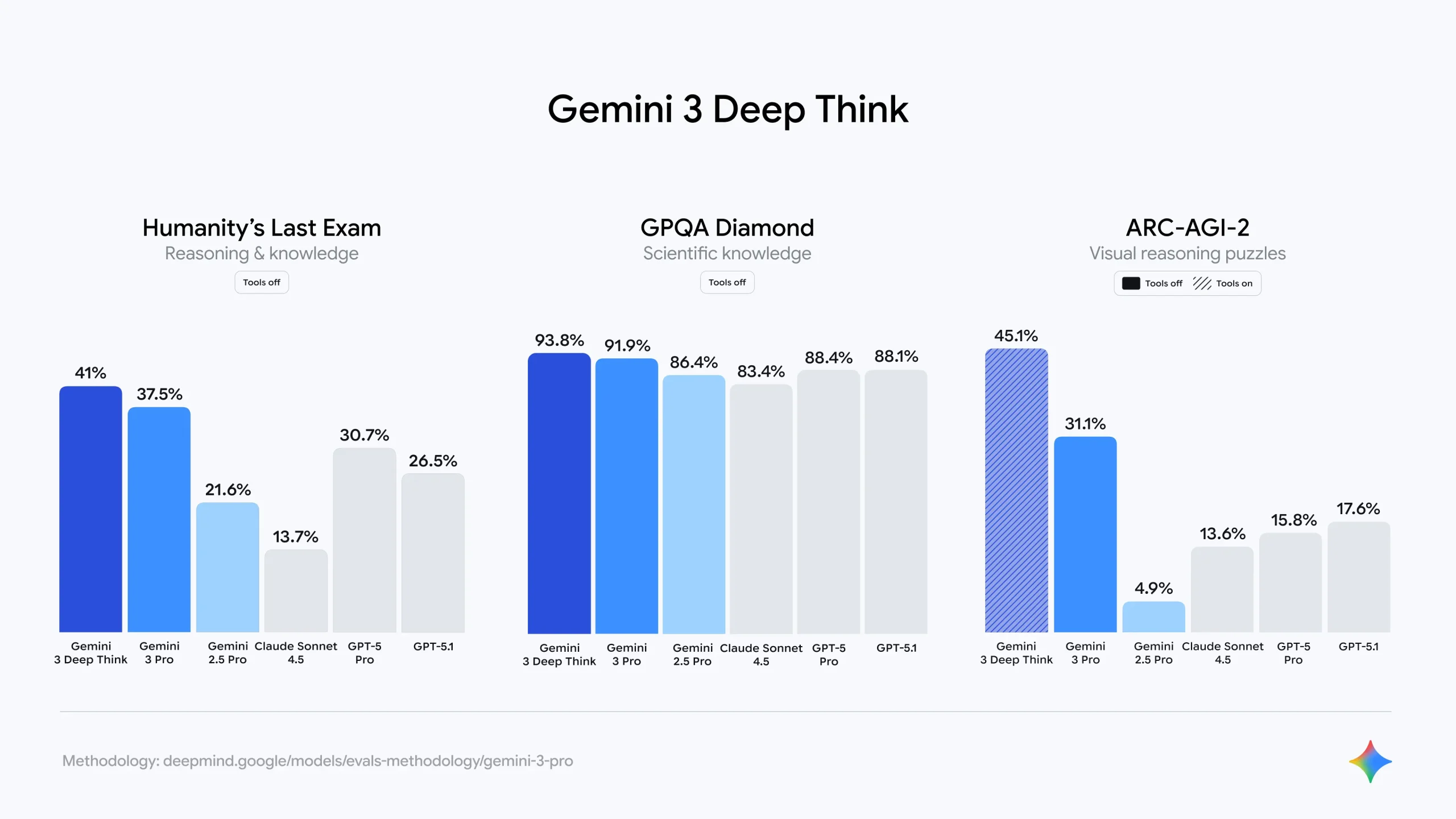
- It achieves PhD-level reasoning in certain evaluations: for instance, scores on “Humanity’s Last Exam” and GPQA Diamond are very high.
- On mathematical benchmarks, Gemini 3 Pro sets a new state of the art: it scores 23.4% on MathArena Apex.
2. Natively Multimodal Understanding
- Gemini 3 can process text, images, audio, and video simultaneously, rather than treating each format separately.
- It supports configurable visual fidelity; developers can trade off detail vs. latency depending on their use case.
- In benchmark tests, Gemini 3 Pro scored 81% on MMMU-Pro (for complex image reasoning) and 87.6% on Video MMMU (for video understanding).
- For factual or question-answer tasks, it also scores 72.1% on SimpleQA Verified, demonstrating improved accuracy.
3. Large Context Window
- Gemini 3 offers a 1 million-token context window, which enables it to handle very long inputs such as full documents, lengthy lectures, or even code + visuals together.
- This large context capacity helps in maintaining coherence, consistency, and deeper engagement in reasoning tasks.
4. Gemini 3 Deep Think Mode
- In addition to the standard Pro version, Google is introducing Gemini 3 Deep Think, a variant optimized for very complex reasoning tasks.
- Deep Think surpasses even Gemini 3 Pro on tough benchmarks: for example, it scores 41.0% (vs 37.5% for Pro) on Humanity’s Last Exam without using tools.
- On AGI-style benchmarks like ARC-AGI-2 (with code execution), Deep Think achieves 45.1%, showing its strength in solving novel, difficult problems.
- Because of its power, Google is conducting additional safety testing before making Deep Think widely available, starting with Ultra-tier users.
5. Smarter, Cleaner Responses
- Gemini 3 is designed to produce responses that are smart, concise, and direct, avoiding flattery or clichés and instead focusing on genuine insight.
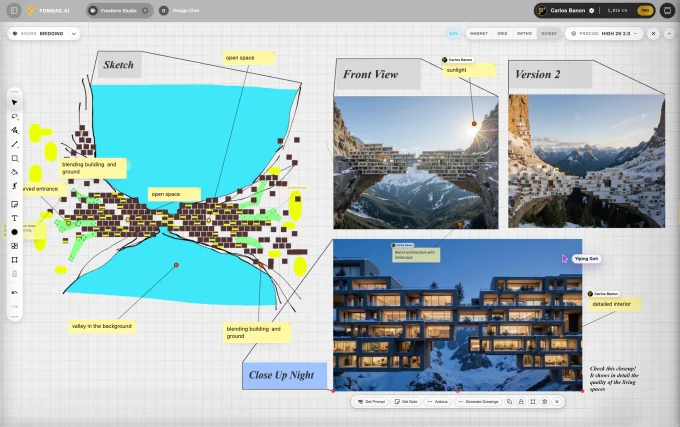
- It can generate interactive and visually rich responses, such as tables, grids, timelines, or magazine-style layouts, especially within the Gemini app and in Google Search.
- The new “generative interfaces” adapt the format of output depending on the user’s prompt, making responses more intuitive and context-appropriate.
6. Enhanced Coding and “Vibe” Coding
- Gemini 3 introduces what Google calls vibe coding: generating code from natural-language prompts, with better alignment to the user’s intent.
- On a specialized benchmark (Terminal-Bench 2.0), Gemini 3 Pro scores 54.2%, showing a strong ability to use tools and operate via a terminal.
- It also outperforms earlier models on software engineering benchmarks; for example, it scores 76.2% on SWE-bench Verified.
- Developers can use Gemini 3 in a variety of environments: AI Studio, Vertex AI, Gemini CLI, and a new agentic platform called Google Antigravity.
7. Agentic Capabilities & Autonomy
- Gemini 3 Pro includes agentic workflows, making it capable of planning, executing tasks, and using external tools in a stepwise manner.
- The model supports stateful tool use through a feature called Thought Signatures, which lets the agent retain its internal reasoning over multiple steps.
- Developers control reasoning depth via a parameter called
thinking_level“allowing tradeoffs between speed and depth.” - The large context window plus thought signatures helps reduce “reasoning drift”—i.e., the model staying consistent over long conversations or multi-step tasks.
- Gemini 3 integrates with open-source frameworks right from Day 0. LangChain, LlamaIndex, Pydantic AI, n8n, and Vercel’s AI SDK all support it.
8. Spatial & Vision Reasoning
- The model has improved spatial reasoning, making it better at tasks involving geometry, trajectories, pointing, or mental simulation.
- For document understanding, Gemini 3 goes beyond simple OCR; it can understand the layout, structure, and semantics of complex documents.
- This makes Gemini 3 useful for tasks like parsing long reports, interpreting diagrams, or reasoning about spatial content.
9. Safety & Security
- Google states that Gemini 3 has gone through “the most comprehensive set of safety evaluations” so far.
- The model demonstrates reduced sycophancy (less flattery), resistance to prompt injection, and enhanced protection against misuse such as cyberattacks.
- Google has engaged external experts and independent organizations for safety checks, including the UK AISI and third-party auditors.
Access & Availability
- For general users: Gemini 3 Pro is available now in the Gemini app for all users.
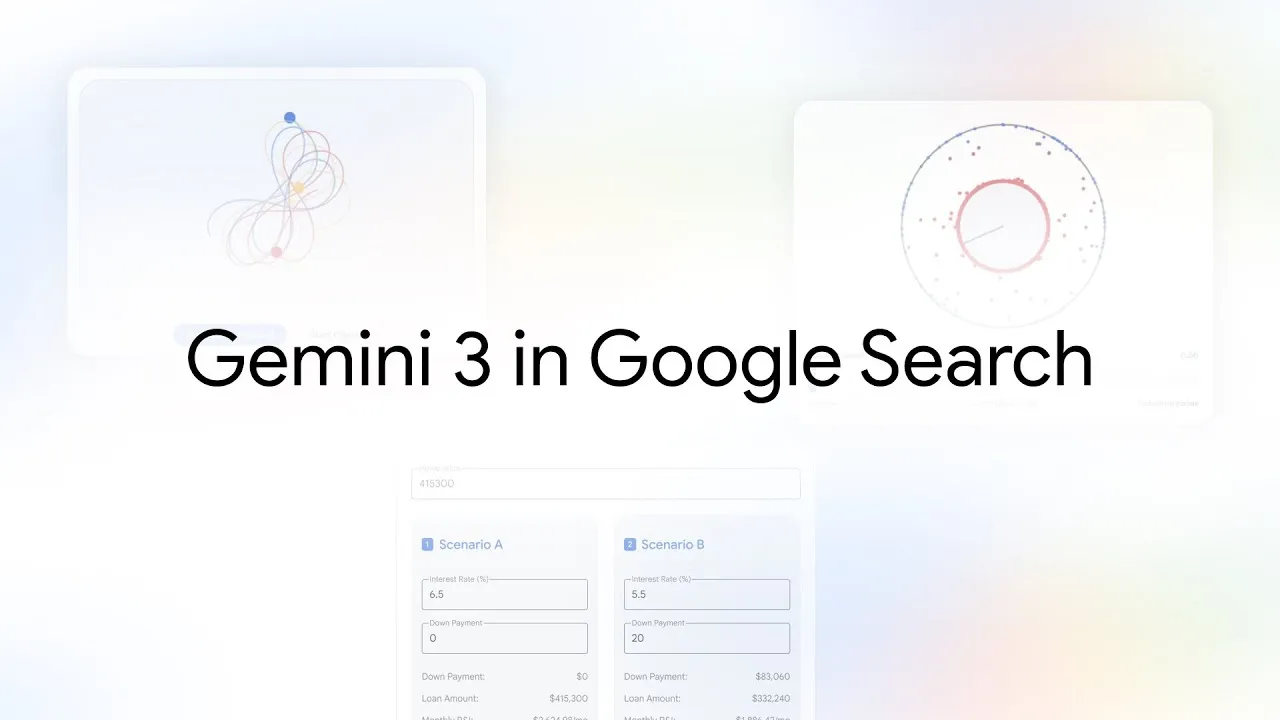
- In Google Search: Gemini 3 is integrated into AI Mode for Google AI Pro and Ultra subscribers.
- For developers: It’s available via the Gemini API in Google AI Studio, through Vertex AI, and via Gemini CLI.
- Agentic platform: Google has introduced Antigravity, an agent-first development environment integrated with Gemini 3 Pro.
- Deep Think mode: Still in testing, Deep Think is not widely available yet, but is expected for Ultra subscribers soon after additional safety reviews.
Use Cases & Applications
- Learning & Education
- Users can input academic papers, lecture videos, or scanned notes; Gemini 3 can generate interactive study tools, such as flashcards, visualizations, or summaries.
- It can also convert handwritten or scanned content (e.g., recipes) into structured, shareable formats.
- Productivity & Planning
- With Gemini Agent, the model can handle multistep tasks, such as managing the inbox, booking travel, or organizing personal projects.
- The generative interfaces (tables, timelines) help in planning and presenting information more visually.
- Software Development
- Developers can use Vibe coding to quickly generate code, debug, or prototype from natural language.
- Tools built on Gemini 3 (like Antigravity or integration with IDEs) enable more autonomous, agent-driven development workflows.
- Multimodal Reasoning
- Applications in robotics, spatial navigation, or augmented/virtual reality can benefit from its spatial reasoning abilities.
- Document-intensive workflows (legal, research, administrative) can be augmented using its document understanding capabilities.
- Agentic Systems
- Organizations can build agents that maintain long-term memory via thought signatures, execute multi-step workflows reliably, and integrate with external tools.
- Non-technical teams can also leverage Gemini via low-code frameworks like n8n, making agentic capabilities accessible beyond developers.
Implications of Google Gemini 3
Gemini 3 is now integrated into Google Search through AI Mode, which changes how users interact with information. Search becomes more conversational and context-aware, and results adjust to the user’s intent instead of serving static links. This shift positions search as an interactive assistant that can interpret complex queries, combine information from multiple sources, and present answers in formats that are easier to follow, such as structured summaries or visual layouts.
Gemini 3 strengthens developer workflows through stronger reasoning, improved planning, and agentic coding support. It can interpret vague instructions, understand project structure, and produce working code with fewer steps. Teams can use it to speed up prototyping, analyze large codebases, and automate multi-step tasks that previously required manual review. This cuts time spent on routine development work and creates faster paths from concept to execution.
Google highlights safety as a central priority with Gemini 3. The model goes through independent testing, stronger guardrails, and deeper vulnerability checks. These include protections against prompt manipulation, misuse, and harmful outputs. By tightening evaluation and working with external experts, Google signals awareness of the risks that come with scaling more advanced models and the need to keep user trust at the center of deployment.
Gemini 3’s progress in multimodal reasoning, long-context processing, and agent capabilities raises the competitive pressure across the frontier model market. Companies working on large-scale AI systems now face a higher performance bar in intelligence, reliability, and multimodal depth. This competition is likely to accelerate improvements across the industry as each organization pushes to refine reasoning, safety, and agent-driven automation.
Google Gemini 3 marks a clear step forward in AI model design, combining deep reasoning, versatile multimodal understanding, powerful agentic workflows, and developer-friendly integration. With Pro and Deep Think modes, it offers both speed and depth. Its rollout across Google’s own products plus support for open-source frameworks signals Google’s serious investment in making AI more capable, useful, and broadly accessible.
Credit: Google Gemini 3
Explore Courses


.jpg "Ondrej Chybik - Rethinking Architecture")