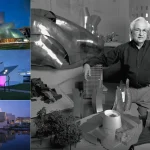




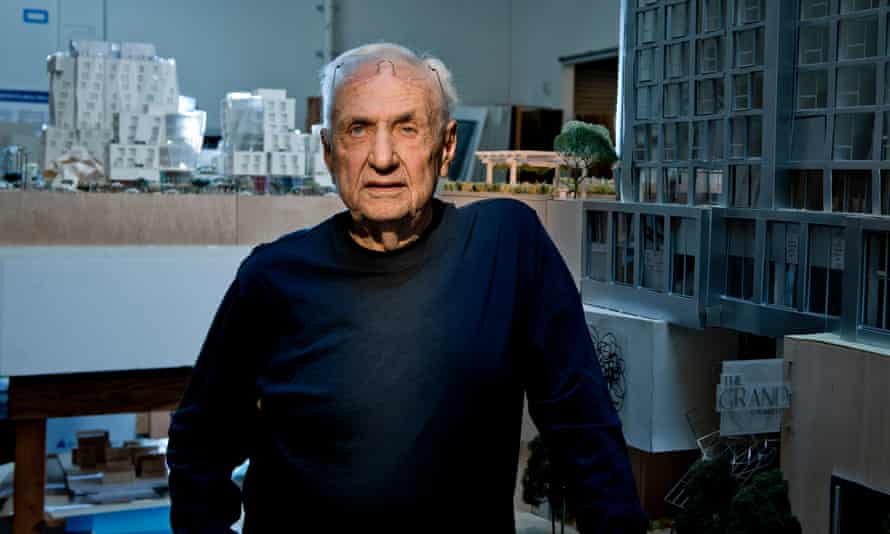
Architect Frank Gehry, whose alluring, playful, and bold designs reshaped contemporary architecture, passed away on December 5, 2025, at the age of 96. Known for his deconstructivist style, Gehry’s diverse works often employed complex, sculptural, and unconventional forms, defining his architectural approach with fluidity and innovation.
Deconstructivist and Parametric Pioneer
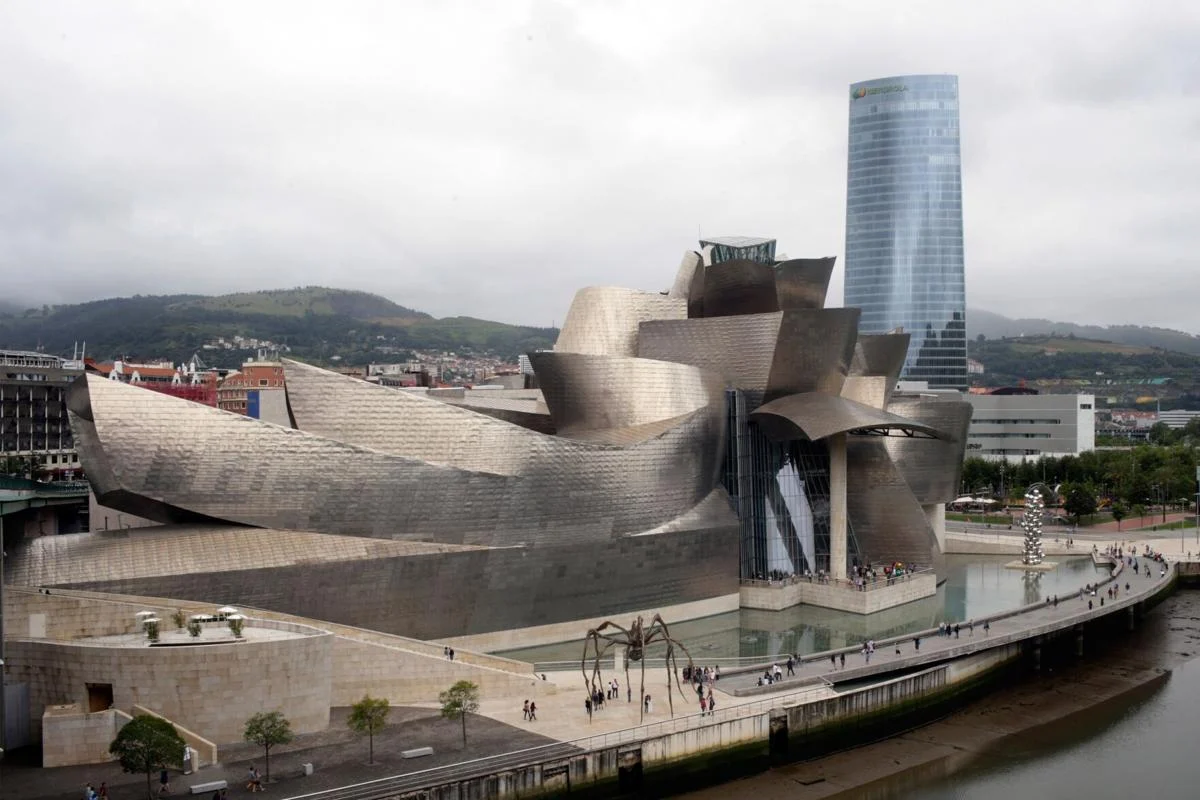
Gehry’s six-decade career transformed the civic landscape of cities worldwide, with notable works such as the Guggenheim Museum Bilbao and the Walt Disney Concert Hall in Los Angeles, monuments to deconstructivism that utilize materials like titanium and stainless steel to achieve their futuristic aesthetics.
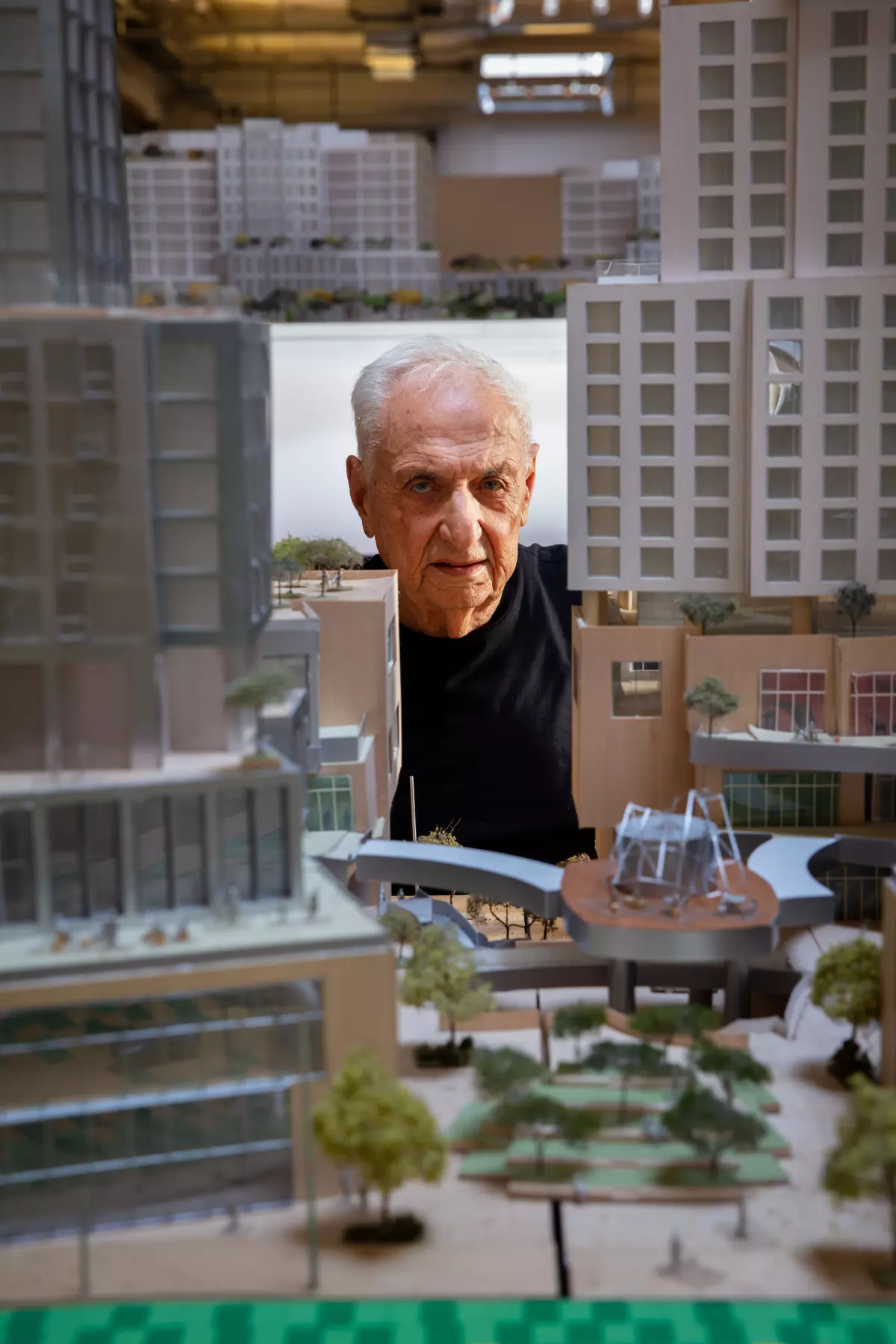
Born in Canada, he became a U.S. citizen in 1950 and pursued his foundational education at the University of Southern California, earning his Bachelor of Architecture in 1954. He continued his advanced studies at the Harvard Graduate School of Design between 1956 and 1957. Inspired by the California funk art movement, he translated his sensibility into architecture, resulting in works that sometimes appear intentionally unfinished or raw.
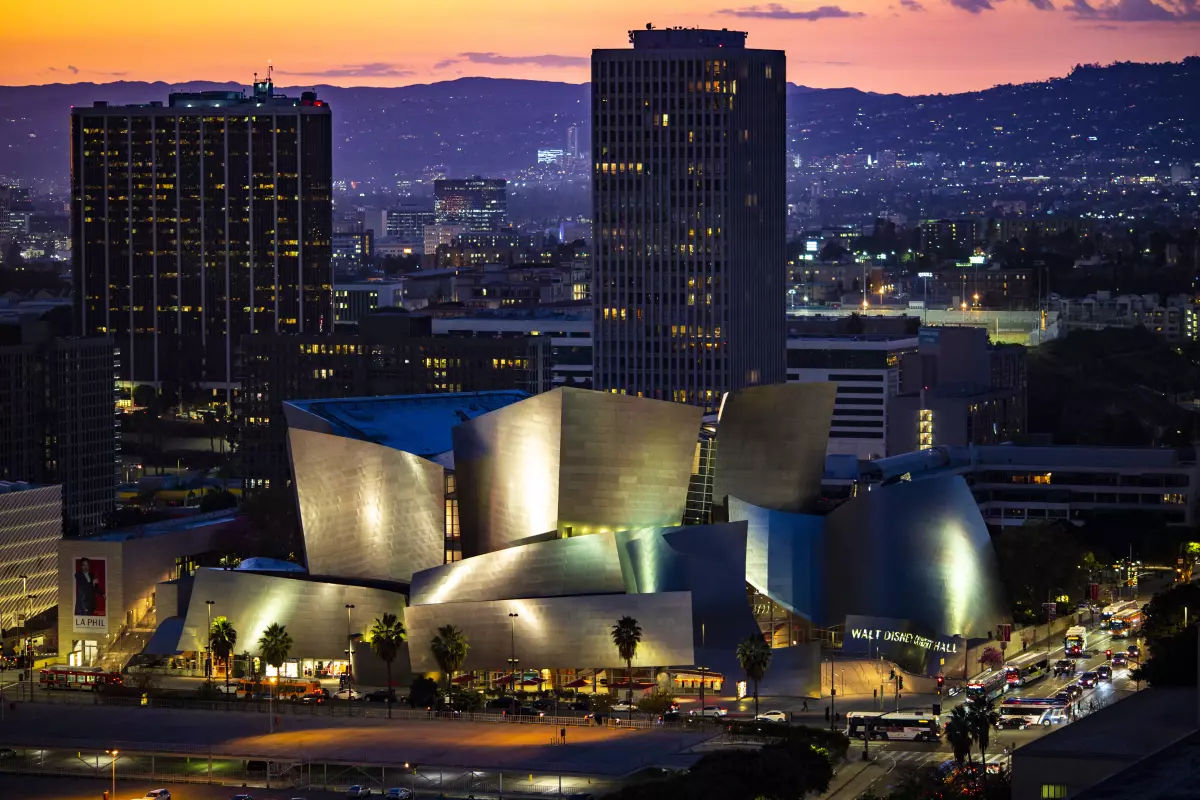
Gehry’s approach aligned with Deconstructivism, a postmodern architectural movement that emerged in the 1980s. His work embodies the movement’s key elements of fragmentation, asymmetrical structures, disorder, and an absence of symmetry, resulting in buildings that resemble sculptures in motion. The defining curvilinear, sculptural forms of Gehry’s architectural vision emphasize fluidity and dynamism, creating a level of complexity that traditional architectural drawing and construction methods struggled to manage effectively.
Pioneering Parametric Design with CATIA
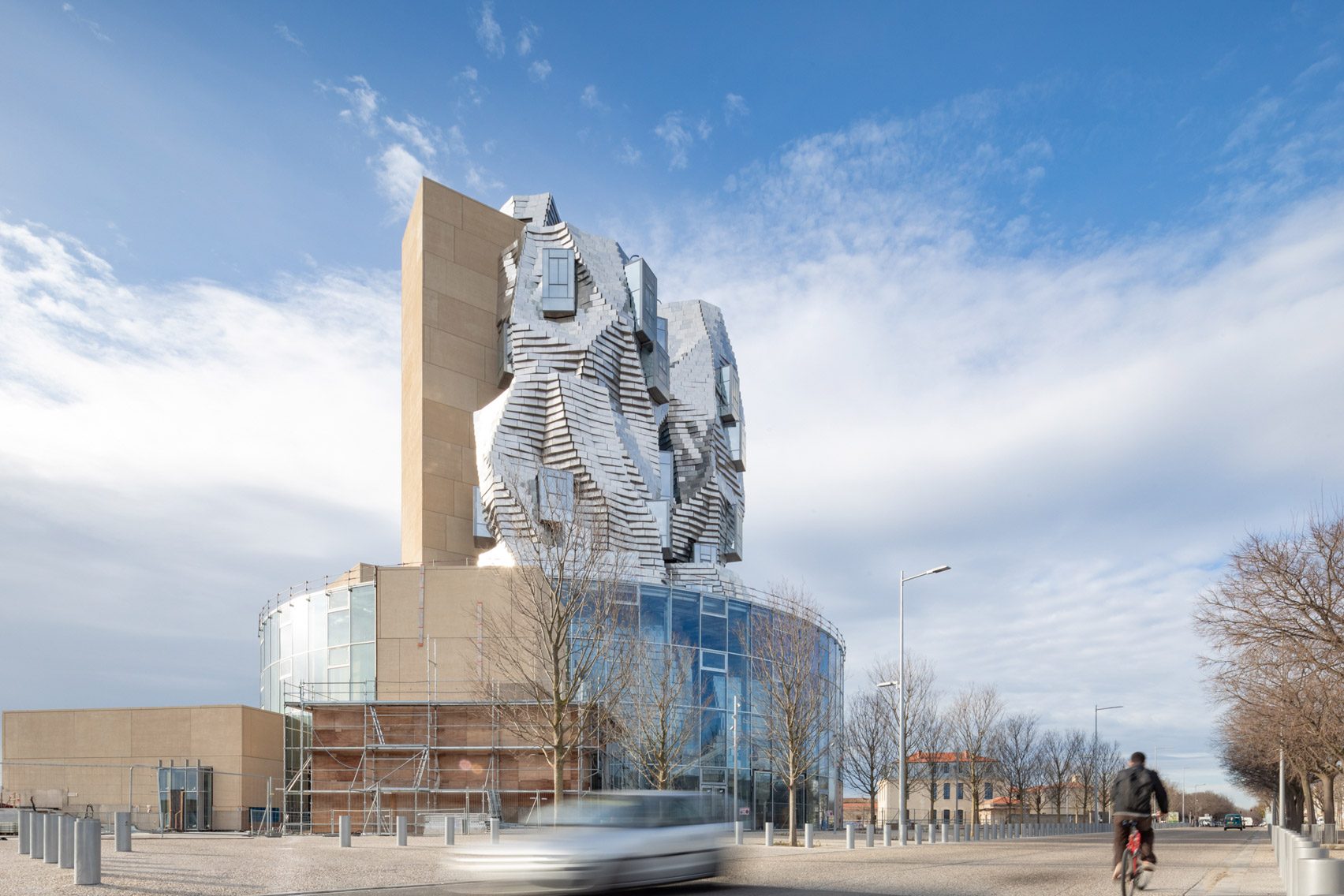
He defied conventional orthogonal geometry, and he adopted computer-aided design, specifically CATIA (Computer-Aided Three-dimensional Interactive Application), in the late 1980s. His process involved hand drawings and physical models, which were later scanned using a digitizing wand to capture their spatial coordinates (x, y, and z). This capability allowed Gehry’s designers to digitally manipulate the design to optimize it for structural viability and cost-effective constructability.
The Architect of the Impossible
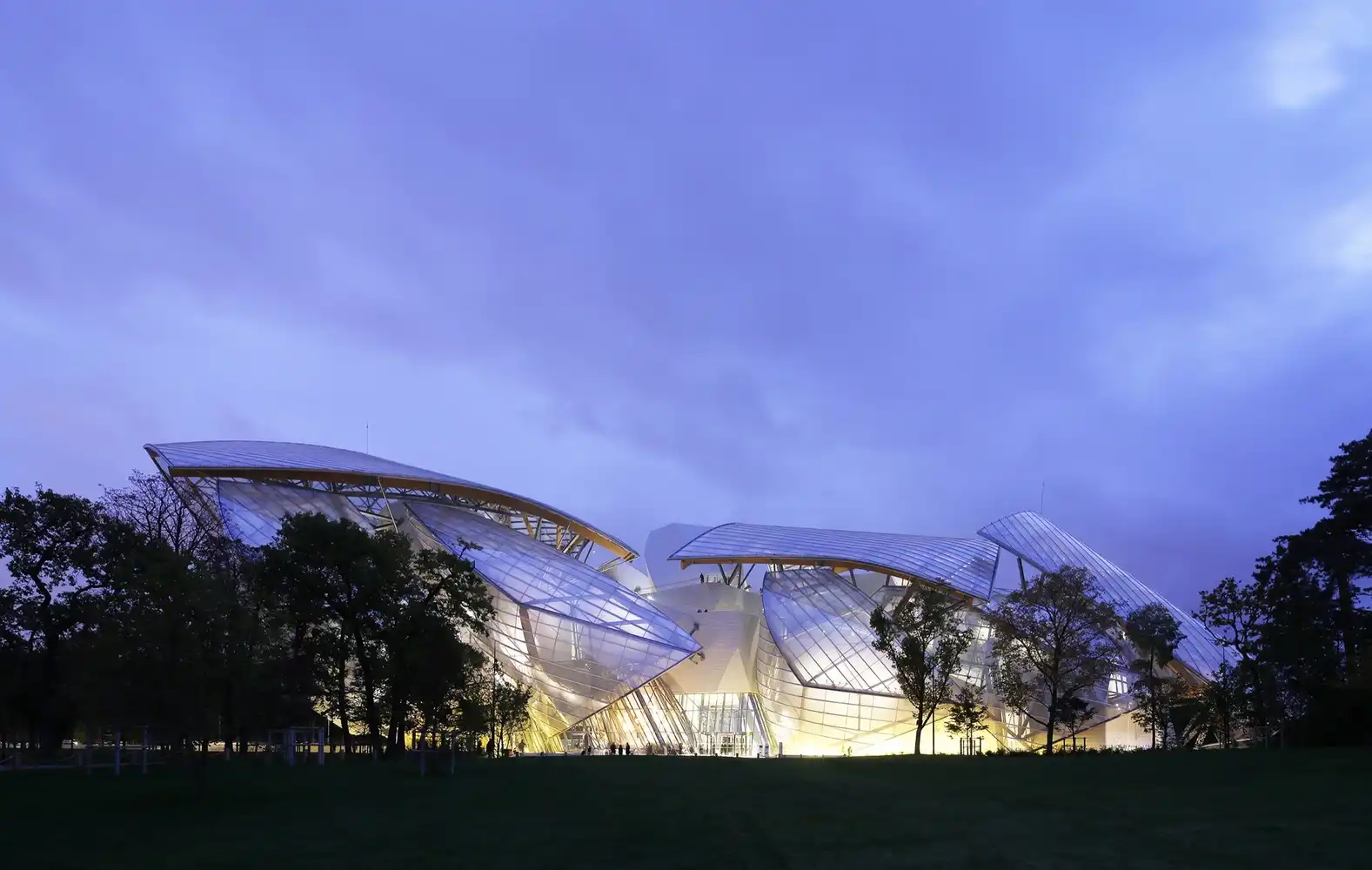
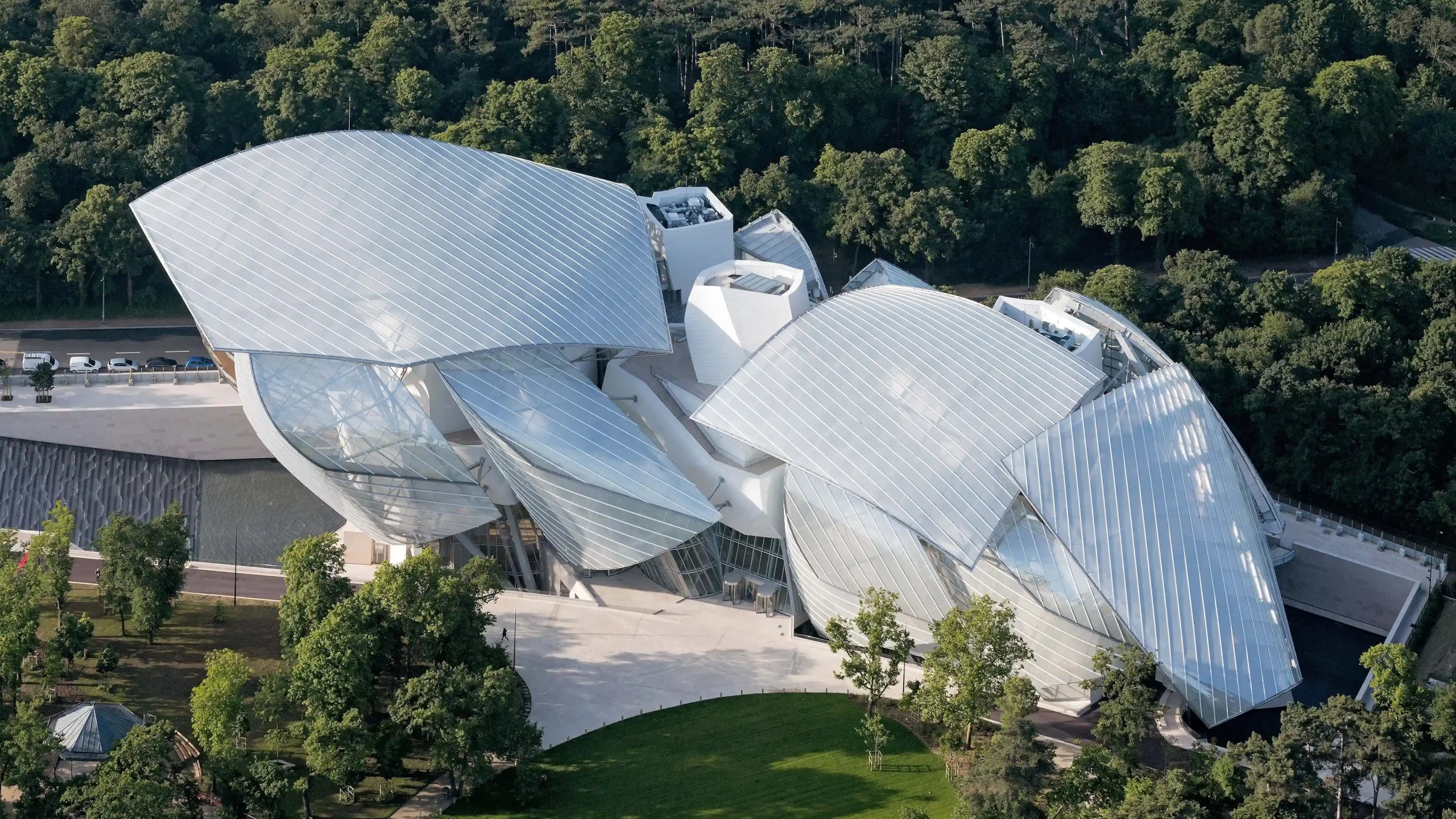
He also demonstrated mastery over other materials, such as milky-white curving glass cladding of the IAC Building in New York (2007) and the custom-designed billowing brickwork for the University of Technology Sydney (2014). His 2014 Louis Vuitton Foundation in Paris was a feat of glass engineering, using CATIA to model the complex curvature of its 12 glass sails that appear to float effortlessly. This technological specialization led Gehry to found Gehry Technologies in 2002.
Frank Gehry, one of the most influential architects, leaves behind an architectural legacy characterized by radical artistic ambition and revolutionary technical innovation. His work will be remembered, from the raw, challenging forms of his early Santa Monica residence to the shimmering, monumental curves of the Guggenheim Bilbao. He once noted in a 1987 interview, “I’m often asked if I’m an artist or an architect, but to me, the two are inseparable.”
Explore Courses
.jpg "Ondrej Chybik - Rethinking Architecture")