


The European Union Prize for Contemporary Architecture, EUmies Awards 2026 (Mies van der Rohe Awards) was established in 1988 in Barcelona by the Fundació Mies van der Rohe and the European Union-supported cultural and creative sectors program. The prize honors built works of architecture across Europe that show excellence in conceptual, social, cultural, and technical terms. It also emphasizes architecture’s role in sustainable development and the well-being of citizens in urban and rural environments.
More than 400 projects are competing in this new edition, with the official list of nominees now being finalized and set to be announced in November.
Categories for Mies van der Rohe Awards 2026
For the 2026 cycle, the Prize is organized under three categories:
- Architecture: Awarded to a single built work in Europe that demonstrates excellence in conceptual, social, cultural, and technical terms.
- Emerging: Awarded to a built work by an architect(s) early in their career. The Architecture and Emerging categories are reviewed together.
- Young Talent: This category recognizes final-diploma projects (architecture, landscape architecture, urban planning) by recently graduated architects. A separate independent jury reviews it.
The “Architecture & Emerging” categories proceed together in one jury process, while a separate independent jury reviews the “Young Talent” category.

Eligibility rules for Architecture & Emerging (EUmies Awards 2026) include:
- Works must have been completed within the two years before the start of the Prize process.
- Nominations are submitted by national architectural associations, independent experts, and the Advisory Committee.
- A single work will be selected as the winner in each of the Architecture and Emerging categories.
How the Process Works
- Proposals submitted by national associations, independent experts, and the Advisory Committee.
- Authors are contacted, and upon acceptance, their work is nominated.
- The jury evaluates nominations, creates a shortlist, and selects finalists. For Architecture & Emerging: 5 and 2, respectively.
- The jury visits finalist works (or meets authors remotely) and decides winners.
- Winners are honored, and their works are included in publications, traveling exhibitions, and databases.
Purpose & Principles
According to the published rules, the prize is designed to detect and highlight works of architecture that contribute an “added value” to architectural tradition, innovation, and culture.
It emphasizes:
- Innovation in architectural form, technology, and construction.
- The relationship between quality of life, environment, and built form.
- Europe’s diverse architectural expression: local traditions, landscapes, and languages remain important, even as architecture contributes to a common European culture.
Thus, the prize becomes a platform for the development and implementation of sustainable architectural practices and for supporting both established and emerging professionals in architecture.
Organizers, Partners & Committees
The Fundació Mies van der Rohe organizes the EUmies Awards in collaboration with the Creative Europe program of the European Union.
Other key institutional participants include the Architects’ Council of Europe (ACE) and the European Association for Architectural Education (EAAE). A network of over 200 independent experts, architecture studios, universities, nominating bodies, and the Advisory Committee support the Prize nomination and selection process.
The Advisory Committee plays a crucial role working with the Fundació Mies van der Rohe to establish the nominated candidates list and ensure the process meets the cultural, architectural, and educational aims of the Prize.
Mies van der Rohe Awards 2026 Calendar of Key Dates
The official calendar for the 2026 EUmies Awards outlines a structured timeline for the Architecture and Emerging categories. The process begins with the appointment of the seven-member jury in October 2025, followed by the announcement of the nominees in November 2025. The shortlist of approximately 40 projects will be revealed in January 2026, narrowing down to finalists, five in Architecture and two in Emerging, in February 2026. The winners will be officially announced in April 2026 in Brussels, culminating in the EUmies Awards Day and Awards Ceremony in May 2026 in Barcelona, where the selected works and their creators will be celebrated.
Early Nominee Mentions
While the official EUmies Awards 2026 nominee list is still being finalized, national architecture platforms have highlighted several projects.
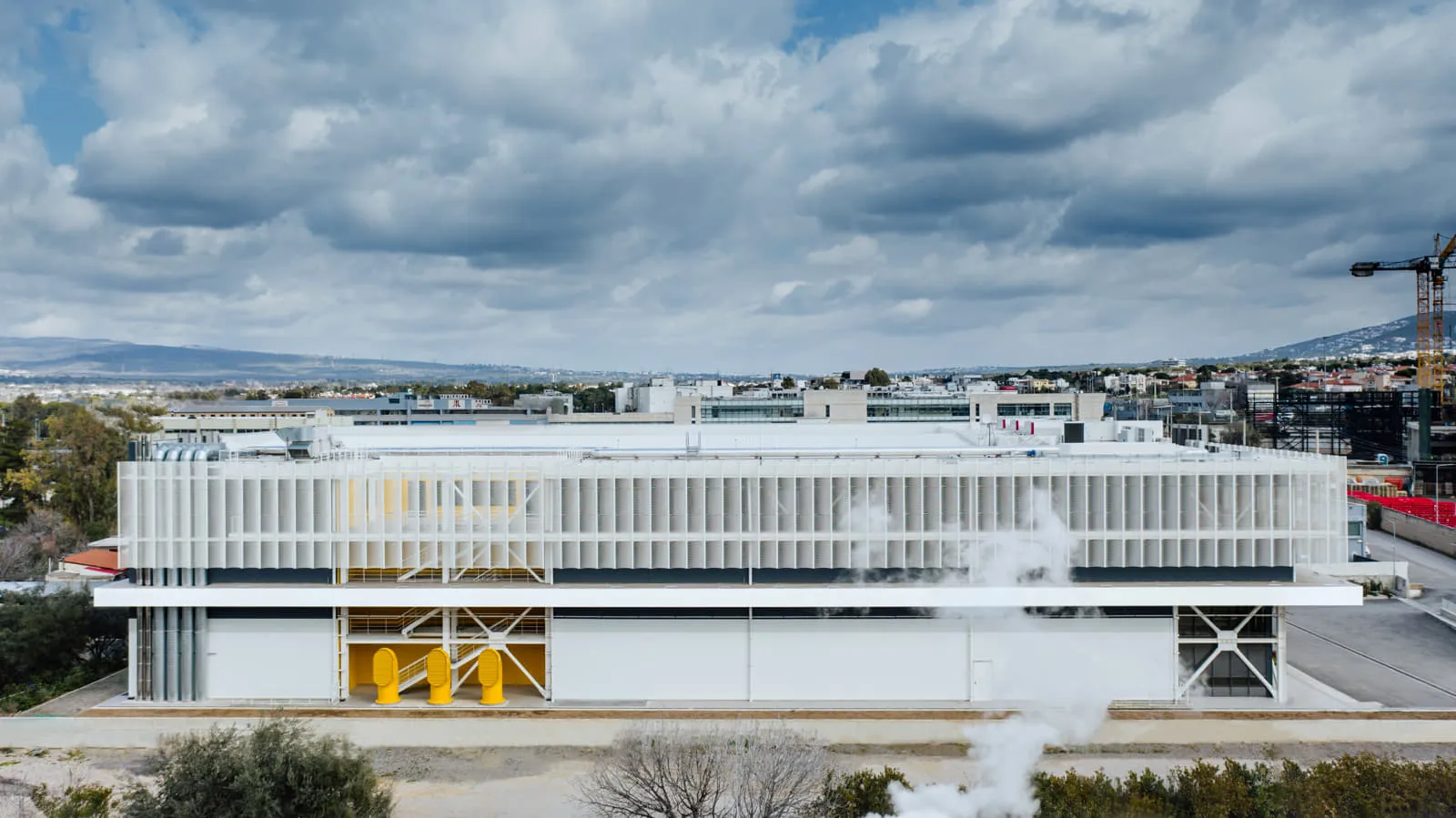
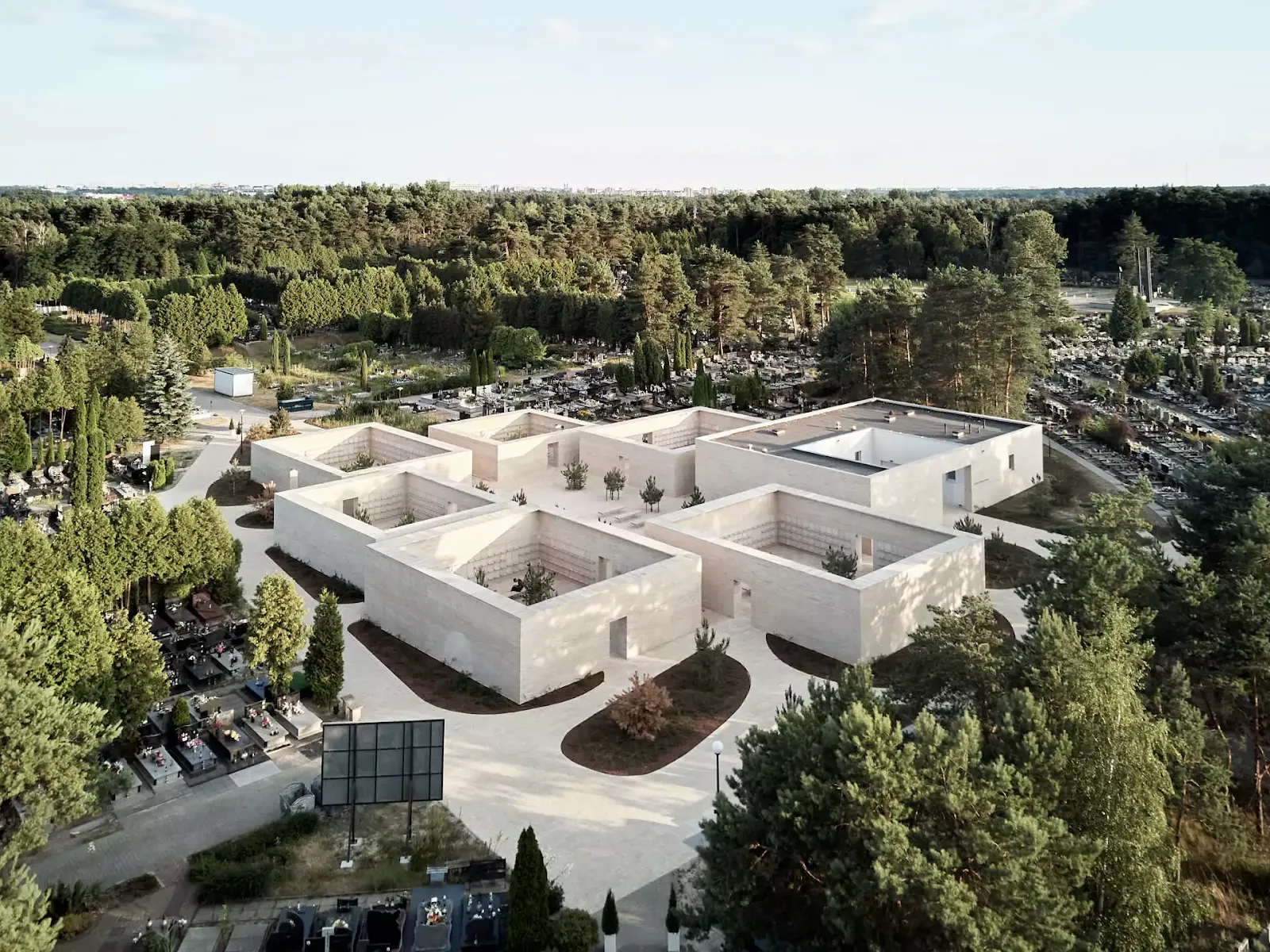
According to Archisearch.gr, the Greek nominees include Storage and Distribution Center of Seneka Logistics S.A. in Kifissia, Athens, by R.C.TECH, Astir Marina Landscape and Public Realm by Neiheiser Argyros, and Three Object Apartment by DeMachinas, among others. The Architectura i Biznes platform lists Polish nominees such as the Columbarium in Radom by BDR Architects and the Embassy of the Republic of Poland in Berlin by JEMS Architects, among others.
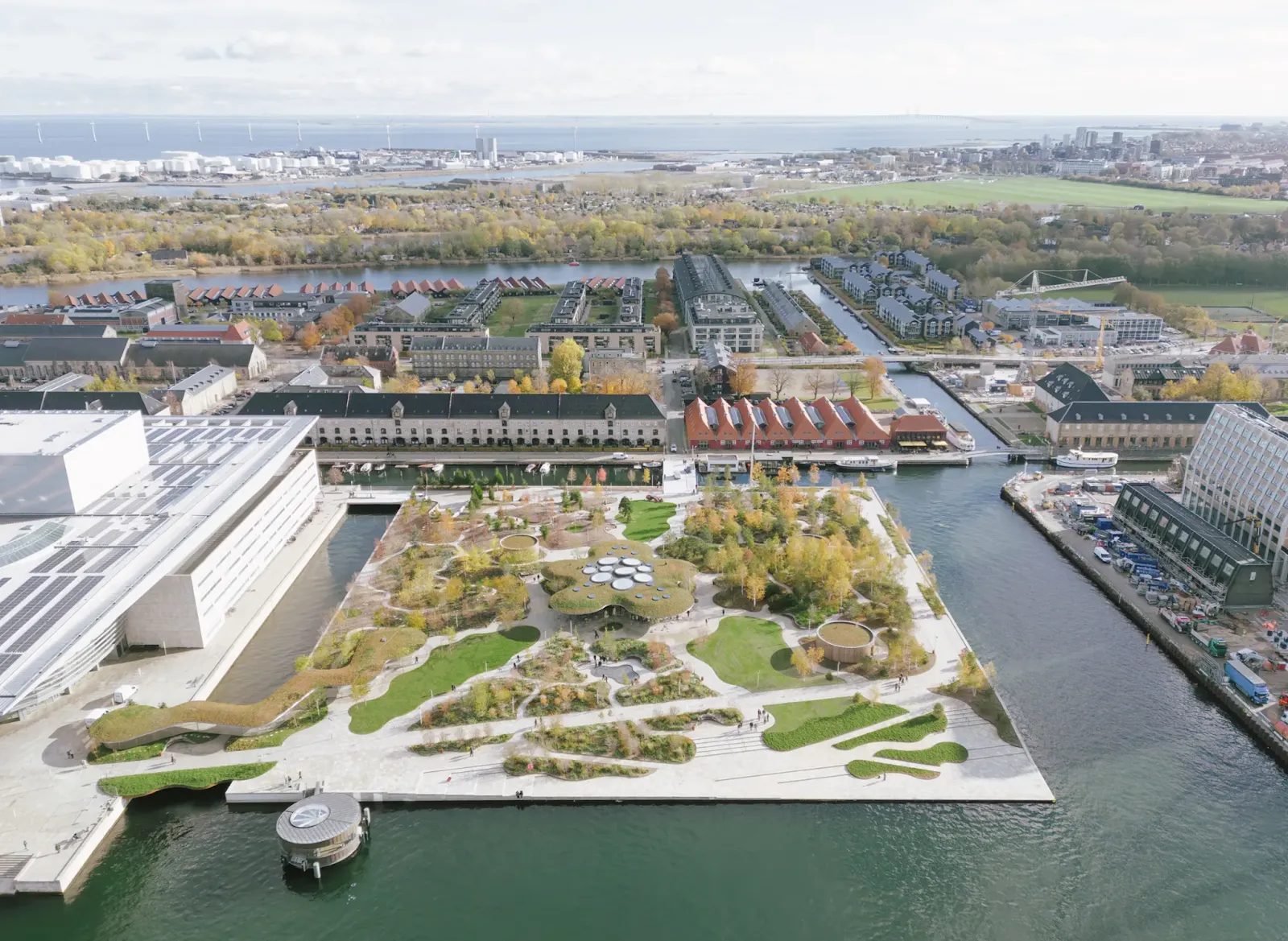
Additionally, Cobe Architects announced that The Opera Park in Copenhagen has been nominated for the 2026 EUmies Awards, reflecting the pan-European range of contenders.
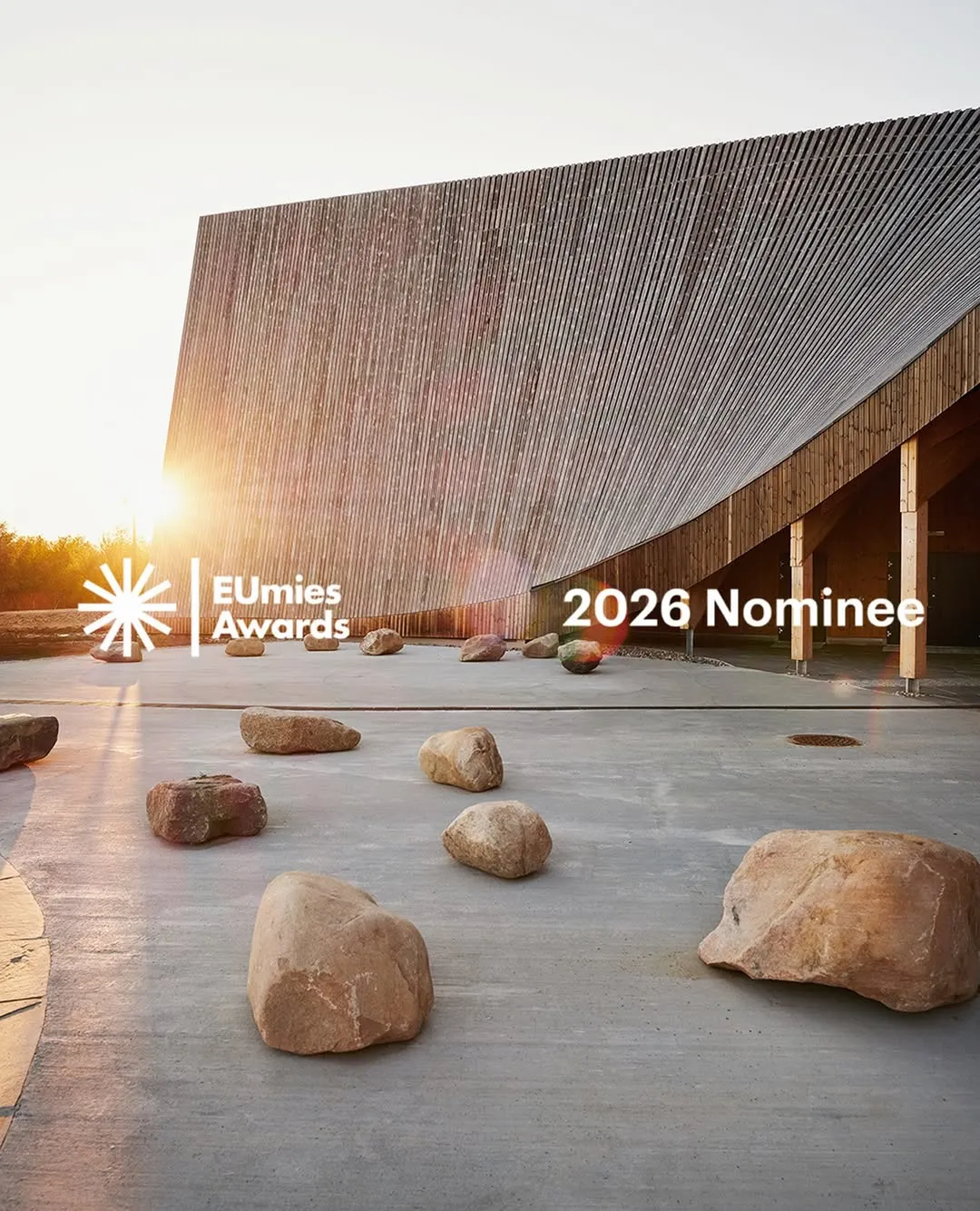
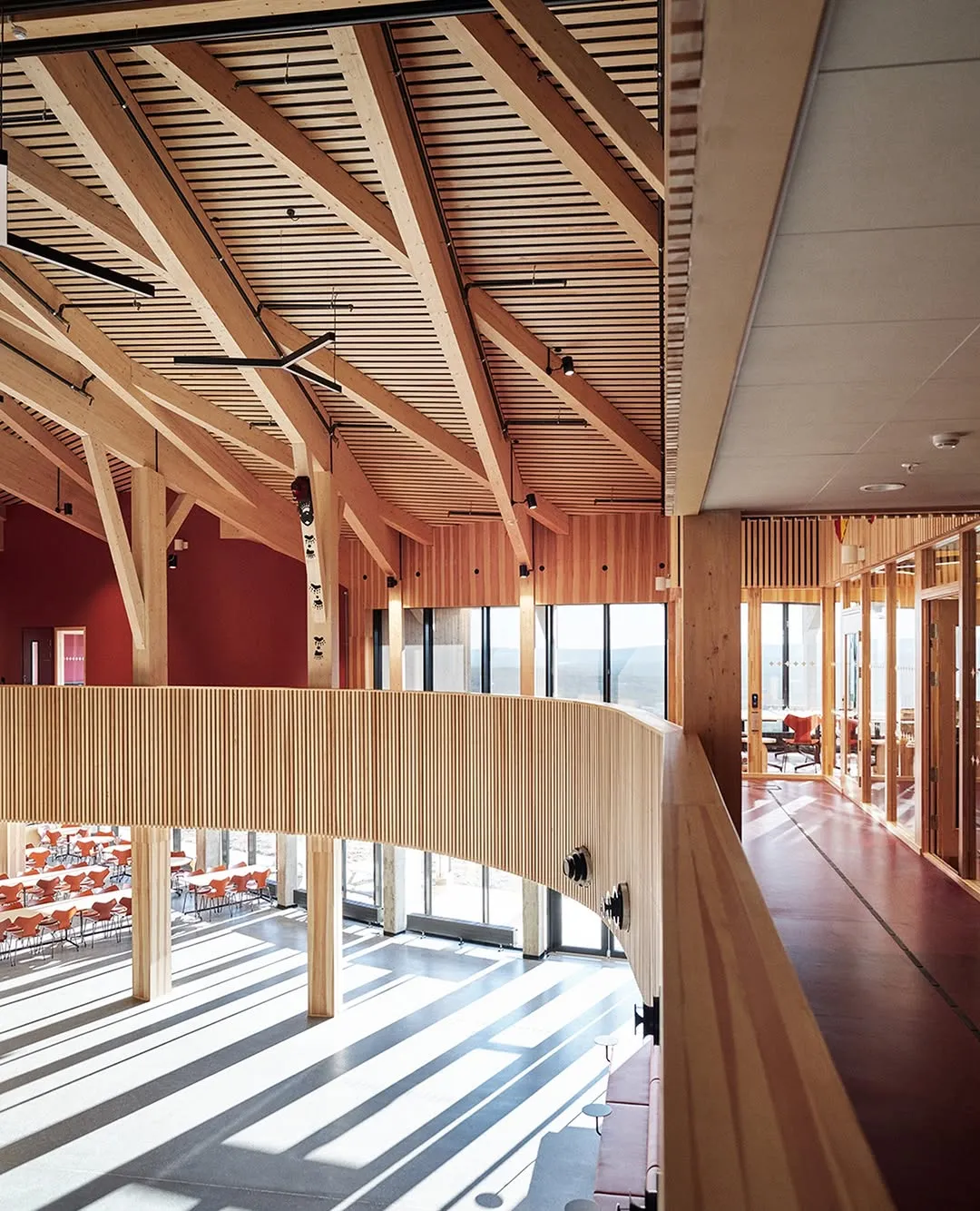
Snøhetta announced that its project Čoarvemátta has been nominated for the biennial EU Mies van der Rohe Award for Architecture.
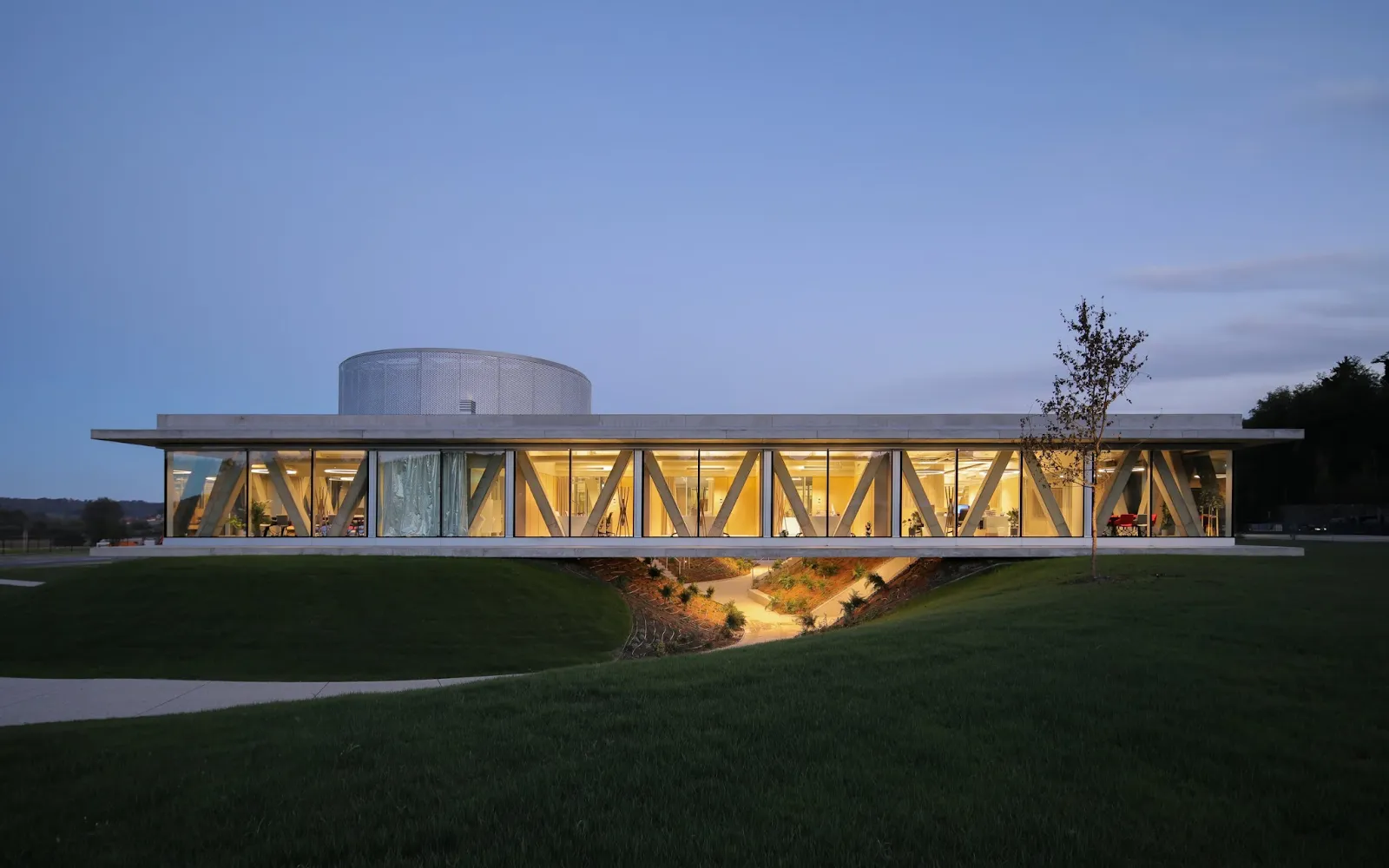
The Production and Office Building Dubrovčan, located in Dubrovčan, Croatia, was designed by MVA / Mikelić Vreš Arhitekti. The project falls under the categories of Commercial (Office), Industrial (Factory), and Landscape + Planning (Urban Green Space).
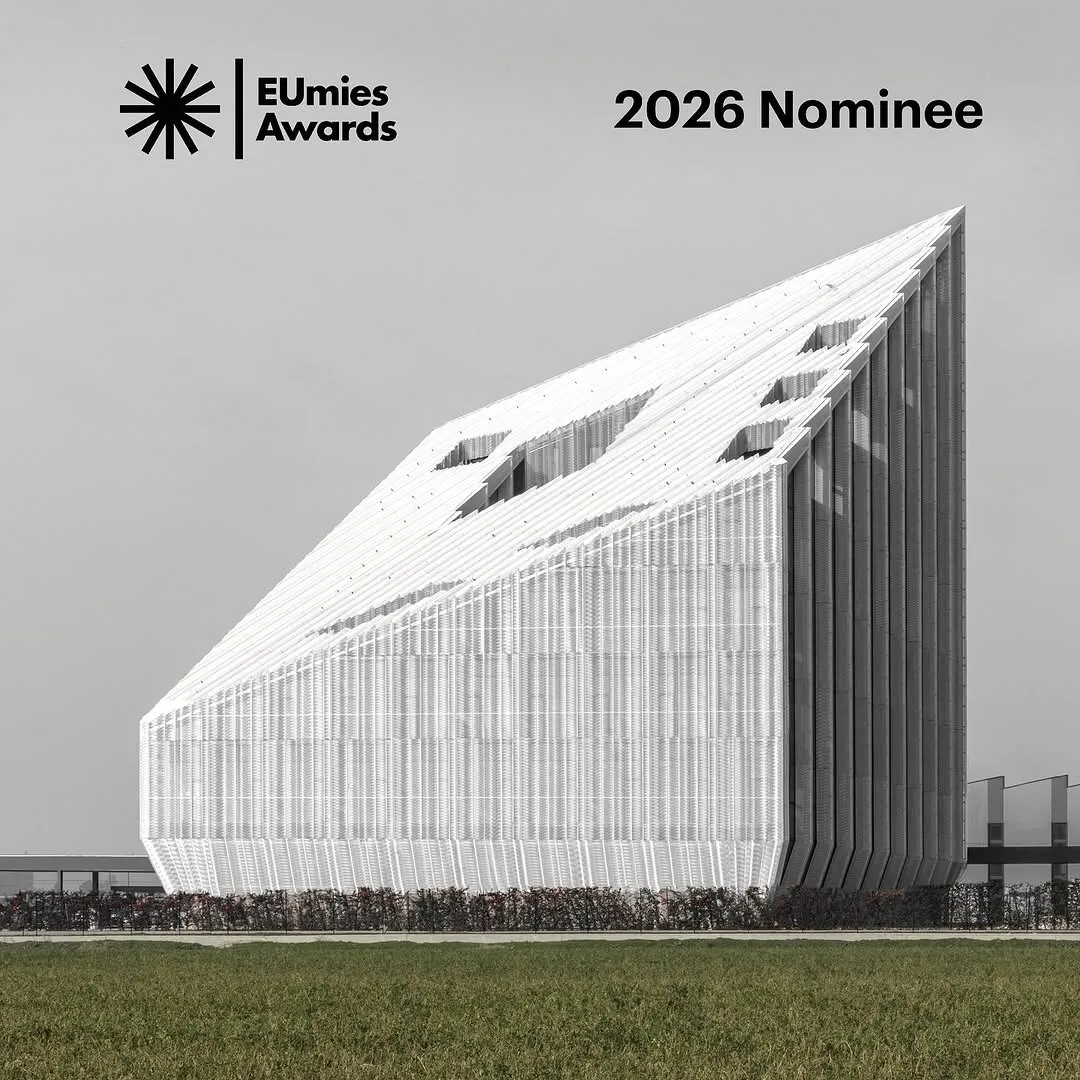
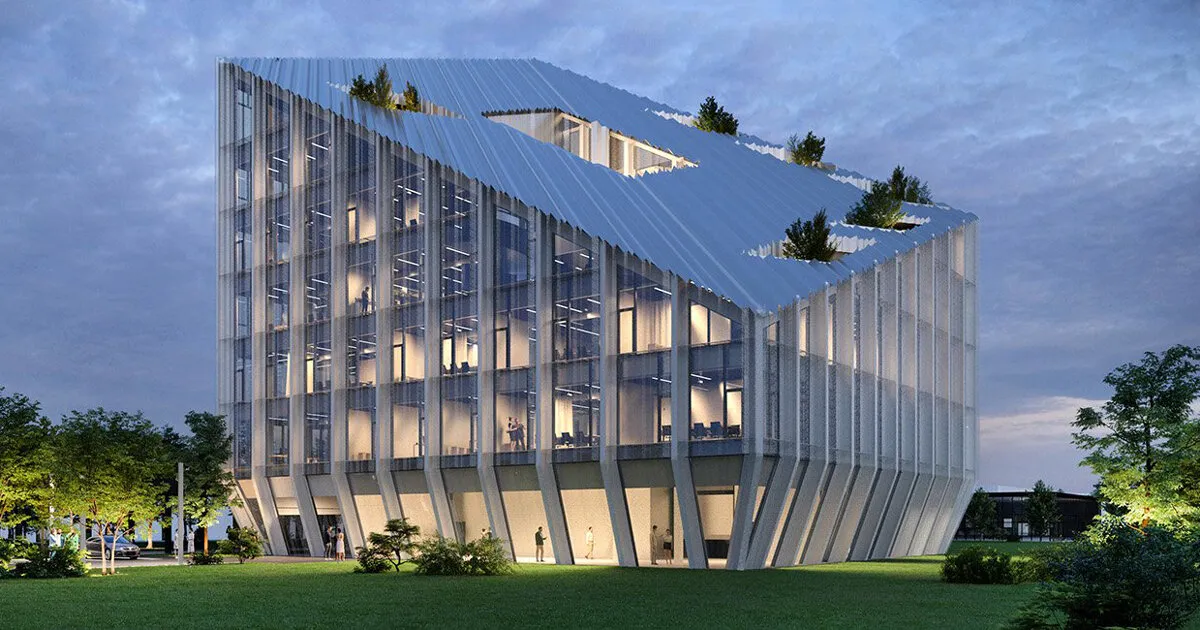
Similarly, Peter Pichler Architecture shared that its project, the Bonfiglioli Headquarters in Bologna, Italy, has been nominated for the 2026 European Union Prize for Contemporary Architecture—Mies van der Rohe Awards.
The EUmies Awards have become one of Europe’s most prominent architecture prizes. They bring visibility to architectural works that combine design excellence, social relevance, and sustainability. By emphasizing architecture’s role in shaping cities and communities, the prize supports discourse about the built environment’s future.
The 2026 edition of the EUmies Awards offers architects, clients, and the architecture profession across Europe an opportunity to engage with a rigorous, established framework that evaluates architecture not just for its form but for its broader contribution. The calendar is set, the categories defined, and the nomination process underway.
Stay tuned and mark your calendar for all the key EUmies Awards 2026 dates, from the announcement of the nominees to the shortlist, finalists, and winners.
Explore Courses
.jpg "Ondrej Chybik - Rethinking Architecture")