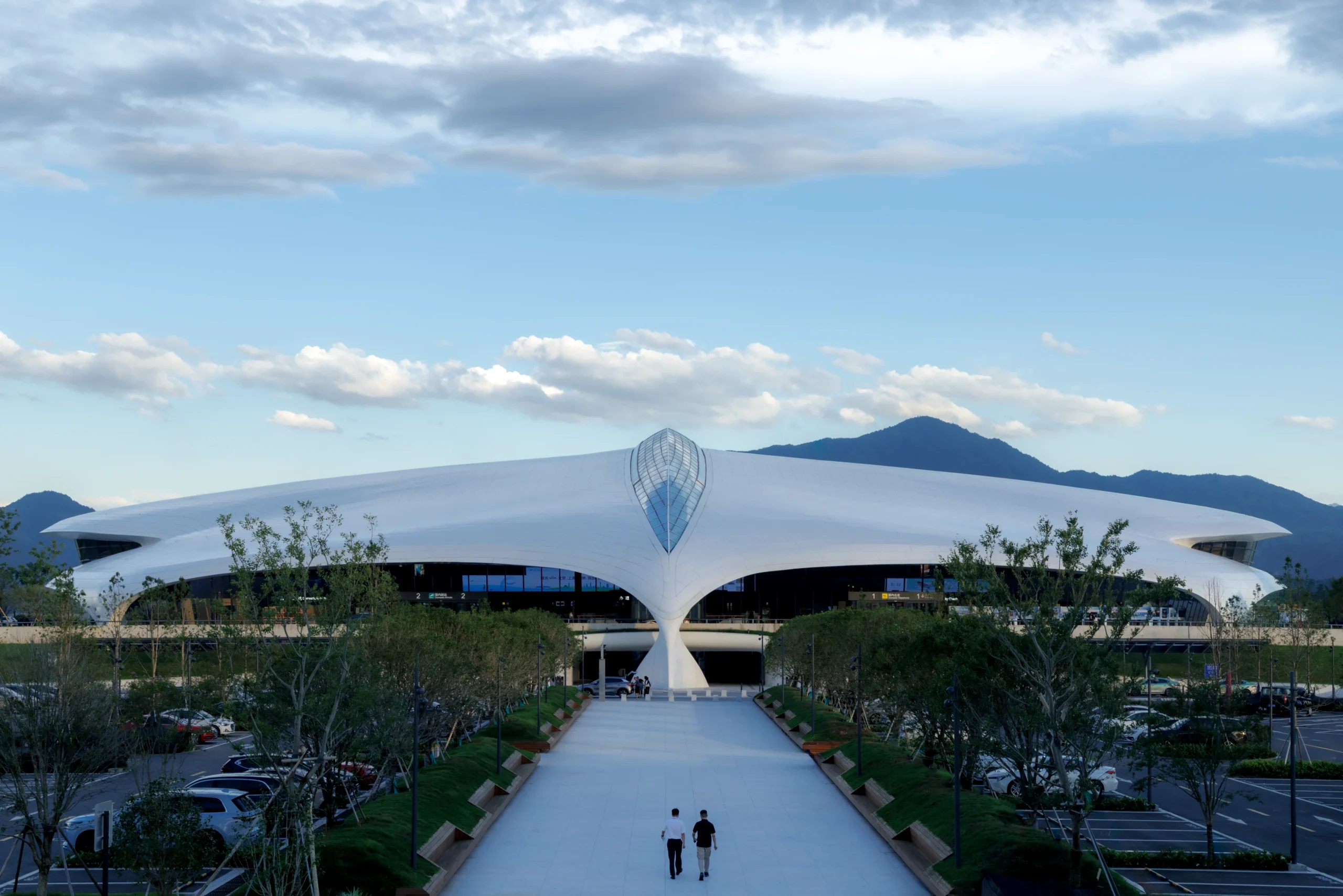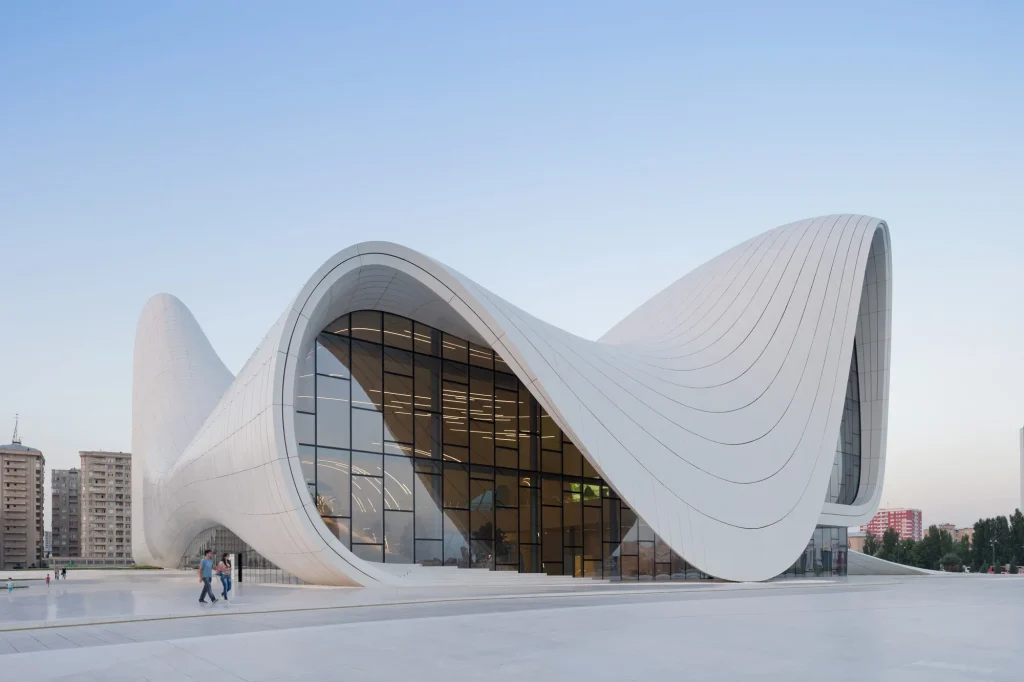


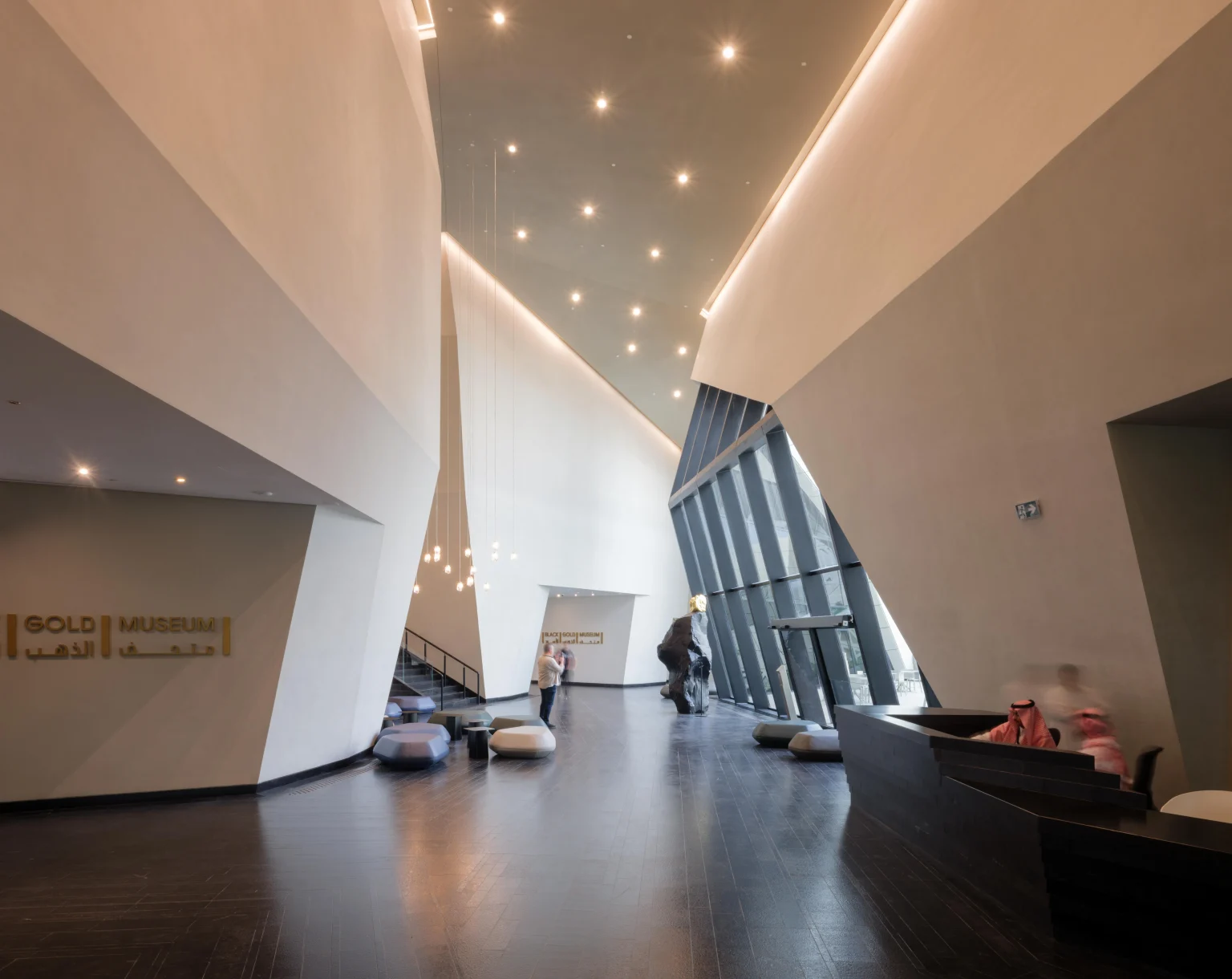


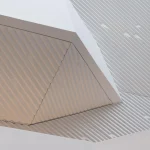
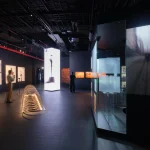
Now open on the KAPSARC campus in Riyadh, the Black Gold Museum by DaeWha Kang stands as a future-ready cultural landmark and one of Saudi Arabia’s most ambitious adaptive reuse projects. Developed through a collaboration between the Ministry of Culture’s Museums Commission and KAPSARC, with support from the Quality of Life Program, the museum reimagines Zaha Hadid’s former research library as a 6,800 m², four-storey cultural institution, showcasing the transformative potential of adaptive reuse.
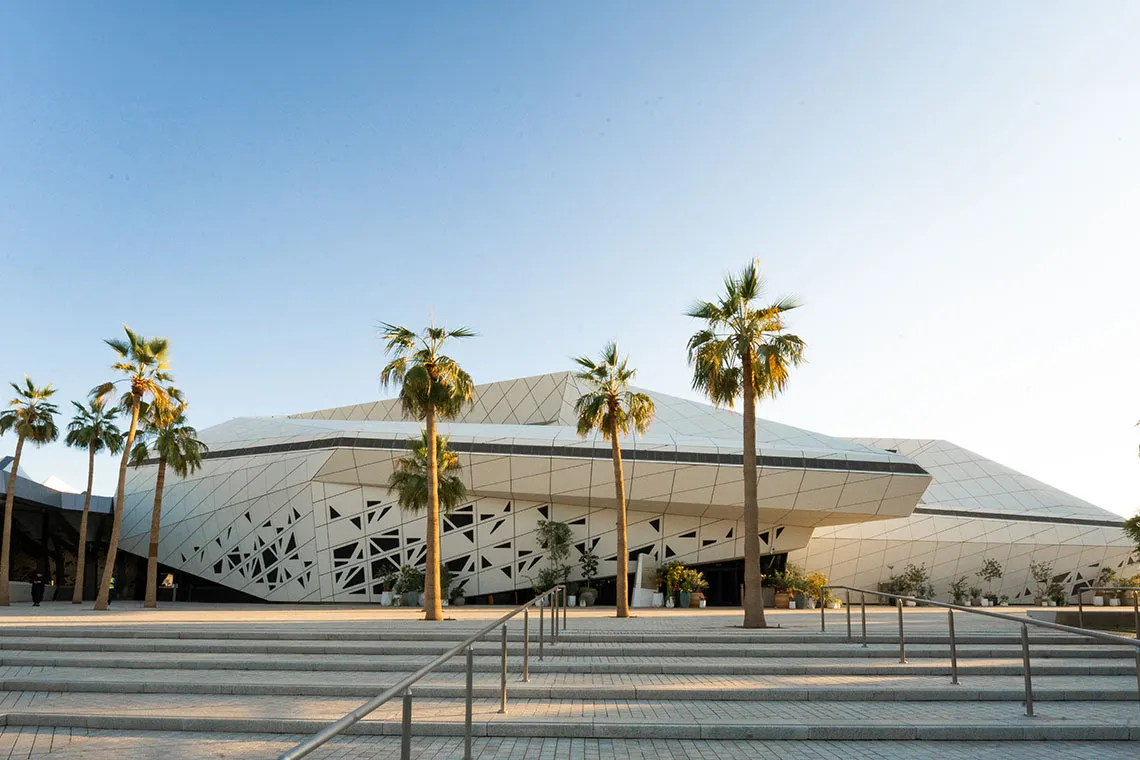
Through modern and contemporary art, the museum explores oil’s transformative impact on humanity with a focus on its origins, power, contradictions, and future, offering a deeply layered spatial and intellectual experience.
Adaptive Reuse with Minimal Intervention
The design of the Black Gold Museum by DaeWha Kang limits structural alterations, adding only 440 m² (6% of the total built area), showcasing a precise and carefully calibrated approach. These insertions establish new circulation routes, allowing the former library to function seamlessly as a major museum while preserving its architectural integrity.
The upgraded interiors now include museum-grade lighting, 14 flexible gallery spaces, advanced climate control systems, and comprehensive back-of-house facilities. This ensures the conservation and display of over 350 artworks and large-scale installations to international standards, positioning the museum as a world-class cultural venue.
Spatial Transformation and Visitor Journey
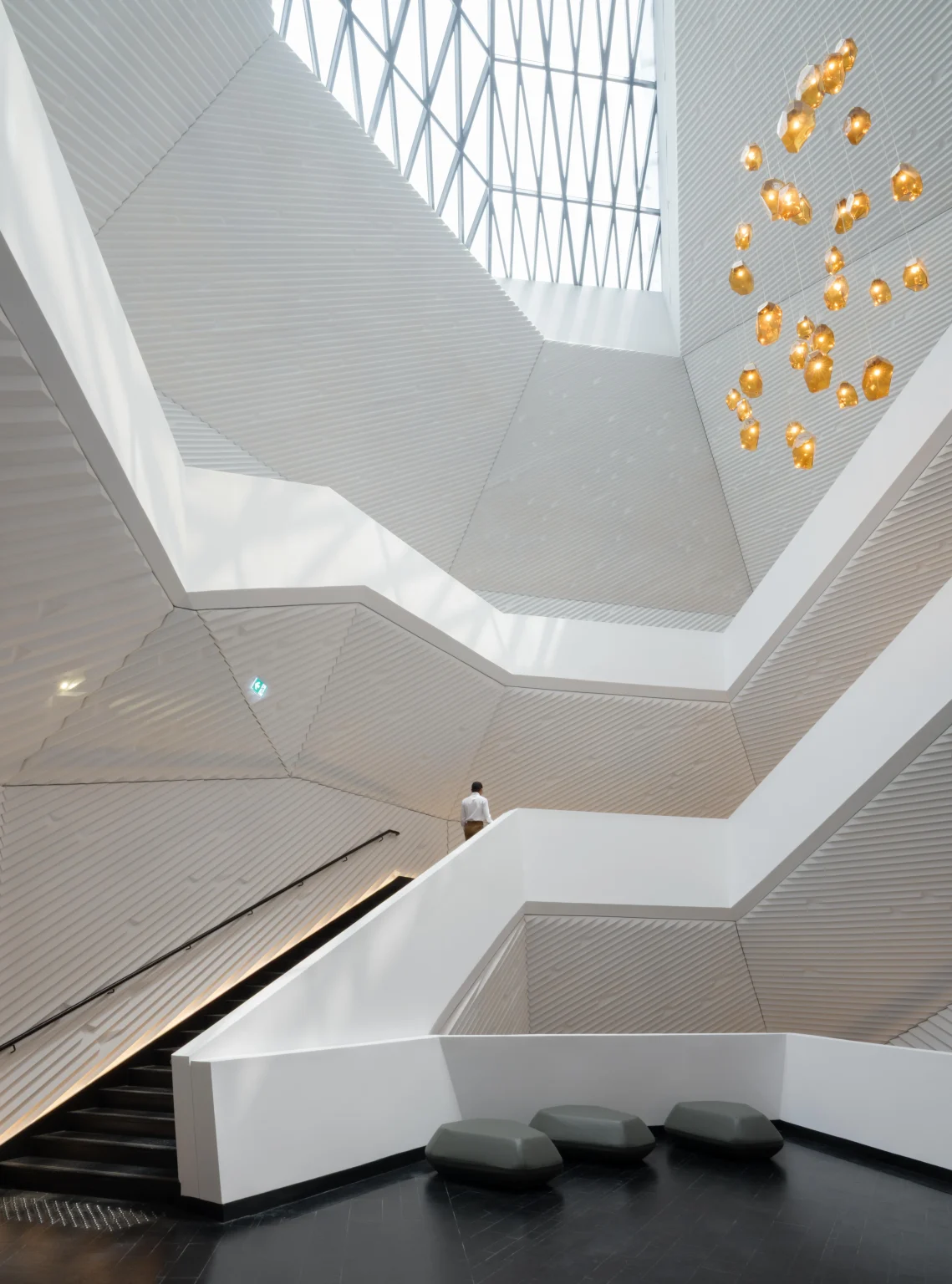
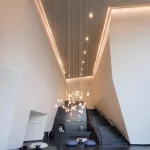
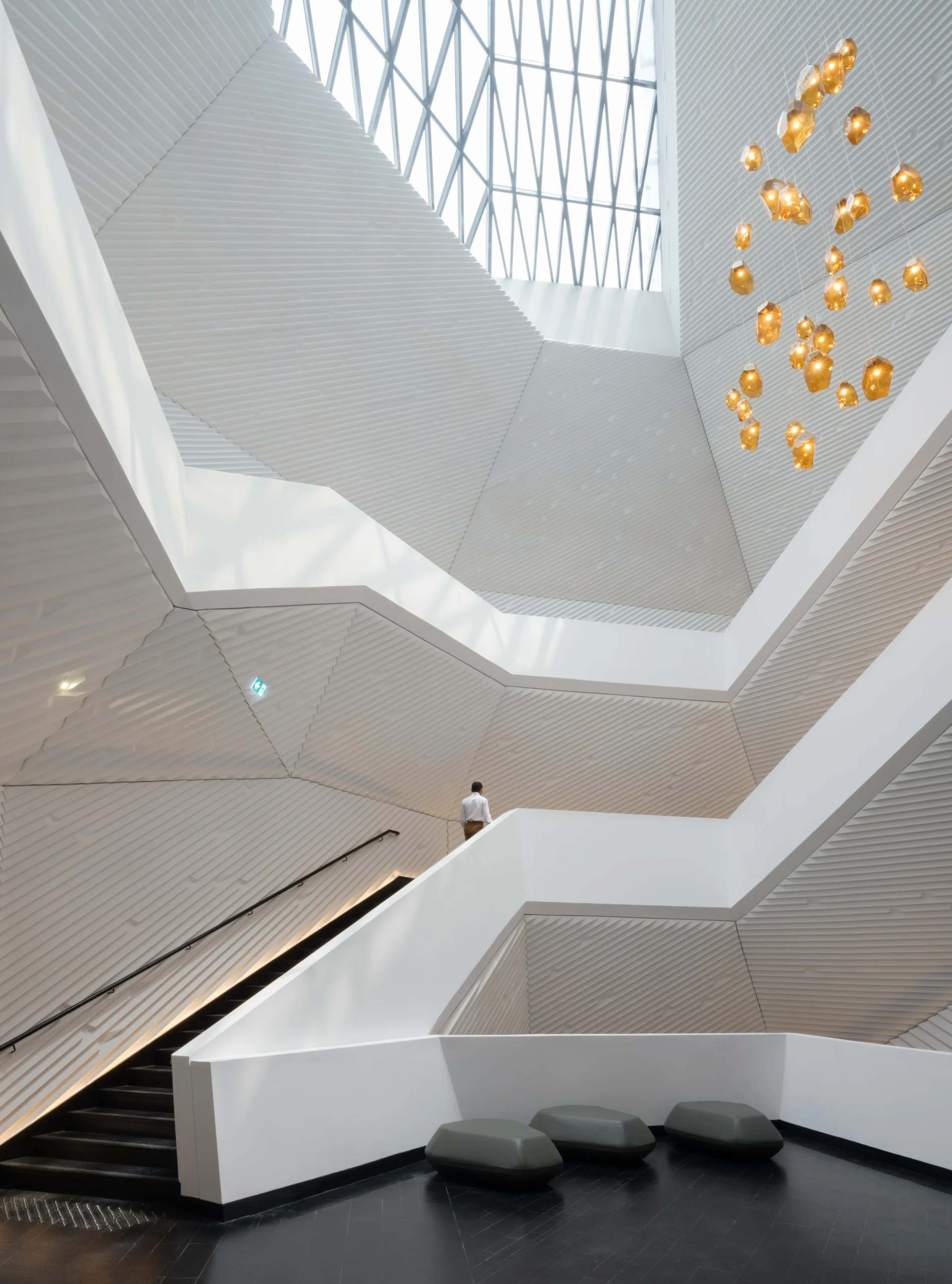
At the heart of the redesign of the Black Gold Museum is a new central atrium paired with a sculptural spiral staircase, creating a powerful spatial anchor. The previously enclosed zones have been opened to introduce natural daylight, improving visibility, orientation, and a sense of openness across levels.
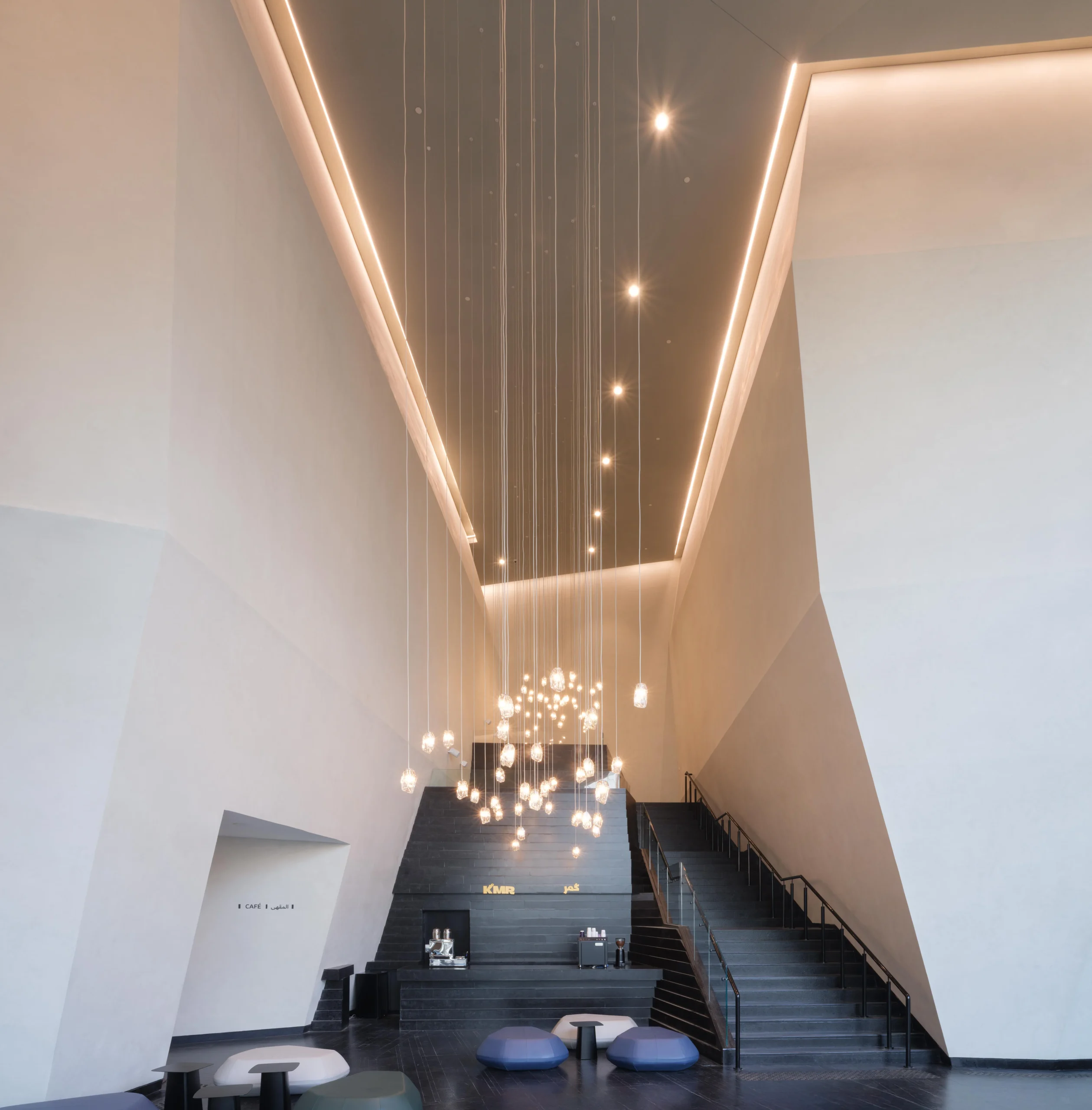
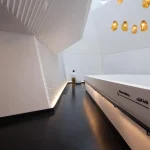
The layout carefully choreographs movement from the basement to the fourth floor and back, ensuring a fluid, intuitive journey. Every transition is designed to evoke discovery, guiding visitors through the museum with clarity while maintaining moments of pause, reflection, and visual connection.
Material Language Rooted in Geology and Science
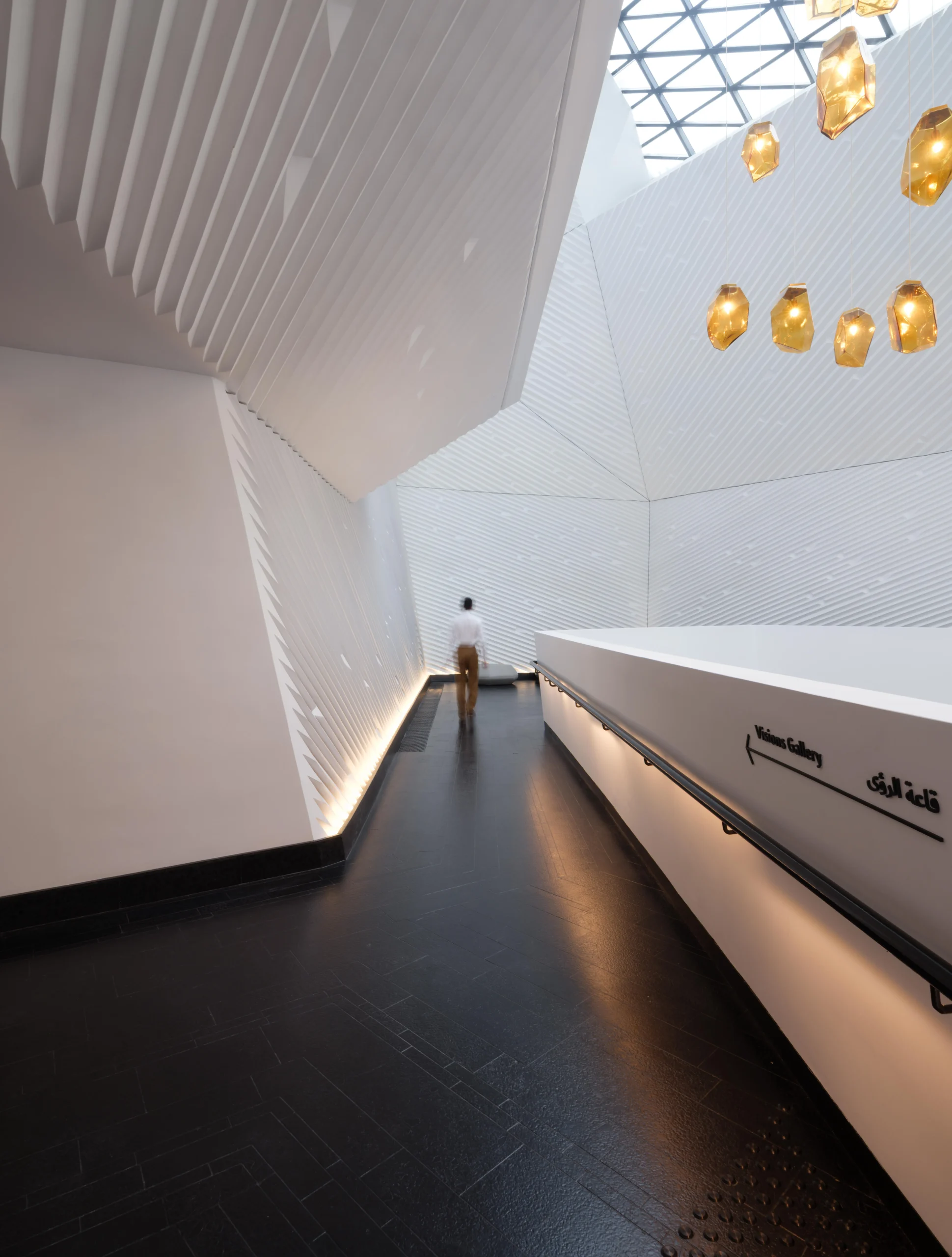
The interior palette of the museum design draws heavily from Saudi Arabia’s geological landscapes that include wadis, canyons, and layered sediment formations. These references are translated into textures, tones, and surfaces that ground the museum in its regional context.
At the same time, subtle patterns inspired by hydrocarbon molecular structures introduce a scientific dimension. Hexagonal geometries echo natural formations and the architectural language of King Abdullah Petroleum Studies and Research Center, creating a cohesive dialogue between nature, science, and design.
Thematic Galleries: Encounter, Dreams, Doubts, Visions
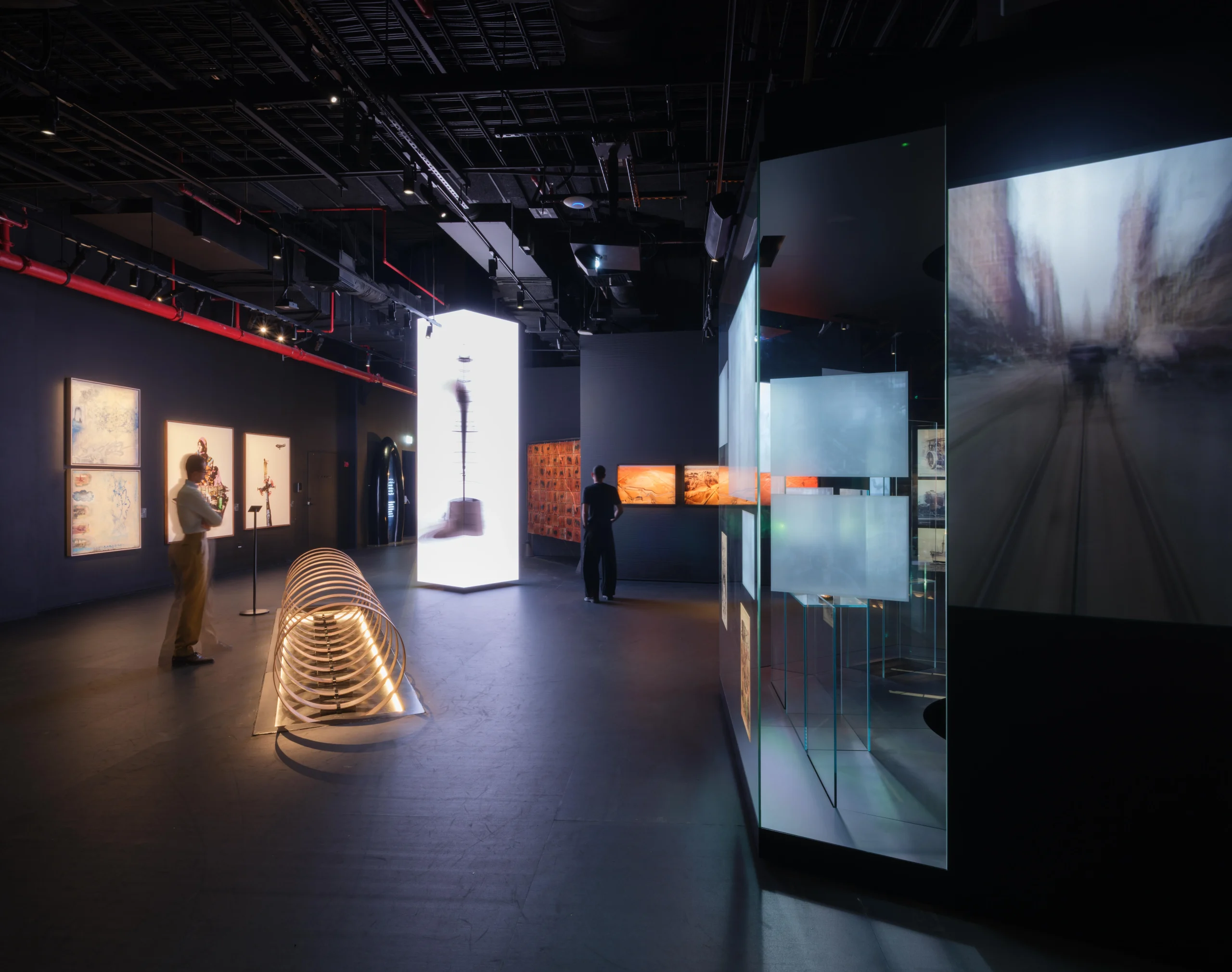
The museum’s narrative unfolds across four thematic galleries, namely Encounter, Dreams, Doubts, and Visions, each shaped through light, proportion, and materiality to create distinct atmospheres.
- Encounter explores the discovery of oil and its early industrial impact.
- Dreams reflects its role in economic growth and societal ambition.
- Doubts introduce critical perspectives on environmental consequences and dependency.
- Visions look ahead, fostering dialogue around future energy systems and possibilities.
Together, these spaces transform storytelling into an immersive, spatial experience.
Sustainability and Long-Term Cultural Vision
Sustainability is embedded at every level of the project. By preserving the existing façade and structure, the design significantly reduces embodied carbon, material waste, and construction impact. Durable finishes such as terrazzo and polished plaster enhance longevity, while efficient climate systems and backup infrastructure ensure operational resilience.
Supported by the Saudi Ministry of Culture in partnership with the King Abdullah Petroleum Studies and Research Center, and funded through the Quality of Life Program, the Black Gold Museum sets a benchmark for future cultural institutions. Adaptive reuse, thoughtful design, and strong operational planning can transform heritage into a future-ready platform for global cultural dialogue.
Credit: Black Gold Museum, DaeWha Kang Design