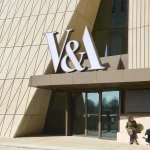
The new V&A East Museum emerges as a cultural landmark in London, combining intellectual depth with a bold architectural presence. Designed by O’Donnell+Tuomey, the five-storey museum is set to open on 18 April 2026 at East Bank within Queen Elizabeth Olympic Park.
Positioned on Waterfront Square, the building is conceived as a cultural destination and an extension of the public realm, inviting visitors into an open, accessible, and collective environment. As architect John Tuomey notes, the vision has always been to create a new kind of museum that feels welcoming to all.
A Sculptural Vision Inspired by Fashion
The design of the V&A East Museum draws from the legacy of Cristóbal Balenciaga, whose work reshaped modern fashion through precision and a refined understanding of space. His interpretation of Ma, often described as the space between, informed garments that worked with the body rather than constraining it.
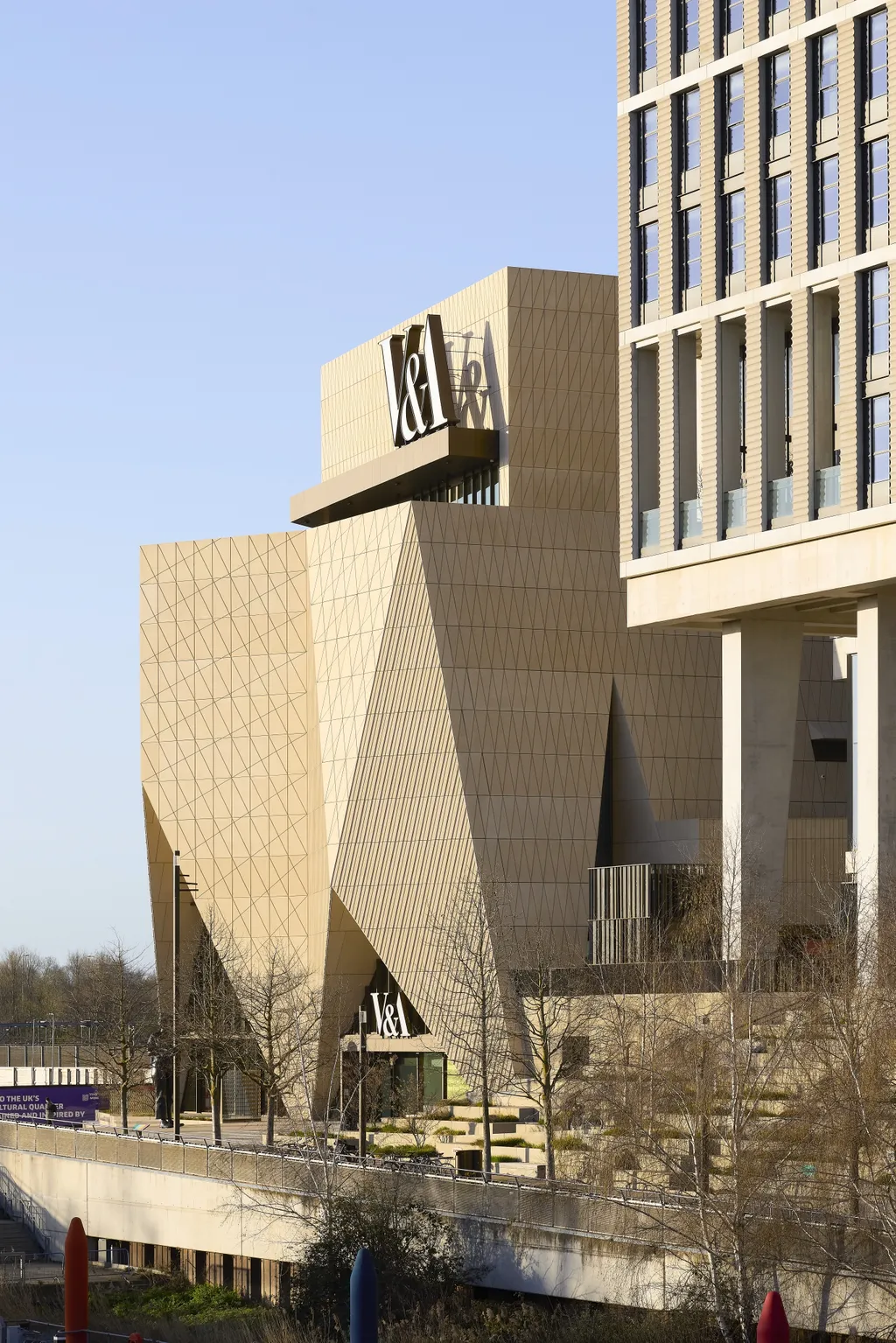
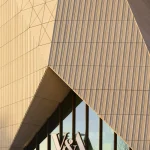
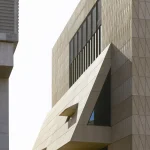
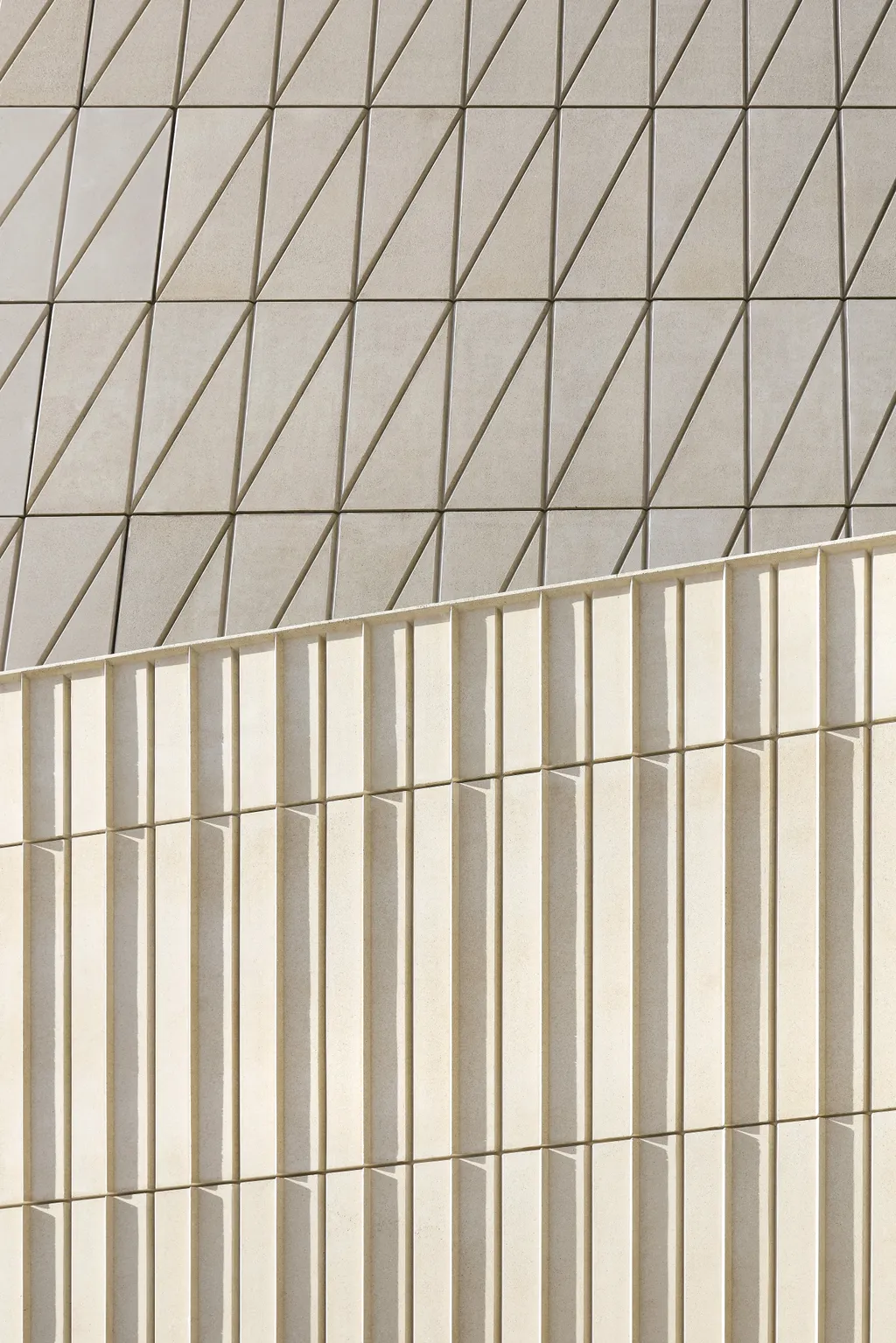
This approach is translated into architecture through a layered composition. A protective outer shell wraps a rational inner core, while the space between becomes an active zone of movement. Circulation routes unfold through this interstitial layer, guiding visitors upward and turning movement into an experience. The façade itself reads like a folded surface, soft yet monumental, shifting in character as light and perspective change. The result is a building that feels sculptural and fluid, where structure and skin are separated to create depth, rhythm, and anticipation.
Folded Façade as an Urban Signal
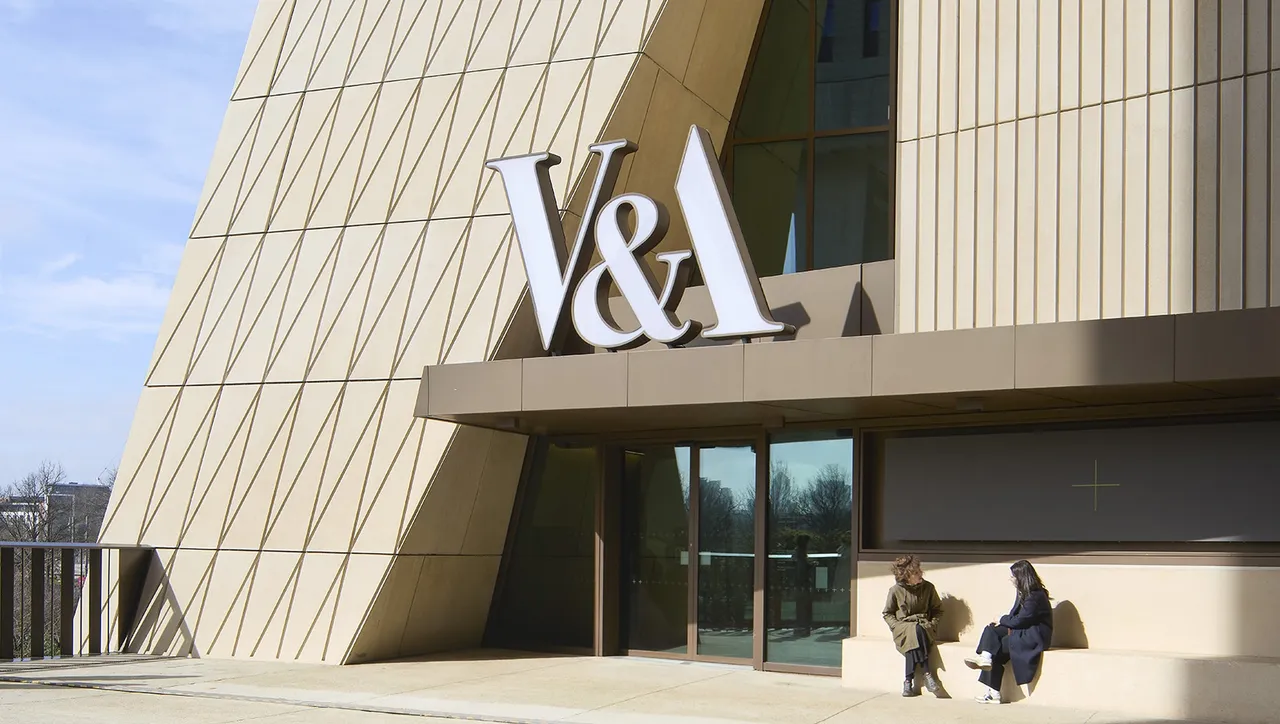
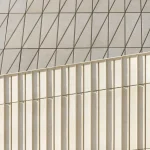
The exterior of the V&A East Museum London by O’Donnell+Tuomey Set to Open with Couture-Inspired Design is formed by 479 precast concrete panels, each uniquely shaped and subtly embedded with references to the V&A’s graphic identity. This folded geometry gives the museum design a strong visual presence while modulating daylight across its surface throughout the day.
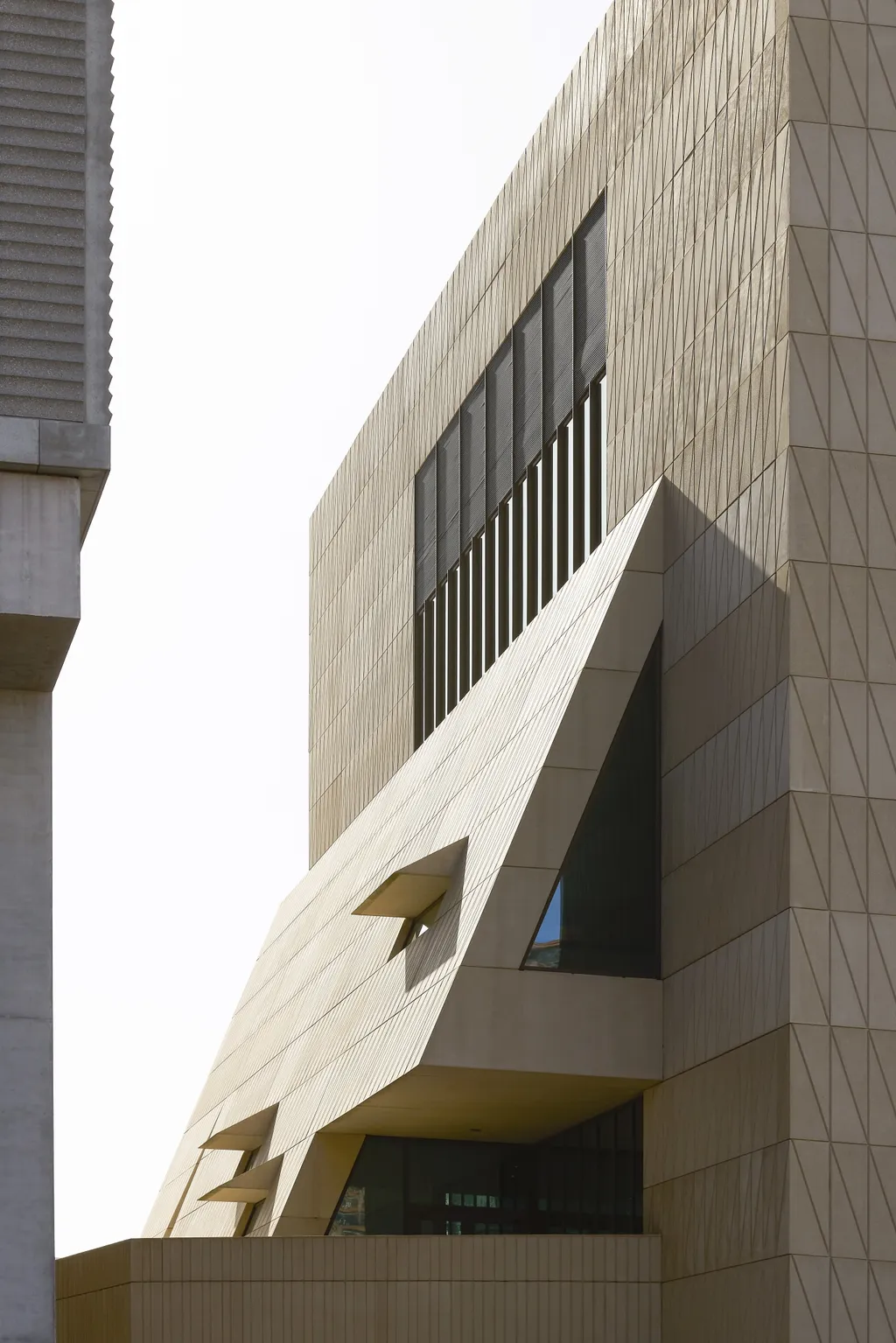
Instead of forming a closed object, the building extends into the public realm with integrated seating elements soften the edges of the structure, encouraging people to gather and engage with the space. The museum becomes part of the square itself, reinforcing its role as a civic anchor within Stratford’s evolving urban landscape.
Connecting Stratford Through Public Space
Located in Stratford, the museum links surrounding residential neighborhoods with the cultural institutions of Stratford Waterfront. Elevated spaces, including a rooftop terrace and a café overlooking Waterfront Square, open up wide views across the park and the city.
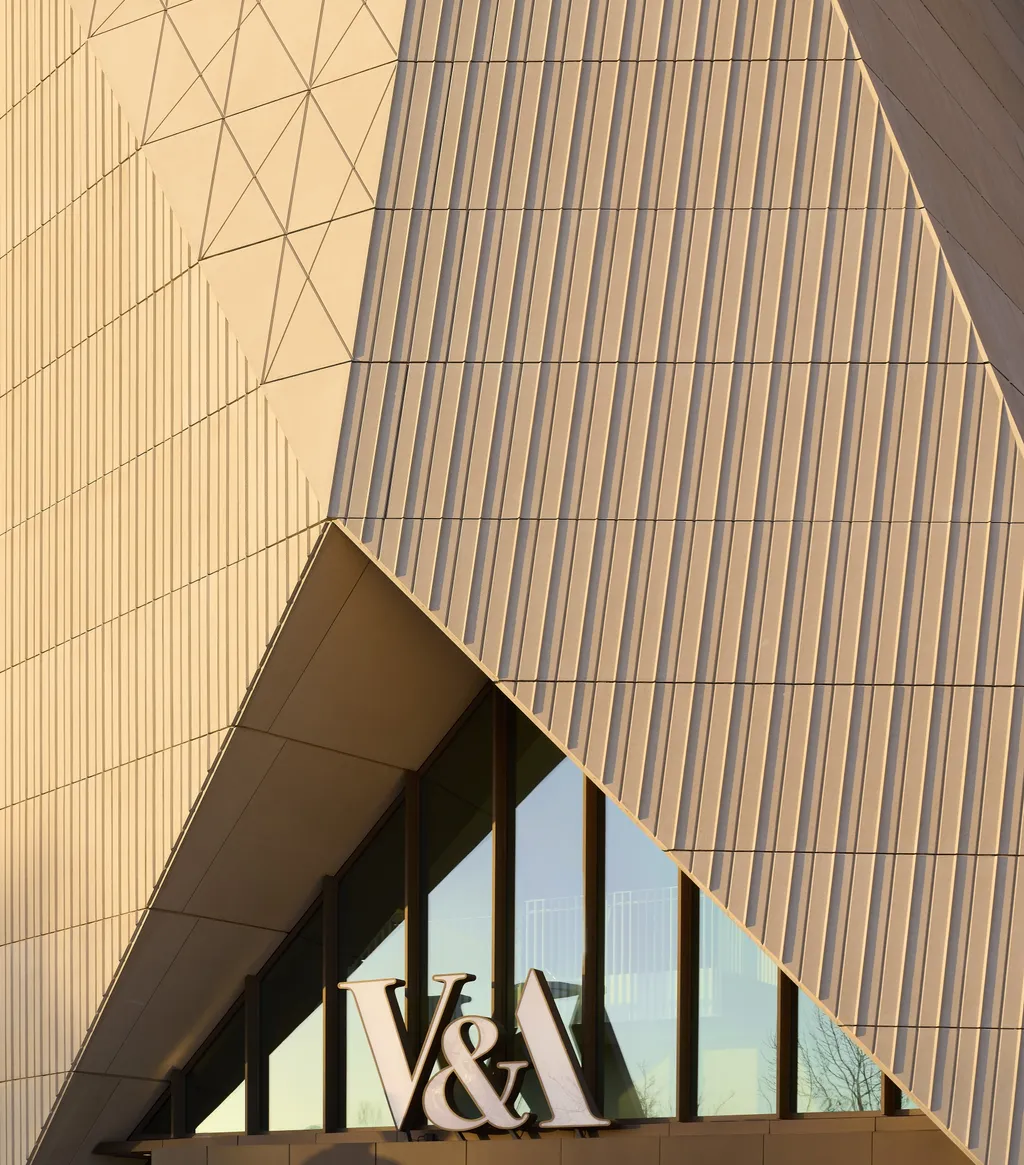
Two entrances, one at podium level and another from the waterfront, provide barrier-free access through carefully shaped openings that echo garment-cutting techniques. These entry points strengthen the building’s connection to the city while inviting movement through and around it, making the urban landscape part of the overall experience.
Internally, the building is organized around a central core, with galleries arranged across vertically connected levels. A continuous circulation path is carved into the thickness of the outer walls, guiding visitors through a sequence of spaces that feel both intuitive and exploratory.
Material continuity plays a key role. Terrazzo concrete floors reflect the tones of the exterior, visually linking the interior with the surrounding public landscape. Openings frame views toward East Bank and the wider city, while terraces bring natural light deep into the plan, enhancing the sense of openness.
At the heart of the museum is a large, flexible gallery designed to host major temporary exhibitions alongside evolving creative programs. Spanning approximately 6,420 square metres, the museum will showcase the V&A’s renowned collections alongside contemporary art, design, and performance.
As emphasized by Gus Casely-Hayford, the institution aims to respond to global challenges by bringing people together, celebrating diversity, and encouraging dialogue through creativity. Beyond exhibitions, the museum will host events, installations, and community-led projects, along with a café, shop, and outdoor spaces.
Designed with inclusivity at its core, V&A East Museum positions itself as a civic and cultural platform rooted in East London while engaging with a global creative community offering visitors not just exhibitions, but a sense of belonging and shared experience.