

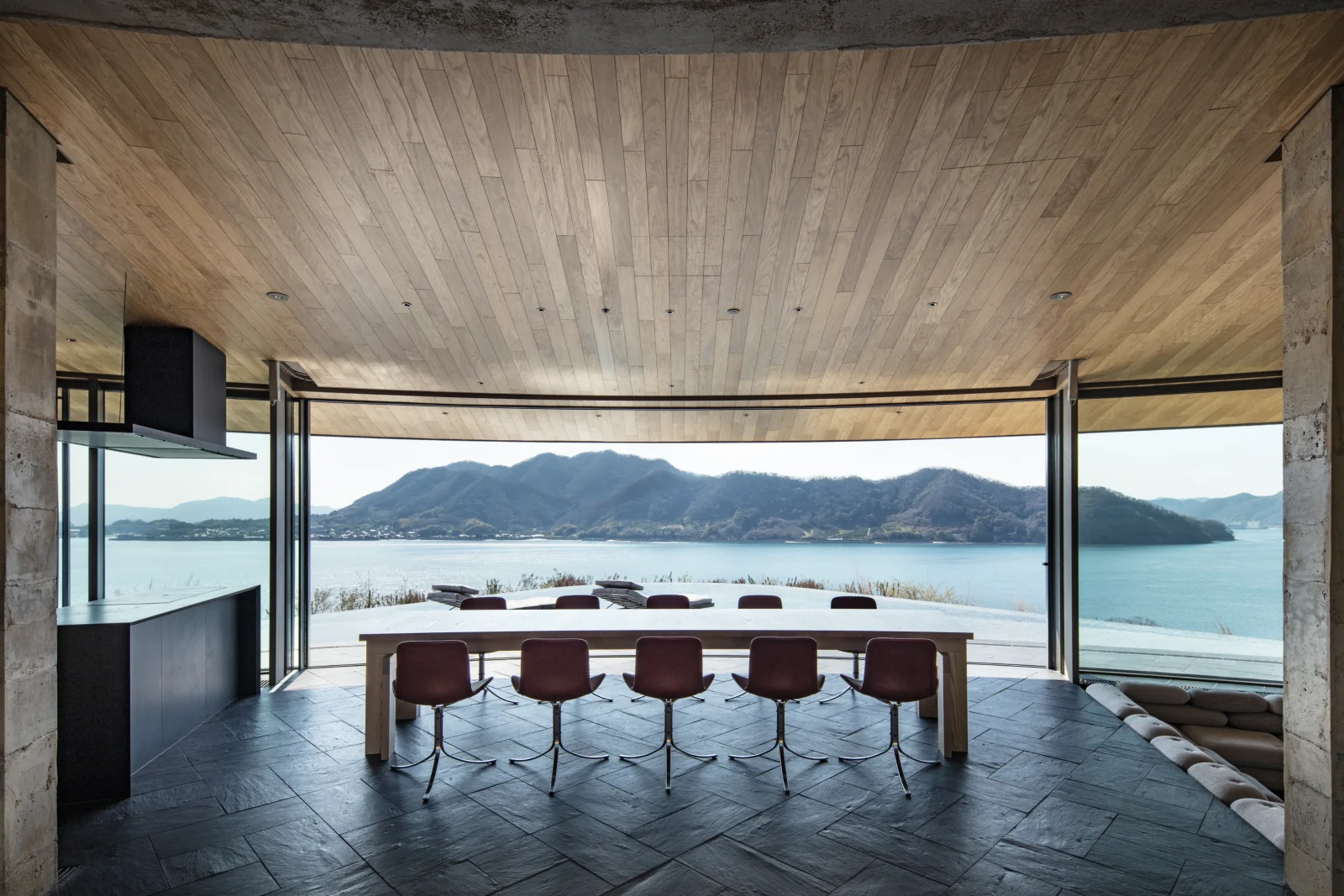
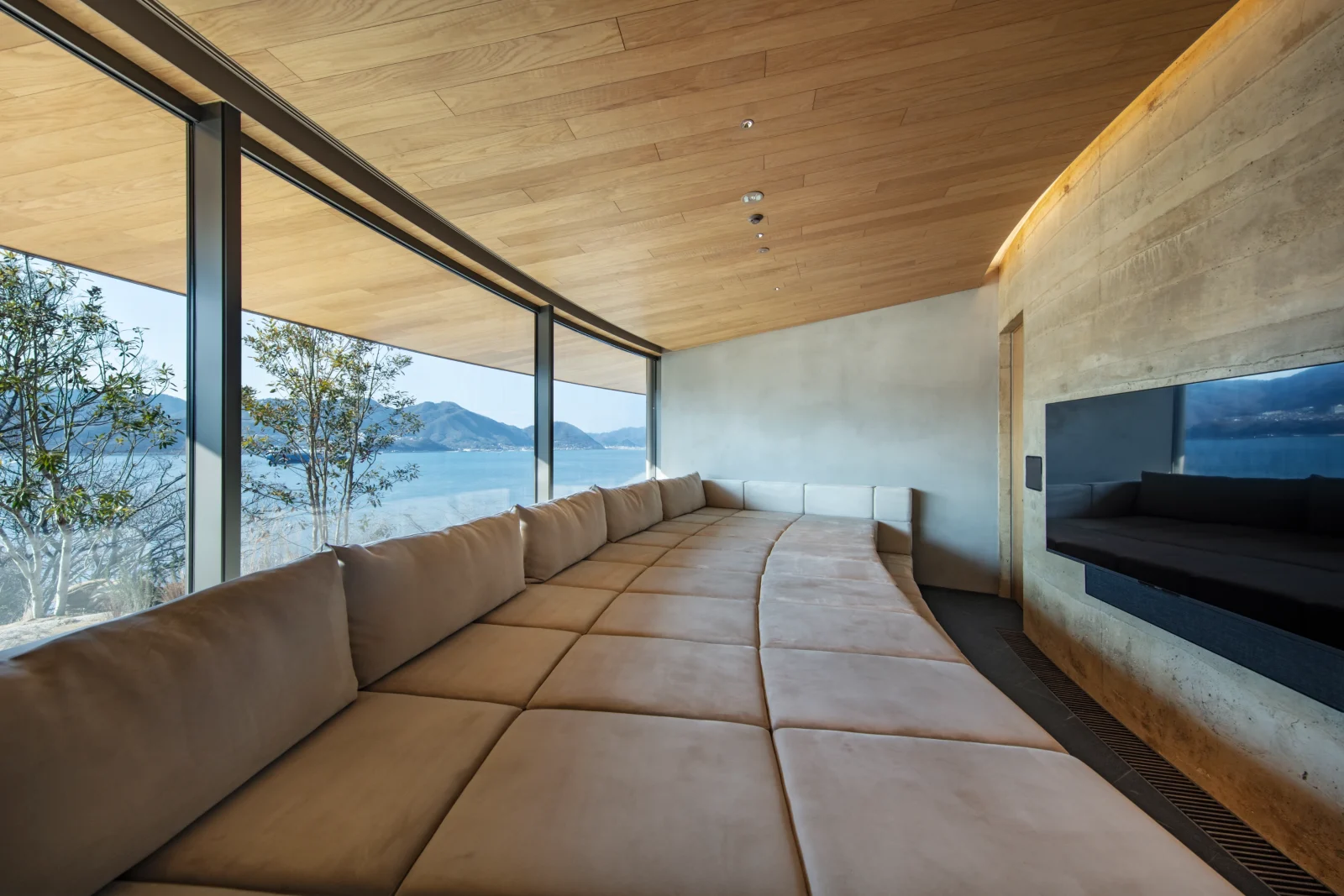
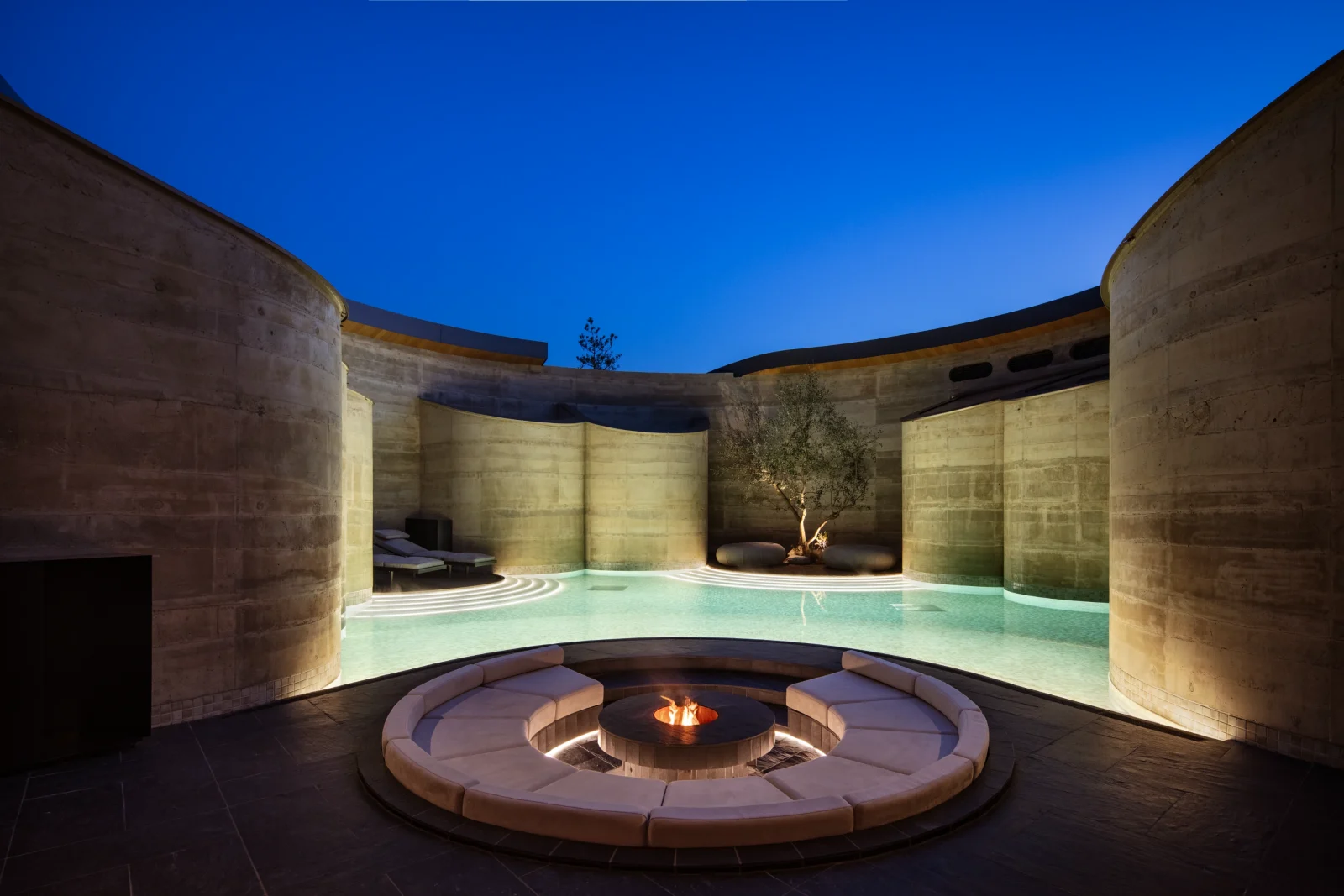
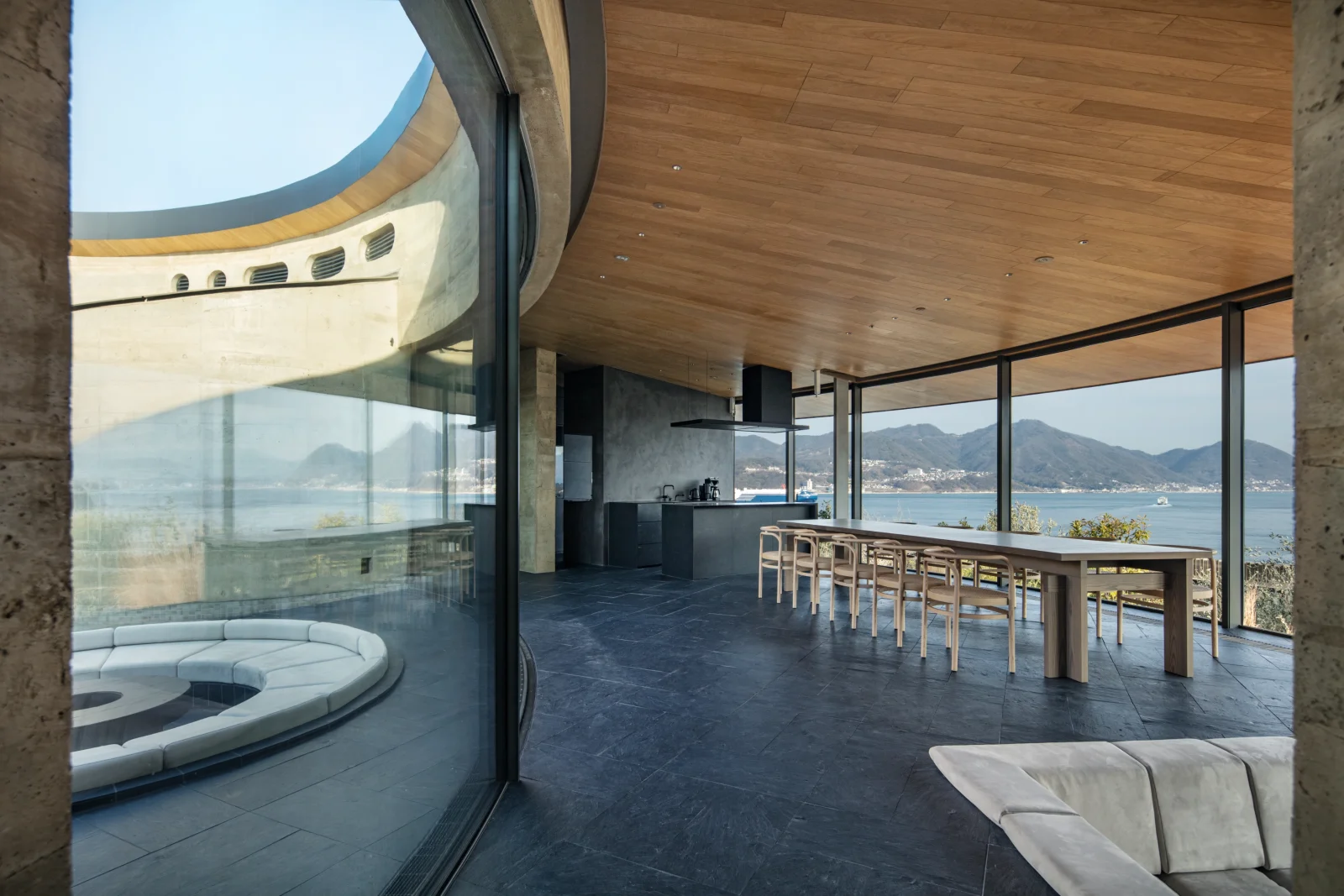
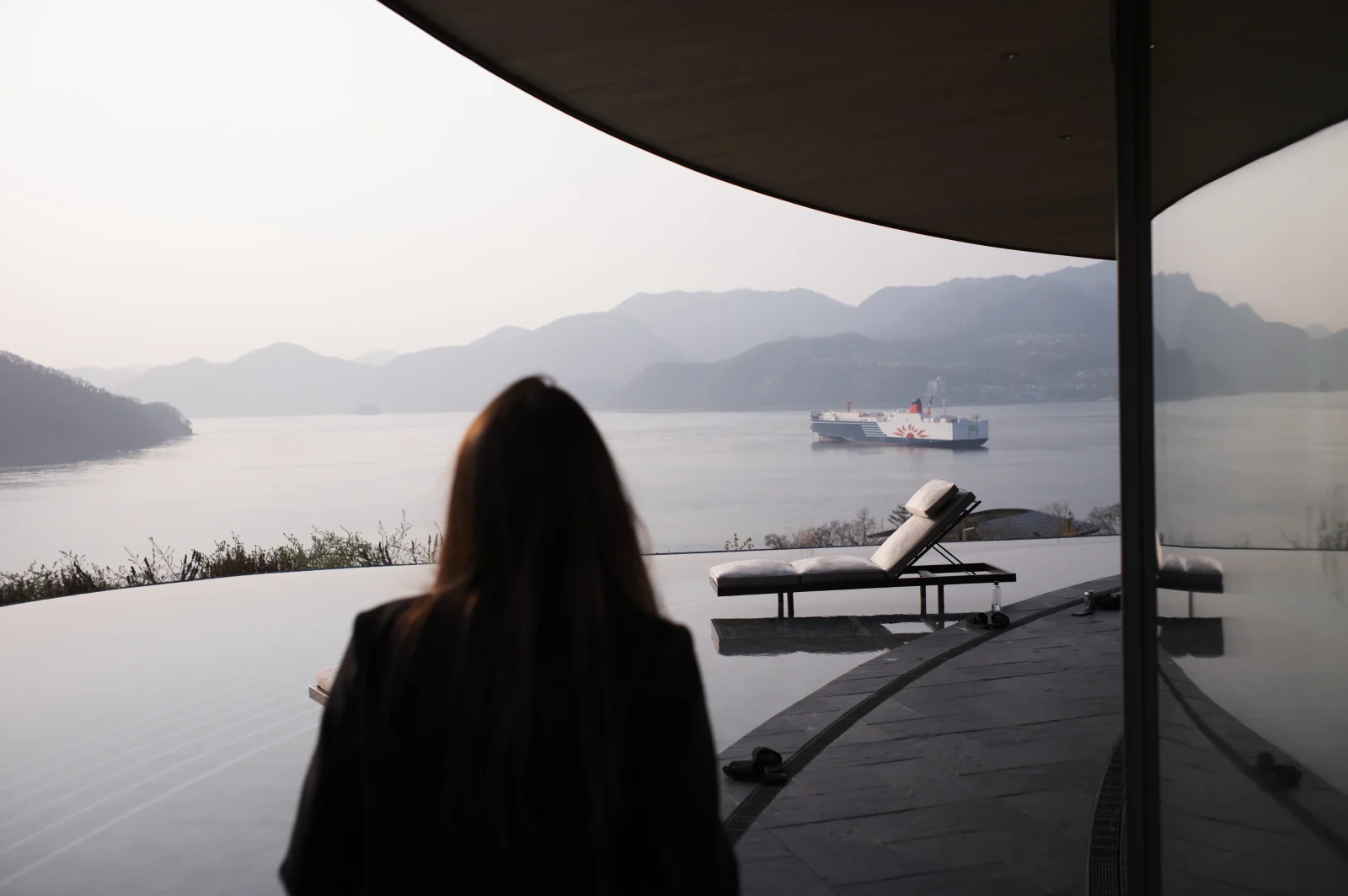
Bjarke Ingels Group completes its first built project in Japan with NOT A HOTEL Setouchi, a sculptural island retreat shaped by rammed earth, panoramic views, and Japanese spatial traditions.
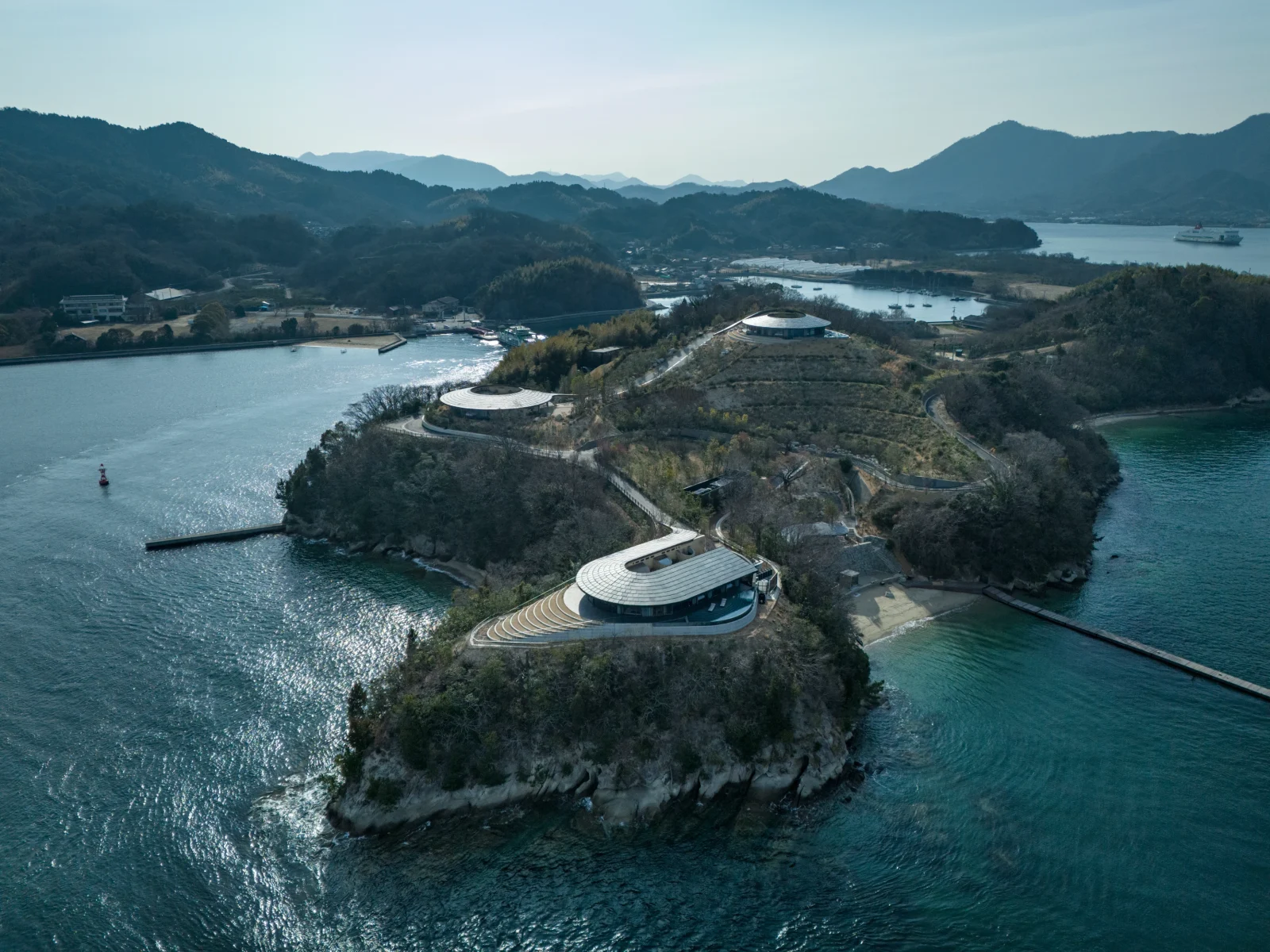
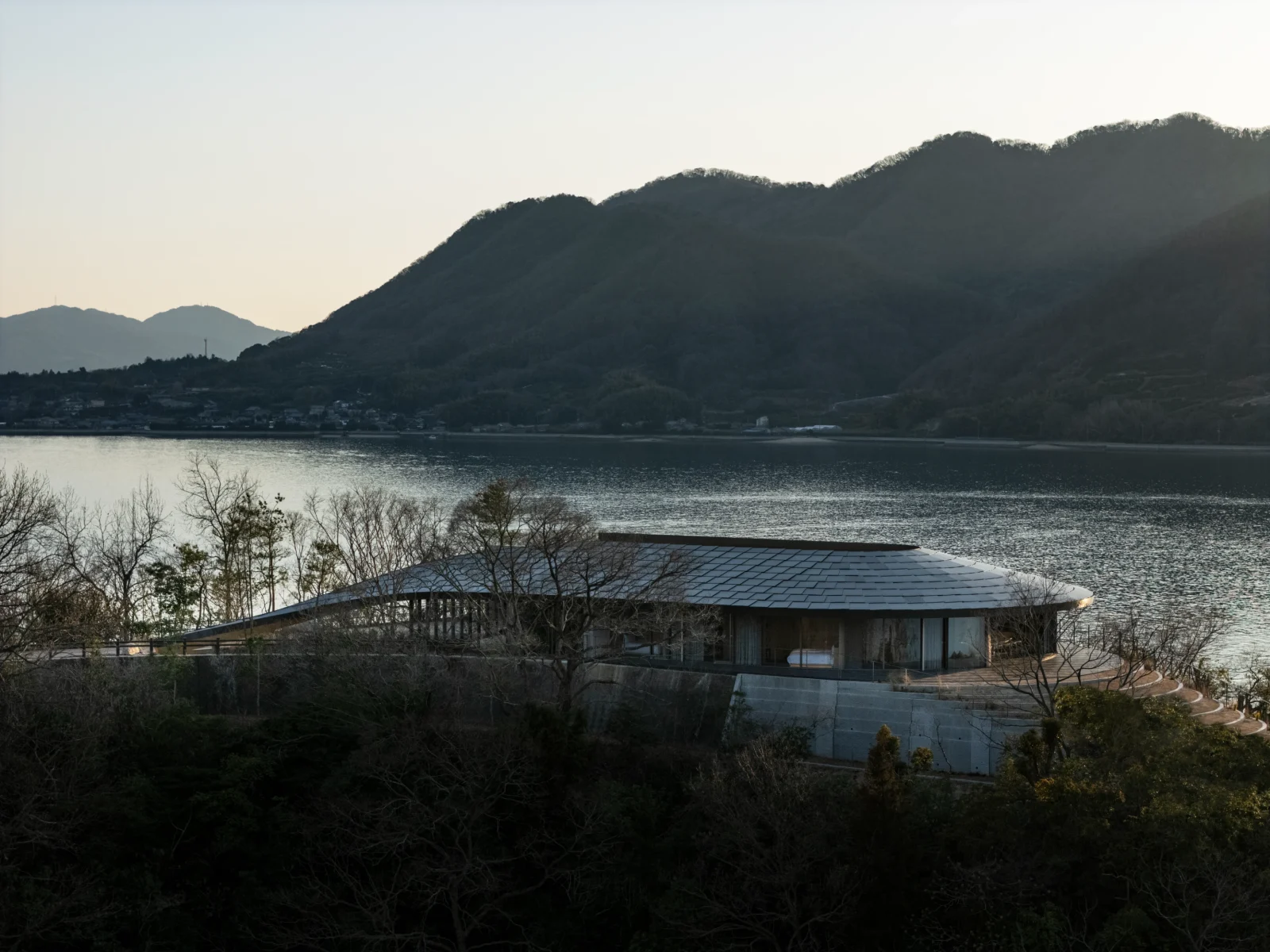
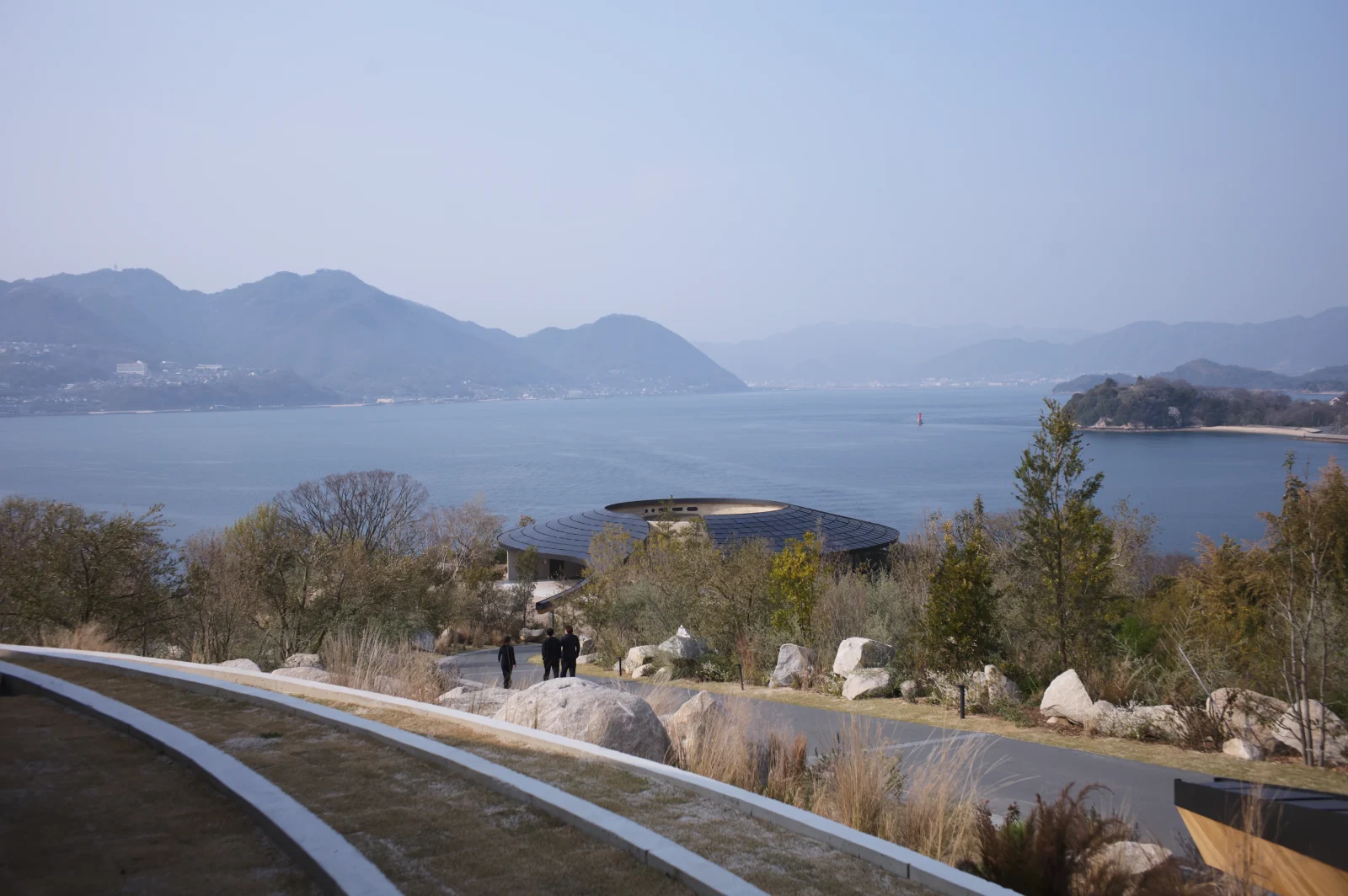
NOT A HOTEL Setouchi marks an important turning point for Bjarke Ingels Group (BIG) as the studio completes its first built project in Japan. Located on Sagishima Island in Hiroshima Prefecture, the development brings together three private villas and a communal restaurant in a dramatic coastal setting shaped by the calm waters and layered topography of the Seto Inland Sea.
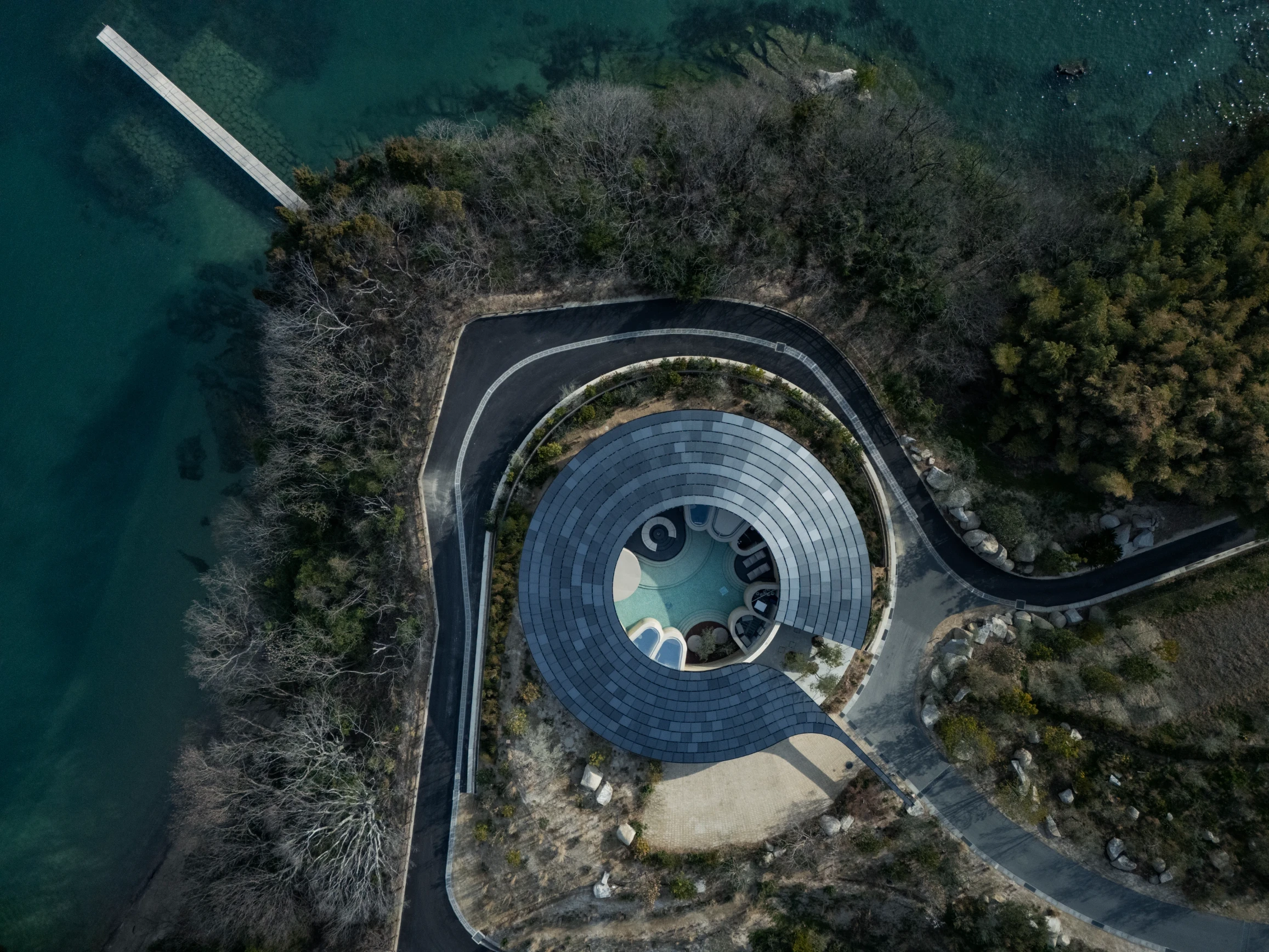
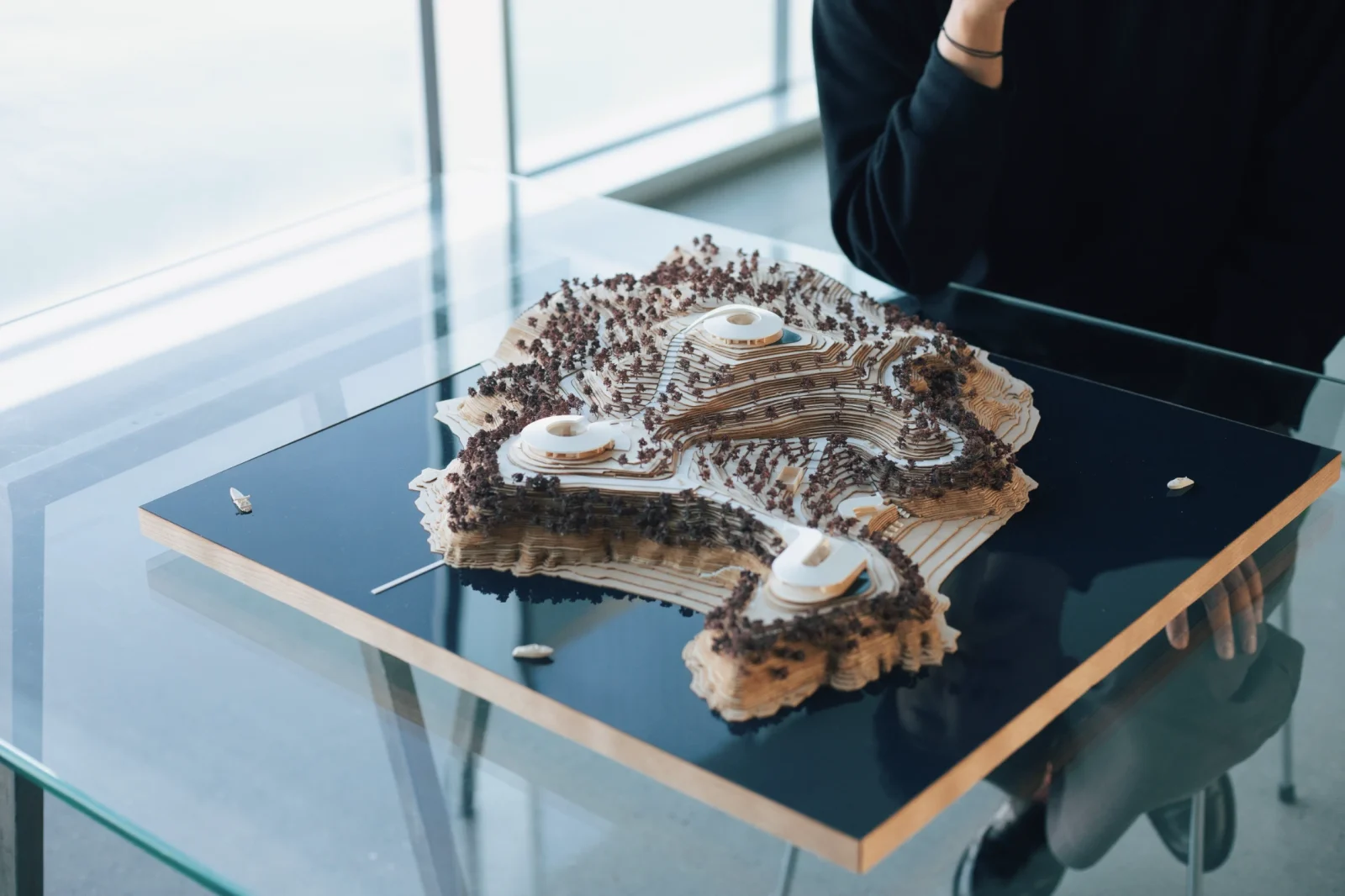
The buildings are designed as extensions of the landscape placed within. Each one is carefully positioned to respond to the island’s contours, using orientation, geometry, and framed views to make the surrounding scenery an integral part of the architecture.
BIG’s Landscape-Integrated Design Approach
The three villas are named 360, 270, and 180, referencing the degrees of view each one commands across the sea and surrounding islands. This naming system is central to the design concept, where architecture is organized around the act of seeing and inhabiting the landscape.
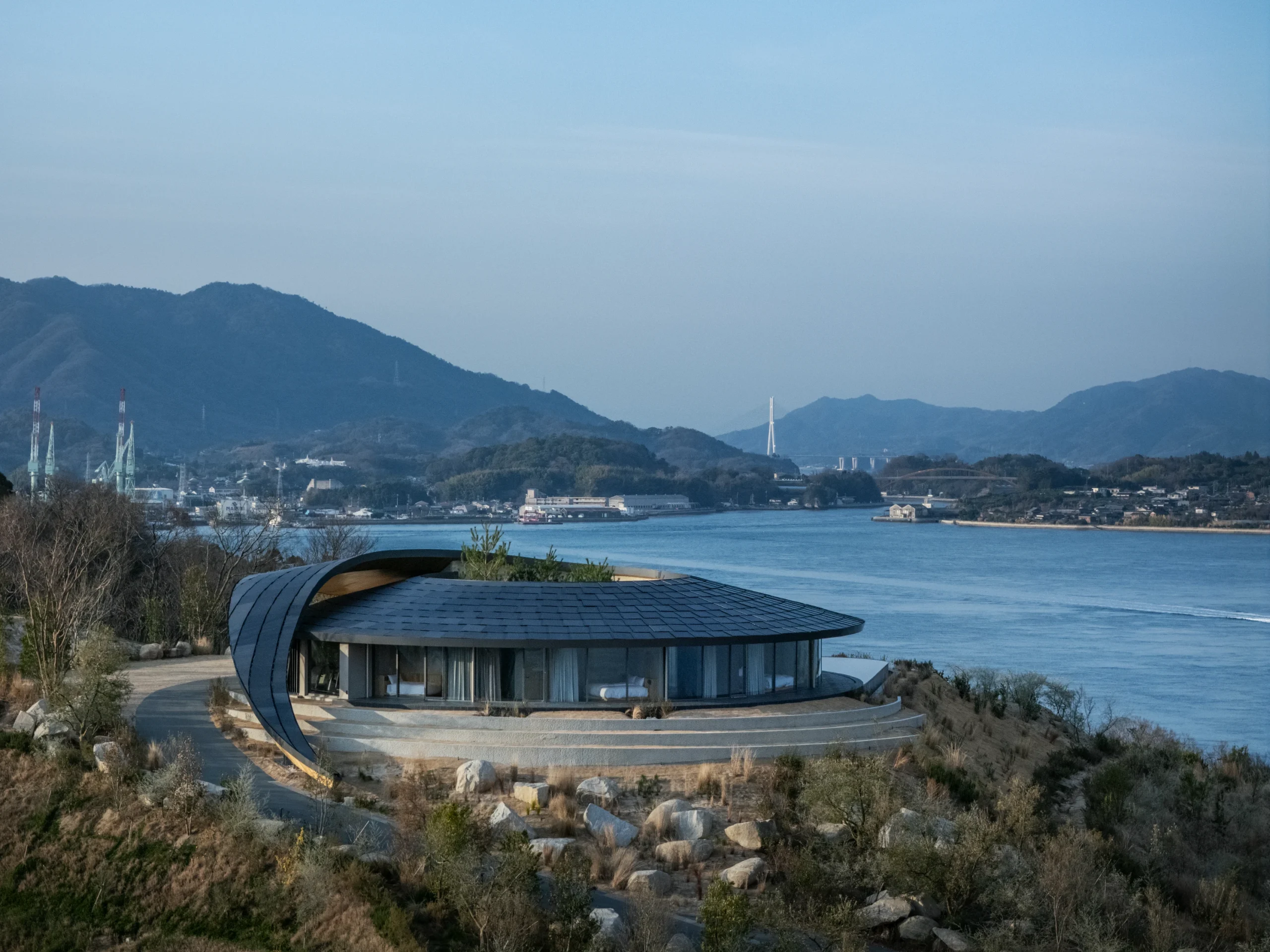
BIG approaches the site as a composition of hilltops, cliffs, and peninsulas, allowing each villa to respond differently to its immediate terrain. The result is a set of buildings that feel topographically informed. Their low, sculptural profiles reinforce this relationship, helping them settle into the island’s natural edges while maintaining a strong visual identity.
NOT A HOTEL Setouchi Reinterprets Traditional Japanese Design
A key strength of NOT A HOTEL Setouchi lies in how it draws from traditional Japanese architecture without slipping into imitation. The project borrows spatial and material cues from vernacular domestic design and reworks them through a contemporary lens.
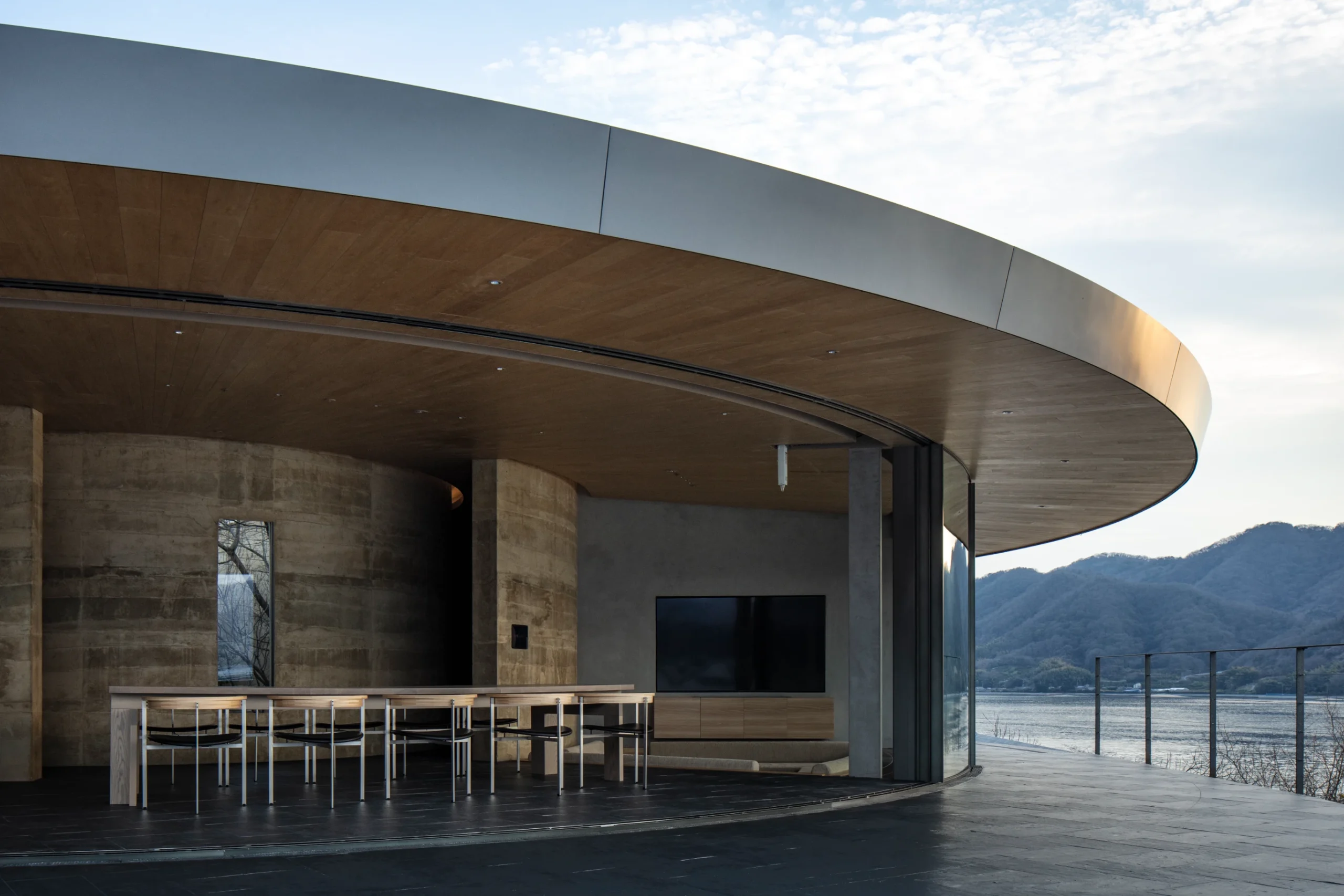
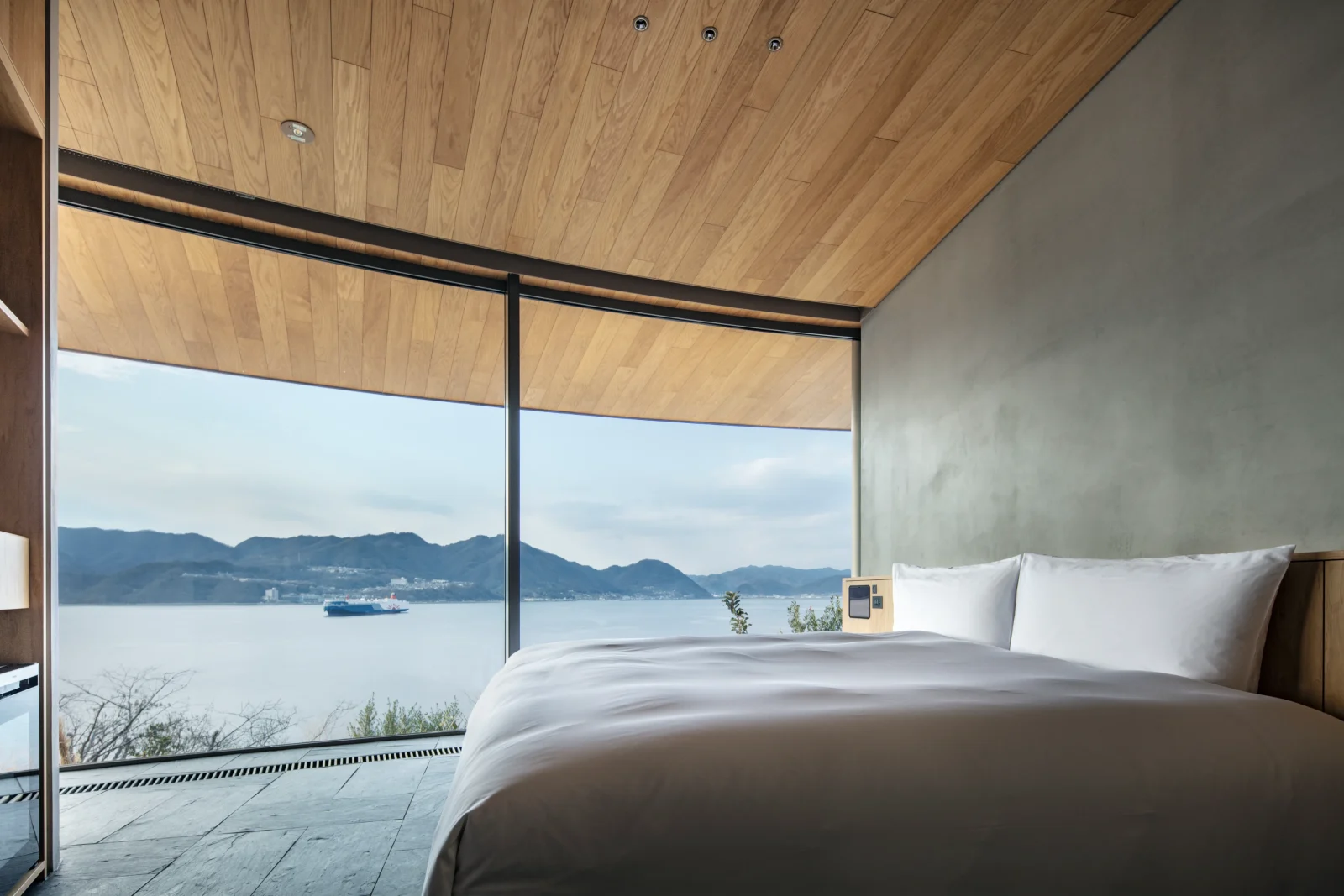
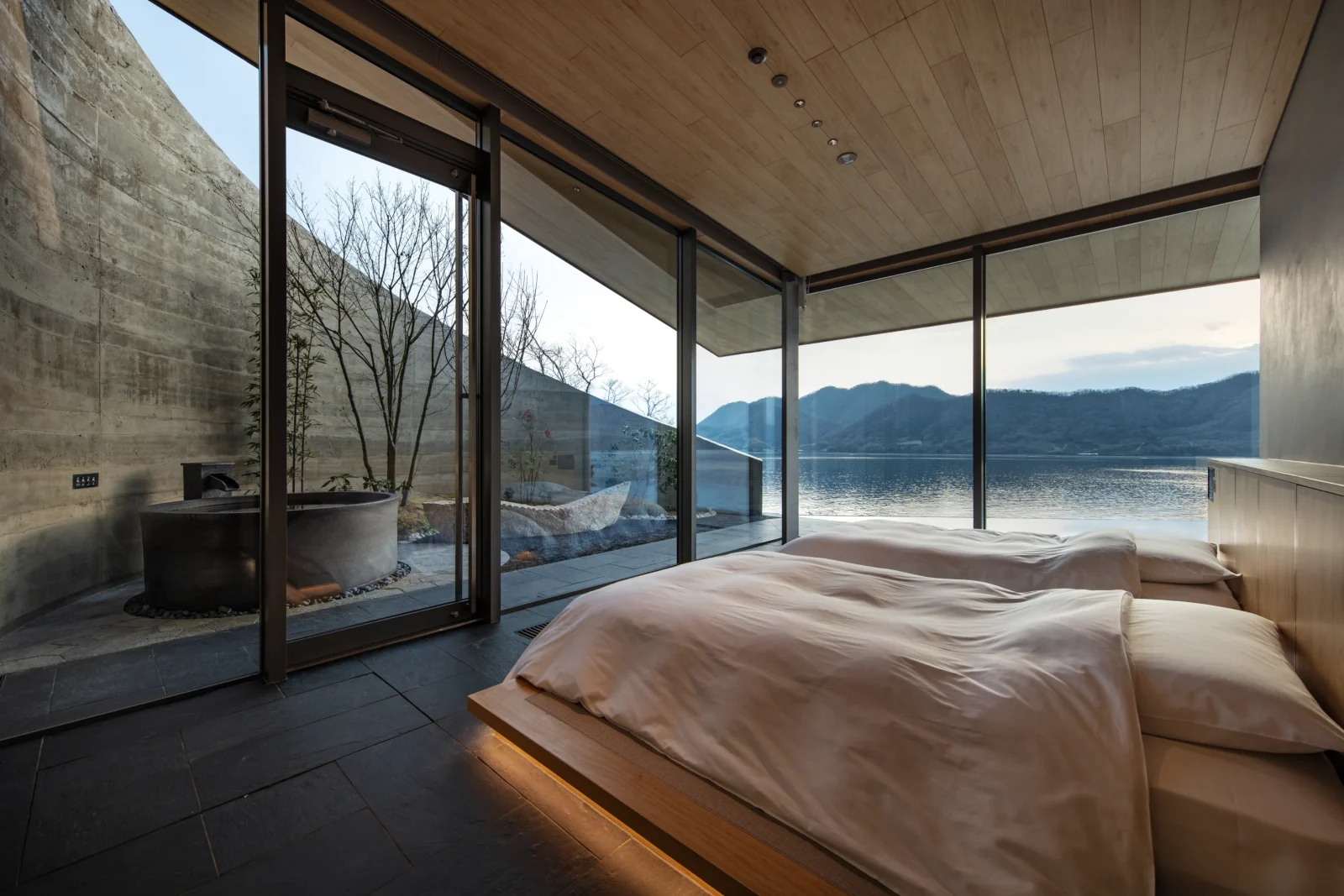
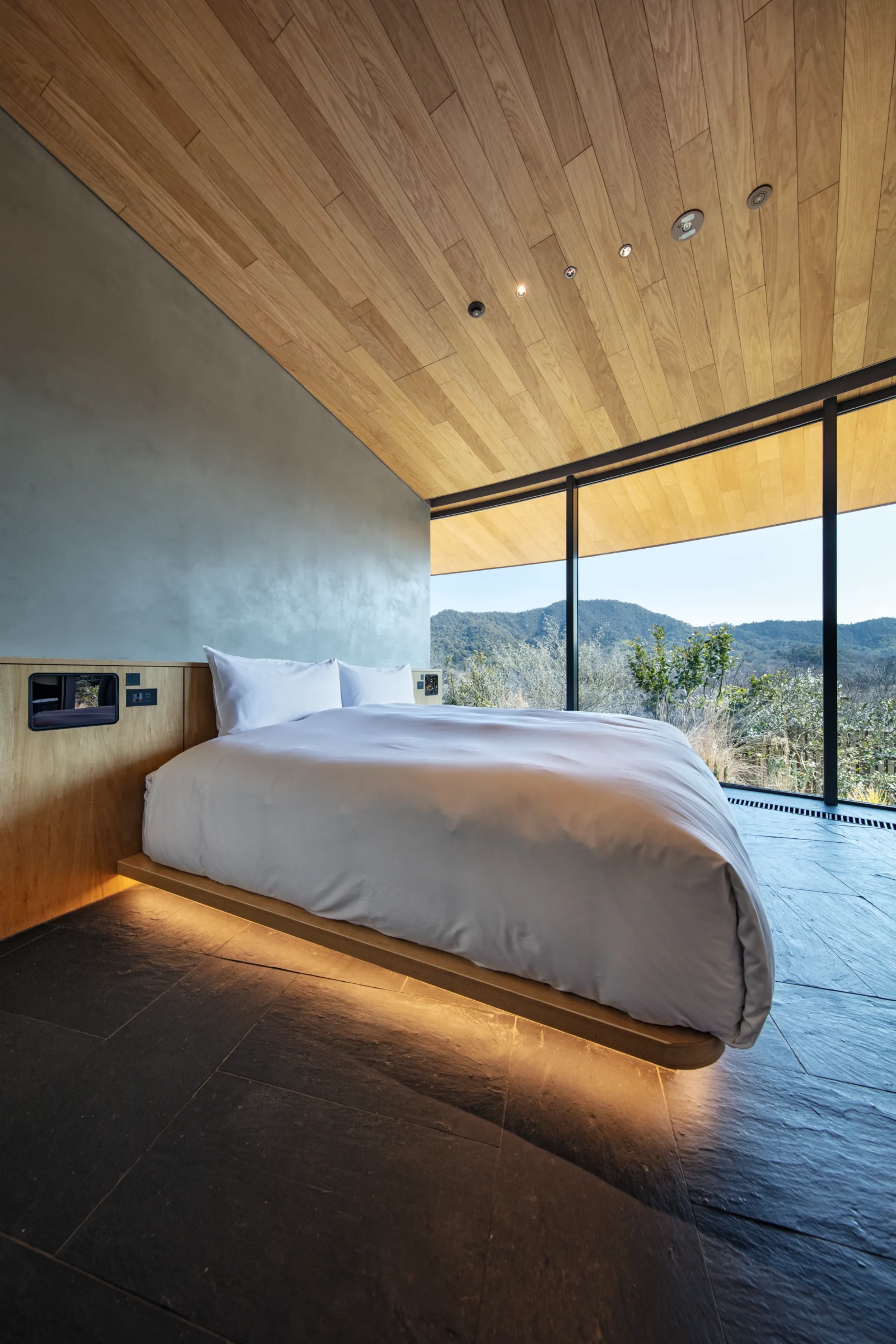
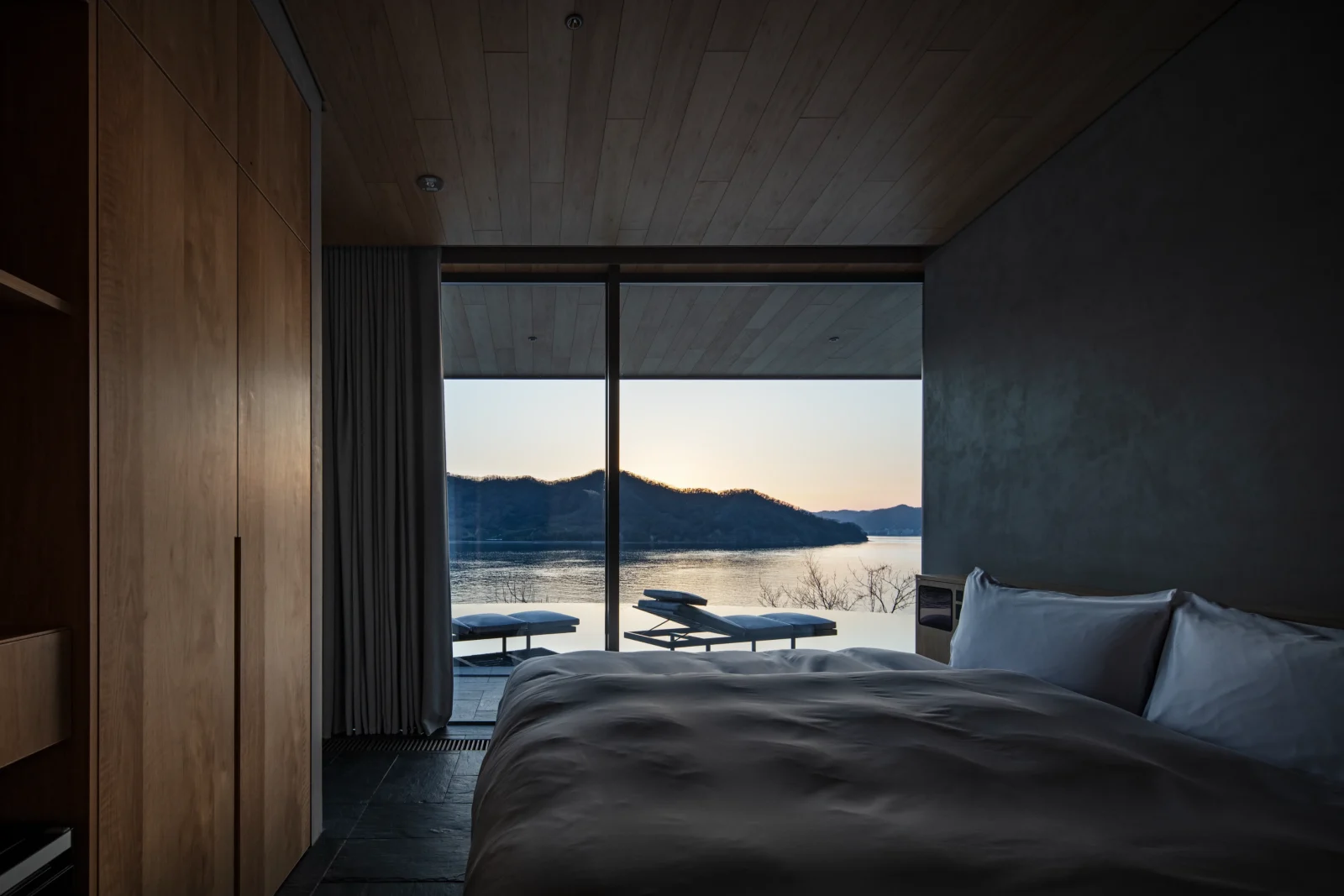
Glass façades reinterpret the permeability of shoji screens, dissolving the threshold between inside and outside. Floor layouts reference the order and rhythm of tatami planning, introducing a subtle sense of proportion and movement. The villas also maintain a low-slung, horizontal character that echoes the calm presence of traditional single-story dwellings.
This layered architectural language allows the project to feel modern and regionally grounded, combining minimal detailing with cultural resonance.
Rammed Earth Walls Give the Villas Material Depth
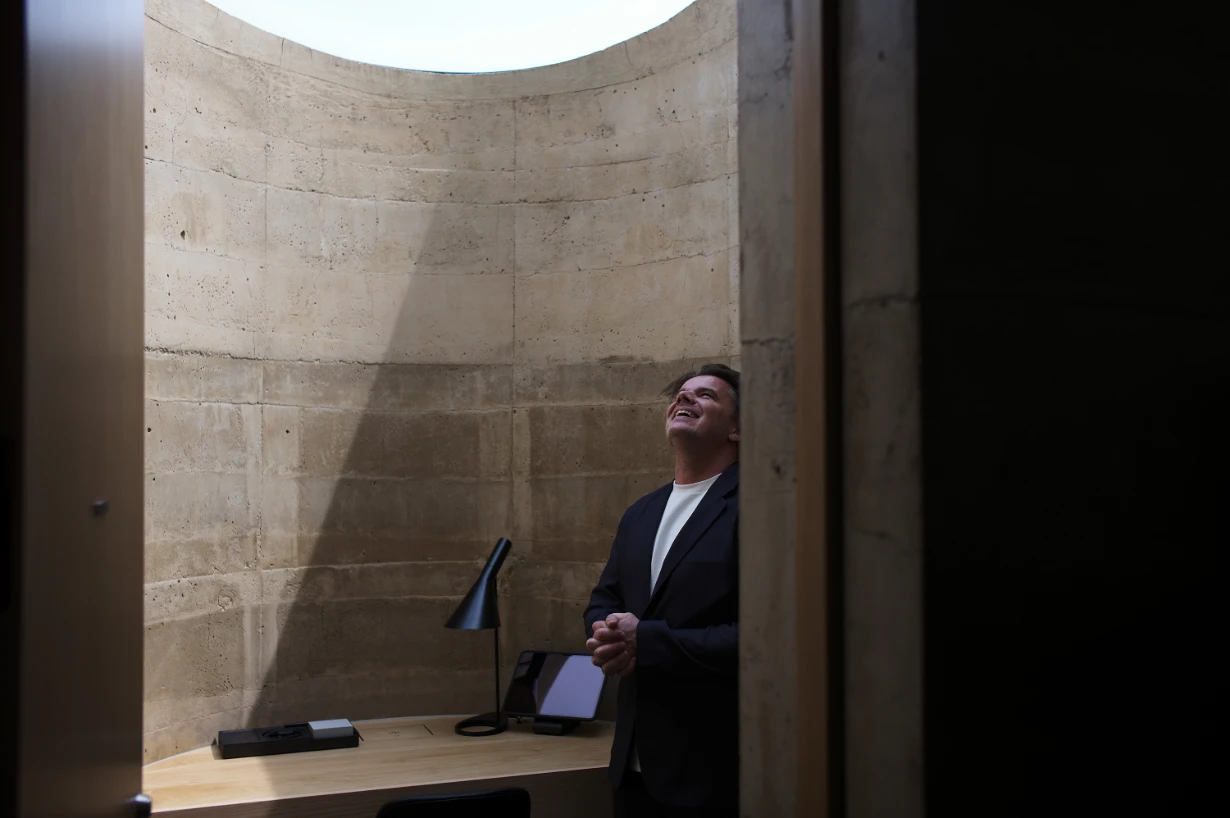
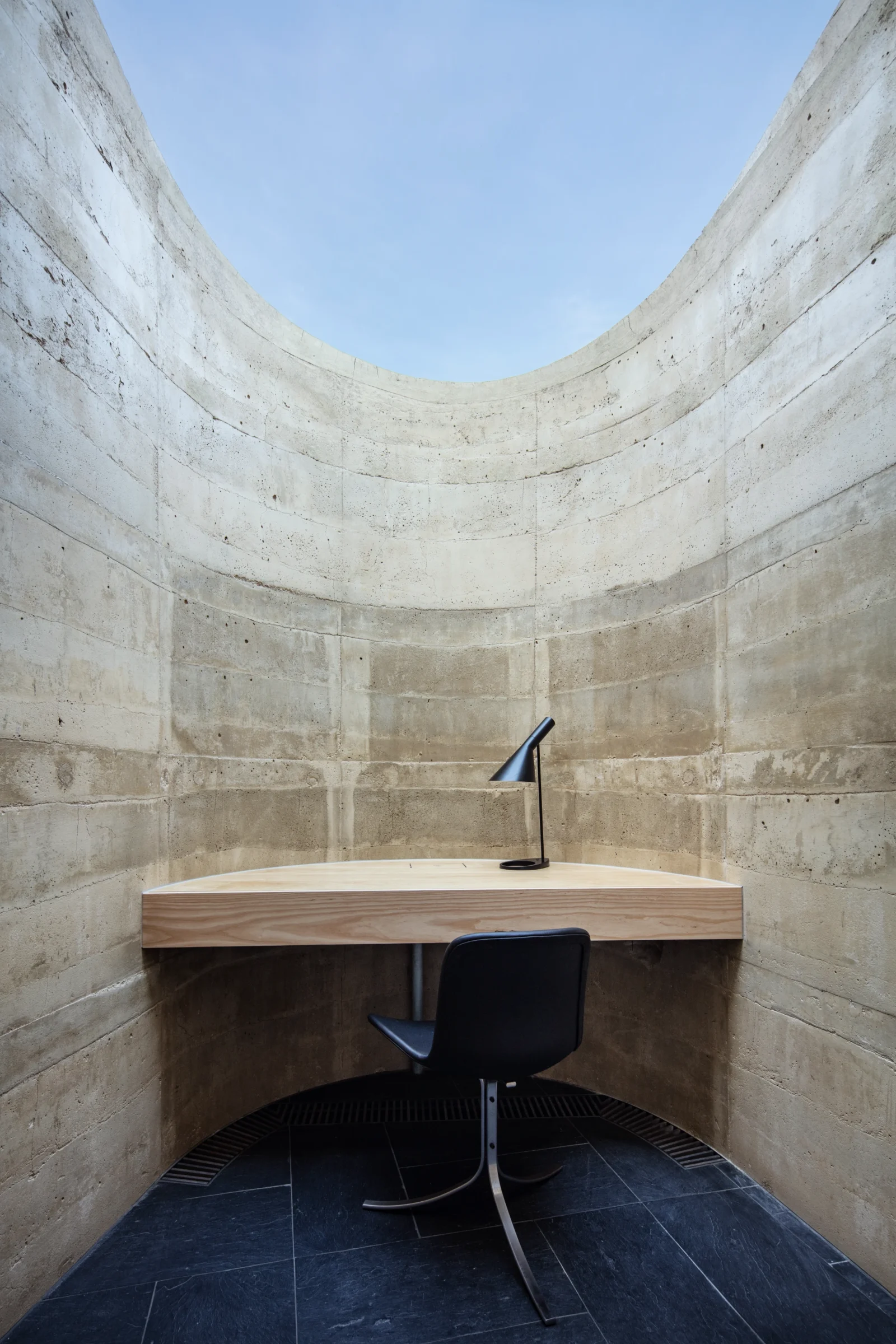
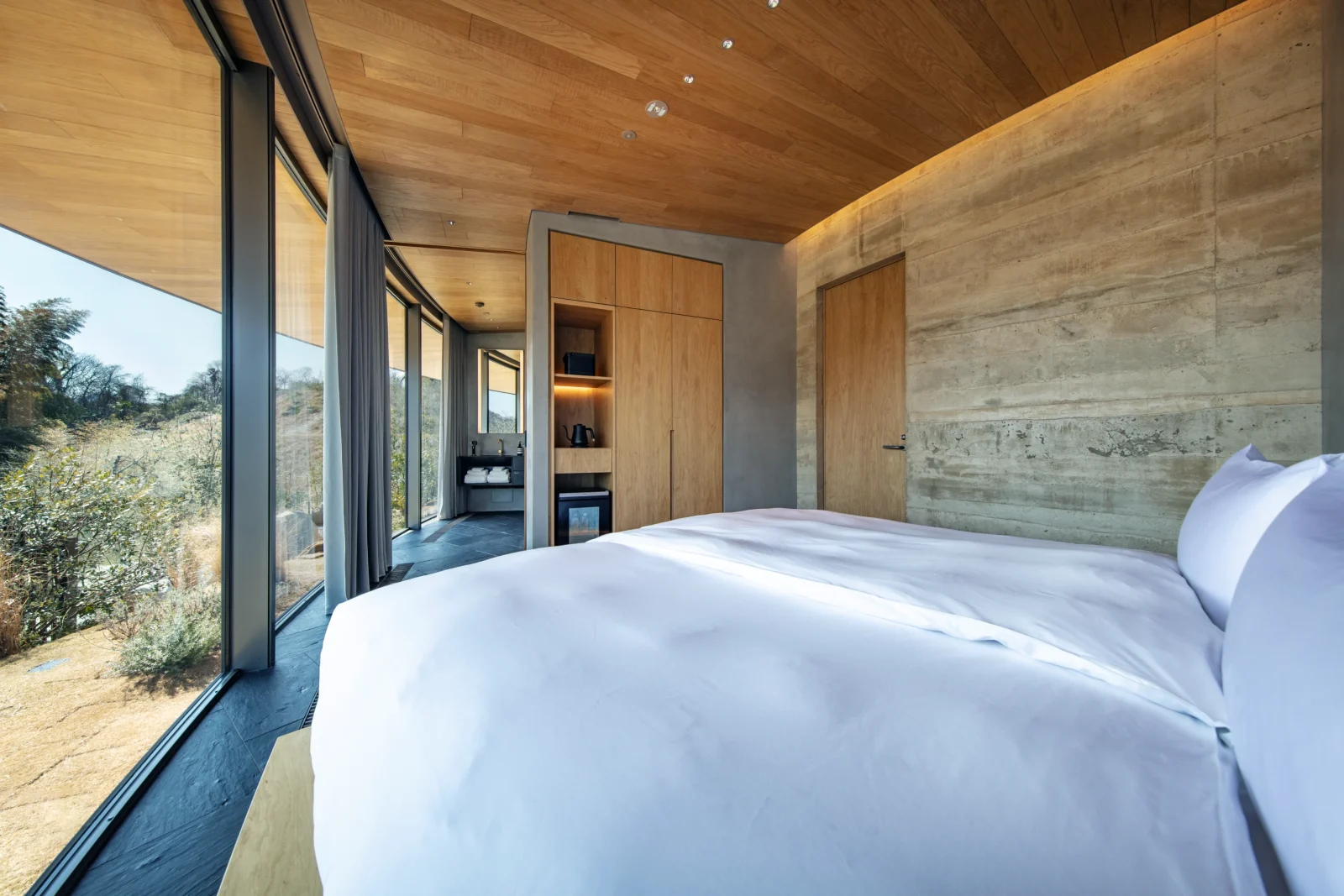
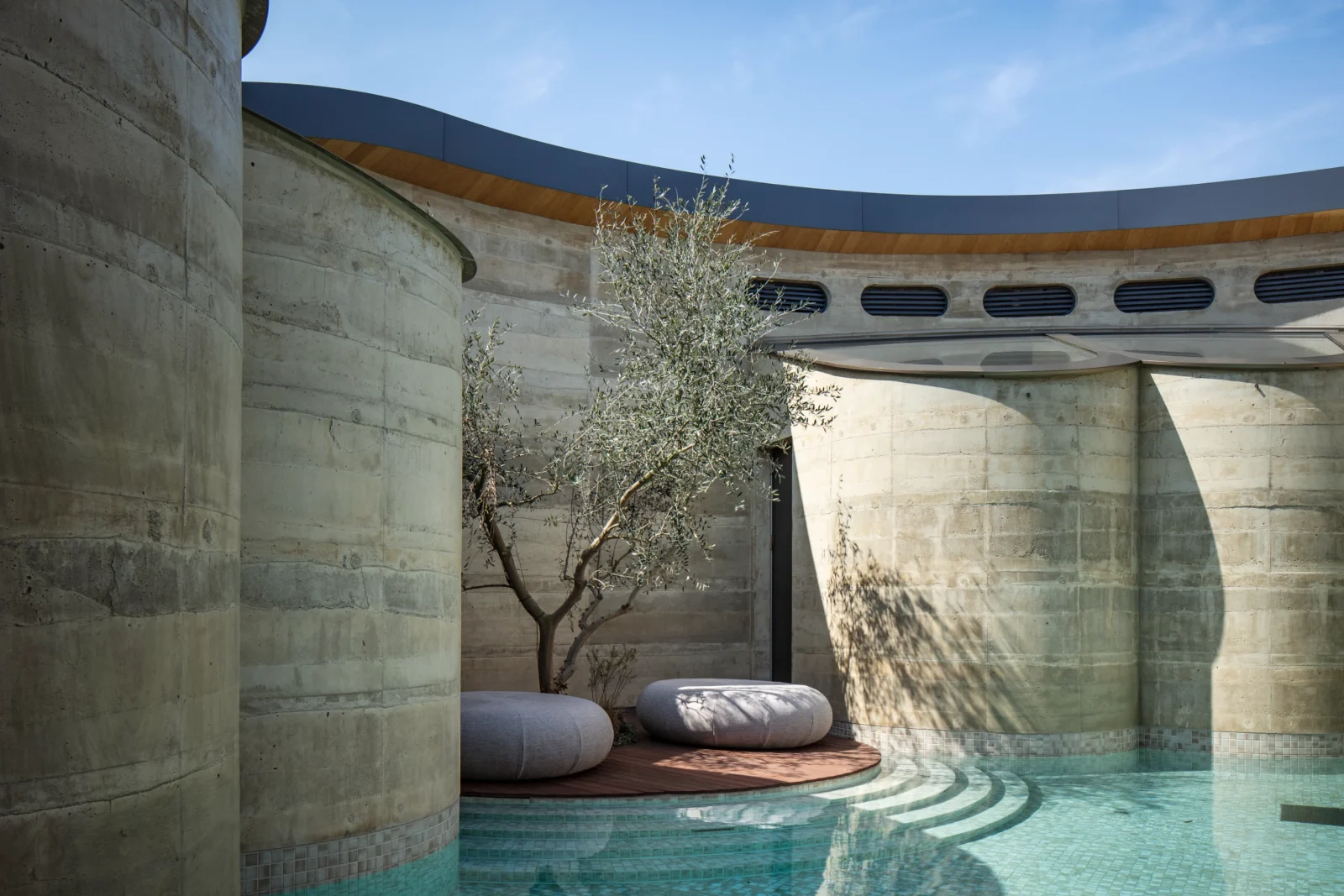
One of the most distinctive architectural elements across the project is the use of rammed-earth walls made with local soil. These curved walls do more than define enclosure, as they materially anchor the villas to Sagishima itself.
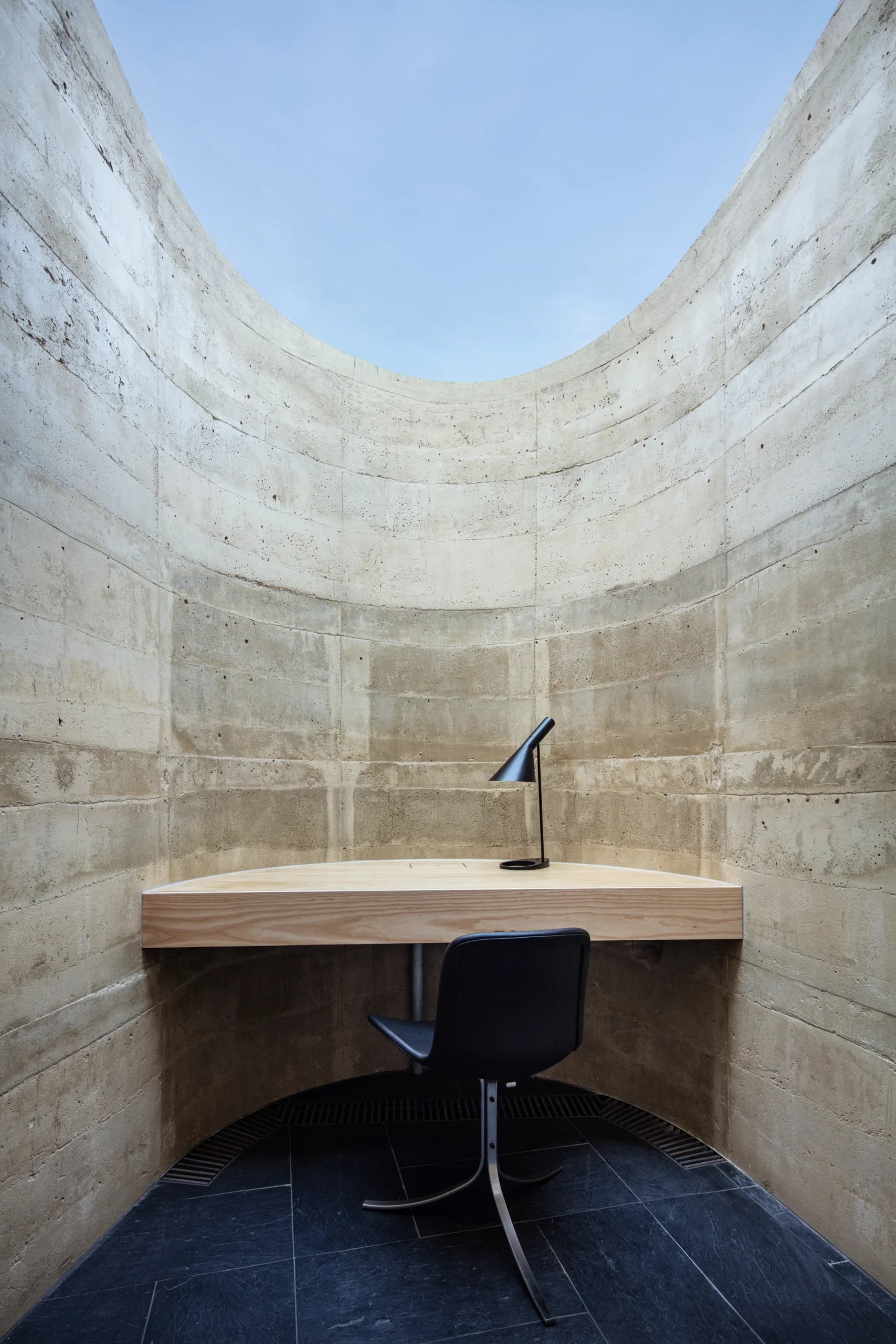
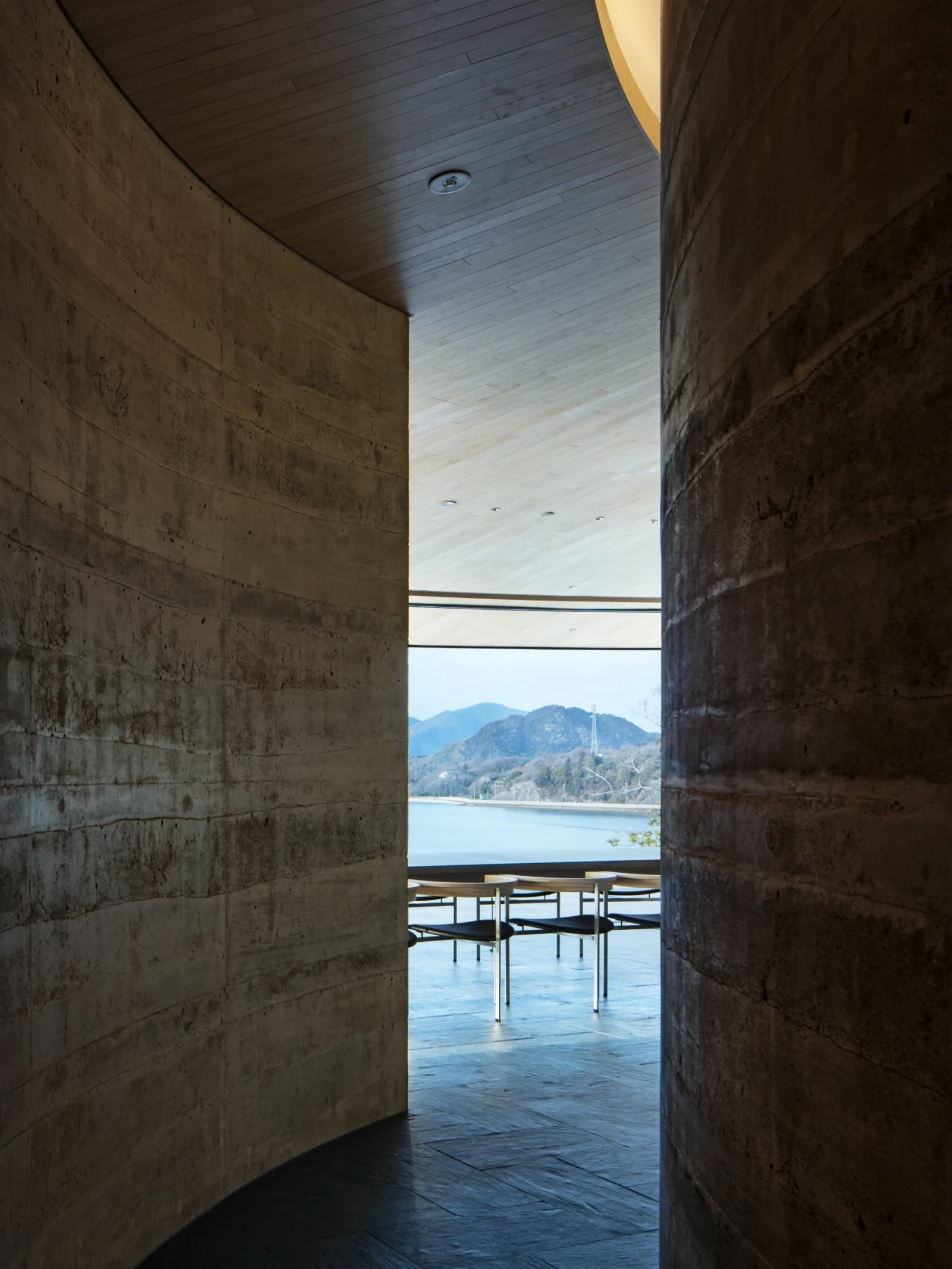
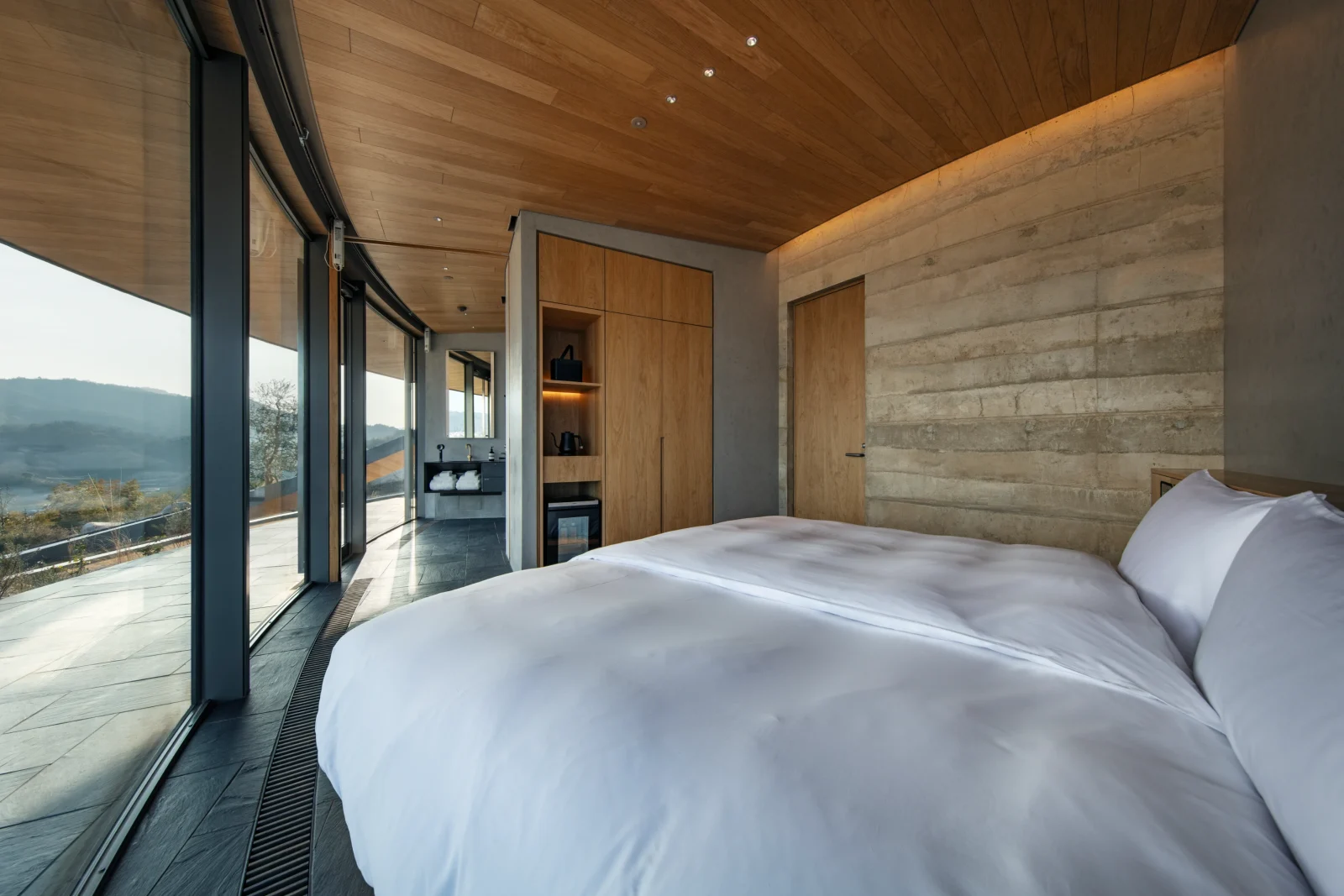
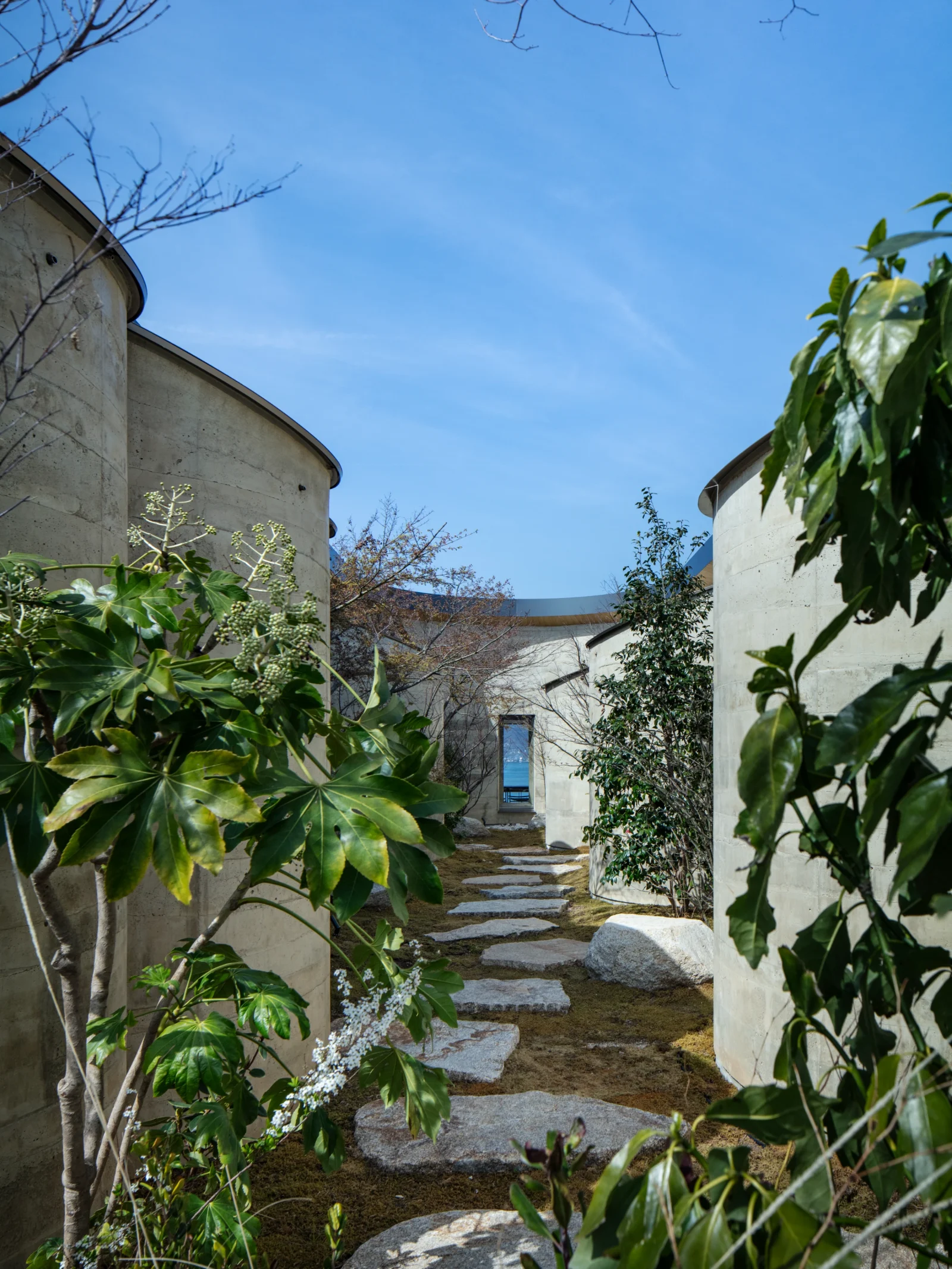
The earthen surfaces introduce warmth, tactility, and a sense of permanence that contrasts with the openness of the surrounding glazing. They also help organize the spatial experience, acting as protective spines that create privacy while guiding circulation and framing courtyards.
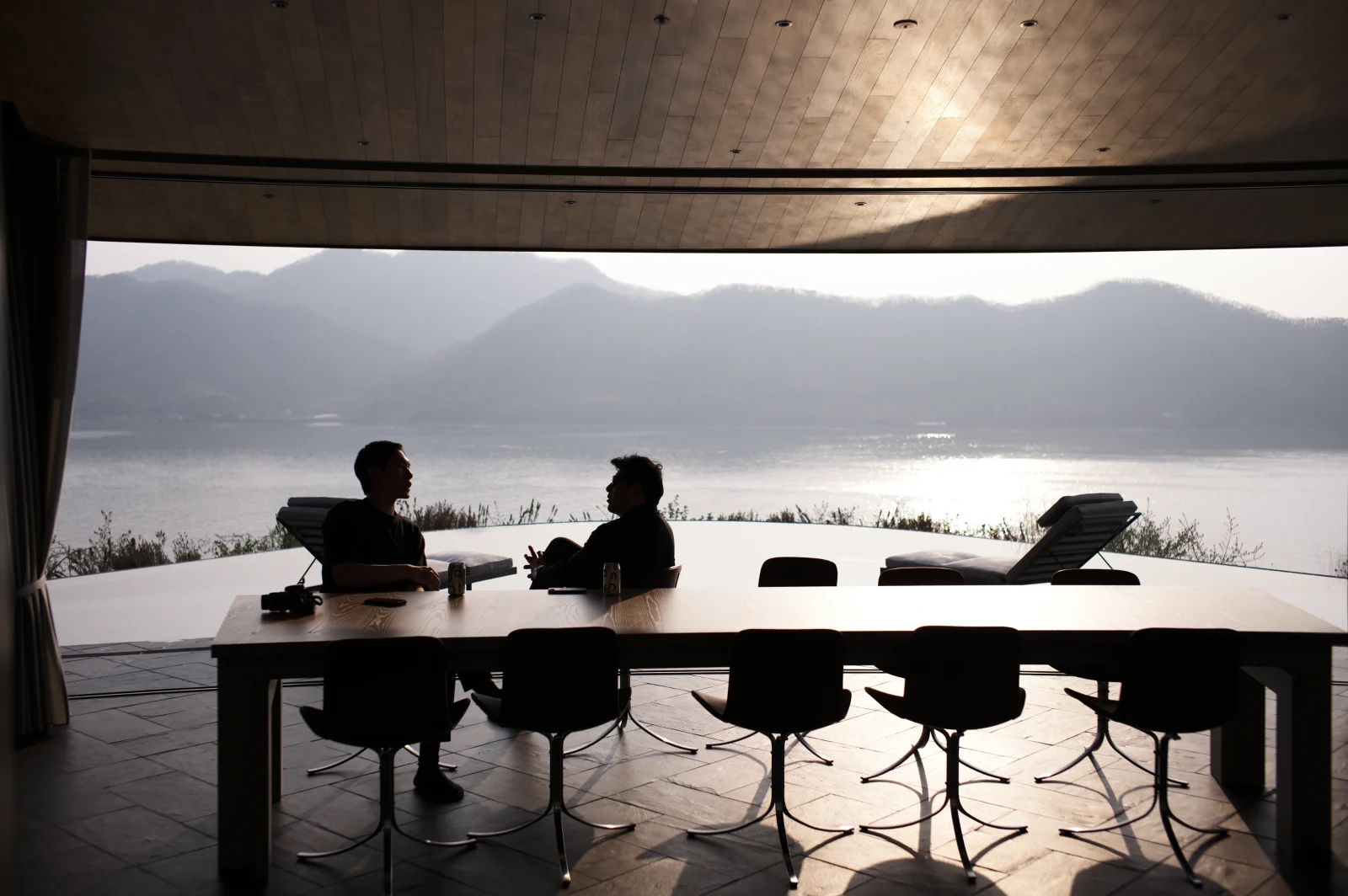
This balance between solidity and transparency is central to the project’s identity. The architecture opens to the vastness of the sea while remaining sheltered within its own sculpted interior world.
Villa 180 Curves Along the Cliff Edge
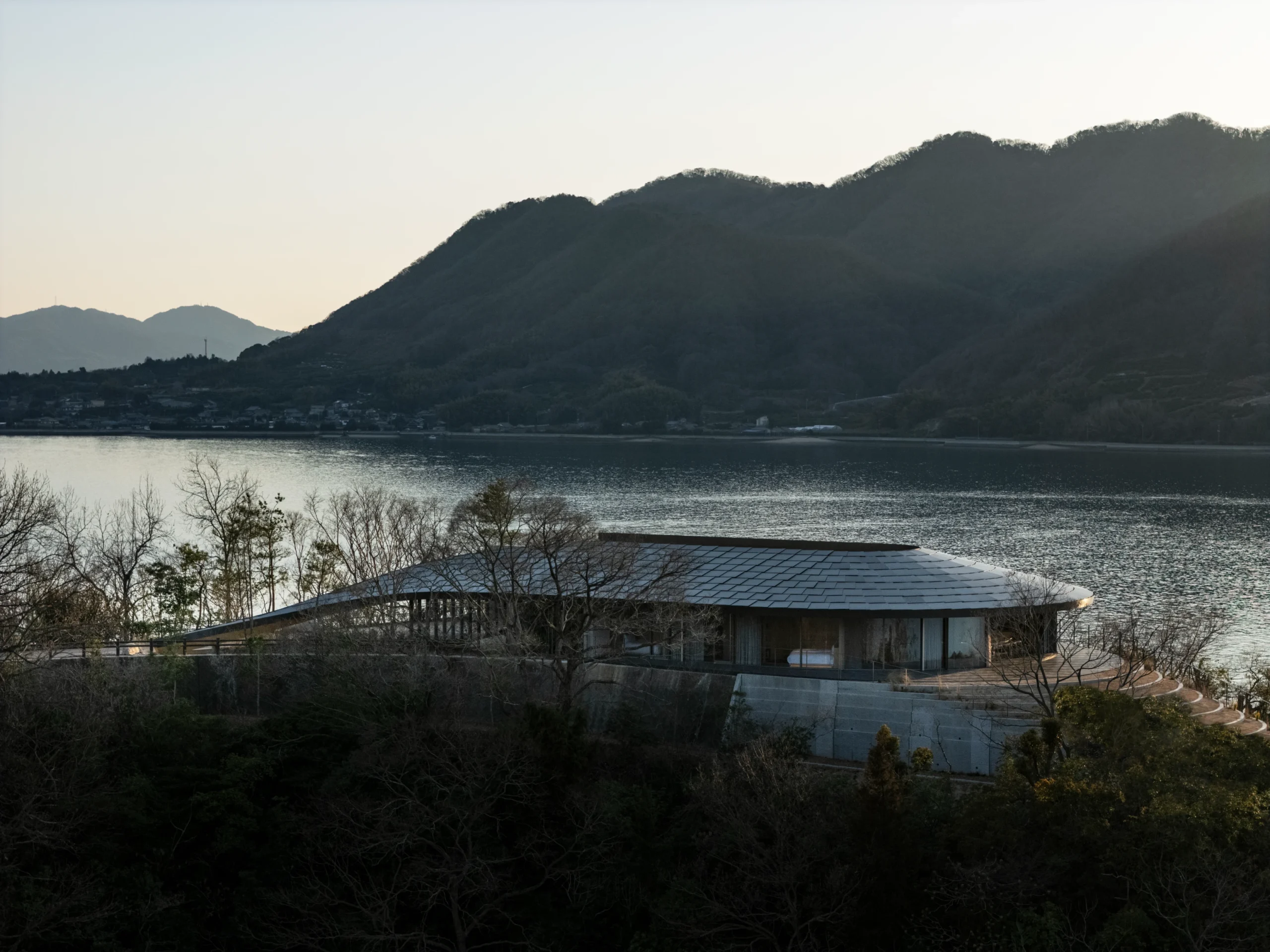
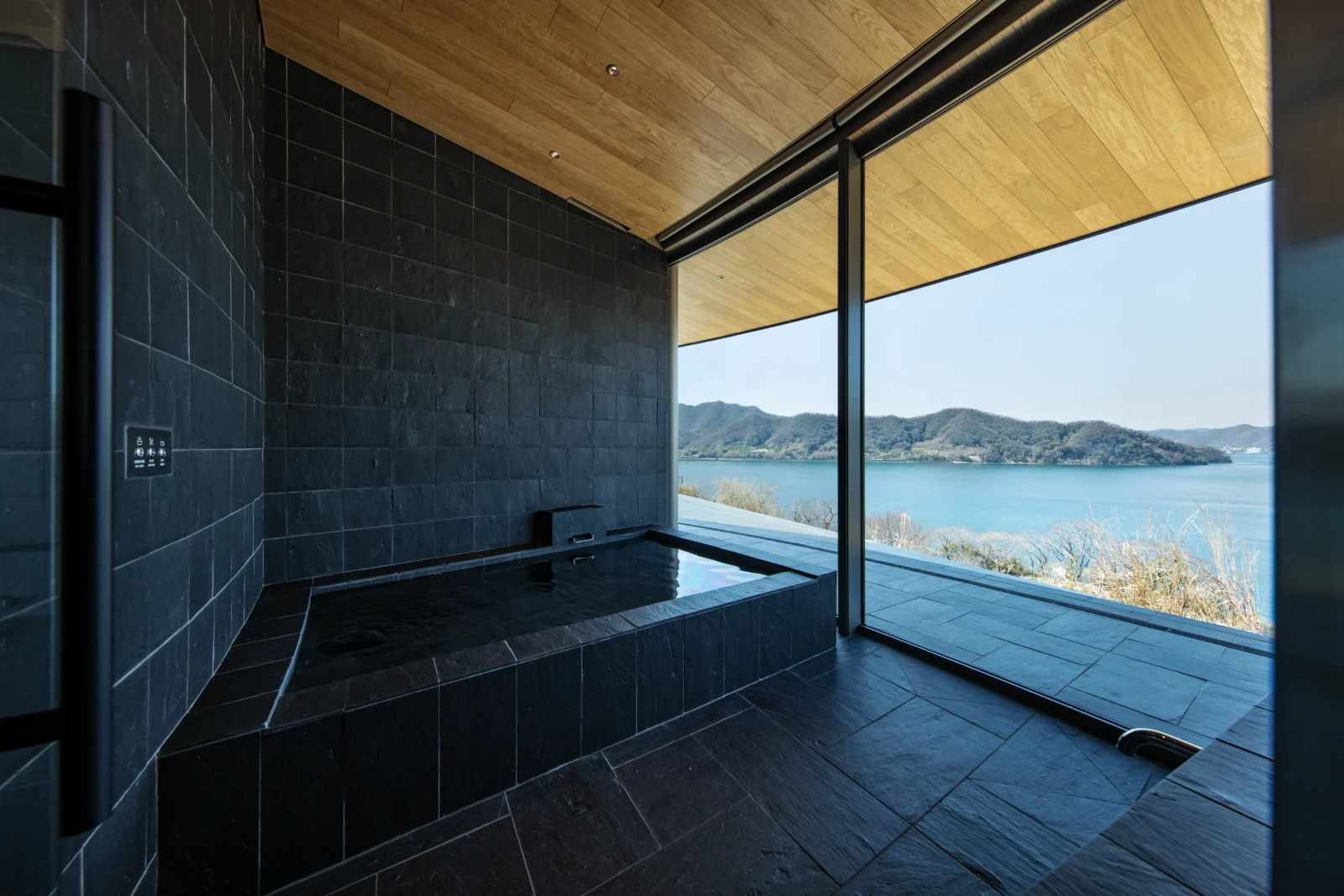
Positioned on the northernmost cape of the peninsula, Villa 180 follows the edge of the cliff in a gently curving form. Its plan allows nearly every room to look outward toward the Seto Inland Sea, creating a continuous relationship between private space and coastal panorama.
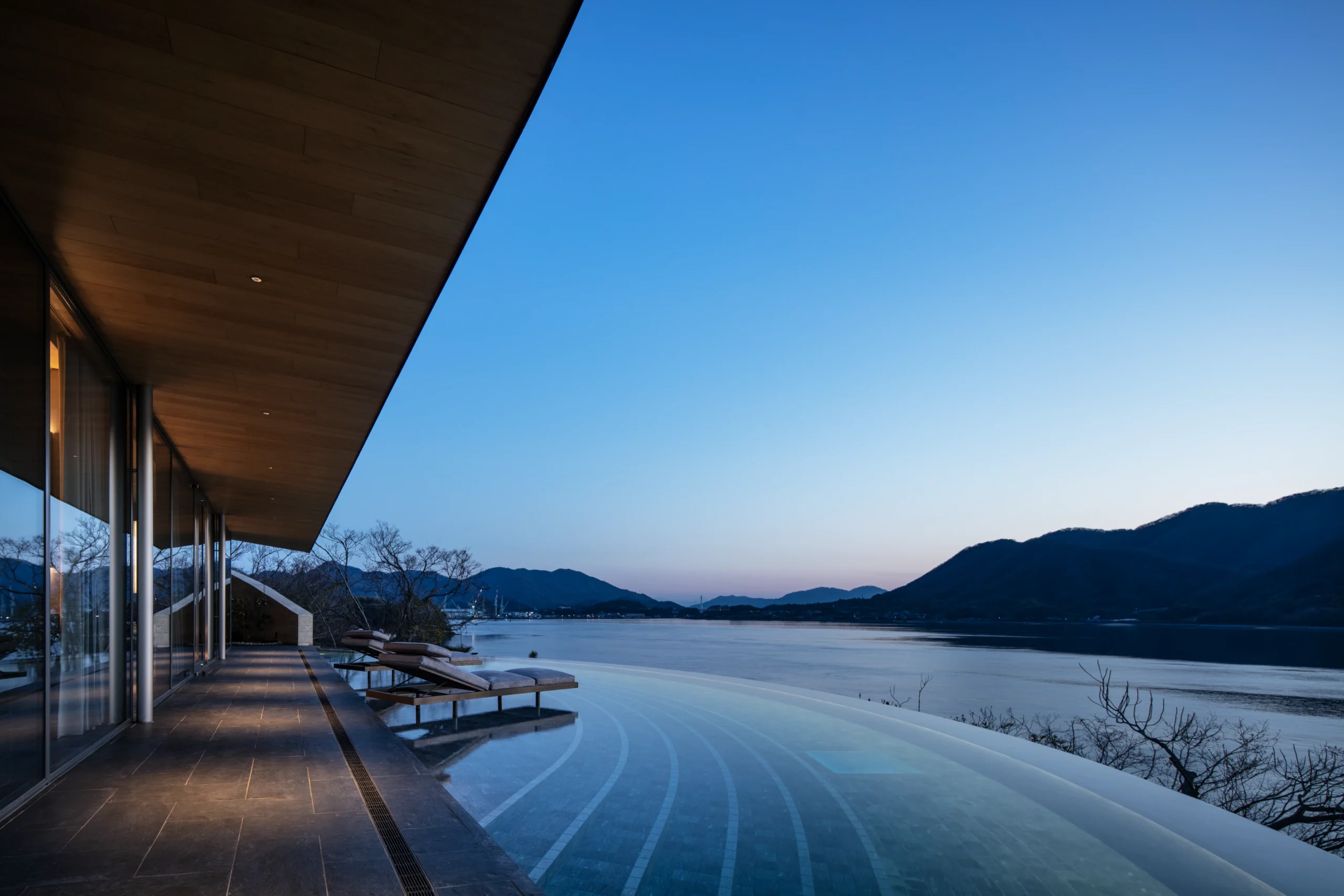
The villa also introduces a more introspective dimension through its internal garden spaces. A landscaped courtyard with moss, seasonal planting, and soft topography adds a distinctly Japanese sensibility, balancing the exposed sea-facing edge with moments of stillness and enclosure.
Villa 180 stands out for how it merges a dramatic siting strategy with a softer, more meditative spatial atmosphere.
Villa 270 Uses Water as an Architectural Element
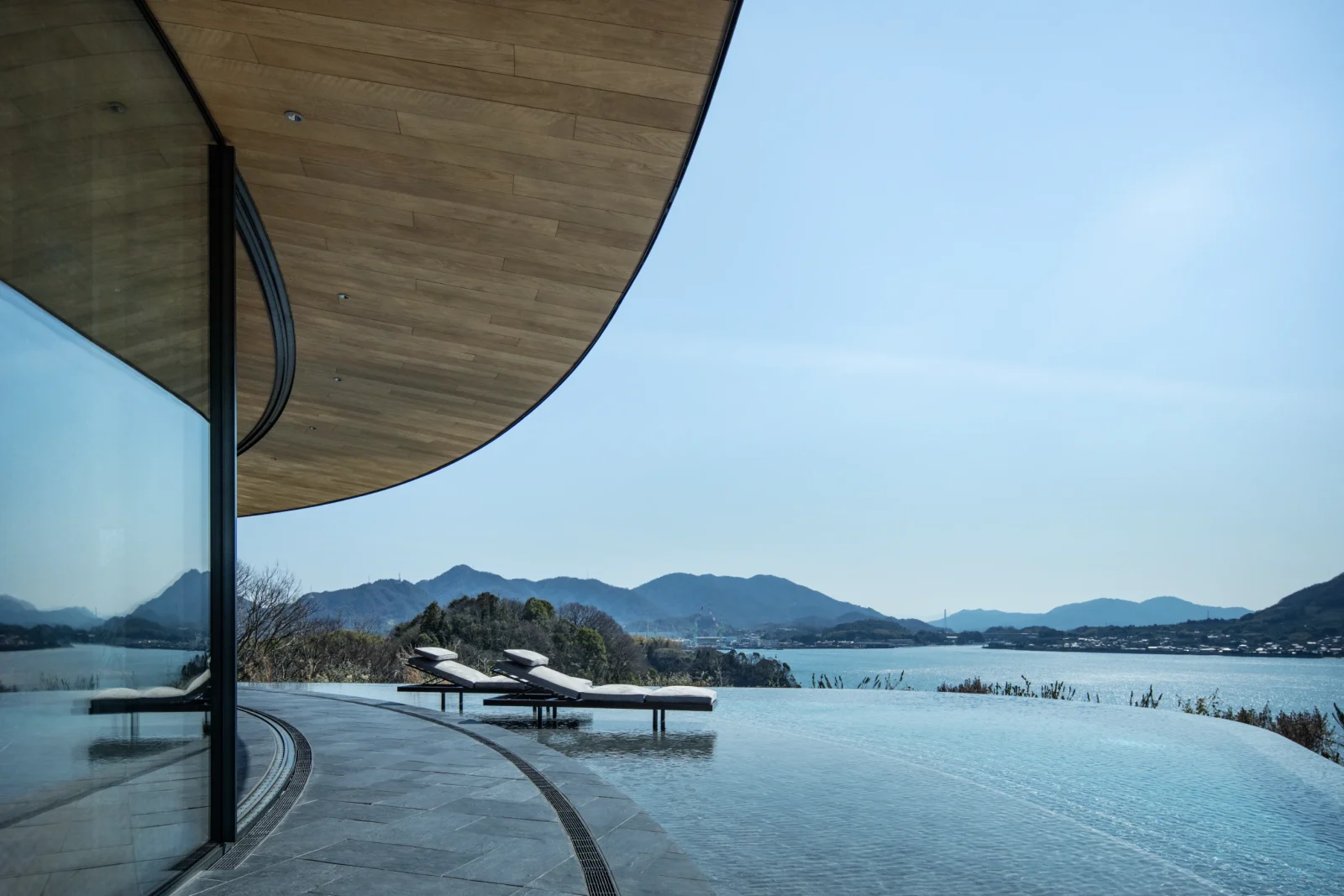
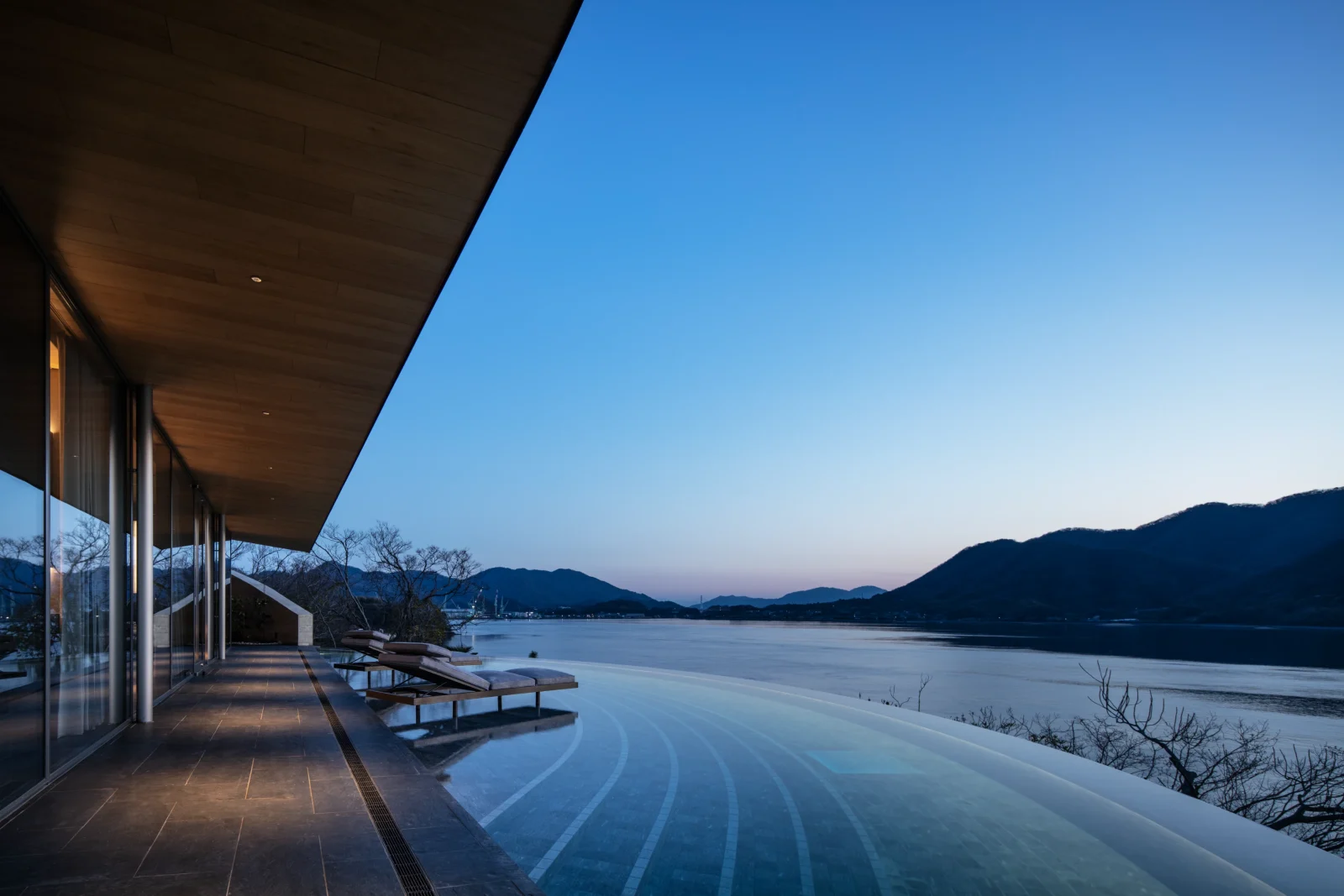
Villa 270, situated on a hill in the northeastern section of the site, defines its close relationship with water. The design treats the pool as an architectural device, organizing the villa around it rather than viewing it as a simple amenity.
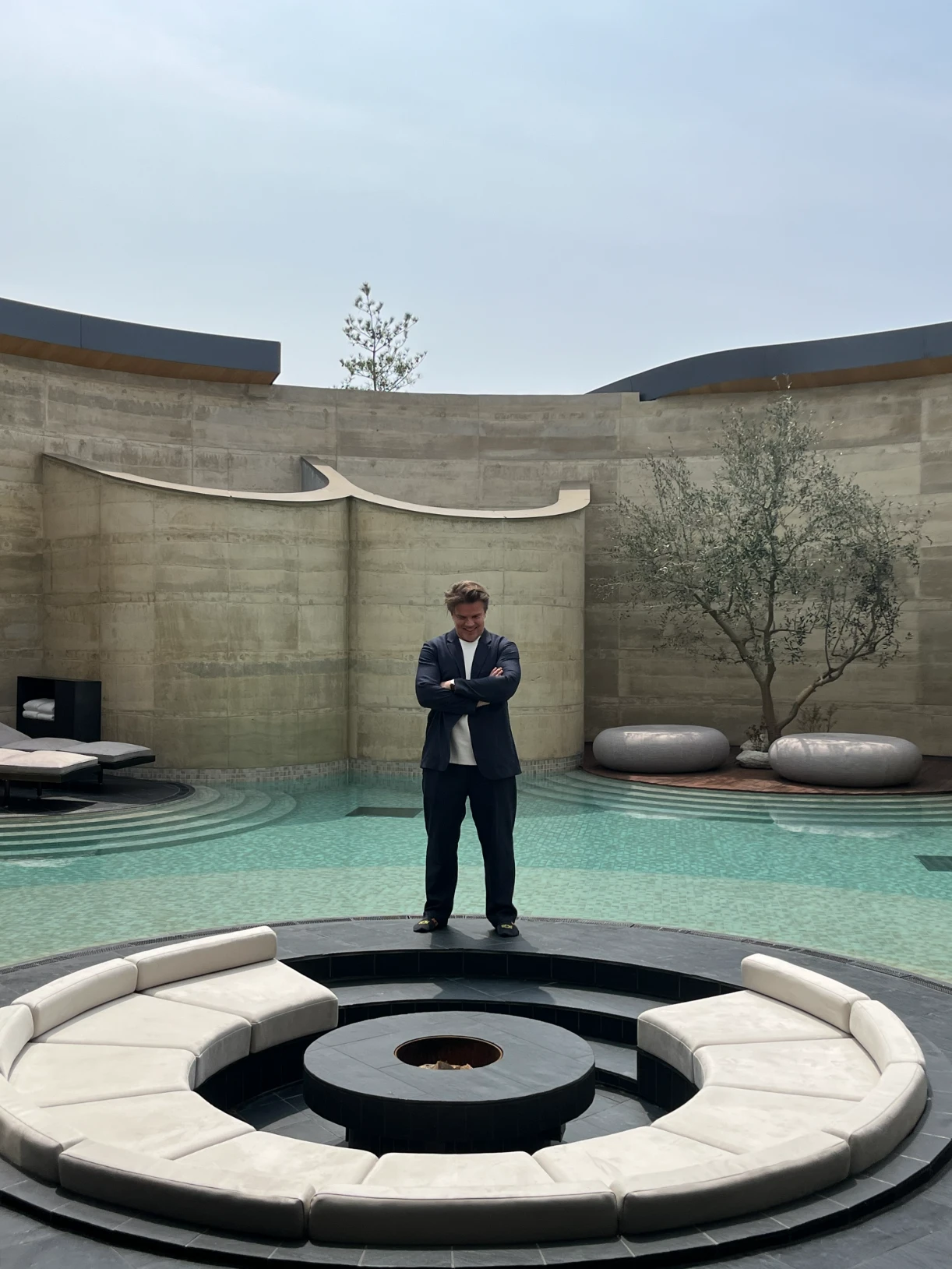
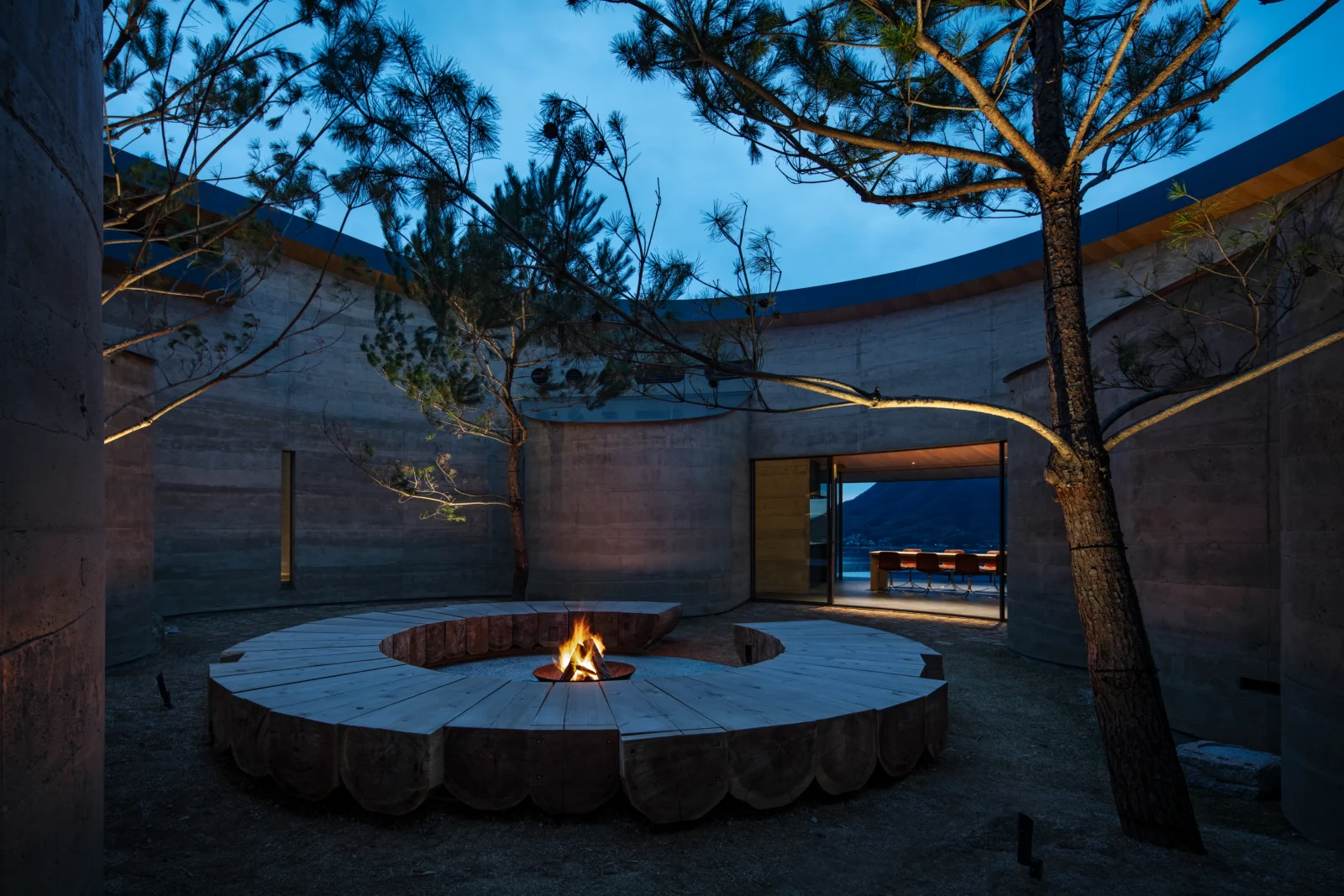
The central water body visually extends the surrounding sea into the heart of the residence, blurring the line between built form and landscape reflection. Fire features, terraces, and floating relaxation zones create a layered sequence of indoor-outdoor environments, giving the villa a fluid and immersive quality.
This approach makes 270 feel less like a conventional house and more like a spatial landscape in itself.
Villa 360 Forms a Ring Around the Horizon
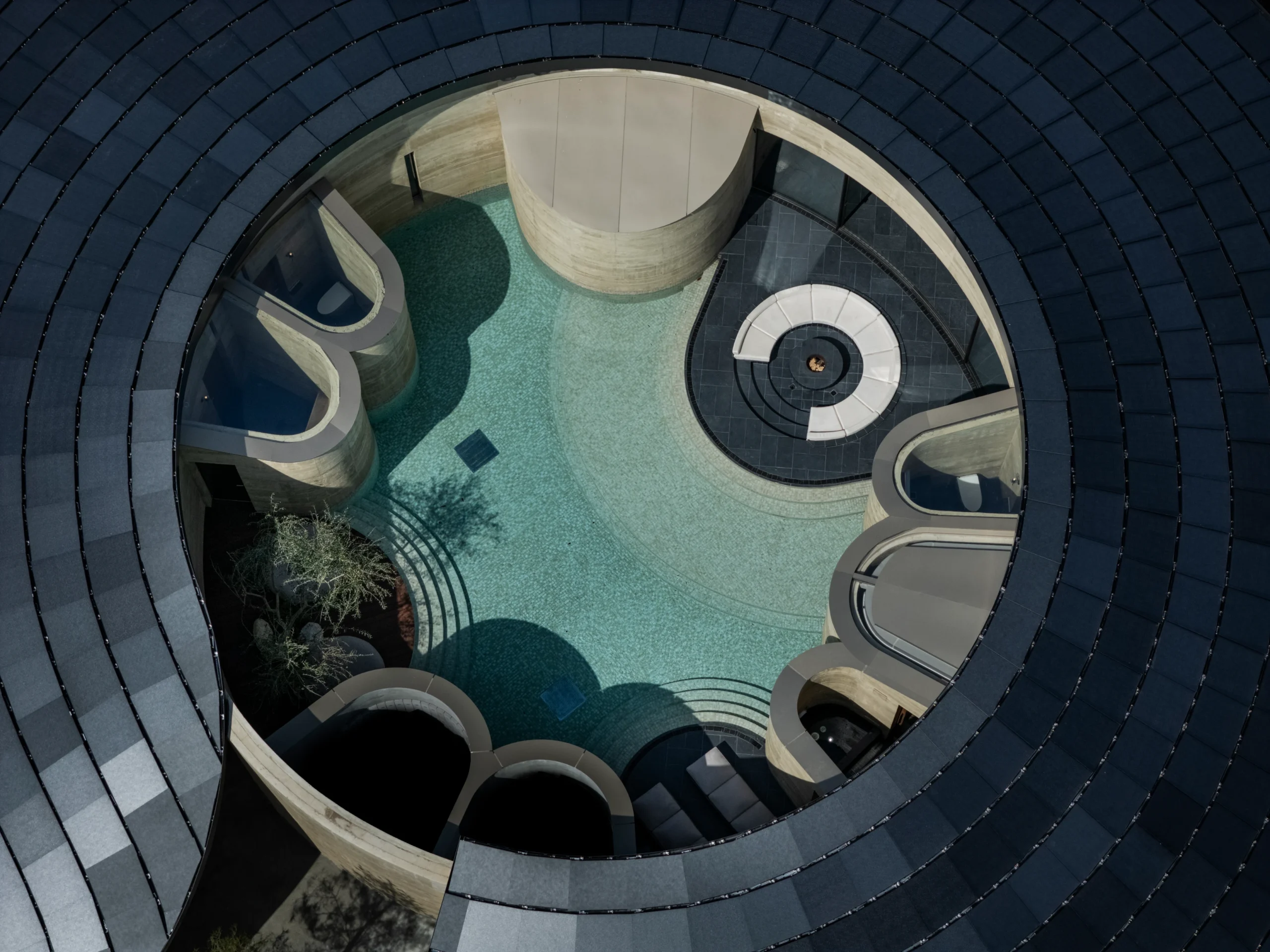
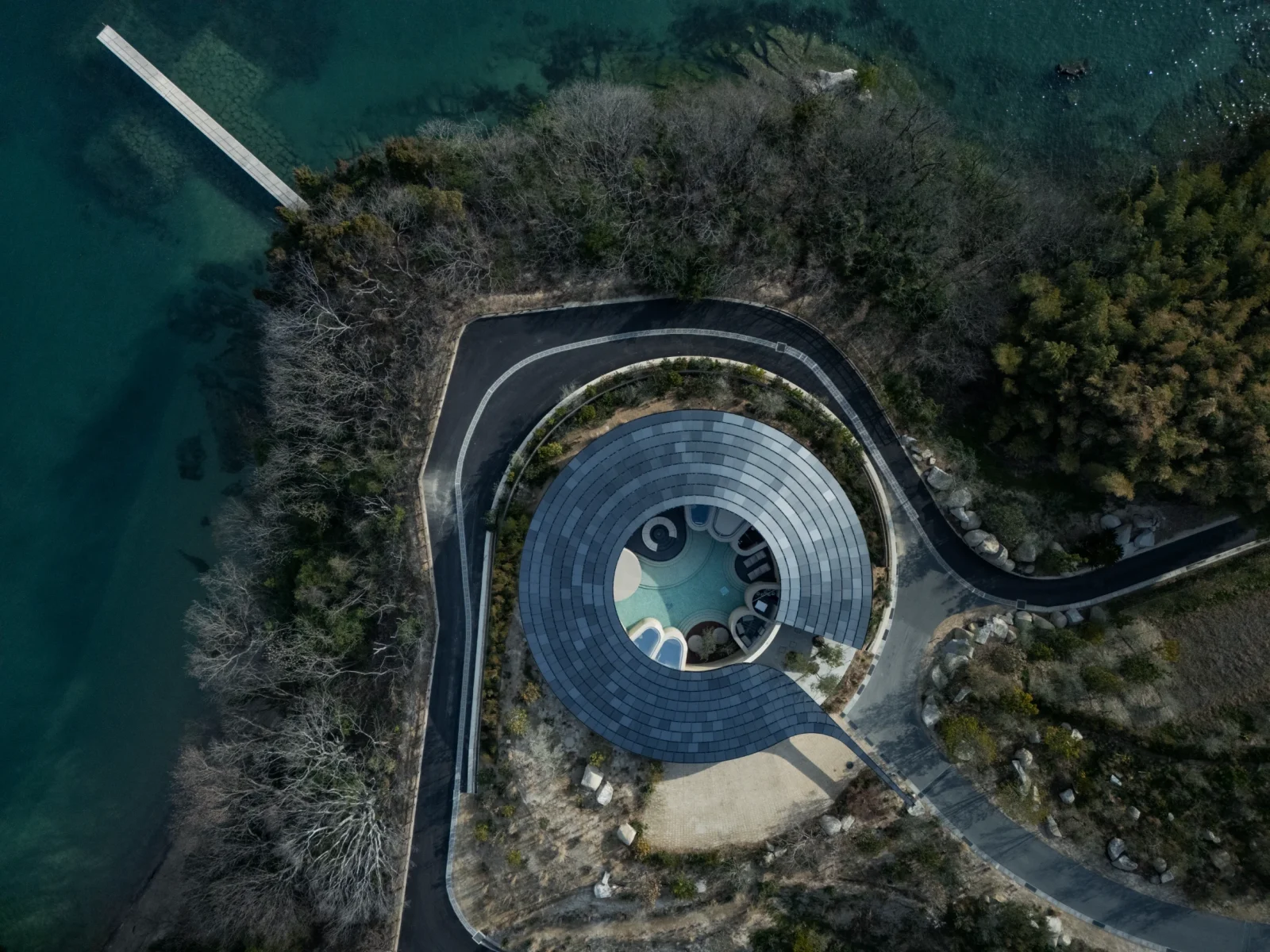
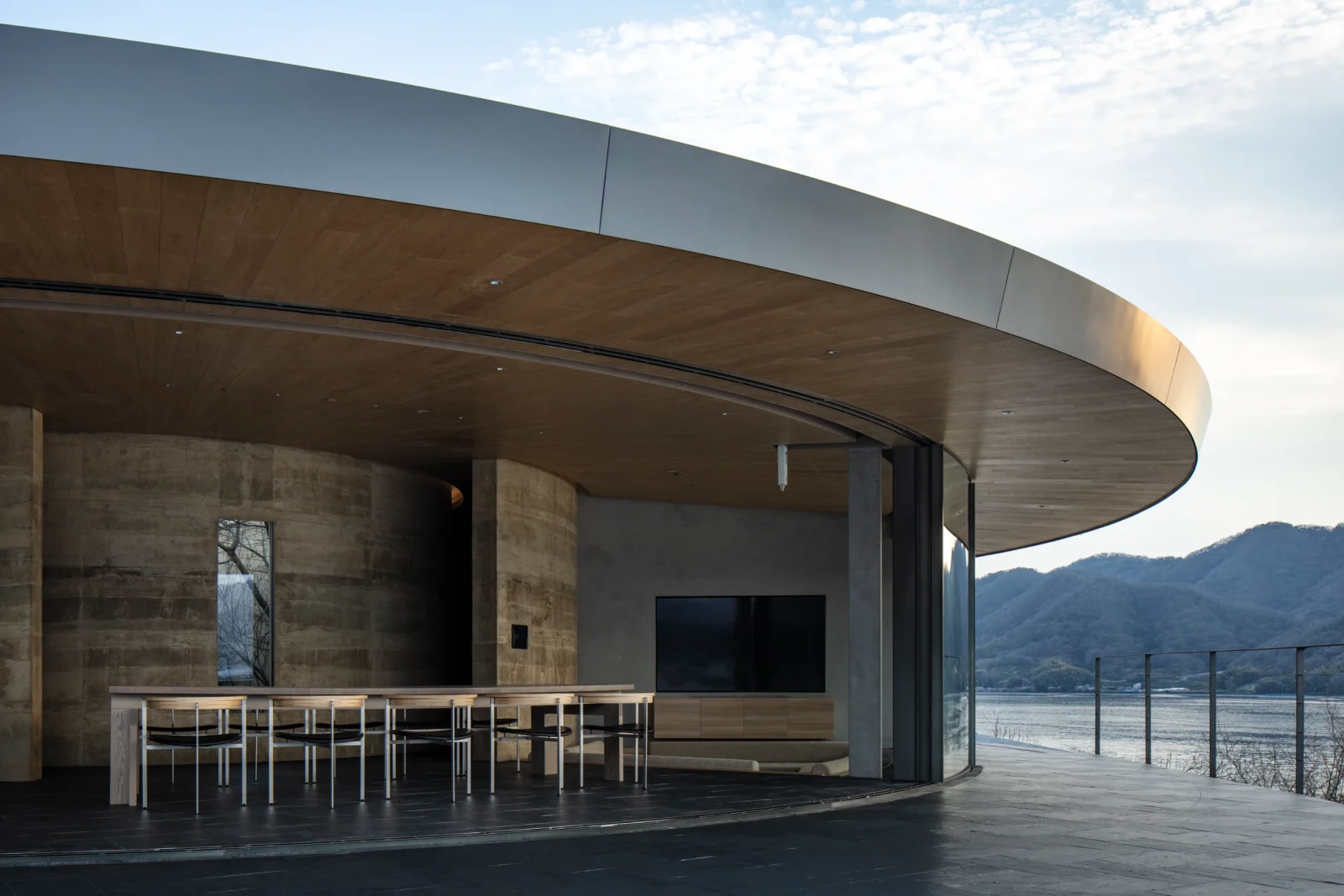
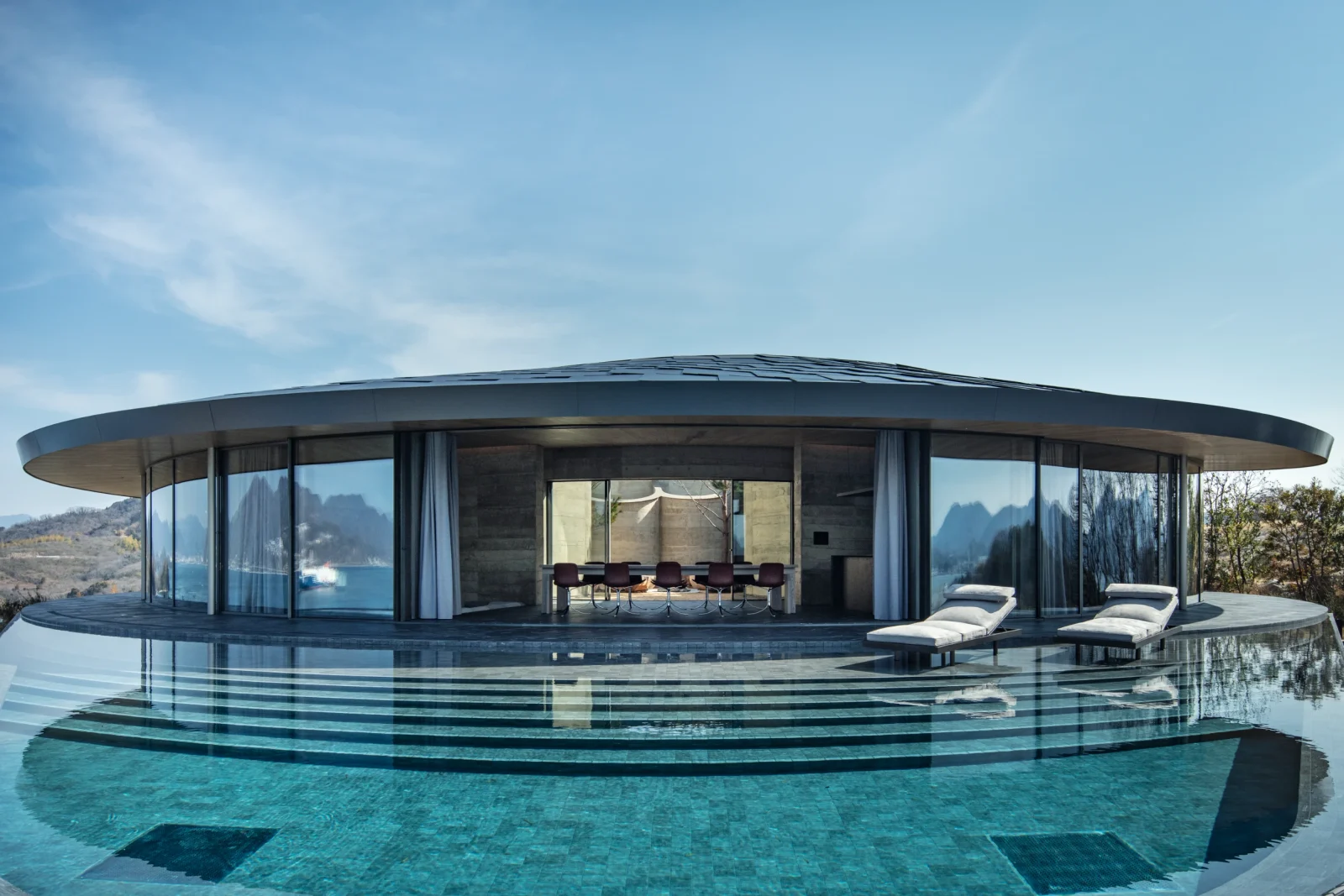
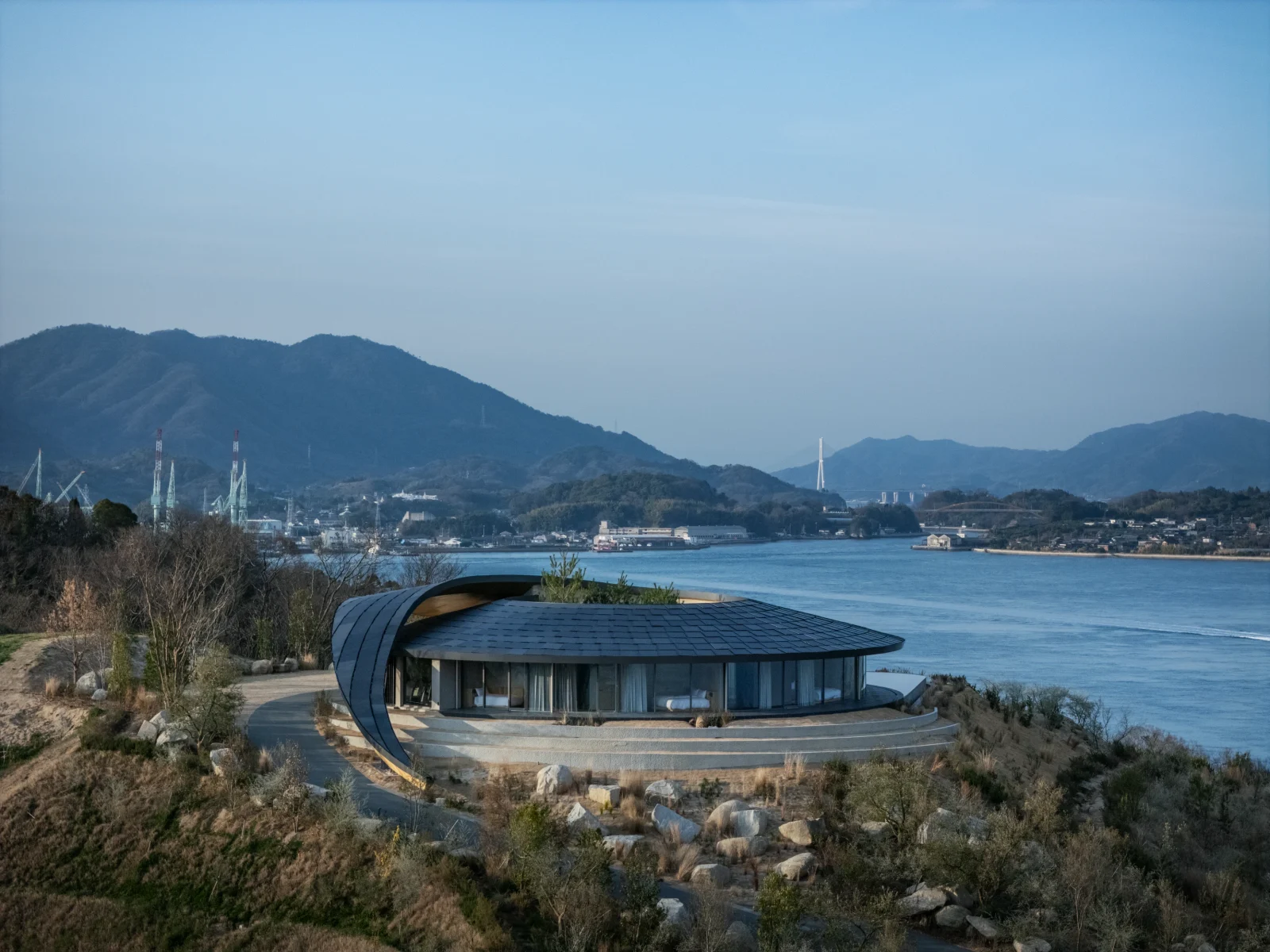
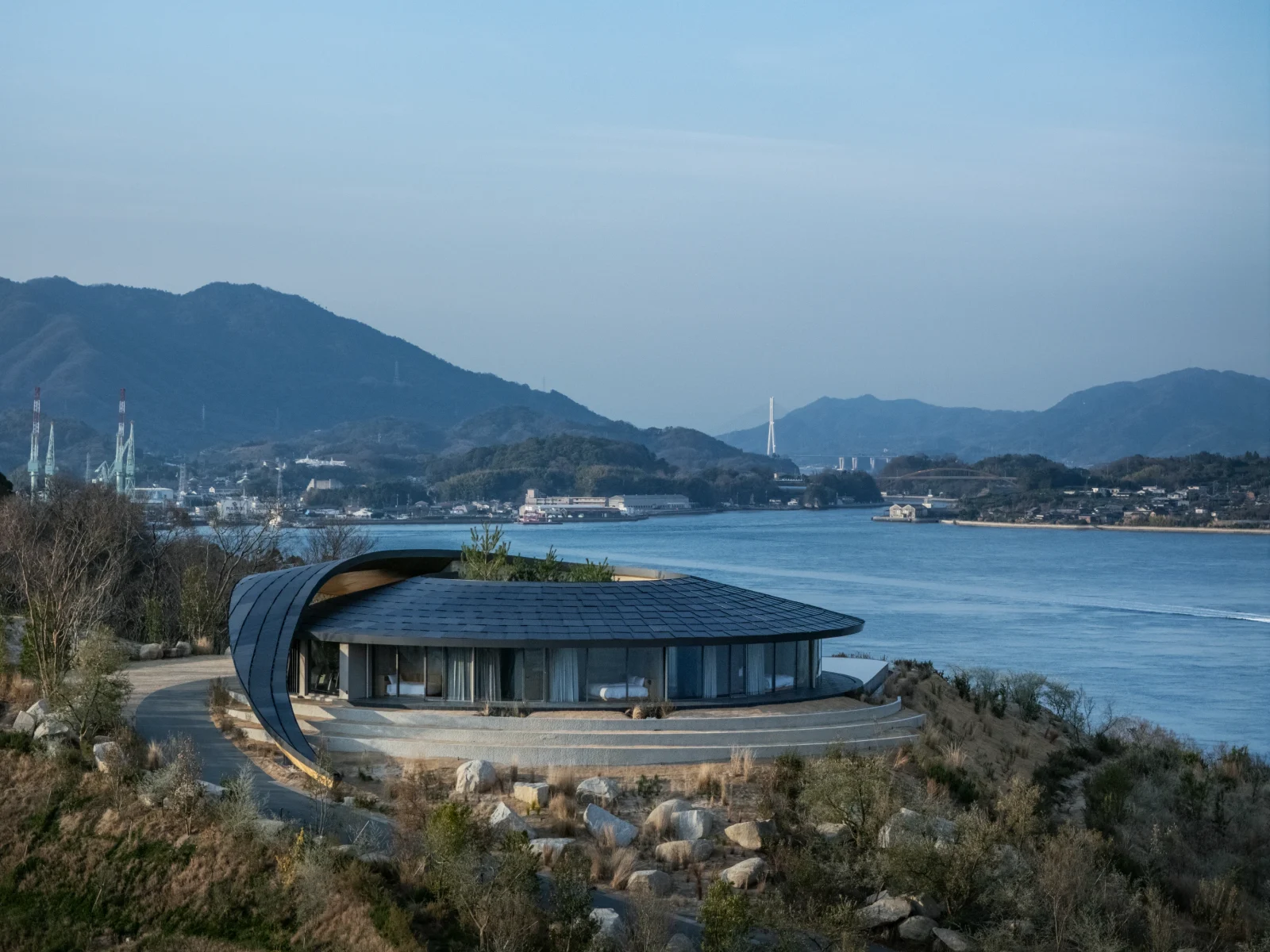
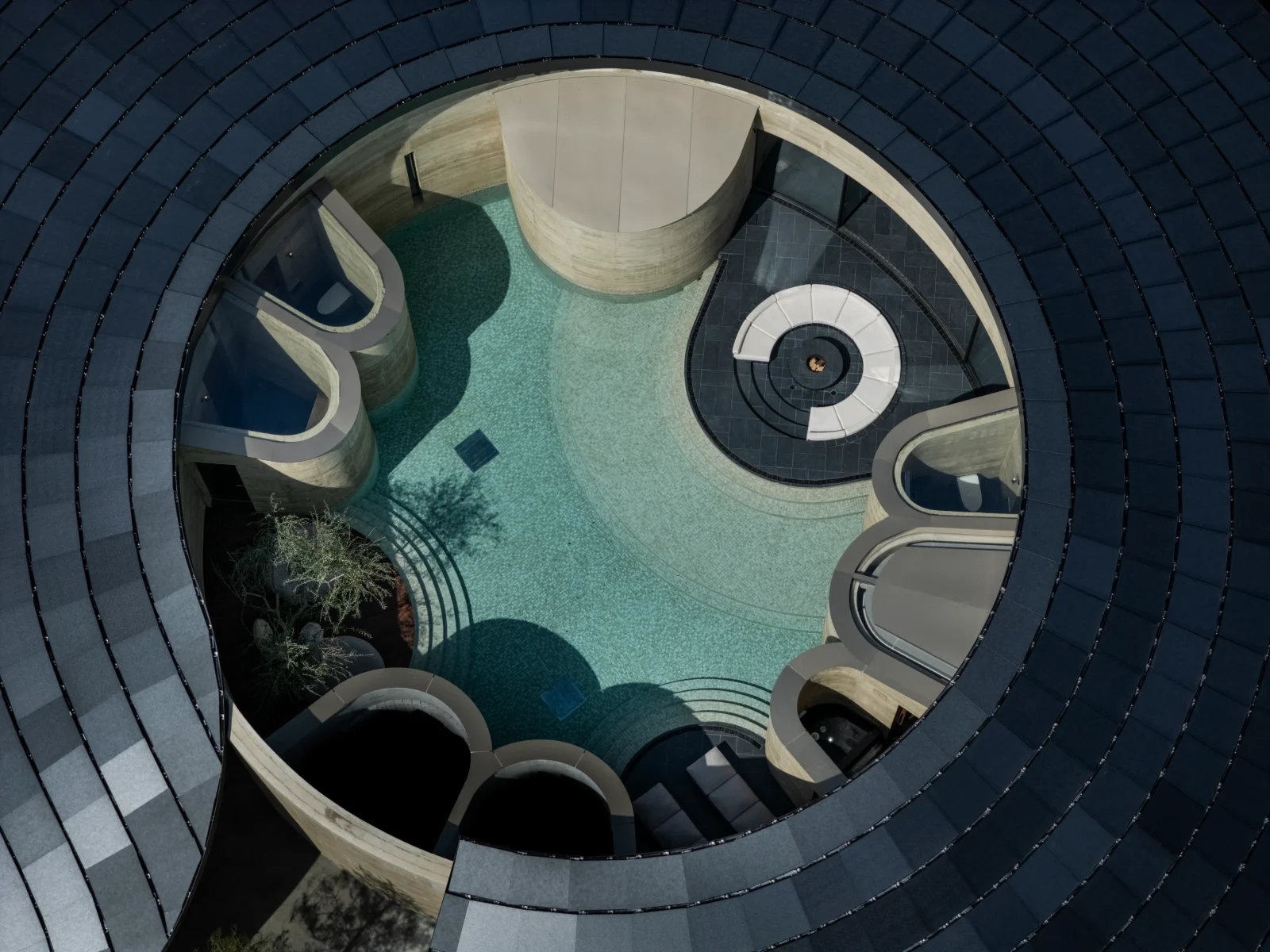
Set on the highest point of the site, Villa 360 is developed as a ring-shaped structure that captures panoramic views in every direction. The circular geometry allows the architecture to embrace the hilltop while establishing a strong relationship with the horizon.
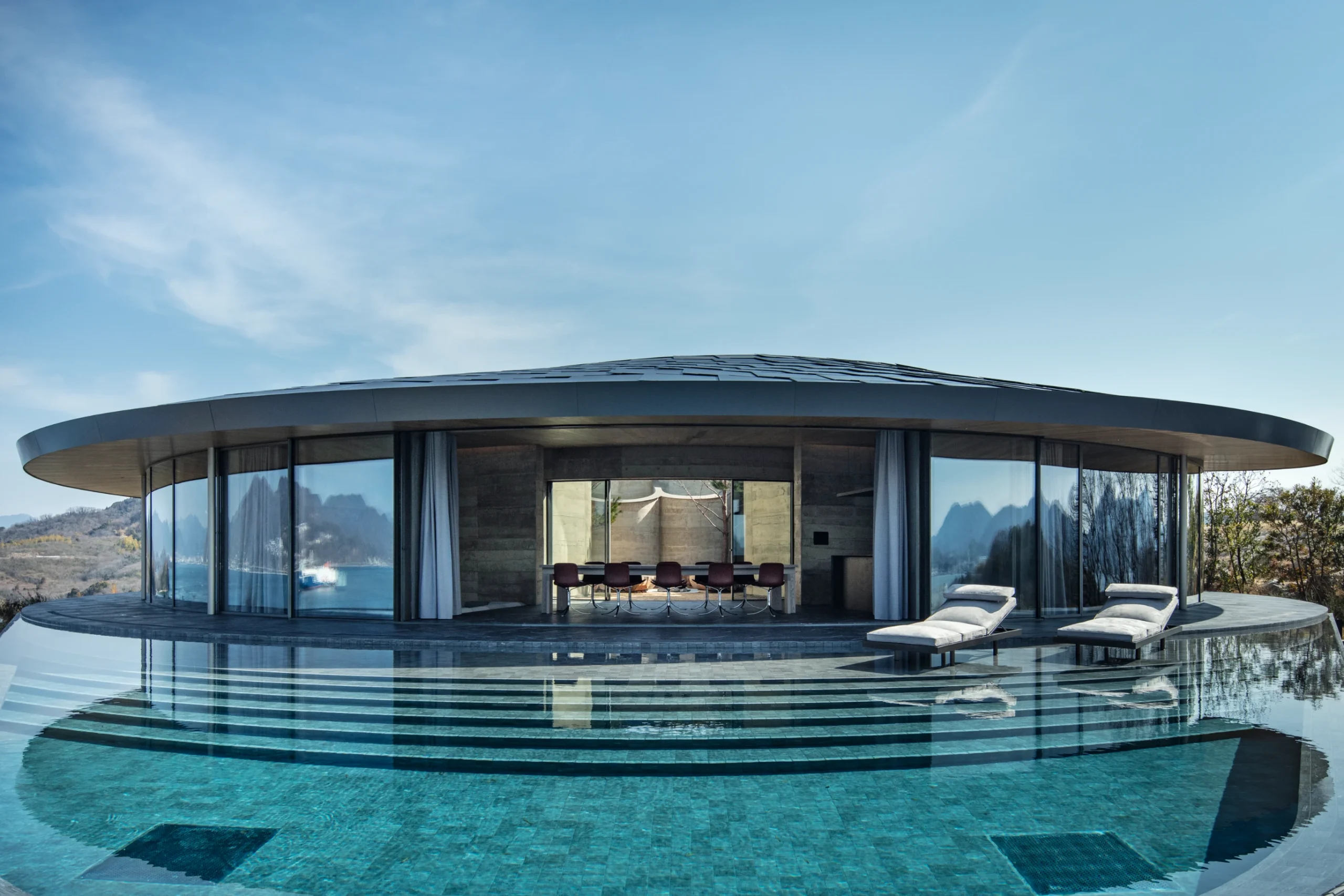
Large floor-to-ceiling glazing and glass walls maximize daylight and visual continuity, making the surrounding sky, sea, and seasonal shifts part of the daily interior experience. The private courtyard at its center creates a protected outdoor room, while the projecting pool extends the architecture toward the landscape.
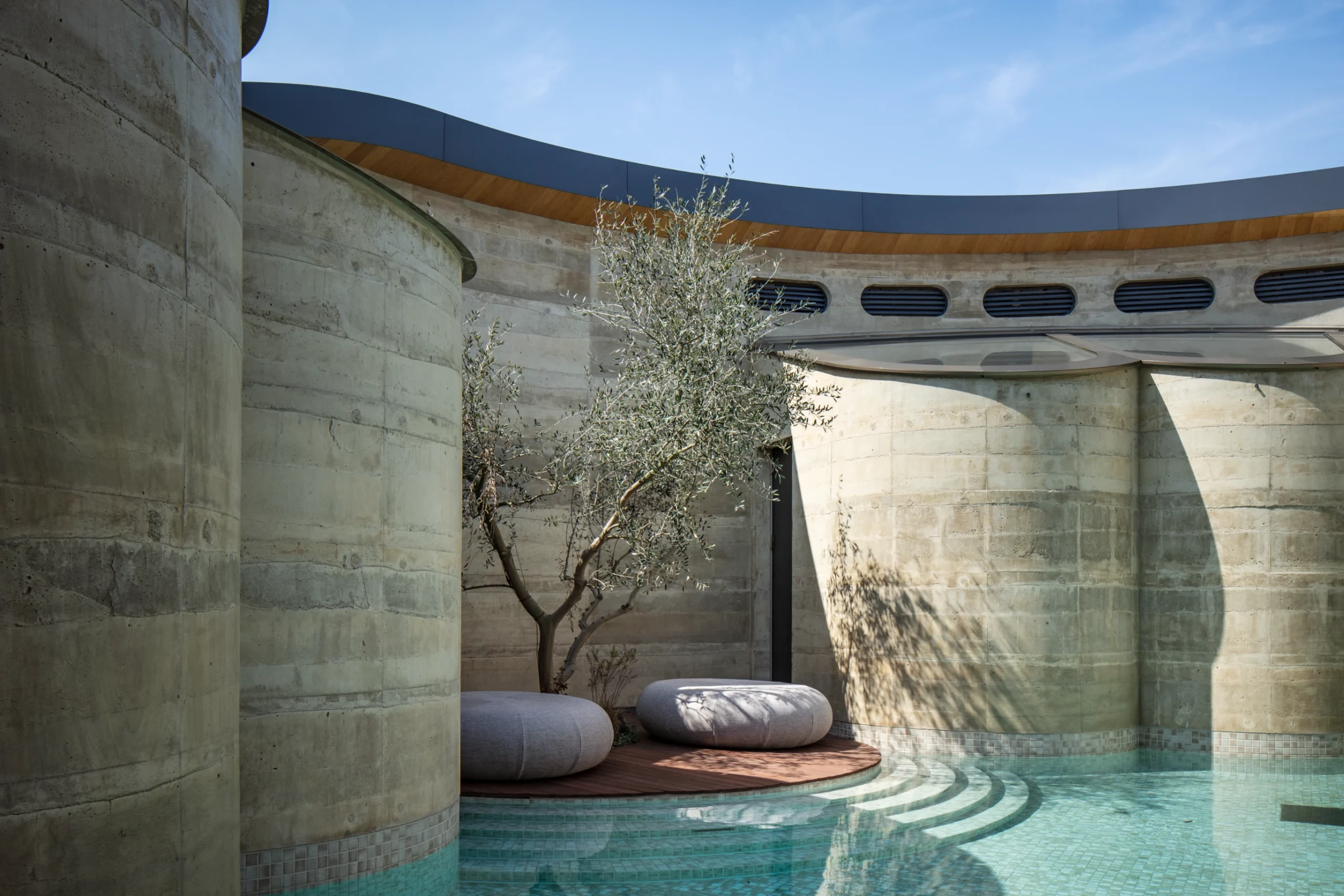
Among the three villas, 360 is perhaps the clearest expression of BIG’s interest in geometry as both a formal and experiential tool.
Beach Terrace 90 Extends the Architectural Experience
In addition to the villas, the project includes a communal restaurant known as Beach Terrace 90, positioned near the private beachfront arrival point. This building expands the architectural narrative of the development by linking hospitality, arrival, and landscape into a single continuous experience.
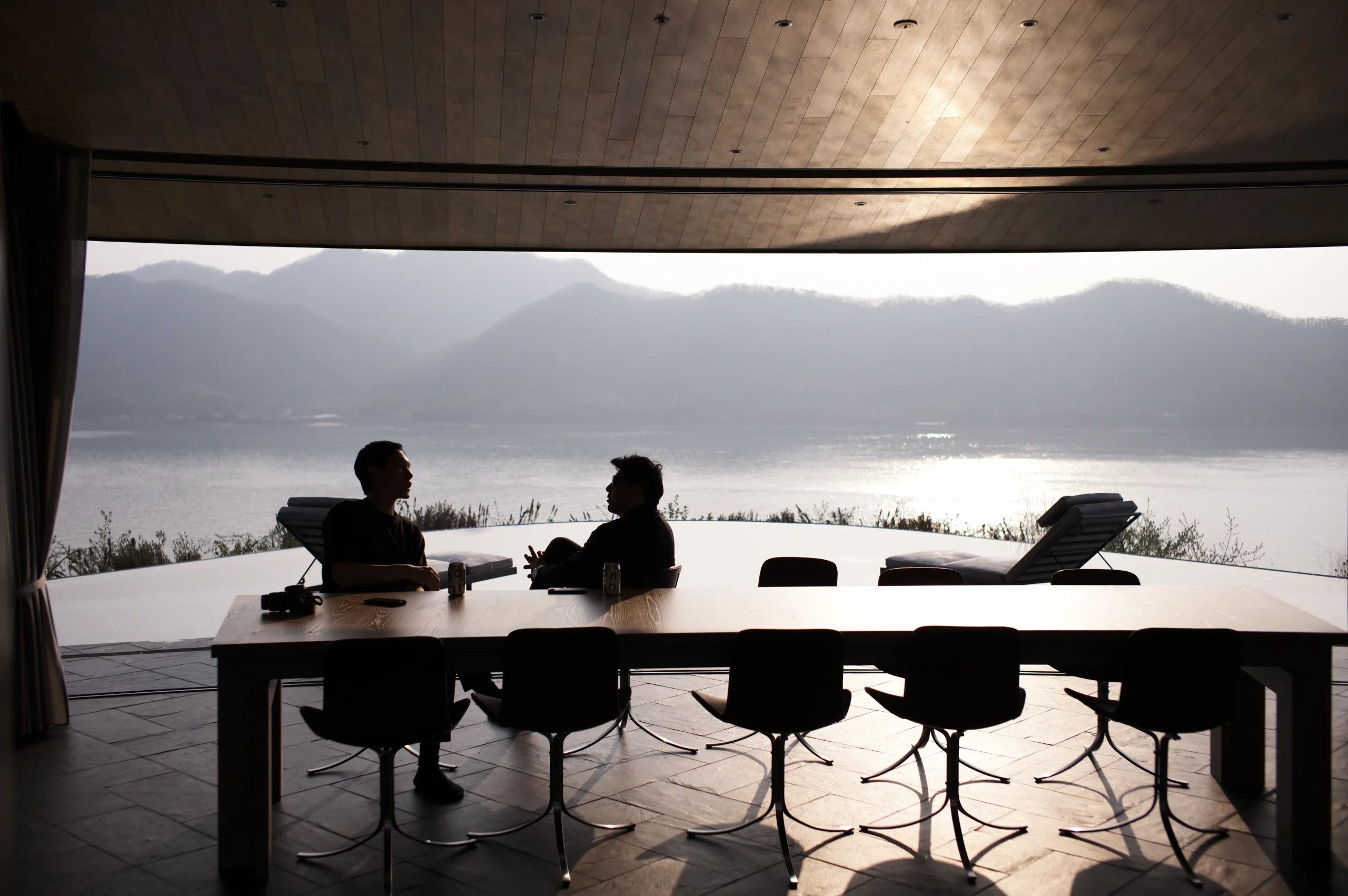
Instead of functioning as a separate amenity, the restaurant becomes part of the project’s broader spatial choreography. Guests move from the mainland lounge to a private cruiser or helicopter, then arrive at the beach where architecture opens directly to the sea. This sequence reinforces the idea that the project is designed not only as a collection of buildings but also as a carefully staged environment.
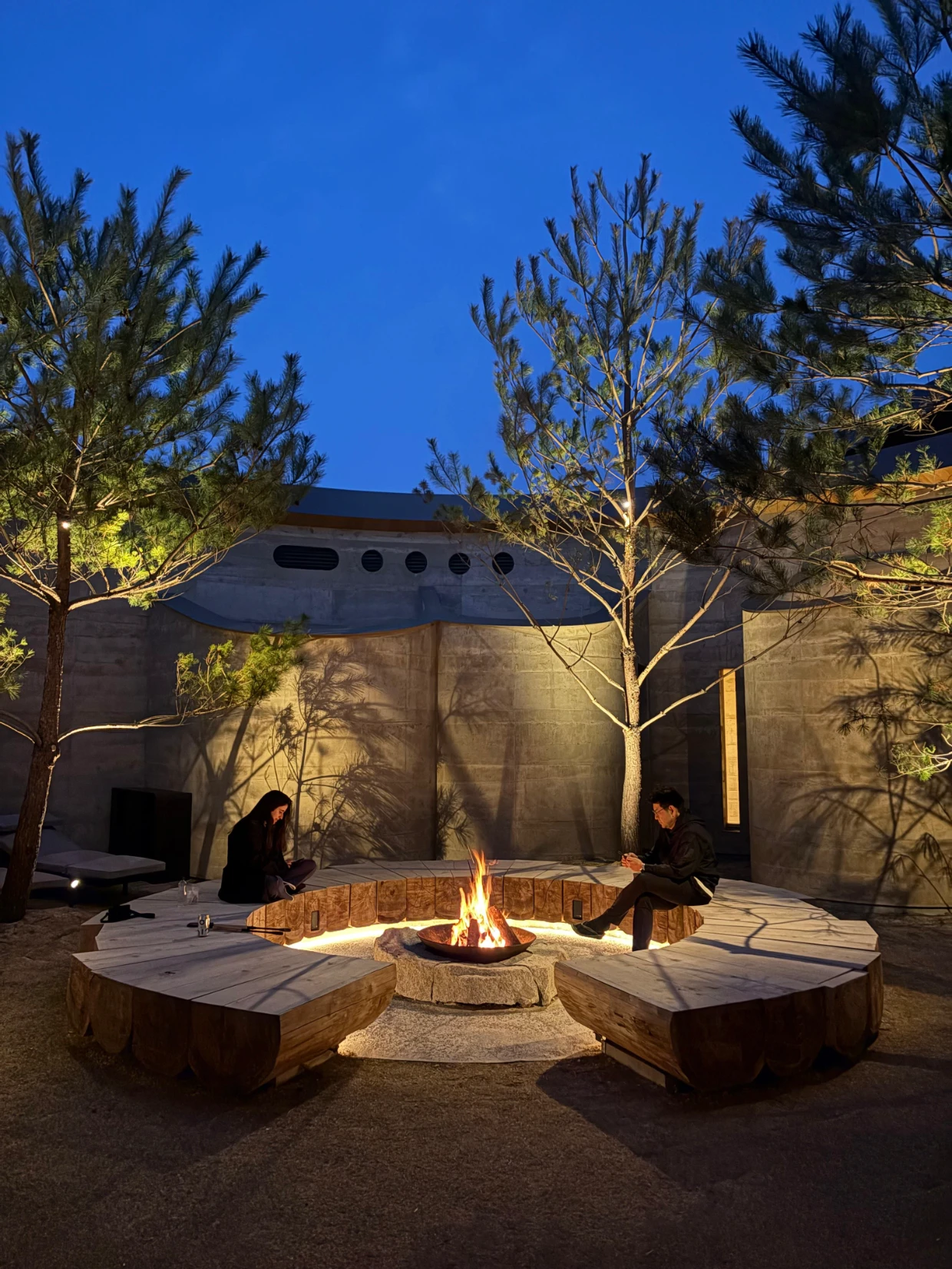
What makes NOT A HOTEL Setouchi stand out is its ability to hold apparent contradictions in balance. The villas are both welcoming and private, heavy and light, based on local customs but open to global influences, and they combine Japanese calm with Scandinavian simplicity. As a result, the architecture does not compete with nature but sharpens the way it is seen, inhabited, and remembered.
NOT A HOTEL Setouchi Project Facts
Project Name: NOT A HOTEL Setouchi
Location: Sagishima Island, Japan
Architect: Bjarke Ingels Group (BIG)
Project Type: Hospitality / Private Retreat
Partners-in-Charge: Bjarke Ingels, Leon Rost
Project Manager: Yu Inamoto
Design Lead: Ryohei Koike
Project Architect: Mamoru Hoshi
Client: NOT A HOTEL
Site Area: 2,350 m²
Collaborators: Maeda Corporation, ARUP Japan, 1moku, NOSIGHT, BOCS, Mir & LIT design
Image Credit: © Kenta Hasegawa
Explore Courses
.jpg "Ondrej Chybik - Rethinking Architecture")