


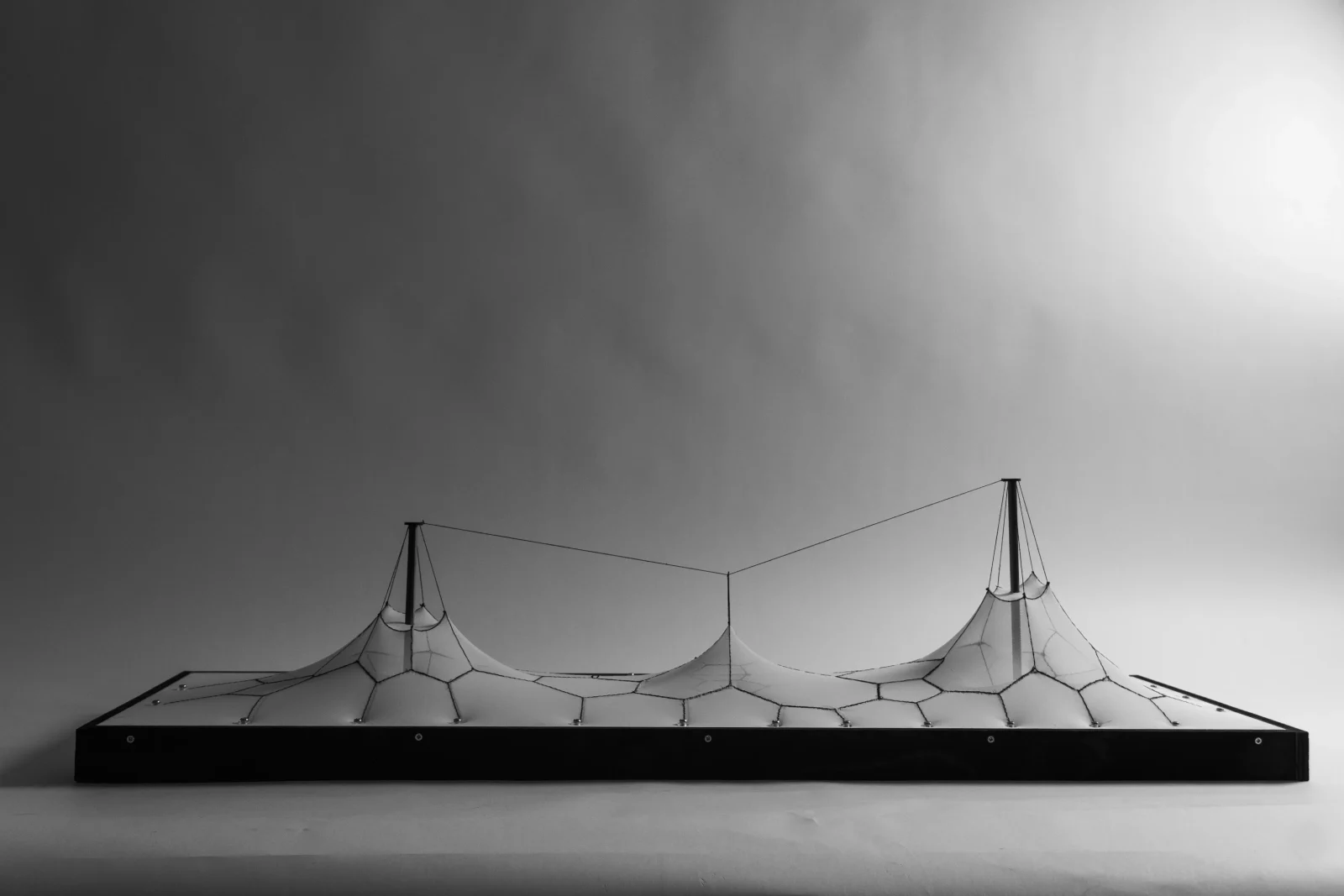
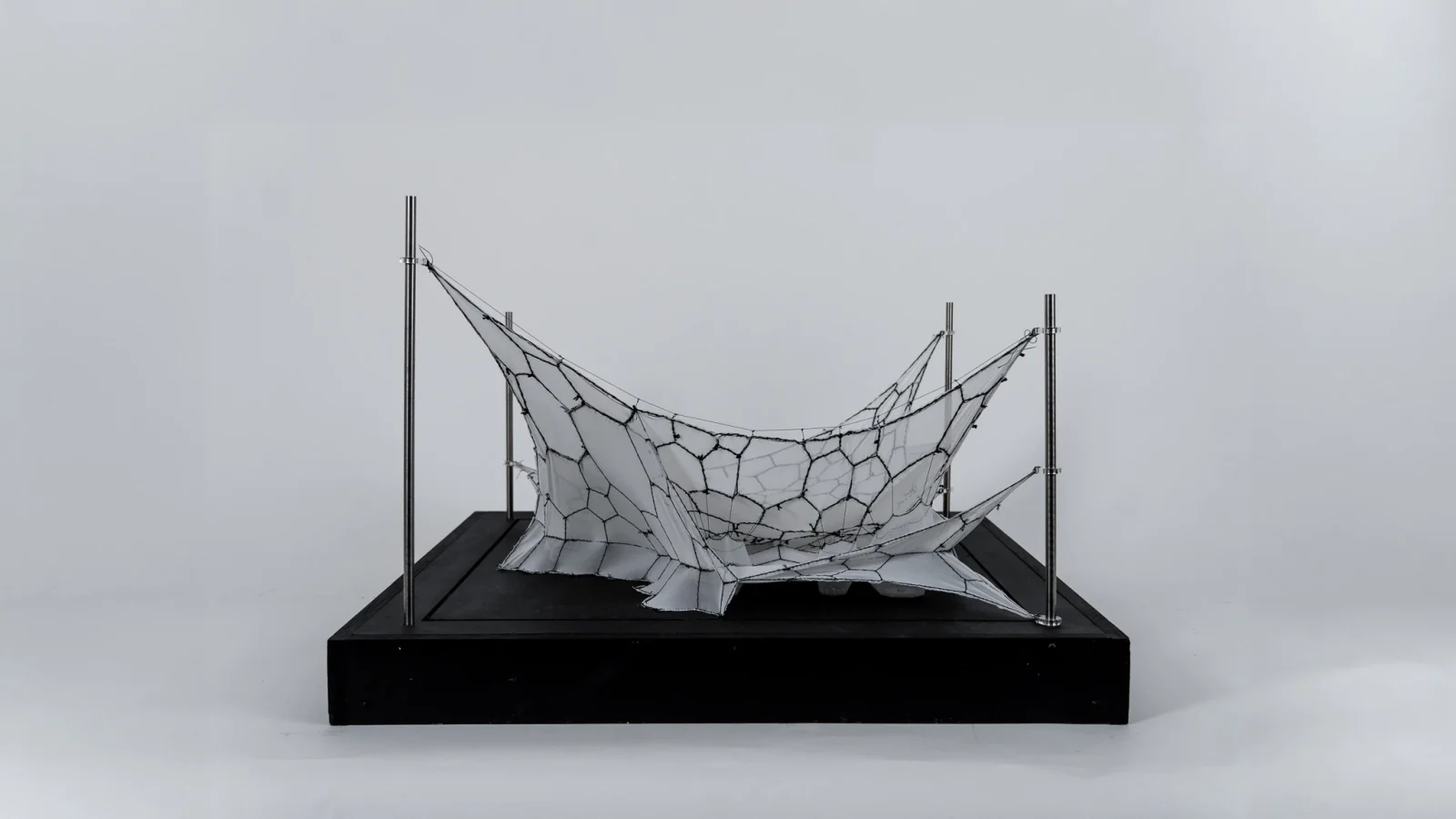
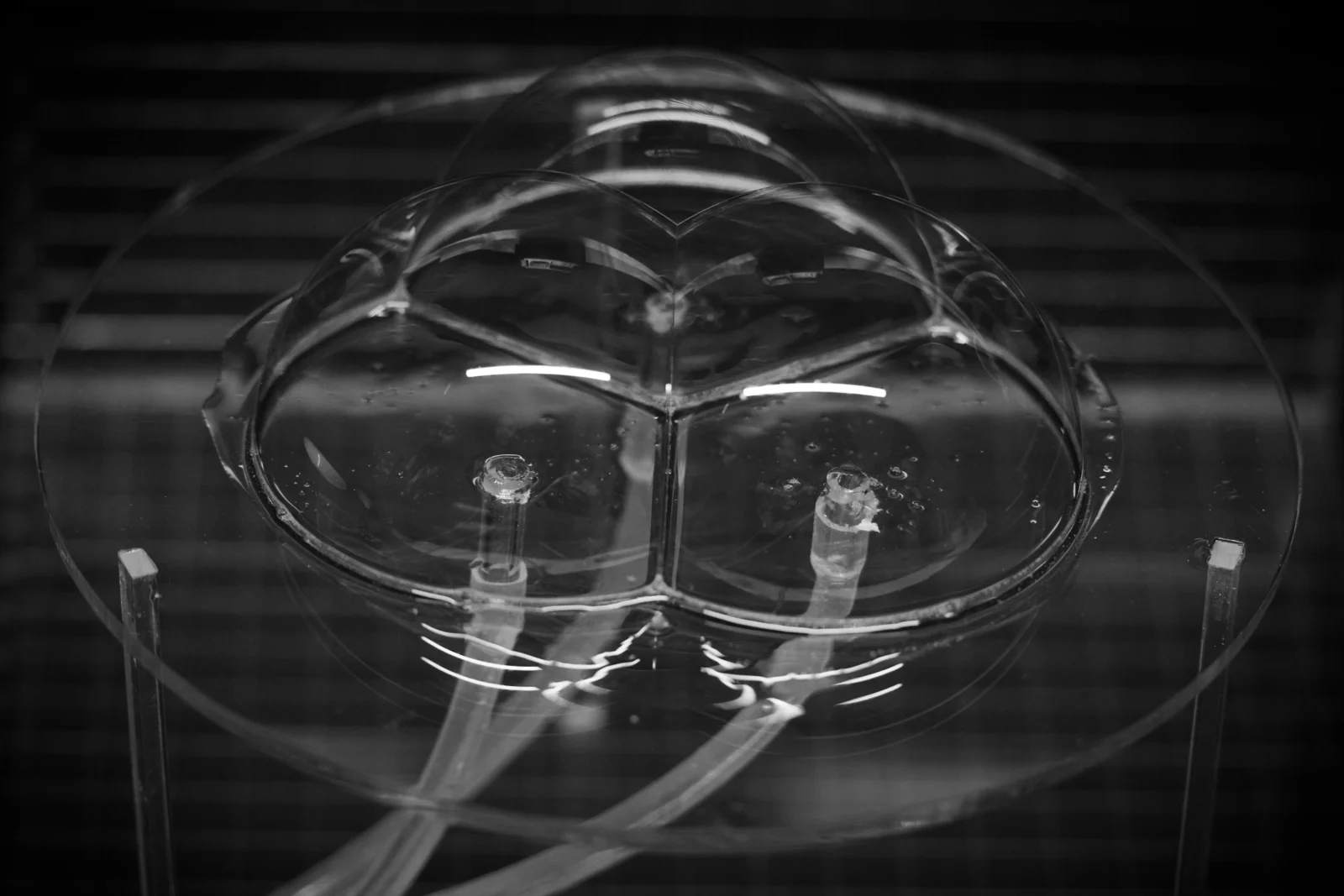
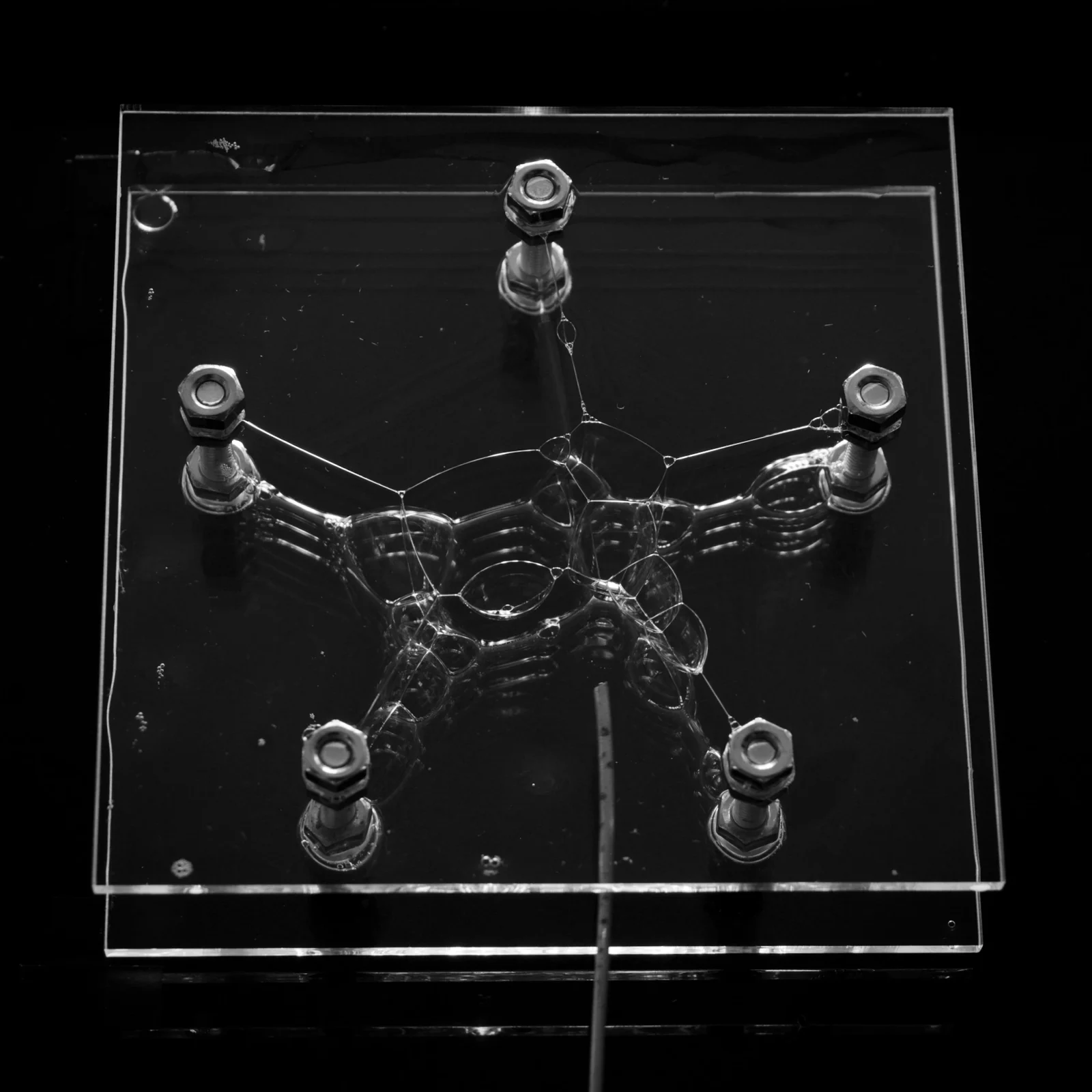
The architecture of static design is transforming into the engineering of dynamic, participatory frameworks shaped by collective intelligence. Representing this shift is the architecture of co-intelligence, articulated through the latest prototype by Theodore Spyropoulos, Director of the Architectural Association Design Research Lab (AADRL) in London and co-founder of the experimental practice Minimaforms. The project integrates adaptive ecologies that prioritize behavioral complexity while advancing a symbiotic relationship between human and machine systems.
The Architecture Of Co-Intelligence
From current global challenges, ranging from climate change and mass migration to systemic quarantine requirements, it is important to change the approach to design, moving beyond narratives, styles, and representational forms. The architecture of co-intelligence examines the roots of cybernetics, robotic and agent-based systems, and their implications for future built forms. Theodore Spyropoulos argues that architectural education should function as a research-led model that challenges disciplinary distinctions and pursues elemental and relational approaches to spatial interfacing.
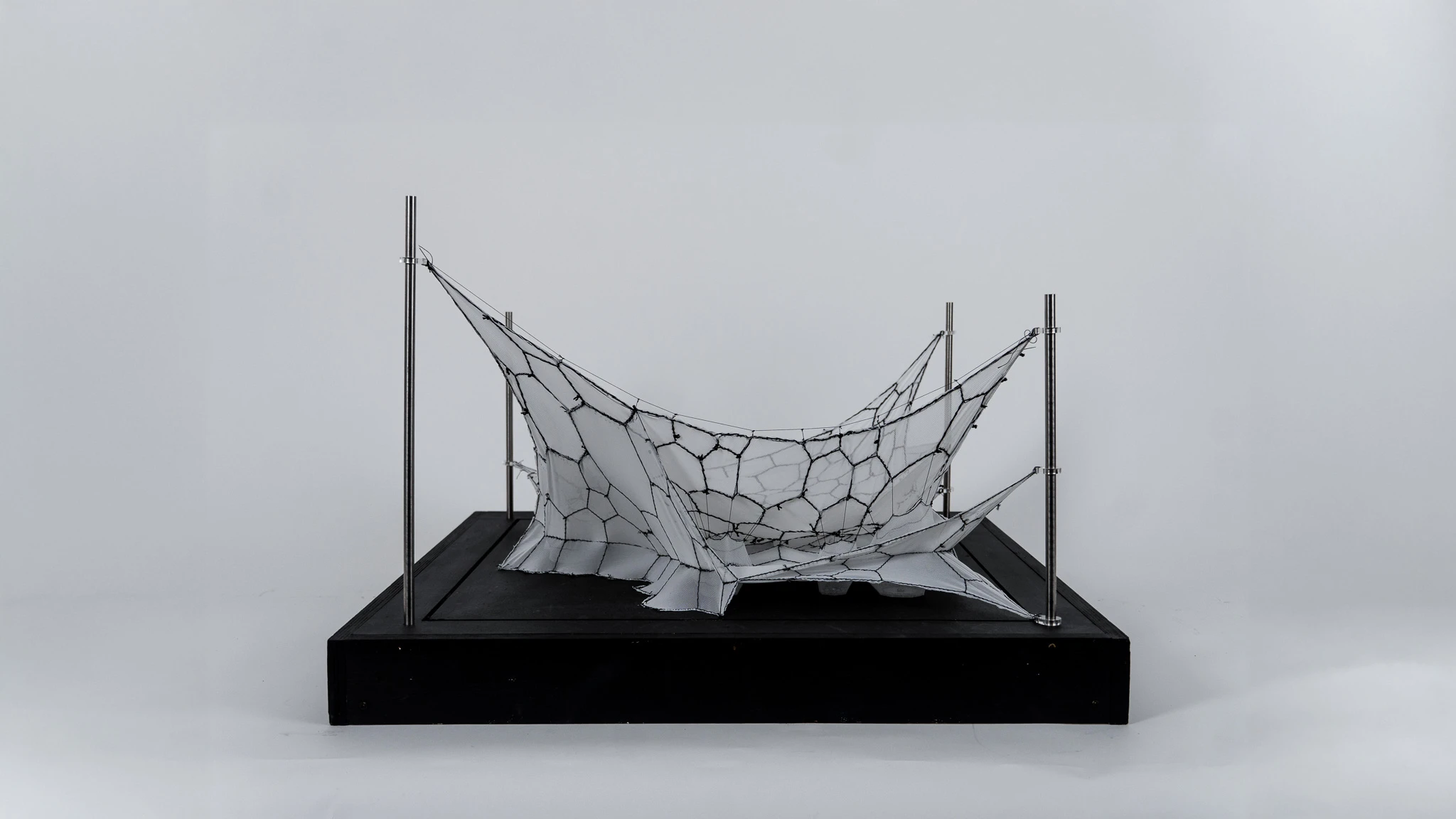
The philosophy of Spyropoulos’s work represents architecture as an ecology of interacting entities rather than a collection of finished structures. He encourages viewing machines as collaborative agents in the creative process, enabling the emergence of co-intelligence. Integrating the power of computational AI and robotics with human creativity and natural systems could solve problems more effectively than any individual agent alone.
The Ontology Of Co-Intelligence
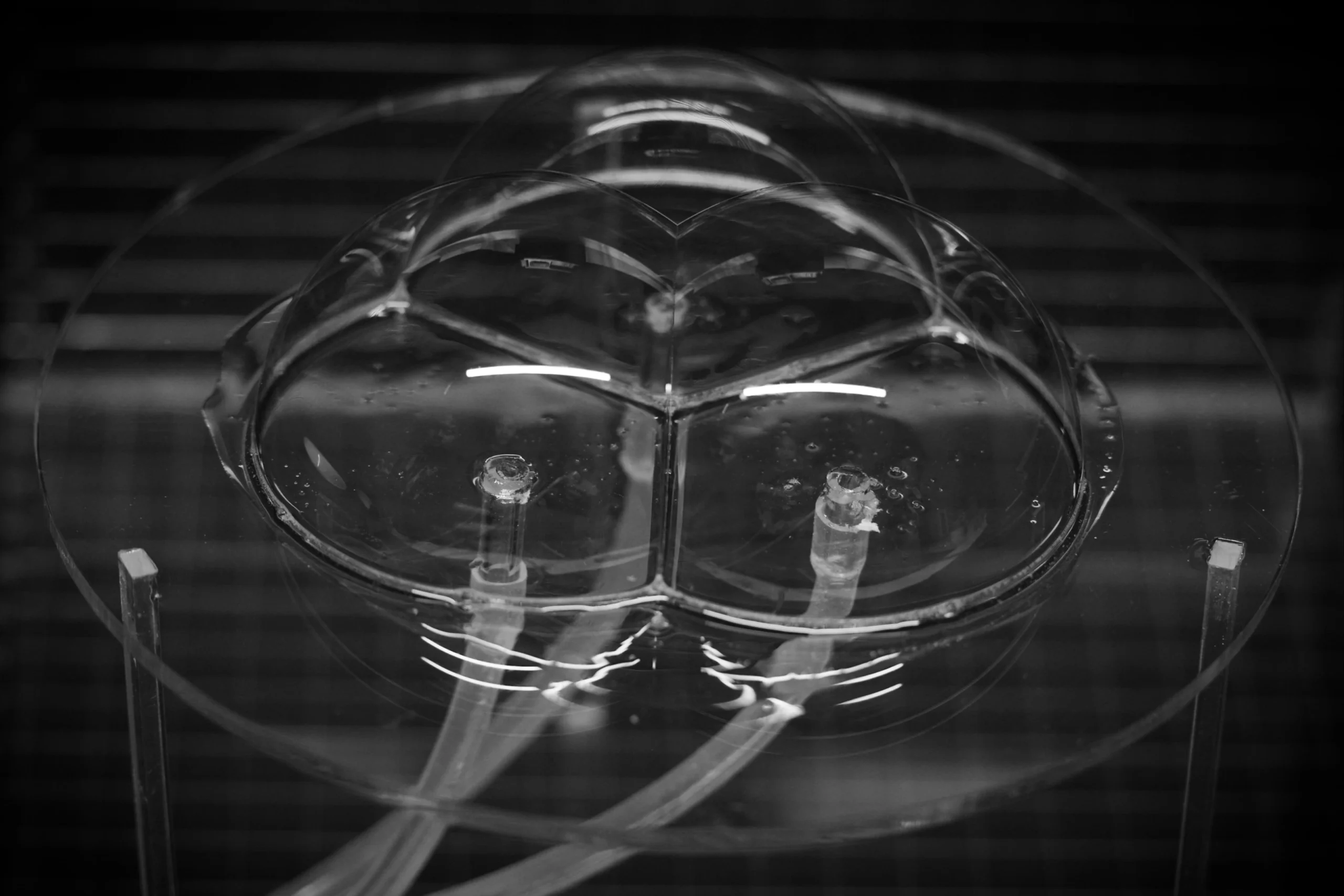
Drawing from repositories such as the IUCN Red List, environmental intelligence is translated into design agency through AI-driven prediction and clustering models. These computational systems map vulnerability, grouping species into microclimatic constellations that inform spatial and ecological organization.
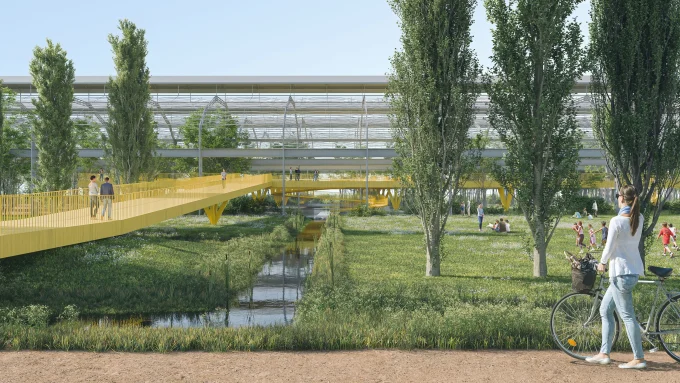
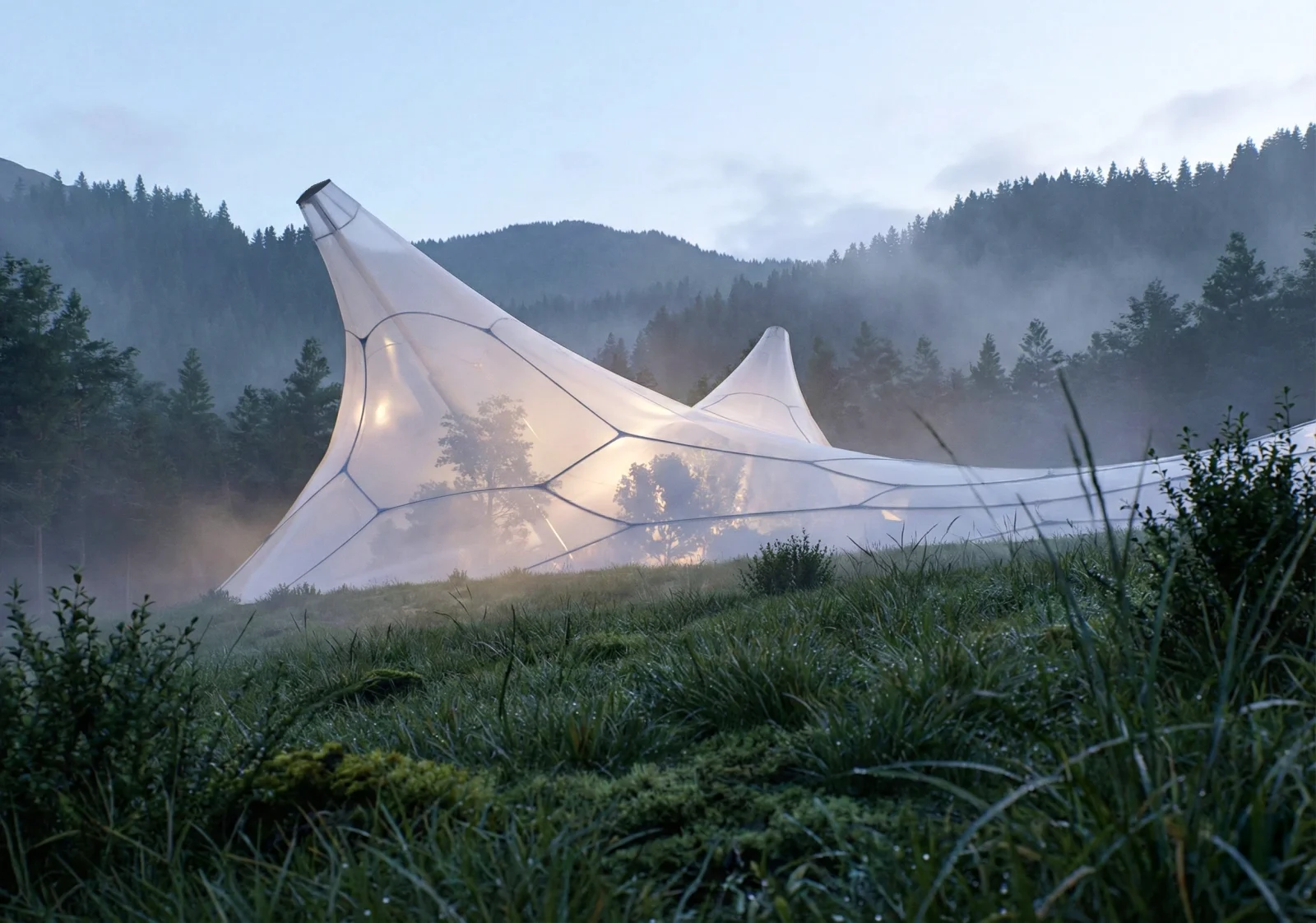
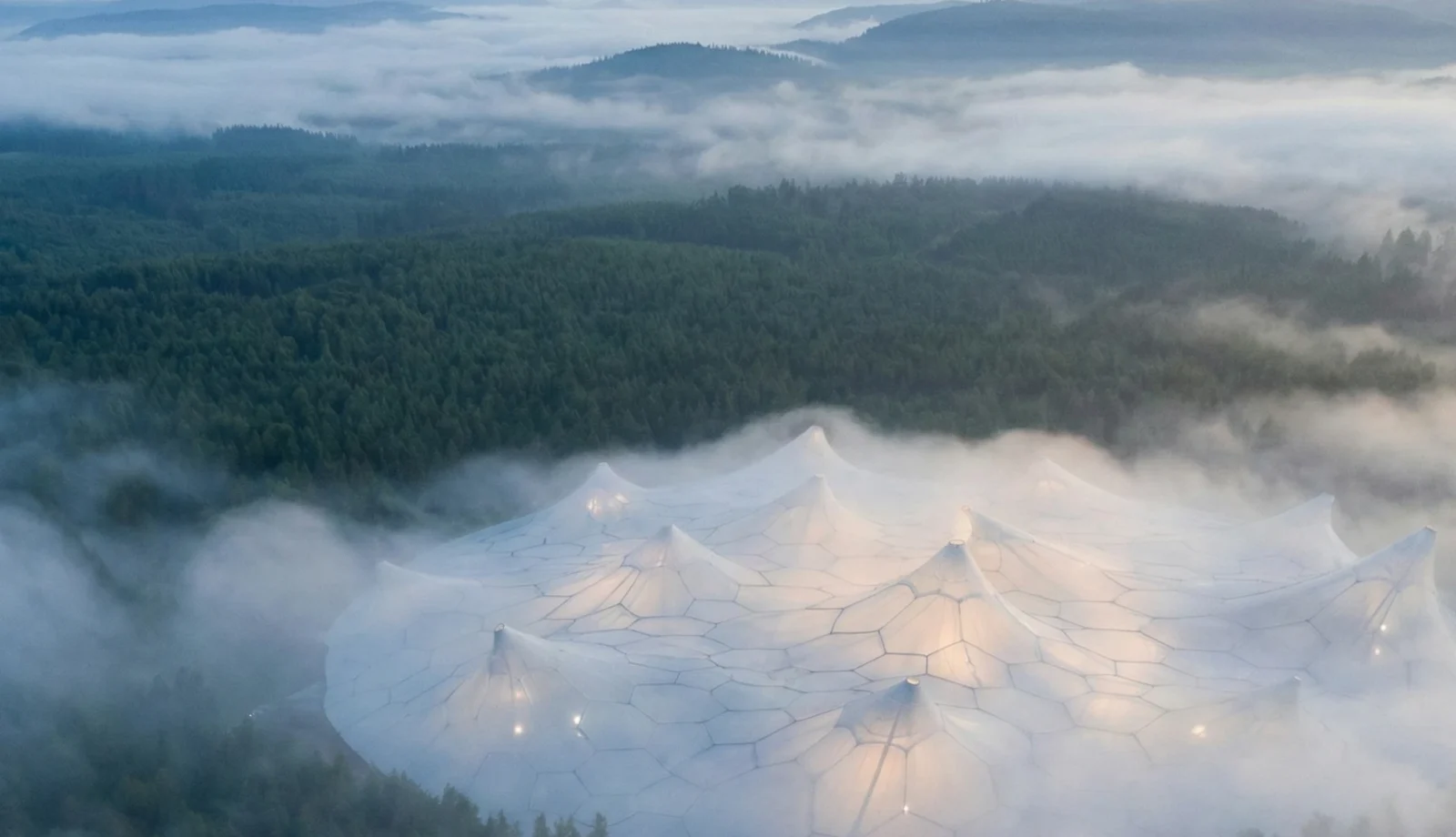
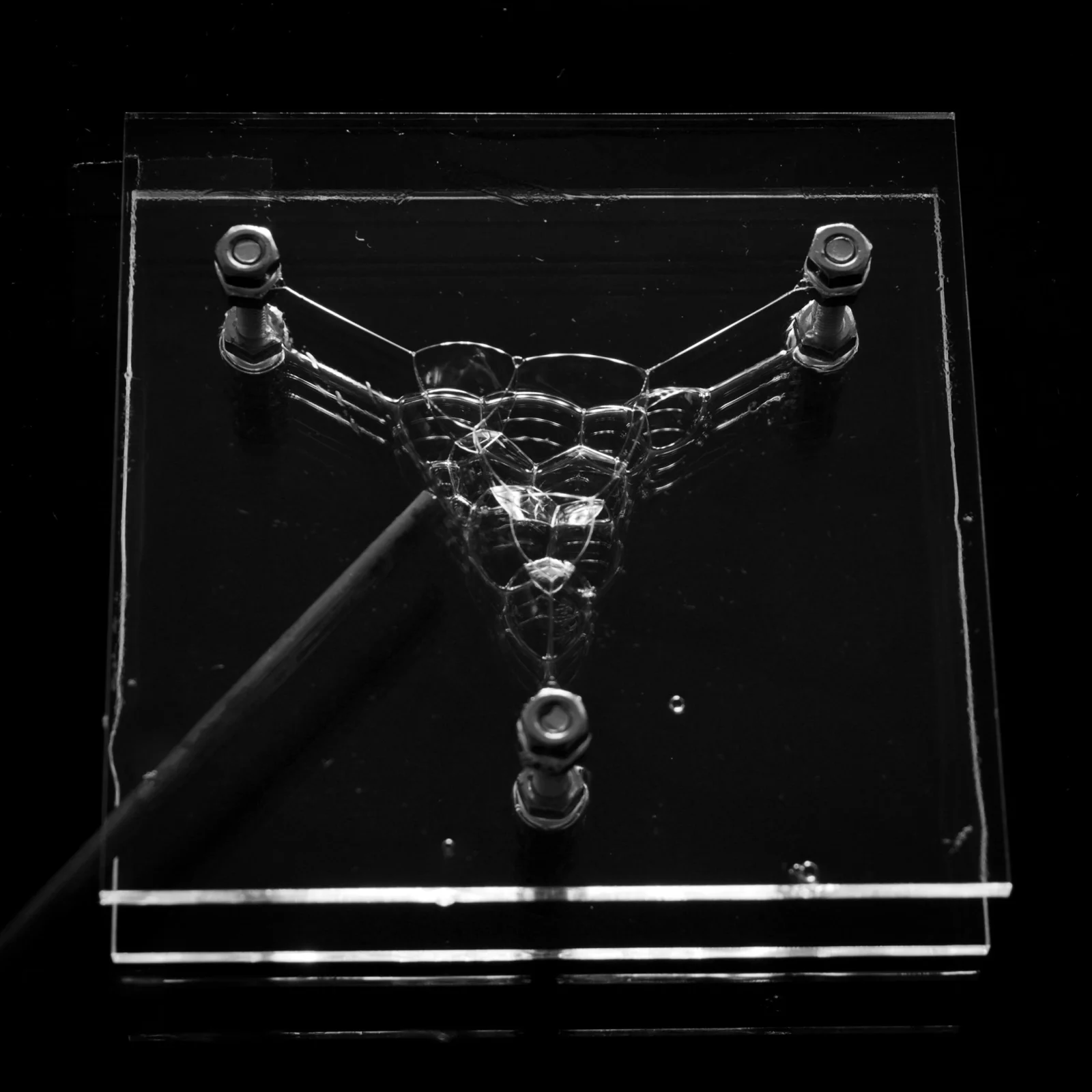
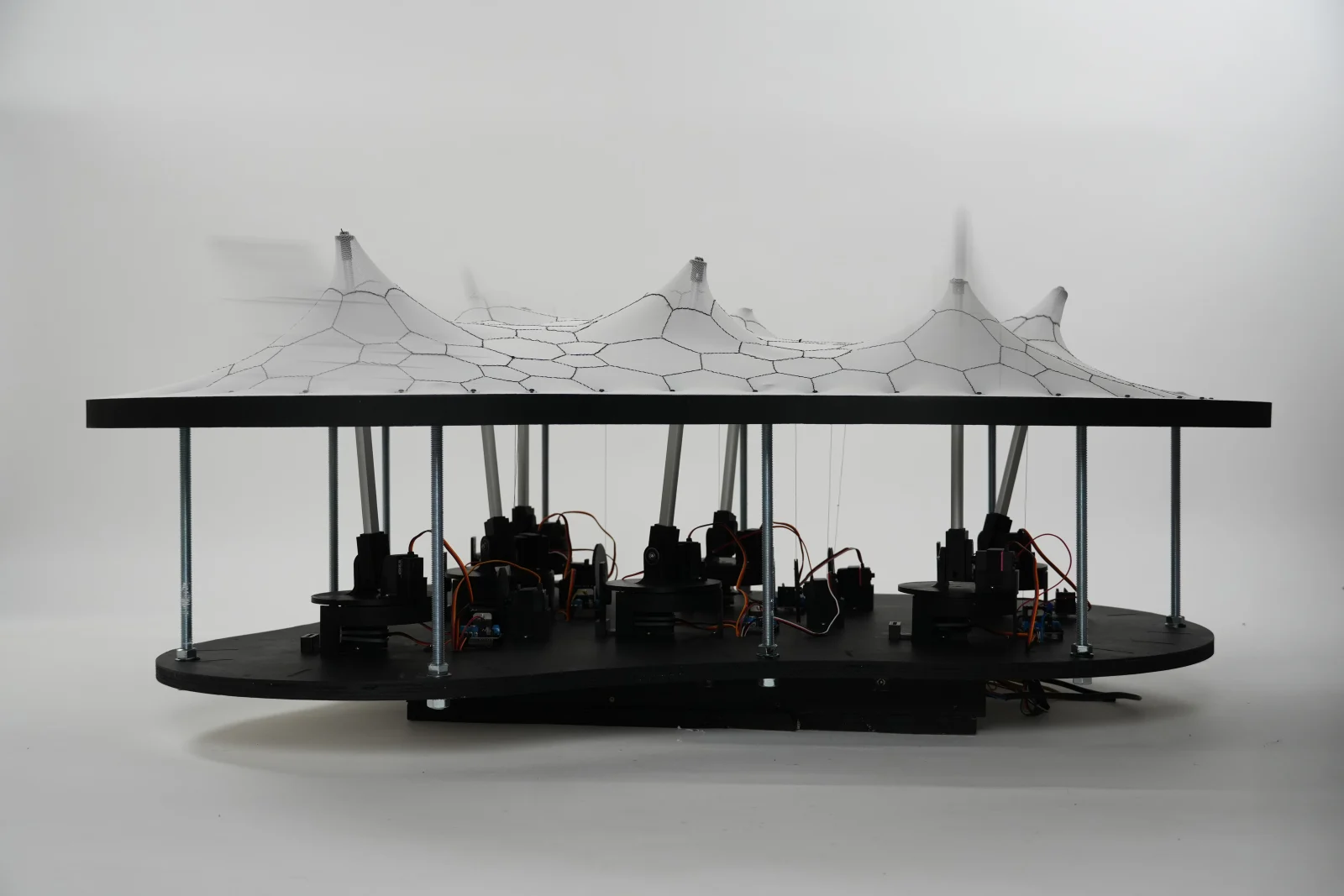
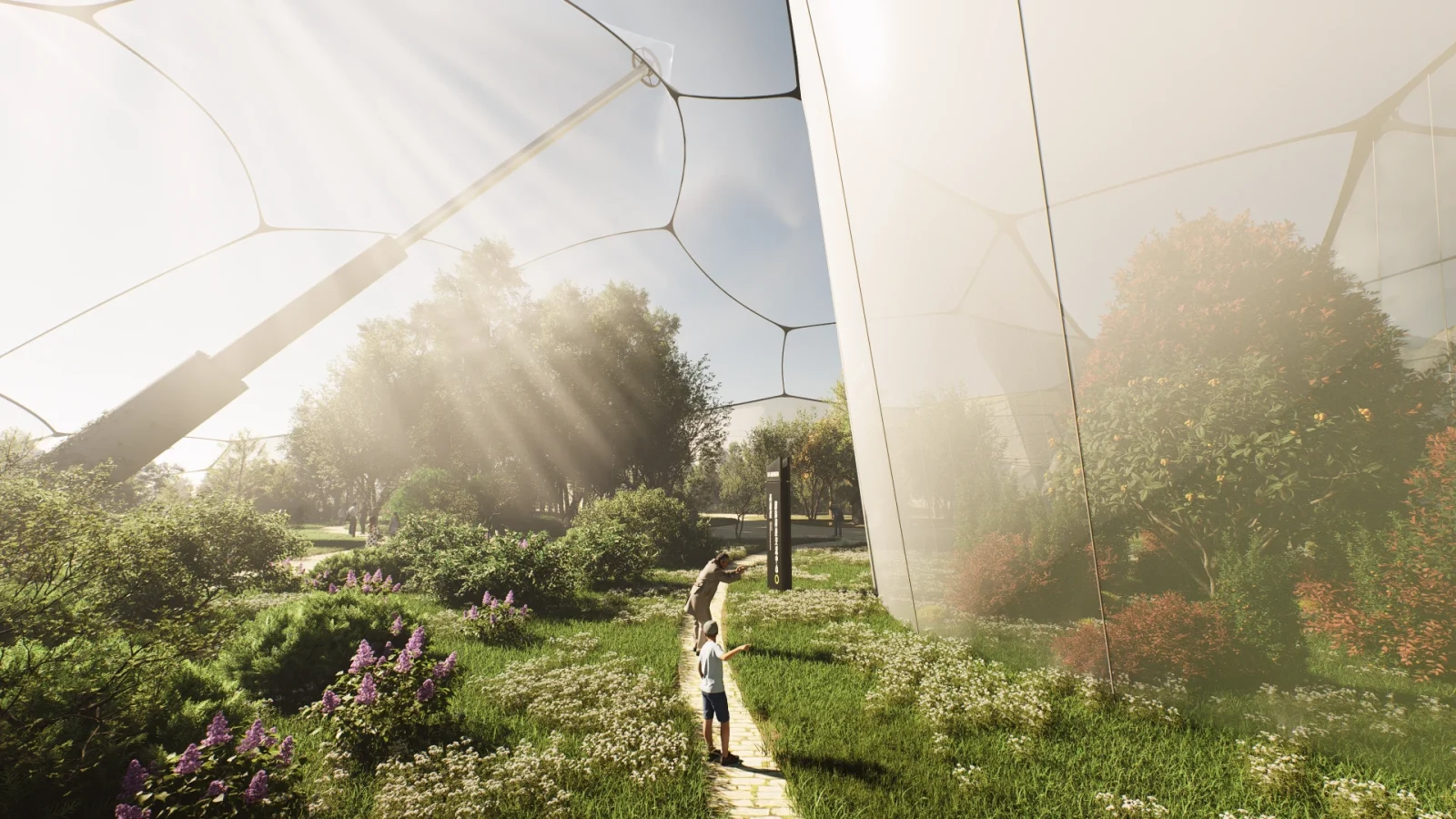
Architecturally, the project situates itself within the lineage of long-span ecological enclosures pioneered by Frei Otto, yet advances the typology through systems of controllable subdivision, transforming static environmental shells into responsive, fine-tuned habitats capable of adaptation and calibrated coexistence.
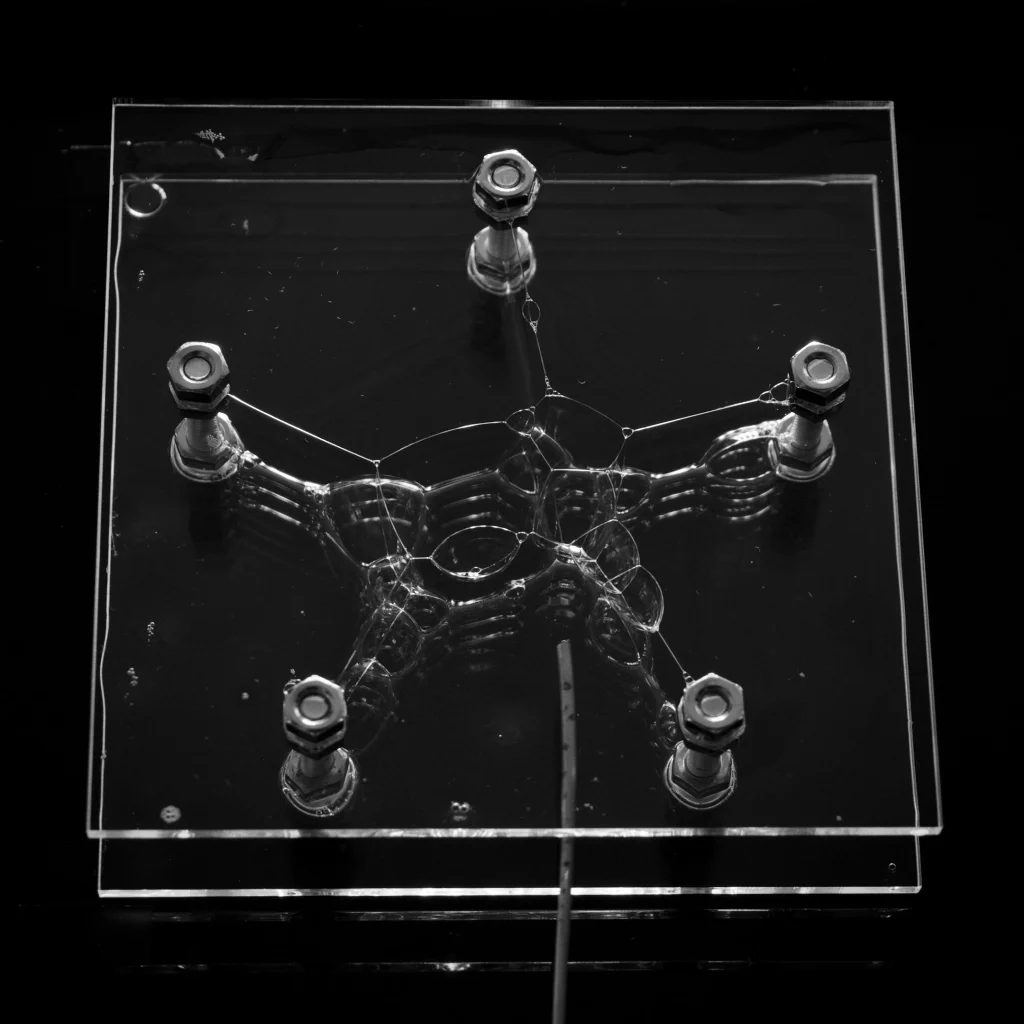
At the core of the Spyropoulos framework is the integration of second-order cybernetics into the design process. First-order cybernetics deals with observed systems and external control, while second-order cybernetics focuses on the observer’s role within feedback loops. This participatory approach enables users to influence and shape their environment, animating public space as a medium of collective interaction and expression.
Computational Ecologies & Behavioral Systems
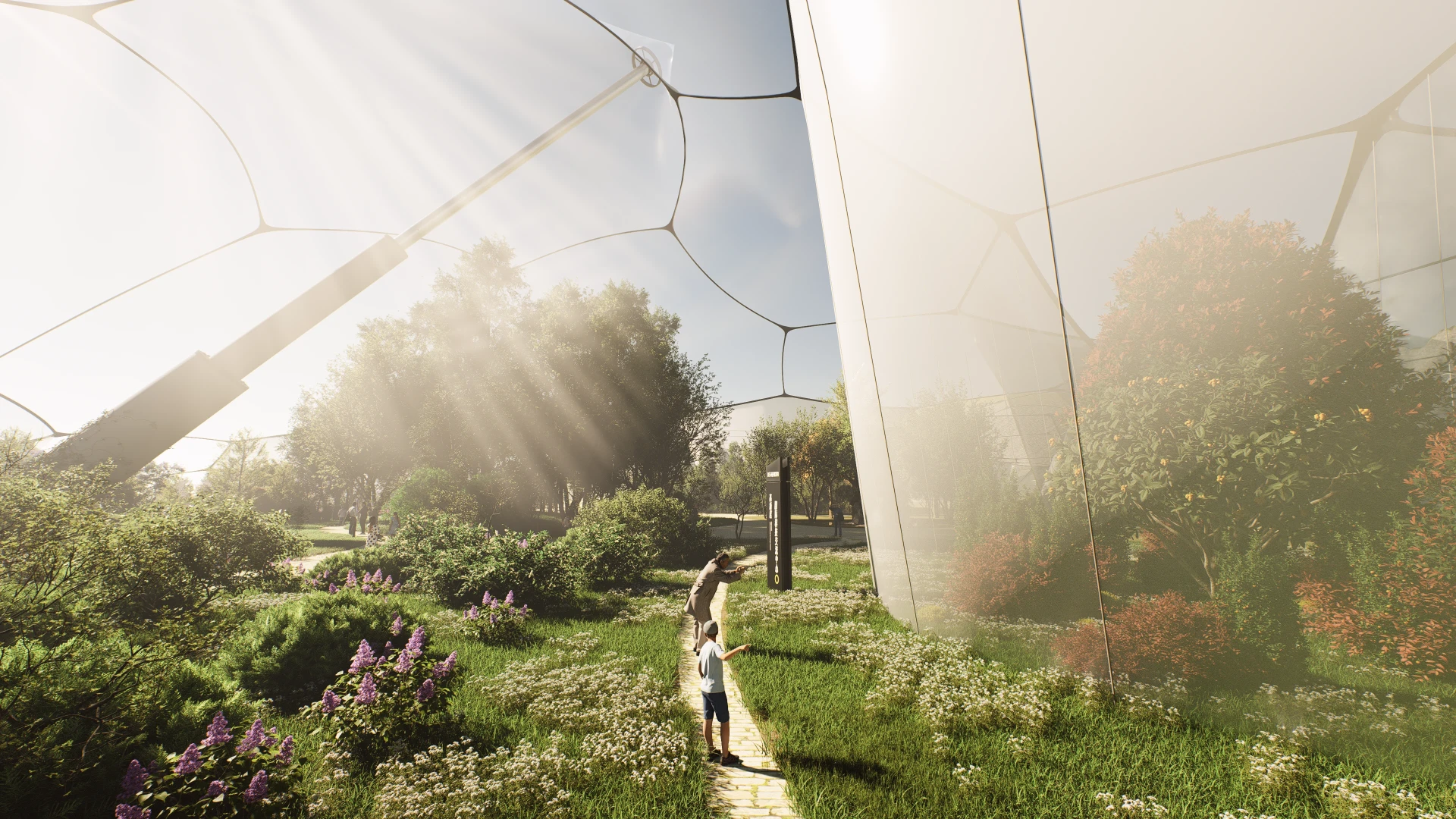
The architecture of co-intelligence addresses biodiversity and planetary crises by reimagining the seed bank as an active, intelligent infrastructure. In research exemplified by student Sumanth G. Sogal, the seed bank is transformed into a regenerative agent. The project creates microclimates and ecological resilience, crafting a dialogue between natural and artificial systems of intelligence. The seed becomes both a conceptual metaphor and an operational model: a vessel of adaptive knowledge that informs a new architectural logic.
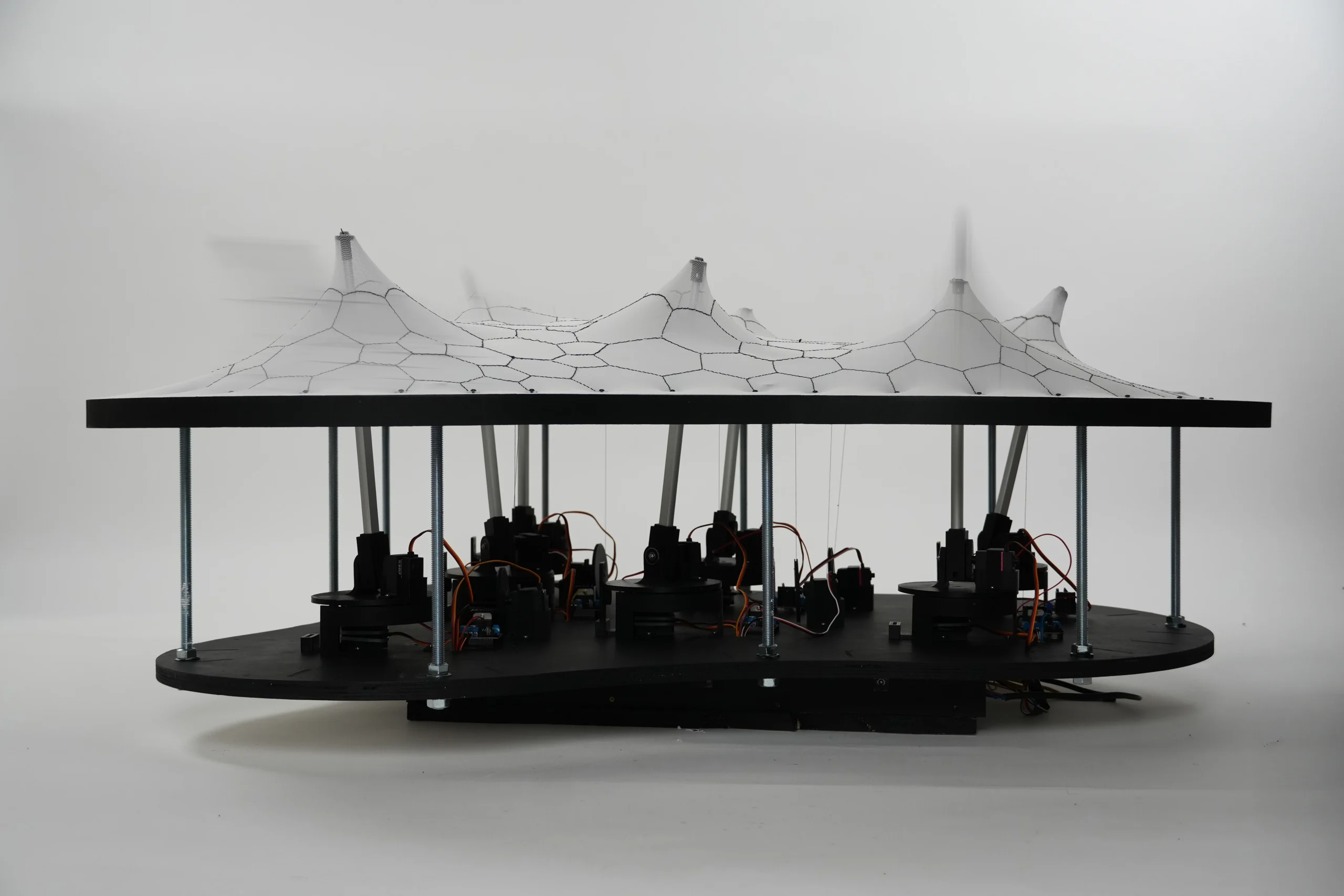
This design approach bridges two realms of intelligence: the genetic data embodied in seeds and the digital data encoded in bytes. The Architecture of Co-intelligence, under Theodore Spyropoulos, represents an attempt to rethink the discipline for a world of radical latency and change. By integrating AI, robotics, second-order cybernetics, and elemental phenomena, the AADRL and Minimaforms offer a model of living that is durational, mobile, and energy-producing.
The Experimental Design Research
The project invites us to see the world anew—not as a collection of static landmarks, but as a participatory behavioral ecology that allows for adaptation, evolution, and a deeper synthesis between information, life, and matter. By making ecological intelligence visible and culturally resonant, the seed bank transforms from a silent insurance policy into a living institution that actively contributes to rebuilding ecologies for reintroduction to the planet.
Architecture of Co-intelligence Project Details
Studio: Theodore Spyropoulos
Tutors: Hanjun Kim, Apostolos Despotidis, Elizabeth Konstantinidou
Team: Kian Jansuwan, Sumanth Sogal, Supreeth Vijayakumar
Renders: © AADRL
Explore Courses
.jpg2.jpg "Carlo Ratti - Rethinking Architecture")
.jpg "Architecture Diagram Mastery: Concept to Portfolio")
.jpg%202.jpg "Building Performance with Forma & Opossum")