

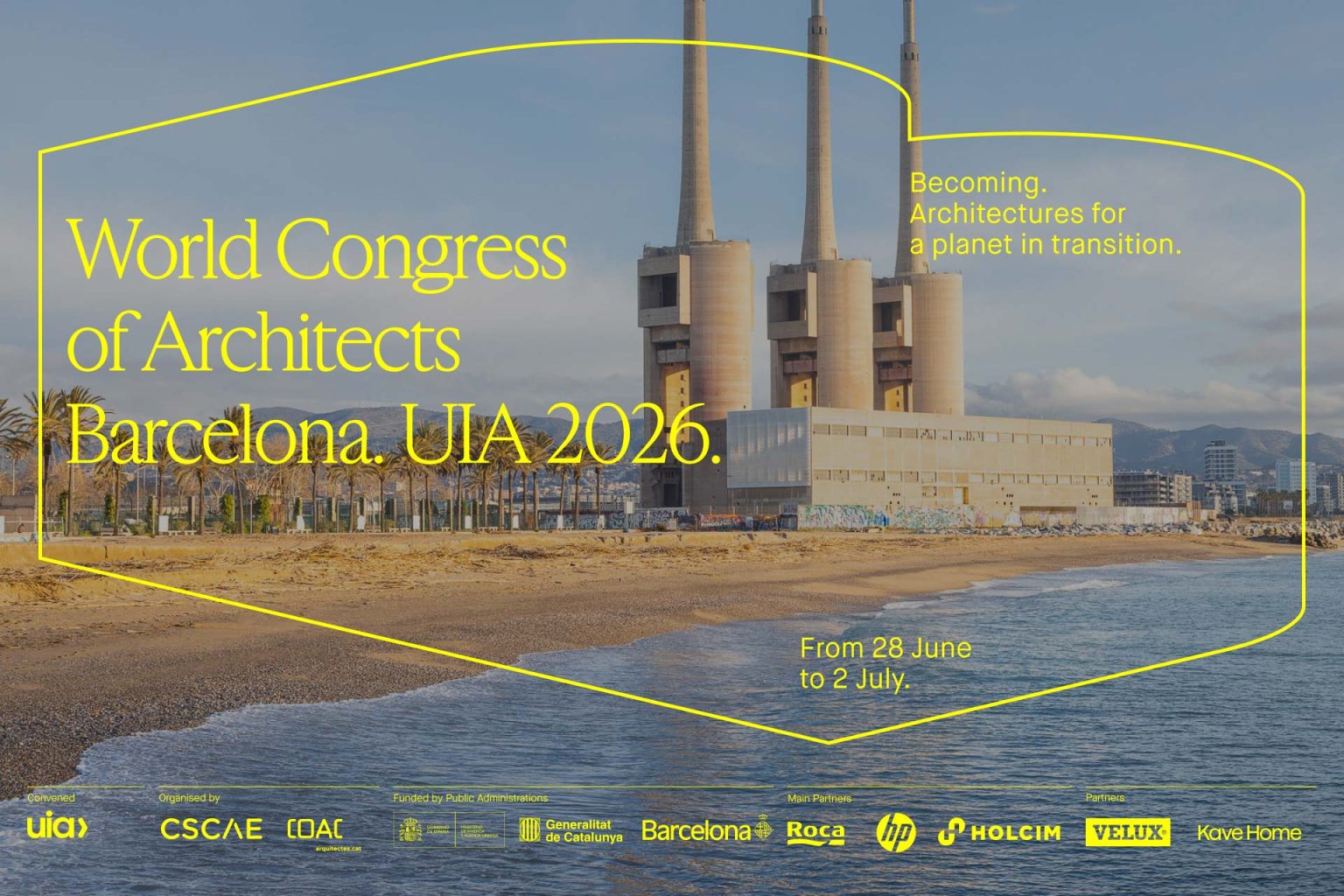
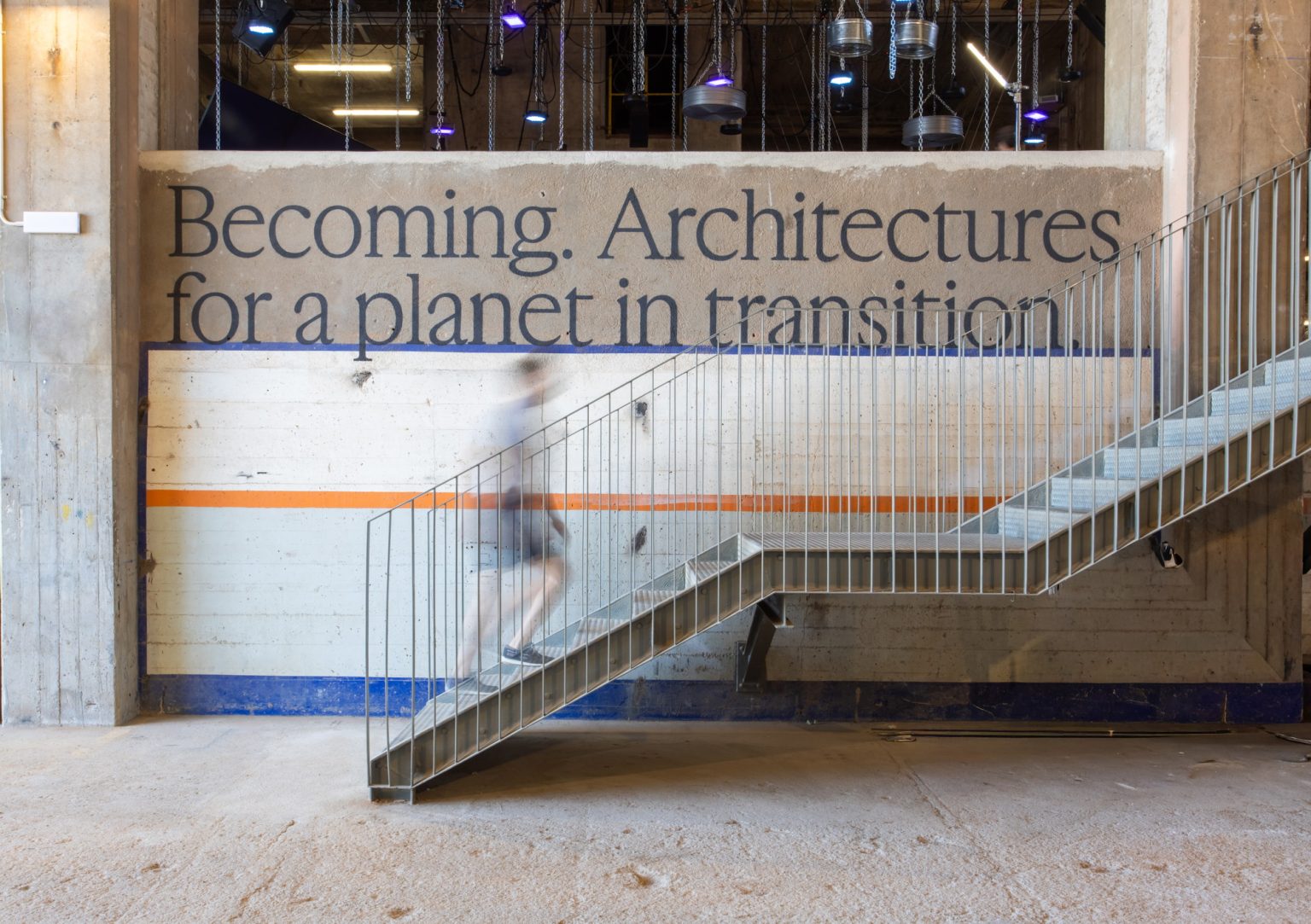




Barcelona has officially opened the UIA World Congress of Architects 2026, one of the most significant international gatherings in the architecture profession. Running from 28 June to 2 July 2026, the congress brings together architects, urbanists, researchers, students, policymakers, and cultural leaders from across the globe under the theme “Becoming. Architectures for a Planet in Transition.” Hosted by the International Union of Architects (UIA), the event marks the 29th edition of the triennial congress and coincides with Barcelona’s designation as the UNESCO-UIA World Capital of Architecture 2026.
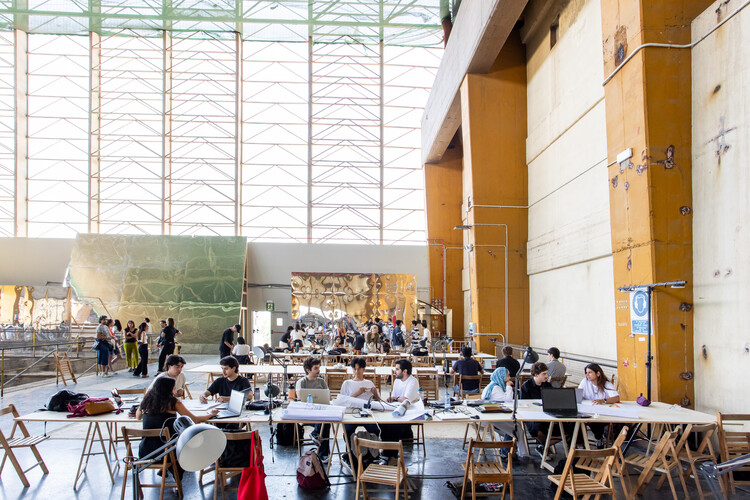
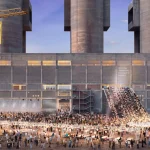
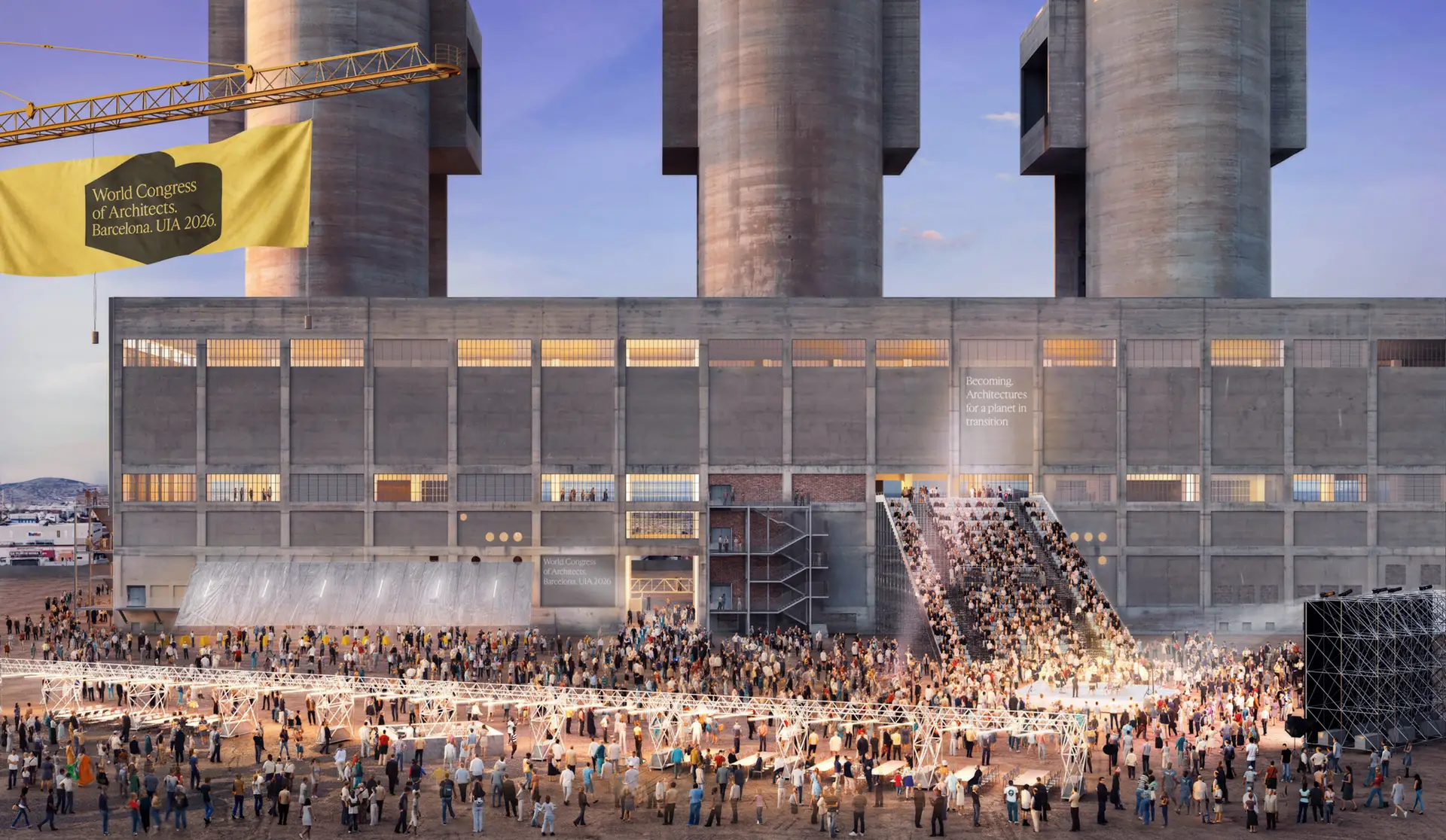
The opening ceremony took place at Les Tres Xemeneies (Three Chimneys) in Sant Adrià de Besòs, a former thermal power station that has become a symbol of industrial transformation and urban regeneration. The choice of venue reflects the congress’s broader ambition to explore how architecture can respond to environmental, social, technological, and political transitions shaping contemporary life.
A Congress Focused on the Future of the Planet
Every UIA World Congress is organized around a central theme addressing pressing issues facing the profession. For 2026, organizers have adopted “Becoming. Architectures for a Planet in Transition,” a framework that positions architecture as an active participant in ongoing planetary change.
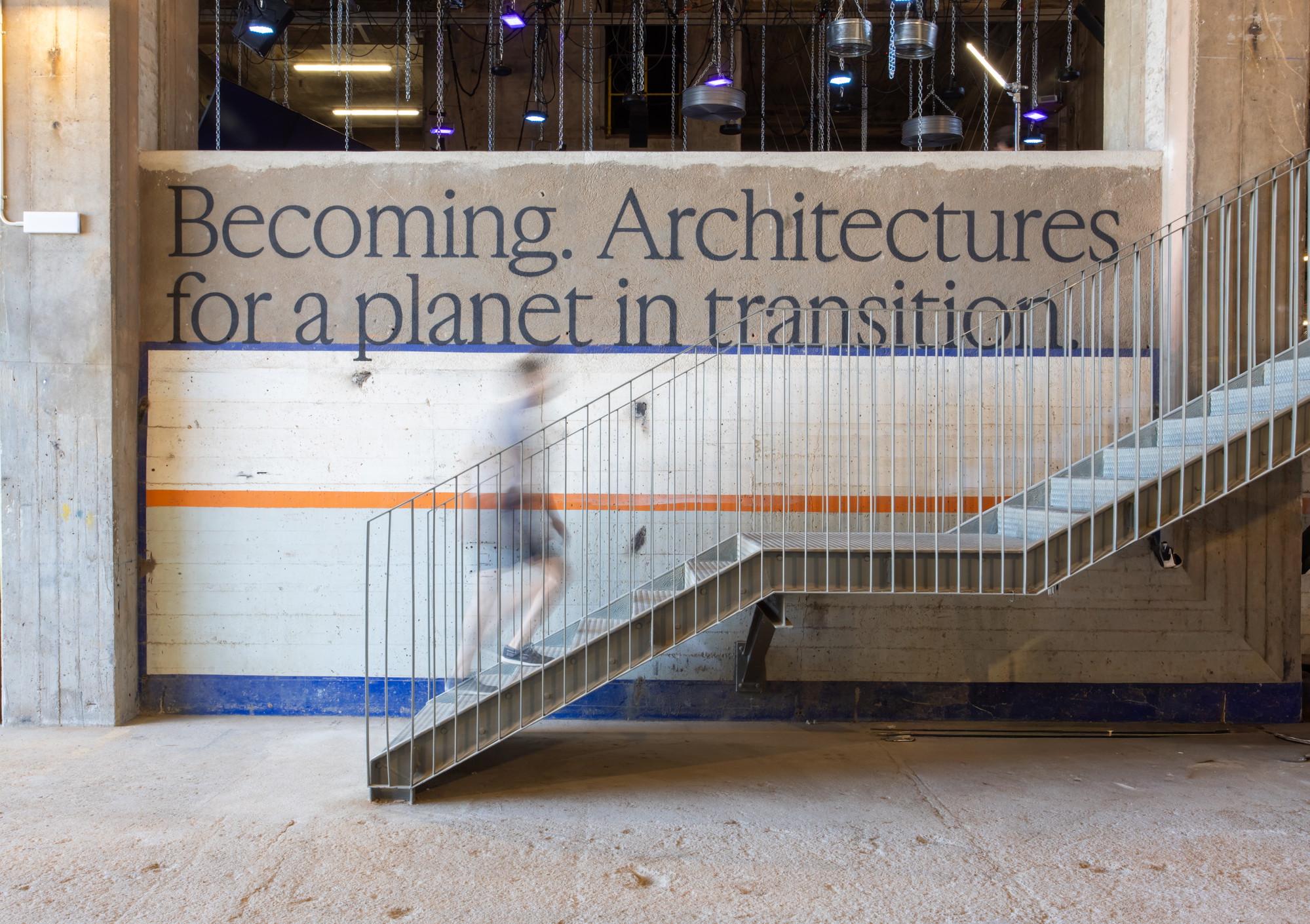
The congress explores how architects can engage with shifting ecological conditions, resource scarcity, urban transformation, new forms of coexistence, and emerging social realities. The theme encourages participants to examine architecture as a continuous process of adaptation, learning, and transformation.
According to the curatorial team, the objective is to foster dialogue around architecture’s capacity to address interconnected global challenges while acknowledging uncertainty and complexity.
Barcelona Returns as Host Three Decades Later
The 2026 congress carries particular significance for Barcelona. The city previously hosted the UIA World Congress in 1996 under the theme “Present and Futures: Architecture in Cities.” Thirty years later, Barcelona becomes the first city to host the event twice, highlighting its continuing influence on global architectural discourse.
The return comes at a moment when Barcelona is actively reflecting on issues including tourism, urban growth, housing pressures, climate adaptation, and public space. These local challenges align closely with many of the global questions being addressed during the congress.
As UNESCO-UIA World Capital of Architecture 2026, the city has also developed a broader yearlong cultural and architectural program that extends beyond the congress itself.
An International Gathering on a Massive Scale
The congress is expected to attract approximately 10,000 participants from more than 130 countries, making it one of the largest architectural events of the decade. The program includes hundreds of contributors, speakers, researchers, and practitioners representing a broad range of disciplines and geographic contexts.
Organizers have assembled a program featuring:
- More than 100 sessions and discussions
- Around 250 speakers and contributors
- Large-scale exhibitions
- Public events and forums
- City-wide architectural itineraries
- Research presentations
- Workshops and educational initiatives
- Professional networking opportunities
The format intentionally extends beyond the conventional conference model, dispersing activities throughout Barcelona and its metropolitan area to connect debates about architecture with the urban environment itself.
The Six “Becomings” That Structure the Congress
A defining feature of the 2026 edition is its organization around six thematic research and discussion frameworks known as the “Becomings.” These thematic strands serve as lenses through which participants examine architecture’s evolving responsibilities.
Becoming More-than-Human
This theme investigates architecture’s relationship with ecosystems, biodiversity, and non-human forms of life. Discussions examine how built environments can move beyond exclusively human-centered approaches.
Becoming Circular
Focusing on material reuse, regenerative design, and resource management, this strand explores architectural responses to environmental limits and the circular economy.
Becoming Embodied
This area addresses the physical, sensory, and emotional dimensions of architecture, examining how spaces affect human experience and well-being.
Becoming Interdependent
Participants investigate the interconnected relationships linking communities, infrastructures, territories, and global systems.
Becoming Hyper-Conscious
This strand explores the role of data, technology, awareness, and knowledge production in shaping future architectural practice.
Becoming Attuned
The final theme considers architecture’s ability to respond sensitively to environmental, cultural, and social conditions while embracing local specificities.
Together, these six thematic directions create a framework for discussions that move beyond conventional design concerns toward broader questions of planetary stewardship and collective futures.
Architecture Across Multiple Venues
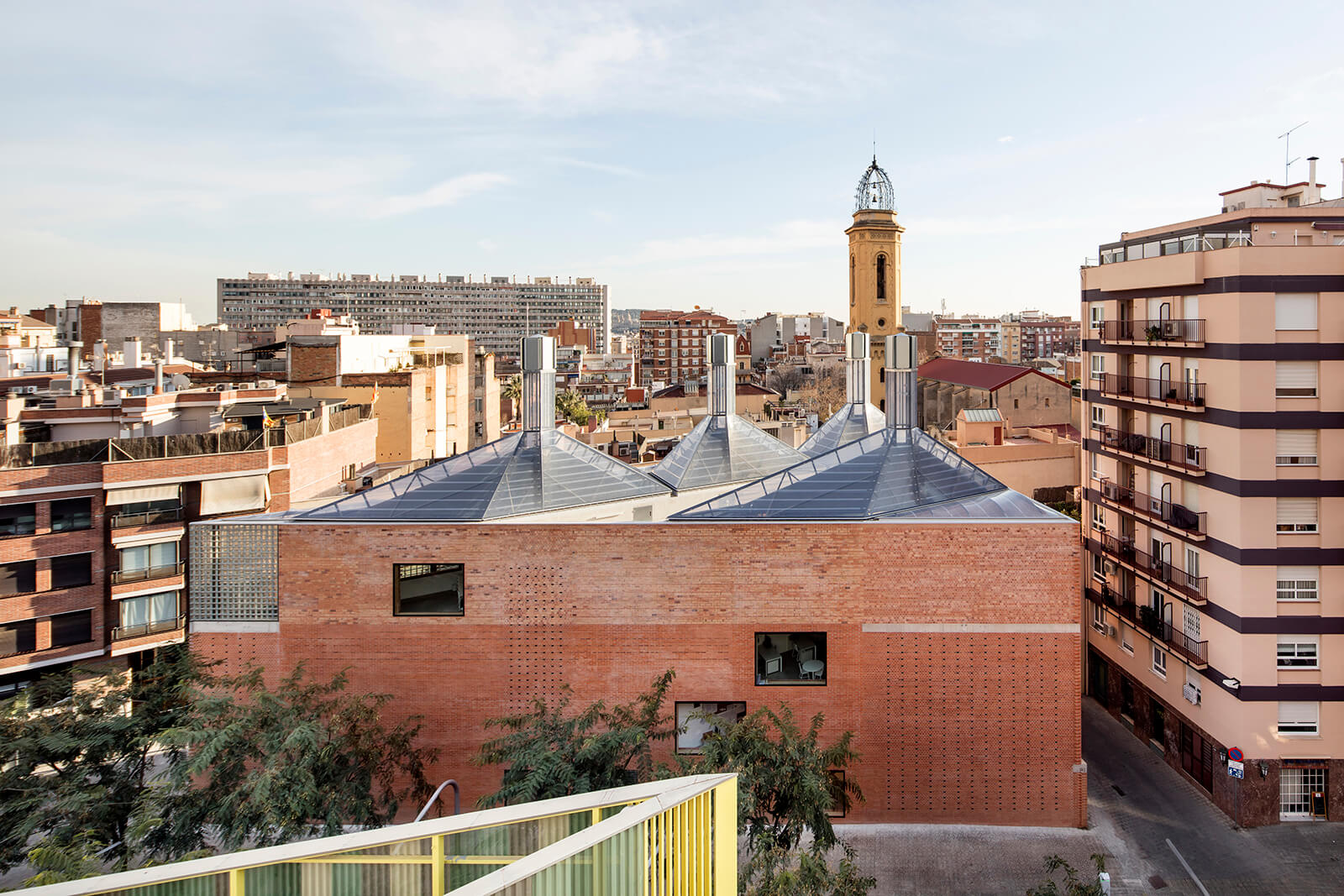
The congress is distributed across several key locations in Barcelona and its metropolitan region.
Les Tres Xemeneies
The former power station serves as one of the event’s most symbolic venues. Its industrial heritage and ongoing transformation make it an appropriate setting for conversations about transition, adaptation, and future possibilities.
Disseny Hub Barcelona (DHUB)
The Disseny Hub hosts exhibitions and public programs, including a major congress exhibition open to visitors. The venue functions as an important interface between professionals and the wider public.
CCIB (Barcelona International Convention Centre)
The CCIB accommodates large-scale conferences, lectures, and international gatherings during the congress period.
Additional locations throughout the city contribute to the congress’s ambition of turning Barcelona itself into a living platform for architectural dialogue.
Exhibitions, Urban Routes, and Public Engagement
Beyond keynote sessions and professional debates, the congress emphasizes public participation and engagement with the city. A major exhibition occupying approximately 4,000 square meters presents architectural research, projects, and investigations connected to the congress theme.
The program also includes more than 70 urban itineraries and visits, enabling participants to explore Barcelona’s architectural heritage, contemporary projects, infrastructures, and evolving urban landscapes. These guided experiences help connect theoretical discussions with real-world conditions.
Many activities are designed to extend architectural discourse beyond professional audiences and encourage broader public involvement.
Supporting Emerging Voices in Architecture
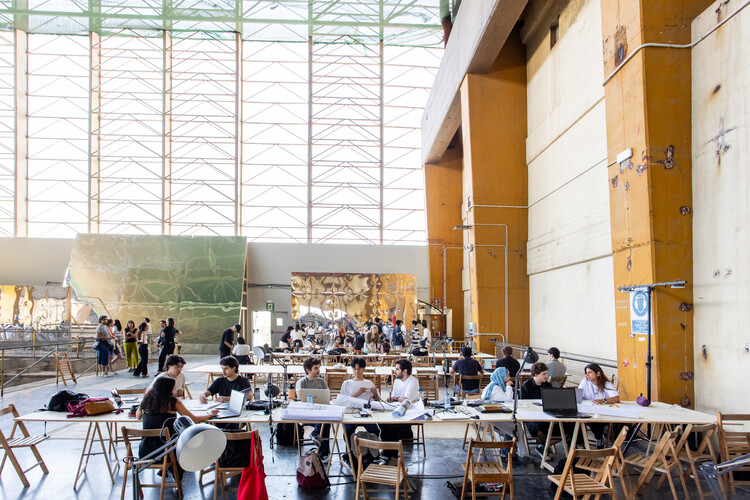
A notable component of UIA 2026 is its focus on students, recent graduates, and emerging practitioners. The International Emerging Workshop, held in the lead-up to the congress, invited participants to explore design approaches rooted in ecological and cultural contexts. The workshop culminates in presentations and exhibitions connected to the broader congress agenda.
This initiative reflects the congress’s commitment to fostering new perspectives and encouraging younger generations to contribute to debates about the future of architecture.
The Significance of the Barcelona Congress
The opening of the UIA World Congress of Architects 2026 arrives at a moment when architecture is increasingly being asked to address challenges that extend far beyond buildings. Climate change, ecological degradation, housing affordability, migration, technological transformation, and social inequality are reshaping the contexts in which architects work.
By framing its discussions around transition, the Barcelona congress seeks to create a platform for critical reflection and international exchange. The event positions architecture not merely as a design profession but as a field capable of influencing how societies navigate complex global transformations.
As thousands of participants gather across Barcelona over the coming days, the congress is expected to generate conversations that will continue to shape architectural thinking long after its conclusion on 2 July 2026.