










Two founders from Slovakia, Matúš Koleják and Braňo Hrivňák, have built MeltFlex, an AI-powered interior design platform now used by more than 213,000 people worldwide. The tool has been adopted by businesses ranging from furniture retailer Kondela to major real estate developers YIT Slovakia, JTRE, and VI GROUP.
MeltFlex transforms a single photo of an empty room into a photorealistic, fully furnished interior using real, shoppable furniture. Users can also redesign an entire space with a simple text prompt, making professional-quality visualization accessible to homeowners, real estate professionals, and interior designers alike.
A startup in Slovakia has quietly reached a global audience. Today, homeowners, realtors, and designers across the United States, from Austin and Brooklyn to the suburbs of Phoenix, use MeltFlex to explore design possibilities, stage properties, and visualize renovations. Many of them may never realize that the technology behind these transformations was created by two entrepreneurs from a country better known for its engineering talent than its startup ecosystem.

What began as a two-person project in a small Slovak town now reaches a long way from home. More than 213,000 people around the world have used MeltFlex to reimagine their homes, from a first apartment in Bratislava to a brownstone in Brooklyn.
From a Slovak grant to American living rooms
MeltFlex was not originally conceived as a product for the American market. Instead, it emerged from a problem its founders encountered from two very different professional perspectives.
Matúš Koleják brought a strong technical background to the venture. A graduate of FIIT STU, he built his reputation through software engineering, earning multiple first-place hackathon victories and receiving a Student of the Year award. His co-founder, Braňo Hrivňák, approached the challenge from the real estate sector. After spending eight years working with property developers in London and completing a Master’s degree in Real Estate at LSE, he repeatedly witnessed a common obstacle: prospective buyers struggling to imagine how an empty apartment could become a home.
The idea for MeltFlex began modestly, supported by a grant from the Tatra Banka Foundation. Early versions of the platform were showcased at SlovakiaTech and featured on Slovak national television. At the time, it could easily have remained a local innovation serving a regional audience.
Instead, an unexpected pattern emerged once the platform went online. A growing share of its most engaged users came from the United States. Realtors used the tool to virtually stage listings, homeowners experimented with different furniture layouts, and first-time renters explored furnishing options without the cost of professional design consultations.
Recognizing this demand, the founders adapted their strategy. MeltFlex evolved into a full-time venture, integrating furniture from retailers familiar to American consumers and refining its features for a broader international audience. Today, the United States represents the company’s largest market, with a platform developed in Slovakia helping thousands of users across the Atlantic visualize, furnish, and redesign their living spaces.
We never tried to build an American product. We tried to build an honest one. It turns out honesty travels well. — Matúš Koleják, co-founder of MeltFlex
Taking a Slovak Startup to New York
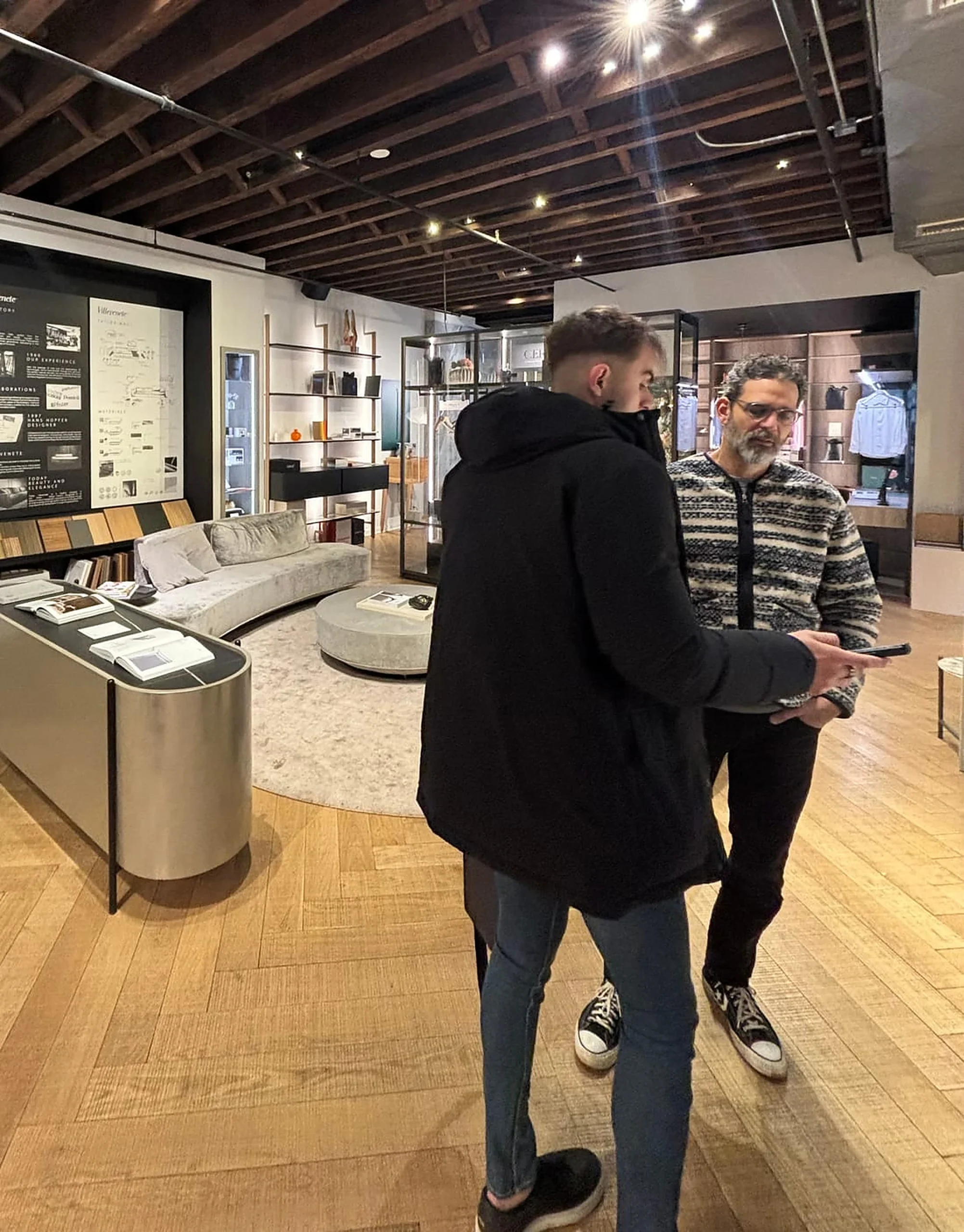
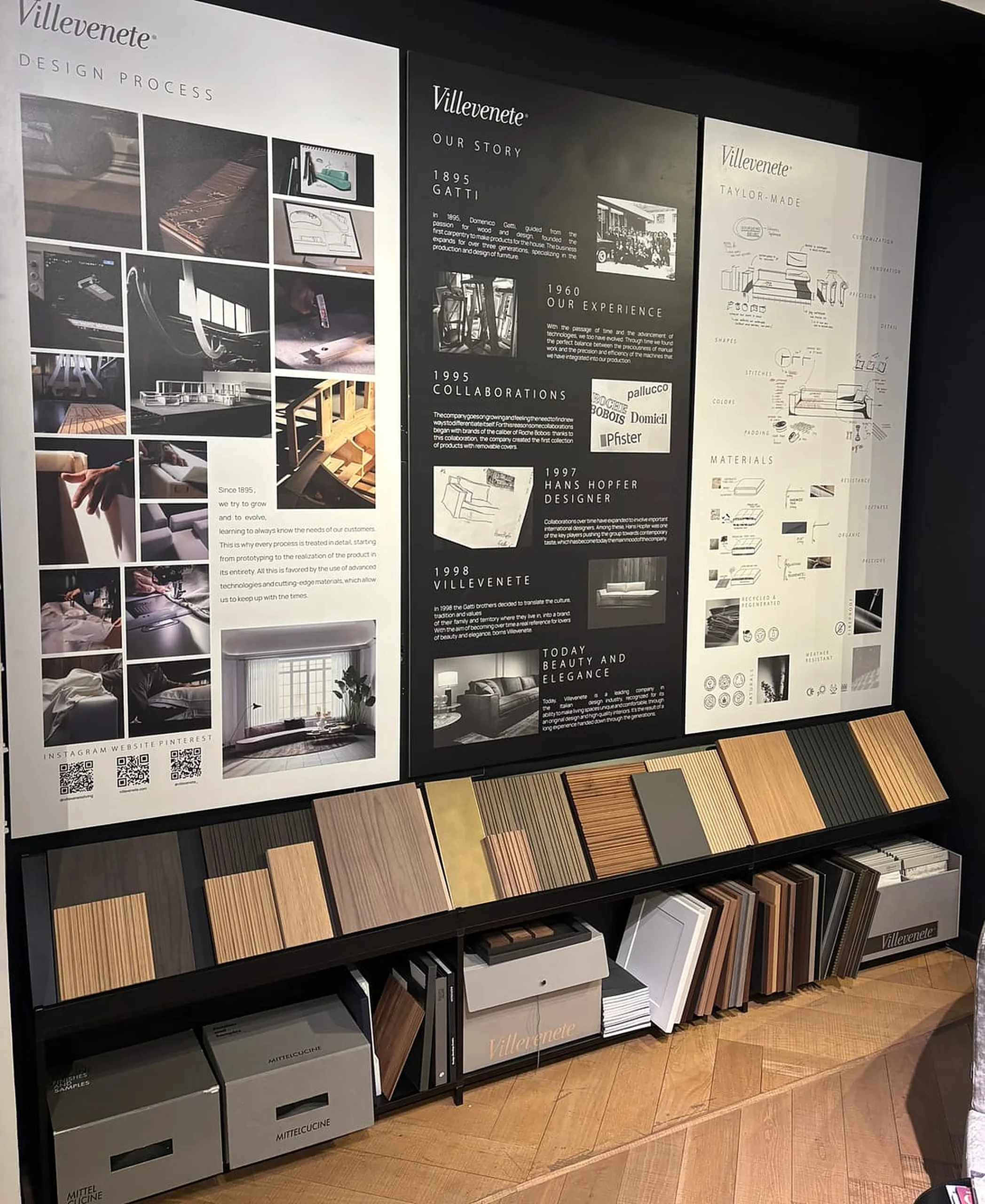
As MeltFlex gained traction in the United States, the founders decided that growth metrics alone were not enough. Instead of observing American sign-ups from Slovakia, they traveled to New York City to test their product in one of the world’s most demanding and design-savvy furniture markets. The visit allowed them to introduce MeltFlex directly to interior design professionals, real estate experts, and industry stakeholders who shape how spaces are presented and experienced.
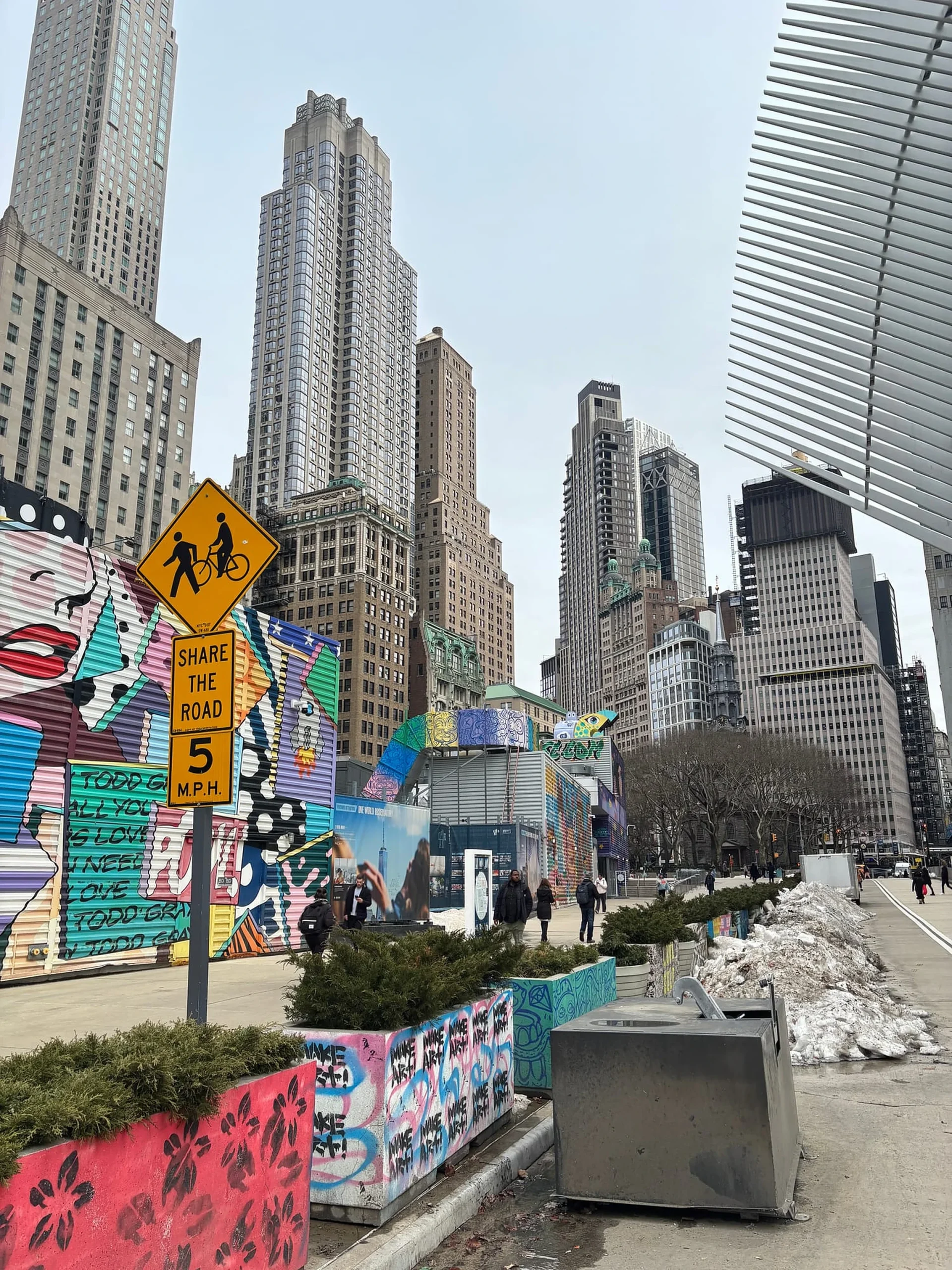
In New York, the founders met with furniture retailers, architects, and property developers—the very professionals whose work revolves around helping clients visualize finished spaces. During these meetings, they demonstrated how MeltFlex could transform an empty room into a fully furnished, shoppable interior in seconds and then instantly restyle the same space through a simple text prompt.
The response was consistently positive. Across showrooms, design studios, and development offices, industry professionals quickly understood the platform’s potential, reinforcing the founders’ belief that they had created a solution capable of addressing a genuine market need.
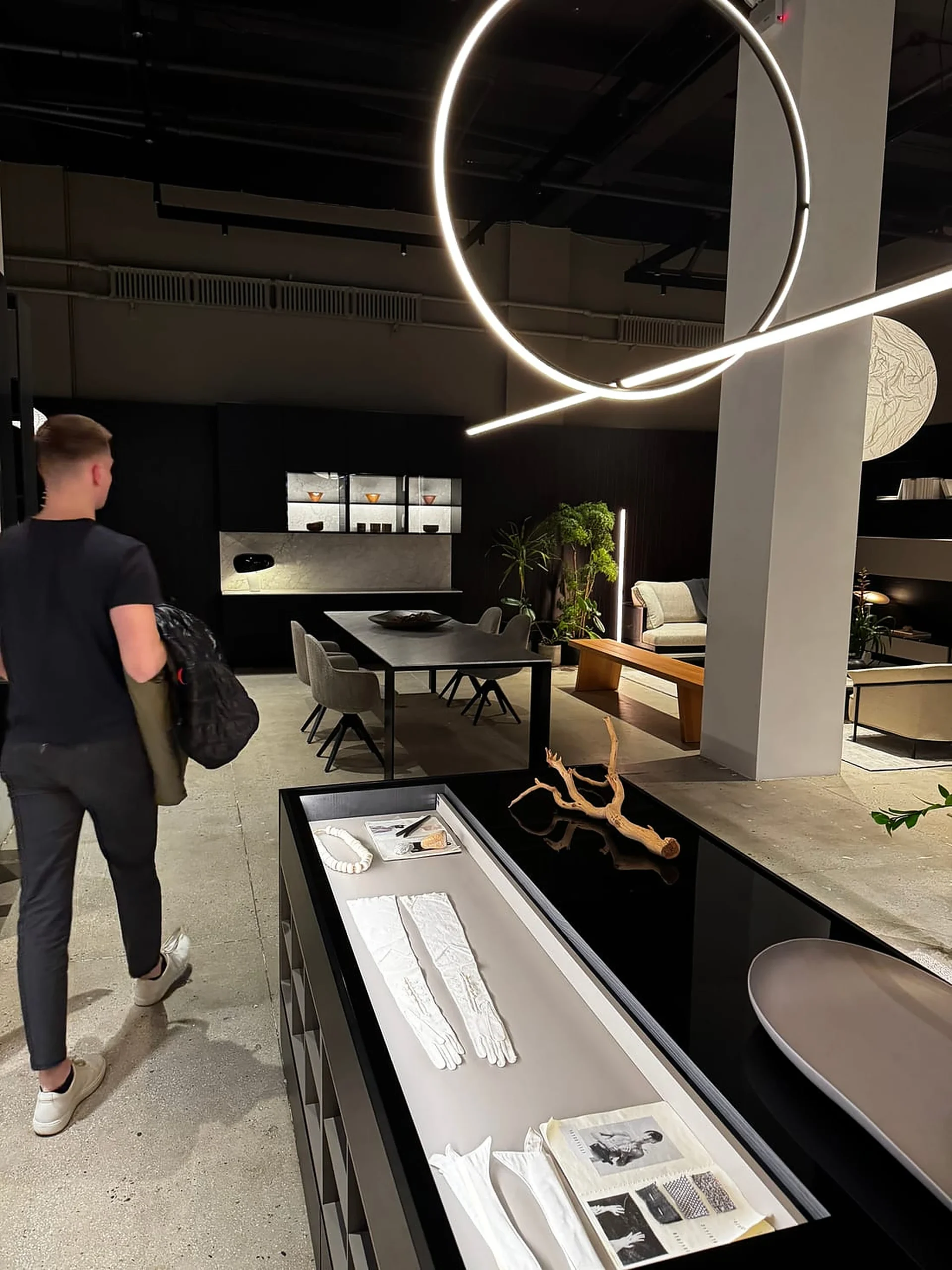

For furniture retailers, architects, and property developers, the value of a technology lies not in an impressive demonstration but in its ability to streamline workflows, save time, and support business outcomes. As the founders engaged with industry professionals in the United States, they found that the conversations extended beyond product demonstrations and into discussions about real-world applications.
The growing interest from American businesses marked a turning point for MeltFlex. What had started as an ambitious startup project was increasingly being viewed as a practical tool with commercial potential, signaling its evolution from an experimental venture into a platform capable of serving professional users at scale.
Key Features of MeltFlex AI
- AI Interior Design Visualization – Generates photorealistic furnished interiors from a single room photograph in approximately 20 seconds.
- Real-Scale Furniture Placement – Places furniture accurately within the room’s existing dimensions and geometry.
- Shoppable Furniture Rendering – Uses real, purchasable furniture and décor products rather than fictional AI-generated items.
- One-Prompt Interior Restyling – Transforms completed interiors into different design styles with a single text prompt.
- Empty Room Visualization – Converts vacant spaces into fully furnished, realistic interiors.
- Furnished Room Transformation – Reimagines existing interiors while preserving the room’s structure and layout.
- Architectural & Real Estate Visualization – Supports homeowners, interior designers, furniture retailers, real estate agencies, and property developers.
- Cross-Platform Accessibility – Available through a web application, native iOS app, REST API, CLI, and MCP server.
- Enterprise-Scale Visualization – Suitable for furniture catalogues, property developments, residential projects, and commercial workflows.
- Free-to-Start Platform – Accessible without a credit card, with subscription and commercial plans available for advanced use.
Picture it: an empty room and a pile of furniture
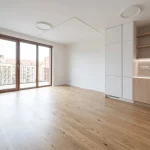
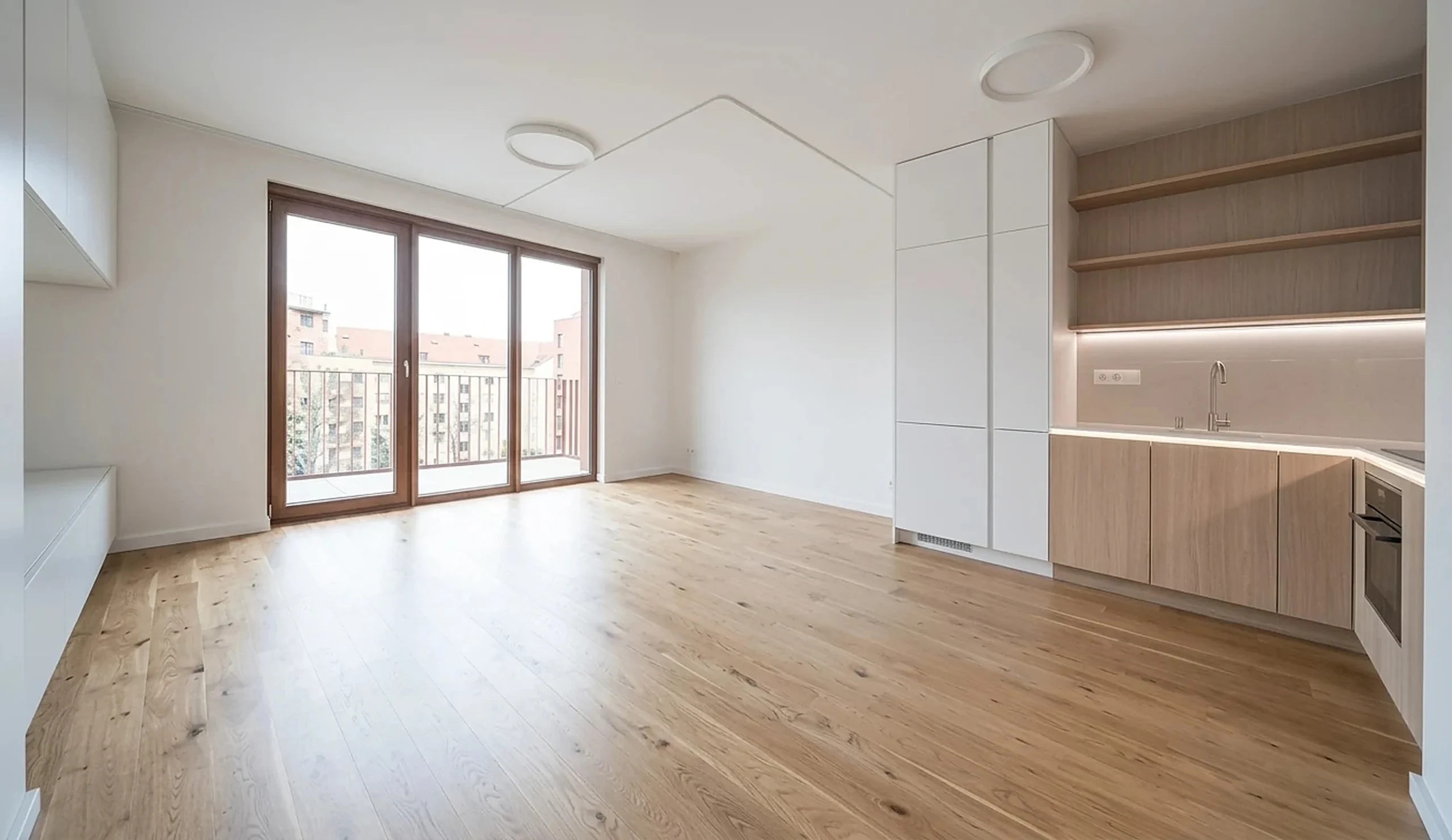
Imagine stepping into a newly acquired studio apartment for the first time. The space is completely empty: bare floors, a compact kitchen along one wall, balcony doors opening to natural light, and little indication of how the room might function once furnished.
For many homeowners and renters, this is where the challenge begins. An empty room can be difficult to interpret, making it hard to visualize where a bed should be placed, how a sofa might fit, or whether there is enough space for a dining table. Rather than seeing a future home, most people see a blank box filled with uncertainty.
The challenge becomes even more complex once furniture selections enter the picture. A modular sofa, an upholstered bed, a dining table, and a set of oak chairs may look appealing individually, but evaluating how they work together in a specific space is far more difficult.
Viewed separately in online catalogs or shopping carts, furniture pieces provide little insight into how they will function within a room. Questions quickly arise: Will the sofa overwhelm the available floor area? Can the bed fit comfortably beneath the window? Do the materials and finishes complement one another? This uncertainty often leads to costly mistakes, oversized purchases, mismatched interiors, and frequent product returns.
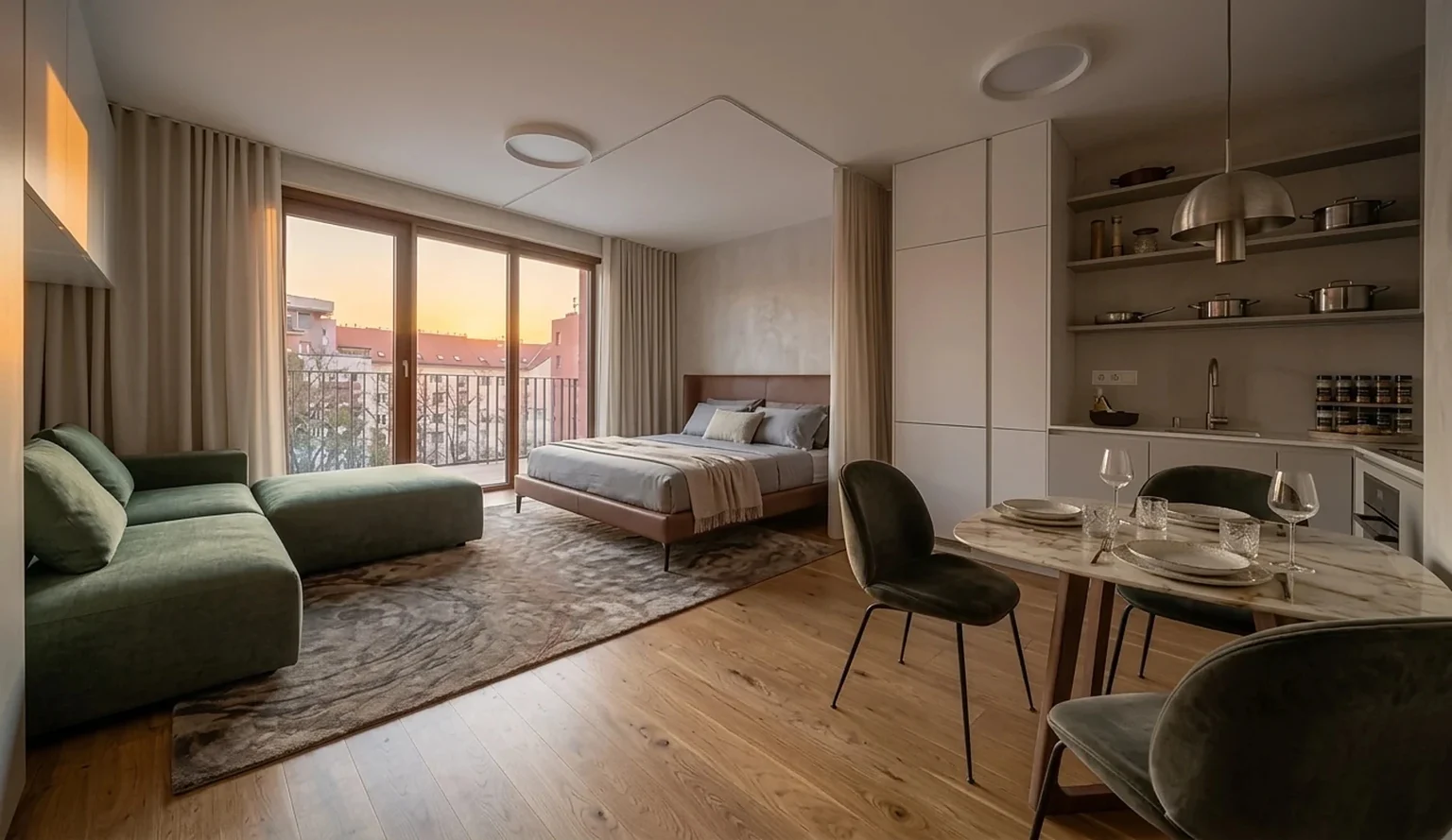
MeltFlex was designed to address this problem precisely. By combining an image of an empty room with selected furniture pieces, the platform generates a photorealistic visualization of the completed interior, allowing users to see how a space could look and function before making a purchase decision. The process takes only seconds, transforming uncertainty into a clear and realistic design preview.
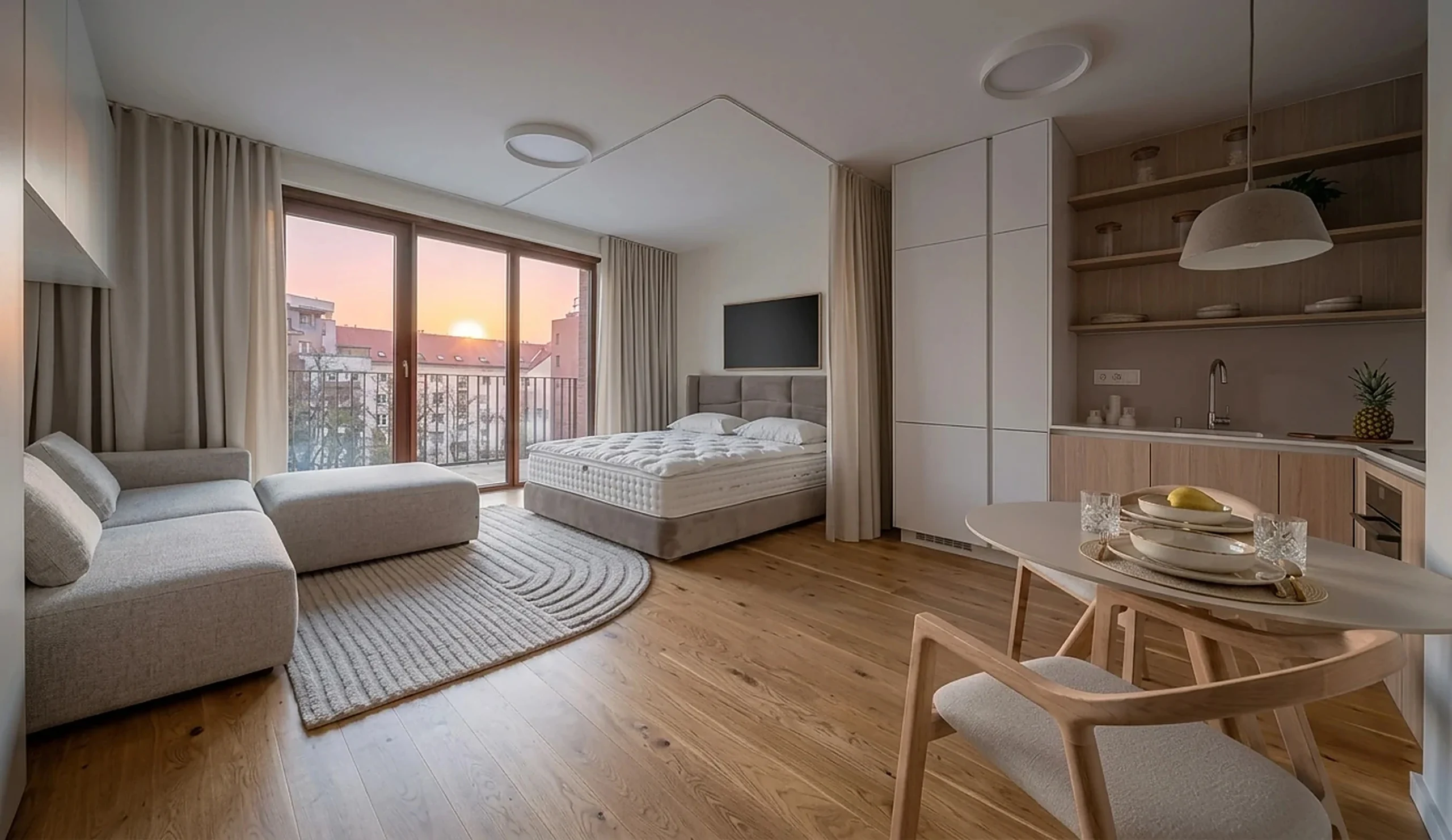
The transformation is immediate. The same windows, kitchen units, and balcony view remain, but the space now functions as a complete home. A modular sofa defines the living area, an upholstered bed is positioned efficiently against the wall, and a dining table with oak chairs creates a dedicated eating space. What was once an empty shell becomes a realistic and livable interior.
This focus on realism is one of the platform’s defining features. Many AI design tools generate visually impressive interiors filled with furniture and décor that do not exist in the real world, leaving users inspired by products they cannot actually purchase. MeltFlex takes a different approach. Every item featured in its visualizations is linked to a real, commercially available product, ensuring that the rendered space can be translated into an actual shopping list. The result is a design experience that not only inspires users but also helps them make practical and informed purchasing decisions.
How a single prompt can change an entire room
One of the platform’s most engaging features is the ability to explore multiple design directions without rebuilding a room from scratch. After furnishing a space, users can instantly generate alternative interior styles through a simple text prompt.
The room’s architecture, layout, and proportions remain unchanged, while the aesthetic character is transformed. A contemporary interior can become minimalist, a neutral palette can shift toward bold colors, or a traditional setting can be reimagined with modern influences. By preserving the structure of the space while changing its visual identity, MeltFlex allows users to compare design possibilities quickly and confidently.
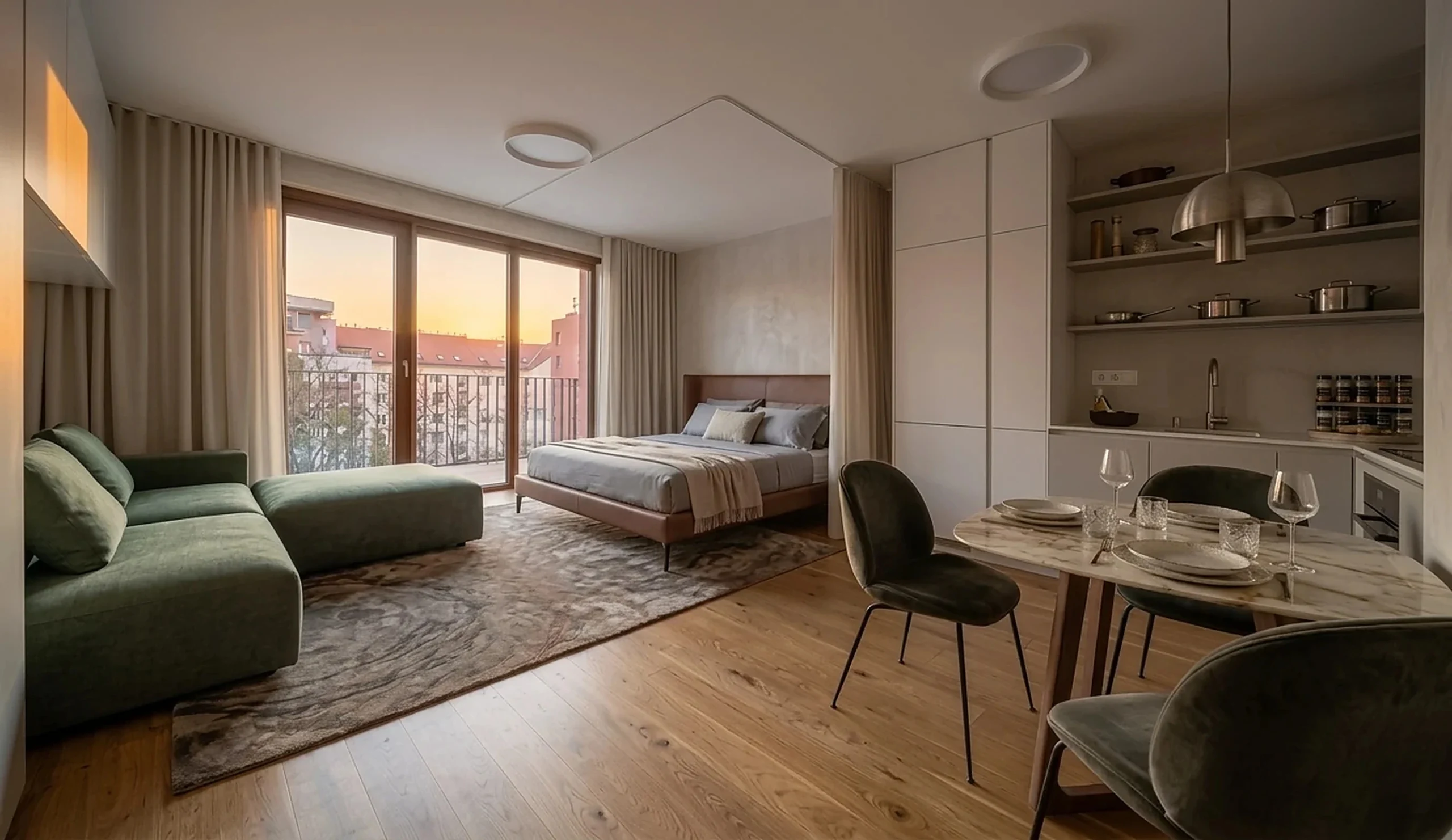
Deeper tones, a moody green sofa, a sculptural dining setup, and the lighting warm up to match. Now watch the same room go the other way.
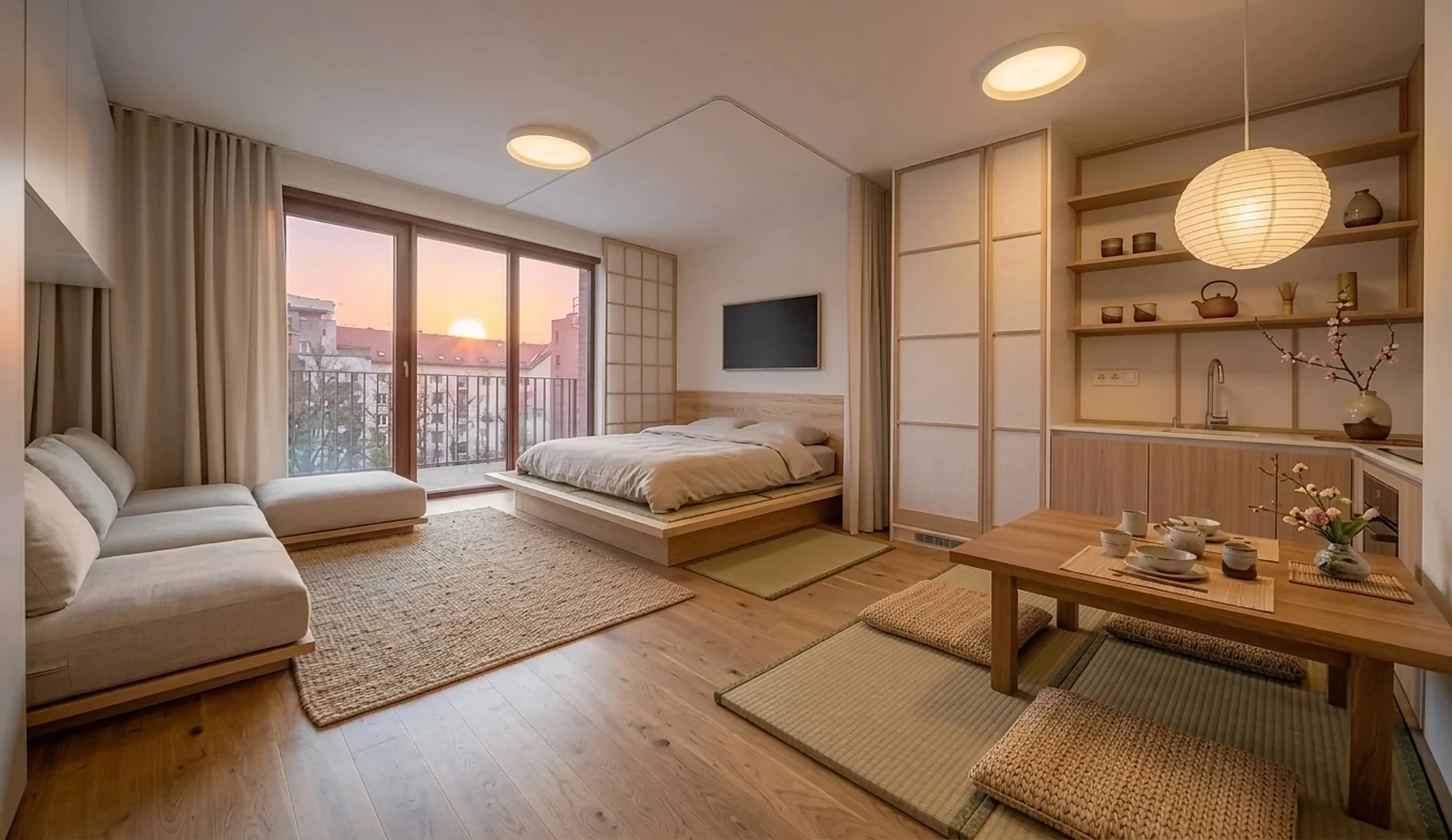
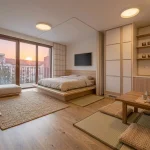
A room can be transformed with remarkable precision. A low platform bed, tatami-inspired seating, shoji-style screens, and a paper lantern may introduce a distinctly Japanese aesthetic, yet the underlying space remains unchanged. The same balcony doors, kitchen layout, and architectural features are preserved, creating a design concept that feels both imaginative and grounded in reality.
This ability to visualize dramatically different styles within the same room is one of the platform’s key advantages. Instead of relying solely on inspiration boards or disconnected reference images, users can evaluate design directions directly within their own spaces, making it easier to compare options and make confident decisions.
Who uses it, and exactly what for
MeltFlex is not a tool for one person. The same engine solves a different, concrete problem for each group that touches a room before money changes hands.
- Homeowners: before buying a $1,500 sofa, drop in a photo of your room and see that exact sofa in it, at scale. No more guessing the size or returning the wrong piece.
- Realtors and home stagers: stage an empty listing in minutes instead of paying $2,000 or more for physical staging. Staged listings photograph better and sell faster.
- Furniture retailers (like Slovak brand Kondela): let a shopper see your product in their own room before checkout — higher conversion and fewer returns on the items that cost the most to ship back.
- Interior designers and architects: turn a client brief into three finished concepts in the time it used to take to render one, then restyle on the spot when the client says “what about warmer?”
- Property developers: furnish entire buildings of off-plan apartments for the sales gallery at a fraction of per-unit staging cost, so buyers see a home instead of a concrete shell.
The same engine runs through the app, an API, a CLI, and an MCP server, so any of these teams can plug MeltFlex into their own workflow and stage rooms at scale.
For many households, professional interior design services remain a luxury rather than a practical option. While working with an interior designer can provide valuable expertise and tailored solutions, the costs can be high. Designers often charge hourly rates ranging from $75 to $200, and furnishing a single room can result in design fees of $2,000 to $5,000 or more before any furniture purchases are made.
This affordability gap is precisely where MeltFlex positions itself. The platform delivers photorealistic, to-scale visualizations that help users understand how a finished space could look and function, providing a level of clarity traditionally associated with professional design presentations. By generating these concepts in seconds, MeltFlex makes interior visualization accessible to a much broader audience.
Trusted by furniture brands and property developers
One of the strongest indicators of MeltFlex’s practical value is the range of businesses that have adopted the platform. Its use extends beyond international markets and is already well established in Slovakia among furniture retailers, interior designers, real estate agencies, and residential developers.
Among its users is Kondela, one of Slovakia’s best-known furniture brands, which incorporates the platform into its customer experience. Interior designers use MeltFlex to present concepts more efficiently, while real estate agencies such as HERRYS employ it to enhance property listings. Major residential developers, including YIT Slovakia, JTRE, and VI GROUP, also utilize the technology to visualize and furnish apartments before construction is completed.
The appeal lies in a shared business advantage: helping customers and buyers visualize a finished space more quickly and accurately. For furniture retailers, the platform enables products to be placed within realistic room settings, improving purchase confidence and reducing the likelihood of returns. For developers, digital furnishing offers a faster and more cost-effective alternative to traditional staging and rendering processes, which can require significant time and expense.
At its core, MeltFlex simplifies the visualization process. Users can upload a photograph of an empty or existing room and receive a photorealistic furnished version generated from real, commercially available products. The design can then be transformed into different styles through simple text prompts, allowing multiple concepts to be explored within minutes. The platform offers a free starting tier, requires no credit card for initial use, and typically delivers its first design visualization in approximately twenty seconds.
MeltFlex AI Project Details
- Software Name: MeltFlex AI — Photorealistic Interior Visualization Platform
- Developer: MeltFlex s.r.o., founded by Matúš Koleják and Braňo Hrivňák, Bratislava, Slovakia
- Category: AI Interior Design & Architectural Visualization Software
- Platform Availability: Web-based platform accessible through any modern browser, with a native iOS application. MeltFlex is also available as a public REST API, command-line interface (CLI), and MCP server for professional and enterprise workflows.
- Compatibility: Compatible with Chrome, Safari, Edge, and Firefox on desktop and mobile devices. Supports Windows, macOS, Linux, iOS, and Android through browser access.
- Pricing: Free entry tier with optional paid subscriptions, credit packages, API access, and commercial plans.
- iOS Application: Available on the Apple App Store as “MeltFlex AI”
- Location: Bratislava, Slovakia
- Year: 2026
- Collaborating firms/clients: Kondela, YIT Slovakia, JTRE, VI GROUP, HERRYS
Renders/visuals: Generated with the MeltFlex AI engine