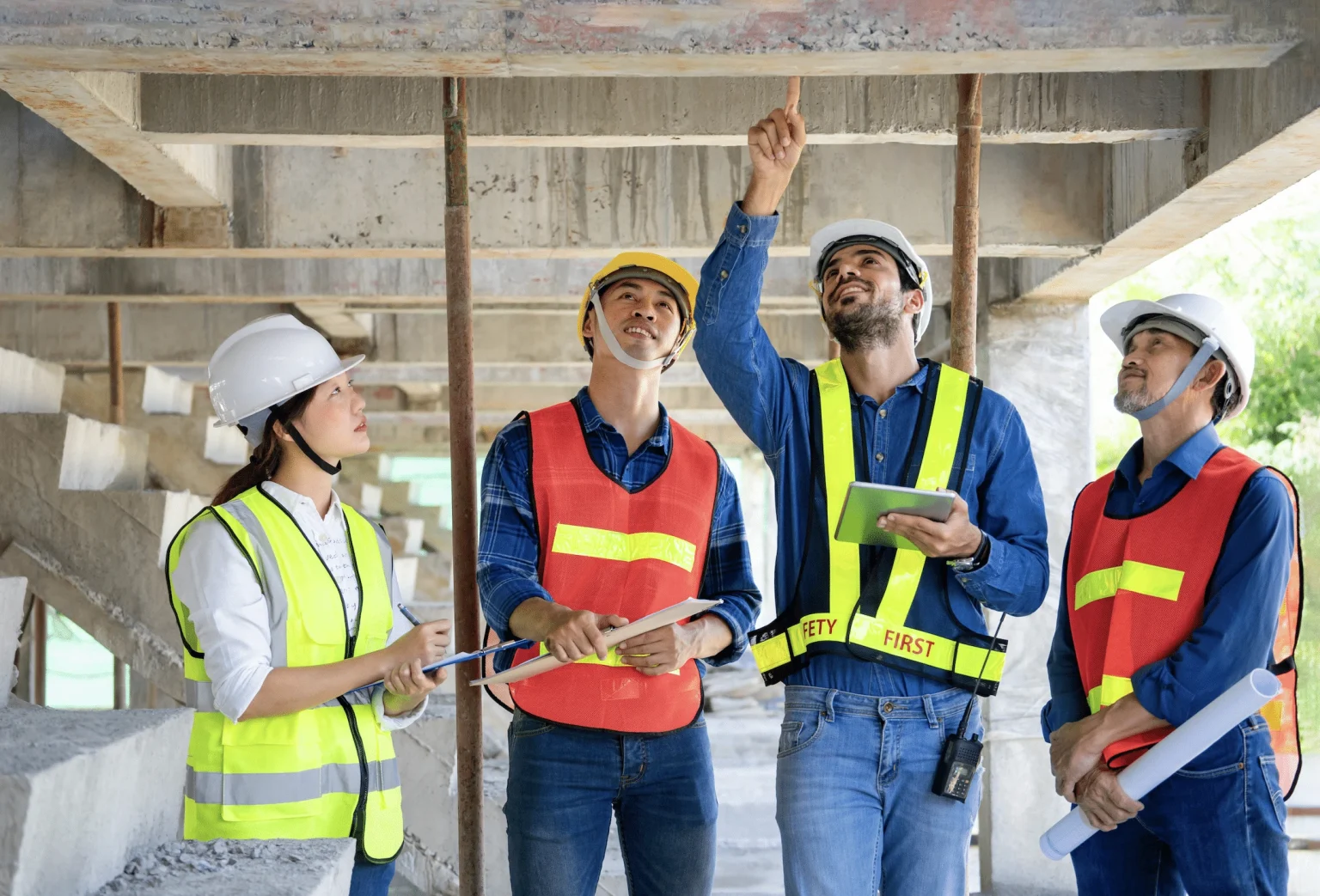

The modern construction industry is facing increasing pressure to improve health and safety, meet stricter compliance regulations, and deliver higher-quality projects while remaining commercially competitive.
Across the UK construction industry, construction firms are investing heavily in digital tools, smarter workflows, and modern compliance systems to protect workers, avoid legal trouble and improve operational efficiency. Many businesses are now replacing outdated manual processes with solutions such as RAMS software for construction projects to improve safety compliance, reduce project delays and maintain accurate site documentation.
As the regulatory landscape continues to evolve, construction companies must now demonstrate compliance across every stage of construction projects, from planning and procurement through to handover and ongoing maintenance.
Why Construction Compliance Has Become Essential
Construction compliance is now a core operational requirement rather than an afterthought.
The construction sector operates within one of the most heavily regulated industries in the UK. Construction firms must comply with health and safety legislation, environmental standards, work equipment regulations, and building regulations while ensuring projects remain commercially viable.
Failure to maintain compliance can lead to:
- project delays
- site shutdowns
- legal action
- legal claims
- criminal charges
- potential fines
- legal fees
- remediation costs
Non-compliance can also damage a company’s reputation and reduce future business opportunities.
Construction companies that fail to follow industry regulations may struggle to attract investors, clients, and skilled workers. Safety breaches and workplace accidents can create long-term reputational damage while increasing oversight from regulatory bodies.
Many UK construction firms now see legal compliance as a competitive advantage. Businesses that consistently stay compliant are often viewed as safer, more reliable partners when tendering for new projects.
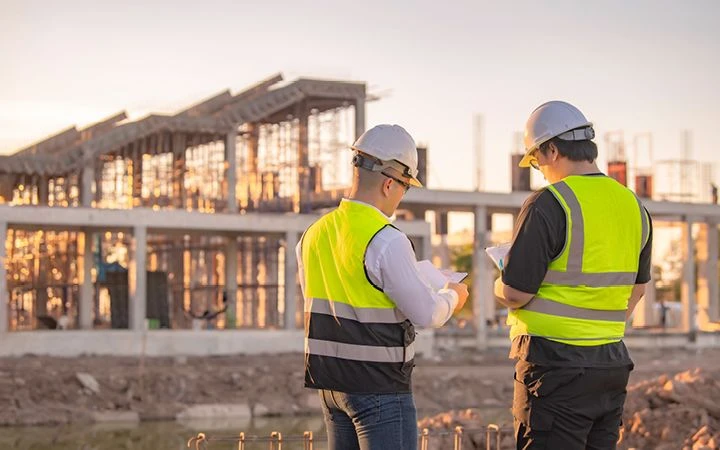
Digital Platforms Are Improving Safety Compliance
One of the biggest changes across the construction industry is the move towards digital operations and centralized compliance systems.
Traditional paper-based systems can create major gaps in due diligence, particularly across large construction sites with multiple subcontractors and suppliers.
To address this, many construction firms are implementing cloud-based systems that centralize the following:
- inspections
- safety records
- subcontractor documentation
- training records
- risk assessment workflows
- hazard reporting
Using a centralized platform allows compliance officers and site managers to monitor operations more efficiently while maintaining clear audit trails.
Digital tools also help ensure safety by allowing workers to report safety risks instantly through mobile devices. Mobile apps enable teams to complete inspections, upload evidence, and flag potential hazards in real time.
This allows construction business leaders to identify issues earlier, reduce risks, and avoid penalties associated with non-compliance.
Modern systems also support stronger risk management by creating consistent workflows across all projects.

Improving Worker Safety Through Training and Monitoring
Health and safety remain one of the biggest concerns within the UK construction industry.
The sector continues to report high levels of workplace accidents and serious injuries each year. Falls from height, moving equipment, and electrical incidents remain major causes of safety incidents across construction sites.
To protect workers, construction companies are investing in:
- safety training
- refresher training
- digital monitoring tools
- competency management
- smart PPE systems
Ensuring workers are properly trained is essential for maintaining safety standards and reducing the likelihood of legal action following accidents.
Many businesses are now delivering ongoing safety training through mobile and online learning systems to help workers stay updated on changing compliance regulations.
Smart PPE technology is also becoming more common across construction sites. Wearable devices can alert workers when entering dangerous areas or when safety protocols are breached.
This proactive approach helps construction firms significantly reduce workplace accidents, medical treatment costs, and delays caused by unsafe conditions.
Improving employee morale is another major benefit. Workers are more likely to remain loyal to companies that prioritize worker safety and fair wages while maintaining high safety compliance standards.
BIM and Smart Technology Are Improving Compliance
Construction firms are increasingly using digital technologies to improve structural integrity, planning accuracy, and compliance oversight.
Building Information Modeling (BIM) is now widely used to automate compliance checks before physical work begins.
BIM systems can identify design conflicts, code breaches, and safety considerations early in the development process. Automated rule checks help construction companies ensure projects align with regulatory standards and environmental standards before work starts.
The Internet of Things is also transforming how construction projects are monitored.
IoT sensors embedded within buildings and infrastructure can track:
- environmental impact
- structural movement
- material performance
- energy efficiency
- equipment usage
This real-time data helps firms maintain compliance while reducing increased risk throughout the project lifecycle.
Drones are also being used for inspections and progress monitoring across large construction sites. This reduces the need for workers to enter high-risk areas while improving oversight efficiency.
Fire Safety and Building Regulations
Fire safety has become one of the biggest priorities within the construction sector following major changes to building regulations and accountability standards.
Construction firms must now demonstrate greater oversight around compartmentation, fire-stopping systems, and material compliance.
This has increased demand for specialist companies such as Adaston that support businesses with passive fire protection and compliance services.
Construction companies must ensure the following:
- Fire safety systems meet legal requirements
- Compartmentation records are maintained
- Inspections are documented correctly
- Safety considerations are embedded throughout projects
Failure to comply with fire safety regulations can result in severe legal trouble, site shutdowns, and potential fines.
Maintaining clear compliance standards is now essential for protecting both occupants and construction businesses from long-term liability.
Smarter Space Design Across Modern Construction
Modern construction firms are also placing greater focus on creating flexible, efficient, and safe spaces that align with changing lifestyle and workplace expectations.
This includes growing demand for:
- modular buildings
- energy-efficient workspaces
- outdoor offices
- adaptable commercial environments
Companies such as DGR are helping drive this shift towards modern modular space design.
Today’s clients expect construction companies to deliver projects that combine:
- safety
- functionality
- environmental performance
- long-term usability
As a result, many firms are integrating sustainability targets, waste disposal strategies, and energy efficiency planning into early-stage project development.
This approach not only improves environmental impact but can also create long-term cost savings for developers and clients.
Conclusion
The way construction firms approach compliance, safety, and space design is changing rapidly.
Across the construction industry, businesses are moving away from fragmented manual processes and adopting digital-first strategies to improve accountability, reduce risks, and maintain compliance across increasingly complex projects.
Construction firms are modernizing operations through digital platforms, BIM technology, smart monitoring systems, and centralized safety workflows.
Health and safety compliance software can help businesses stay compliant by tracking risks, monitoring training records, and automatically aligning operations with updated legal requirements. Construction companies can significantly reduce accidents and fatalities by identifying issues earlier and improving visibility across construction sites.
Firms that turn compliance into a core business strategy are far more likely to avoid penalties, protect workers, and build a stronger competitive advantage within the evolving UK construction industry.