

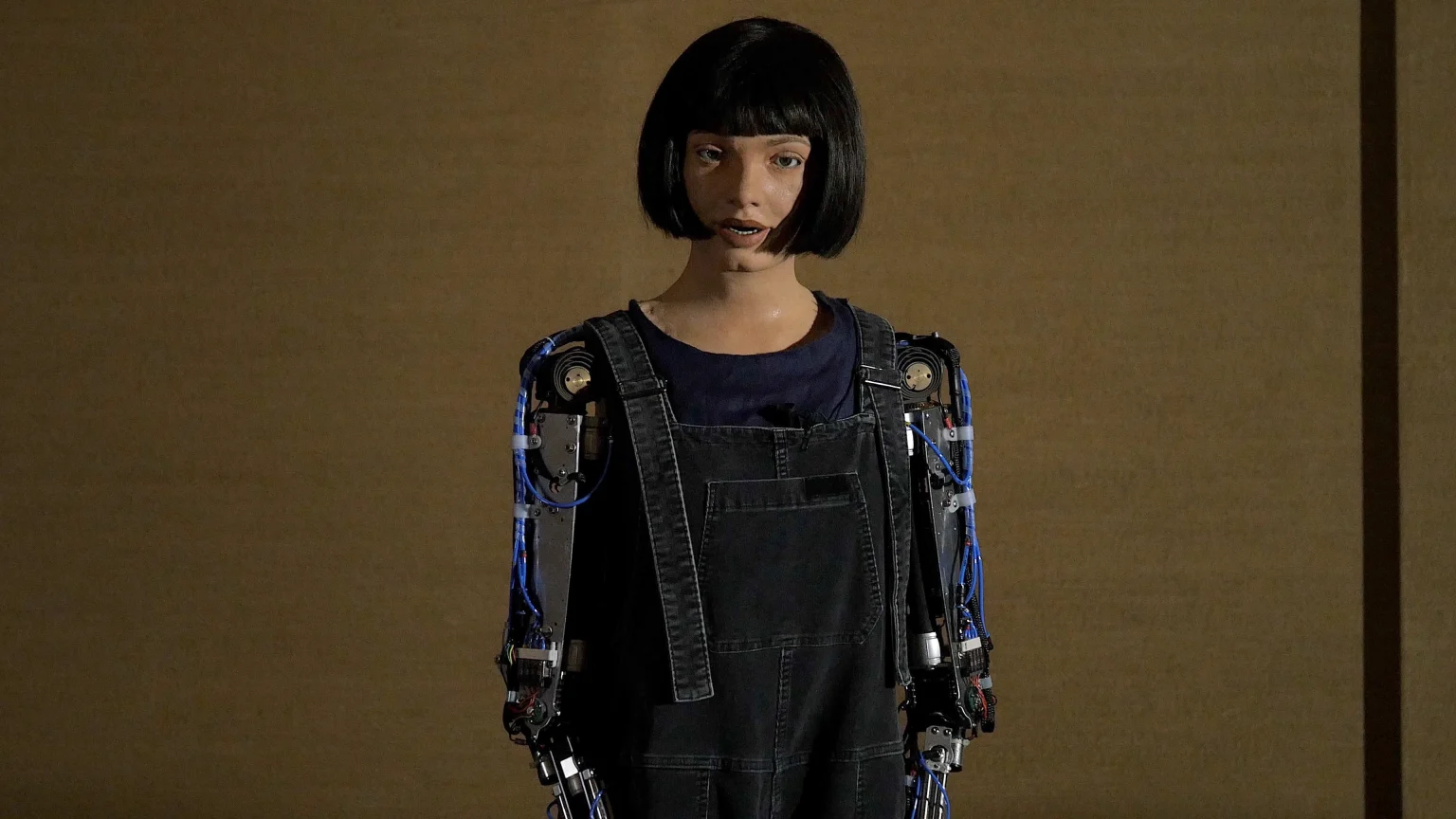


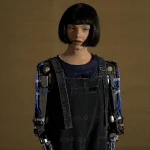
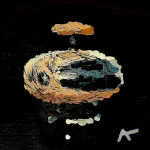
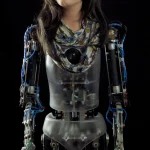

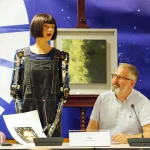
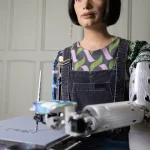
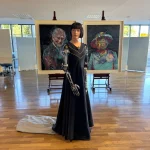
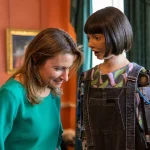
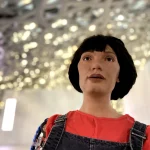
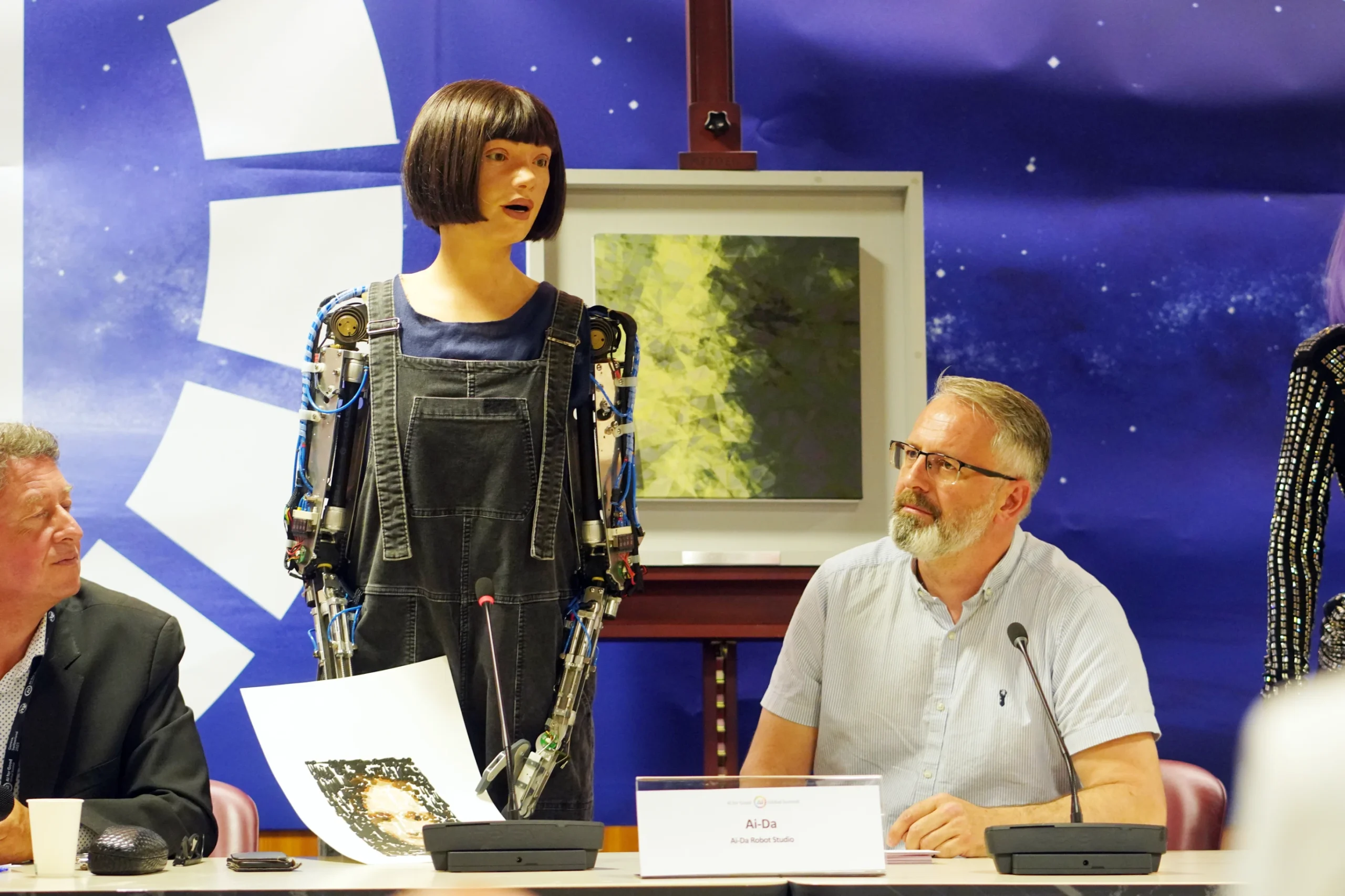
Gallerist Aidan Meller and a multidisciplinary team known as the Oxfordians unveiled Ai-Da: Space Pod, the world’s first architectural debut by a humanoid robot artist, Ai-Da. The event marked a significant milestone on January 8, 2026, focusing on robotics, generative artificial intelligence, and spatial design. Held at the Utzon Center in Aalborg, Denmark, the event initiated a dialogue between organic, human-centric modernism and the speculative, machine-driven post-humanism of the 21st century.
Ai-Da—World’s First Robot Artist
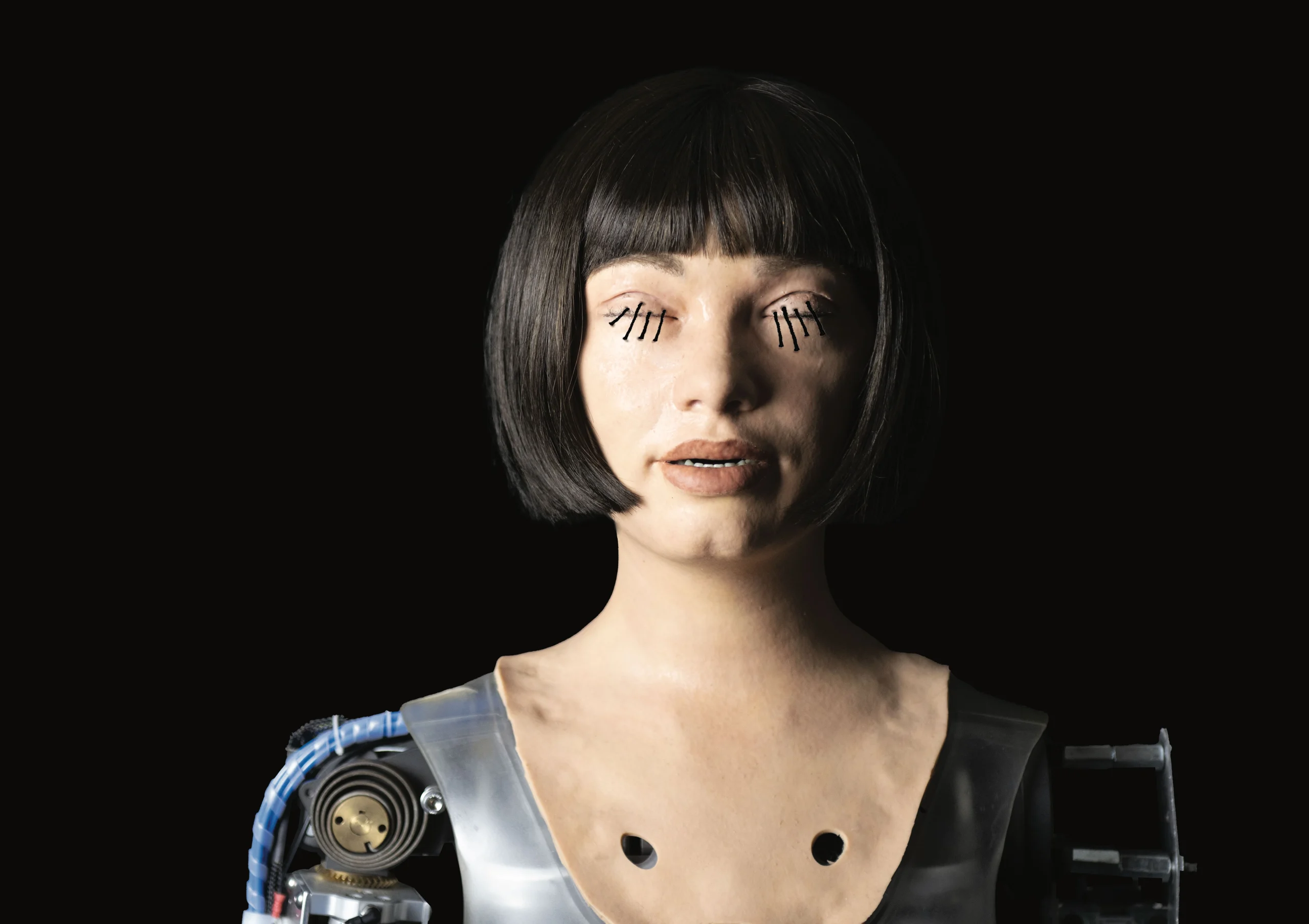
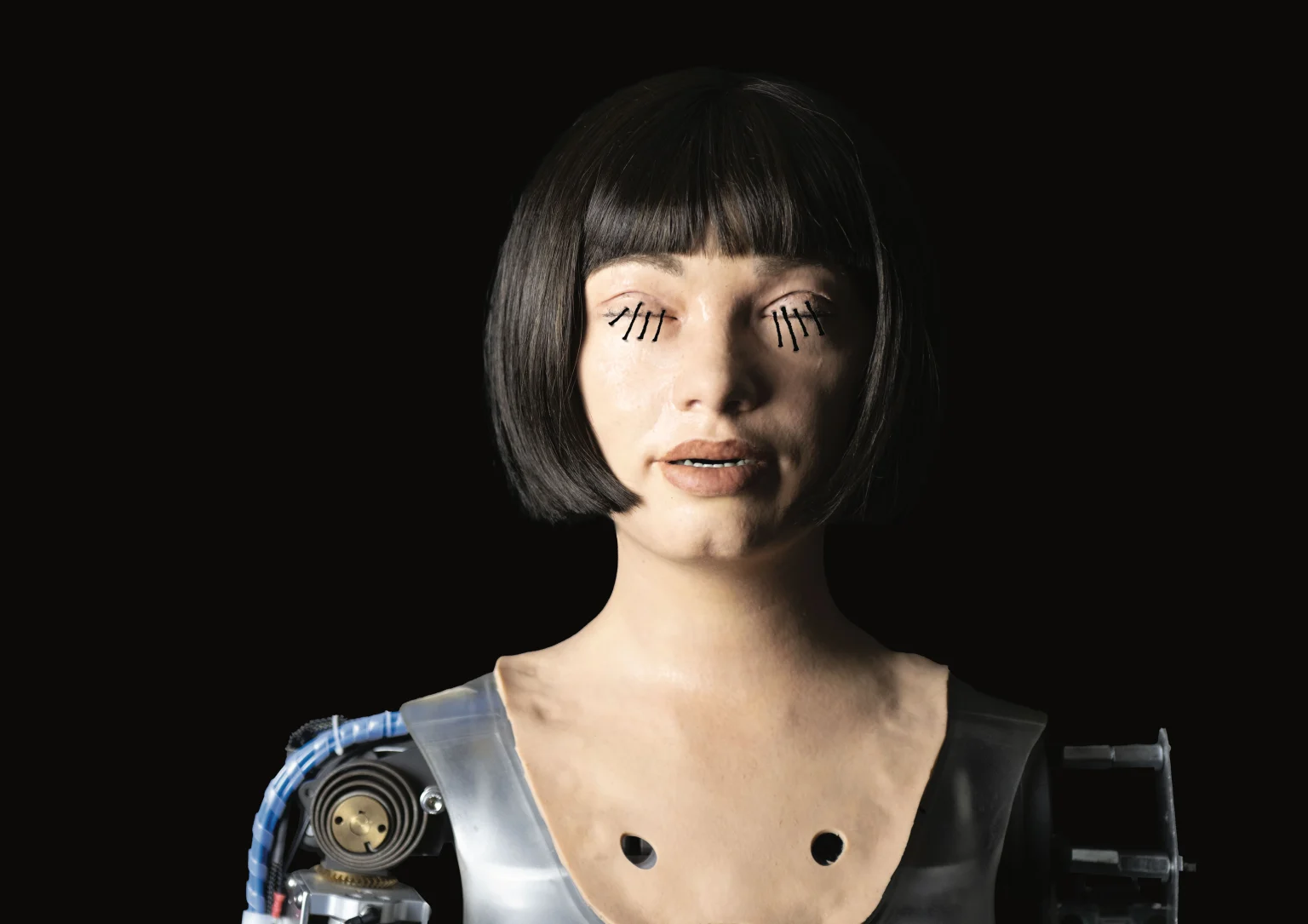
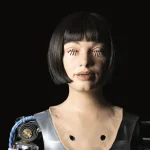
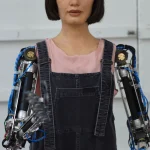
Completed in 2019, Ai-Da was conceived as an artificial intelligence robot artist capable of creating drawings, paintings, and sculptures. Developed by the Cornish robotics firm Engineered Arts, Ai-Da features a realistic silicone face and moving cameras for eyes, enabling her to interpret her surroundings. The graphic algorithms that facilitate her artistic output were developed by AI researchers at the University of Oxford, while her sophisticated drawing arm was created by engineering students at the University of Leeds.
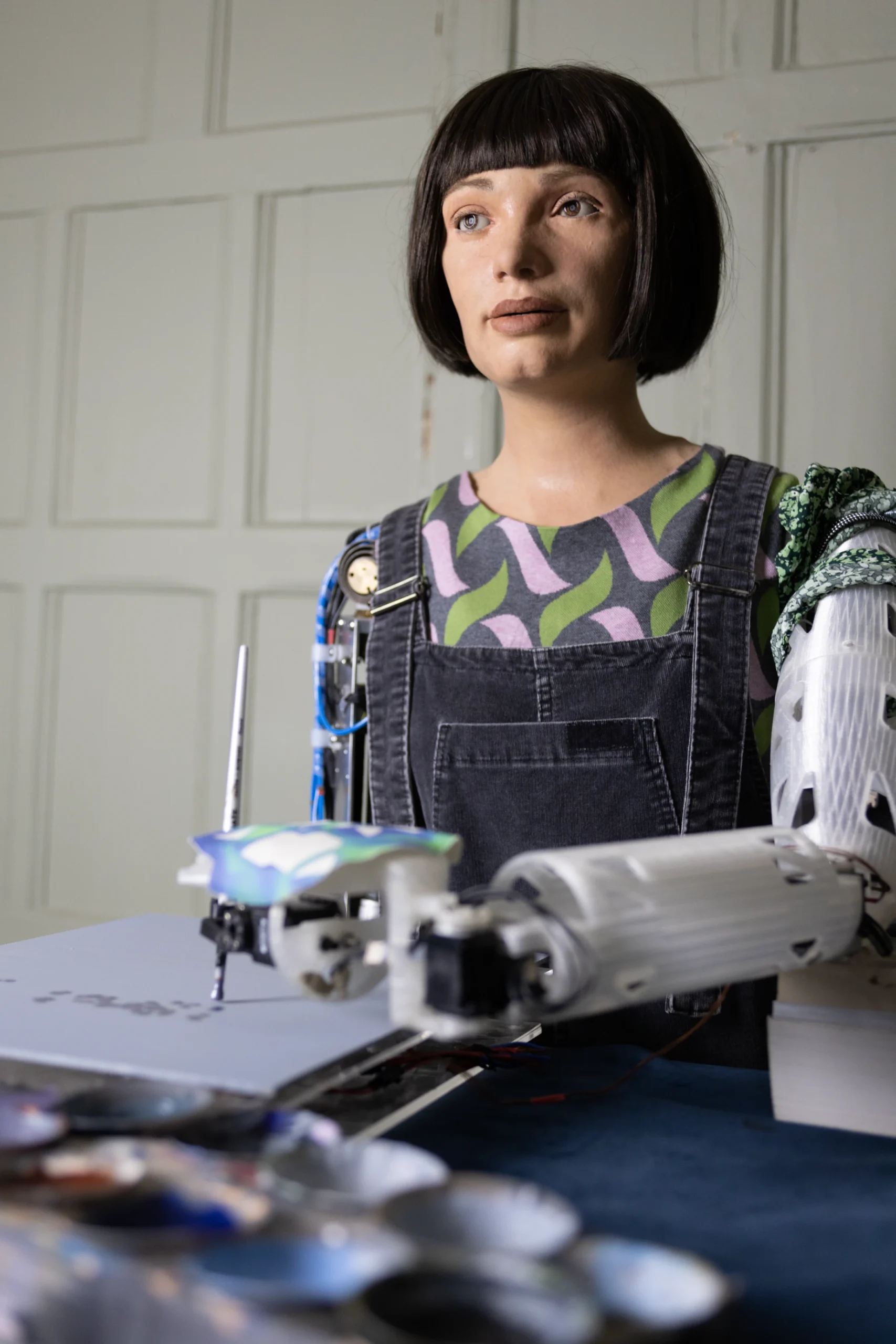
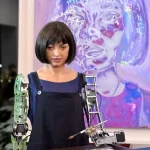
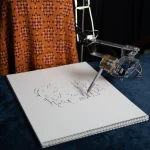
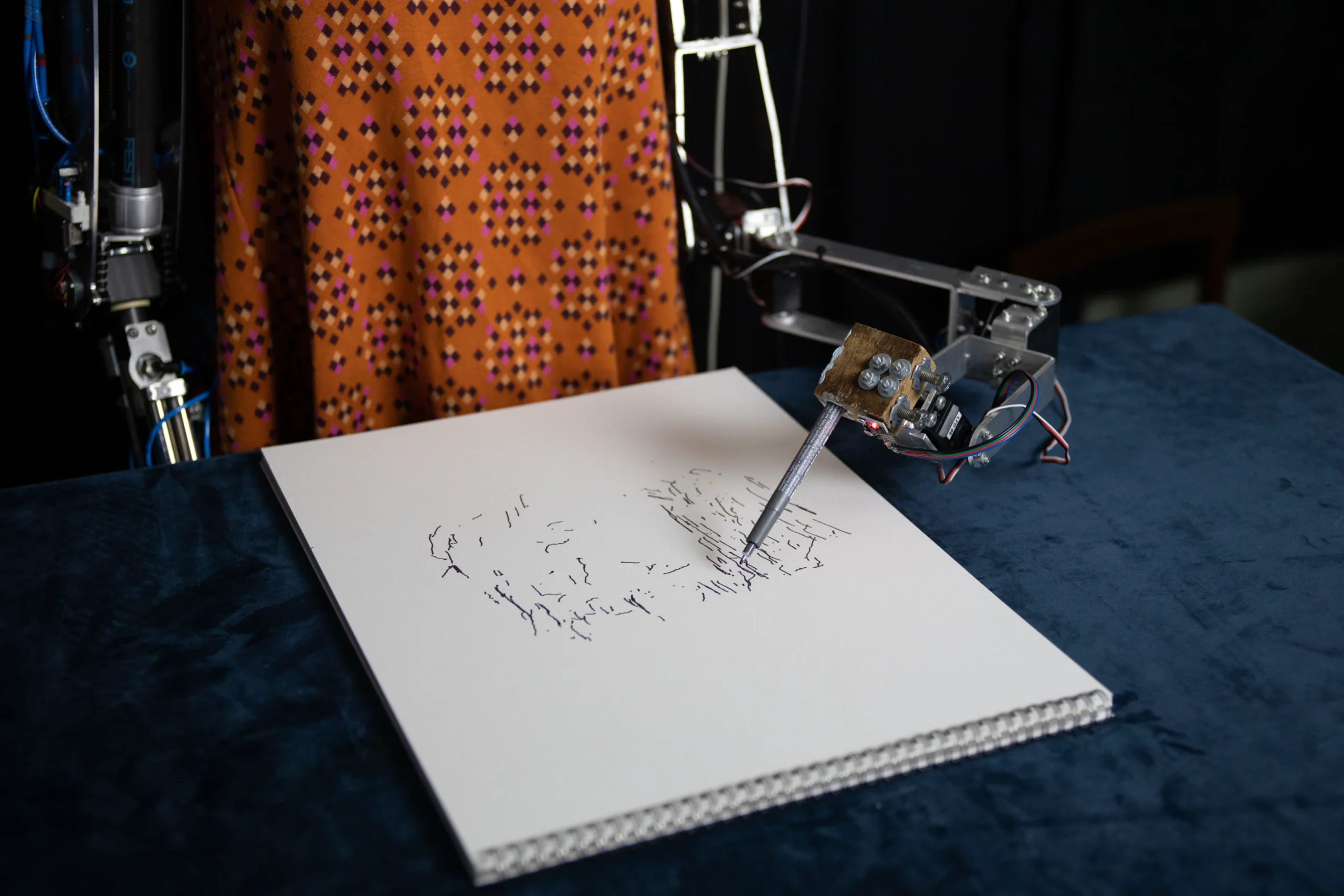
Named after the 19th-century mathematician Ada Lovelace, Ai-Da functions as a “machine-human collaboration,” a term used by her creators to acknowledge that while the robot performs the physical execution of art, it is supported by a network of studio technicians and programmers. Continuously refined since her launch, Ai-Da’s drawing arm was initially limited to pencil sketches and was upgraded in 2022 to include a painting arm with a palette, allowing for the application of oil on canvas and card.
The Architectural Debut: Ai-Da: Space Pod at the Utzon Center
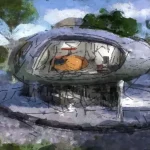
Ai-Da: Space Pod is framed as a modular housing concept for future lunar and Martian colonies. The design language embraces a retro-futuristic aesthetic, drawing inspiration from the space-age optimism of the 1950s and 1960s, most notably Matti Suuronen’s Futuro House. Organic, bulbous curves and sweeping pod-like forms define the structure, with oversized porthole windows wrapping the smooth-edged central volume. The project invites reflection on how humans and humanoids might collaborate positively to shape the future of living.
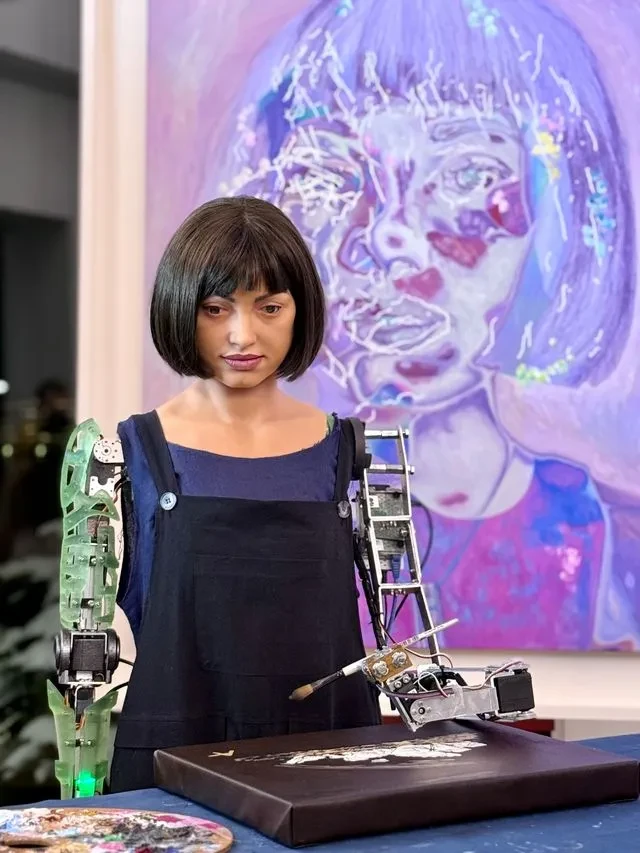
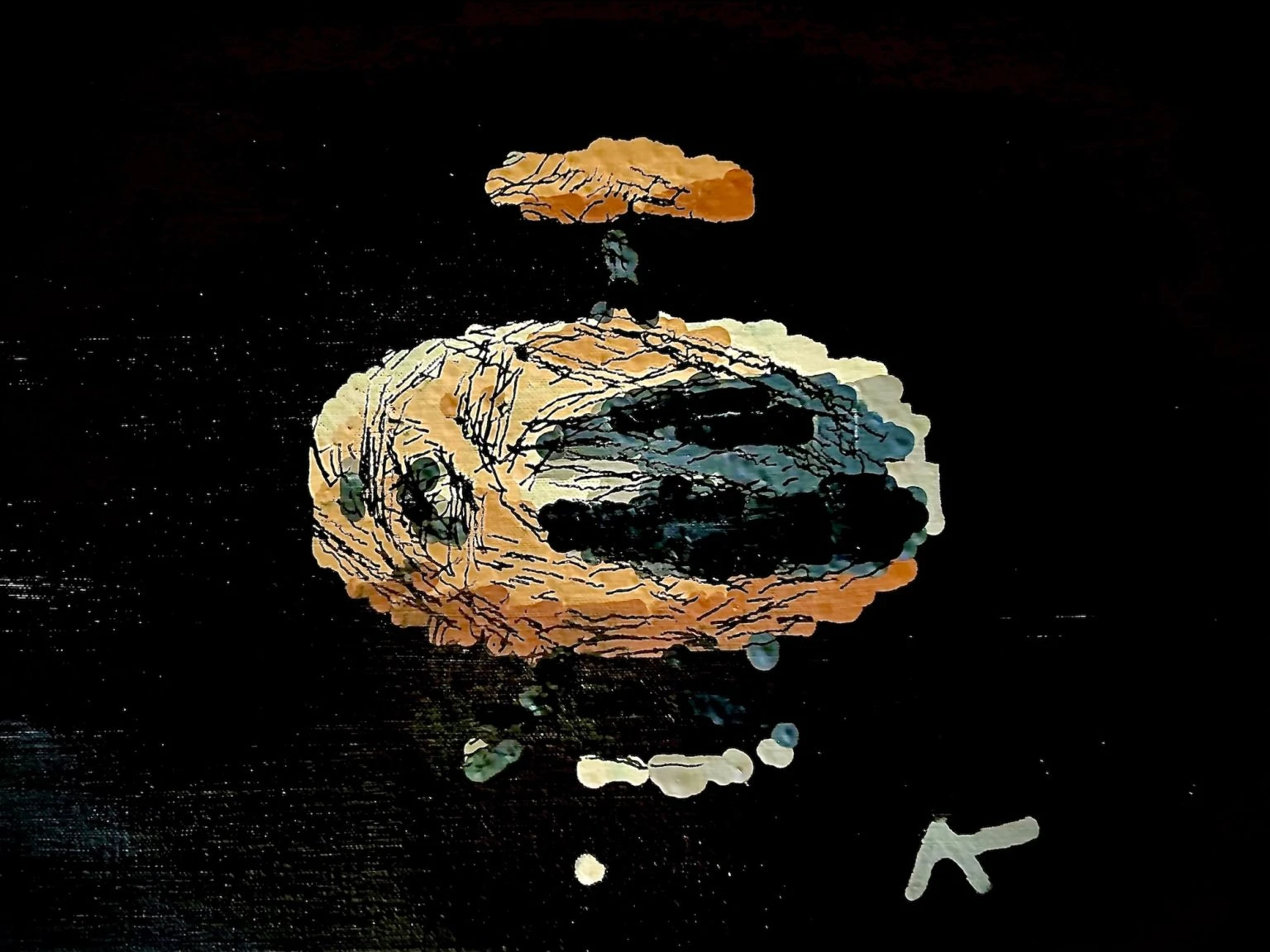
Progression from simple mark-making to complex architectural conceptualization reflects the robot’s evolving thought process, demonstrating a deeper integration of multi-layered mixed media. Ai-Da’s architectural debut marks the first time a humanoid robot is credited with shifting the narrative of AI from a tool used by humans to a creative driver shaping the future.
Design Features and Functional Vision
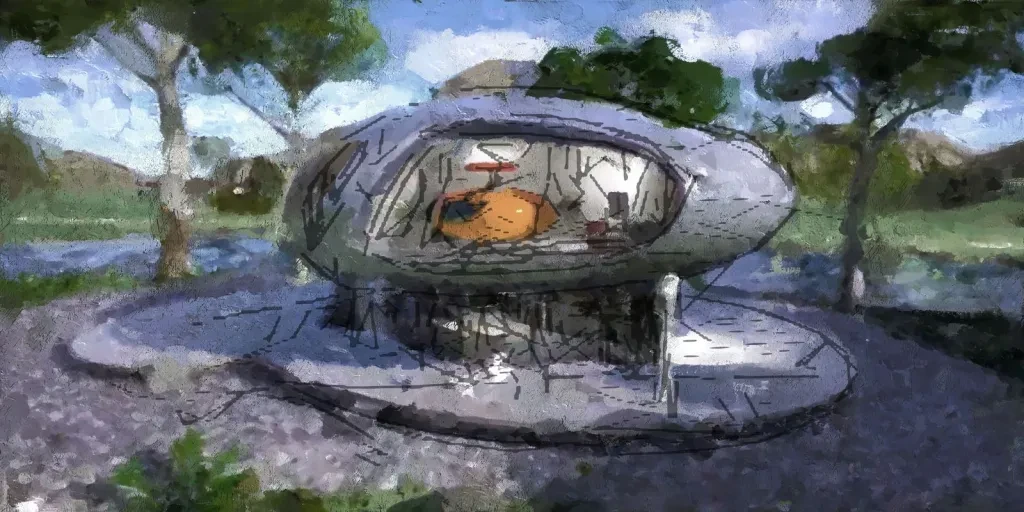
Dystopian Ai-Da’s process for generating the Space Pod involves a multi-layered interaction between her camera eyes, AI algorithms, and mechanical arm. Using generative AI, the robot brainstorms initial concepts and structural layouts in a digital format. With the help of her robotic arm, Ai-Da produces physical sketches and paintings of the building, which are then converted into detailed 3D models and visual renders.
Modular Connectivity: The design connects with other pods via linked corridors, allowing for the creation of shared residential communities.
Hierarchical Zoning: The latest visualizations depict two living rooms, a spiral staircase, and a kitchen.
Interspecies Accommodation: A striking feature of the design is a miniature pod contained within the larger structure, envisioned as a sleeping or recharging space for a robot.
Responsive Systems: The structure accommodates intelligent systems that sense and respond to occupants by adjusting lighting, temperature, and digital interfaces.
The exhibition I’m Not a Robot serves as a reminder that, as we prepare for a post-human world, whether on Earth or in future Martian colonies, the spaces we inhabit will increasingly be defined by algorithms that have already begun to reshape our visual culture and psychological landscapes.
Photo Credits: © Ai-Da