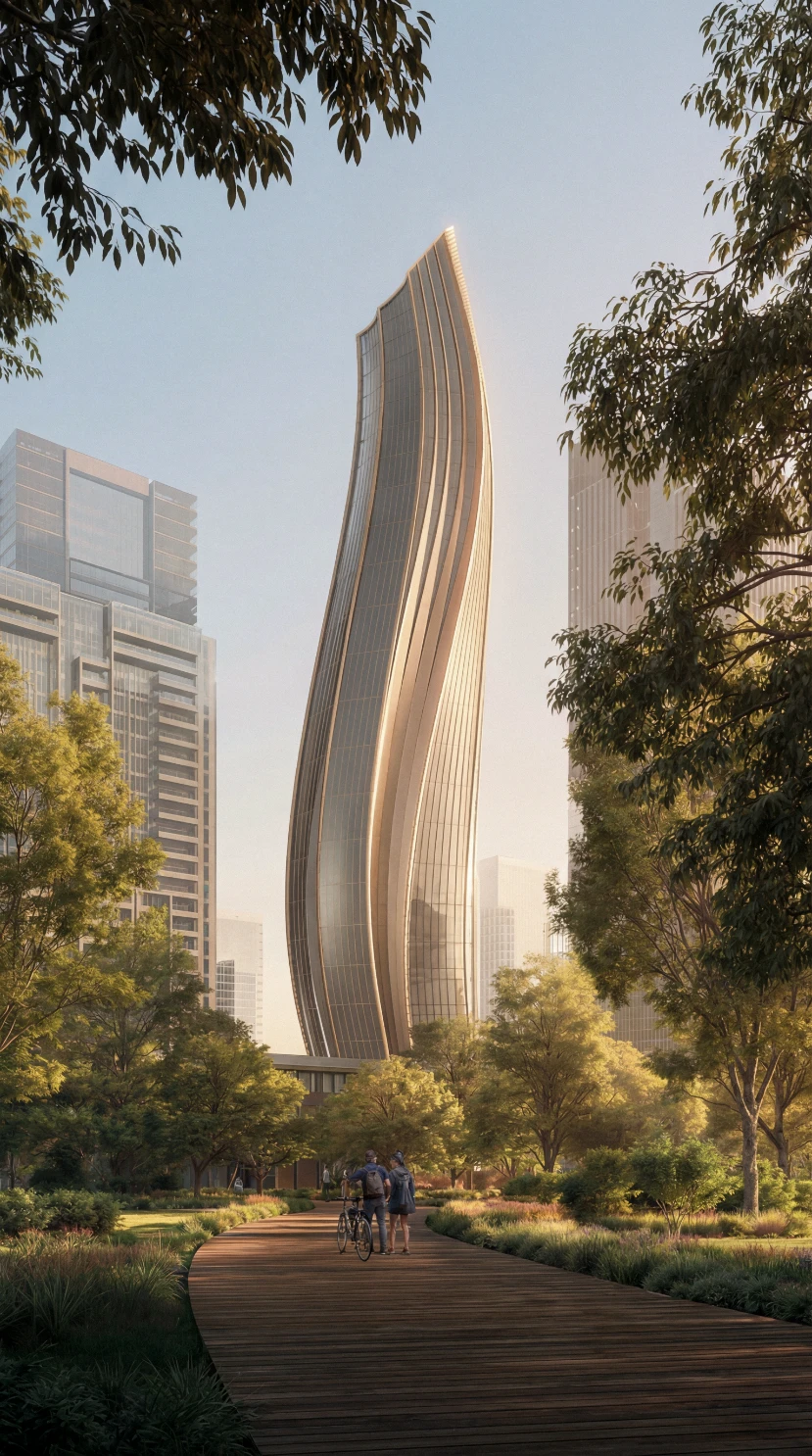


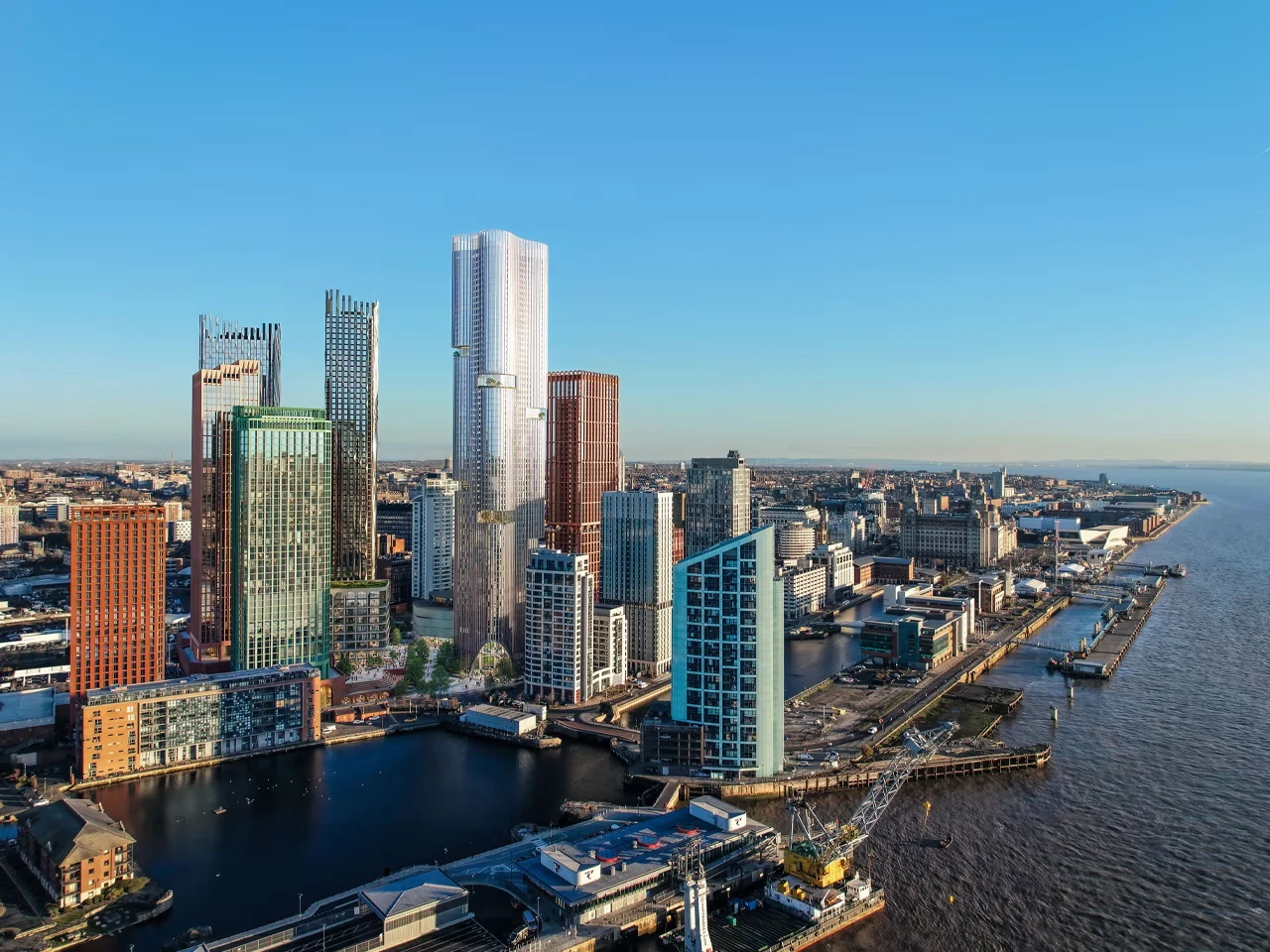
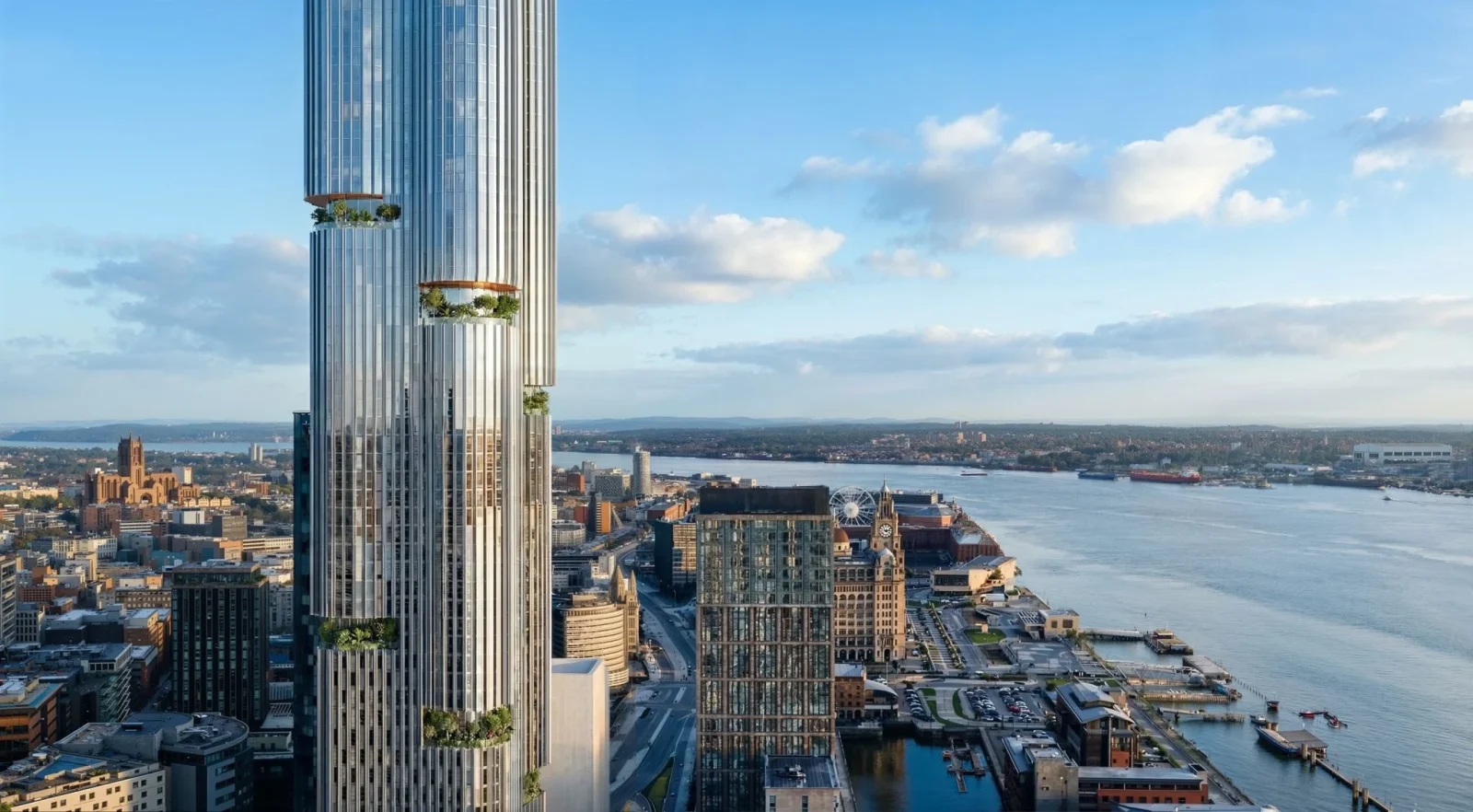
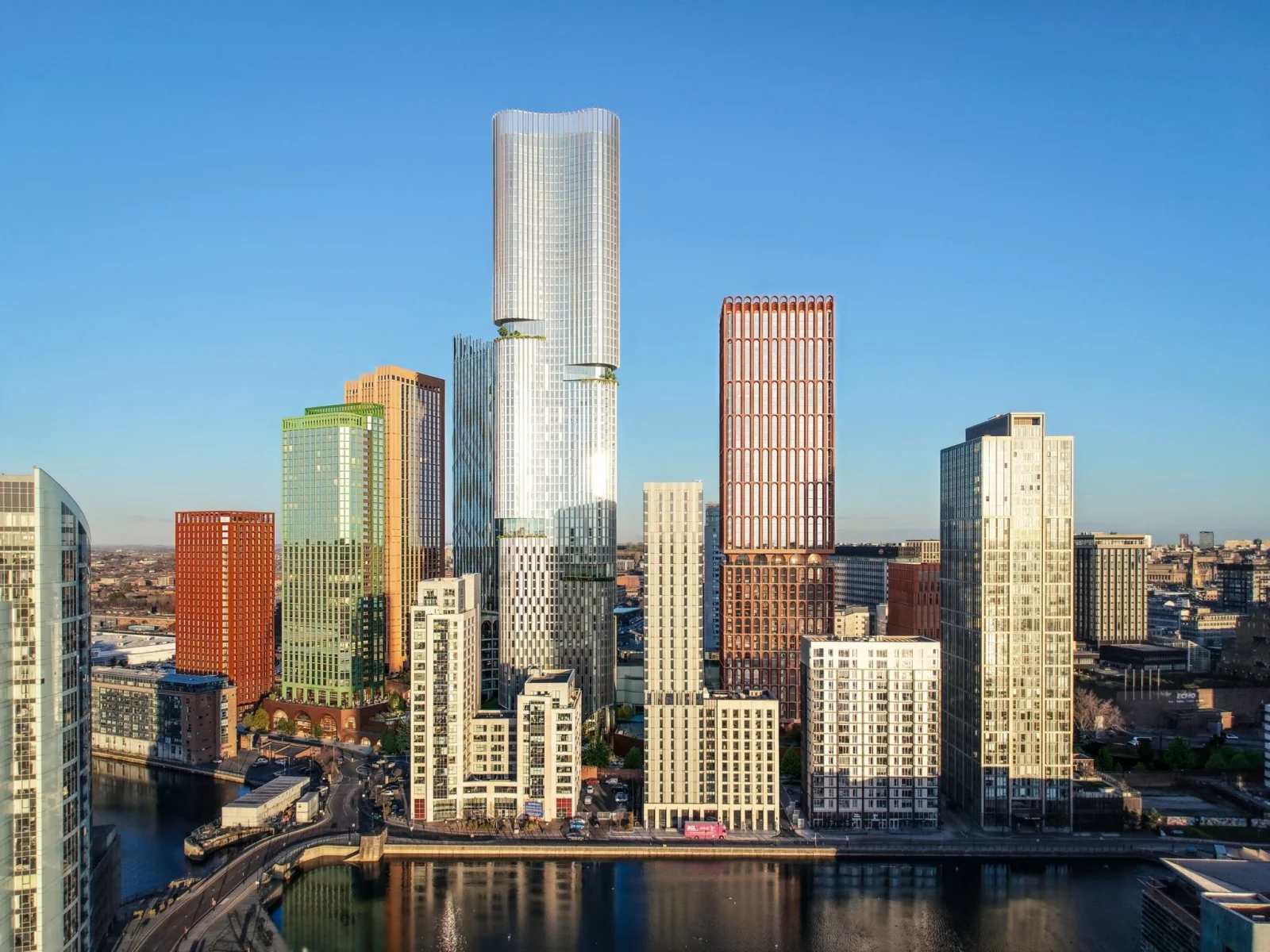
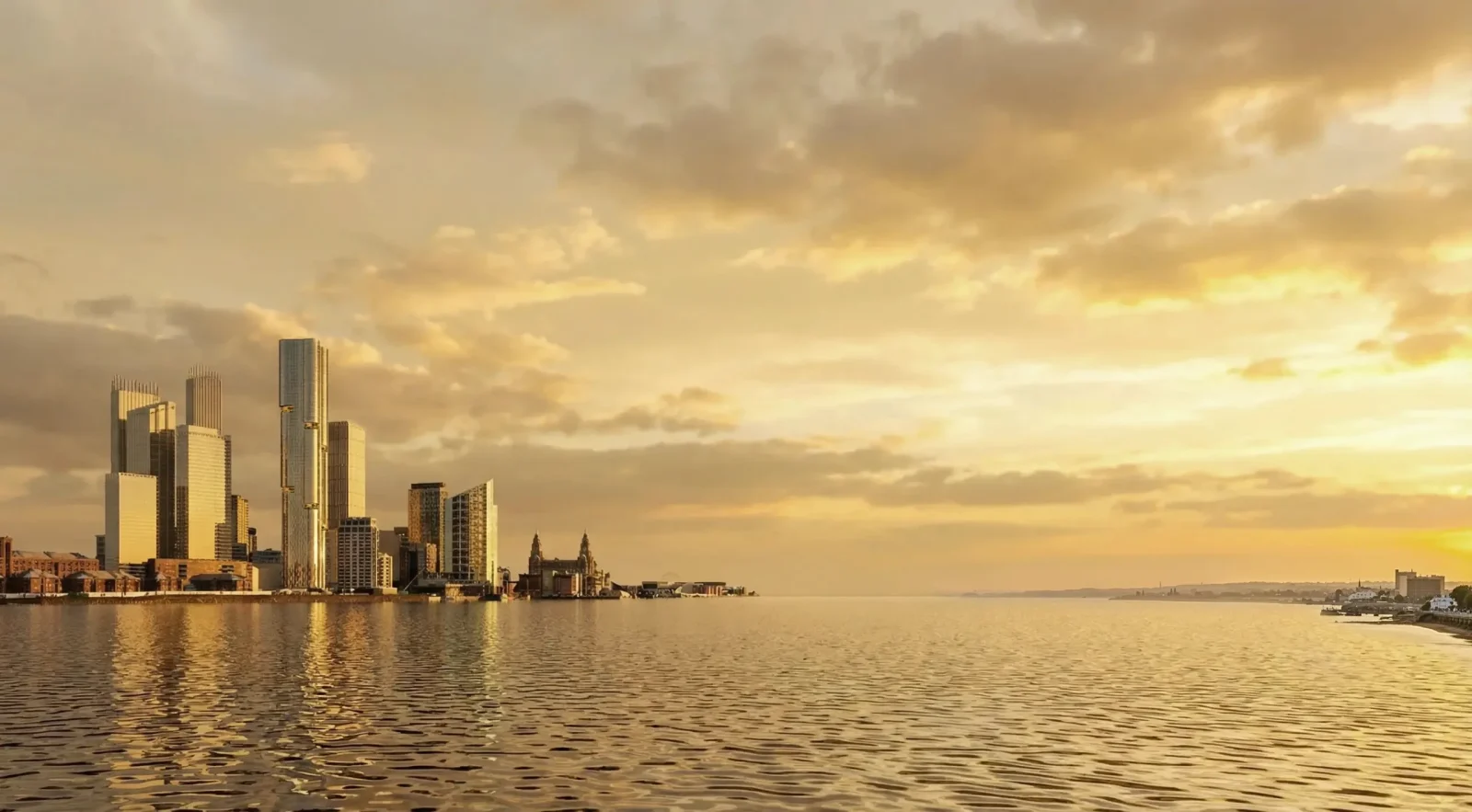
Set along the iconic waterfront of Liverpool, a city defined by maritime heritage and architectural contrasts, a proposed 70-storey tower signals a bold shift toward vertical growth. Once shaped by historic docks, the skyline is now evolving with contemporary ambition.
Designed by SimpsonHaugh and developed by Davos Property, the tower is set to become Liverpool’s tallest skyscraper, marking a pivotal moment in the United Kingdom’s urban evolution. It is envisioned as a landmark intervention, bridging the gap between the historic core and contemporary urban growth.
The Regeneration of the Liverpool Skyline
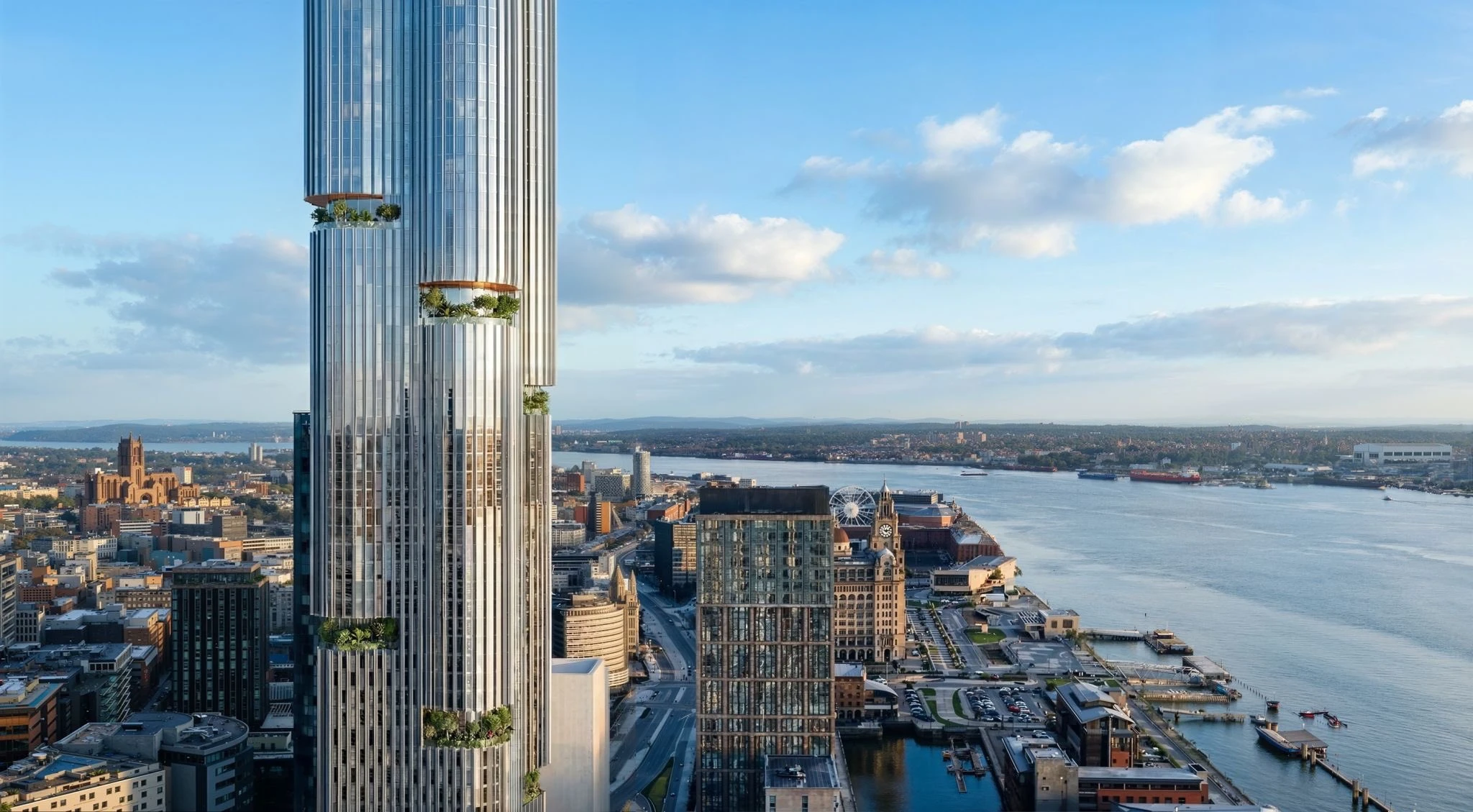
The proposed design for the £1 billion Kings development is an eight-acre masterplan that transforms an industrial estate into a high-density mixed-use district. It will integrate luxury hospitality, premium residential living, and Grade A commercial space. Responding to Liverpool’s maritime identity, the architectural language draws on industrial and naval engineering motifs that remain integral to the Mersey’s trade history.
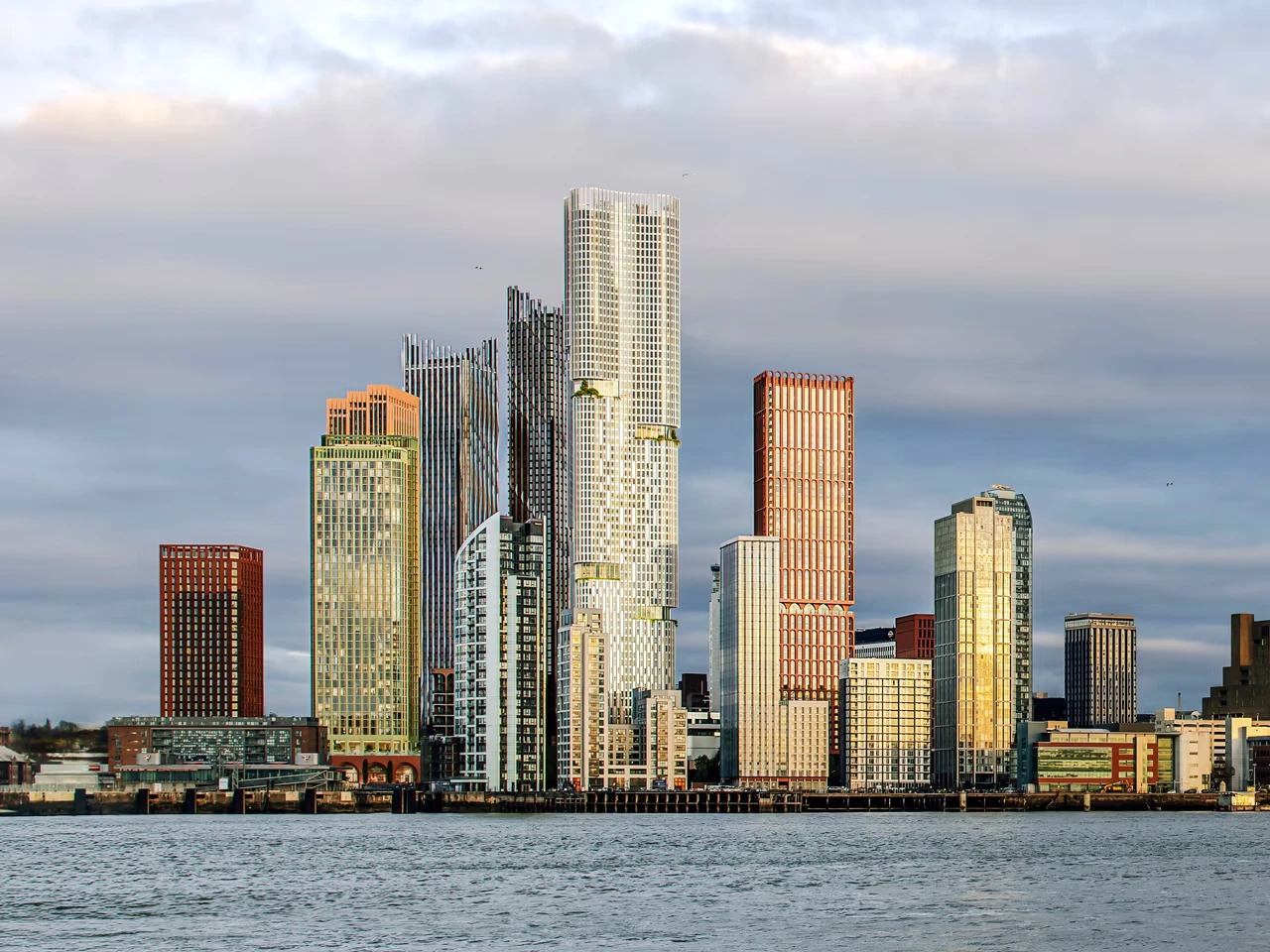
Formerly known as King Edward Triangle, the tower sits on an eight-acre site, reflecting a strategic effort to market the area as a premium new district and not just a repurposed industrial zone. The designers draw inspiration for the tower’s façade from Oriel Chambers by Peter Ellis, a Grade I listed building completed in 1864 and widely regarded as the world’s first metal-framed, glass curtain-walled structure.
Spatial Planning
Rising to 221.5 meters, the tower is designed to enhance the surrounding public space. Spanning 924,000 square feet, it will be the largest building by volume in Liverpool, with interiors organized across hospitality and luxury residential uses. The lower floors, 1–23, will house a five-star hotel catering to the growing cruise tourism sector and international business travelers.
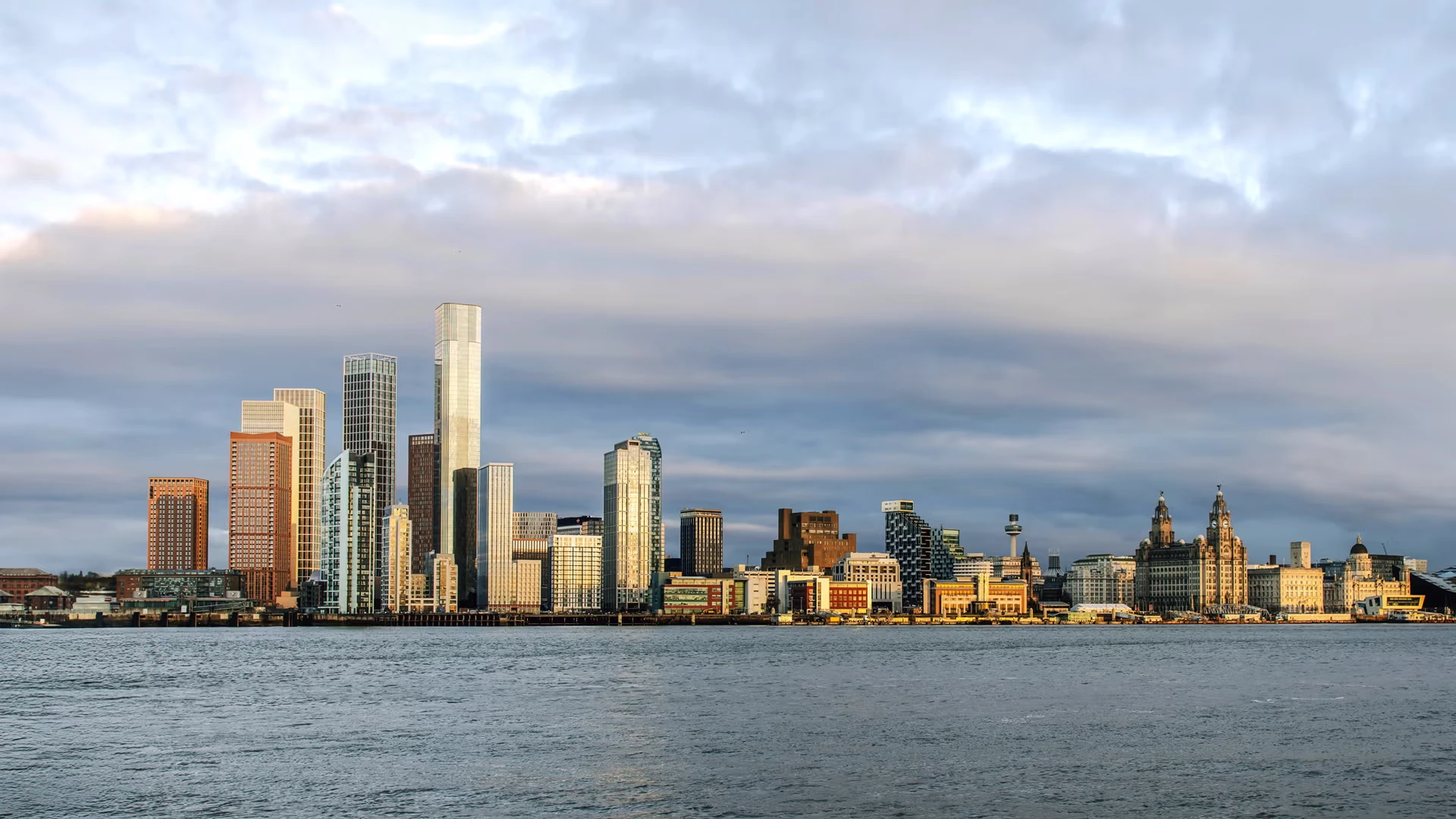
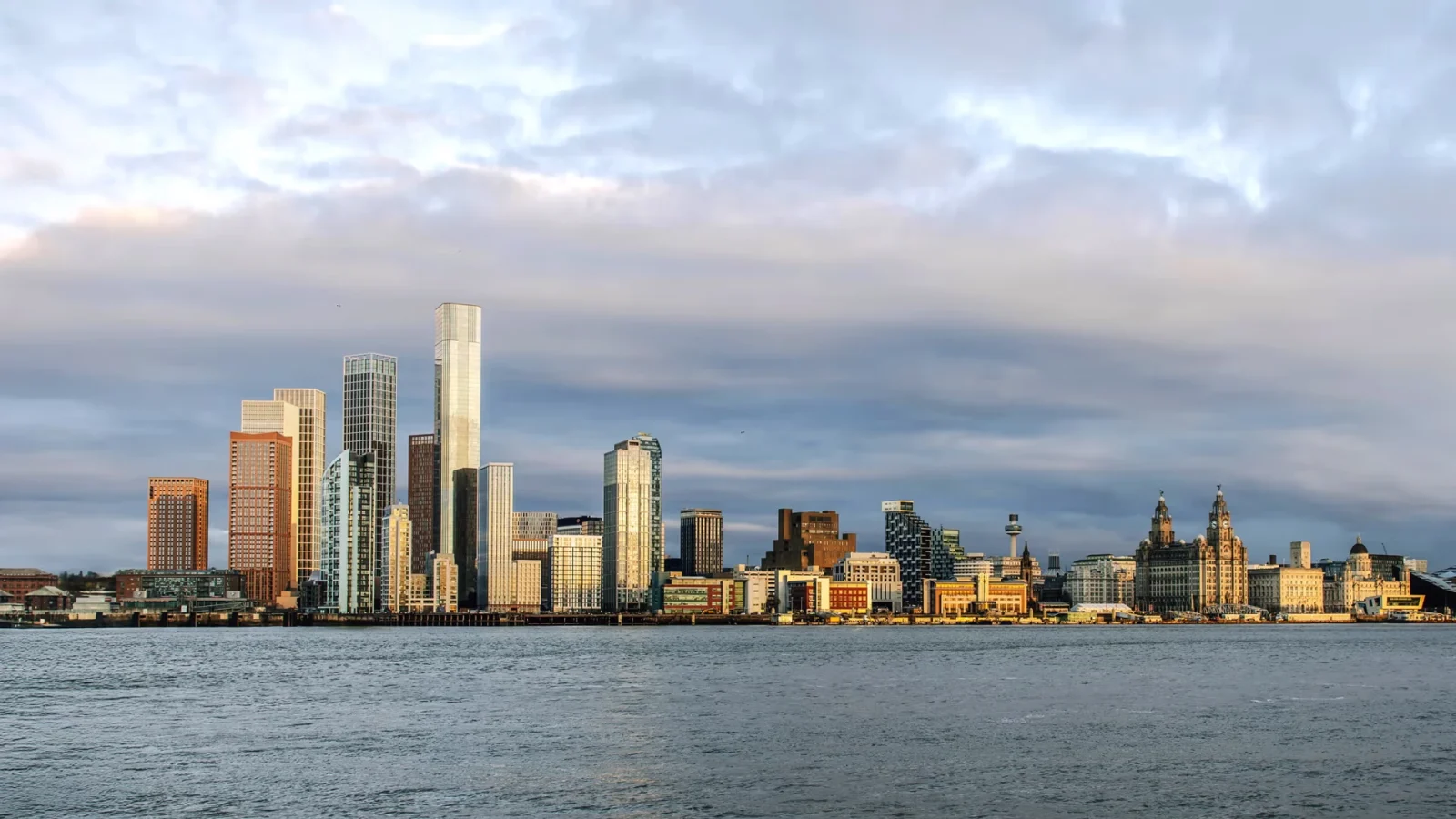
On the upper floors, 24–70, the tower comprises 563 luxury residences with five-star amenities, including a 24-hour concierge, laundry services, and in-room dining. It also features bars, restaurants, gyms, banqueting halls, and meeting facilities. At a proposed height of 727 feet, the tower marks a significant shift from Liverpool’s existing skyline. The current tallest building, West Tower, stands at 459 feet (140 meters), making the proposed tower nearly 60% taller and raising concerns about its impact on the historic waterfront.
The Role of Cruise Tourism
A defining feature of the King’s development is the rapid growth of Liverpool’s cruise industry, with 135 ship visits scheduled and more expected as the new terminal is completed. On February 17, 2026, the city council approved the first phase, No. 1 Kings.
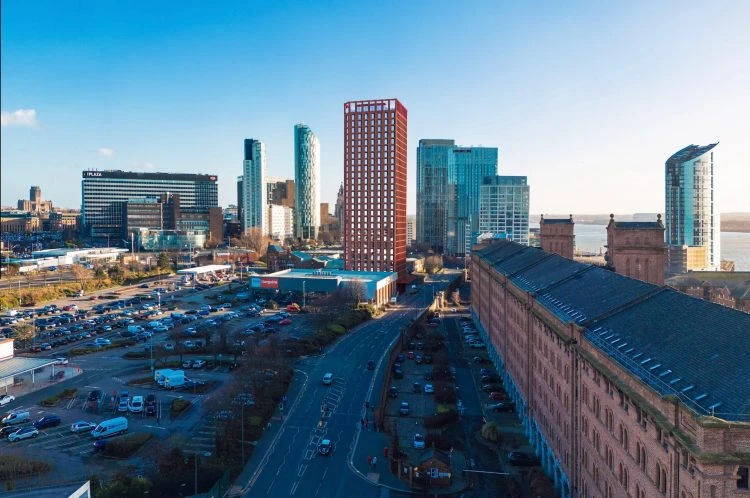
The masterplan by Brock Carmichael includes a 28-storey residential tower as the first phase of the Kings scheme. Known as No. 1 Kings, it is located at the junction of Waterloo Road and Galton Street in Liverpool. Landscape architects Planit will design 400,000 square feet of public space to connect the site with the surrounding city.
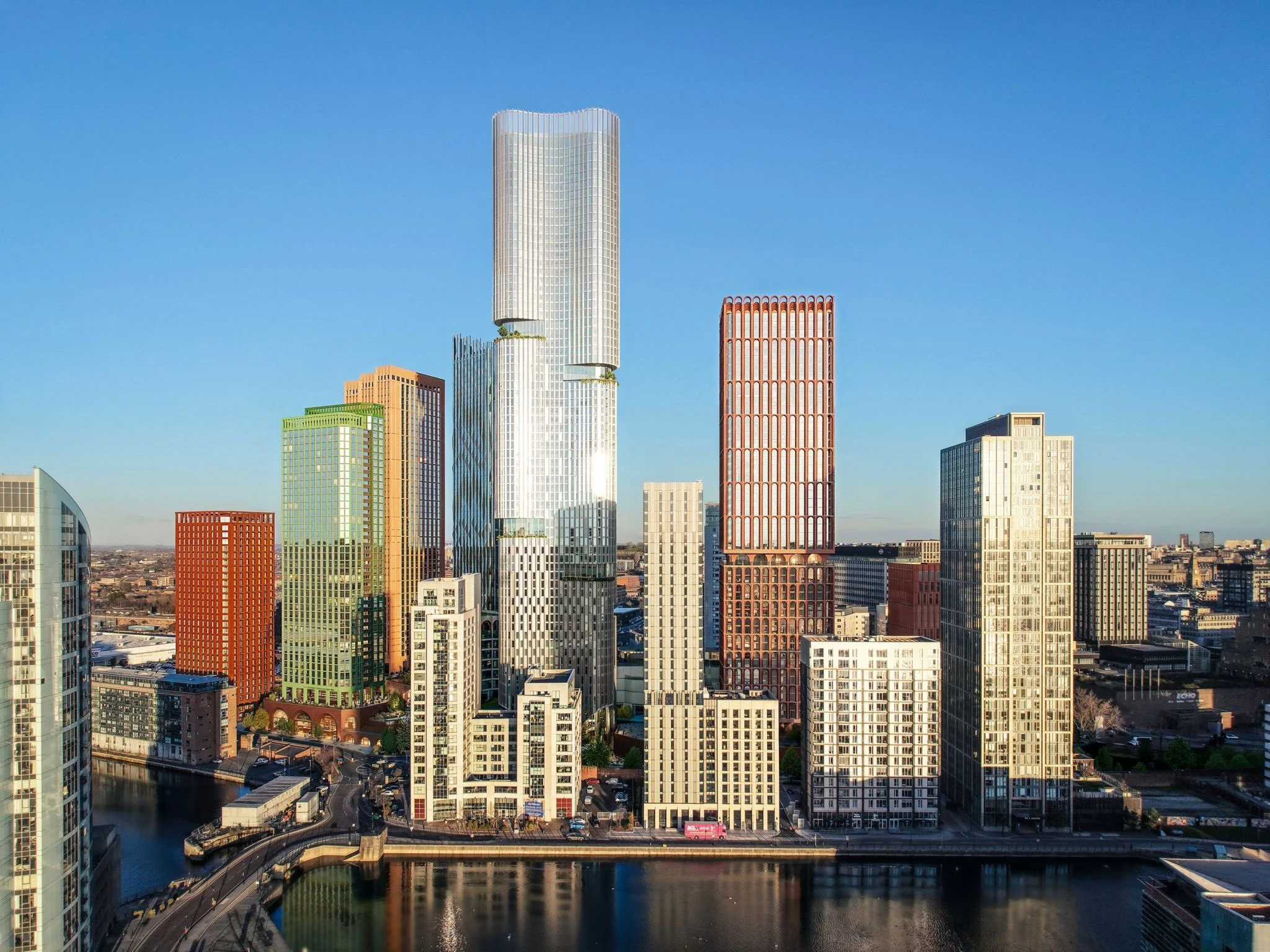
The 70-storey skyscraper at the King’s development reflects Liverpool’s post-UNESCO urban strategy through high-density, mixed-use design. The project aligns with the growth of cruise tourism and the increasing demand for luxury living. Set to become the city’s tallest building, the tower signals Liverpool’s return to the global high-rise landscape, marking a shift from a heritage-led skyline to one defined by vertical growth.
Photo Credit: SimpsonHaugh
Explore Courses
.jpg%202.jpg "Building Performance with Forma & Opossum")
.jpg "Ondrej Chybik - Rethinking Architecture")