


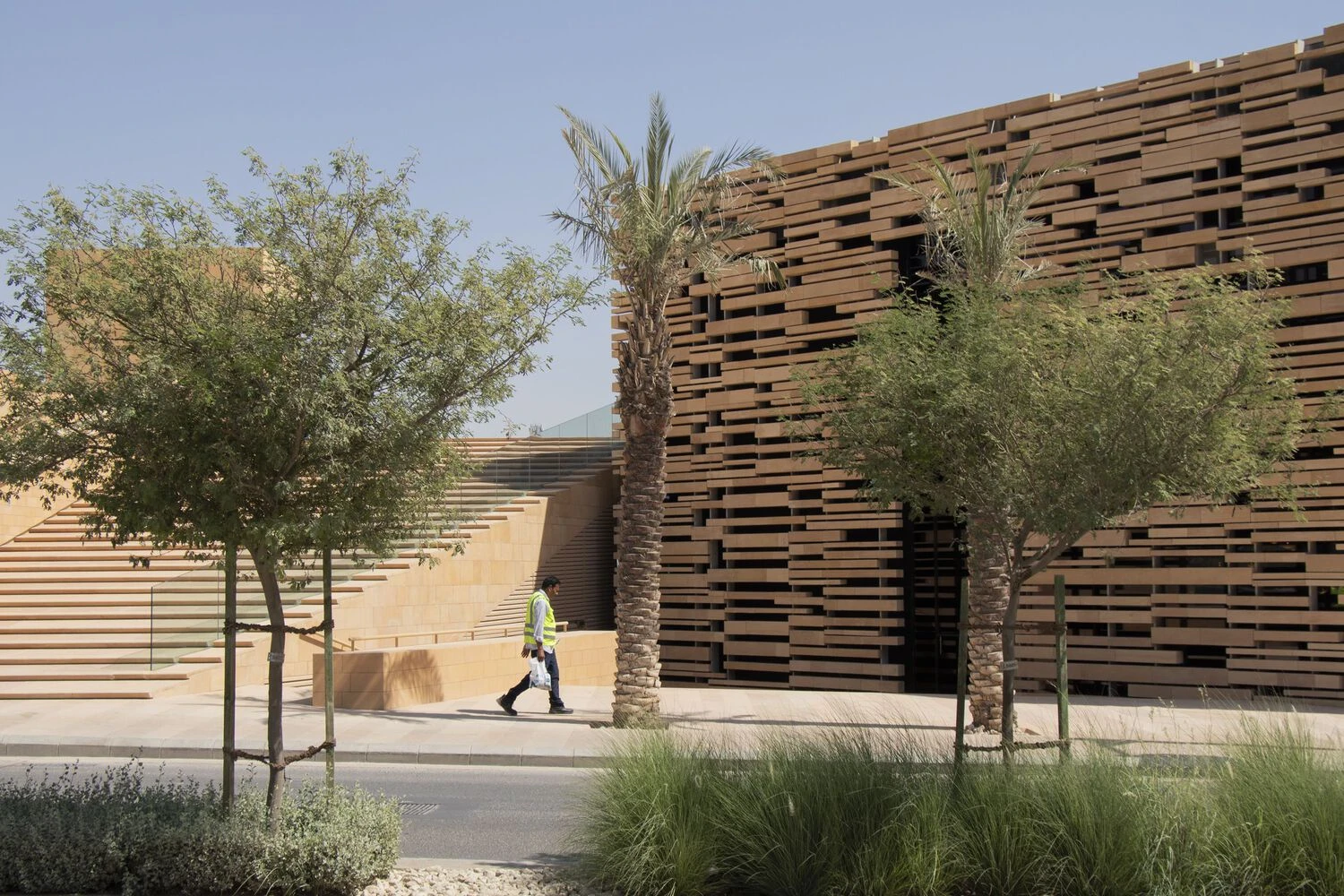
In Saudi Arabia, museum architecture is transforming into a powerful reflection of the nation’s culture, heritage, and future vision. Museums are no longer designed as quiet buildings and spaces that simply house artifacts; they are becoming immersive spaces where architecture itself tells stories through light, material, landscape, and form.
Museums across Saudi Arabia are inspired by desert terrains, Islamic geometry, Nabataean history, and traditional architecture; many of these projects blend deep cultural roots with contemporary design. Together, Saudi Arabia reveals how museum designs are using architecture not only to preserve history, but to shape new cultural experiences for the future.
Evolution of Museum Architecture in Saudi Arabia
Architecture in Saudi Arabia has evolved through a remarkable journey, from traditional mud-brick villages and desert settlements to bold contemporary landmarks shaping its cities today. The architectural transformation reflects the country’s changing cultural, economic, and technological ambitions while remaining deeply connected to its culture. Also, museums have become powerful symbols of evolution, serving not only as spaces that preserve history but also as architectural statements expressing Saudi Arabia’s modern vision and cultural identity.
These are six iconic museums in Saudi Arabia that showcase how museum architecture has evolved with time.
1. King Abdulaziz Centre for World Culture (Ithra)
Architect: Snøhetta
Location: Dhahran, Saudi Arabia
Construction: 2007 – 2018
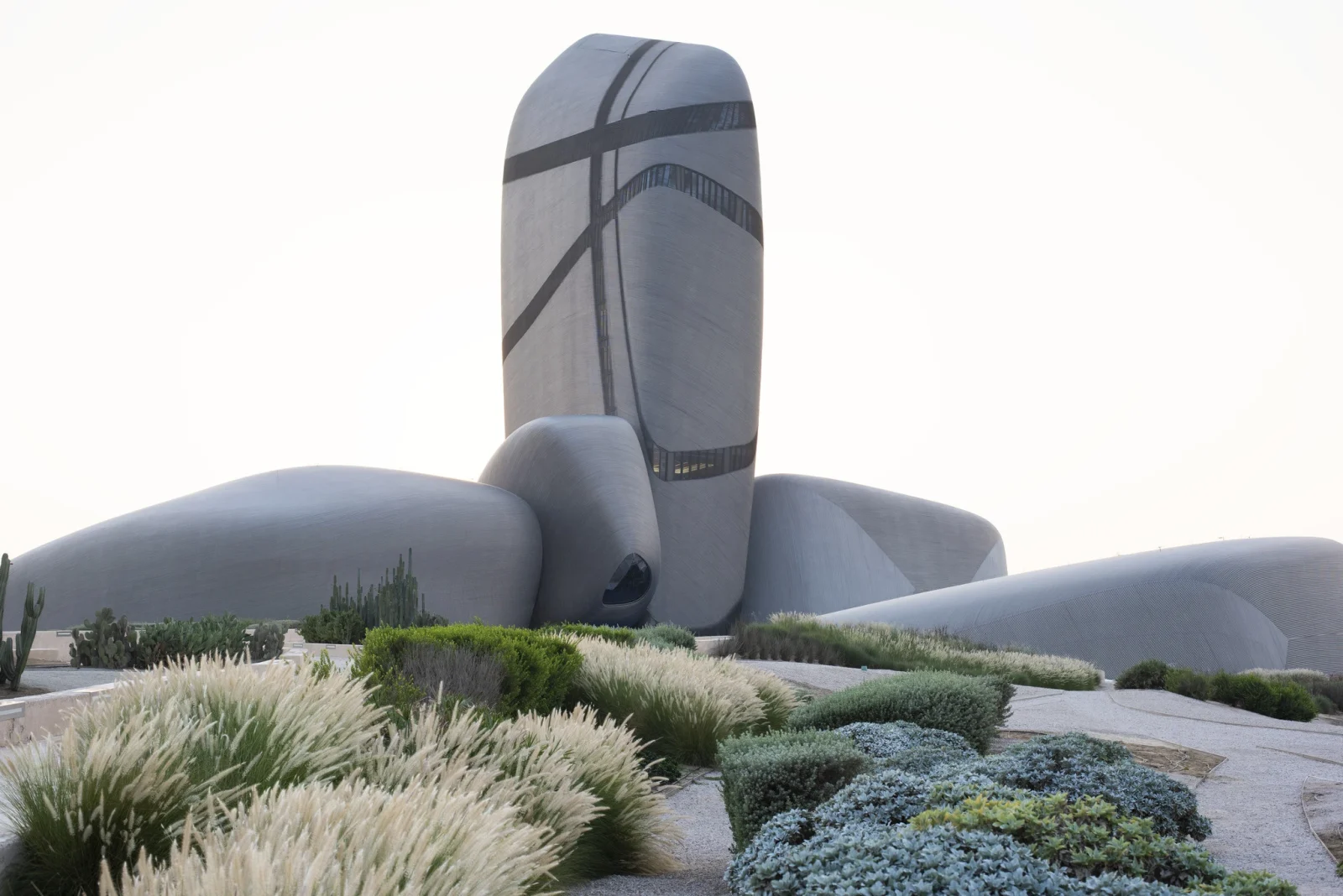
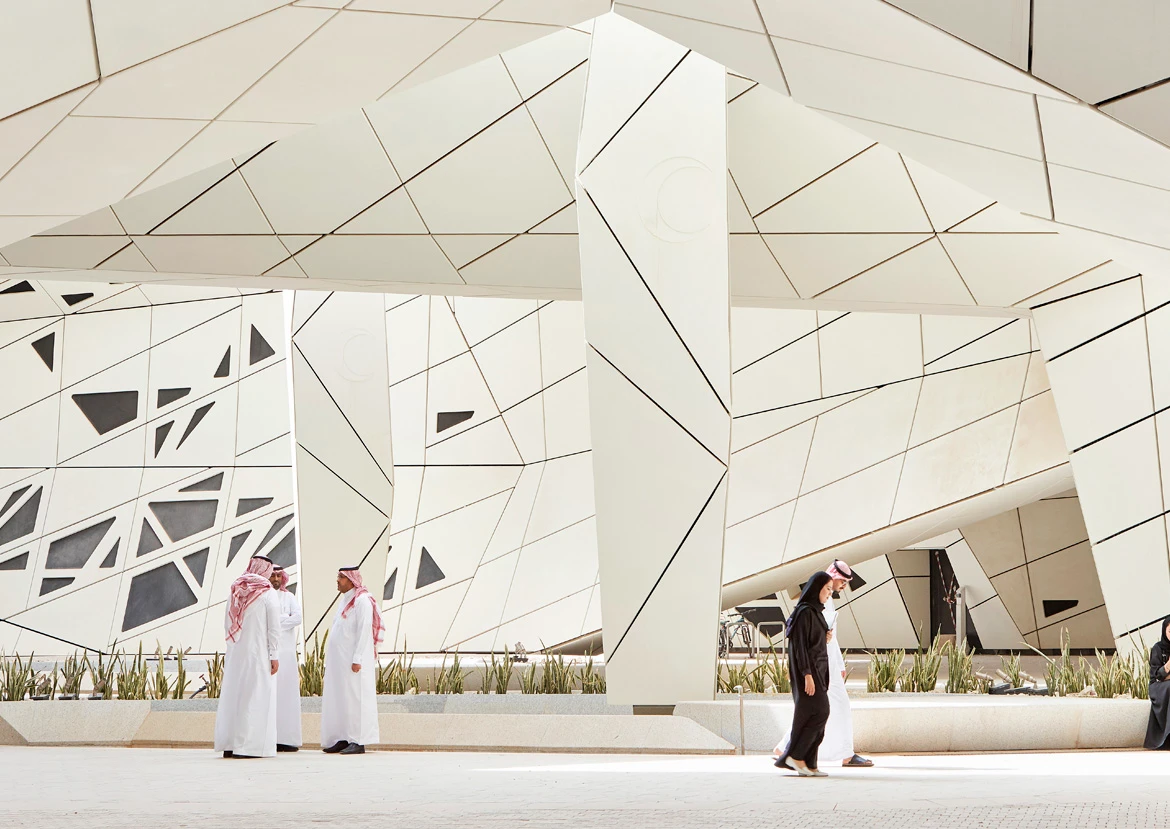
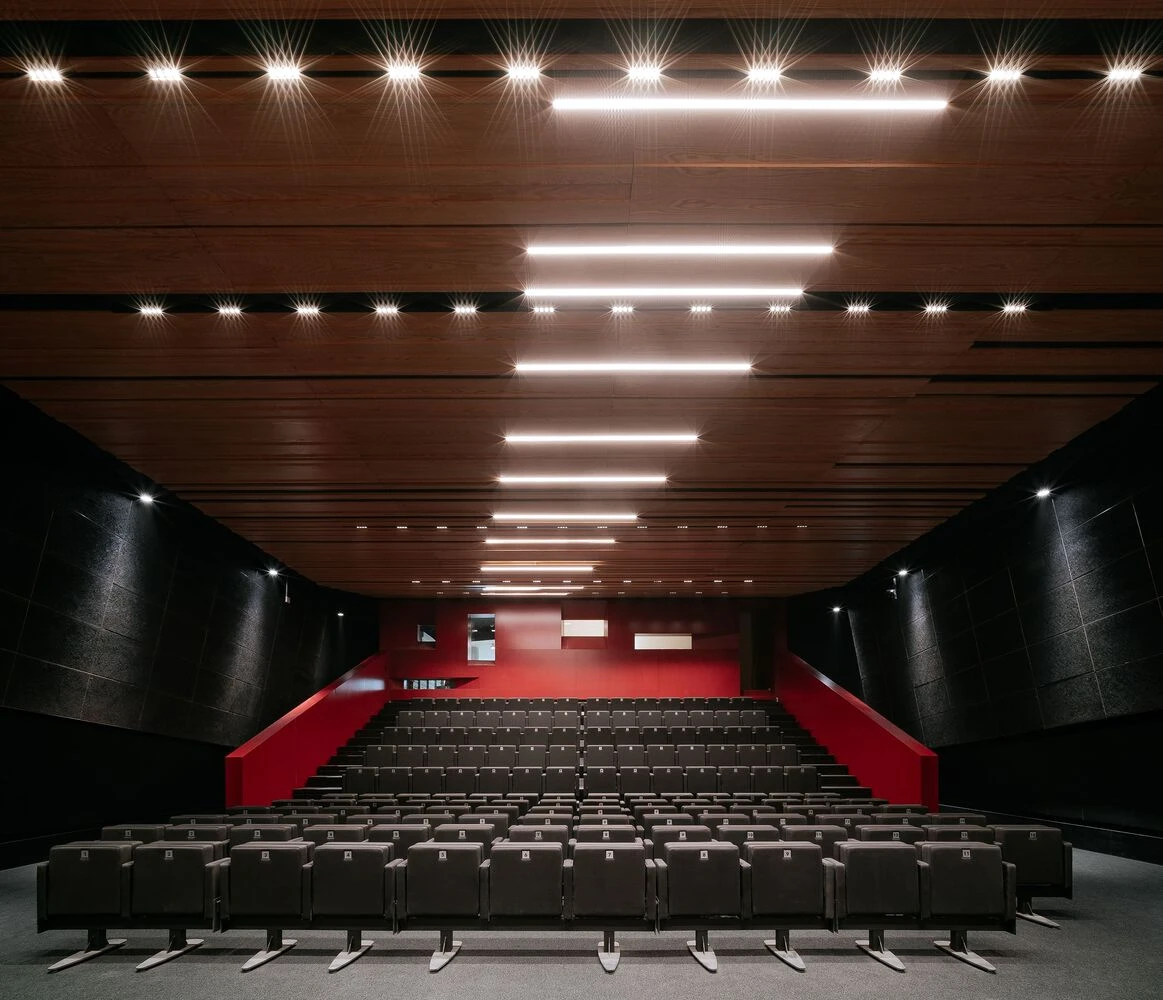
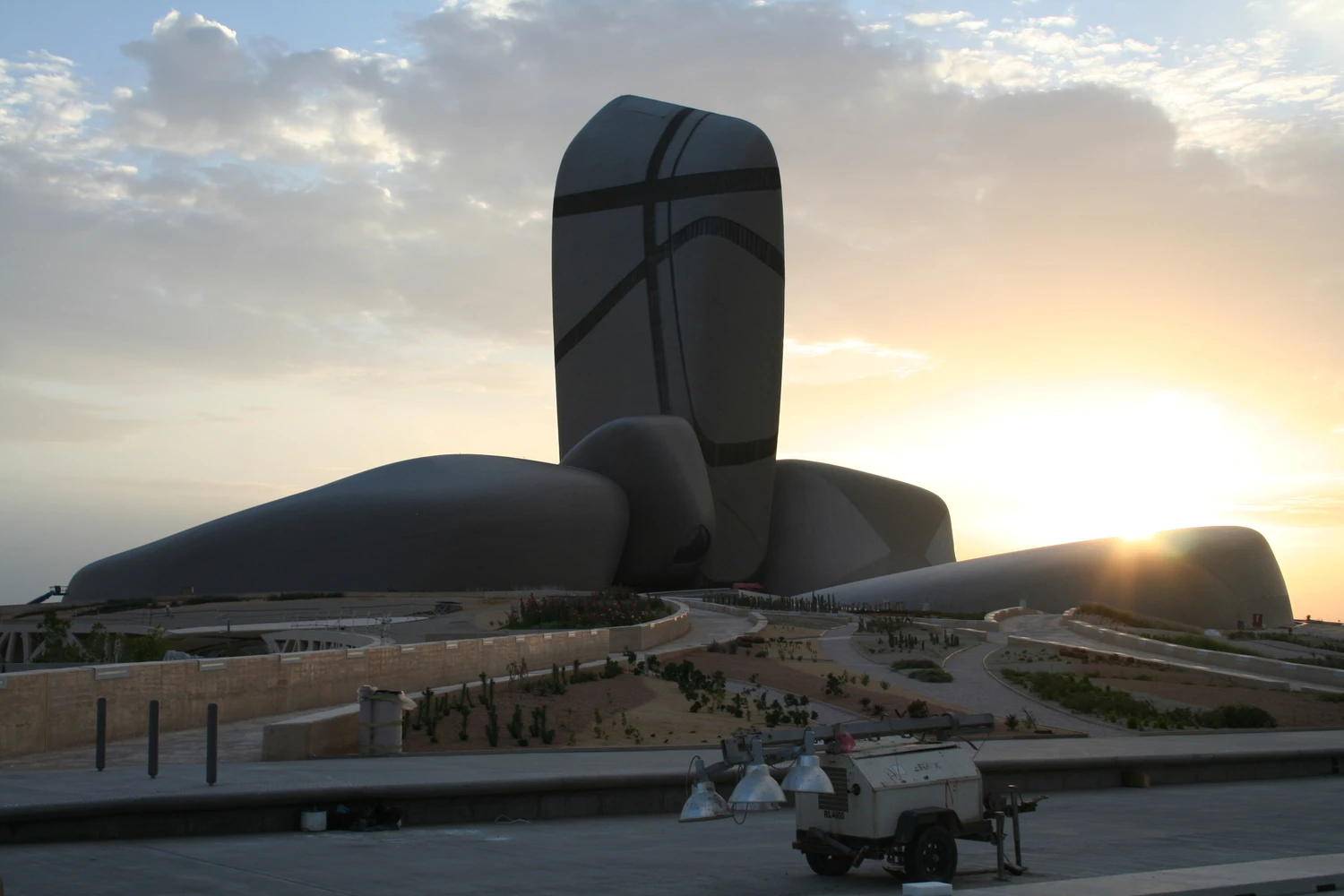
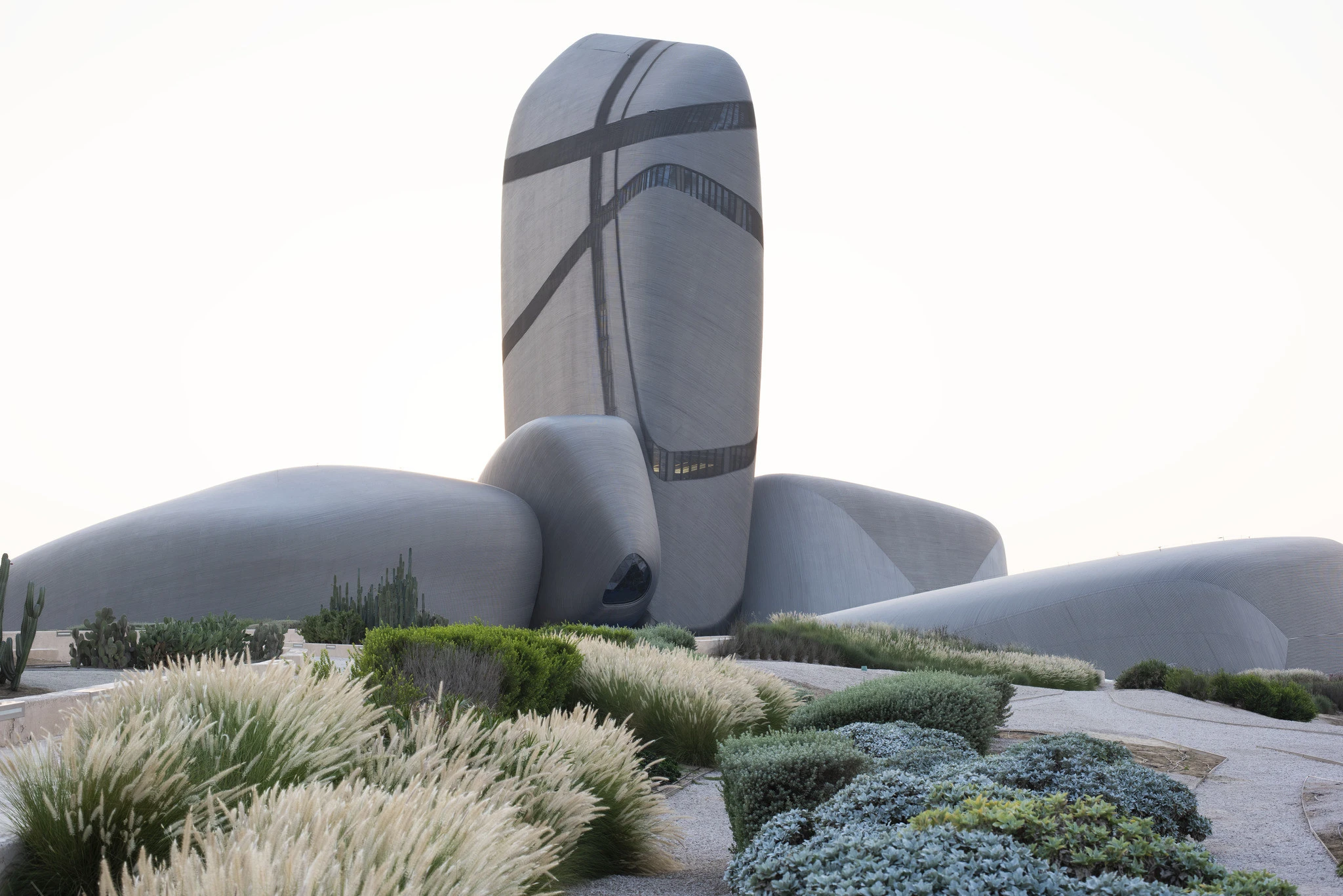
Rising from the desert landscape of Dhahran, the King Abdulaziz Centre for World Culture stands as one of Saudi Arabia’s most remarkable cultural landmarks. The museum, known as “Ithra,” meaning “enrichment,” was created to bring learning, creativity, and cultural exchange together seamlessly through architecture that feels open and inviting. Its sculptural and pebble-like, unique forms rise dramatically from the arid terrain. The architecture houses a museum, library, cinemas, exhibition halls, and performance spaces, serving as one immersive cultural destination.
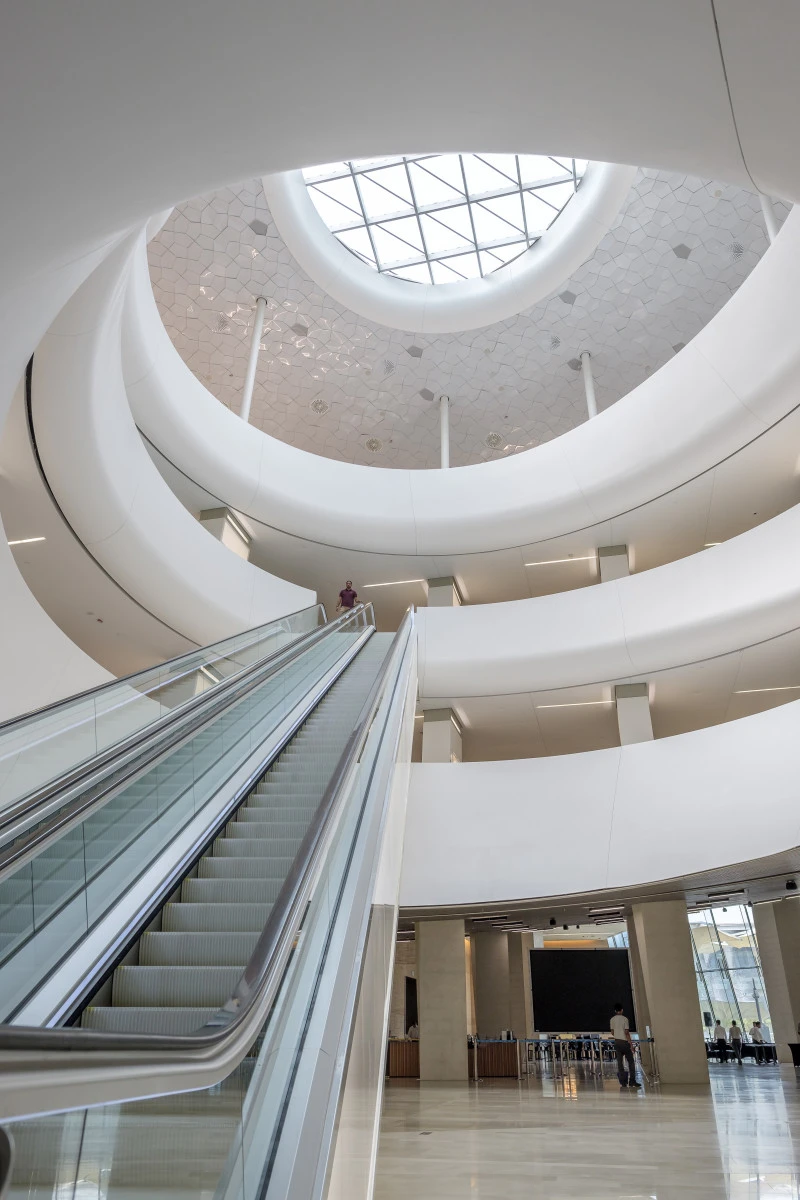
More than a cultural landmark, it reflects a bold vision of how museum architecture can bring together knowledge, community, and heritage in a rapidly changing society. The composition is formed around a soaring 110-meter tower, surrounded by sculptural pebble-like volumes wrapped in reflective steel tubes that shift beautifully with light. Inside, the center unfolds as a vibrant space, housing a vast library, museum, cinema, exhibition halls, and performance spaces that connect contemporary creativity with the deeper roots of Saudi culture and history.
2. Black Gold Museum
Architect: DaeWha Kang Design
Location: KAPSARC campus, Riyadh, Saudi Arabia
Construction: 2009 – 2026
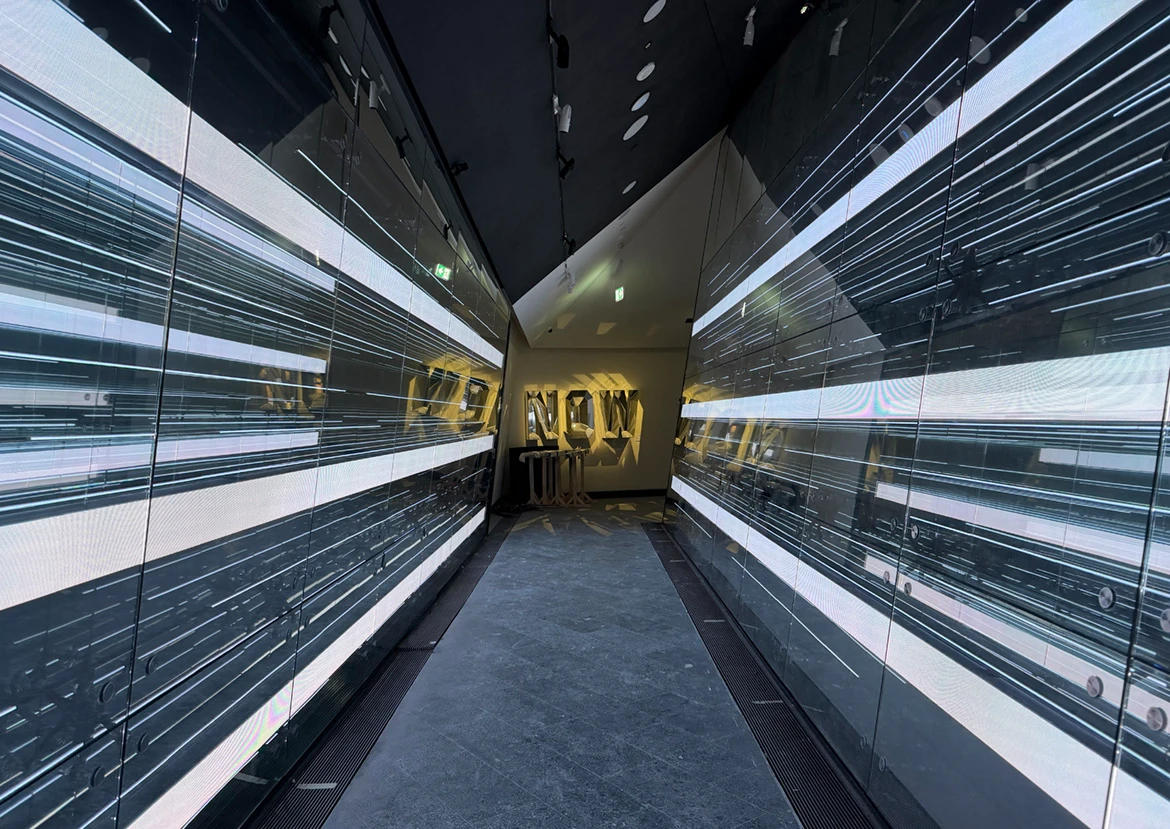
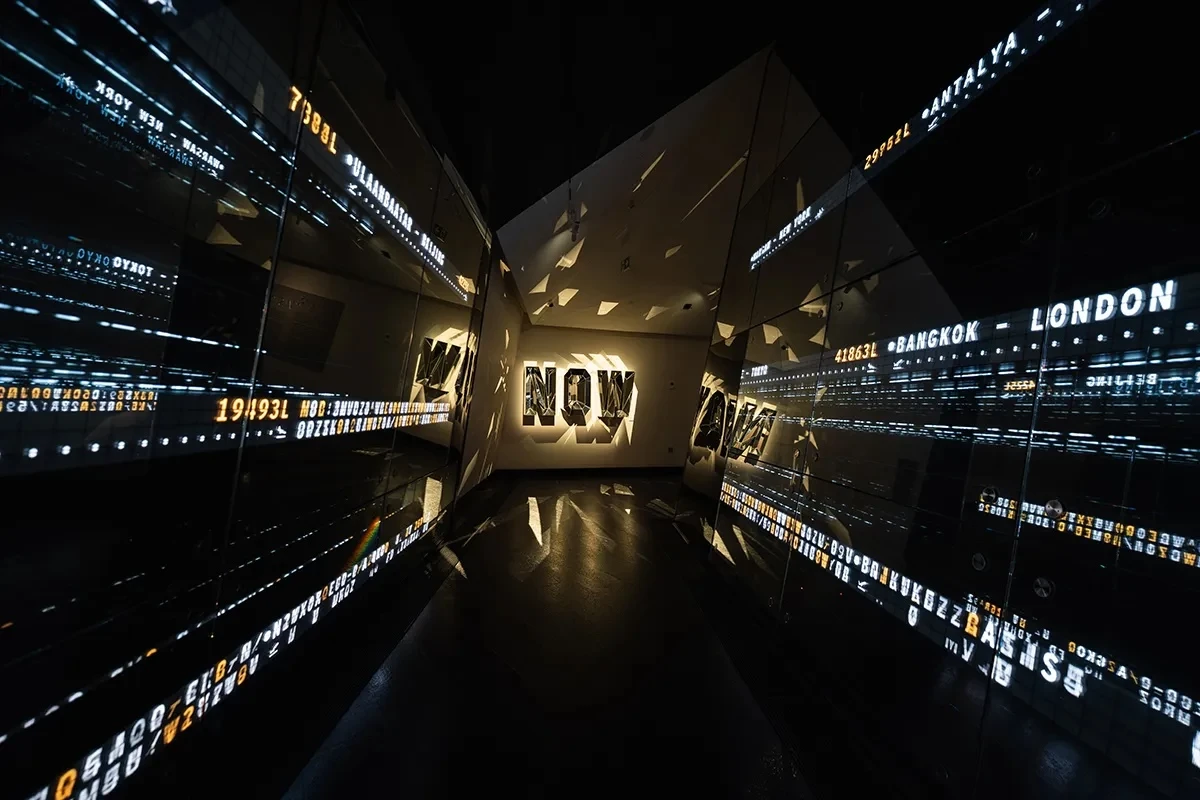
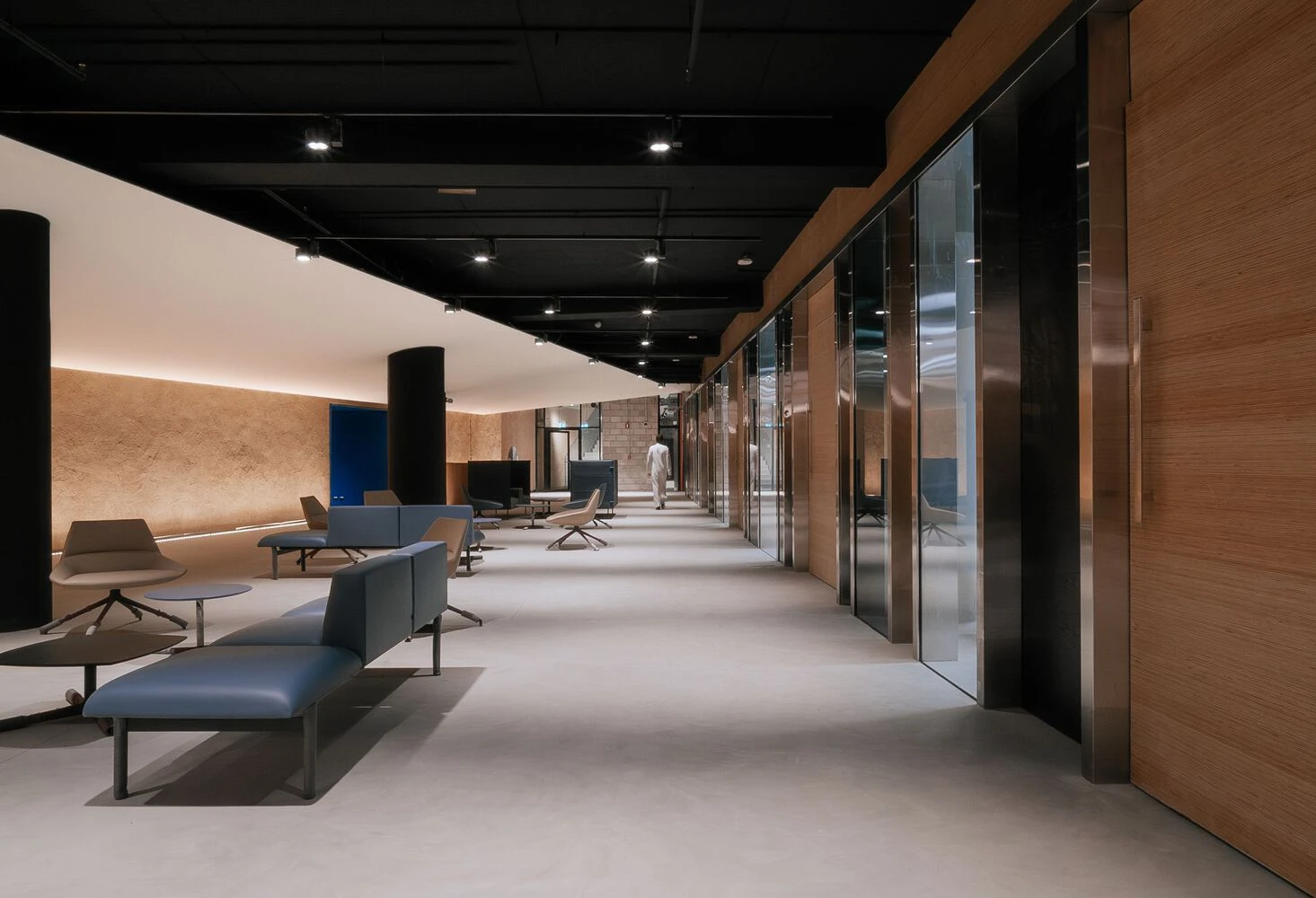
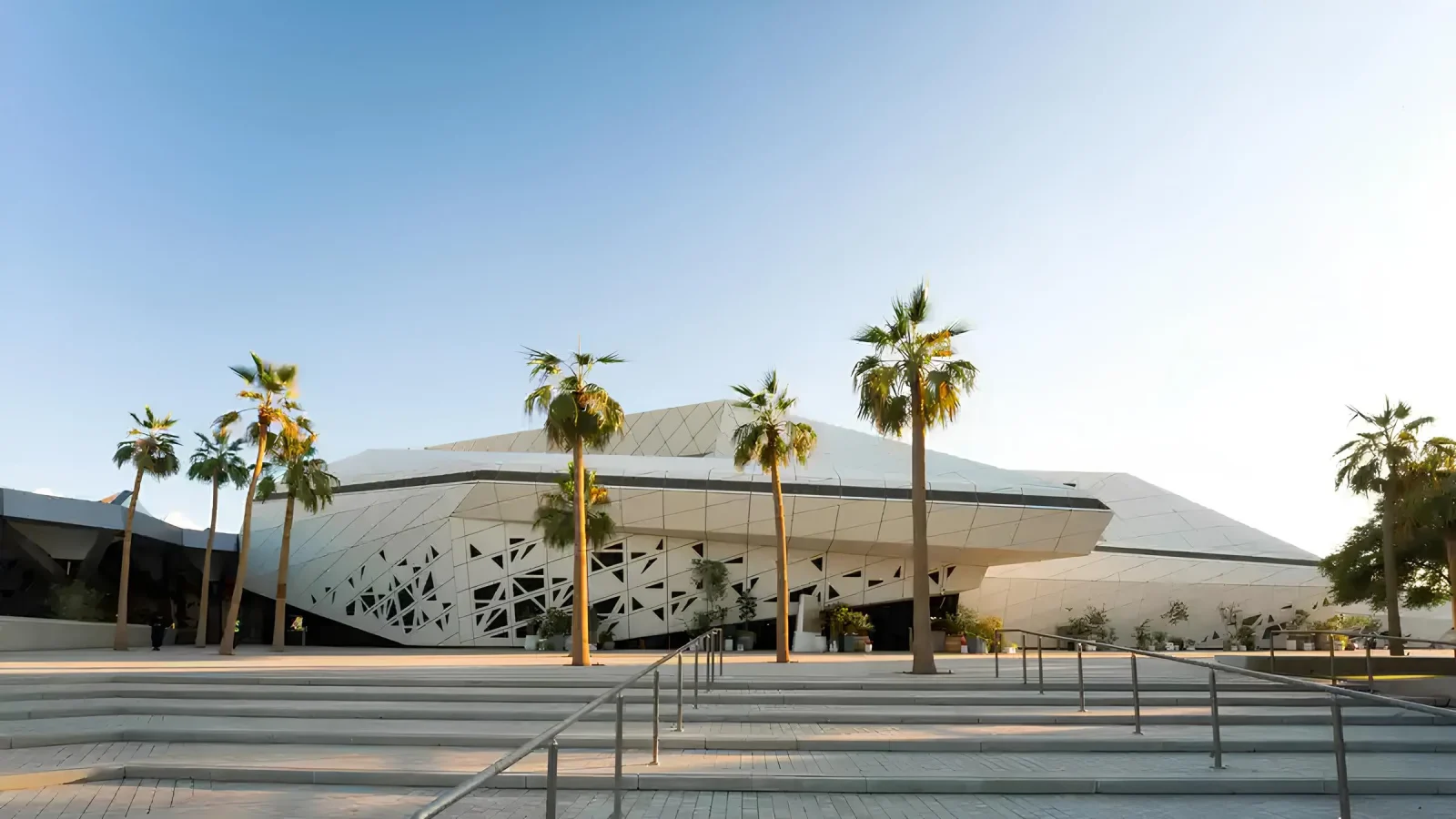
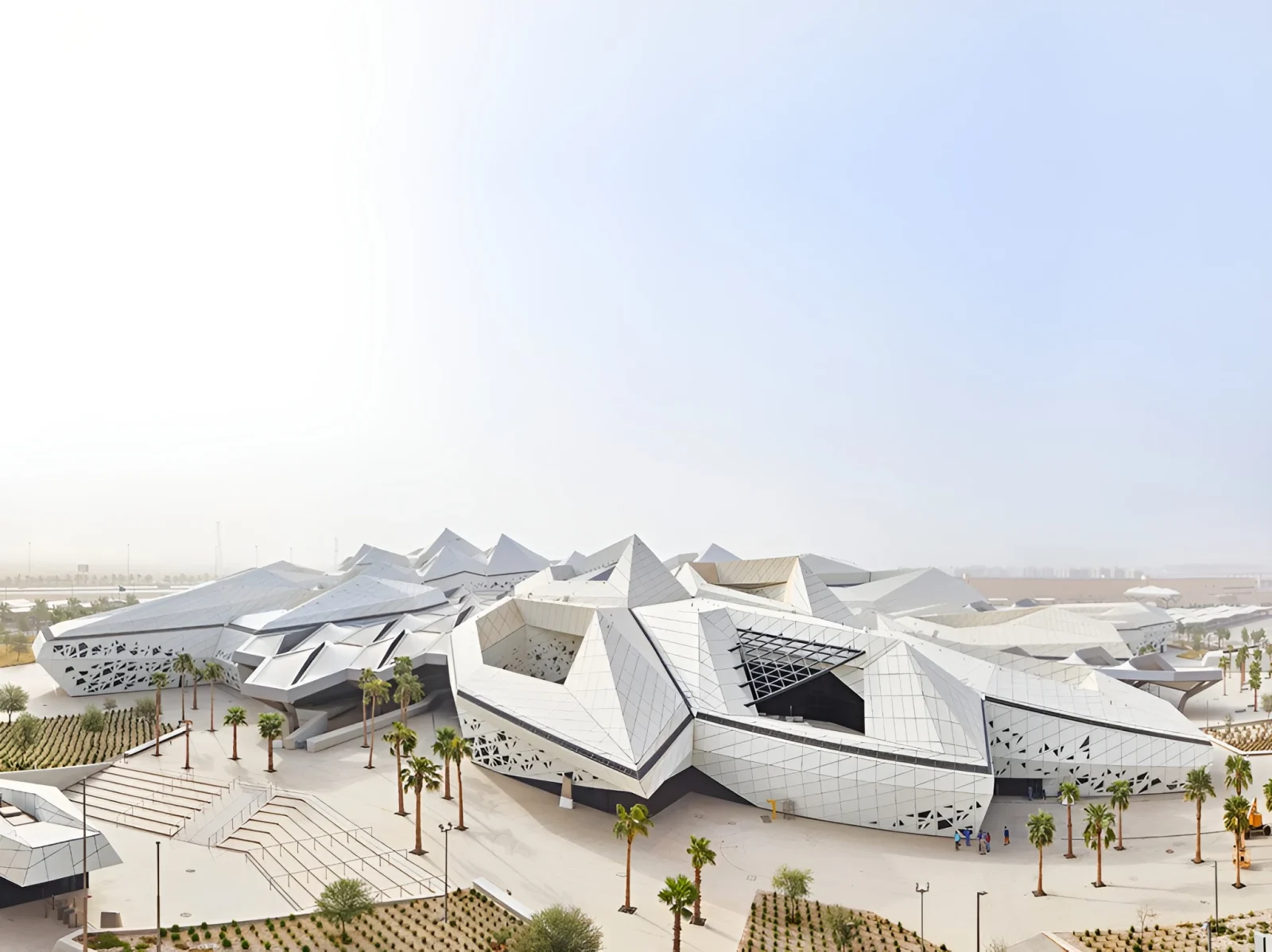
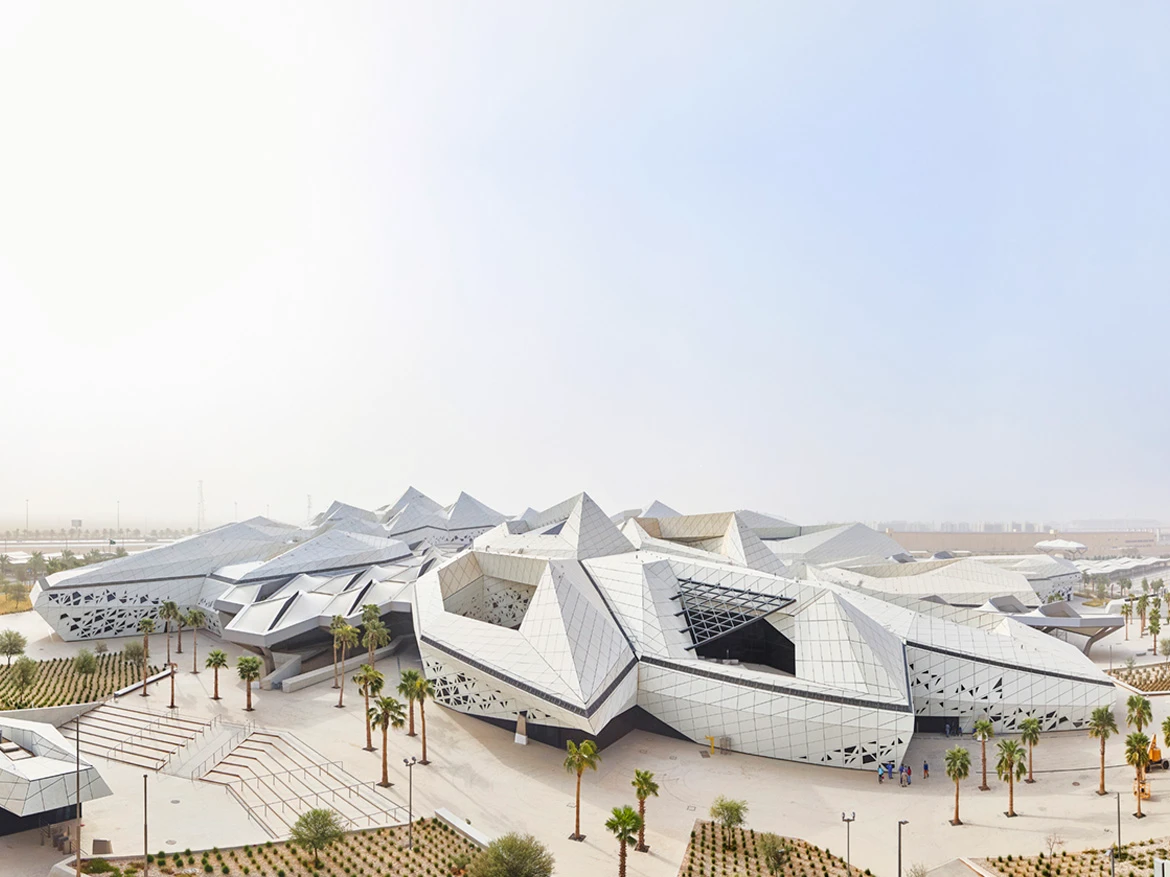
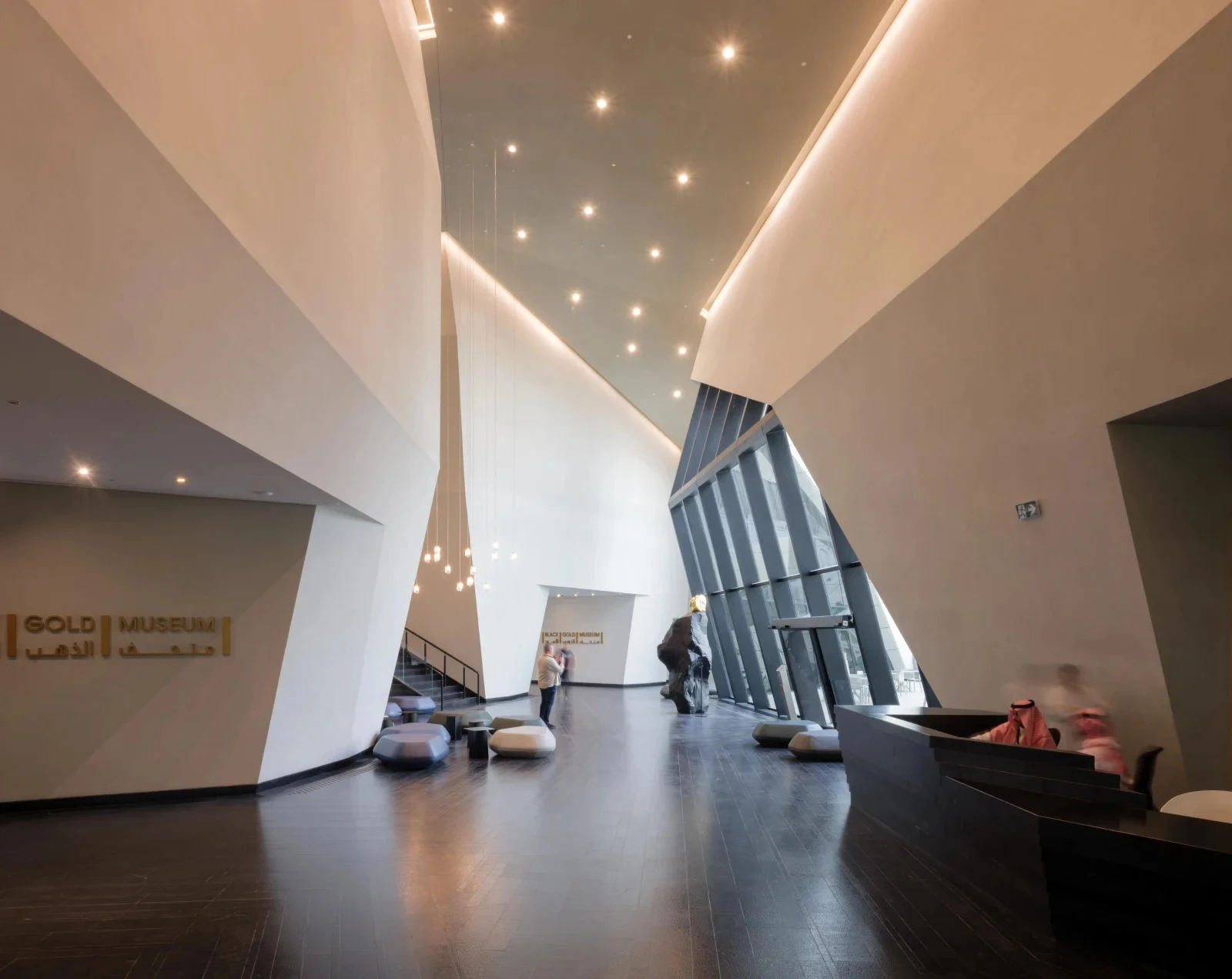
The Black Gold Museum was conceptualized as one of Saudi Arabia’s significant contemporary landmarks through a bold adaptive reuse transformation. Designed by DaeWha Kang Design, the museum spans over 6,800 square meters and explores the story of oil and its profound impact on society through the lens of modern and contemporary art. Instead of preserving the existing structure, the project completely reshapes its purpose, turning a building once designed for a singular function into an immersive cultural destination. In many ways, the transformation mirrors the very story the museum tells: one of change, ambition, and evolution.
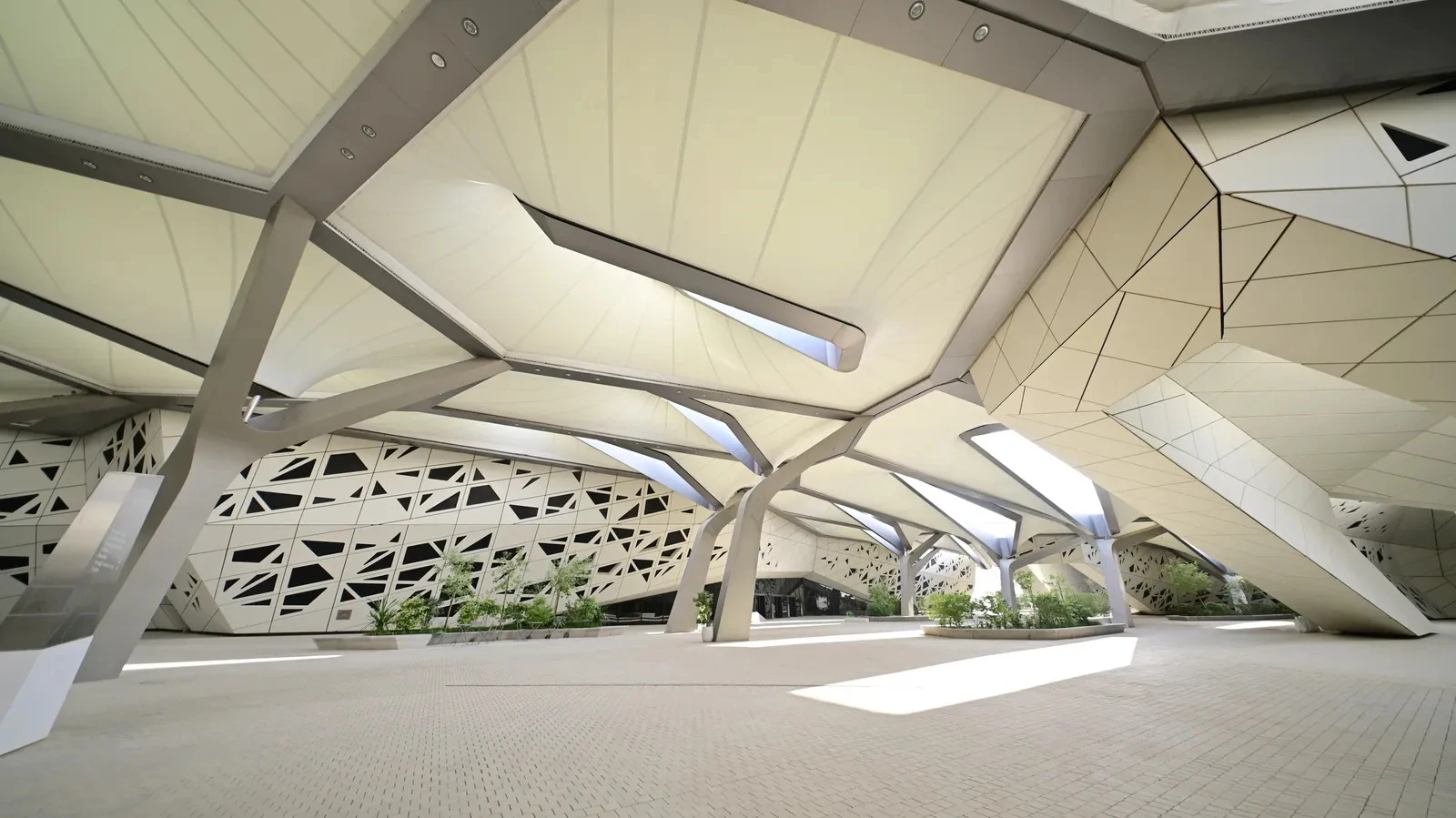
Located in Riyadh, a building is transforming a former library complex into a powerful new cultural destination. Developed through a collaboration between Saudi Arabia’s Museums Commission and KAPSARC, the architecture reimagines a building originally designed by Zaha Hadid Architects. Instead of only renovating the space, the design gives it a new identity by creating calm, immersive interiors that encourage reflection and emotional connection. The design of the museum is an experience that feels thoughtful and deeply rooted in the idea of transformation.
3. Diriyah Art Futures Contemporary Art Hub
Architect: Schiattarella Associati
Location: Diriyah, Saudi Arabia
Construction: 2024
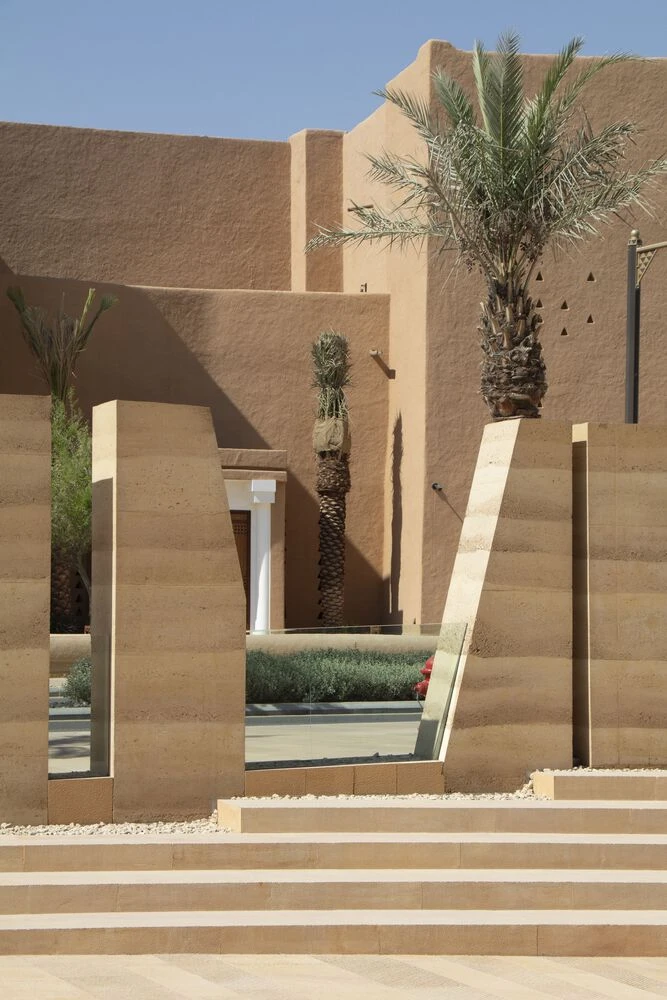
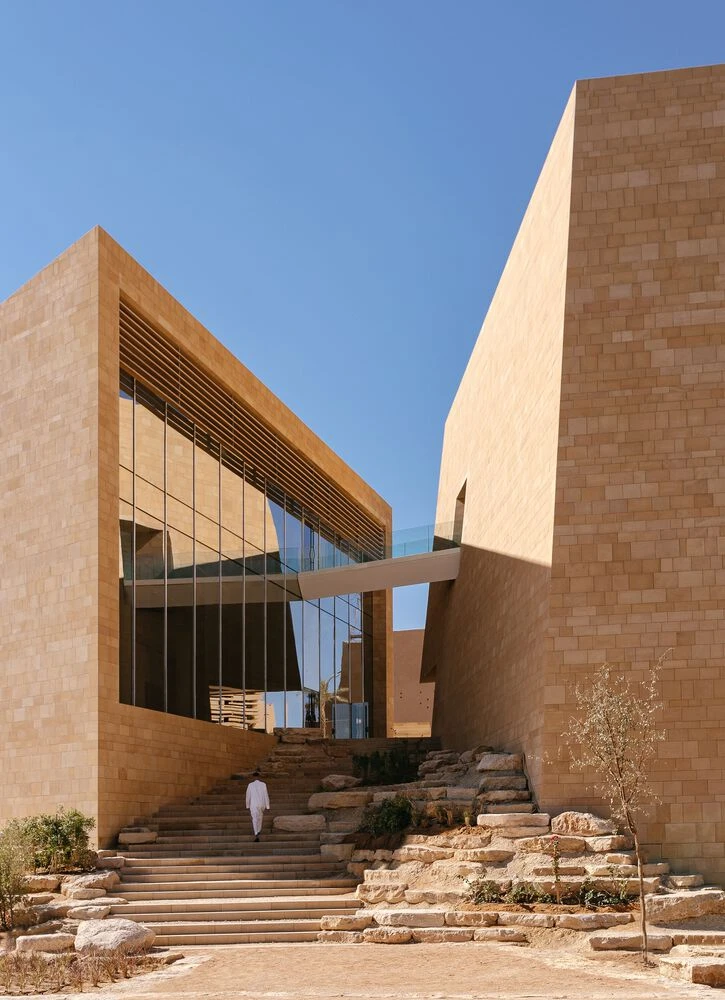
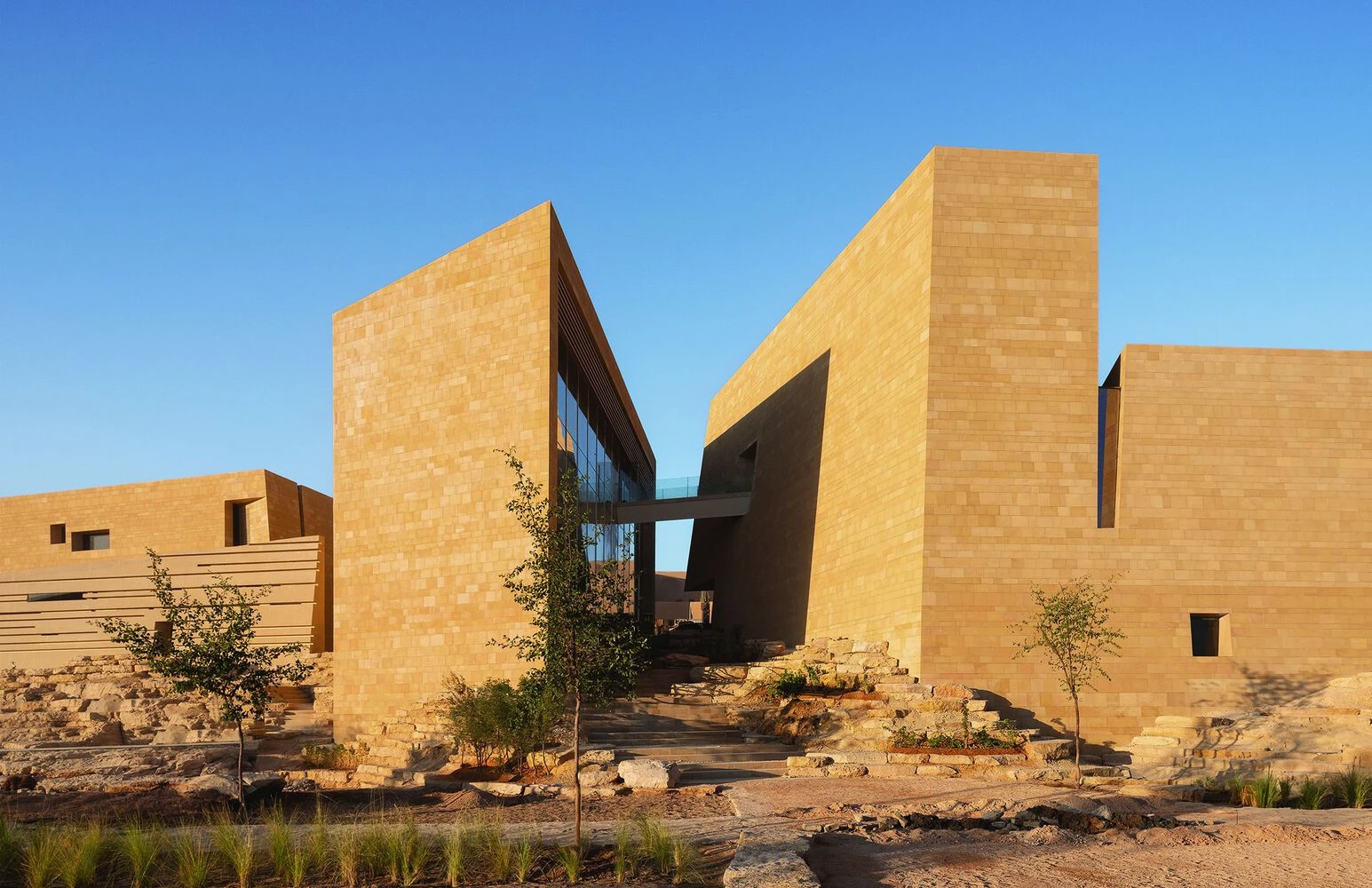
Set near the UNESCO heritage site of At-Turaif in Riyadh, the Diriyah Art Futures Contemporary Art Hub marks a bold new chapter for museum architecture in the Gulf. Designed by Schiattarella Associati, it is the region’s first museum dedicated entirely to digital art, blending emerging technology with the cultural identity of Najd architecture. Spanning 12,000 square meters, the hub brings together exhibition spaces, artist residences, studios, and research labs within one immersive creative environment. More than a museum, it reflects Saudi Arabia’s growing cultural ambitions, where heritage, innovation, and future-focused architecture come together.
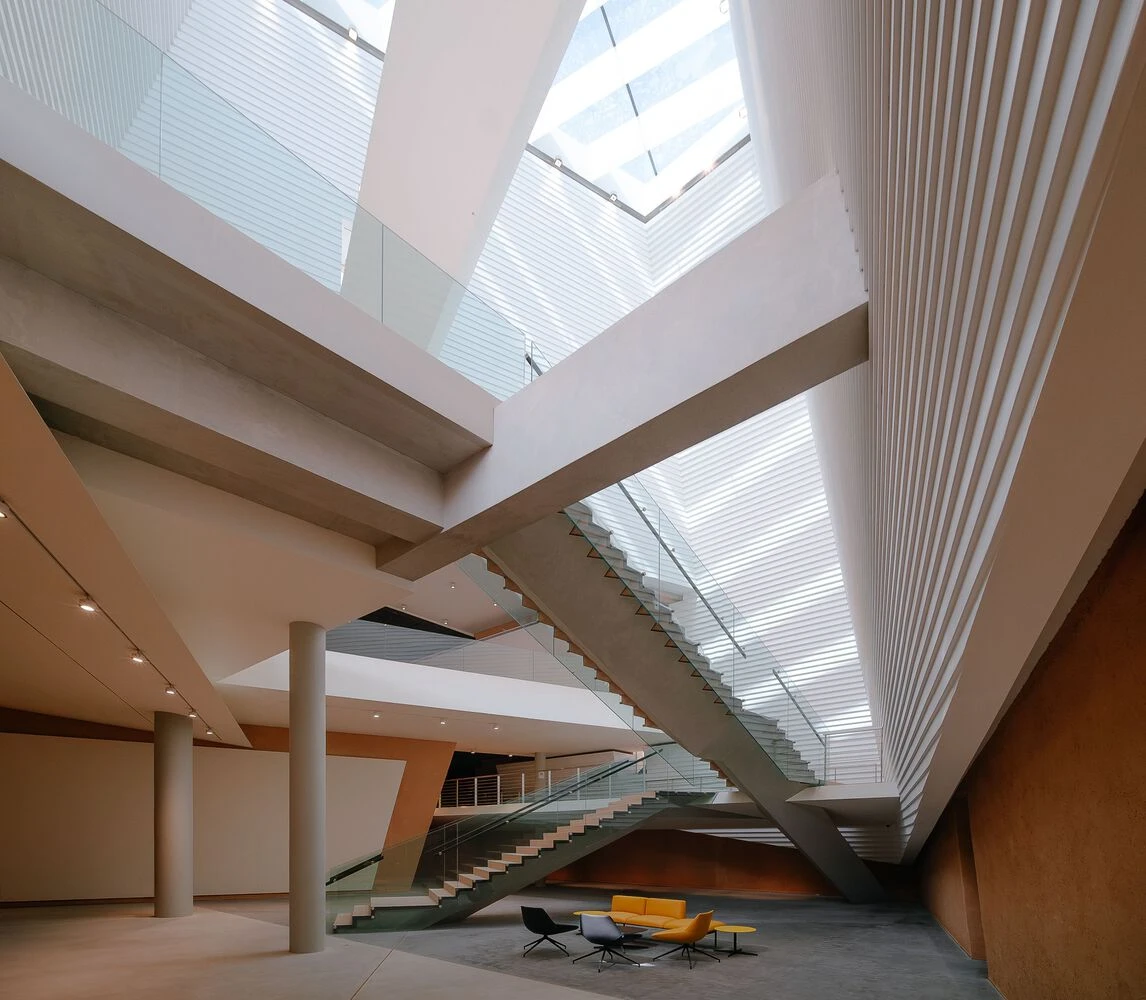
The design carefully balances tradition and innovation, creating a space that feels deeply rooted in its context while looking toward the future. Inspired by Najdi architecture, the project stretches across the ridge of Wadi Hanifa through shaded pathways, earthy textures, and locally sourced materials like stone and mud plaster. Inside, contemporary interpretations of traditional elements blend with digital art labs, studios, exhibition spaces, and creative research hubs. Sustainability is woven throughout the architecture, with geothermal cooling, rainwater reuse, and natural light shaping the experience.
4. Dar Al Madinah Museum (Medina)
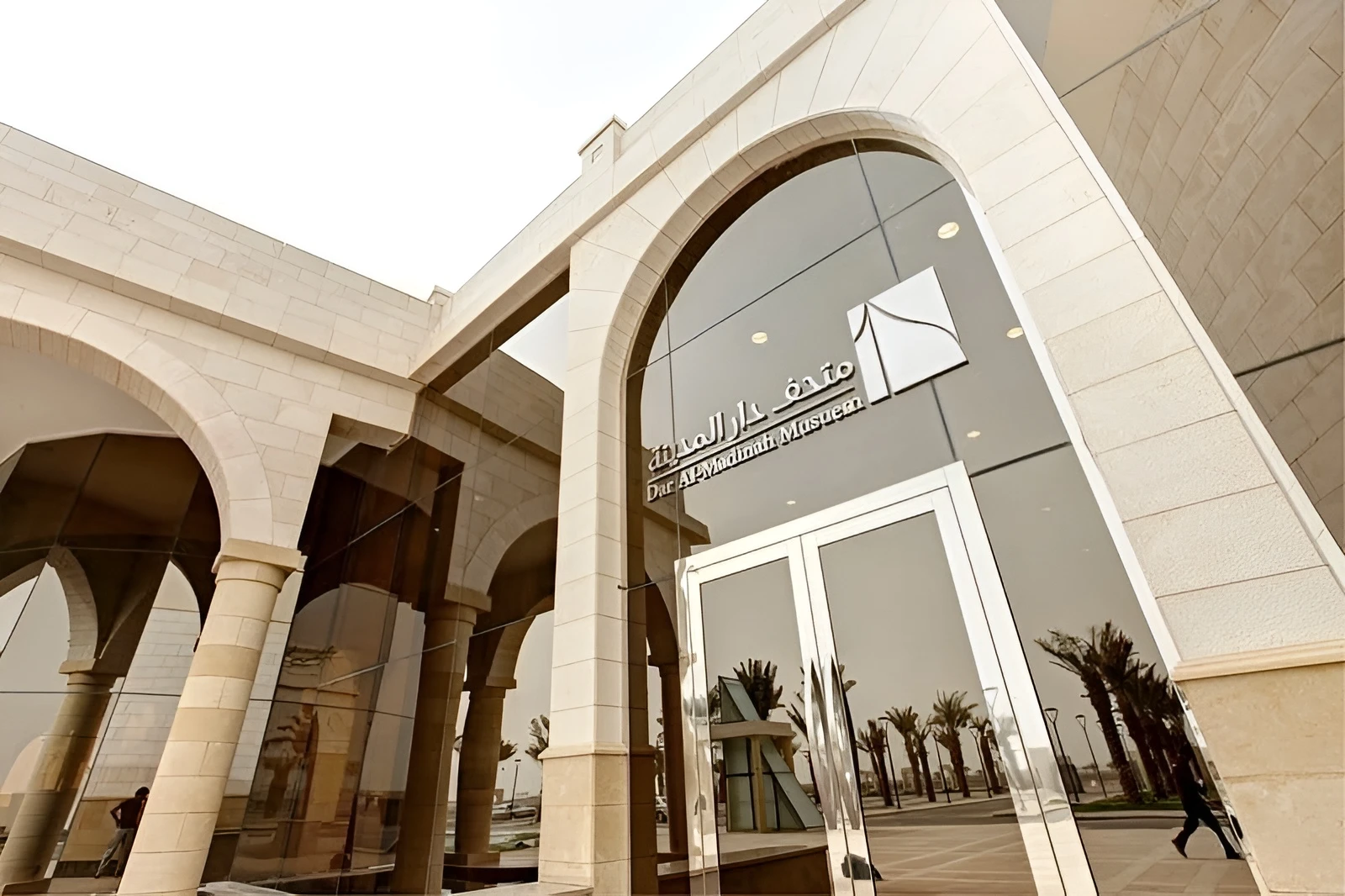
Architect: Abdulaziz Kaki (Founder)
Location: Knowledge Economic City, Madinah, Saudi Arabia
Construction: 2011
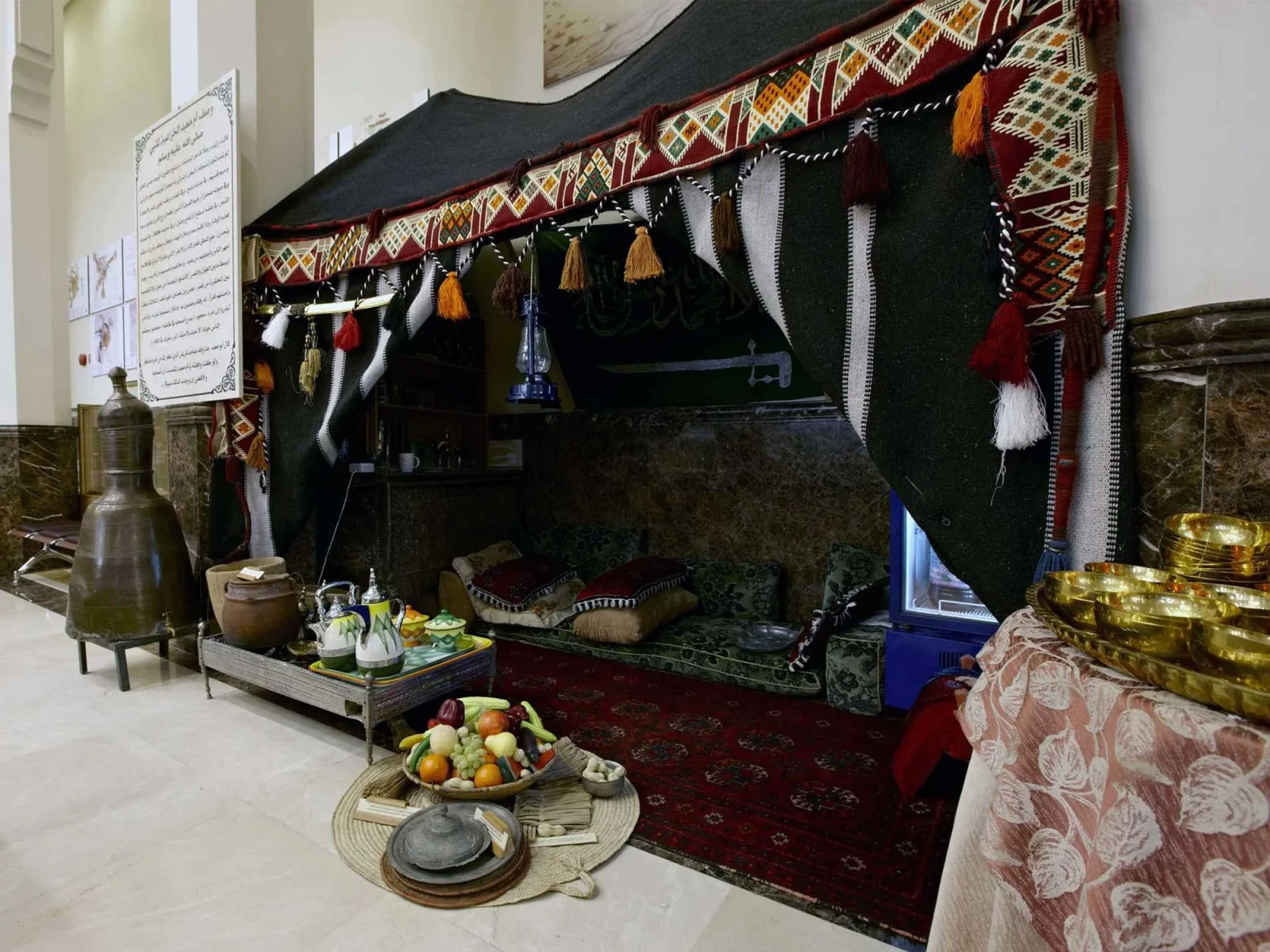
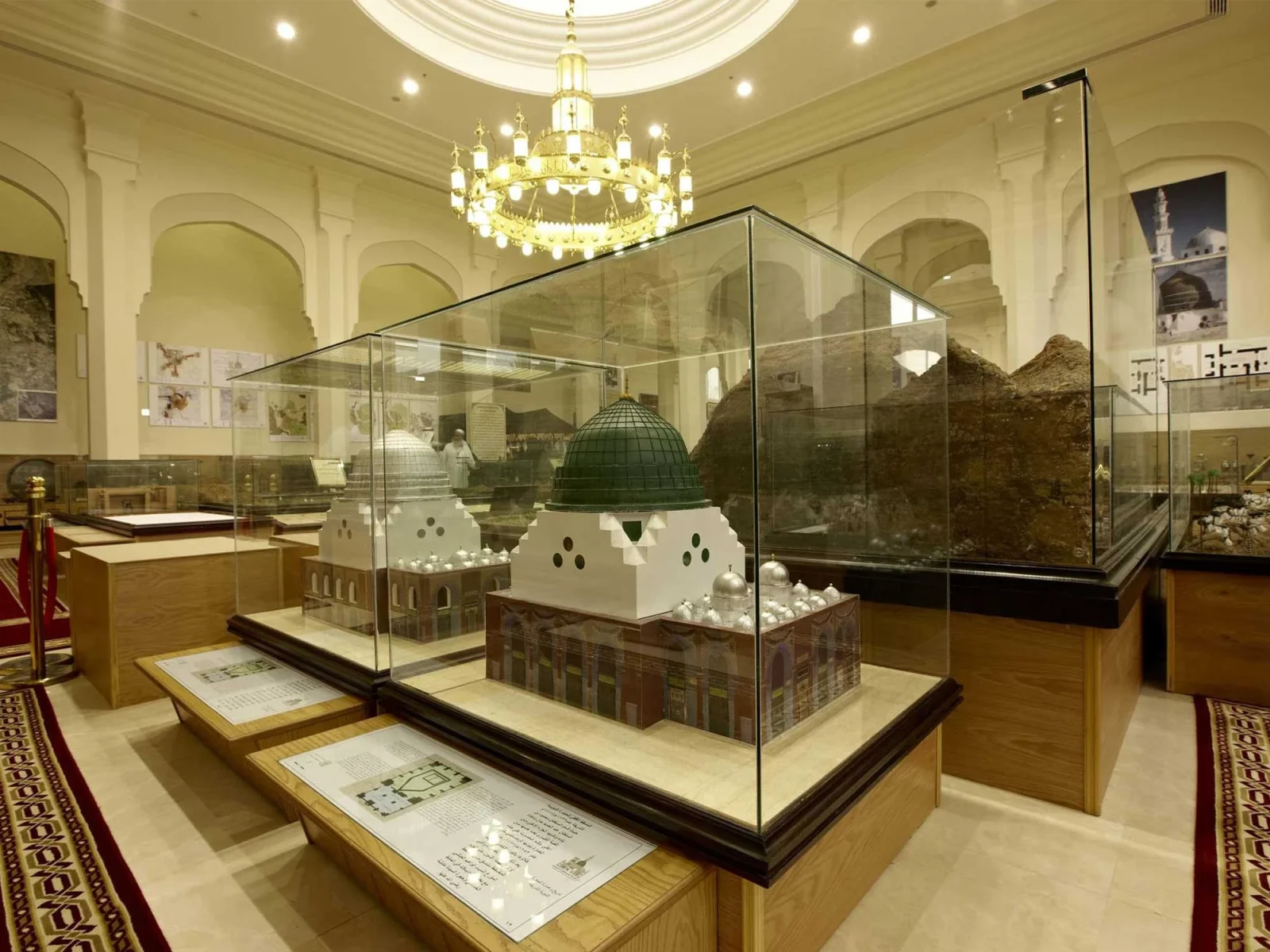
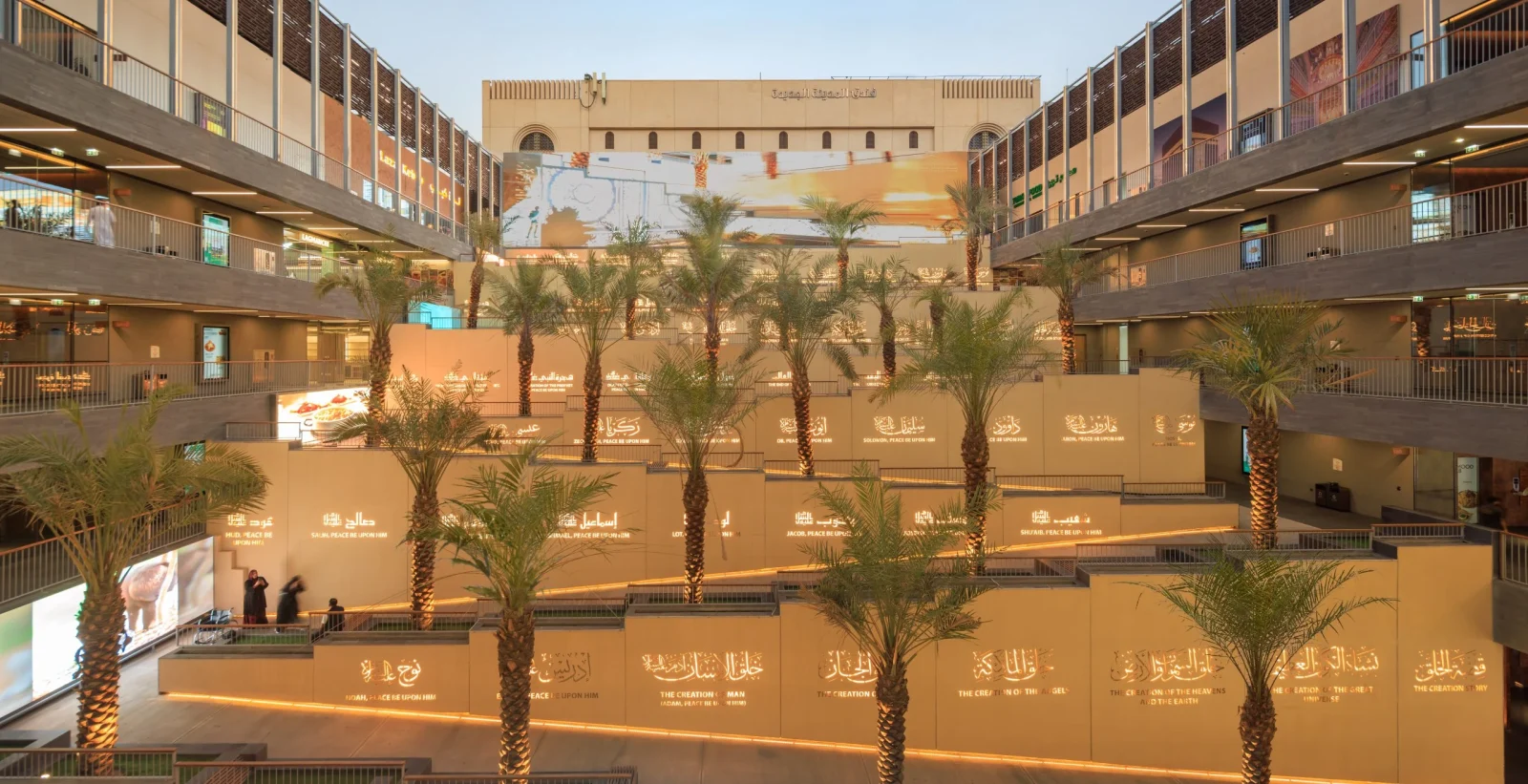
Located in Medina, the Dar Al Madinah Museum preserves and brings to life the history of one of Islam’s holiest cities. Founded by Abdulaziz Kaki and inaugurated in 2011, the museum takes visitors on a journey through Medina’s transformation, from the ancient settlements to the spiritual and cultural heart of the Muslim world. With immersive exhibits, artifacts, and detailed models, the space offers a deeper understanding of the city’s identity and evolution. Situated within Knowledge Economic City near the airport and Haramain railway station, the museum stands as an important cultural gateway connecting history and memory.
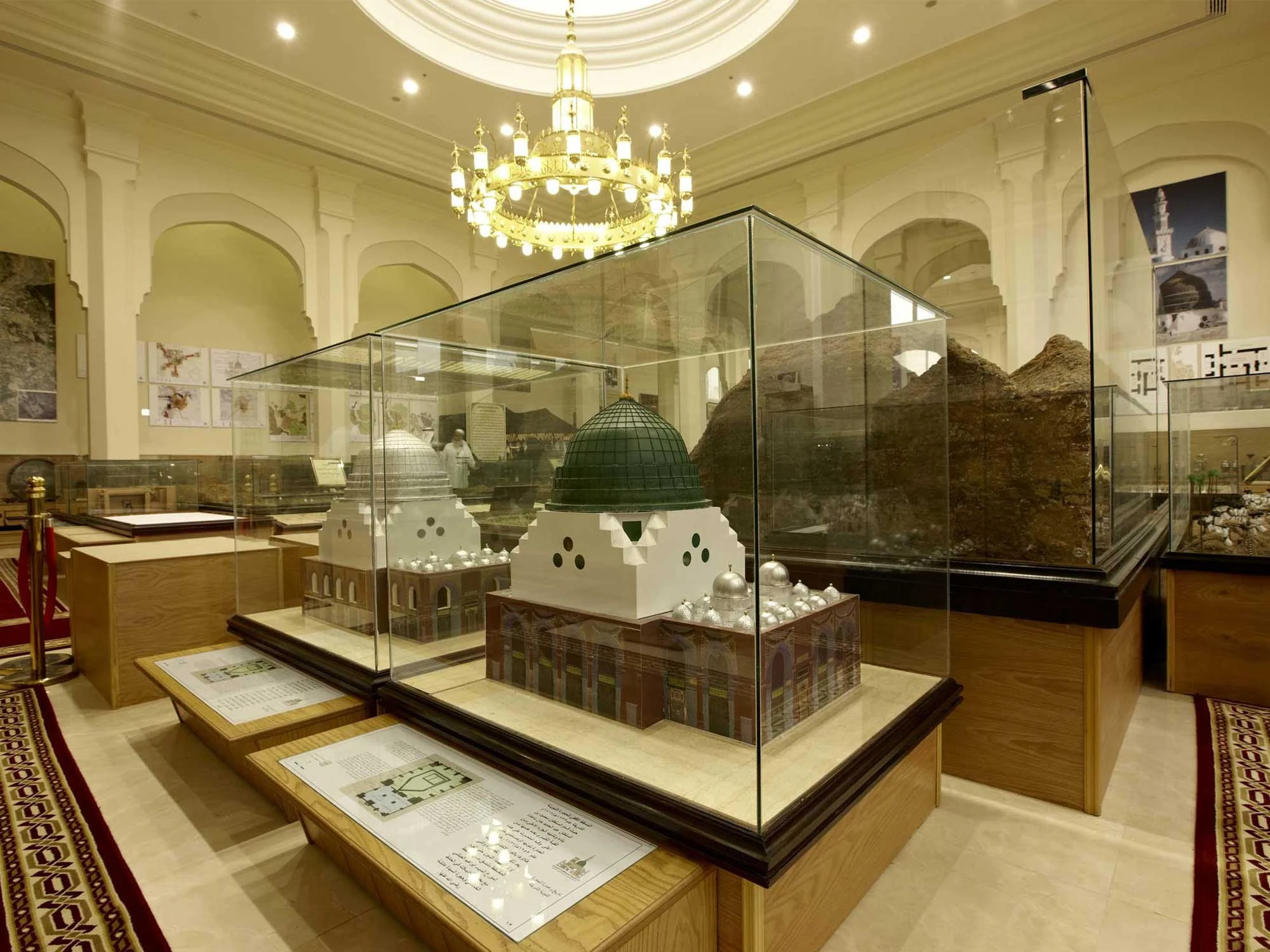
Dar Al Madinah Museum offers far more than a collection of historical objects; it unfolds as a journey through the urban, cultural, and spiritual evolution of Medina itself. Filled with thousands of artifacts, models, historic documents, photographs, crafts, and rare archival pieces, it brings the city’s layered past vividly. Each gallery reveals fragments of Medina’s identity and helps experience how history, memory, and everyday life have shaped one of the world’s most significant cultural landscapes of Saudi Arabia.
5. As Safiyyah Museum & Park
Architect: X Architects
Location: Medina, Saudi Arabia
Construction: 2024
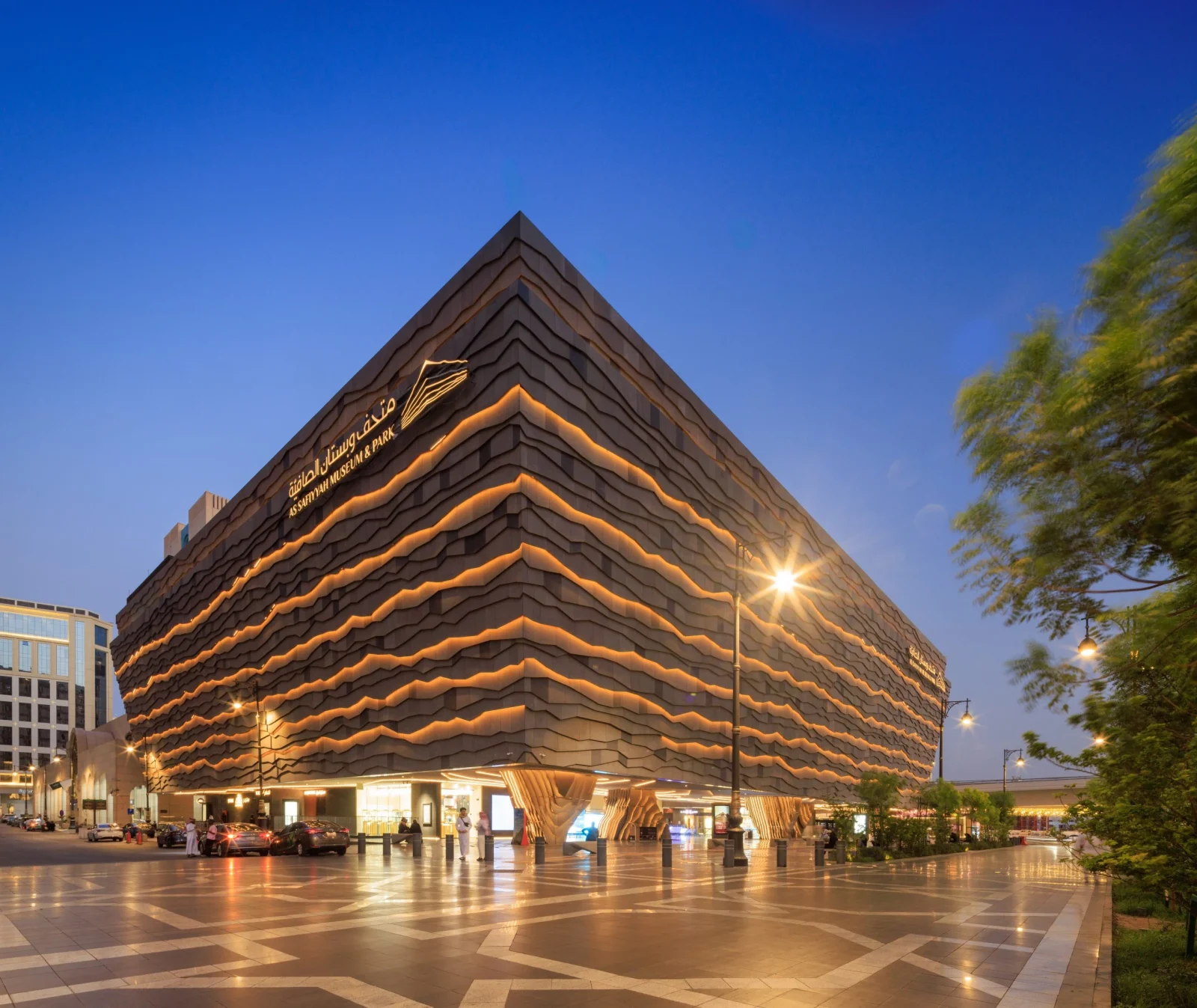
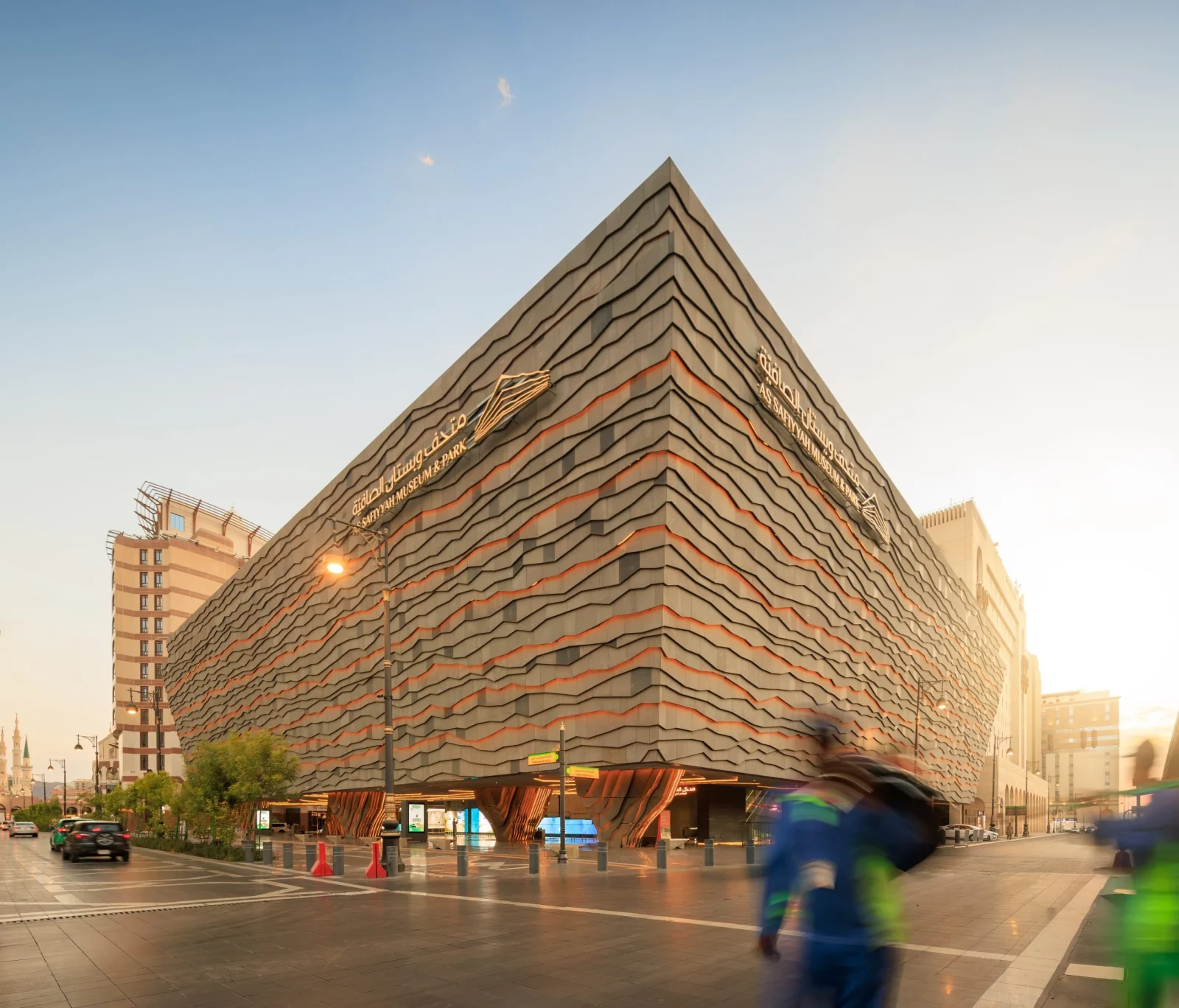
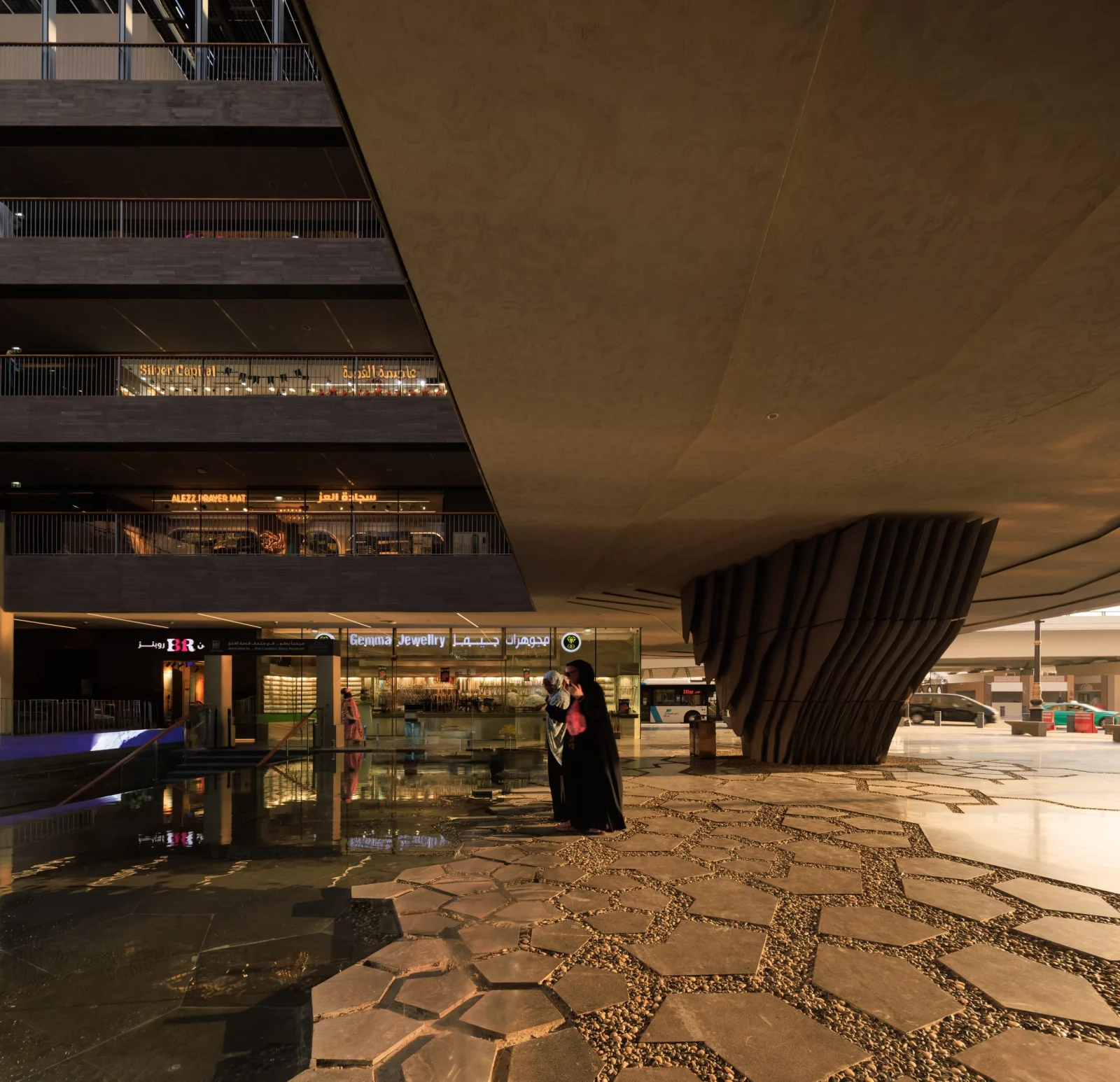
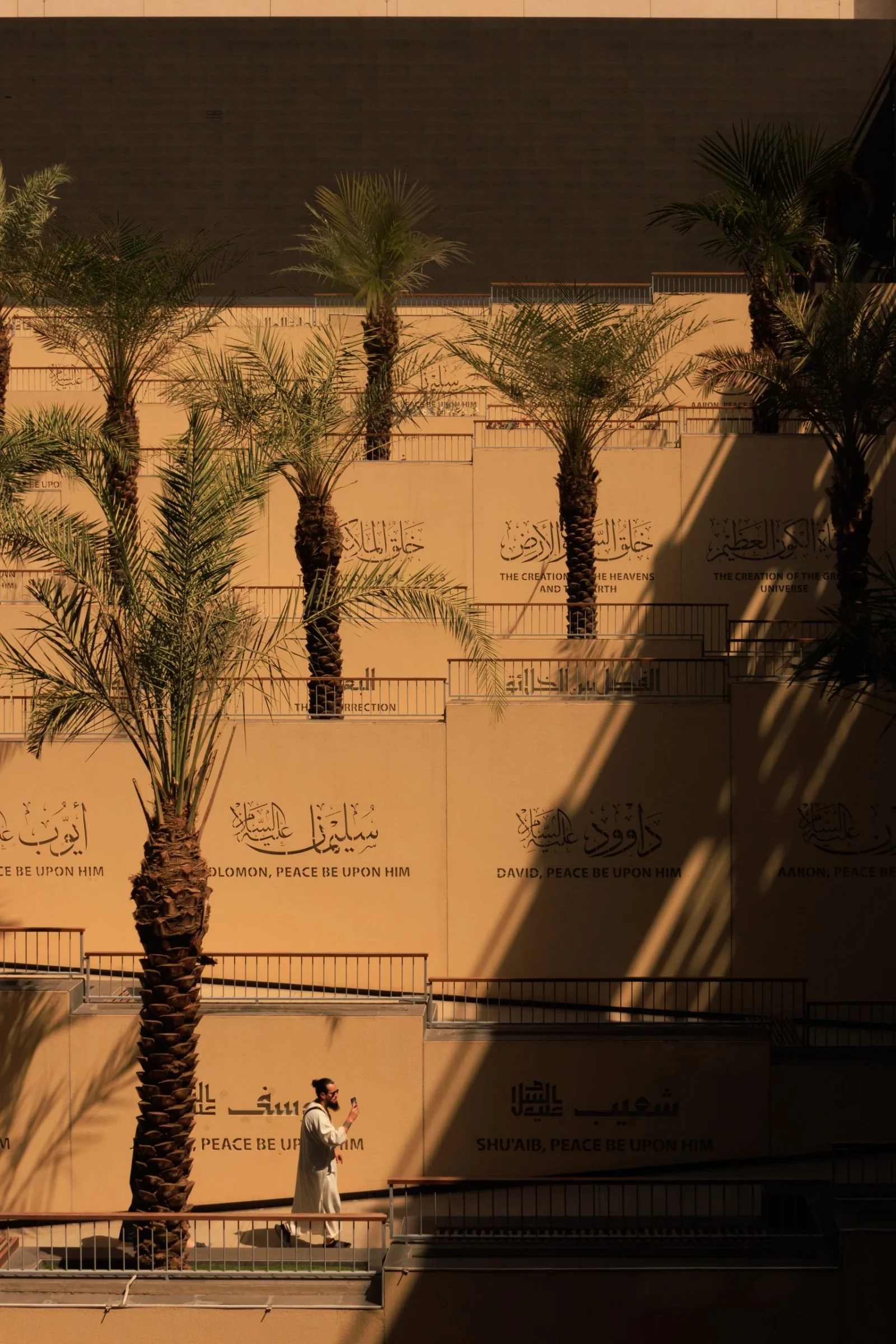
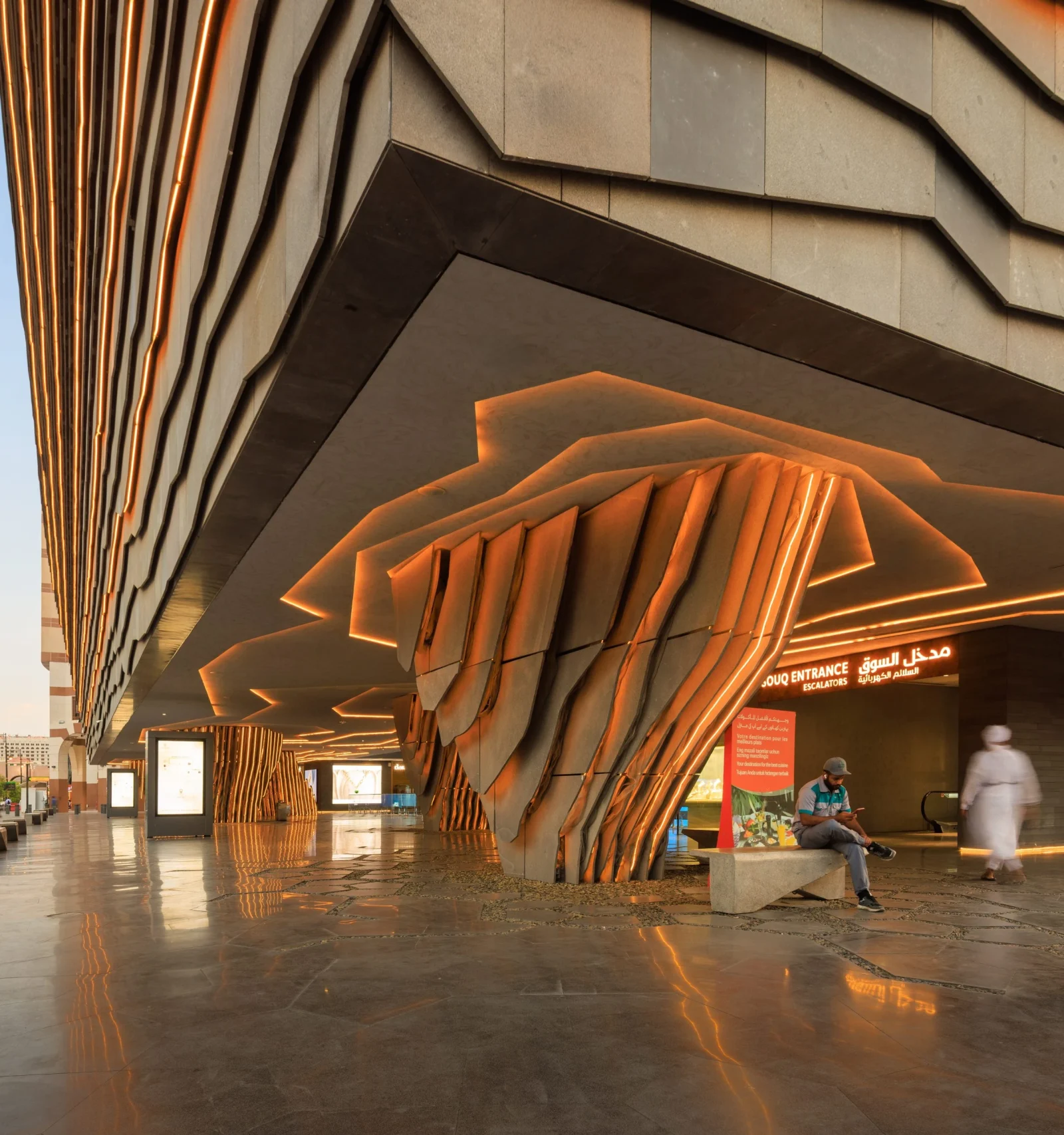
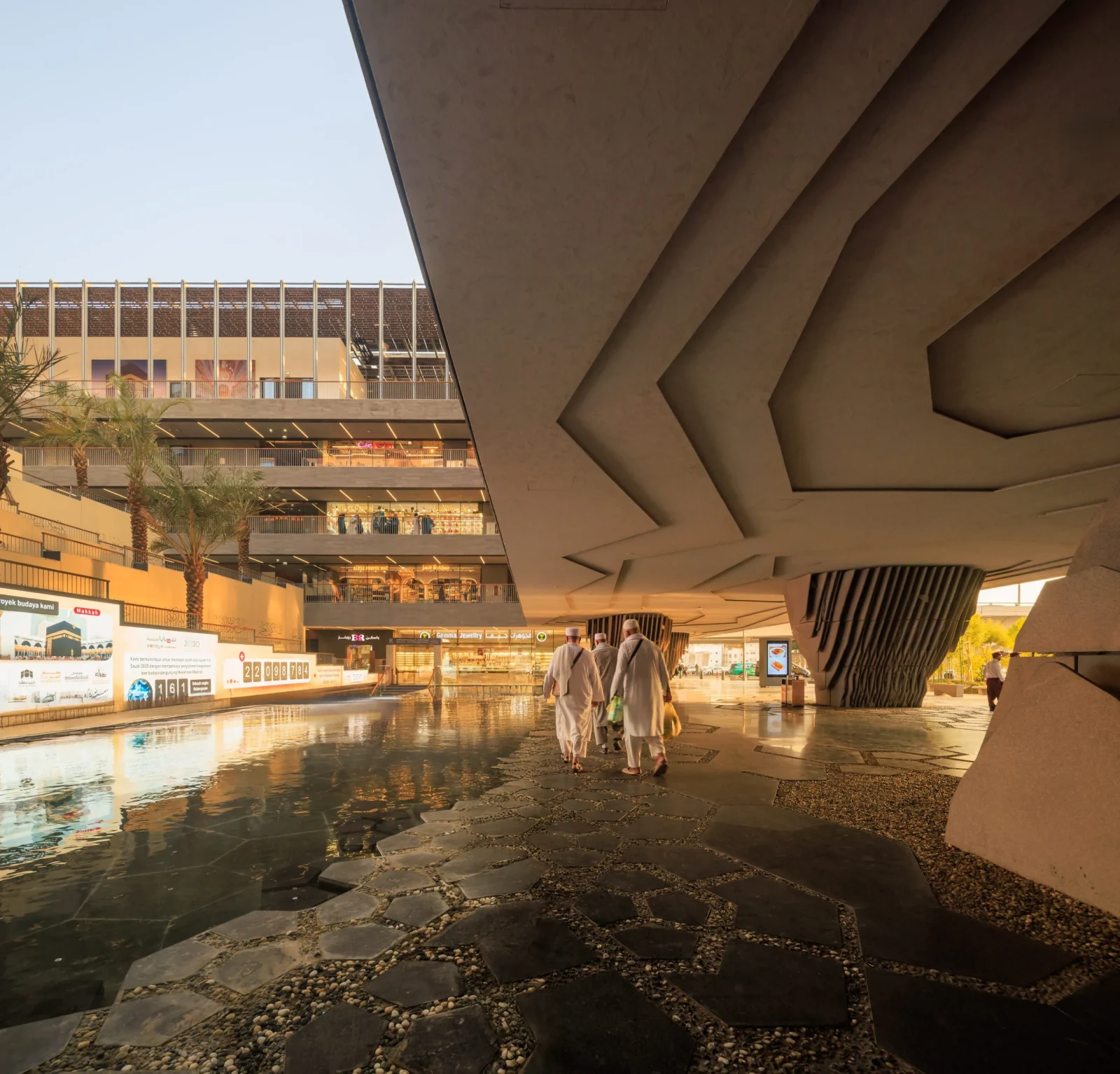
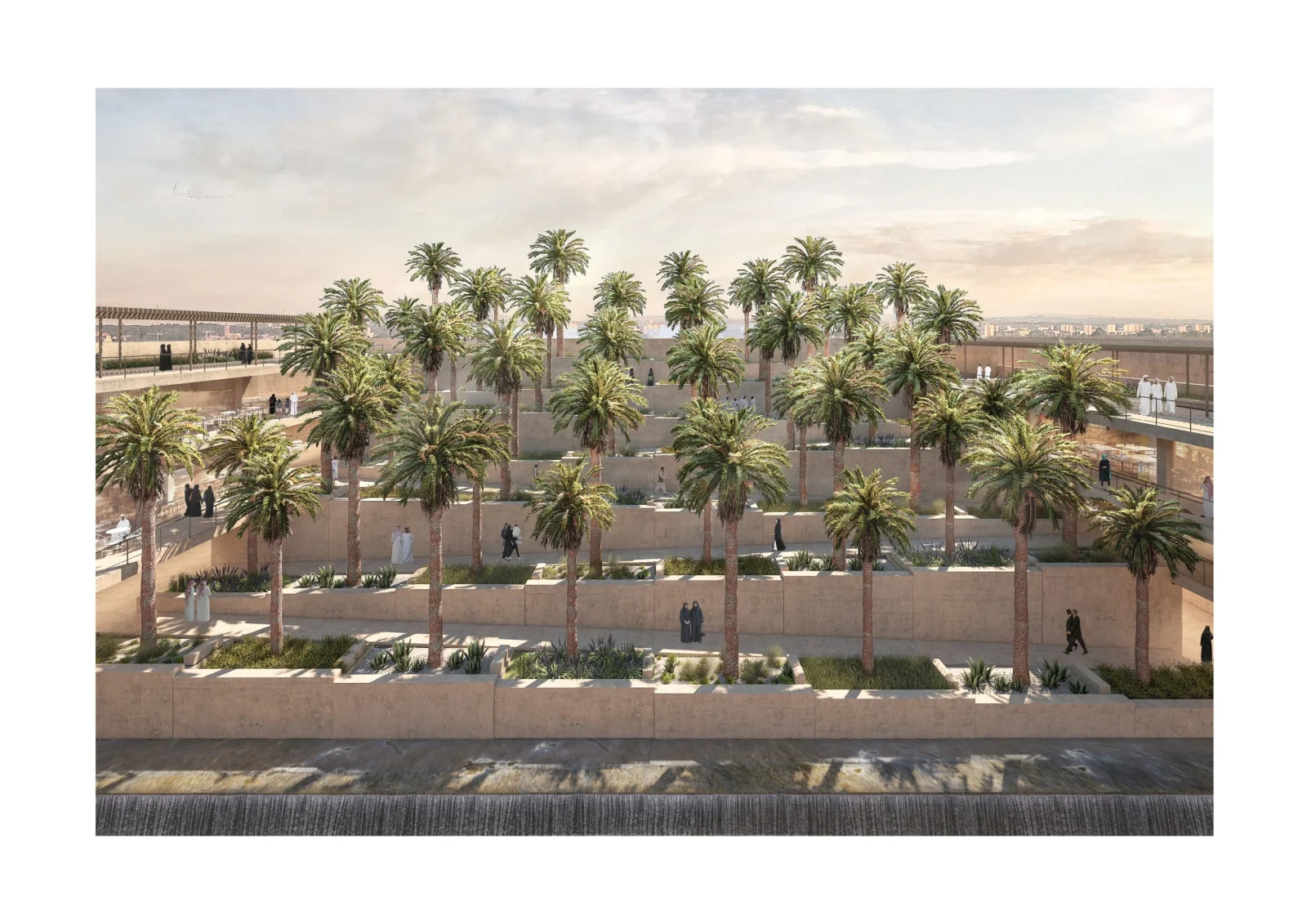
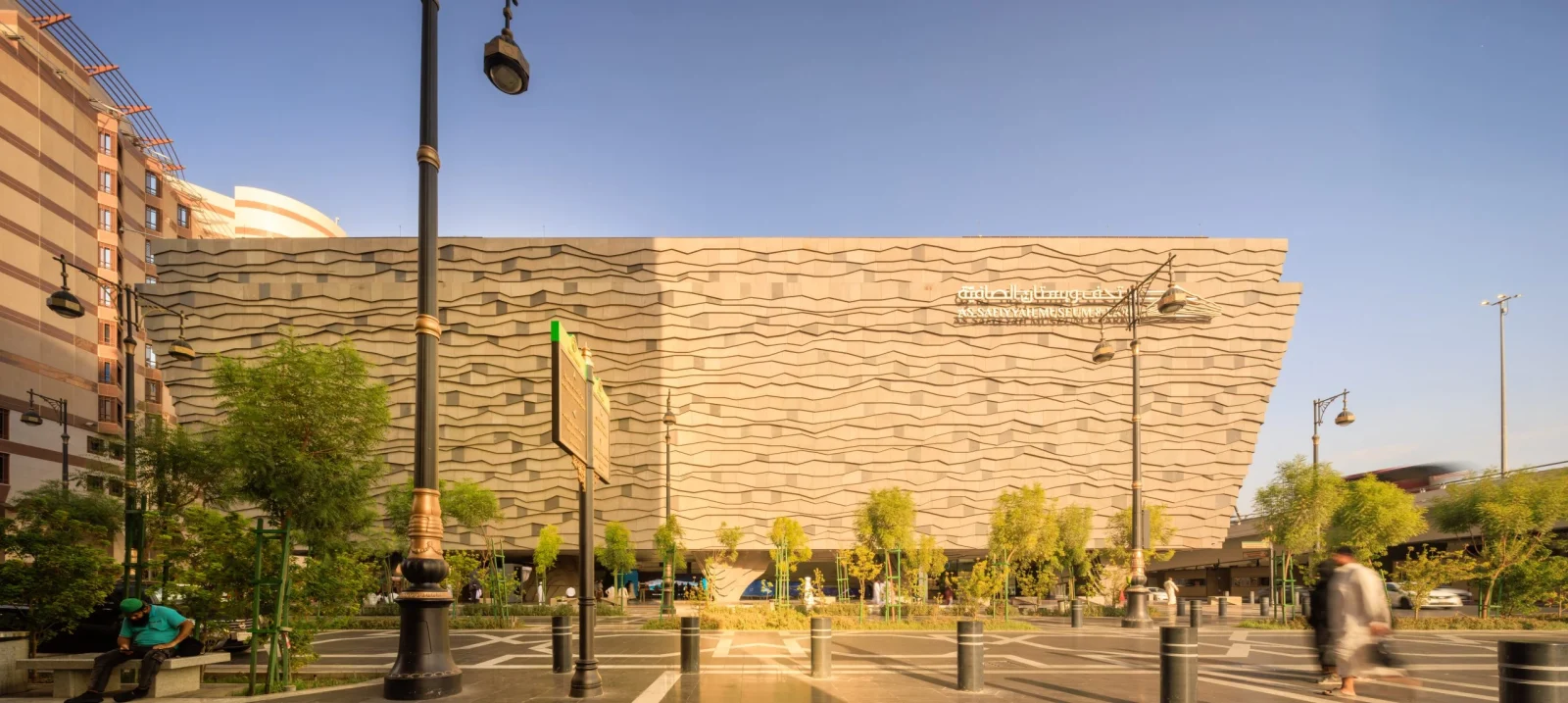
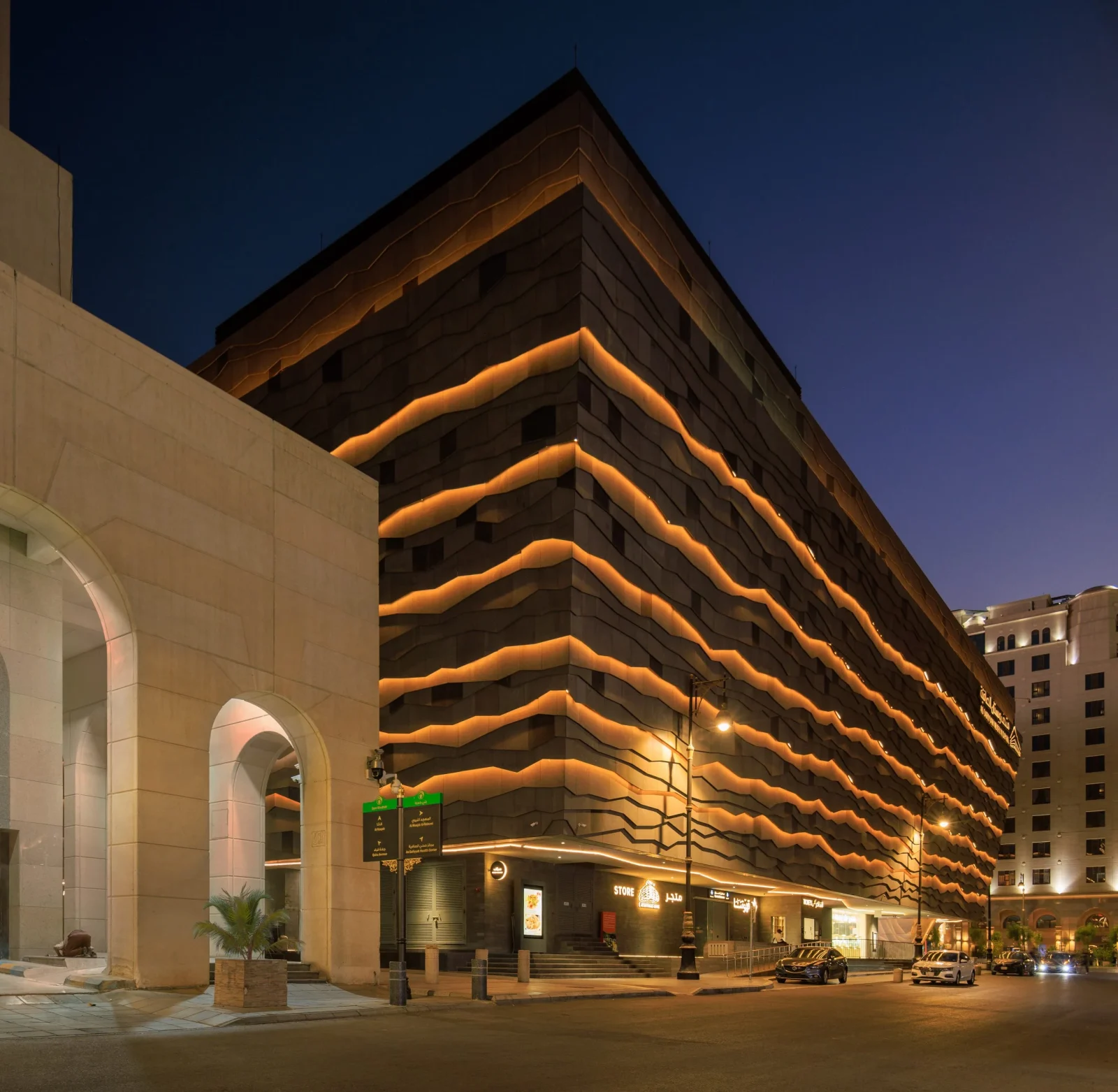
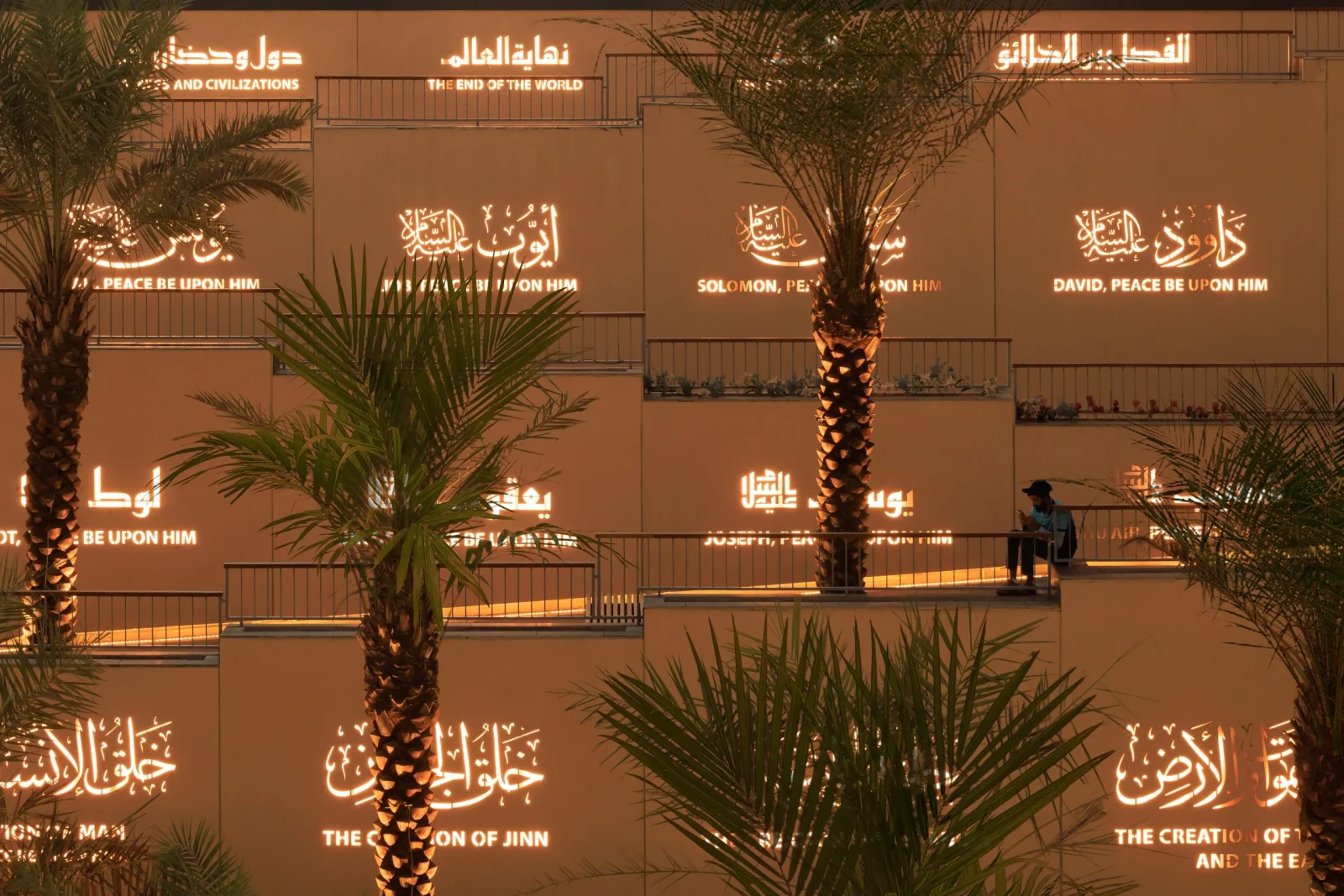
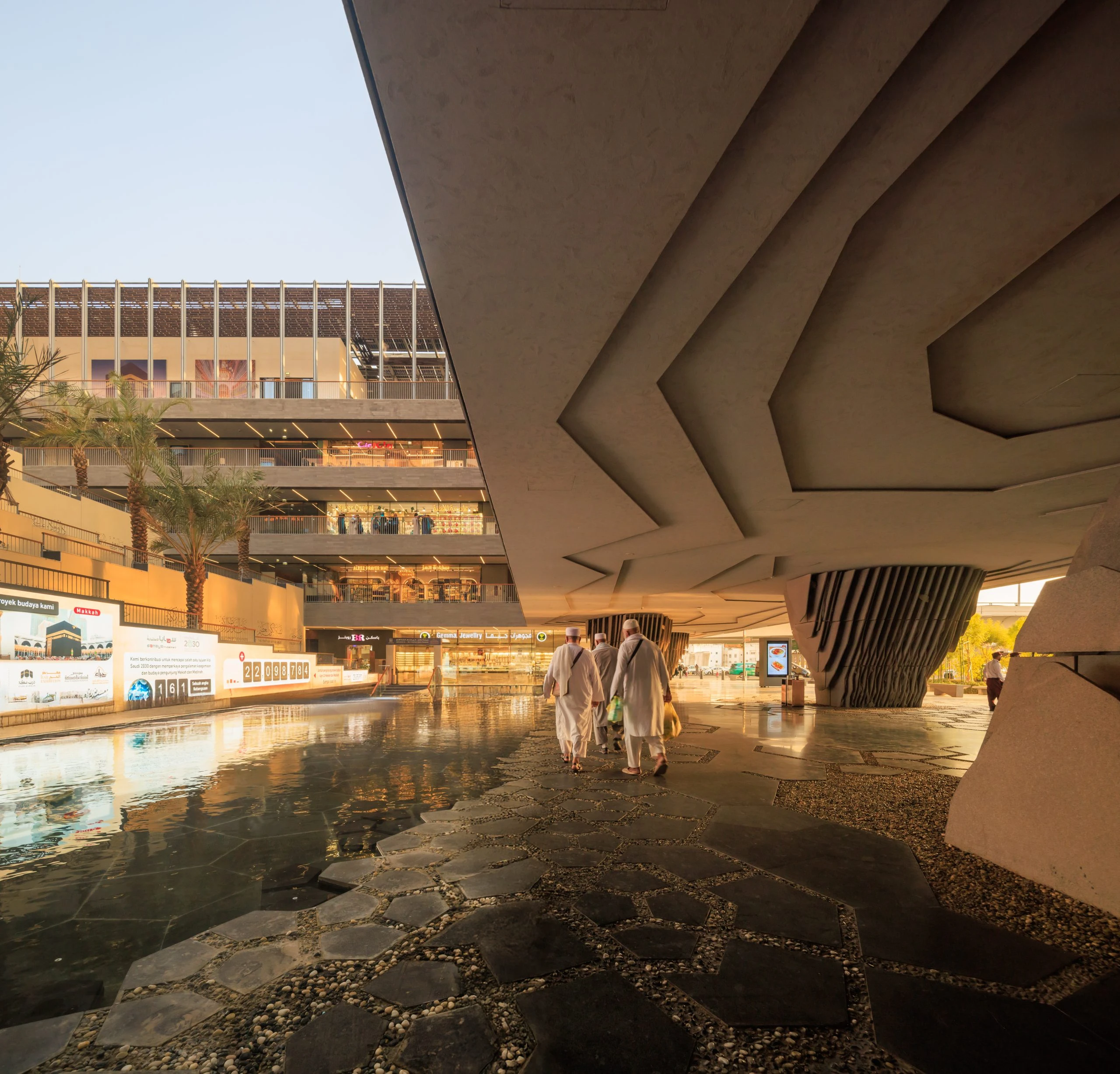
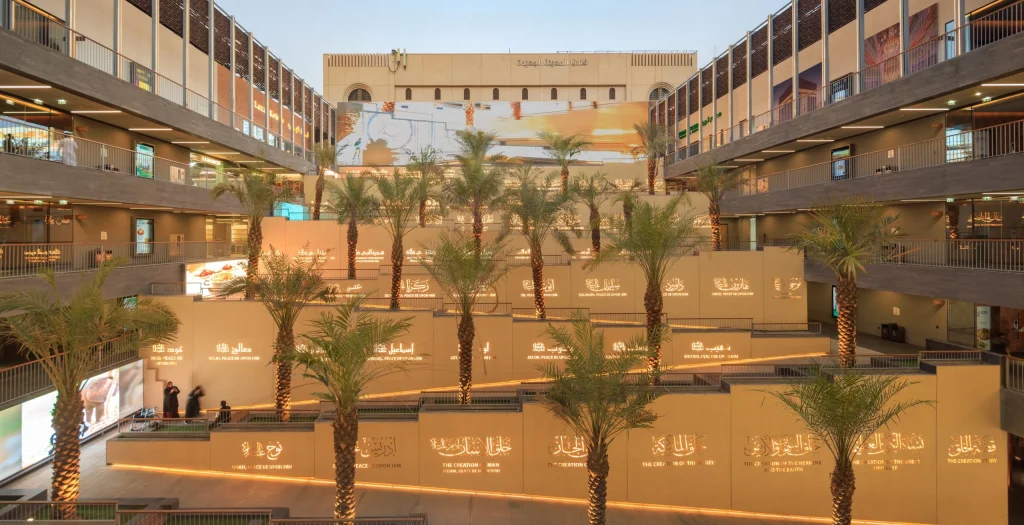
Set within the historic landscape of Medina, As Safiyyah Museum reimagines museum architecture as a space deeply connected to memory, culture, and urban place. Designed by X Architects, the project blends a contemporary cultural complex into one of Islam’s most sacred urban settings, close to the Prophet’s Mosque. Spread across over 20,000 square meters, the design draws inspiration from Medina’s historical identity and the site’s past lush palm gardens. It is more than a museum; the project creates a calm and immersive environment where heritage, landscape, urban fabric, and architecture come together in harmony.
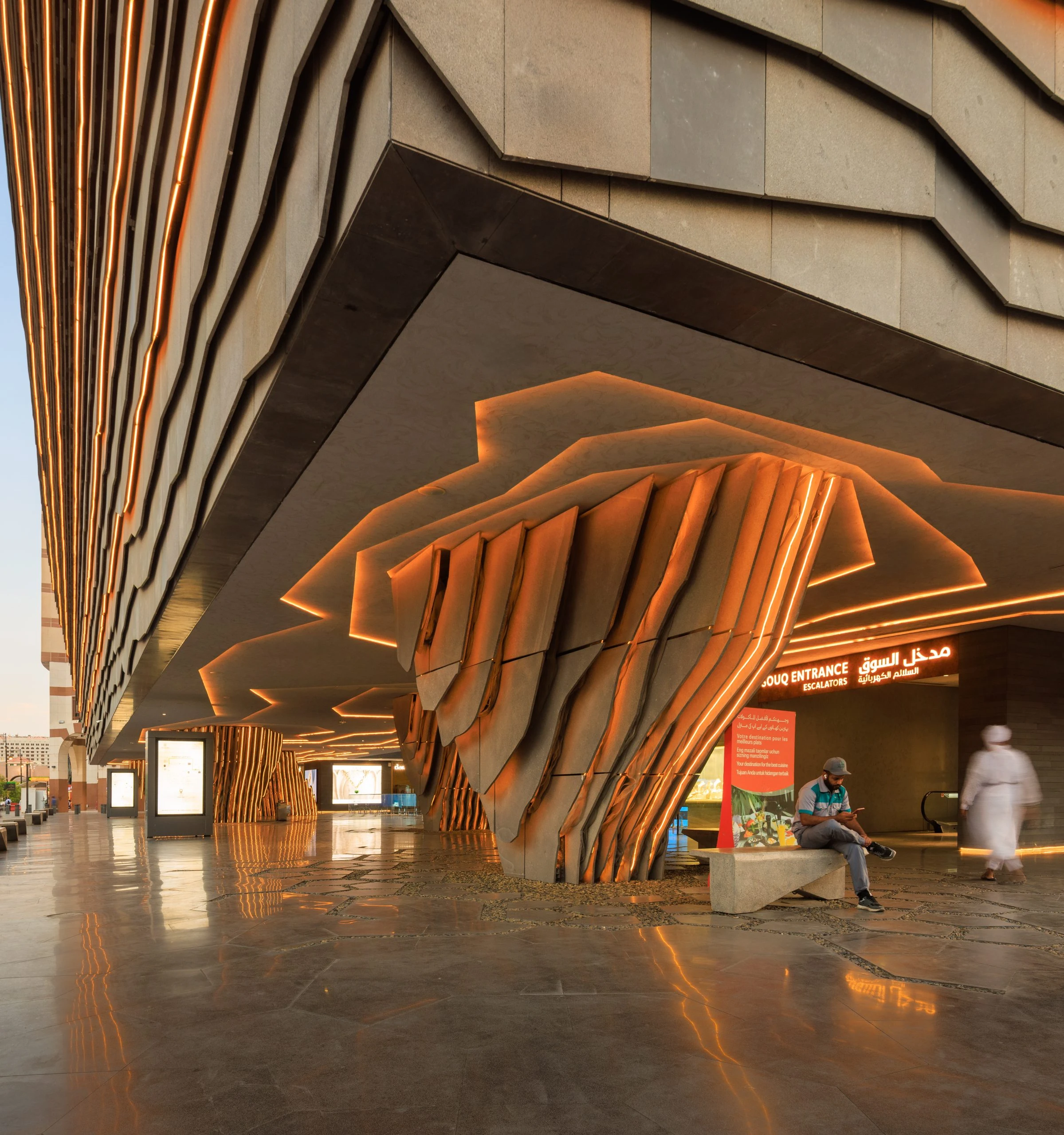
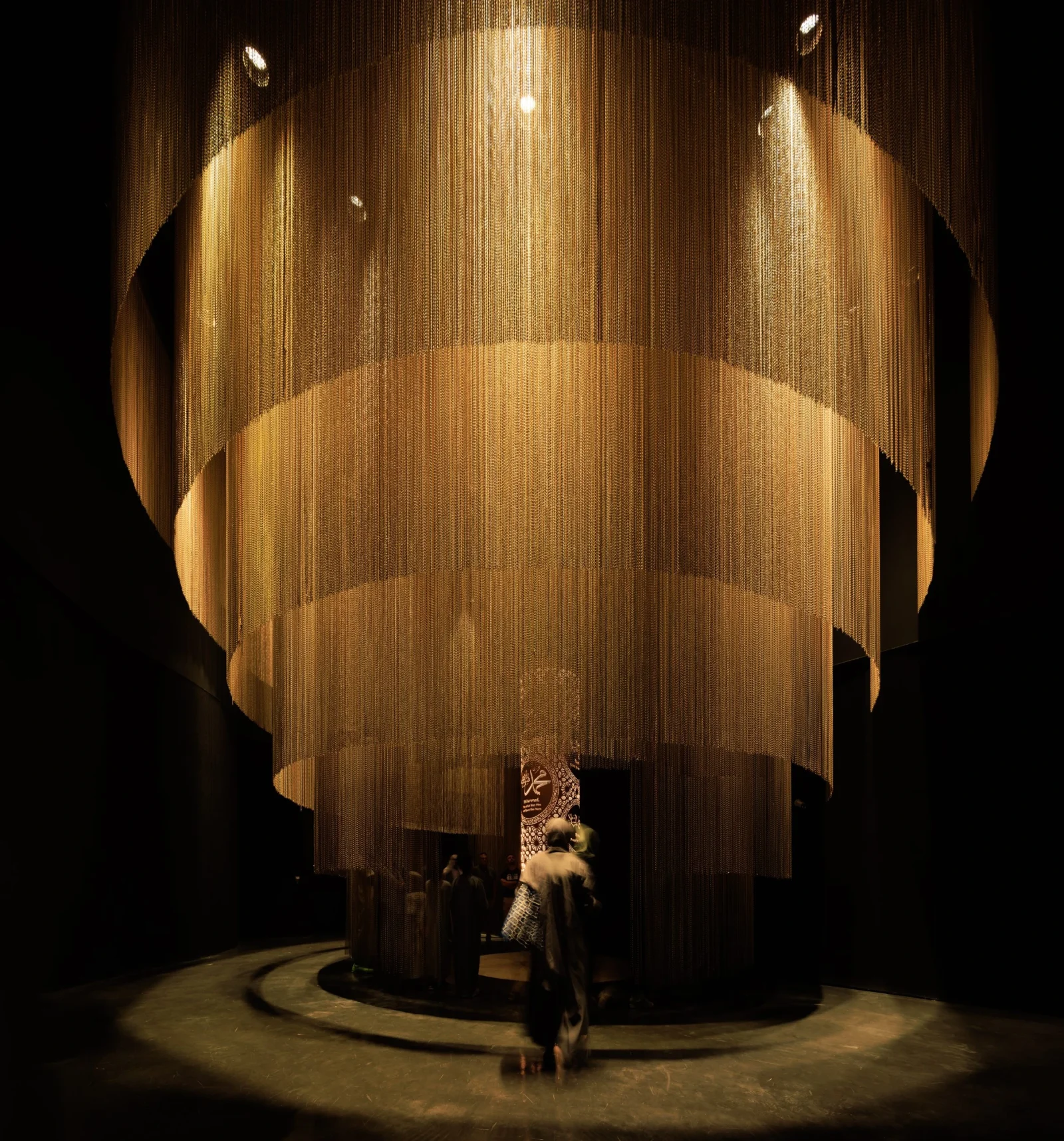
Surrounded by the dense and active urban fabric of Medina, the mixed-use innovation is envisioned as a quiet retreat within the city. Inspired by Medina’s history and traditional palm gardens, the design uses layered walls and shaded spaces to create a sense of calm and separation from the busy surroundings. Water, landscape, and memory become central elements of the experience, reconnecting visitors with the city’s cultural identity in a contemporary way. Composed of a public garden, cultural museum, and commercial spaces, the project feels like an urban oasis rooted deeply in place and heritage.
6. National Museum of Saudi Arabia
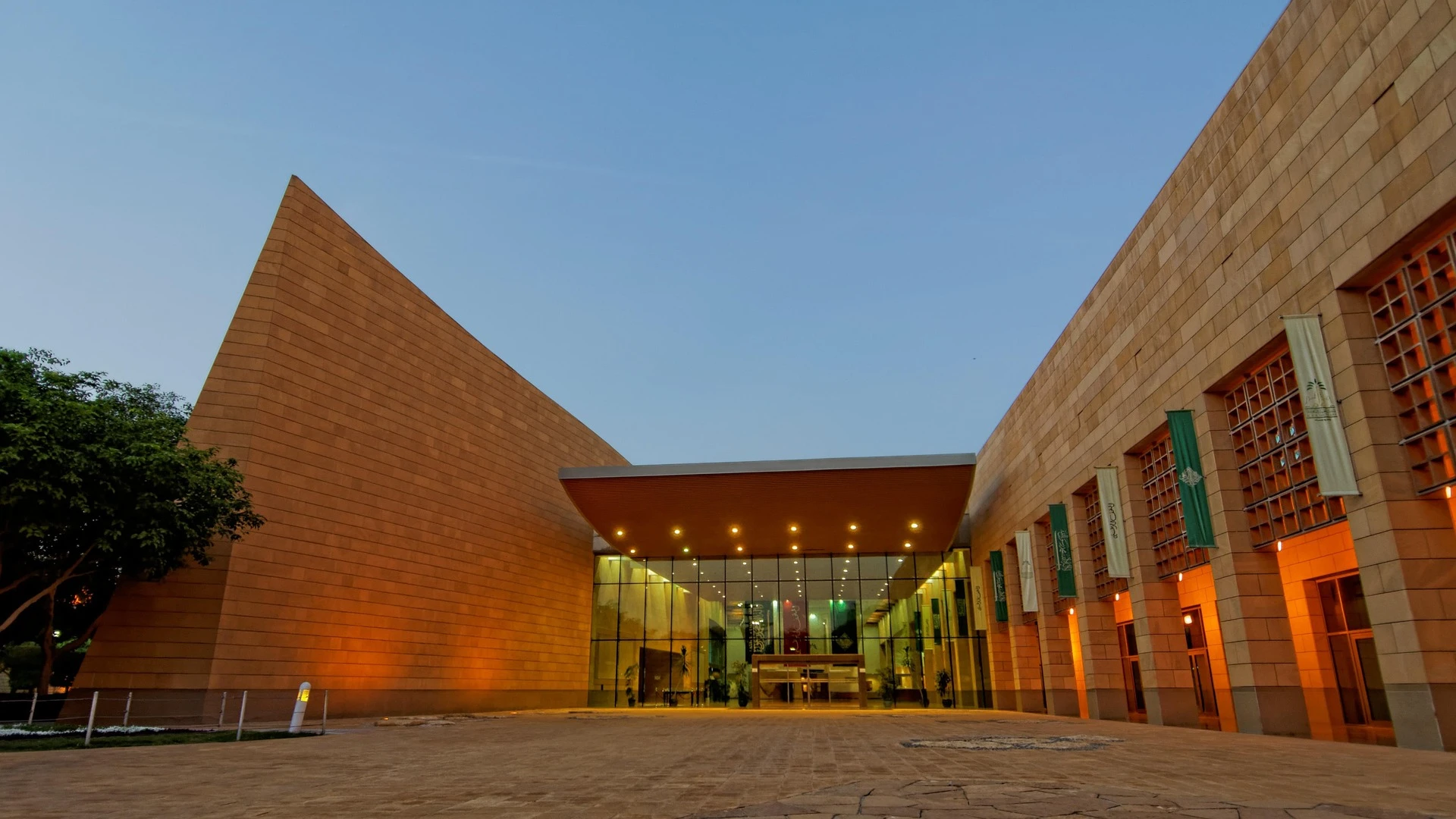
Architect: Moriyama & Teshima
Location: Riyadh, Saudi Arabia
Construction: 2012
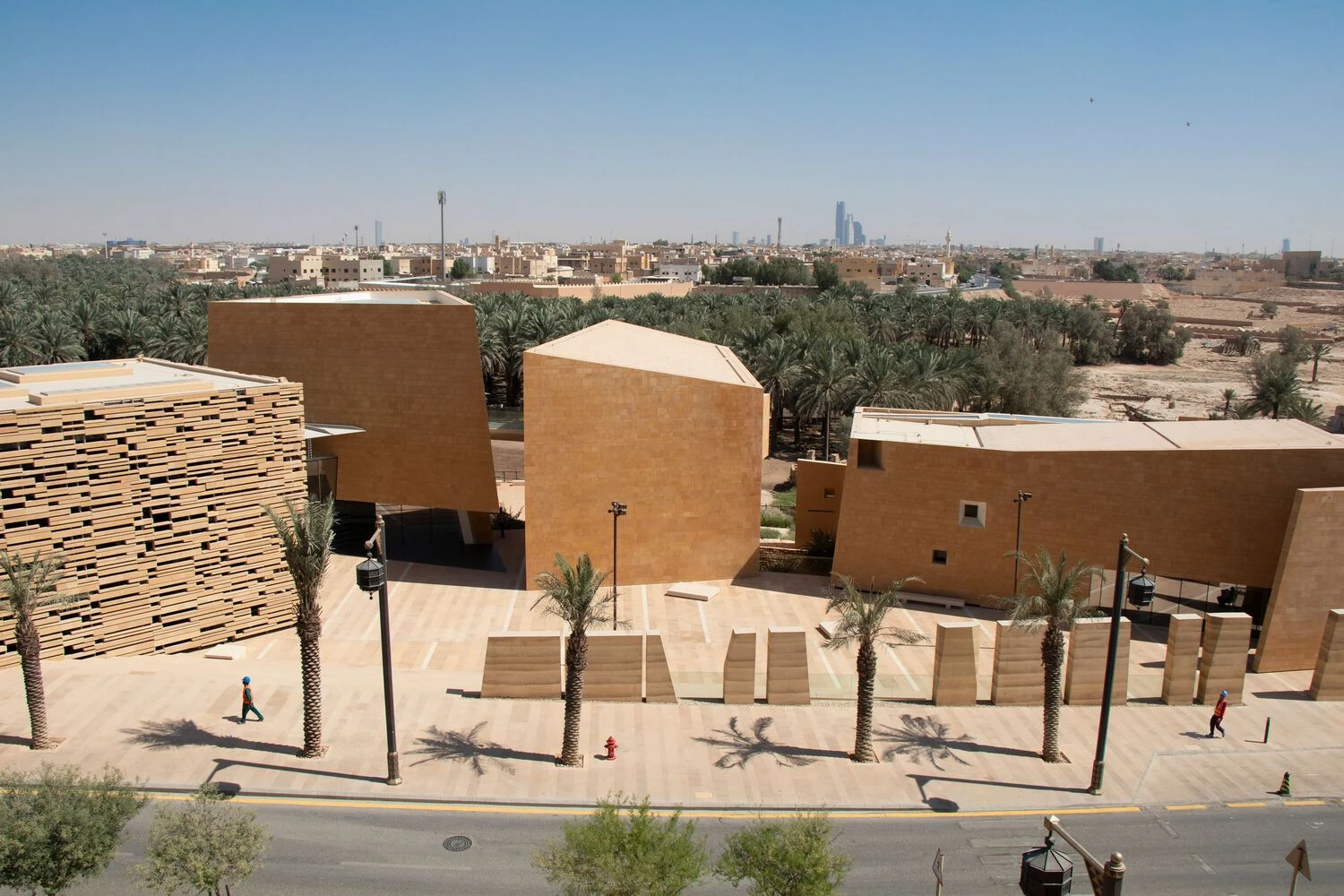
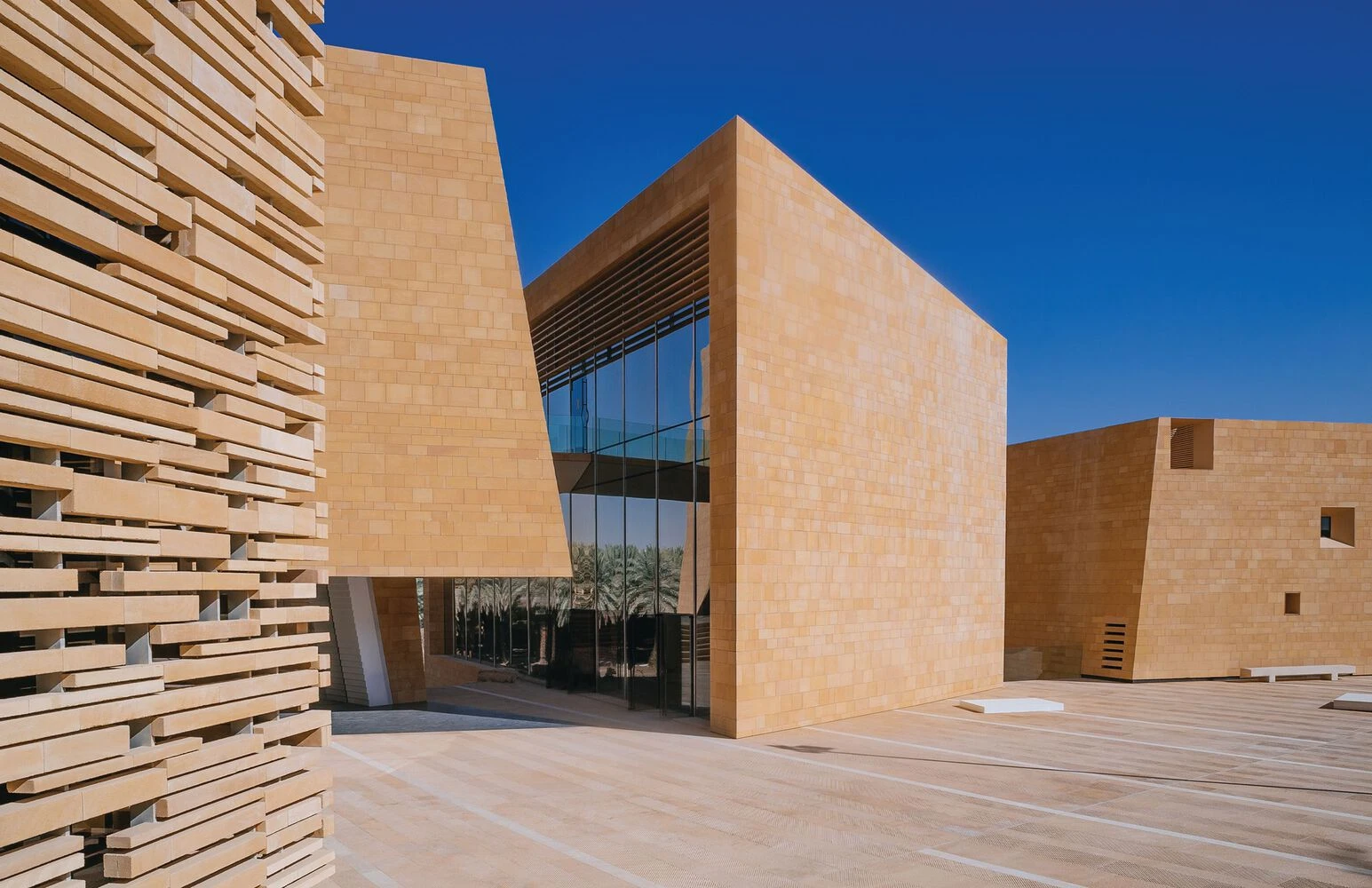
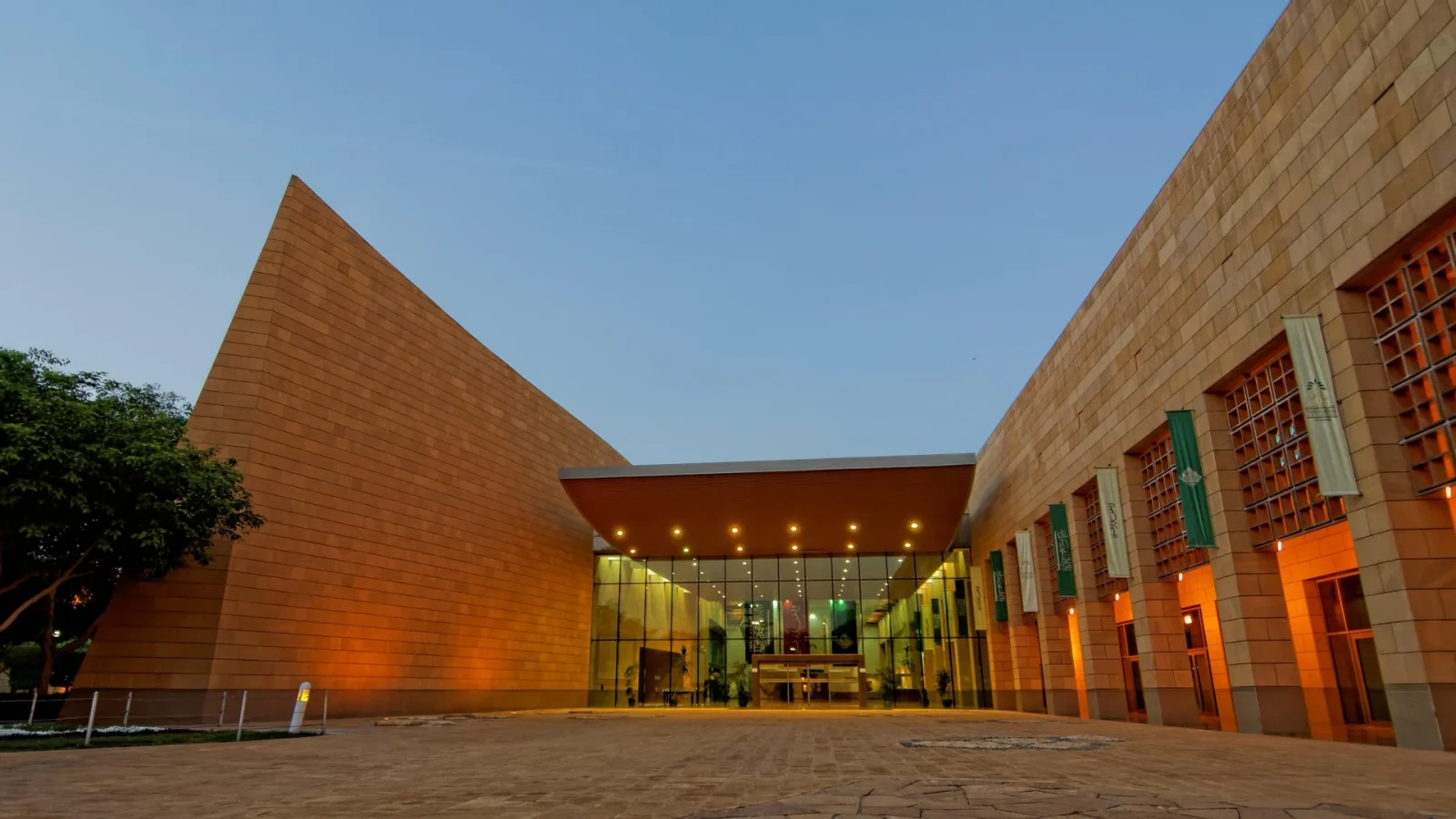
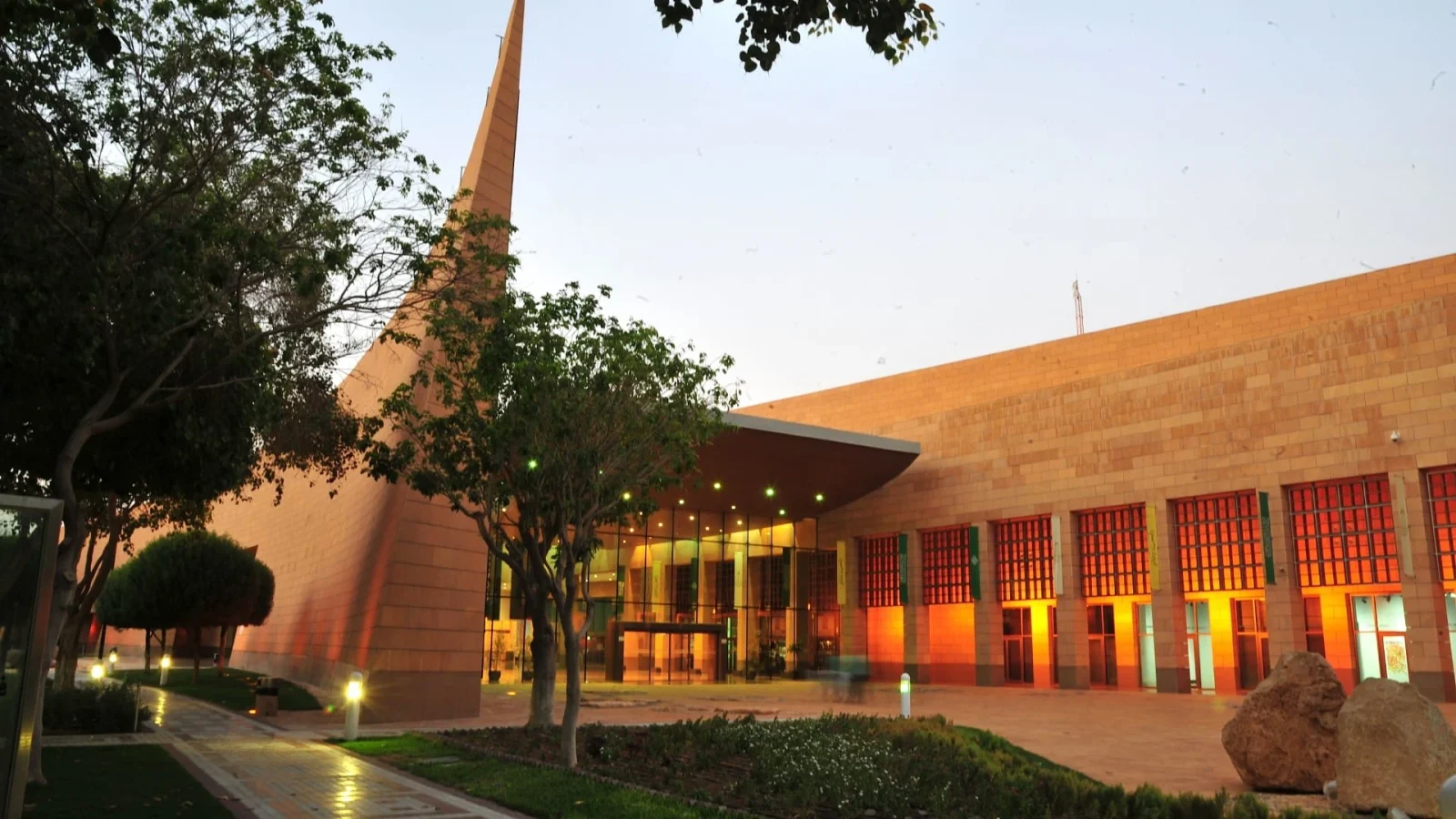
Located in the King Abdulaziz Historical Center in Riyadh, the National Museum of Saudi Arabia stands as one of the country’s most important cultural landmarks. Designed by Canadian firm Moriyama & Teshima, the museum draws inspiration from the desert itself, with sweeping forms and dune-like walls that glow warmly under the light. Inside, the museum takes visitors through a rich history and heritage journey, with immersive exhibits and remarkable recreations. Its architecture creates a journey through Saudi Arabia’s past, shaped by memory and culture.
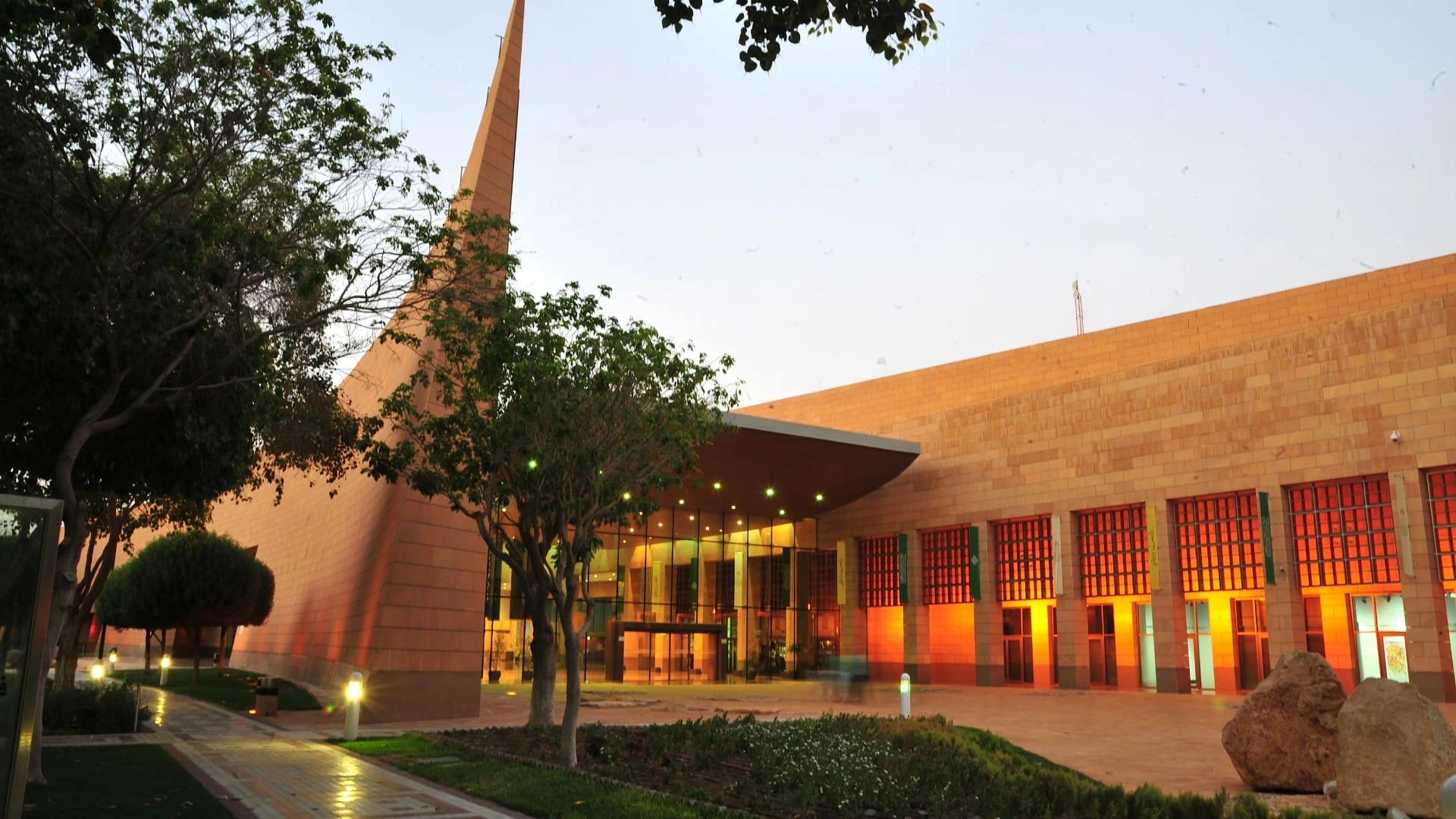
The architecture draws from the desert landscape, with flowing dune-inspired forms that catch the sunlight in warm golden tones throughout the day. Limestone walls and granite detailing give the building a strong yet refined presence, allowing it to stand apart within the urban fabric. Inside, the galleries unfold carefully in layered sequence, guiding visitors through the story from early origins to the present day. The result is an immersive architectural journey where landscape, history, and contemporary design come together.
These iconic museums offer a deeper understanding of Saudi Arabia’s heritage, where history, art, archaeology, and tradition come together to reflect the nation’s evolving cultural identity. Through immersive exhibits and preserved artifacts, they connect visitors with centuries of stories, creativity, and regional legacy while inspiring appreciation for the Kingdom’s rich past and dynamic future.
Explore Courses
.jpg "Ondrej Chybik - Rethinking Architecture")