




As 2025 draws to a close after a year defined by high-profile completions and experimental milestones, architectural attention is already shifting toward what lies ahead. Across continents, a new generation of projects is moving steadily toward realization, each shaped by long development cycles, evolving environmental constraints, and renewed expectations around public space, material responsibility, and form.
Even as long-awaited landmarks such as the Sagrada Familia approach completion after more than a century of construction, and the Guggenheim Abu Dhabi prepares to open as the largest institution in the Guggenheim network, attention turns to what follows.
This article brings together ten of the most anticipated architectural projects scheduled for completion in 2026, spanning opera houses, galleries, offices, and housing, and designed by some of the most influential architects working today.
1. Sagrada Familia
Location: Barcelona, Spain
Architect: Antoni Gaudí
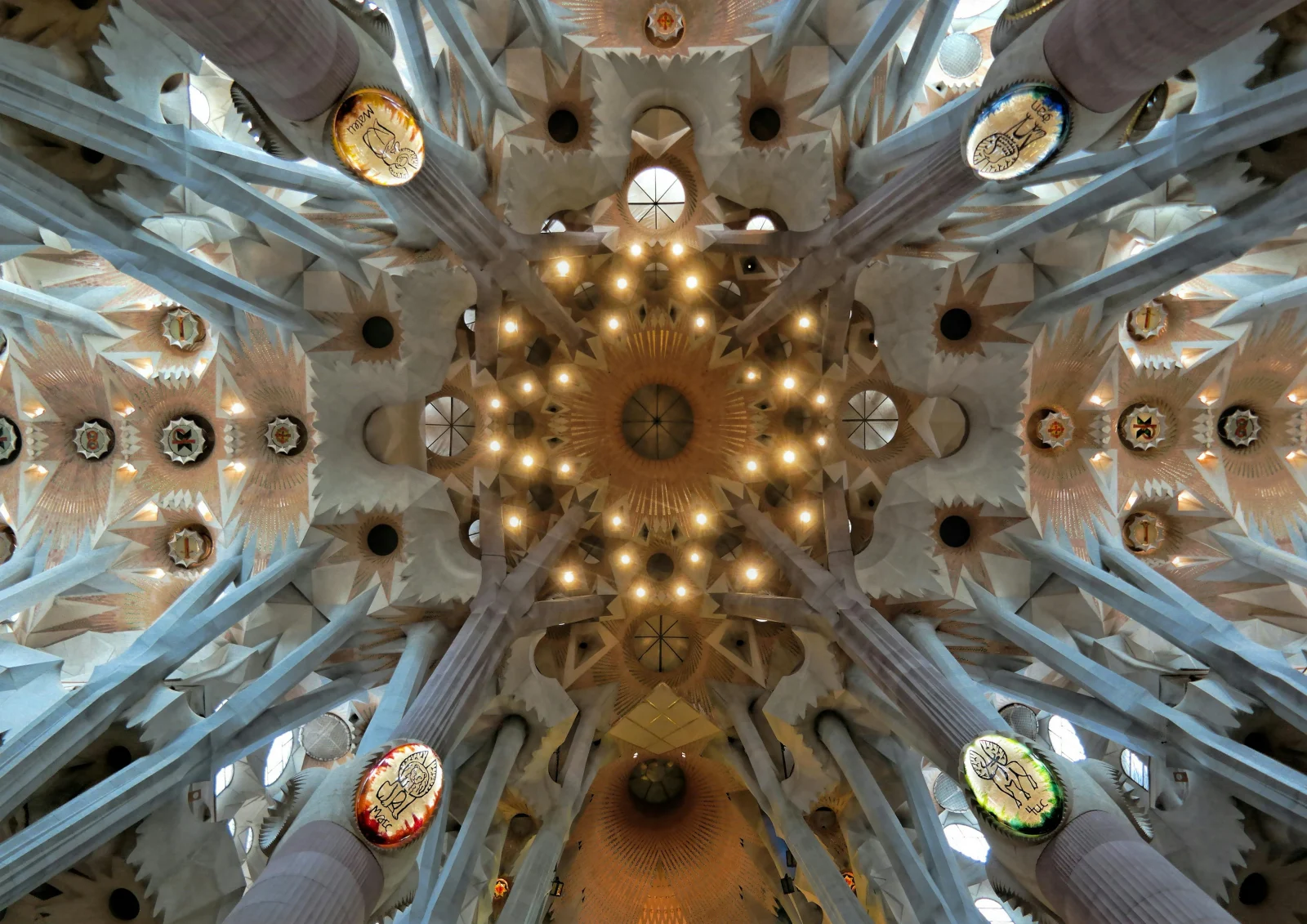
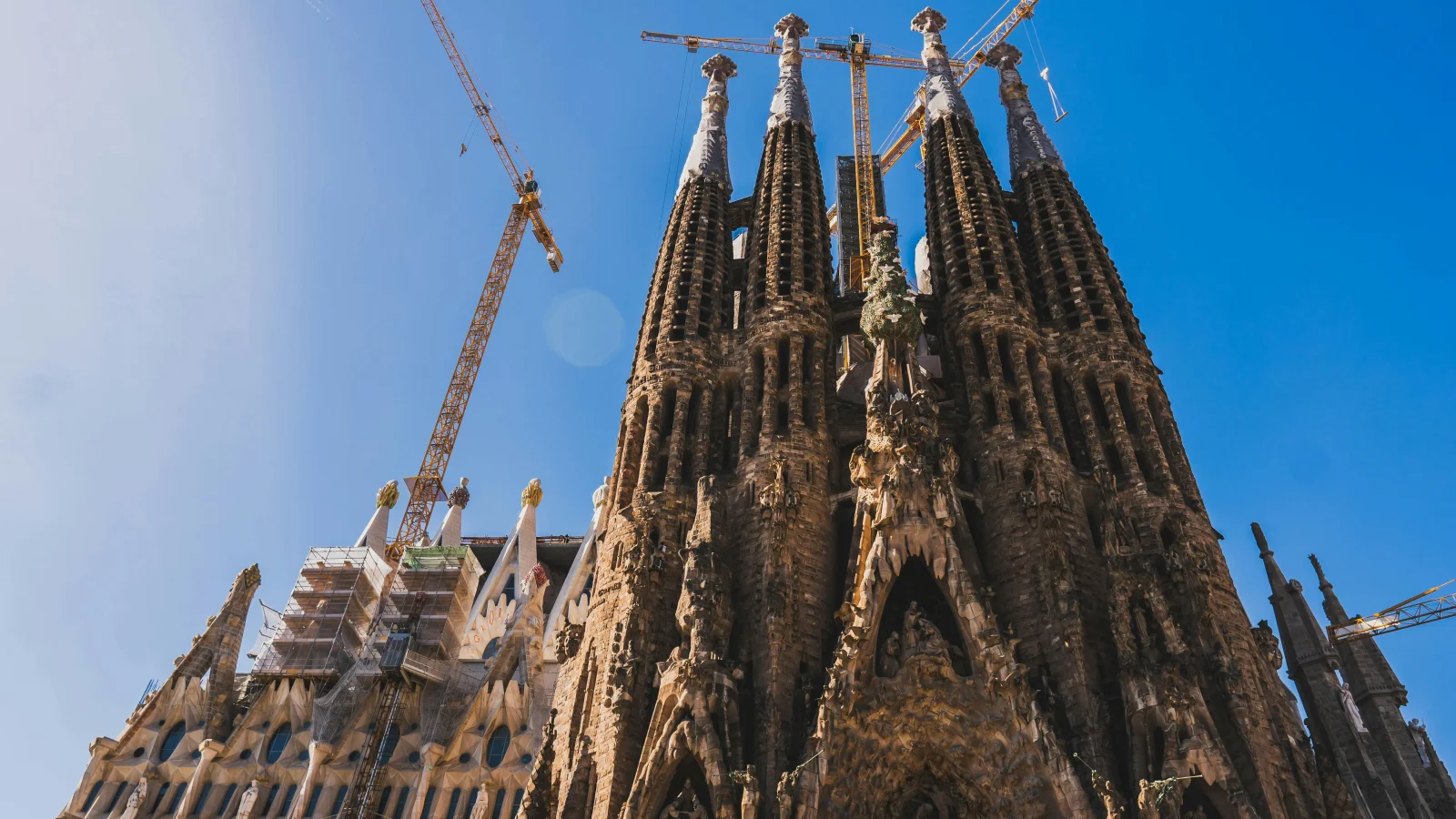
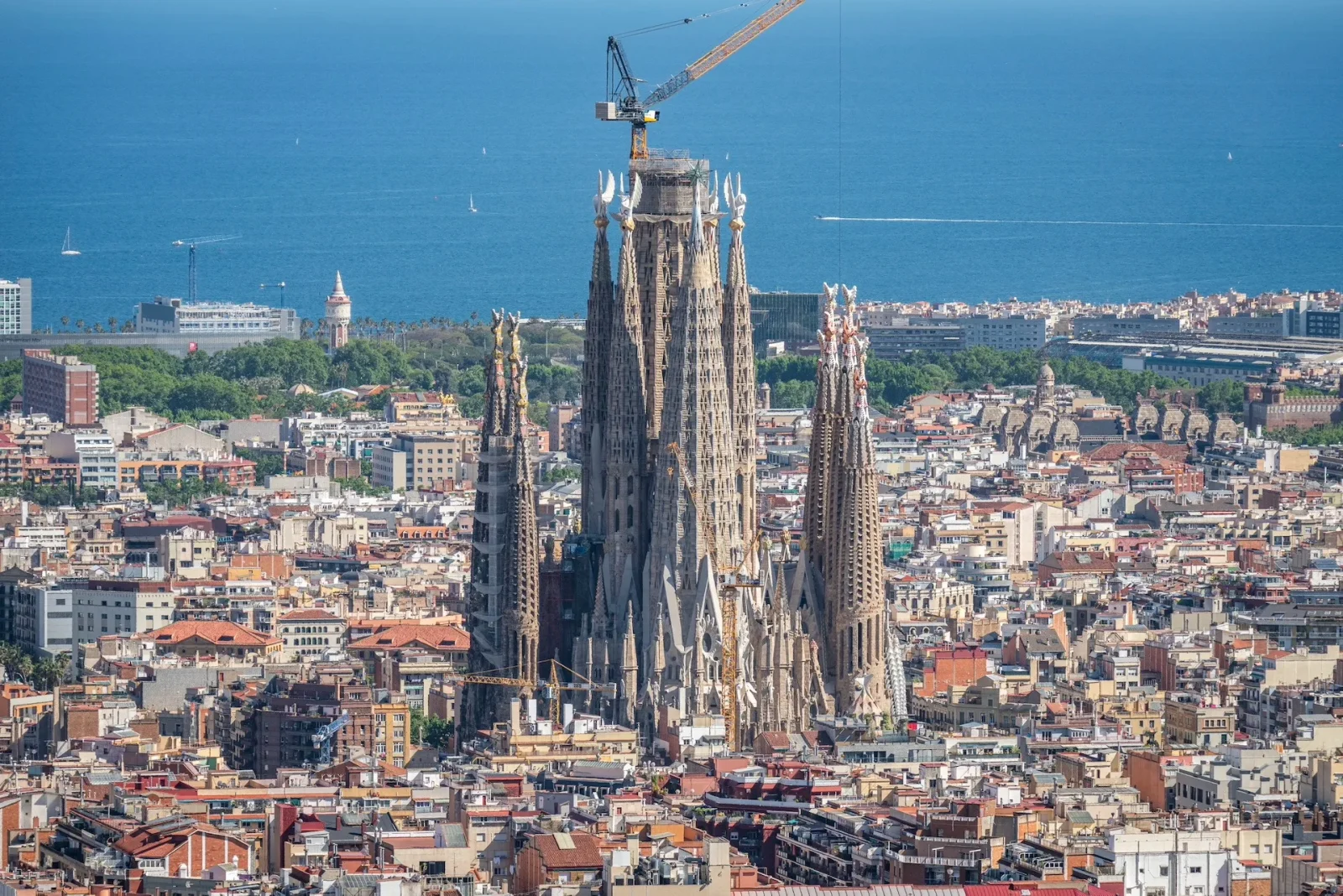
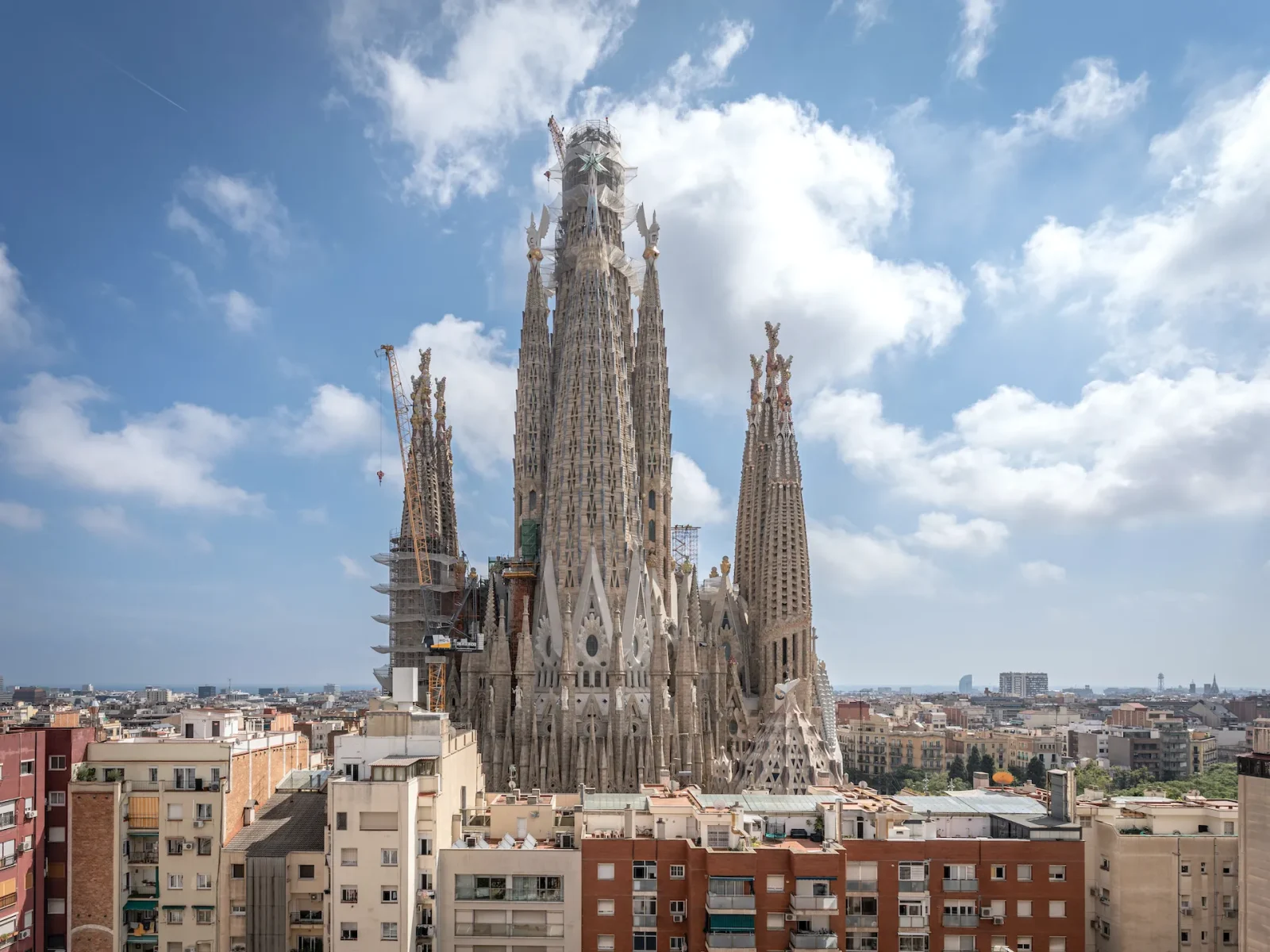
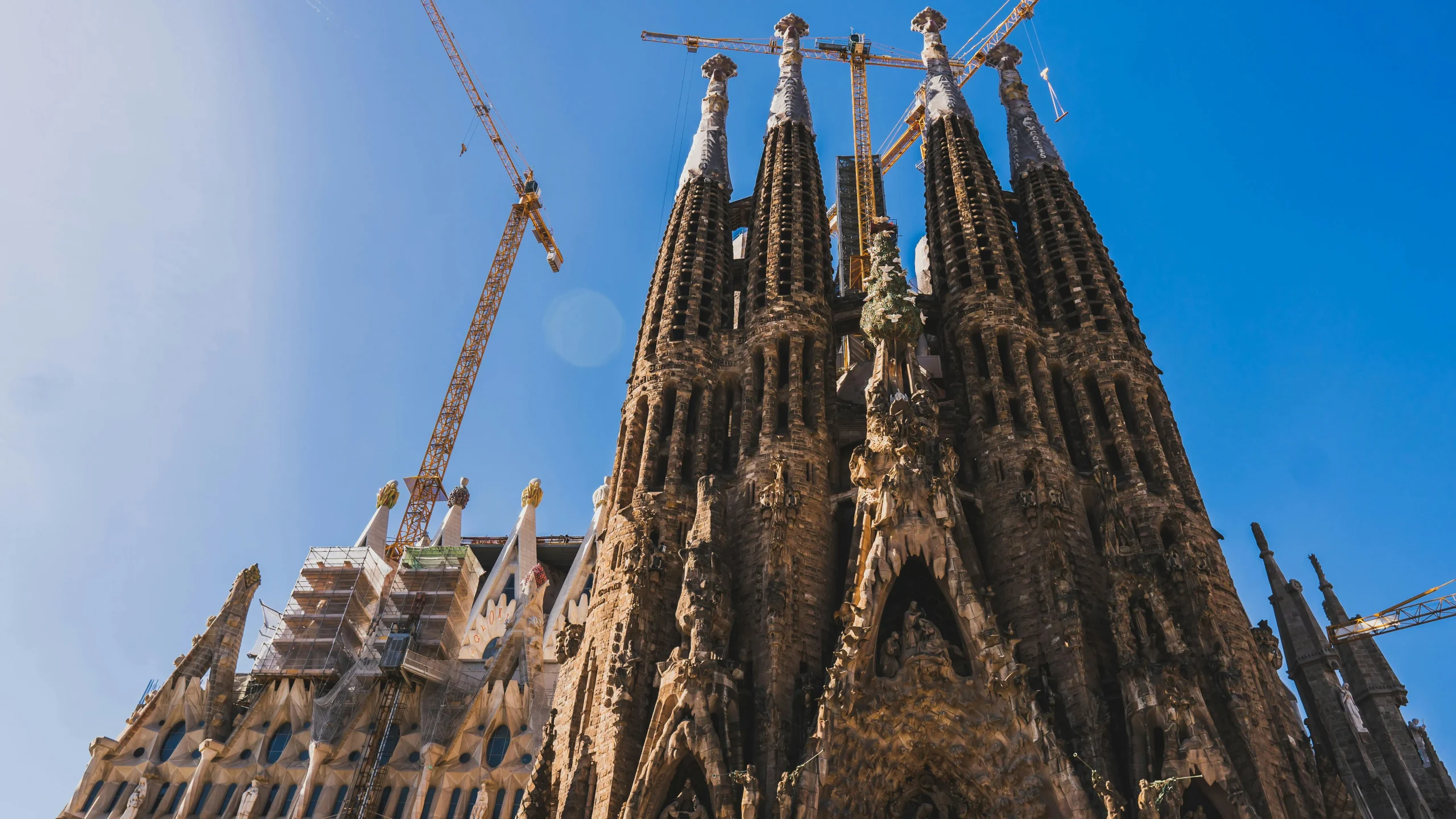
Construction of the Sagrada Família, which began in 1882 and has continued for decades, is among the most eagerly anticipated projects expected to be completed in 2026. The La Sagrada Familia Foundation announced that the monumental church in Barcelona will be fully completed in 2026, the 100th anniversary of Antoni Gaudí’s death. Until he died in 1926, Gaudí directed the construction of the Sagrada Família, yet less than a quarter of it had been completed.
After his death, construction slowed due to financial difficulties and was later halted because of the Spanish Civil War, during which many of the original plans were lost. The current design is based on reconstructed plans, and with its long and complex construction history, the Sagrada Familia is one of the most anticipated buildings.
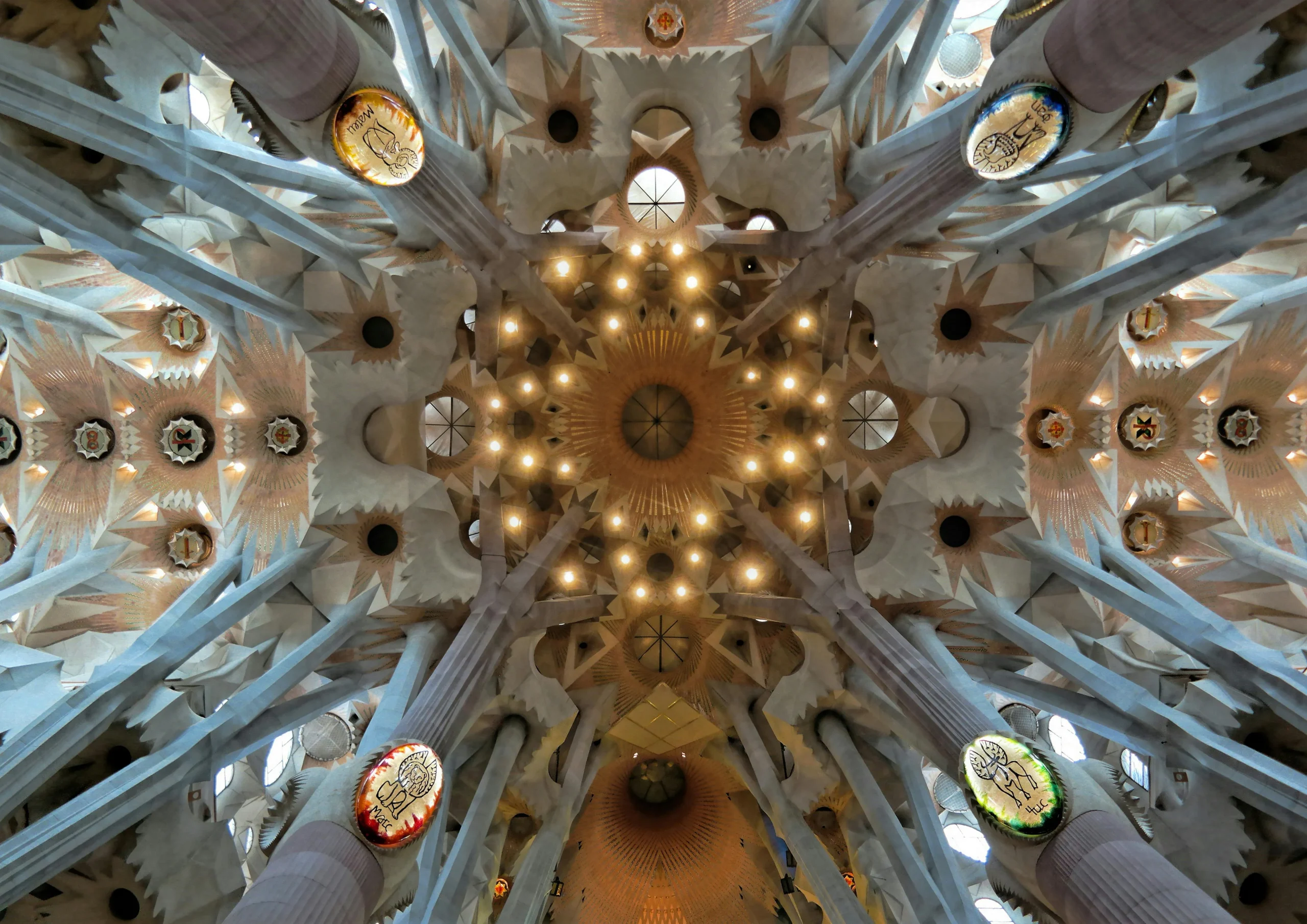
One of the most well-known structures of Catalan Modernism, the Sagrada Familia attracts more than three million visitors annually. In 1883, following disagreements between the temple’s supporters and the original architect, Francisco de Paula del Villar y Lozano, Gaudí was appointed as the new architect. While preserving Del Villar’s Latin cross plan, typical of Gothic cathedrals, Gaudí diverged from Gothic architecture in many ways. Twelve of the 18 towers to be placed atop the massive church have been completed, and six are under construction. When the 170-meter-long central tower is completed, Sagrada Familia will hold the title of the world’s tallest church.
2. Shanghai Grand Opera House
Location: Shanghai, China
Architect: Snøhetta
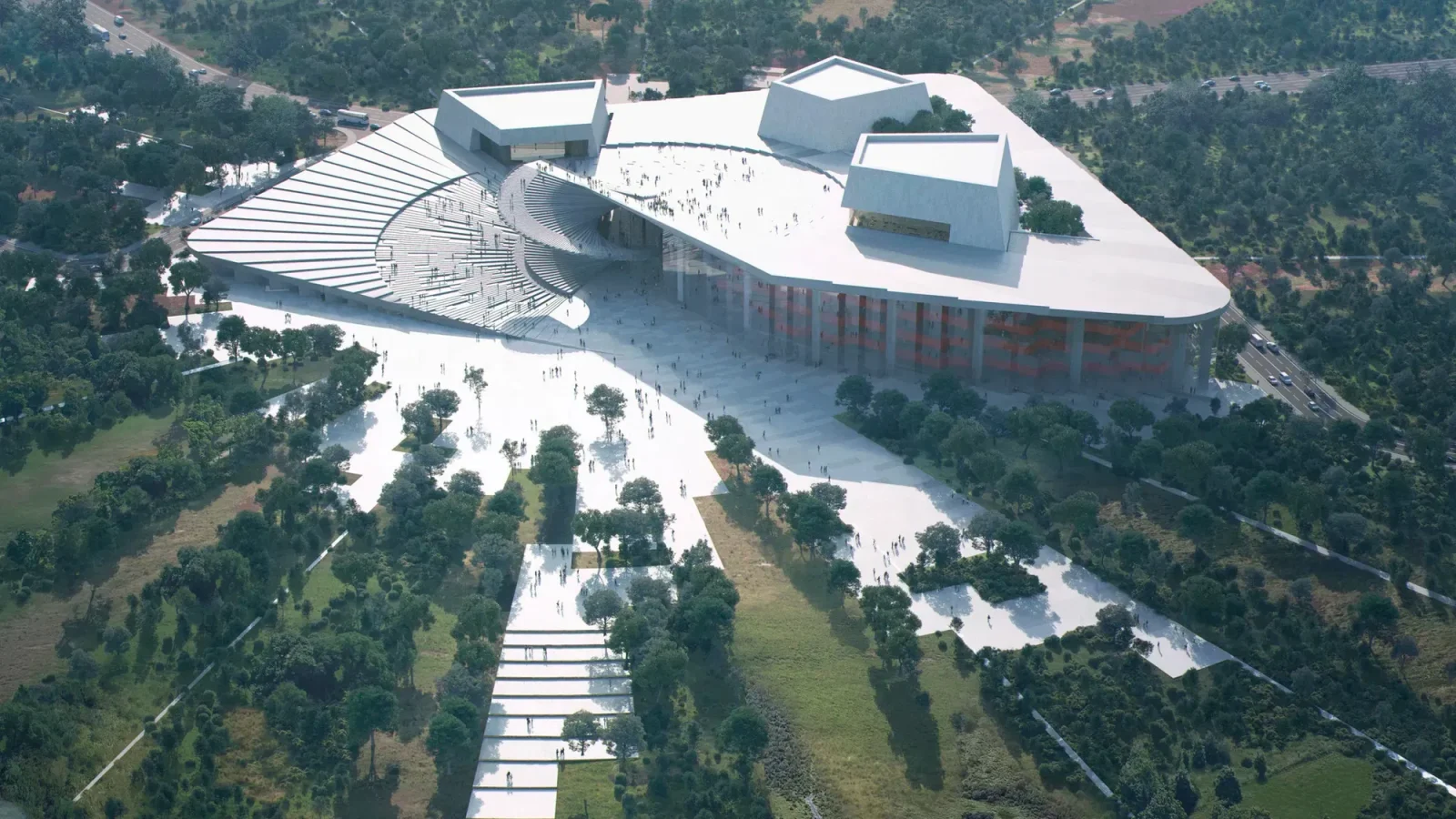
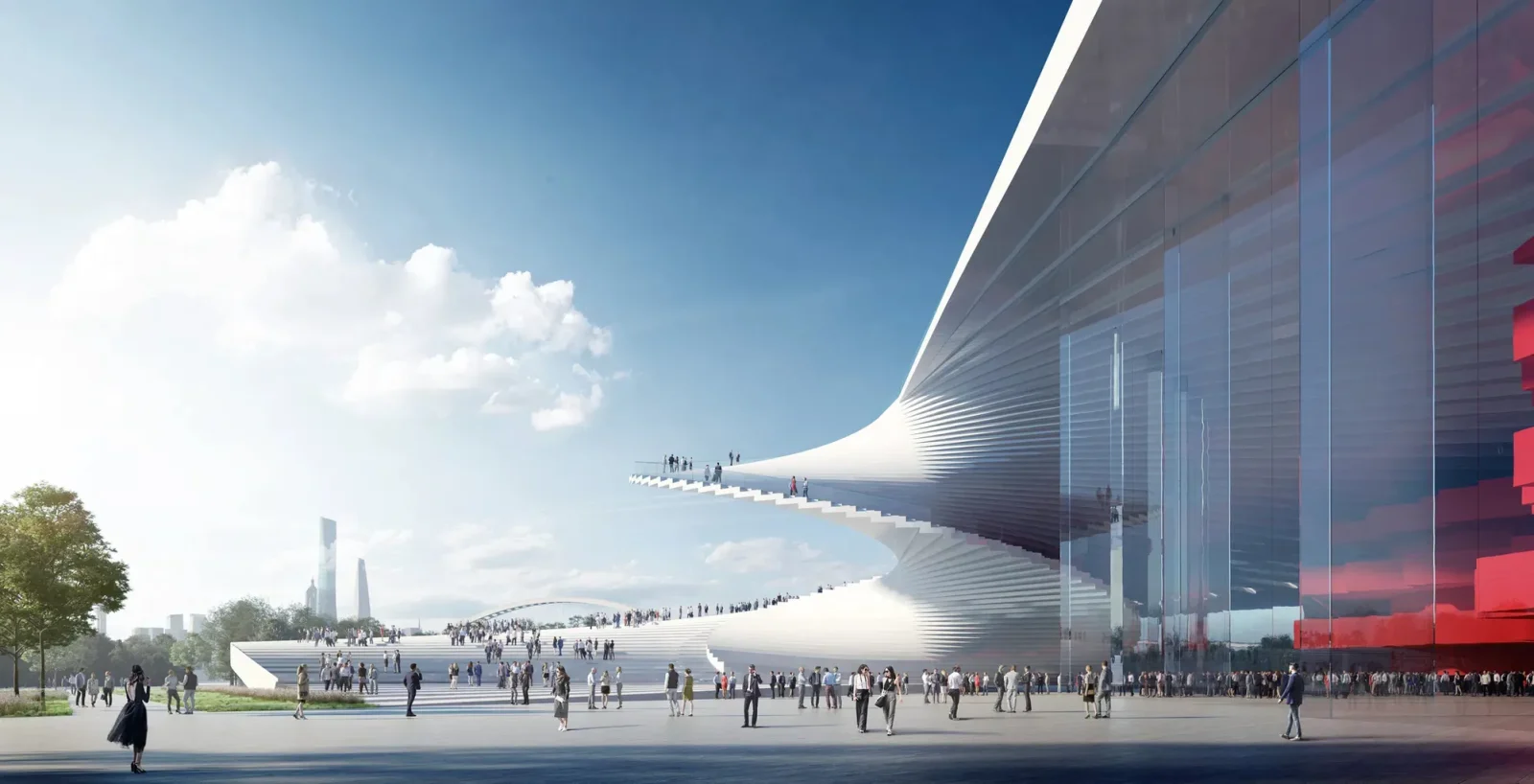
One of the most anticipated projects of 2026, the Shanghai Grand Opera House, designed by Snohetta, is part of China’s 13th Five-Year Plan. Located in the Expo Houtan district, the project is designed with the motto “a destination for everyone.” Hosting traditional and classical concerts, the Grand Opera House also aims to reach a wide audience by presenting experimental performances.
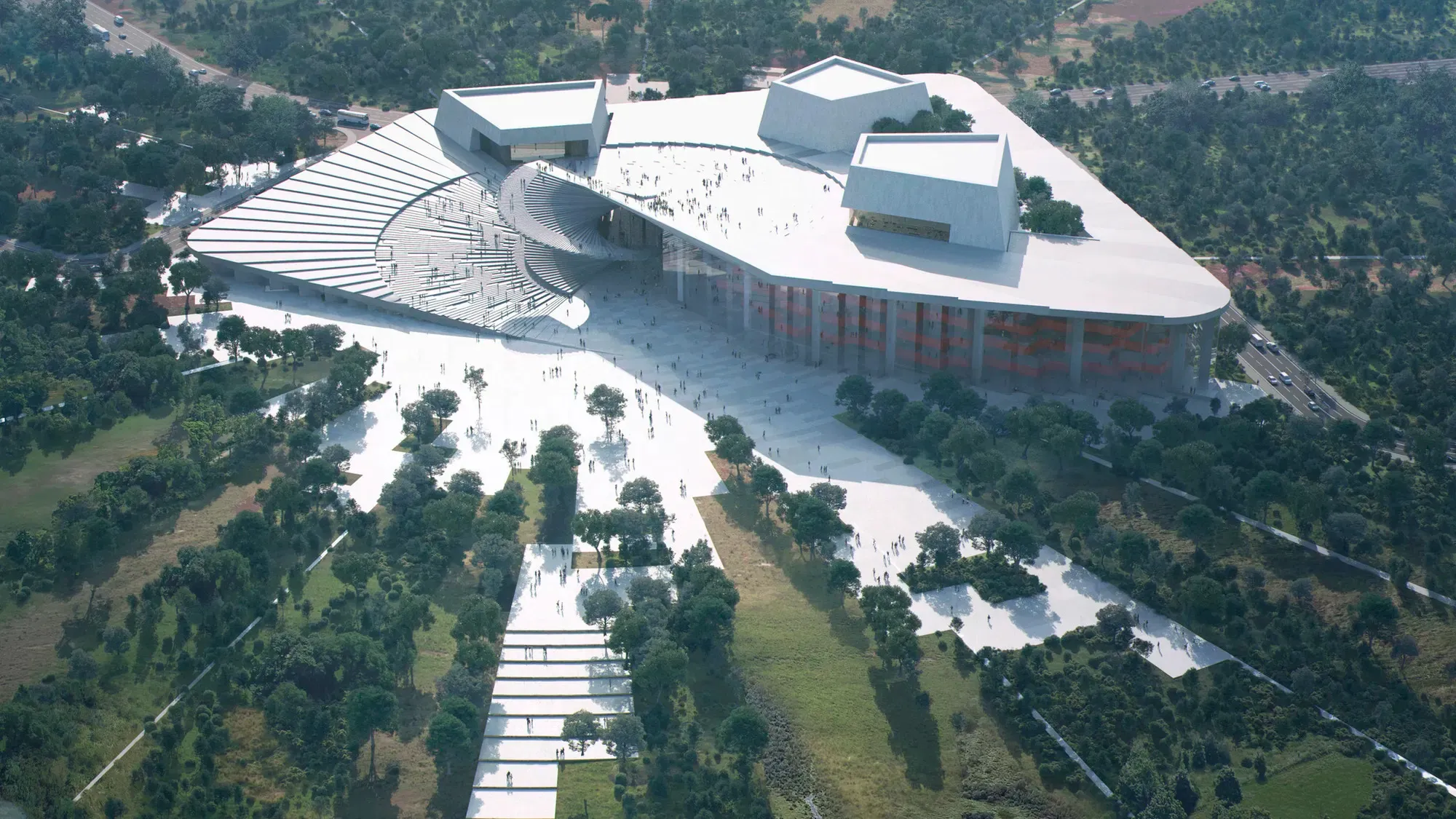
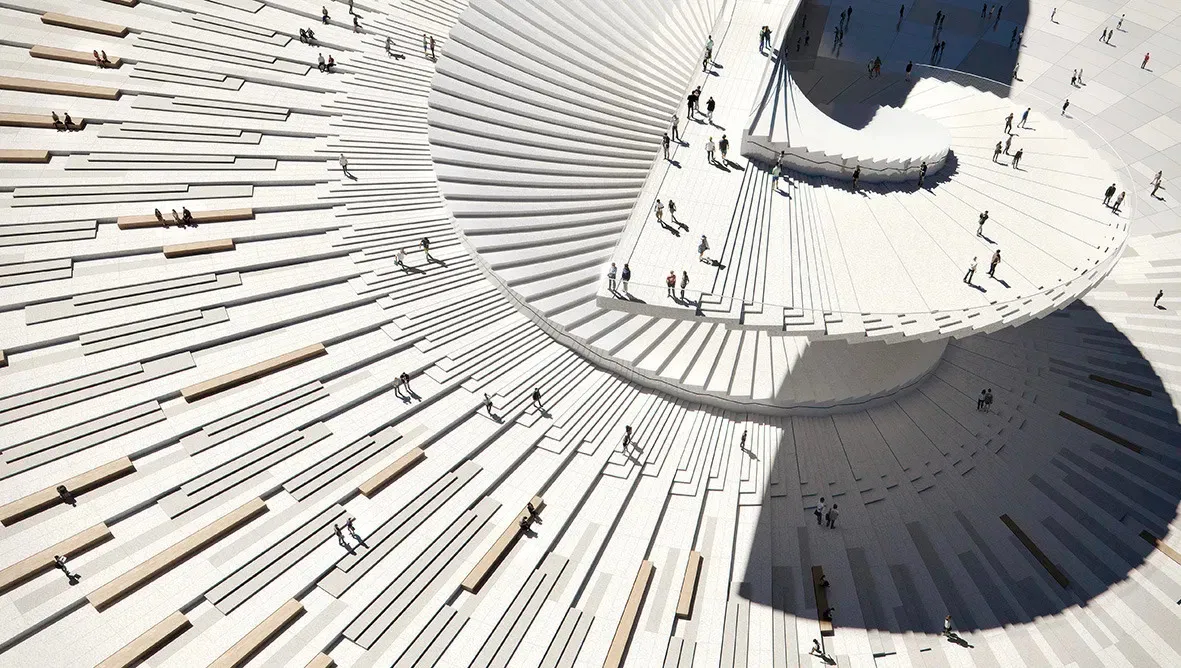
With its expansive form designed to evoke movement, the opera house brings performers and the public together beneath a single roof. The spiraling roof, reminiscent of an opening fan, reflects the dynamism of dance and the human body. Functioning both as a surface and as an inhabitable space, the roof’s radial movements generate a spiral staircase that connects the ground with the sky.
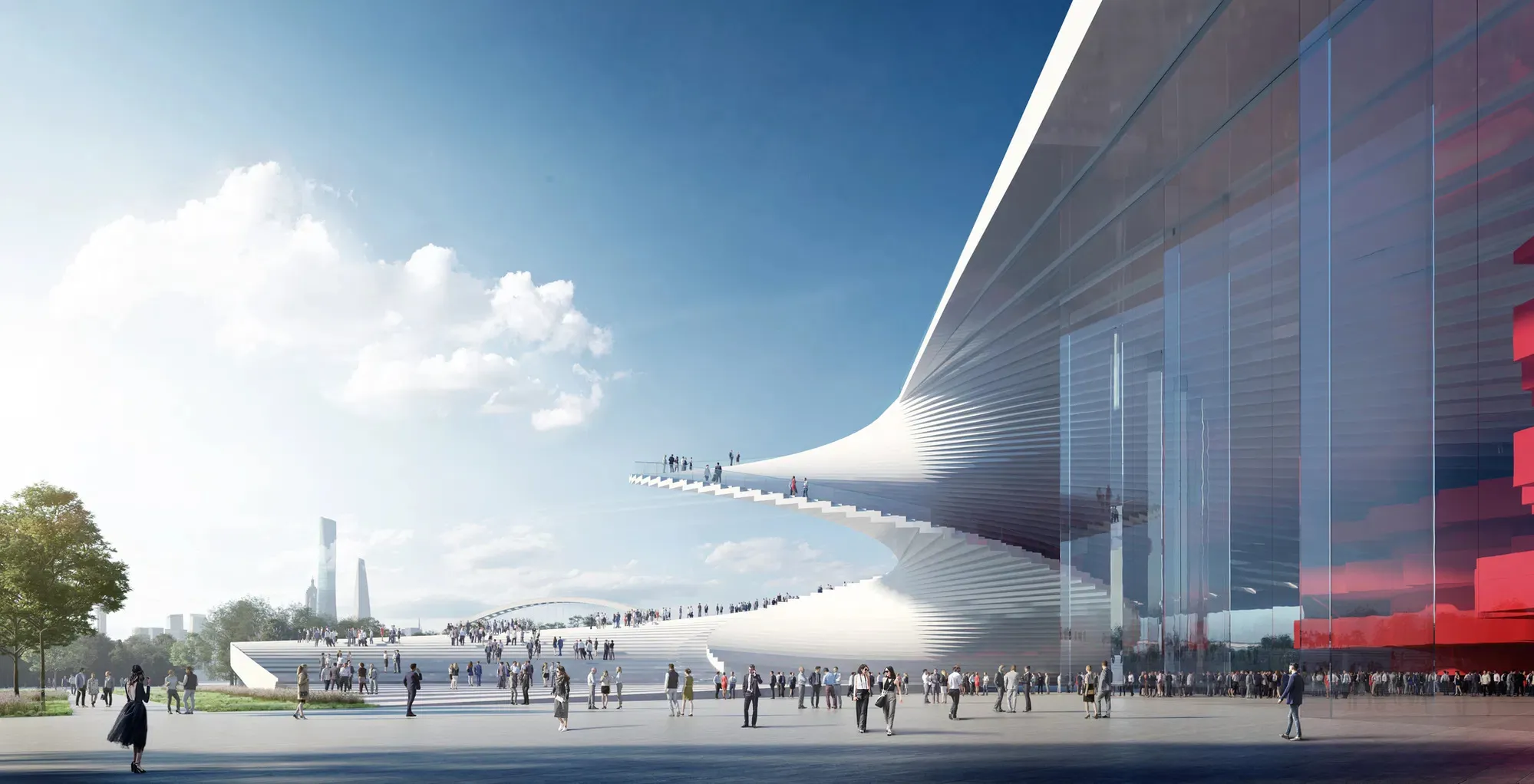
The spiral and fan movements of the roof continue in the interior design of the building. The main hall, with a capacity of 2,000 people, is located at the heart of the opera house and offers state-of-the-art solutions and superior acoustics. The Opera House also houses a second stage with a capacity of 1,200 people for smaller productions, and a third stage with a capacity of 1,000 people, designed for a new generation of audiences, featuring a flexible stage and seating plan.
3. Arena Milano
Location: Milan, Italy
Architect: David Chipperfield Architects
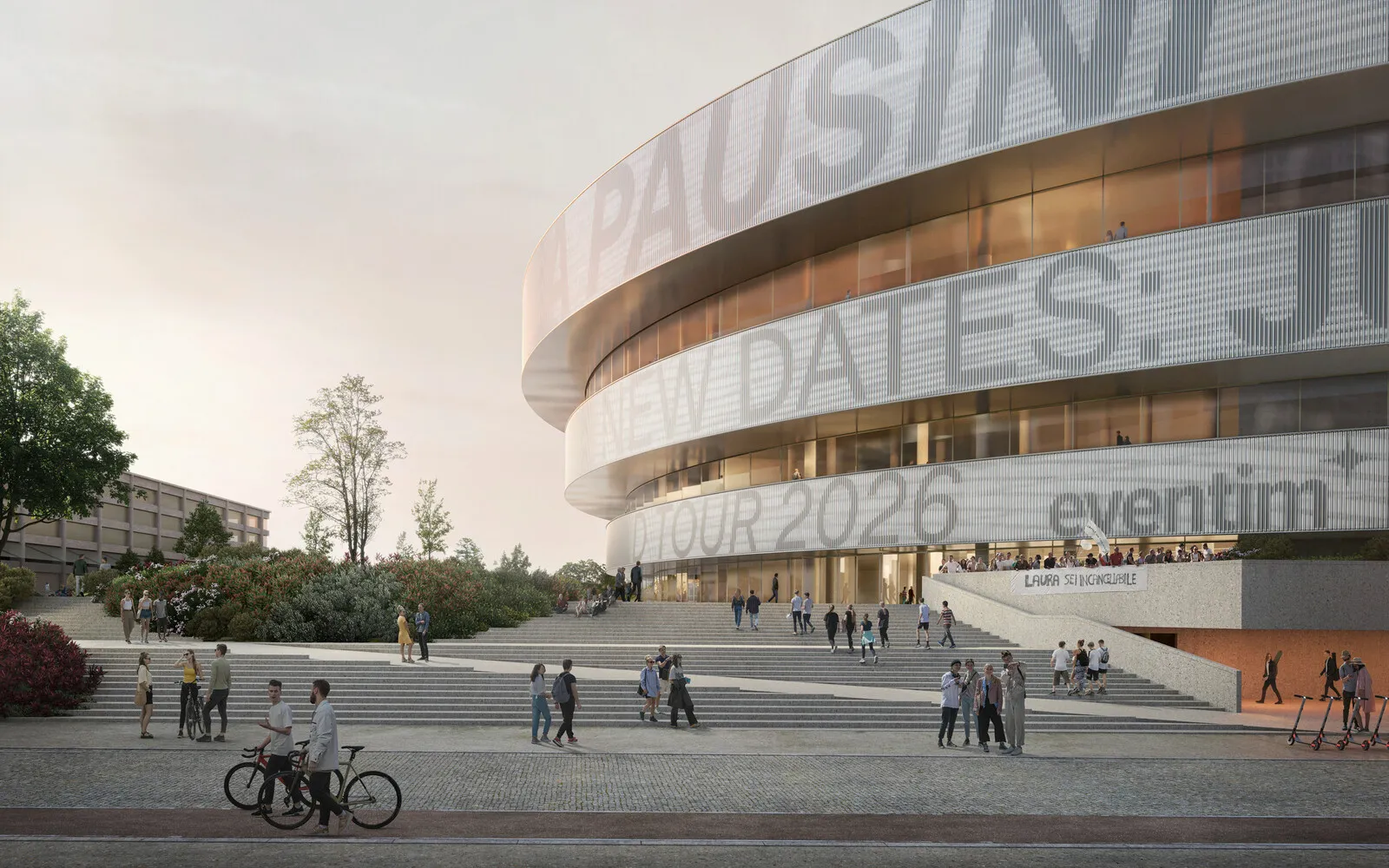
Arena Milano, designed by David Chipperfield Architects and set to host the Winter Olympic Games in early 2026, is one of the most anticipated projects of 2026. Located in the heart of Milan’s Santa Giulia, a redeveloping urban district, the 16,000-capacity arena will host major concerts, sporting events, and festivals. Outside of event hours, the expansive open spaces will offer a new opportunity for social interaction for both residents and the entire city.
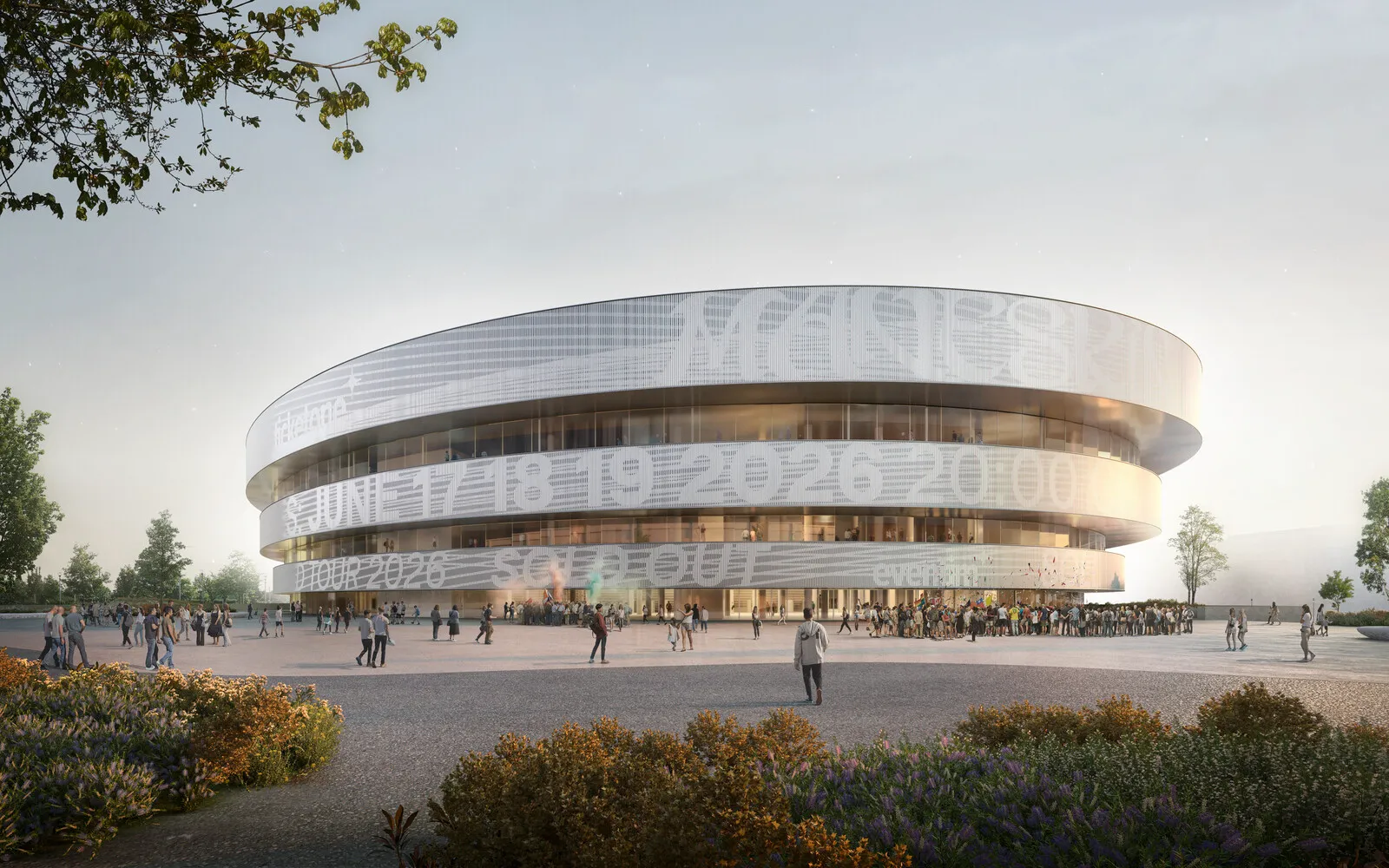
Conceived as a venue for large-scale entertainment, Arena Milano gives contemporary expression to a historic archetype through a form that echoes the elliptical shape of a Roman amphitheater. The slightly rotated arena welcomes guests from the west, and a wide staircase leads visitors to an elevated platform that encompasses almost the entire space. Here, a large square exceeding 10,000 m² provides a space for outdoor events. Rising from a monolithic base, three ascending rings appear to float around the building, lending it a dynamic silhouette. The metallic envelope is defined by shimmering aluminum tubes in daylight and illuminated LED bands at night.
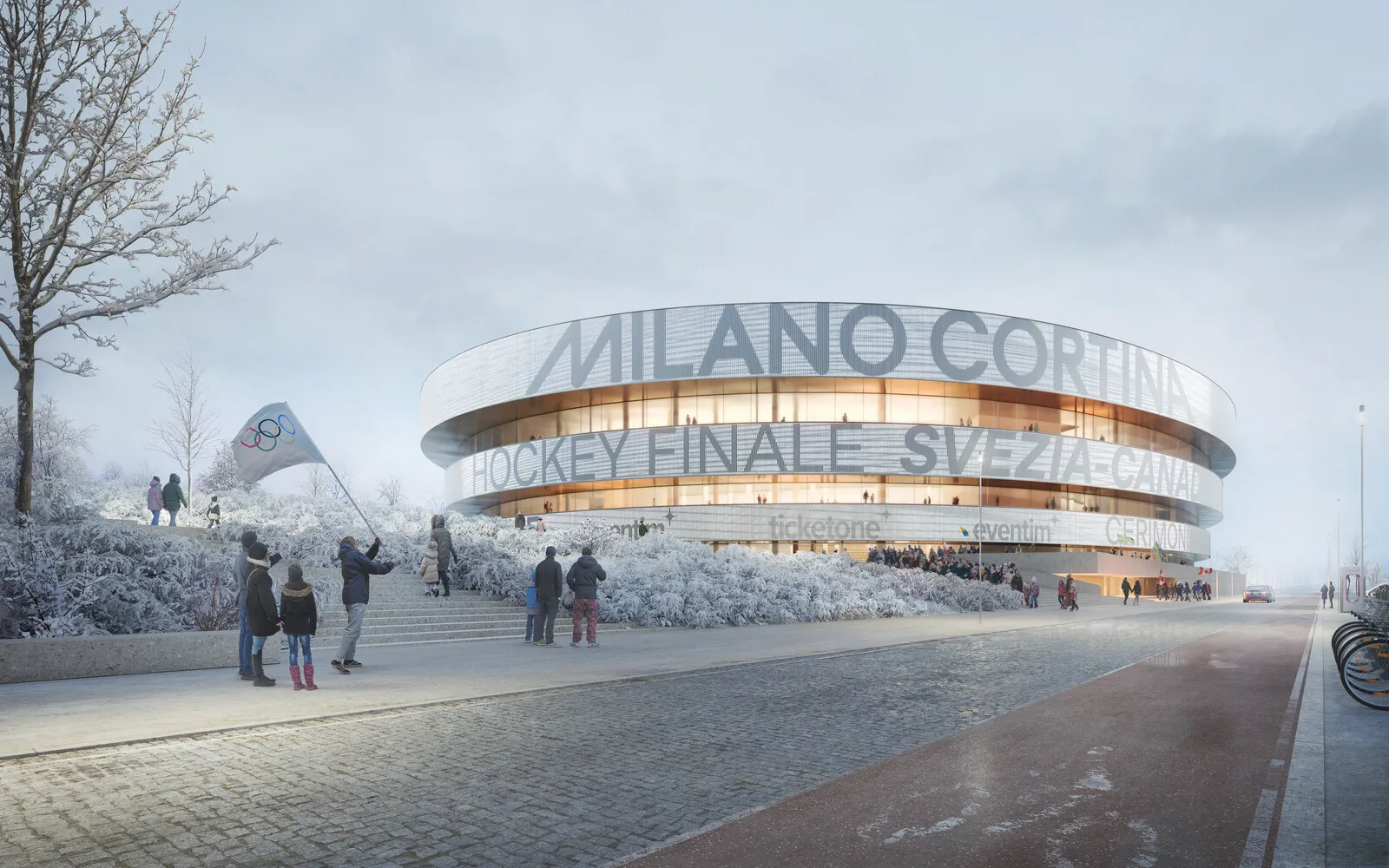
The upper floor, one of the two floors above partner level within the arena, houses lounges and private boxes. Spacious lobbies on each floor provide easy access to all seating and food and beverage services. In addition to measures to minimize resource consumption and CO₂ emissions, the sustainability concept also includes photovoltaic systems on the roof, which largely meet the energy-efficient building’s needs.
4. Danjiang Bridge
Location: Taipei, Taiwan
Architect: Zaha Hadid Architects
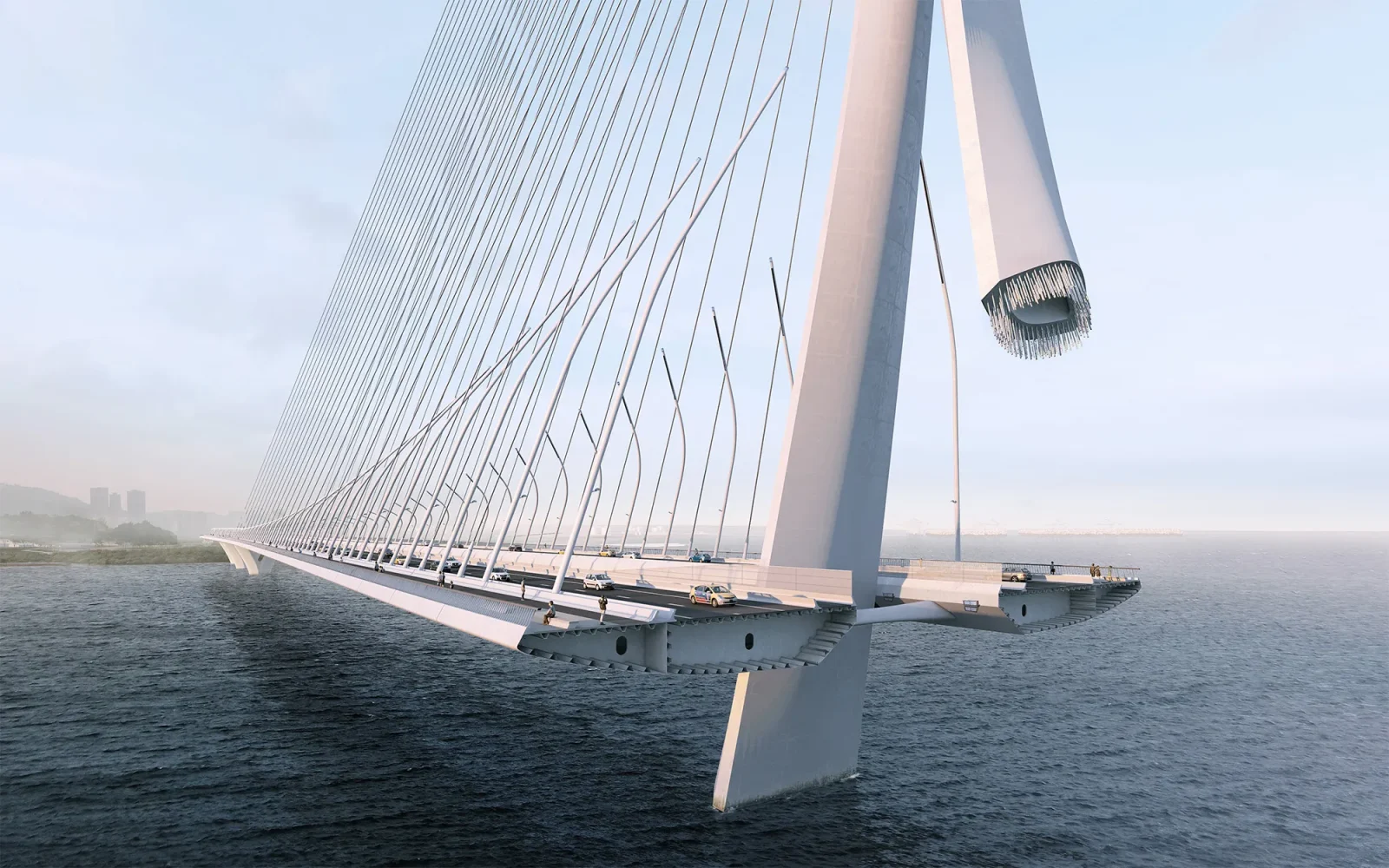
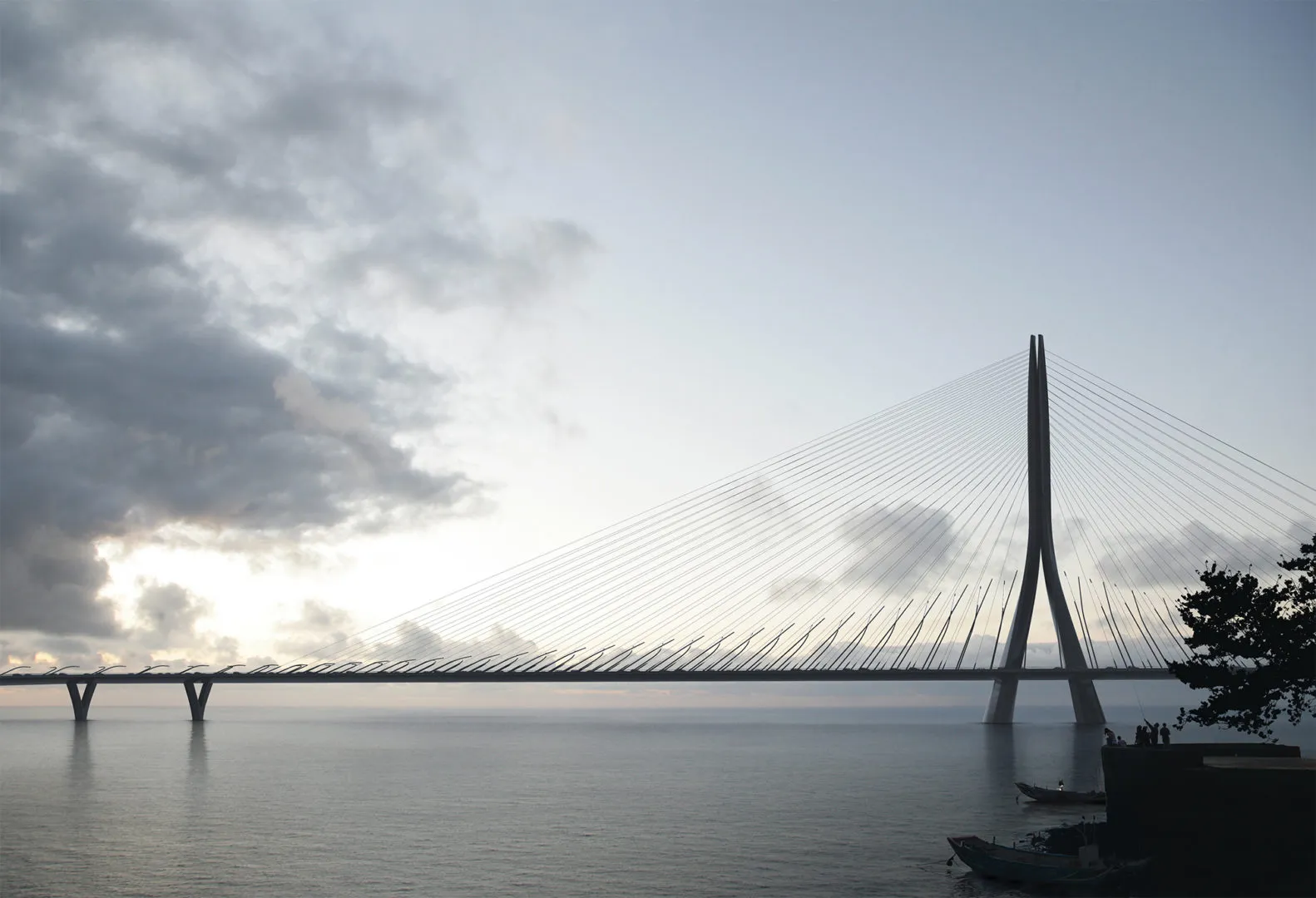
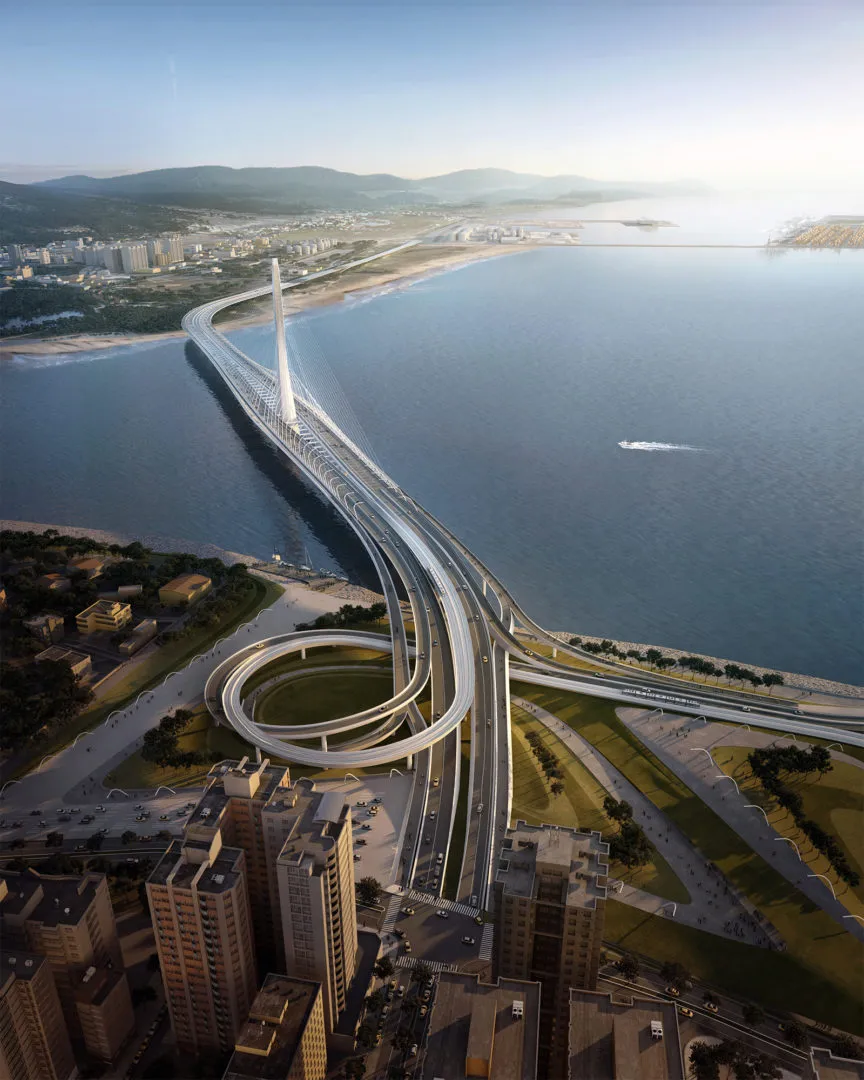
First announced by Zaha Hadid Architects in 2015 and under construction since 2019, the Danjiang Bridge will become the world’s longest single-pylon, asymmetric cable-stayed bridge when it is completed in 2026. The bridge, with its longest section measuring 450 meters, features a Y-shaped section near the shore supported by concrete columns. Asymmetrical cables radiating from a single 200-meter-high concrete pylon are resistant to extreme weather conditions and earthquakes.
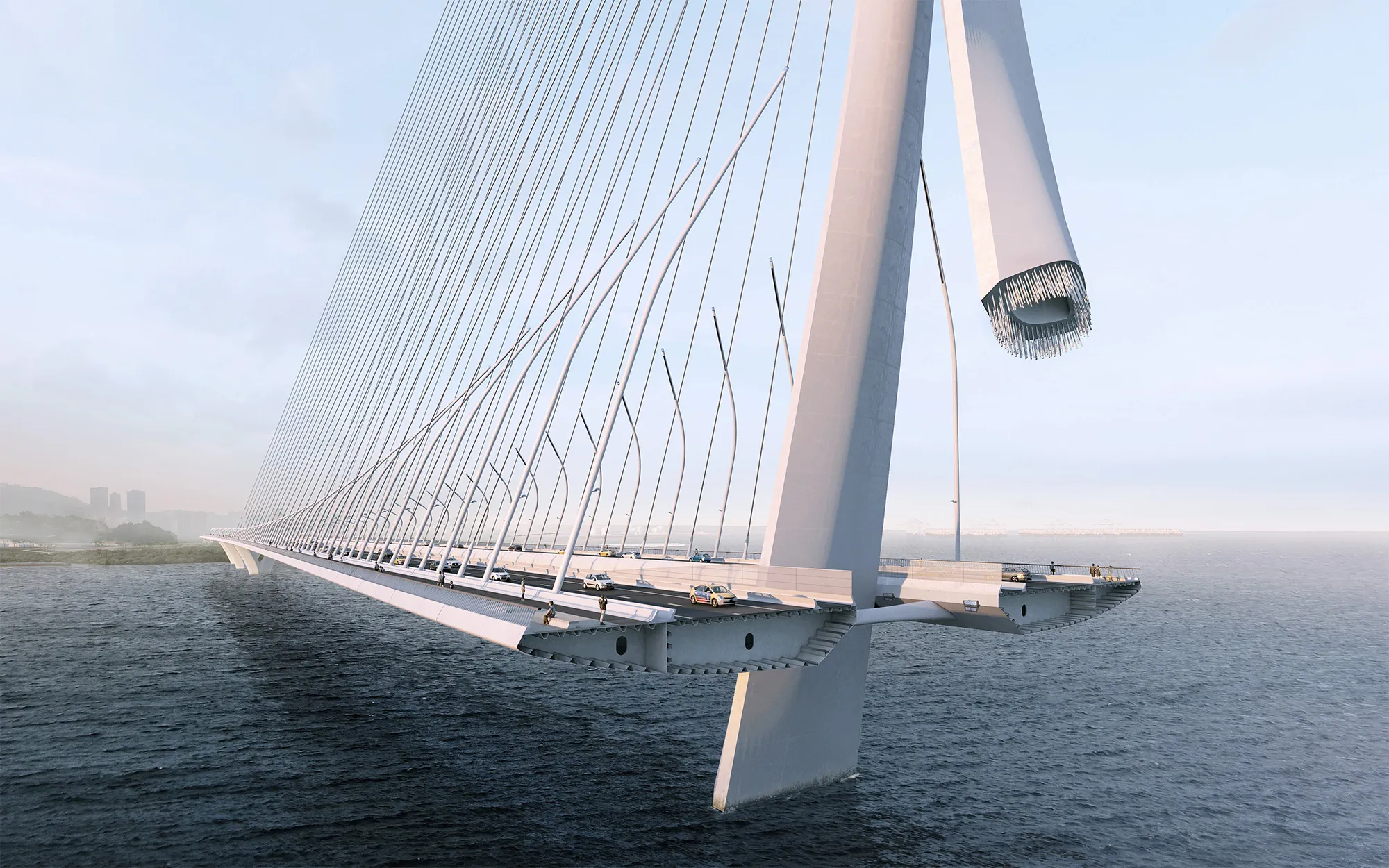
Connecting Highway No. 2 on the east side of the river to Highway No. 15, the West Coast Highway, and the Bali–Xindian Expressway on the west, the Danjiang Bridge is expected to significantly reduce transit traffic on congested local roads once completed. Wanting to minimize obstruction of the sunset view, Zaha Hadid Architects created a bridge pylon with a silhouette that is as slender and sculptural as possible. Defined through detailed 3D modeling and mapping of the river, the sculptural pylon reduces the structure’s impact on the riverbed in accordance with strict guidelines established to protect the estuary ecosystem.
Today, 3D modeling is one of the most important tools enabling the creation of signature architectural designs. The various courses offered by PAACADEMY provide an ideal platform for those who wish to learn effective 3D modeling through a wide range of software and artificial intelligence tools.
With the final installation of the steel deck completed, fully connecting both banks of the Tamsui River estuary, the opening date of the Danjiang Bridge has been set for May 12, 2026. Following the completion of the main structure, the next phases of construction will include paving the road, installing the lighting system, and conducting structural load tests.
5. Guggenheim Abu Dhabi
Location: Abu Dhabi, UAE
Architect: Frank Gehry
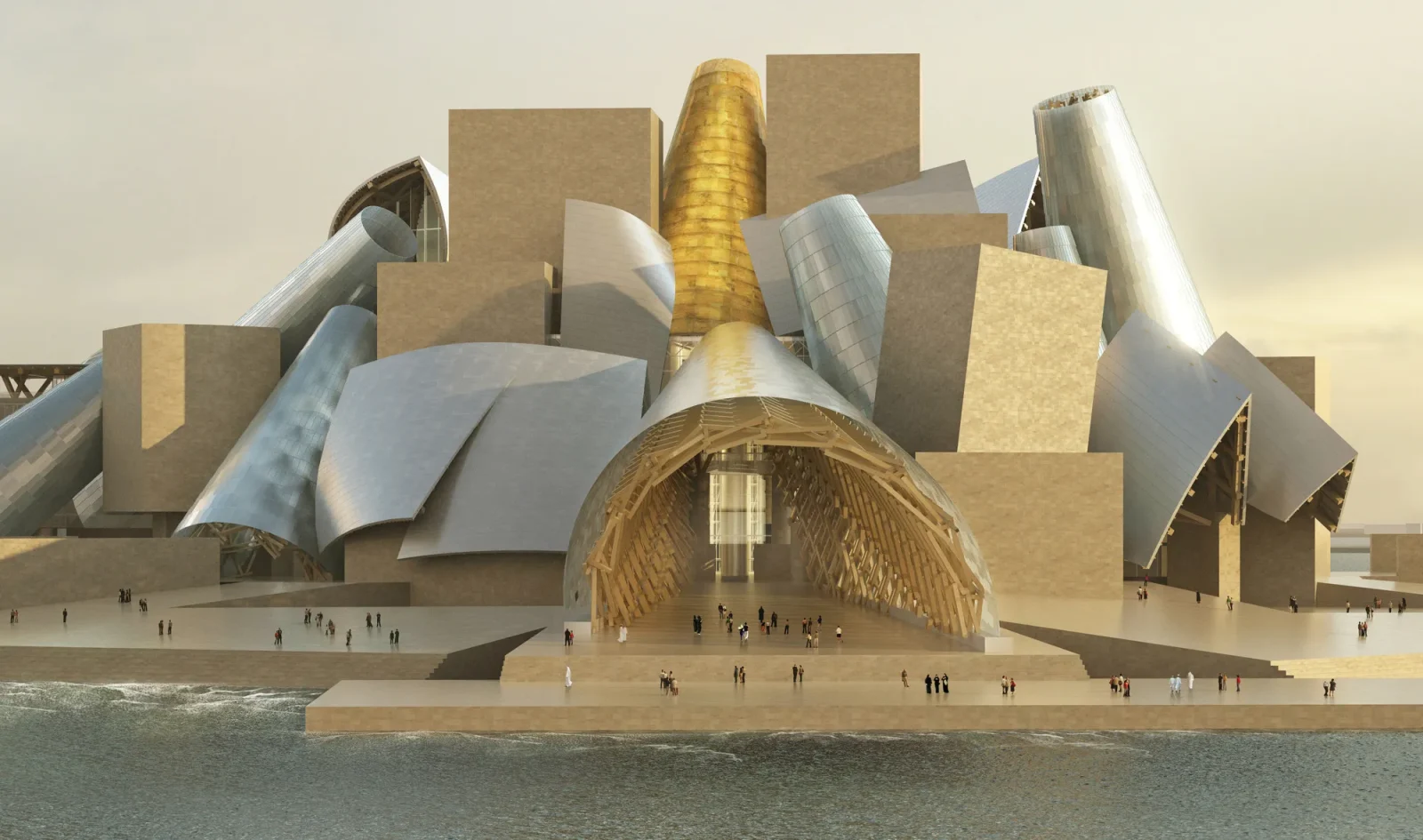
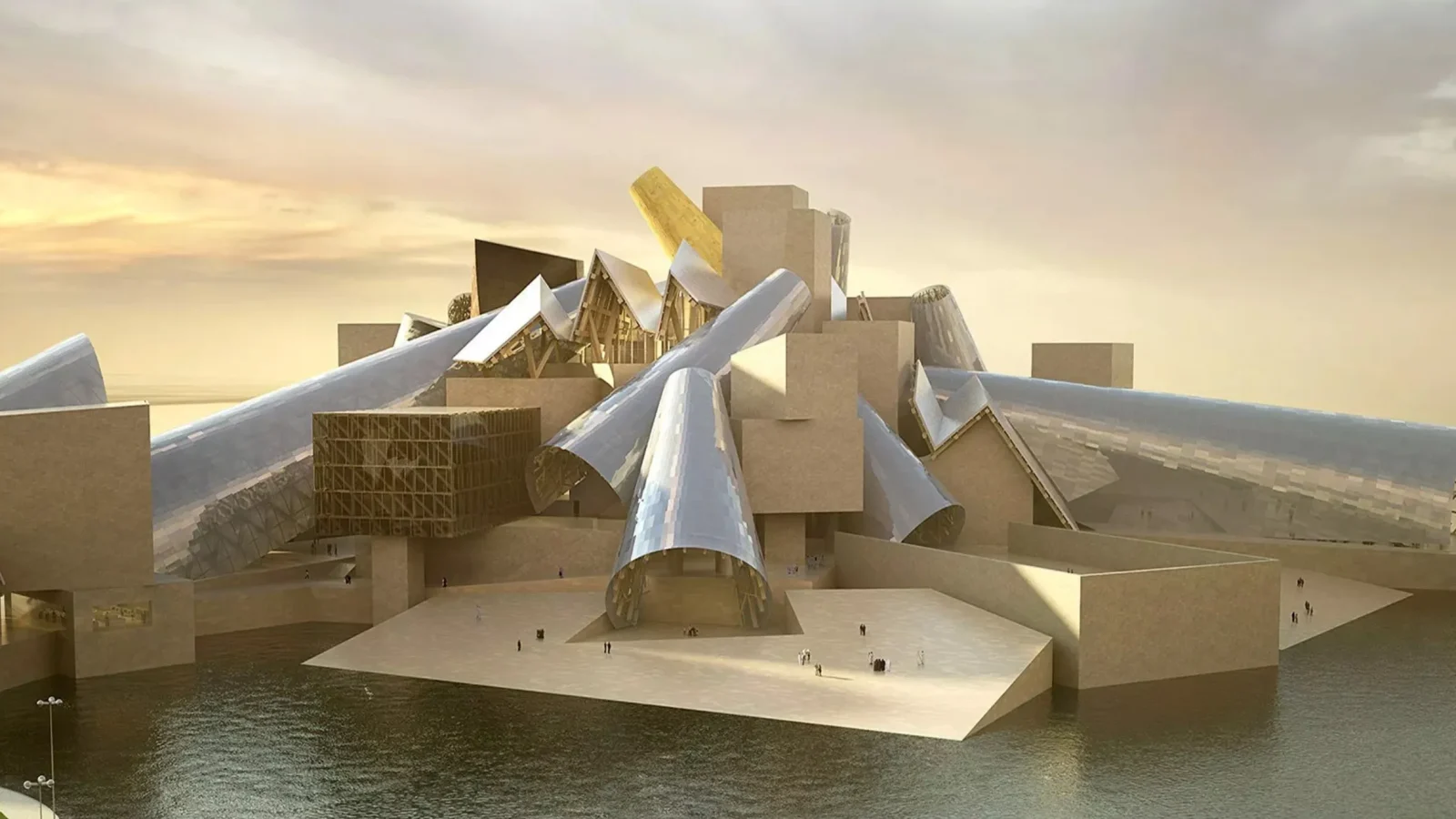
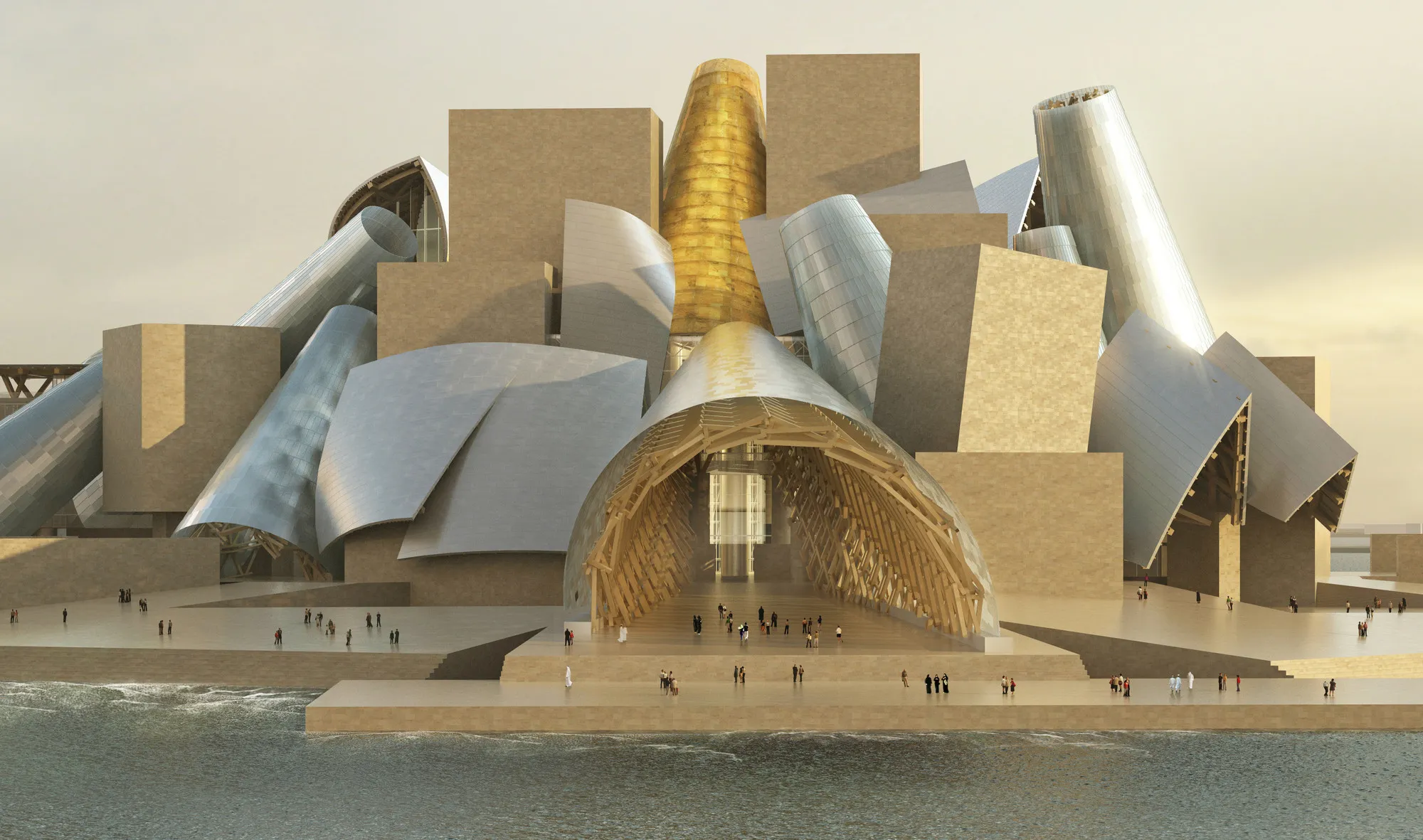
One of the most anticipated projects in the United Arab Emirates, the Frank Gehry-designed Guggenheim Abu Dhabi is scheduled to open in 2026, approximately 20 years after its plans were announced and 14 years after construction began. Located on Saadiyat Island, this 42,000 m² and 88-meter-high museum is designed as the largest of the Guggenheim’s four campuses.
Offering an innovative vision for experiencing contemporary art within a desert landscape, the museum represents a creative experiment in 21st-century museum design. Framing views of the Arabian Gulf, Guggenheim Abu Dhabi responds to the local climate and context by drawing on traditional Middle Eastern passive climate-adaptation strategies.
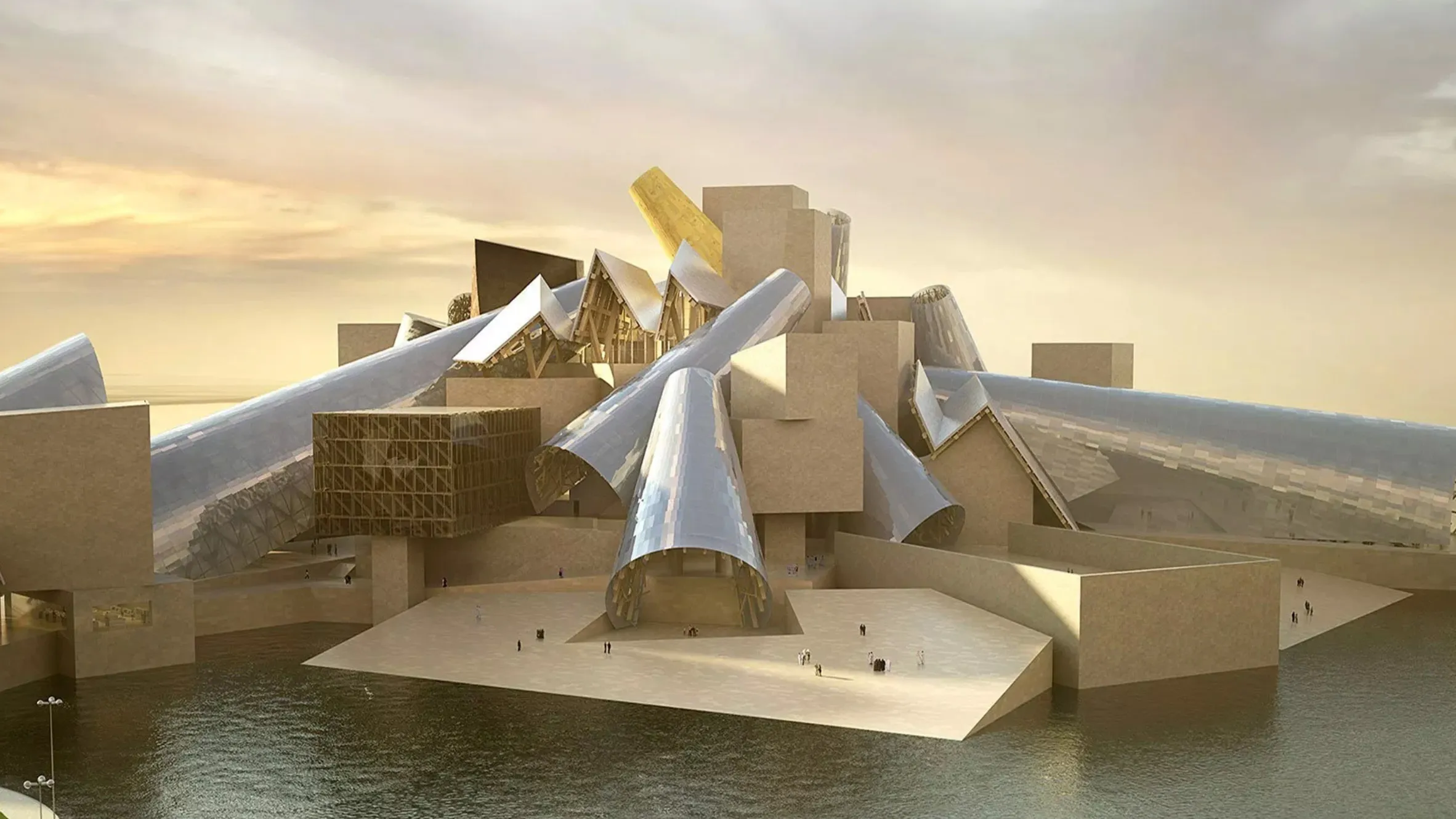
The museum, comprised of galleries of unparalleled scale, features cone-shaped galleries of varying heights, shapes, and characteristics arranged around a four-story atrium connected by glass bridges. This arrangement of galleries of varying scale and height allows for flexible curation and enables the exhibition of large contemporary installations requiring extensive space.
6. CityWave
Location: Milan, Italy
Architect: BIG
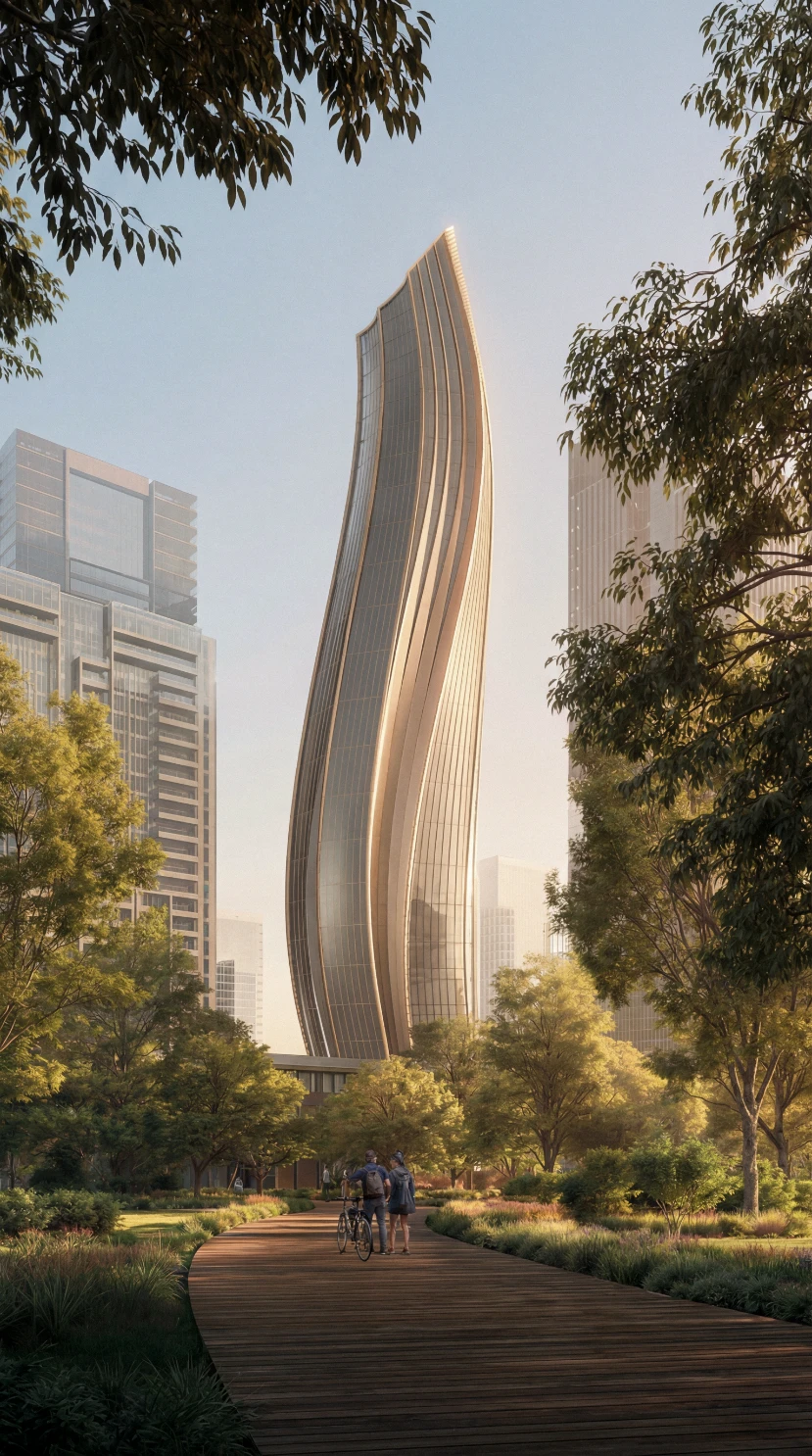
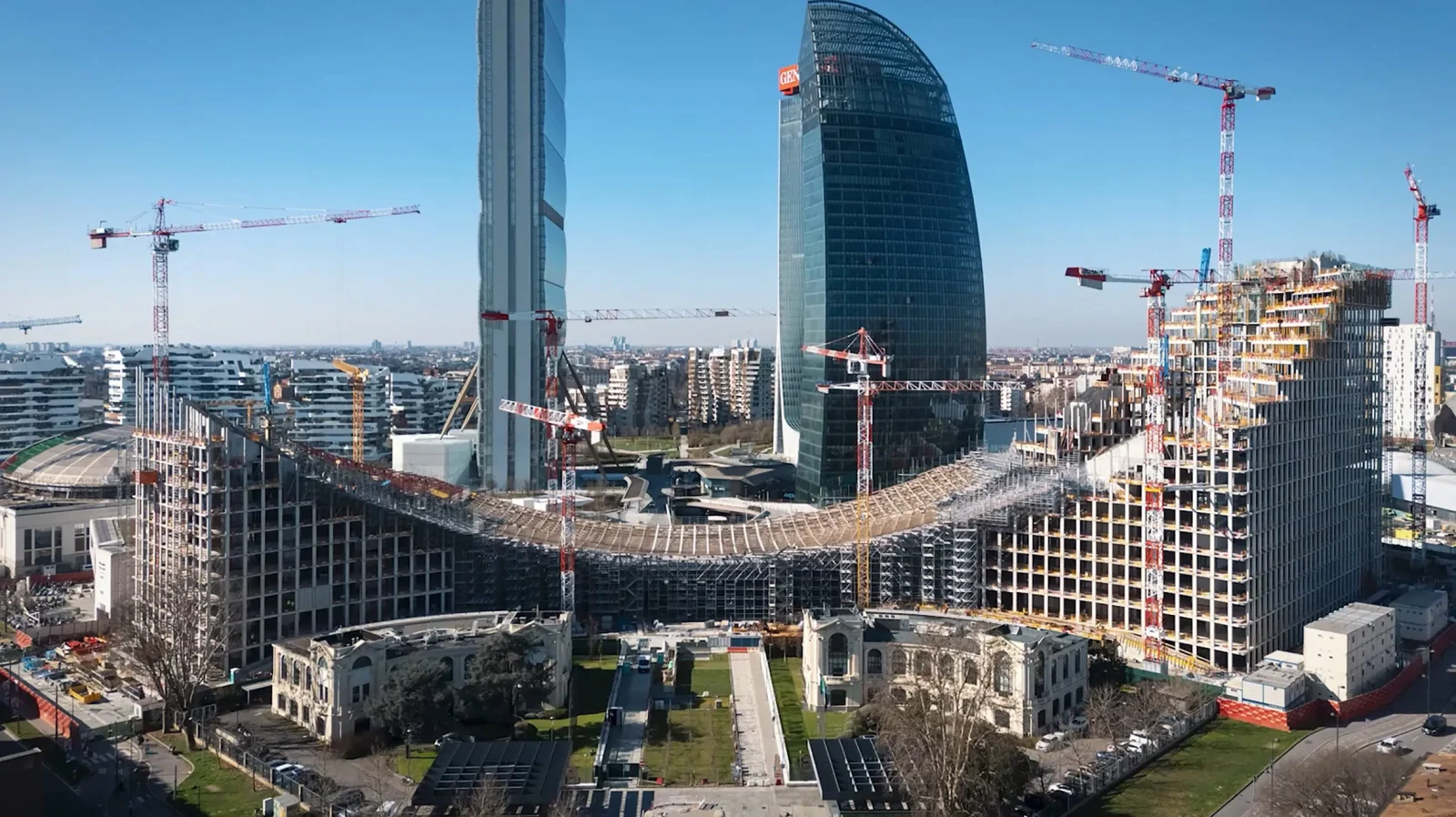
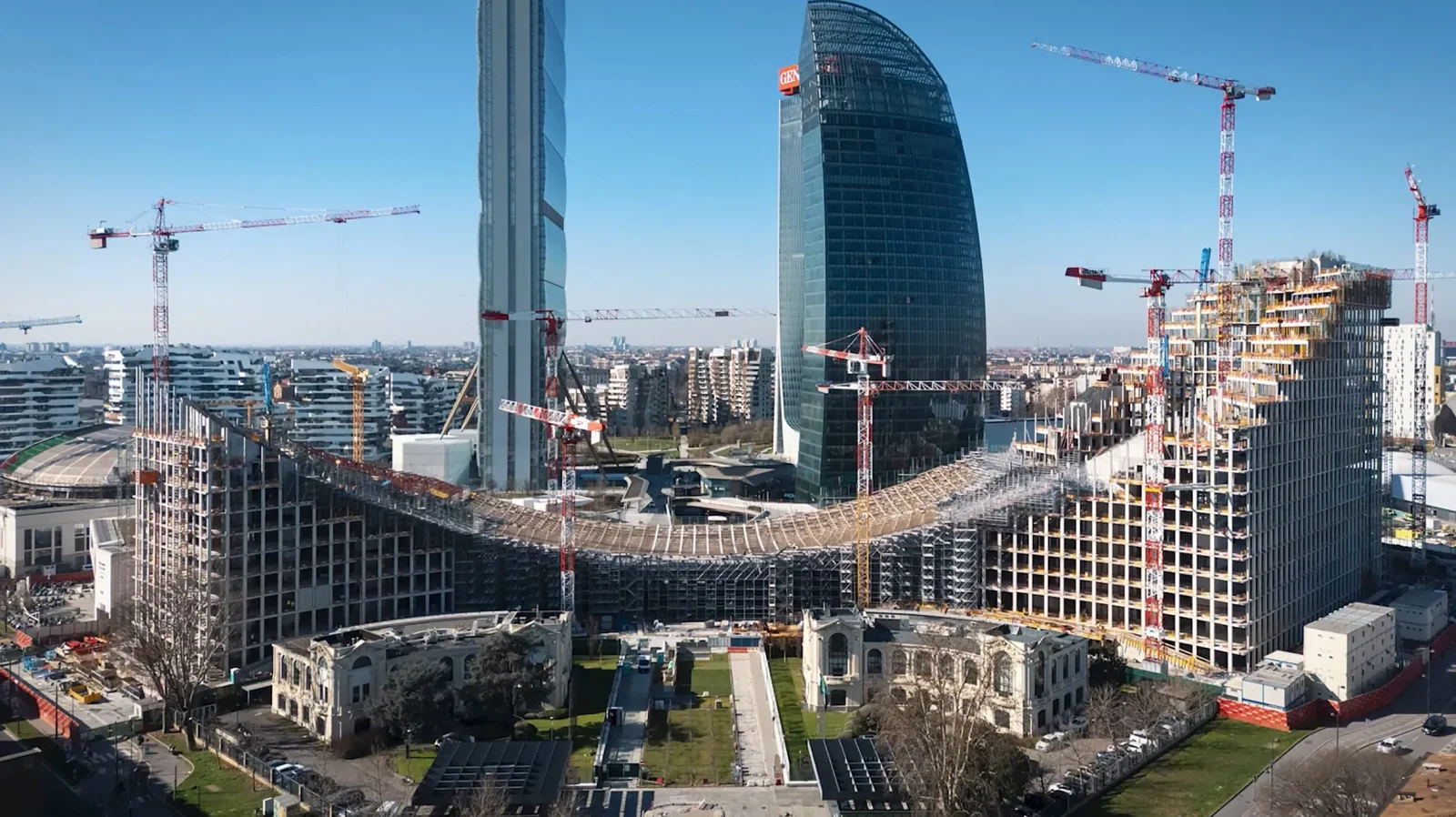
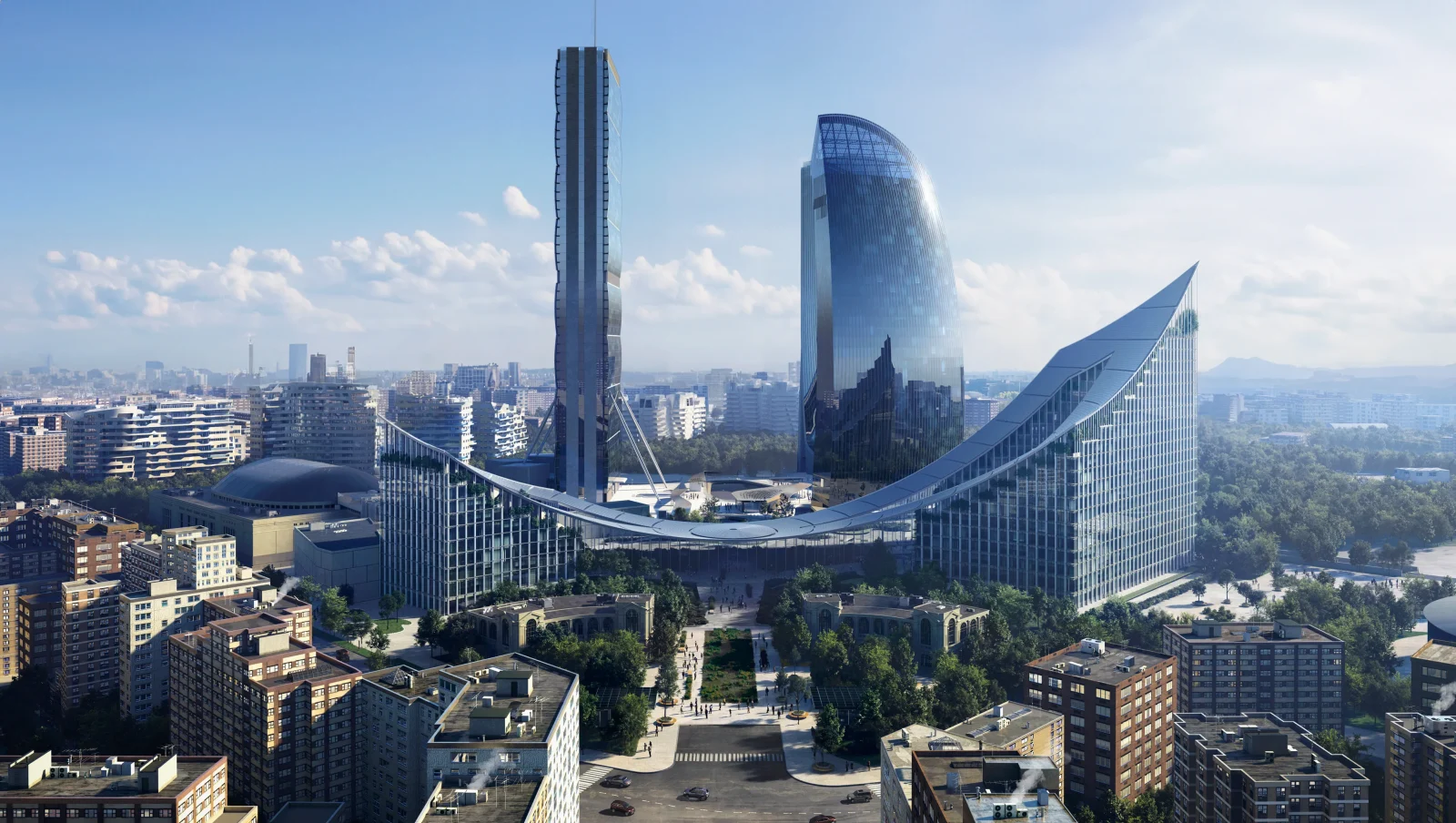
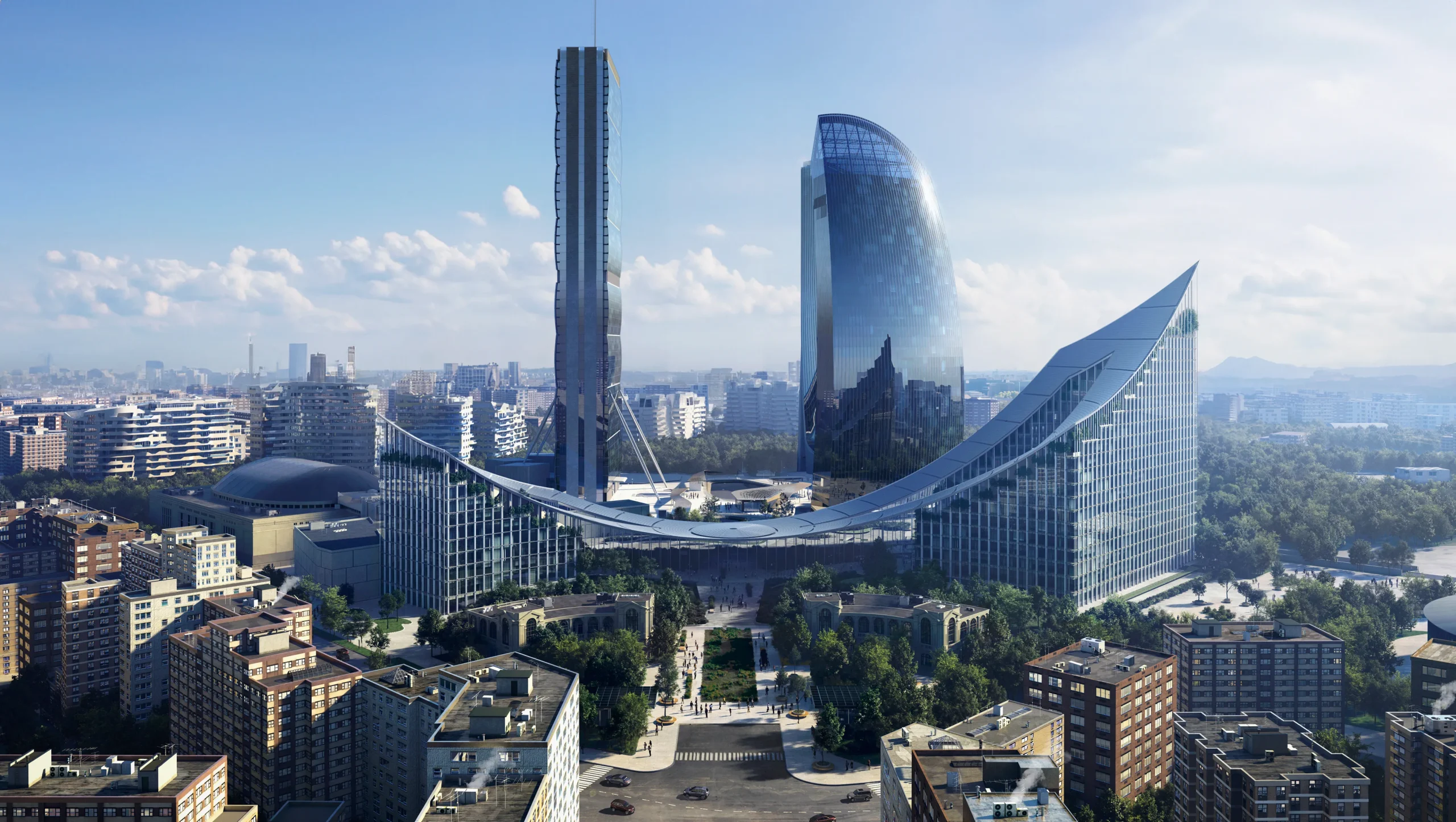
Located in Milan, Italy, the BIG-designed CityWave office building is one of the most anticipated projects, targeted for completion in 2026. Part of the CityLife master plan, the 140-meter-long development consists of two office buildings, one rising 10 stories and the other 21 stories, connected by a monumental canopy. The entirety of CityWave’s distinctive, expansive roof will be clad in photovoltaic tiles. Constructed from cross-laminated timber and steel cables, this canopy will serve as a public space while also acting as a gateway to the wider residential area.
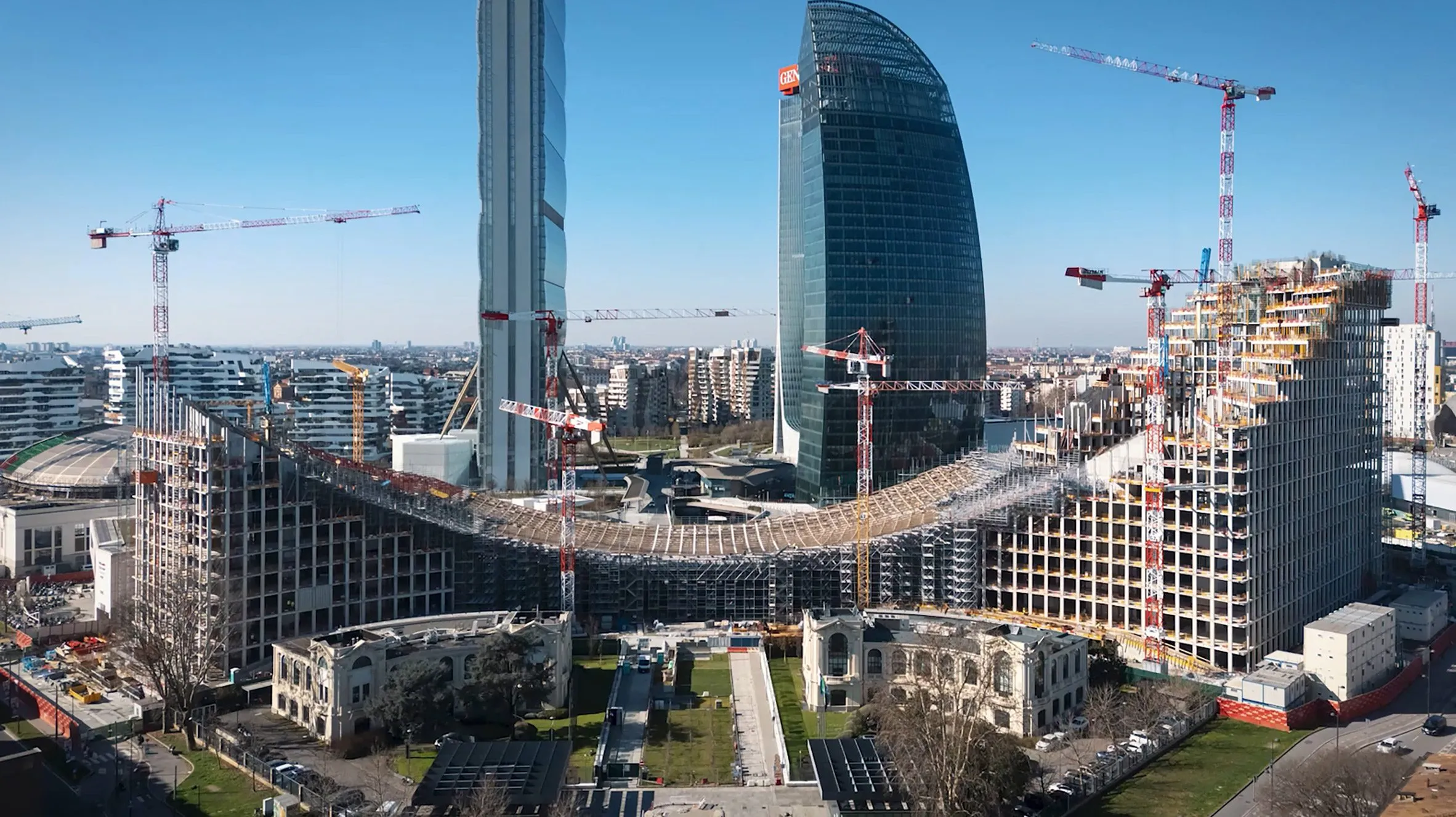
CityWave’s expansive canopy fills the space as a tangible reminder of Milan’s historic axis, while the colonnade of slender steel columns transforms the open area into a new public space. Thus, barriers between buildings and people, both indoors and outdoors, are eliminated.
7. Lucas Museum of Narrative Art by MAD Architects
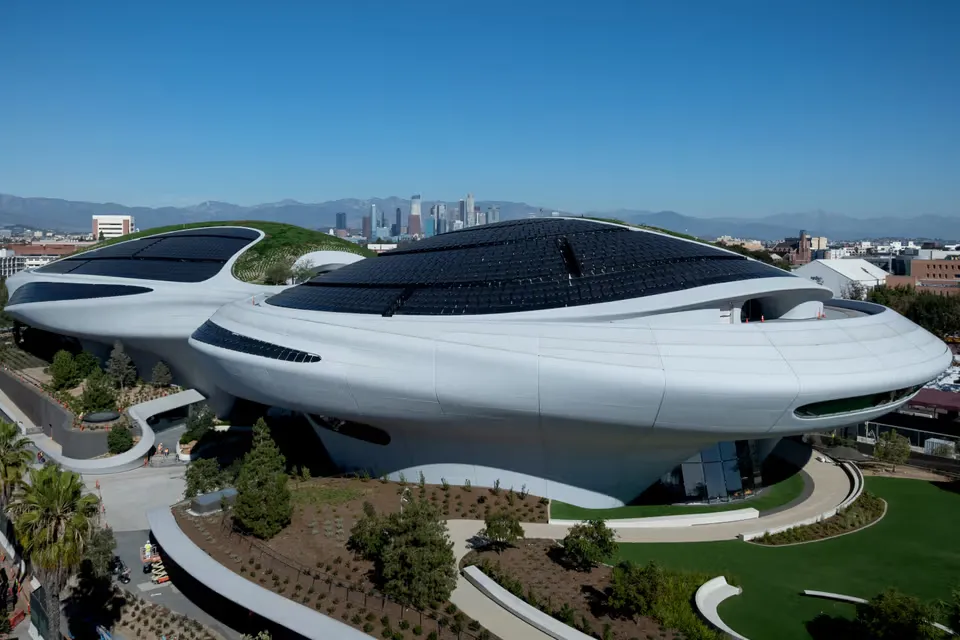
Location: Los Angeles, US
Architect: MAD Architects
Set to open in 2026 in Los Angeles’ Exposition Park, the Lucas Museum of Narrative Art is a long-anticipated cultural landmark founded by George Lucas and Mellody Hobson. Designed by MAD Architects, the sculptural building rises as a fluid, floating form above a public landscape, blurring architecture and parkland.
True to its name, the museum reframes narrative art as a broad cultural force spanning illustration, painting, comics, photography, muralism, cinematic artifacts, and archives, from Norman Rockwell and Frida Kahlo to comic pioneers like Jack Kirby and film memorabilia drawn from Lucas’s own creative legacy. With its inclusive curatorial scope and immersive spatial choreography, the Lucas Museum aims to anchor storytelling as a central, living strand of art history in Los Angeles’s rich institutional tapestry.
8. King Toronto Residences
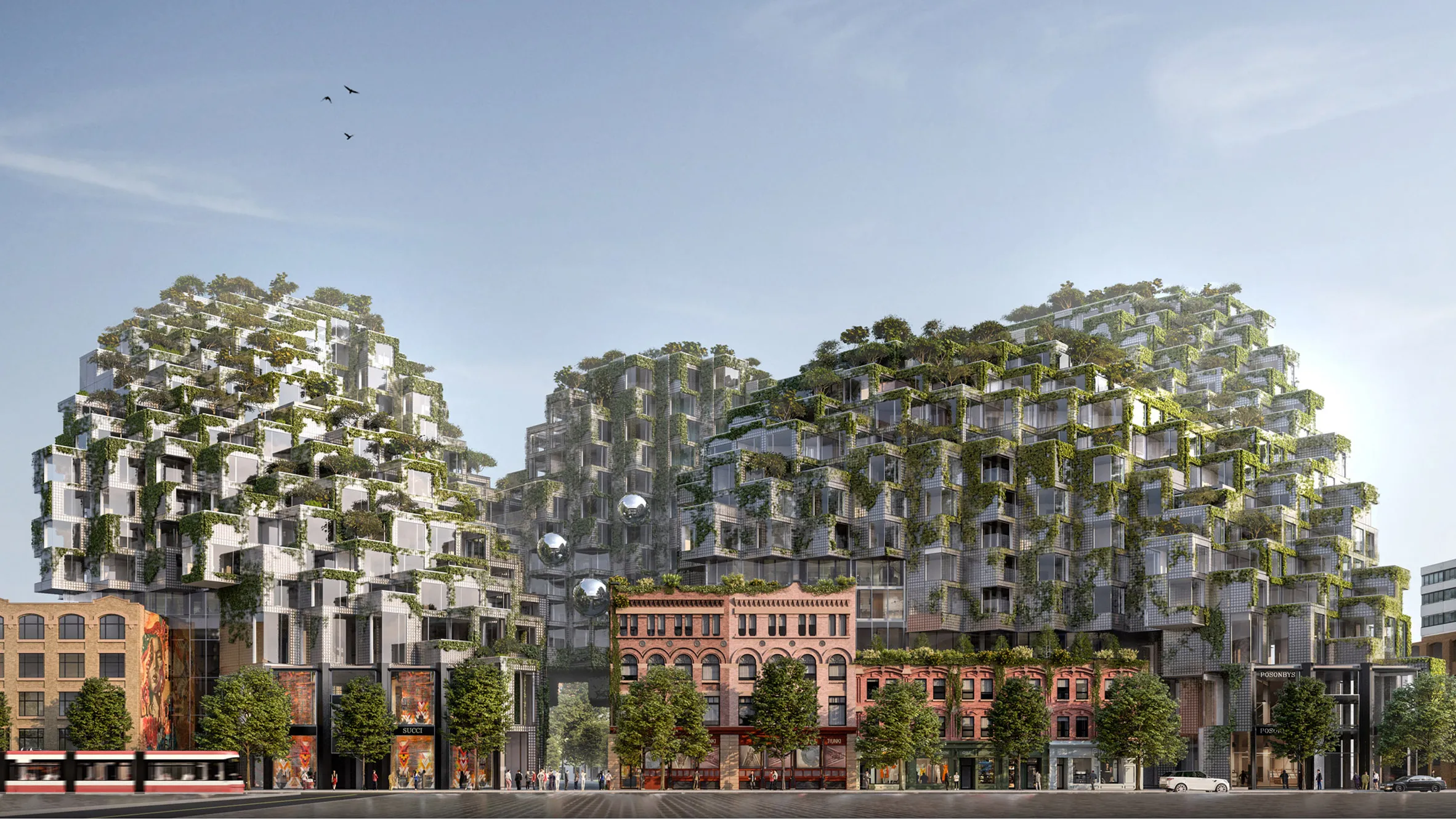
Location: Toronto, Canada
Architect: BIG
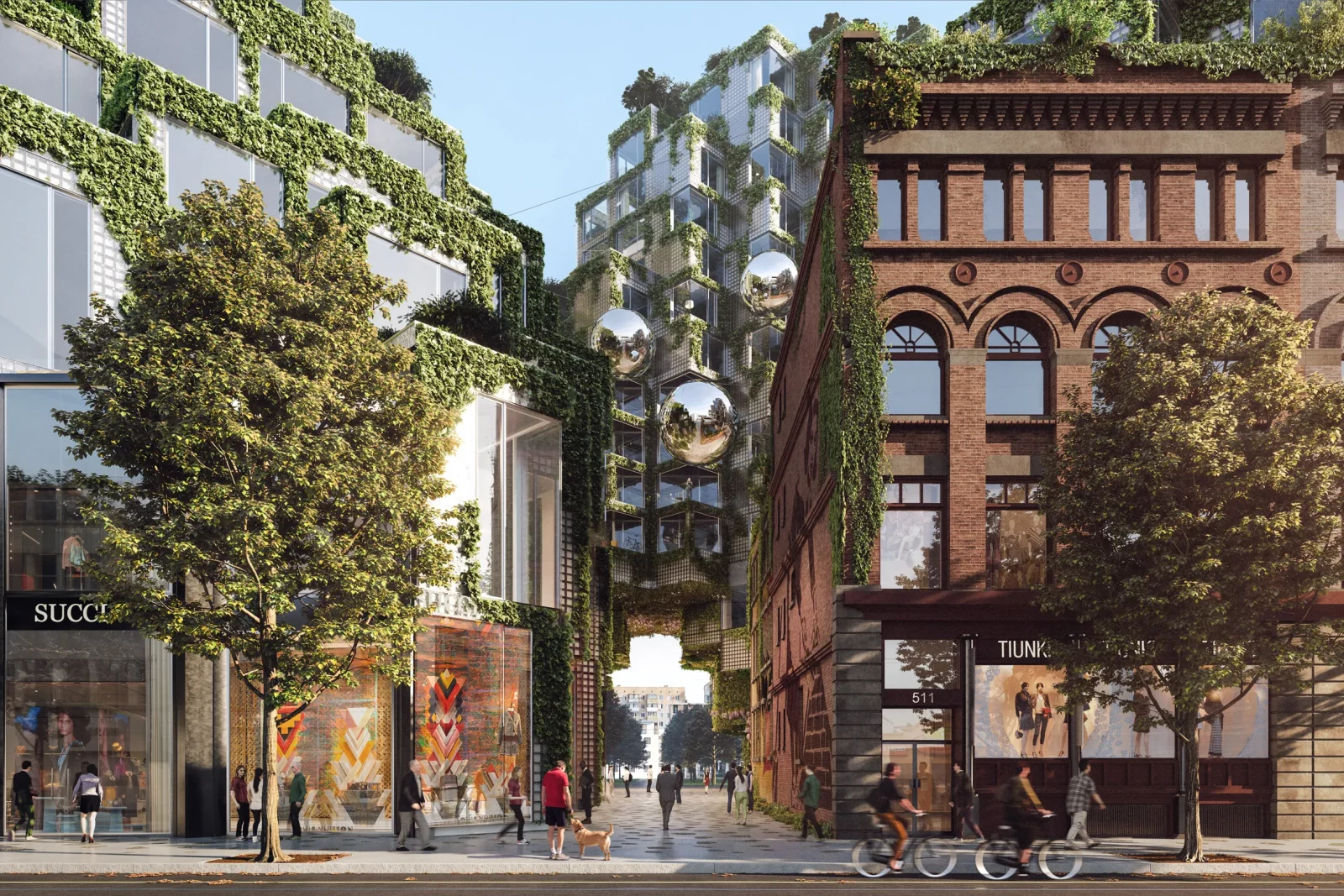
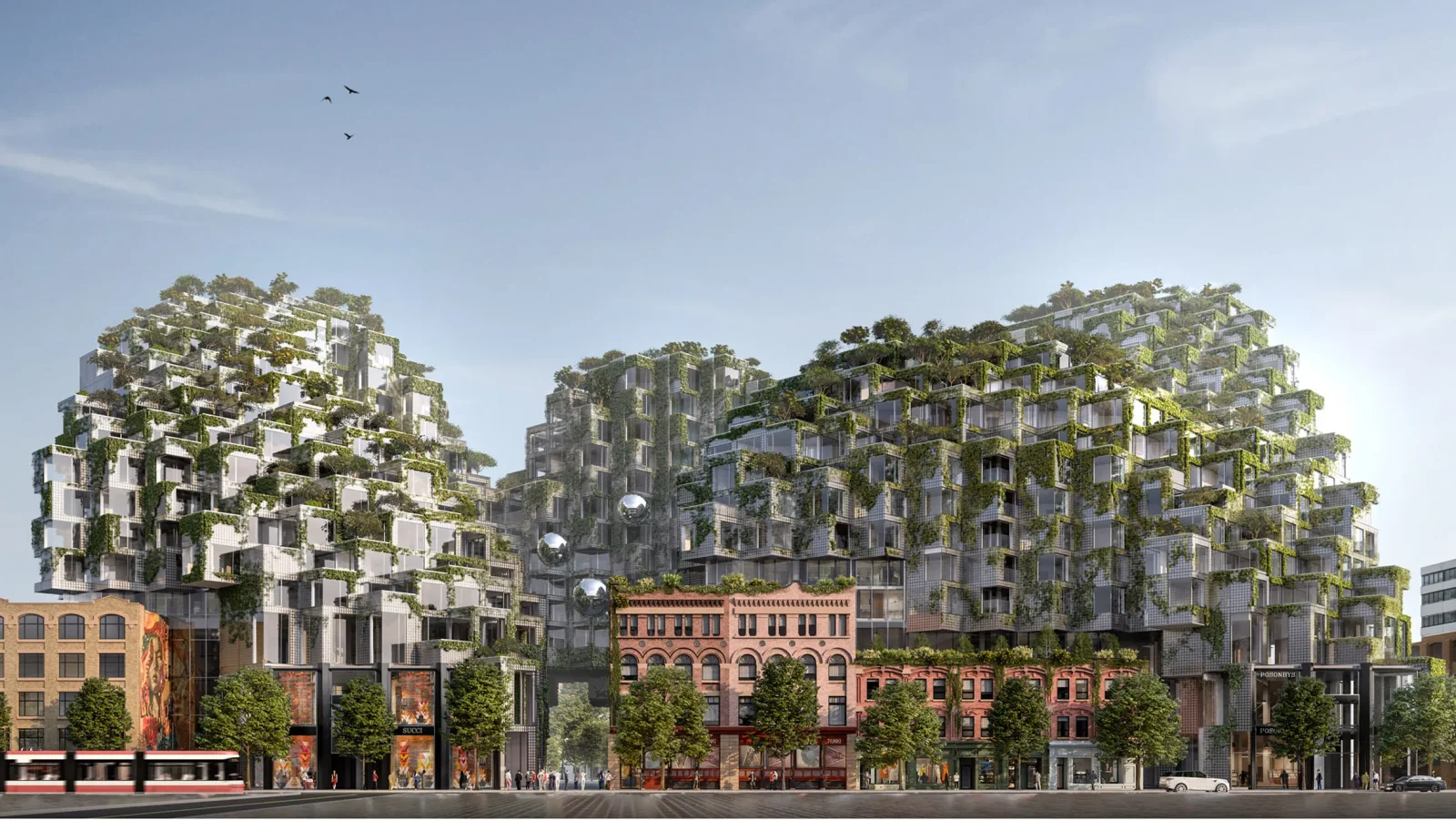
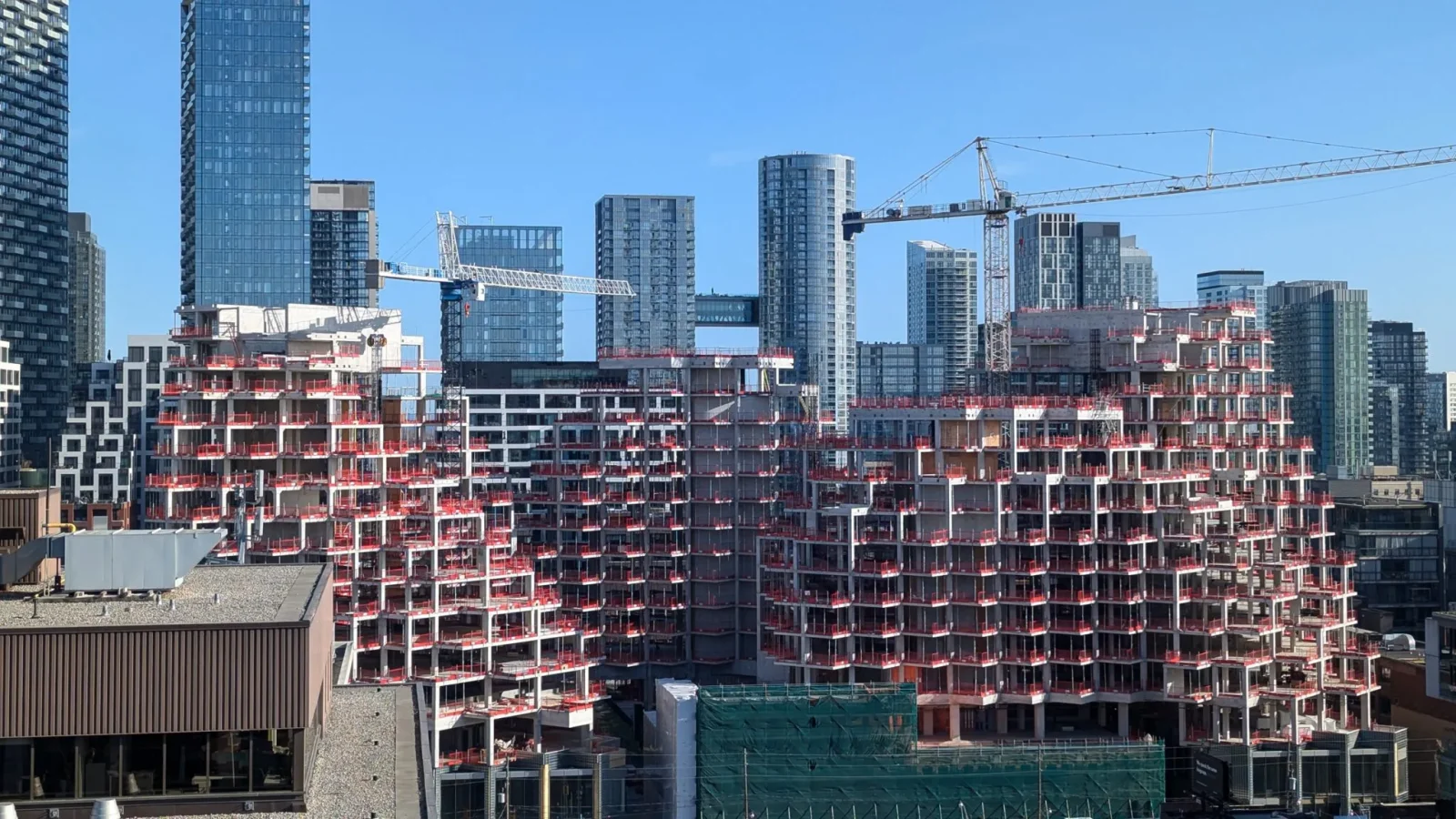
Designed by BIG and inspired by Moshe Safdie’s iconic Habitat 67 in Montreal, King Toronto Residences is one of the most anticipated residential and mixed-use projects of 2026. Surrounding a central courtyard, the structure consists of stacked concrete cubes encircling several historic buildings. The building’s facade is made of a special glass brick supported by a mirrored surface.
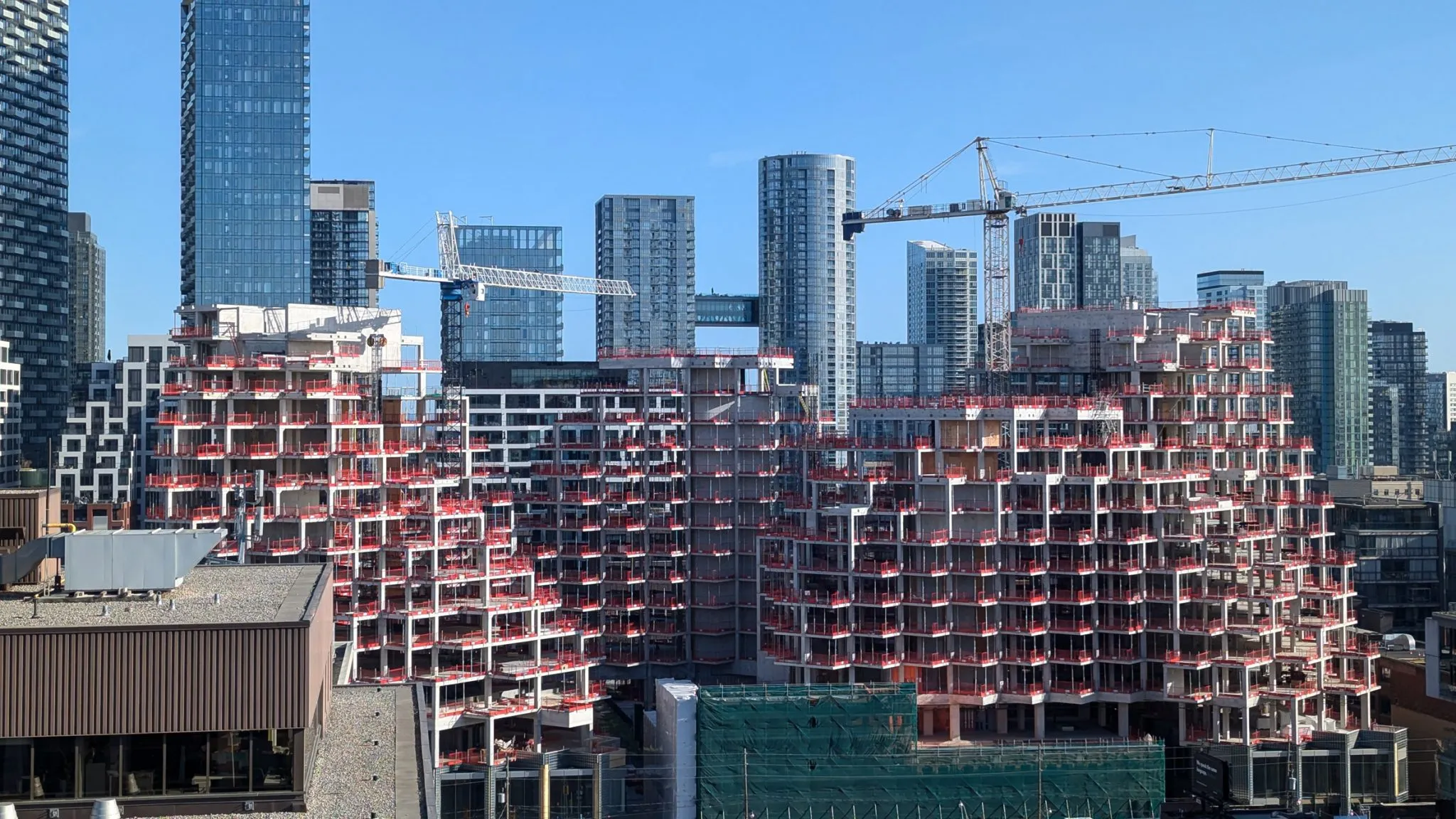
BIG preserved the historic façades of these structures while completely hollowing out their interiors to accommodate new offices and additional programmatic functions. Construction began in 2020 and was halted due to COVID-19, but the project is eagerly awaited for completion in 2026.
9. Suzhou Museum of Contemporary Art
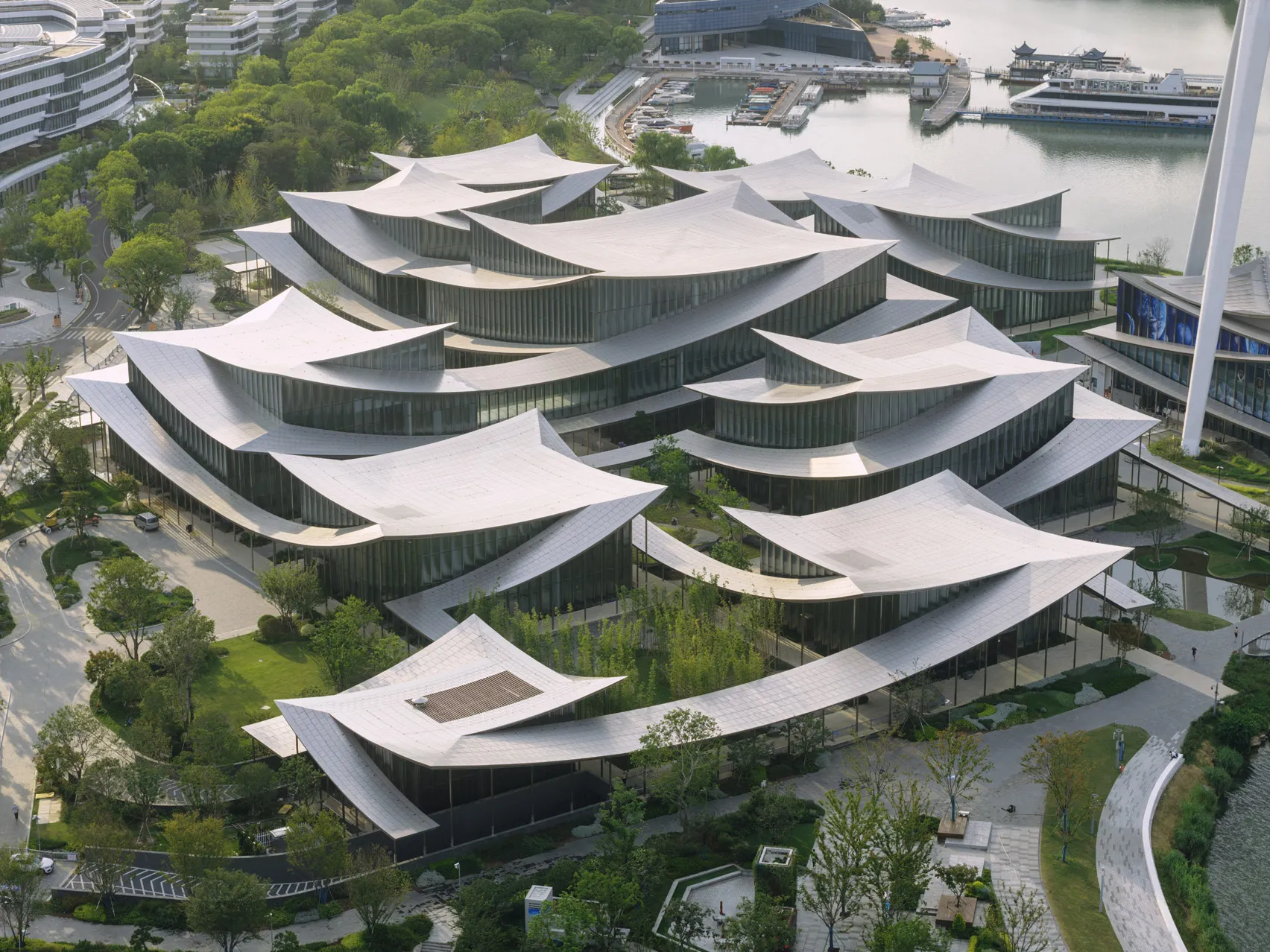
Location: Suzhou, China
Architect: BIG
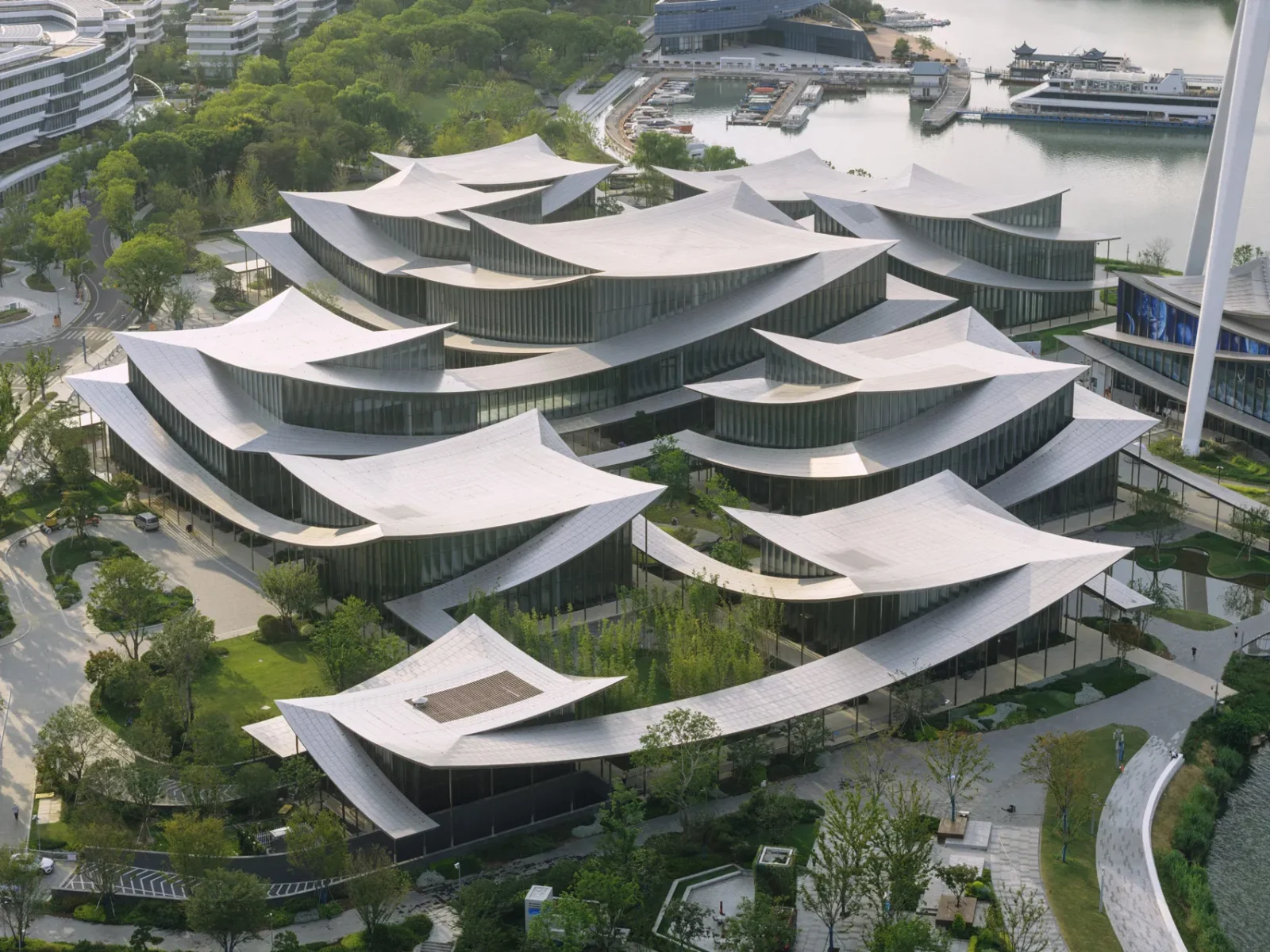
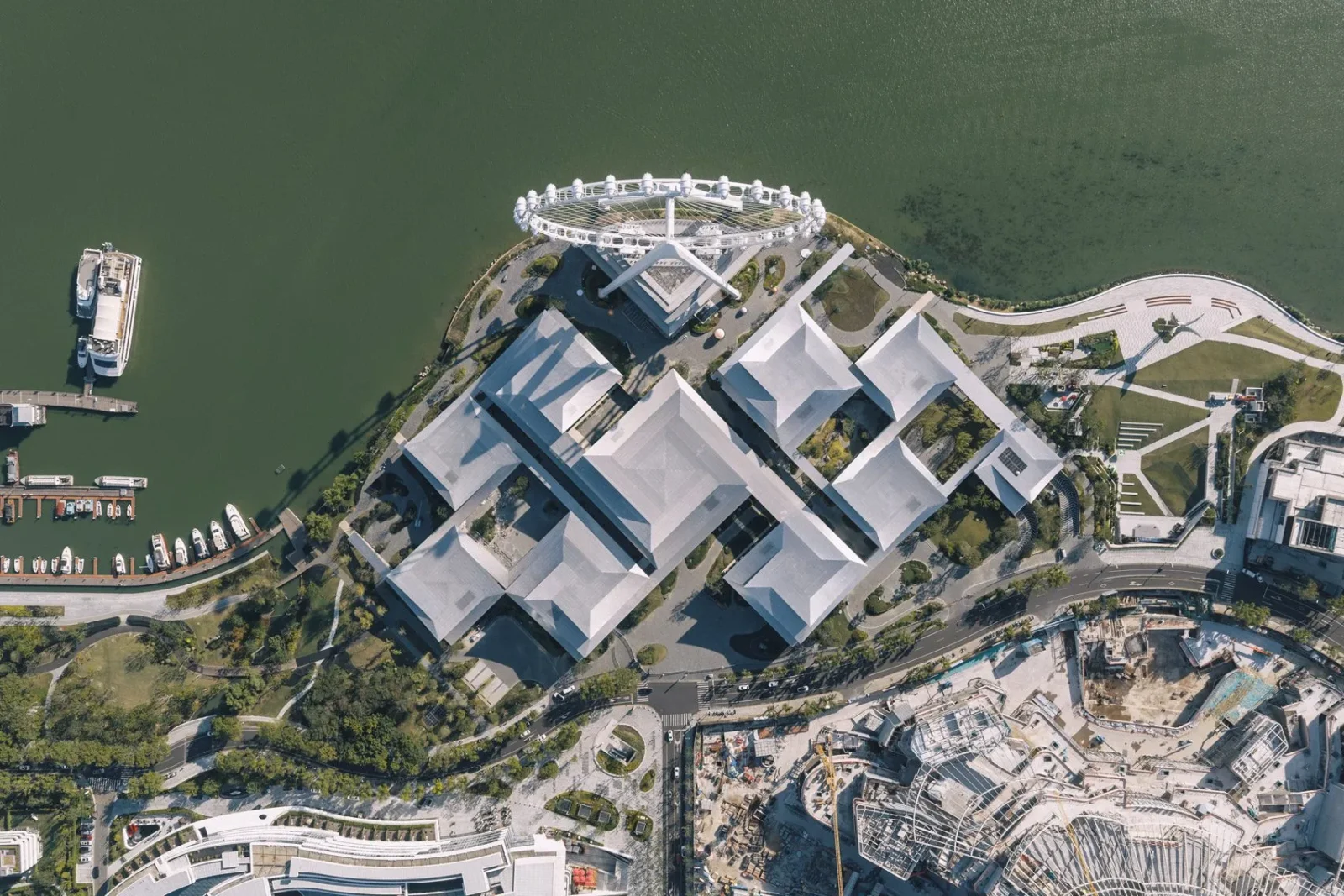
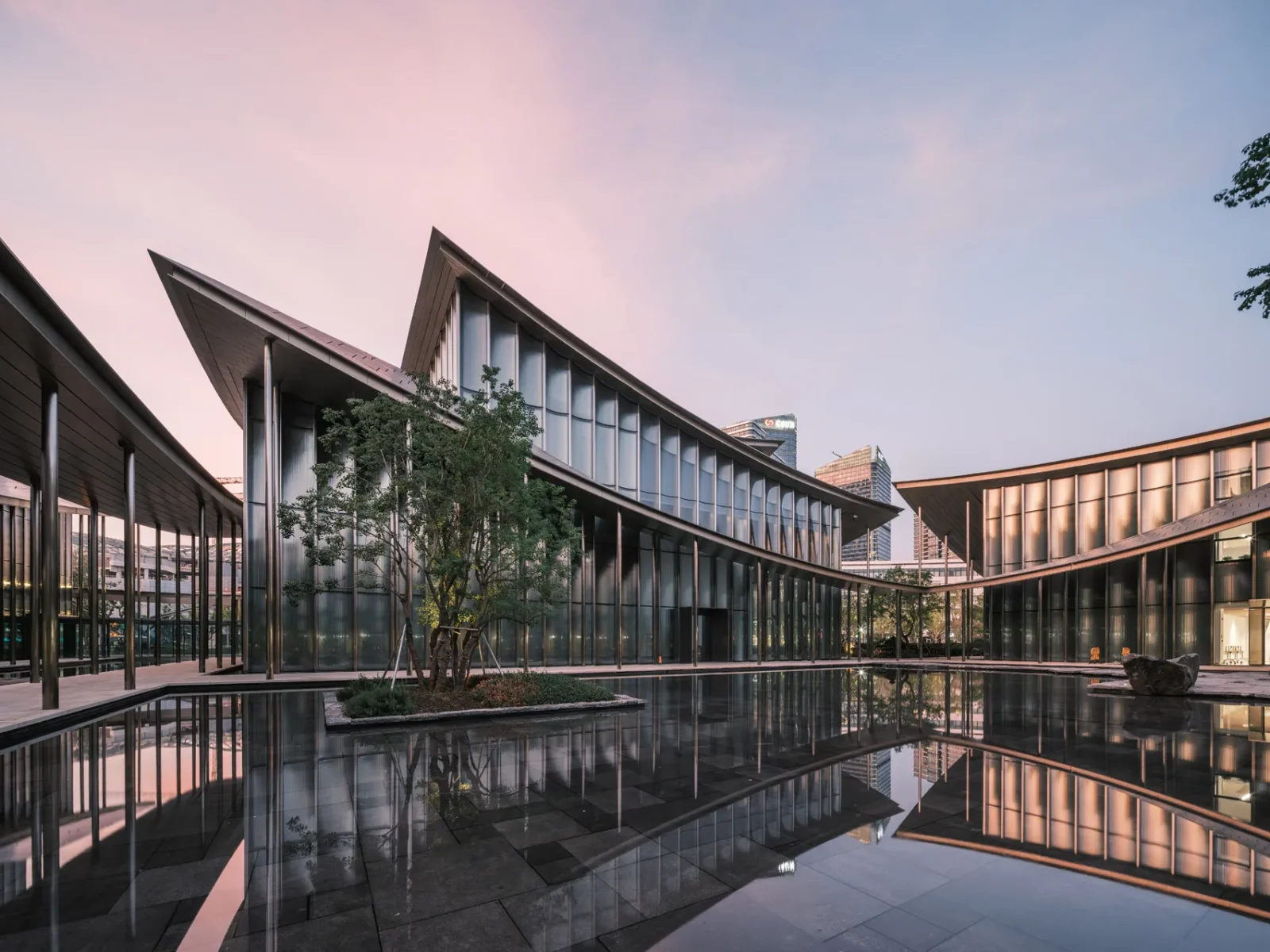
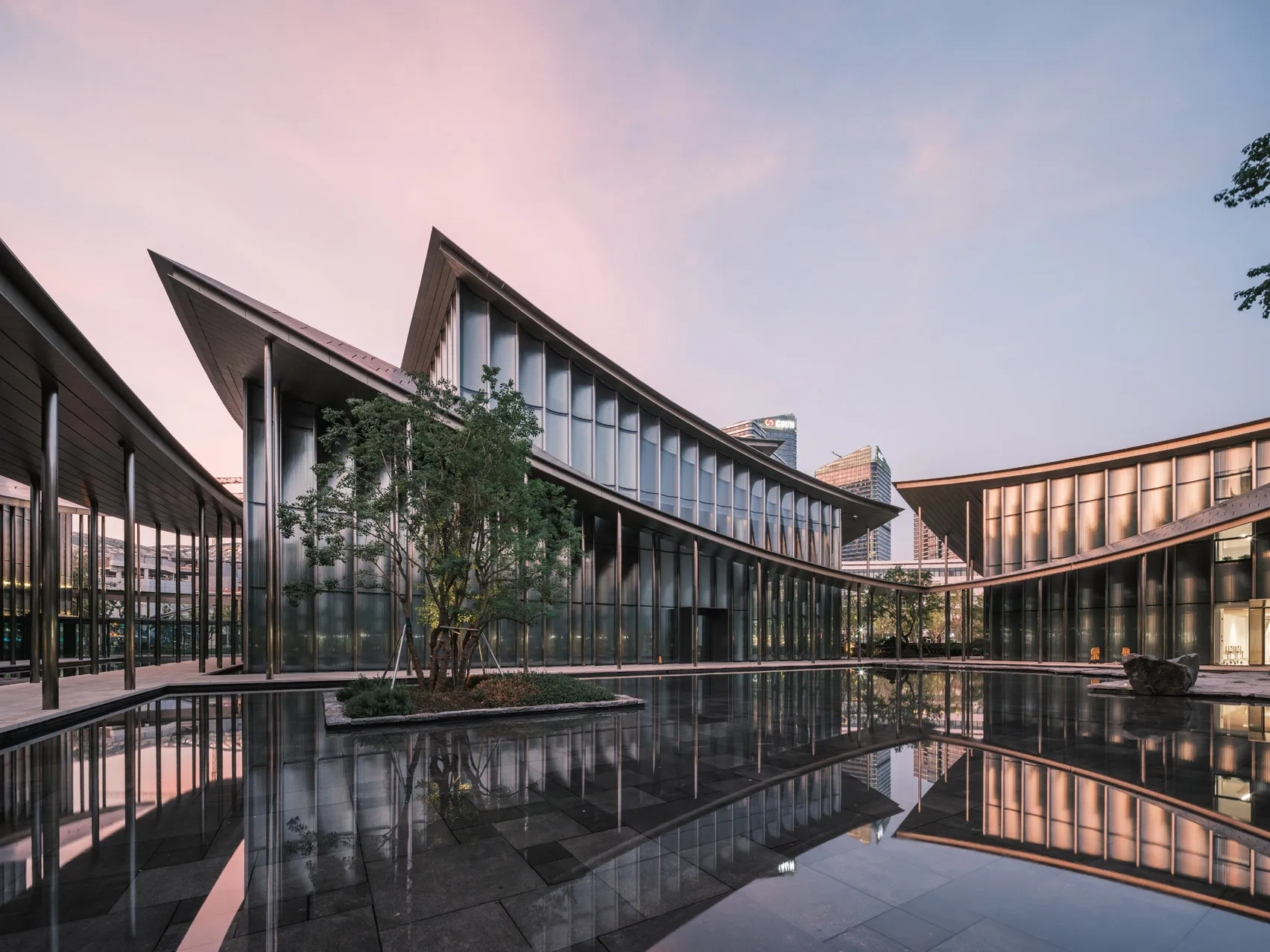
Located on the shores of Lake Jinji in Suzhou, China, the Suzhou Museum of Contemporary Art is a project designed by BIG in collaboration with ARTS Group and Front Inc. Expected to be completed in 2026, this exciting 60,000 m² museum is designed as a cluster of 12 pavilions under a continuous roof, inspired by the tiled eaves of traditional Chinese architecture.
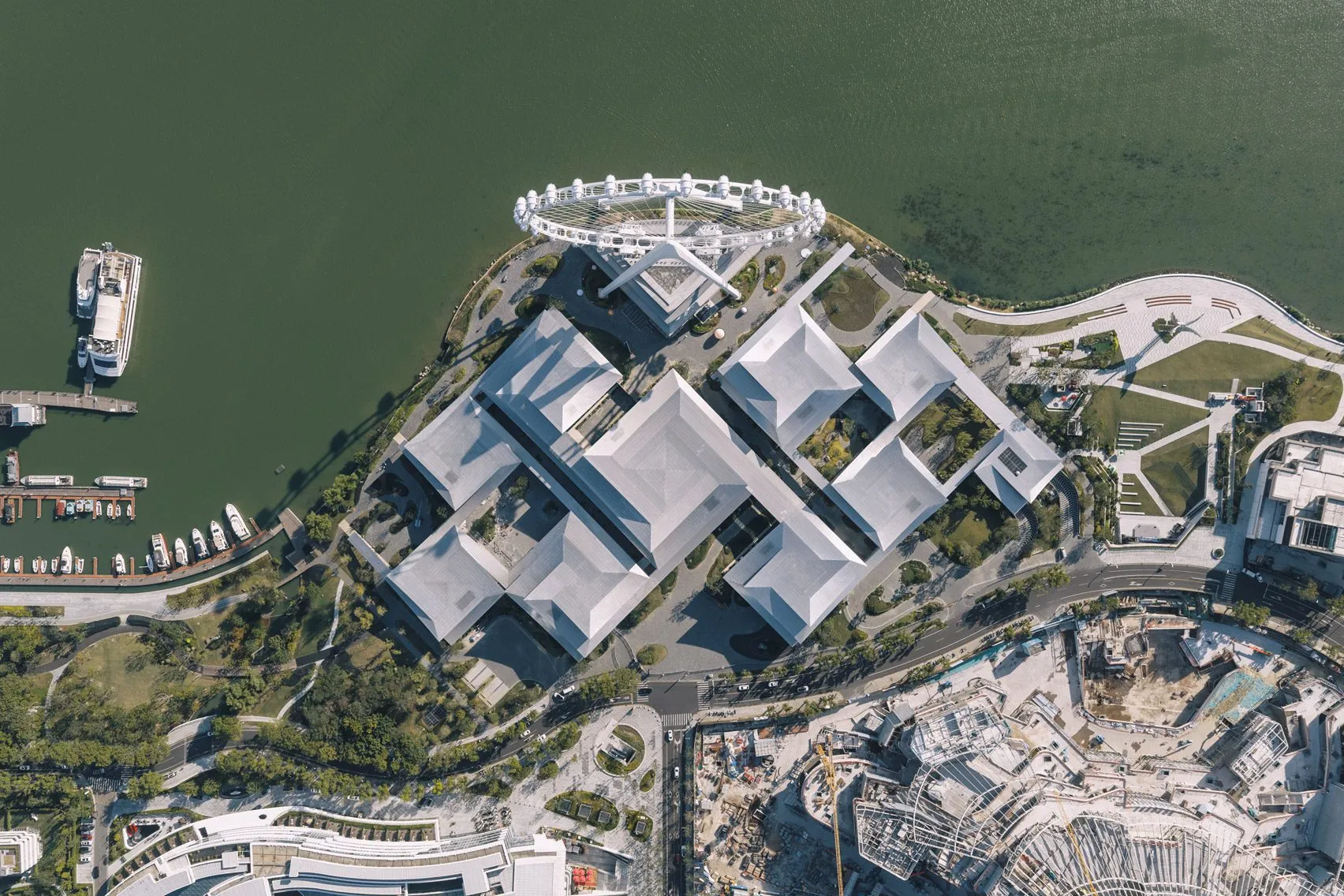
Connected by glazed galleries and colonnades, the individual pavilions form a “Chinese knot” of interlinked sculptural courtyards and exhibition spaces. The four largest of the 12 pavilions house the main galleries, while the remaining eight accommodate a grand entrance hall, a multipurpose venue, a theater, and a restaurant. Each pavilion, clad in undulating and curved glass and warm-toned stainless steel, reflects the surrounding sky, water, and gardens, blurring the line between architecture and nature.
Weaving between the legs of the Ferris wheel, the Suzhou Museum of Contemporary Art creates an immersive, man-made labyrinth of vegetation and artworks that connects the city to the lake.
10. LACMA David Geffen Galleries
Location: Los Angeles, US
Architect: Peter Zumthor
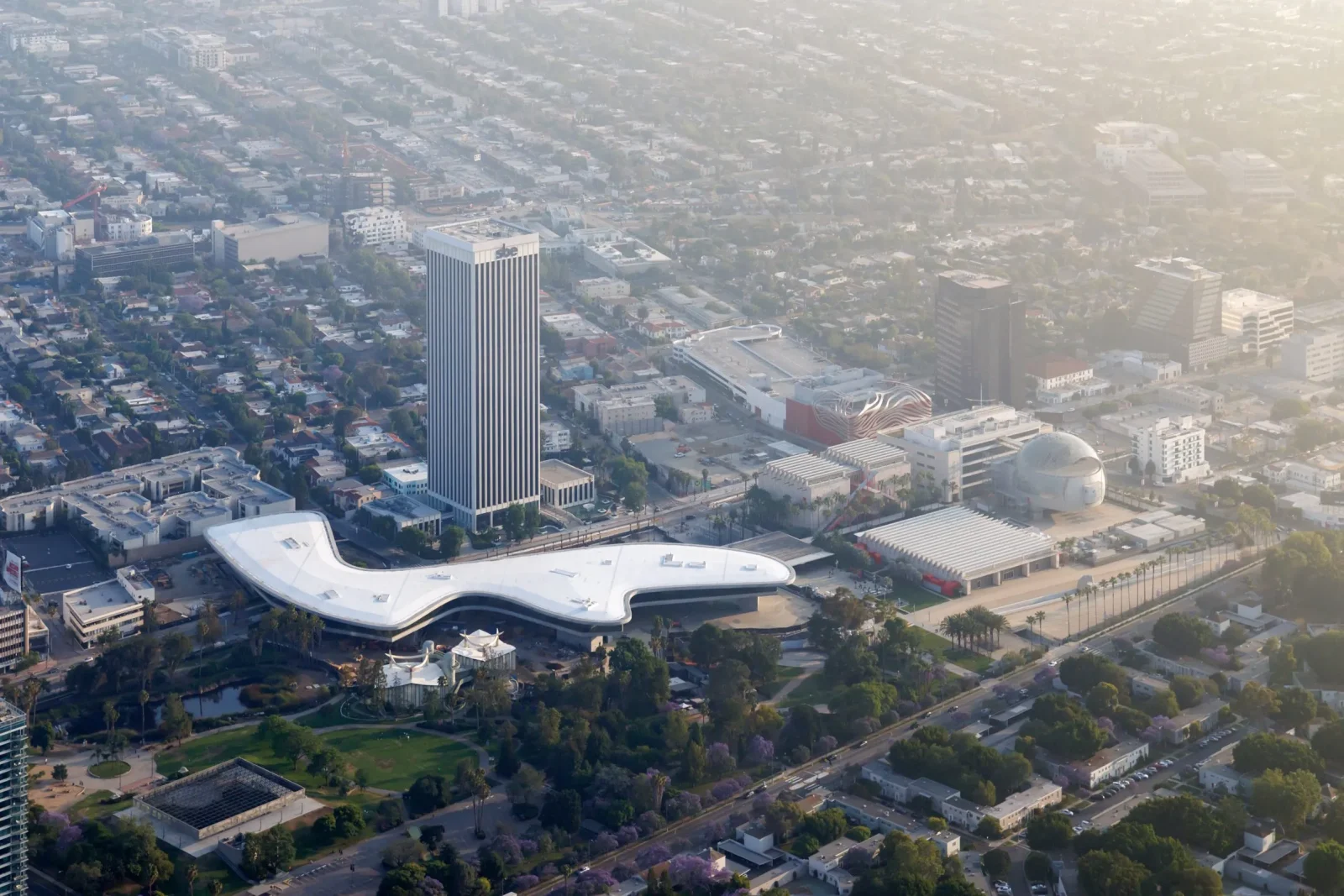
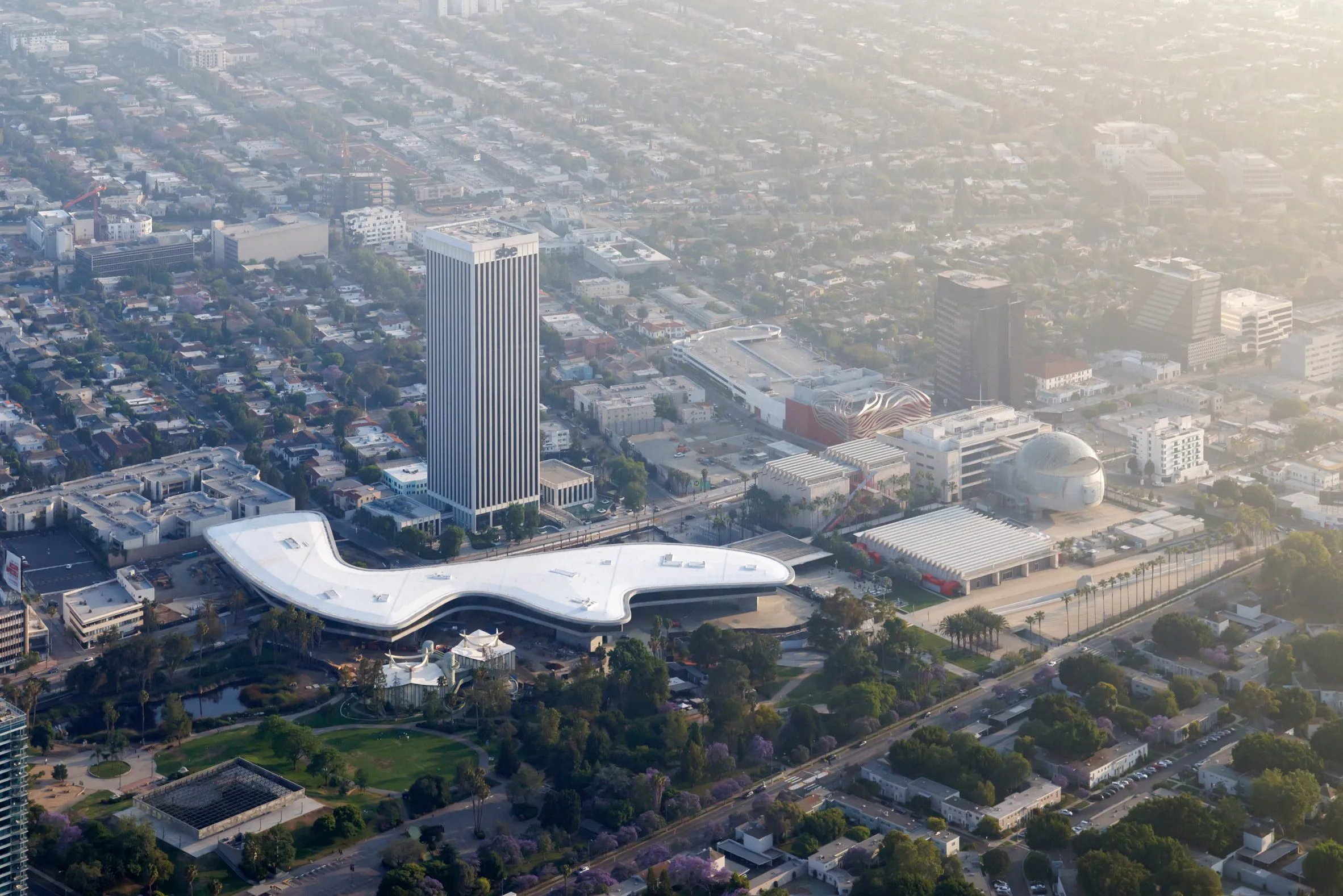
Scheduled to open in April 2026, the LACMA David Geffen Galleries, designed by Peter Zumthor in collaboration with SOM, is one of the most anticipated projects. Designed to house LACMA’s permanent collection, the building’s main construction was completed in 2024, with certain sections of its lower floors already open to visitors.
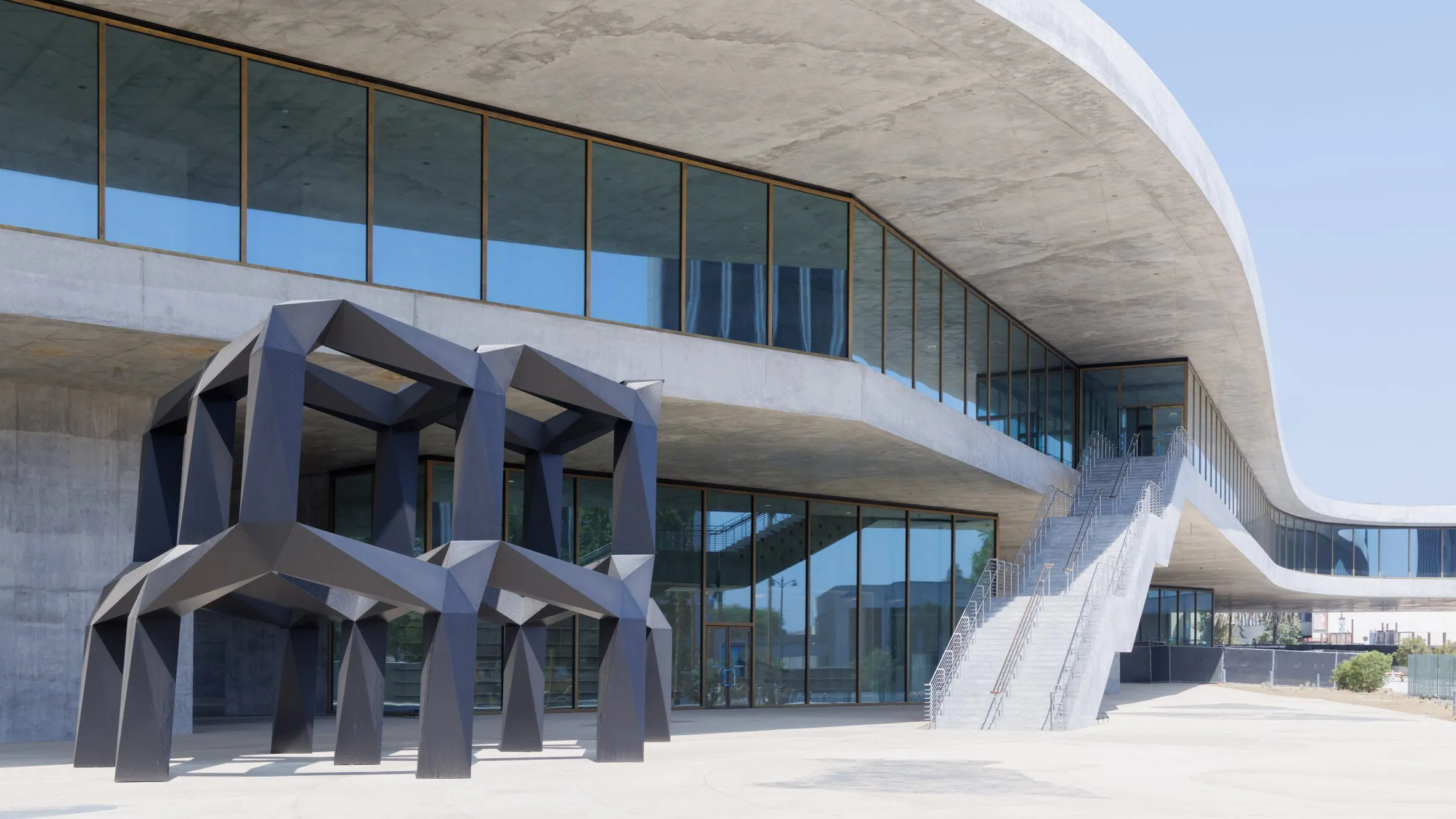
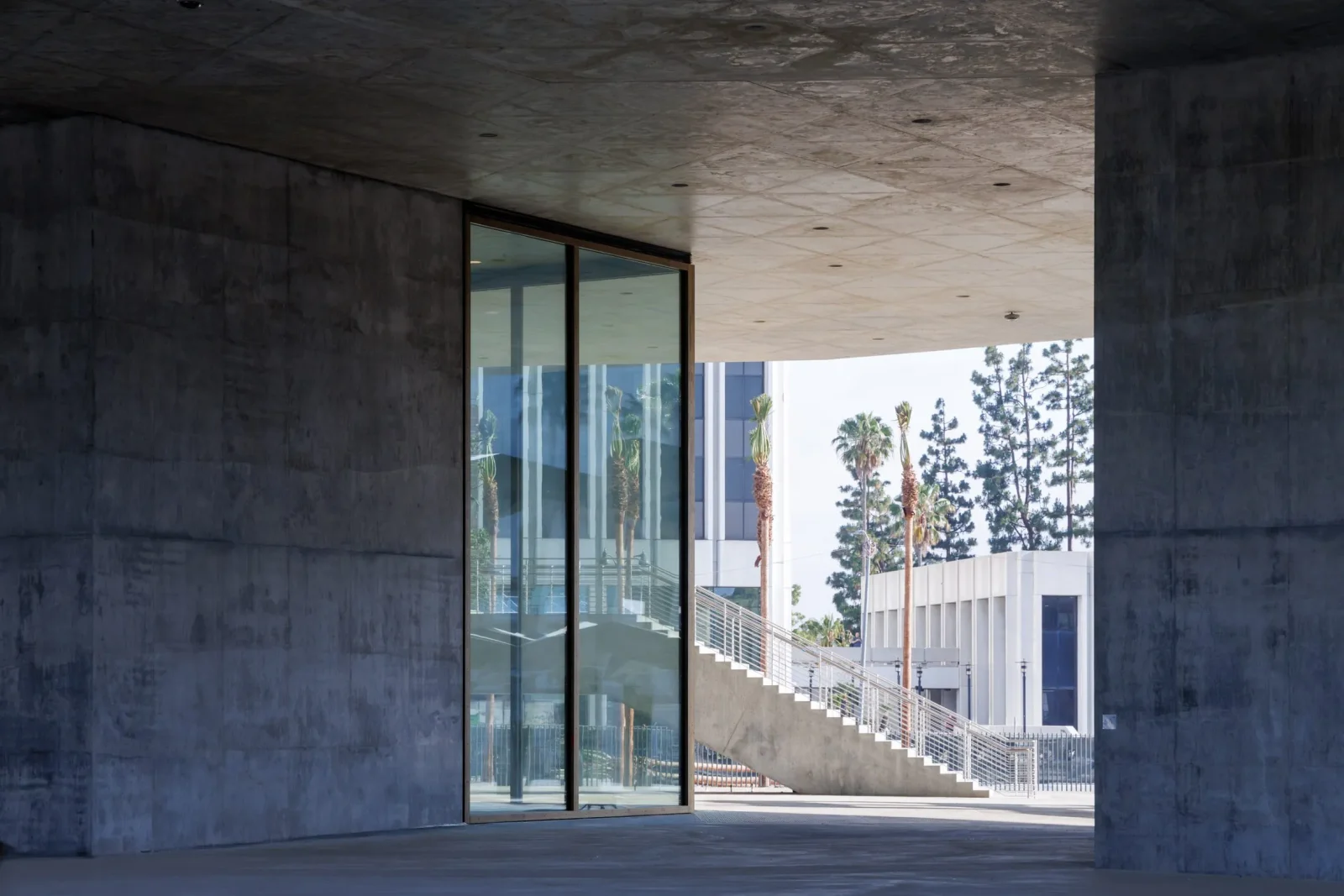
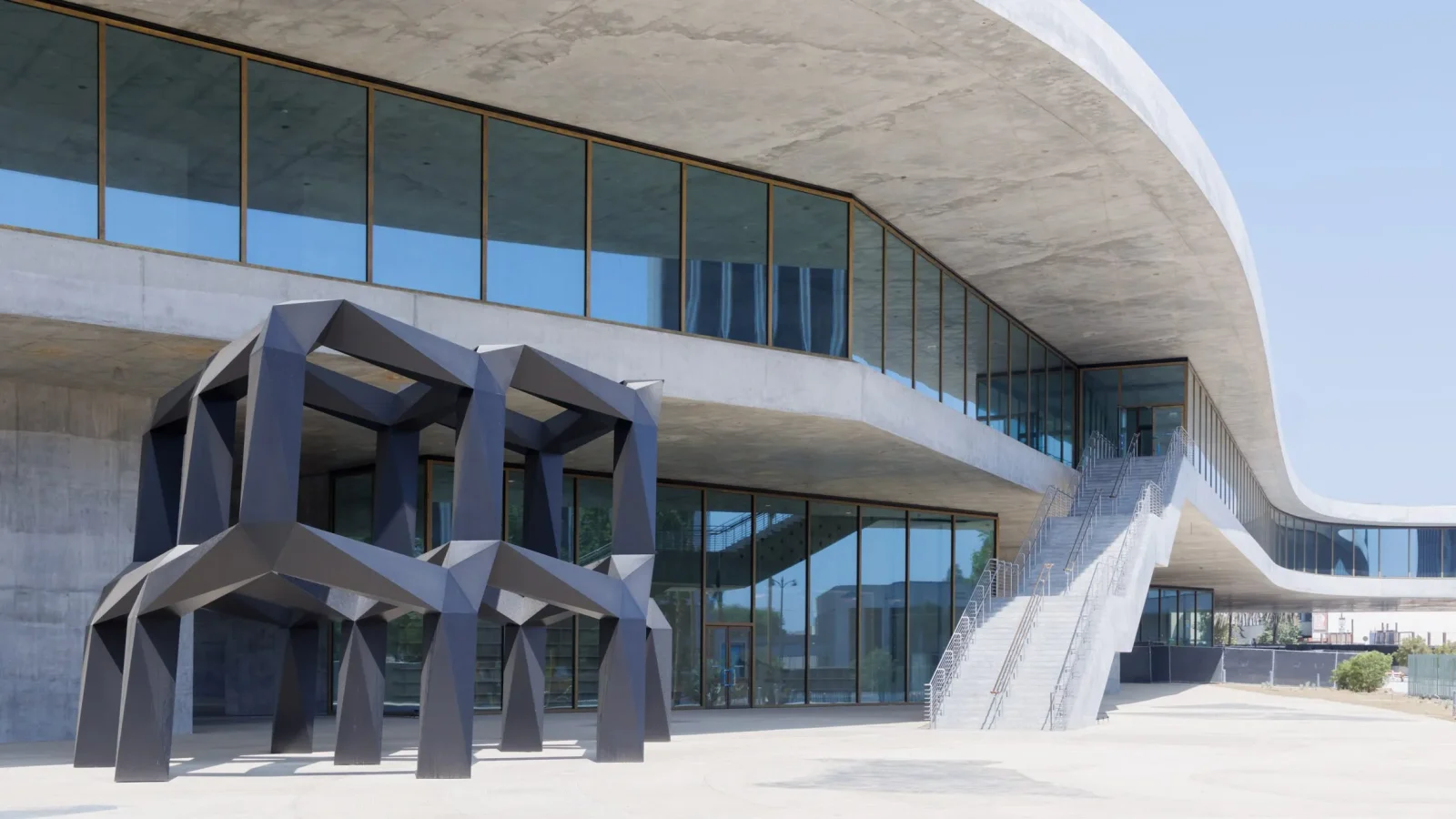
Extending in a fluid, undulating form along the eastern edge of the Los Angeles County Museum of Art campus, the David Geffen Galleries support an exhibition level located approximately 30 feet above street level. The building is composed of a long, curving volume set atop seven irregularly distributed structural pavilions across the site and is constructed using glass and reinforced concrete.
The concrete pavilions, varying in size and located in the square on the ground floor, contain public spaces such as restaurants, retail areas, and outdoor seating areas, as well as service areas such as a loading dock. A new theater is located in the largest of the pavilions. Access from the plaza to the exhibition level is provided by two primary exterior concrete staircases. The gallery spaces above will consist of a series of rectangular volumes arranged around an open plan.
Explore Courses
.jpg "Ondrej Chybik - Rethinking Architecture")