

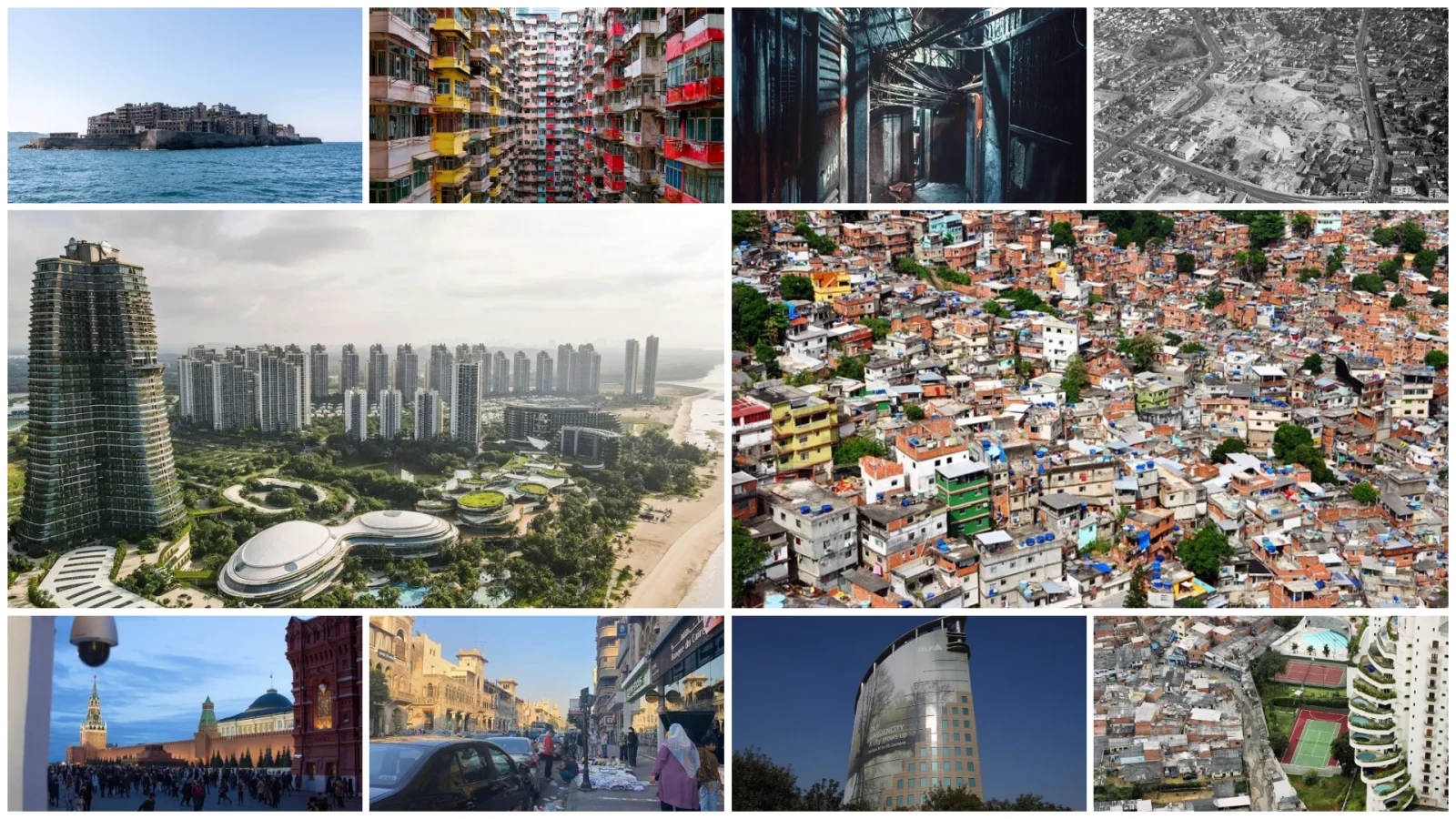


Urban life doesn’t always promise comfort, as sometimes it compresses into extremes. Manila squeezes 15,300 people into every square kilometer, which is nearly one and a half times the population density of New York City. Entire families share single rooms made of tin and plywood, their windows opening onto a chaotic sea of tangled wires. Cross the South China Sea, and you arrive at Kowloon Walled City, where people once lived so densely that sunlight itself became a luxury.
These are not scenes from a dystopian film set or imagined futures, but real conditions that exist around us. From the ghostly ruins of Hashima Island to the harsh, imposing Soviet-era architecture of Moscow, some places carry a haunting sense of dystopia embedded within their streets.
Kowloon Walled City
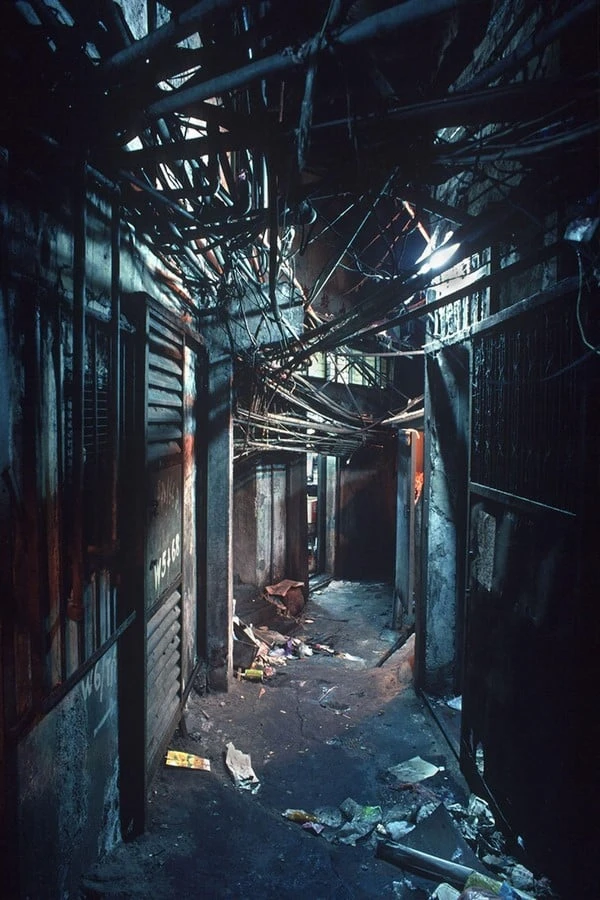
The Kowloon Walled City, built in a very compact setup and growing upward with a surging population, hides a darker, dystopian reality. It formed a maze of interconnected structures that shut out the sky.
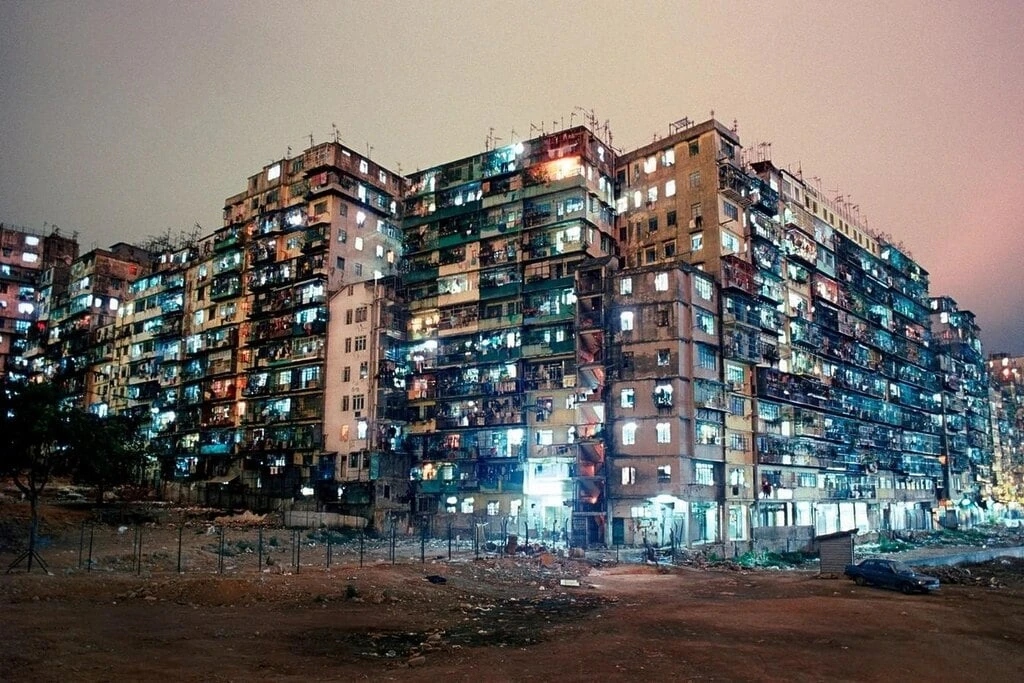
With over 30,000 residents in just 2.7 hectares, builders stacked buildings so tightly that narrow alleys rarely received natural light, creating havens for illegal trade, gambling, and prostitution. The absence of government control fueled crime while leaving essentials like water and electricity inadequate.
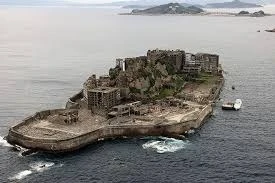
Battleship Island
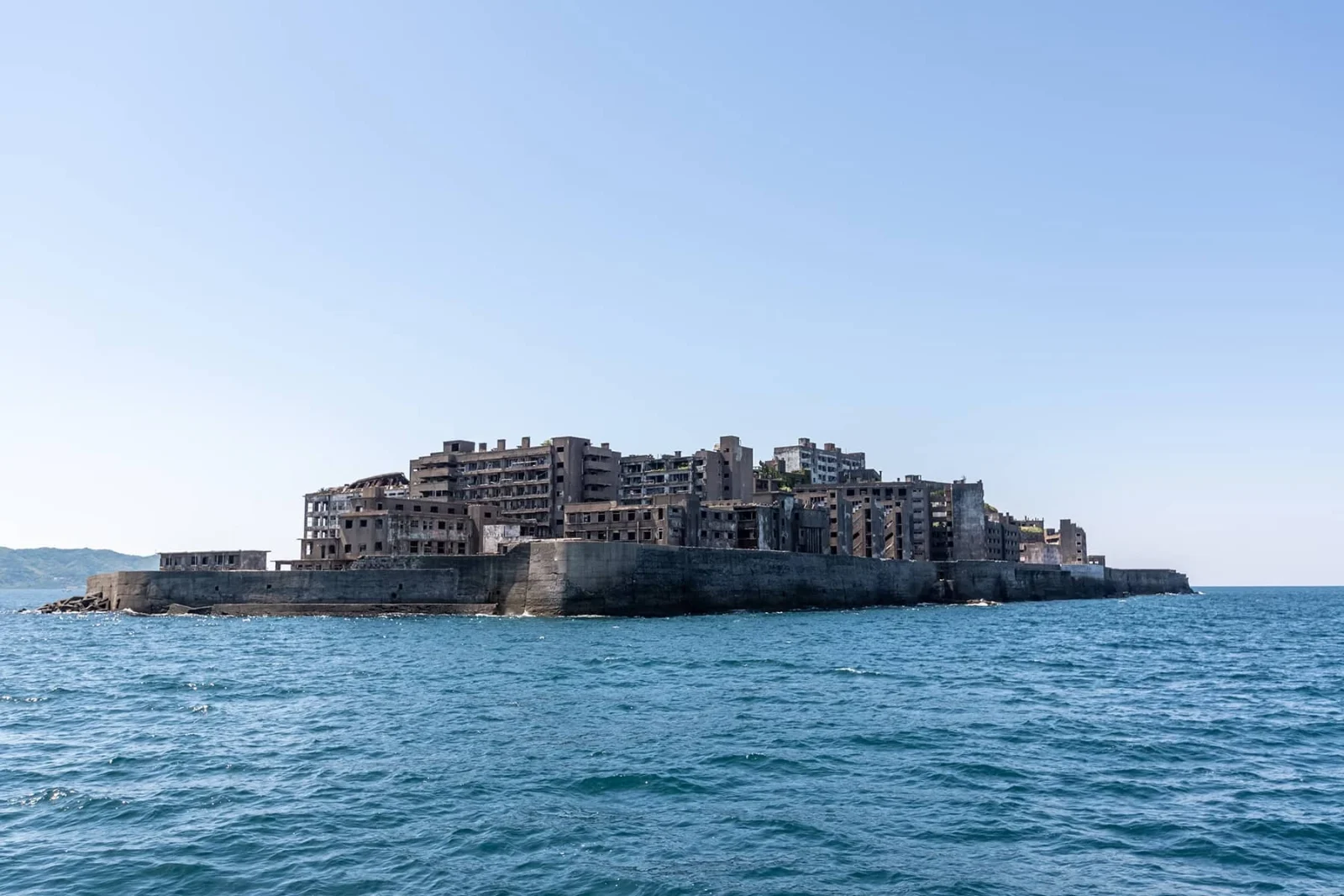
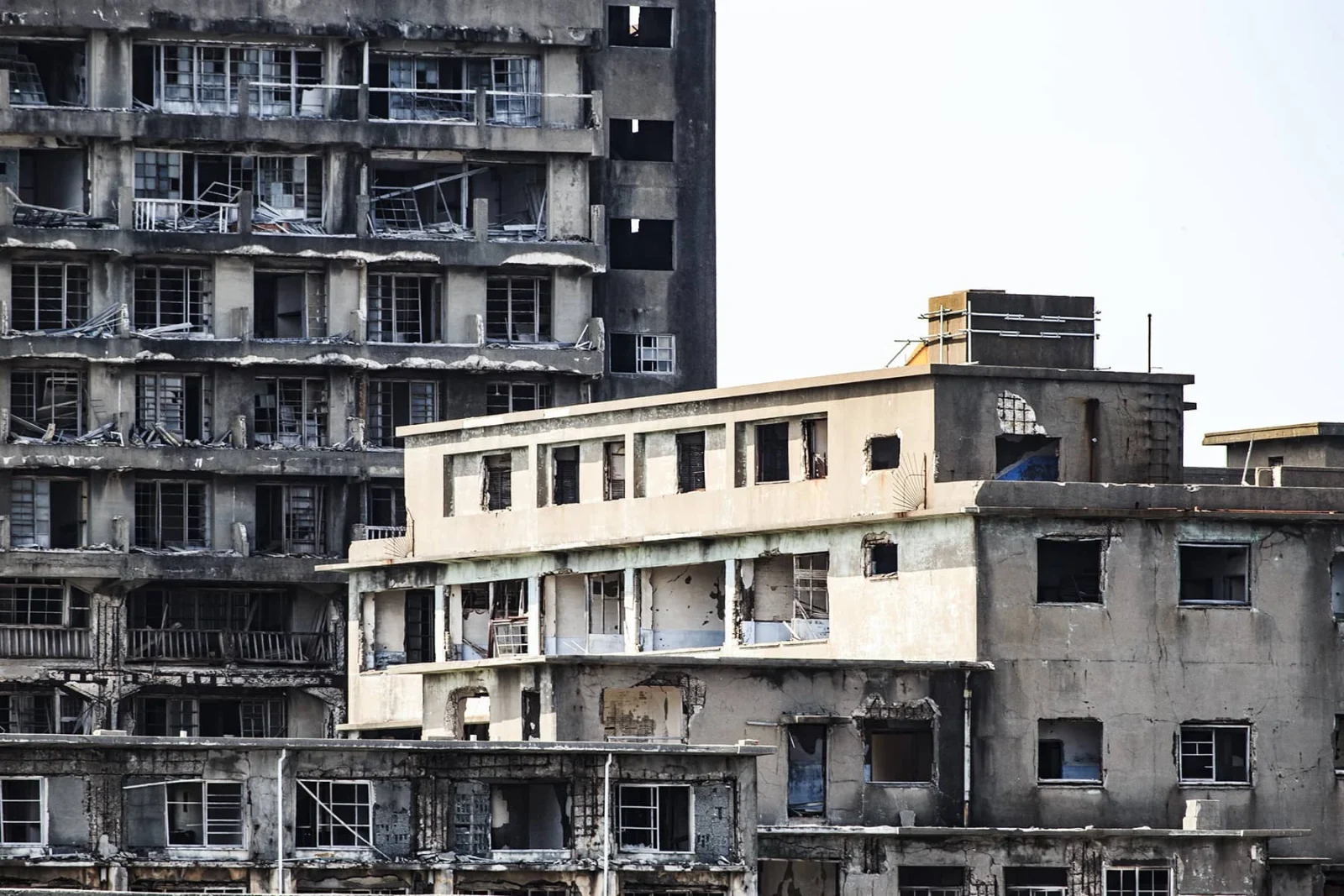
Gunkanjima or Battleship Island, officially known as Hashima Island, is a haunting reminder of industrial ambition and human suffering. Nearly 5,000 people lived in tightly packed concrete buildings on 16 acres of land, working for Japan’s undersea coal mines, but this progress came at a terrible human cost.
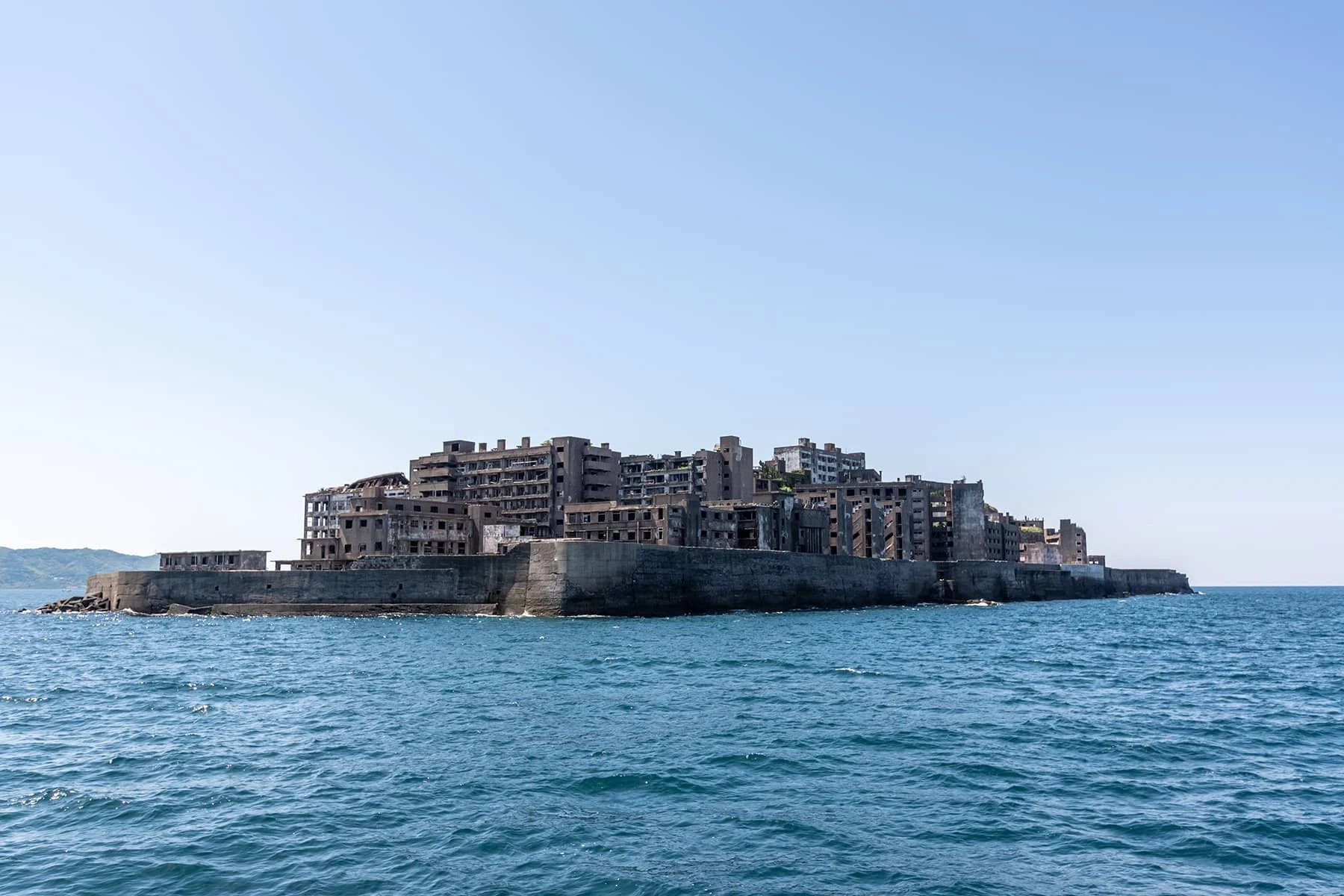
During the war, Korean laborers endured harsh conditions while working in isolation. When Japan switched to imported oil in 1974, the mine closed abruptly, and the people left within weeks. For 35 years, apartments, schoolrooms, and social areas remained abandoned, creating a ghost town.
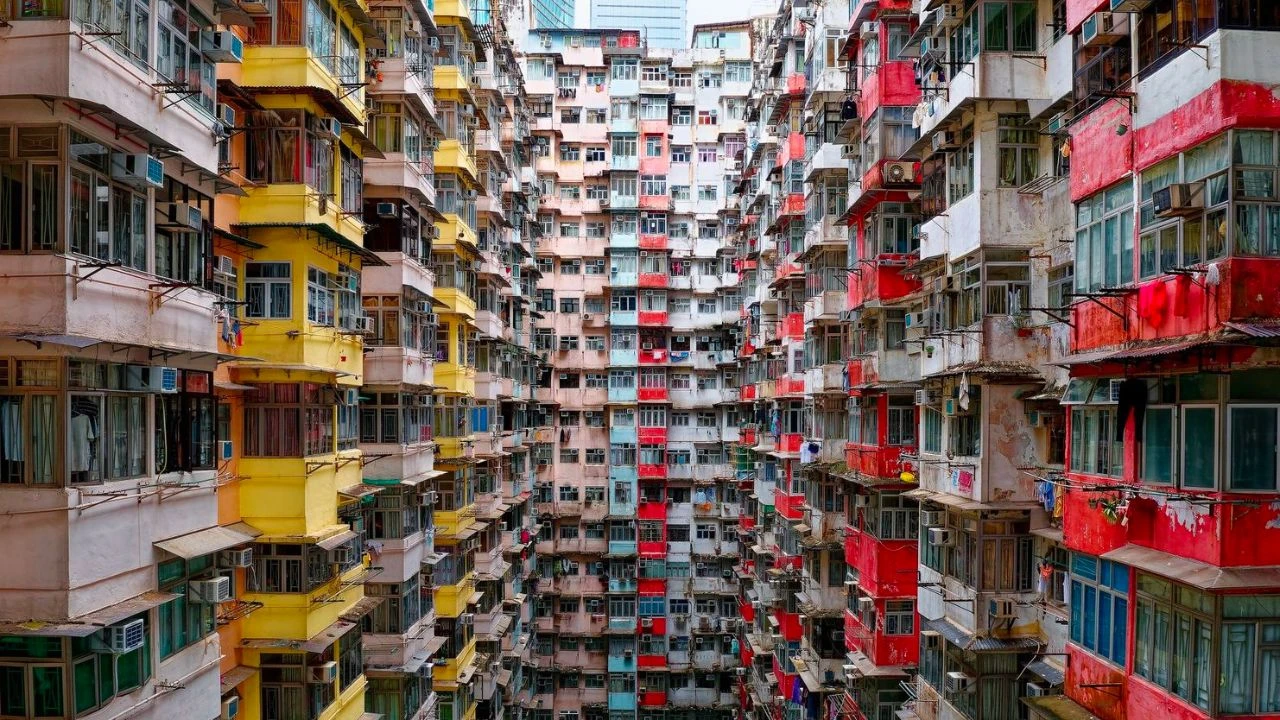
Hong Kong Apartments
Hong Kong represents a clash of luxury and deprivation, with more than 200,000 people living in coffin homes. These tiny 15 to 18-square-foot rooms are barely big enough for a bed. Residents endure limited ventilation, crammed belongings, shared bug-infested toilets, and often keep doors open just to breathe.
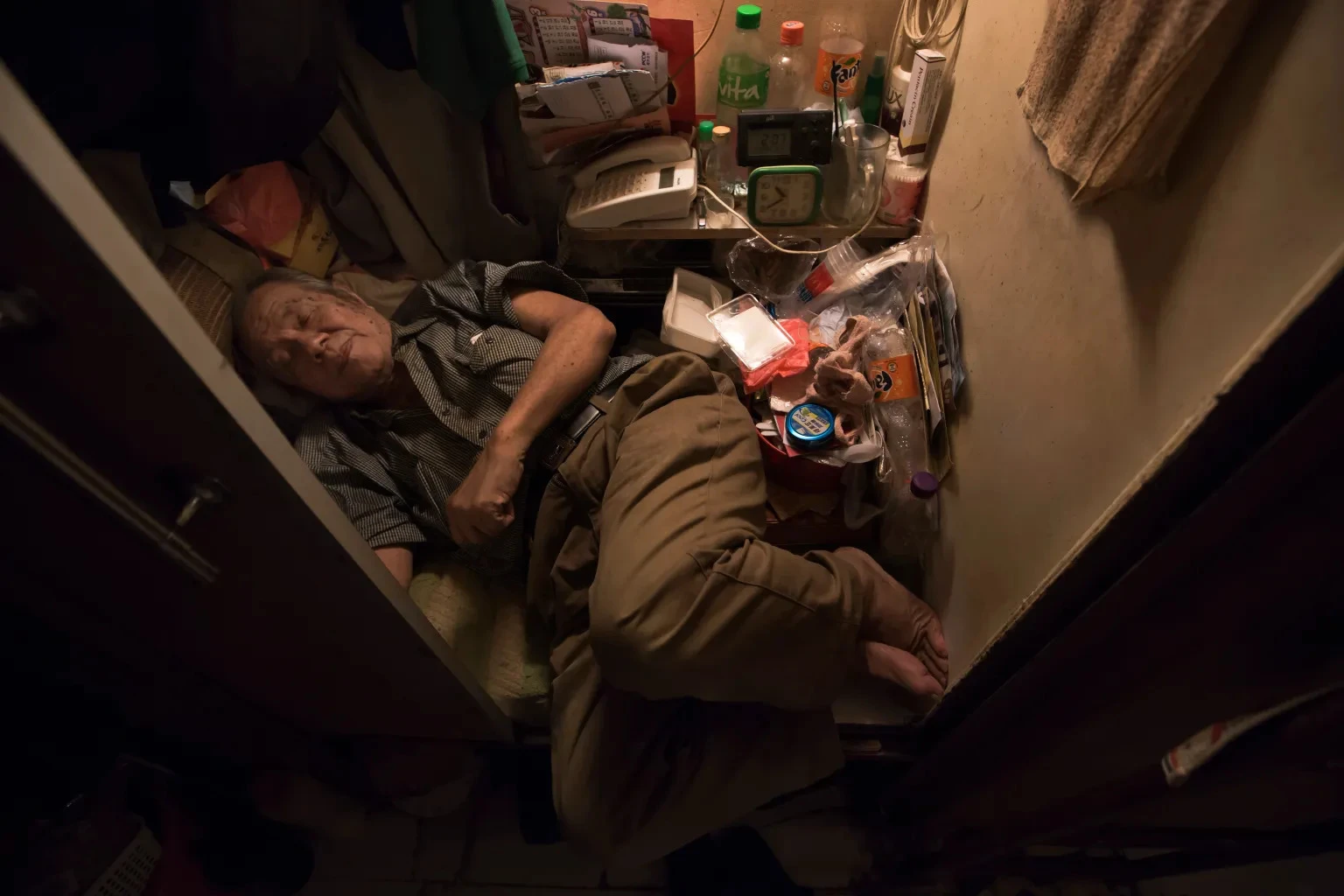
Inhabitants pay hundreds of pounds per month for box-sized cubicles and crumbling hallways with dozens of neighbors. The Monster Building in Quarry Bay worsens this dystopian housing, with over 10,000 people in five interconnected blocks creating extreme congestion.
Rio de Janeiro
Rio de Janeiro represents dystopia by contrasting grandeur and neglect. During the Olympics, Brazil destroyed 3,000 homes, displacing over 170,000 people, while infrastructure fell apart, crime rose, and hospitals ran out of supplies.
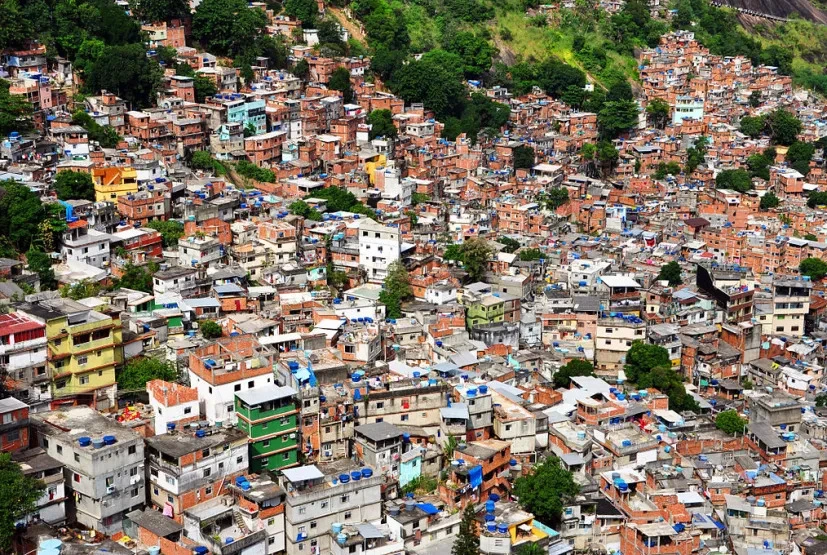
Violence reached extreme levels, with 41,000 killings recorded in 2012 alone—turning parts of the city into landscapes that felt more like battle zones than neighborhoods. The urban fabric itself reflects deep segregation, where modern districts stand in stark contrast to militarized favelas, and police pacification units maintain control over only 30 or more than 600 settlements.
São Paulo
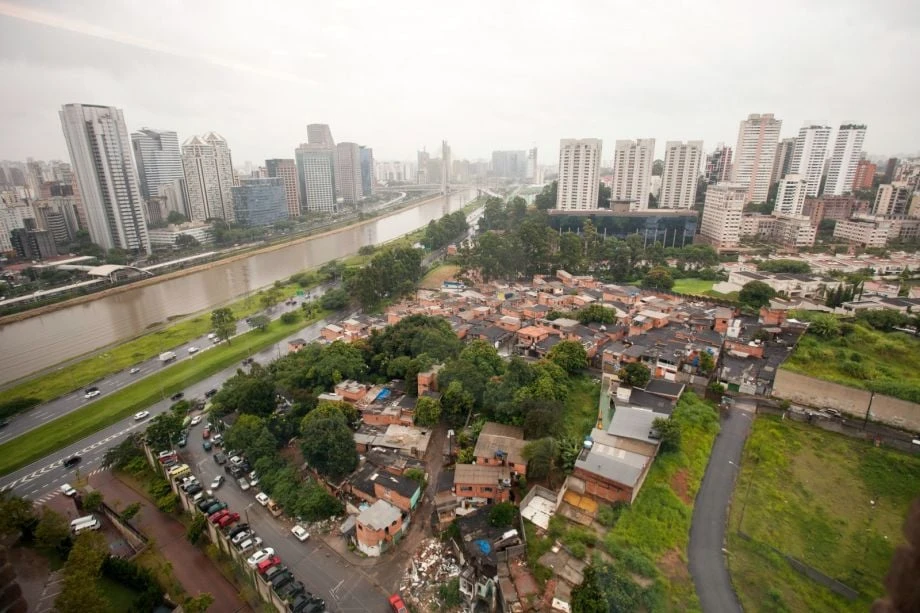
São Paulo, with almost 22 million people, has around half of them living in slums. The life expectancy exceeds 80 in rich districts like Pinheiros but falls to 58 in surrounding favelas. The city’s architecture reflects this division, with towering concrete structures and gated mansions rising beside tin and plastic-clad shelters.
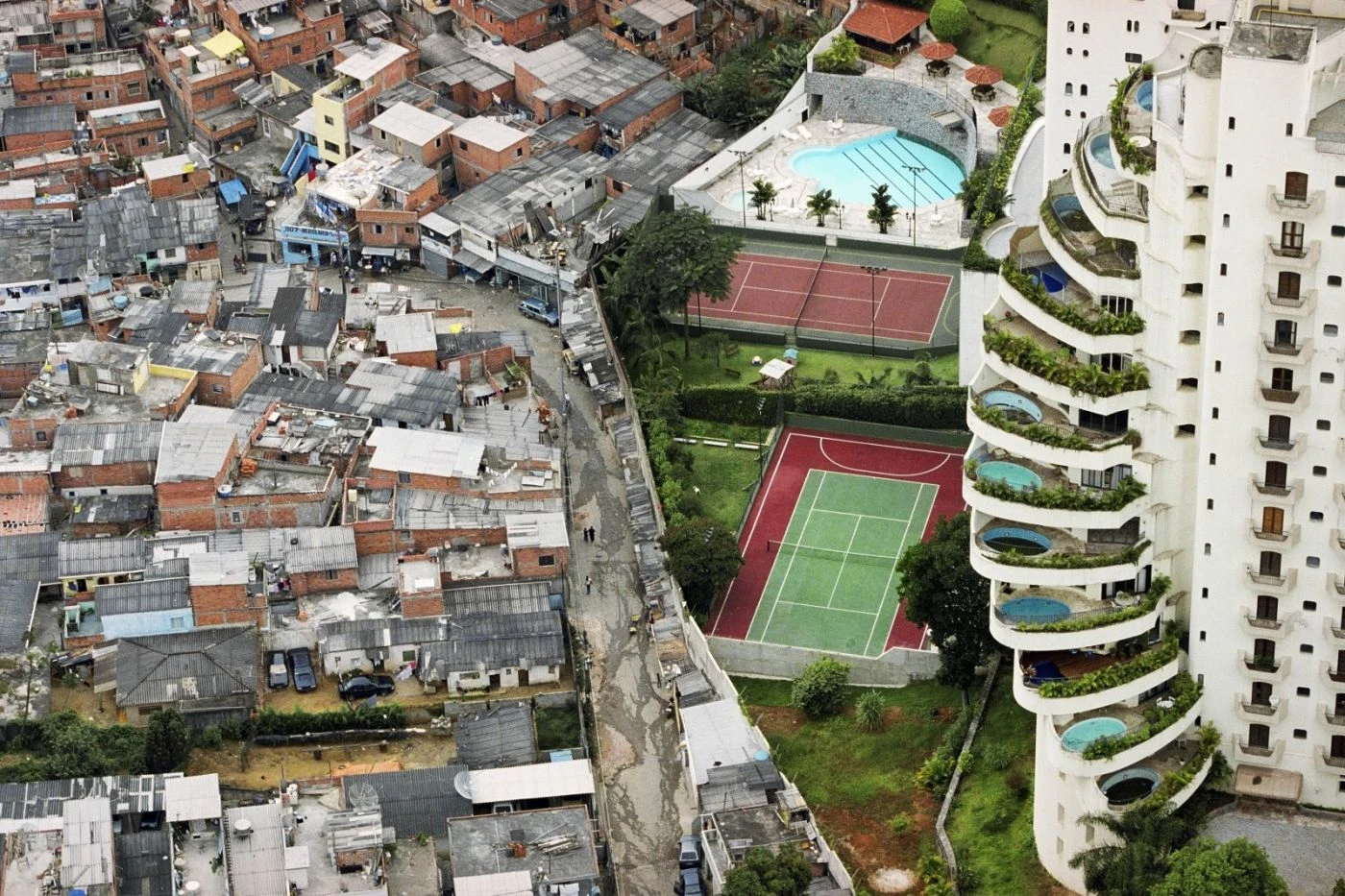
Despite having the world’s largest private helicopter fleet, millions still lack basic sanitation. Families cook over garbage fires beneath viaducts while multimillionaires reside in luxurious guarded homes. Amid such extremes, learning to rethink urban spaces becomes crucial. PAACADEMY’s architectural design course helps students explore housing layouts and public areas, offering practical ways to imagine more functional and inclusive cities.
Moscow
Moscow appears beautiful on the surface with a mix of skyscrapers and Soviet-era blocks, but reveals a dystopian reality beneath. The grand and uniform apartment buildings’ architecture now feels oppressive and prison-like to many modern residents.
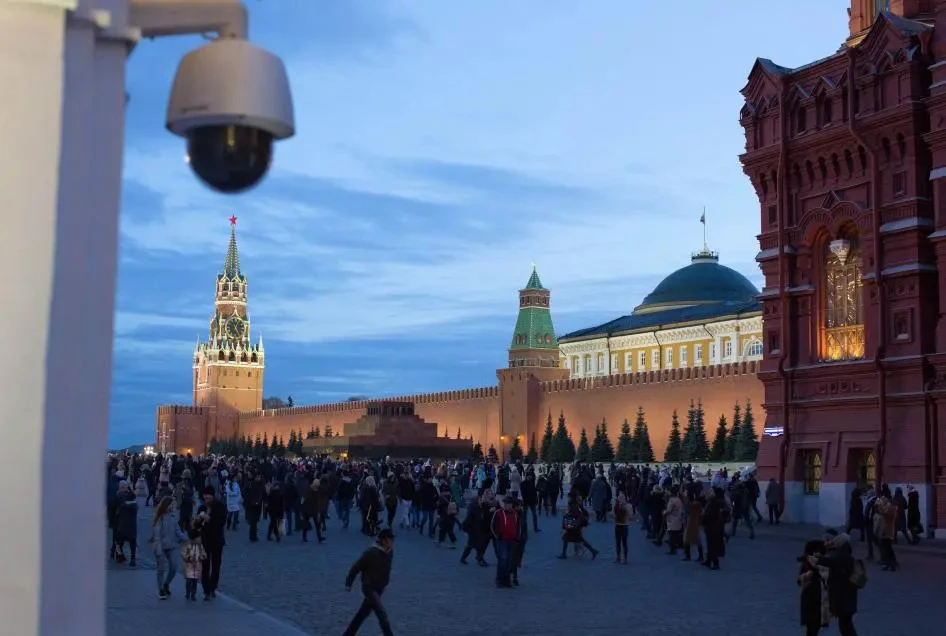
Under the Safe City project, the city has entered a new phase of control, with over 200,000 digital surveillance cameras equipped with facial recognition that track citizens daily. Systems like Sfera, once introduced for safety, are now used to detain protestors, journalists, and opposition voices. This emphasizes that beneath the city’s beauty hides a constant watch, while freedom feels like an illusion.
Cairo, Egypt
Cairo reveals an urban dystopia with pollution, traffic, economic inequality, inadequate infrastructure, and sprawling informal settlements. This exposes the cracks of rapid urbanization owing to a lack of proper public transport, and heavy congestion fills the city with exhaust. Adding to it, industrial waste and open garbage burning have severely brought adverse effects on residents’ life expectancy.
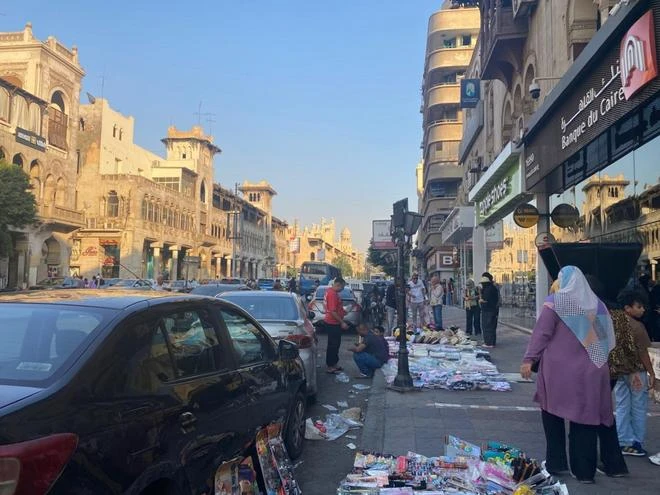
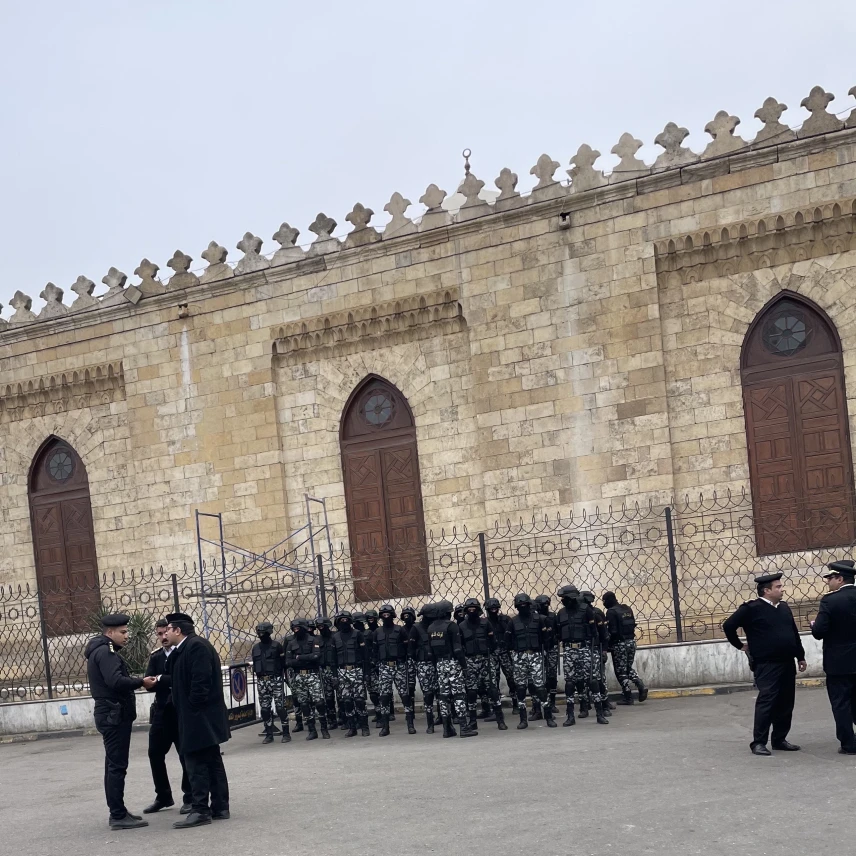
Cairo’s dystopia is also political, with armed security forces often guarding public landmarks like al-Azhar Mosque, a daily reminder of the government’s repressive hold. What were once spaces of faith and learning now exist under the fear of raids and arrests.
Malaysia’s Forest City
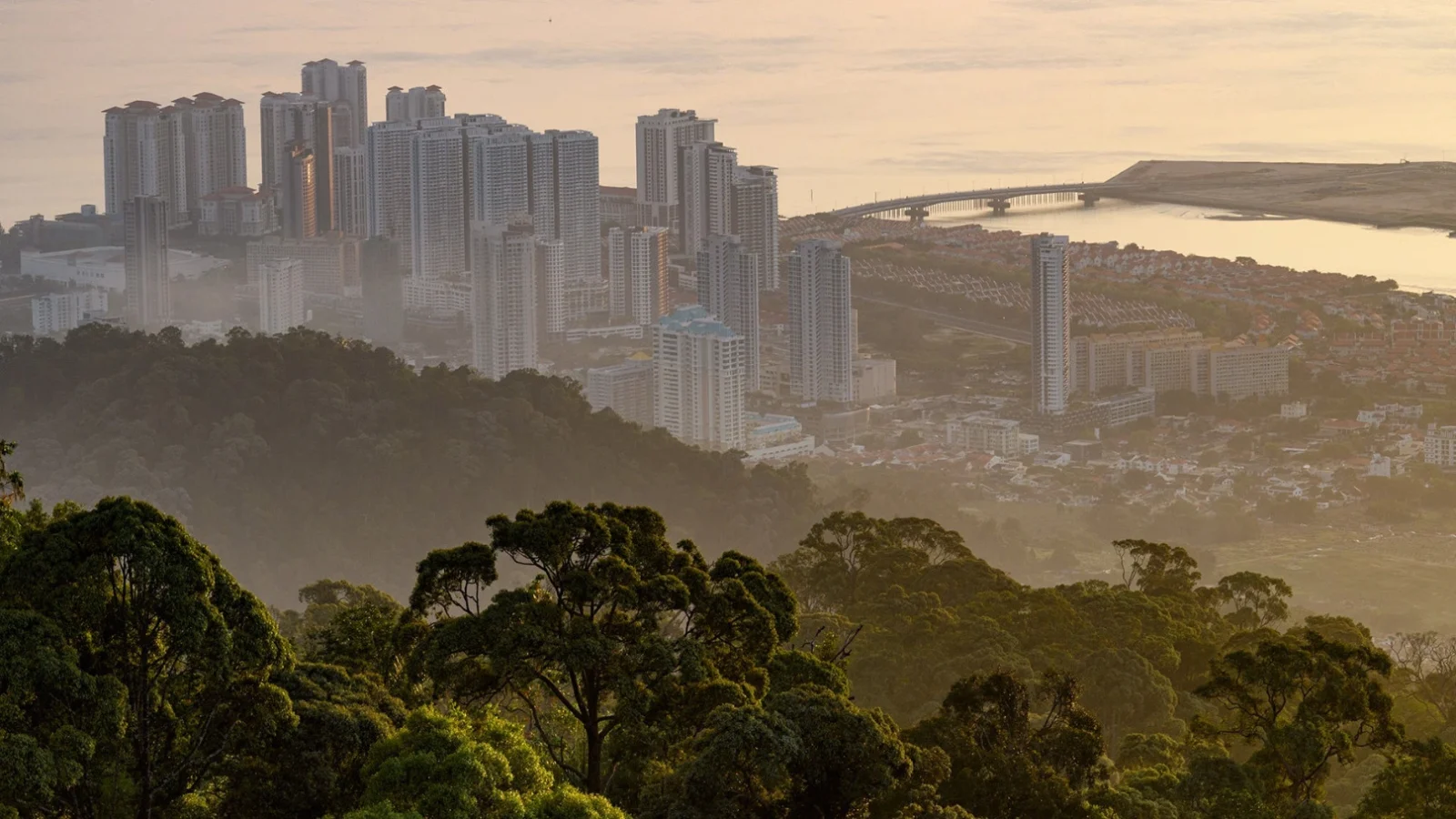
Malaysia’s Forest City, a 100 billion dollar mega project, was once hailed as a new-age smart city but now stands as an abandoned dystopian town. Planned with wide roads, loads of greenery, safe neighbourhoods, and sky-touching buildings to house residents, but the present-day reality is far from it, delivering emptiness.
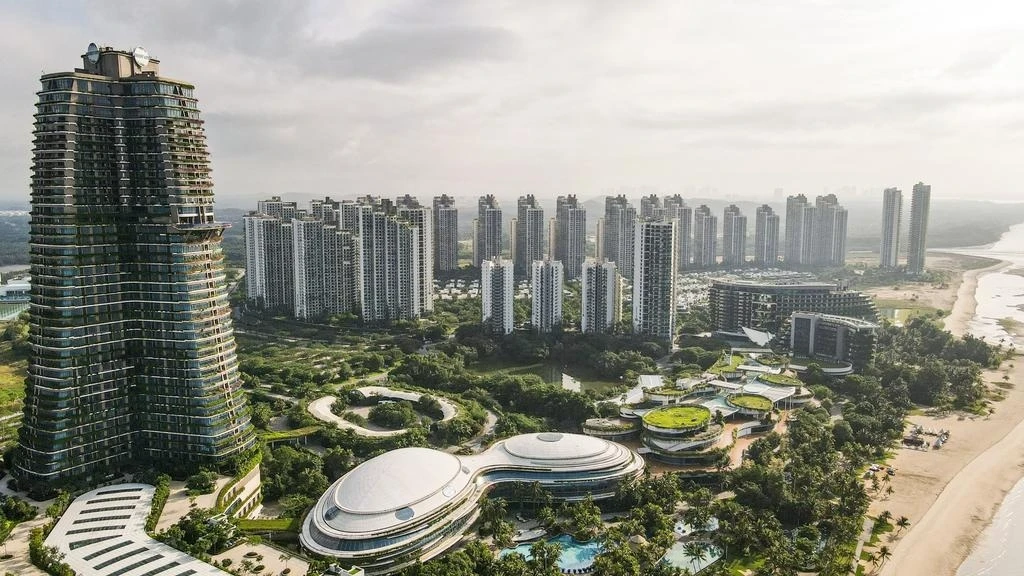
The downfall began during the development phase itself, when construction slowed and the developers’ mounting debt crippled progress. Poor planning and limited connectivity to major cities left it isolated, while early residents complained about the lack of basic amenities. This city shows that without community and practicality, vision alone can turn a utopia into a dystopia.
Gurugram
Referred to as the millennium city, Gurugram reflects an urban dystopian image with excessive waterlogging, raging traffic, and extreme pollution levels. Each rainfall exposes the poor drainage, while a lack of a public transport network and pedestrian planning worsens the disorder.
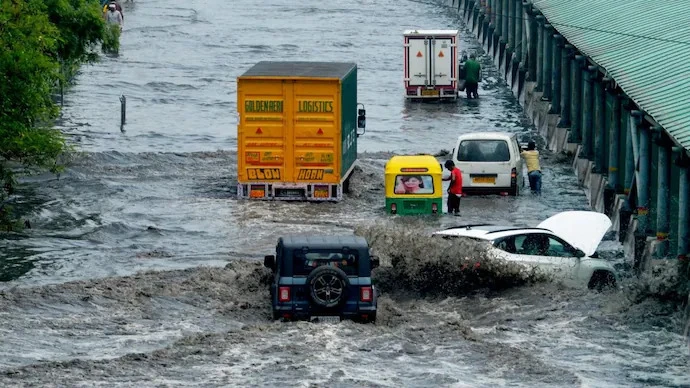
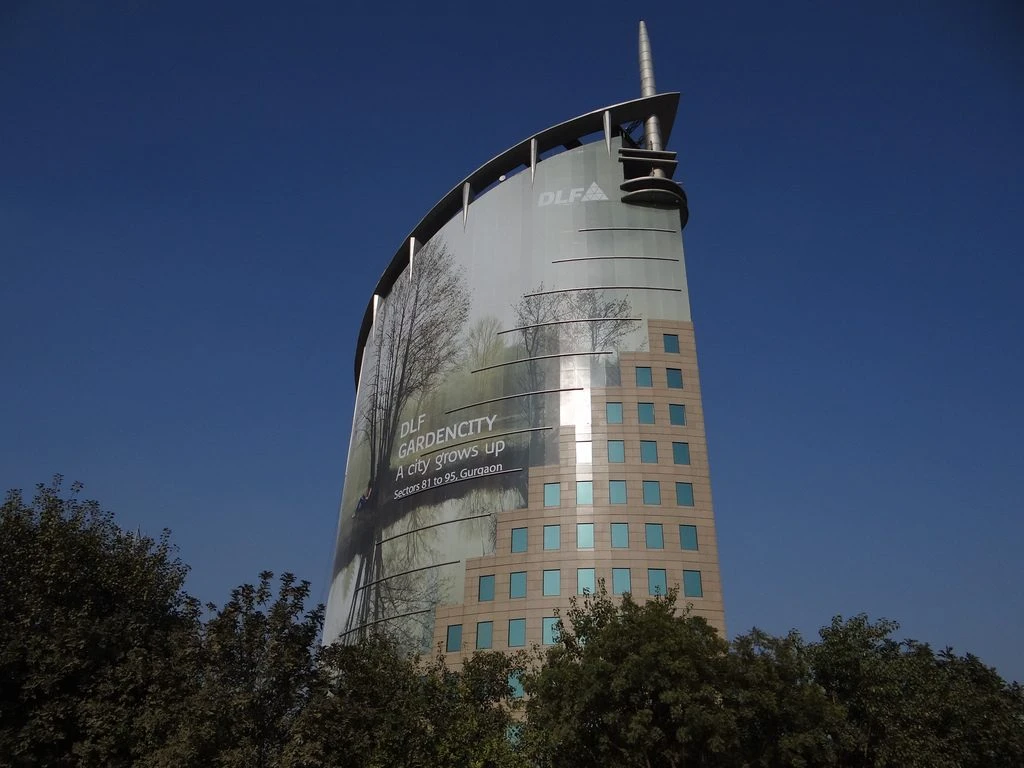
Vast slum settlements and improper waste management deepen the city’s decay, trapping it between growth and collapse. Gurugram further reflects unchecked privatization and poor planning, with DLF Gateway Tower reflecting an imbalance as it celebrates wealth while the city below struggles with shortages and chaos.
Four-Level Interchange
The Four Level Interchange in Los Angeles, built by engineer WH Irish, vertically stacks Routes 101 and 110 across four levels. This replaces vast cloverleaf designs and carries about 425,000 vehicles daily.
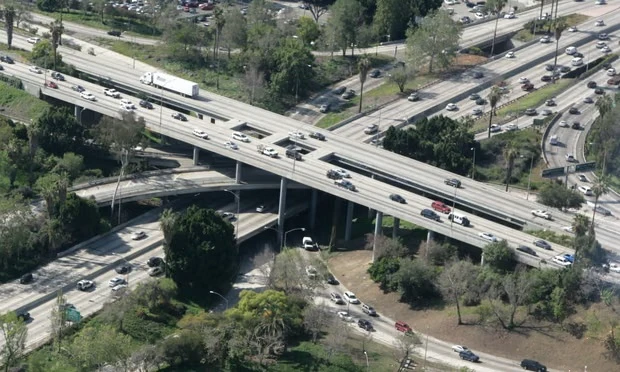
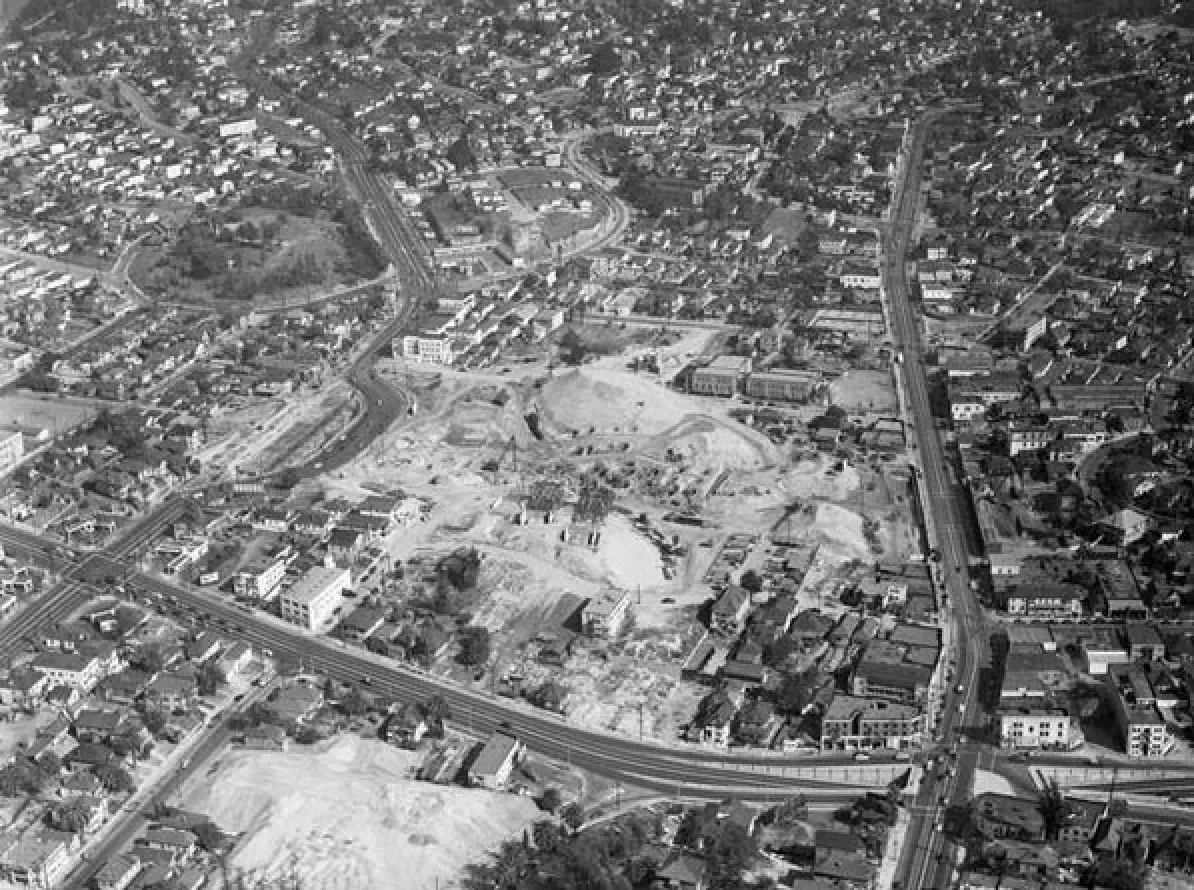
Officials demolished nearly 4,000 homes, treating displaced residents as a necessary sacrifice for progress, making it a true dystopian landmark. It symbolizes car dependence, prioritizing traffic flow over human needs, showing infrastructure can oppress rather than serve.
Ambition has outpaced empathy, turning cities into monuments of decay.
Together, these sites reveal an uncomfortable truth about their present-day failures, whether it’s the surveillance-laden streets of Moscow or Gurugram’s flood-prone high-rise. Each tells a similar story in different ways: that development without compassion breeds decay. The dystopia is a reality of many cities with crumbling infrastructure, broken systems that no one questions, and warning signs we chose to ignore.
Explore Courses
.jpg "Ondrej Chybik - Rethinking Architecture")