


Remember when architecture was about pure creativity, designing spaces that could transform how people live, work, and interact? Somewhere along the way, that vision got buried under an avalanche of new software tutorials and client miscommunications, not to mention endless revisions that drain both time and energy.
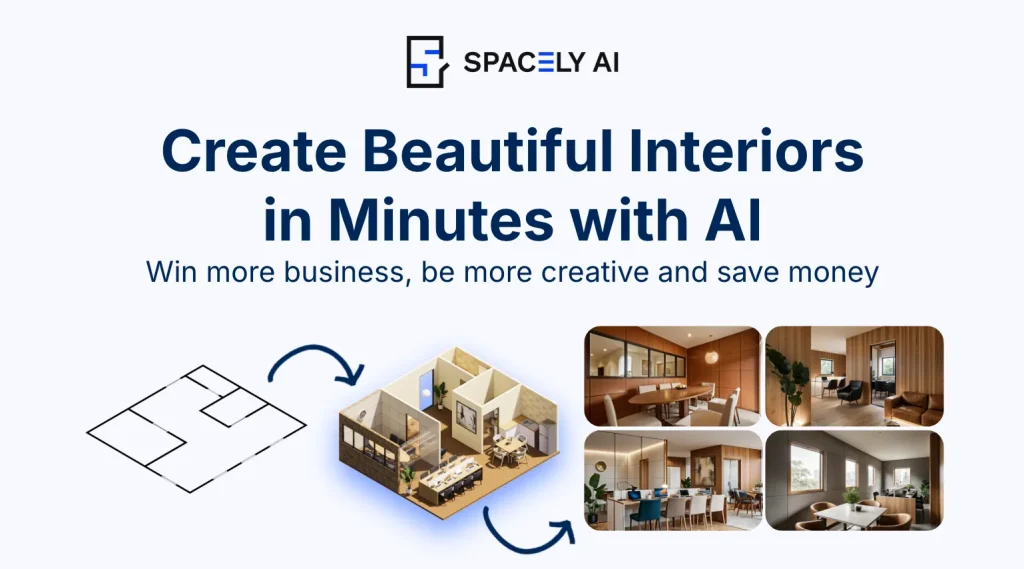
Every architect is familiar with the cycle: you have a brilliant idea, but explaining it means hours of rendering and modeling. The client sees your presentation but imagines something completely different. And to top it all off, what they approve isn’t what the construction team builds. By the time you’ve navigated this maze, the original spark of innovation has been lost to creative exhaustion.
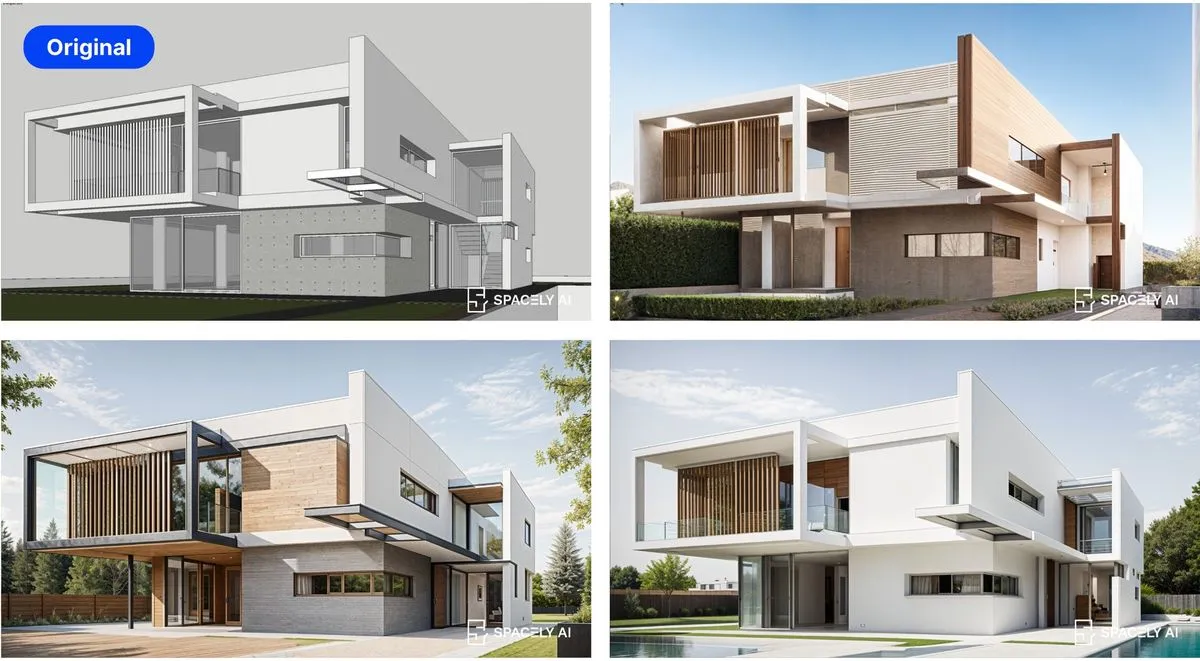
But what if technology could eliminate these barriers instead of creating new ones? What if AI could translate your creative vision directly into immersive experiences that clients and builders could understand instantly?
Today, we sit down with Mink Thanatcha, whose venture Spacely AI is pioneering this transformation.
Interview
For those unfamiliar, what exactly is Spacely AI, and how does it work? In a nutshell, what does your platform offer to architects and interior designers, and how does it transform their design process?
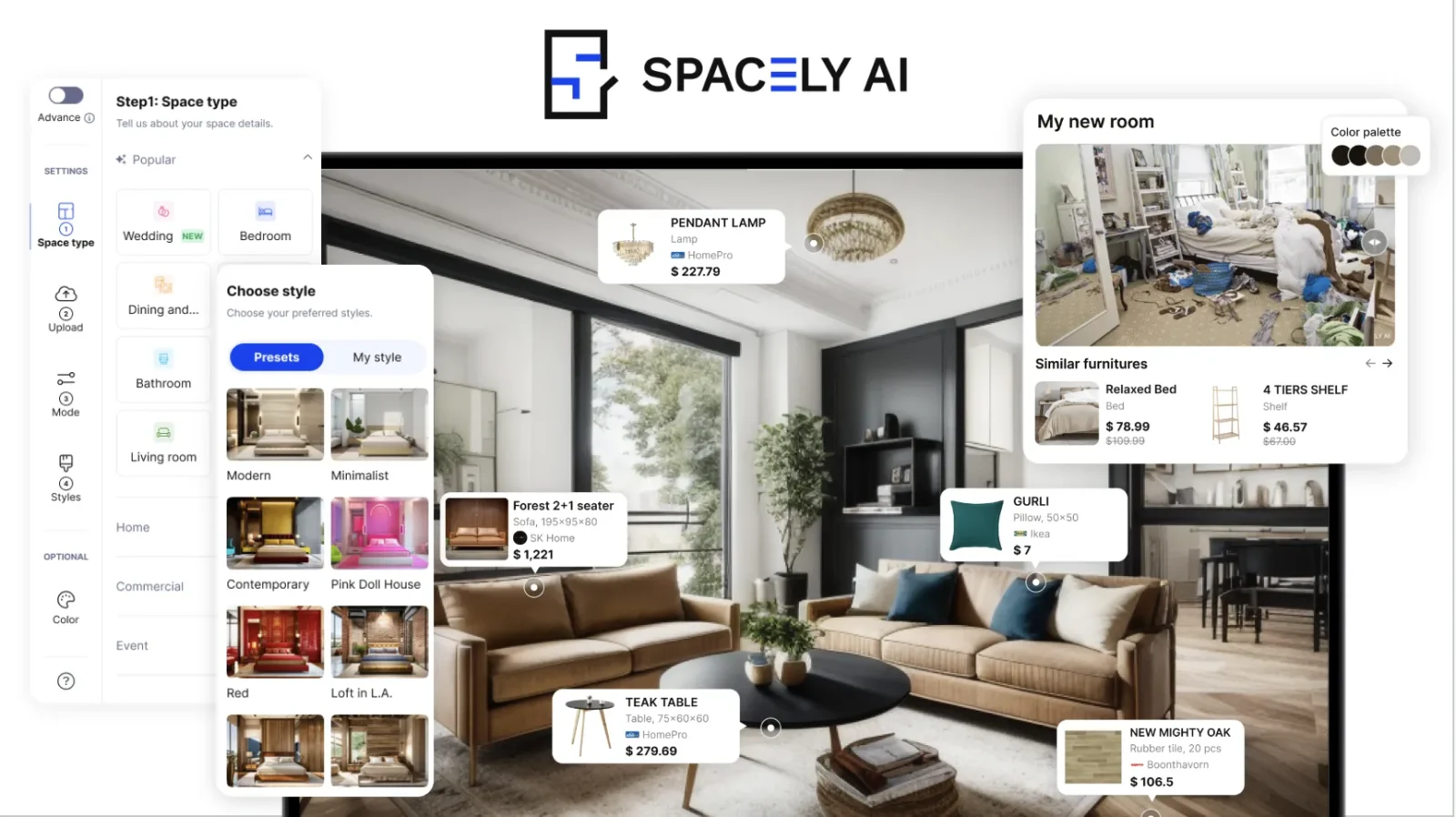
Spacely AI is a creative automation platform designed specifically for professionals in architecture, interior design, and real estate. Think of it as a new layer on top of traditional tools like AutoCAD, SketchUp, or Photoshop, except we remove the bottlenecks that they can’t solve.
Spacely AI offers three core capabilities that tackle the industry’s biggest time drains: Render high-quality images in minutes instead of waiting 20–30 minutes per frame, precisely redesign specific areas using AI-powered “brush and edit” tools, and drag-and-drop custom furniture pieces into a scene and see them instantly visualized.
The impact is really twofold.
For architects and interior designers, Spacely AI accelerates the concept-to-client conversation, helping them iterate, present variations, and move into later design phases much faster, without burning hours on first drafts. For realtors, who typically have no specialized design tools at all, we provide Virtual Staging that transforms empty listings into styled, photorealistic spaces, cutting the cost and effort of physical staging while maintaining architectural accuracy.
In essence, Spacely AI doesn’t just make rendering faster; it reframes the creative process to be more fluid, interactive, and client-centric.
Can you share the story of your journey from practicing architecture to tech entrepreneurship? What sparked the idea to launch an AI startup for the design industry?
I come from an architecture background and started my career as an event and exhibition designer. Like many designers, most of my nights were consumed by production work like navigating complex software, fixing endless details, and meeting deadlines with limited tools. We spend four years, sometimes five, just learning how to use these programs, when our energy should be focused on what really matters: creative ideas, spatial functionality, and responding to the client’s vision.
When AI began to reach early mass adoption in 2023, I saw a clear parallel with how other industries like finance, consulting, and even healthcare were already using technology to transform workflows and improve quality of life. That’s when I knew this was the moment to rethink how designers work.
It shouldn’t be normal for design teams to spend nights working overtime, only to discover that the final output isn’t what the client had imagined in the first place. That entire cycle wastes talent, time, and creativity.
Spacely AI was born from my belief that AI could shift this paradigm. We could streamline the technical grind, give designers more bandwidth for actual creativity, and ultimately raise the quality of both the work we produce and the lives of the people producing it.

Spacely AI, a Thai startup launched in 2023, leverages generative AI as a design tool to fill gaps in traditional architecture and interior design workflows. What was the original vision you and your team had when starting Spacely AI, and what key problem in designers’ workflows were you determined to solve from the outset?
The very first version of Spacely AI was actually born out of a simple but critical challenge that I kept experiencing firsthand: the disconnect between what designers present and what actually gets executed.
During a design process that can stretch 3–6 months, the 3D furniture models used for client approval often don’t match what ends up in the final space. By the time a project reaches procurement, those specific items may be out of stock or never existed as a purchasable product in the first place. That disconnect leads to compromises, added costs, and frustration for both designers and clients.
From there, our vision expanded. As we researched and iterated, it became clear that the deeper problem wasn’t just about missing furniture links; it was about how much of a designer’s time and energy gets consumed by production and implementation tasks. Instead of spending energy on ideas, creativity, and conversations with clients, so much of the job gets weighed down by repetitive, manual tasks.
Our goal with Spacely AI has always been to rebalance that equation. By letting technology take over the manual, time-consuming parts of the workflow, we put cost, speed, and creative control back into the designer’s hands. The vision isn’t to replace the designer, but to empower them so that the tools finally work as fast as their imagination
Spacely AI recently secured a US$1M seed round. How has this milestone shaped your ability to scale, and what opportunities does it open up for expanding the platform’s reach globally?
From the very beginning, we were seeing interest coming in from over 50 countries. That was a clear signal that we weren’t just solving a local problem in Thailand. We were touching on a global pain point that designers everywhere were experiencing.
This seed round allows us to go deeper: expanding our AI capabilities, exploring more cross-disciplinary technologies, and building out features that support the full end-to-end workflow. We’ve trained our models with the designer’s mindset in mind, recognizing that yes, structure matters, but so does the creative space that fills it.
So far, Spacely AI is best known for residential projects. But with this support, we’re gearing up to serve more complex needs: commercial interiors, exteriors, landscape, and even property development workflows. For us, this round isn’t just funding, it’s the fuel to scale from a promising startup into a truly global platform for design.
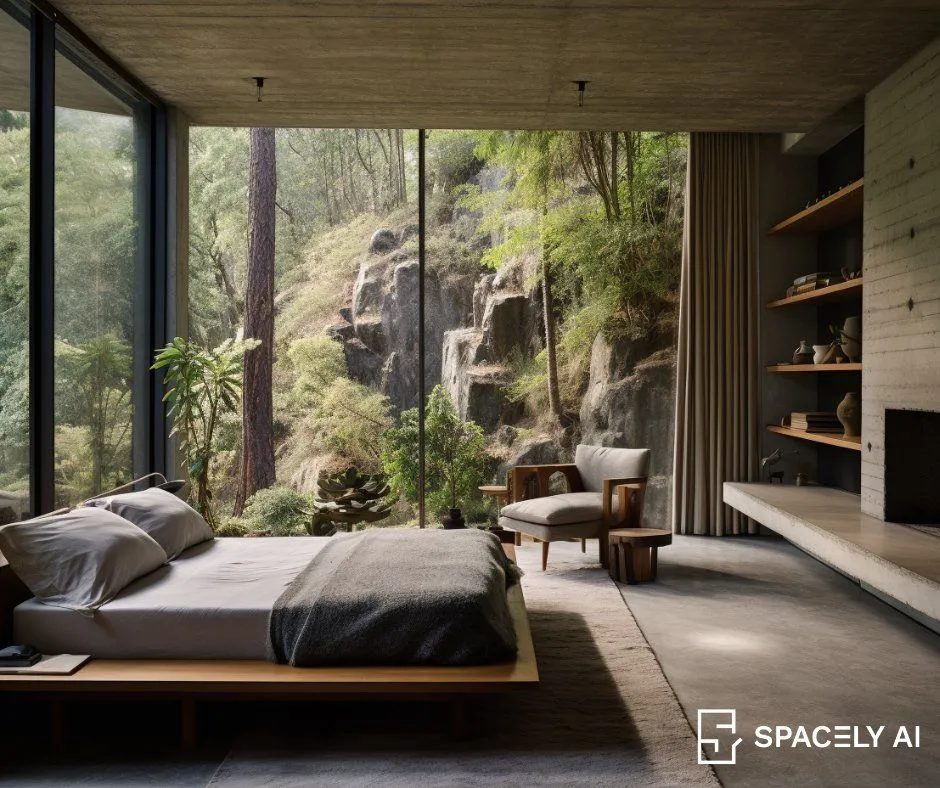
The platform includes instant rendering, virtual staging, and even 2D-to-3D generation. How did you decide which features to prioritize, and what role did user feedback play in shaping the product?
We test and try a lot. As a tech company, we try to balance between offering new technology to existing customers and integrating into their existing workflow as smoothly as possible.
User feedback has been crucial in shaping that. Every request, every frustration, even the complaints; they all help us see where the pain points really are. We listen closely and then measure that feedback against the effort it takes our small team to deliver maximum value.
The result is a product roadmap that’s less about “what’s possible” in AI, and more about “what’s useful” for the people who use it. That’s the filter we apply to every feature we roll out.
How have architects and designers responded so far? Could you share a story or example of how a firm or professional has used Spacely AI in a way that surprised or inspired you?
At first, the excitement came mostly from tech-savvy designers, the early adopters who love to test new tools. But the real turning point has been seeing adoption grow among everyday professionals. These are the people who don’t have time to play with new apps for fun; they need tools that actually fit into their process and help them deliver.
One of the most inspiring moments for me was hearing from a small design firm that used Spacely AI to cut their turnaround time in half. They told us, “This isn’t just about speed. It’s about keeping our team sane.” That kind of feedback means more than any metric. It tells us we’re not just building software; we’re helping change the way design teams experience their own work.
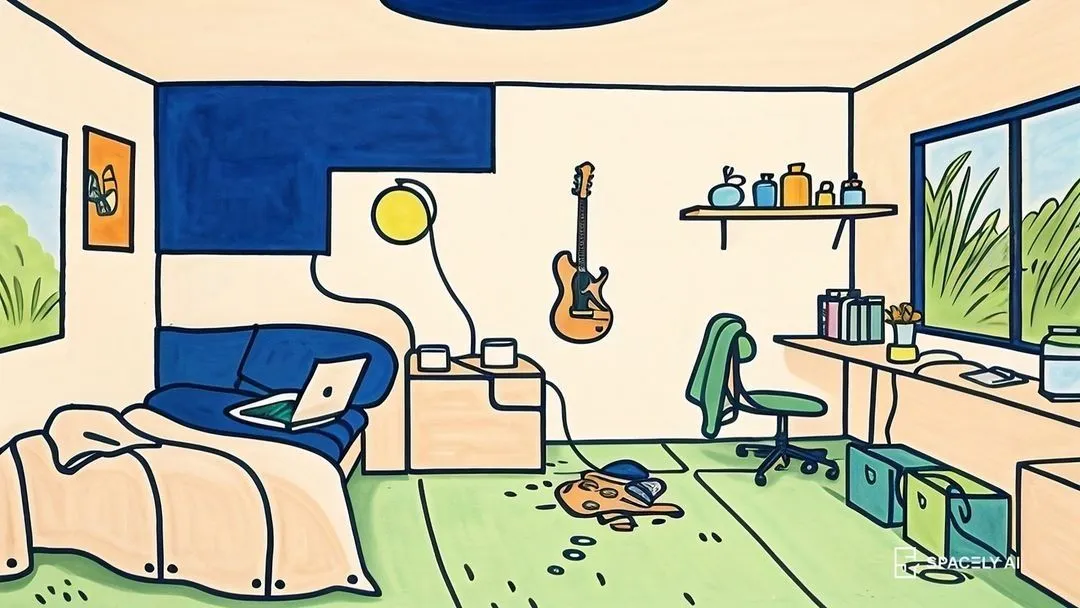
The design-tech space is getting crowded with AI platforms. What’s your strategy to ensure Spacely AI isn’t just another tool but becomes a long-term partner in the workflows of architects and designers?
For us, the strategy is simple: deeply understand our users. That means observing their behavior, listening to their feedback, and introducing technology in a way that feels natural but not overwhelming. We don’t want Spacely AI to be “another app you have to learn.” We want it to feel like an extension of the workflow you already know. We aim to become the design partner professionals can truly count on.
What’s next for Spacely AI? Are there new features, partnerships, or directions you’re particularly excited about as you look to the future?
The short answer is: going global and going deeper.
On the feature side, we’re excited to launch AutoPlan 3D, which automatically transforms 2D floor plans into fully furnished 3D scenes. We’re also working on tighter integrations with existing design software, because we know designers don’t want to constantly switch contexts.
On the business side, partnerships are key. We’re looking to collaborate with toolmakers and industry leaders who share our vision: uplifting the quality of life for designers by making their workflow smoother, faster, and more creative.
The goal isn’t just to add features; it’s to continuously deliver more value so that, step by step, Spacely AI becomes an essential part of how design gets done.
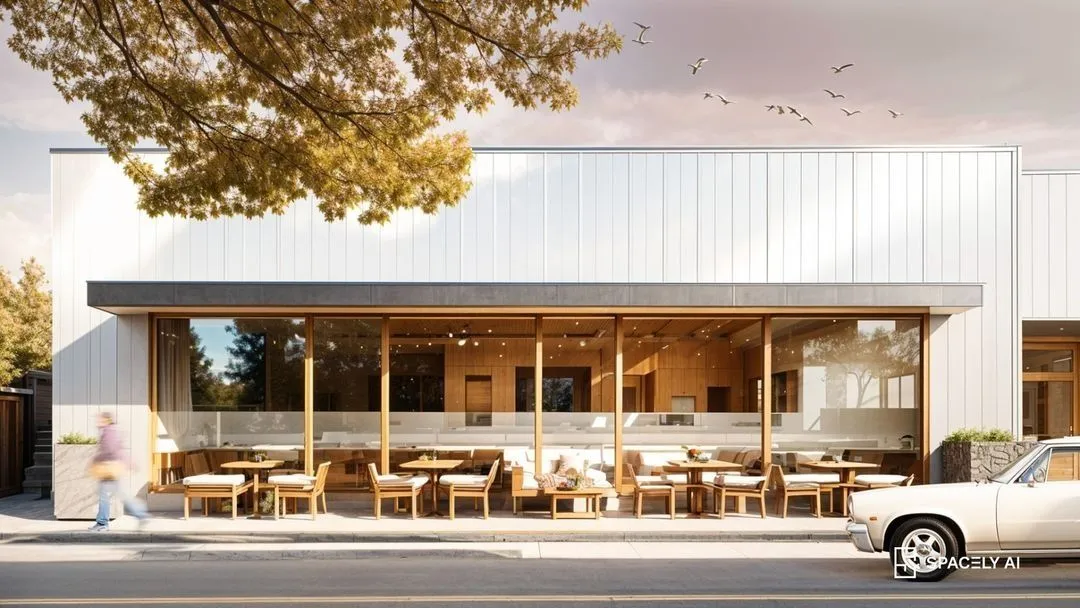
How do you envision AI-driven design tools influencing the future of architectural practice and creative workflows?
Honestly, I think AI will shift the way we define “design time.” Right now, so much of an architect’s or designer’s day is swallowed by production, e.g., drafting, rendering, and making endless revisions. That’s valuable work, but it’s not where their true creativity lives.
What excites me about AI is the possibility of flipping that balance. Instead of spending nights on technical output just to show a client one option, designers could generate multiple variations instantly, test ideas faster, and spend more of their energy on the bigger questions: Does this space feel right? Does it serve the people who will live or work here? That’s really what we wanted to change with Spacely AI.
Of course, AI won’t replace the human eye, intuition, or sensitivity to culture and context, which are the core of architecture. But it can act like a design partner that takes care of the heavy lifting, so architects and designers can reclaim their time and focus on what only they can do: shaping experiences, telling stories through space, and pushing creativity forward.
If we get this right, AI won’t make design less human. It’ll actually make it more human. The tools fade into the background, and what shines through is the designer’s imagination. That’s the future we’re building toward.
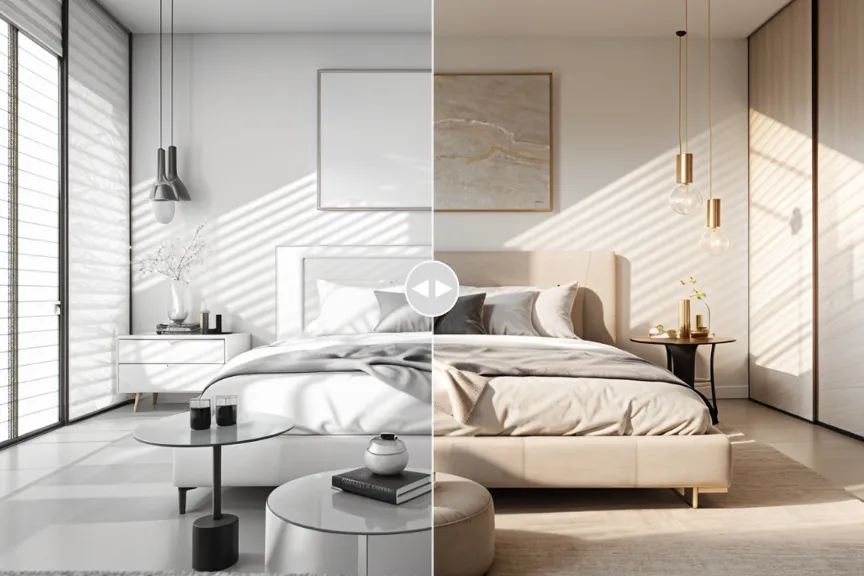
Lastly, what advice would you give to architects or design professionals who are curious about tech entrepreneurship or integrating AI into their work?
My advice is simple: don’t wait. Time flies, and the tools are already here. Start experimenting and you’ll learn faster than you expect.
At the same time, remember that technology doesn’t erase design values. In fact, it should strengthen them. The best architects will still be the ones who understand context, function, and human needs. AI just gives you a way to deliver that vision with less stress and more freedom. If you’re curious about entrepreneurship, know that it’s not about having all the answers. It’s about solving real problems you’ve felt yourself. That’s how Spacely AI started.
In the end, whether you’re adopting AI or building your own tools, the goal is the same: make life easier for designers and empower them to become even better at what they do best.
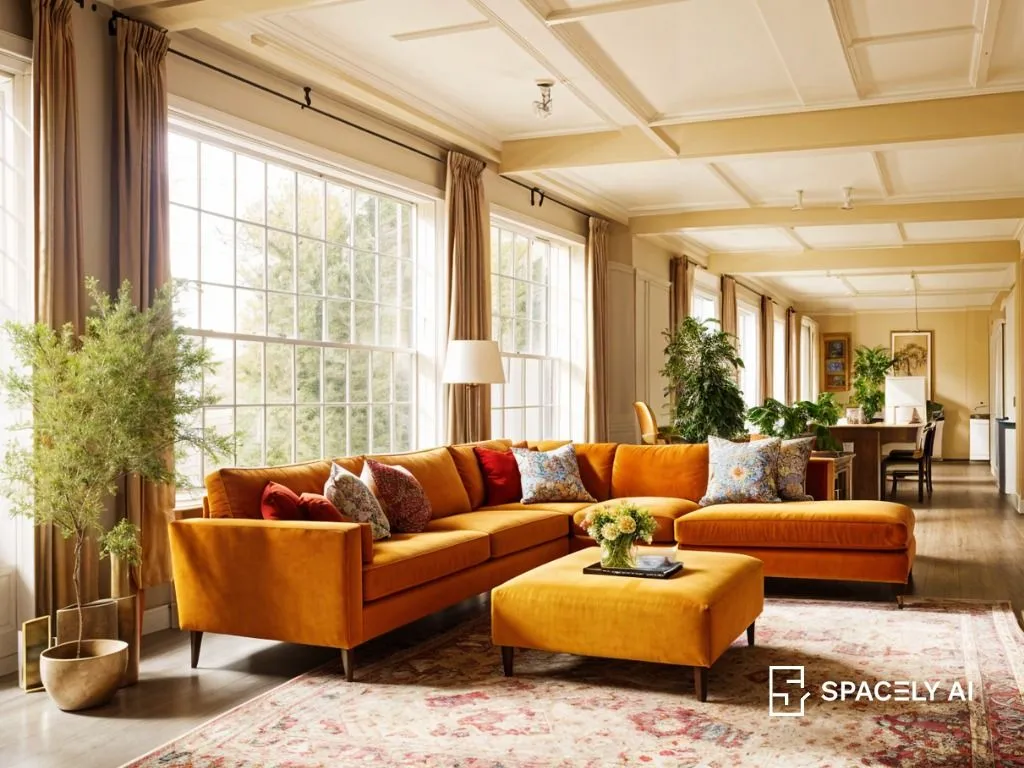
As our conversation draws to a close, one thing is clear: AI in design is here to stay, and that is a good thing. Spacely AI isn’t just another software tool; it represents the possibility of a future where creativity takes precedence over technical complexity. In an industry where talent gets buried under time constraints, rising costs, and steep software learning curves, this means that technology can finally work as fast as our imaginations.
Ultimately, the most powerful solutions come from those who have lived the problems they are solving. The story of Spacely AI shows us that the future of architecture is not about choosing between human creativity and artificial intelligence, but about allowing both to thrive, each excelling in what they do best.
Explore Courses
.jpg "Architecture Diagram Mastery: Concept to Portfolio")
.jpg%202.jpg "Building Performance with Forma & Opossum")
.jpg "Ondrej Chybik - Rethinking Architecture")