


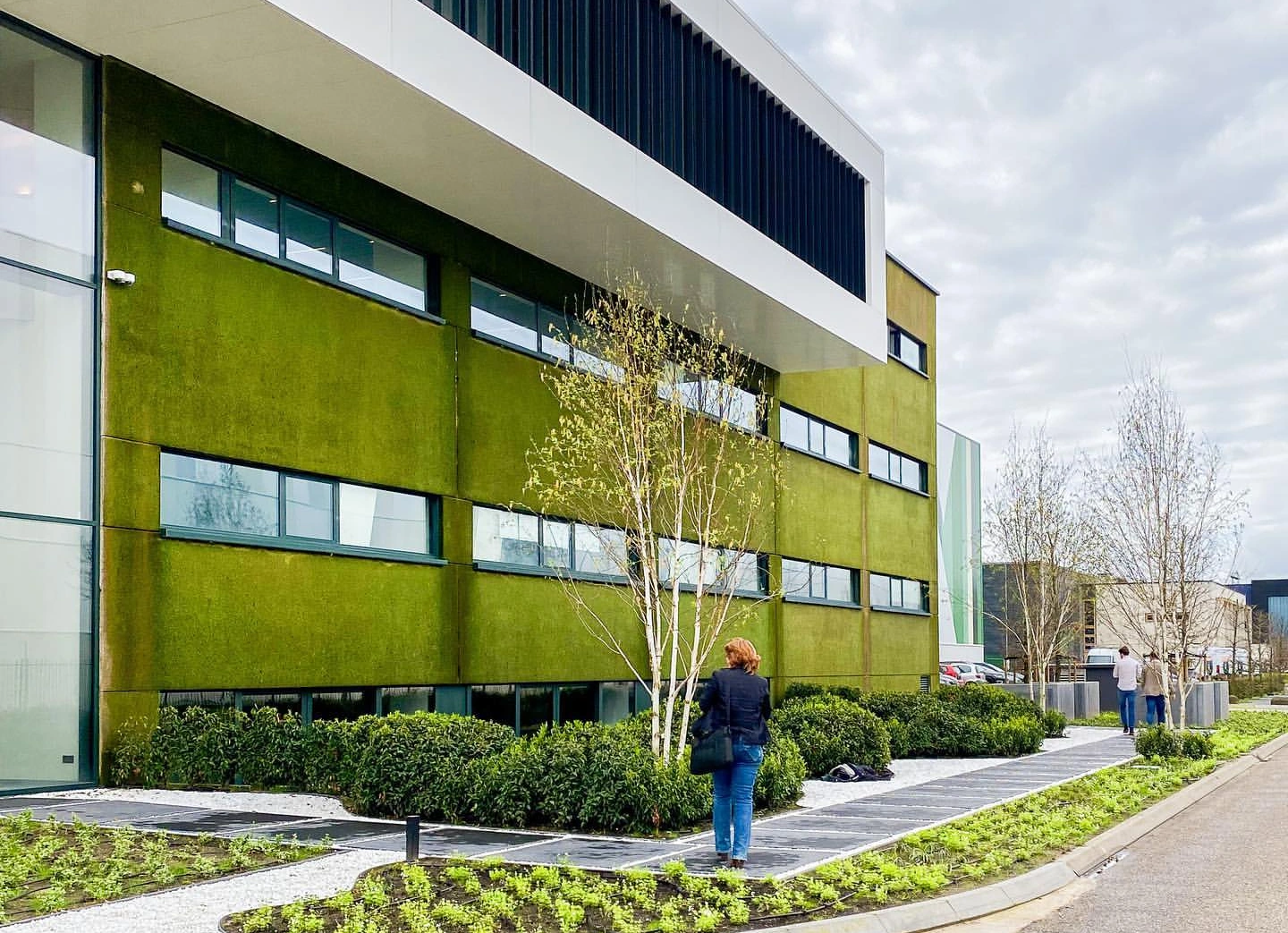
Dutch startup Respyre, spun out of TU Delft research, has created a bio‑receptive concrete that, once treated with a gel and seeded with moss, enables greenery to take hold on vertical structures without soil, irrigation, or regular upkeep. Just ambient rain and humidity are enough to spark life on once-gray walls.
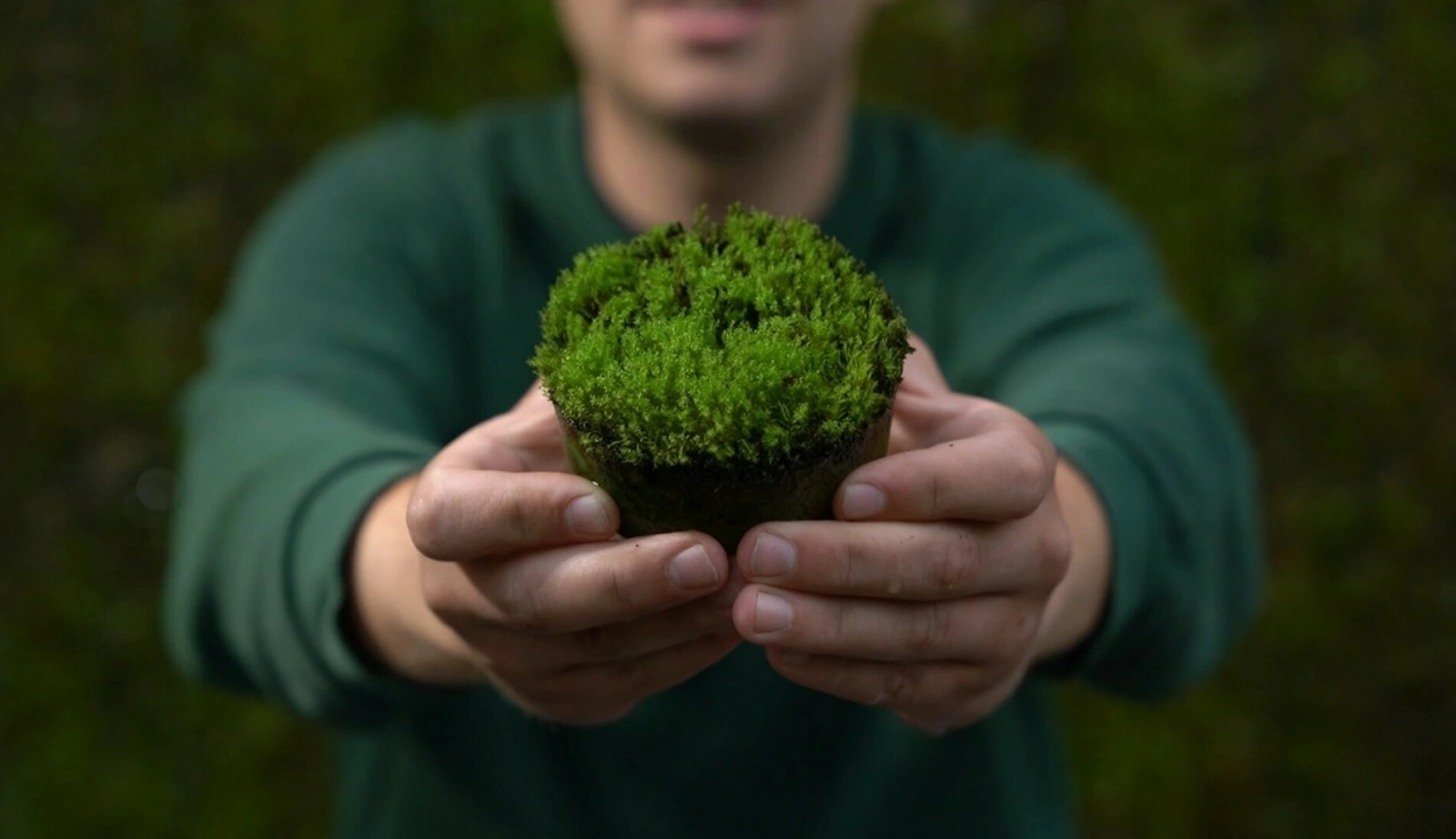
How Respyre’s Moss Concrete Works
Respyre’s moss-infused façades begin with a microporous, mineral-rich concrete layer engineered to capture and retain ambient moisture while delivering essential nutrients directly to moss spores. This bio‑receptive substrate, crafted from recycled aggregates and designed with fine-scale porosity, creates optimal conditions for moss establishment on vertical surfaces. To jump-start growth, a specialized gel coating is then applied; this bio-gel contains moss spores and nutrients that allow the moss layer to take hold rapidly, offering moisture, adhesion, and shelter during the critical early stage.
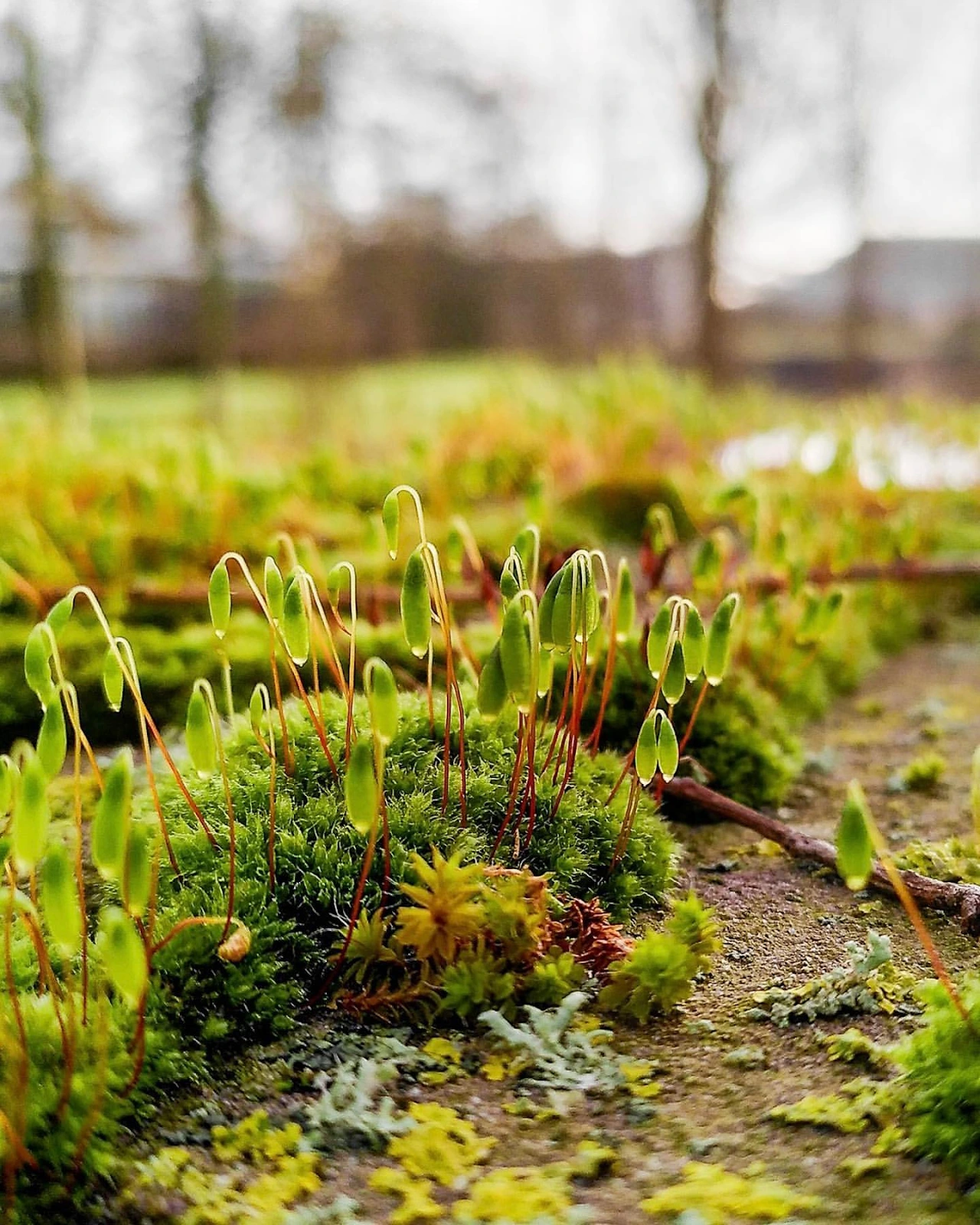
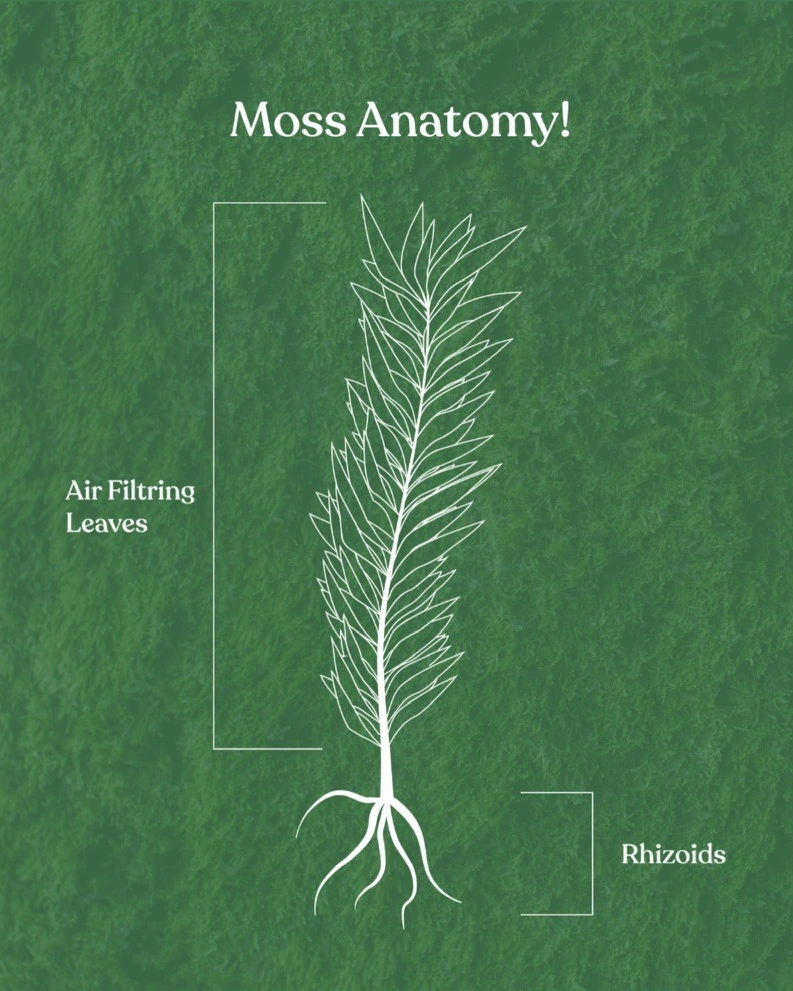
Once applied, ambient humidity triggers moss colonization, seeded or spontaneous, typically completing within ~12 weeks; temporary irrigation may support early phases. Crucially, moss uses rhizoids, tiny anchoring hairs, rather than invasive roots, enabling it to cling securely without penetrating or damaging the concrete substrate.
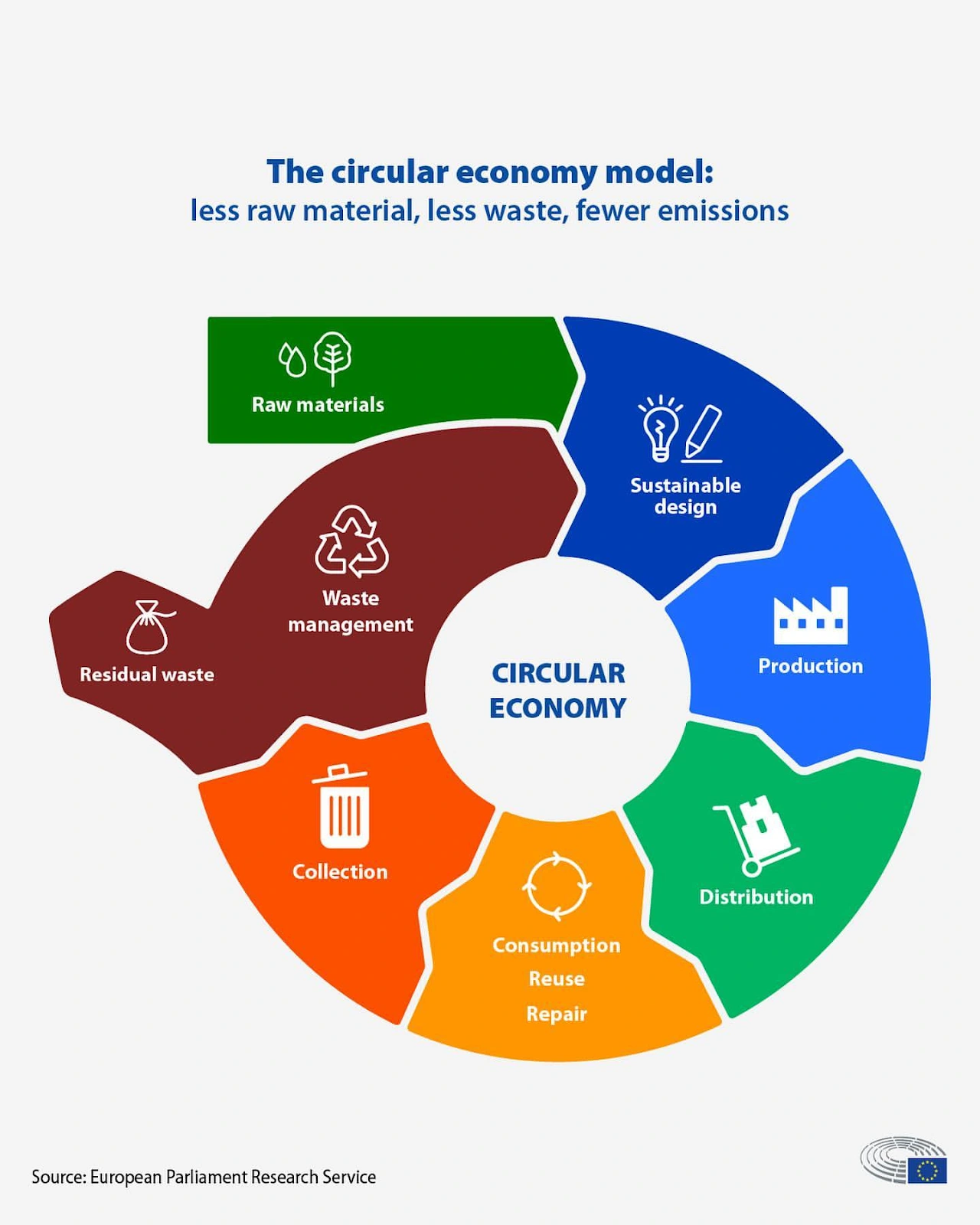
Respyre’s concrete, up to 85% circular, uses recycled rubble and reactivated cement. During its lifecycle, CO₂ mineralization in the cement layer contributes to net neutrality within a year, synergizing with moss’s biological sequestration.
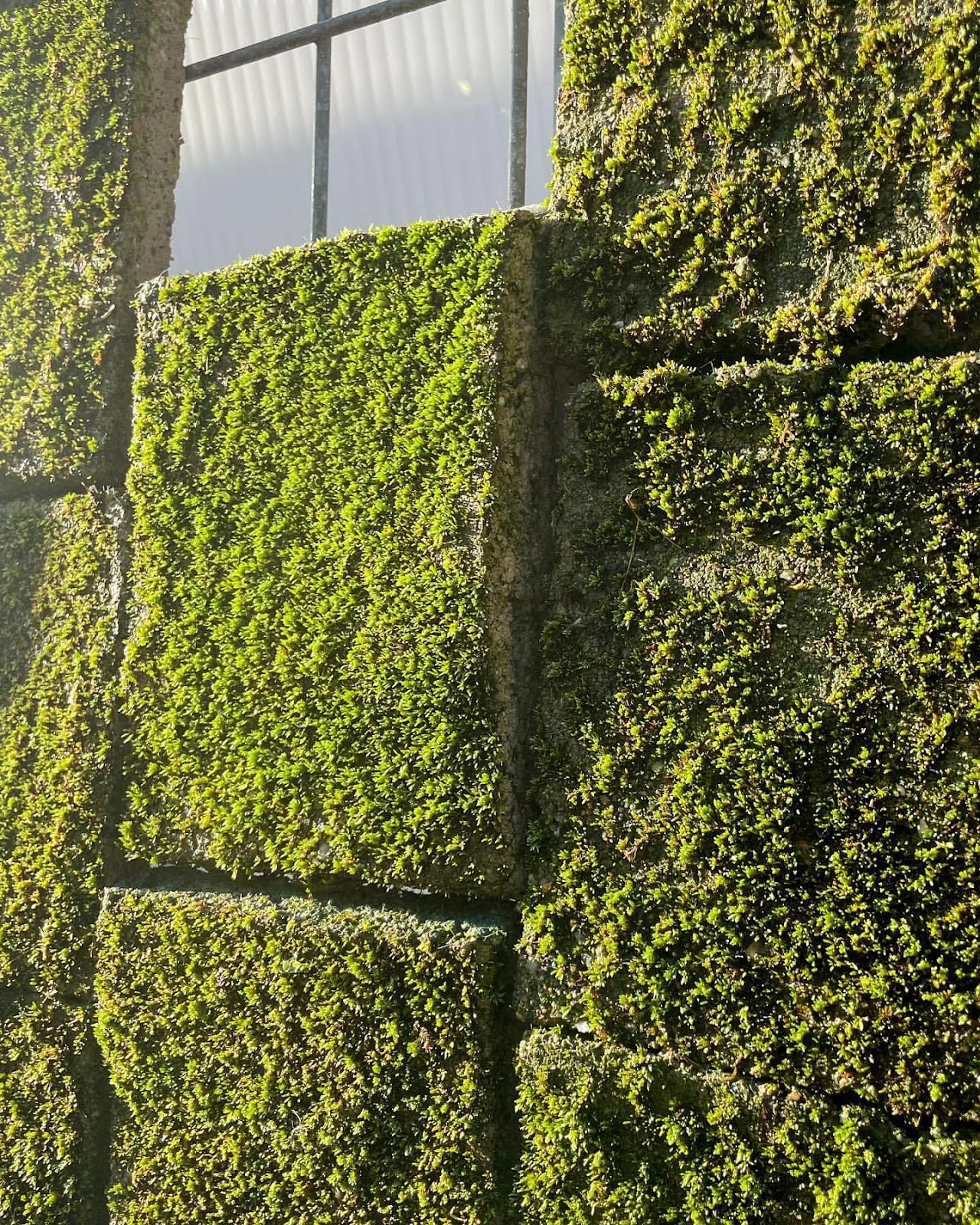
Environmental Impact
- Air purification – Moss intercepts CO₂, NOₓ, PM10, VOCs, and other pollutants, converting them into oxygen and biomass, with PM capture comparable to trees per square metre.
- Heat mitigation – Vegetated walls can reduce surface temperature by 30 °C, from ~60 °C on bare walls to ~30 °C, translating to ambient cooling of up to 7 °C in urban heat islands.
- Water retention & noise reduction – Each square metre of moss layer retains ~5 L of water and dampens sound, further enhancing microclimate comfort.
- Biodiversity enhancement – Moss rhizoids, unlike plant roots, cause no damage and create habitats for microfauna, promoting urban ecological resilience.
- Low maintenance & durability – After initial establishment, moss thrives with only ambient moisture. The concrete itself provides a weathering buffer and graffiti resistance, protecting façades without ongoing intervention.
Ecological Benefits Beyond Metrics: Moss as a Living Interface
With three completed installations and five underway across the Netherlands with panels on schools, bus stops, social housing, and wind turbine bases, Respyre is proving its concept in active deployment.
Collaborations span TU Delft, AMS Institute, Wageningen University, and RVO’s Circular Technology program; pilot sites include Amsterdam’s Marineterrein and Wageningen campus.
Beyond quantifiable data, the moss walls foster biophilic experiences, enhancing mental well‑being, supporting micro‑fauna, reconnecting urbanites to nature, and fostering trauma‑sensitive architecture. The walls become living ecosystems, breathing, wild, alive.
The People Behind It
Founder Mark de Kruijff initiated the TU Delft research, while CEO Auke Bleij (joined in 2021) has pushed commercialization, developed production infrastructure, and secured pilots.
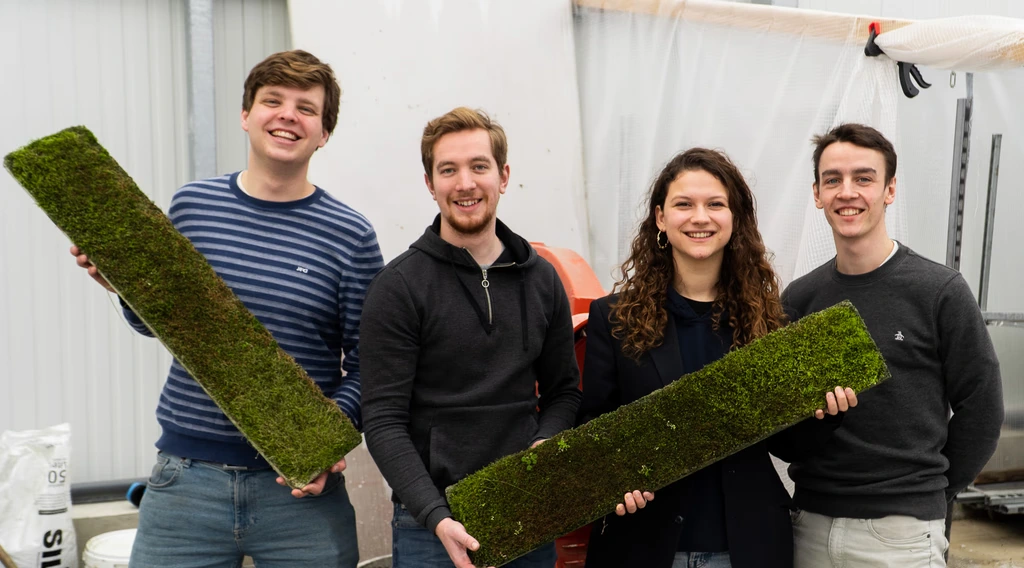
Scale Respyre into a global brand, “the Coca‑Cola of green building,” offering plantable panels and plasters that measure, market, and monetize ecological impact. By 2025, they aim to streamline production and sales, scaling delivery while refining the mix.
Challenges & Next Steps
Respyre faces several key challenges as it transitions from promising pilot projects to large-scale implementation. First, there is a need for rigorous, long-term monitoring of the moss façades to assess durability and moisture behavior over multiple seasons. While early installations show resilience, comprehensive studies on freeze-thaw cycles, structural attachment, and water retention dynamics are essential, akin to protocols used for green roofs.
Cost remains a critical barrier; scaling production and refining the concrete‑gel mix will be necessary to reduce per-square-meter costs, streamline installation, and compete with both conventional façades and more mature systems like living green walls or modular green roofs.
Lastly, formal integration into building codes and urban planning policy is vital. To support broad adoption, moss façades need recognition similar to green roofs and solar panels, benefiting from incentives, standards, and clear guidelines defining fire safety, structural loading, and maintenance requirements.
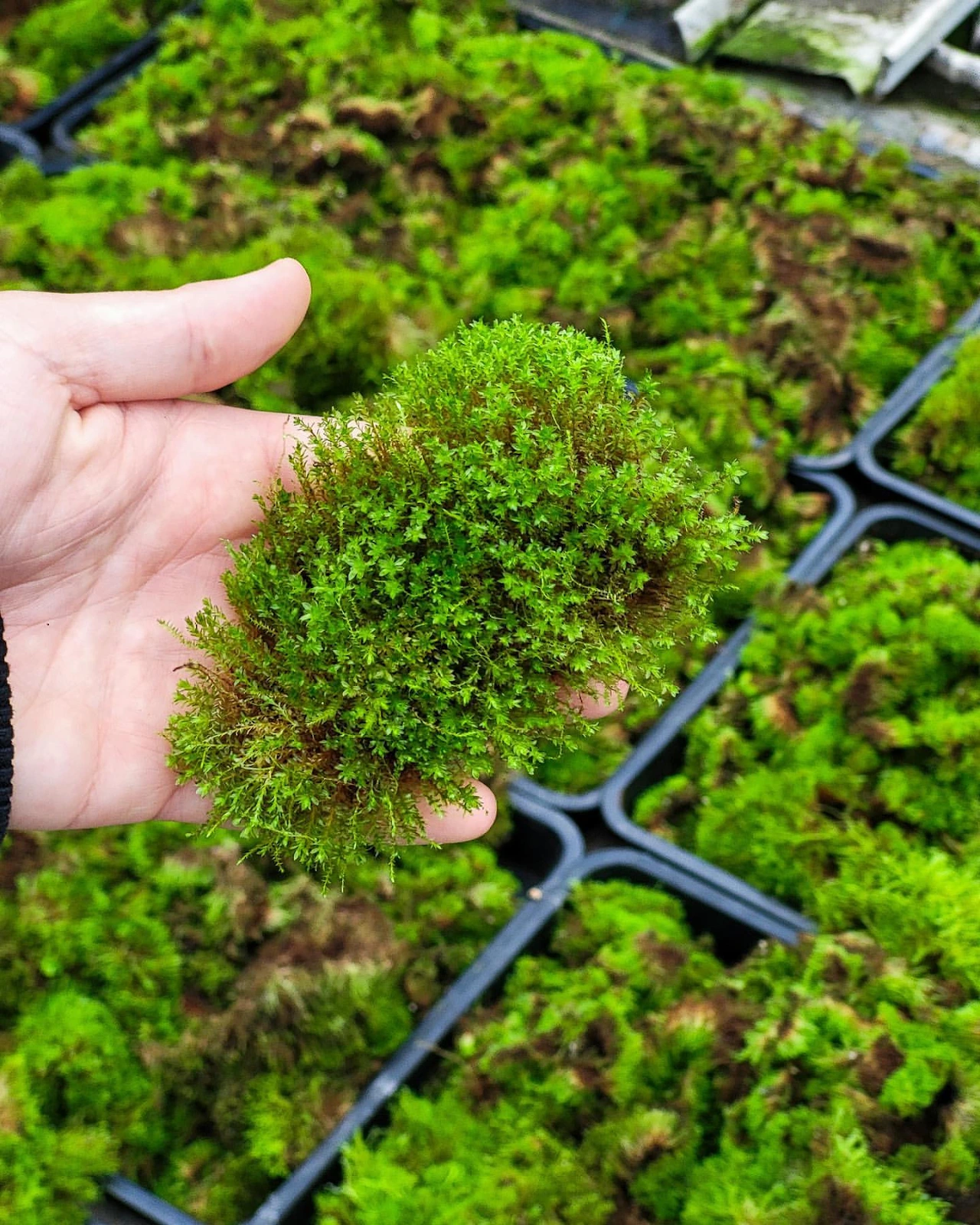
Respyre’s moss-infused concrete offers a compelling model for urban regenerative infrastructure. By transforming inert concrete surfaces into self-sustaining, living façades, it merges architectural innovation with ecological function.
Backed by field-tested performance in the Netherlands and supported by partnerships with universities and sustainability networks, the technology delivers measurable benefits: air purification, thermal regulation, water retention, noise dampening, and habitat creation. Known for its minimal maintenance after installation, it stands as an evidence-based, climate-adaptive option for retrofitting built environments.
Explore Courses
.jpg "Ondrej Chybik - Rethinking Architecture")