














One of the most effective principles of sustainable architecture is rainwater harvesting. Representing a strategic approach to managing a vital natural resource, rainwater harvesting is crucial in reducing the demand on our overloaded water systems. Especially in regions where water scarcity is increasing, this practice eases pressure on urban water resources, provides an additional water source during dry periods, and contributes to replenishing groundwater levels, which is essential for maintaining the ecological cycle.
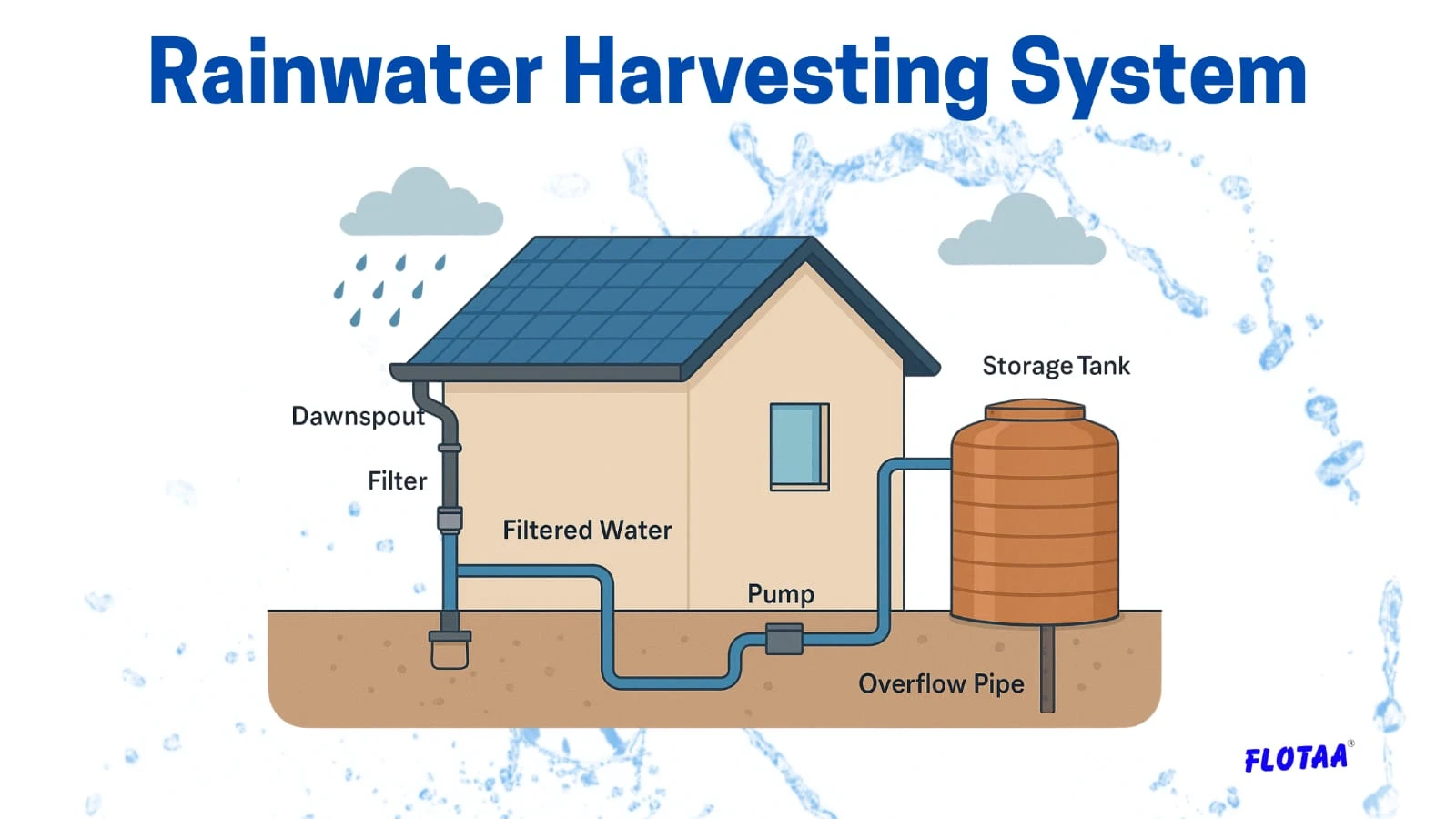
Rainwater harvesting, which promotes the efficient use of water resources, reduces the environmental footprint of human activities. By capturing excess rainfall before it causes flooding, these systems help manage stormwater runoff that leads to erosion, pollution, and floods. Promoting eco-friendly living, this system supports green home initiatives and offers an ideal way for households to reduce their ecological footprint.
Advantages of Rainwater Harvesting
Rainwater harvesting systems reduce dependence on mains water and ease the pressure on local water resources. Especially in areas where water needs to be pumped over long distances, rainwater harvesting helps reduce the environmental impact of water transportation. Rainwater, which can be used directly without filtration for non-potable purposes such as irrigation or toilet flushing, also provides cost savings. Naturally soft, it eliminates the need for water softeners in hard water areas.
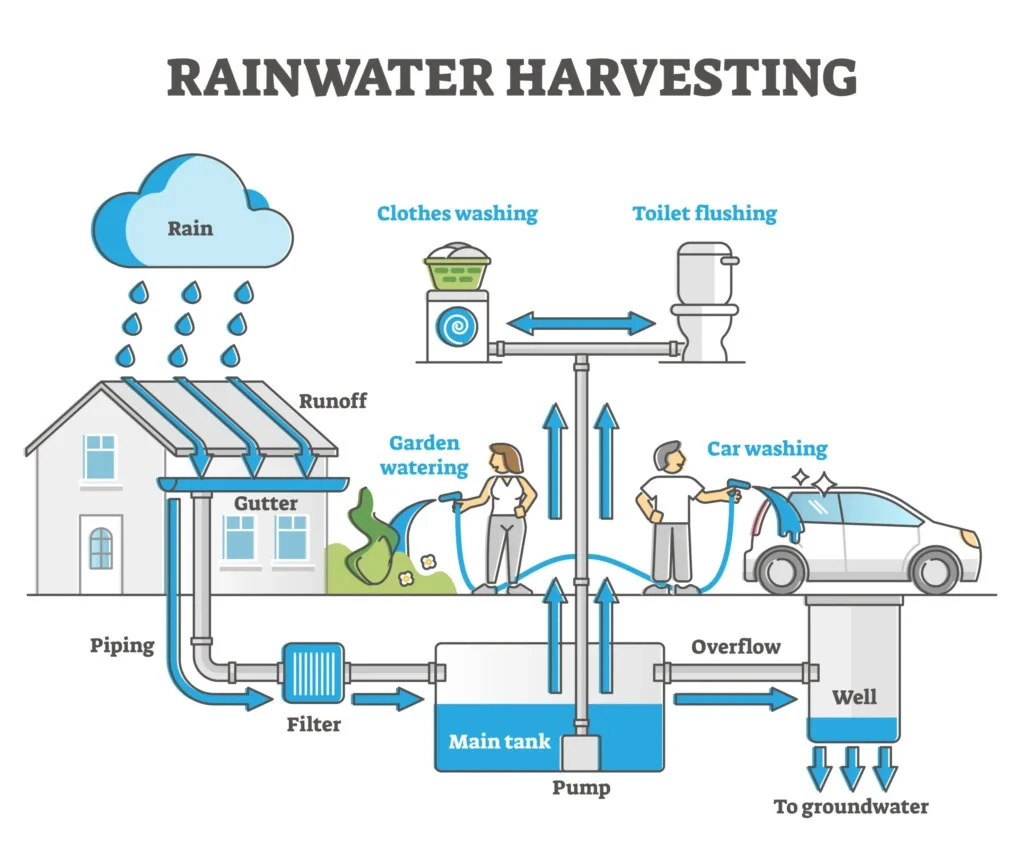
Rainwater harvesting also reduces surface runoff that carries pollutants such as oils, pesticides, and sediments into water bodies, harming aquatic ecosystems. In urban areas with abundant impermeable surfaces, rainwater often cannot infiltrate the soil, leading to groundwater depletion. Collected rainwater helps artificially recharge aquifers, maintaining the delicate balance of groundwater systems.
Components of a Rainwater Harvesting System
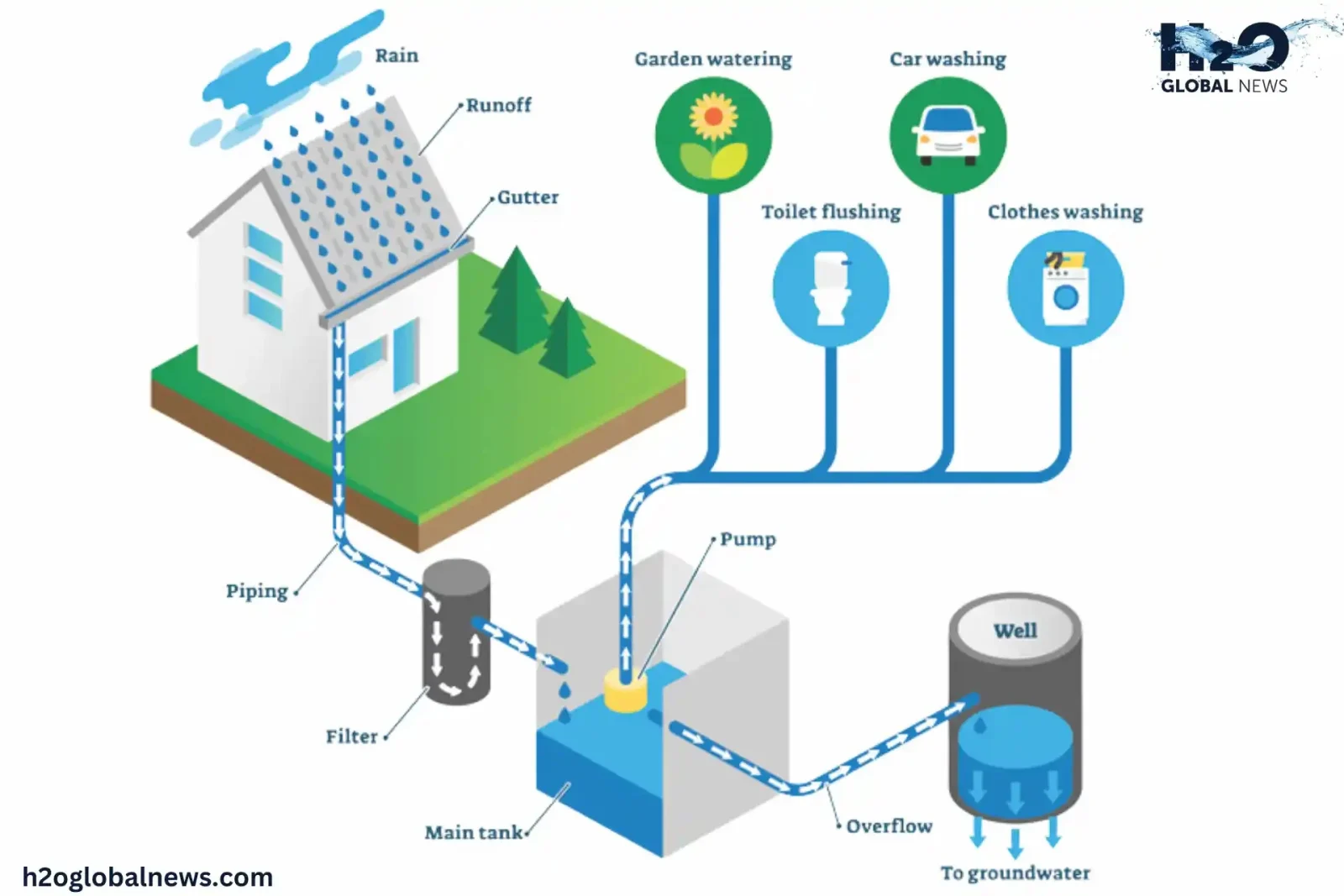
A rainwater harvesting system consists of several key components, each playing a vital role in efficiently capturing, storing, and using rainwater.
1. Watershed Area
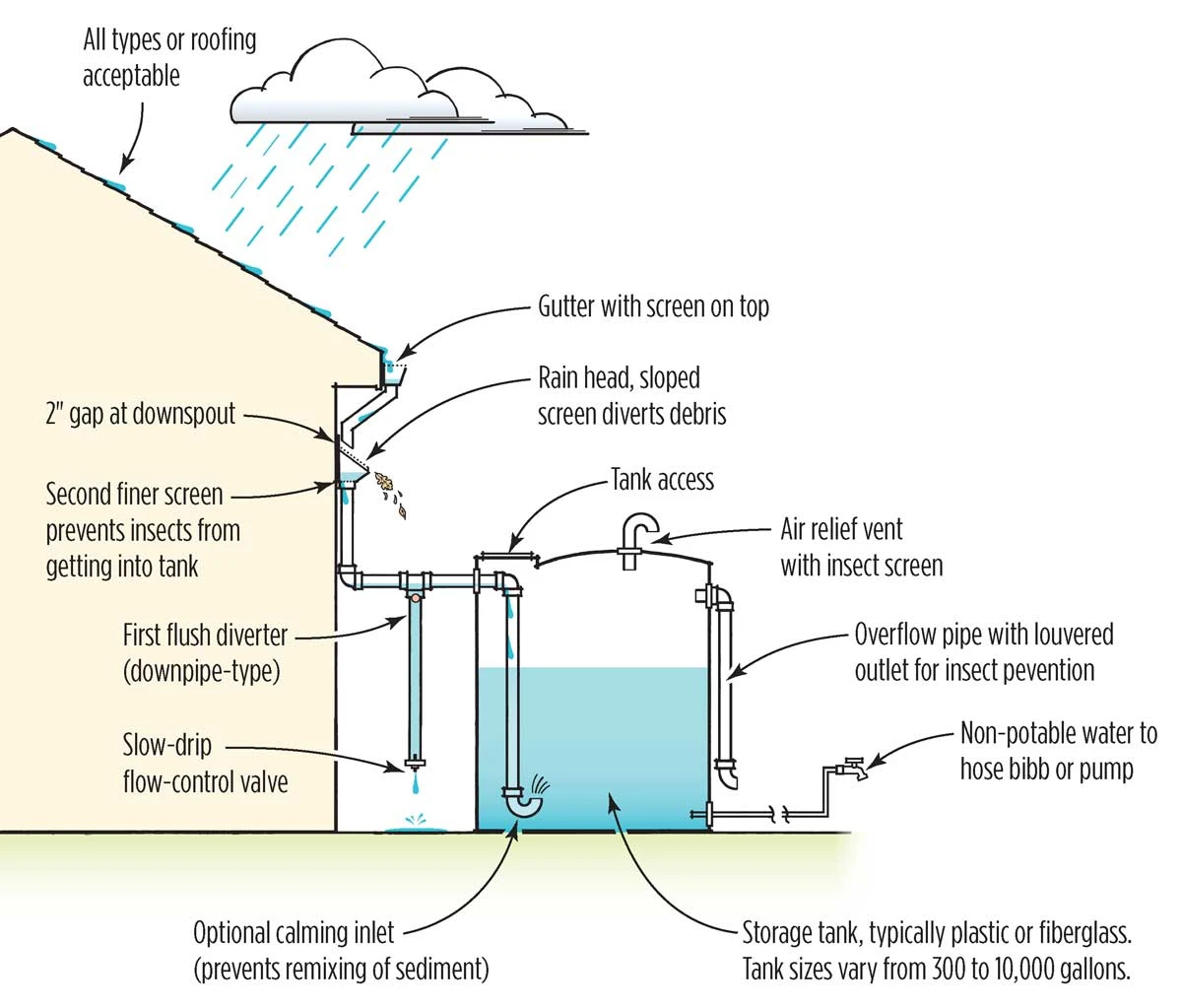
The primary surface where rainwater is collected is the catchment area of the rainwater harvesting system. Roofs, which typically perform this task, provide a large, unobstructed surface. Roofing materials such as metal, tile, or slate are often used for harvesting purposes because they are non-toxic and durable. The slope of the roof also plays a crucial role in determining the efficiency of the system, as steeper angles allow for faster water collection. In addition to roofs, ground surfaces such as fields or landscaped areas specifically designed for rainwater harvesting can also be used as catchment areas.
2. Conveyance Systems
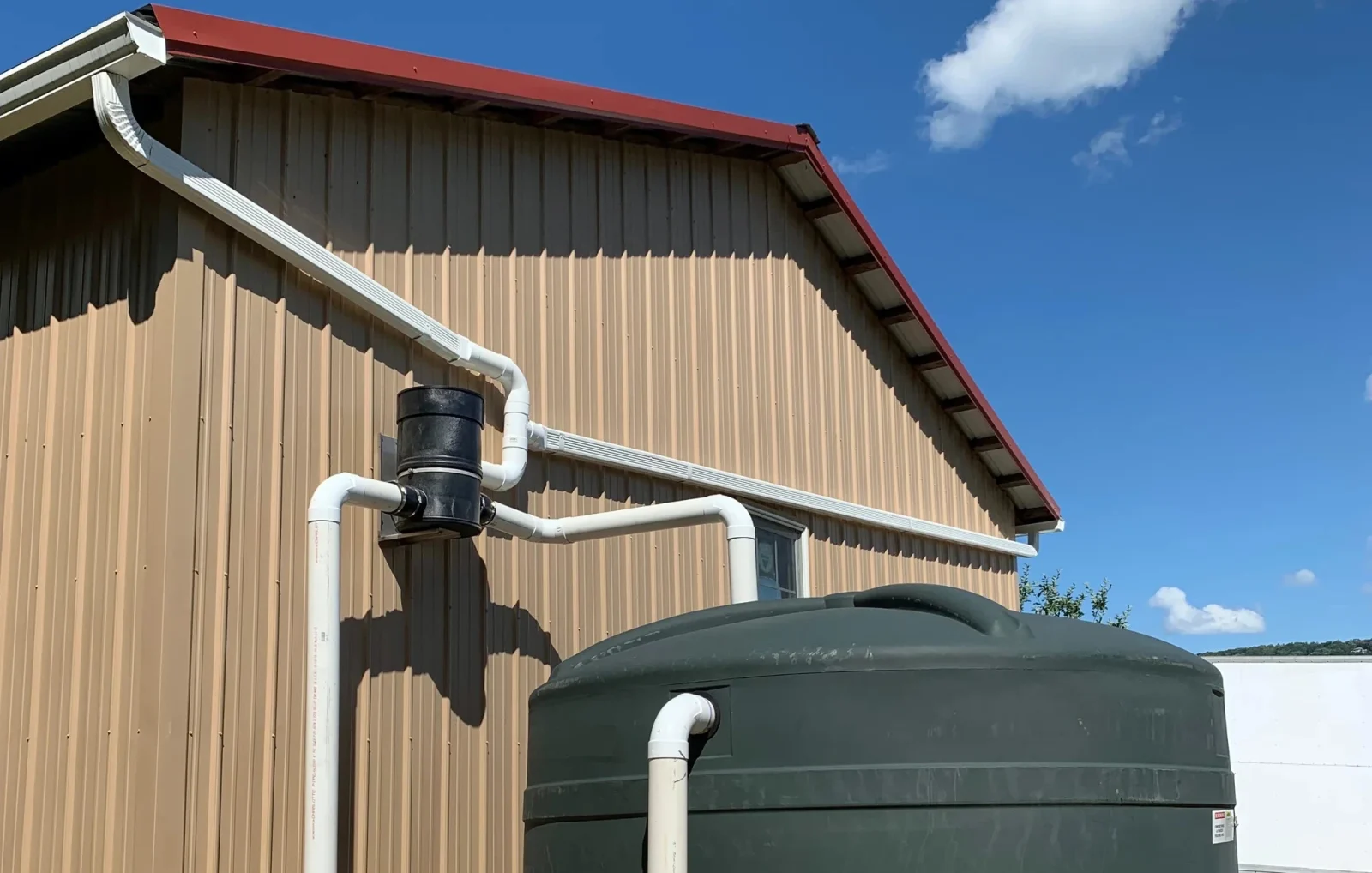
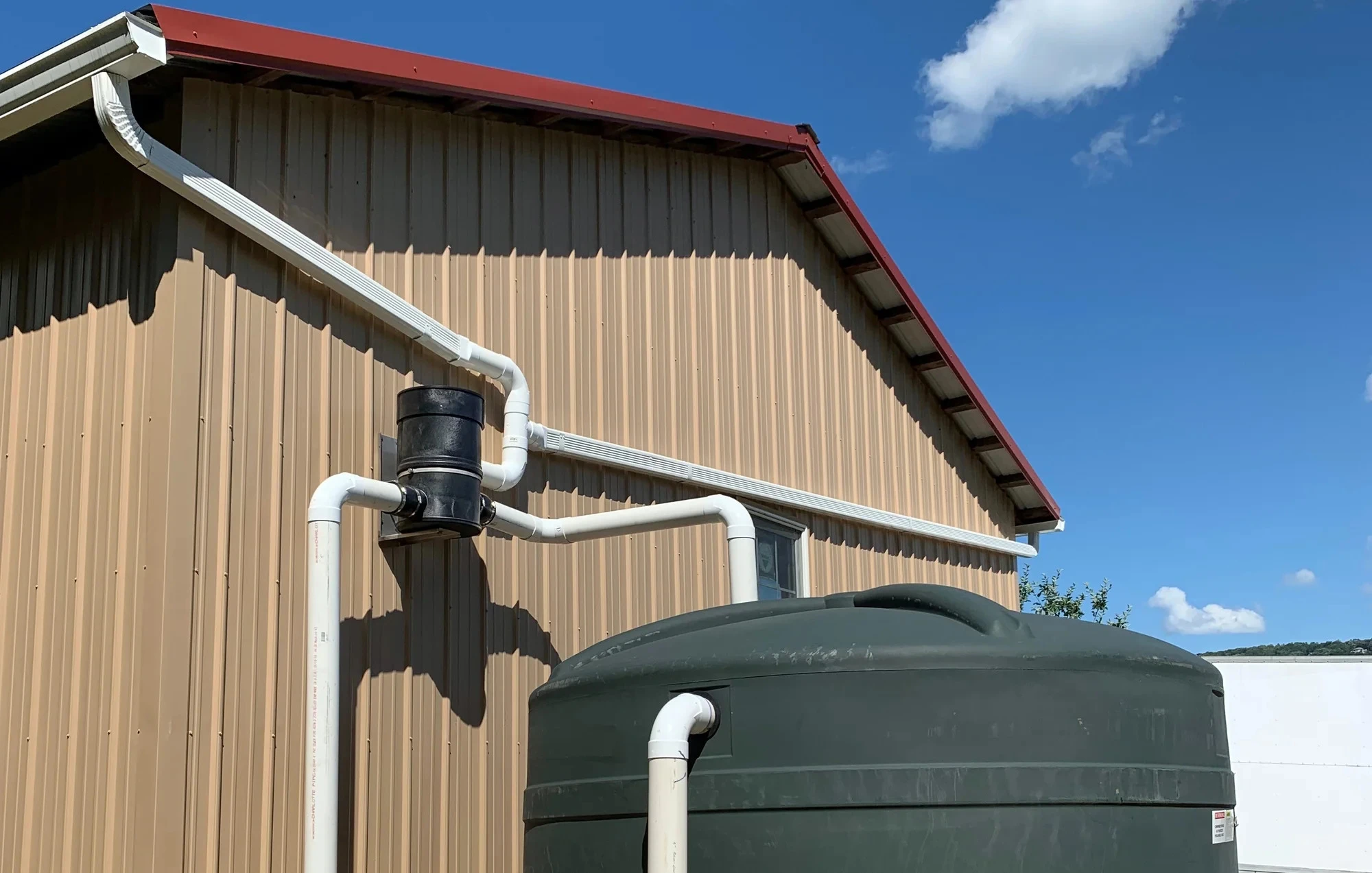
Rainwater that falls onto a catchment surface is directed to the storage tank through conveyance systems. Gutters installed along the roof edges collect the water and channel it into downspouts. After passing through a filtration system, the rainwater finally reaches the storage tanks. For the efficiency of the collection system, the gutters must be the correct size and location; mesh filters should be used to prevent large particles, such as leaves, from entering the tank.
3. Filtration Systems
Before the captured rainwater reaches the storage tanks, it is purified from debris, leaves, and pollutants. Initial flow deflectors prevent the initial dirty runoff from entering the system, while additional filtration stages, such as fine-mesh filters, carbon filters, or UV purifiers, improve water quality.
4. Storage Tanks
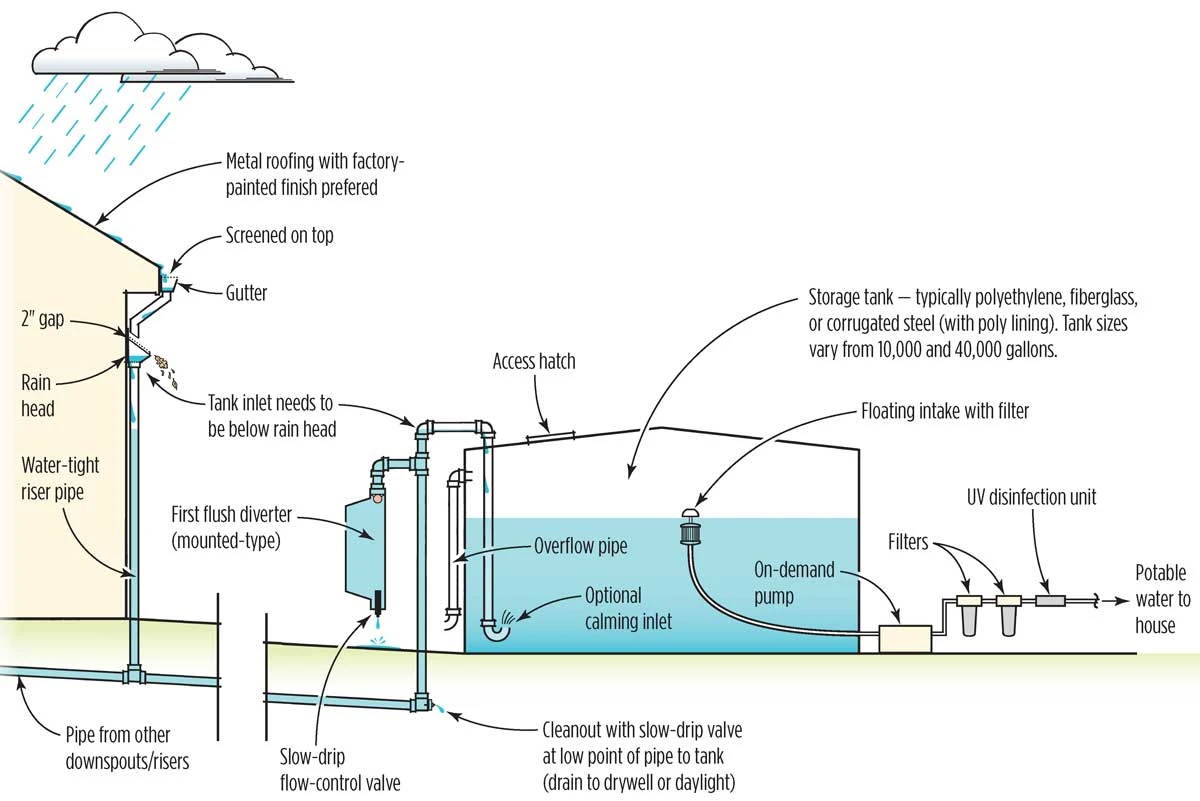
Storage tanks, selected depending on the intended use of the collected water, the amount of rainfall, and the available space, can be made from various materials such as plastic, concrete, or metal. The tanks should also be leakproof and UV-resistant to prevent algae growth and contamination from external factors.
5. Distribution System
Stored rainwater is distributed to different parts of the house for washing and other non-potable uses. Depending on the layout of the house and water needs, the system can be gravity-fed or operated by an electric pump. With the distribution system integrated with the house’s existing water supply, seamless access to the stored rainwater for daily activities is possible.
Types of Rainwater Harvesting Systems
- Rooftop Rainwater Harvesting
The most common method of rainwater harvesting, especially in urban areas, is rooftop collection, where building roofs act as catchment surfaces to collect rainwater. This system uses existing structures and requires minimal additional infrastructure. Water collected from roofs is directed and stored through gutters and downpipes. Roof water harvesting is particularly effective for indoor use.
- Surface Rainwater Harvesting
Surface rainwater harvesting involves collecting rainwater from surfaces such as land, gardens, and paved areas. The collected water is stored in ponds, reservoirs, or underground storage tanks. This system replenishes groundwater resources and prevents soil erosion and flooding caused by surface runoff.
- Direct Storage
In this system, which collects and stores rainwater for future use, water falling on a roof or other surface is collected and stored. Thus, rainwater is accessible for cleaning or irrigation whenever needed.
- Groundwater Recharge
The purpose of this technique is to replenish groundwater resources by allowing rainwater to infiltrate back into the ground. The collected rainwater is directed into designated pits or channels where it seeps, raising the groundwater level. This method includes practices such as infiltration pits, trenches, and recharge wells.
- Hybrid Systems (Storage + Recharge)
Hybrid systems store rainwater in tanks for later use while directing excess water back into the ground to recharge groundwater resources.
Modern Rainwater Harvesting Techniques
Rainwater harvesting techniques have been developed over centuries and adapted to different climates and geographical conditions. Modern rainwater harvesting techniques, which increase efficiency and expand areas of use, incorporate advanced technology. With the development of water purification technology, collected rainwater can be used for a wide range of purposes, including drinking water.
Projects Utilizing Rainwater Harvesting Systems
House in the Countryside

Location: Arta, Spain
Architect: Herreros Arquitectos
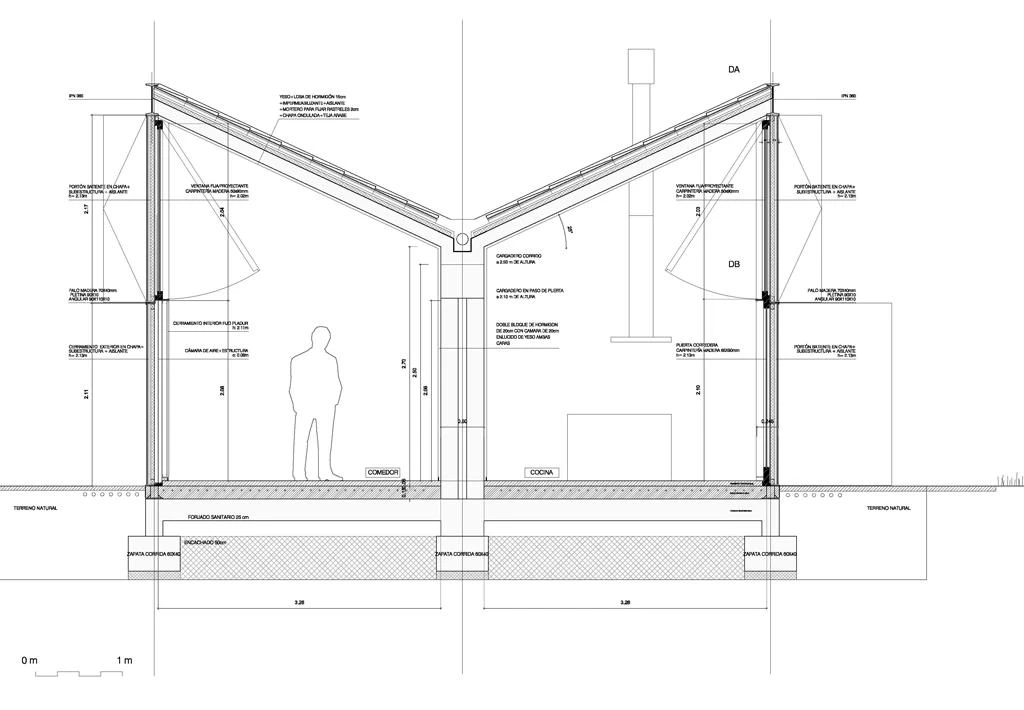
Herreros Arquitectos transformed the existing structure, formerly a shelter for shepherds, into a small dwelling, creating a cleverly designed building in terms of ventilation, drainage, and water harvesting. The inverted roof, which gives the House in the Countryside its iconic appearance, not only enables highly effective natural cross-ventilation but also impressively harvests rainwater. The two slopes of the roof collect the water, channel it to gutters, and filter it into a cistern for collection and storage.
Shishiodoshi House
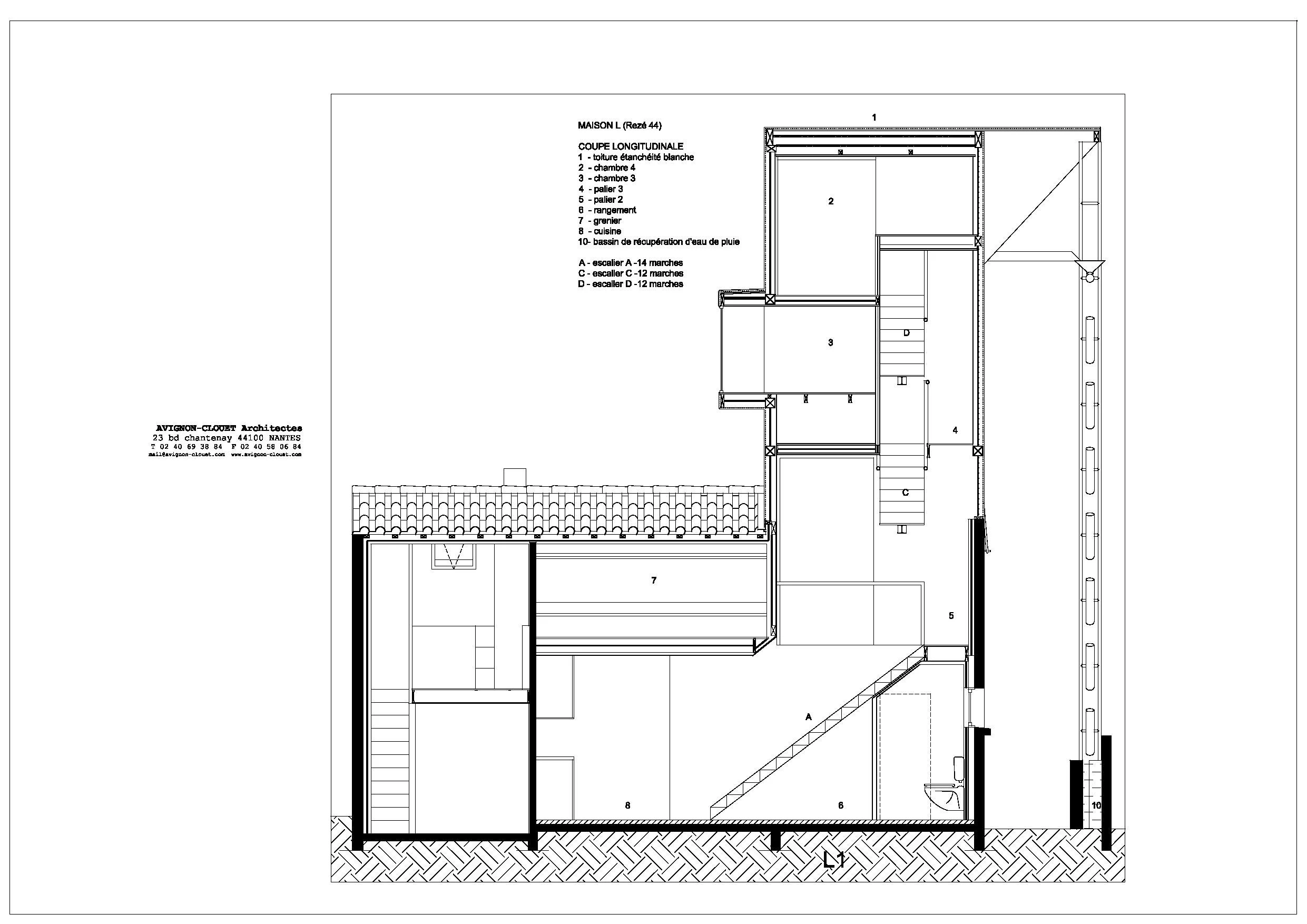
Location: Reze, France
Architect: Avignon-Clouet Architecture
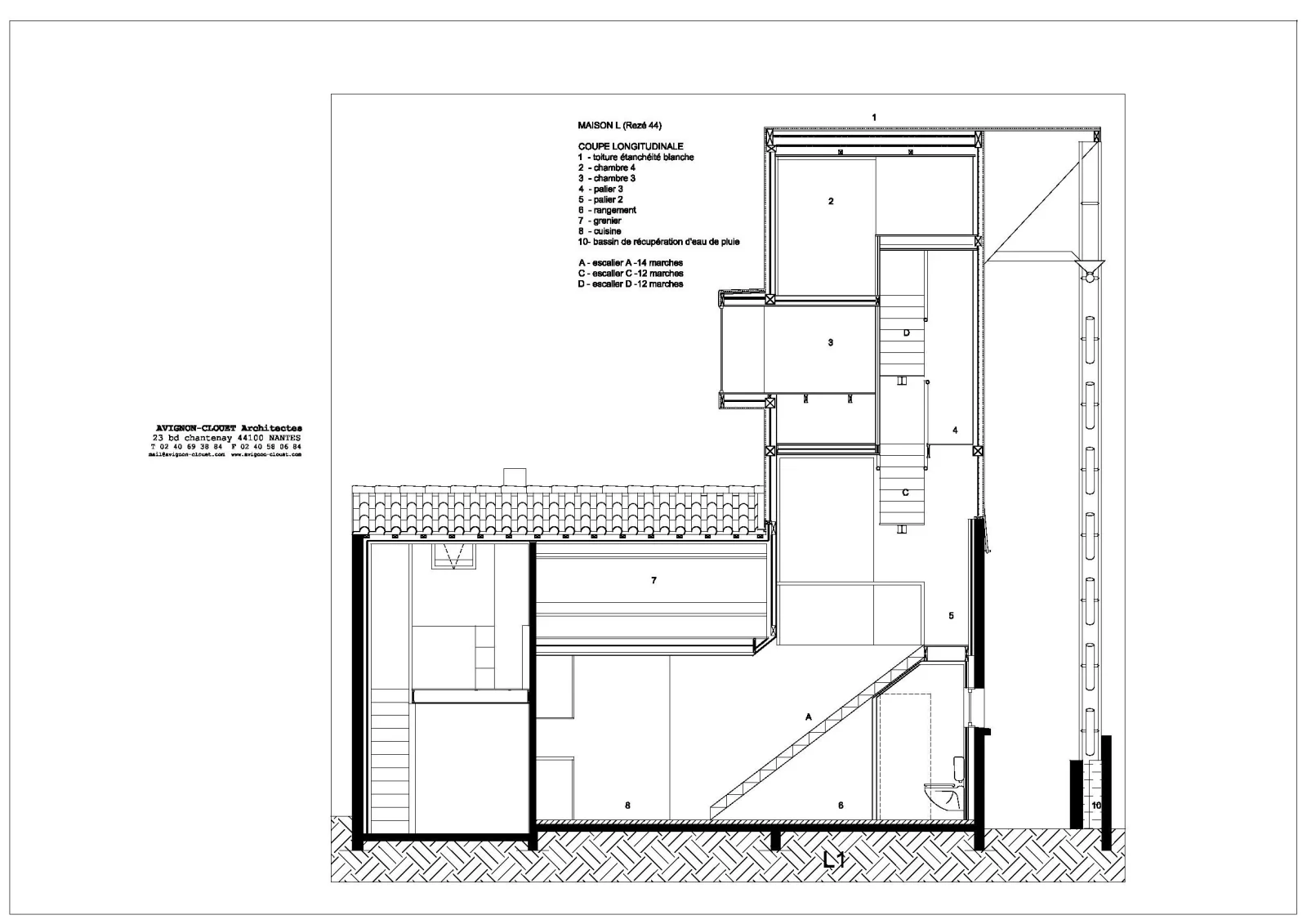
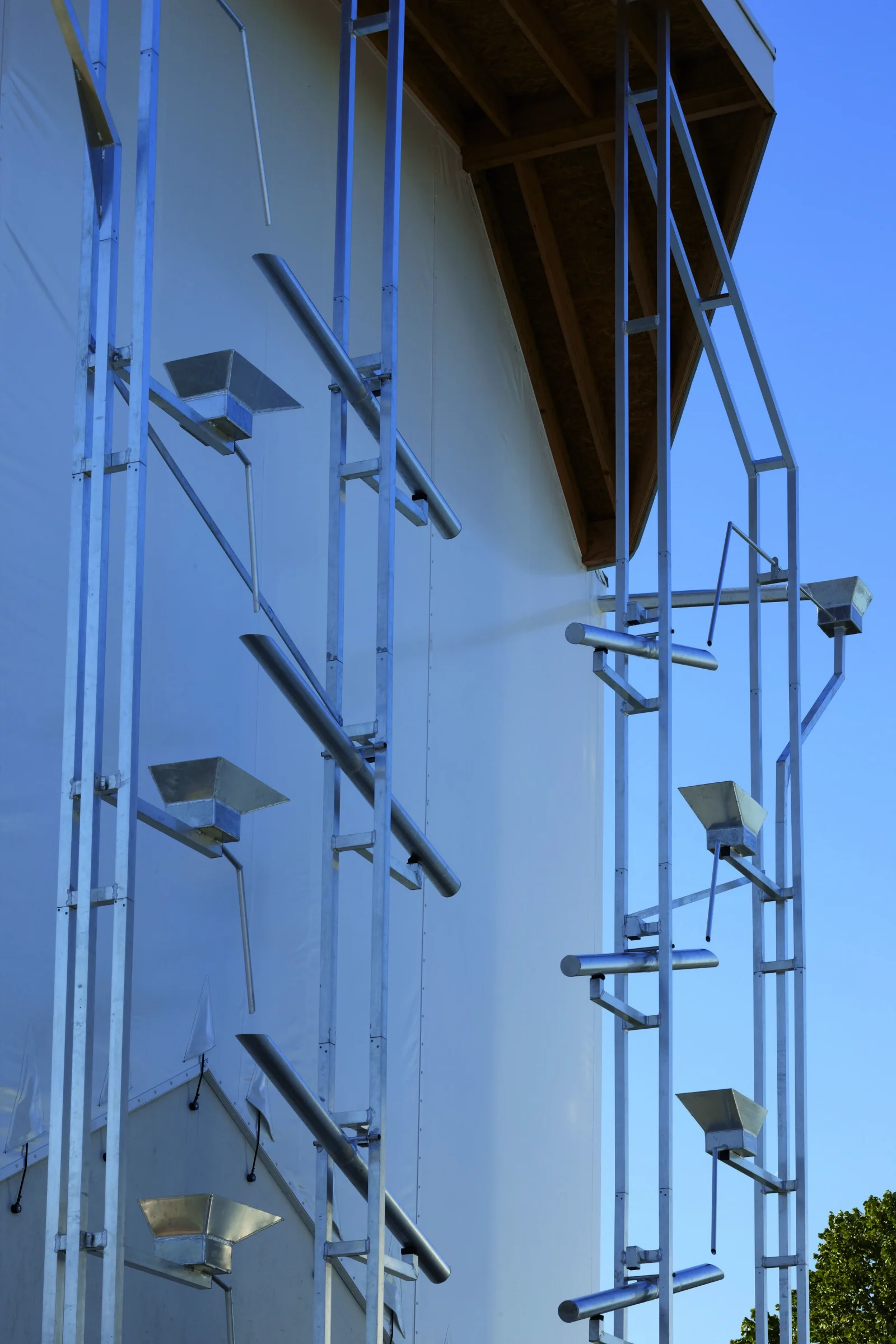
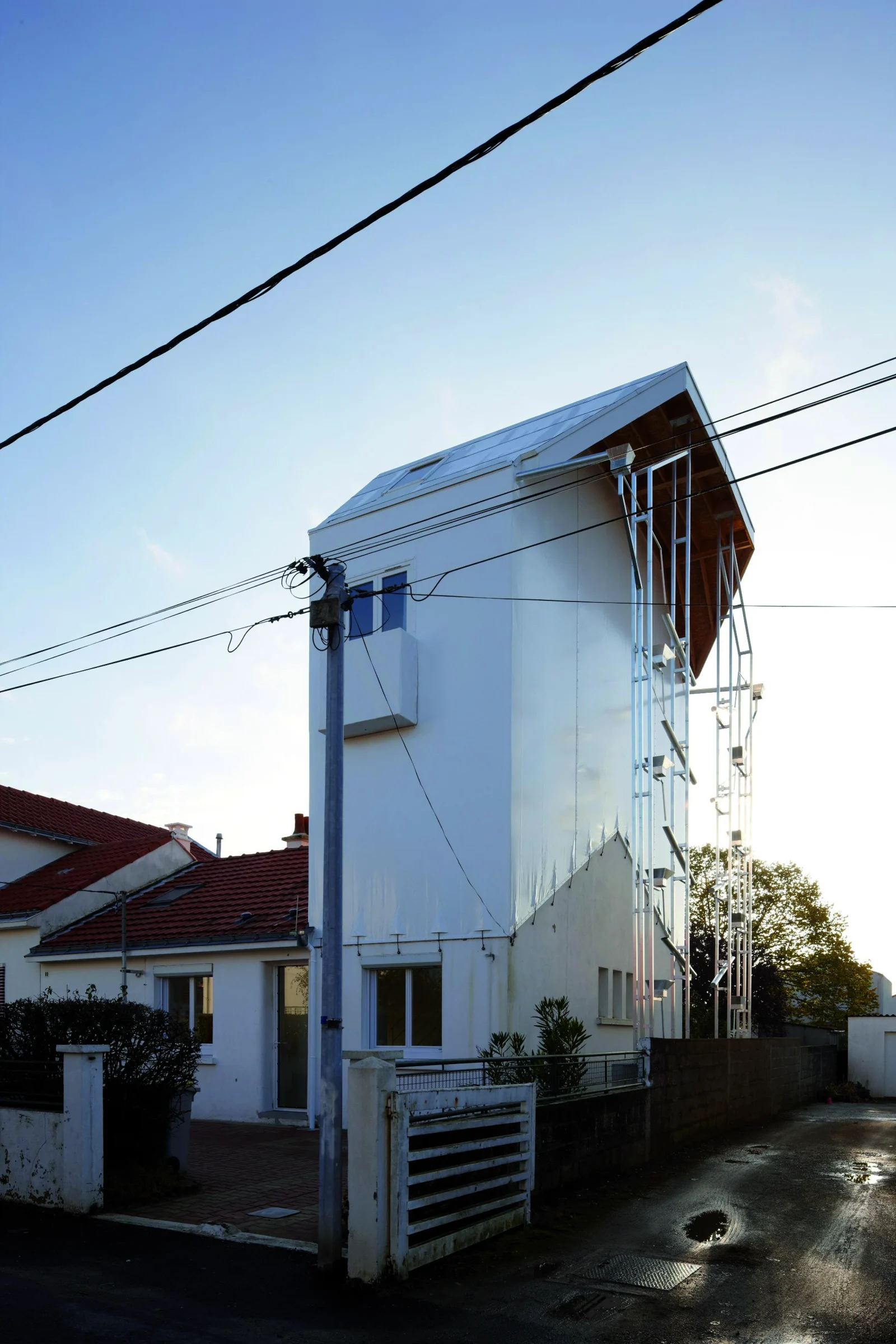
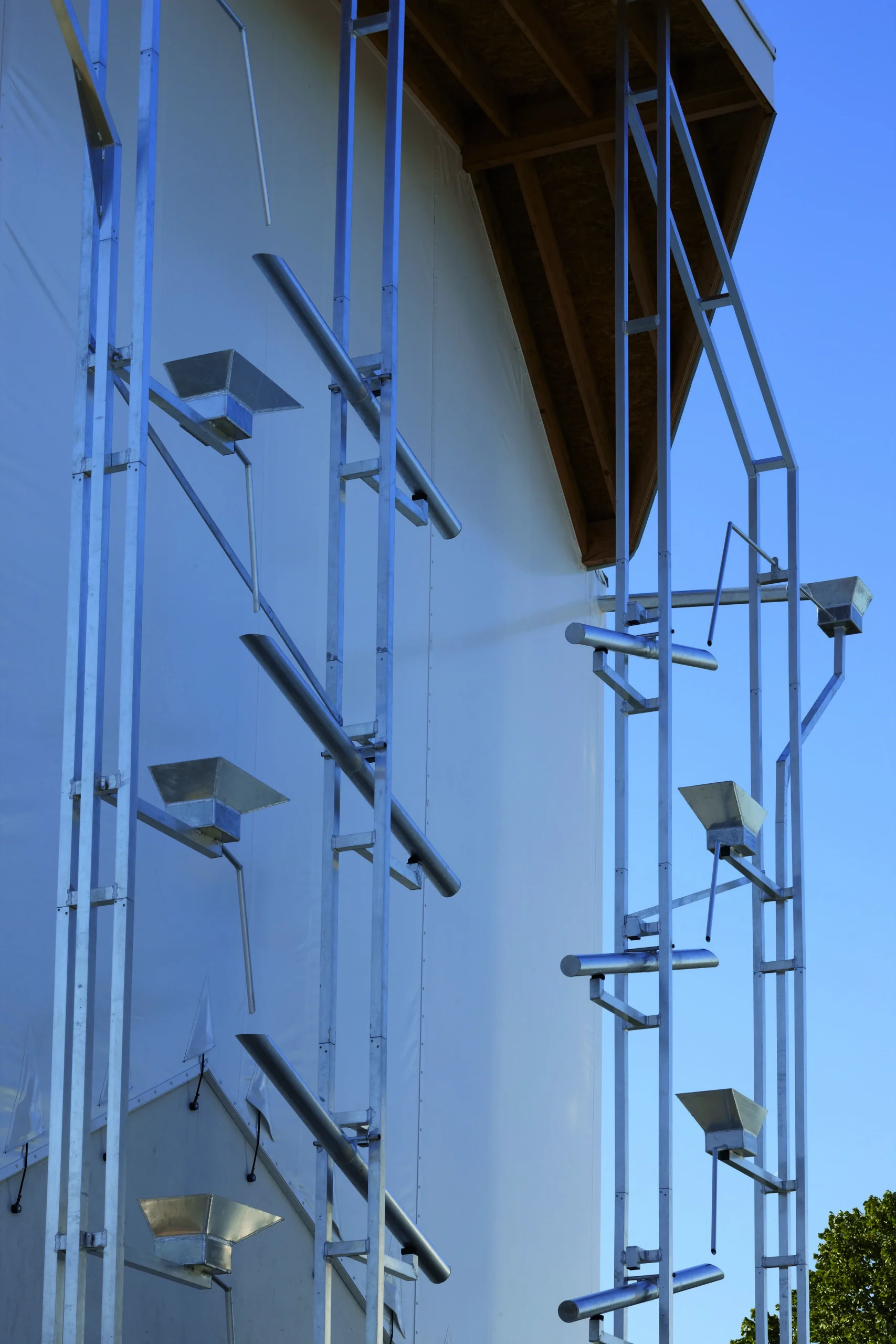
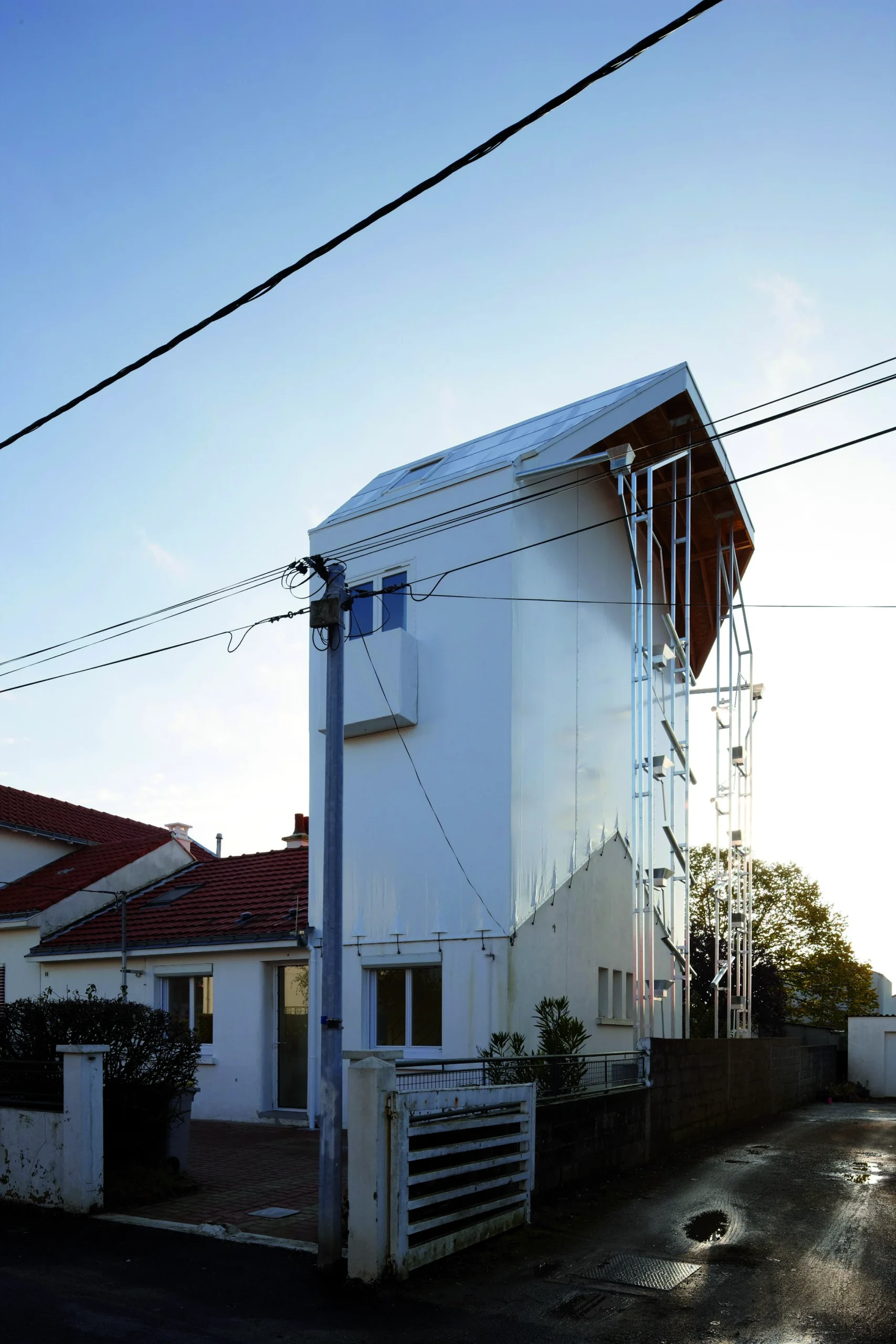
Shihhiodoshi House, designed by Avignon-Clouet Architecture, is a building that effectively utilizes modern rainwater harvesting systems. Within the property, the roof eaves direct rainwater into a large SHISHIODOSHI structure made of aluminum. This authentic Japanese rocking fountain system is activated as soon as the first raindrops begin to fall, and it ultimately ends with the collected water being stored in a tank.
Tucson Mountain Retreat

Location: Tucson, AZ
Architect: DUST
Designed by DUST, Tucson Mountain Retreat is located in the Sonoran Desert, where water is always scarce. This vacation home, with its rammed-earth walls, meets its own water needs using a massive 30,000-gallon system that collects rainwater and filters it until it is potable.
Cape Russell Retreat

Location: Sharps, Chapel, USA
Architect: Sanders Pace Architecture
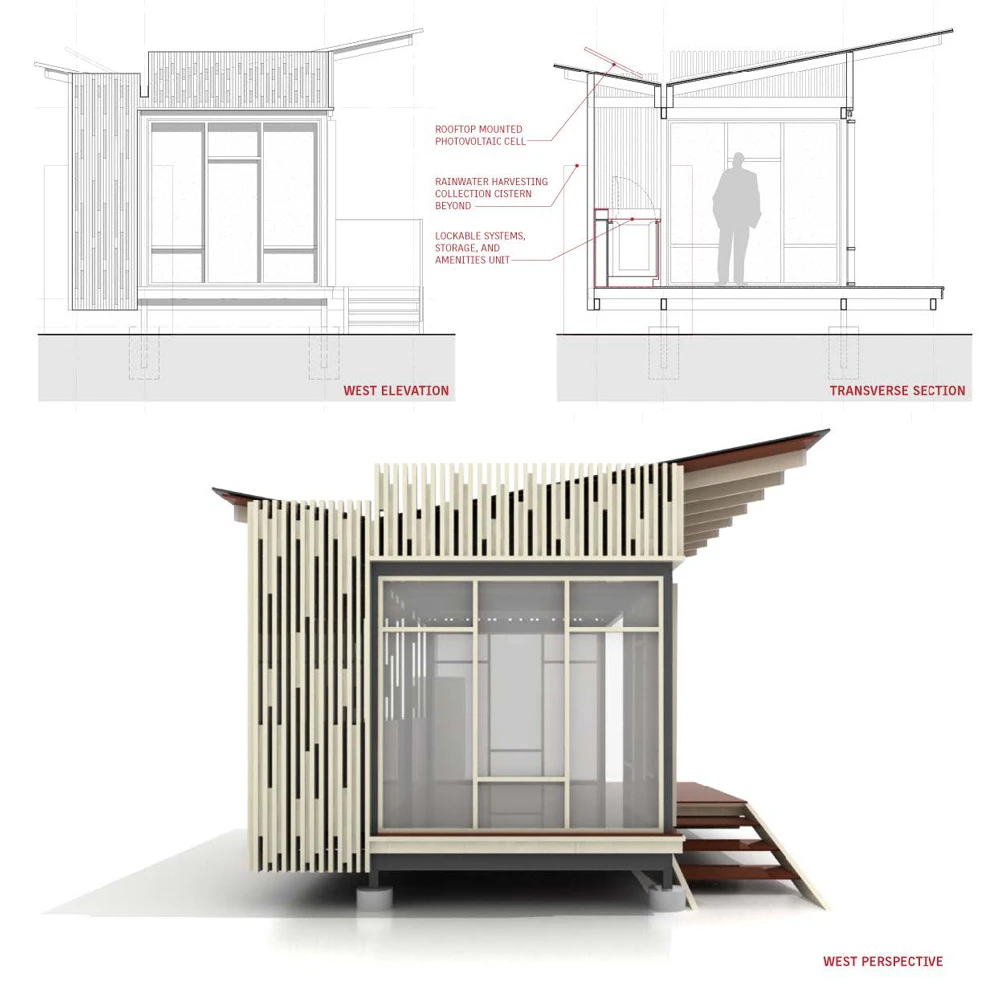
Cape Russell Retreat, designed by Sanders Pace Architecture, is an off-grid lakeside pavilion intended for weekend use, featuring water reclamation and photovoltaic technologies. Constructed with lightweight steel for durability and ease of fabrication, the structure incorporates cedar wood partitions that form the structure of the butterfly roof above. The roof collects rainwater and channels it into a collection cistern beside the building. Inside, an activated carbon filter and ultraviolet light system purify the rainwater, making it potable.
Cascading Creek House

Location: LP, USA
Architect: Bercy Chen Studio
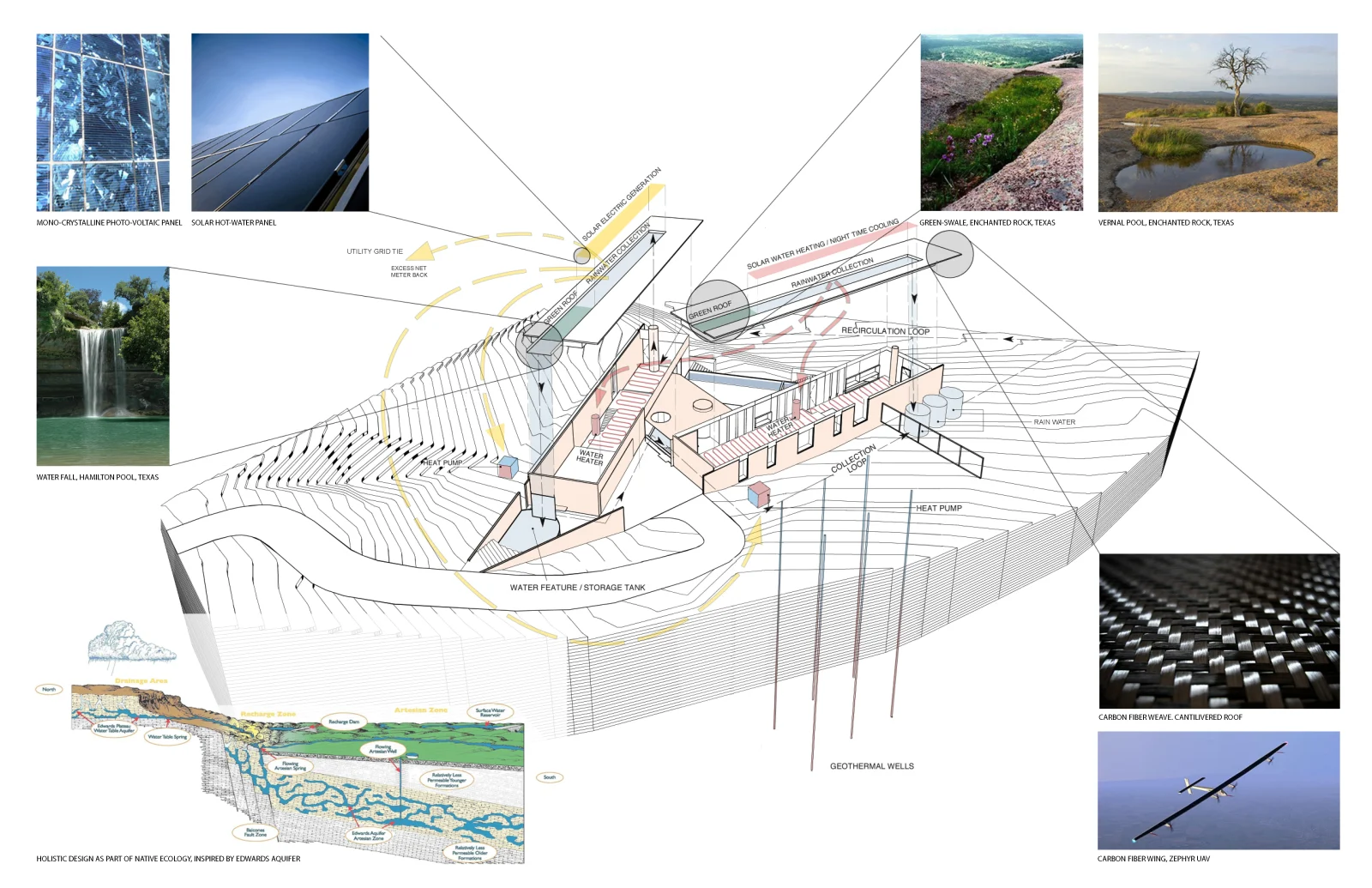
Located in the Texas Hill Country, Cascading Creek House is designed to form a natural catchment basin for rainwater harvesting. These basins utilize photovoltaic and solar hot water panels to harness additional natural runoff. Rainwater collected on the roof is connected to a comprehensive climate control system using water-source pumps and radiant loops. Connected to geothermal subsurface cycles, pools, and water features, the system creates a heat exchange network that minimizes reliance on electricity or gas. In this way, Cascading Creek House achieves efficient heating and cooling.
Rainwater harvesting, the process of channeling, filtering, and storing precipitation from roofs, terraces, or large hard surfaces for later use, mimics the natural water cycle by conserving water at its source. A central component of resource-efficient water use, rainwater harvesting is an independent, decentralized, and sustainable contribution to water supply. It also enables better management of groundwater reserves, and with its environmentally friendly approach, rainwater collection should be integrated into projects aiming for a world less affected by climate-related challenges.
Explore Courses

.jpg "Ondrej Chybik - Rethinking Architecture")