






Tokyo, September 2025 – Swiss performance brand On has taken a bold step into the future of athletic footwear with the unveiling of its LightSpray™ technology at the newly opened On Labs Tokyo. Set at the intersection of design, performance, and sustainability, this innovation marks one of the company’s most ambitious ventures to date.

What Is LightSpray™?
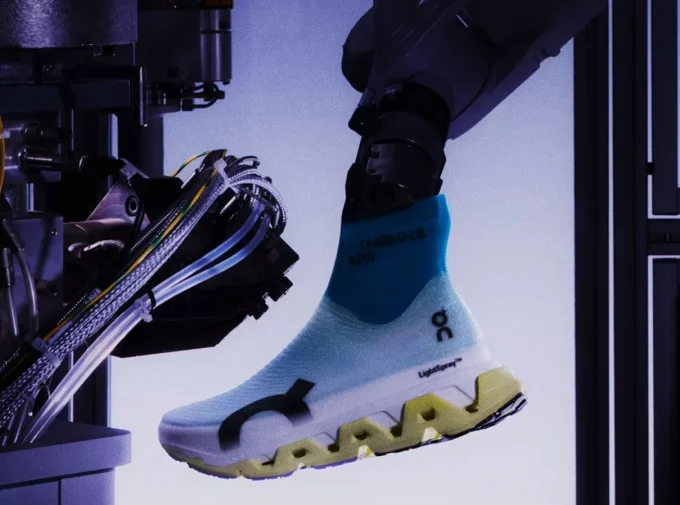
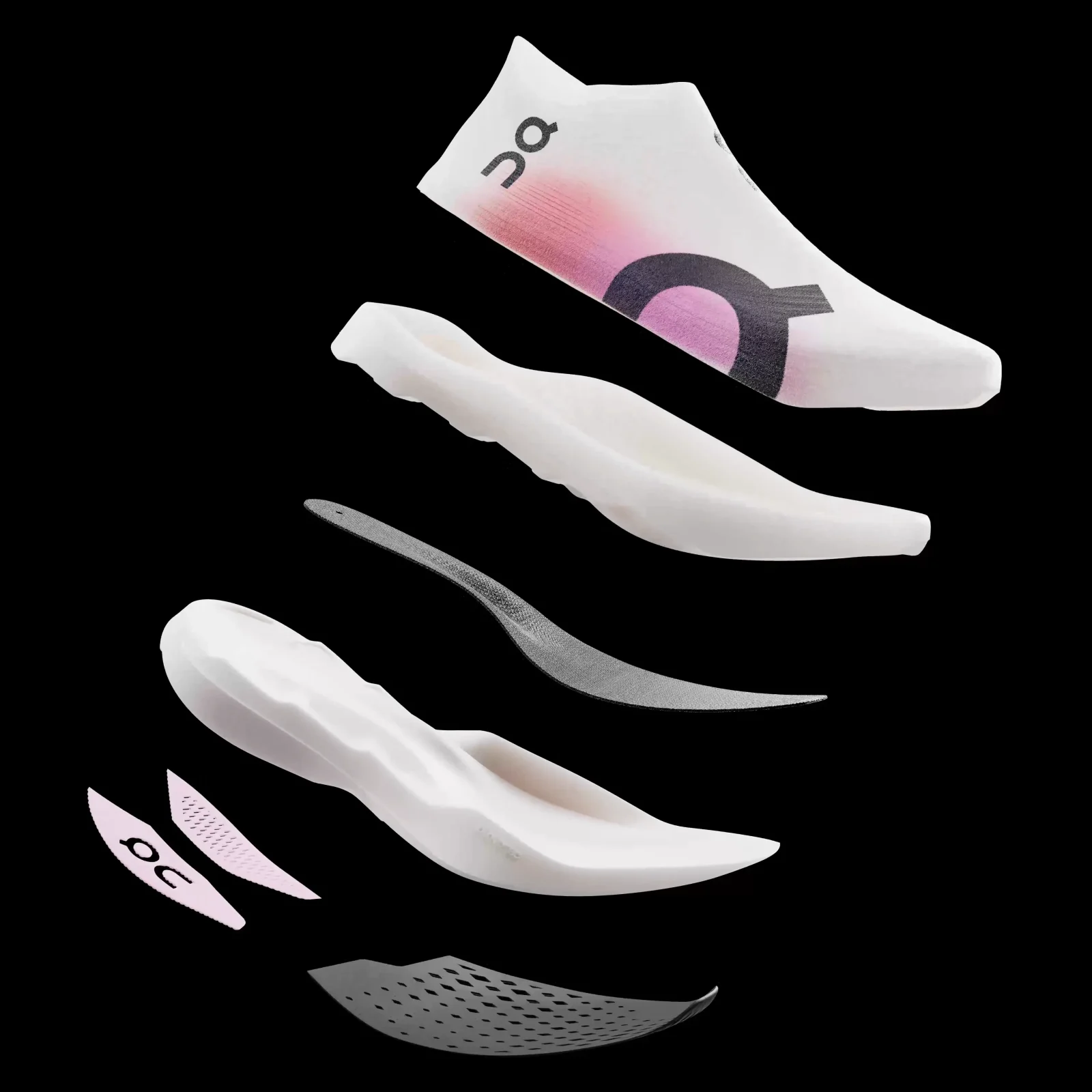
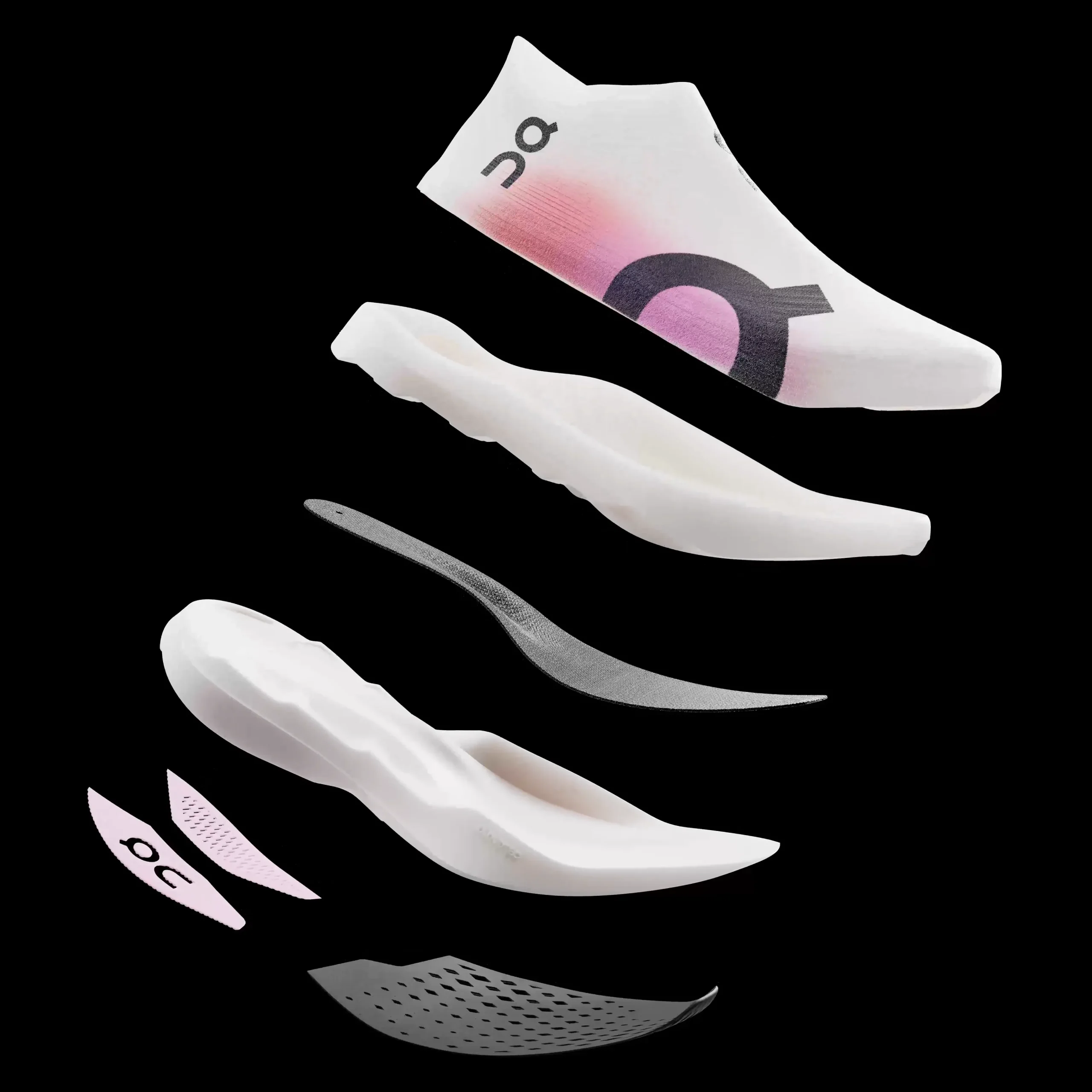
LightSpray™ is a robotics-driven process that reimagines how shoes are created. Instead of relying on traditional, multi-component assembly, the LightSpray™ system uses robot-controlled nozzles to spray a lightweight material directly onto a foot-shaped last (a mold mimicking the human foot). The sprayed layers build the shoe’s structure without many of the seams, glues, or waste associated with traditional shoe manufacturing. The result is lighter weight, improved breathability, and greater flexibility.
In demonstrations, On has shown how this method allows for rapid prototyping, changes in design or structure can be adjusted in real time, and then directly produced with minimal delay. Runners need that change (stride, terrain, or feedback); this offers adaptability rarely seen in performance footwear.

This approach addresses several challenges in modern footwear production: material waste, design limitations, and the gap between prototype and consumer-ready product. By minimizing seams and adhesives, LightSpray™ reduces weight while enhancing flexibility and responsiveness, qualities prized by elite athletes and everyday runners alike.
The On Tokyo Lab Strategy: Why Choose Japan
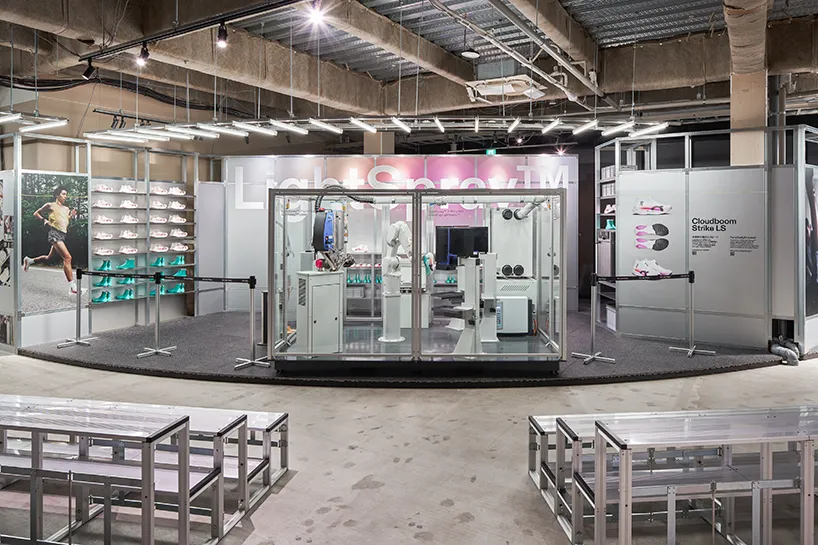
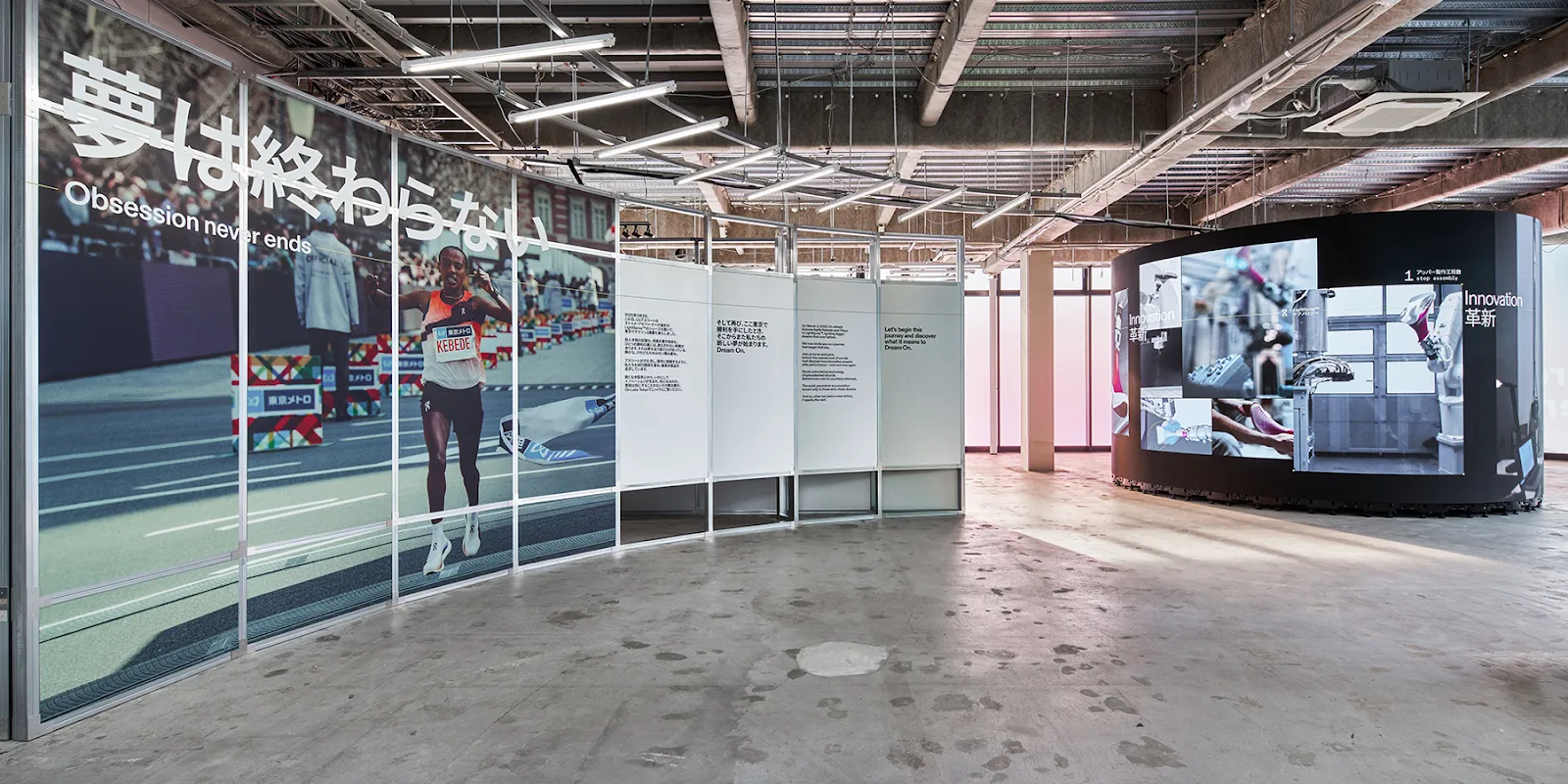
The debut of LightSpray™ took place at On Labs Tokyo, located in Shibuya’s Yodobashi J6 Building. From September 13 to 21, visitors were invited to witness live demonstrations of the spray robot in action, engage with On’s engineering team, and even participate in personalized running analyses powered by the same technology.

The lab’s programming extended well beyond product display. Workshops, athletic collaborations, and cultural activities, including calligraphy and community runs, underscored On’s broader strategy to build deep, authentic connections with Japanese consumers while reinforcing its premium positioning across Asia-Pacific.
The Tokyo launch coincided with the opening of On’s flagship store in Ginza and the presence of over 30 On-sponsored athletes at the World Championships in Tokyo. Together, these initiatives illustrate the company’s “trifecta strategy” for 2025 retail expansion, technological innovation, and athlete performance.
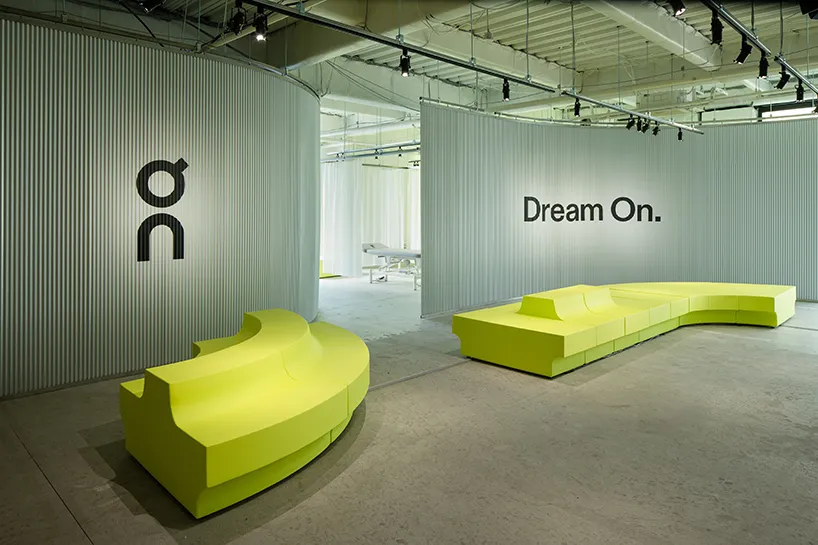
Olivier Bernhard, On’s co-founder, described Tokyo as a defining moment for the brand: “On Labs Tokyo presents the future of what is possible in shoe design and production. LightSpray is innovation, performance, and sustainability accessible to communities around the world.”
Implications for Performance and Sustainability

Beyond its sleek demonstrations, LightSpray™ represents a significant pivot in how performance shoes may be designed in the next decade. By using fewer raw materials and creating adaptable designs on demand, the technology aligns with growing sustainability goals in the footwear industry. At the same time, its athlete-driven development model, where elite runners provide real-time feedback on prototypes, ensures that functionality remains at the heart of innovation.

Traditional footwear often involves cutting, stitching, and gluing. LightSpray reduces these steps, thereby trimming offcut waste. By spraying material only where needed, developers can adjust density, flexibility, or thickness in different zones of the shoe (for example, more cushioning in the heel and more flexibility in the forefoot). Fewer layers, fewer joins, and the absence of bulky components mean less mass, translating into better energy efficiency for runners.
How LightSpray Might Change Footwear Design
This innovation challenges several norms in the performance shoe market:
- Faster customization: Athletes and serious runners may demand more personalized fits or performance profiles. LightSpray seems built for iterating on designs quickly and integrating feedback.
- Supply chain shifts: Lower dependence on adhesives and fewer discrete parts could simplify chains, reduce cost, or at least reallocate investments (robotic systems, materials science).
- Brand differentiation: Companies investing in sprayed or molded construction may gain an edge where performance, environmental responsibility, and design appeal matter equally.
On’s Tokyo showcase signals a product launch and statement about the future of sportswear. LightSpray™ could transform the way shoes are made and how consumers engage with brands, offering a glimpse into a world where athletic gear is lighter, faster, and more personal than ever before.
Image Credit: On
Explore Courses
.jpg2.jpg "Carlo Ratti - Rethinking Architecture")
.jpg "Architecture Diagram Mastery: Concept to Portfolio")
.jpg%202.jpg "Building Performance with Forma & Opossum")

.jpg "Ondrej Chybik - Rethinking Architecture")