

As the construction industry continuously works towards designing and developing sustainable projects that could help to alleviate the strain on the environment, it is becoming increasingly apparent that not just science and technology are imperative, but collaboration and creativity in sustainable methods are equally vital. Involving every stakeholder and user is key to achieving sustainable living at the unit, community, and urban level.
Masdar City, Abu Dhabi, is one such project that aimed to be recognized for its sustainable development at a city-scale. Having a vast space to develop a new city added to its advantage, although its extreme climate posed an enormous challenge. What lessons does Masdar impart to the rest of the world through its challenges, opportunities, and experiences?
The construction of Masdar City began in 2006 and has been spearheaded by Masdar, a renewable energy company that focuses on clean energy and sustainable urban planning. Headquartered in the UAE, Masdar embodies the United Nations’ Sustainable Development Goals, specifically the goal to provide sustainable access to energy and water for all. This city is a testament to its values and principles and has already achieved many firsts, including the Middle East’s first sustainable urban development with the highest concentration of energy-efficient buildings.
With Foster + Partners as the key urban planners and other architectural teams, like LAVA and Arup, fostering sustainable and energy-efficient designs, the development serves as a test bed for pioneering low-carbon living and sustainable solutions against carbon challenges and is a huge milestone for the UAE to achieve net zero by 2050.
Spread across six sq. km., the city is an eco-friendly zone that has the capacity to accommodate 50000 residents, 60000 daily commuters, and 1500 businesses. Starting with loftier goals aimed at purely environmental sustainability, the developers started looking at holistic approaches after 2008 to balance environmental goals with economic and social considerations. The economic crisis served as a pivotal moment in the city’s evolution. Rather than being a one-off design, they aimed to develop a free print for others to duplicate.
The focus shifted to combining cutting-edge designs that are commercially viable and that achieve a net-zero status, which could achieve high sustainability credentials. This forced the development to be slow-paced, which allowed for ancient and time-tested conceptual designs to be incorporated with the latest technology and efficient design elements.
They encouraged social sustainability through a cohesive community by experimenting with co-sharing, including both co-living and co-working spaces. While LEED certification continued to be the primary driving force for the design of buildings, WELL rating started gaining importance, expanding the focus to include the health of occupants. The developers also found that purpose-built buildings created more efficient operations, less wasted space, fewer retrofitting needs, and thus more cost- and time-efficiency.
Integrating sustainability features and elements from the beginning reduced cost and increased returns, allowing them to commit to realistic budgets. This made sustainable choices commercially viable.
Can ancient lessons and contemporary experiments work together?
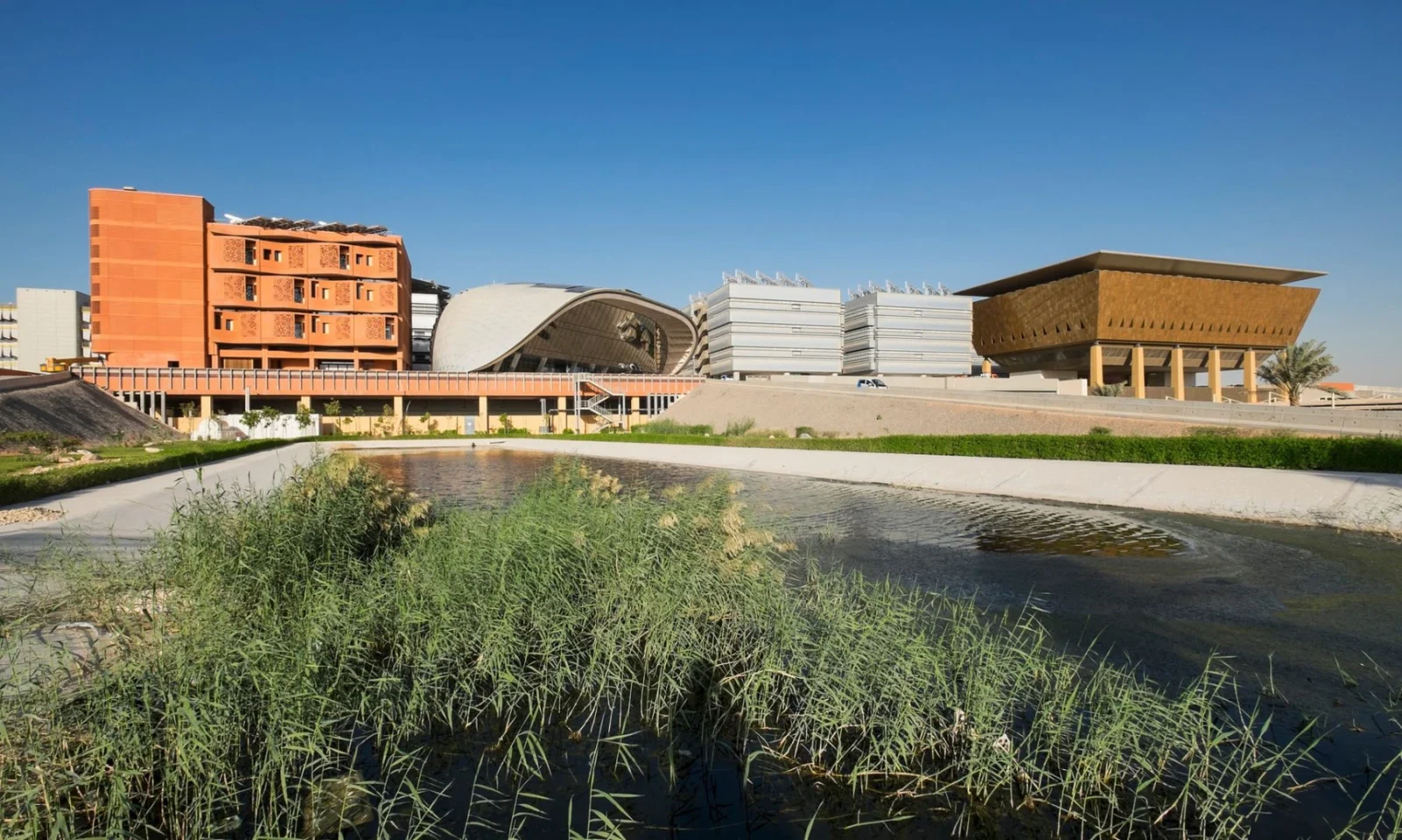
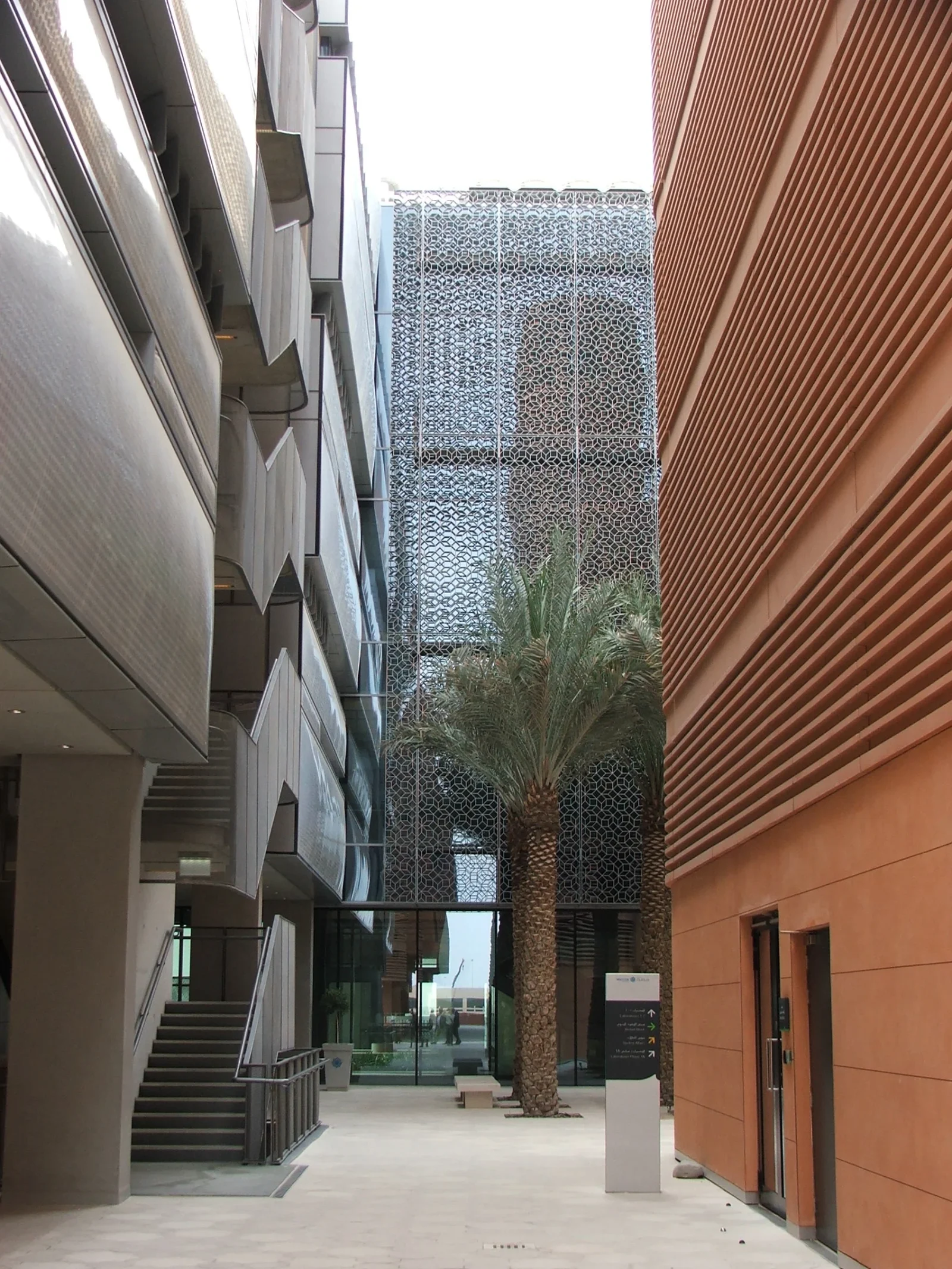
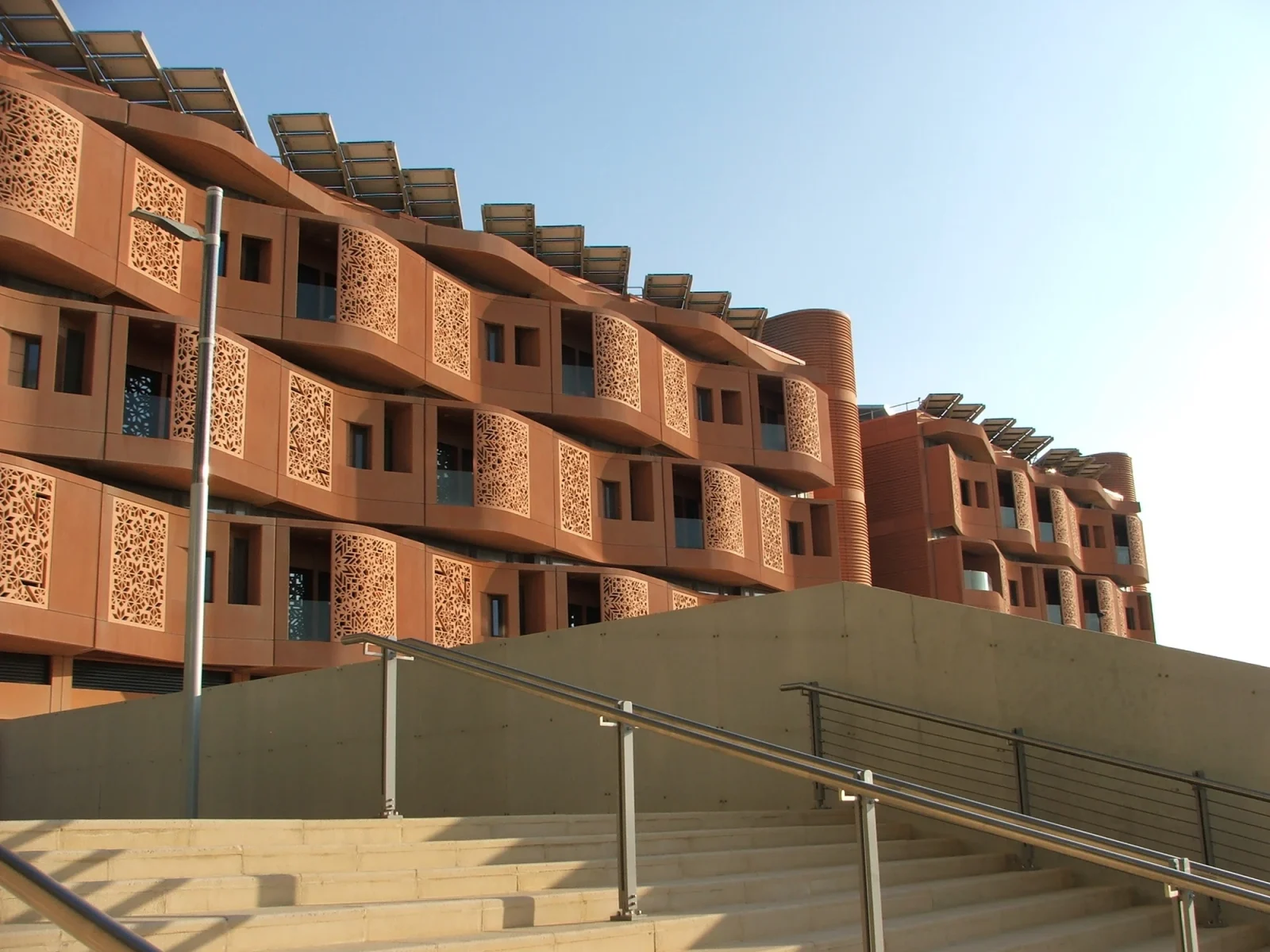
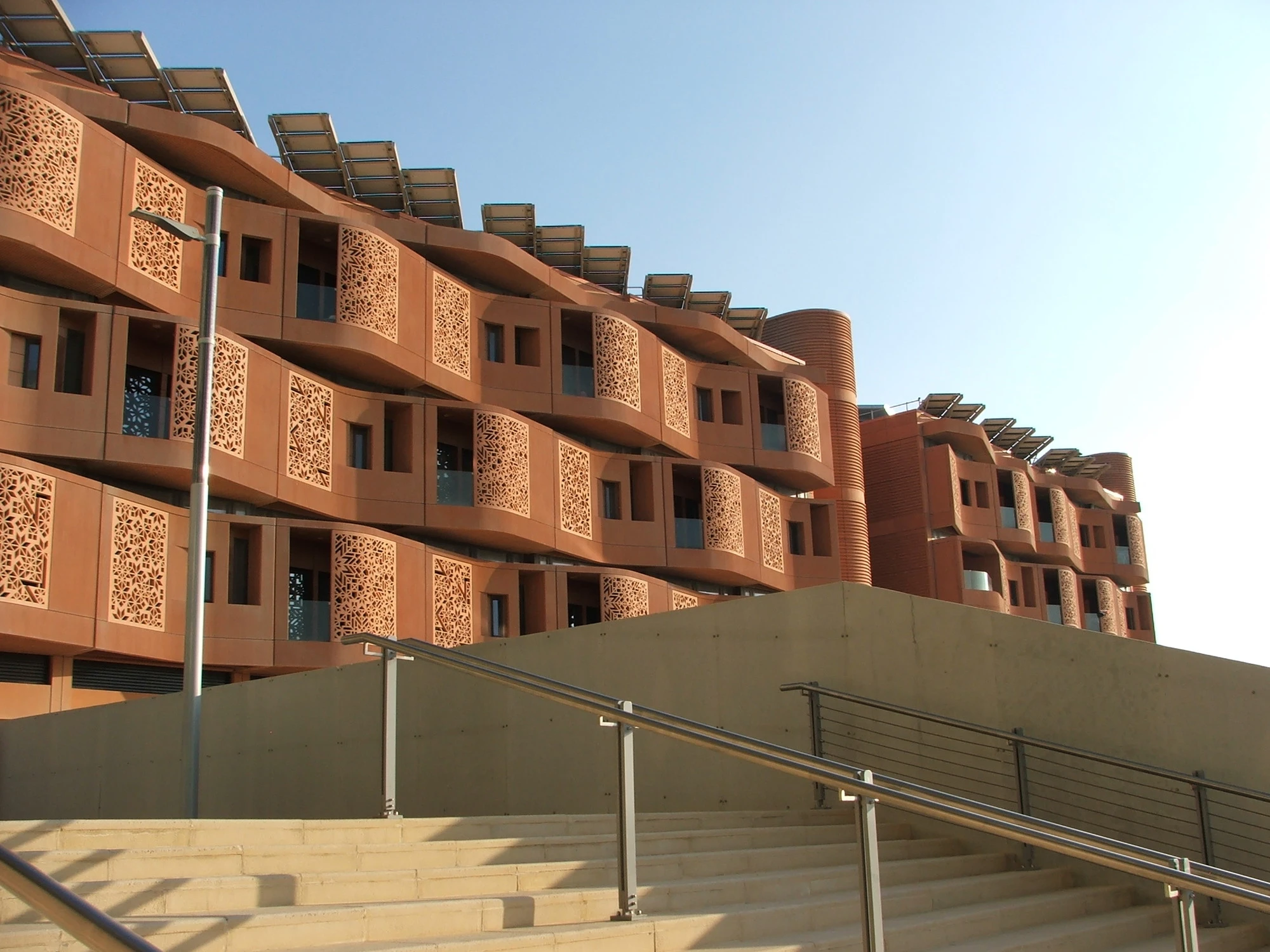
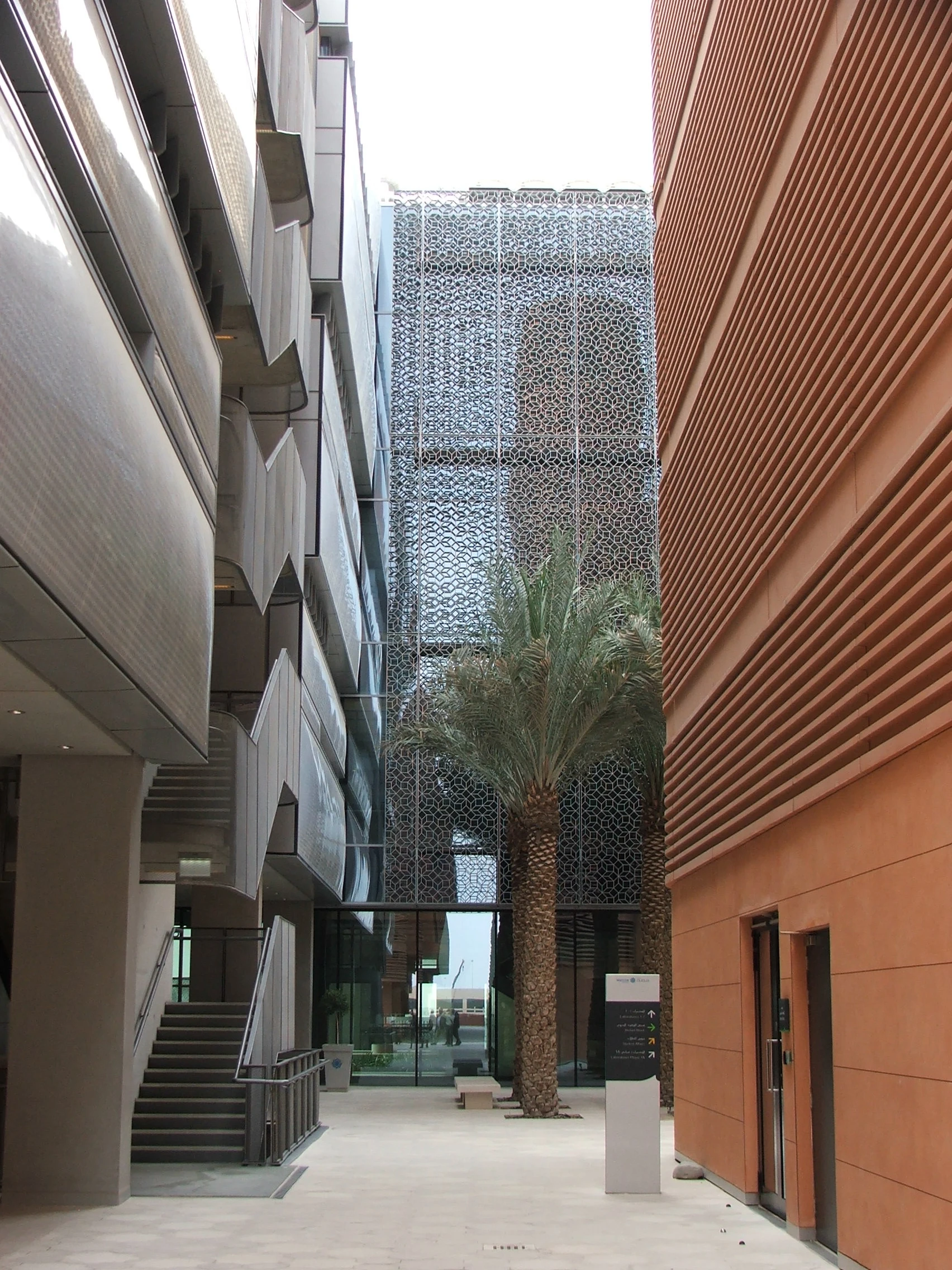
The city’s experiments include both traditional Arab planning principles and the latest in sustainable building and smart technology, conscious of climate-responsive design measures. Traditional principles like short, narrow streets, which are only 70 m long and receive direct sunlight for only 30-45 minutes a day; closely designed buildings of only 4-5 stories high to minimize heat penetration, terracotta walls to keep the heat at bay; and arabesque patterns, which have small openings, feature prominently in Masdar City.
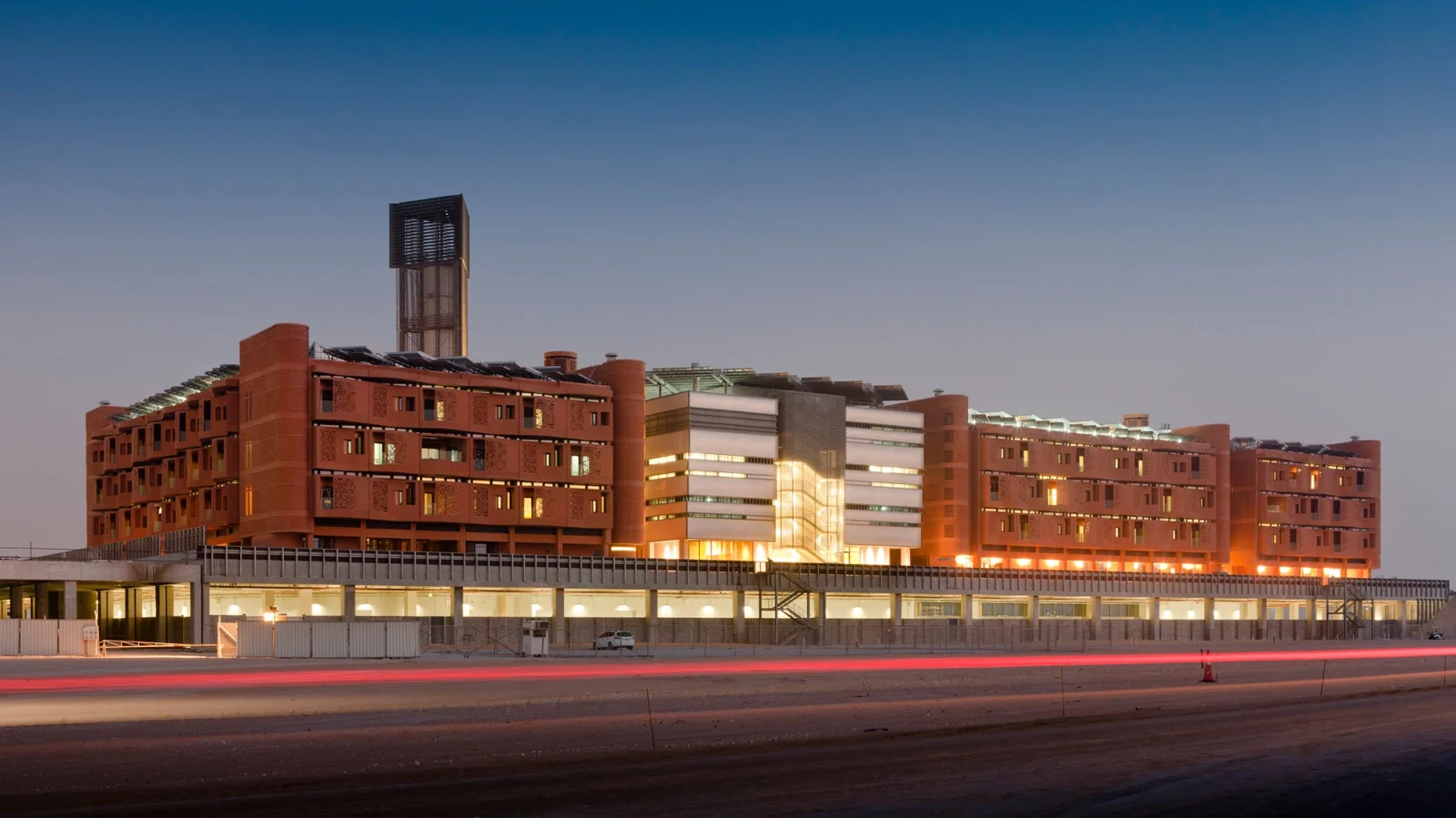
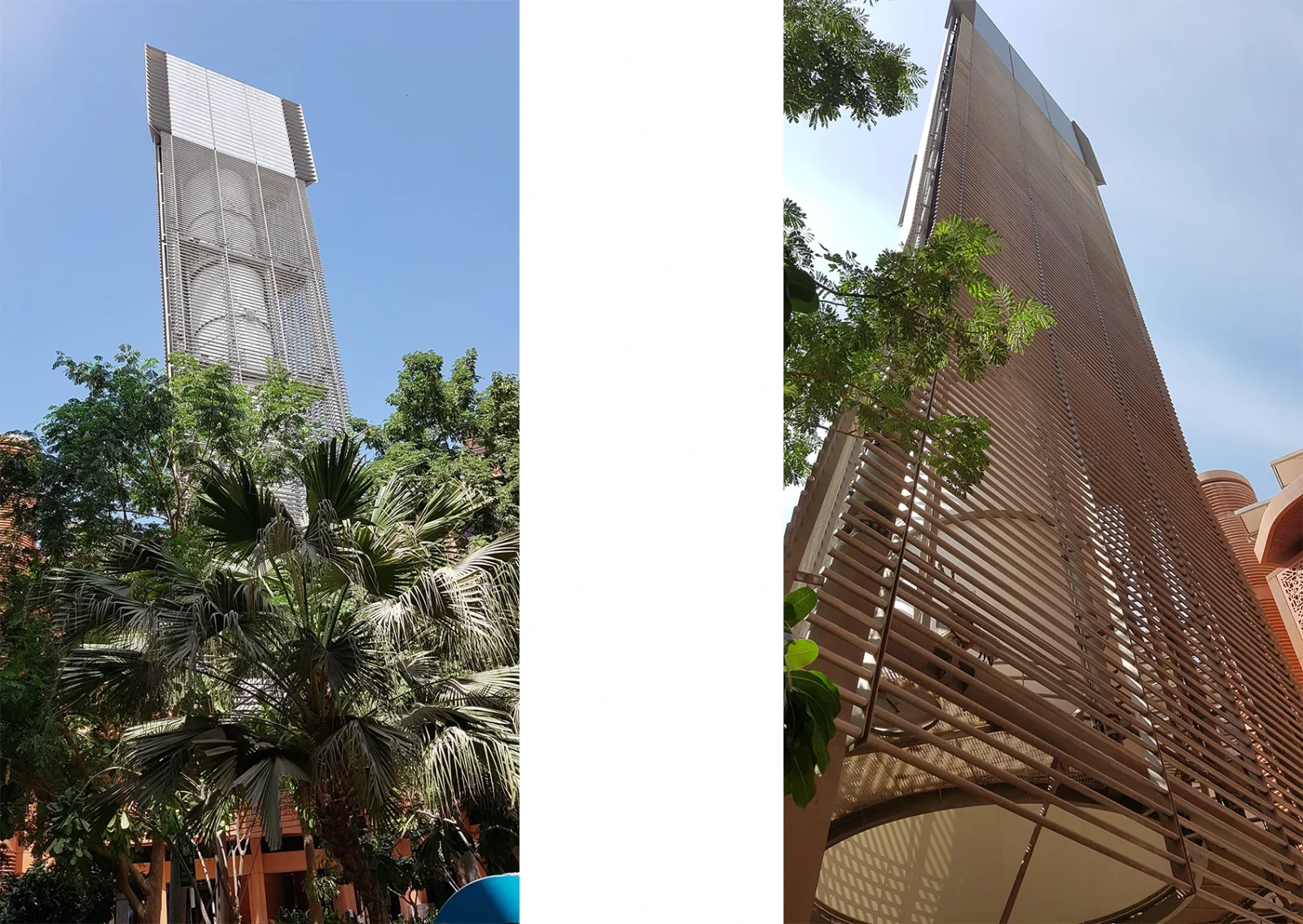
Another traditional element is the wind tower, which rises higher than the surrounding buildings at 45 m, a passive cooling method that helps to lower the indoor temperatures by about 15-20° in comparison to the outdoors. As an effort for further harnessing renewable energy, the site has 54 acres of wind and PV farms on its periphery, which is the largest in the Middle East. This, along with the solar panels on the roofs, meets more than the estimated 40% of the city’s electricity needs today. At the time of construction, the farm was the most expensive venture in solar panels, but today it is the cheapest form of energy for the city.
The city ventured into efficient water treatment systems, which reduced water consumption by more than 40%, in its planned efforts to be sustainable in all aspects of consumption. The energy-efficient systems employed underwent trials as the city was developed in parts. This allowed us to gradually adopt the latest technologies while simultaneously learning and adjusting from the executed plans.
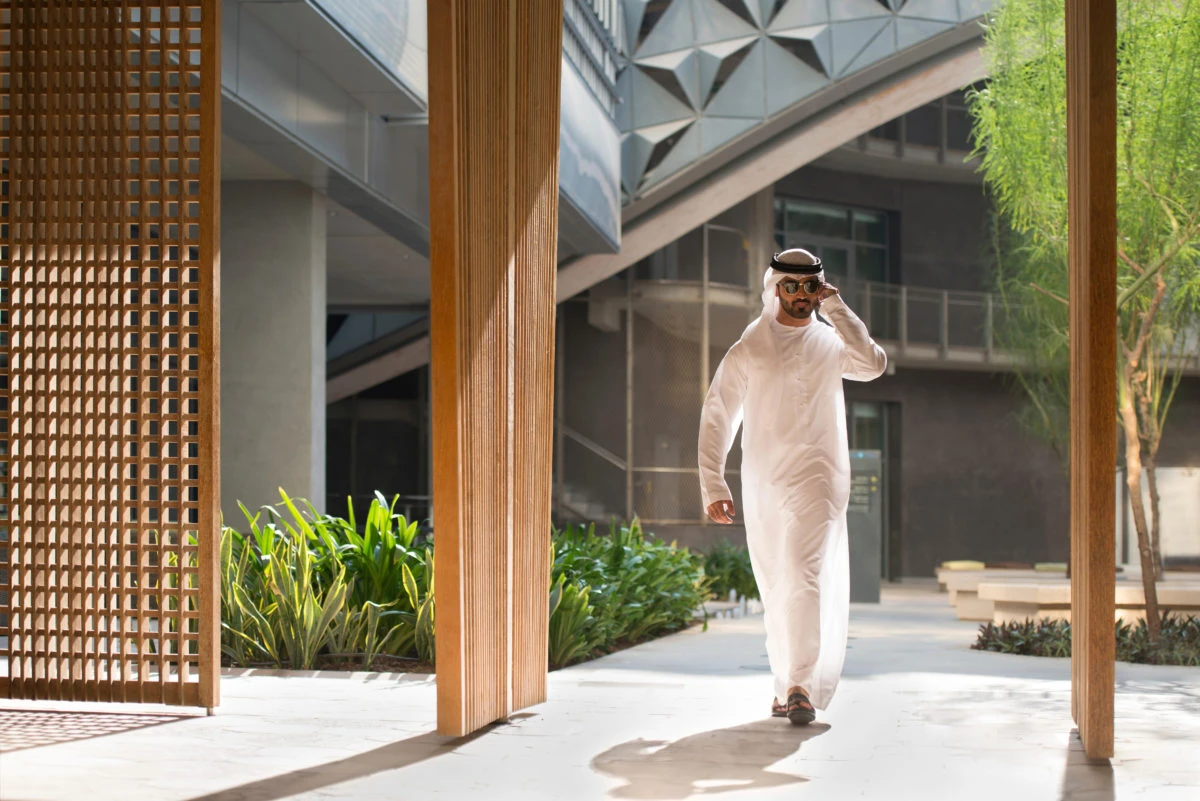
Masdar was designed to be pedestrian-friendly, and narrow, shaded streets played a huge role in making this intention comfortable for pedestrians. Another conscious design choice was to limit the number of personal vehicles and provide electric, clean-energy public transportation in the form of mass transit systems.
Methodologies that worked in Masdar
The sustainable urban development methodology, as followed by Masdar, incorporated three interconnected parameters in their design brief—the needs of the client, an economic budget, and responsible environmental solutions. By understanding the needs of the client, designing with the intention of their requirements, and making sustainable design choices a mandate from the beginning, the project can be commercially viable and environmentally efficient.
The design process that supports this urban development methodology includes passive design elements, active design strategies, and applied technologies. To enhance the effects of the design, architects intentionally shaped buildings to reduce the surface area, which reduces heat gain into the building.
The standard maintained today is net-zero energy for any building in Masdar City. The goal for 2030 has been established as net zero for direct carbon emissions, which include scopes 1 and 2, and a 50% reduction in scope 3 carbon emissions. The city aims to achieve complete net zero by 2040. As a company, Masdar hopes to be the guiding force and inspiration for the UAE to achieve net zero. The following roadmap is a comprehensive plan to reach net zero, which was formulated considering these aims.
- Assembling the right team – Collaboration with the right amount of synergy is key to ensuring that all disciplines and stakeholders of a project align for the work to be done. This allows for an energy-efficient and cost-effective planning process that also aids in being time-efficient.
- Holistic philosophy in sustainability adoption – From their experiences, Masdar realised the significance of all three aspects – economic, social, and environmental – in achieving overall sustainability goals. Ancient design principles, past experiences, and current technologies can be applied to specific situations for targeted goals.
- Focusing on passive design – Proven design principles that are passive in nature and harmonious with the local environment are gifts from our ancestors. Today, they are straightforward design choices that place importance on strategic supply chain decisions. This helps to choose recycled and local materials that not only cut expenses but also reduce carbon emissions incurred from transportation.
- Minimising energy consumption – As far as energy efficiency goes, the most sustainable form of energy is the energy conserved. Reducing reliance on clean and renewable energy on-site from the grid shortens the path to eliminating fossil fuel needs. At Masdar, electricity consumes the highest amount of energy, but with conscious design decisions, optimal maintenance standards, and timely but thorough audits, primary energy use can be reduced.
- Using renewable energy – In a desert climate like the UAE, solar energy is available in abundance, and solar panels become the most efficient form of renewable energy. In that sense, sourcing renewable energy becomes region-specific, and it is efficient to design and plan infrastructure to harmonise with the environment rather than oppose it. Creatively employing renewable sources would be valuable in densely populated areas, and proper planning can optimise energy use.
- Opportunities to reduce fossil fuel dependence – Another step in infrastructure planning was to electrify transportation, a strategic move and a step forward in sustainable urban planning. With the 2050 goal being Net Zero, Masdar’s focus is always on accelerating the transition away from fossil fuels whenever and wherever possible.
- Minimising water use – Water is an essential component of life, but it is still a natural resource that is limited. Minimising water use and preventing wastage go hand in hand. Using low-flow fixtures and highly efficient appliances, recycling grey water wherever possible, and planting drought-resistant plants can help reduce water use.
- Managing waste – Planning for waste management is a crucial step that should be incorporated from the beginning of project planning. This would help minimise waste and responsibly manage it during construction. Provisions for separating waste, using recyclable materials, and facilities to recycle and reuse on-site can considerably reduce waste.
- Measuring Carbon Footprint – Calculating carbon emissions requires strategic planning on how to assess and address them. Clear boundaries need to be established for what can be measured, what scope it can be classified into, and what can or cannot be changed, which can help set baselines for what can be used on the site.
- Assessing embodied carbon – Scope 3 carbon emissions are the largest in the building industry, and here, collaboration with the supply chain becomes crucial and needs to be extensive. A myriad of tools for addressing and mitigating embodied carbon, keeping abreast of emerging technologies in the circular economy, and understanding that there is no one-size-fits-all solution becomes crucial for projects that aim for net-zero status.
- Investing in Innovation – High-level collaborations are necessary for identifying emerging technologies and investing in promising opportunities, and more importantly, for establishing standards for invented solutions that can minimise emissions. These collaborations require trust, empathy, and humility to learn, grow, and build lasting teams and relationships.
Buildings exemplifying Masdar’s Design principles
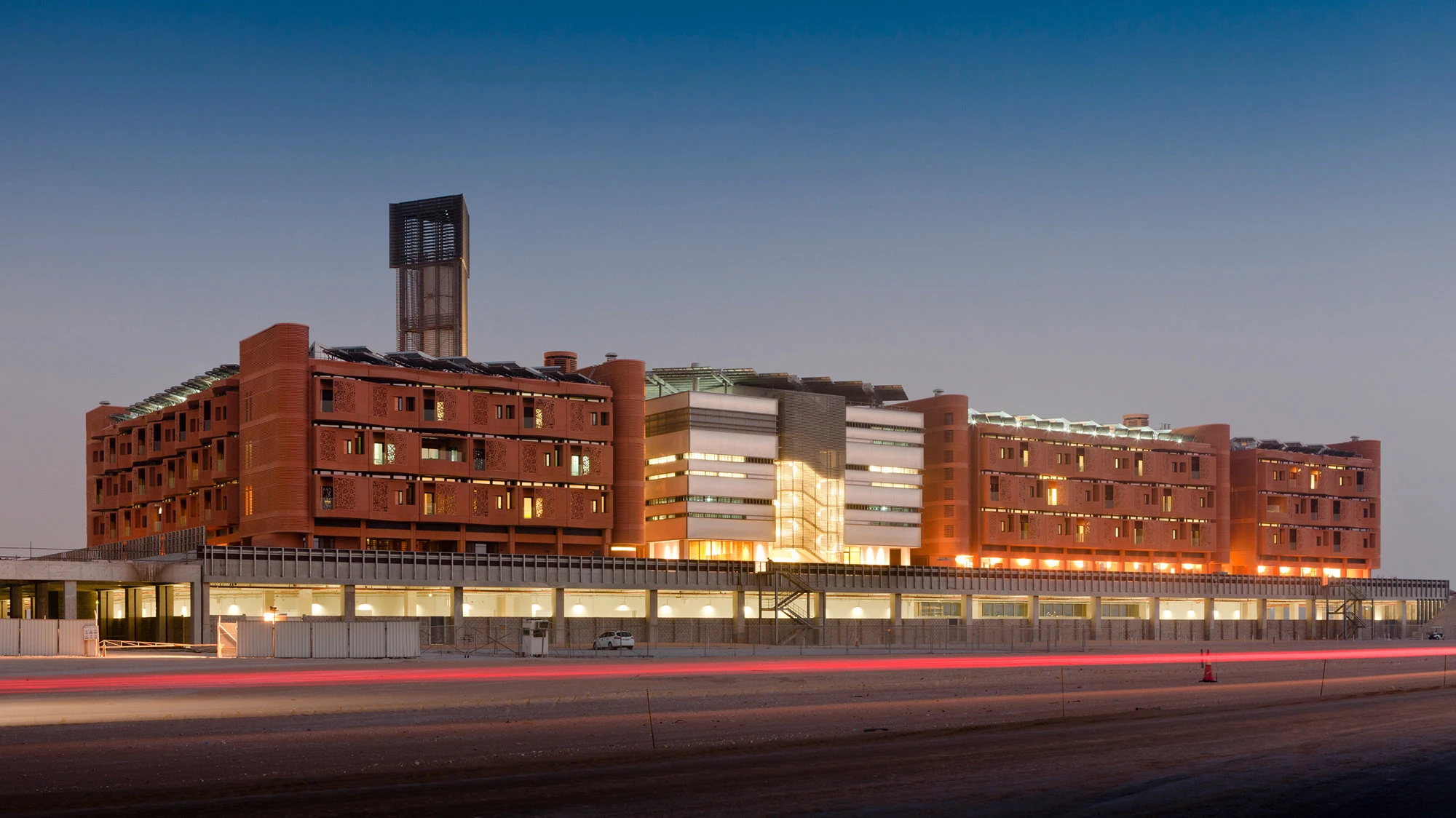
Mohamed bin Zayed University of Artificial Intelligence – The university buildings were designed by Foster + Partners and are arranged close to each other to facilitate shading of streets, pathways, and courtyards in and around them. The streets are along the north-west axis to help maximise the movement of the breeze. Thus, thermal comfort is optimised, which encourages pedestrian movement. Solar panels on the roof, optimal glazing with thermal insulation, and shading devices designed according to the sun’s path minimise direct sunlight while maximising natural light entering the interior spaces.
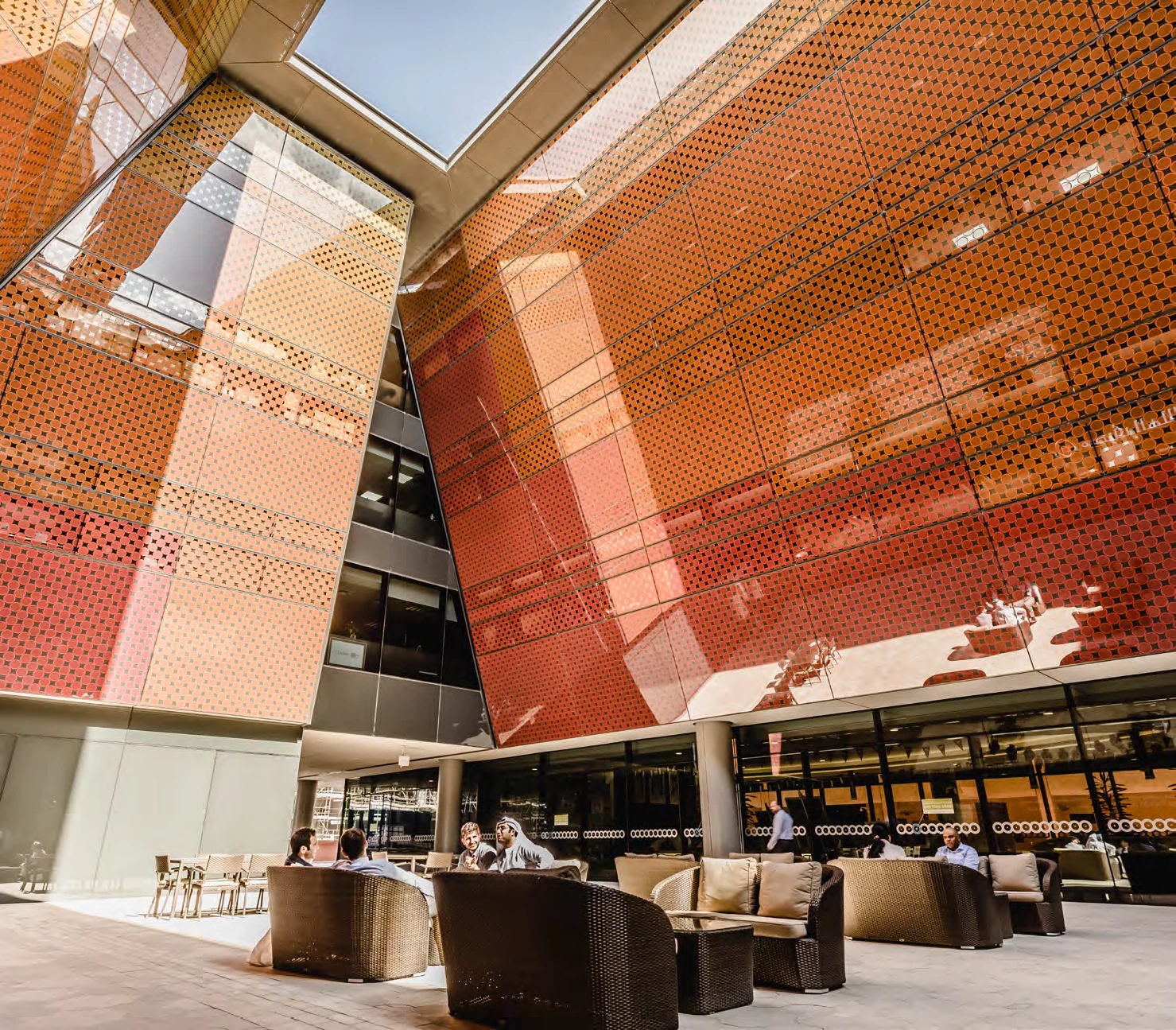
Incubator Building – The structure is designed around a central public courtyard, accessed through a shaded pedestrian walkway. The facades are slanted inward towards the ground, which reduces solar gain by one-third. The facades have inlaid porcelain circles that filter direct sunlight, and along with the wide hanging shades at the roof level, the overall effect reduces the solar absorption to 40%. The architects, M+N Architecture, also incorporated horizontal bands at ceiling and desk heights that allow for direct sunlight into the office areas while reducing the heat absorption into the interior spaces.
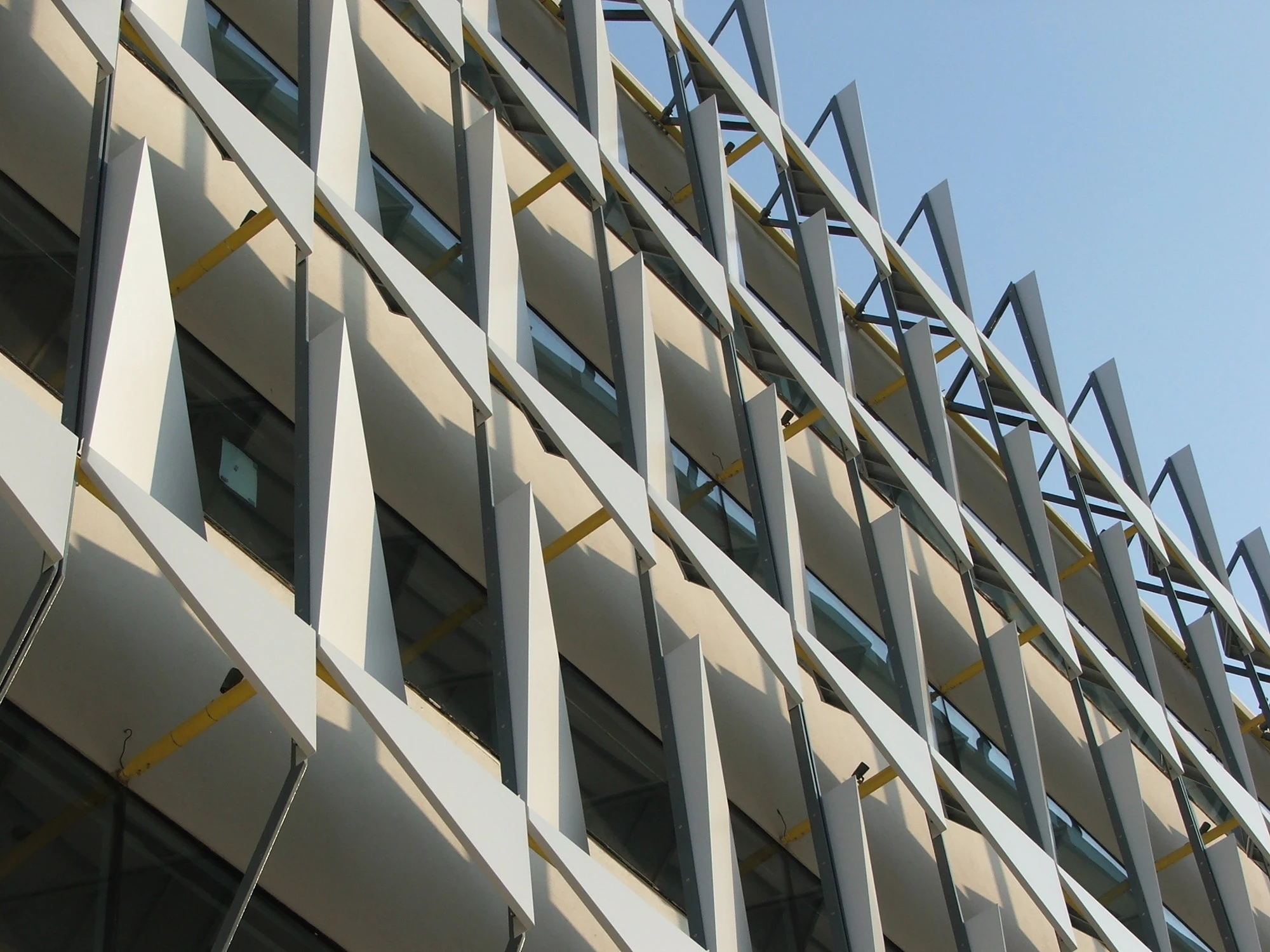
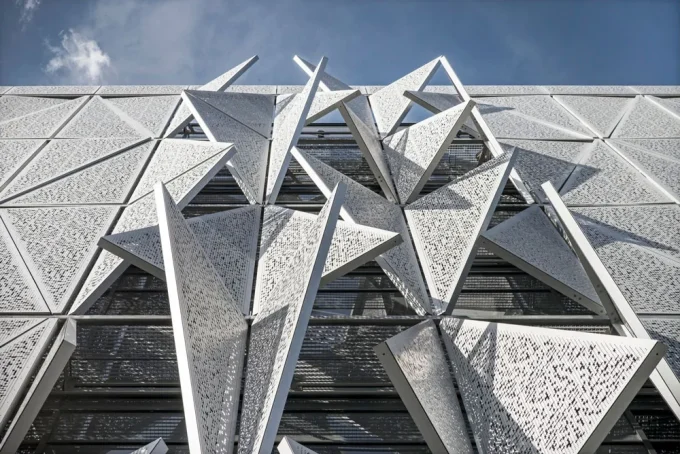
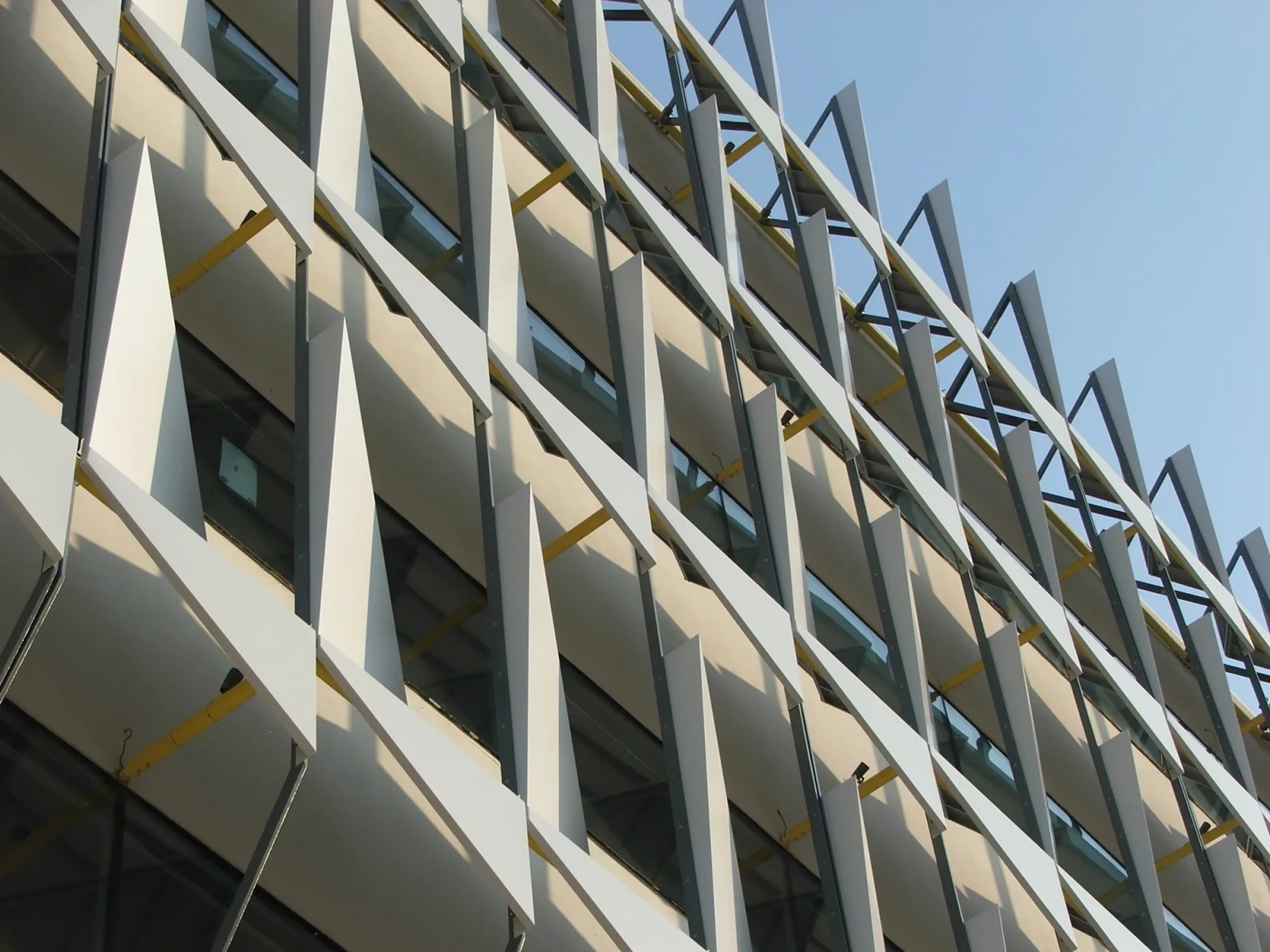
Siemens Energy Building – This building was designed with the simplest form, a square, so it is compact by nature, and with less facade area and maximum air tightness, it reduces heat gain and prevents leakages. The facades facing the street have a parametrically placed window design of horizontal strips that act as shading devices to prevent direct sunlight from heating the building. The aluminium shading panels, called ‘fins’, are distinctly shaped to block excess sunlight but to maximise views and daylight. The building was an experiment by architects Sheppard Robson to push the boundaries of passive design that reduced its energy consumption by 46%.
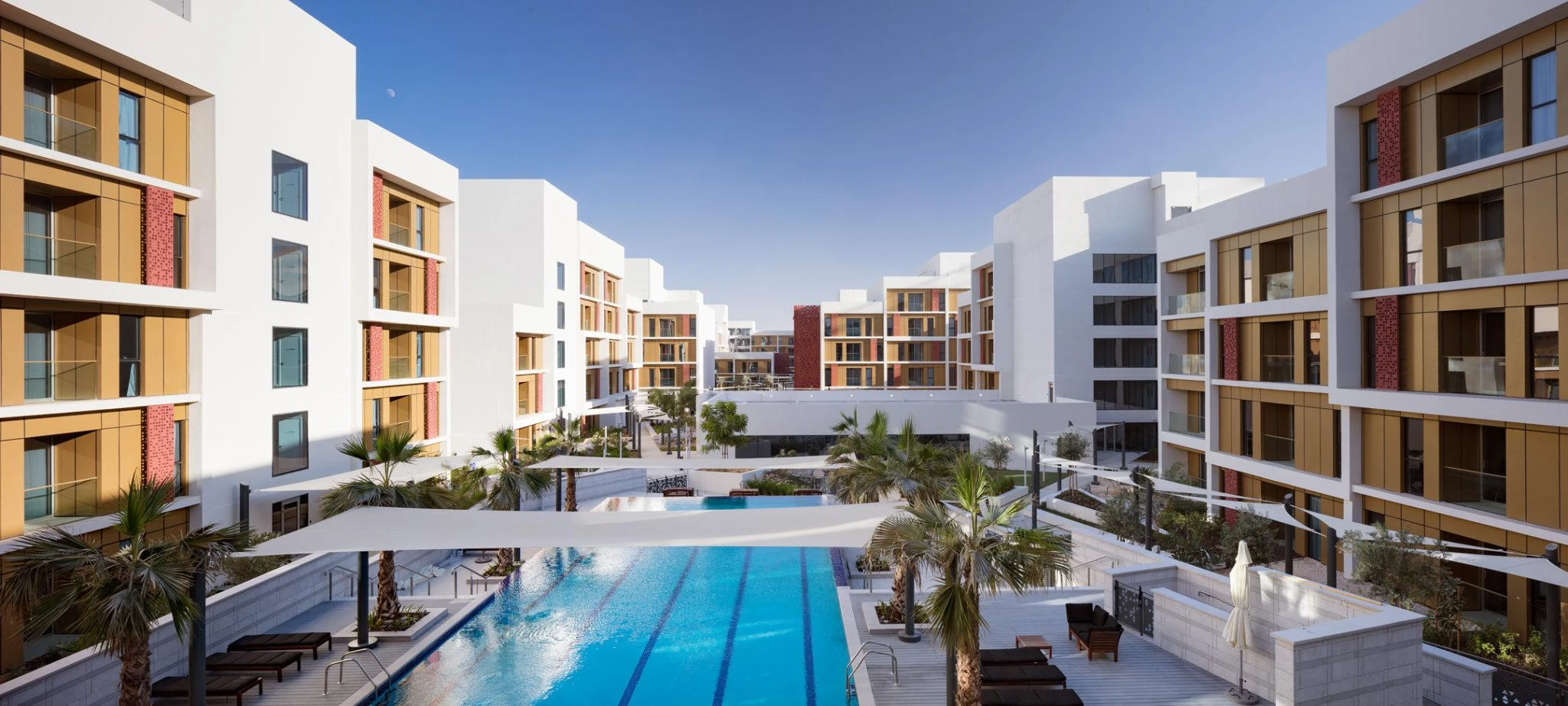
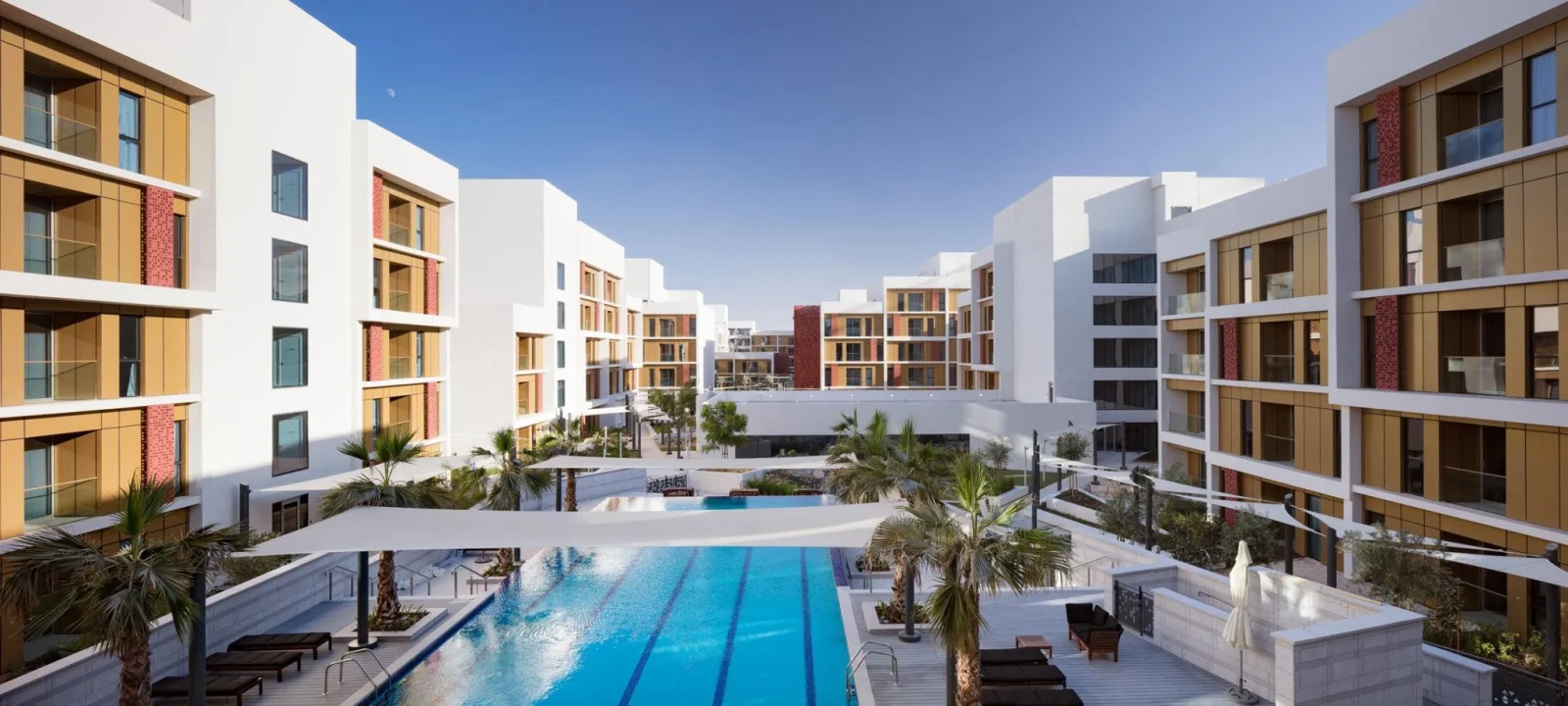
Etihad Eco Residence – This project by Woods Bagot consists of about 500 residential units, each with extremely airtight building envelopes, highly insulated walls, and optimal window openings, leading to 43% reduction in energy usage. Aiming for LEED Gold certification, the project exceeded its expectations and was awarded the LEED Platinum certificate. The project was completed in 2017 for Etihad Airways employees and built using low-environment impact materials that would reduce heat gain and heat island effect, but maximise the available natural daylight. Built on an existing grid, the structure leveraged modular design using prefabricated systems and involved local suppliers, which resulted in overall carbon emissions reduction.
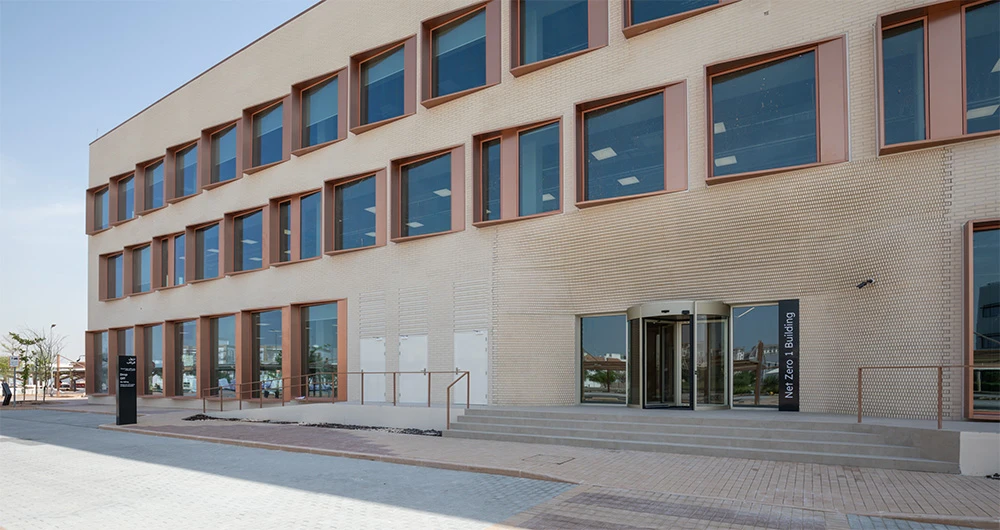
NZ1 Office Building – This is the first commercial net-zero energy building in Masdar, completed at the end of 2023, that aimed at designing a replicable green print. Designed by the in-house architects of the Masdar team, the design was a result of more than a decade of lessons, experiences, and expertise. This included advanced airtight envelopes, high-performance insulation, optimal window-to-façade ratio, tactical solar shading, strategic orientation of building and design elements, and solar panels that generate 101% of the annual energy requirements. The overall achievement is 53% reduction in energy consumption.
Masdar City – Imparting wisdom actively
Masdar City still has a long way to go, and it has already faced the brunt of many unforeseen challenges that necessitated changing the course of previously planned actions. But the city perseveres and continues to experiment in pushing boundaries for sustainable development and design. The aim to be a paradigm or template for sustainable building practices continues to propel Masdar City’s growth and ventures.
Explore Courses
.jpg "Ondrej Chybik - Rethinking Architecture")