

See how contemporary library design is moving beyond books to create spaces that feel more welcoming, engaging, and relevant in the age of short attention spans.
In today’s screen-saturated world, where attention is constantly fragmented by notifications, short-form content, and endless scrolling, the role of the library is being redefined. It is no longer only a place for storing knowledge, but a carefully designed environment for recovering focus, fostering community, and creating meaningful public life.
This shift is not merely functional but is deeply architectural. As the way people consume information changes, so too must the spaces that support reading, reflection, and exchange. Instead of resisting the realities of the digital age, many of today’s most intriguing library projects respond by becoming more immersive, contextual, and emotionally intelligent.
Vernacular and Civic Hybrids in Contemporary Library Design
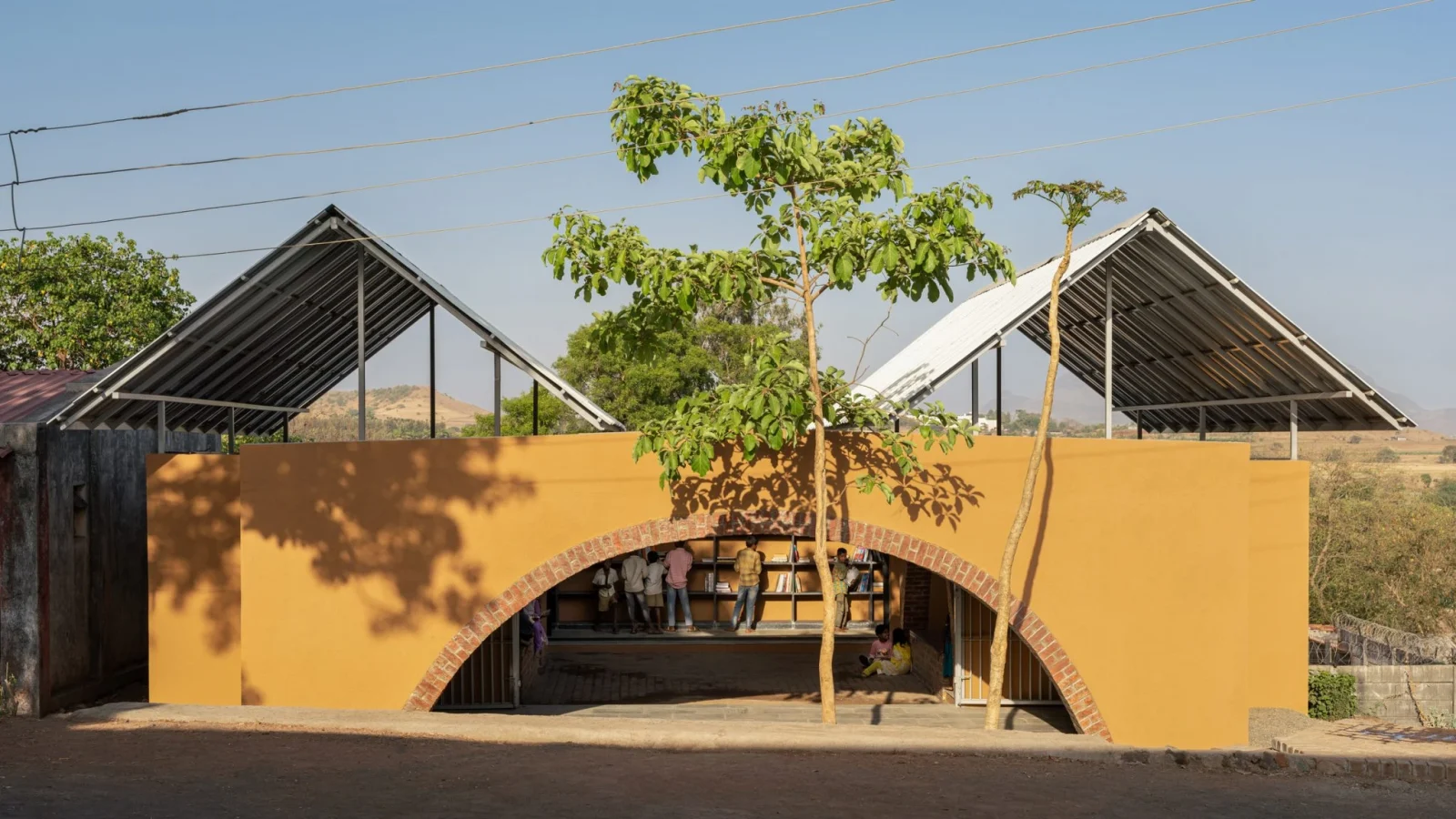
One of the most significant shifts in library architecture today is the move away from rigid institutional models toward spaces that feel more socially and culturally integrated. The contemporary library is evolving into a more open and hybrid civic environment. This transformation is especially visible in projects that merge reading spaces with public gathering, cultural activity, and informal learning, allowing the library to function as an educational resource and a community anchor.
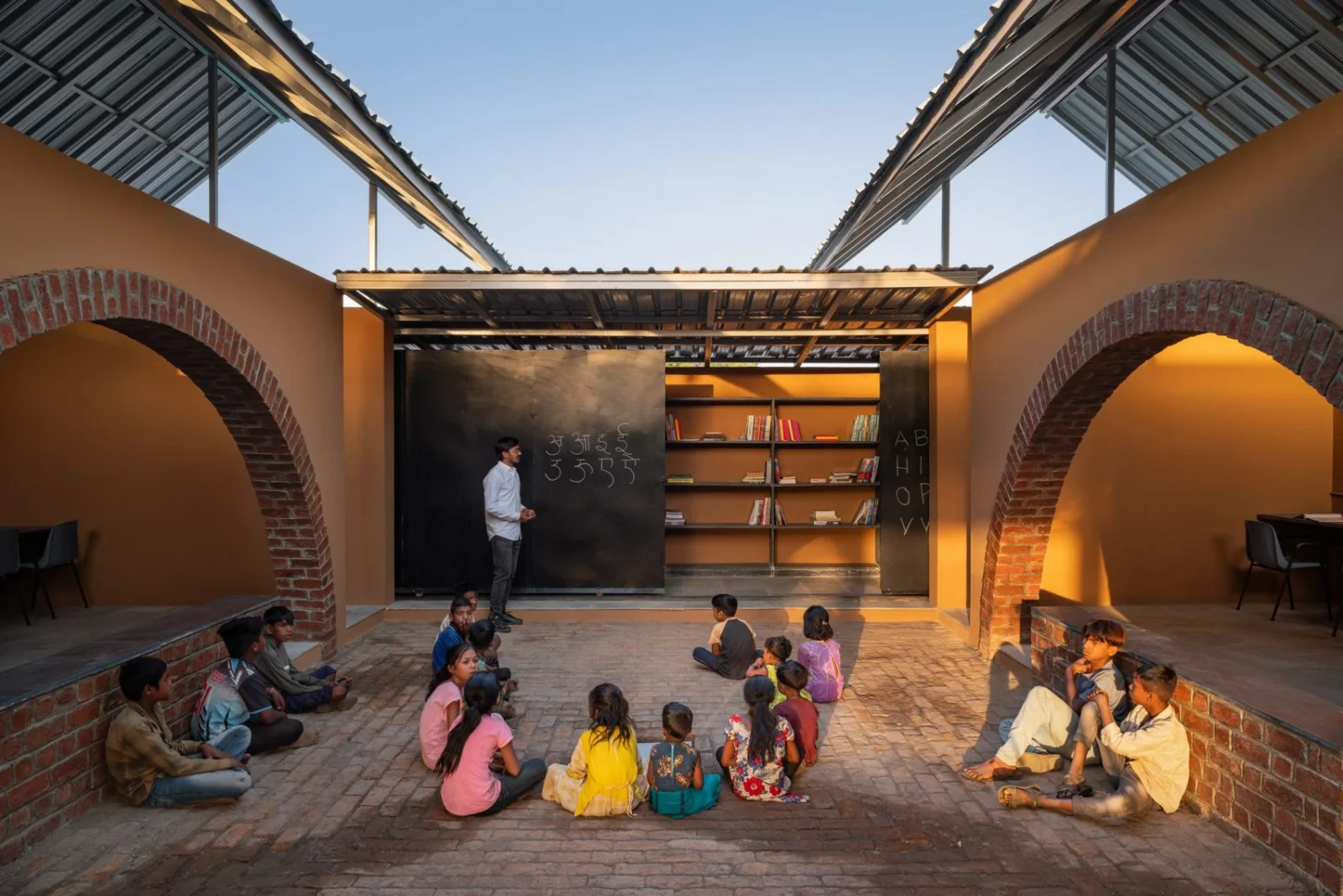
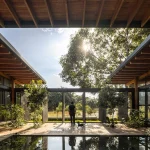
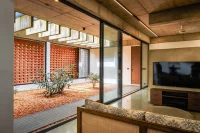
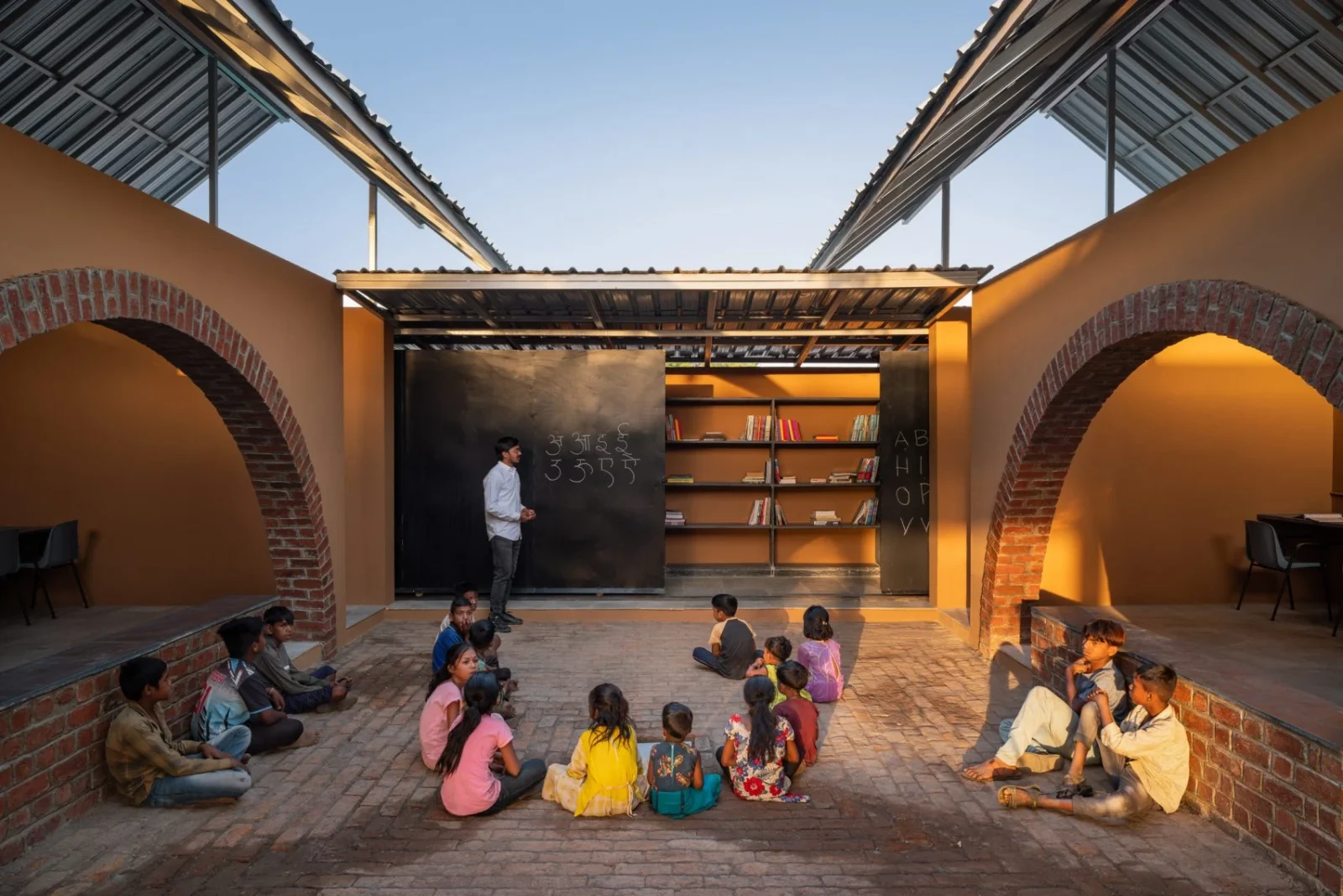
This direction can be seen in the rural library in India, which draws from vernacular spatial language to create a more approachable and familiar environment. In Kochargaon, a village in Nashik, PK_iNCEPTiON conceptualized the library not as a formal institution but as a natural extension of community life. Instead of imposing a conventional reading space, the design responds to the ways people already gather, like outdoors, in courtyards, under shade, and along verandahs. Built around an Aangan-inspired courtyard, the 1,162.5-square-foot library becomes a porous, climate-responsive social space where reading, gathering, and informal learning unfold within the rhythms of rural life.
Spatial Experience and the Future of Reading Environments
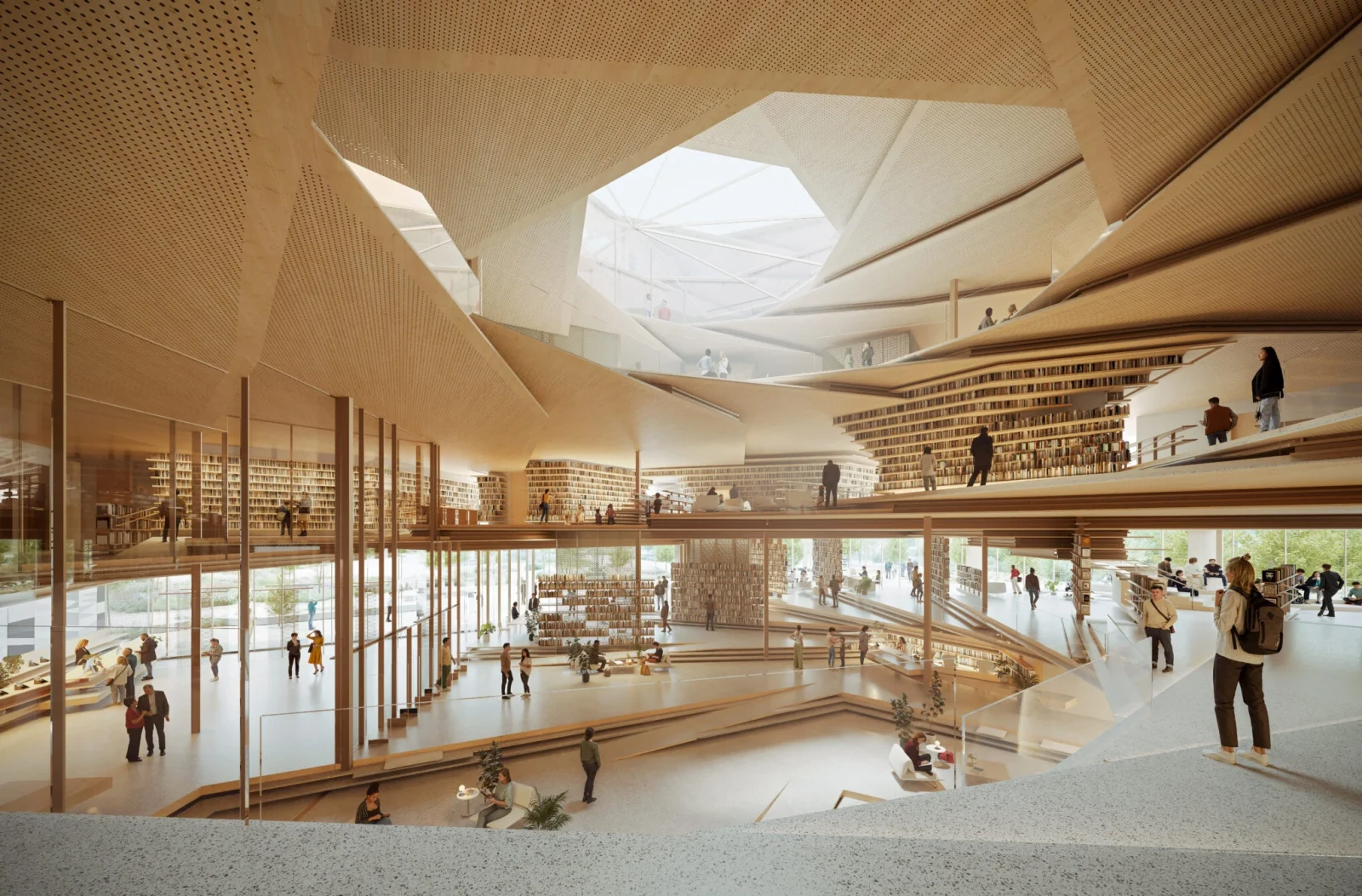
As digital platforms continue to shape shorter and more fragmented attention patterns, library architecture is being called upon to support concentration through space itself. In this context, design becomes more than a backdrop for books and transforms into an active tool for shaping focus, curiosity, and emotional engagement. Light, circulation, materiality, and spatial rhythm all play a larger role in how contemporary libraries are experienced and in how effectively they respond to the cognitive pressures of the screen age.
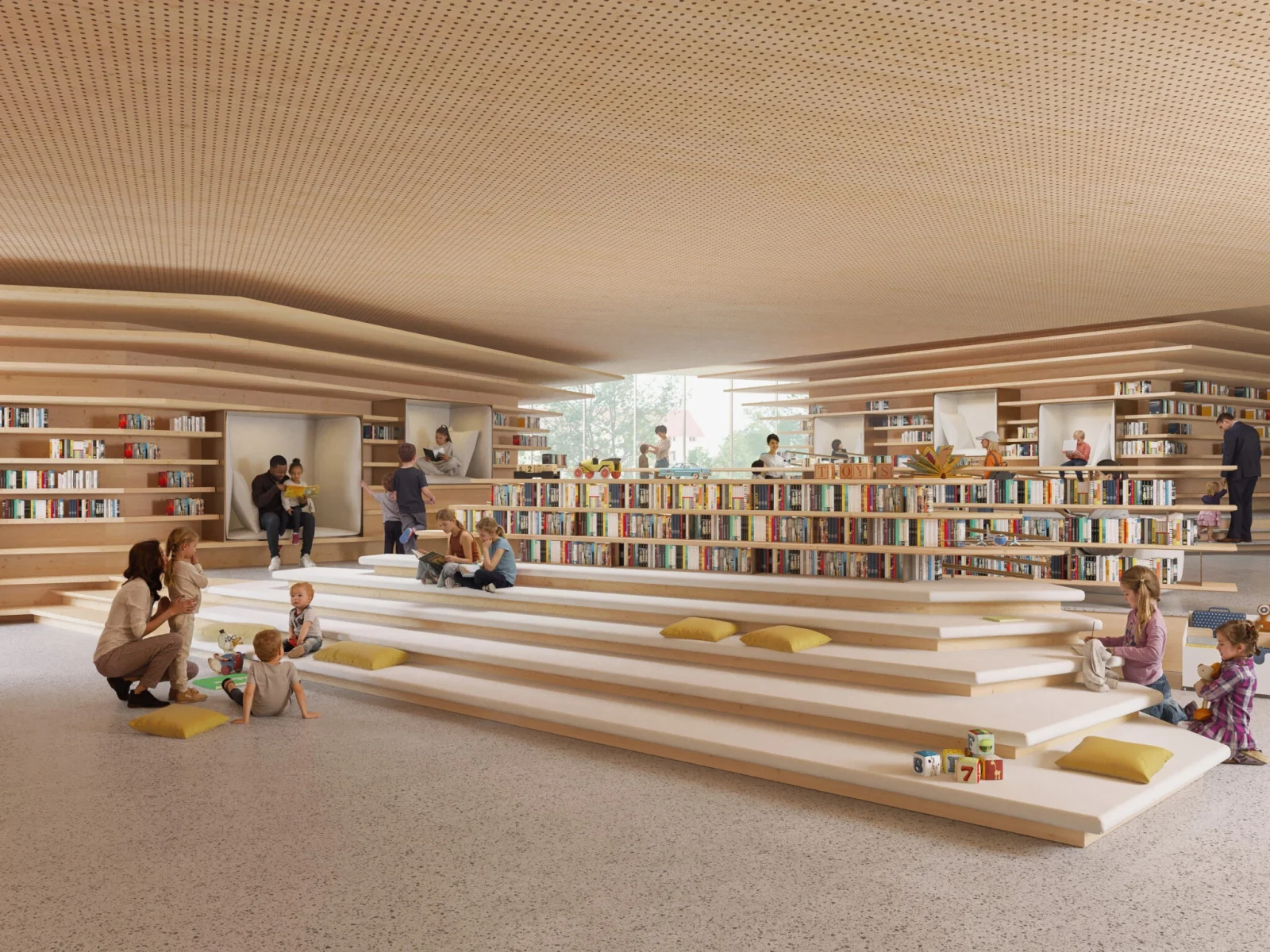
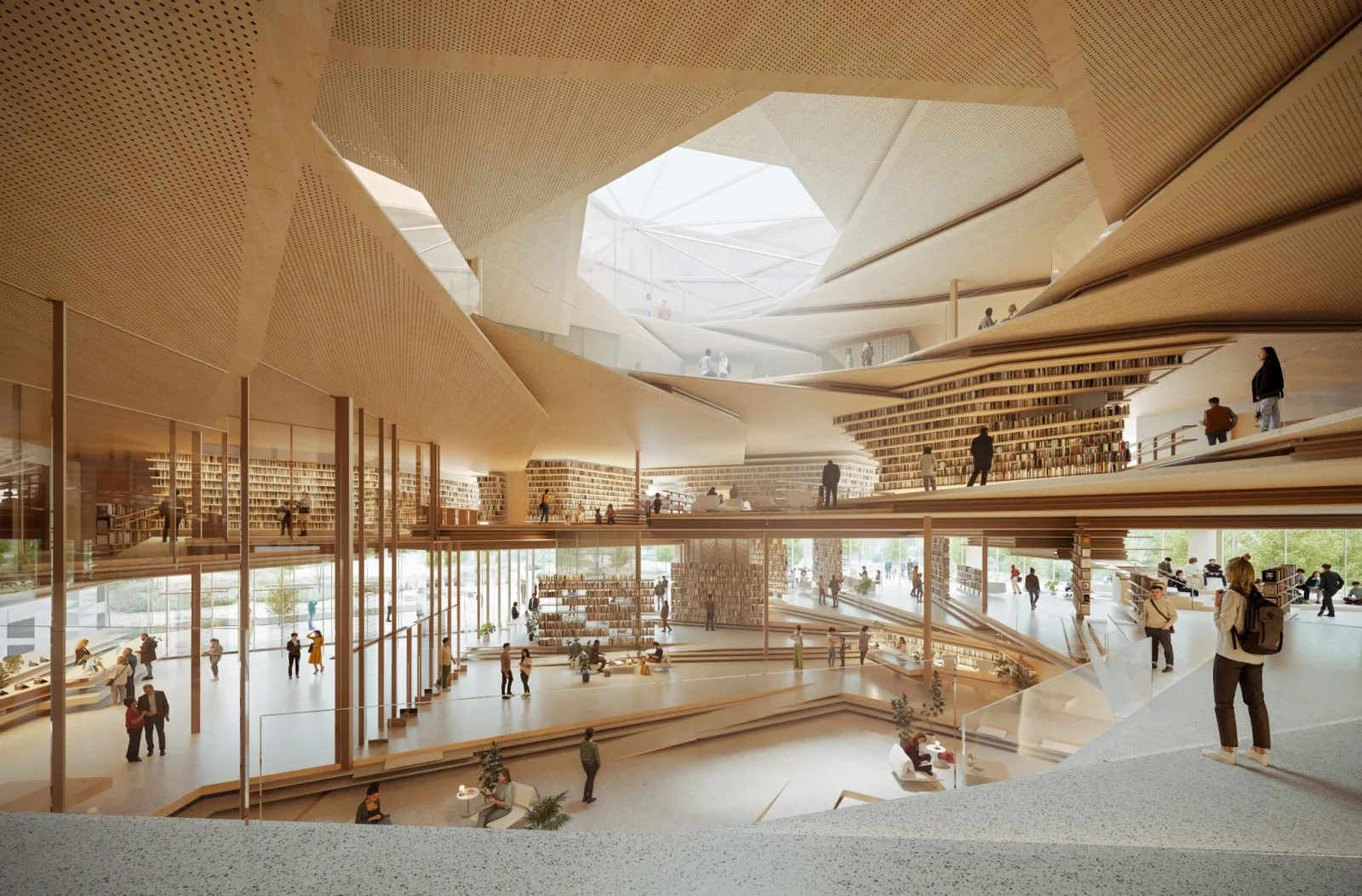
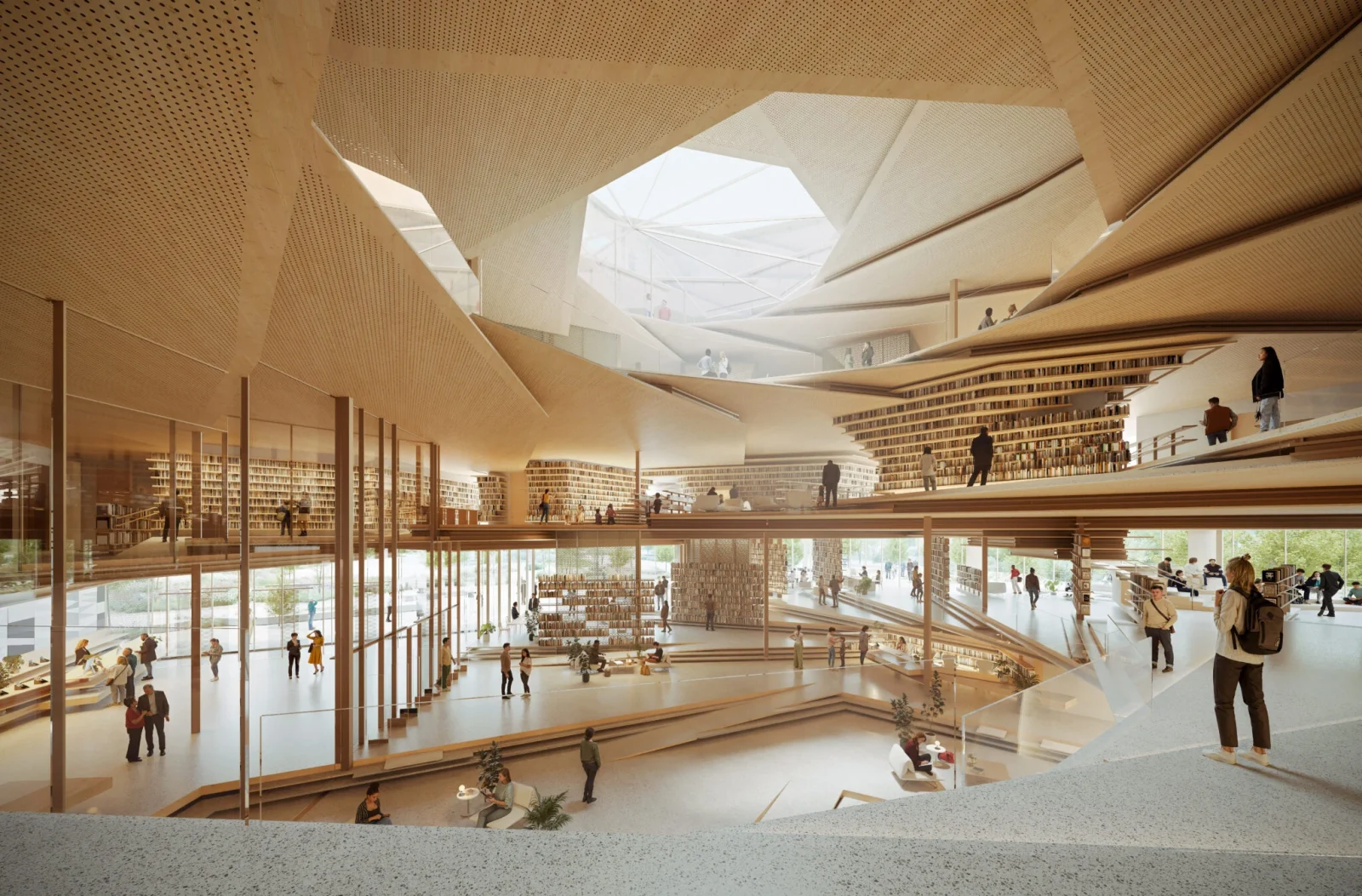
Kengo Kuma’s Vortex of Words in Poland reflects this shift by reimagining the library as an immersive spatial journey and not just a static container of books. Designed as a fluid and experiential environment, the project transforms reading into movement, discovery, and sensory engagement. Its spiraling form, layered circulation, and tactile materiality create a dynamic relationship between user and space, suggesting how future libraries can respond to shorter attention spans through architecture that is contemplative and visually engaging.
Libraries as Cultural and Civic Spaces
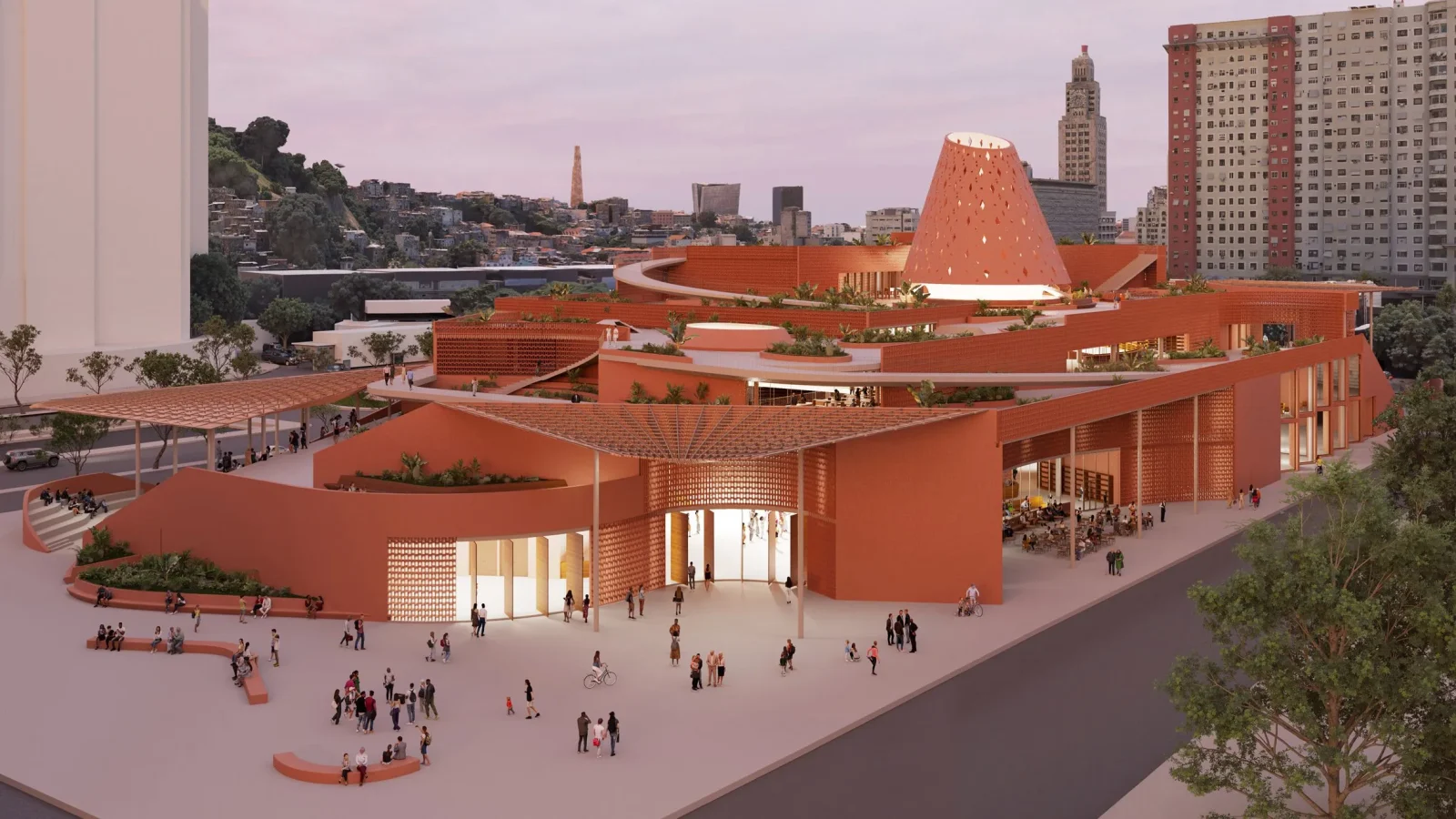
Libraries today are becoming cultural and civic spaces where learning, gathering, and community life come together under one roof. This shift reflects a broader change in how public architecture is understood. Libraries are now expected to support a wider range of activities, from exhibitions and discussions to workshops, performances, and informal social interaction. In this expanded role, the library becomes a public space for exchange, identity, and shared experience.
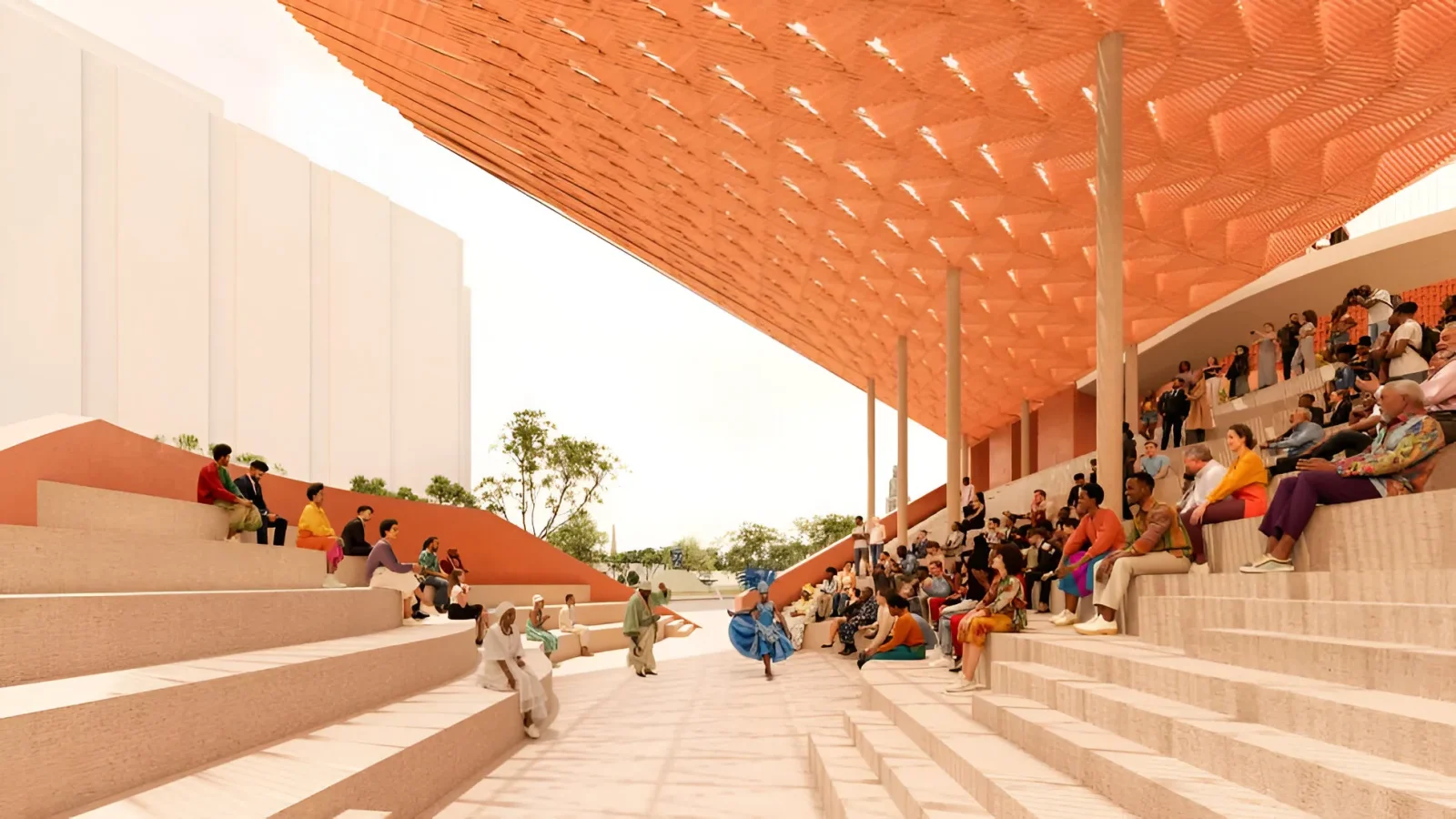
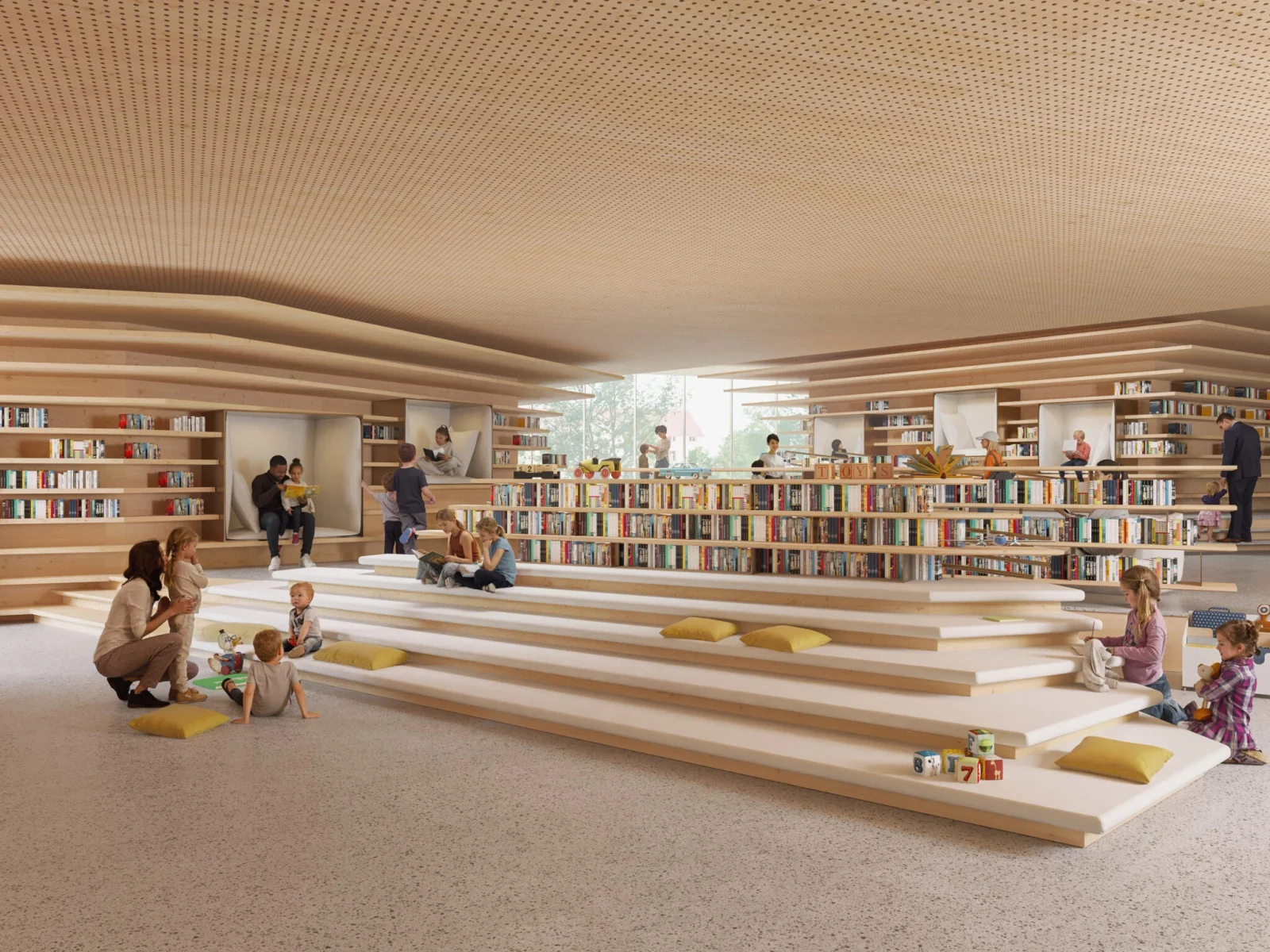
A strong example of this broader direction can be seen in Kéré Architecture’s cultural center, where spaces for gathering, identity, and shared knowledge are brought together within a civic setting. Biblioteca dos Saberes in Rio de Janeiro reflects this shift by combining a library with a public cultural center. Located in Cidade Nova, the 400,000-square-foot project is designed to support urban revitalization while reconnecting the city with its cultural memory. Defined by a perforated brick façade, curved pathways, terraces, and a sculptural “tree of knowledge,” the complex brings together reading, gathering, performance, and public life within a vibrant and inclusive civic environment.
In a world shaped by constant distraction, these libraries show how architecture can create room for pause, curiosity, and connection, making learning feel more open, grounded, and deeply human.
Explore Courses
.jpg "Ondrej Chybik - Rethinking Architecture")