



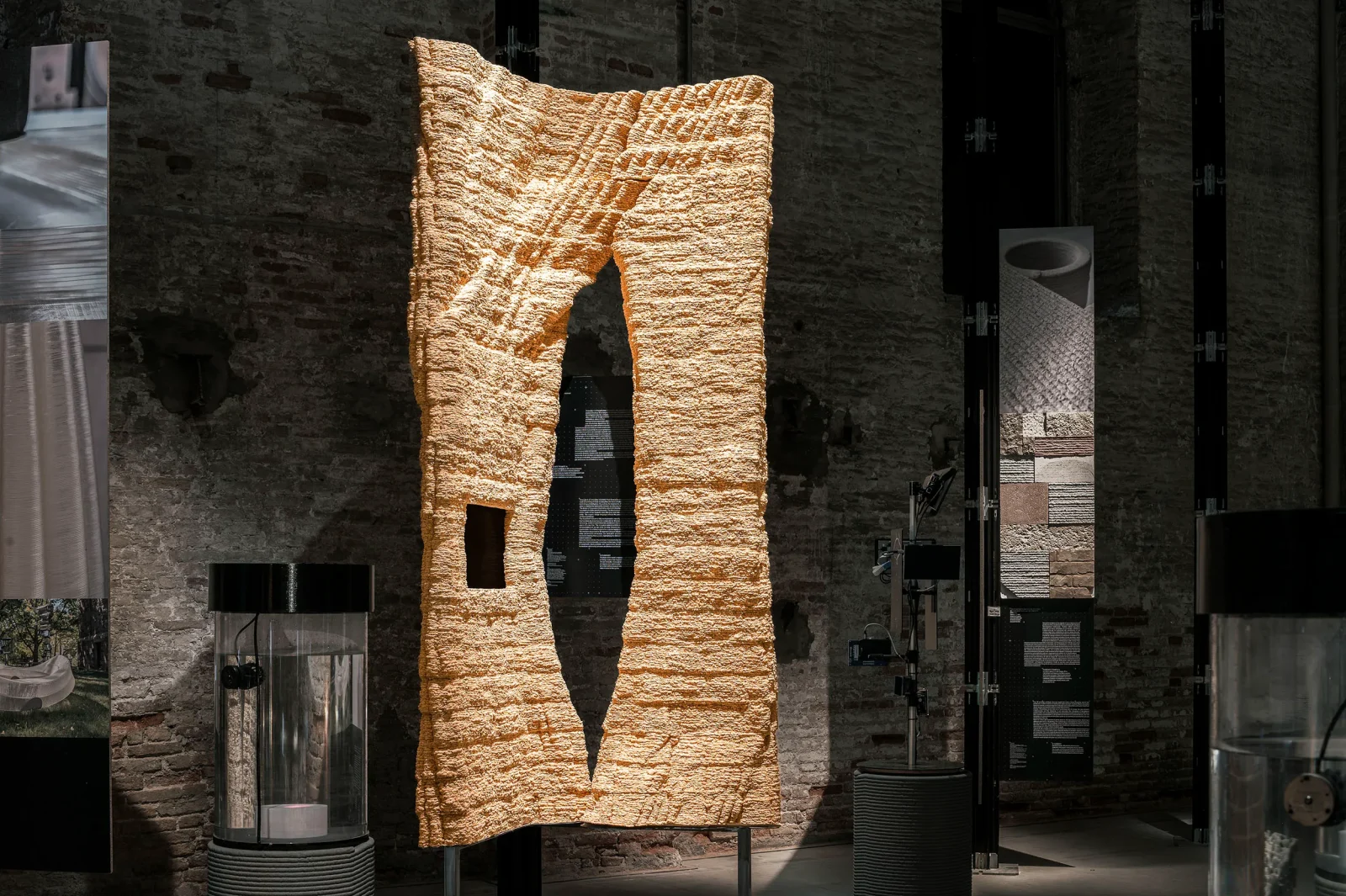
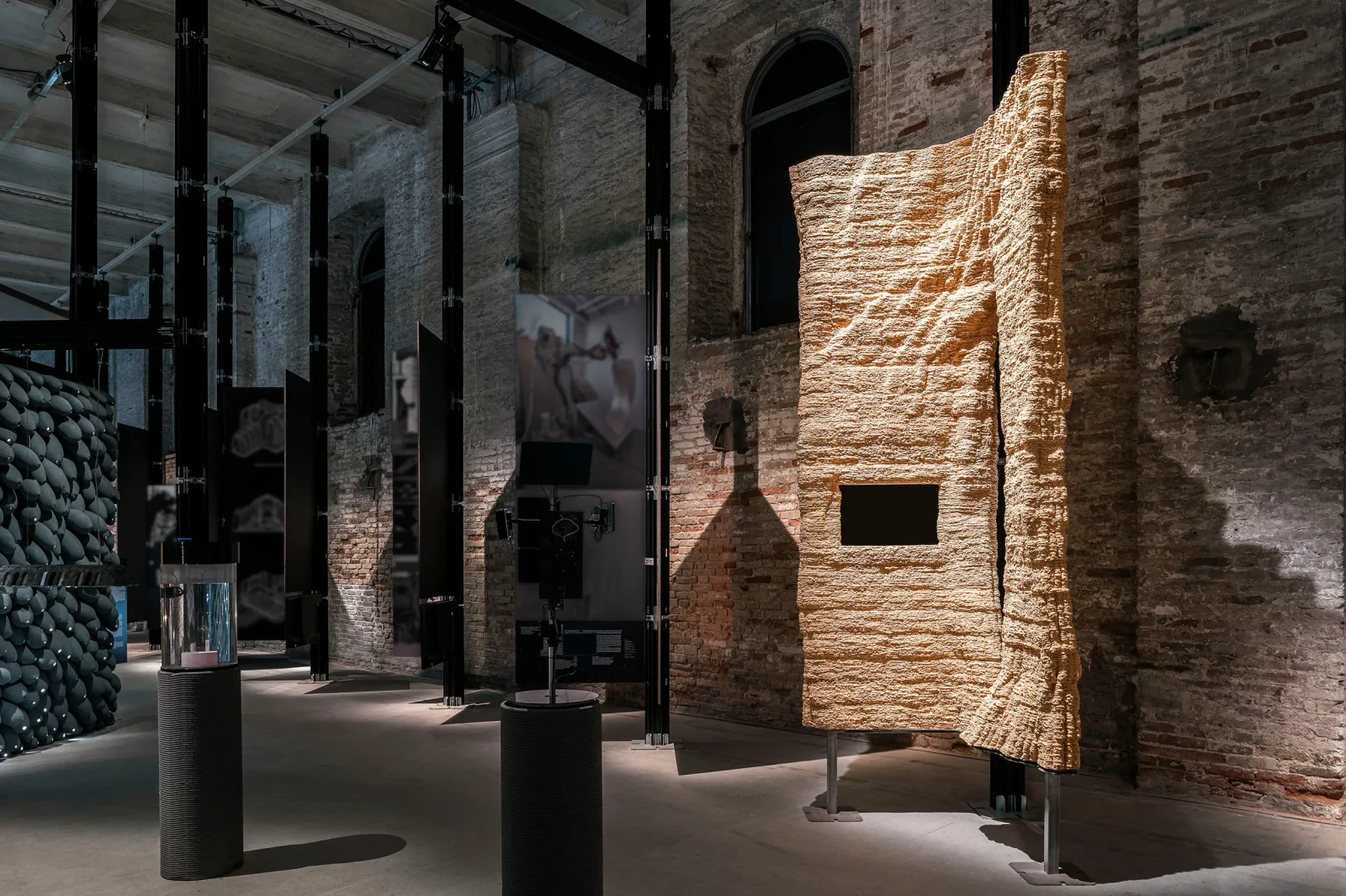
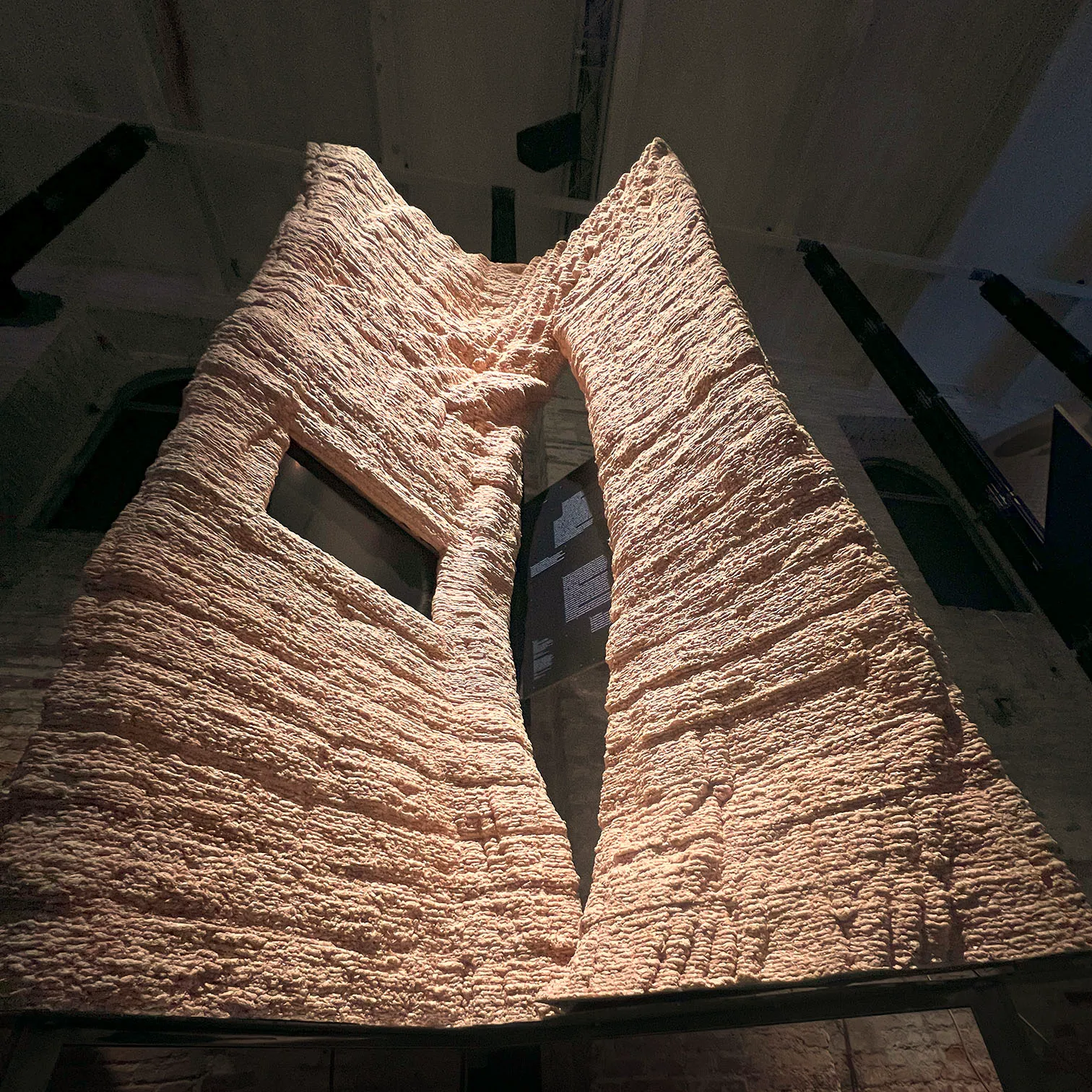
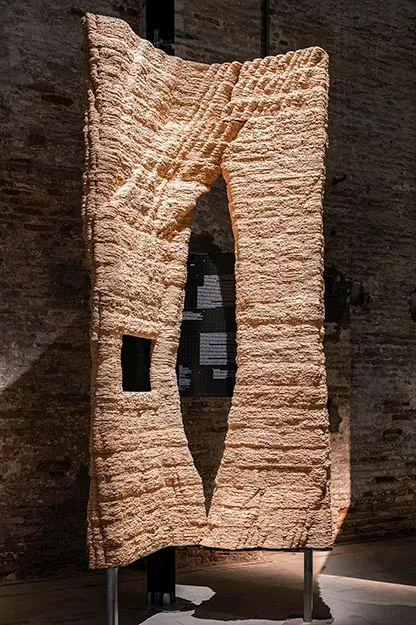
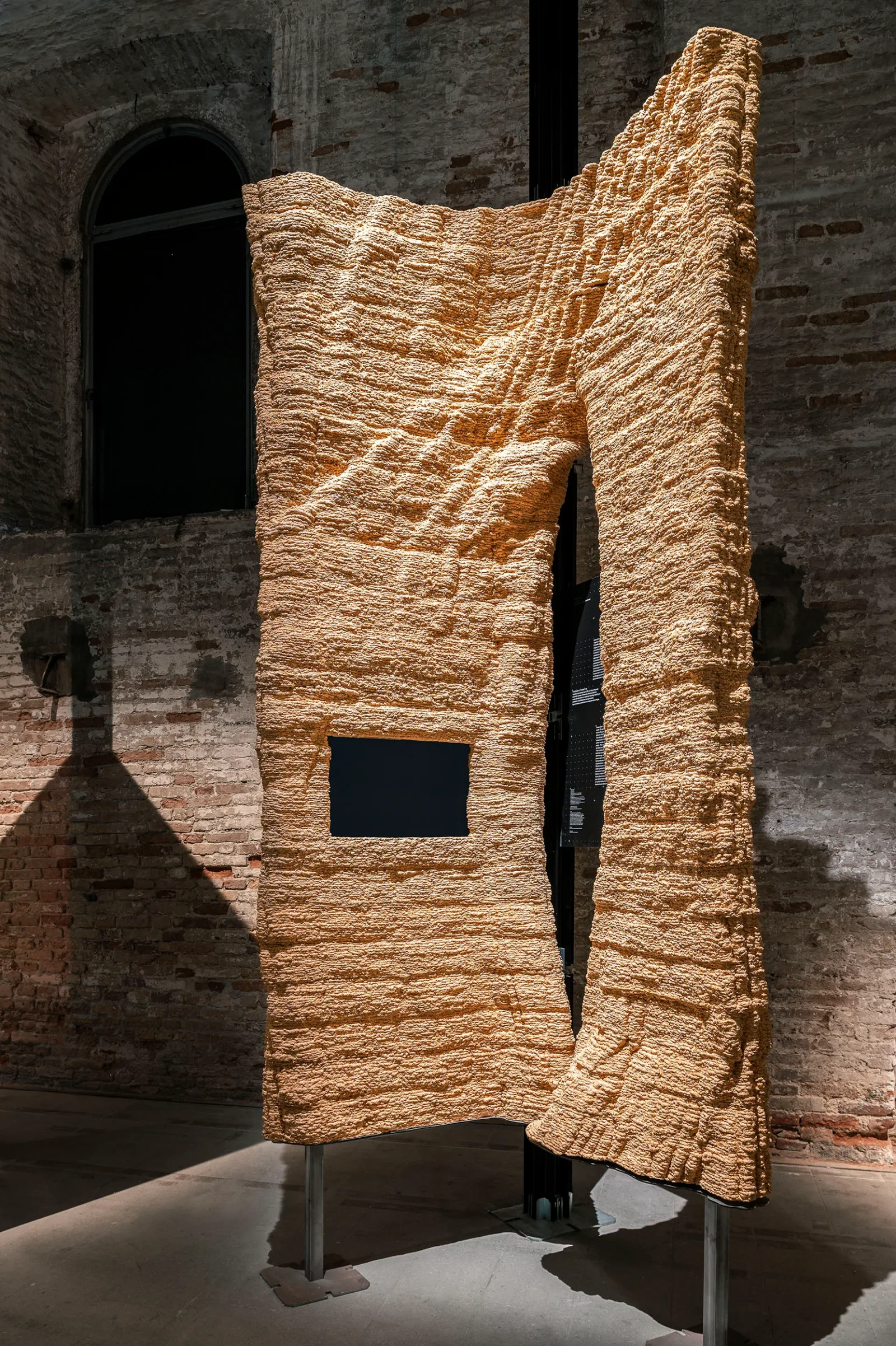
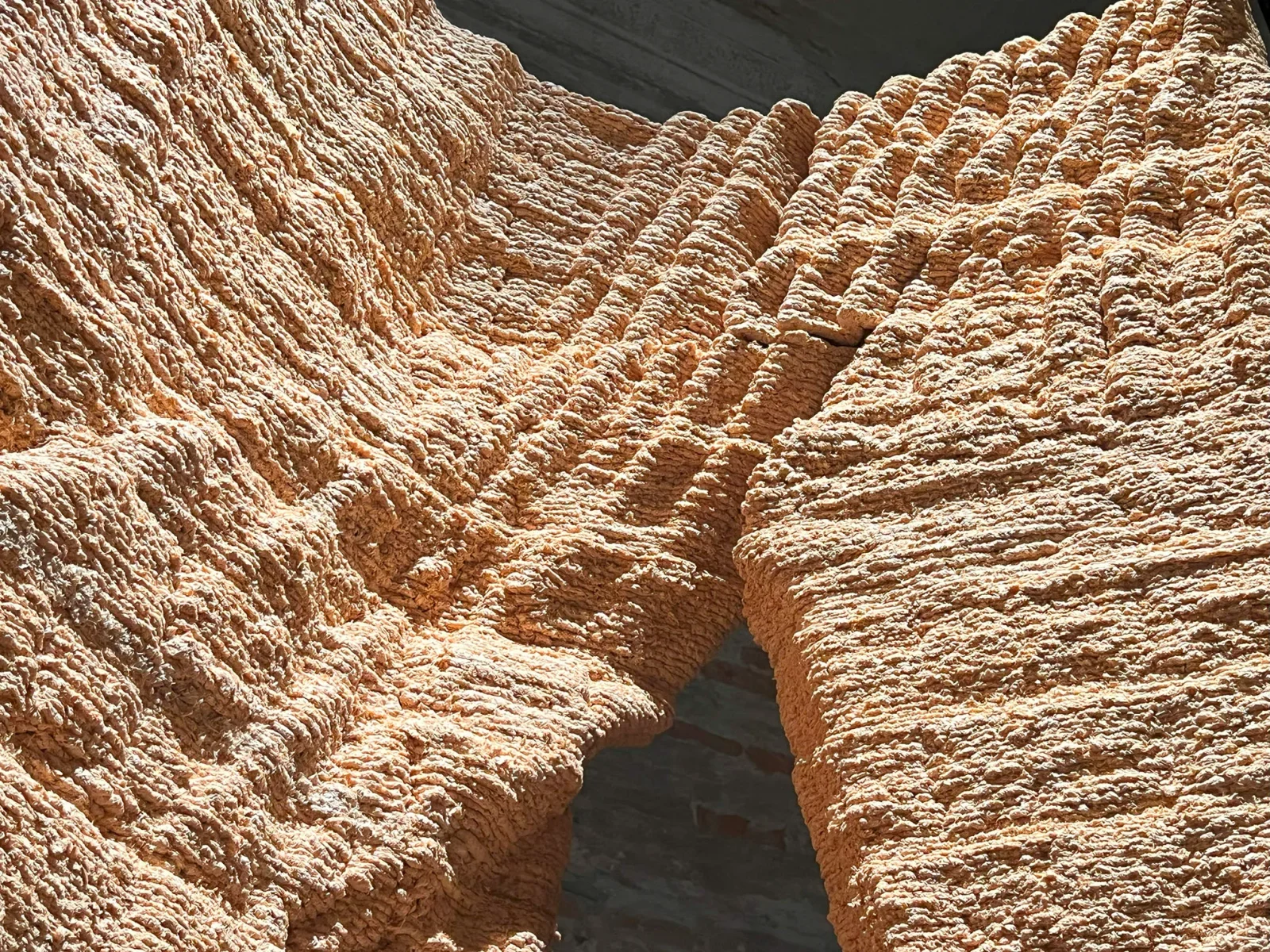
Inosculae, a 3D-printed wood installation, is exhibited at the 19th International Architecture Exhibition of La Biennale di Venezia, curated by Carlo Ratti, titled “Intelligens. Natural. Artificial. Collective.” The three-meter-tall structural element showcases the technical advancements of digital fabrication and the use of sustainable materials.
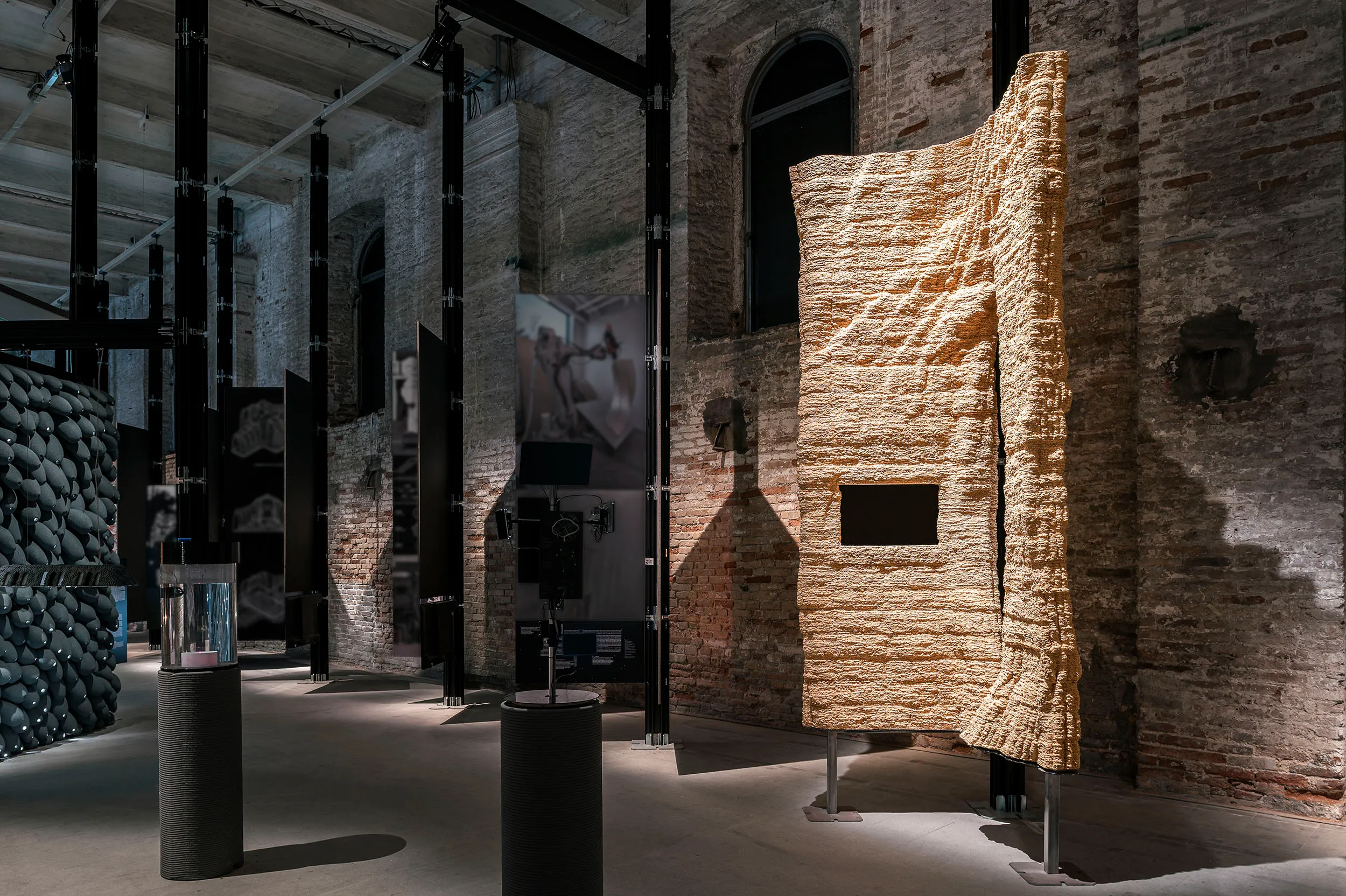
Inosculae’s presence at the Biennale Architettura 2025 addresses the curator’s vision for architectural adaptation by integrating artificial intelligence through robotic fabrication to optimize natural intelligence, the inherent performance of plant fibers. By blending the art of robotics and architecture, the installation demonstrates an example of future building practices where technology serves to enhance ecological efficiency.
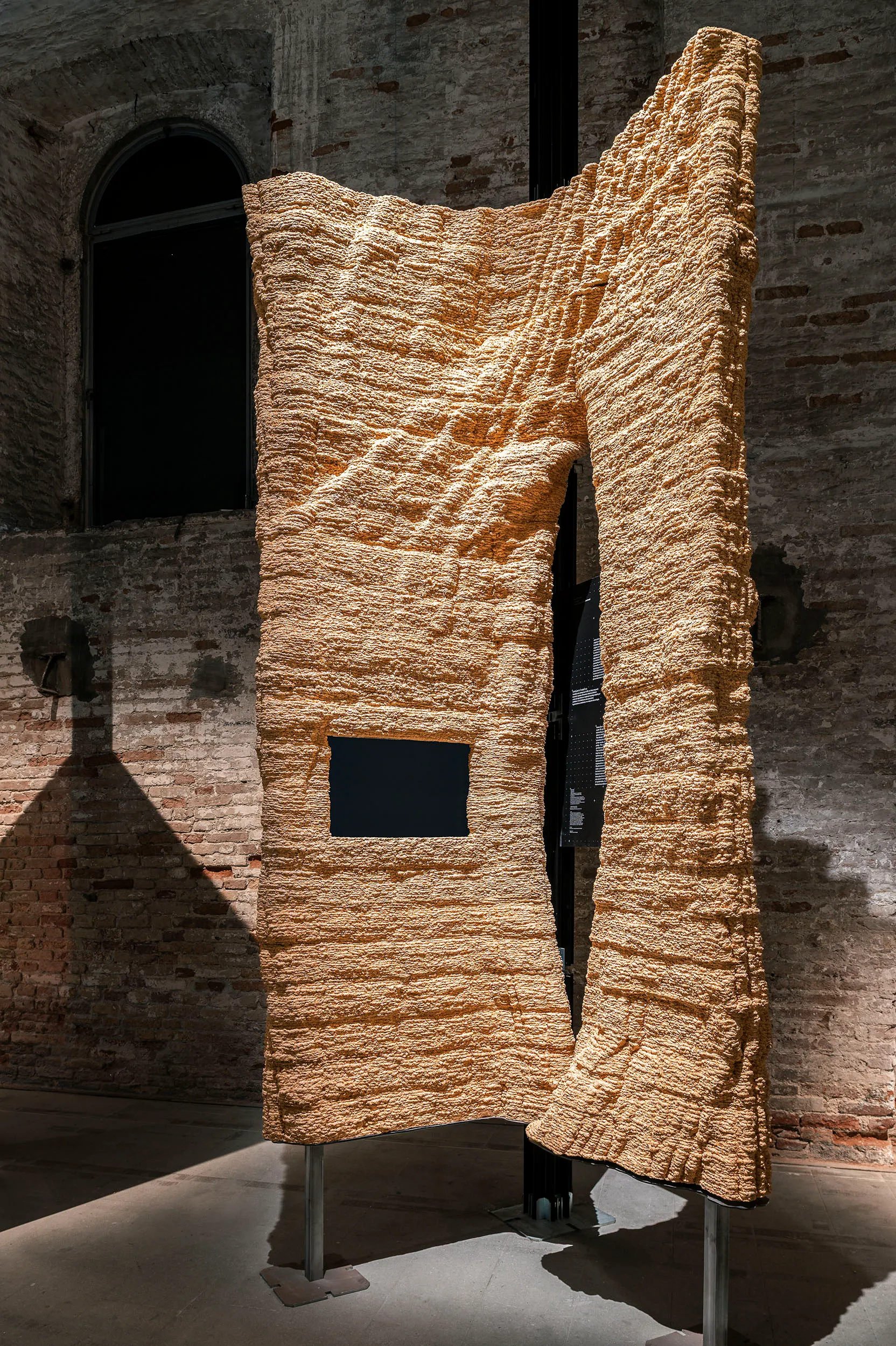
The exhibition centers around three main themes: natural intelligence, artificial intelligence, and collective intelligence, emphasizing the need for architecture to be flexible and dynamic in responding to the new world through a collaborative approach. Open to the public from 10 May to 23 November 2025, the project integrates bio-robotic methodologies to deliver truly circular and computationally optimized structures that actively contribute to environmental adaptation.
Robotic Fabrication and Materials Science
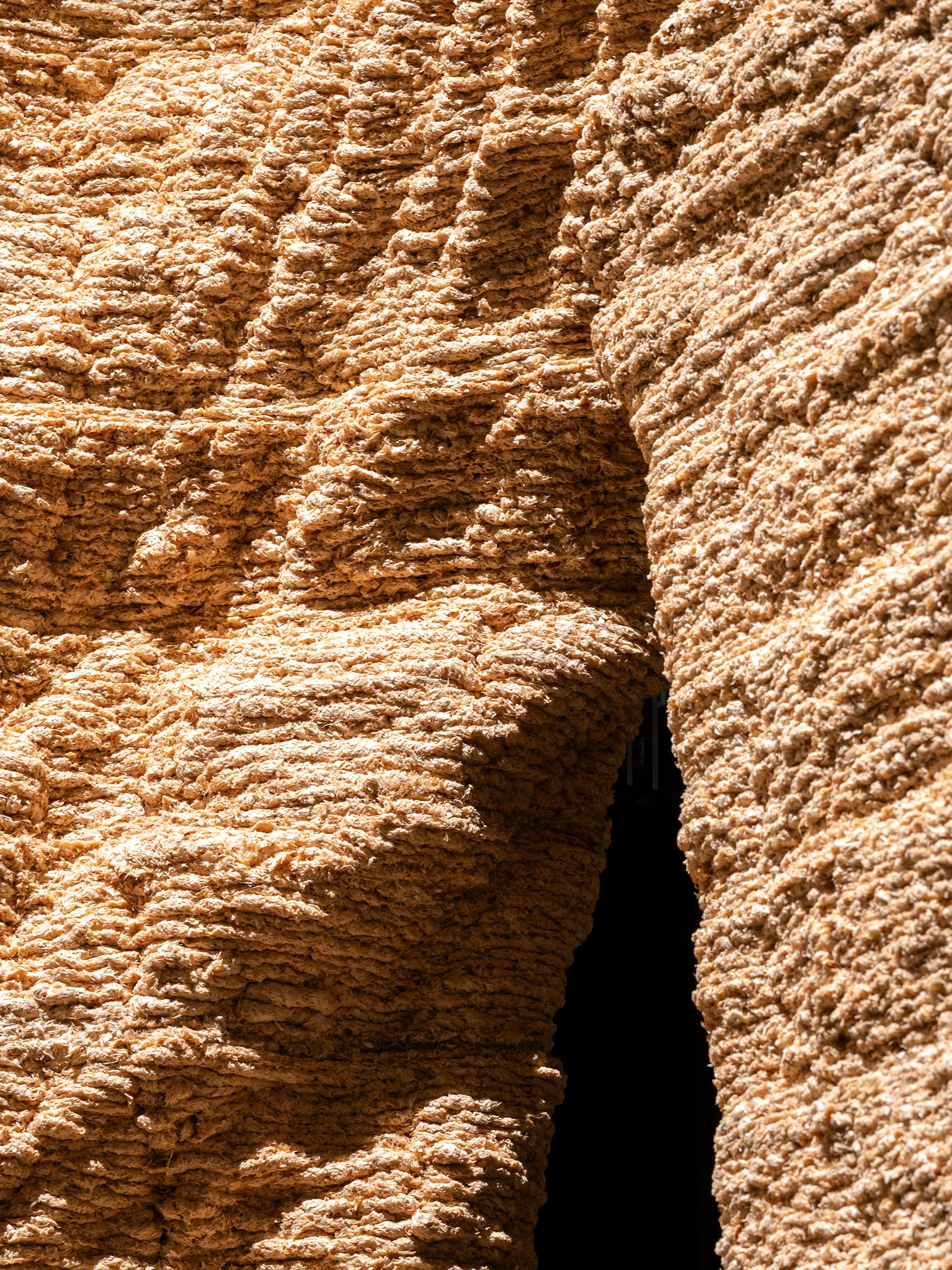
The project, which was led by Dr. Christoph Klemmt of the University of Cincinnati’s ORLAB, presents a large-scale functional prototype. The installation, Inosculae, demonstrates methodology for fully biodegradable, robotic 3D-printed structural wood composites. The project focuses on the development of a material system capable of transforming cellulose and wood waste into architectural components.
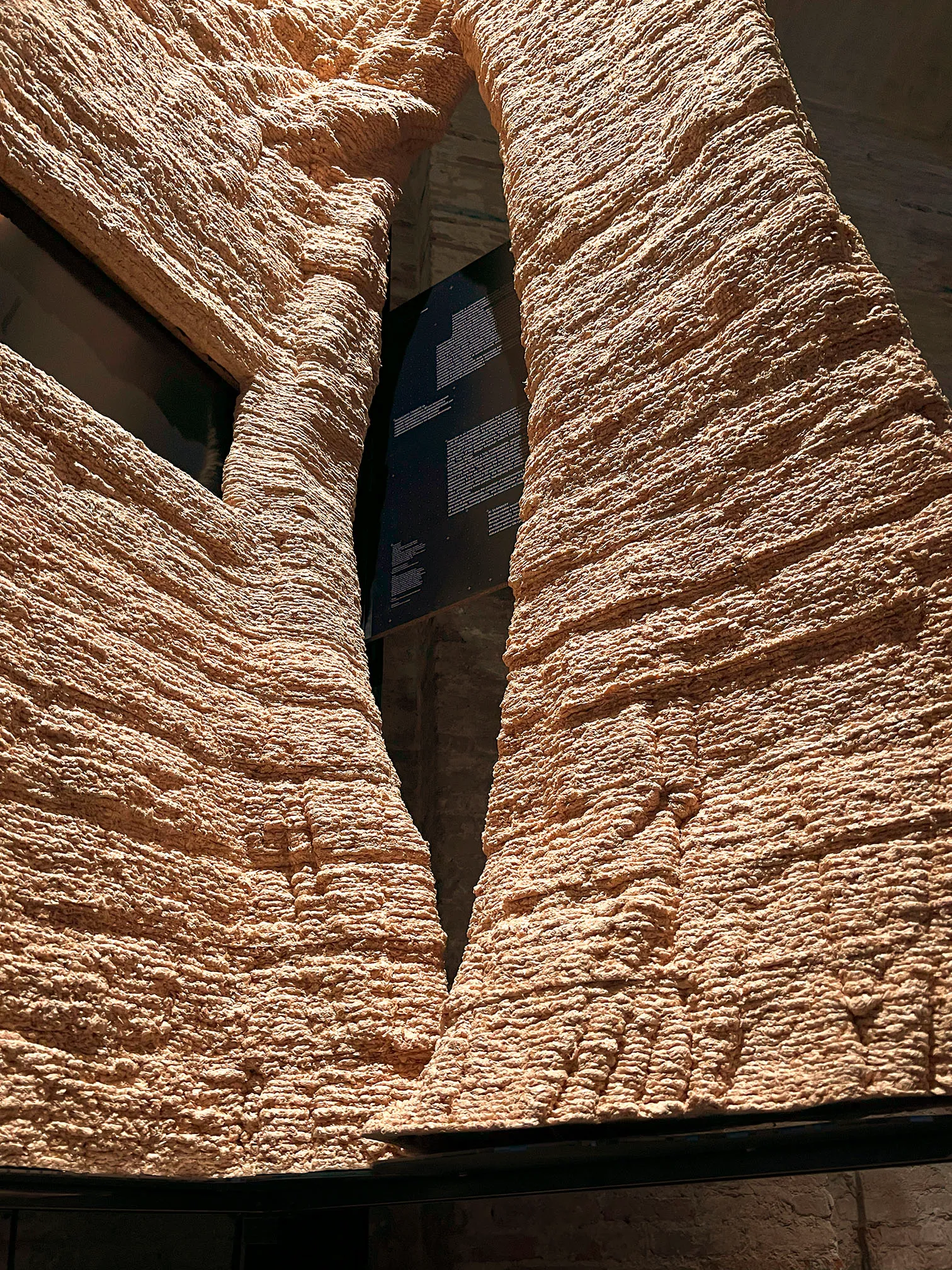
Conceived within a closed-loop system between resource utilization, waste generation, and regeneration, the material demonstrates engineered strength while allowing for complete biodegradation at the end of its life cycle, ensuring that the structure decays to become the source of new life. The design of Inosculae was developed using natural wood materials, with the structure emerging from engineered robotic fabrication and computational design. The algorithmic design highlights how AI-driven robotics can transform simple waste materials by unlocking their hidden structural potential.
The Inosculation of Nature and Robotics
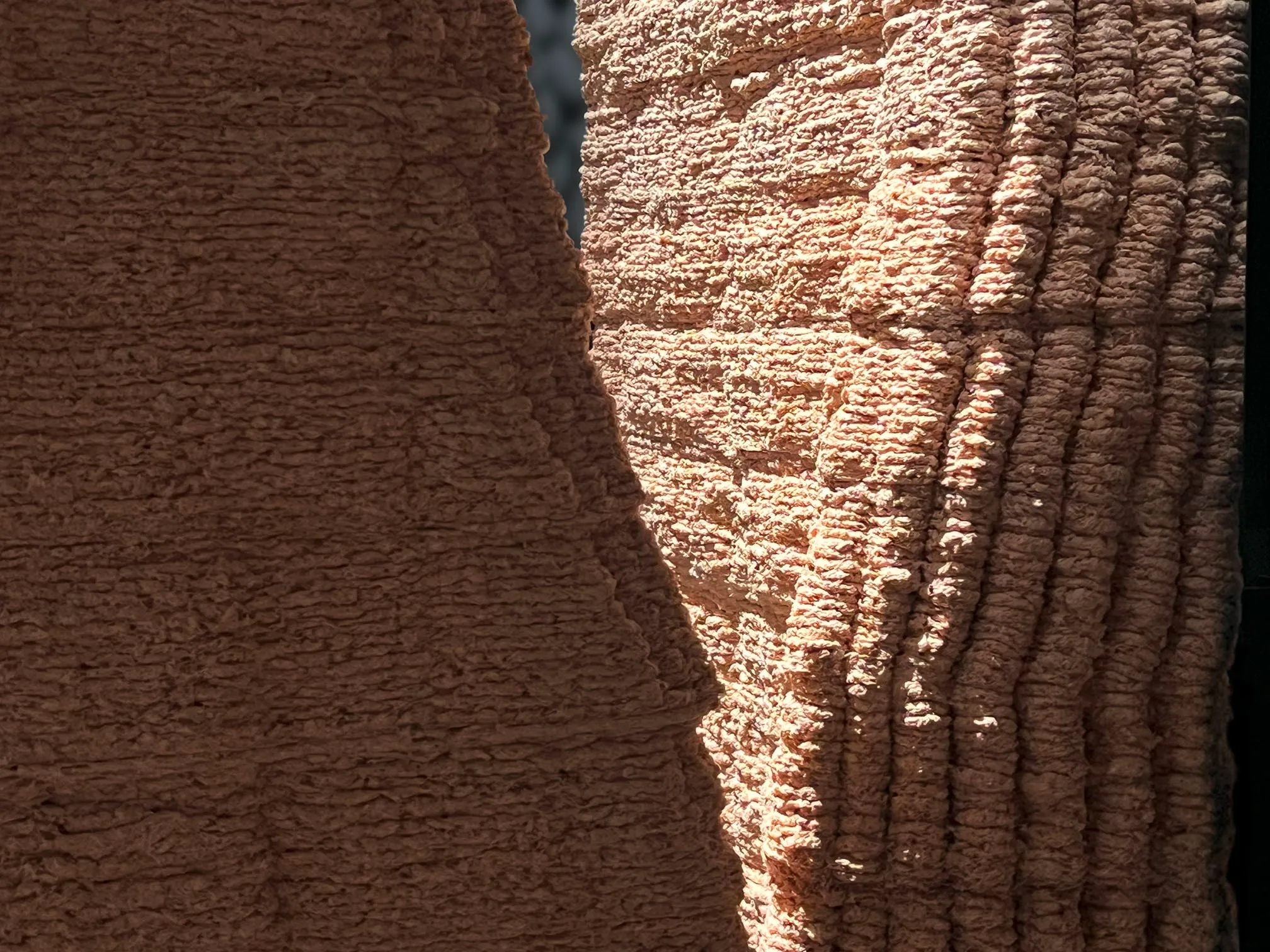
INOSCULAE, derived from the botanical term “inosculation,” which describes the natural biological process where branches, roots, or other parts of two trees fuse together and grow as a single unit, embodies Dr. Klemmt’s deliberate convergence of two historically distinct systems: the natural resource and the high-technology medium. It also enhances the core theme of the Biennale, blending the symbiotic relationship between nature and technology.
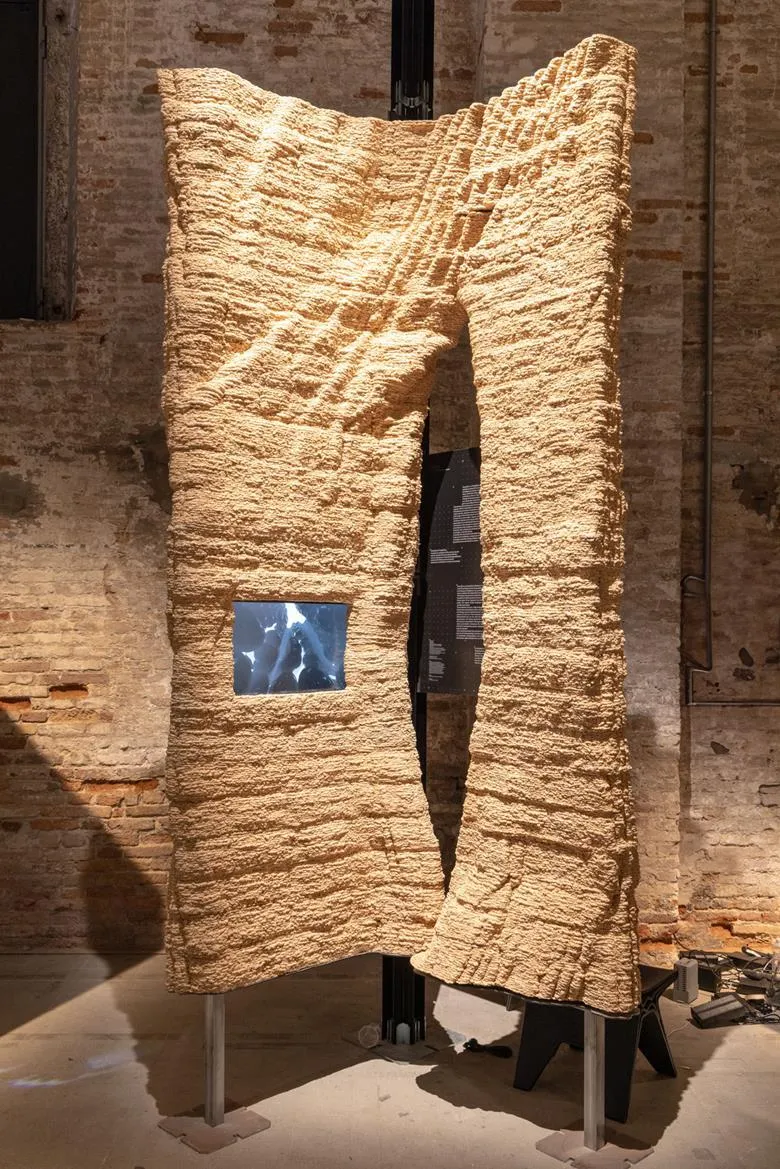
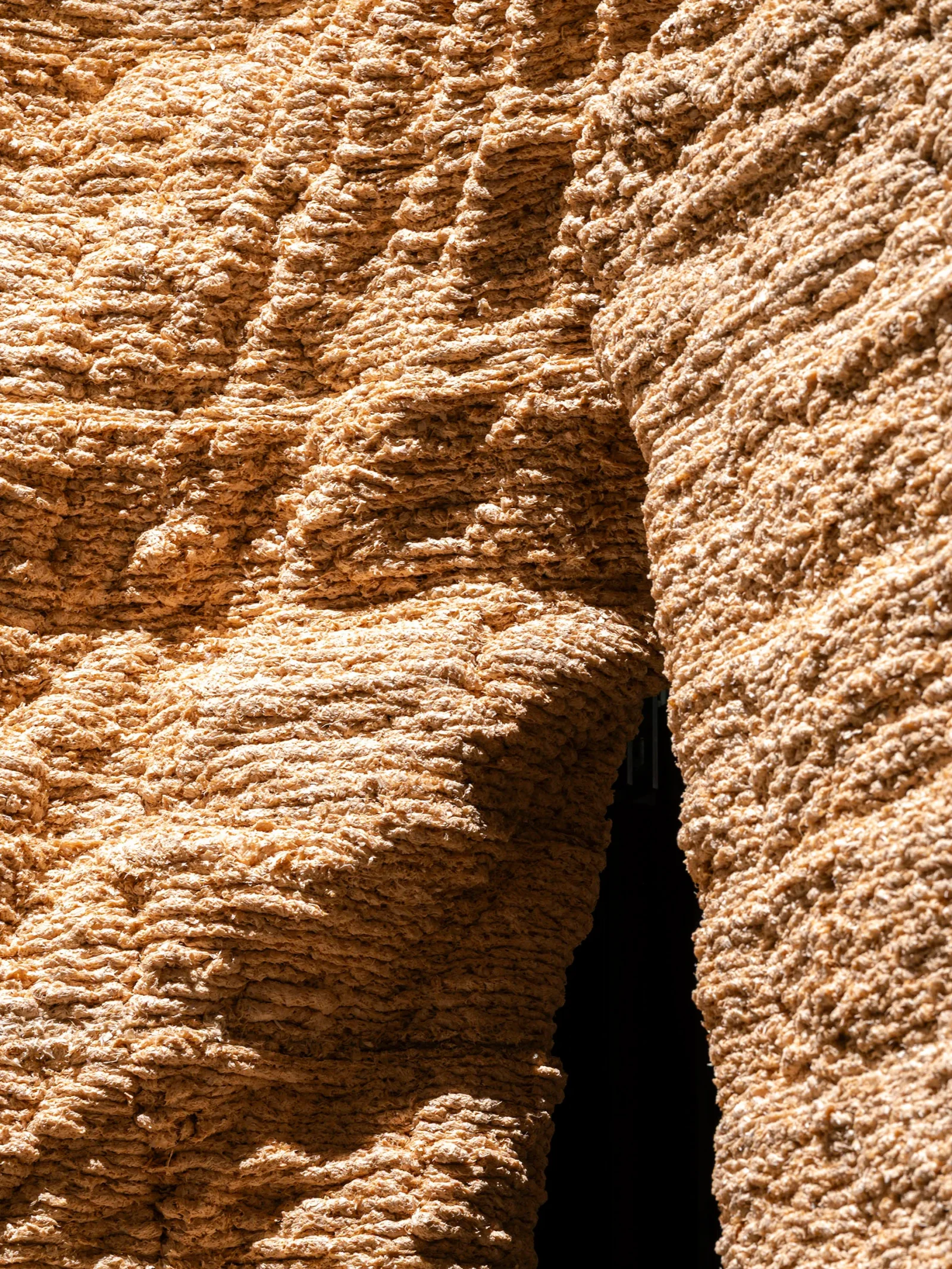
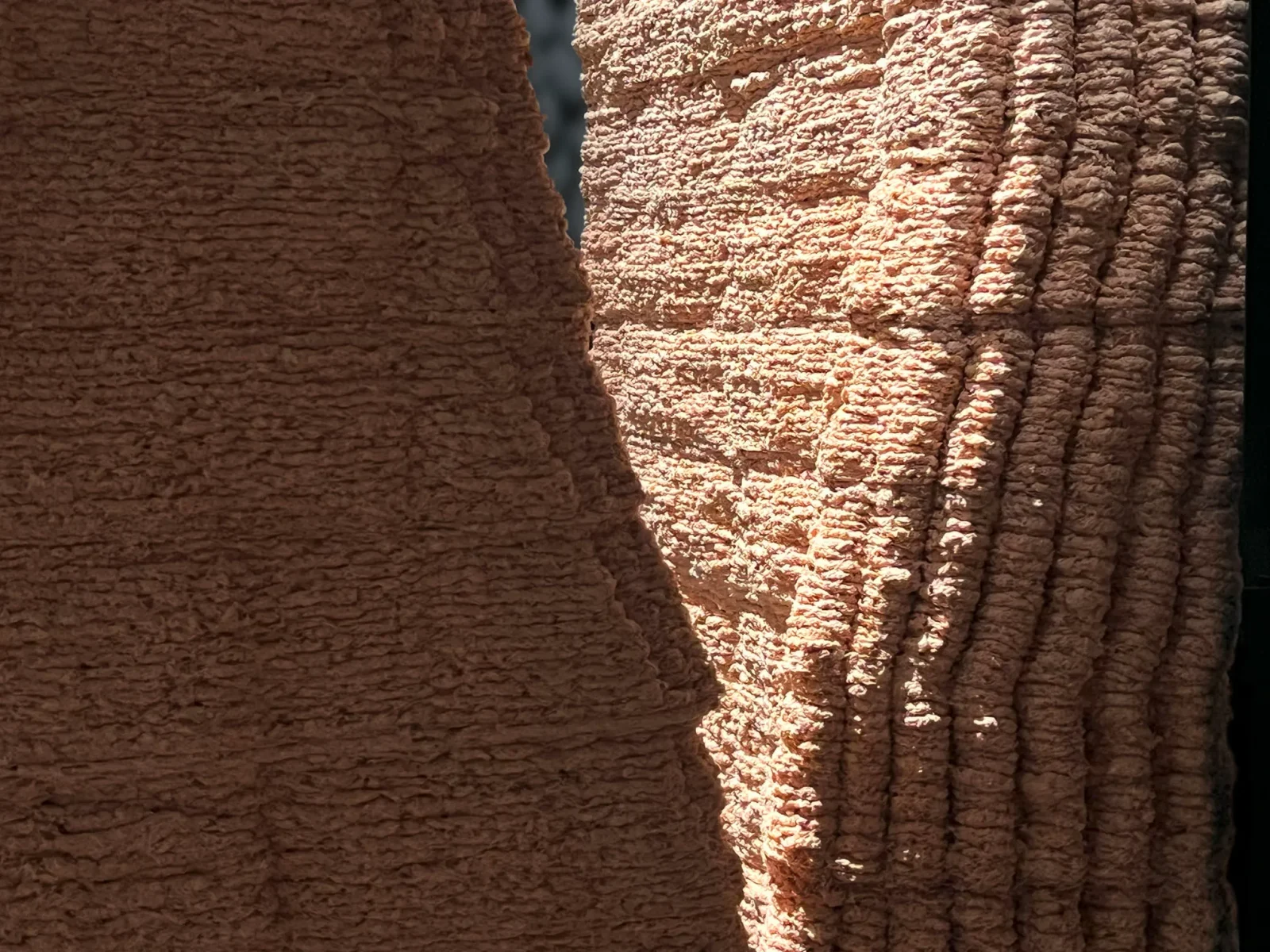
The form of the 3D-printed installation evokes the material’s foam-like texture, created through the precise robotic extrusion of the wood-and-cellulose slurry, which introduces controlled porosity and surface variation. The non-uniform geometry of INOSCULAE displays structural efficiency, bridging the realms of the architecture, engineering, and construction (AEC) community. Through 3D printing techniques, the installation exemplifies a sustainable alternative for the future of our built environment.
Bio-Robotic Futures
The sustainability ethos of the project lies in developing a composite formulation that relies on plant fibers mixed with appropriate binders, solvents, and additives, specifically incorporating bioplastics. With rigorous technical research, advanced robotic training, and international exhibition, the installation offers a glimpse into how design innovation can evolve from academic theory to real-world application on the global stage.
Photo Credits: © Francesco Russo, Orproject
Explore Courses
.jpg%202.jpg "Building Performance with Forma & Opossum")
.jpg "Ondrej Chybik - Rethinking Architecture")