





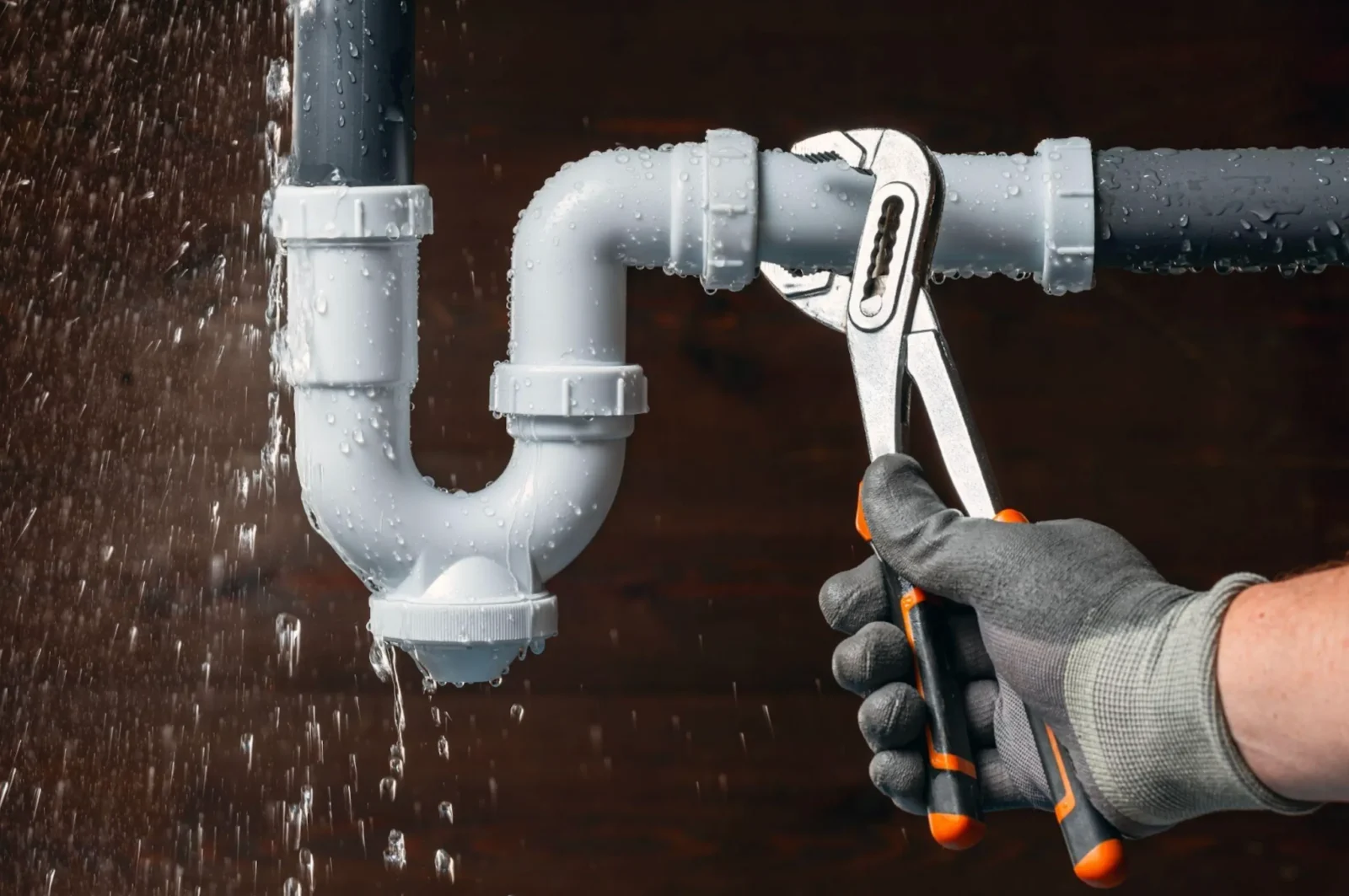
Hidden water leaks can often be spotted through unexpected increases in water bills, damp or musty smells, wall or ceiling discoloration, and running water sounds when no fixtures are in use. Early detection saves money on repairs and prevents serious structural damage.
Why Small Leaks Create Big Problems
Imagine paying for hundreds of gallons of water you never used. For many homeowners, this is reality when leaks remain undetected behind walls or under floors. Water does more than waste money; it warps wood, promotes mould growth, and weakens structures over time. Because hidden leaks rarely reveal themselves right away, understanding how to identify them quickly is one of the most practical skills a homeowner can learn.
If you’re unsure where to start, professional services such as Drain Rescue Plumbers in Burlington can provide expert leak detection and timely repairs.
Why Hidden Water Leaks Go Unnoticed in Homes
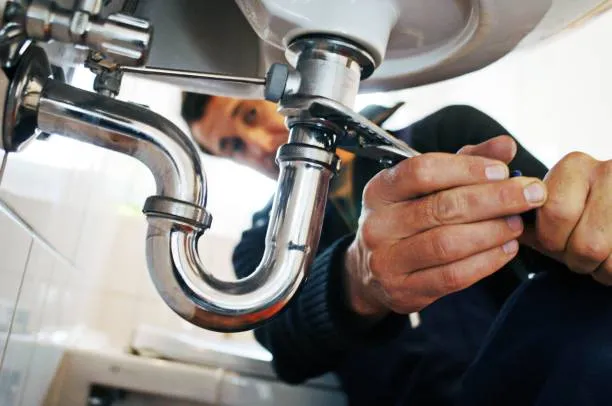
Before spotting them, it helps to know why hidden leaks occur. Most are buried within walls, foundations, or underground pipes where water travels silently. Modern plumbing systems are designed to last, but aging pipes, shifting soil, or loose connections often create leaks in hard-to-see areas. Unlike a dripping faucet, these issues often go unnoticed until damage is advanced.
Signs of Hidden Water Leaks in the House
Checking Your Water Meter
How can a water meter help find leaks? The simplest method is turning off all fixtures and appliances that use water, then observing the meter. If the numbers still move, water is escaping somewhere in the system. This check only takes a few minutes, but it can confirm suspicions quickly.
Walls, Floors, and Ceilings as Indicators
Stains, bubbling paint, warped flooring, or damp patches often signal that water is pooling behind surfaces. A yellowish mark on a ceiling usually indicates a leak above, while soft or spongy flooring may mean water is seeping from pipes underneath. These signs should never be ignored because they can progress into costly repairs.
Plumbing Fixtures and Appliances to Inspect
Toilets, dishwashers, and water heaters are frequent culprits. Even a slow, silent drip at the base of a toilet can waste hundreds of litres per month. Running dye tests in toilet tanks, checking hoses behind washing machines, and inspecting around sinks can reveal leaks that appear minor but add up over time.
How to Confirm a Suspected Leak
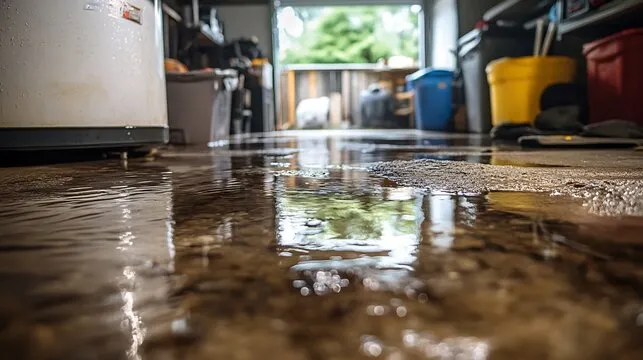
Once warning signs appear, how can homeowners confirm the problem? Here are reliable steps:
- Perform a dye test
Add food colouring into toilet tanks. If color reaches the bowl without flushing, the flapper valve leaks.
- Check appliance connections
Use paper towels around hose connections to see if dampness appears.
- Use a moisture meter
An inexpensive tool that detects hidden dampness behind walls or under flooring.
- Listen at night
When the house is quiet, running or dripping sounds are easier to hear.
Common Places Where Leaks Begin
Leaks are not always random. They often start in predictable spots:
- Bathroom plumbing: Toilets, showers, and under-sink pipes.
- Kitchen areas: Dishwashers, sinks, and refrigerator water lines.
- Basement and foundation: Cracks or deteriorated seals that allow groundwater seepage.
- Outdoor irrigation systems: Underground sprinkler lines often split or disconnect.
Knowing where leaks typically begin reduces time spent investigating and helps with early intervention.
Preventive Measures and Maintenance Tips
How can homeowners reduce the risk of hidden leaks? Regular maintenance is key.
- Inspect visible plumbing twice a year for corrosion or dripping.
- Replace washing machine hoses every five years or sooner if cracks appear.
- Flush the water heater annually to prevent sediment buildup that leads to leaks.
- Maintain proper water pressure since overly high pressure strains joints and pipes.
- Seal foundation cracks early to prevent groundwater intrusion.
Proactive care not only saves money but also extends the life of the plumbing system.
Final Thoughts
Hidden leaks rarely announce themselves until they’ve already caused trouble. A small stain on the ceiling or a faint musty odour may seem harmless, but together they tell a story of water moving where it shouldn’t.
The good news is that with a careful eye and a few simple checks, most homeowners can spot problems before they spiral into expensive repairs. Think of it as routine health care for your home: a little attention today can save you from major surgery tomorrow.Hidden water leaks can often be spotted through unexpected increases in water bills, damp or musty smells, wall or ceiling discoloration, and running water sounds when no fixtures are in use. Early detection saves money on repairs and prevents serious structural damage.
Explore Courses
.jpg%202.jpg "Building Performance with Forma & Opossum")


.jpg "Ondrej Chybik - Rethinking Architecture")