




GPT-5.2-Codex is the latest release from OpenAI designed specifically to support real-world software engineering and defensive cybersecurity tasks. It is built on the foundation of the GPT-5.2 architecture but optimized within OpenAI’s Codex environment to handle long-term coding tasks, complex code changes, and advanced security workflows with stronger performance and reliability.
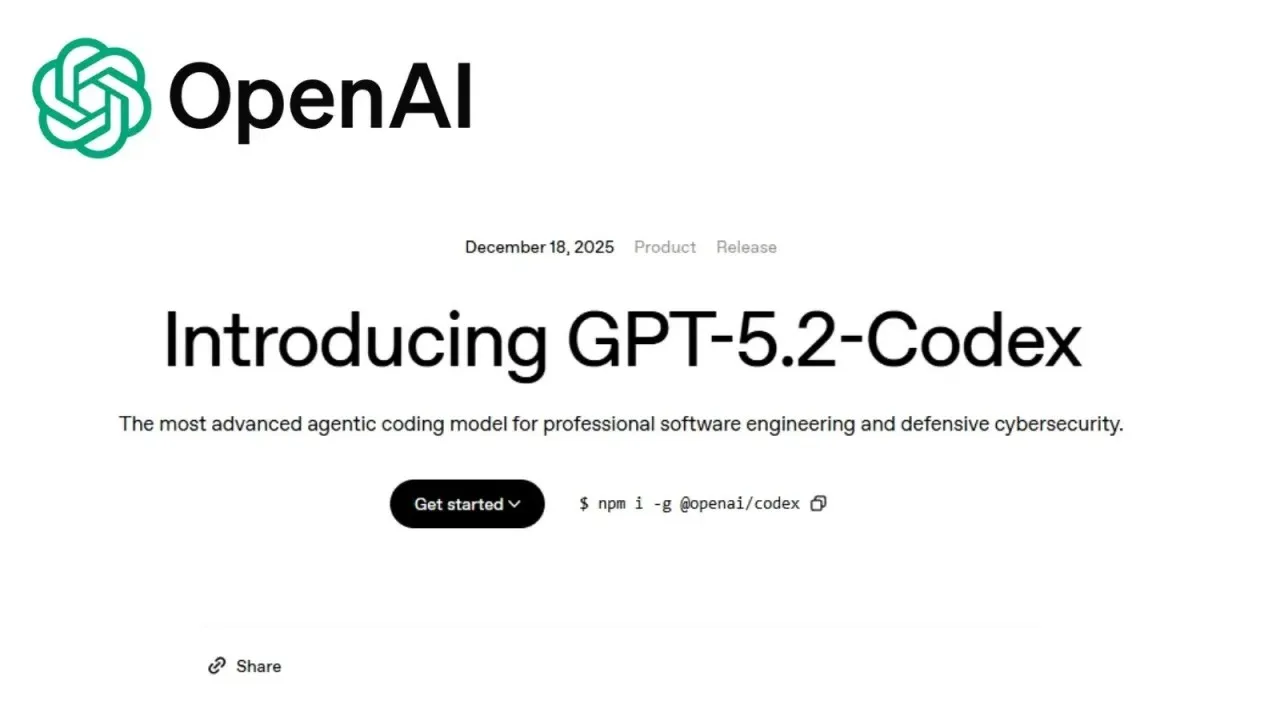
GPT-5.2-Codex: Purpose and Key Improvements
GPT-5.2-Codex focuses on solving large programming tasks over extended sessions without losing context or accuracy. Unlike basic AI coding assistants, it excels at long-horizon work such as major code refactors, migrations, large feature builds, and sustained project cycles. This improvement derives from what OpenAI calls context reduction, a technology that ensures the model remembers details across long sequences of code and instructions.
Another core improvement in GPT-5.2-Codex is native support for operating system-specific environments, including enhanced performance on Windows platforms. This ensures software engineers who work in diverse development environments experience reliable behavior and fewer errors during complex coding sessions.
Benchmarks and Performance
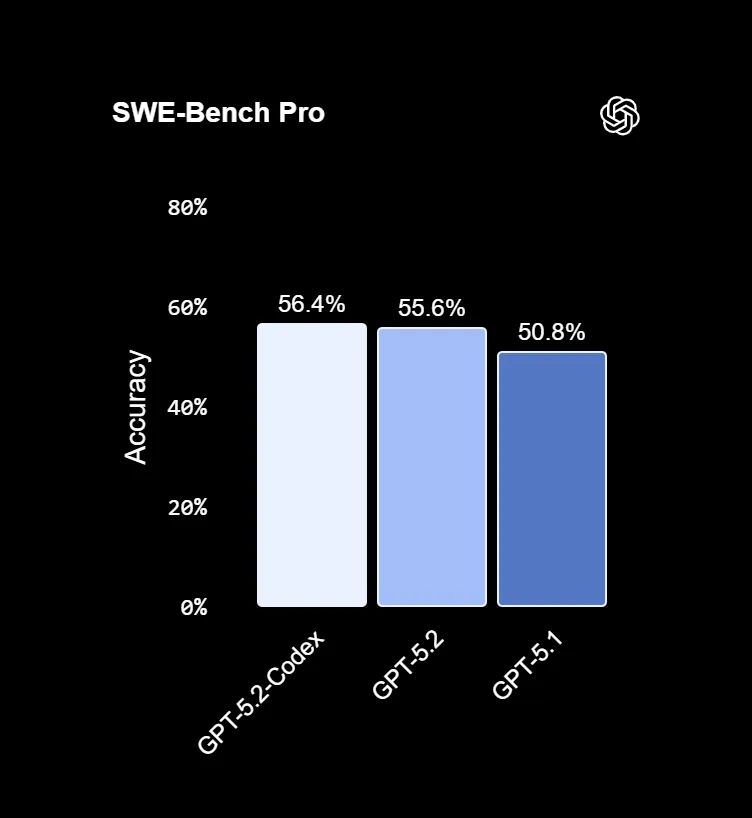
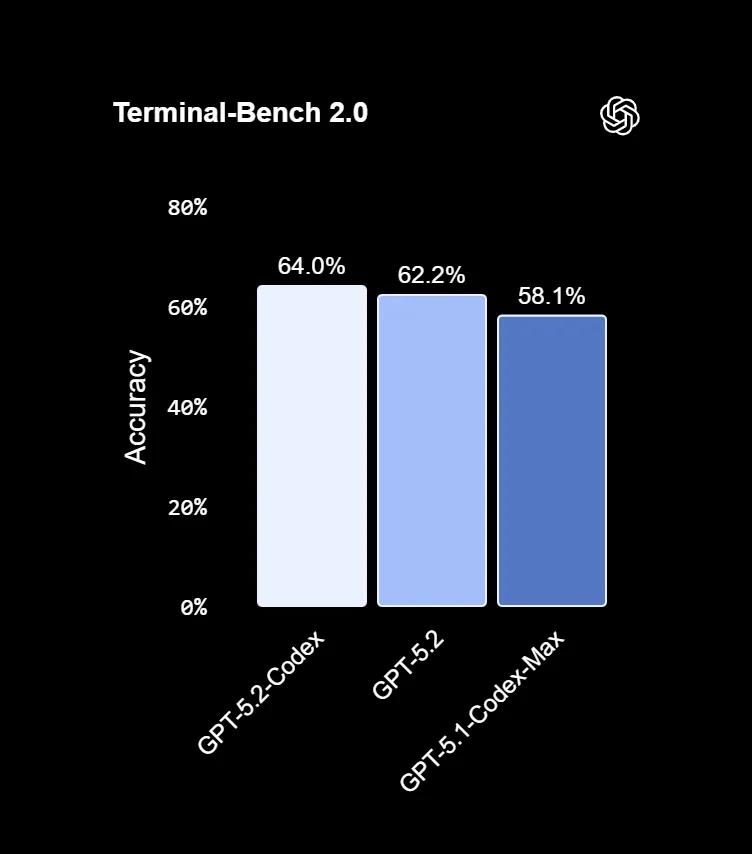
In standardized coding evaluations, GPT-5.2-Codex significantly outperforms prior versions:
- On the SWE-Bench Pro benchmark, it scores 56.4%, surpassing both GPT-5.2 and earlier Codex models.
- On the Terminal-Bench 2.0 benchmark, which tests real command-line performance, it reaches 64.0%, setting a new standard for AI coding agents.
These improvements reflect real gains in generating valid code, completing multi-step engineering workflows, and interacting with terminals and developer tools.
GPT-5.2-Codex is designed to go beyond simple code generation. It understands project-wide contexts, can interpret design mockups, and translate them into working prototype code, and is better at understanding images such as diagrams or screenshots within a session. This makes it useful in real engineering workflows where complex artifacts and multiple tools are involved.
In practical terms, developers using GPT-5.2-Codex report that it can handle extended coding sessions, maintain context across thousands of lines of code, and iterate reliably even when a task changes midway through execution. This level of persistent memory and reasoning is rare in coding AI models.
Cybersecurity Capabilities
One of the most notable advancements in GPT-5.2-Codex is its cybersecurity performance. OpenAI reports measurable improvements in evaluations like professional Capture-the-Flag (CTF) challenges, which simulate real testing and security problem-solving. This means the model is better at spotting vulnerabilities, reasoning about attack surfaces, and assisting defensive workflows.
Cybersecurity researchers have already used prior Codex models to uncover real software exposures, such as issues in the React framework. GPT-5.2-Codex’s stronger capabilities aim to speed up legitimate defensive security efforts and help organizations patch flaws faster.
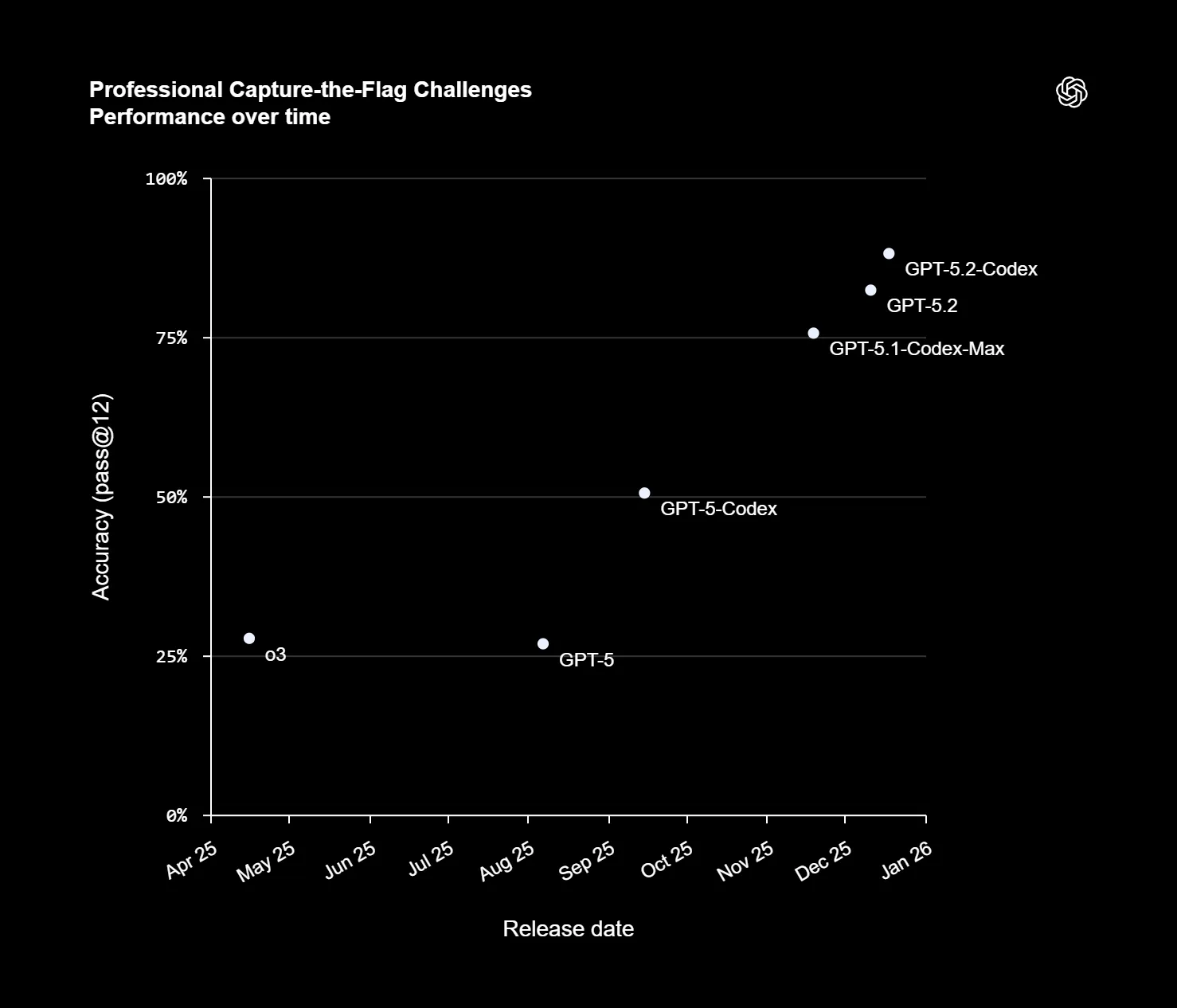
Despite these benefits, OpenAI emphasizes that GPT-5.2-Codex does not yet reach a “high” level of cyber capability according to its internal Preparedness Framework. This means while the model is powerful, it is still deployed with safeguards to prevent misuse and ensure it supports ethical defensive use.
GPT-5.2-Codex is currently accessible to paid ChatGPT users through the Codex interface. API access is expected to roll out in the coming weeks to allow integration with third-party development tools and automation systems. OpenAI is also piloting a “trusted access” program that invites vetted cybersecurity professionals and organizations to use the model for defensive research and ethical red teaming.
OpenAI
Real-World Uses and Impact
In the software industry, tools like GPT-5.2-Codex are being adopted for tasks that range from automated code refactoring to vulnerability scanning and attack surface analysis. These capabilities can significantly reduce development time and improve the speed and accuracy of security reviews.
Developers report that GPT-5.2-Codex helps them manage projects more efficiently by maintaining a broader context and planning multi-step workflows. Security teams find that the model assists effectively in fuzz testing, setting up test environments, and automating repetitive analysis tasks that once required hours of human work.
OpenAI has paired GPT-5.2-Codex’s release with stronger safety safeguards to mitigate risks related to misuse. These include model-level training to minimize harmful outputs and product-level controls like sandboxing and restricted network access for sensitive tasks. Access to cyber-focused capabilities is controlled to ensure they remain tools for defenders, not attackers.
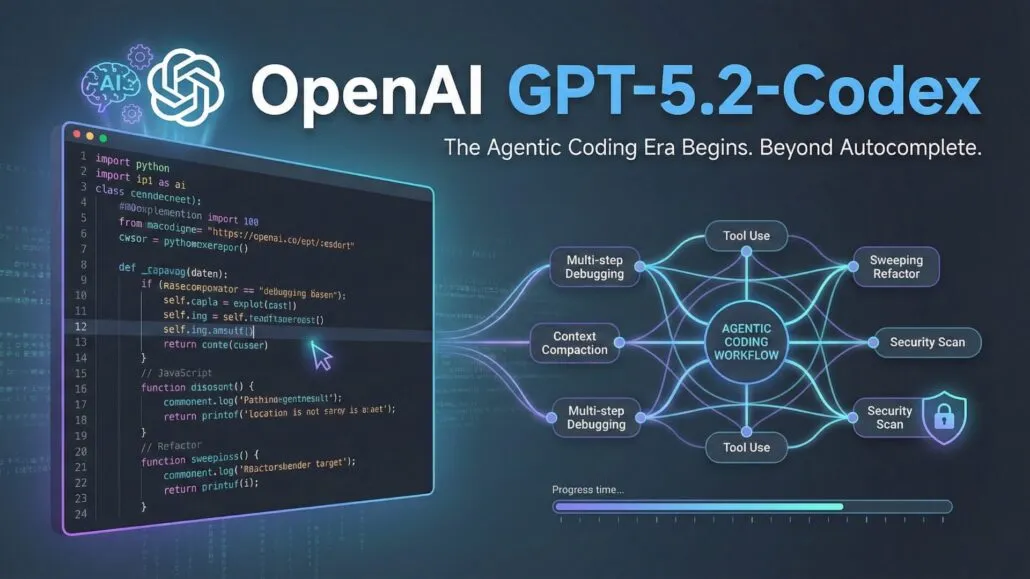
GPT-5.2-Codex’s advanced context handling, strong benchmark performance, native support for extended engineering tasks, and enhanced security capabilities make it one of the most powerful agentic coding models available today. By pairing access with safeguards and trusted access programs, OpenAI aims to bring its benefits to professional developers and security organizations while managing the dual-use concerns inherent in powerful AI systems.
Source: OpenAI
Explore Courses
.jpg "Ondrej Chybik - Rethinking Architecture")