

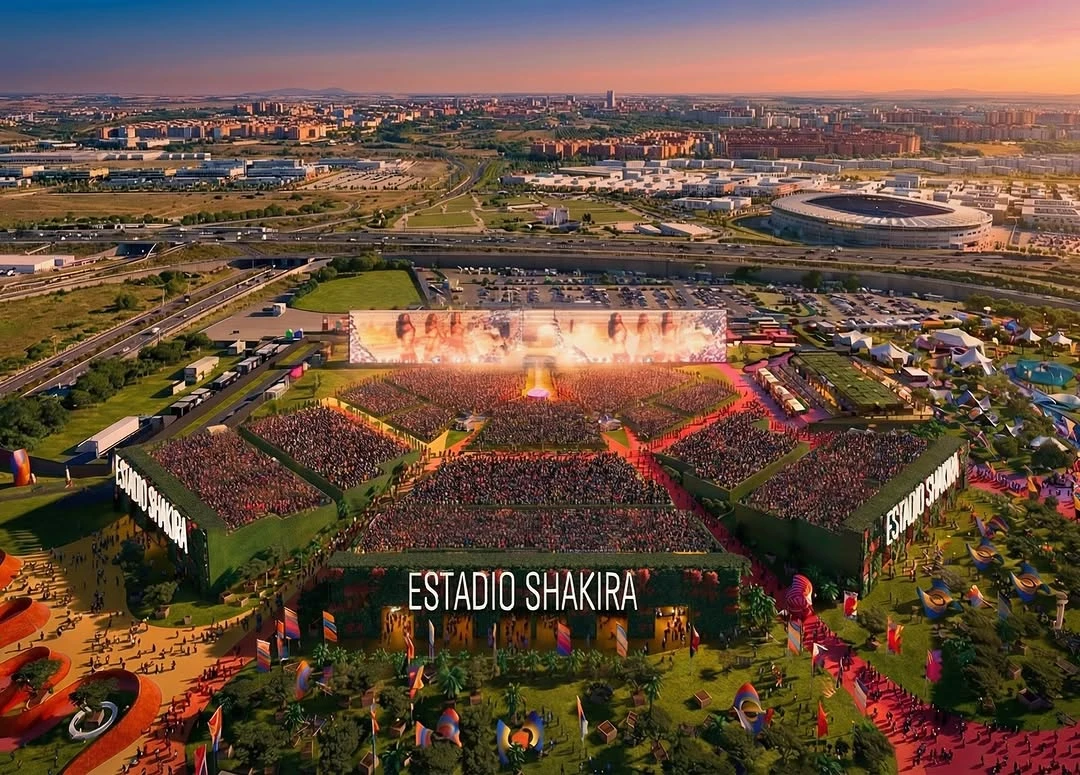
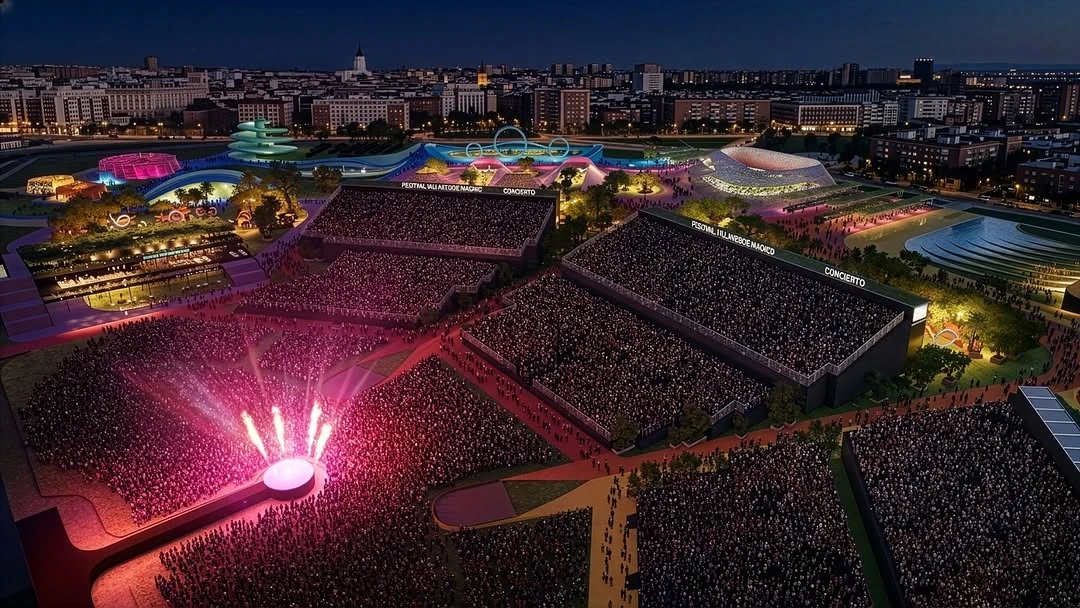
In a major announcement that incorporates music, architecture, and urban culture, global pop icon Shakira has revealed plans for a new performance venue in Madrid. The internationally acclaimed architecture firm Bjarke Ingels Group (BIG) will design the project, titled Shakira Stadium at Macondo Park. The development marks a bold rethinking of what a concert venue can be, combining performance space with a year-round public environment.
The stadium is set to rise on the site of the existing Iberdrola Music venue and will accommodate more than 50,000 fans. It is being developed as the centerpiece for Shakira’s Madrid residency, part of her Las Mujeres Ya No Lloran World Tour. However, the project goes far beyond a traditional concert setup. Instead of a structure that remains unused between events, the design envisions a vibrant, active destination that operates continuously.
Modern Stadium Design by BIG
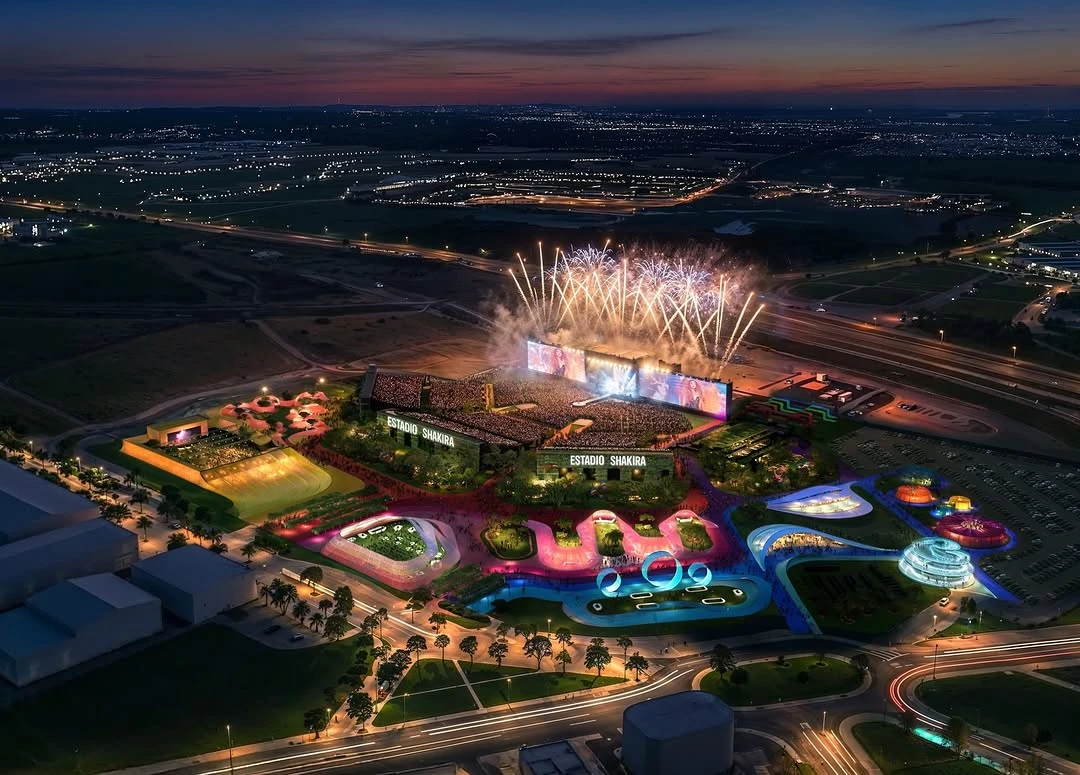
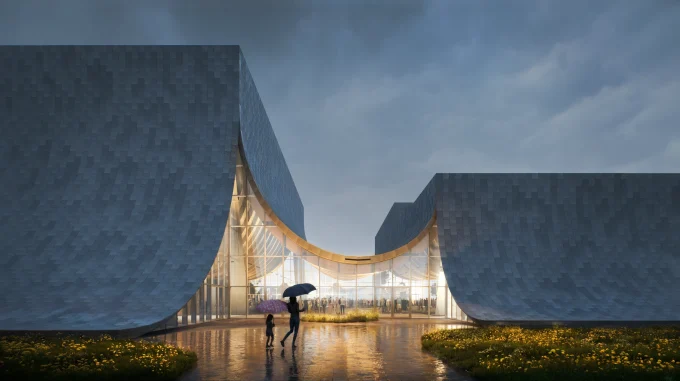
Shakira Stadium is conceptualized as a dynamic, multi-use environment. BIG’s design focuses on creating a space that feels alive before, during, and after performances. The concept merges elements of a park, cultural hub, and community gathering space into a single integrated landscape.
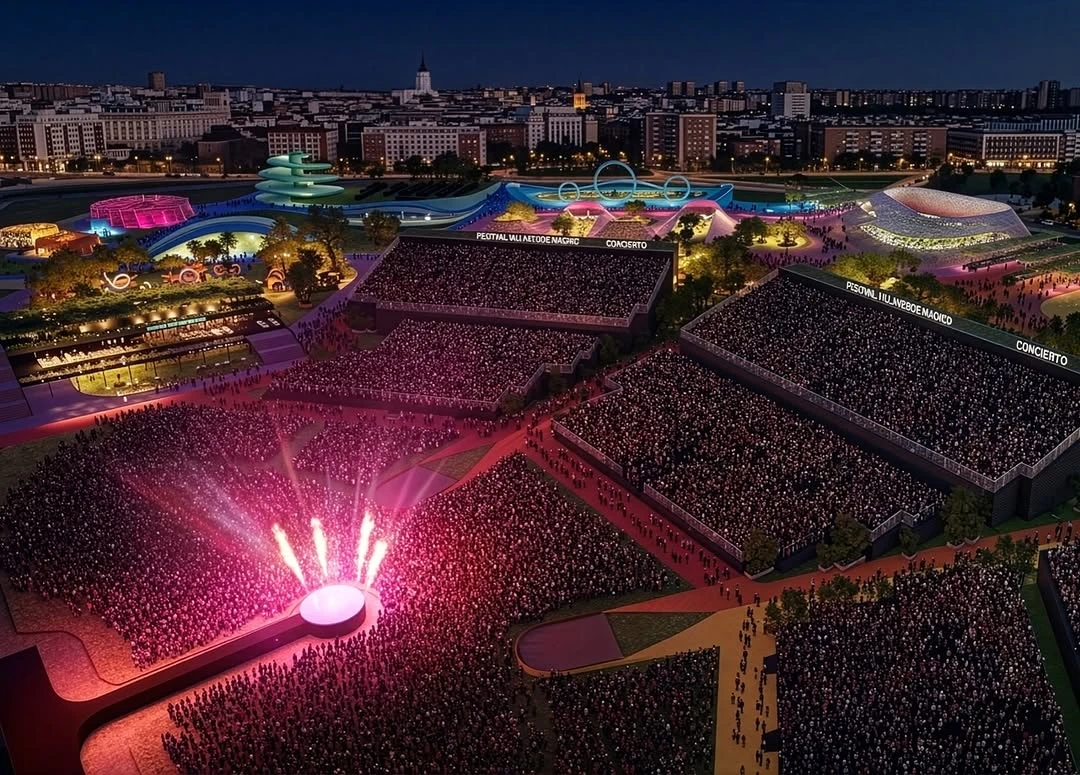
Spread across a 21-hectare site, Macondo Park will feature a network of flowing, curvilinear pathways. These paths will be draped in recycled fabrics, which will add visual character and a sustainable dimension to the project. Visitors will move through layered public spaces designed to host a range of activities, including artisan markets, food and culinary experiences, and dedicated children’s zones.
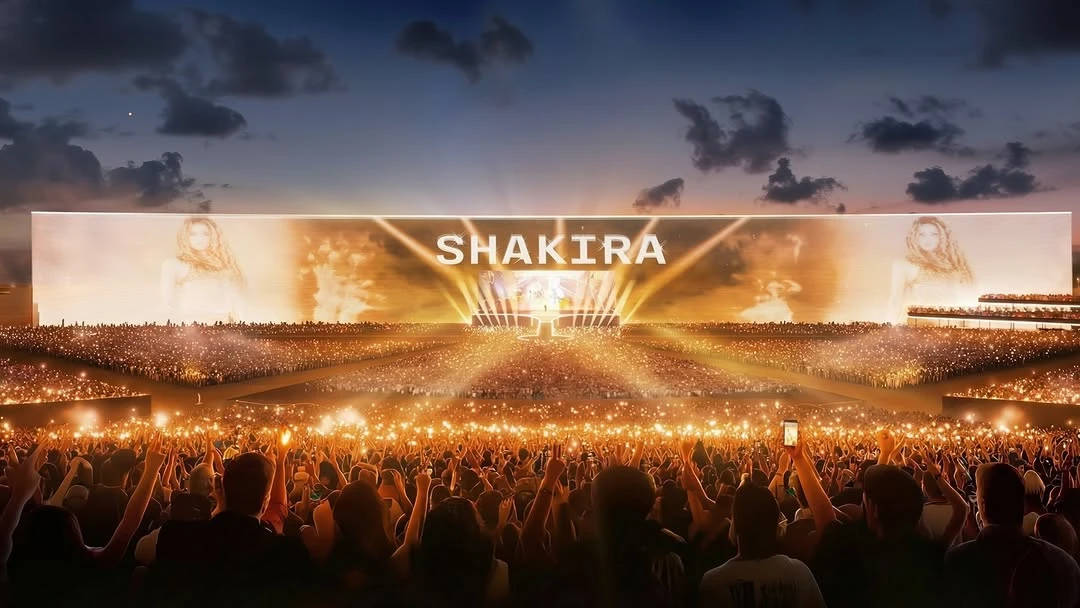
The aim is to create a place that attracts visitors even when no concerts are scheduled. This approach reflects a broader shift in stadium design, where the focus is increasingly on flexibility, accessibility, and long-term urban value rather than single-purpose use.
A Fusion of Landscape, Music, and Identity
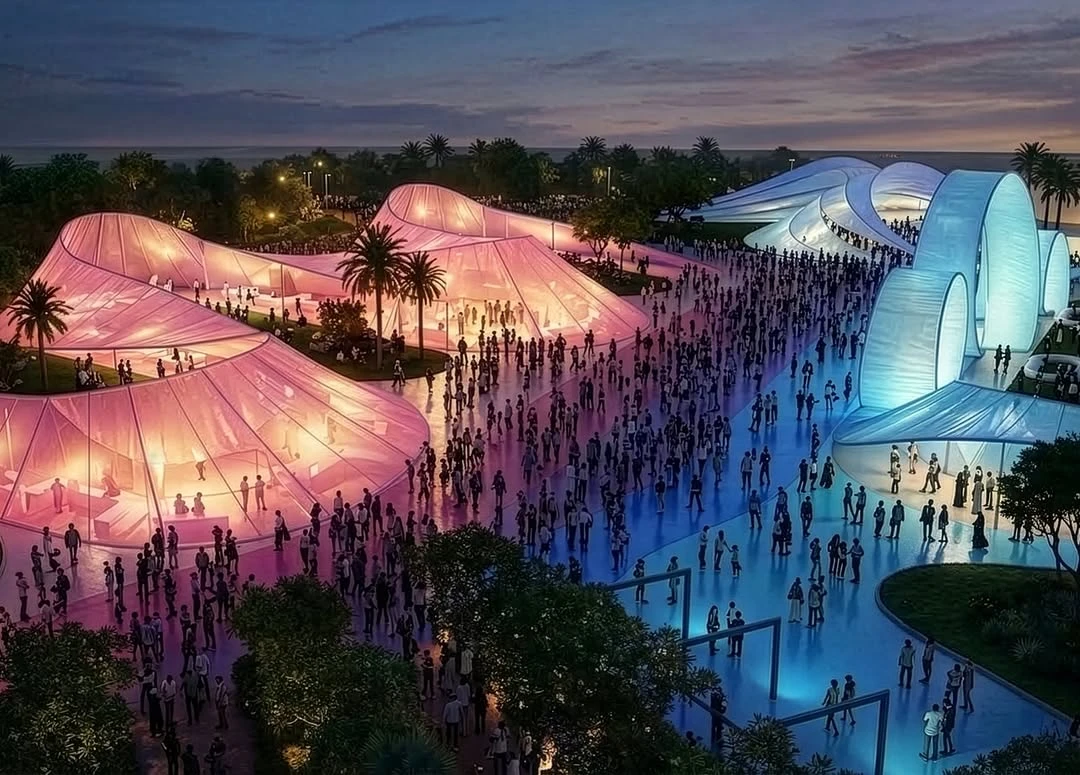
A defining feature of the project is its cultural and environmental inspiration. The landscape surrounding the stadium will include “green islands” that draw from the diverse natural environments of Spain and Latin America. These elements are intended to extend the energy of the stage outward, turning the entire site into an immersive experience rather than limiting the focus to the performance itself.
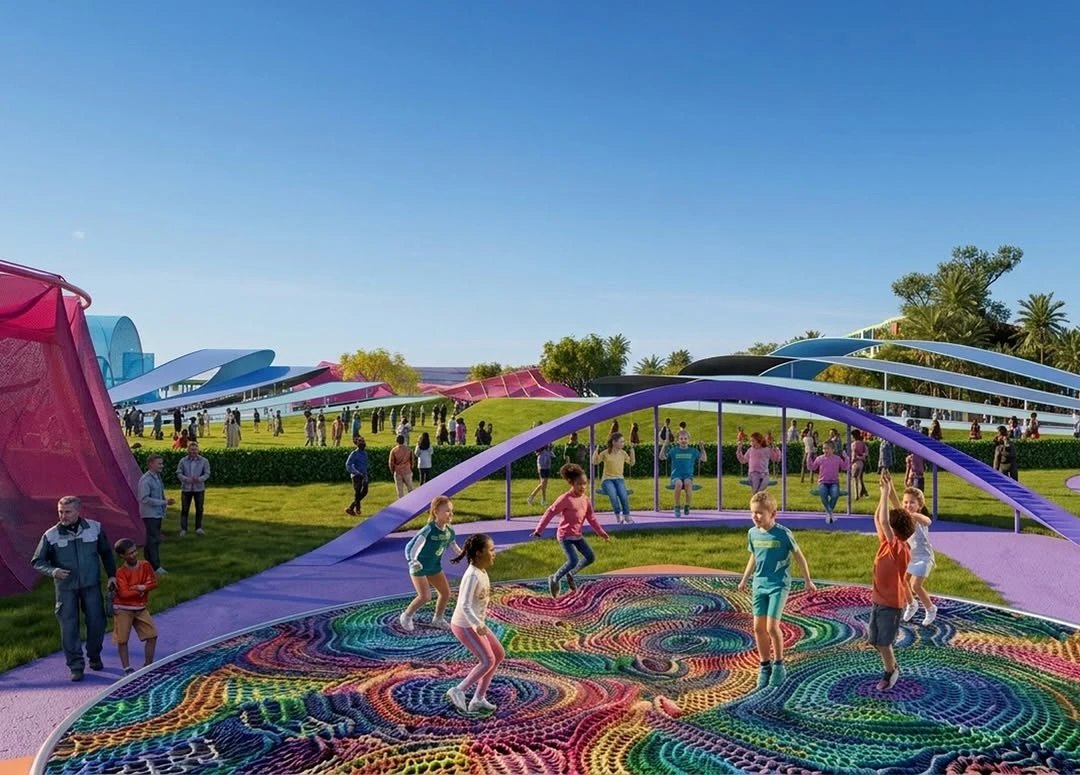
The name “Macondo Park” also carries symbolic importance, evoking themes of storytelling, identity, and cultural connection. The design reflects contemporary Latin identity, aligning closely with Shakira’s artistic roots and global influence. This cultural layer is expected to play a key role in shaping the visitor experience, making the venue feel distinct from standard entertainment infrastructure.
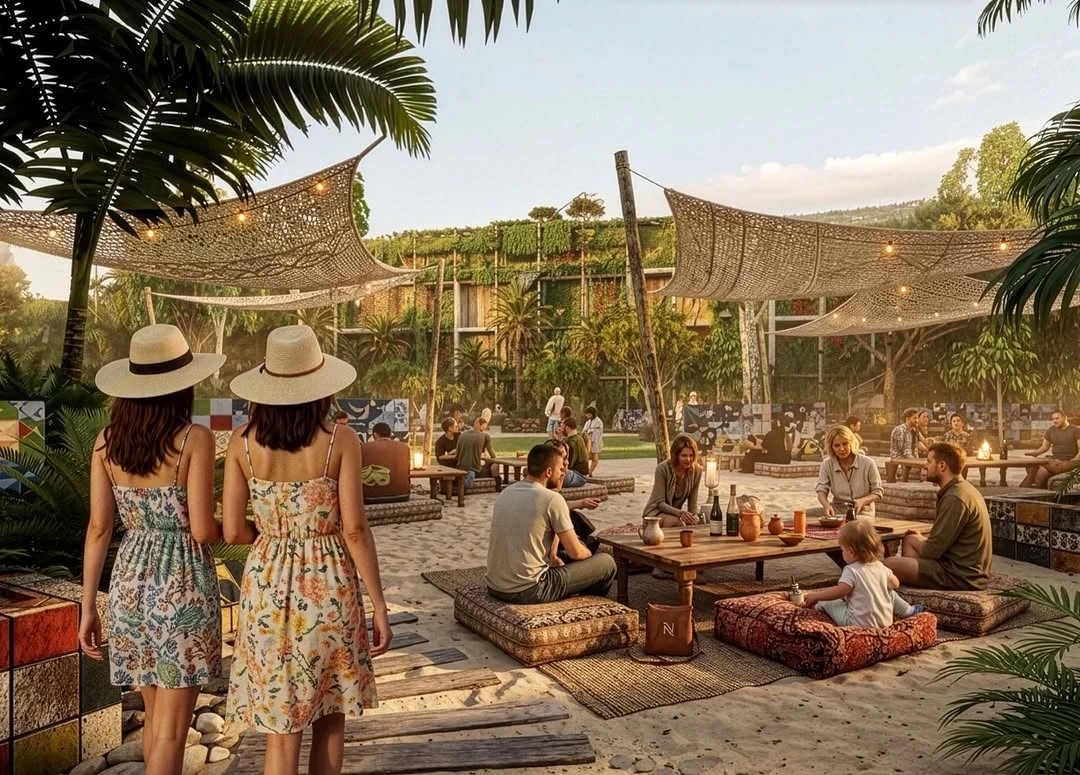
Integrating green spaces and public areas will also support sustainability goals as the project strikes a balance between environmental concerns and hosting large-scale events by integrating built structures with natural landscapes.
Strategic Importance for Madrid
For Madrid, the project represents a significant addition to its cultural and entertainment landscape. The city has been steadily expanding its global profile as a destination for major concerts and events, and the introduction of a purpose-built residency venue could further strengthen that position.
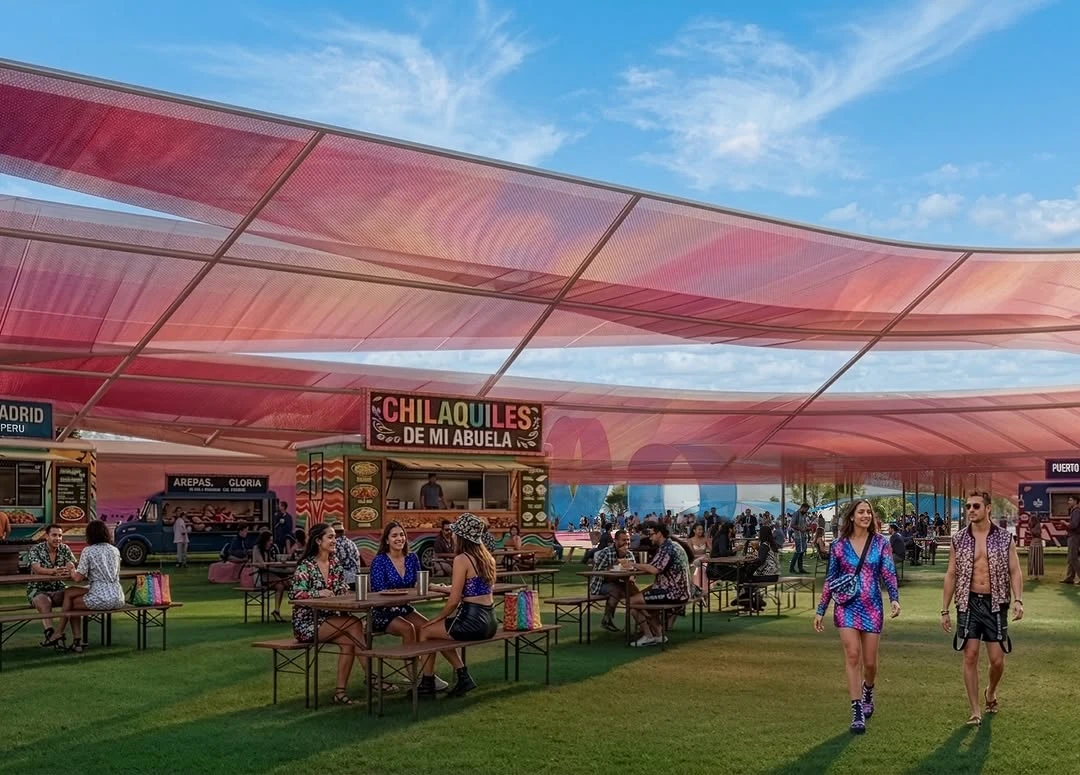
Hosting a long-term residency for an artist of Shakira’s reputation is expected to draw international audiences, boosting tourism and local economic activity. The inclusion of markets, food zones, and family-friendly areas also suggests that the site will cater to a broader demographic, not just concertgoers.
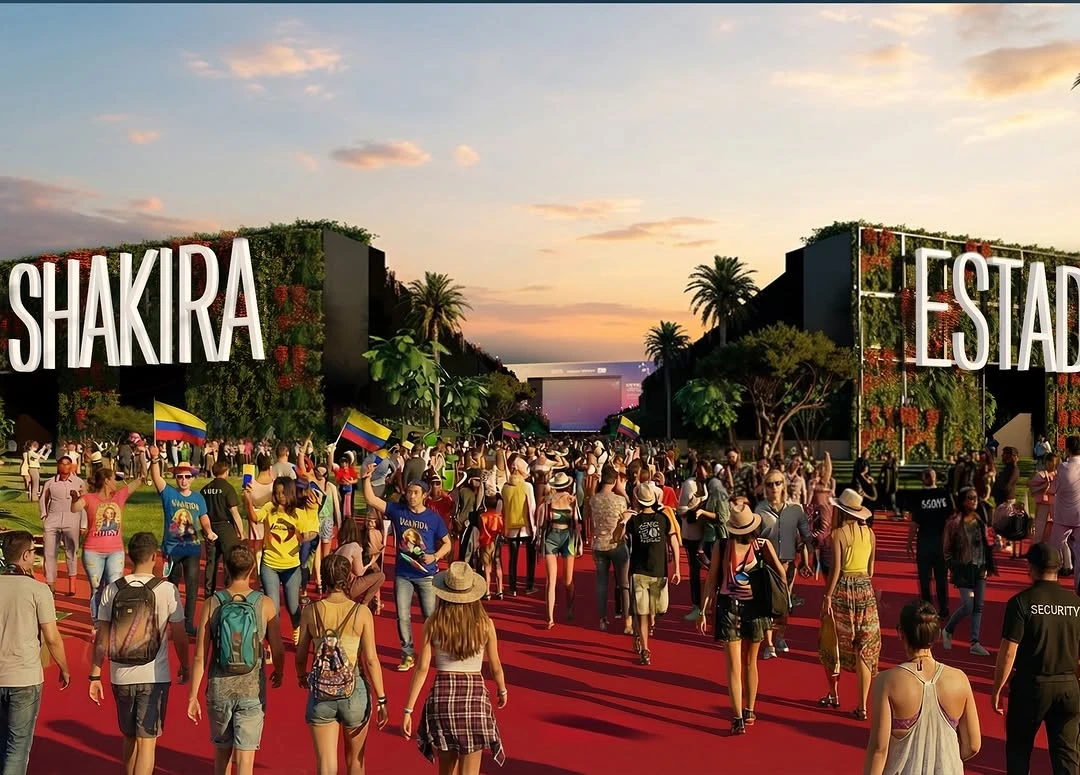
Urban planners and industry observers see the project as part of a larger trend where cities invest in hybrid spaces that combine culture, leisure, and community use. By keeping the venue active year-round, Macondo Park could become a model for future developments in other major cities.
Shakira Stadium Design Vision and Industry Impact
The involvement of Bjarke Ingels Group adds further significance to the project. Known for its innovative and human-centered approach to architecture, BIG has consistently pushed boundaries in designing spaces that are both functional and experiential. With Shakira Stadium, the firm will extend that philosophy into fabric of large-scale entertainment venues.
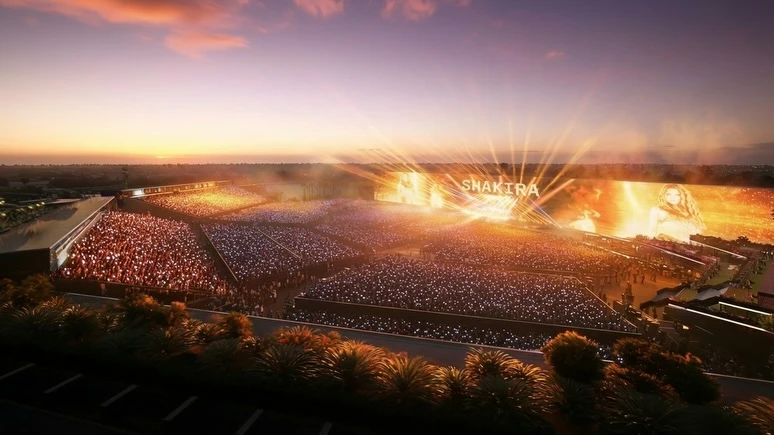
The project’s emphasis on movement, interaction, and layered experiences reflects BIG’s signature style. The design treats the entire site as a cohesive ecosystem. This holistic approach has the potential to shape the planning of future venues, particularly as the entertainment industry transforms.
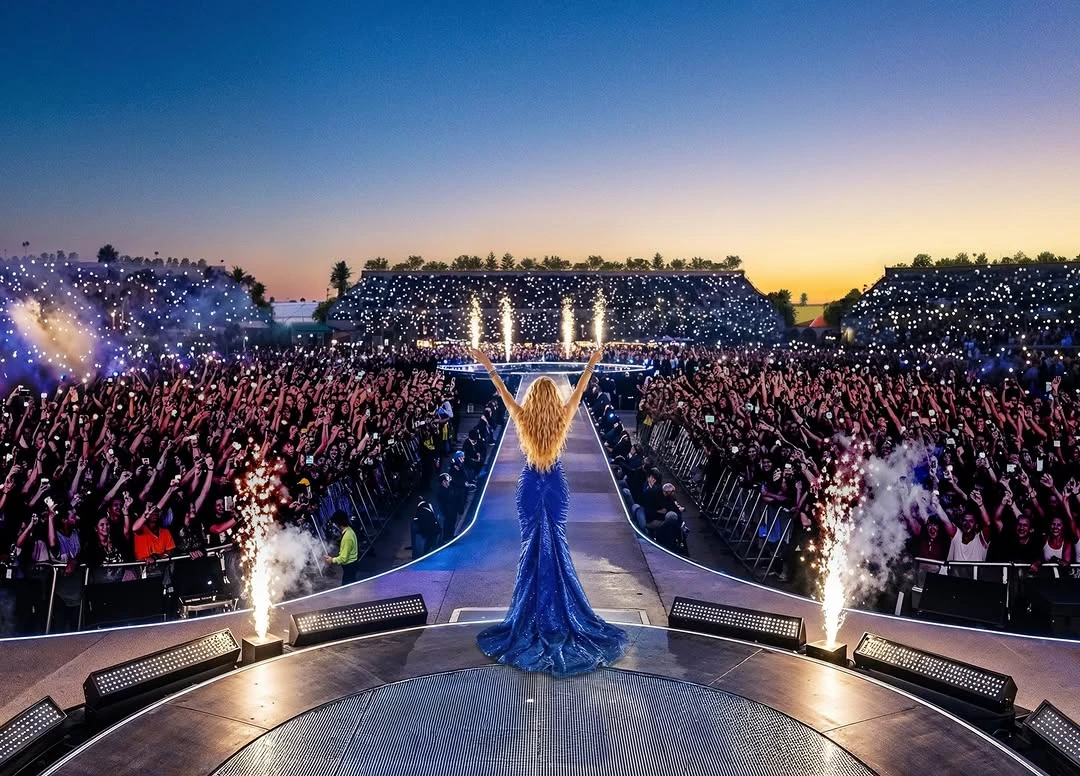
From a project standpoint, the scale and ambition of Macondo Park highlight the growing intersection between architecture and live performance. Artists are increasingly seeking custom-built environments that align with their brand and creative vision.
Shakira Stadium at Macondo Park represents a new direction for live music venues, merging architecture, culture, and public space into one enduring experience
Credit: BIG (@big_builds & @bjarkeingels)
Explore Courses
.jpg "Ondrej Chybik - Rethinking Architecture")