


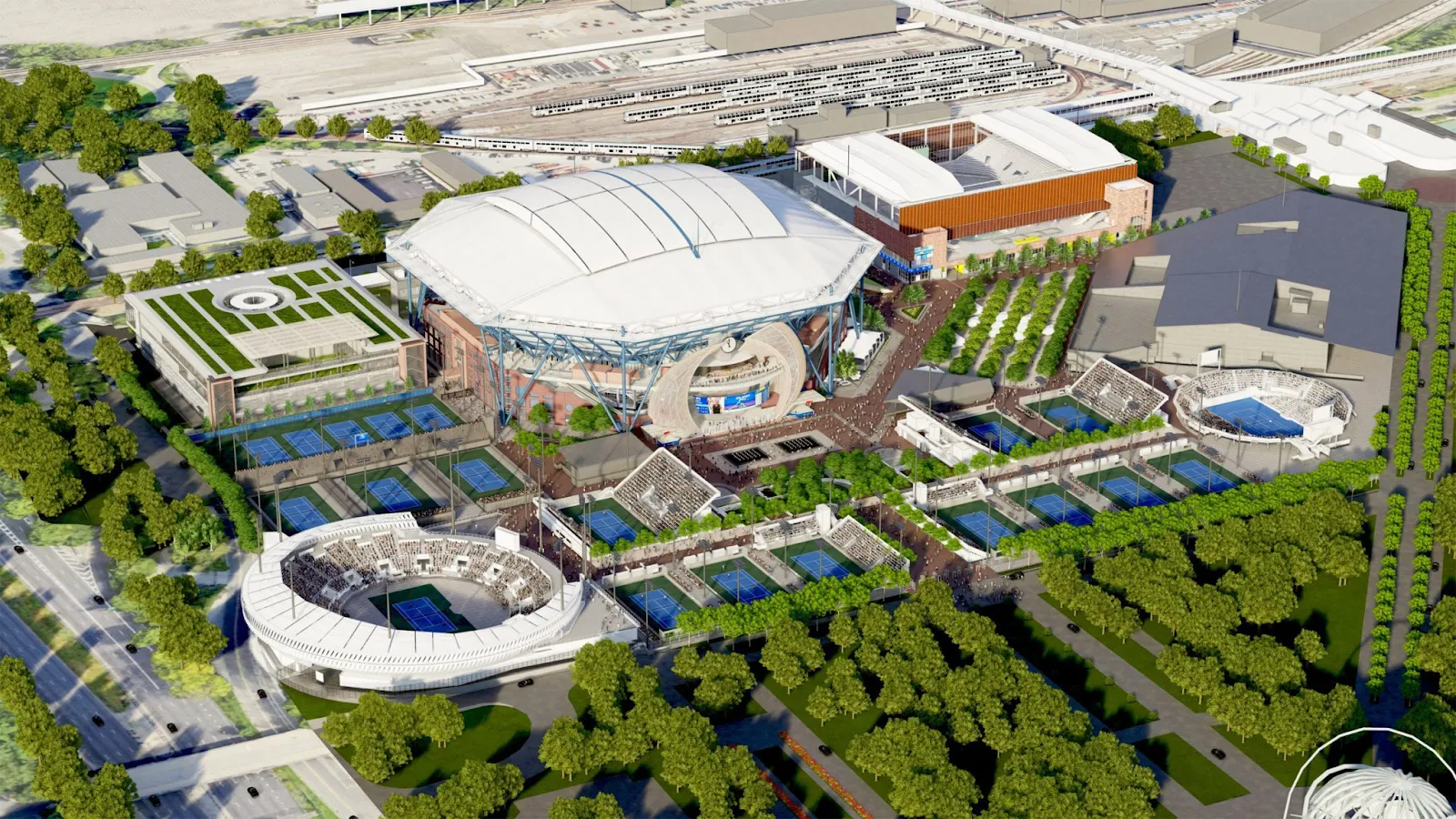
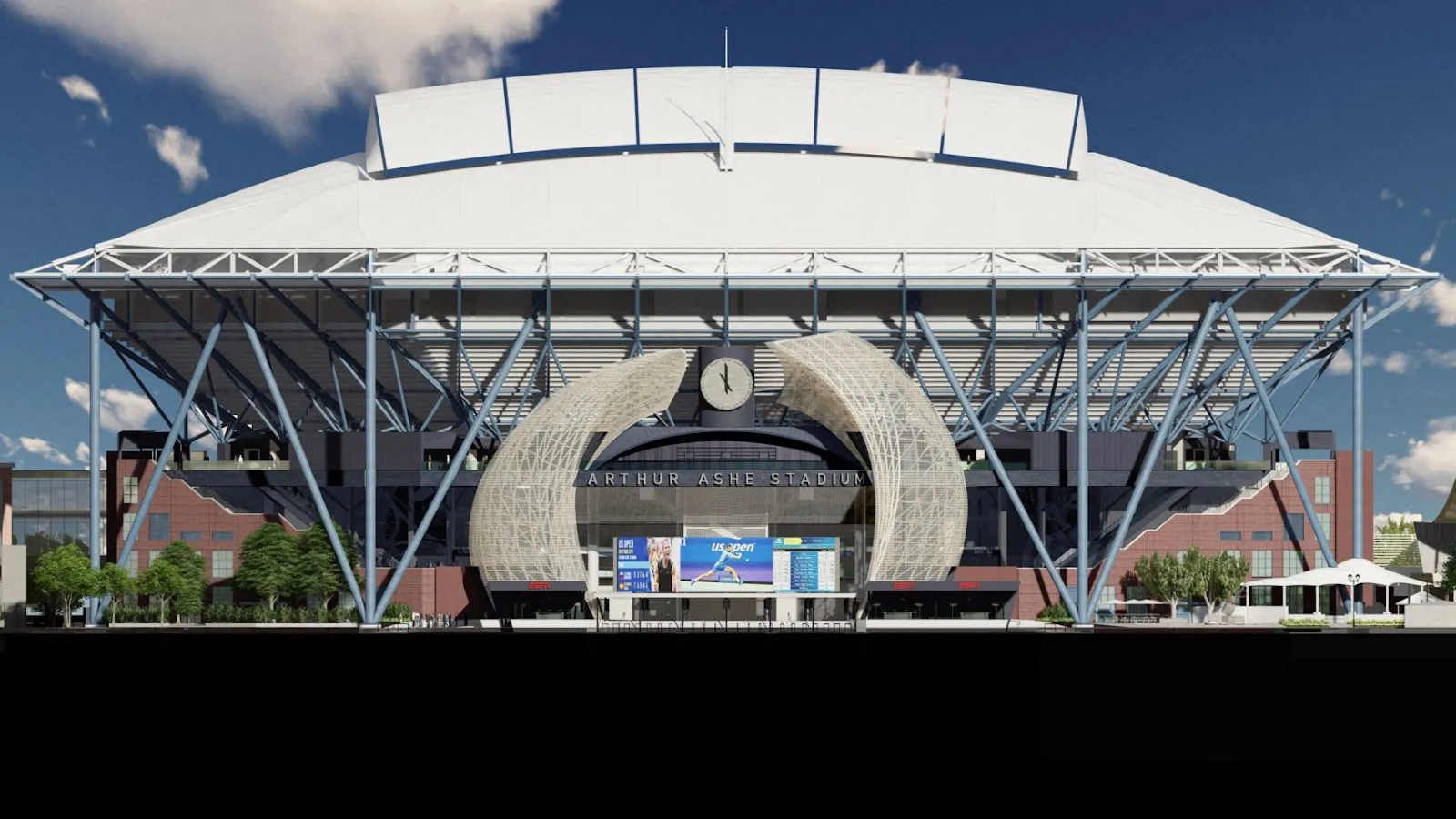
The U.S. Tennis Association has signed off on a major, multi-year refurbishment of Arthur Ashe Stadium that will begin once the 2025 US Open finishes. The program is led by ROSSETTI (the stadium’s original architect) together with WSP as the engineering partner. The work is part of an $800 million campus-wide transformation that aims to modernize seating, hospitality, player facilities, and public amenities while keeping the stadium operational through the 2025 and 2026 tournaments.
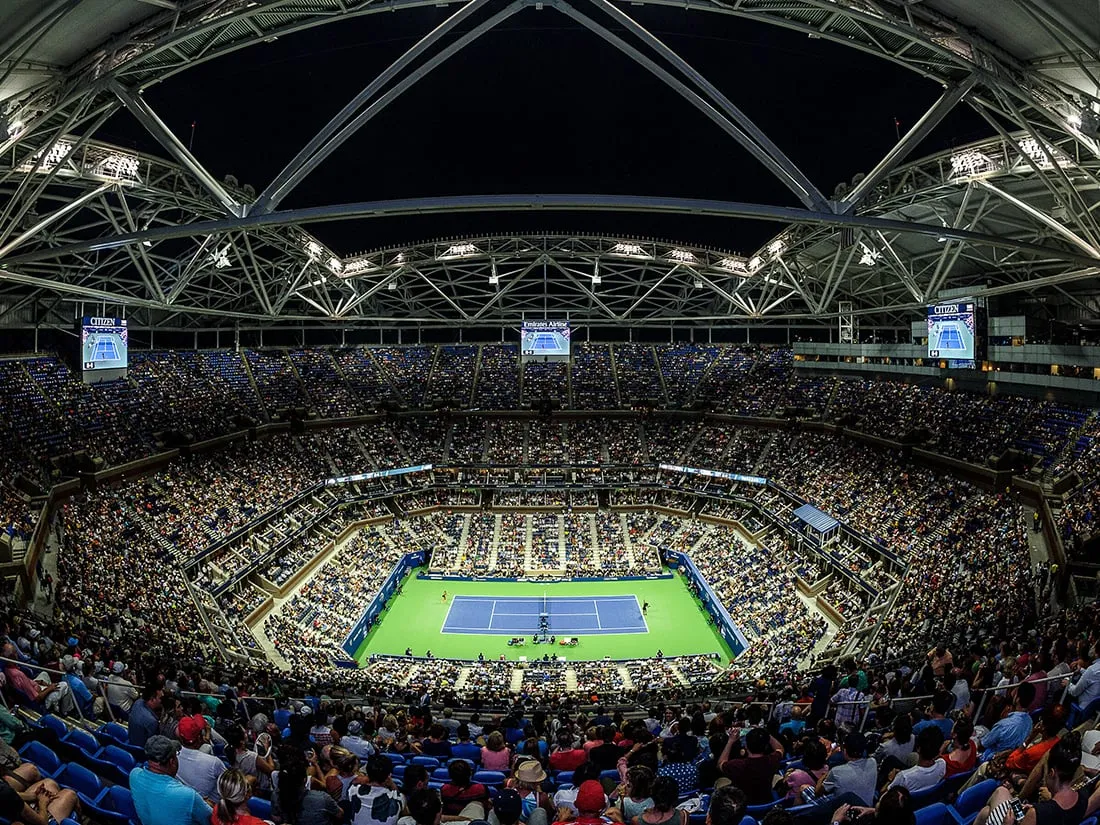
Arthur Ashe Stadium Renovations Aligned With US Open Schedule
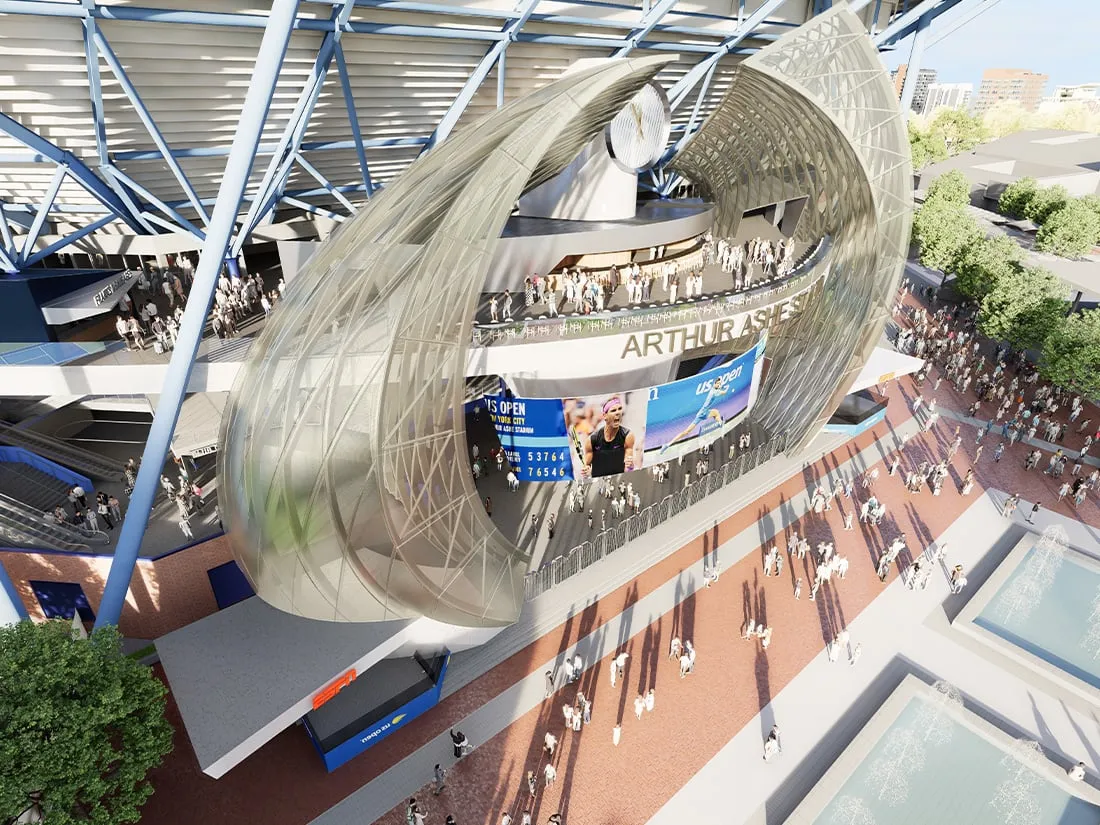
The redesign is framed around three practical goals: improving the fan experience, upgrading player and back-of-house facilities, and increasing premium-revenue capacity without compromising the event schedule. Major pieces announced so far include a new grand entrance, about 2,000 additional courtside seats, two new levels of luxury suites, wider concourses, and upgraded food/retail provisions, plus a two-story Player Performance Center. The USTA says the work will be phased so competition and fan access during summer tournaments are preserved.
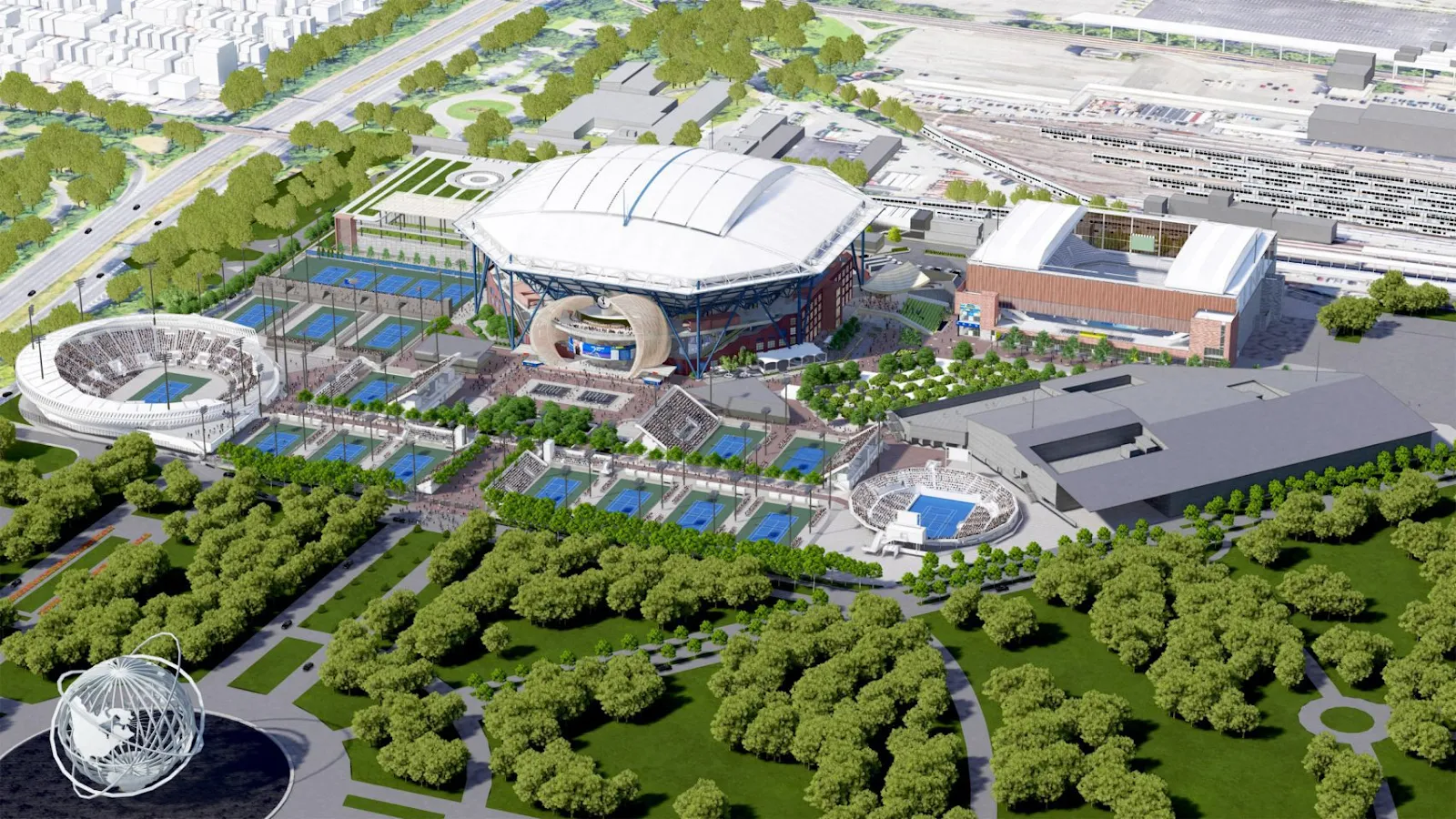
WSP’s public project notes emphasize that structural work is being sequenced around the tournament calendar. Most heavy structural work is slated in the short windows between events (the term used by WSP is that major structural scope is concentrated between the 2025 and 2026 US Opens), with finishes, MEP, and fit-out continuing afterward. That phasing is essential because Arthur Ashe must host matches while the campus is being reimagined.
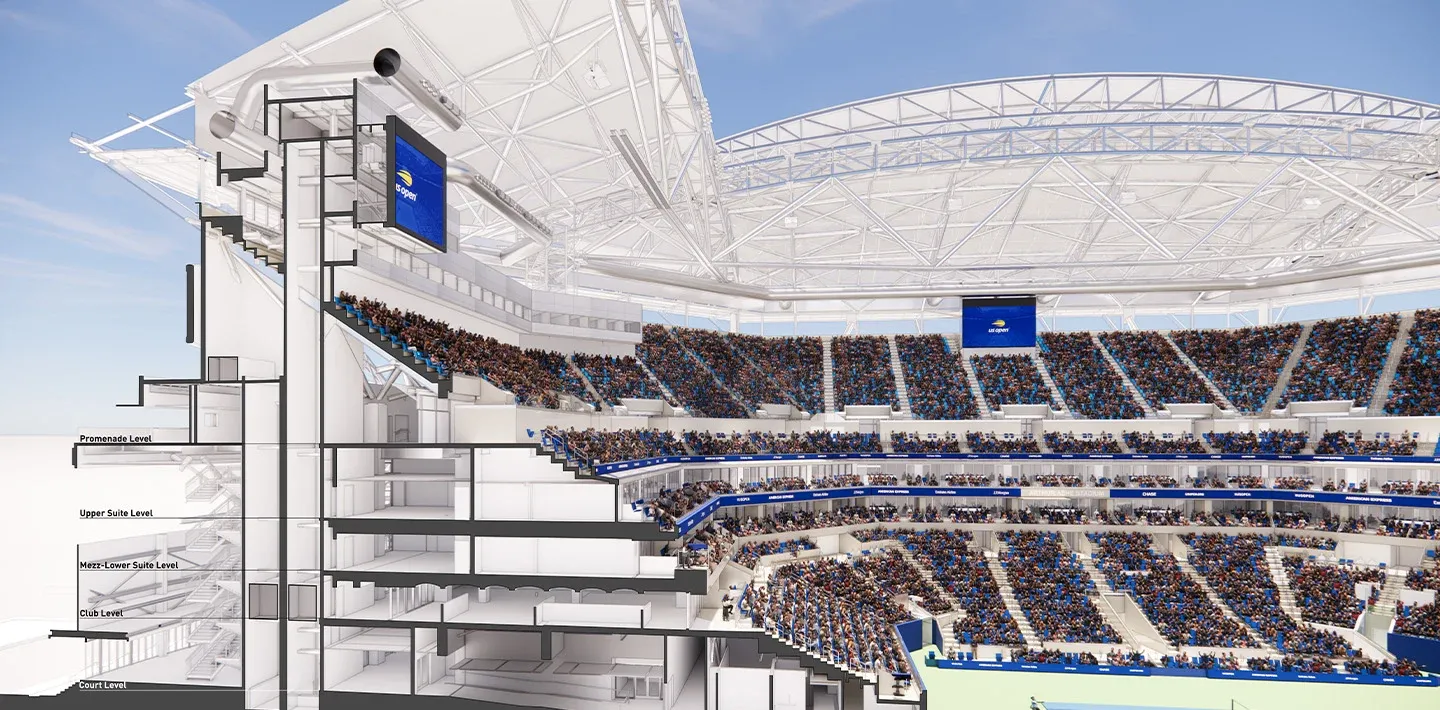
ROSSETTI is serving as the principal design architect, returning as the lead on the stadium renovation. The firm has a long-standing history with the National Tennis Center, having acted as the original architect and previously overseeing the design of the retractable roof project.
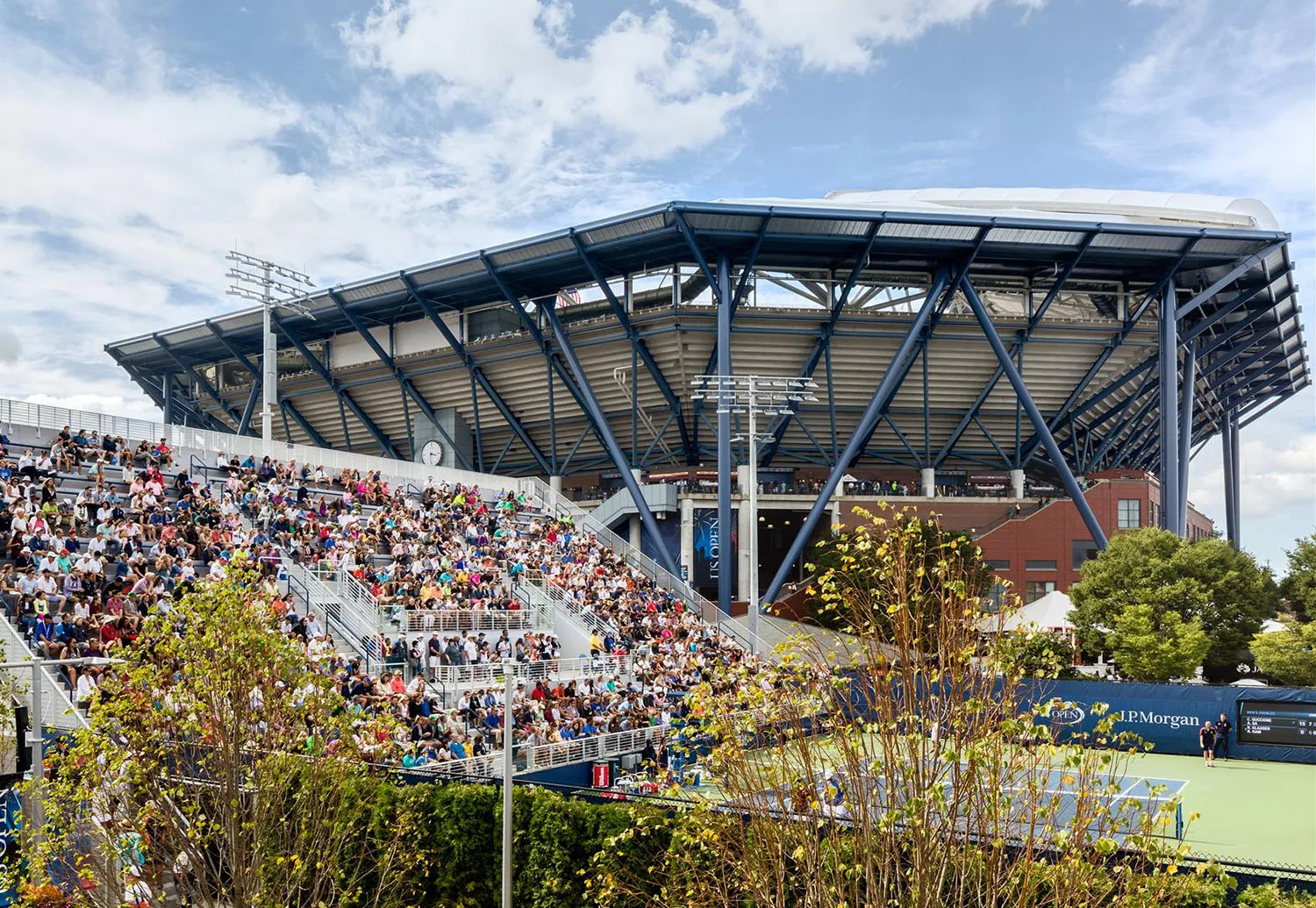
WSP is taking charge of structural engineering and related services for the renovation program. Their responsibilities include project sequencing, structural assessments, and the engineering work necessary to carry out upgrades without causing major interruptions to tournament schedules. The USTA remains the owner and primary funder of the program, with financing coming entirely from private sources.
It is worth noting that the earlier roof and systems work relied on several specialized contractors. Hunt Construction/AECOM acted as the design-builder, Canam and Cast Connex provided steel components, and membrane specialists handled the roof installation. These firms are mentioned as precedents to highlight the technical expertise involved in prior phases. The new renovation will disclose its contract awards and delivery partners as each phase of the project is bid.
Premium Seating, Player Center, and Fan Upgrades
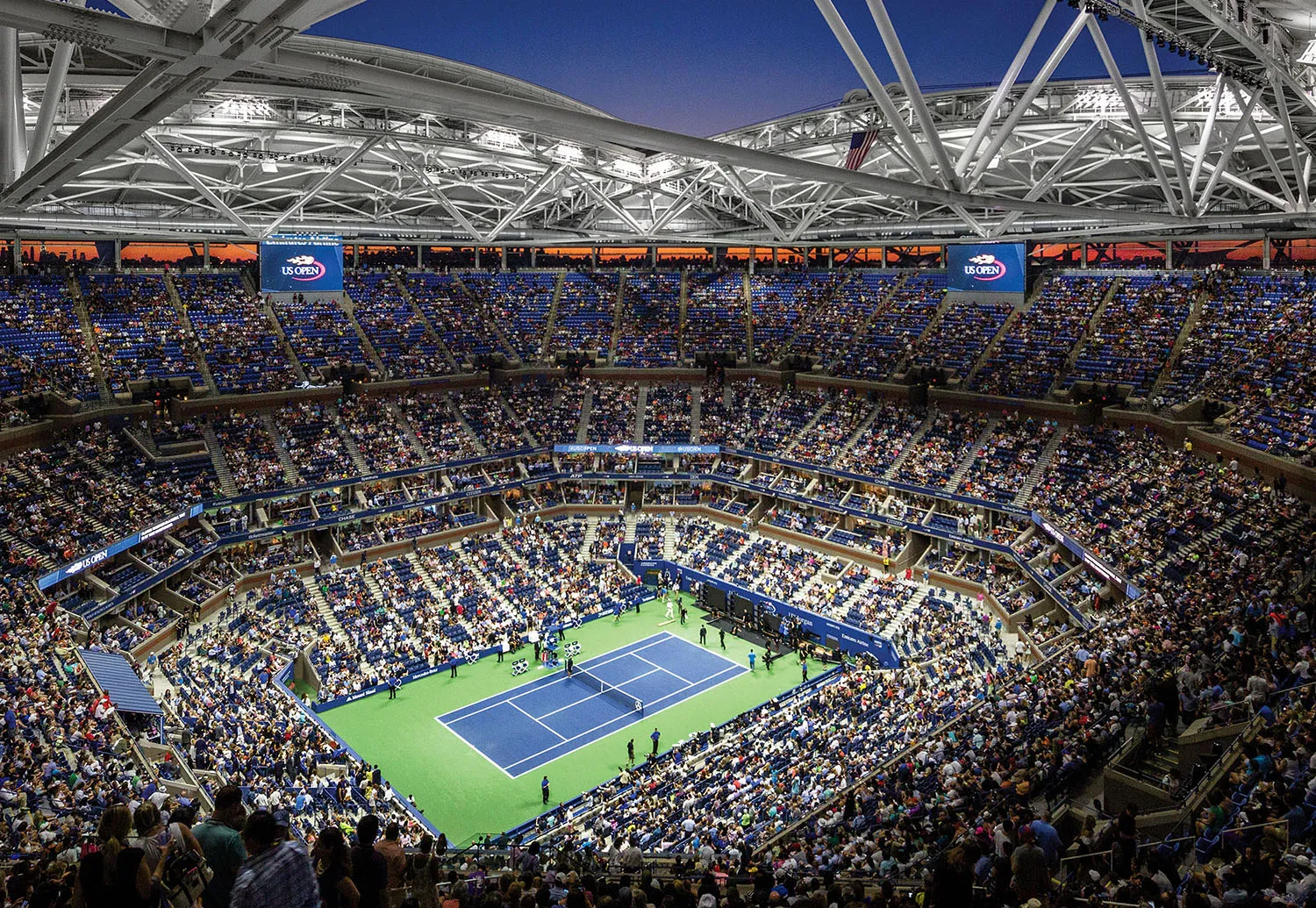
The planned renovation of Arthur Ashe Stadium includes a mix of premium enhancements and general facility improvements aimed at elevating the experience for both fans and players.
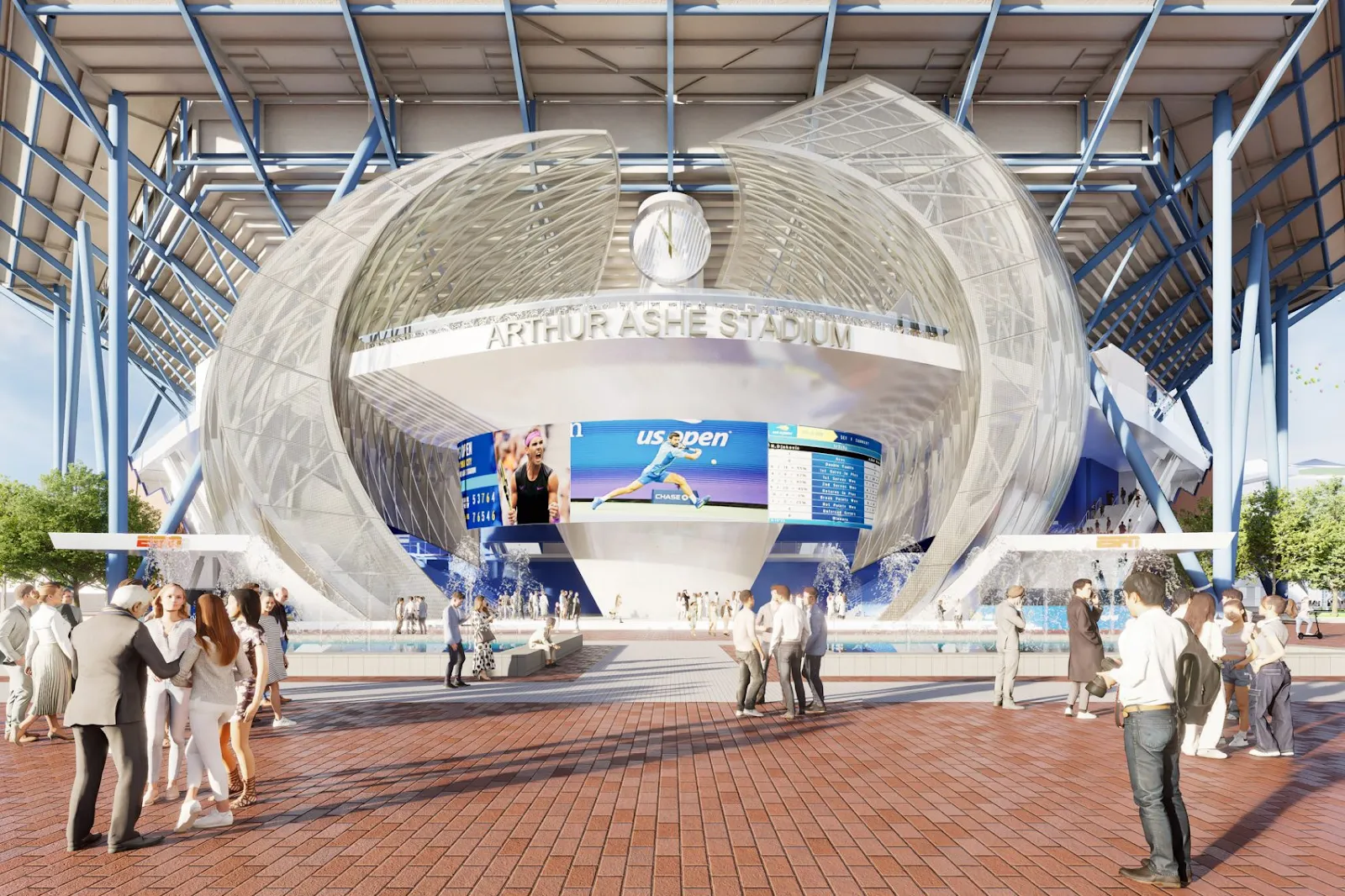
Beyond premium seating, the stadium’s concourse areas will be expanded and reconfigured, allowing for smoother circulation, reduced congestion, and improved access to upgraded dining and retail options. This adjustment is designed to ease pinch points that have historically created bottlenecks during peak crowd movement.
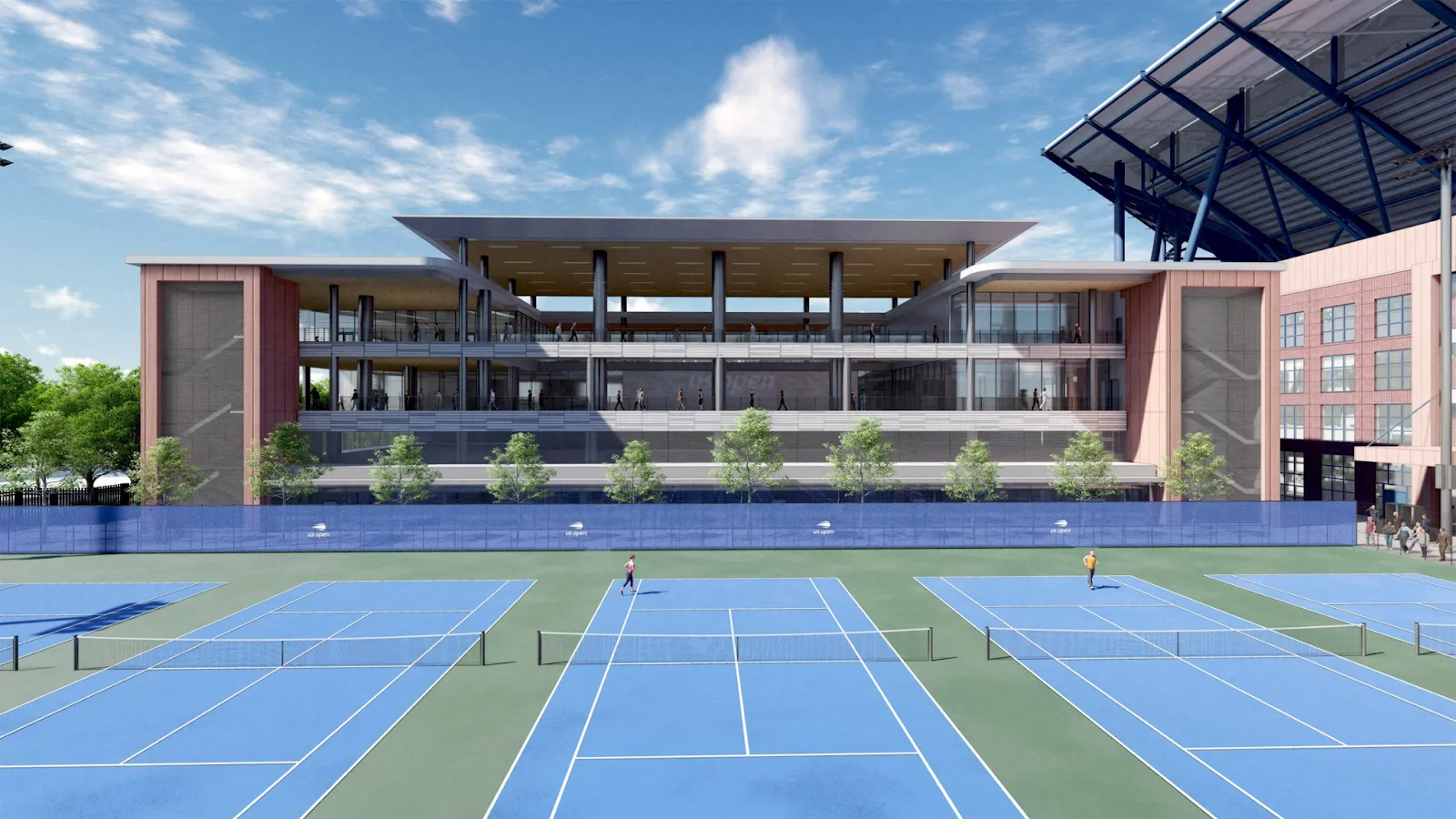
For athletes, the centerpiece of the renovation is the construction of a two-story Player Performance Center, valued at around $250 million. The new facility will feature state-of-the-art training spaces, dining areas, and enhanced locker and therapy rooms, providing players with significantly improved preparation and recovery amenities.
While these initiatives clearly add high-value premium inventory, the USTA emphasizes that the project also focuses on enhancing baseline amenities for all spectators. Wider concourses, more diverse food offerings, and improved sightlines are among the recurring themes highlighted in official project descriptions. Together, these upgrades aim to ensure that the fan experience at the US Open is elevated across all ticket categories.
Why Engineering Challenges Matter
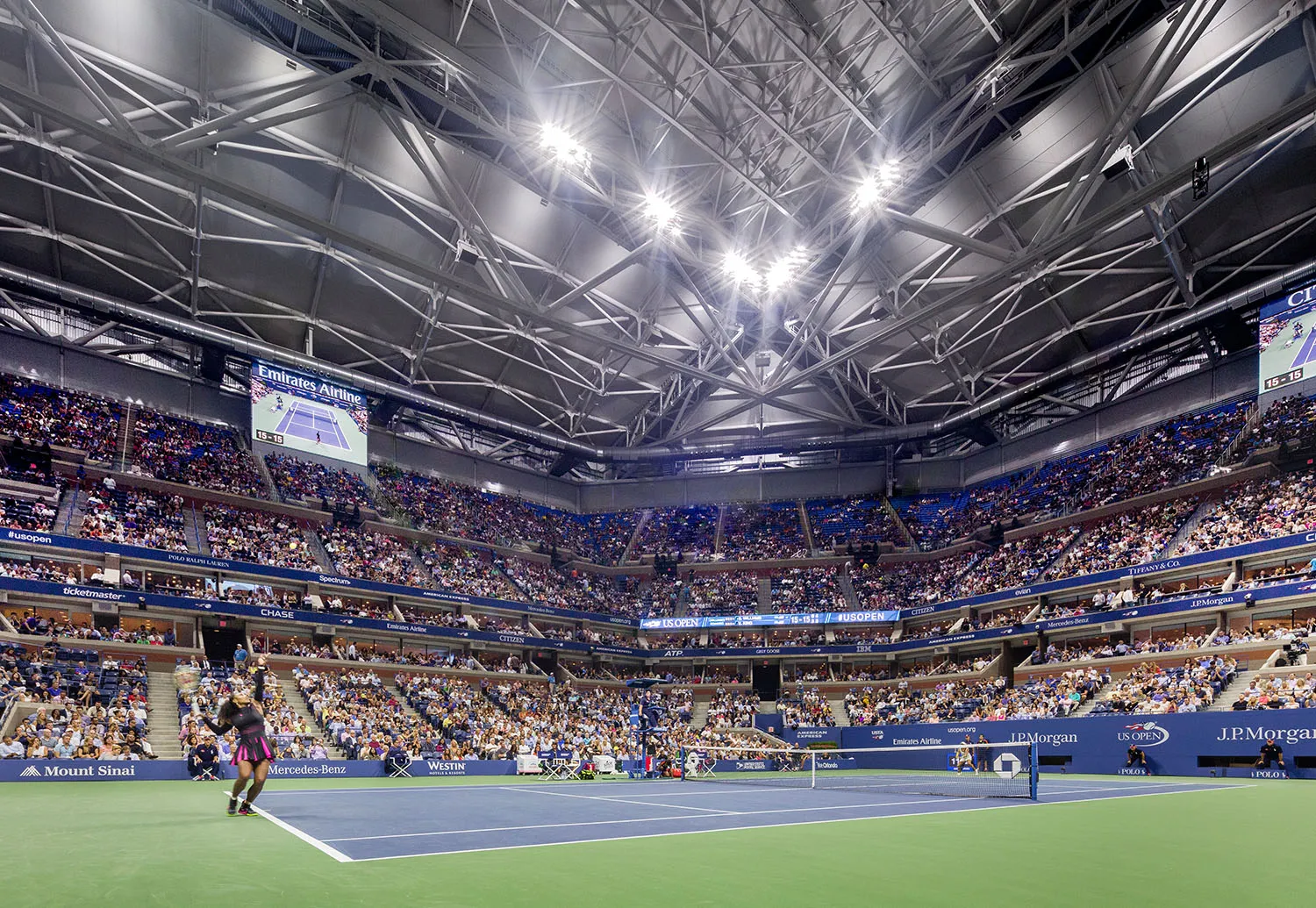
Arthur Ashe sits on difficult ground historically, the Corona ash dump, so past interventions have been designed to avoid loading the original bowl unnecessarily. When ROSSETTI and WSP added the stadium’s retractable roof in the previous program, they used a lightweight, self-supporting roof that stands independently of the seating bowl. That strategy, independent columns with deep foundations carrying the roof, rather than adding weight to the original structure, will influence how new work is sequenced and how structural tie-ins are handled during this renovation.
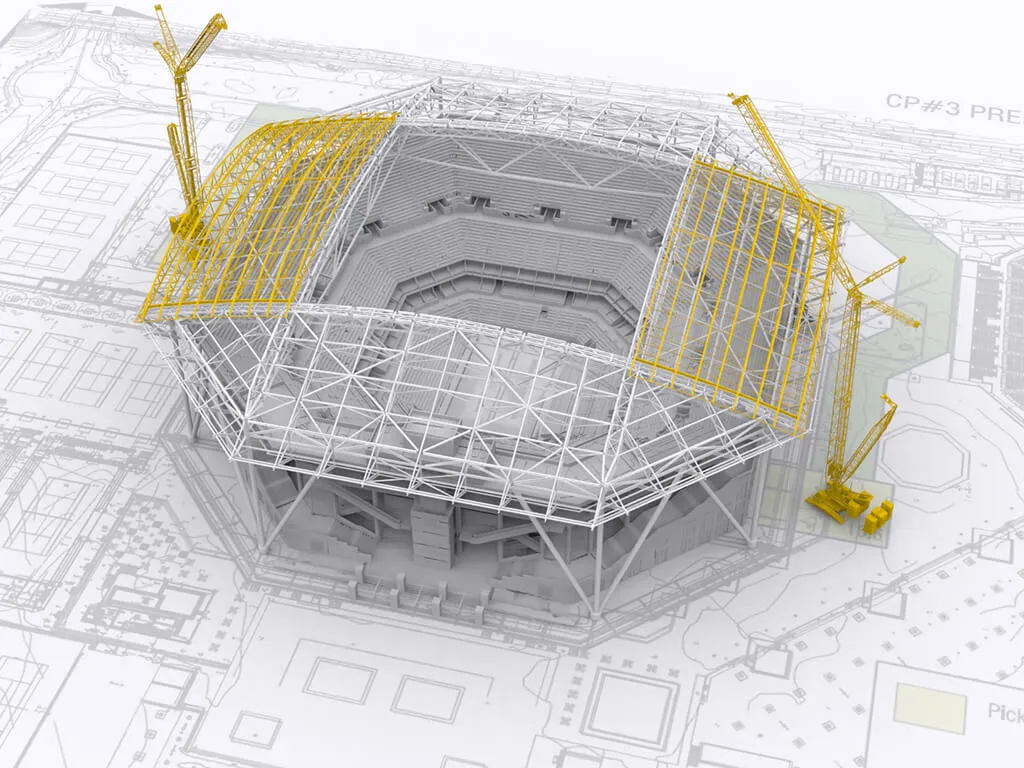
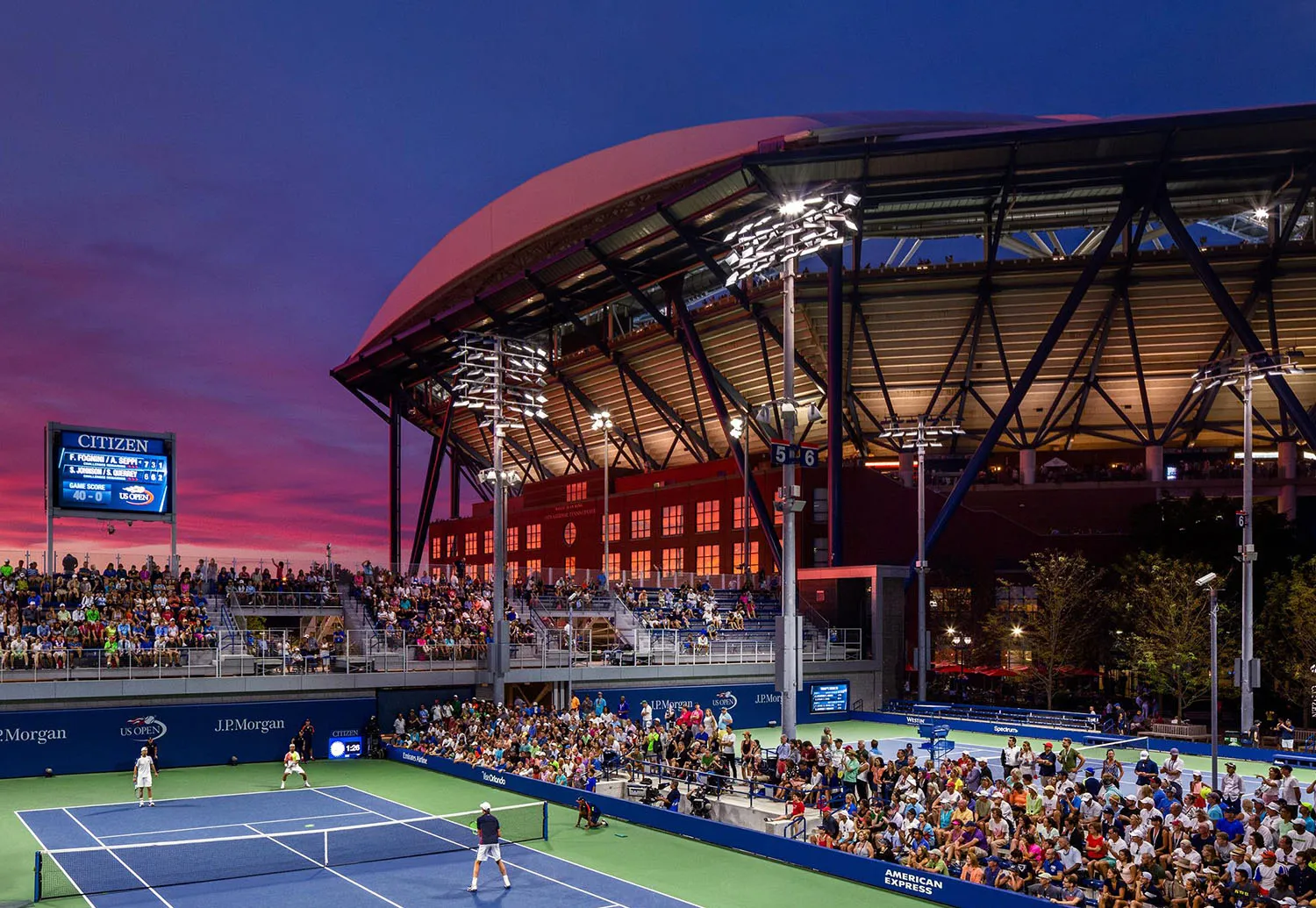
The roof is a fabric (PTFE) membrane stretched over a steel frame, supported on eight perimeter steel columns, and was engineered specifically to minimize added weight and limit disturbance to underground utilities. The stadium’s foundation and soil profile continue to shape what can be done and how quickly.
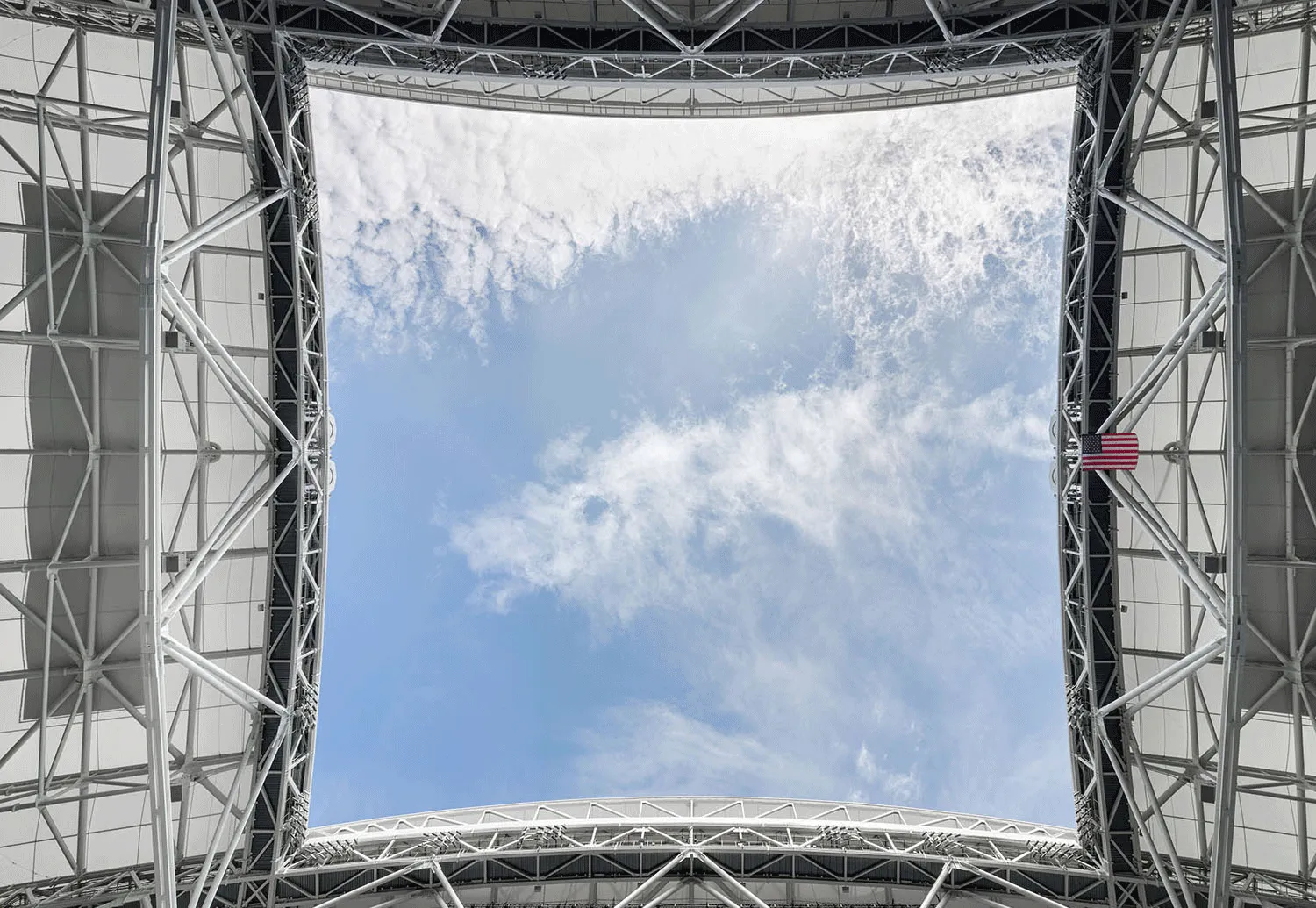
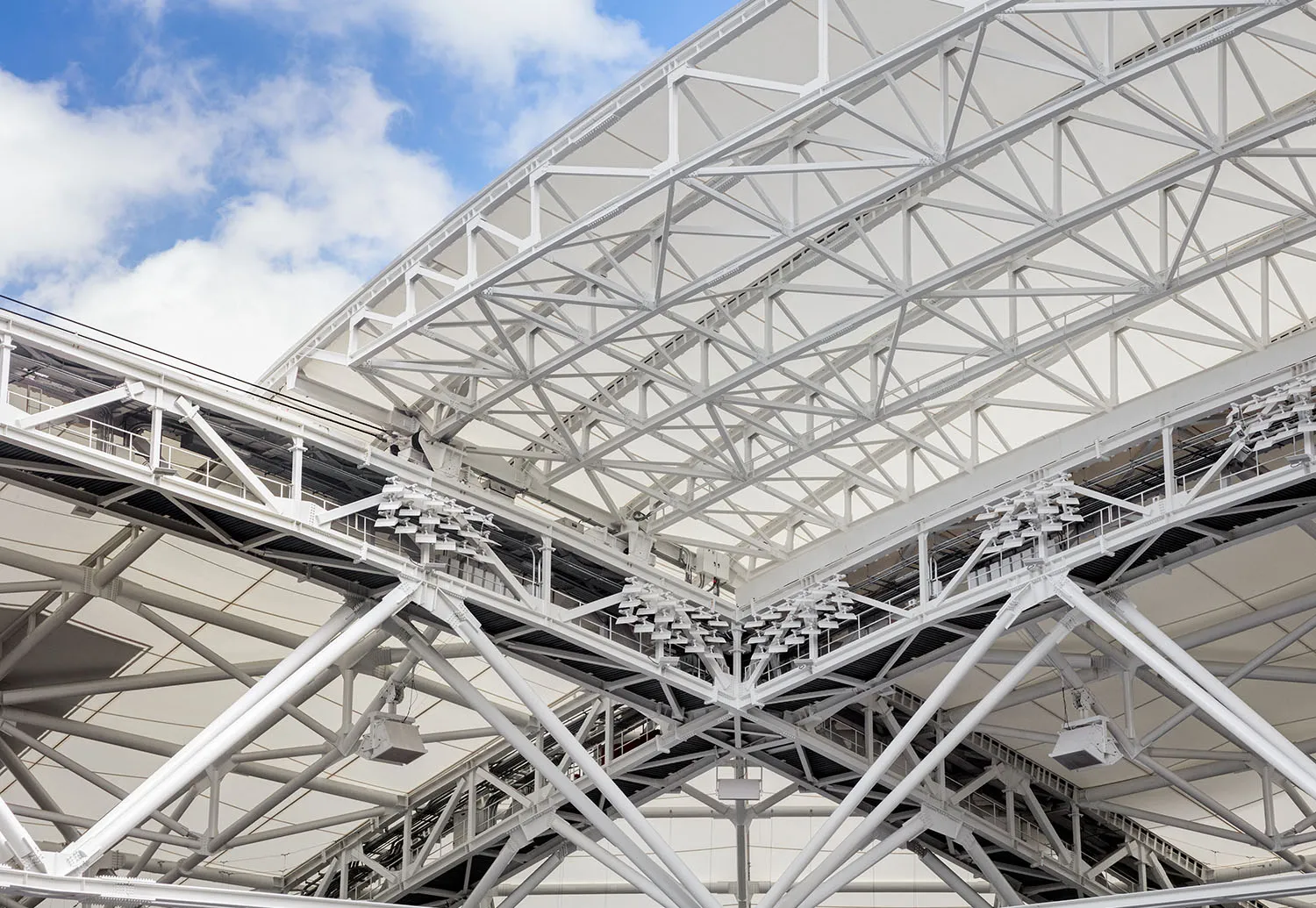
USTA and the project team are clear that construction will be phased to preserve the 2025 event and to minimize disruption to the 2026 tournament calendar. In practice, that means heavier, more intrusive structural work is scheduled in the short off-season windows and between tournaments; finishes, systems commissioning, and hospitality fit-outs roll on across the two-year window.
Arthur Ashe Stadium Renovation – Project details
Location: Corona Park, Queens, New York, United States
Project: Arthur Ashe Stadium Renovation (part of $800M campus-wide program)
Architect: ROSSETTI (Design Architect)
Engineer: WSP (Structural Engineering & Sequencing)
Owner/Partner: U.S. Tennis Association (USTA)
Client: USTA (privately financed)
Timeline: Begins after 2025 US Open → Major structural work 2025–2026 → Completion targeted for 2027
Image Credit: © ROSSETTI
Explore Courses
.jpg%202.jpg "Building Performance with Forma & Opossum")
.jpg "Ondrej Chybik - Rethinking Architecture")