



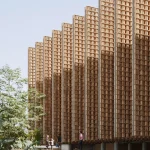
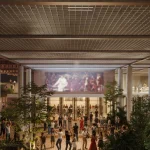
Mexican studios Palma + TO have unveiled the design for the new Museo de Arte Contemporáneo de Panamá, a contemporary art museum in Panama, following their win in an international competition. The project combines passive design strategies, local material traditions, and climate-responsive architecture to create a museum that extends beyond its galleries. Conceived as a cultural and civic platform, the building is designed to strengthen connections between the city, its communities, and the waterfront while supporting contemporary art, education, and public life.
Public Plaza at the Heart of the Museum
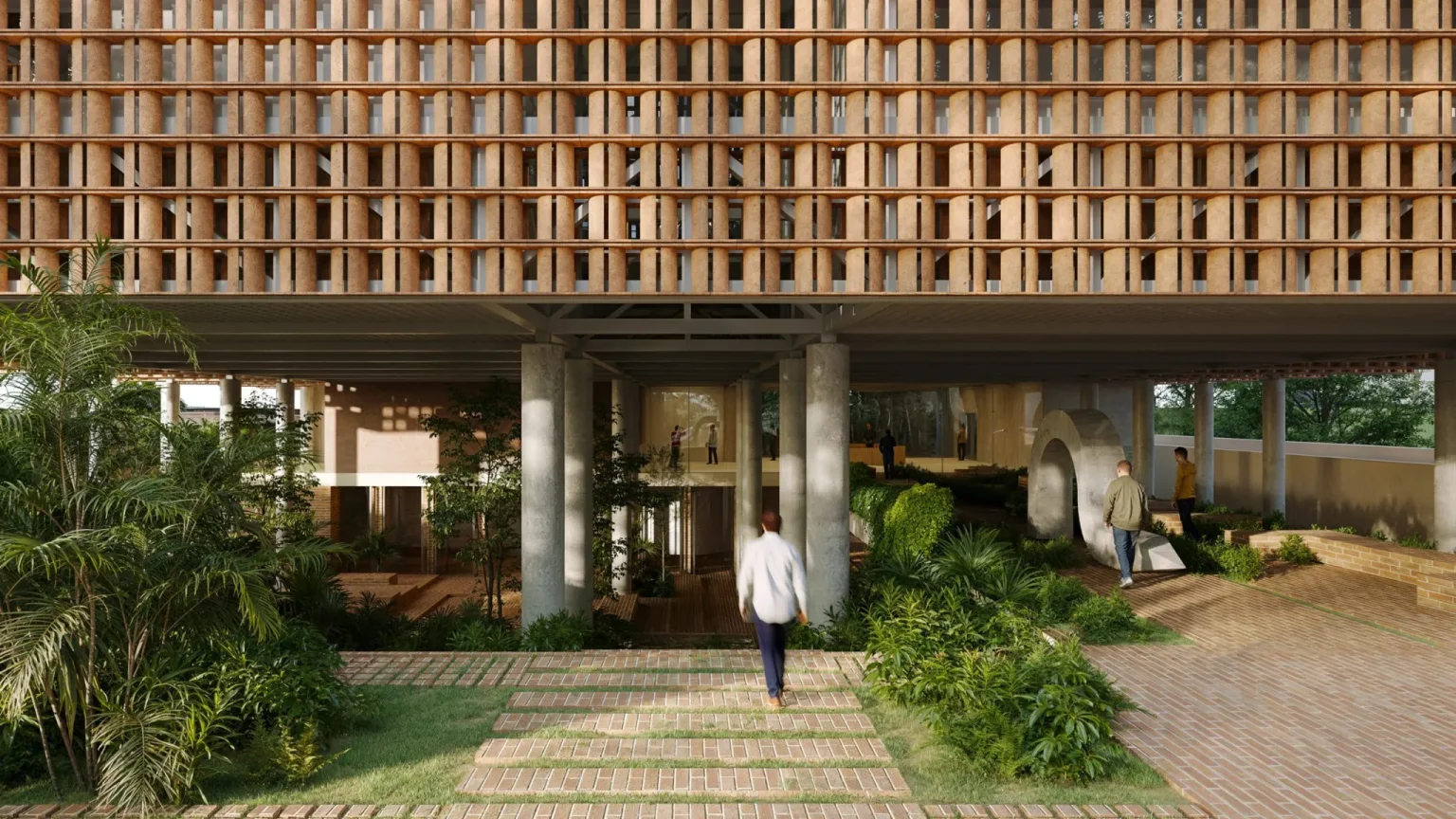
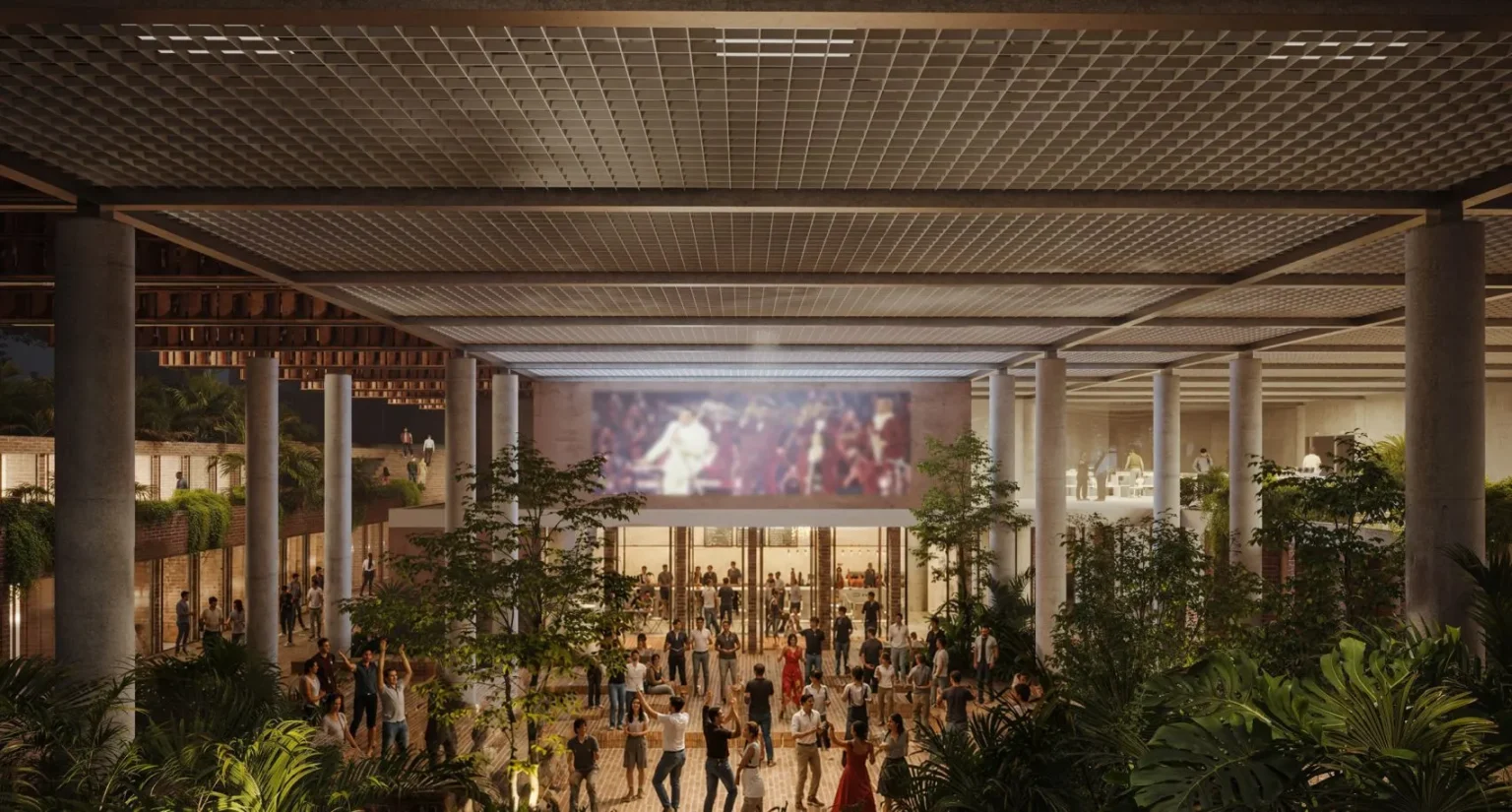
The proposal is organized around a shaded civic plaza that acts as the museum’s social and cultural center. Designed with native vegetation, public seating, and flexible gathering spaces, the plaza encourages interaction throughout the day while responding to Panama’s tropical climate.
By connecting the city’s commercial district with the neighboring Boca La Caja community, the design transforms the museum into an open destination where culture and everyday life intersect.
Passive Design Meets Local Material Expression
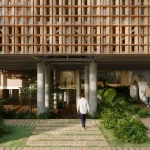
Climate performance plays a central role in the MAC Panama’s architectural identity. A ceramic lattice façade filters daylight and improves natural ventilation while reducing solar heat gain. The use of brick references a broader Latin American architectural tradition and explores the material’s ability to create changing patterns of light and shadow.
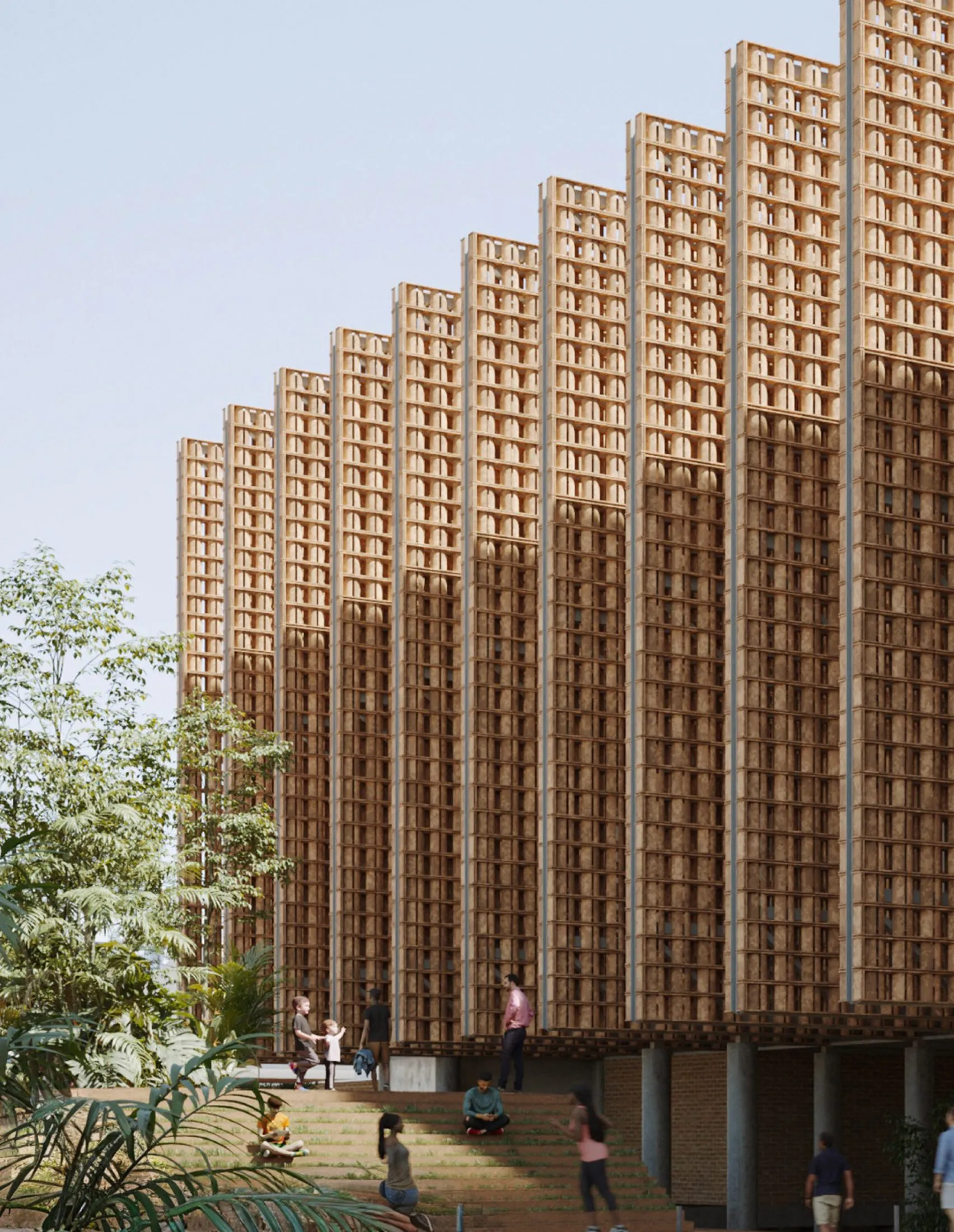
Together, these passive strategies reduce environmental impact while creating comfortable and engaging spaces for visitors.
Flexible Spaces for Art, Education, and Community
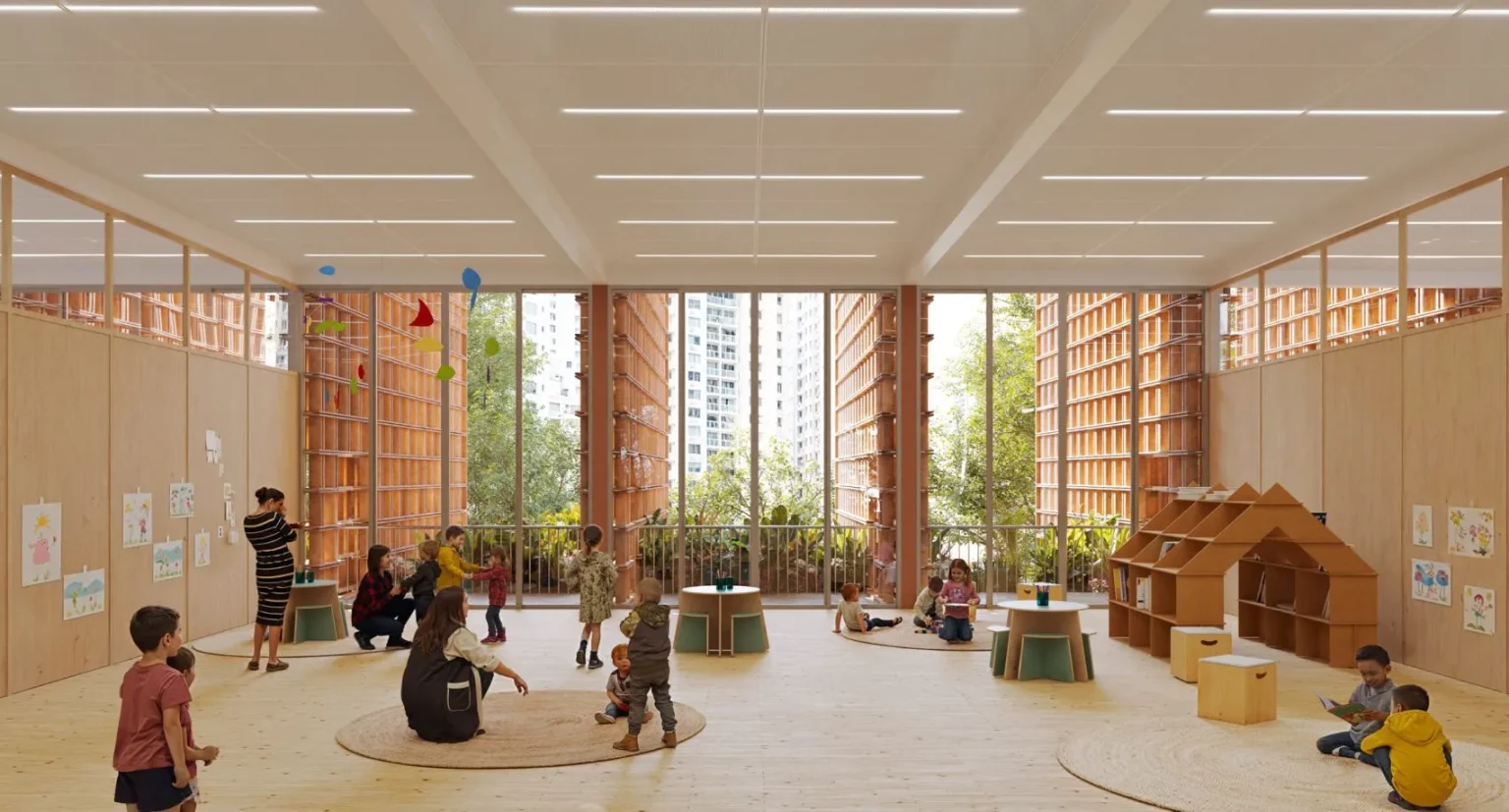
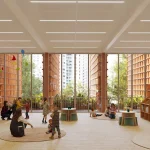
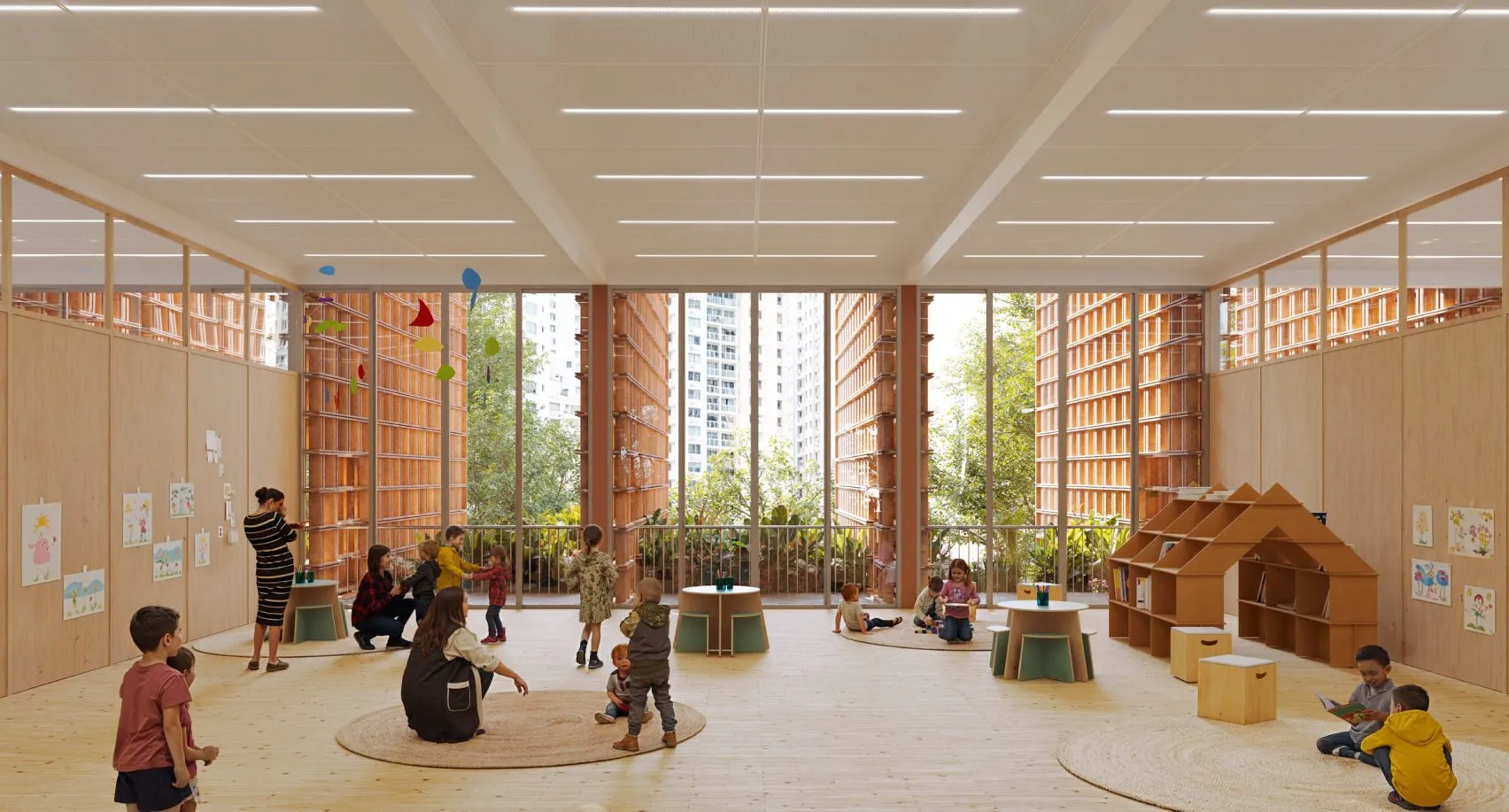
The museum is designed to accommodate a wide range of cultural activities. A porous ground floor connects the lobby, café, and event spaces to the public plaza, while upper levels house archives, workshops, educational facilities, and administrative functions.
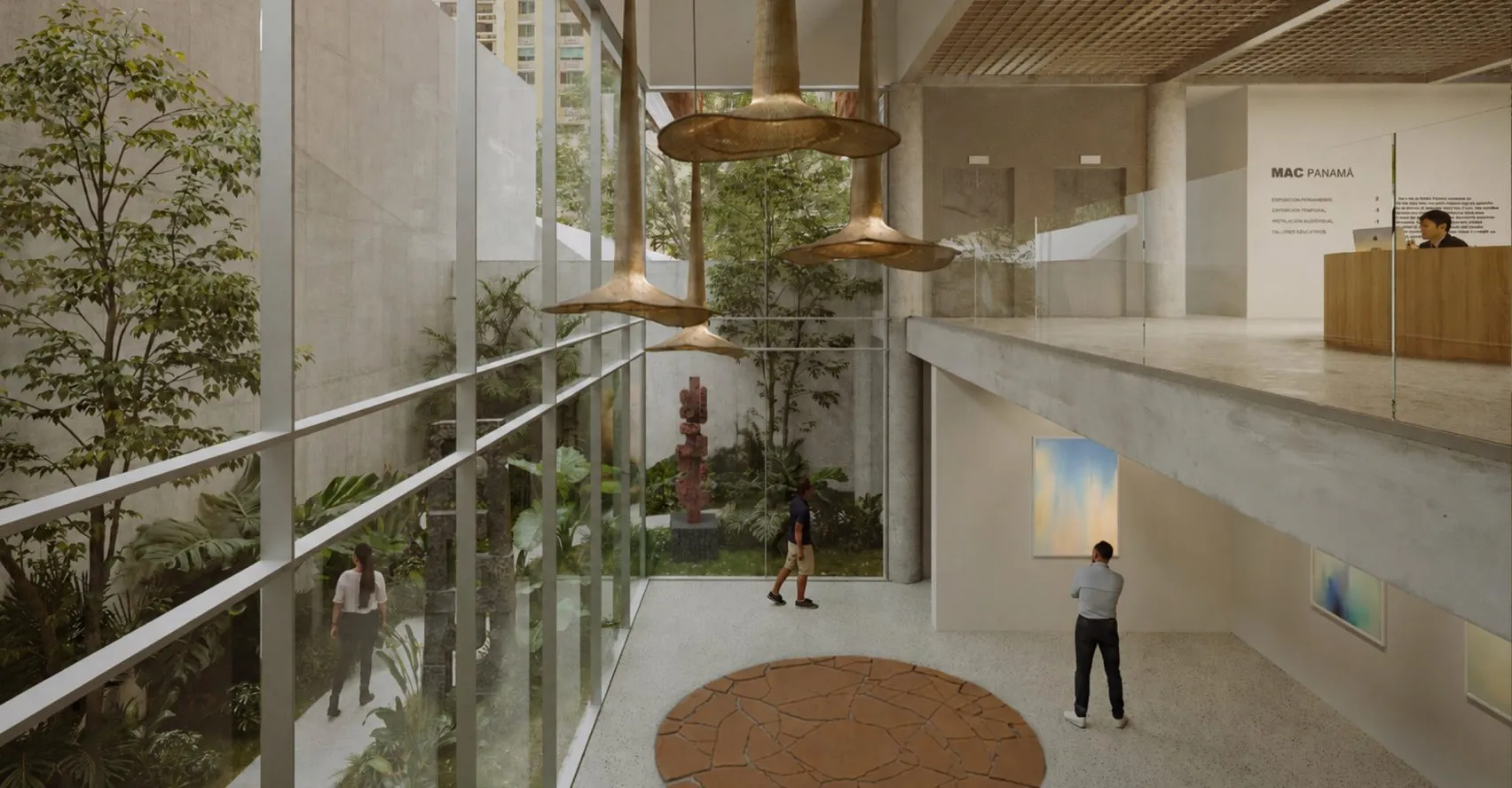
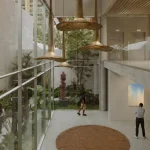
The top floor features flexible exhibition spaces capable of supporting multiple gallery configurations. A triple-height gallery, sculptural courtyard, and public staircase further enhance circulation and spatial connections throughout the building.
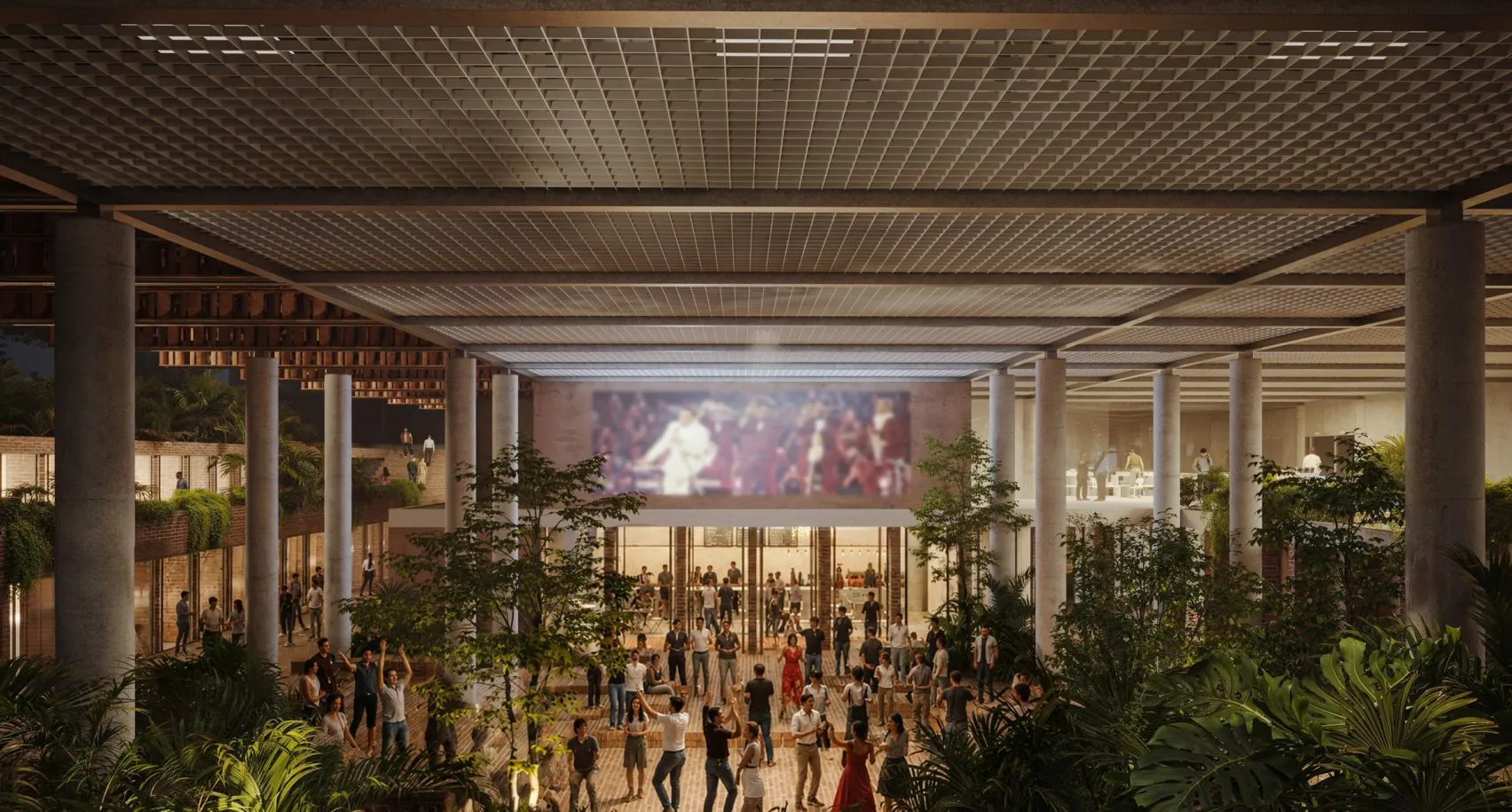
The project steps beyond a museum and presents a contemporary vision of cultural infrastructure where architecture, climate, and community come together to support Panama’s evolving cultural landscape.
Image Credit: Palma and TO.