

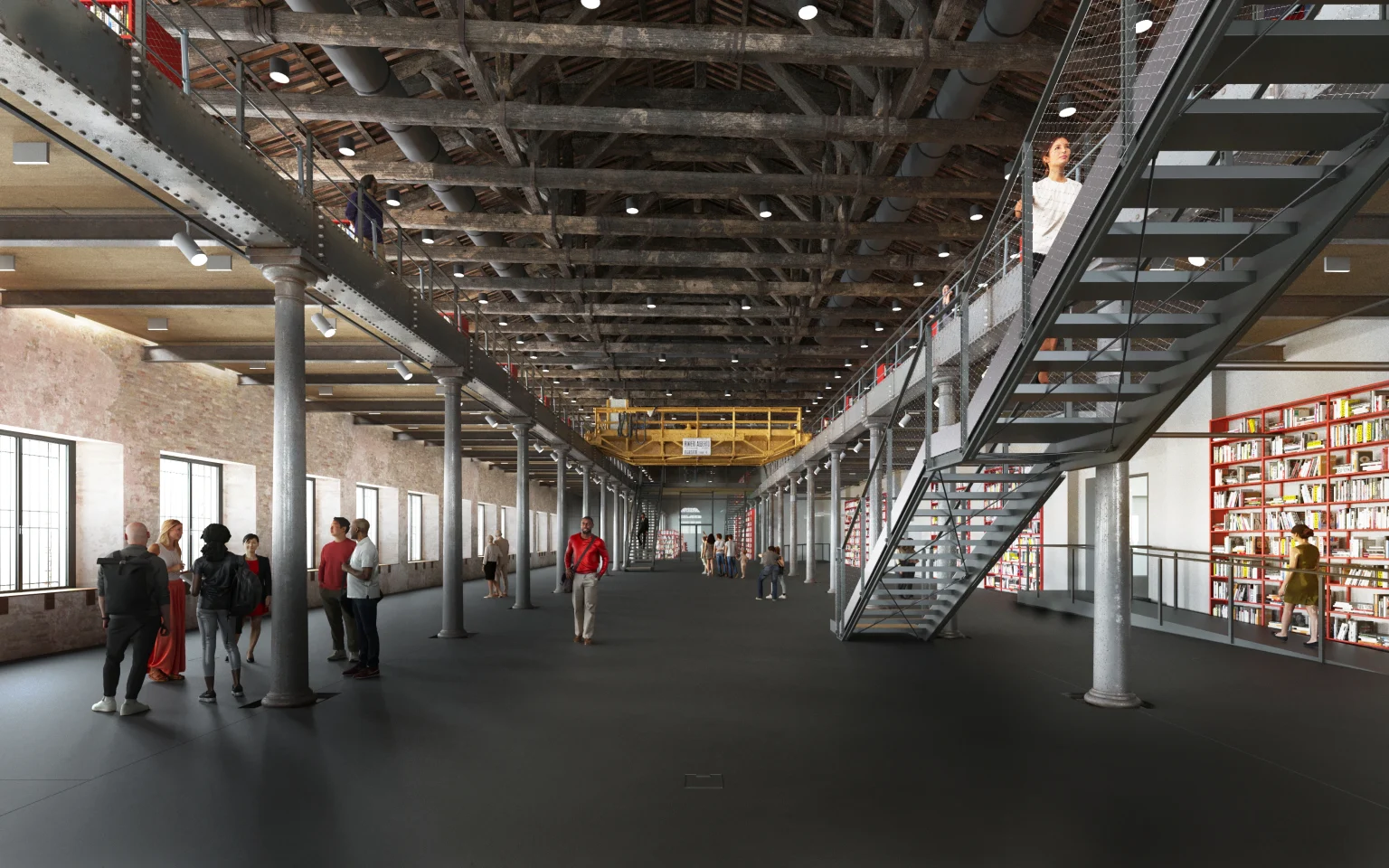


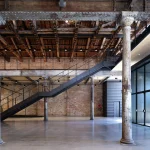
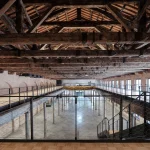
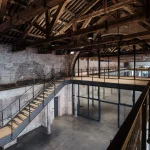
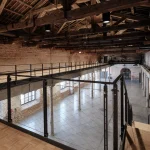
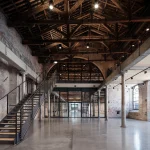
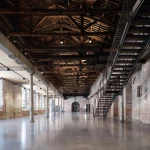
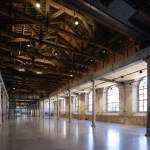


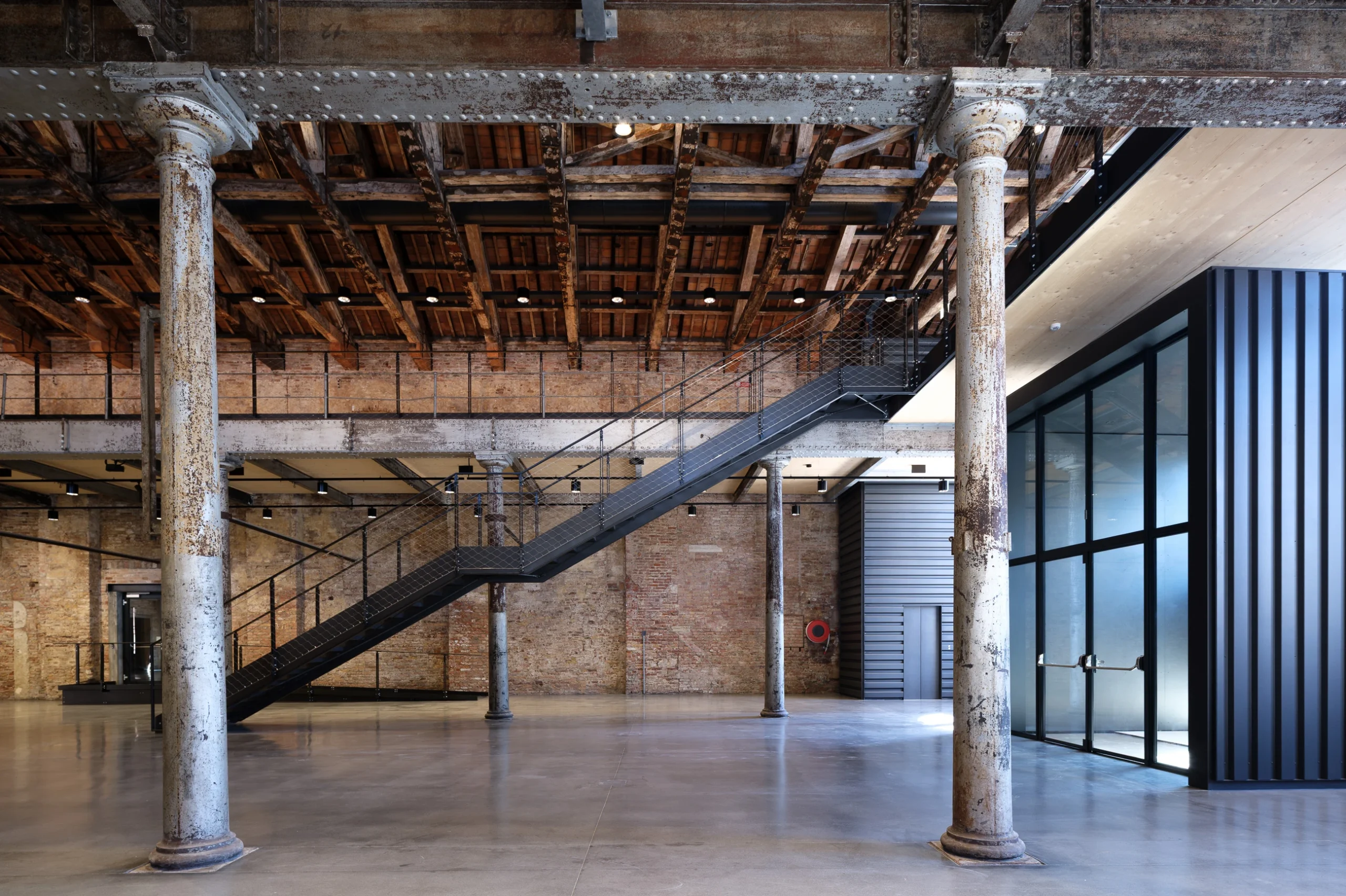
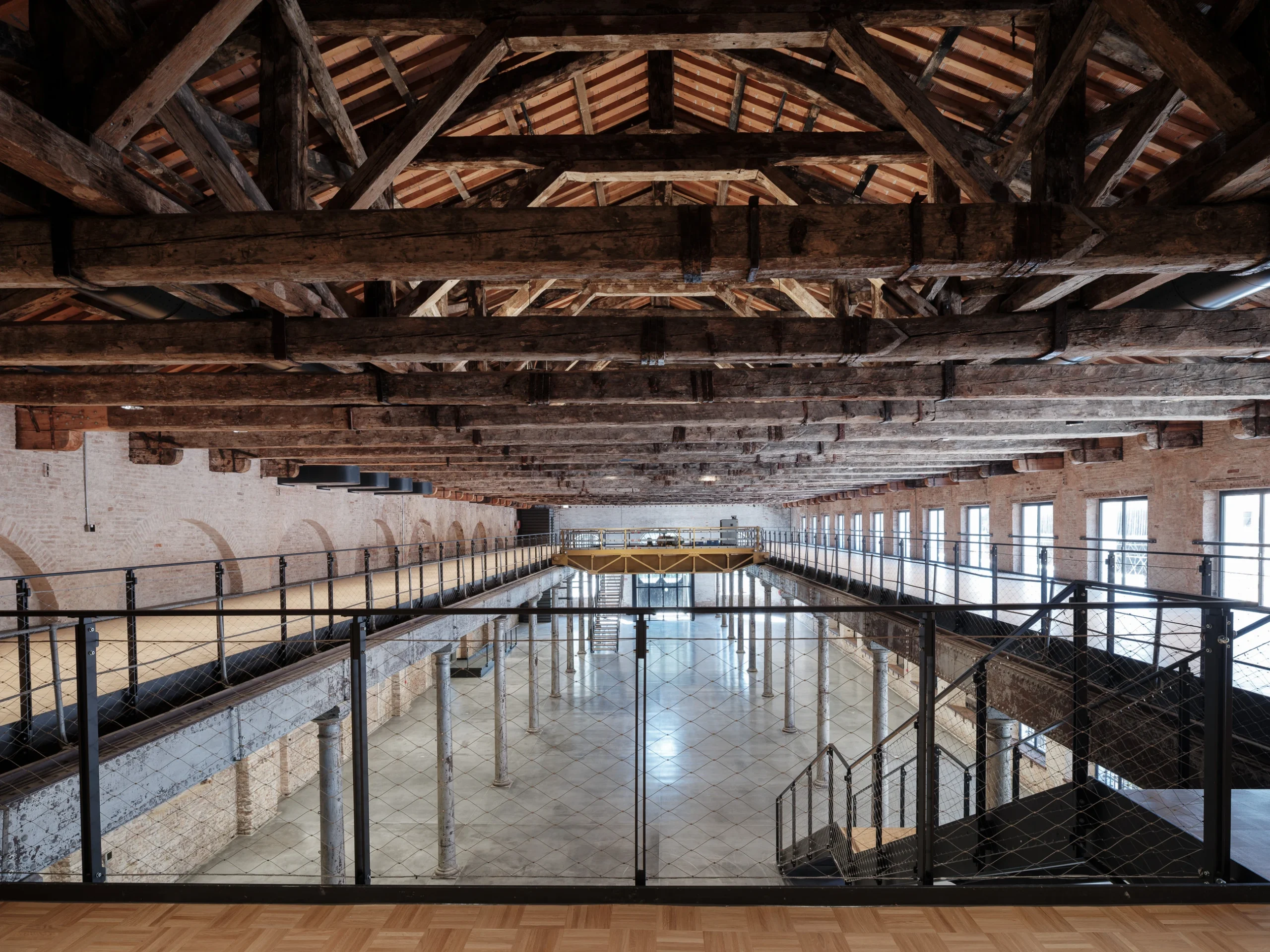
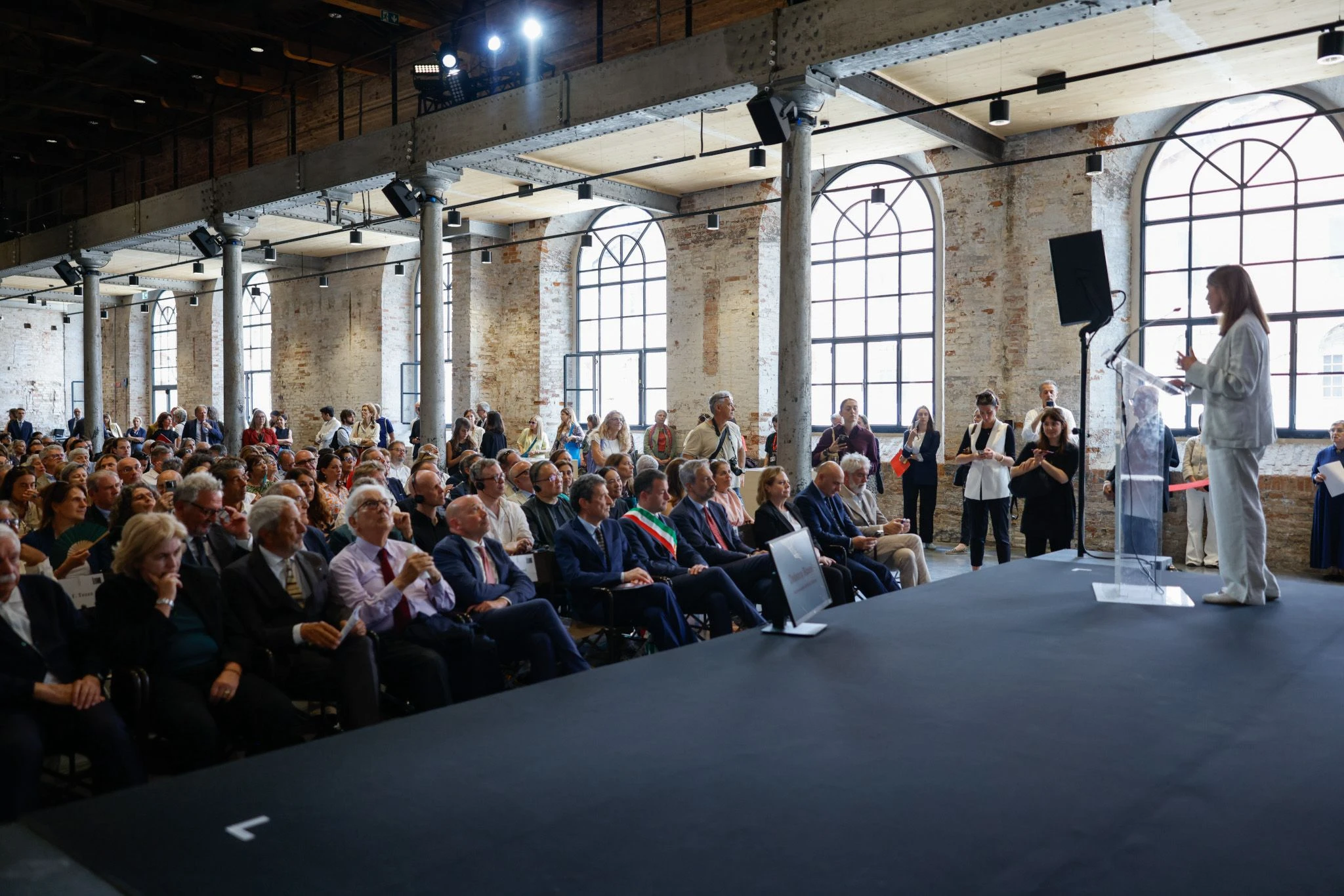
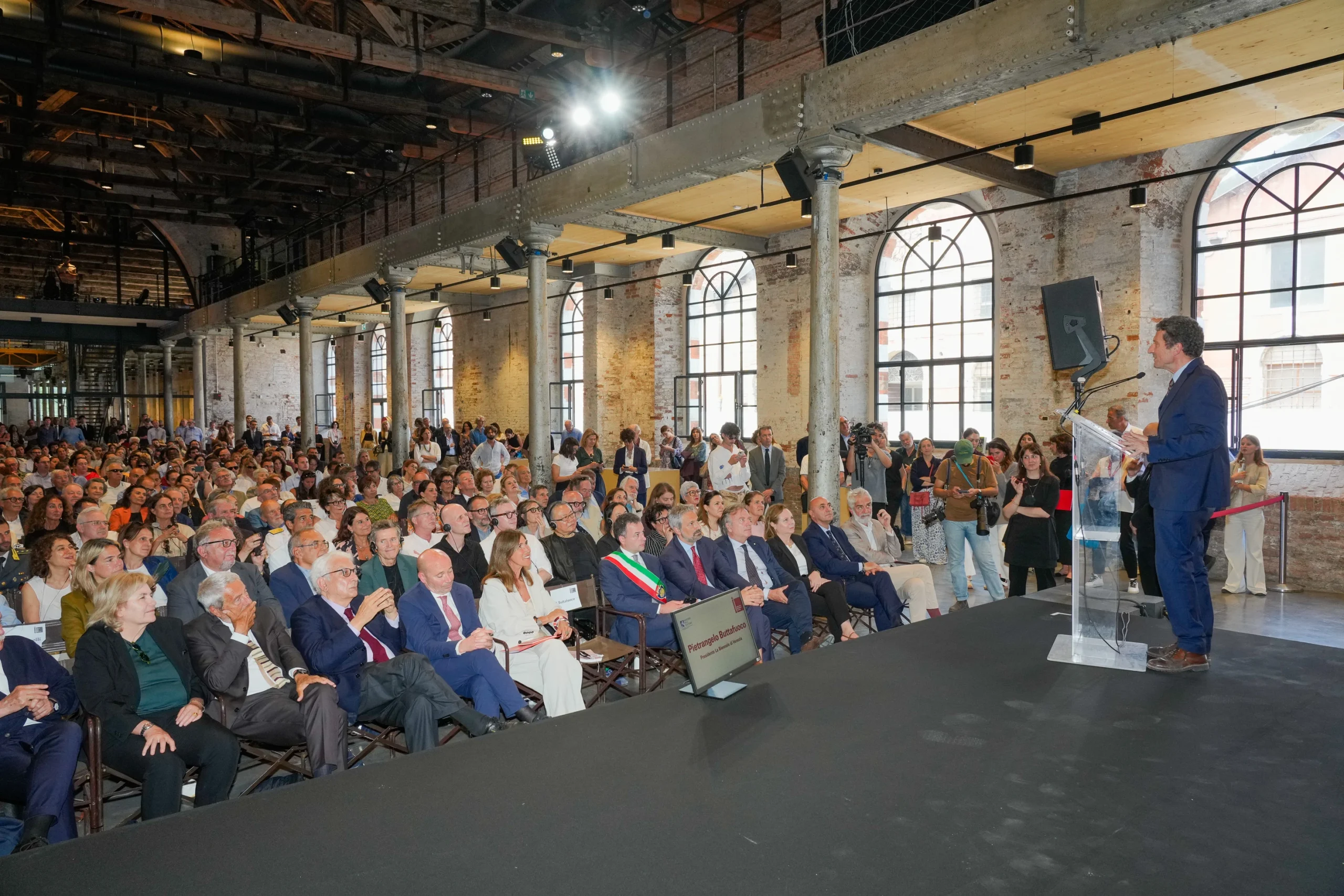
La Biennale di Venezia has unveiled the new headquarters of its Historical Archive – International Center for Research on Contemporary Arts (ASAC) at the Arsenale, marking a significant milestone in the institution’s long-term strategy to strengthen research, preservation, and public access to its extensive archival collections. Located within a restored complex of historic industrial buildings in the southern section of the Arsenale, the project transforms former iron warehouses into an integrated cultural infrastructure dedicated to contemporary arts documentation, study, and production.
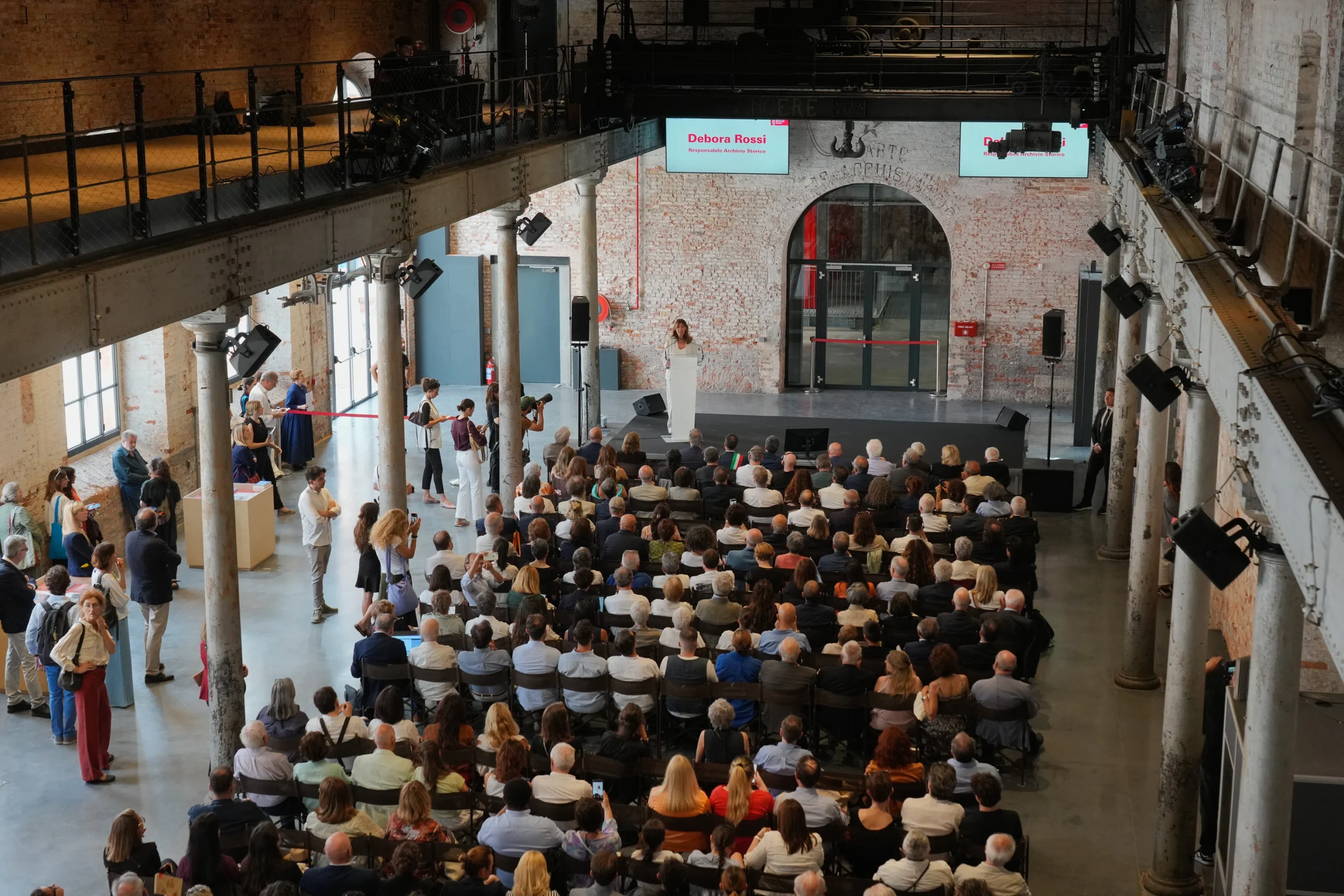
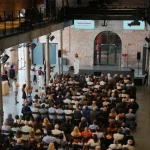
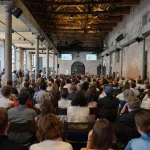
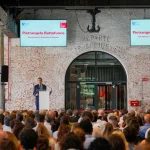
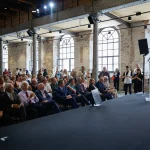
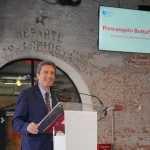
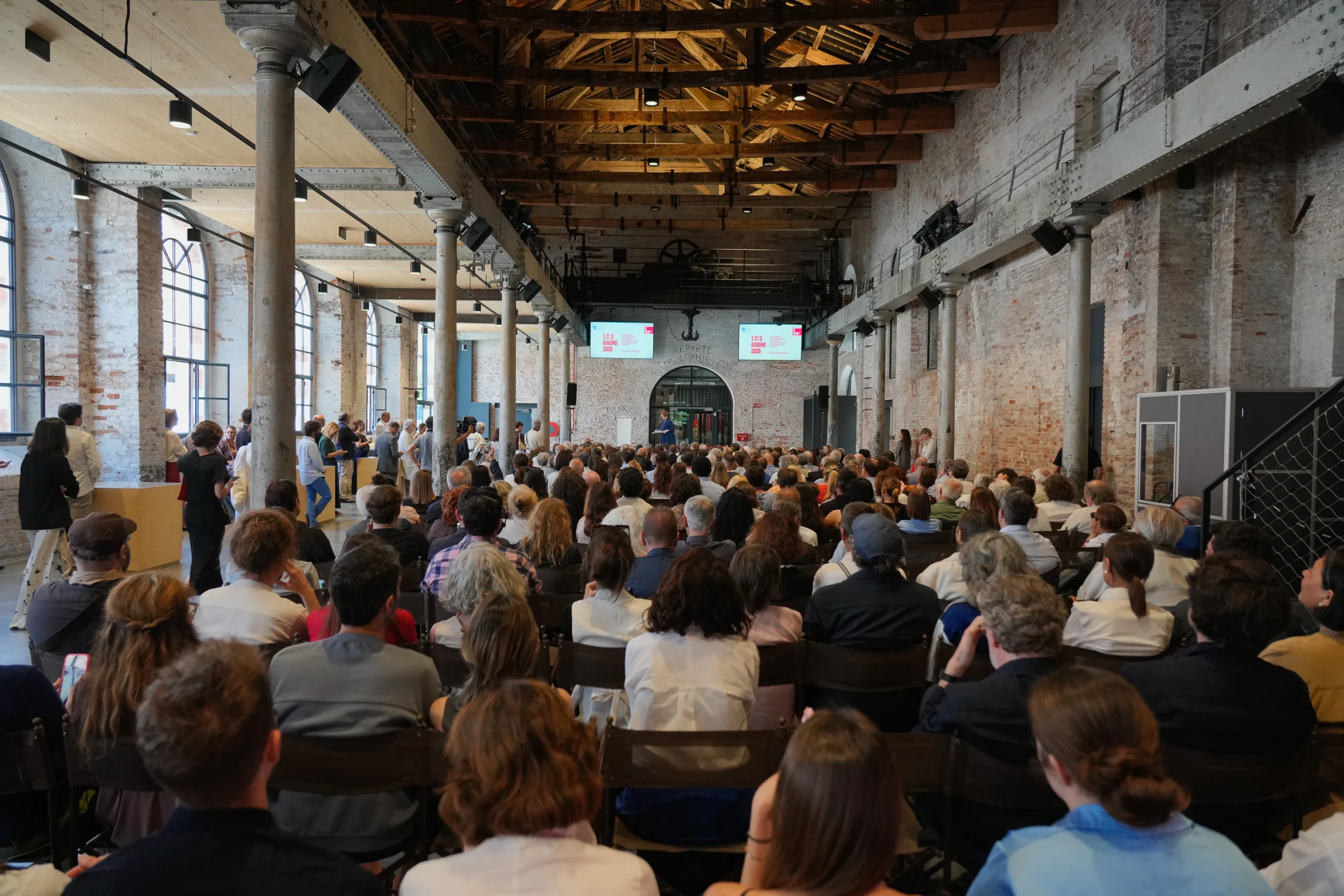
The inauguration was accompanied by a three-day program of performances, lectures, conversations, and public events curated by the Artistic Directors of La Biennale’s various disciplines, highlighting the role of the archive as an active platform for contemporary cultural exchange.
Bringing La Biennale’s Memory into the Heart of the Arsenale
For more than a century, the Historical Archive of Contemporary Arts has documented the activities of La Biennale di Venezia, preserving materials related to artists, exhibitions, performances, and cultural programs across disciplines. Until now, the archive has been housed at VEGA – Parco Scientifico Tecnologico in Marghera.
The relocation to the Arsenale places the archive within one of Venice’s most significant cultural precincts and physically integrates it into La Biennale’s exhibition system alongside the Giardini and the Arsenale exhibition venues. The move follows several years of preparation, during which La Biennale expanded the activities of its archive and established the International Center for Research on Contemporary Arts in 2021 to encourage collaboration with universities, researchers, cultural institutions, and international partners.
The new facility is intended to support archival preservation while simultaneously fostering research, experimentation, education, and the development of special projects derived from the institution’s documentary collections.
Restoration of Historic Arsenale Buildings
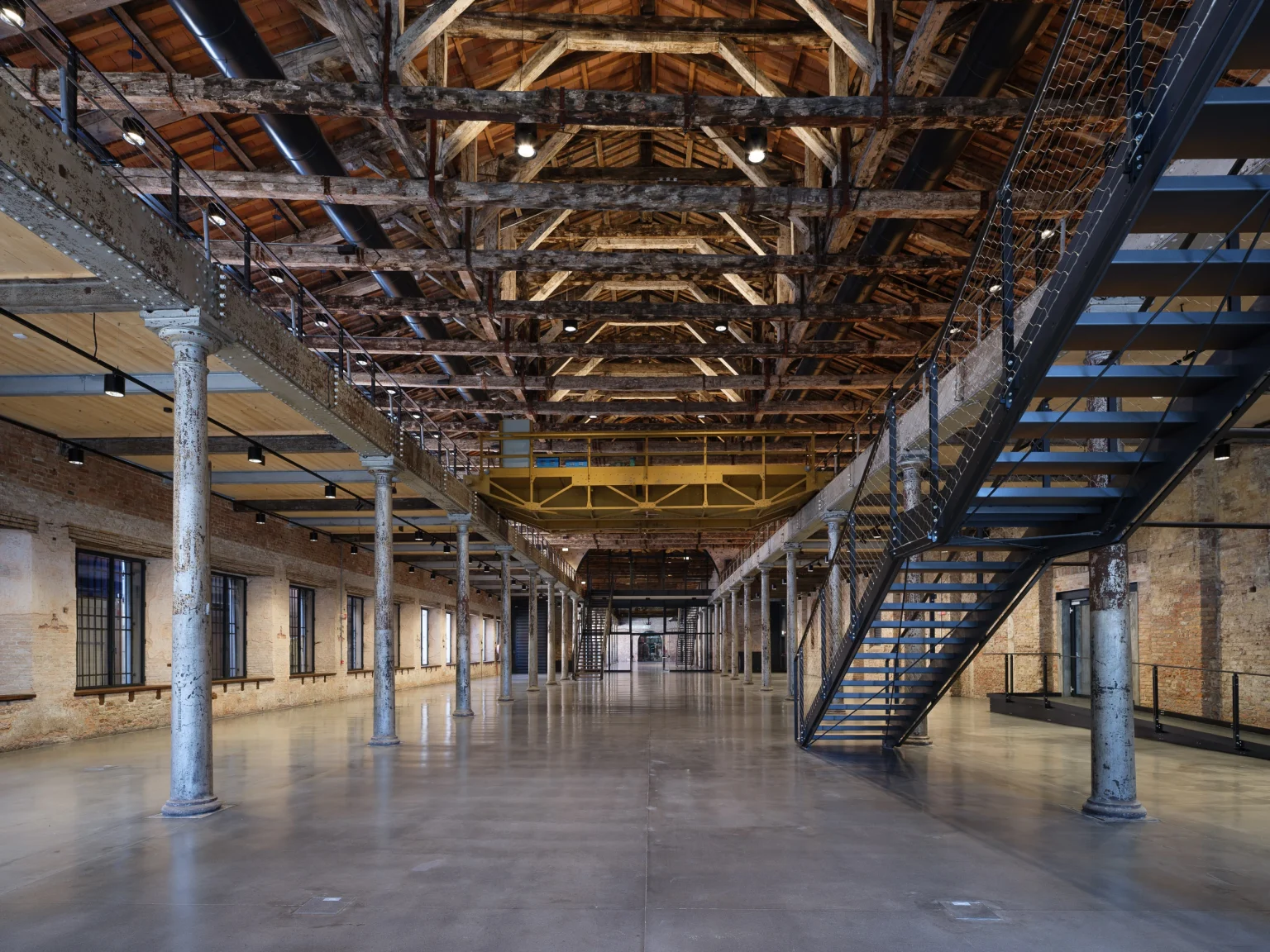
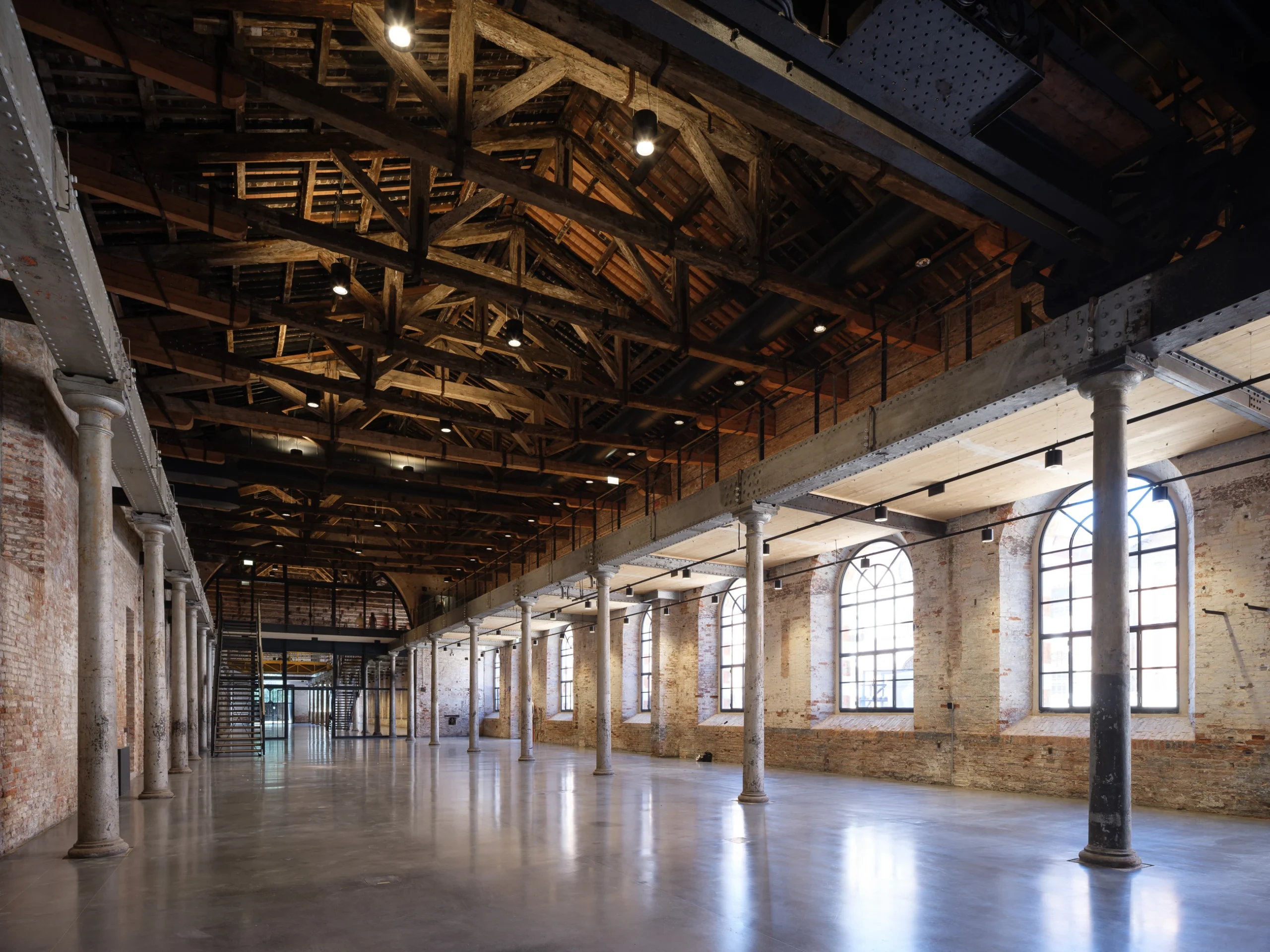
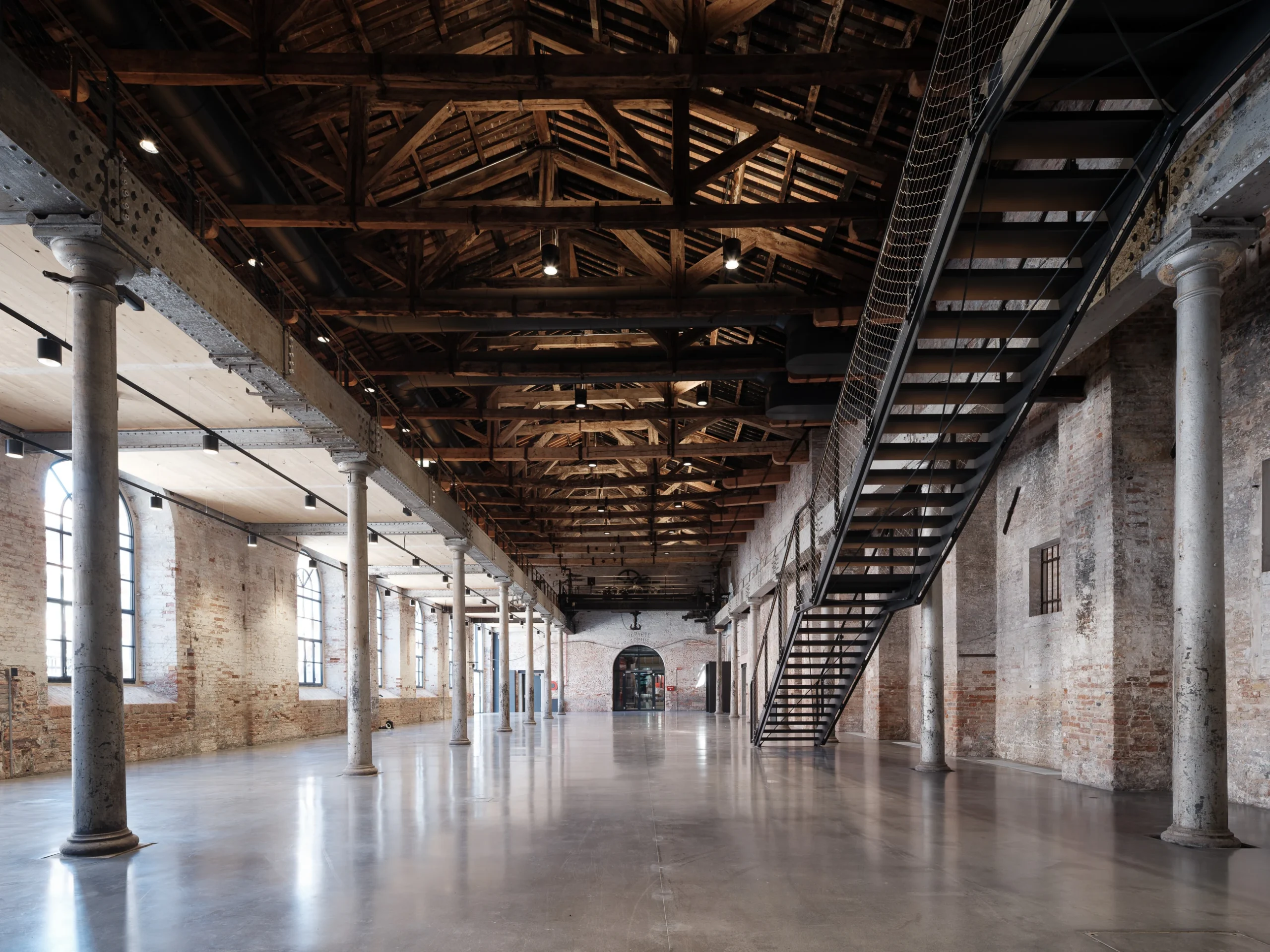
The project involved the recovery, conservation, and adaptive reuse of five interconnected historic buildings within the Arsenale Sud complex, known as the Officine e Magazzini del Ferro. Extending for more than 200 meters parallel to the renowned Corderie building, the complex has been transformed into a unified archival and research center spanning approximately 8,000 square meters.
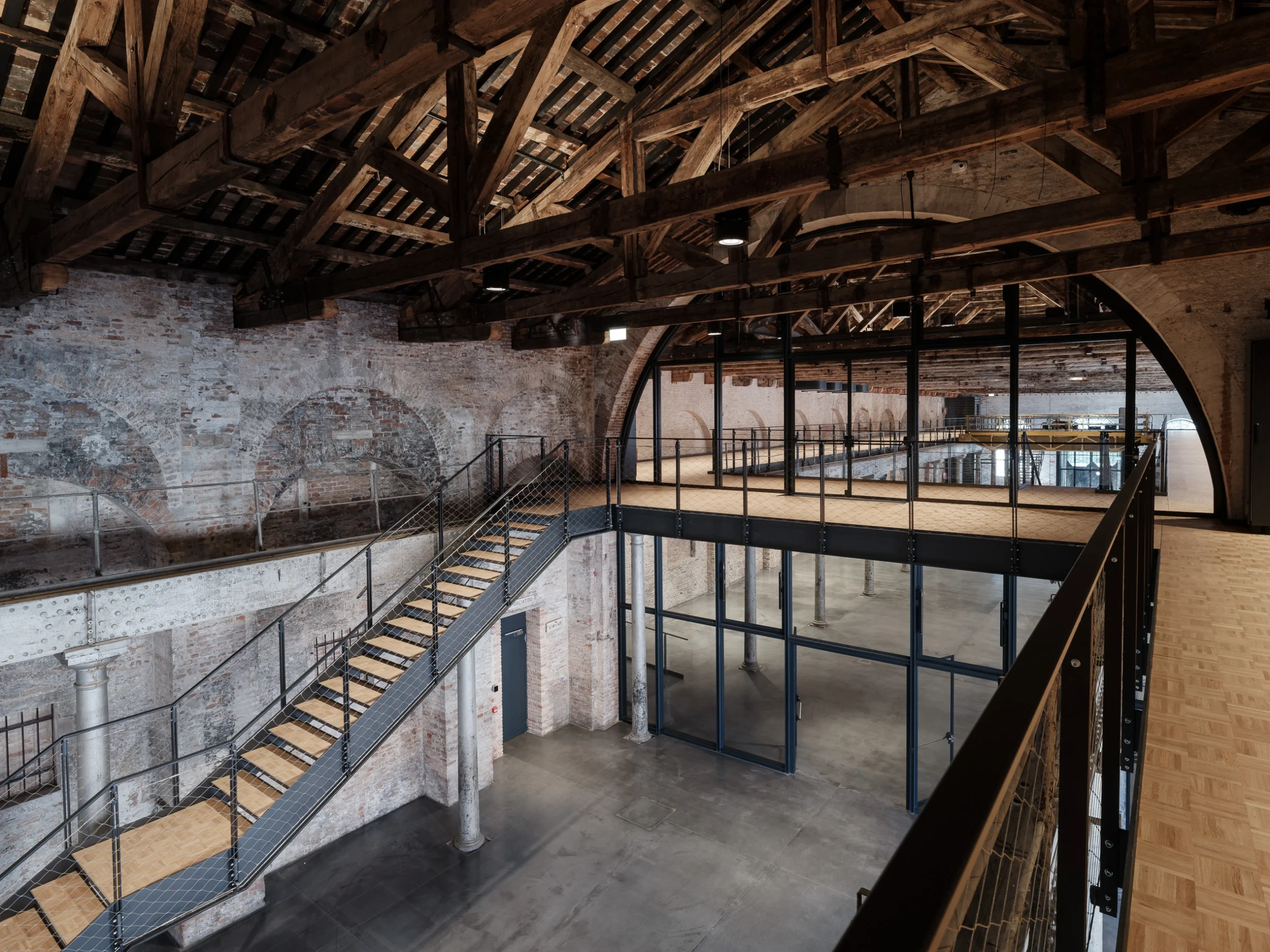
The intervention forms part of a broader program comprising 22 projects across several sites associated with La Biennale di Venezia, including the Giardini, Arsenale, Lido di Venezia, Forte Marghera, and Parco Albanese. The initiative aims to strengthen Venice’s cultural infrastructure while preserving significant historic assets.
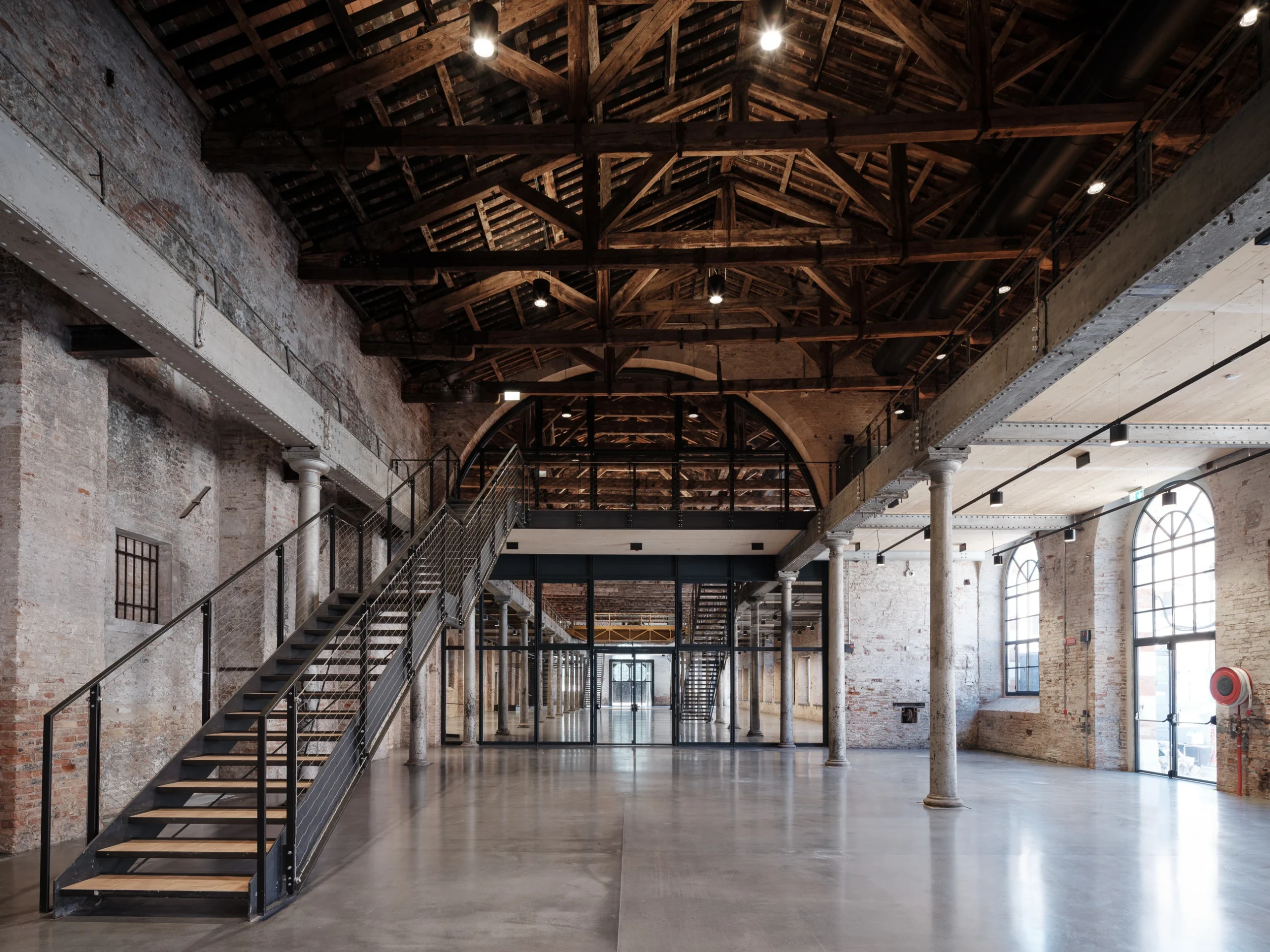
Construction commenced in March 2024 and was completed according to schedule. The redevelopment received more than €38 million in funding from the Italian Ministry of Culture, including €20 million through the “Great Cultural Heritage Projects” program and an additional €18 million through the National Complementary Plan linked to Italy’s National Recovery and Resilience Plan (PNRR) under the “Great Cultural Heritage Attractors” program.
A Research Center Designed for Public Access
At the core of the project is the creation of a contemporary research environment that accommodates both traditional archival consultation and digital access to collections.
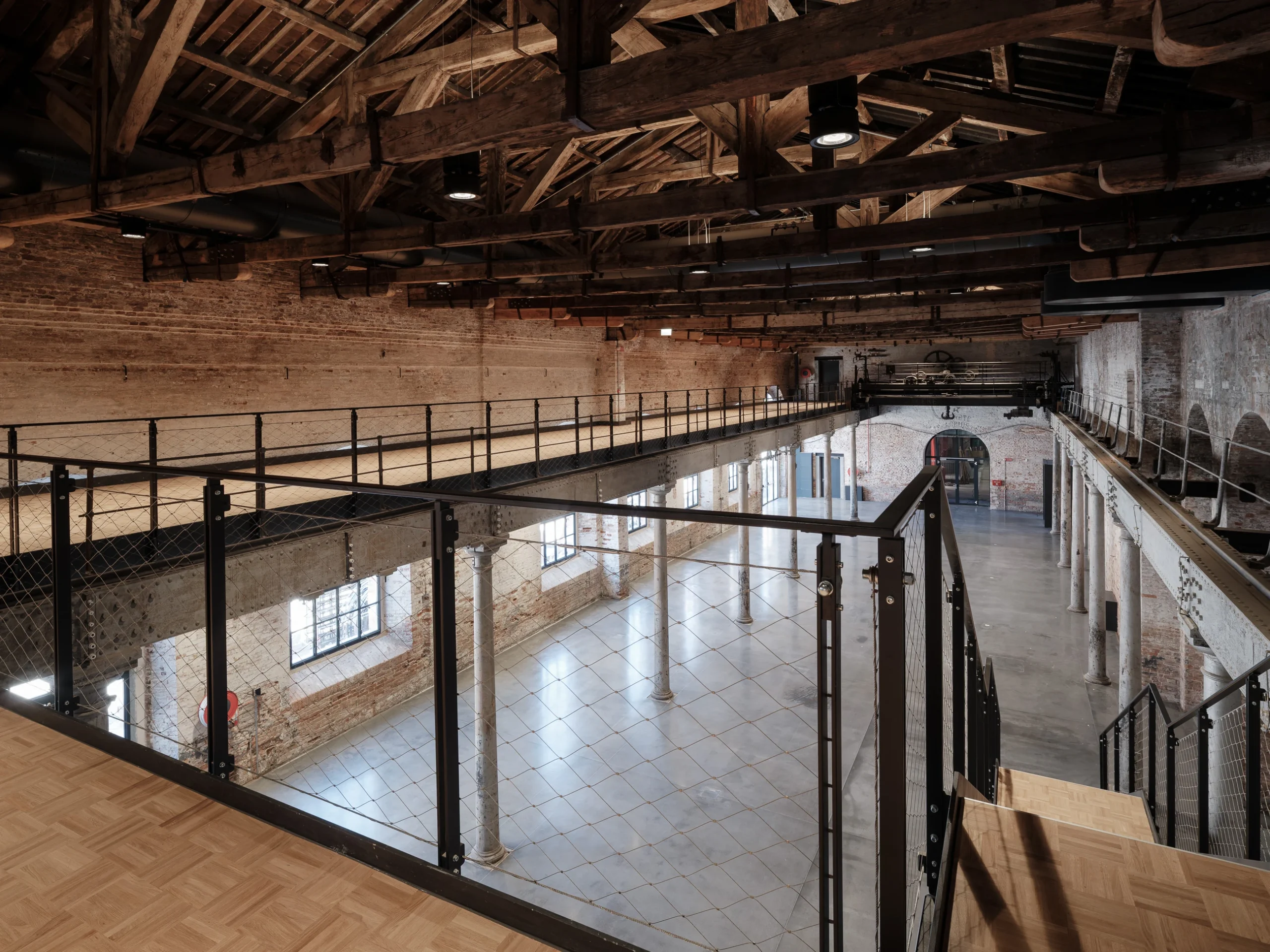
Within the restored Magazzini del Ferro buildings, visitors will have access to spaces dedicated to the consultation of paper-based and multimedia archival materials. The center introduces an integrated infrastructure that supports flexible, multichannel research methods, enabling scholars, students, curators, and artists to engage with archival resources in new ways.
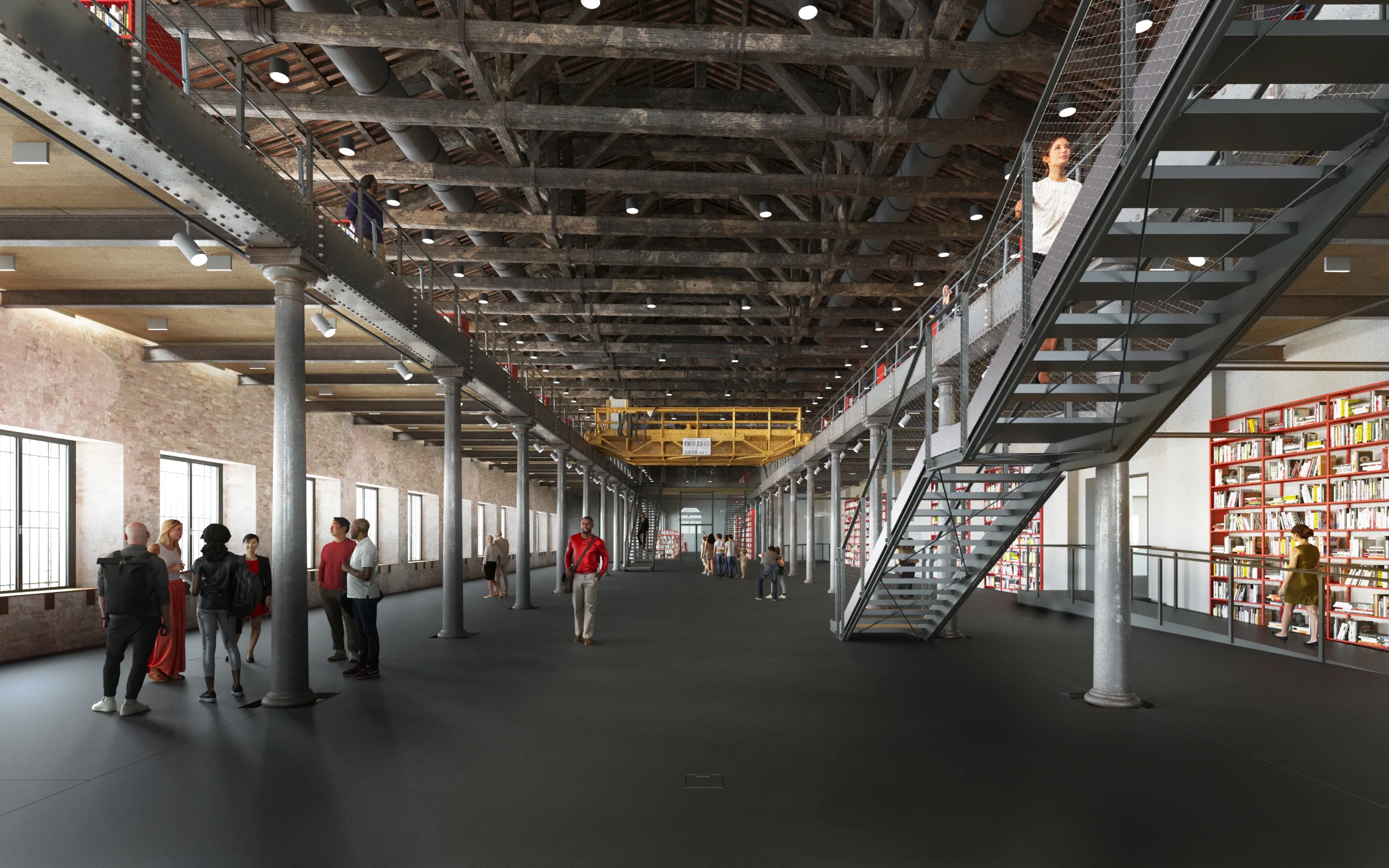
The program also includes multifunctional spaces for workshops, educational activities, research initiatives, exhibitions, and projects associated with La Biennale College programs. Staff offices and public amenities, including a restaurant, have been incorporated into the complex to support year-round operation.
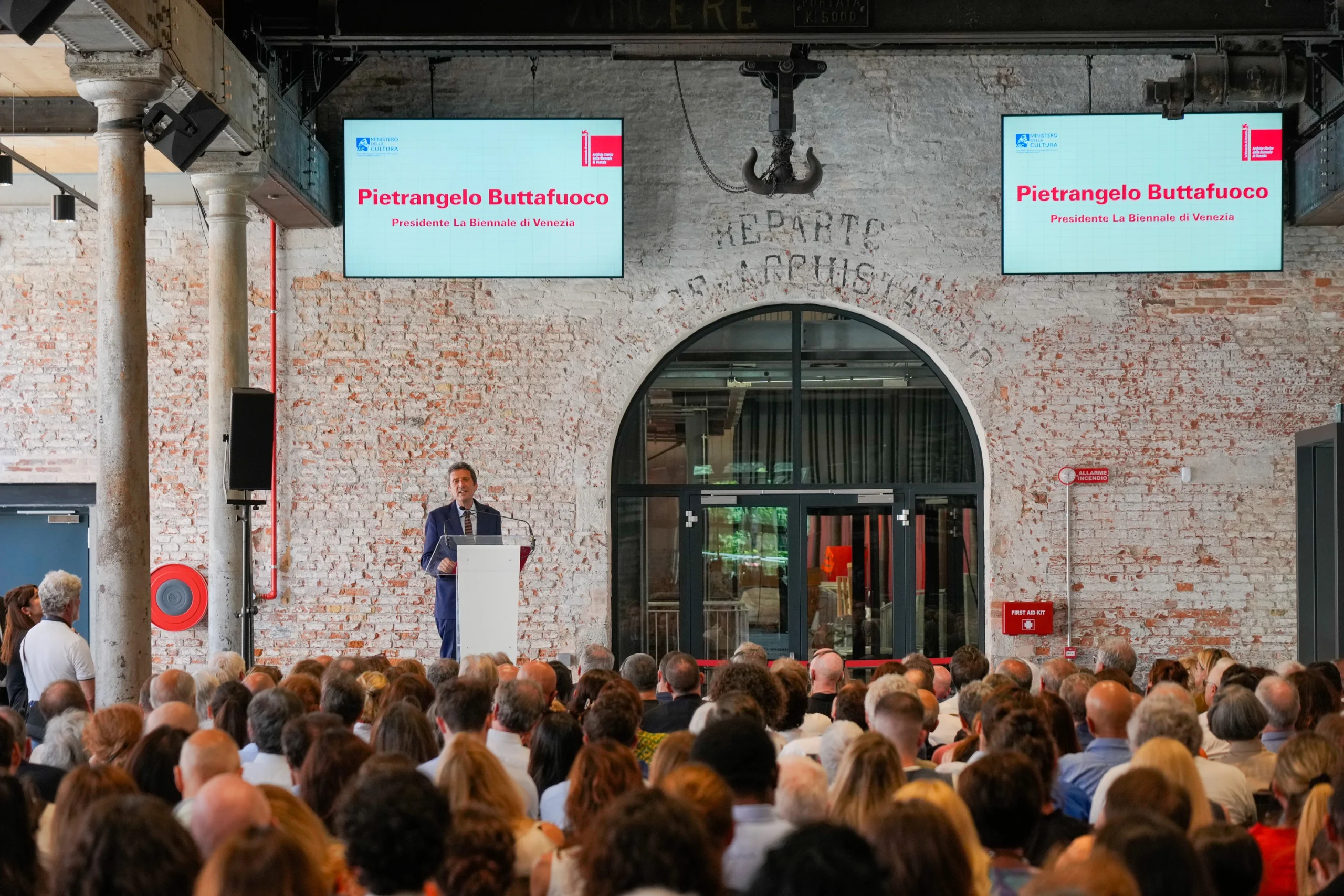
Unlike many archival facilities that remain largely closed to the public, the new headquarters has been conceived as an accessible cultural destination operating throughout the year.
Conservation Facilities and Expanded Storage Capacity
A major component of the project focuses on the long-term preservation of archival materials. The ninety-meter-long Congegnatori e Aggiustatori building houses specialized conservation facilities equipped with multi-level compact shelving systems, restoration laboratories, and cataloging areas.
Climate-controlled storage units have been introduced to maintain appropriate temperature and humidity conditions for the protection of sensitive materials, ensuring the archive can safeguard both paper-based and audiovisual collections.
The expansion significantly increases storage capacity from approximately 5,000 linear meters at the previous Marghera site to around 8,000 linear meters. The project also strengthens the digitization of collections, including photographic archives, audio recordings, and video materials, supporting broader accessibility and long-term preservation.
Home to One of the World’s Largest Contemporary Arts Archives
The Historical Archive of Contemporary Arts represents one of the most extensive collections dedicated to contemporary artistic practice. The archive documents the activities of La Biennale di Venezia from the first International Art Exhibition held in 1895.
Its collections include more than 10,000 archival files, extensive photographic and audiovisual holdings, posters, press materials, correspondence, scores, artworks, and vinyl records. Complementing these resources is the specialized library located at the Central Pavilion in the Giardini, which contains over 164,000 volumes and approximately 3,200 periodicals focused on contemporary arts.
Together, these collections provide a comprehensive record of the evolution of visual arts, architecture, cinema, dance, music, and theater across more than a century of international cultural production.
Collaborative Design and Restoration Effort
The project was managed by the Special Projects Department of La Biennale di Venezia under the direction of architect Arianna Laurenzi, with engineer Cristiano Frizzele serving as Sole Project Manager. Debora Rossi, Head of the Historical Archive of Contemporary Arts, led the functional development of the archive program.
The architectural and restoration design was developed by TA Torsello Architettura and Studio SERES, while Ottavio di Blasi & Partners handled architectural design. Structural engineering was undertaken by Studio Milan Ingegneria, and systems engineering and fire prevention design were managed by TFE Ingegneria. Construction supervision was entrusted to TA Torsello Architettura, with Setten Genesio S.p.A. serving as contractor.
Strengthening the Relationship Between Heritage and Contemporary Production
With its relocation to the Arsenale, the Historical Archive becomes more closely integrated with the daily activities of La Biennale di Venezia. The project establishes a direct relationship between archival preservation, contemporary artistic production, and academic research, allowing collections to actively inform exhibitions, educational programs, and future cultural initiatives.
As the transfer of materials from Marghera continues, the new headquarters is expected to become a permanent center for the study of contemporary arts, reinforcing Venice’s role as a global destination for cultural research while ensuring that the institutional memory of La Biennale remains accessible to future generations.
Image credit: Andrea Avezzu / Courtesy La Biennale di Venezia