Fondazione Dries Van Noten opens in Venice in April 2026, transforming Palazzo Pisani Moretta into a new cultural platform for fashion, art, craft, and material experimentation.
Fondazione Dries Van Noten will open in April 2026 inside Palazzo Pisani Moretta in Venice, establishing a new cultural institution where craftsmanship is approached as a living and evolving practice. Positioned along the Grand Canal, between the Rialto Bridge and Ca’ Foscari, here, craft is framed as an ongoing language through which ideas, identities, and artistic forms continue to take shape.
A Historic Palazzo Becomes a Contemporary Cultural Interface
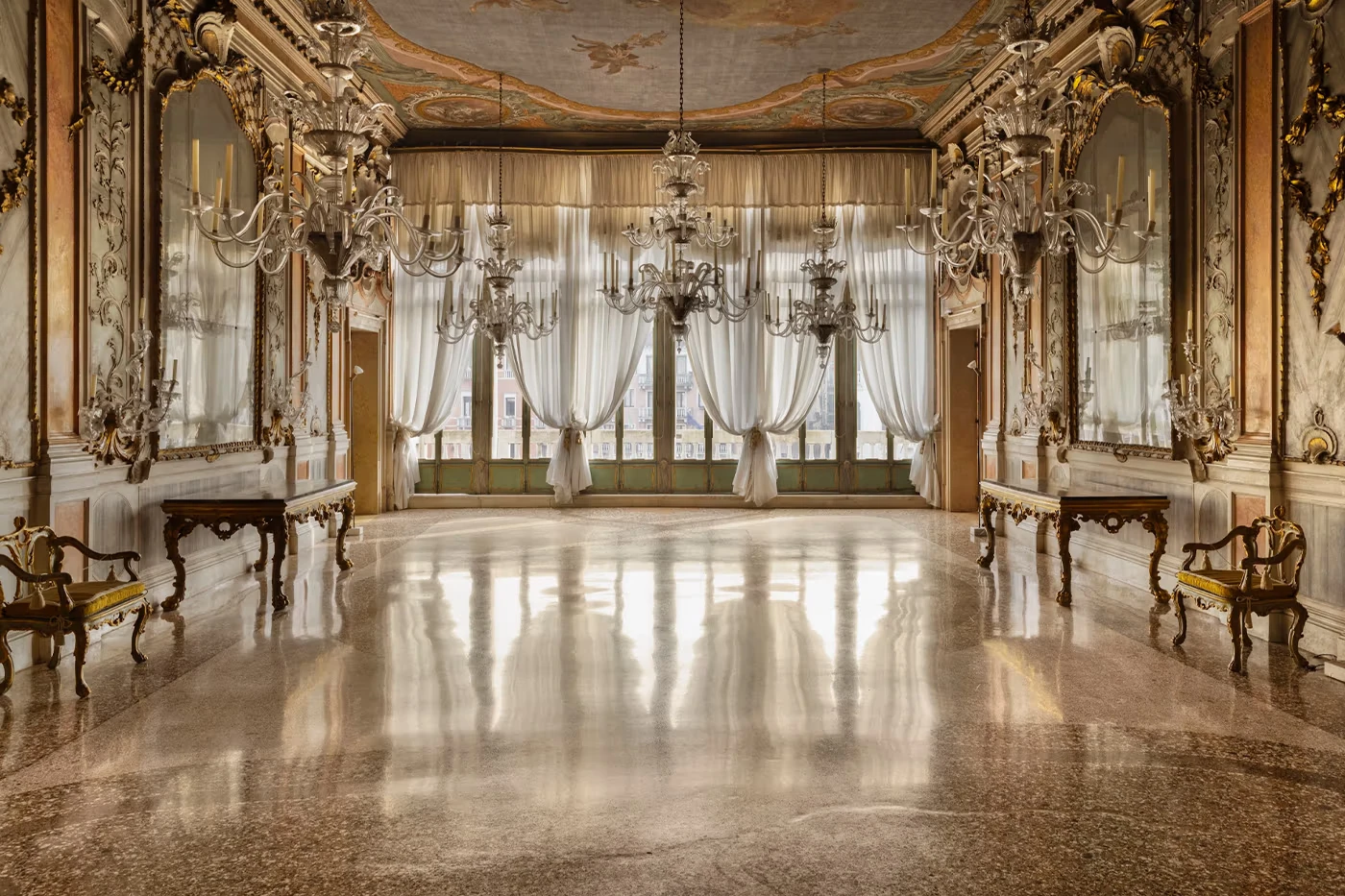
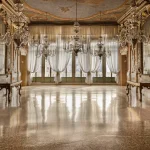
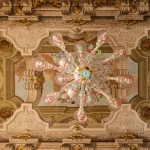
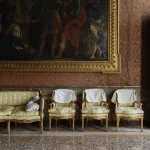
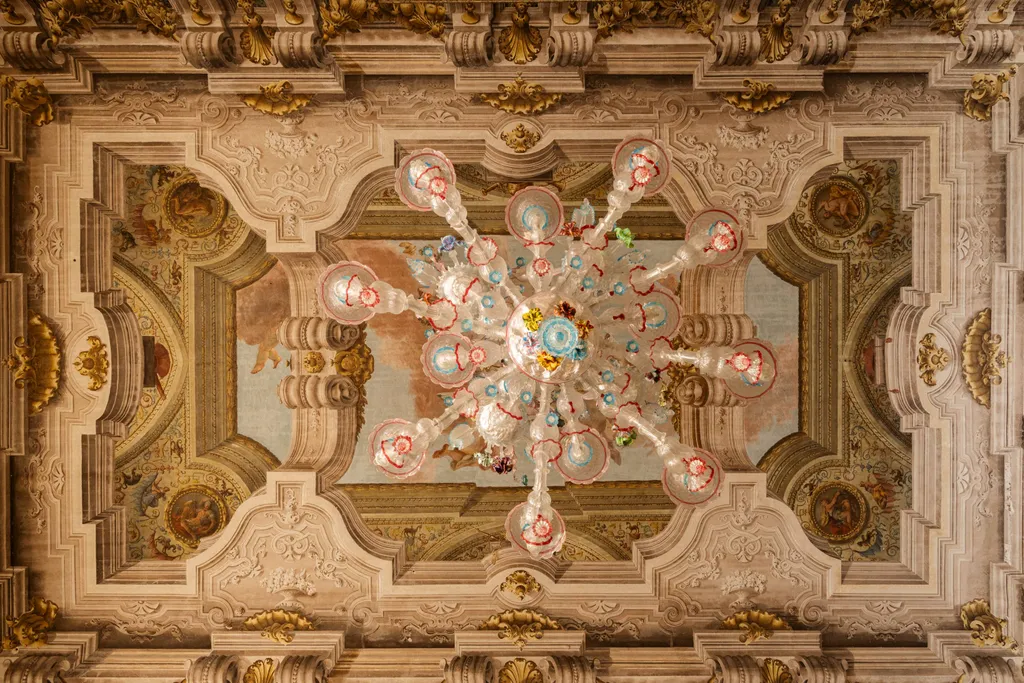
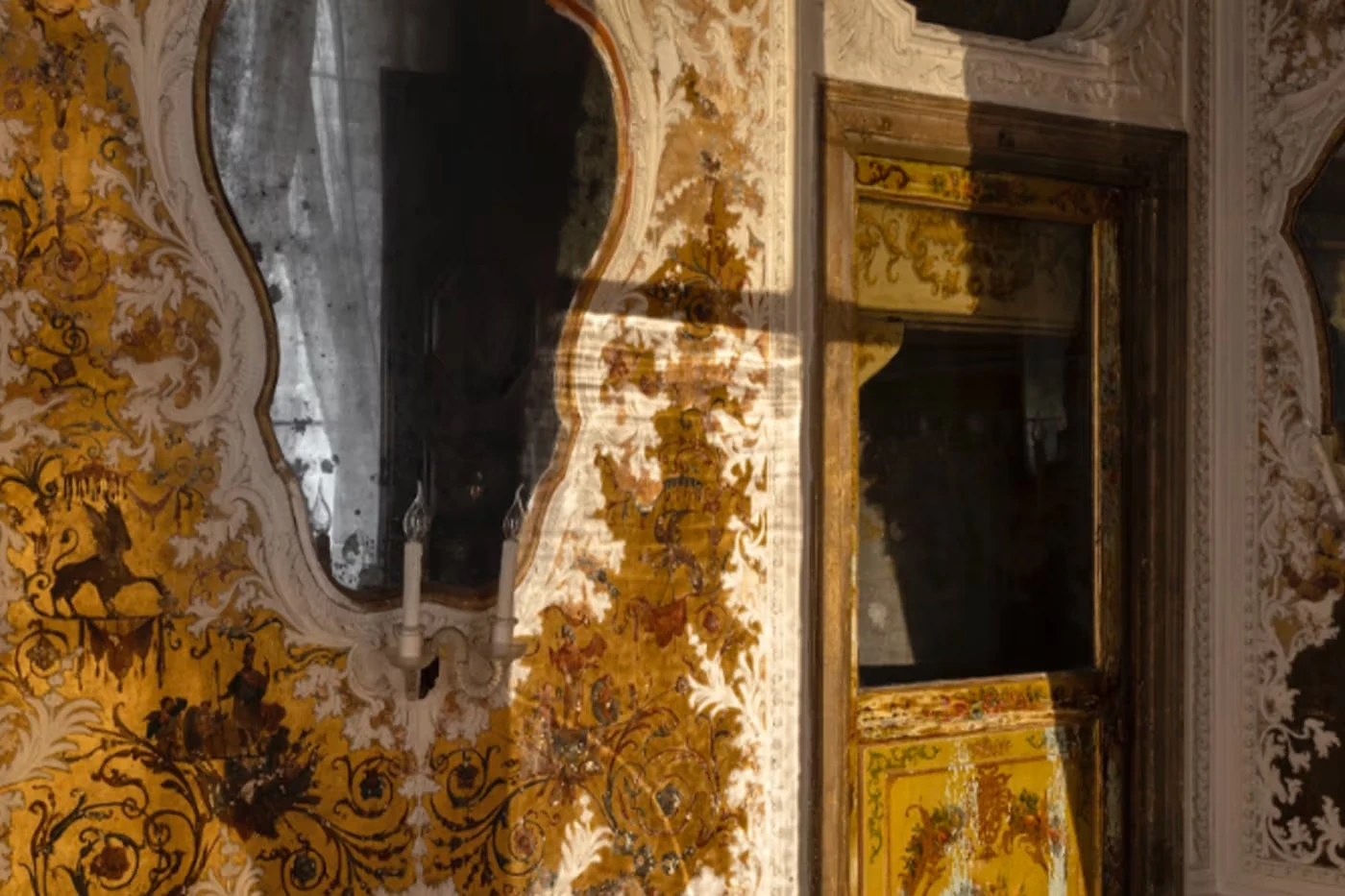
The foundation is housed within one of Venice’s most layered architectural settings. Built in the late 15th century in the Venetian Gothic Fiorito style, Palazzo Pisani Moretta later evolved through Rococo interventions and aristocratic patronage, accumulating centuries of decorative and spatial richness. Frescoes, original furnishings, and historic artworks remain embedded within the interiors, allowing the building itself to function as more than a backdrop. It becomes an active spatial interface where history and contemporary cultural production overlap.
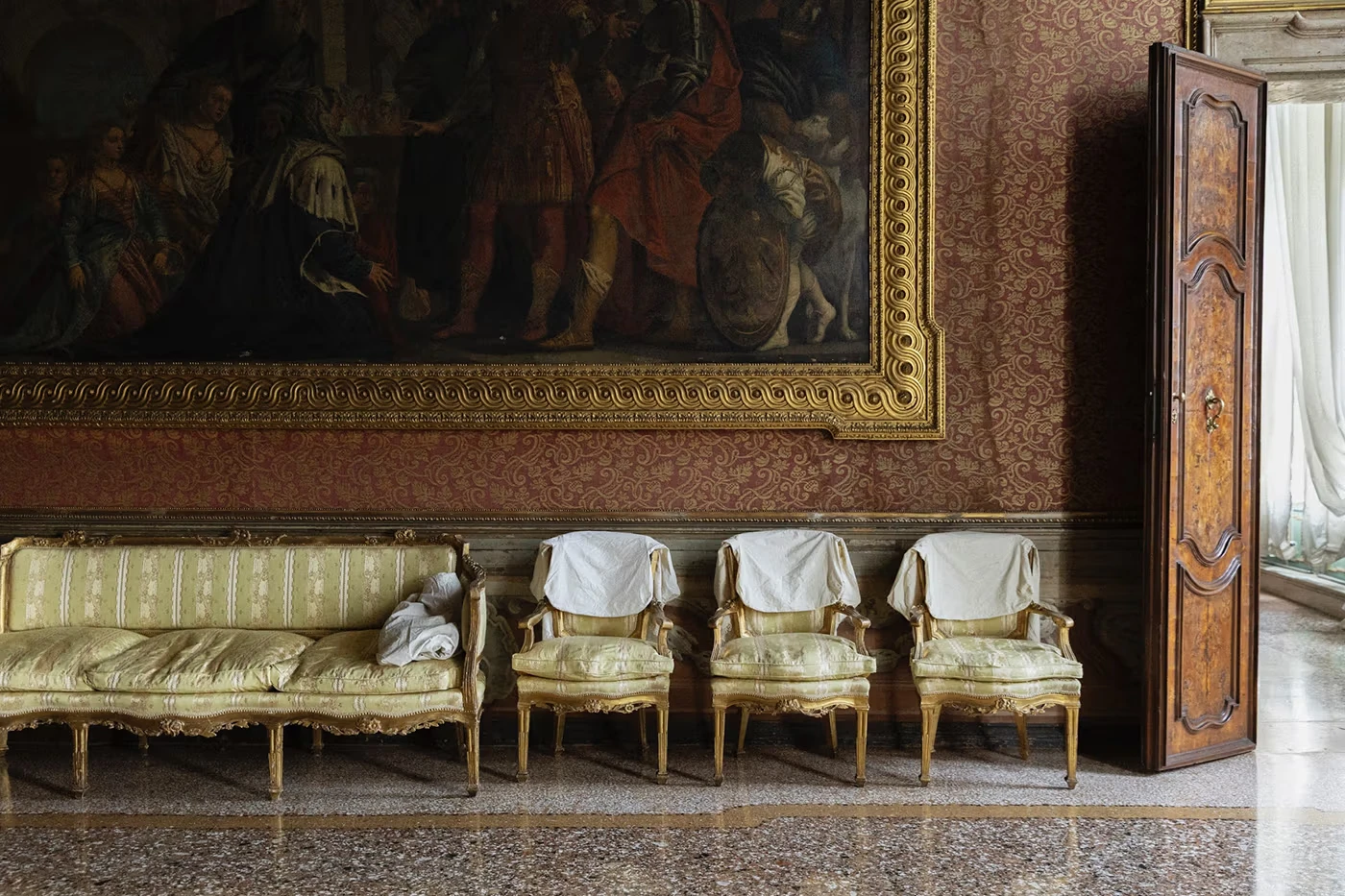
Instead of neutralizing the palazzo’s ornate identity, the project allows its historic density to remain visible and operative. The result is an environment where architecture does not simply contain exhibitions but actively shapes how they are experienced.
The Inaugural Exhibition Positions Beauty as Resistance
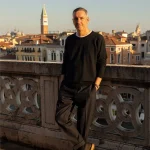
Opening to the public on April 25, 2026, and running through October 4, 2026, the foundation’s first exhibition, The Only True Protest Is Beauty, introduces the institution’s curatorial direction through a powerful conceptual framework. Curated by Dries Van Noten and Geert Bruloot, the exhibition explores beauty as something politically and emotionally charged, not ornamental but transformative.
The title, drawn from a line by songwriter and activist Phil Ochs, frames beauty as a force capable of provoking reflection and offering resistance in unstable times. In this context, aesthetics are not treated as surface, but as a way of confronting fragility, uncertainty, and cultural memory.
Twenty Rooms Construct a Dialogue Across Disciplines
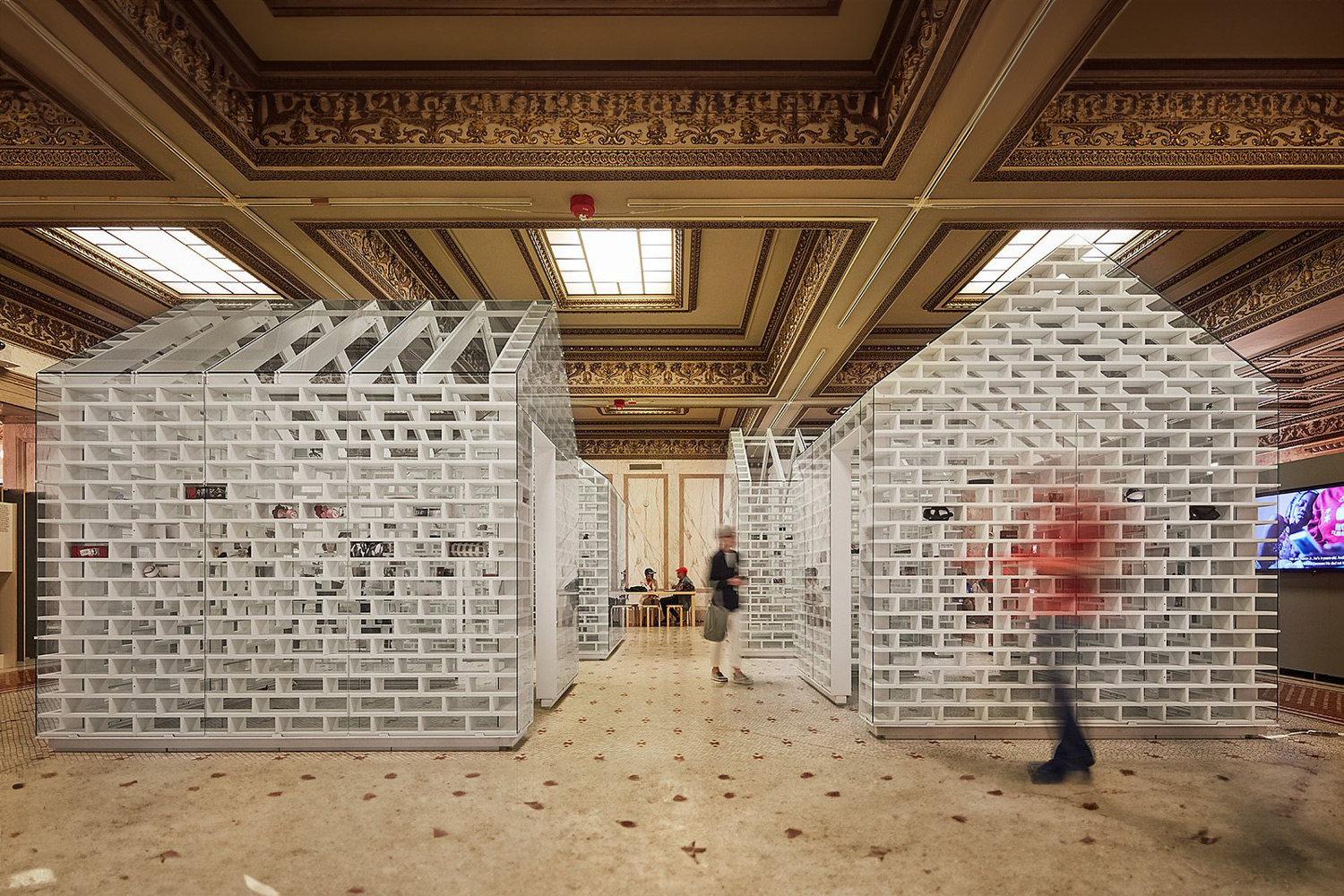
The exhibition extends across the ground floor and the first and second piano nobile levels, unfolding through twenty rooms and presenting well over two hundred works. Instead of separating disciplines into isolated categories, the curation brings together fashion, jewelry, art, collectible design, photography, ceramics, glass, and material experimentation as interconnected practices.
This creates a spatial rhythm where visitors move through a sequence of shifting material conditions and visual intensities. The exhibition reads like a designed landscape of objects and atmospheres, where each room constructs its own micro-dialogue while remaining part of a larger cultural composition.
Historic Interiors Host Unexpected Material Encounters
The foundation’s use of historic interiors to stage unexpected relationships between objects, media, and eras is one of its most compelling aspects. A sculpture by Peter Buggenhout introduces a raw and unstable material presence into the ceremonial axis of the portego, the central hall that links the entrance to the Grand Canal.
Steven Shearer’s photographs sit alongside Codognato’s Memento Mori-inspired jewelry and couture pieces by Christian Lacroix and Comme des Garçons, creating a rich conversation around mortality, beauty, and drama. Instead of feeling perfectly matched, the contrasts make the encounter more powerful and thought-provoking.
Material Experimentation Expands the Palazzo’s Spatial Vocabulary
Across the exhibition, material exploration plays a central role in expanding the atmosphere of the historic residence. Contemporary glass works by Alexander Kirkeby and Ritsue Mishima are positioned alongside the palazzo’s historic glassware, creating a dialogue between Venetian craft traditions and contemporary formal expression.
Designing furniture and other objects makes this material field even stronger. Experimental pieces by designers such as Guillermo Santomà and Lionel Jadot introduce a more sculptural and tactile language into the rooms, extending the exhibition beyond a visual display to something more immersive and sensory. Objects here are not isolated artifacts, but participants in a broader ecology of texture, memory, process, and transformation.
A Broader Definition of Craft Shapes the Foundation’s Vision
At the core of Fondazione Dries Van Noten is a broader idea of craftsmanship, one that includes not just traditional artisanal skill but also the gestures, labor, time, and experimentation through which ideas take physical form. This perspective allows historical techniques and contemporary practices to exist within the same continuum, dissolving the divide between preservation and innovation.
The foundation is also structured around exchange and not hierarchy. The foundation fosters dialogue between established practitioners and emerging voices, promoting overlaps between fields that institutions often keep apart. In this framework, architecture can converse with fashion, food can intersect with design, and artistic production can merge with material research.
Venice Anchors the Foundation Within Everyday Urban Life
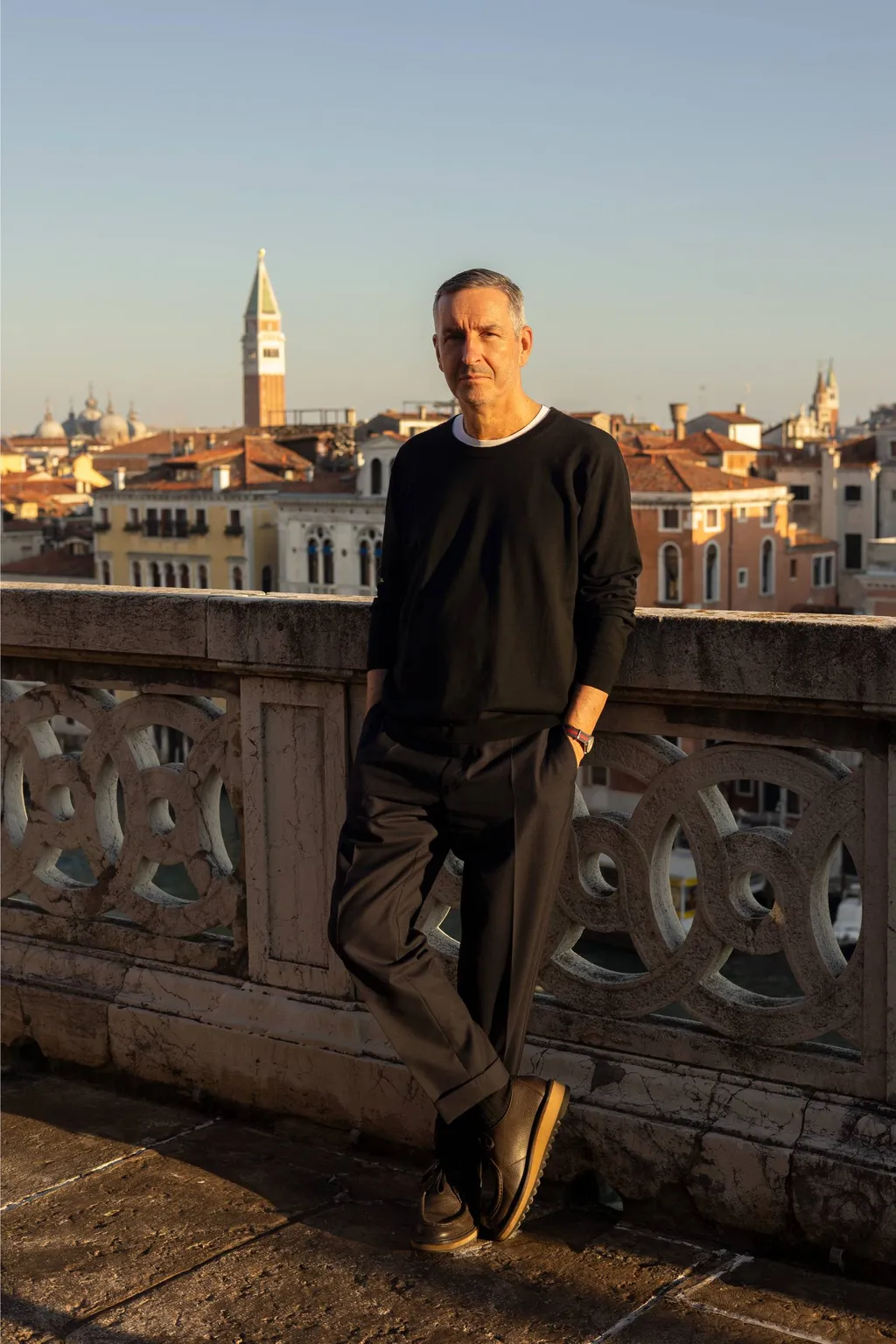
Venice is not treated as a symbolic setting alone but as an active part of the foundation’s cultural logic. The institution is embedded in the city’s daily rhythms and is not detached from them, positioned between bridges, canals, and calli. This relationship grounds the project in local knowledge while opening it outward to an international network of creative exchange.
By opening the historic halls of Palazzo Pisani Moretta to the public through exhibitions, programs, and interdisciplinary encounters, Fondazione Dries Van Noten extends the life of the building into the present. In doing so, it proposes a model where craftsmanship is understood as adaptive, living, and capable of continuously generating new cultural forms.
Image credit: Fondazione Dries Van Noten