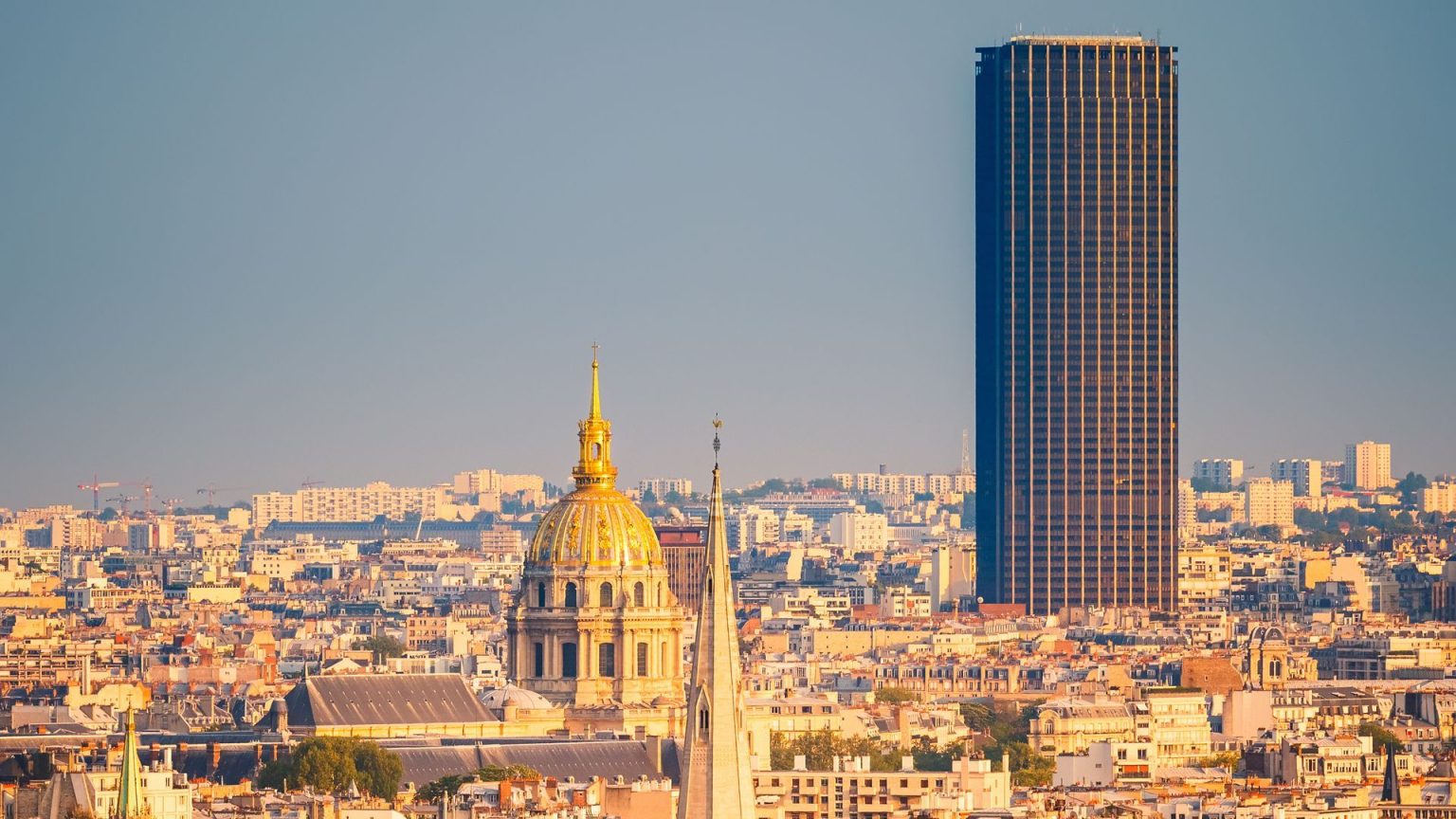



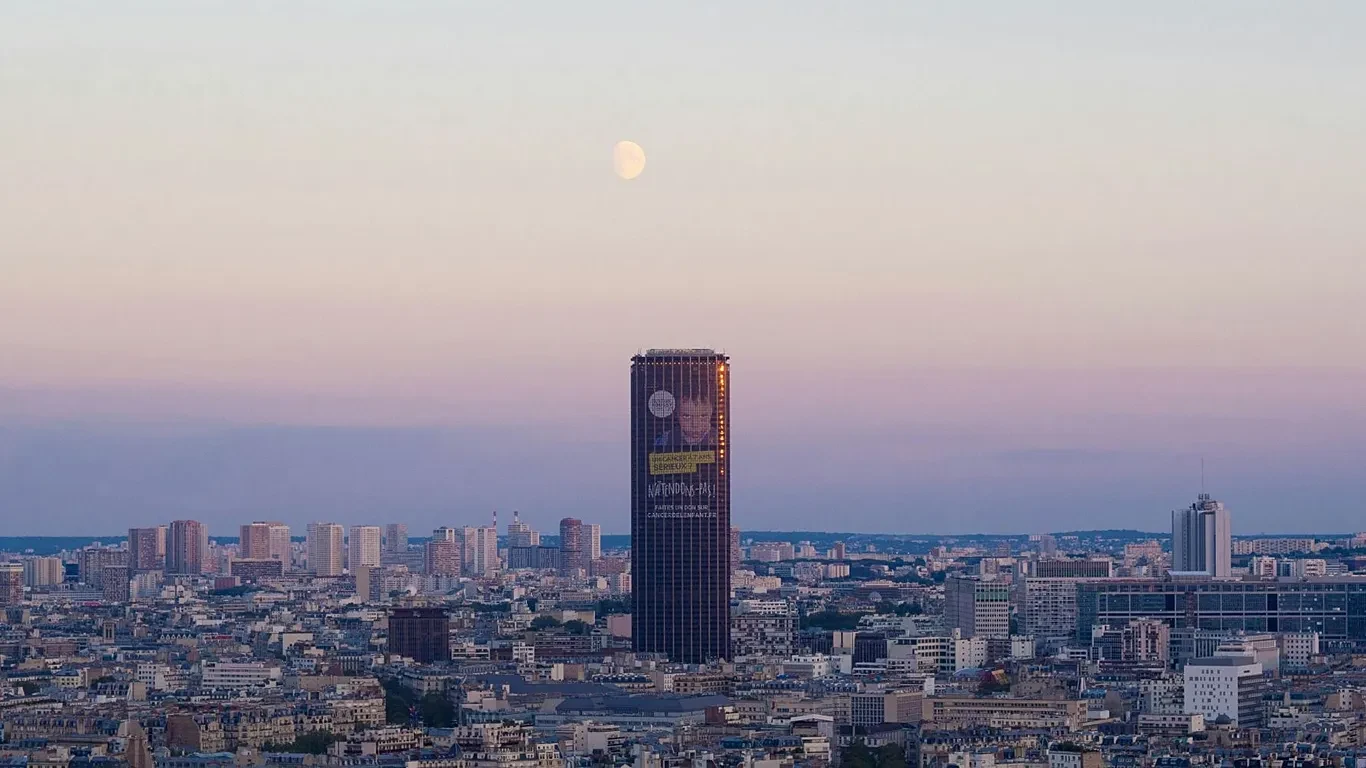

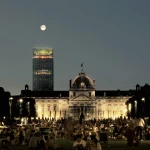
Paris’s Tour Montparnasse, the 210-meter office tower that has long divided opinion in the French capital, is finally entering a major phase of renovation after decades of debate and postponement. Built between 1969 and 1973 and designed by architects Eugène Beaudouin, Urbain Cassan, and Louis de Hoÿm de Marien, it was once the tallest building in France and remains the tallest within Paris proper. Its stark, monolithic presence overlooked the city’s classical skyline, drawing widespread criticism almost from the moment it opened.
From Controversy to Reinvention
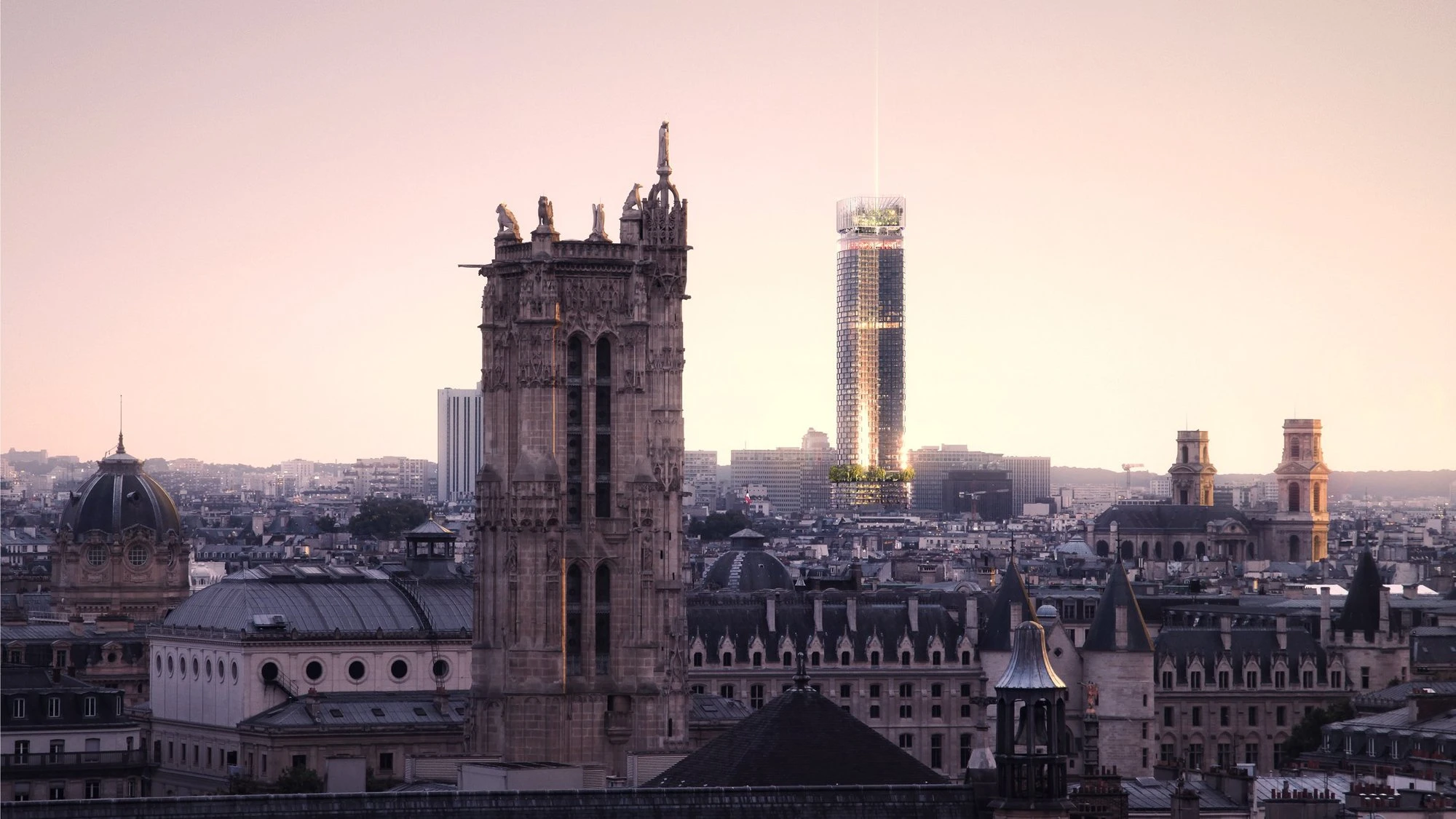
Tour Montparnasse stood as an architectural outlier in a city dominated by low-rise Haussmannian façades. Its dark, rectangular form and height made it both an office hub and an object of public derision. Parisians joked that the observation deck on its 56th floor offered the best view because it was the only place in Paris from which the tower itself could not be seen. The tower’s controversial impact was so strong that, just four years after its completion, strict height limits were introduced across central Paris, effectively banning similar skyscrapers in the city center for decades.
The Vision for Tour Montparnasse
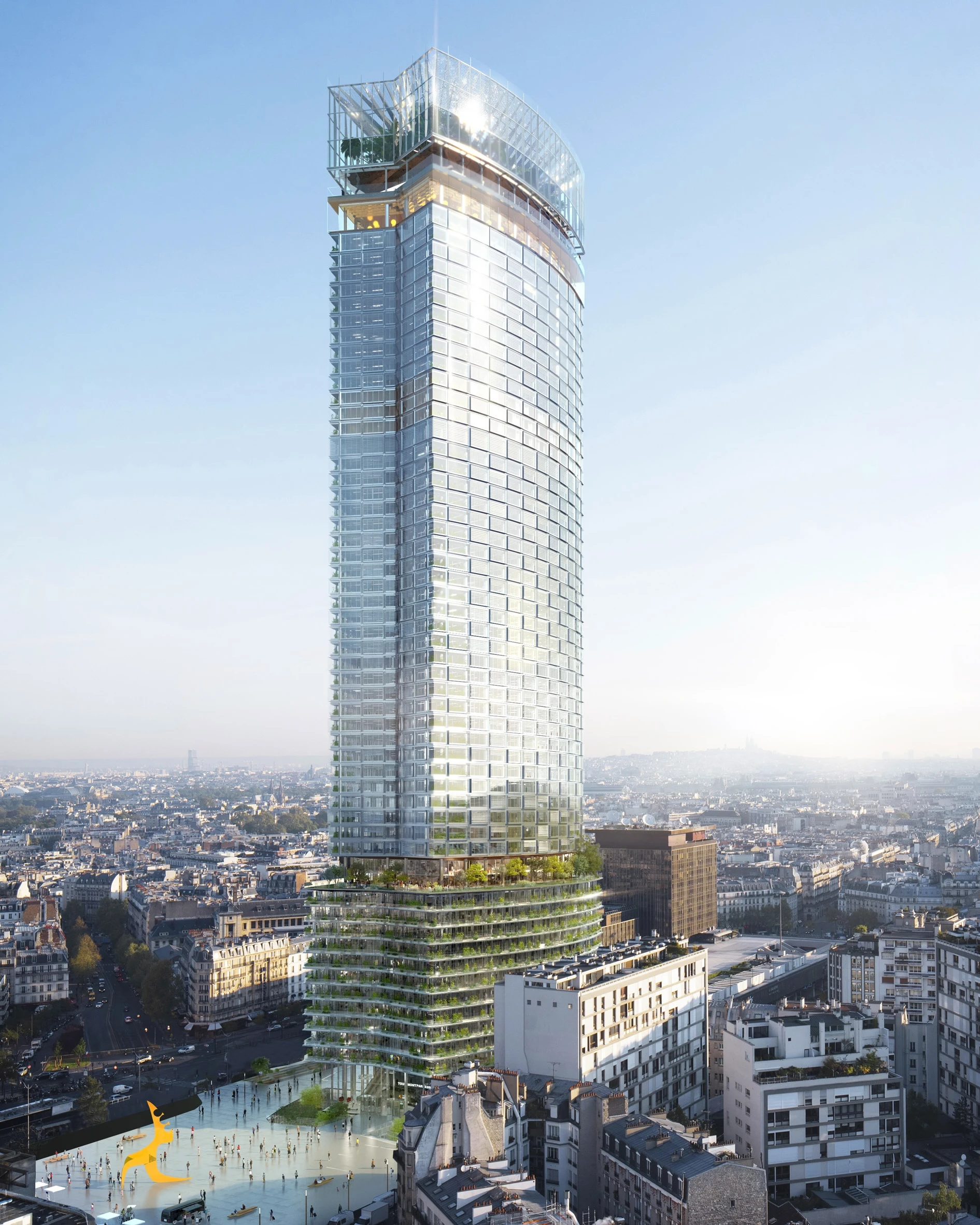
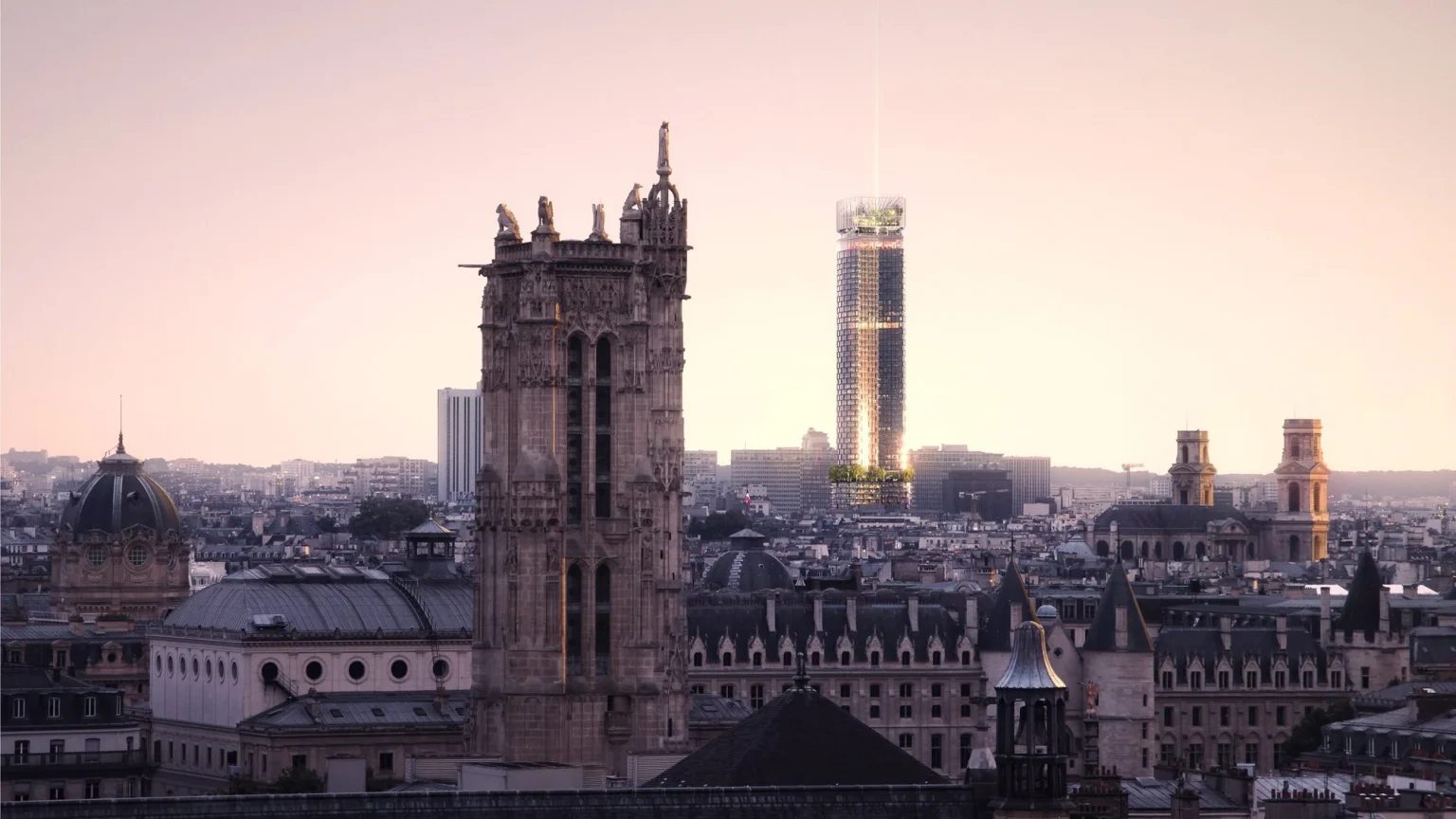
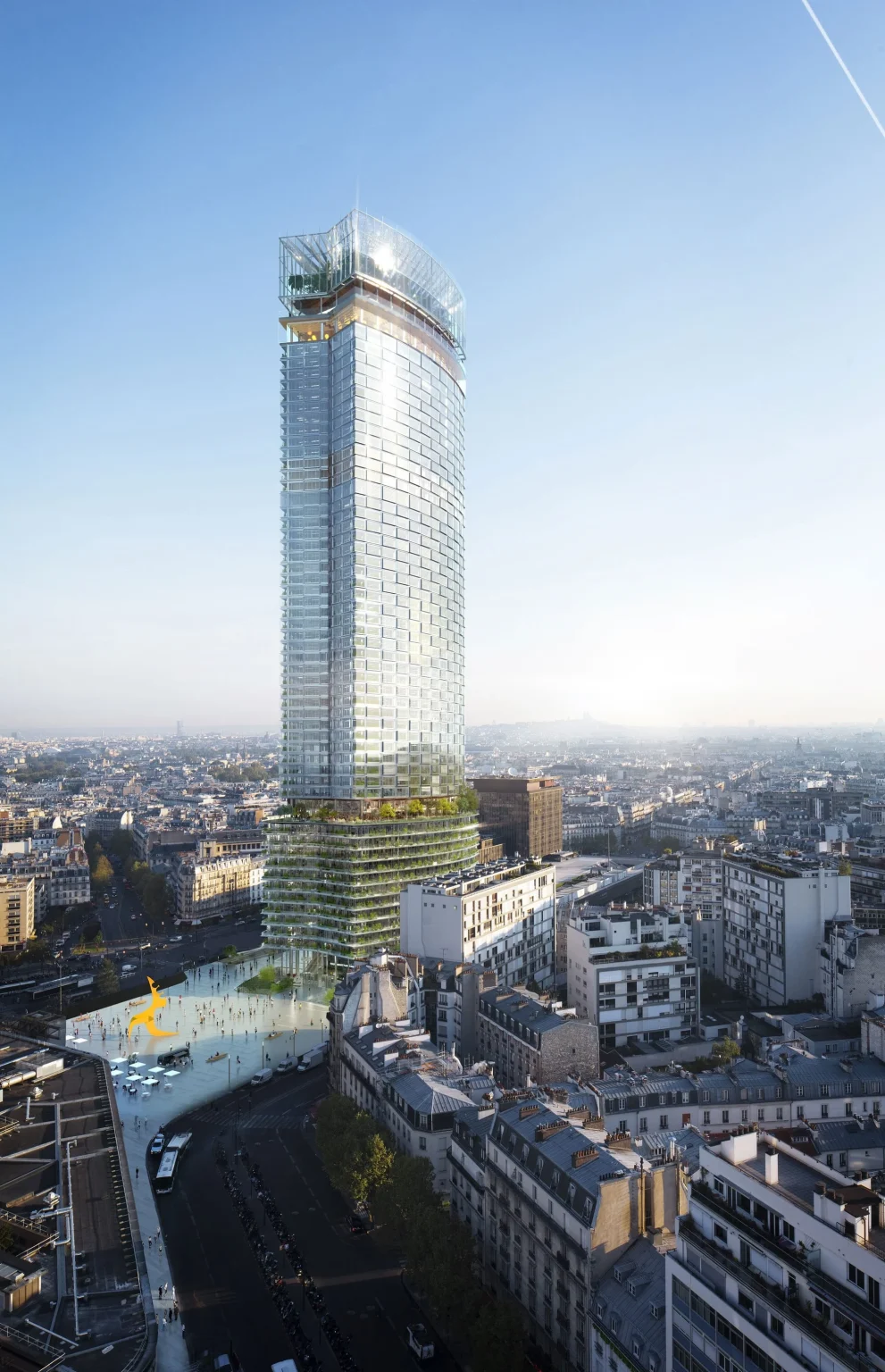
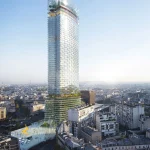
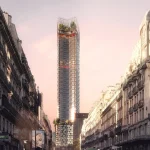
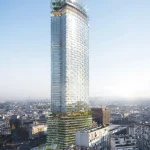
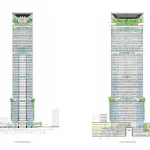
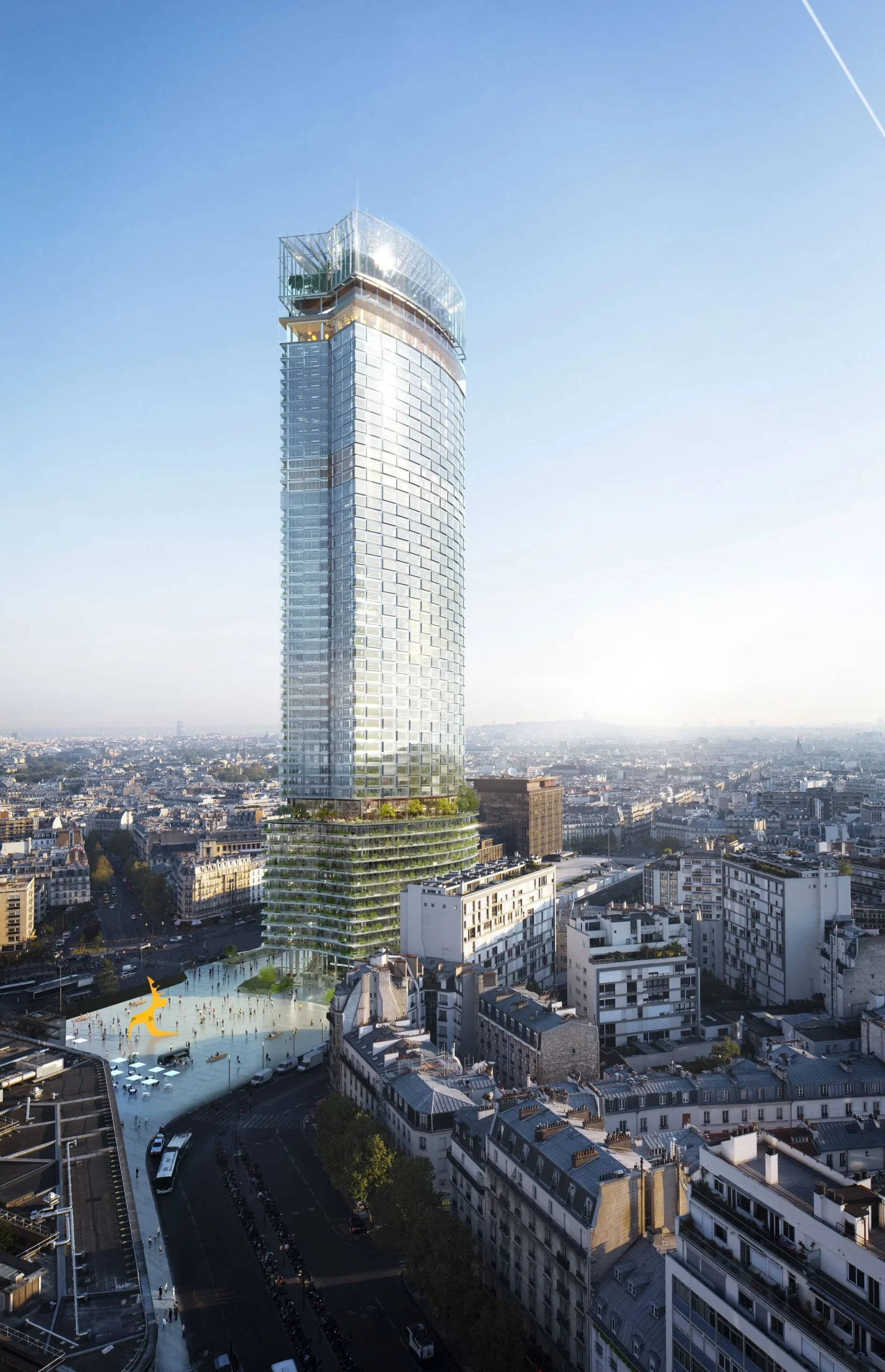
After years of stalled plans and shifting priorities, a comprehensive renovation is now underway. The project originates from a long-running international design competition launched in 2016, which was won by a consortium of French architects known as Nouvelle AOM. Their scheme calls for a radical transformation of the tower’s exterior, breaking up its heavy presence with a new façade, extensive greenery, and improved transparency. Much of the dark, smoked glass that has characterized the building will be replaced with lighter, clear glazing, helping the skyscraper incorporate more gently into the Paris skyline.
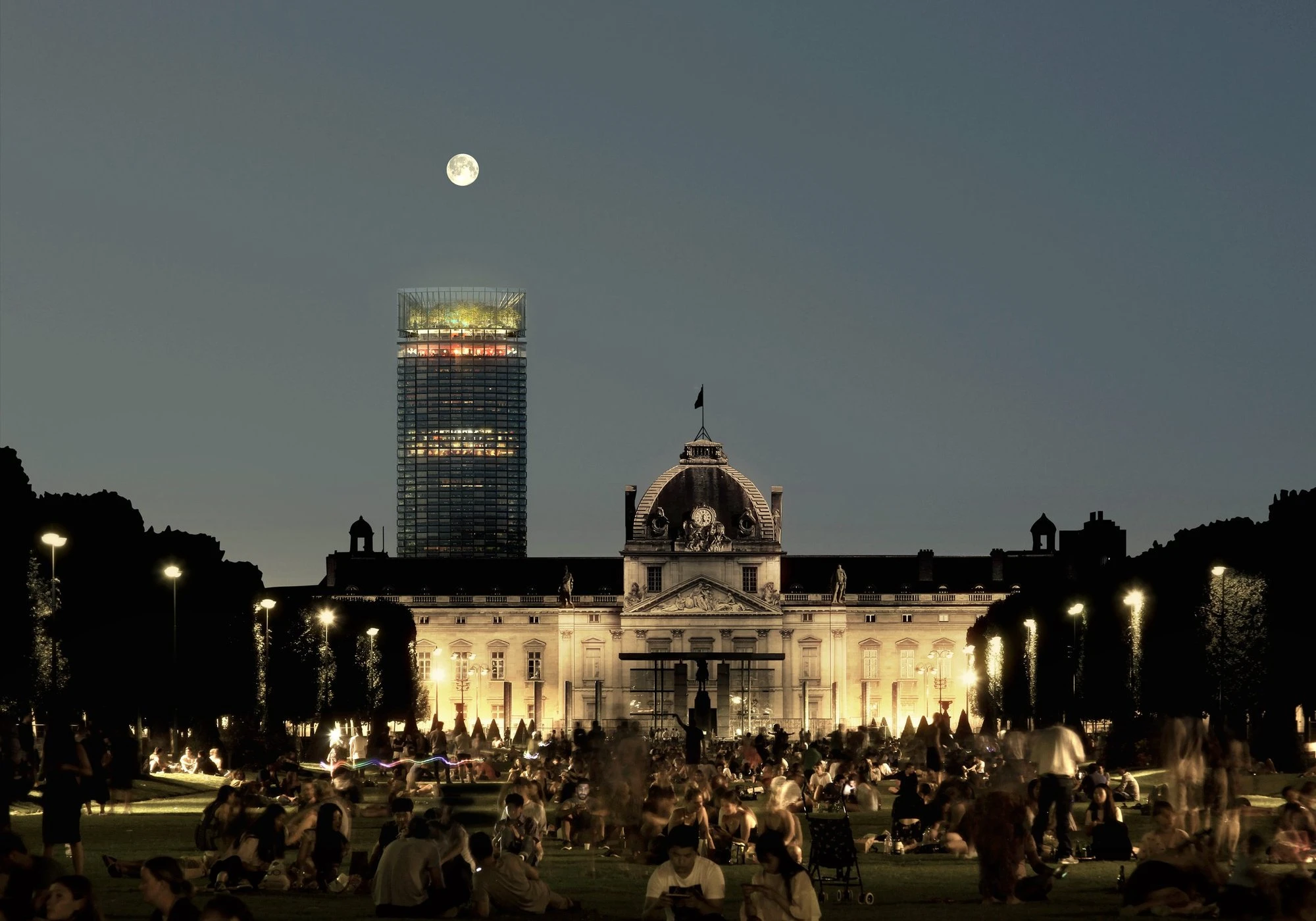
Key elements of the renovation include:
- Transparent façade: The existing envelope will be stripped and reclad with clear glass to lighten the building’s visual mass.
- Green terraces and sky gardens: Bands of planted balconies and rooftop gardens will soften the tower’s vertical lines and introduce greenery into the city’s skyline.
- Sustainability upgrades: The overhaul is designed to drastically reduce energy consumption and boost environmental performance, with systems for improved natural ventilation and possibly on-site energy generation.
- New rooftop spaces: The top floors are planned to host a large greenhouse and agricultural space, alongside viewing platforms that reinvigorate the tower’s role as a public destination.
Redesigning the Public Realm
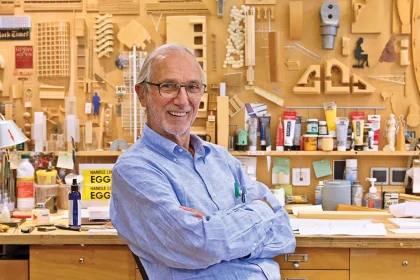
At its base lies a broad concrete podium and a largely deserted shopping center that once struggled to attract foot traffic. Internationally acclaimed architect Renzo Piano, known for his work on structures like the Centre Pompidou, has been commissioned to redesign this lower section. Piano’s vision reimagines the platform as an extension of the surrounding neighborhood, with pedestrian promenades, tree-lined piazzas, cafés, and cultural spaces that better connect the site to the urban fabric.
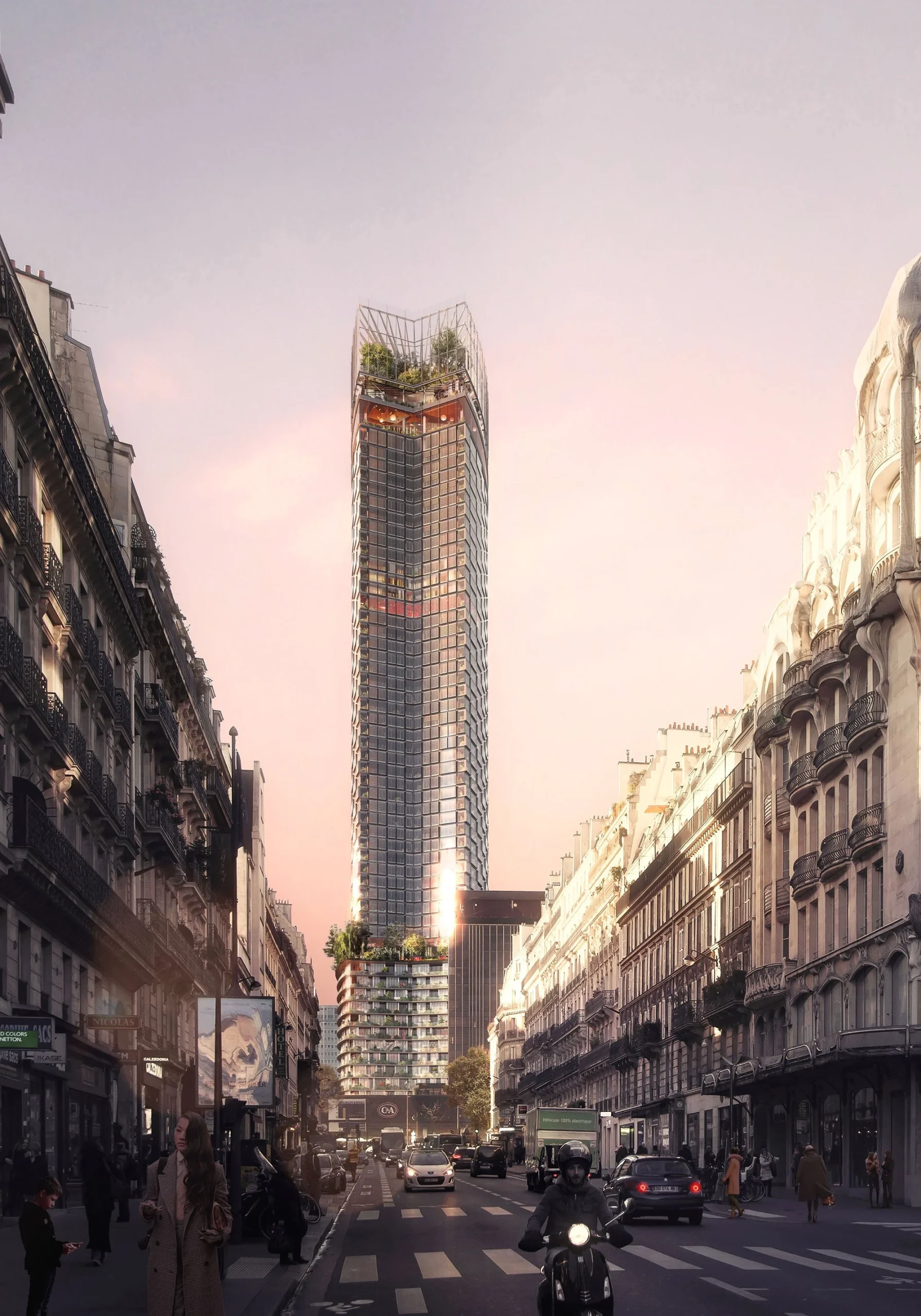
He stresses that the massive base can be repurposed to repair the city’s connection with the tower and overcome the sense that the structure is isolated and monolithic.
Challenges and Timeline
The renovation has faced significant delays for a long time. Earlier timelines had aimed for completion in time for the 2024 Summer Olympics in Paris; logistical challenges, including the removal of asbestos and the scale of redesign, pushed back the start of physical work. All tenants are scheduled to vacate the building by the end of March 2026 to make way for construction, which is now expected to continue into the late 2020s or early 2030s.
Cost estimates for the program have risen over time, with current projections running into the hundreds of millions of euros. Despite the financial and technical hurdles, municipal officials and designers remain committed to giving one of Paris’s most contentious buildings a sustainable second life.
Whether Parisians will come to embrace the renovated Tour Montparnasse remains an open question. After more than half a century of mixed feelings toward its original form, the goal of the renovation is to create a new architectural icon while integrating the tower more harmoniously into the city’s urban and cultural landscape. With a lighter appearance, greener features, and renewed public spaces, the project seeks to transform a structure once widely derided into a building that Parisians can finally accept as part of their skyline.