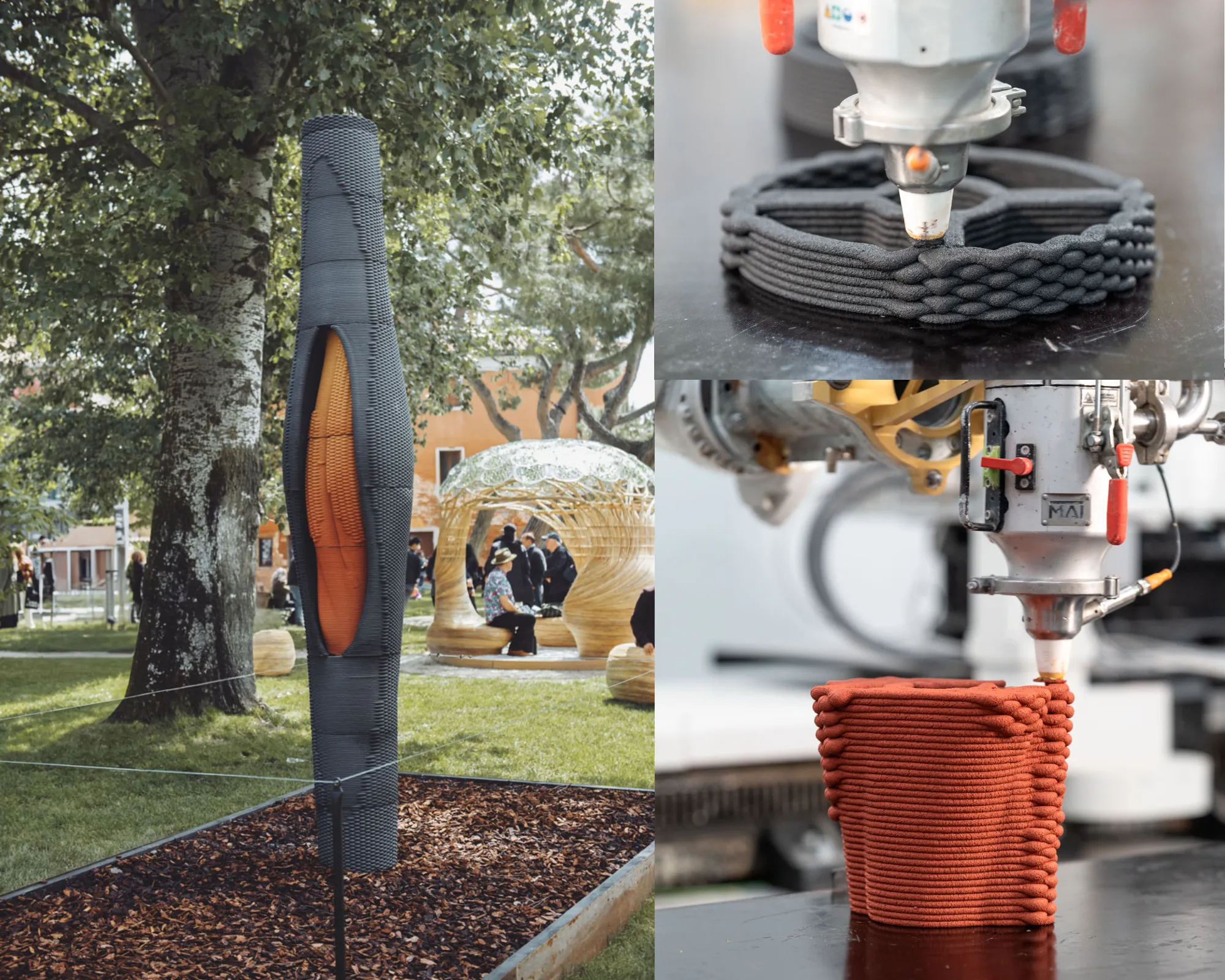
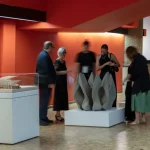
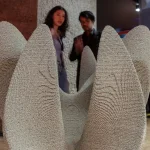
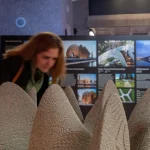
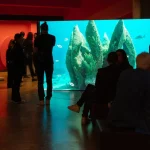
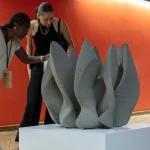
At the World Design Congress 2025, Zaha Hadid Architects shifted attention from skylines to shorelines with the debut of Nereid, a digitally fabricated marine habitat created using large-scale 3D printing. Developed in collaboration with D-Shape and the Hong Kong Science & Technology Parks Corporation (HKSTP), the project supports the restoration of Hong Kong’s North Lantau Marine Park and demonstrates how computational design and advanced manufacturing can provide scalable, data-driven solutions for marine biodiversity recovery.
Nereid: A Digitally Fabricated Habitat for Marine Life
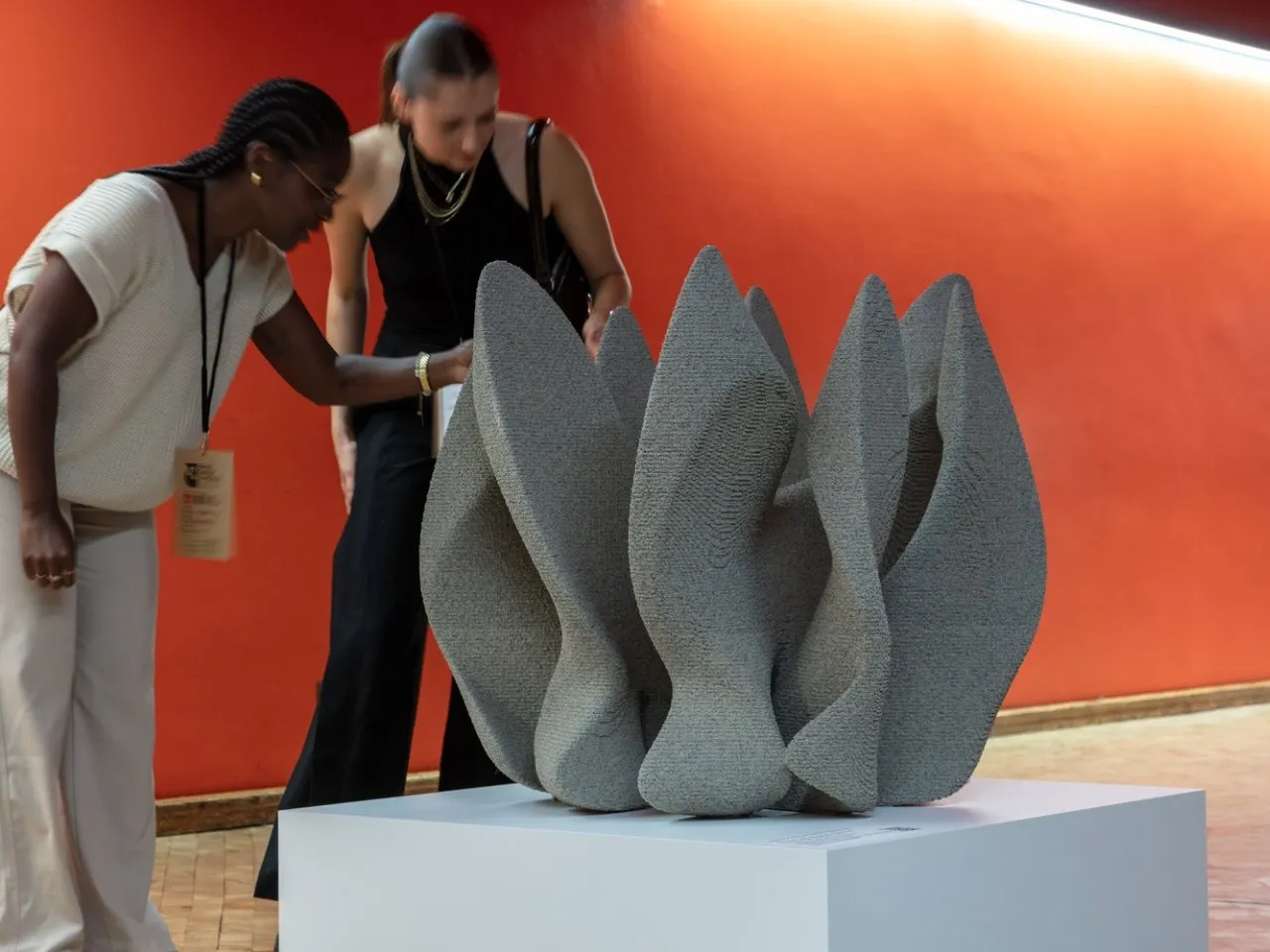
Hong Kong’s coastal ecosystems, home to the endangered Chinese white dolphin, suffered from urbanization, overfishing, and habitat loss, which gave rise to 3D-printed artificial habitats to reinforce marine diversity and restore ecosystems. ZHA collaborated with a marine physiologist, James Fang, to rebuild marine ecosystems and provide insight into scientific technicalities in observing their impact.
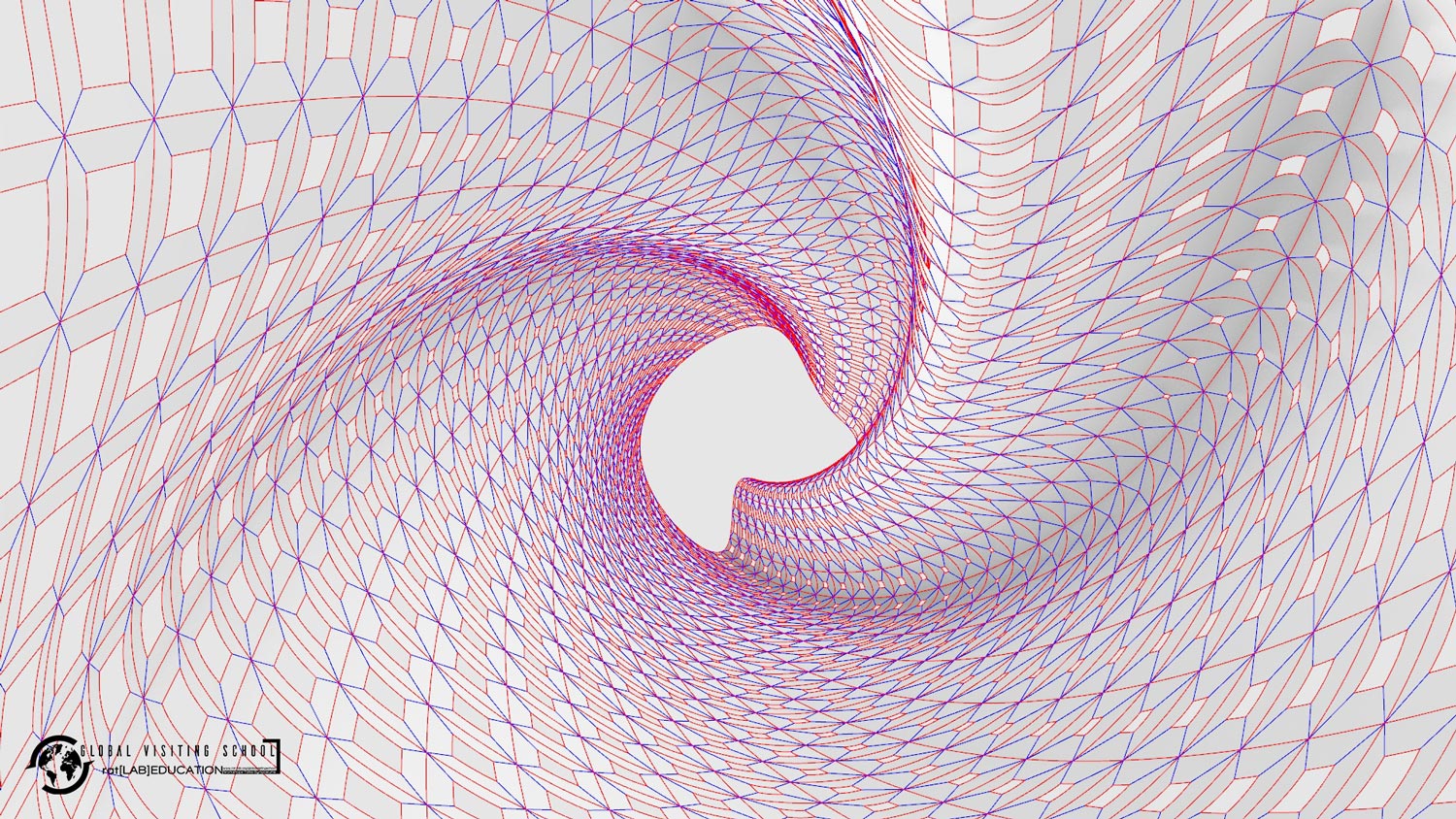
Parametric Algorithms Driving Ecological Design
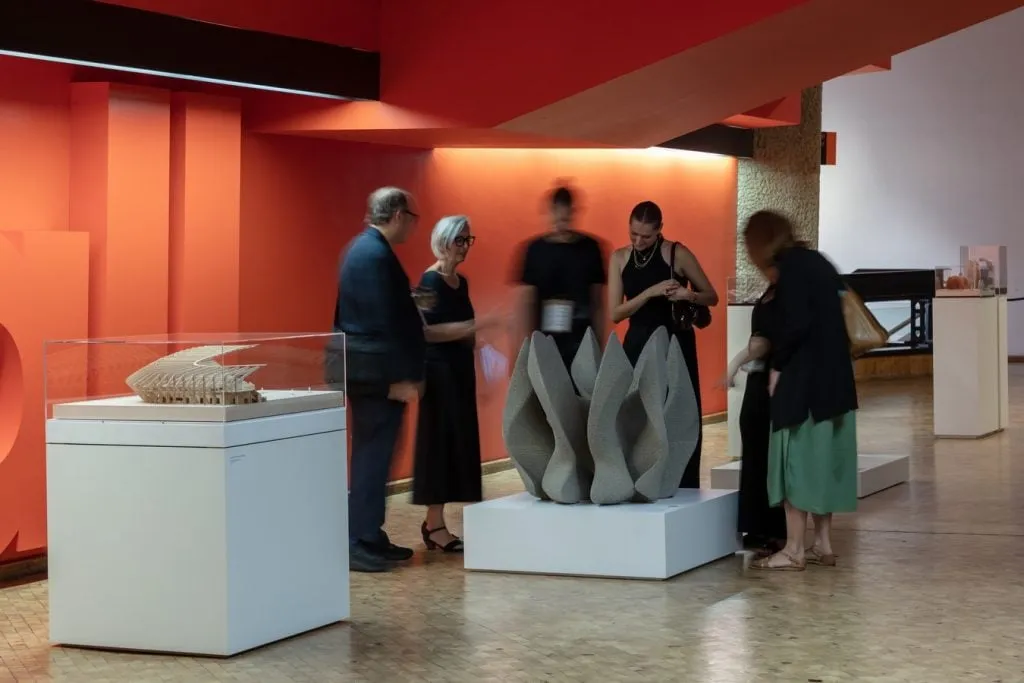
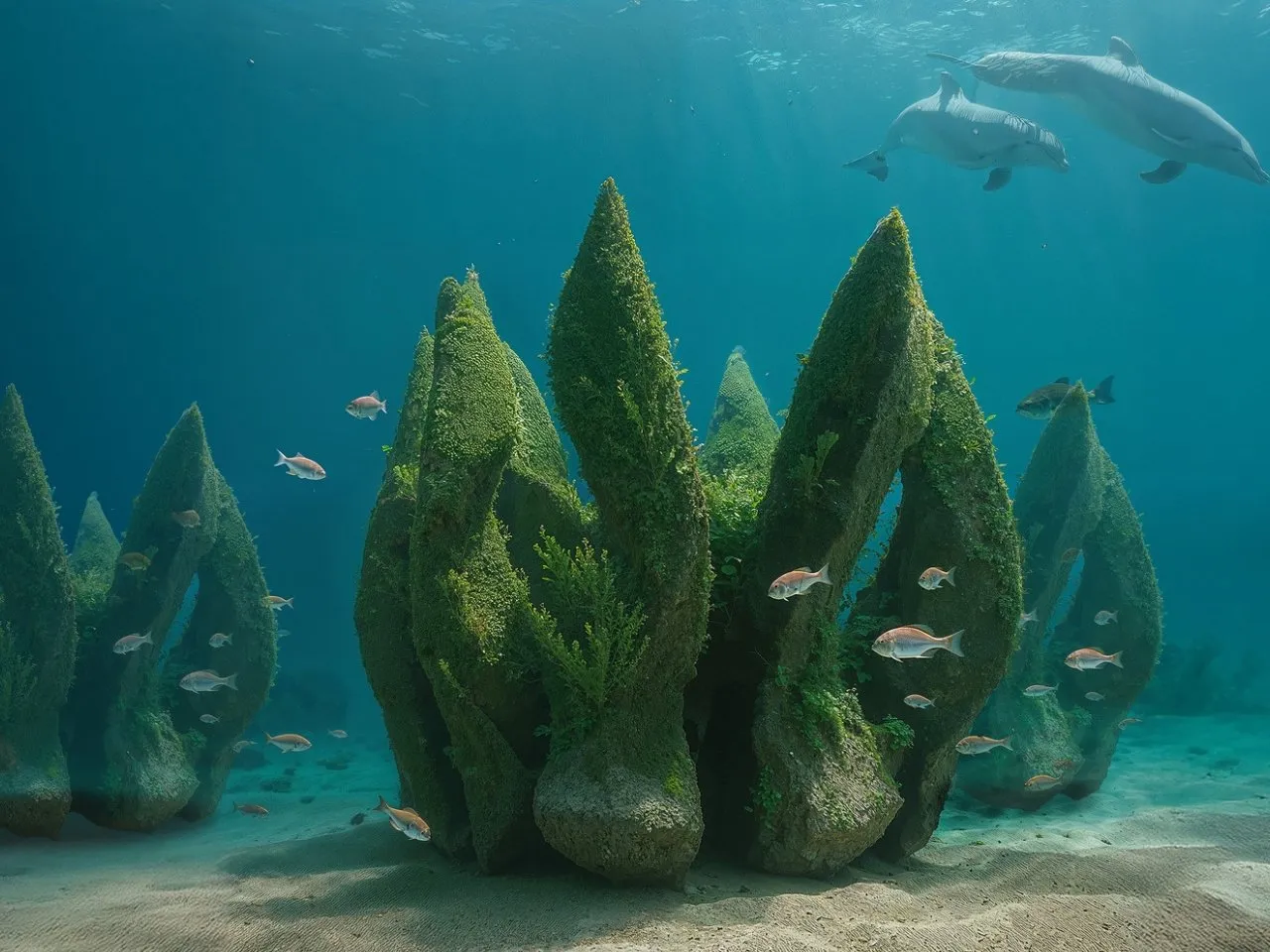
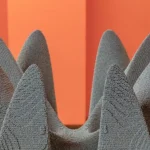
Envisioning the practical solutions for biodiversity loss, the project focuses on innovative solutions based on computational design and 3D printing to build habitats for local species, a biomimetic structure that replicates nature’s complexity. The concrete modules mimic natural reef textures and incorporate porous structure within internal cavities that encourage marine life colonization of phytoplankton, algae, barnacles, and filter-feeding shellfish—key organisms that form the foundation of marine food chains.
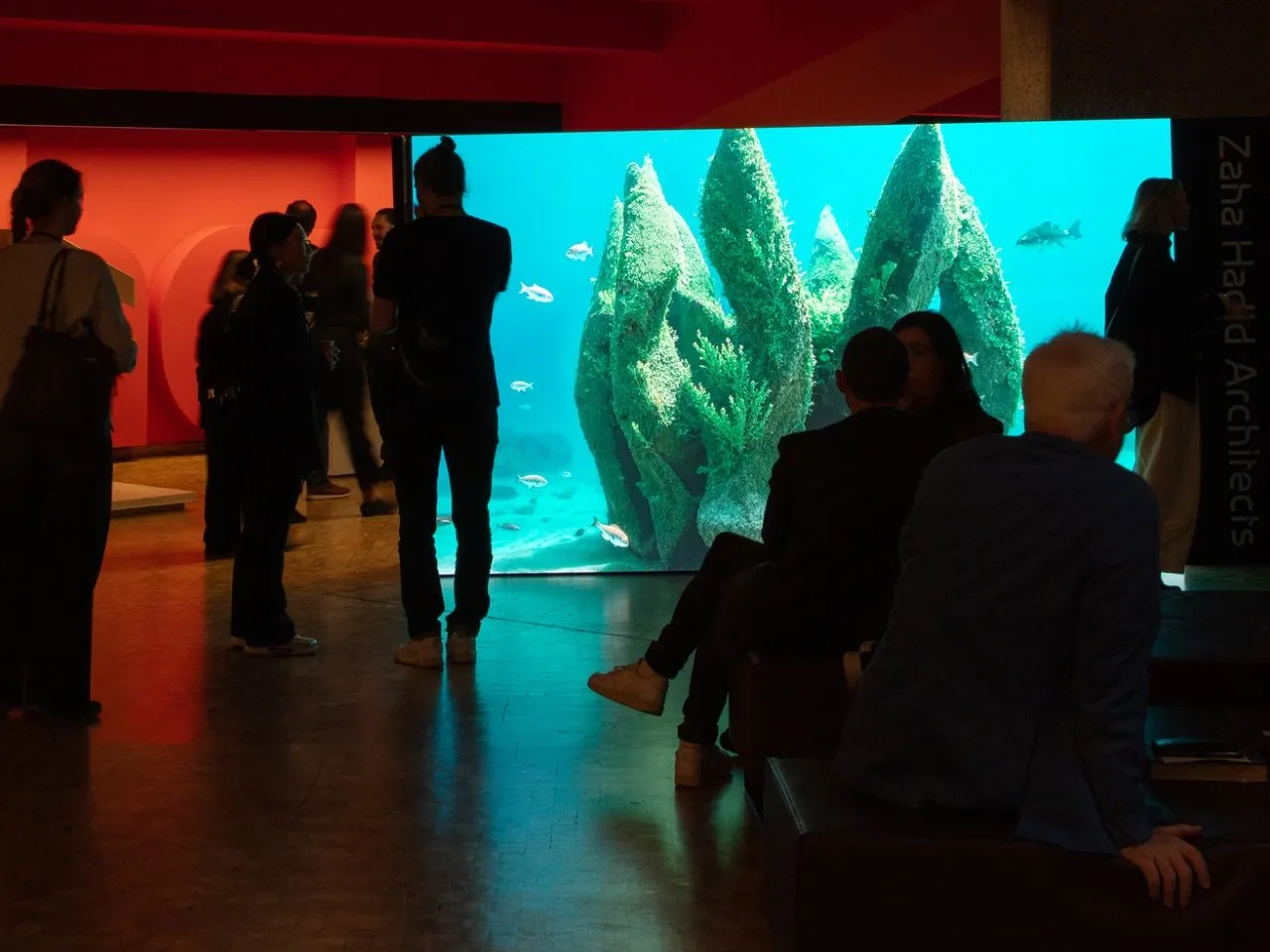
The Design Director at ZHA, Christos Passas, expressed his vision and shared how the design was guided by ecological needs and interdisciplinary collaboration, focusing on creating parametric forms to enhance environmental sustainability.
Scalable Solutions: Modular 3D-Printed Habitats
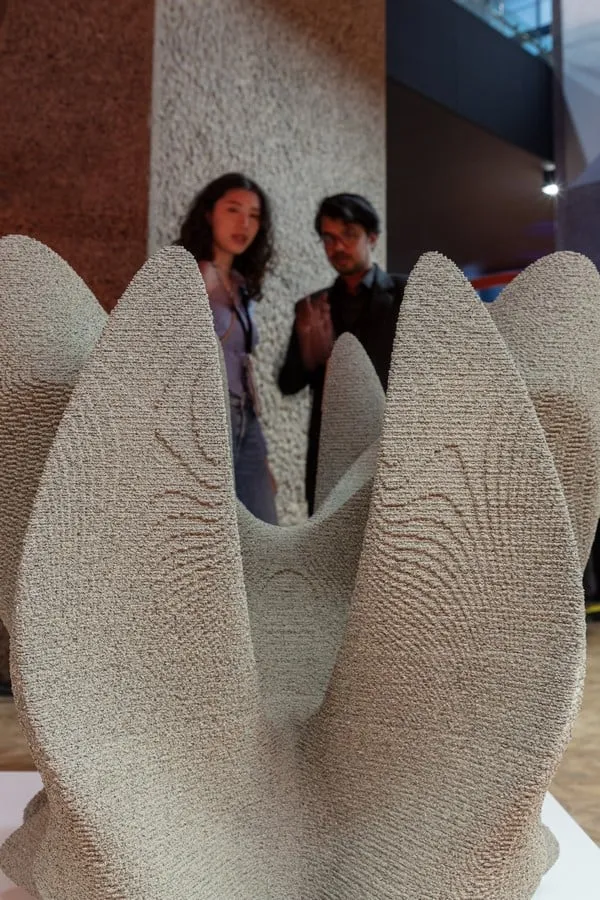
The prototype units are analyzed and generated through a rigorous design process and rely on parametric algorithms to generate complex shapes. The team researched and developed these printed prototypes with low-carbon, pH-neutral concrete paste for the marine environment to ensure ocean safety and durability with less carbon-intensive than conventional mixes in salt water. This thoughtful approach demonstrates how biodiversity intersects with architecture and innovation with ecological resilience.
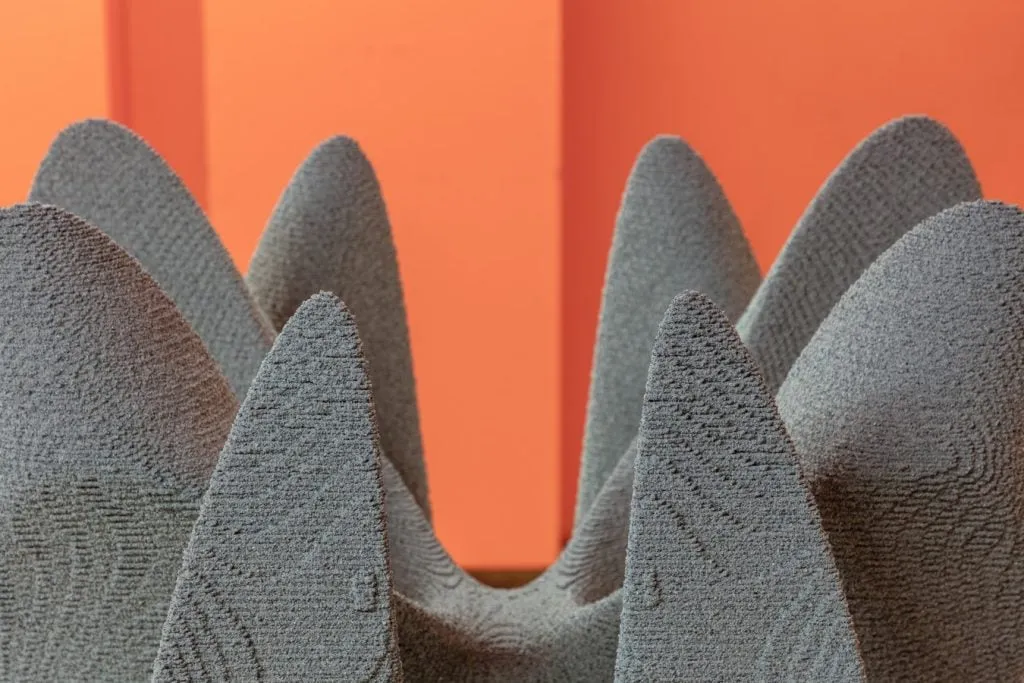
Nereid, a digitally fabricated cluster on the seabed, creates a porous interconnected network, optimized for hydrodynamic performance, enabling water flow through and around the habitats, delivering oxygen and nutrients while removing waste. The presence of internal voids in the structure shelters marine fish, and external surfaces encourage coral and algae settlement, also acting as a barrier to destructive practices.
Restoring Hong Kong’s Fragile Coastal Ecosystems
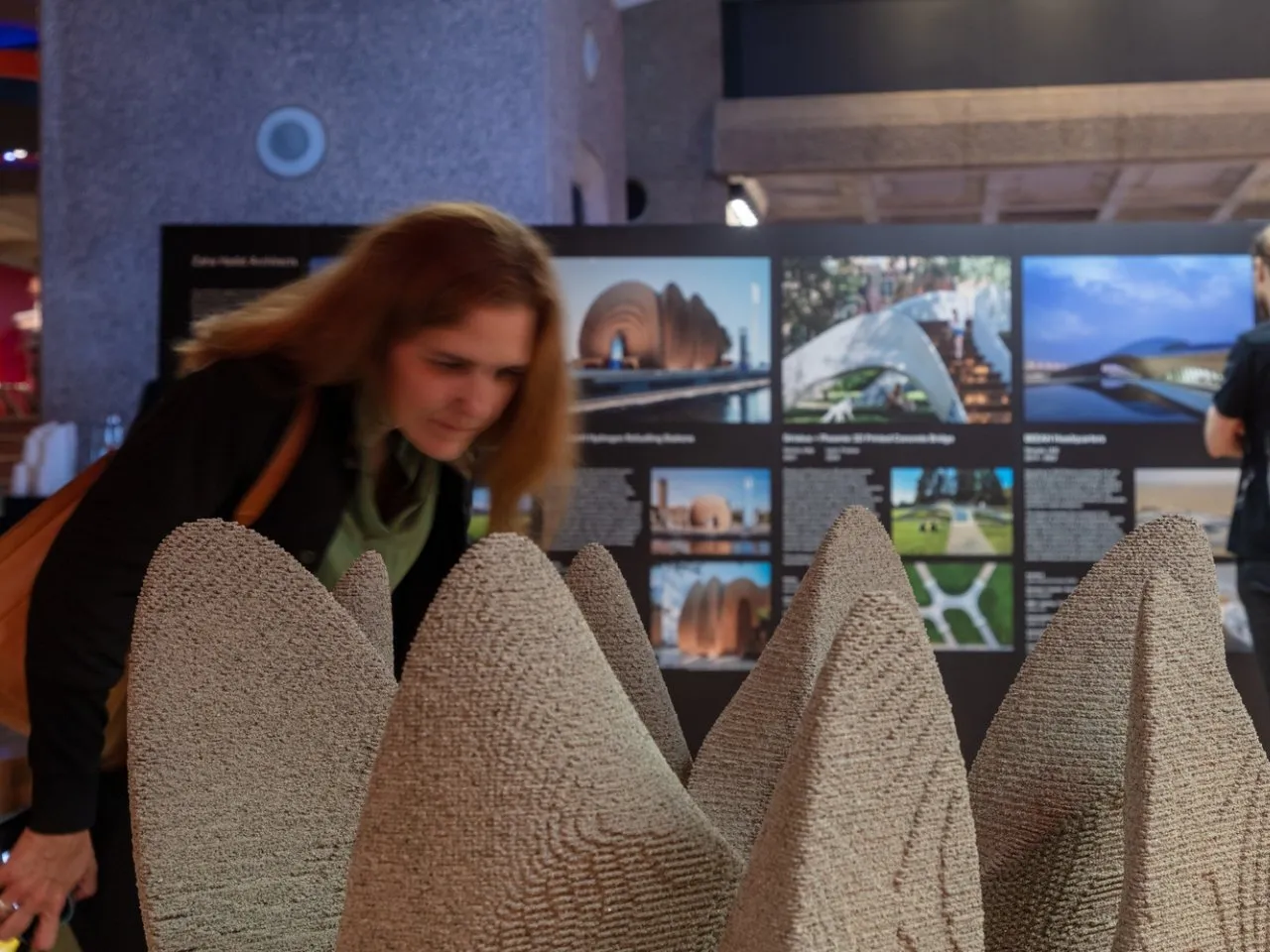
Large-scale 3D printing helps to create a physical habitat where nature and innovation coexist, transforming marine challenges, explained Mario Nuzzolese, Director at D-Shape. The Nereid highlights the necessity for environmental awareness and exemplifies how digital fabrication and cutting-edge techniques address ecological restoration.
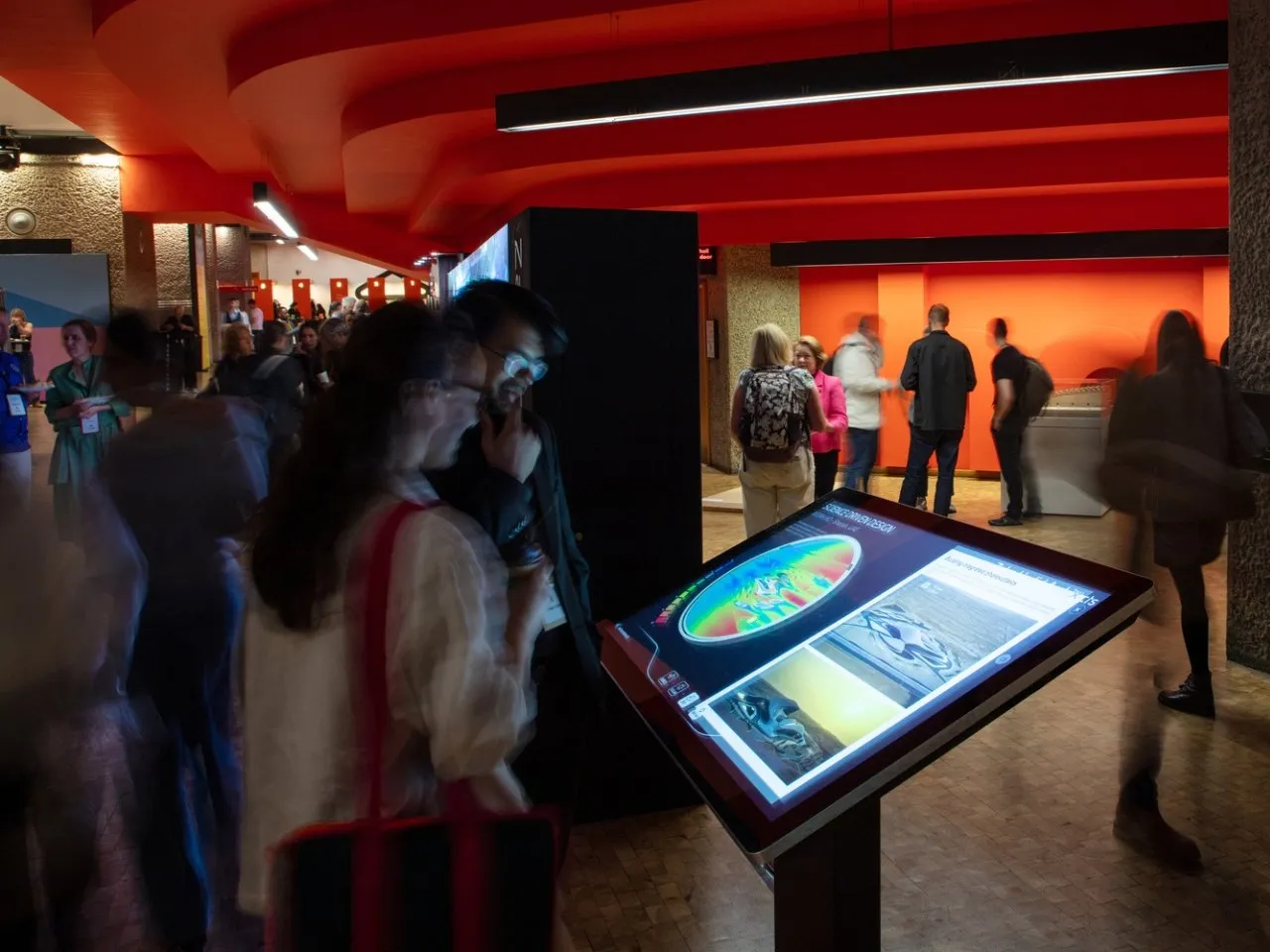
This collaborative project is a fusion of computational design, marine science, and sustainable materials, offering a prototype for a 3D-printed future and regenerative infrastructure. With precision of tools and clear vision, Nereid pushes the boundary in employing digital fabrication and advanced manufacturing techniques that mimic natural ecosystems.
Image credit: © Zaha Hadid Architects