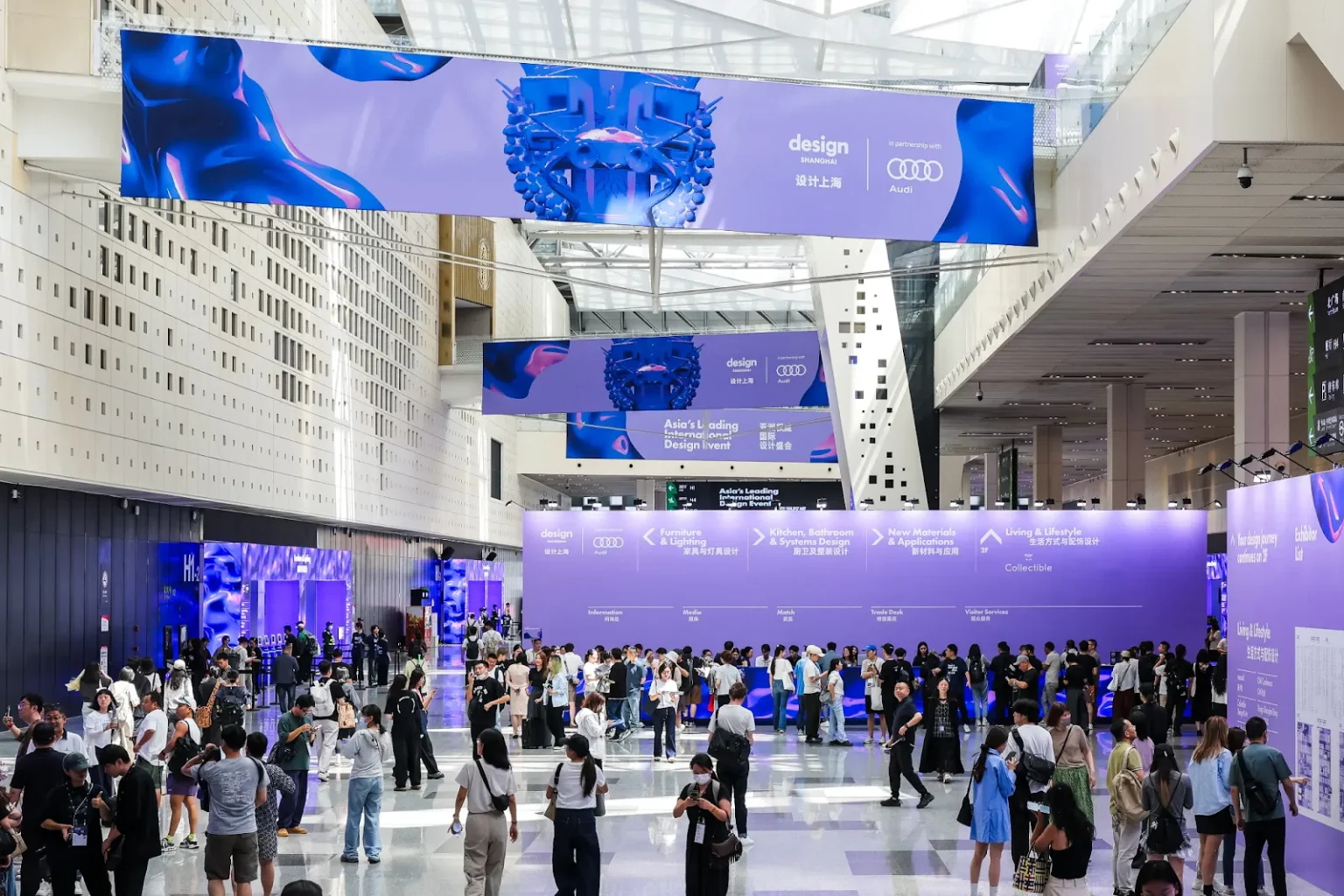


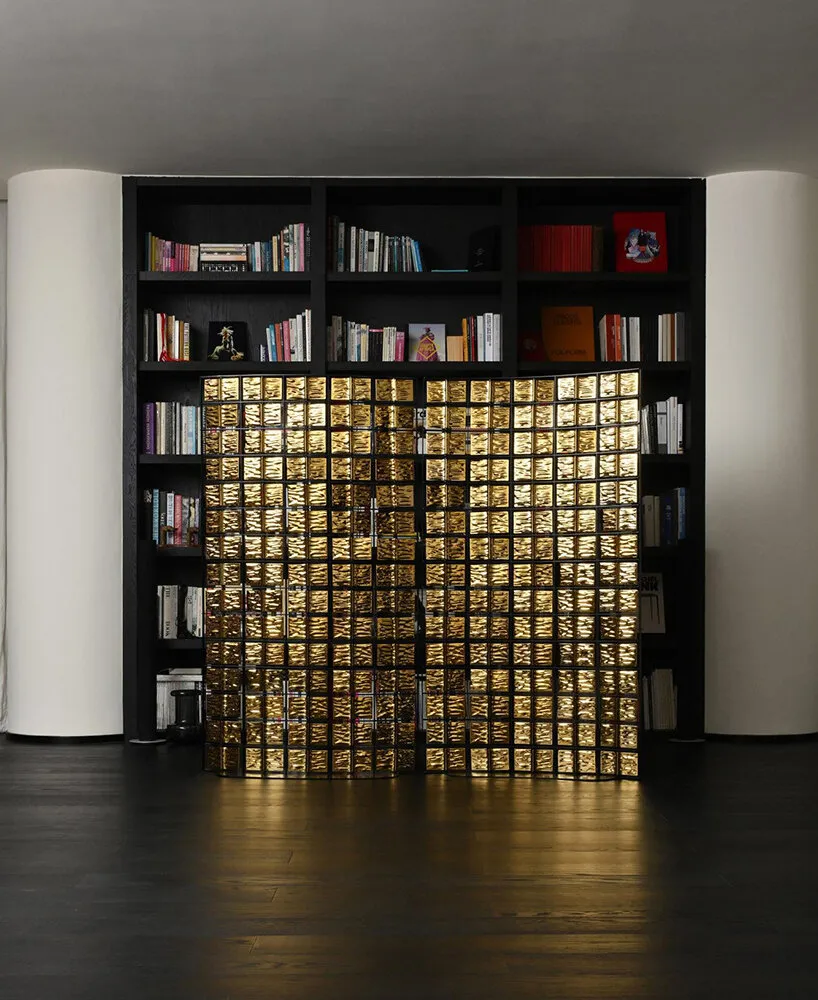





The 12th edition of Shanghai Design Week (Design Shanghai 2025) returned to the Shanghai World Expo Exhibition & Convention Center from June 4 to 7, 2025, drawing more than 80,000 visitors and over 600 brands from 30 countries. Positioned as Asia’s leading design fair, this year’s event revolved around the theme “Design for Humanity,” emphasizing the ways design can serve people, communities, and culture while addressing urgent issues such as sustainability, well-being, and the preservation of tradition in a rapidly modernizing world.
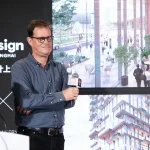
At its core, the fair highlighted how design must respond to both global challenges and everyday human needs. According to Zhuo Tan, Event Director, the theme was not just symbolic but a shared mission for all participants. Exhibitions and projects examined design’s role in sustainability, health, community building, and cultural continuity, setting a clear tone for the future of design practice. This broad focus translated into several dedicated sections across the fair, each addressing a different dimension of contemporary creativity.
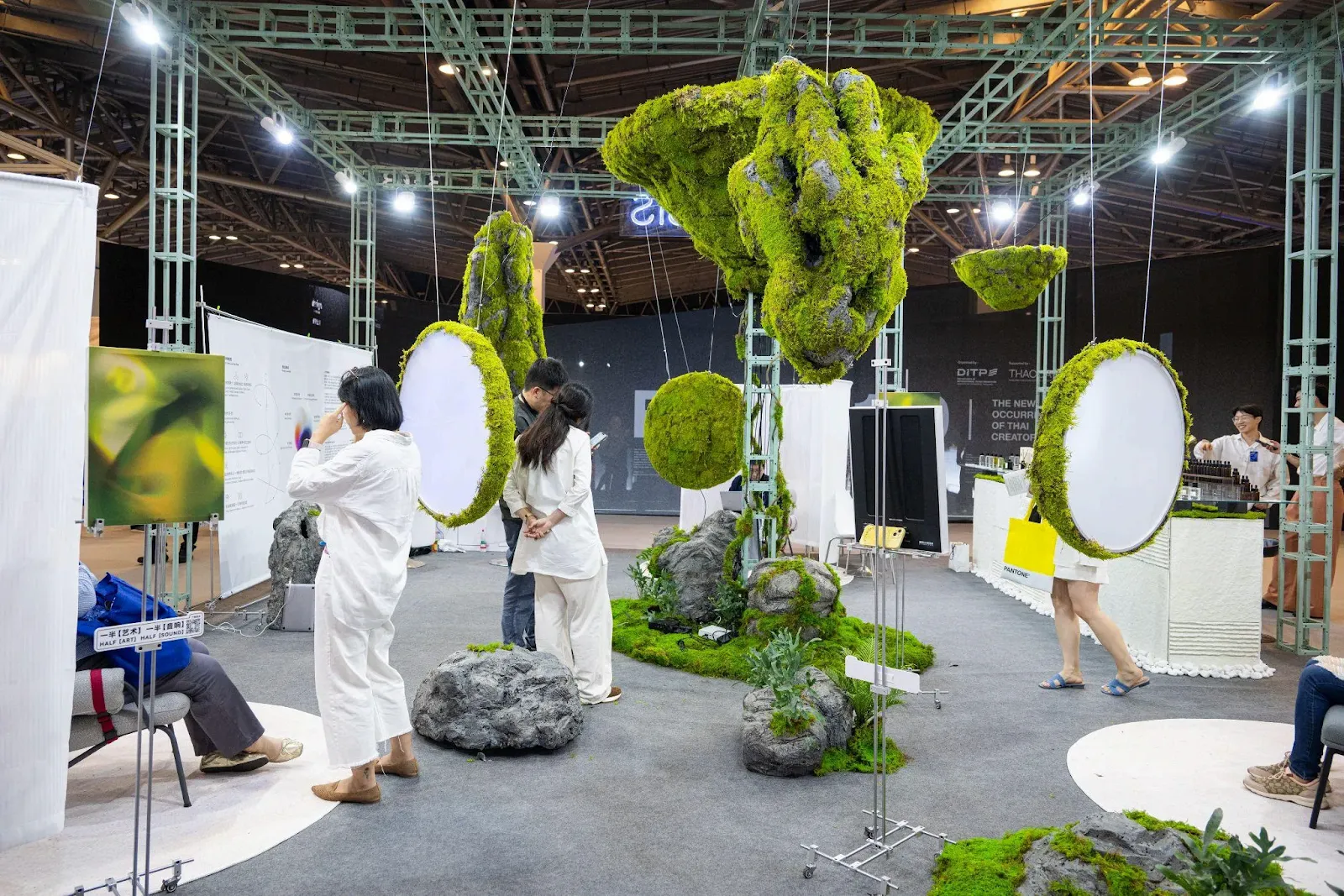
Alongside ecological concerns, Shanghai Design Week also delved into the relationship between design and emotional well-being. The UK-based studio Inoasis introduced the Future Emotional Refuge, an immersive installation combining brainwave technology, sound, and light to respond to users’ real-time emotional states. Built on research from neuroscience, clinical psychology, and ecological design, this project pointed toward a future where spaces themselves adapt to human emotions.
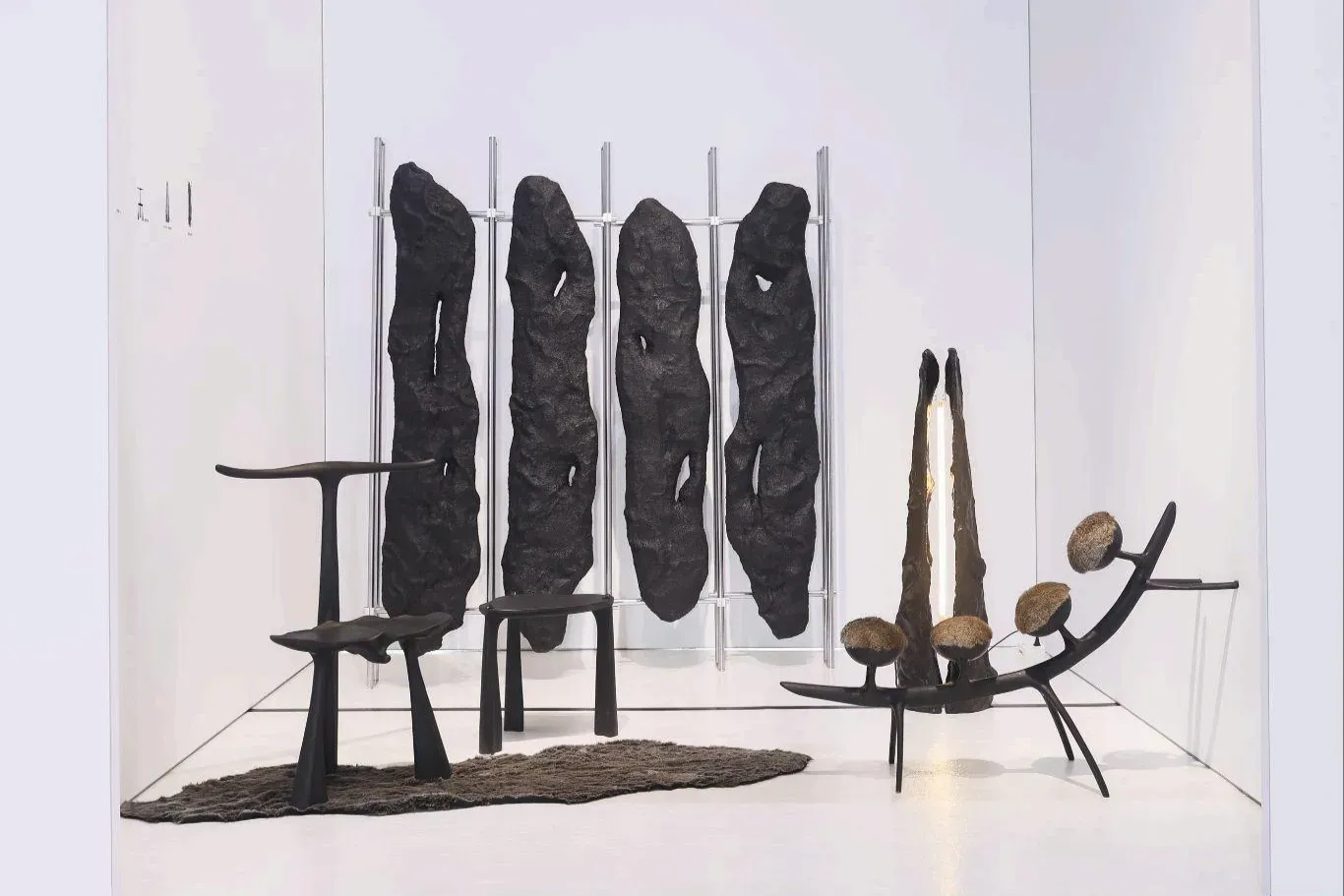
The notion of “design for wellbeing” was further amplified through the Design for Wellbeing Conference, where experts from healthcare, architecture, and workplace design discussed how to build environments that promote resilience, community, and psychological balance.
Shanghai Design Week 2025 Conferences: Global Creativity, Materials Innovation, and Wellbeing
Conferences were once again a cornerstone of the event, with three major series shaping the intellectual framework of the fair: the Global Design Conference, the CMF Conference, and the Design for Wellbeing Conference.
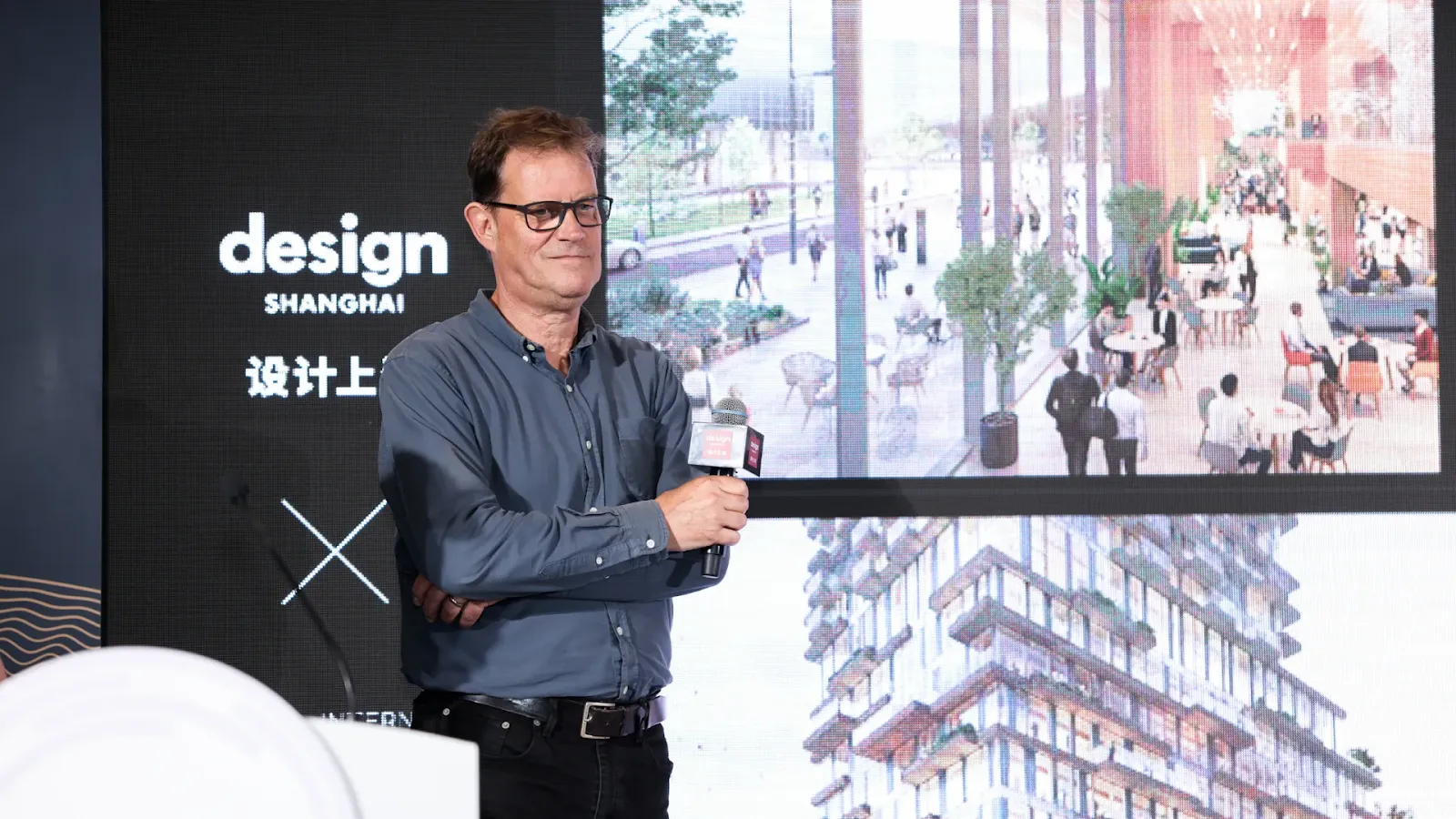
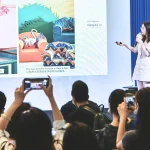
The Global Design Conference addressed one of the most pressing questions in the creative industry: the relationship between human and machine creativity. Speakers such as Iris Pan (Amazon XR & AI), Craig Miller (Heatherwick Studio), Mo Zheng (AntiStatics), Siu Tang (The Orangeblowfish), and others debated the distinct value of human insight in an age increasingly influenced by AI.
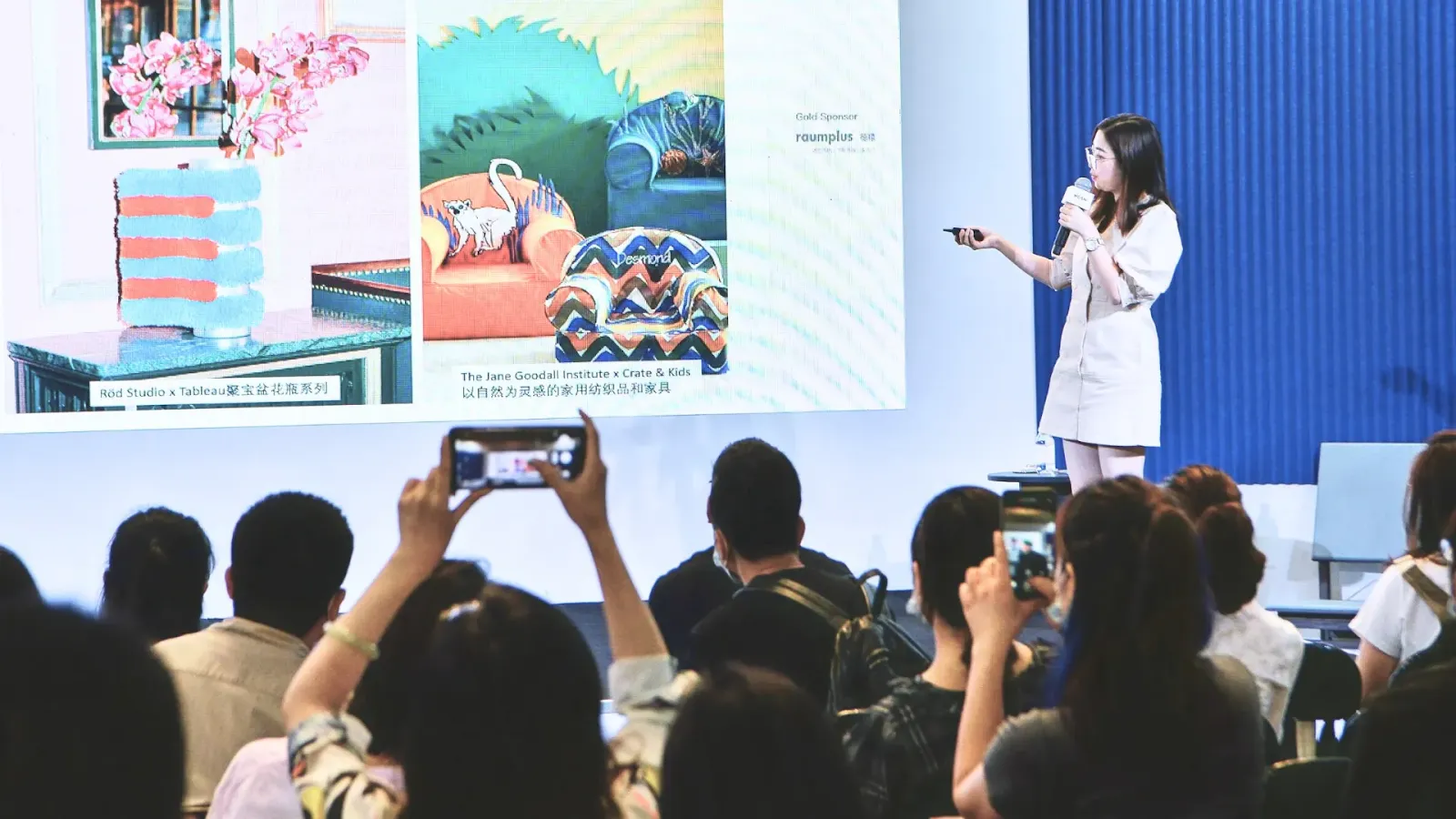
Meanwhile, the CMF Conference spotlighted color, materials, and finish as vital components of human-centric design, while the Wellbeing series explored ways to align design more closely with the needs of people in both domestic and professional spaces.
TALENTS 2025: Emerging Designers Confront Global Conflicts
Shanghai Design Week 2025 also gave considerable attention to the next generation of design voices through TALENTS, a platform launched in 2020 to support emerging talent. Marking its fifth edition with the theme “Confront Conflicts,” TALENTS asked young designers to reflect on a world shaped by political, technological, and ecological tensions. Standout works included the Rong Table by Bingqing Studio, which used Longquan celadon ceramics to visualize glacial retreat, and Lunar Gleam by Studio RE+N, a modular lighting series using recycled aluminum and 3D-printed materials.
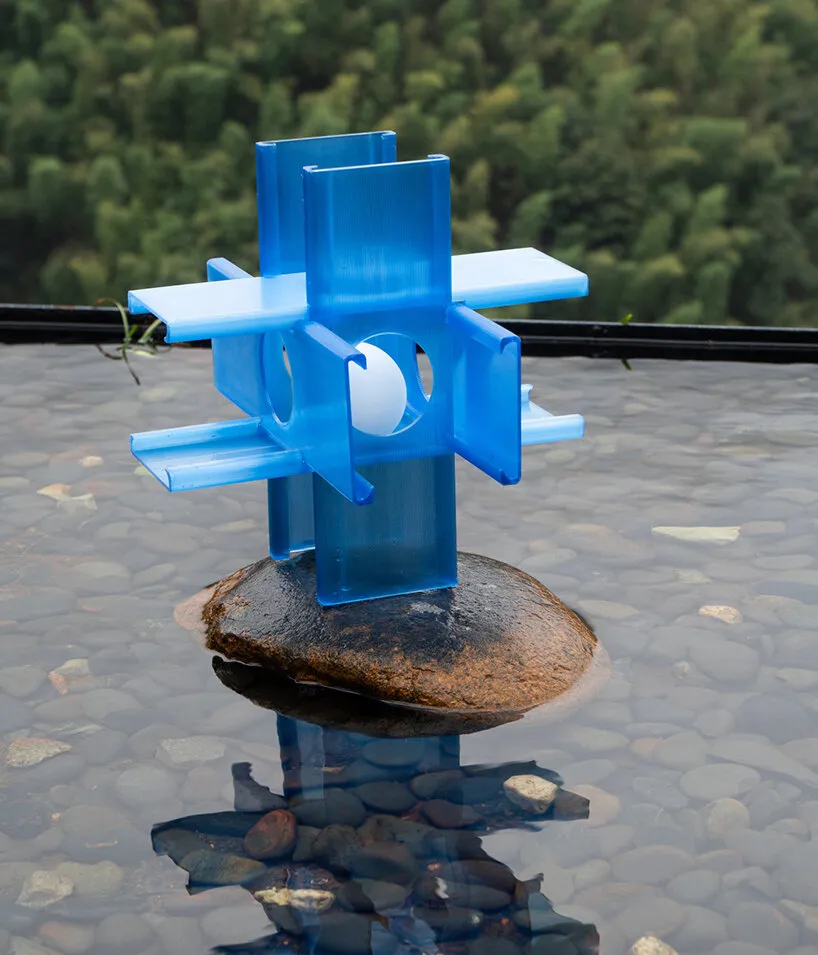
Awards recognized projects such as Objets Mito by Abid Javed (UK), a biomorphic ceramic vessel series, and Masaya Kawamoto Design (Japan) for the best commercial product. These projects demonstrated how young designers are merging sustainability, storytelling, and craft to confront global uncertainty.
Another significant thread running through the event was the intersection of tradition and modernity. The Made in Jingdezhen feature brought renewed attention to the porcelain capital of the world, showcasing mixed-material works from studios like Moonline, Studio Bay, and Correct vs Incorrect. Similarly, the neooold: Mass Wonders exhibition curated by Chen Min celebrated the artistry of 20 young Chinese craftspeople in lacquer, ceramics, metalwork, and weaving.
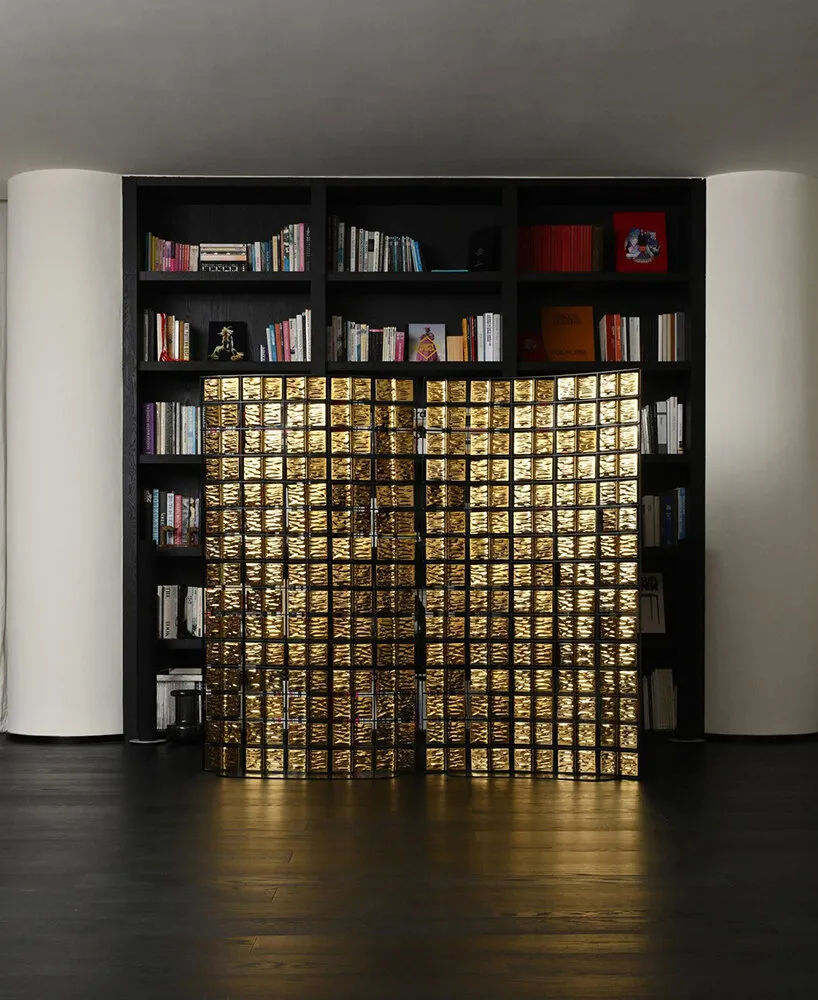
A highlight from the conference program was Yutaka Terasaki of Kengo Kuma and Associates, who presented the UCCA Clay Museum, a project built on the grounds of former ceramic factories in Yixing, demonstrating how adaptive reuse can preserve heritage while creating cultural hubs. These features underscore how traditional techniques can remain relevant when reinterpreted for contemporary contexts.
Collectible Design & Art
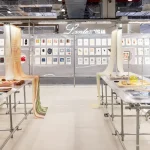
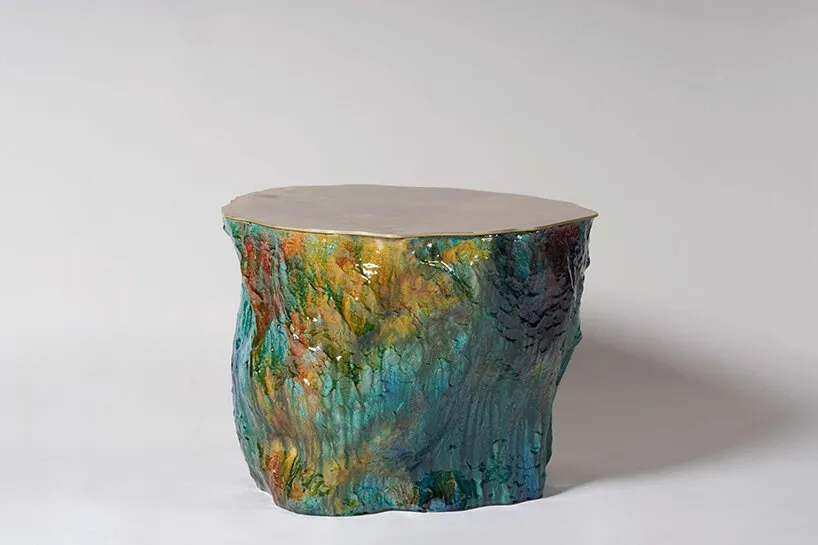
2025 also marked the debut of Collectible Design & Art, a platform bridging art and functional design. With contributions from 20 galleries, including Langblink, Champochic, Deep Time Art Museum, and Ivory Gate, the exhibition emphasized one-of-a-kind, story-rich objects over mass-produced products. Highlights included Li Yan Xun’s “Wood No.5” series, ceramic side tables inspired by tree stumps, and Chengyan Lacquerware Studio’s Practicality cups, made using the labor-intensive xipi lacquer technique. This initiative reflected a growing appetite in China for collectible pieces that combine historical craft with modern experimentation.
Furniture & Lighting: Global Icons and Chinese Innovation
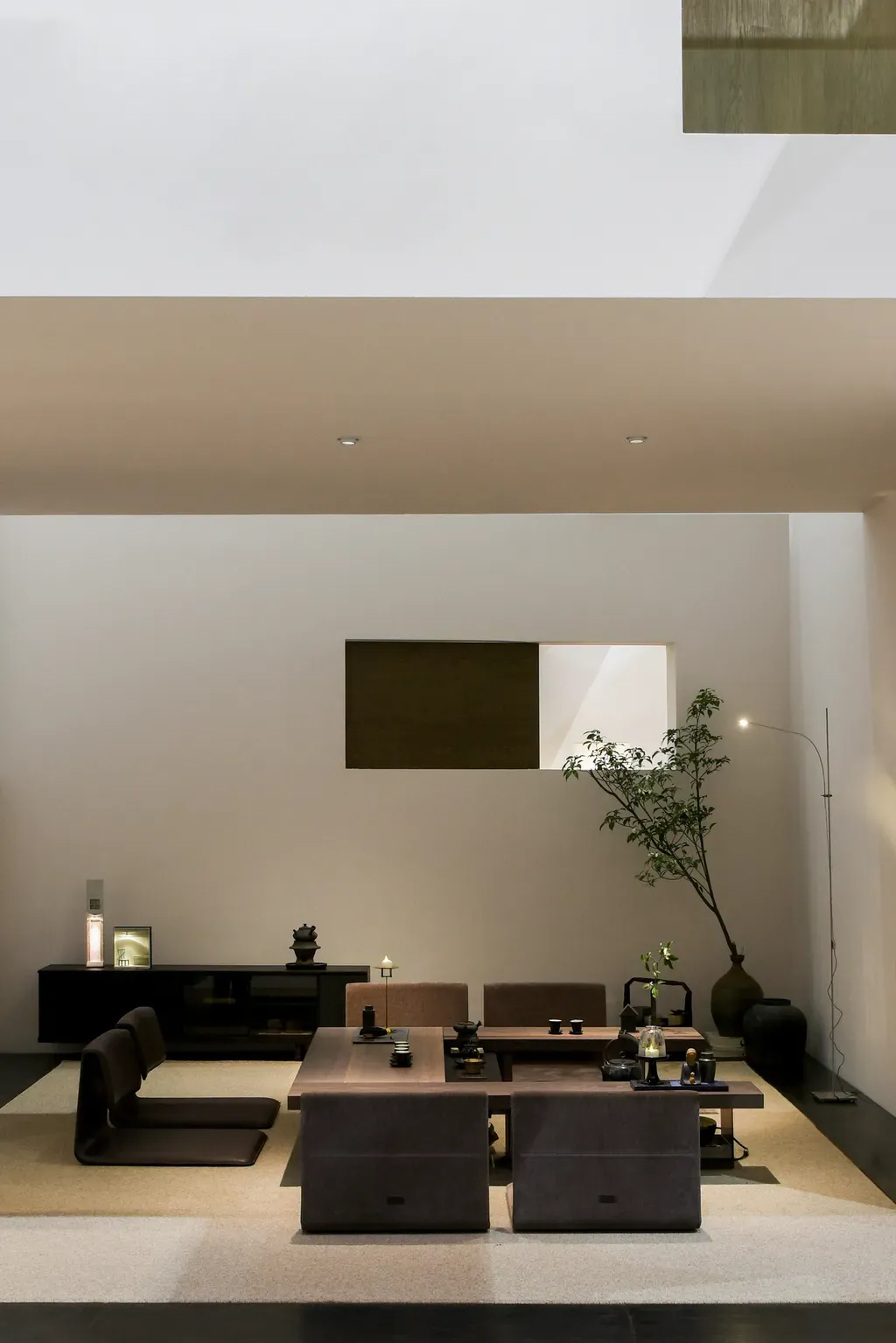
The Furniture & Lighting section showcased an impressive mix of heritage brands and contemporary design. Global names such as Vitra (Switzerland), Lalique (France), RS Barcelona (Spain), and Bulo (Belgium) presented collections that merge timeless craftsmanship with cutting-edge innovation.
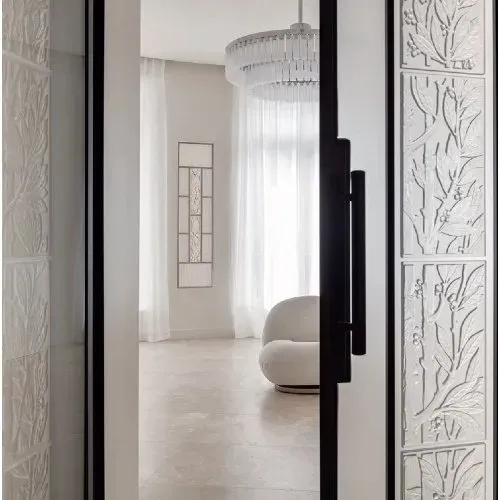
On the domestic side, Chinese brands like Urbancraft, U+, and the Frank Chou Collection explored cultural symbolism and modern reinterpretations of traditional forms. Notable highlights included GUBI’s limited-edition 9602 Floor Lamp, created in collaboration with Parisian textile house GARRO ÉDITIONS, which blended Finnish and British modernist influences.
Kitchen & Bathroom Design: Function Meets Lifestyle
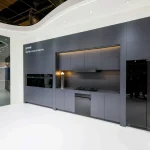
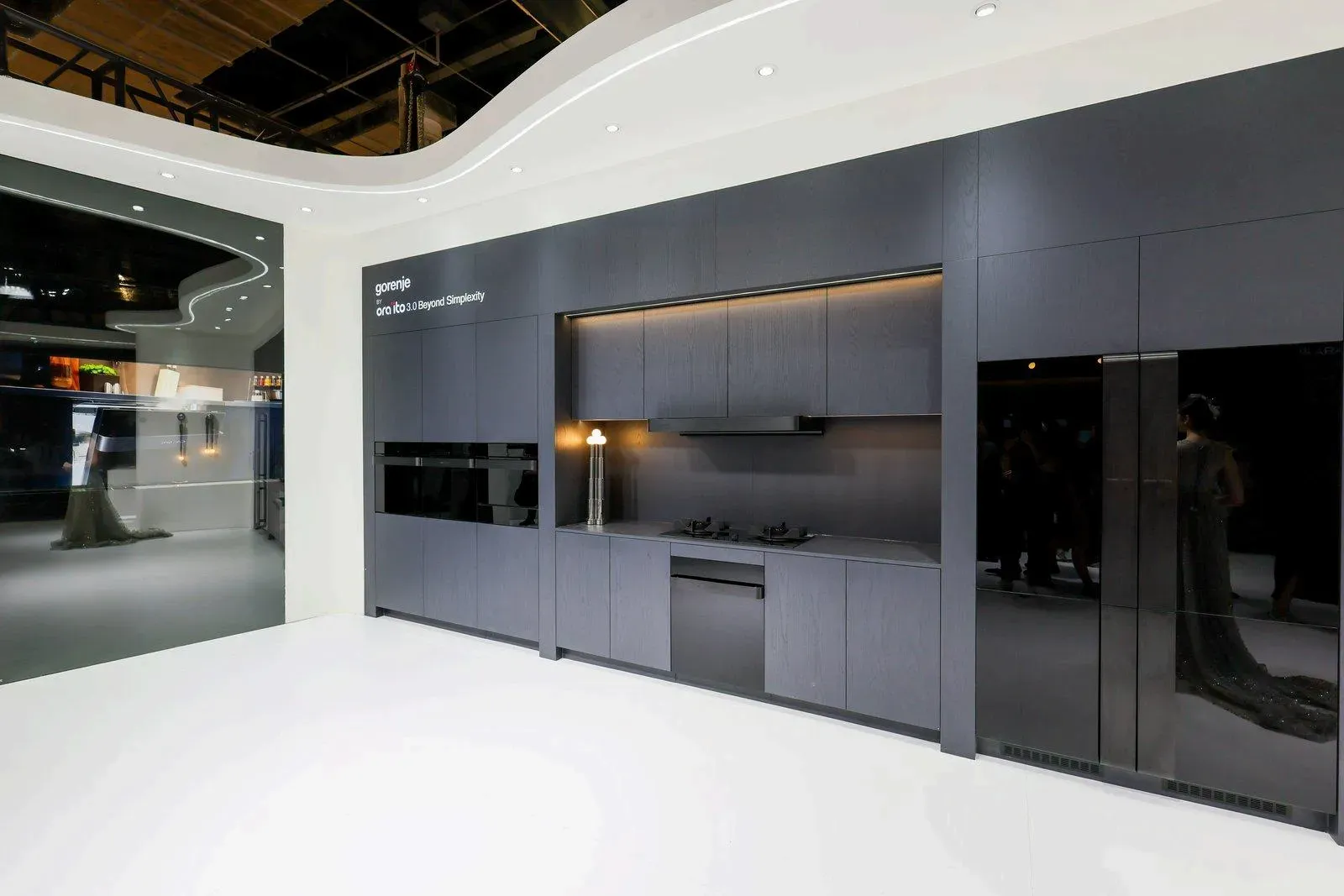
The Kitchen & Bathroom section focused on transforming essential home spaces into experiences of comfort and culture. International brands such as Villeroy & Boch (Germany), Gorenje (Slovenia), Fisher & Paykel (New Zealand), antoniolupi (Italy), and LAUFEN (Switzerland) unveiled new product lines. Villeroy & Boch presented bathroom styles described as Warm Minimalism, Quiet Luxury, and Playfulness, while antoniolupi introduced the Breezew Onice freestanding sink, crafted in Cristalmood resin as a special edition for China. Meanwhile, LAUFEN launched a new ceramic palette developed with Roberto Sironi Studio, connecting ancient ceramic traditions with modern aesthetics.
New Materials & Applications: Sustainability at the Core
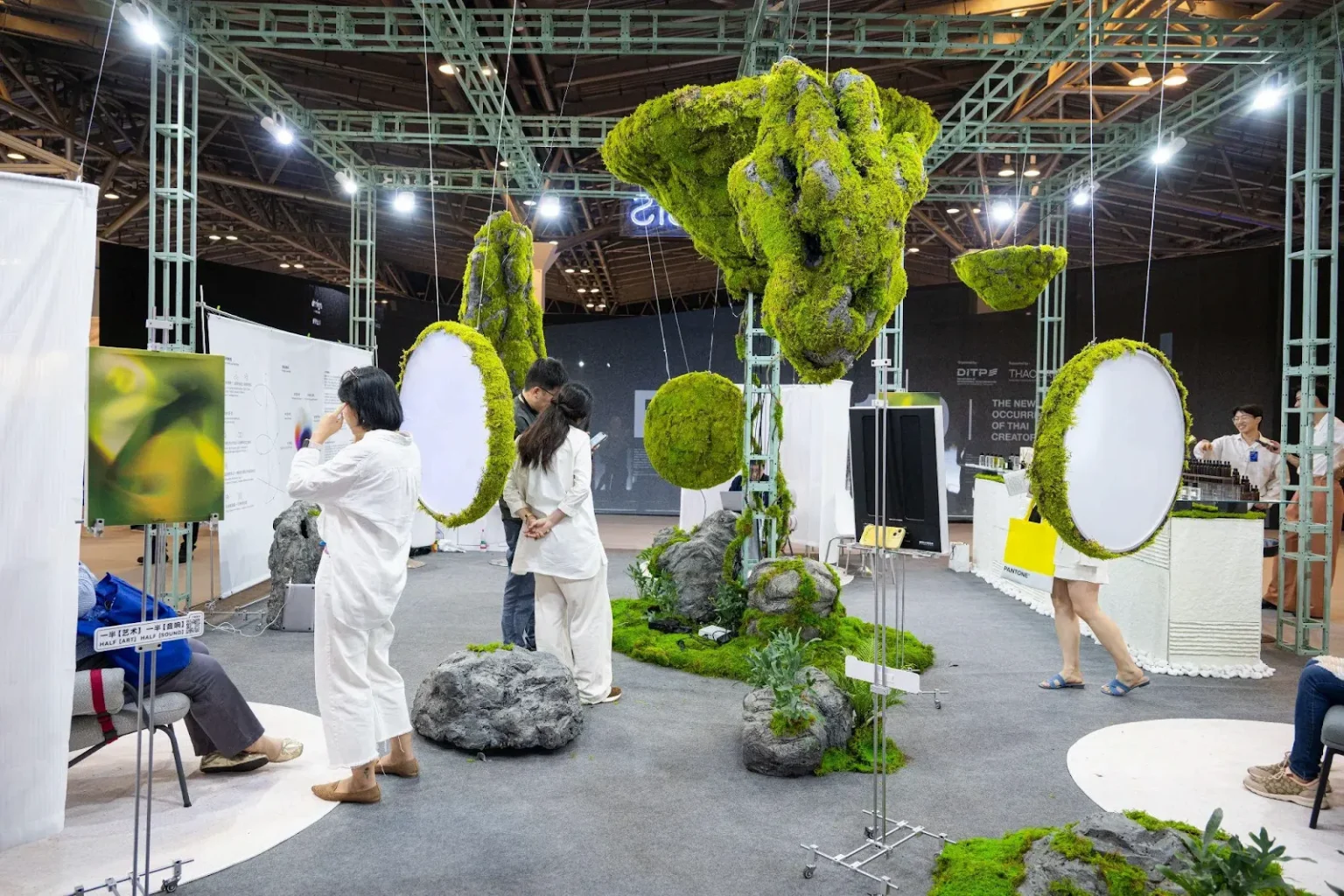
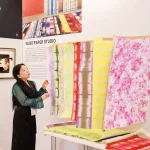
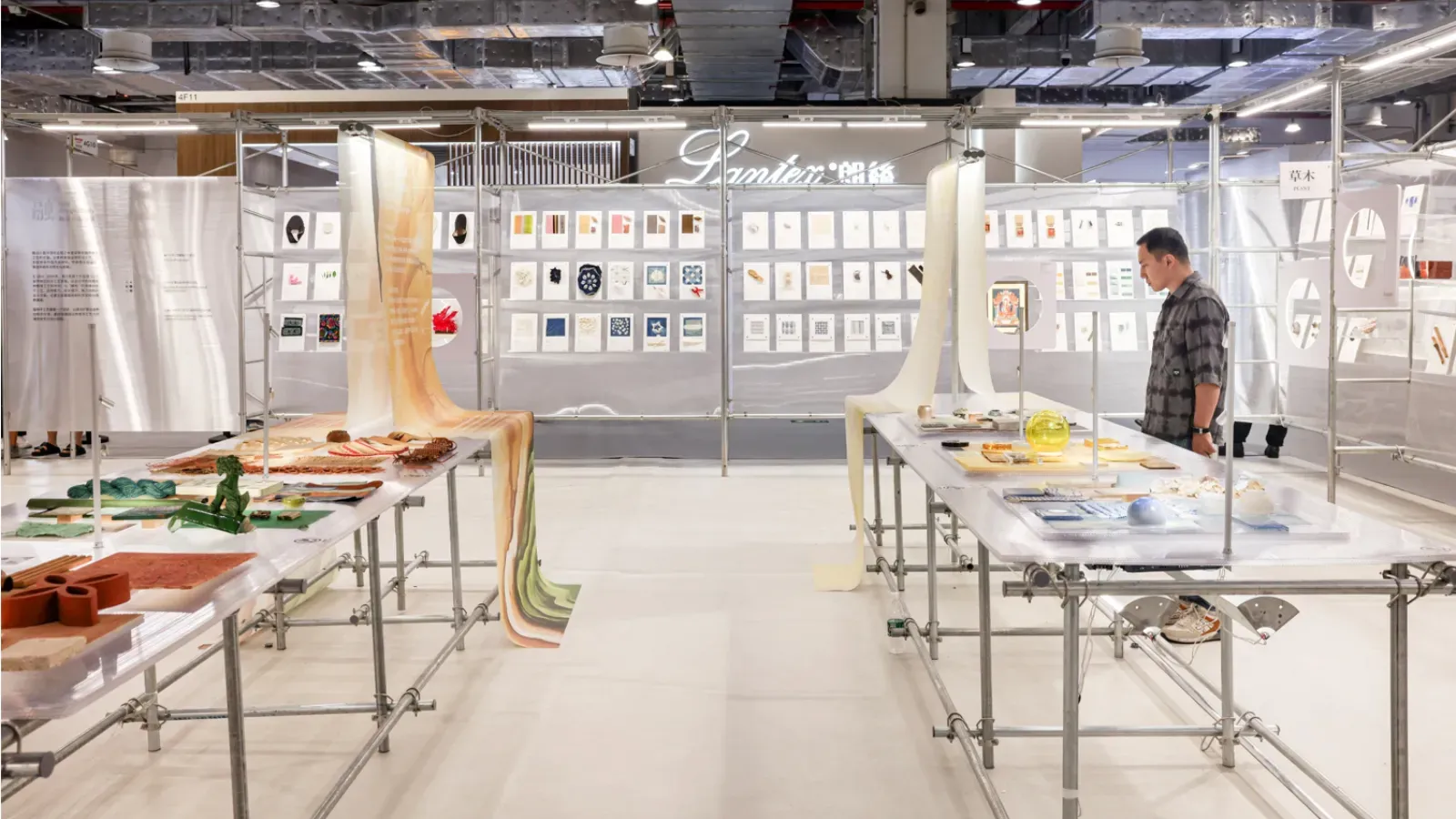
Sustainability was one of the strongest focal points of the Design Shanghai 2025 edition. The New Materials & Applications section brought together global names such as Ultrasuede® (Japan), Florim (Italy), and Mapei (Italy) to showcase innovations in recycled textiles, advanced surfaces, and eco-conscious finishes. Curated exhibitions like Re:Materialize, led by Zhang Lei and Lu Jingyi of Rong Design Library, explored “material-driven design” as a direct response to environmental instability, while Materials First by Chris Lefteri provided hands-on experiences with next-generation sustainable materials. Together, these initiatives reflected the growing demand for circularity and performance in design.
Living & Lifestyle Design: Craftsmanship and Everyday Luxury
The Living & Lifestyle Design section spotlighted exquisite craftsmanship and high-end home accessories. Brands such as Herend (Hungary), Sabre Paris (France), Cutipol (Portugal), CreArt (Italy), and La Rochere (France) exhibited porcelain, glassware, tableware, and lifestyle pieces that combined heritage with modern design. Reflecting the overarching theme of Design for Humanity, this section emphasized emotionally intelligent design, products that are not only functional and aesthetic but also connected to human well-being and daily living.
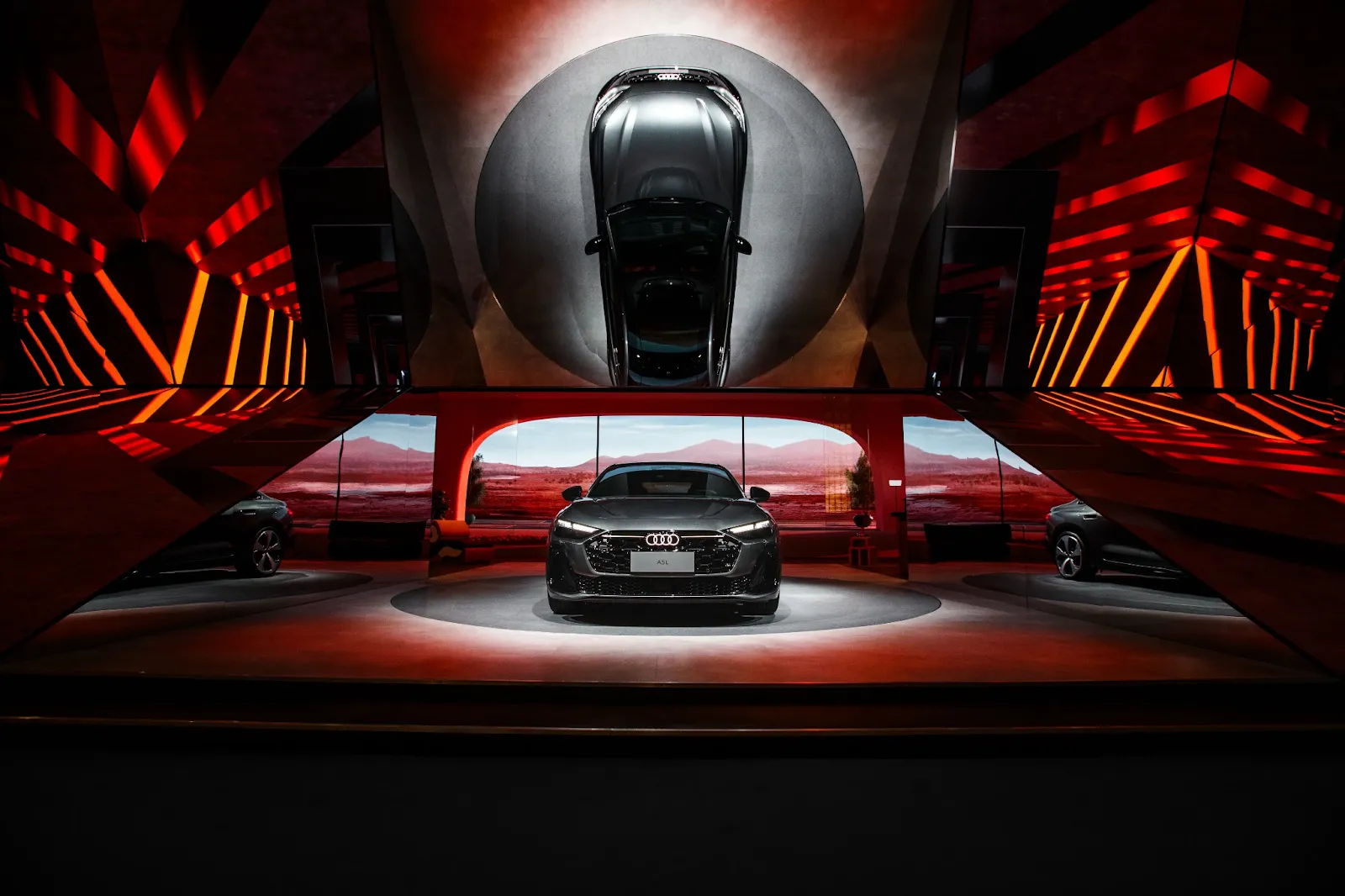
Notable collaborations included GUBI’s limited-edition 9602 Floor Lamp, designed with Parisian textile house GARRO ÉDITIONS, and Audi’s immersive installation “The Living Space,” created with Chinese designer Frank Chou, blending automotive design with lifestyle integration.
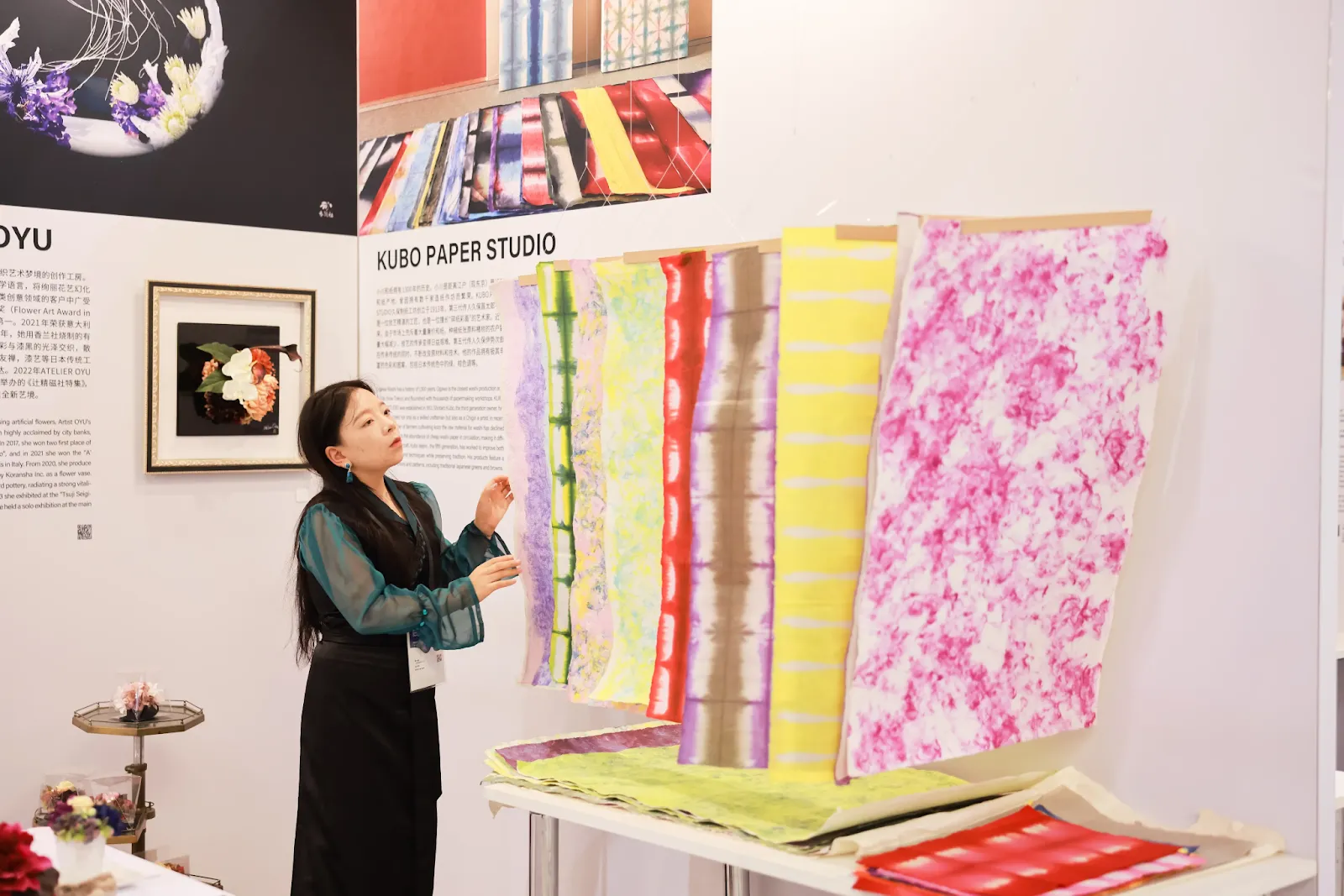
Cultural exchange remained a defining theme, particularly through the Beyond Craft Japan exhibition, which highlighted shared traditions between Japan and China while celebrating differences in material use and aesthetics. By fostering conversations between Eastern and Western design philosophies, Shanghai Design Week continued to position itself as a vital platform for global dialogue.
Shanghai Design Week 2025 reaffirmed its role as Asia’s largest design fair and a global meeting point for innovation, sustainability, and cultural exchange. From its emphasis on sustainable materials to its exploration of emotional well-being, and from support for emerging designers to the revival of traditional crafts, the event demonstrated that the future of design must be human-centered.