


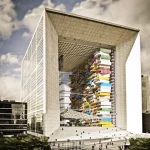
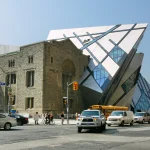
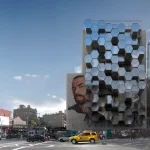
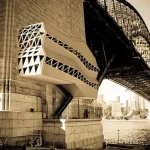
Cities are living, breathing organisms that expand, adapt, and reinvent themselves as people’s needs change. However, when space becomes scarce and demolition seems wasteful, architects turn to a bold idea: parasitic architecture. Instead of building from scratch, these designs latch onto existing structures, transforming old walls, rooftops, and landmarks into something entirely new. It’s architecture that grows with the city, not against it.
What is Parasitic Architecture?
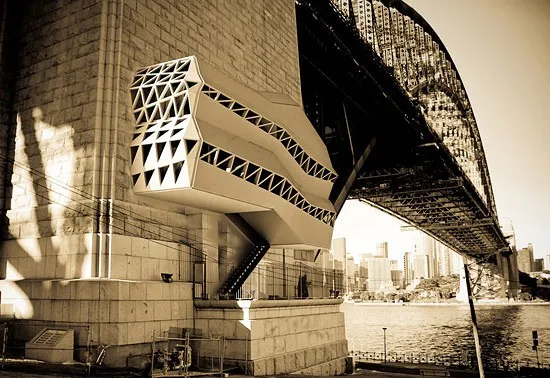
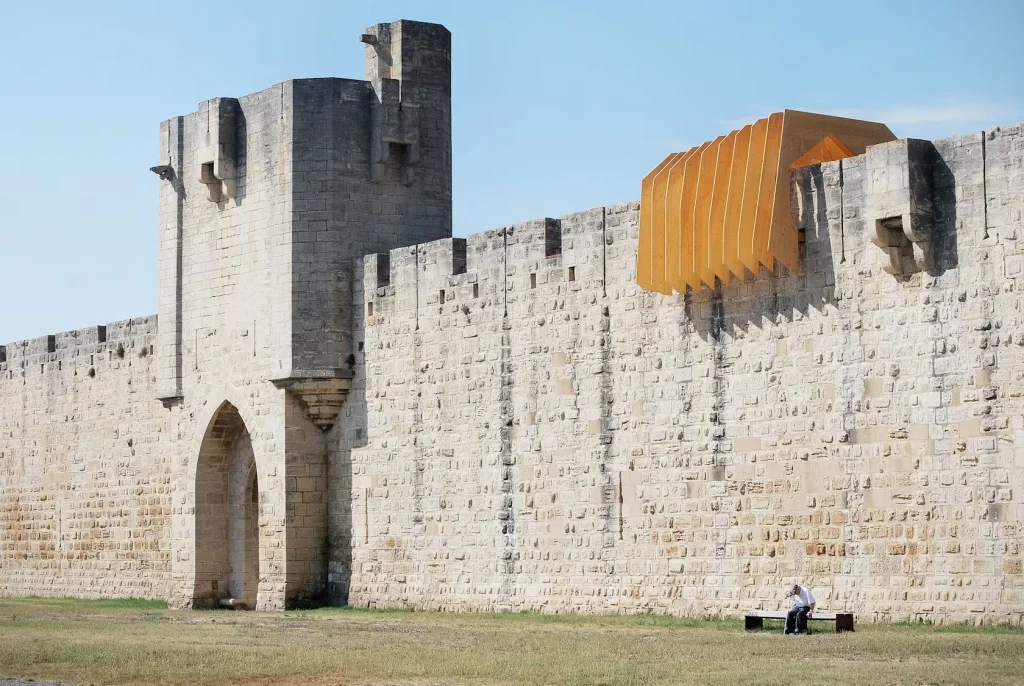
Parasitic architecture is a design style where a new structure attaches itself to an existing building, rather than being built independently. Think of it like a small plant growing on the branch of a big tree, it doesn’t exist alone but depends on the host for support.
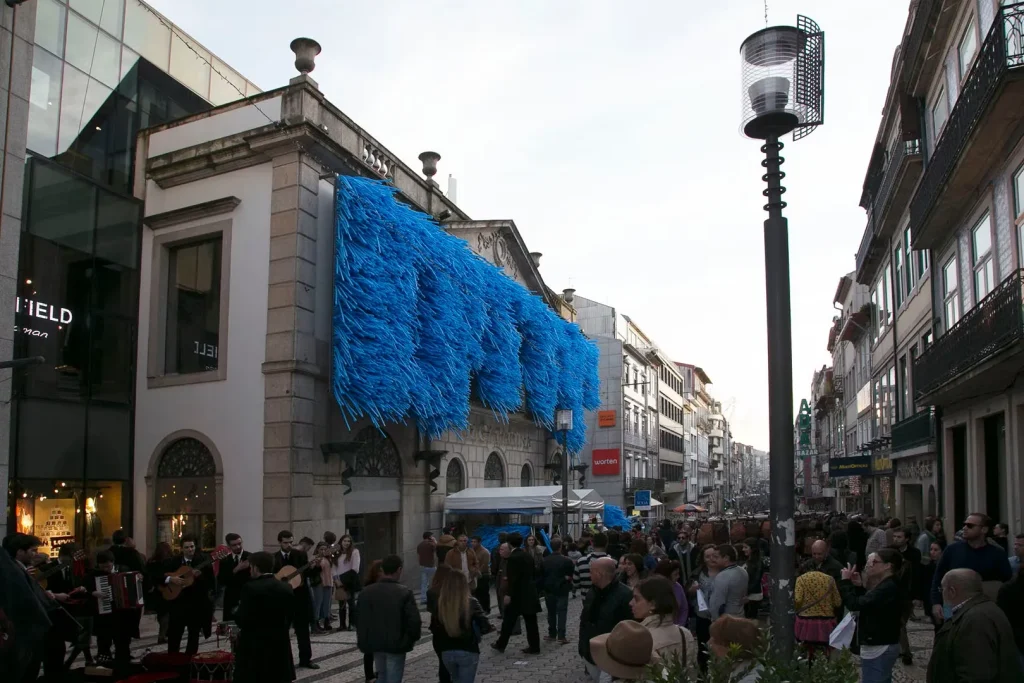
In the same way, parasitic buildings rely on older ones for stability, energy, or space, while giving them a completely new function or look. They often look different from the host, standing out with bold shapes, unusual materials, or futuristic forms.
This type of architecture is not meant to blend in. Instead, it creates a sharp contrast that draws people’s attention and prompts them to think.
Why the term Parasitic?
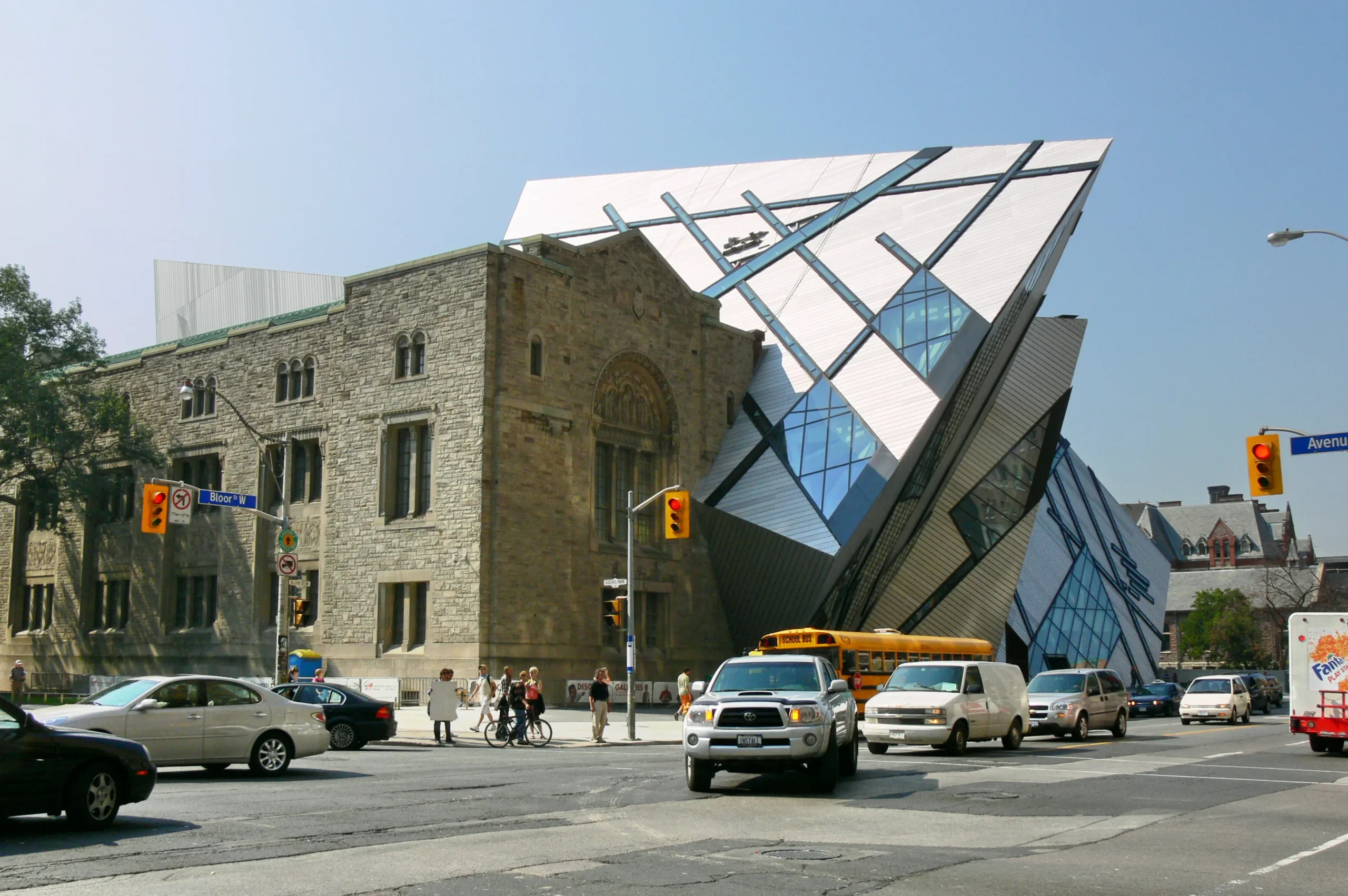
The word “parasitic” originates from biology, where a parasite lives on or within a host to survive. In architecture, however, the meaning is different and not negative. While in nature a parasite might weaken its host, in design a parasitic structure often adds value instead. It gives the old building a new purpose, saves space in crowded cities, and sometimes even makes the original structure more relevant than before.
For example, imagine a small office pod situated neatly on top of an old warehouse, giving it a new purpose. Or picture a sleek glass capsule clinging to the side of a historic wall. Even a temporary pavilion attached to a bridge or tower can be seen as parasitic, because it borrows support from the host while creating a new space of its own. In all these cases, the parasite does not destroy the host.
Why do Architects & Designers use Parasitic Architecture?
Parasitic architecture has emerged as a creative solution to some of the most significant challenges cities face today. One of the primary reasons is the limited availability of space. As urban areas become denser, finding empty land for new construction becomes increasingly challenging. Instead of starting from scratch, architects can take advantage of existing buildings by attaching new structures to them in ways that utilize space more efficiently.
Another essential reason is sustainability. Demolishing an old building to make way for something new often wastes materials, energy, and history. By adding a parasitic extension, architects breathe new life into existing structures while reducing waste. This approach makes the city more adaptable without erasing its past.
Parasitic design is also about creativity. Because the new structure usually looks very different from its host, the contrast becomes a visual statement. This sparks curiosity, making people stop and notice what architecture can be.
Here are five fascinating examples of buildings that reveal the potential of parasitic architecture.
1. Parasitic CN Tower, Canada
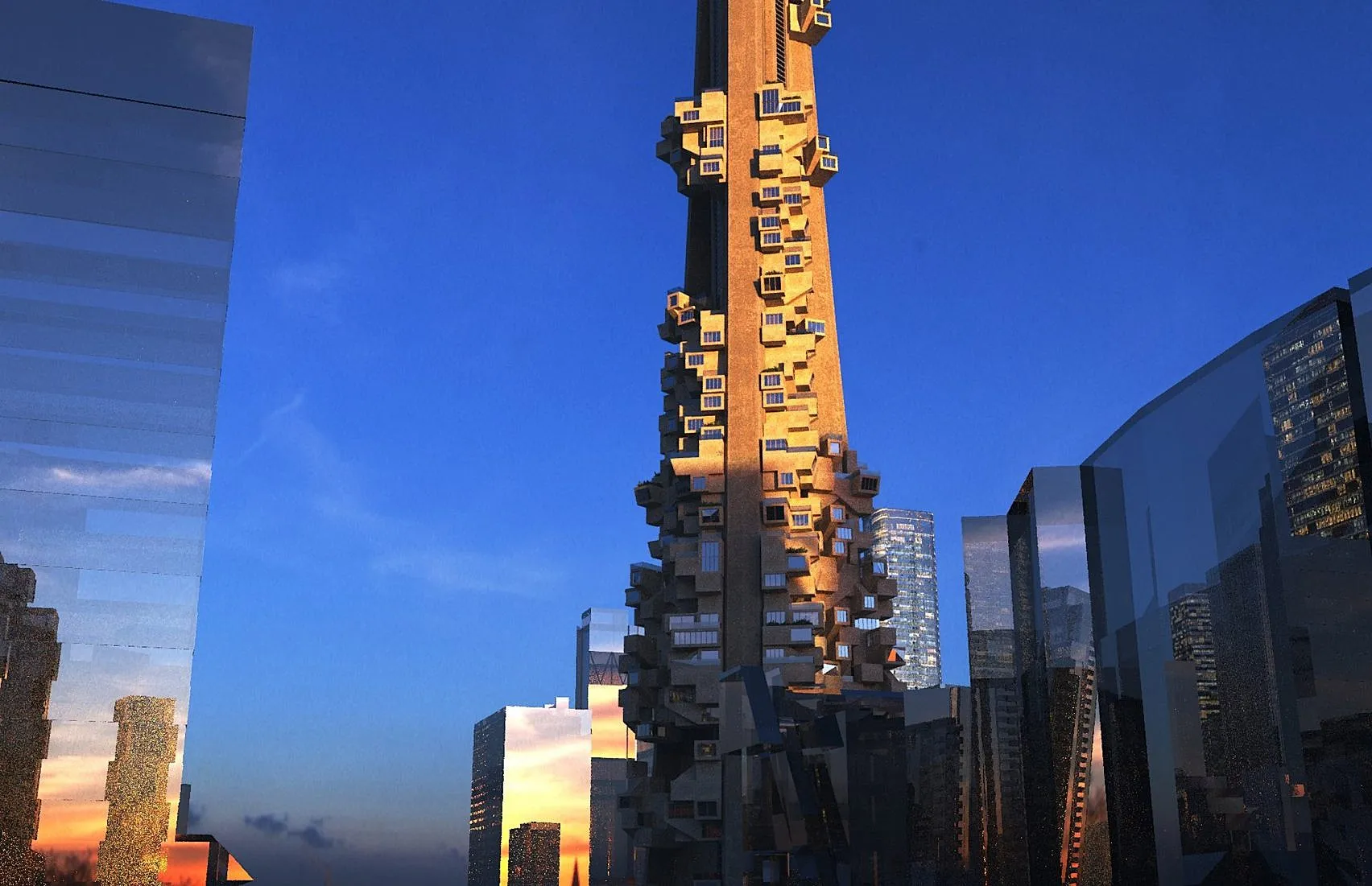
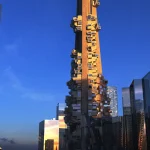
The Parasitic CN Tower is an architectural proposal by Quadrangle that reimagines Toronto’s most famous landmark. Instead of treating the tower as a finished structure, the design creates new spaces attaching themselves directly onto its tall body. These additions cling to the tower like futuristic pods, creating living or working spaces suspended high above the city.
Architecturally, the project uses the strength and visibility of the existing tower as its host. The new structures stand out with sharp, modern forms that look almost alien against the original concrete shaft. The contrast is intentional, showing how new architecture can create dialogue with an iconic old structure without replacing it.
By attaching new functions to the tower, the design explores how cities can grow vertically without taking up extra ground space. It also challenges people to think differently about landmarks: instead of preserving them as frozen objects, why not let them evolve and adapt through parasitic additions?
2. The Parasite Office, Moscow
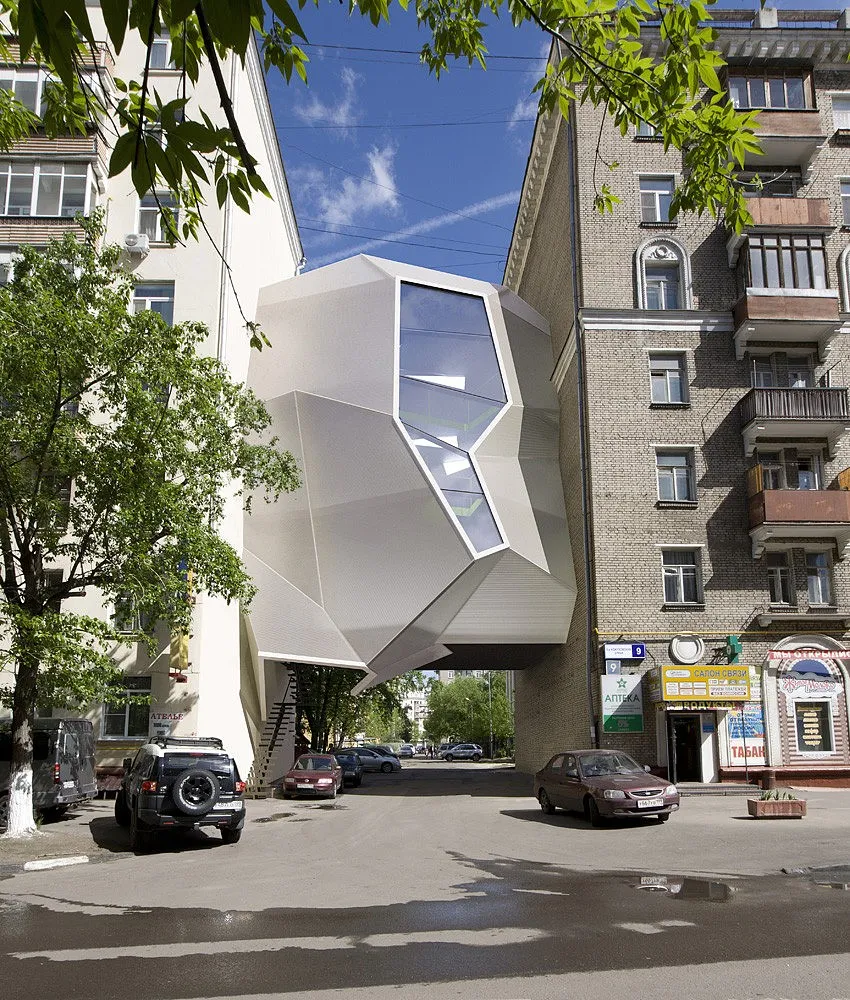
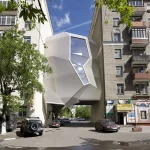
The Parasite Office in Moscow was designed by the architecture firm Za Bor Architects. It is a small structure built as an extension to an older industrial building. Instead of taking up land on the ground, the office was attached directly to the side of the host structure. Made of lightweight steel and glass, it hangs like a modern capsule, providing workspace while barely touching the ground.
The design illustrates how parasitic architecture can address the issue of space in densely populated cities. By attaching to an existing wall, the office avoids new construction costs and land use. The use of modern materials against the older industrial facade turns an ordinary building into something fresh and eye-catching. It also highlights how parasitic spaces can be flexible and temporary, adapting to the needs of businesses.
3. Homes for the Homeless, UK
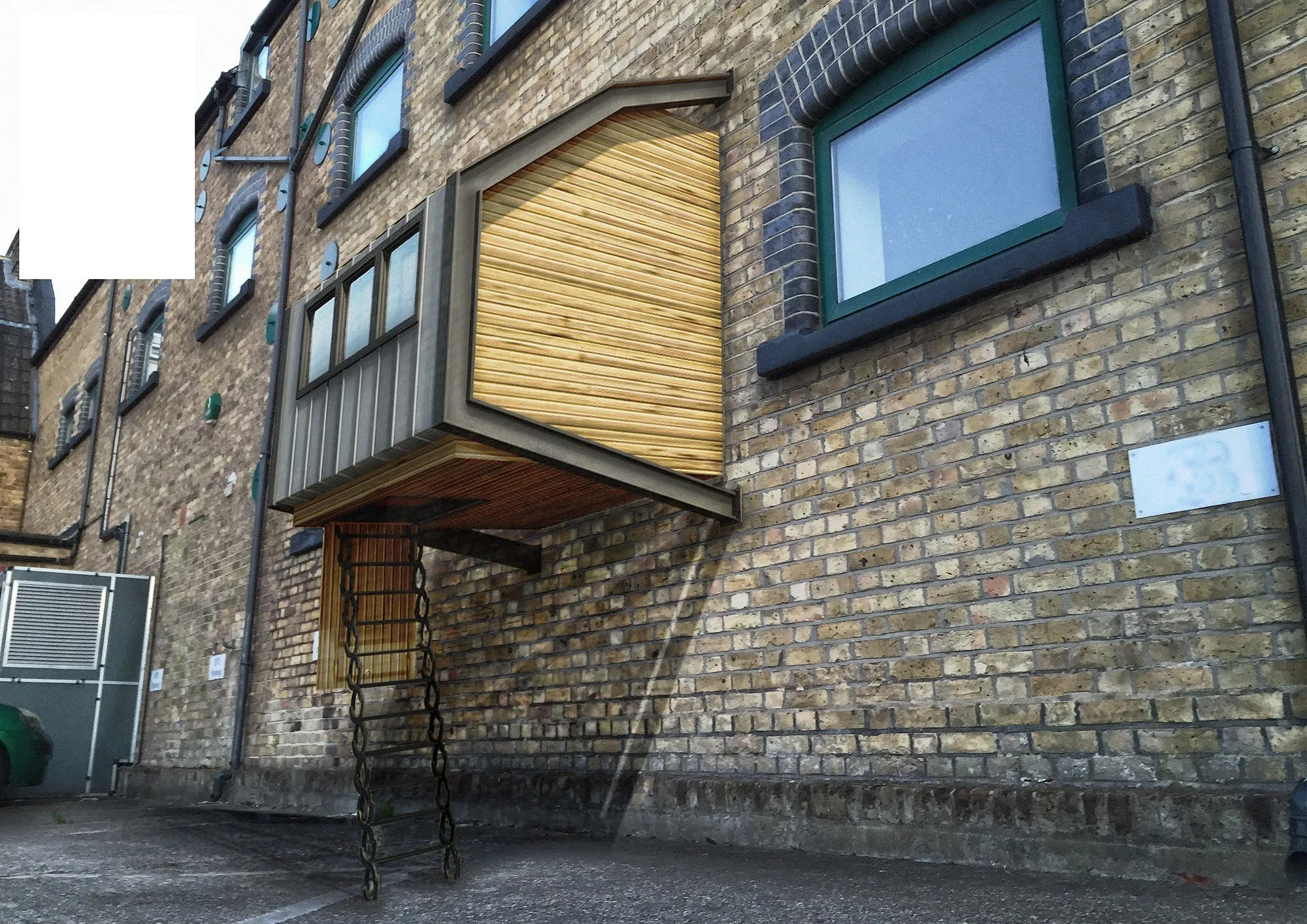
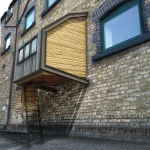
Architect James Furzer proposed Homes for the Homeless, a parasitic project that seeks to help vulnerable people in cities. His idea was to attach small sleeping pods onto the sides of existing buildings, especially above streets where the homeless often seek shelter. These pods, built from simple and inexpensive materials, would provide warmth, privacy, and safety in the harsh urban conditions.
This project highlights the social side of parasitic design. Instead of focusing solely on visual statements, it demonstrates how architecture can respond to human needs by utilizing the city’s existing structures. By borrowing unused vertical space, Furzer’s design suggests that parasitic architecture can be a tool for compassion and inclusion. It considers how even the smallest additions can bring dignity to people who are left invisible.
4. The Pocket of Active Resistance, France
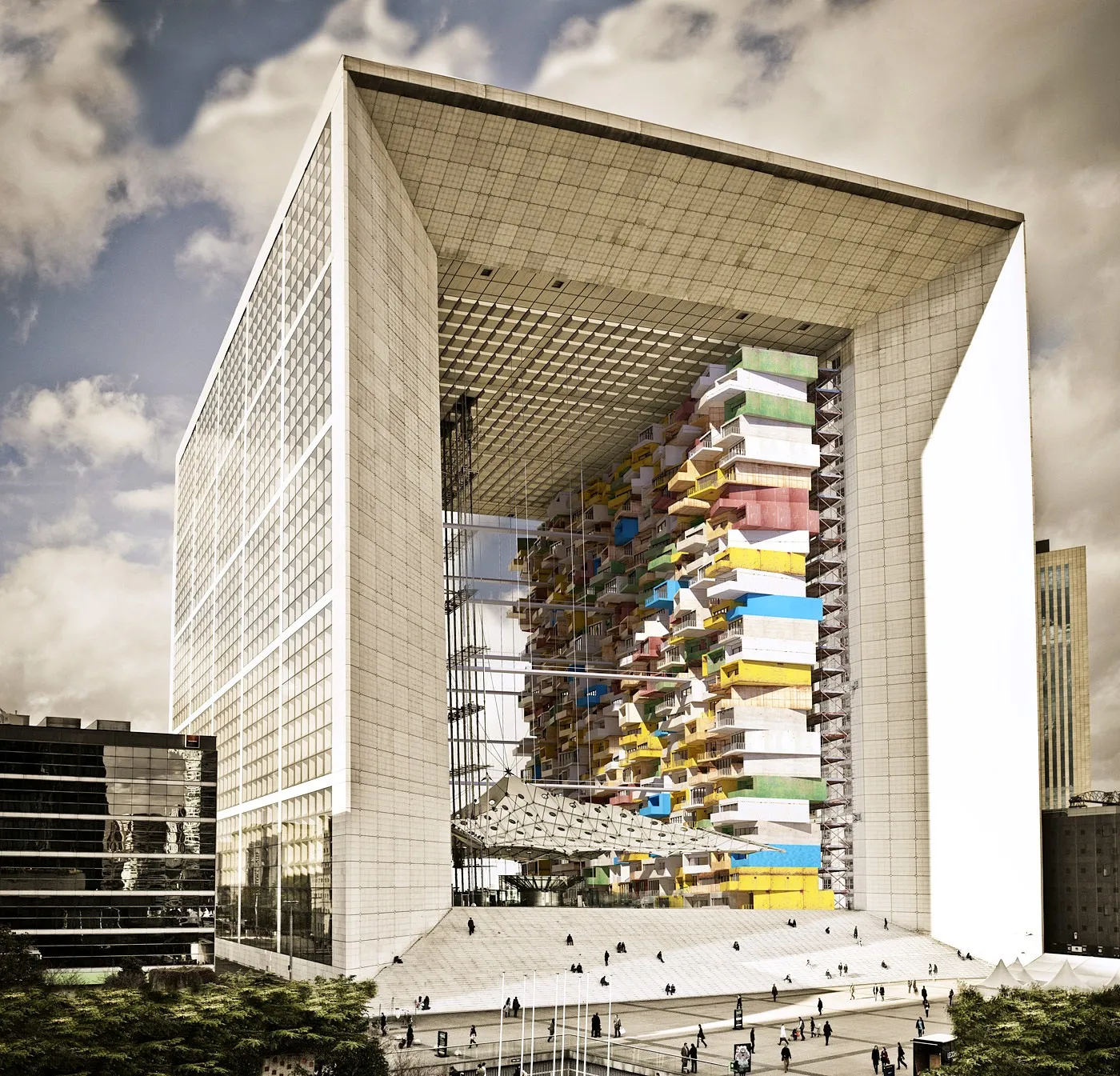
French architect Stéphane Malka designed The Pocket of Active Resistance. The project is a creative parasitic design. Here, small living spaces are attached to existing buildings as acts of resistance against high housing costs and urban inequality. These parasitic additions are not hidden; they are meant to be visible, even provocative, to spark conversations about who has the right to live in the city.
Architecturally, these structures are lightweight and temporary, often constructed with simple materials that allow for easy removal or relocation if necessary. But their message is strong: by attaching themselves to established buildings, they challenge the rules of ownership, development, and the way cities are planned. They stand as shelter to unite the forsaken, the marginalized, refugees, demonstrators, dissenters, hippies, utopians, and the stateless.
5. Architects’ Prefab Parasite, Australia
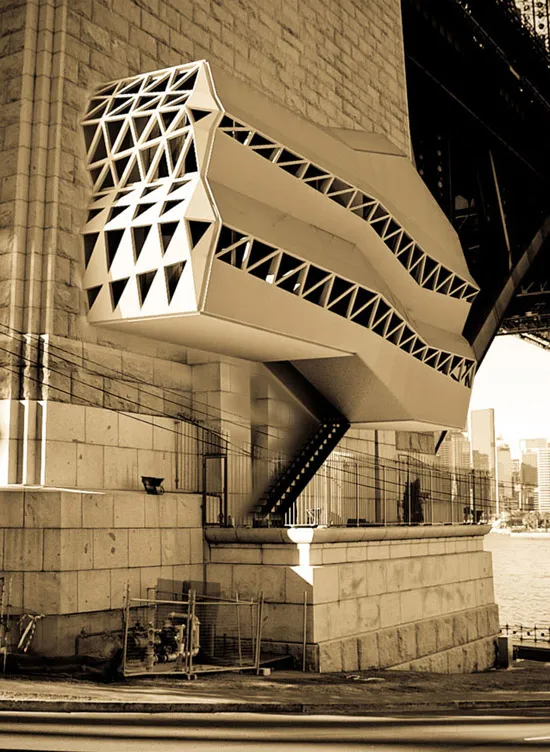
The Architects’ Prefab Parasite is a concept developed by Australian architect Lana Calder, utilizing parametric digital modeling, which allows prefabricated living units to be added to the rooftops of existing buildings. Instead of constructing new houses on empty plots, these small modular homes plug into the city’s skyline. They are pre-built in factories and then lifted into place, making installation quick and efficient.
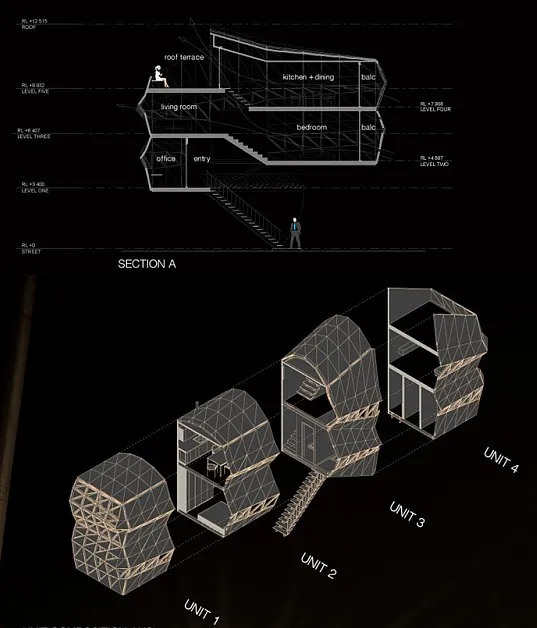
The idea illustrates how parasitic architecture can contribute to sustainable growth. It leverages the strength of existing buildings to support new housing, thereby avoiding the environmental costs associated with demolition and new land use. With cities around the world struggling with housing shortages, prefab parasites suggest a future where urban growth happens by layering, not by sprawl. They also open the possibility of more affordable housing models, as modular construction keeps costs lower and allows homes to be installed wherever unused space exists.
Challenges of Parasitic Architecture
Parasitic architecture sounds like a clever solution for crowded and growing cities, but implementing it is not always easy. One of the main challenges is safety. When a new structure is attached to an existing building, engineers must be sure the host can carry the extra weight and stress. Not every old wall, rooftop, or tower is designed to withstand that kind of load, so reinforcement is often necessary.
Another hurdle is rules and permissions. Many cities have strict building codes or heritage laws that make it hard to change existing structures. Even if a design is creative and sustainable, it may not receive approval if it alters the original look too significantly or violates safety regulations.
There’s also the question of cost. While parasitic design saves land, the construction itself can be expensive. Lightweight materials, custom fittings, and the technical process of attaching units high up on walls or roofs often require advanced engineering, which adds to the price.
Lastly, there’s the challenge of public acceptance. Some people view parasitic structures as exciting and futuristic, while others consider them a disruption to the character of the host building.
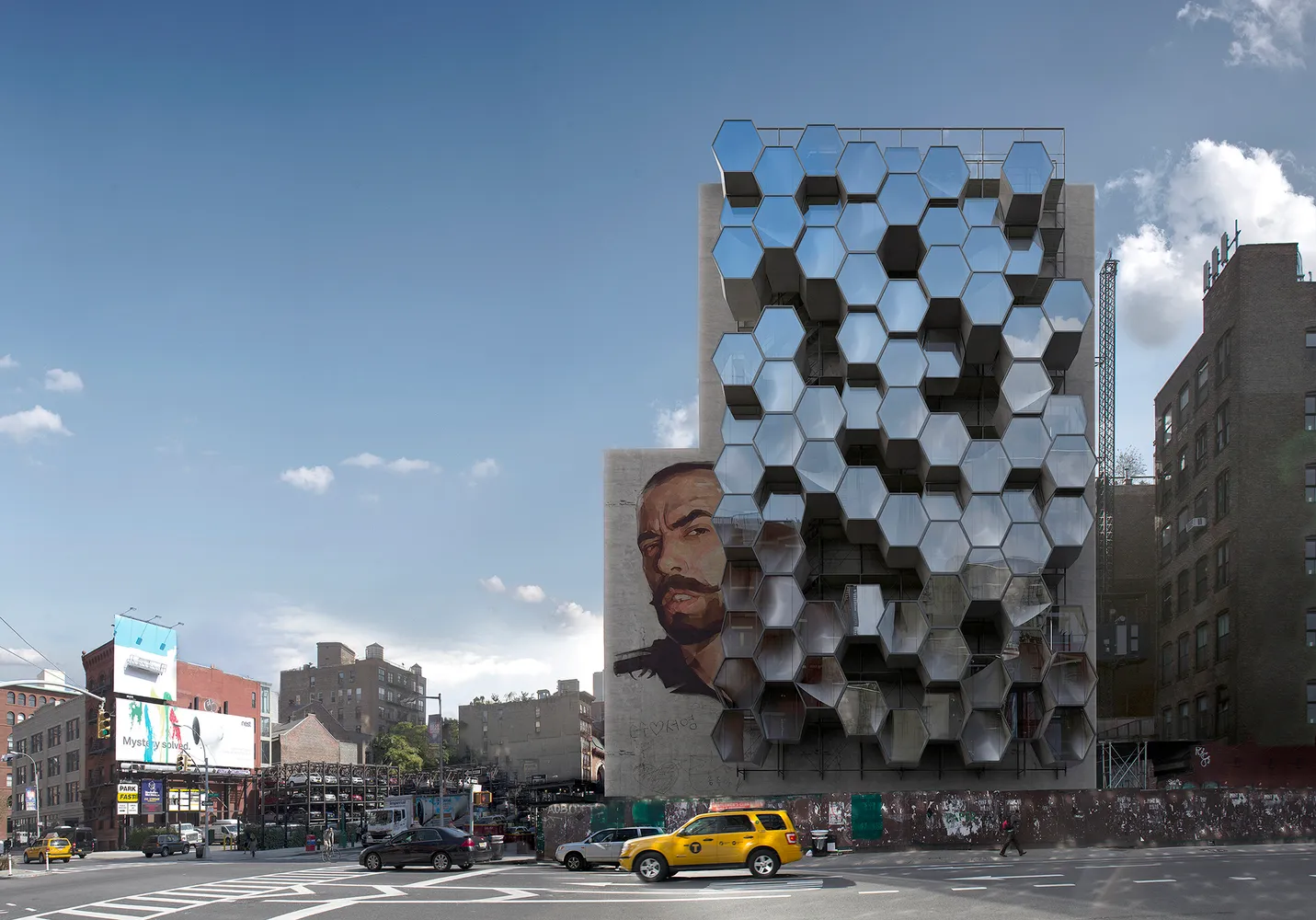
Parasitic architecture, featuring unusual add-ons that hang from towers, cling to old walls, or perch on rooftops, suggests that buildings don’t have to remain frozen in time. They can grow, change, and adapt, just like the people who live in them.
What makes parasitic design effective is its ability to solve real-world problems, such as lack of space, housing shortages, or sustainability issues. A forgotten warehouse can suddenly become alive again, a tower can gain new functions, and even the most ordinary wall can offer shelter or hope. In many ways, parasitic buildings remind us of the resilience of cities themselves. They show that instead of starting over, we can build on what we already have.