


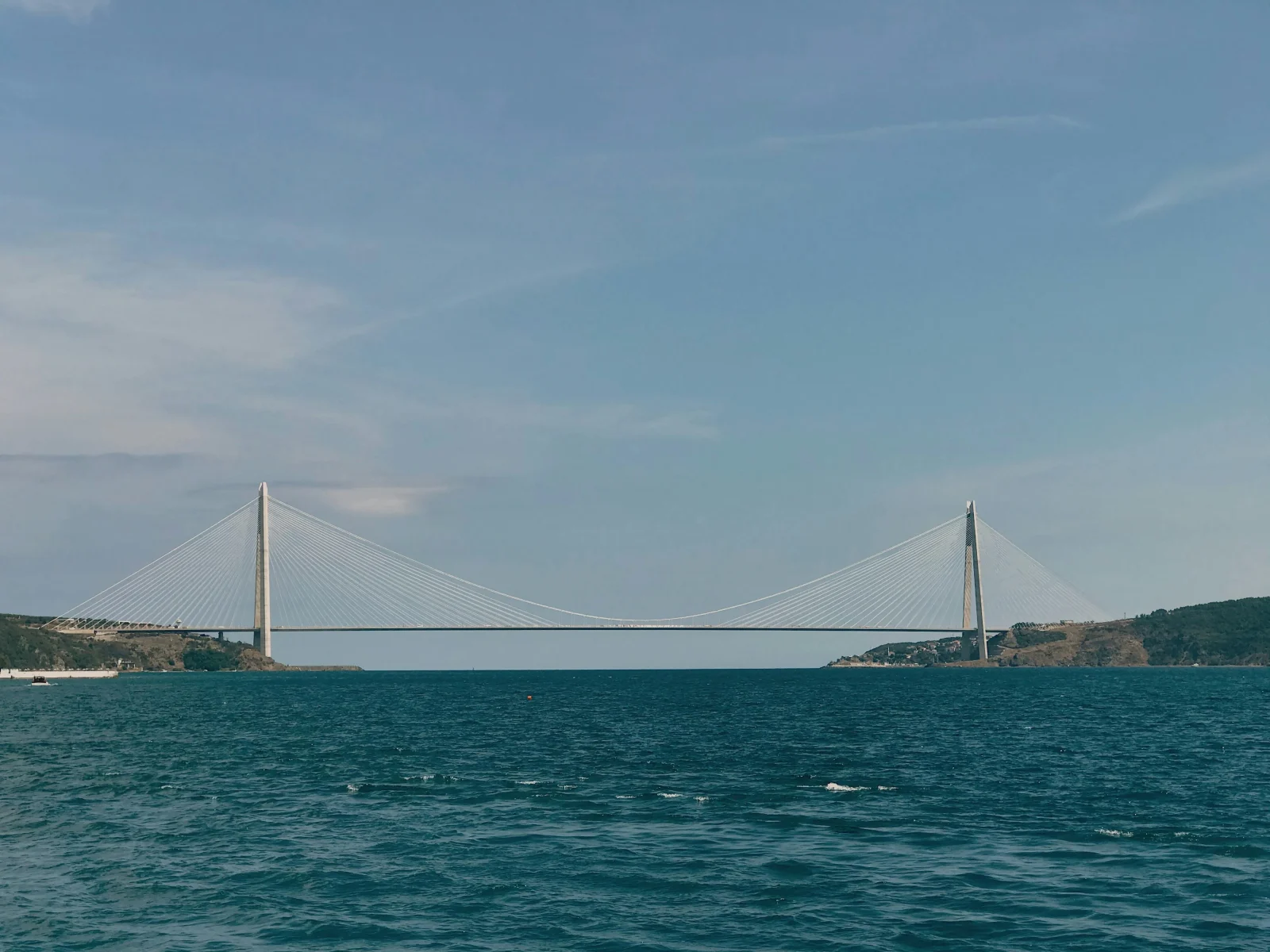
Bridges have long been the elegant solution to nature’s separations, spanning water, valleys, or roads with structures of timber, stone, concrete, or steel. In Istanbul, a city uniquely poised between Europe and Asia, these feats of engineering take on a symbolic weight, uniting not just shores but cultures.
Encircled by water on all sides but the west, and cleaved by the sinuous lines of the Bosphorus and the Golden Horn, Istanbul is framed by the Black Sea to the north and the Sea of Marmara to the south. Across these waterways, bridges rise as both functional lifelines and architectural landmarks, each inscribed with its own chapter of history. From the storied spans of the Ottoman era to the sleek silhouettes of contemporary design, they embody the city’s layered identity.
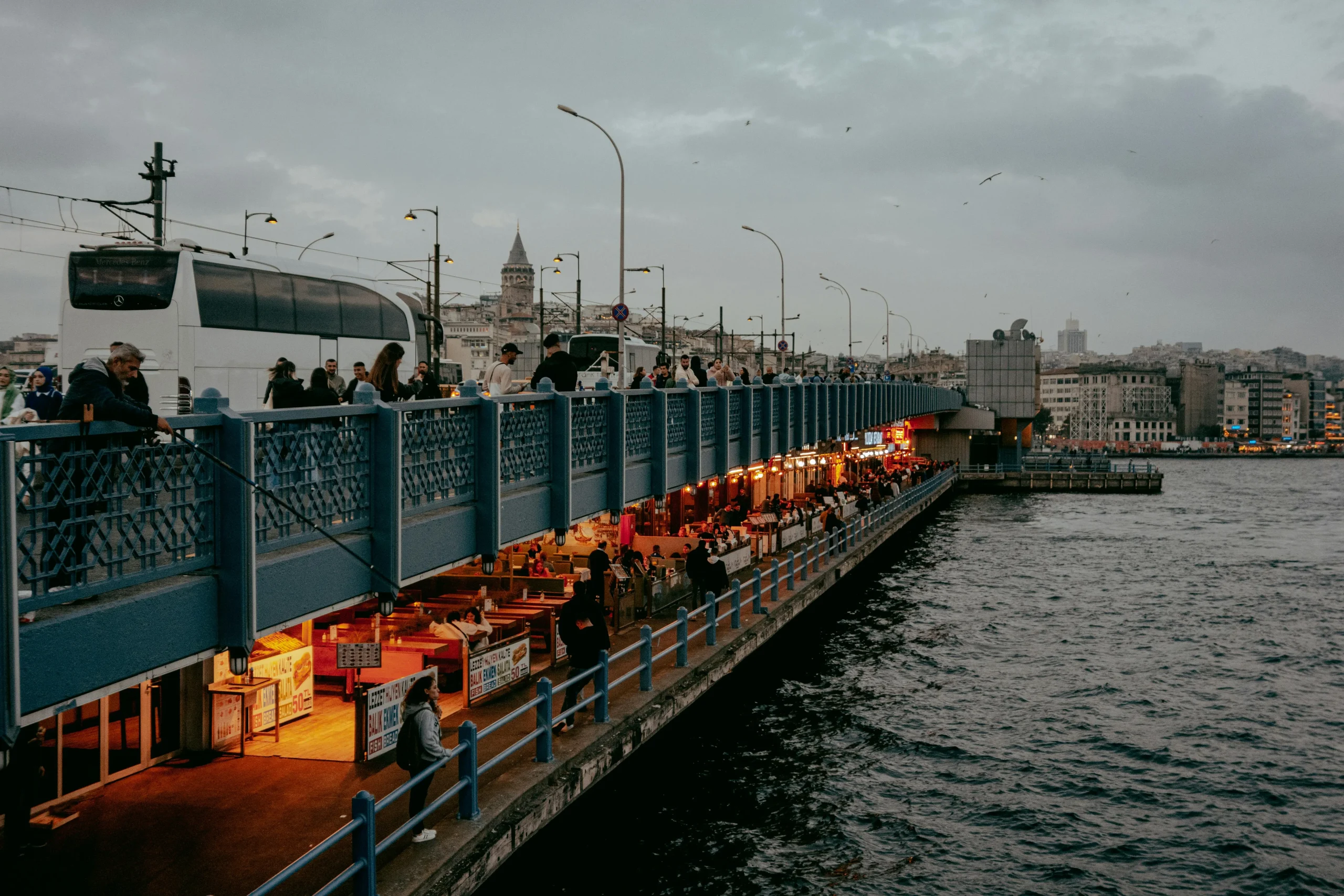
Istanbul’s impressive bridges, many of which were built to facilitate transportation, have surpassed their city-wide significance. Connecting the Asian and European sides, Istanbul bridges serve as bridges between diverse cultures and histories, becoming popular destinations in their respective regions.
Let’s take a closer look at the city’s eight impressive bridges:
1. 15 July Martyrs Bridge (Bosphorus Bridge)
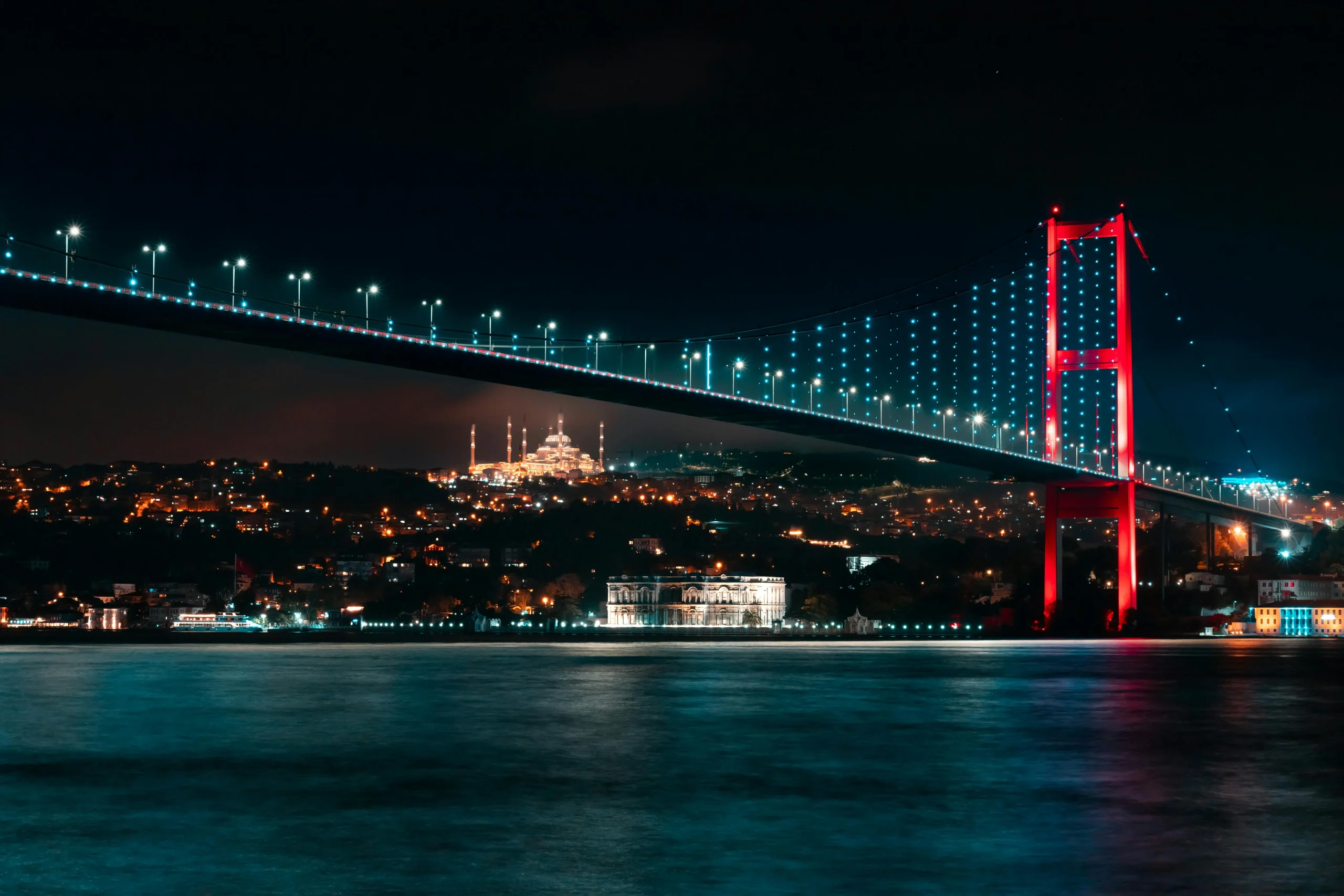
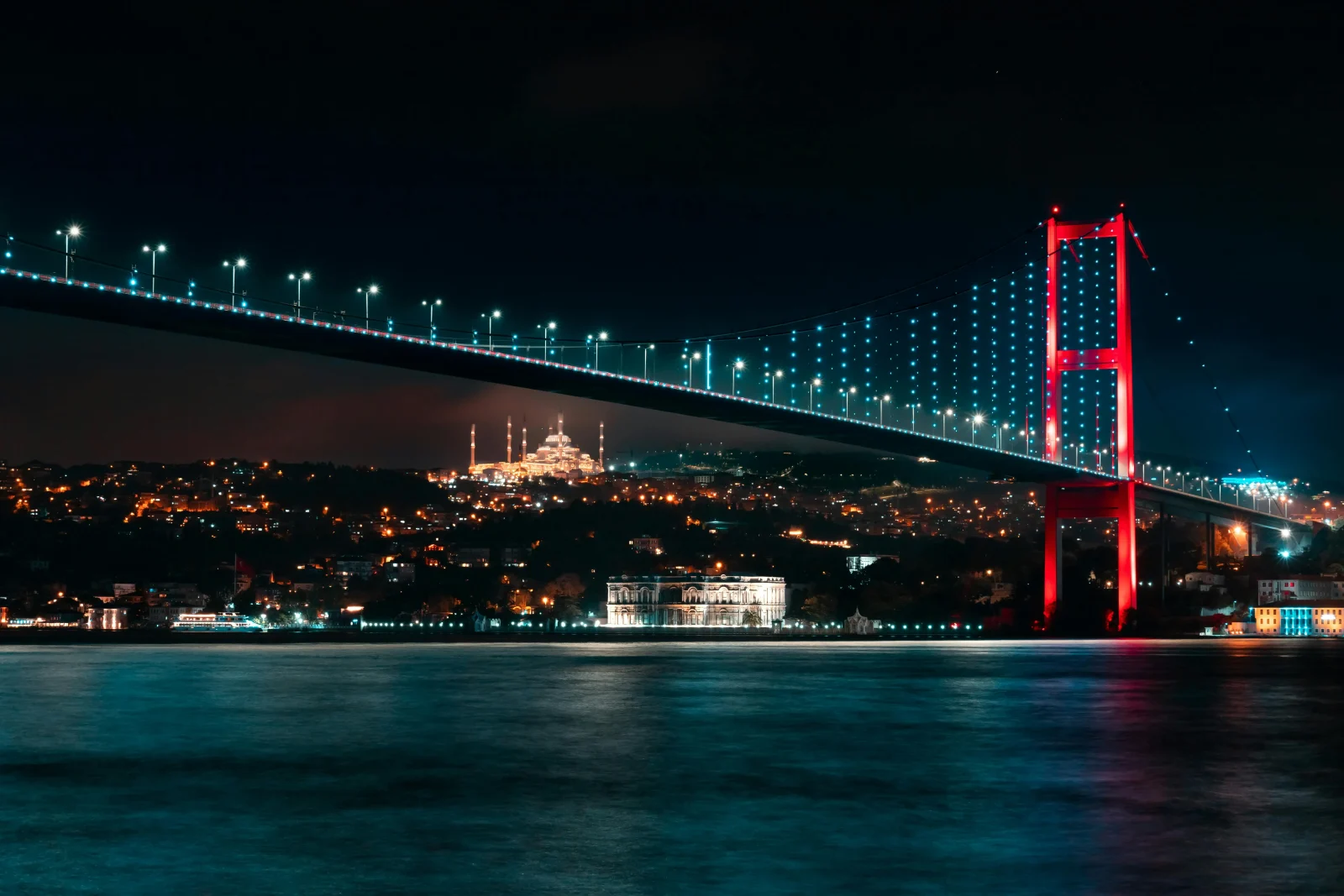
Playing a prominent role in Istanbul’s skyline, the 15 July Martyrs Bridge was formerly known as the Bosphorus Bridge until 26 July 2016, and is also referred to as the First Bridge, as it was the first bridge built across the Bosphorus. This impressive bridge, the first of three suspension bridges spanning the Bosphorus, was one of the longest suspension bridges of its time.
The bridge’s abutments are located in Ortaköy on the European side and Beylerbeyi on the Anatolian side. The bridge has a total length of 1,560 meters, a main span of 1,074 meters, a width of 33.40 meters, and a clearance of 64 meters above sea level. Built to address Istanbul’s transportation challenges, it has also become one of the city’s most iconic landmarks, offering a unique panoramic view of Istanbul.
The entire bridge is illuminated with 16 million color-changing LED fixtures. The Bosphorus Bridge is also a key crossing point for the Istanbul Eurasia Marathon, the only marathon held between two continents.
2. Fatih Sultan Mehmet Bridge
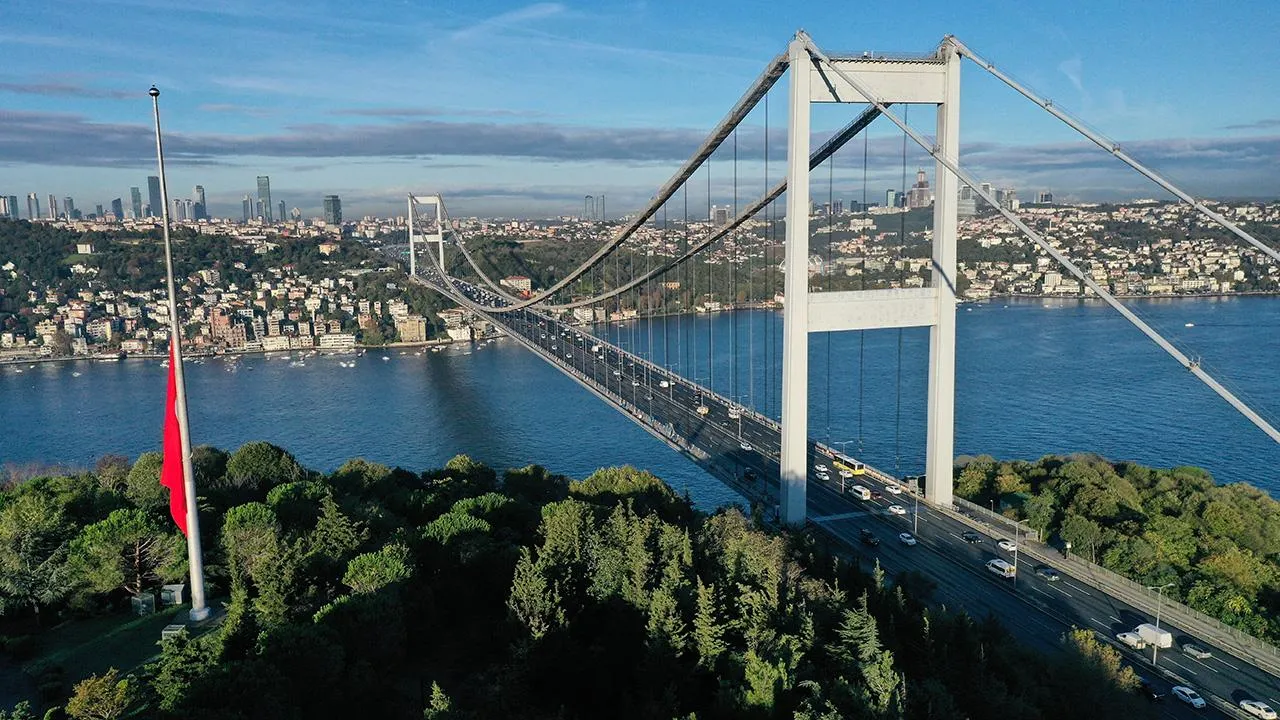
Constructed in response to increasing traffic congestion in Istanbul and the need for a second crossing over the Bosphorus, the Fatih Sultan Mehmet Bridge is a suspension bridge between Kavacık and Hisarüstü, connecting Asia and Europe for the second time after the Bosphorus Bridge. This impressive bridge, which partially alleviates urban traffic and the burden on the First Bridge, was completed in just two and a half years after its foundation was laid on May 29, 1985, and partially opened to traffic on July 3, 1988.
The distance between the bridge’s anchorage blocks is 1,510 meters, with a main span of 1,090 meters, a width of 39 meters, and a clearance of 64 meters above sea level. The Fatih Sultan Mehmet Bridge, which embodies both structural integrity and aesthetic appeal, is a significant symbol for Istanbul, boasting an impressive design.
3. Yavuz Sultan Selim Bridge
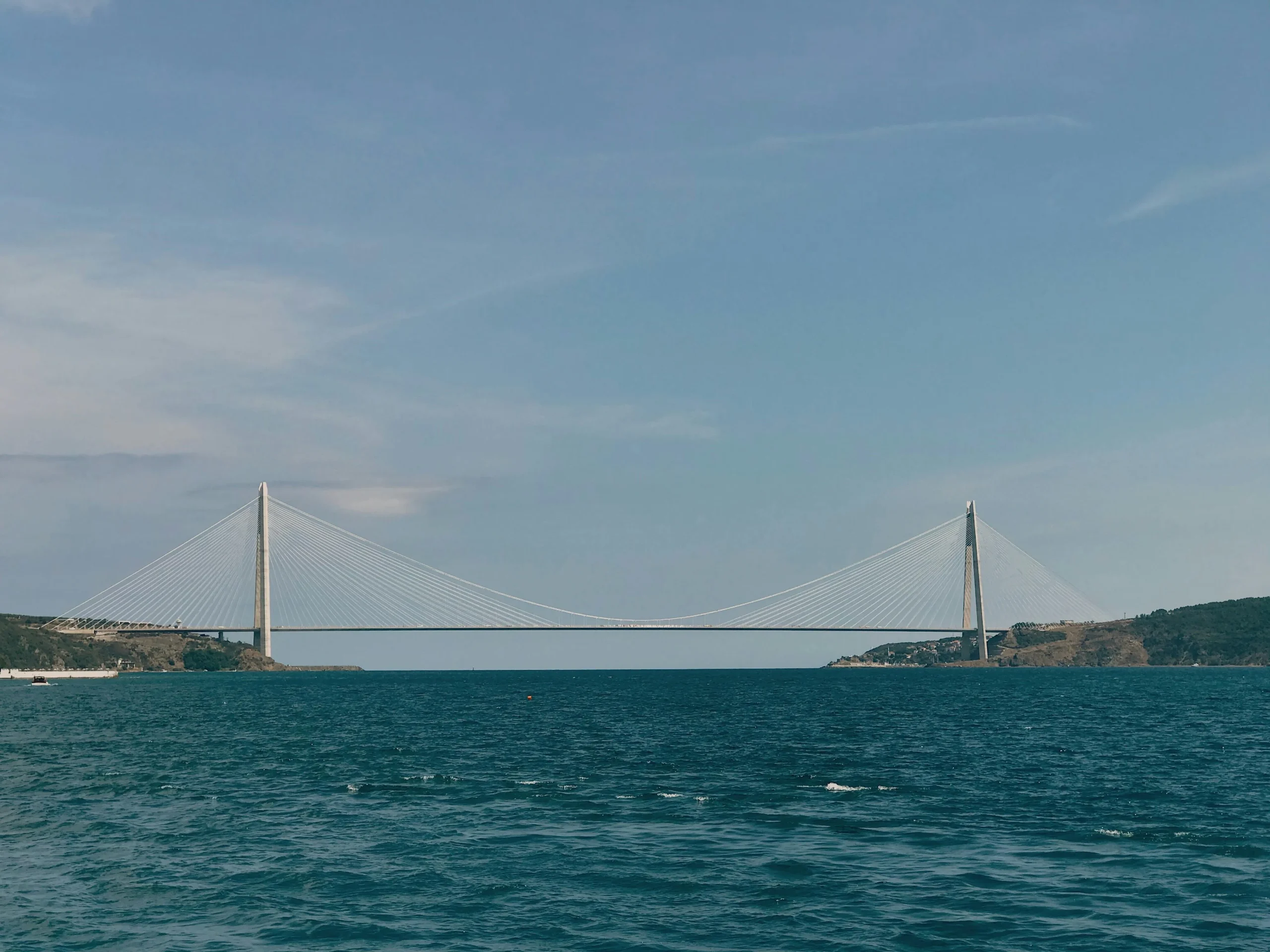
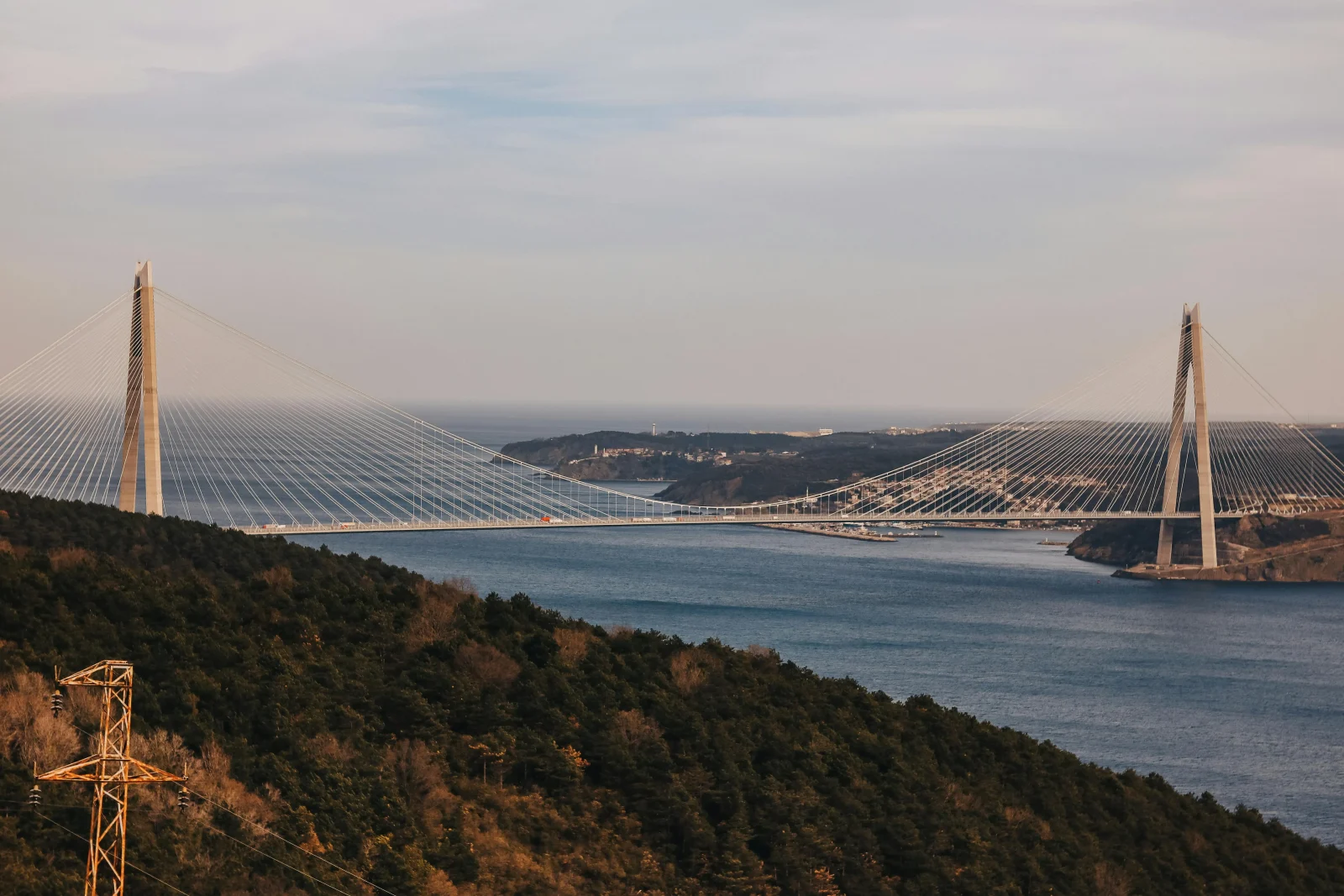
The Yavuz Sultan Selim Bridge, constructed to alleviate ongoing traffic congestion in Istanbul and improve connectivity, was the third bridge built across the Bosphorus, so it is also known as the Third Bridge. Officially opened on 29 August 2016 with a grand ceremony, the bridge is located on the northern side of the Bosphorus, near the Black Sea.
Its route connects the Garipçe neighborhood of Sarıyer on the European side with Poyrazköy in Beykoz on the Asian side. Unlike the other two bridges across the Bosphorus, the Yavuz Sultan Selim Bridge was built specifically for heavy vehicle traffic. The 10-lane, 59-meter-wide bridge holds the title of the world’s widest suspension bridge.
4. Atatürk Bridge
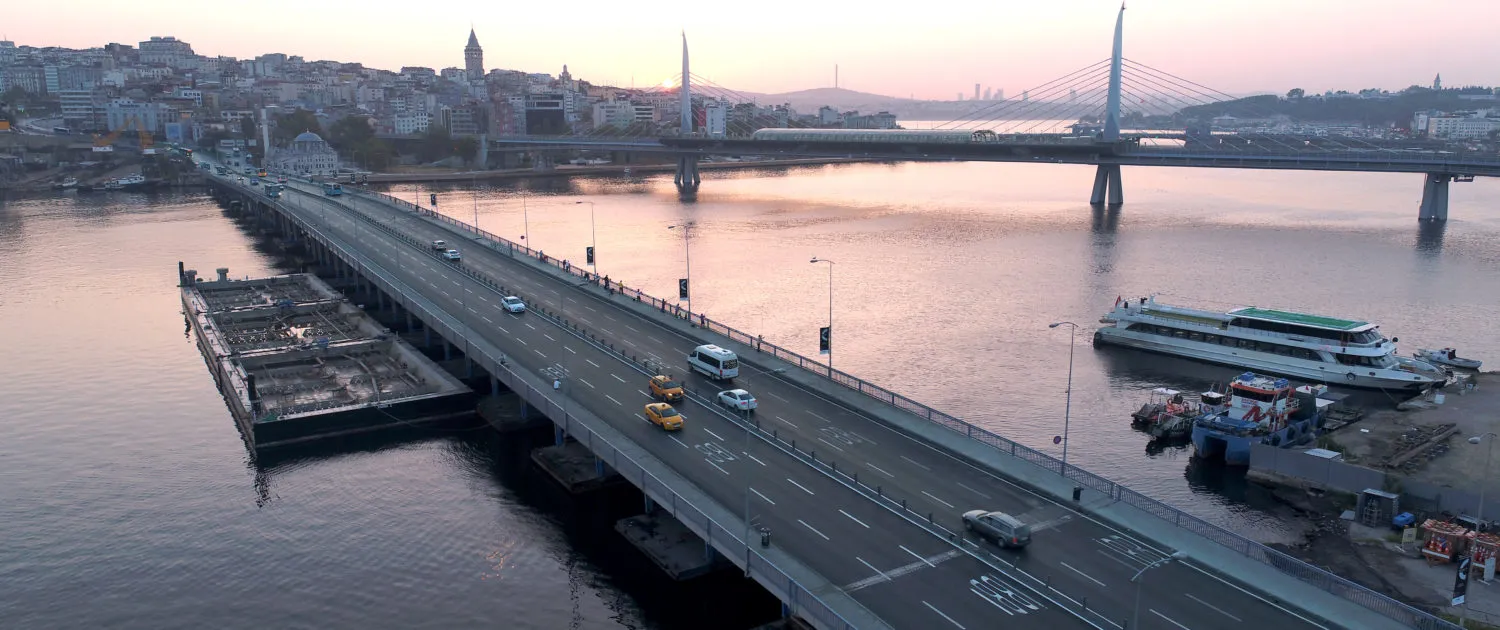
With its distinctive character, the Golden Horn, one of Istanbul’s most remarkable districts, hosts the Atatürk Bridge, which connects the historic peninsula to Beyoğlu. Linking the Küçükpazar area of the Fatih district to the Azapkapı neighborhood in Beyoğlu, it serves as a main transportation artery in Istanbul’s traffic network. The Atatürk Bridge, measuring 453.5 meters in length and 25 meters in width, rests on 24 floating pontoons and has been in service since 1940.
Commonly referred to as the “Unkapanı Bridge,” the original structure was commissioned in 1836 during the reign of the 30th Ottoman Sultan, Mahmud II, and built entirely of wood by his wife, Bezmialem Valide Sultan. Since no tolls were charged for crossing, it became known among locals as the “Hayratiye Bridge.”
To allow ships to pass into and out of the Golden Horn without obstruction, the bridge was designed to open and close. In 1875, it was replaced with a metal structure that remained in use until 1912, when it was dismantled and replaced by the third Eminönü–Karaköy bridge, known as the “Galata Bridge.”
5. Galata Bridge
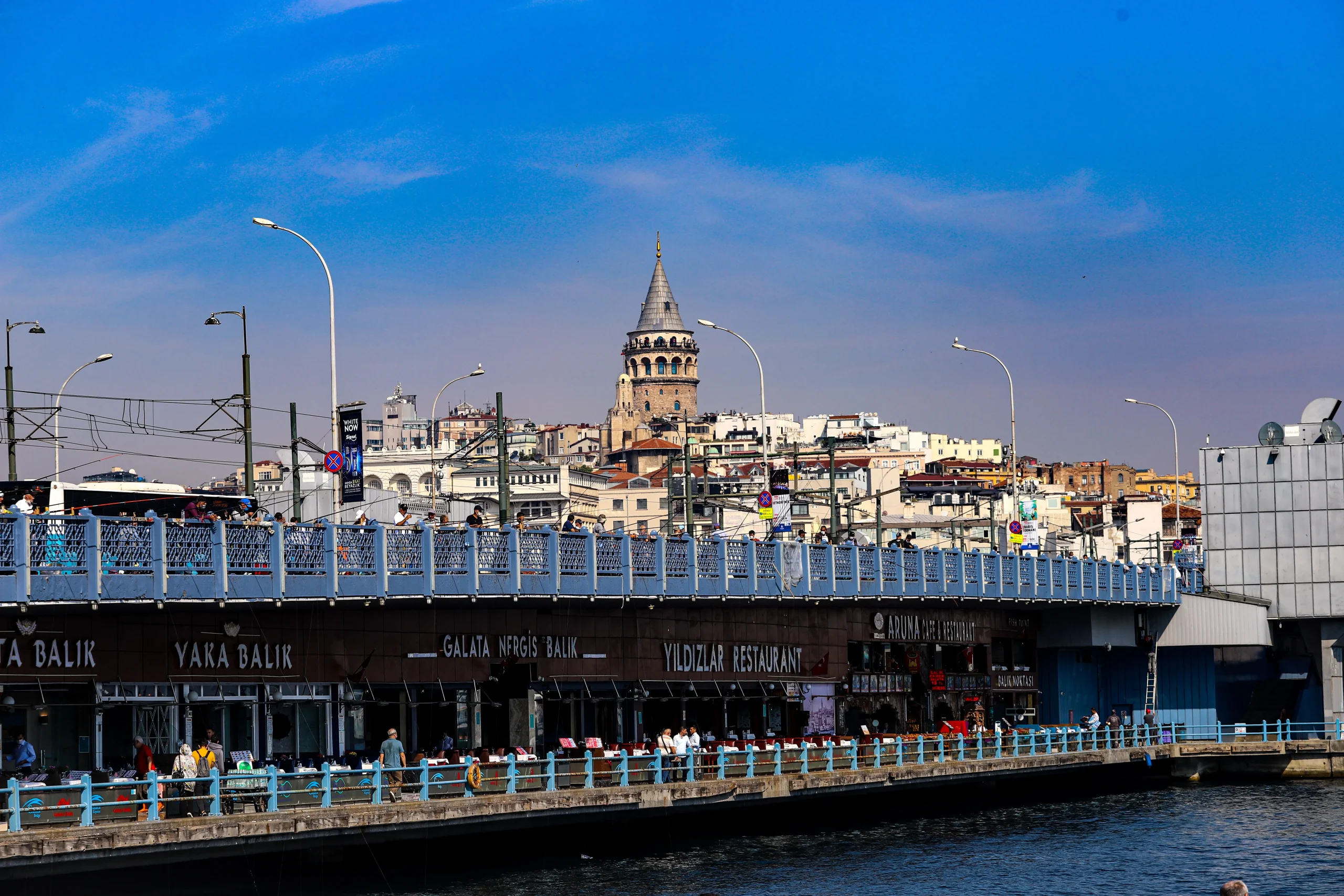
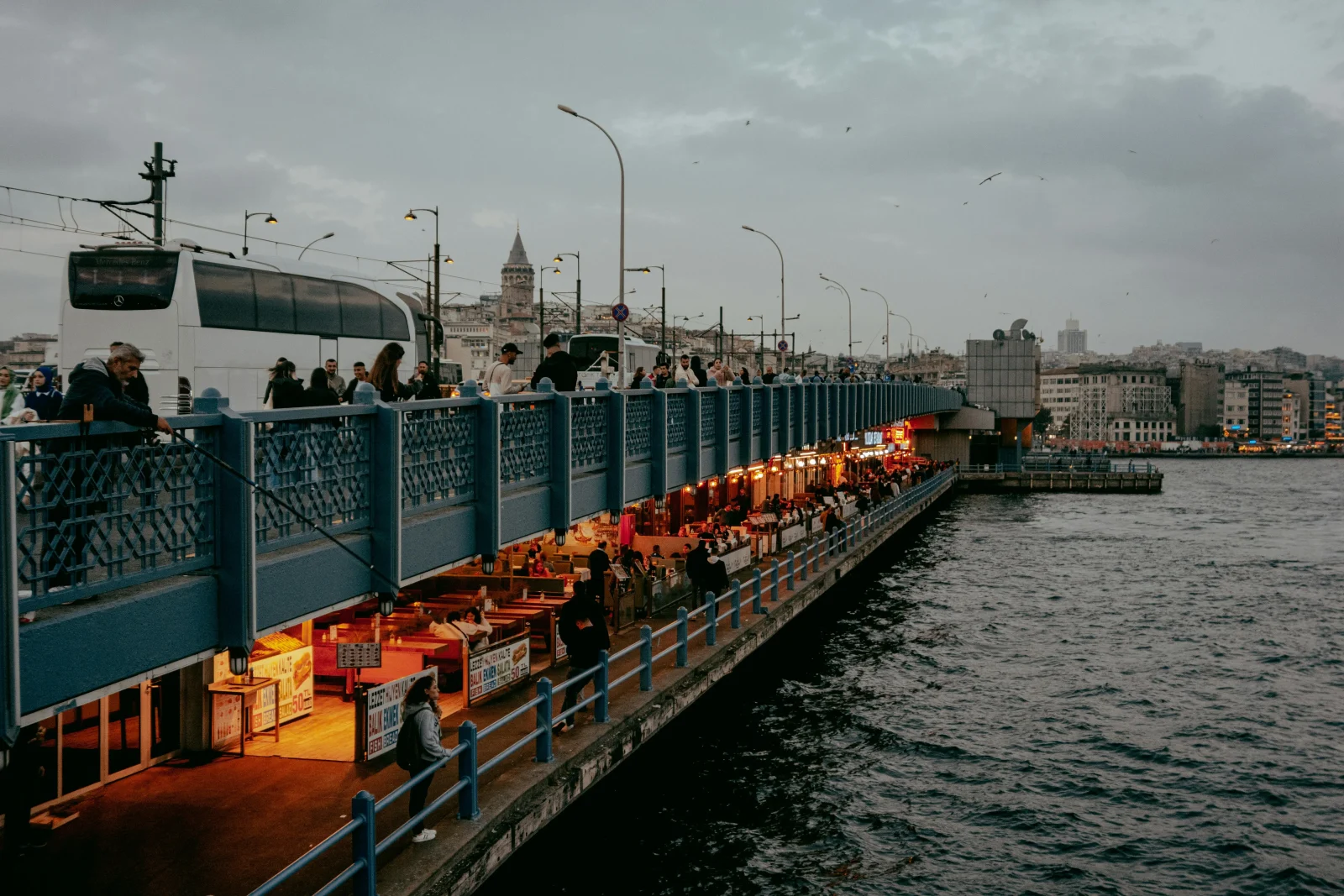
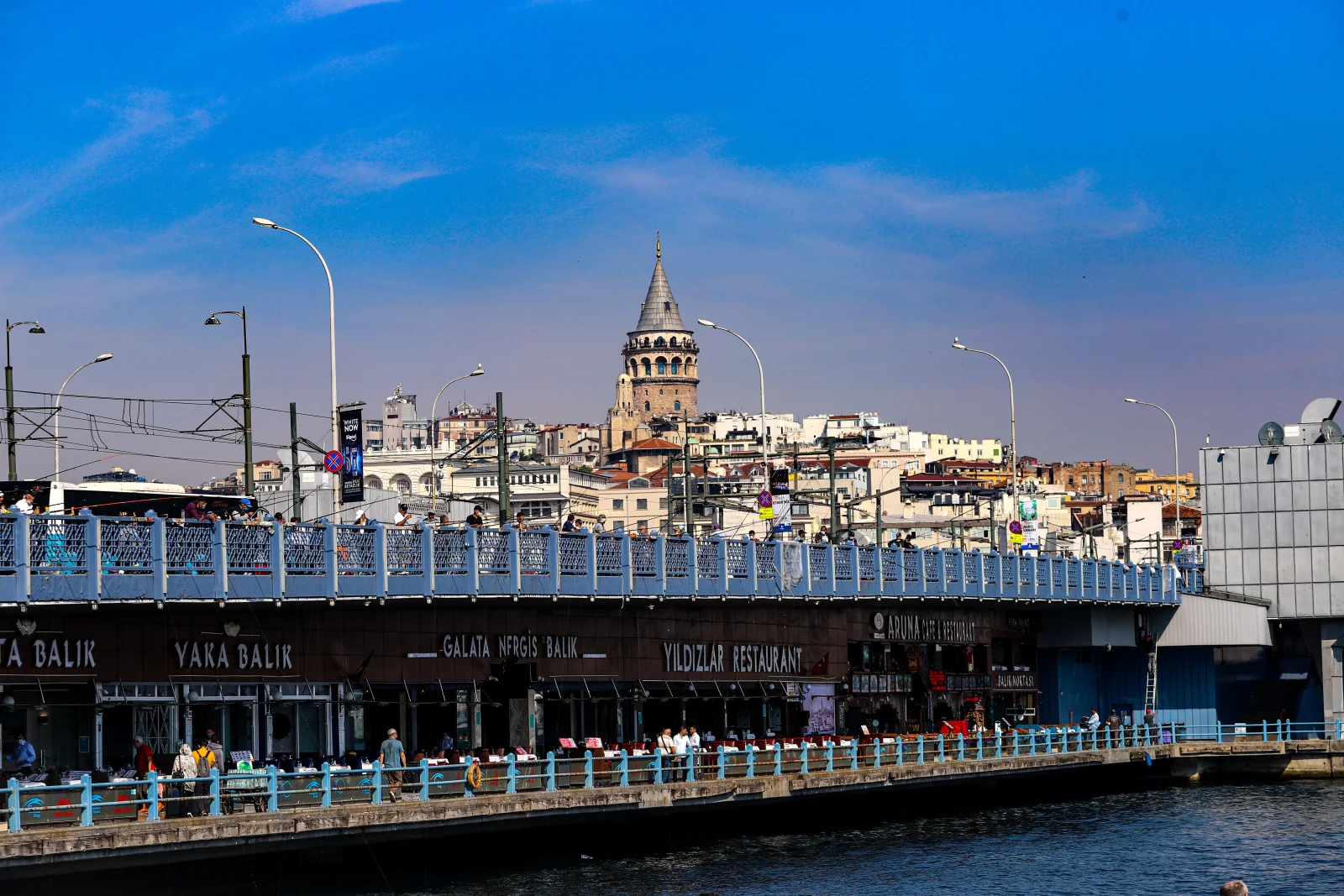
Situated over the waters of the Golden Horn, the Galata Bridge, a crossing point between Eminönü and Karaköy, is one of the best reflections of Istanbul’s dynamism and history. This impressive bridge, an integral part of Istanbul’s historical, cultural, and social life, mirrors Istanbul’s urban and cultural evolution. Originally constructed in 1845 as a wooden floating bridge by a British company, the Galata Bridge was rebuilt in 1975 using steel due to durability and functionality issues with the wooden structure.
However, this bridge eventually became inadequate, necessitating its replacement by a more modern structure. Completed in 1994 and still in service today, the latest version of the Galata Bridge is a product of modern engineering techniques and design. The upper level accommodates both pedestrian and vehicular traffic, while the lower level houses restaurants and cafés, making the bridge not only a crossing point but also a vibrant part of Istanbul’s social life.
The Galata Bridge, symbolic of a bridge connecting two cultures, is 490 meters long. Its 80-meter section can be opened, making it one of the few bascule bridges in the world that carry tram traffic. After being used beyond its original purpose, the Galata Bridge took on a new meaning and function, becoming one of Istanbul’s most impressive and popular landmarks.
6. Haliç-Metro Bridge
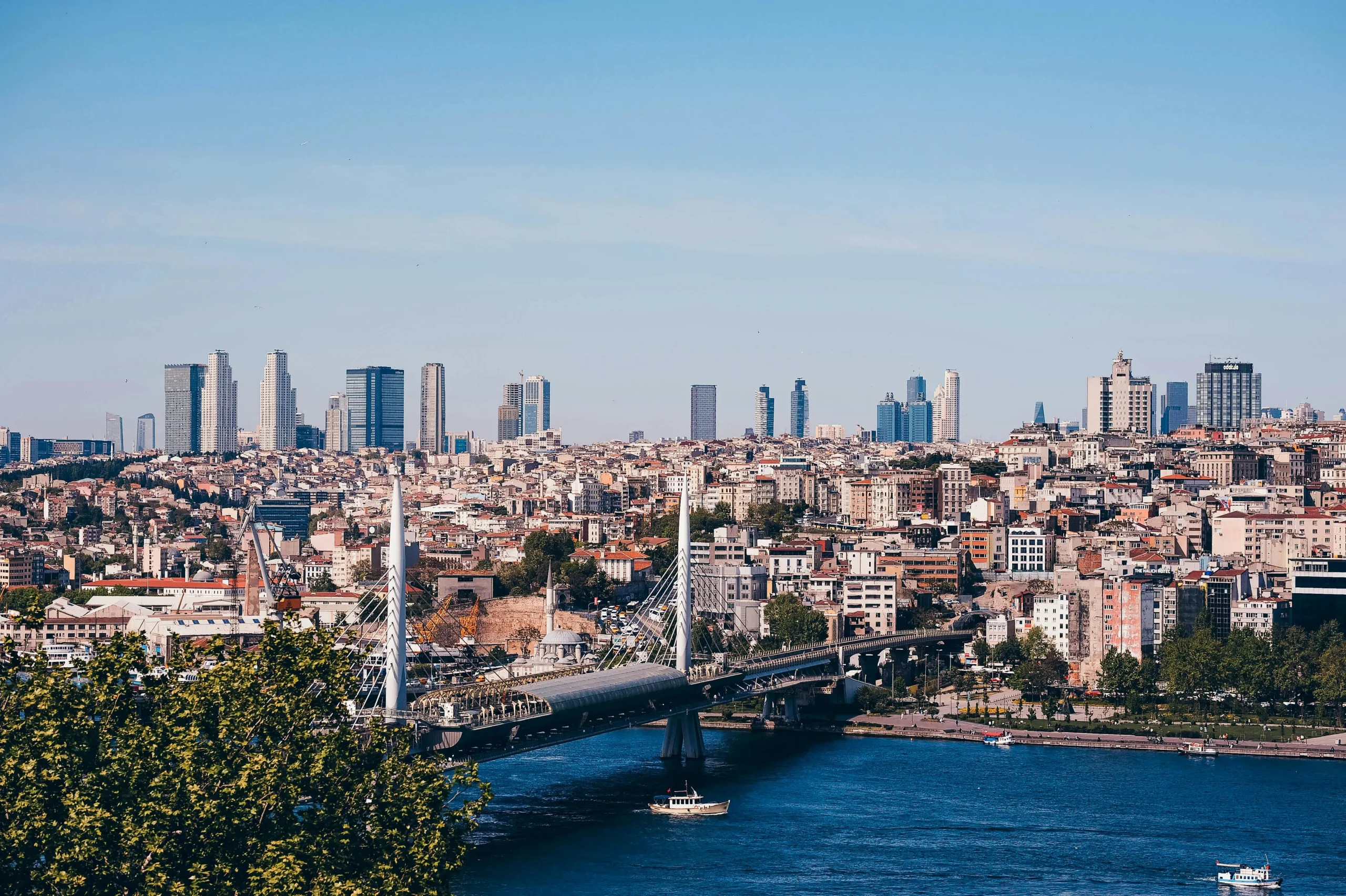
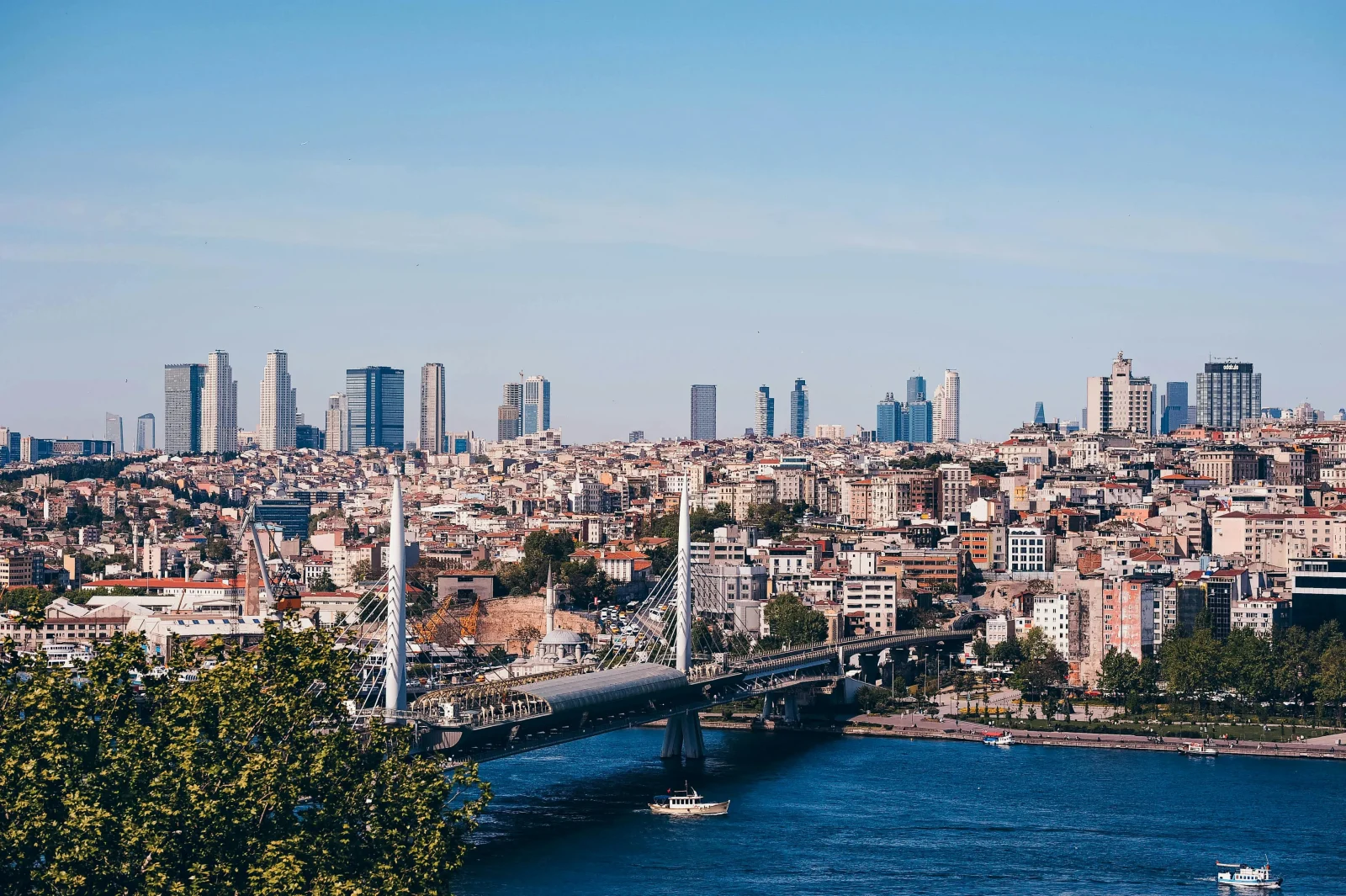
The Haliç Metro Bridge, connecting the Fatih and Beyoğlu districts, enhances Istanbul’s transportation network with its two-level, four-track design. Designed by architect Hakan Kıran, the 936-meter-long bridge has a maximum height of 17 meters above sea level. Exclusively open to metro and pedestrian traffic, the bridge is supported by five piers in the water, eight on the Azapkapı side, and six on the Unkapanı side.
Constructed on 27 piles, each 2.5 meters in diameter and approximately 110 meters deep in the sea, the bridge is designed to resemble a ship deck when viewed from above. One unique feature is its “rotating bridge” section. Unlike other bridges, the Haliç Metro Bridge’s horizontal opening mechanism allows large ships to pass through the Golden Horn.
7. Haliç Bridge
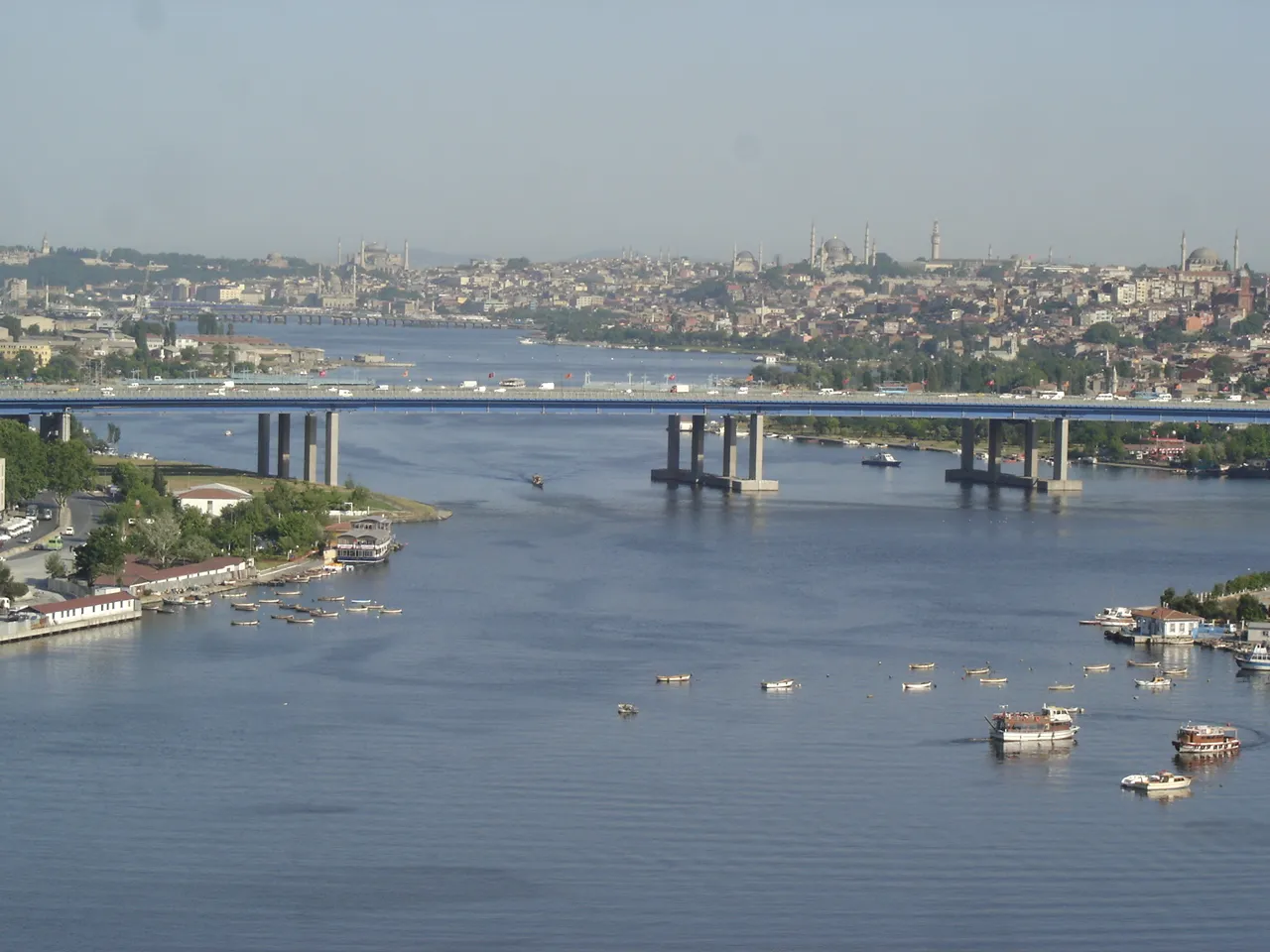
Constructed between 1971 and 1977 by IHI Corporation of Japan and Julius Berger-Bauboag AG of Germany, the Golden Horn Bridge is a highway bridge spanning the Golden Horn in western Istanbul. Built to ease traffic congestion caused by the increasing population of Istanbul and the insufficiency of the Unkapanı (Atatürk) Bridge and Galata Bridge, the Haliç Bridge was completed in 34 months and opened for use on September 10, 1974.
Measuring 995 meters in length, 32 meters in width, and standing 22 meters above sea level, this impressive bridge serves as an important transportation link as an extension of the Otoyol 1 highway, which connects to the Bosphorus Bridge. Due to heavy traffic, two new steel bridges with two lanes on either side of the existing bridge were added between 1994 and 1998.
8. Suleiman the Magnificent Bridge
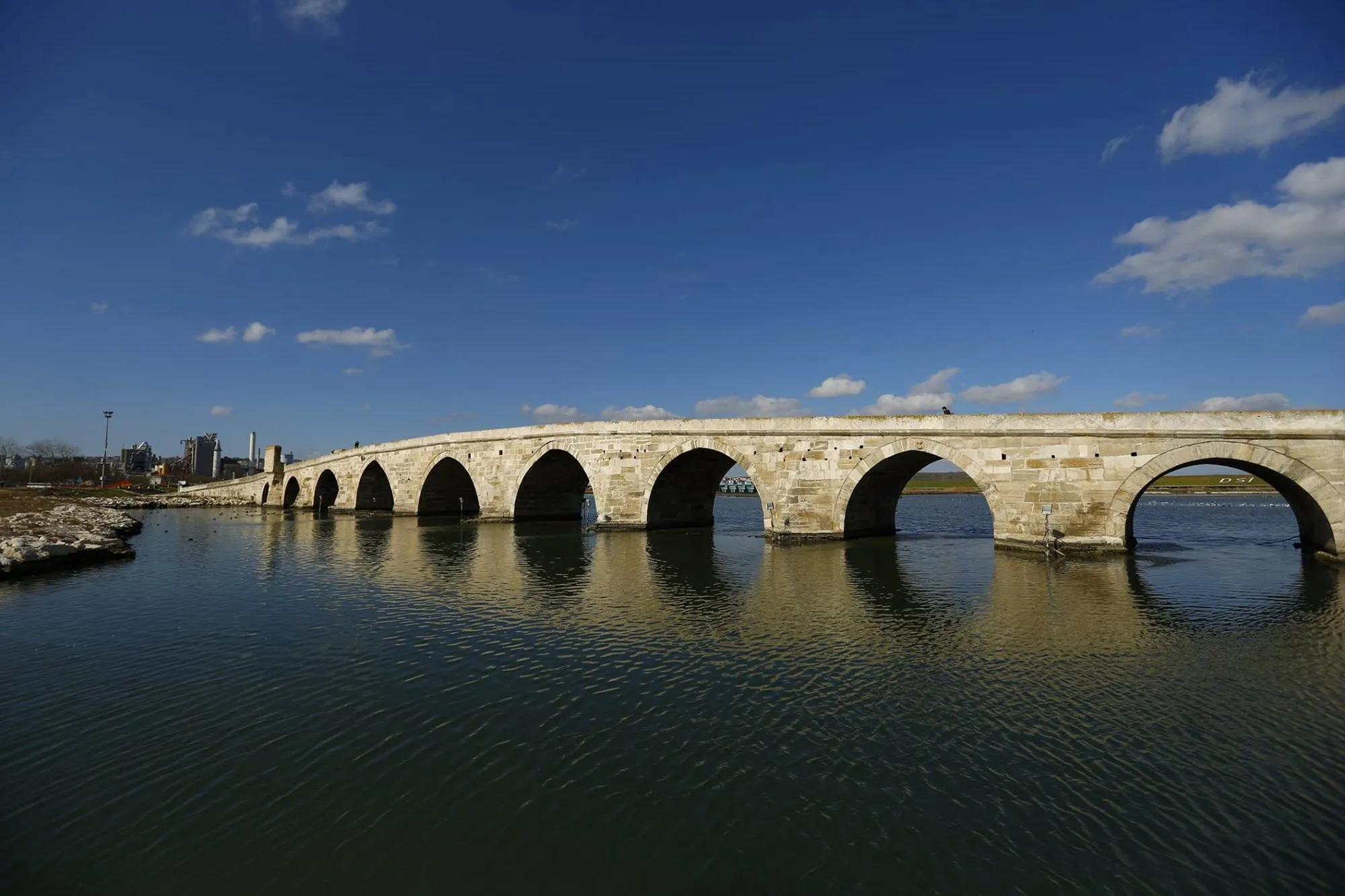
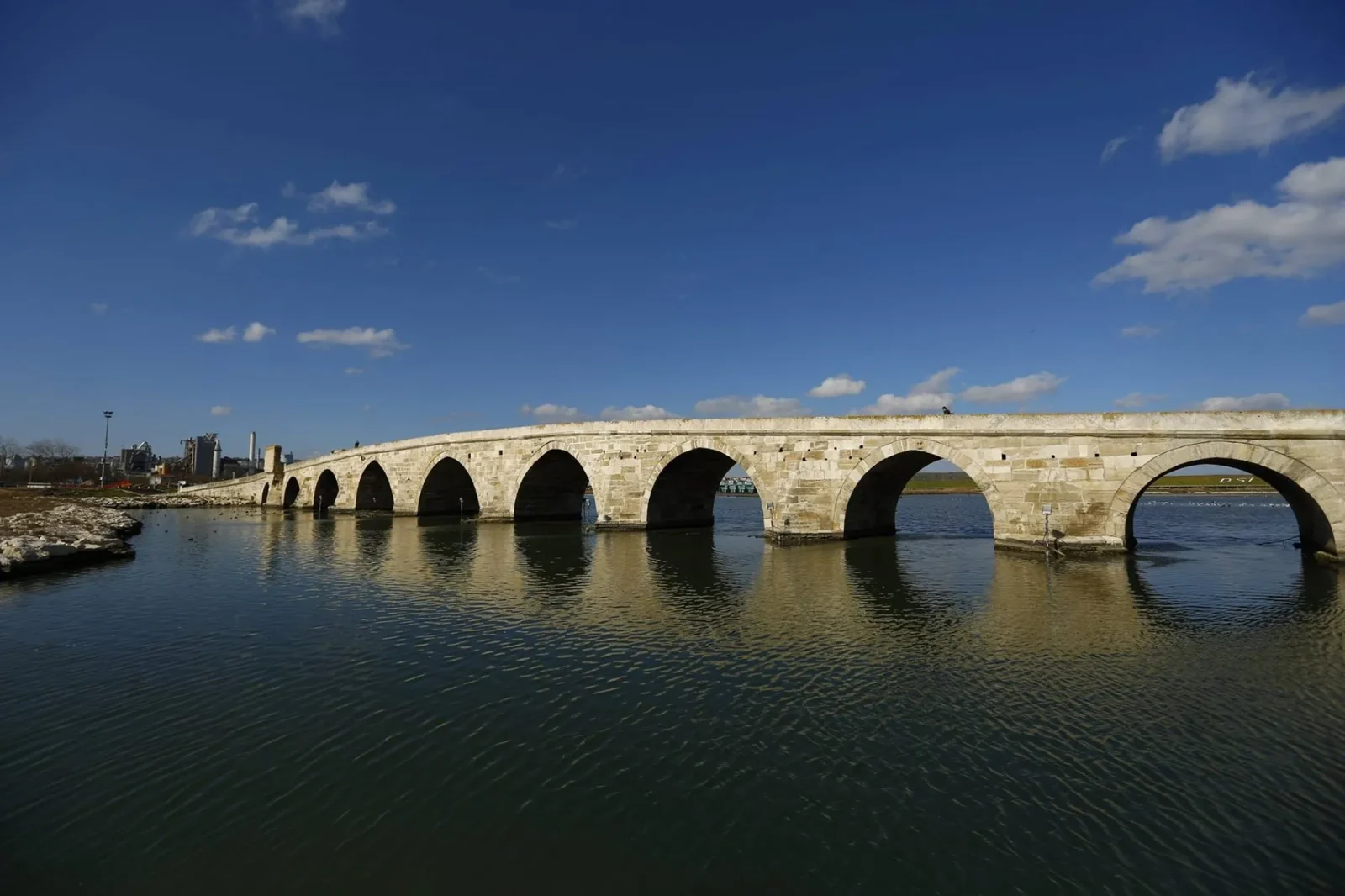
Located in the Büyükçekmece district of Istanbul, the Suleiman the Magnificent Bridge, also known as the “Büyükçekmece Bridge,” is a historic bridge built by Mimar Sinan in 1567. An intriguing feat of engineering, the bridge, comprised of four sections with varying slopes, has a total length of 636 meters and a width of 7 meters. The bridge features railing panels on both sides. Due to the absence of railings between sections, large floods have been able to pass through without damaging the structure. These gaps are known as flood cuts.
Commissioned by Suleiman the Magnificent during his Zigetvar Campaign to facilitate the passage of his army, this bridge is the last work that brought architect Sinan and Suleiman together. Due to Suleiman’s death during the campaign, its construction was completed by his son, Selim II. With the construction of a new bridge on the Istanbul-Edirne highway, the Kanuni Sultan Süleyman Bridge has been closed to traffic. Regarded by Mimar Sinan himself as ‘the masterpiece among my works,’ the bridge holds significant symbolic and architectural importance for Istanbul due to its design and extensive scale.
Explore Courses
.jpg%202.jpg "Building Performance with Forma & Opossum")

.jpg "Ondrej Chybik - Rethinking Architecture")