





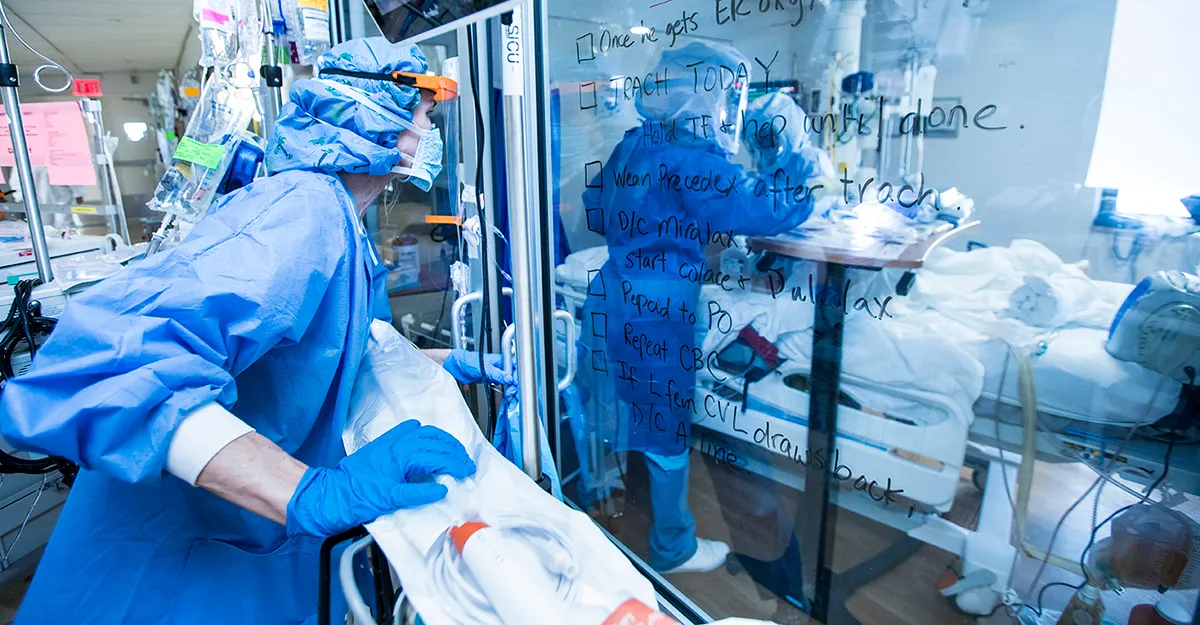


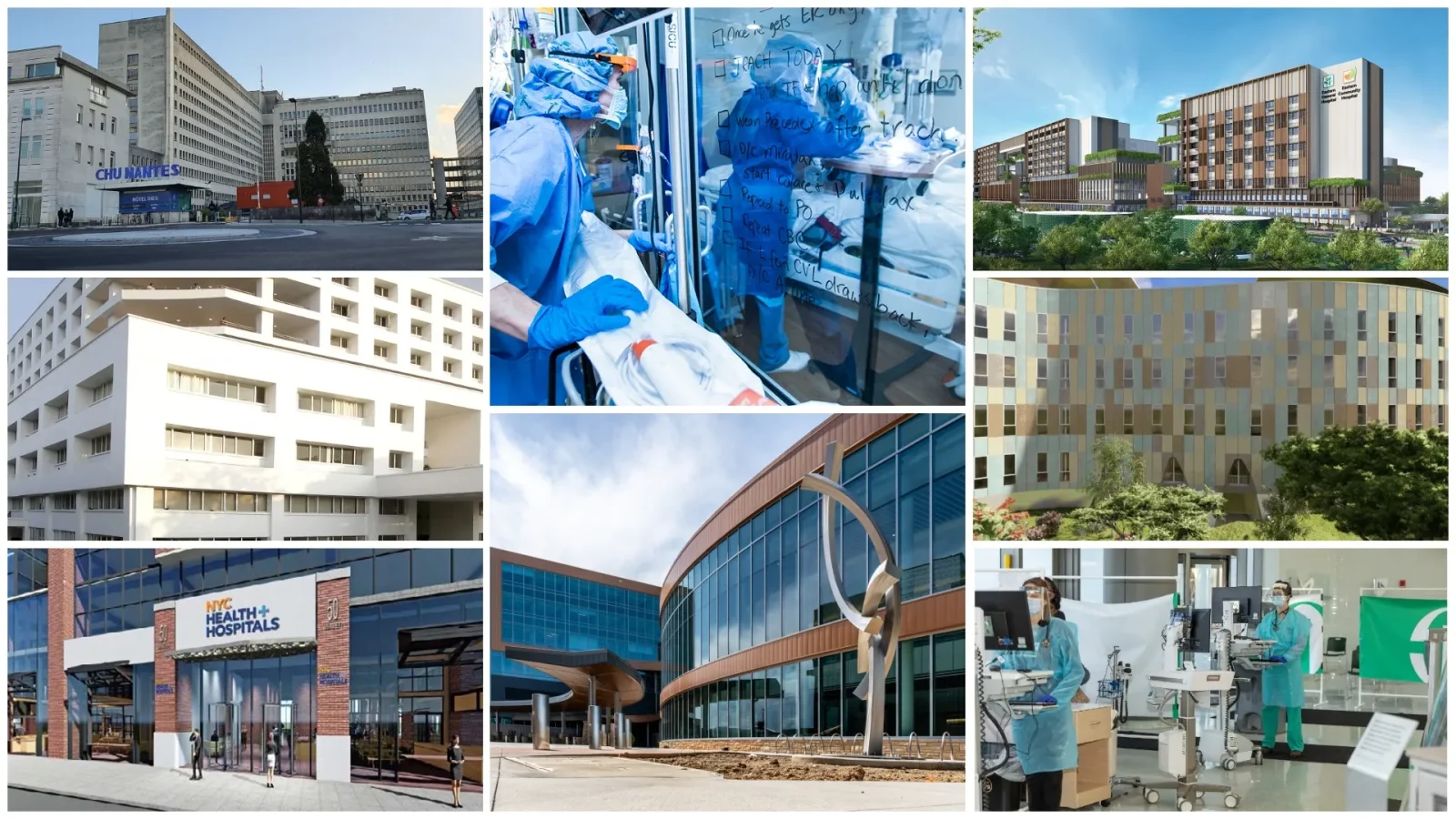

The pandemic exposed weaknesses in global healthcare planning. During this period, nearly two-thirds of US hospitals reported overcrowded emergency units and ventilator shortages, revealing unpreparedness in times of crisis. But it was not the only catalyst for change since hospitals today must evolve to handle rising patient numbers, climate uncertainty, digital healthcare services, and future emergencies.
In response to these pressures, architects are rethinking spatial planning and designing hospitals to adapt to modern needs. Instead of rigid layouts, they are designing flexible infrastructures with convertible spaces and independent air circulation paths that improve infection control and patient safety. It marks a definitive shift toward adaptable healthcare environments built to heal, protect, and respond.
1. Nantes University Hospital Center
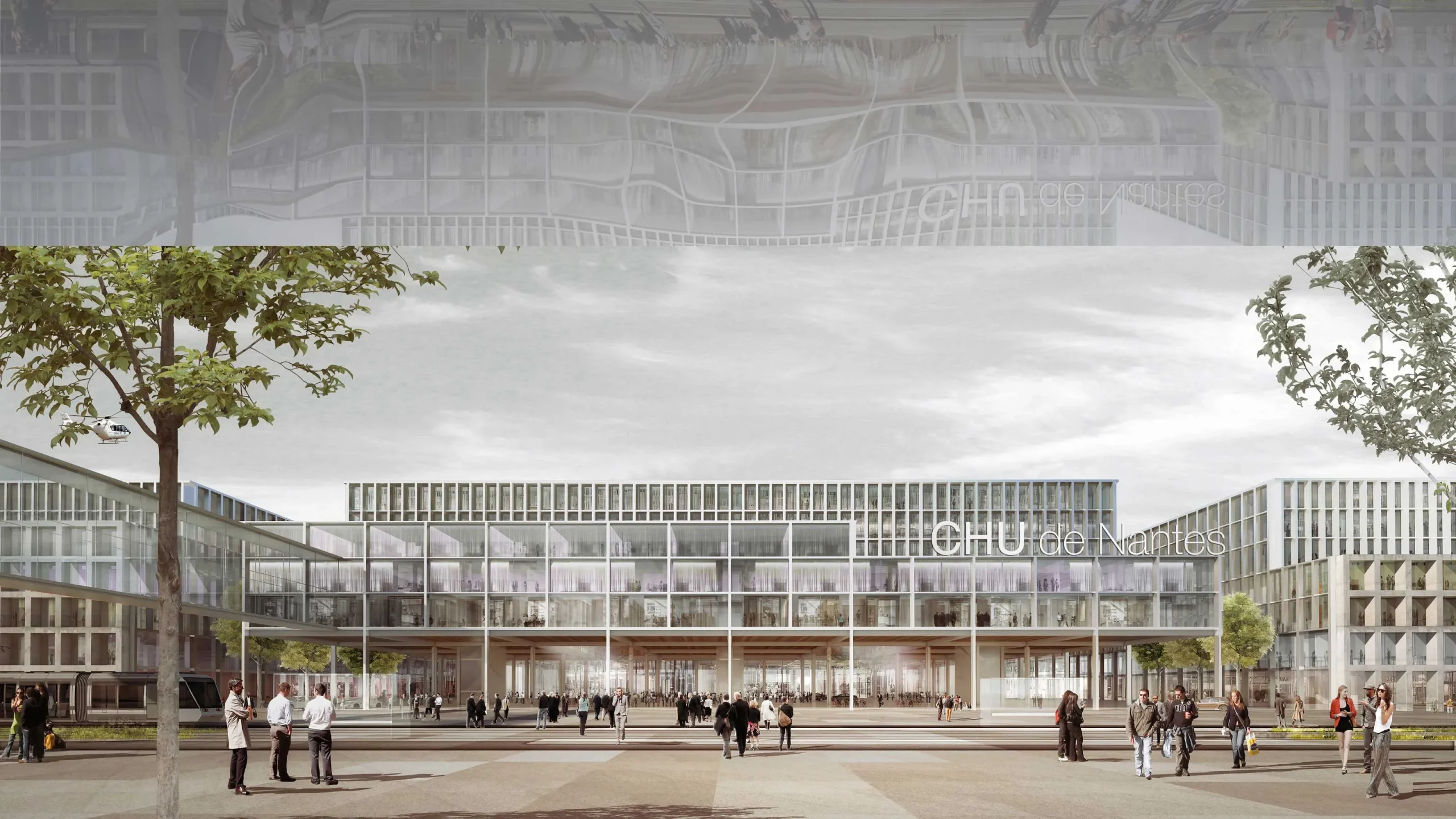
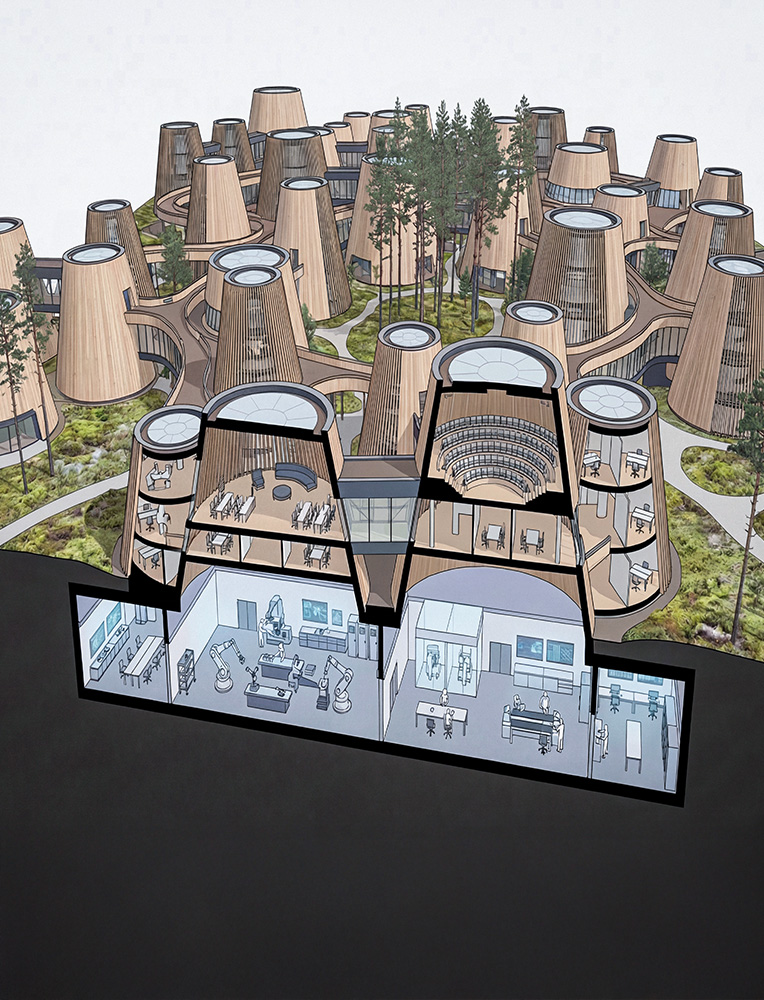
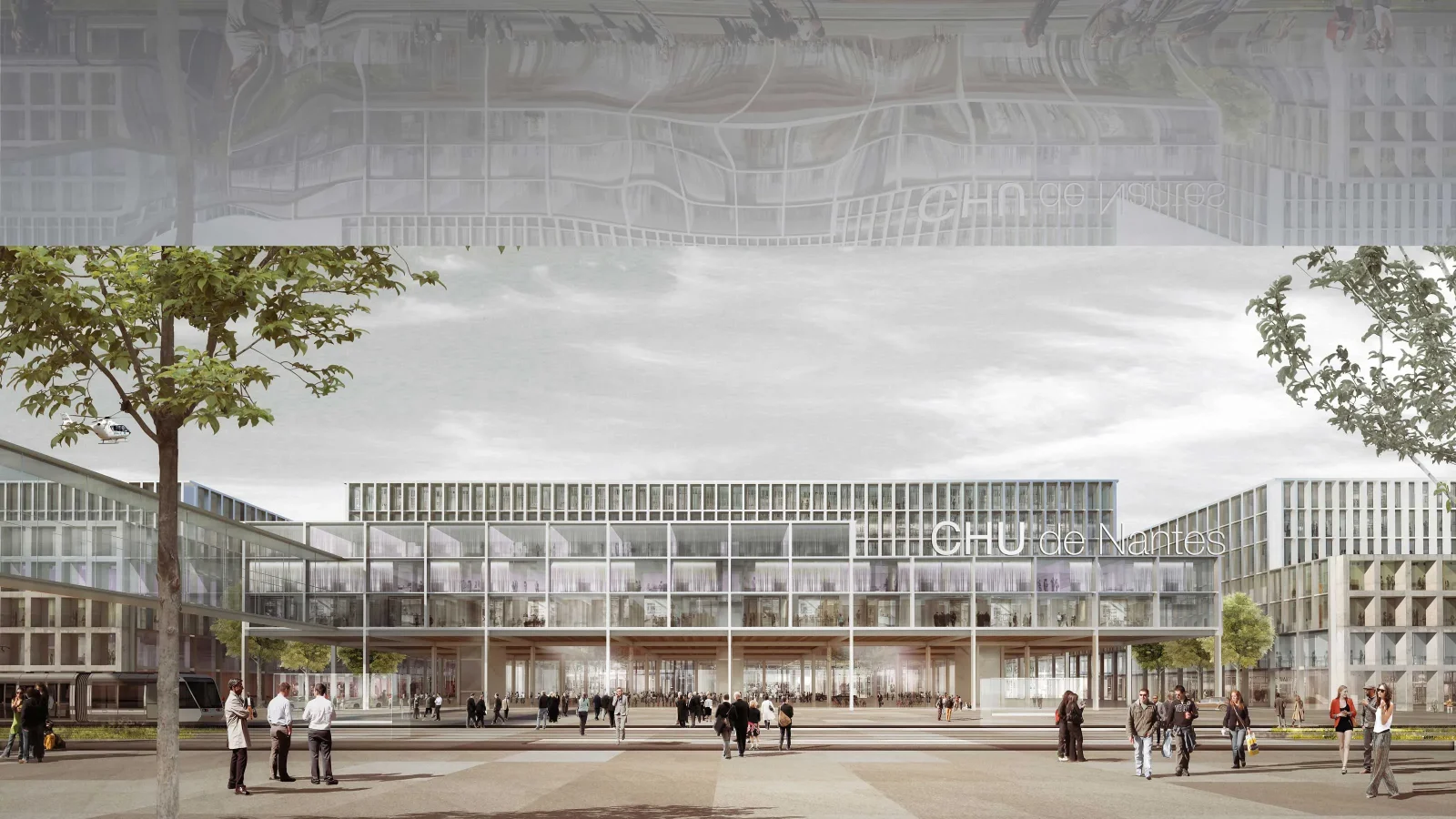
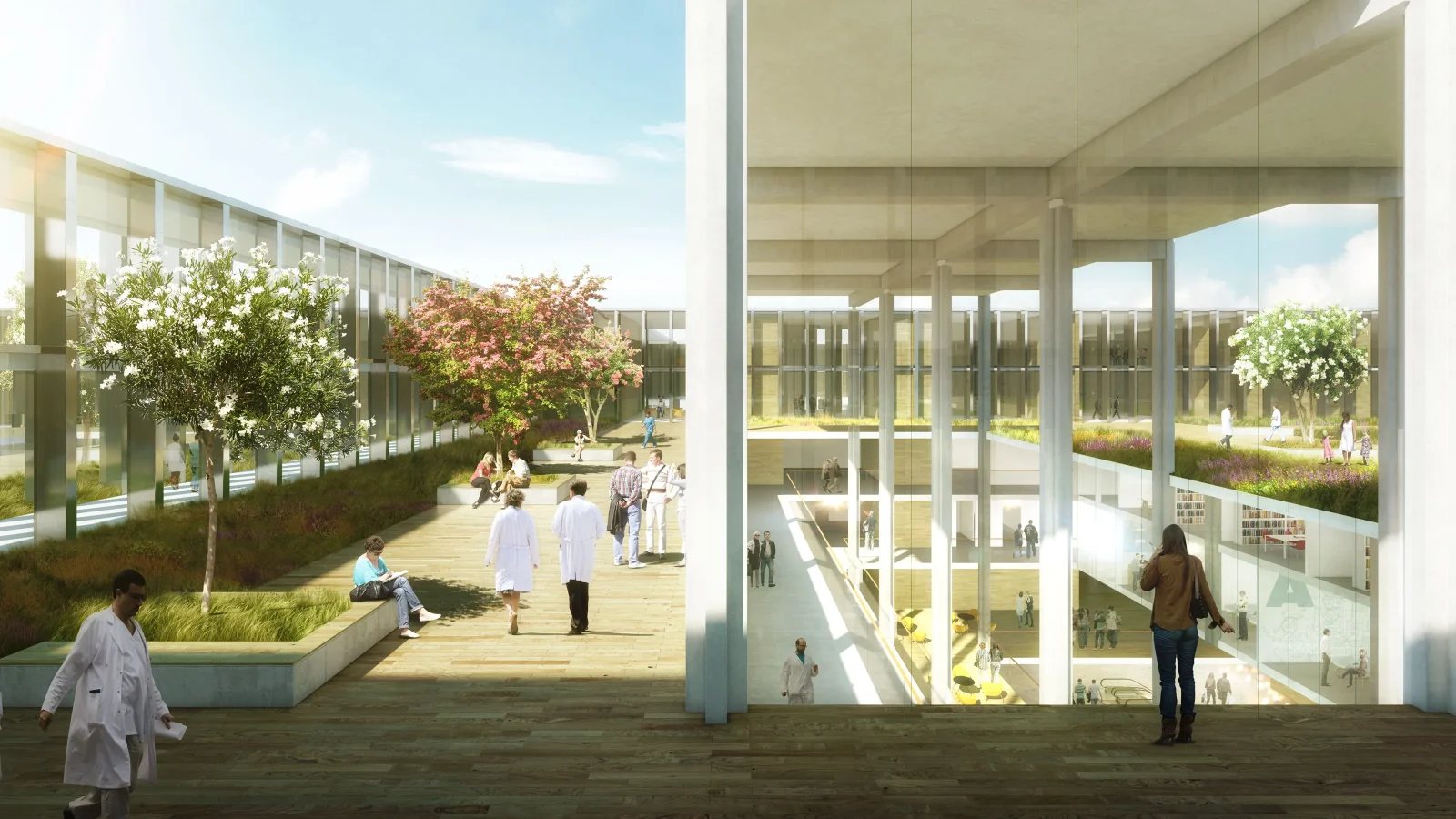
The Nantes University Hospital Center is rebuilding for €1.25 billion, making it one of Europe’s largest healthcare projects. This pavilion-style design complex covers 220000 square meters and connects through 20-foot footbridges while maintaining daylight and open circulation. It has a modular layout that would allow the hospital staff to reassign rooms and turn them into intensive care areas during emergencies.
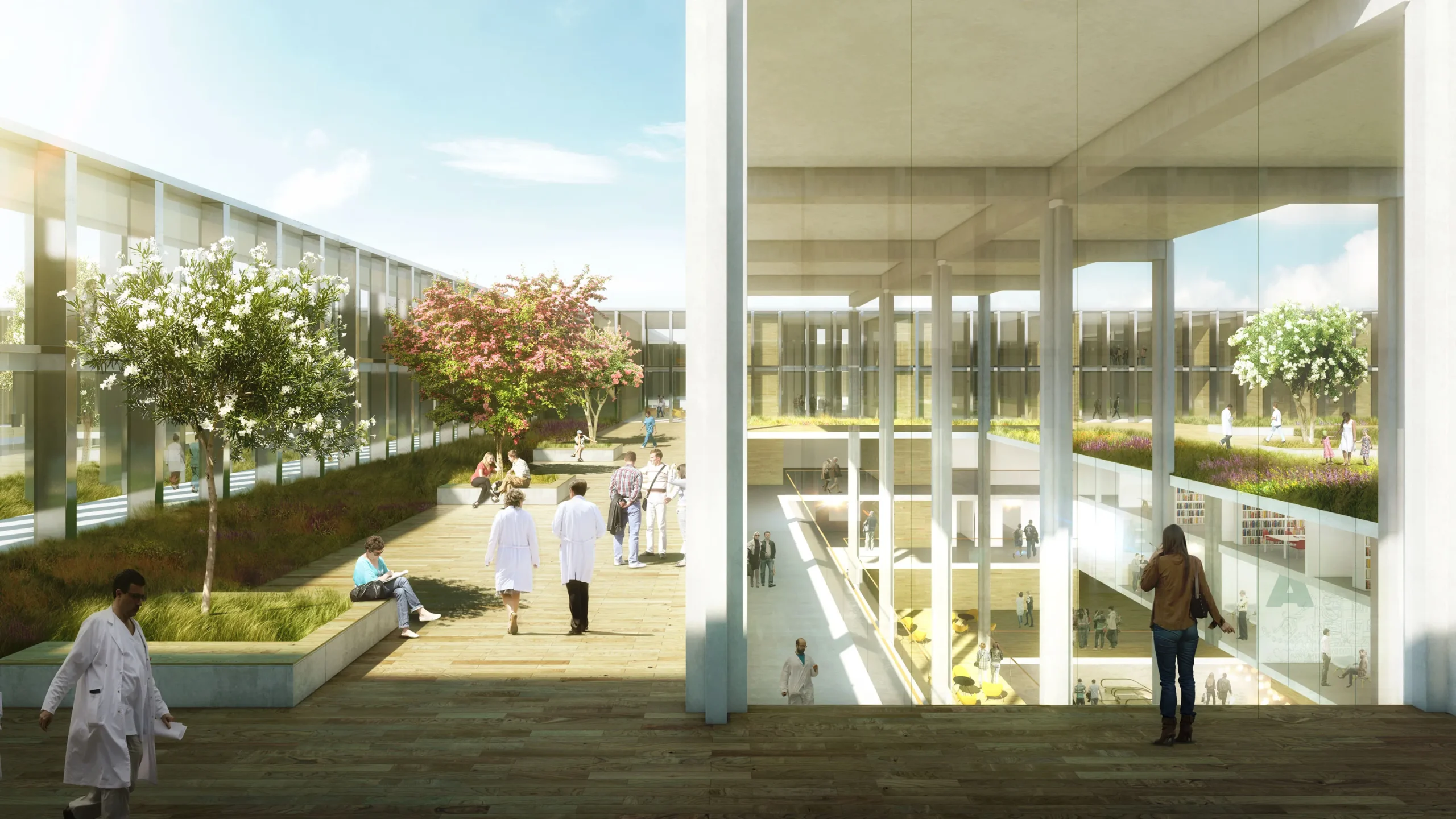
Inspired by industrial models, it features a centralized automated logistics system to manage medications, catering, and supplies, freeing caregivers to focus entirely on patients. Outpatient services now deliver advice directly to patients, boosting daytime care from 59 to 64 percent. Nantes exemplifies how hospitals can serve patients and communities in the modern healthcare era by combining advanced infrastructure and flexible services with research and education.
2. Jupiter Hospital
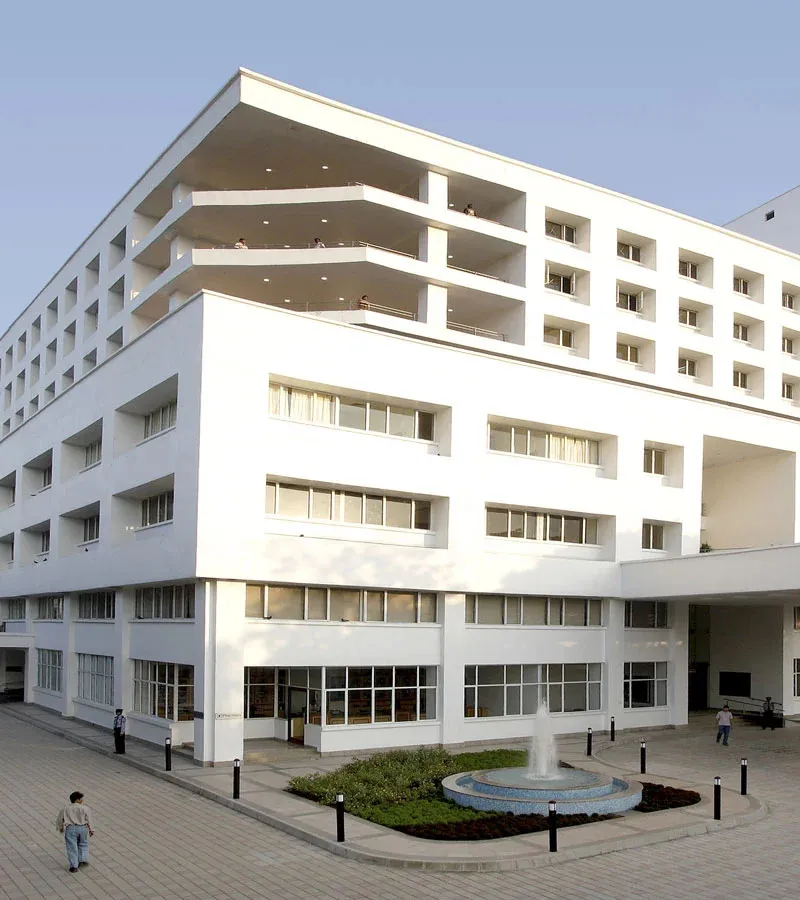
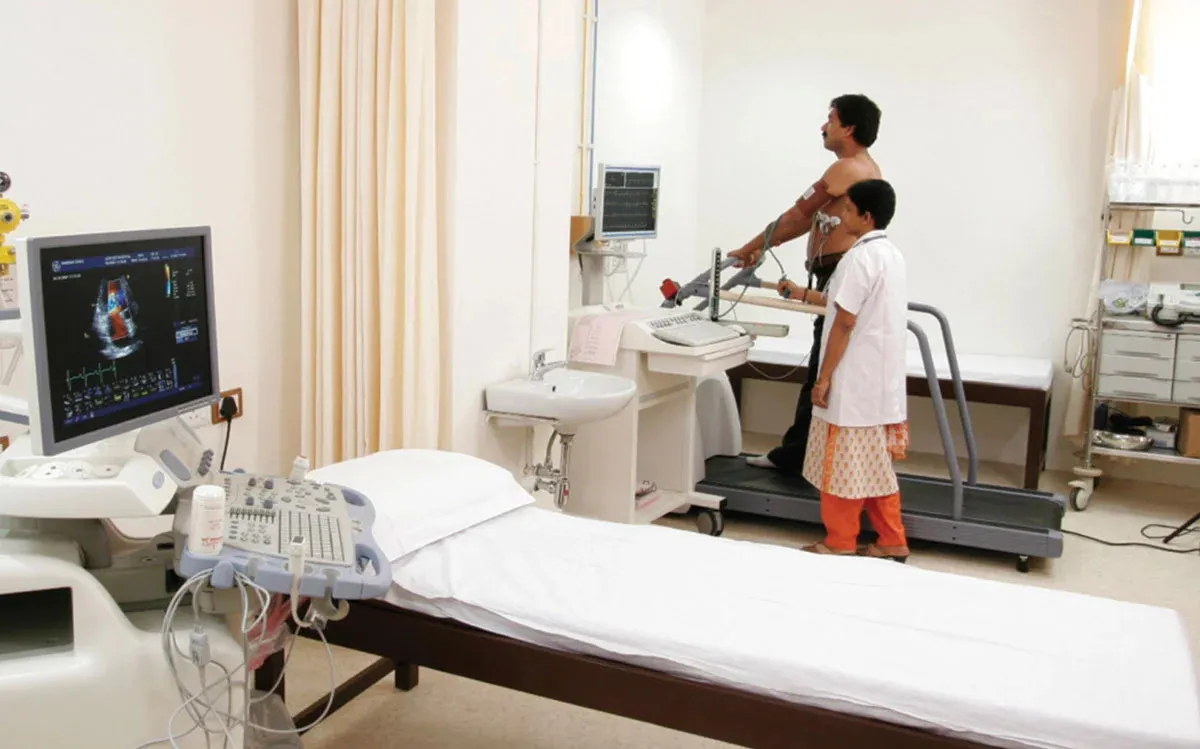
Jupiter Hospital in India proved during the pandemic that spatial planning can save lives. Because of its decentralized layout with multiple entry and exit points, independent ICUs, emergency rooms, and OT complexes allow the hospital to keep functioning even if one unit shuts down.
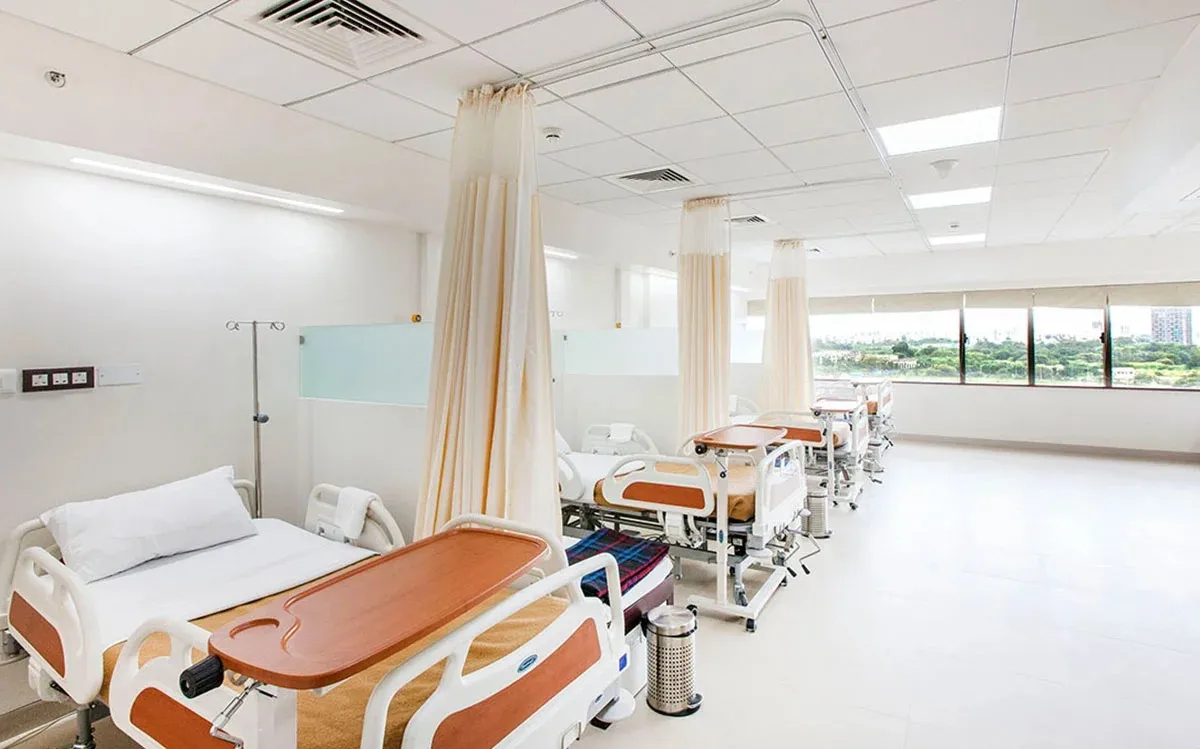
Jupiter Hospital’s adaptive layouts quickly turned into a model for future hospital planning, incorporating wider corridors, smaller clustered lobbies, and daylight-focused ward design. They also drew inspiration from Nightingale ward principles, which make supervision and spacing easier.
3. Rush University Medical Center
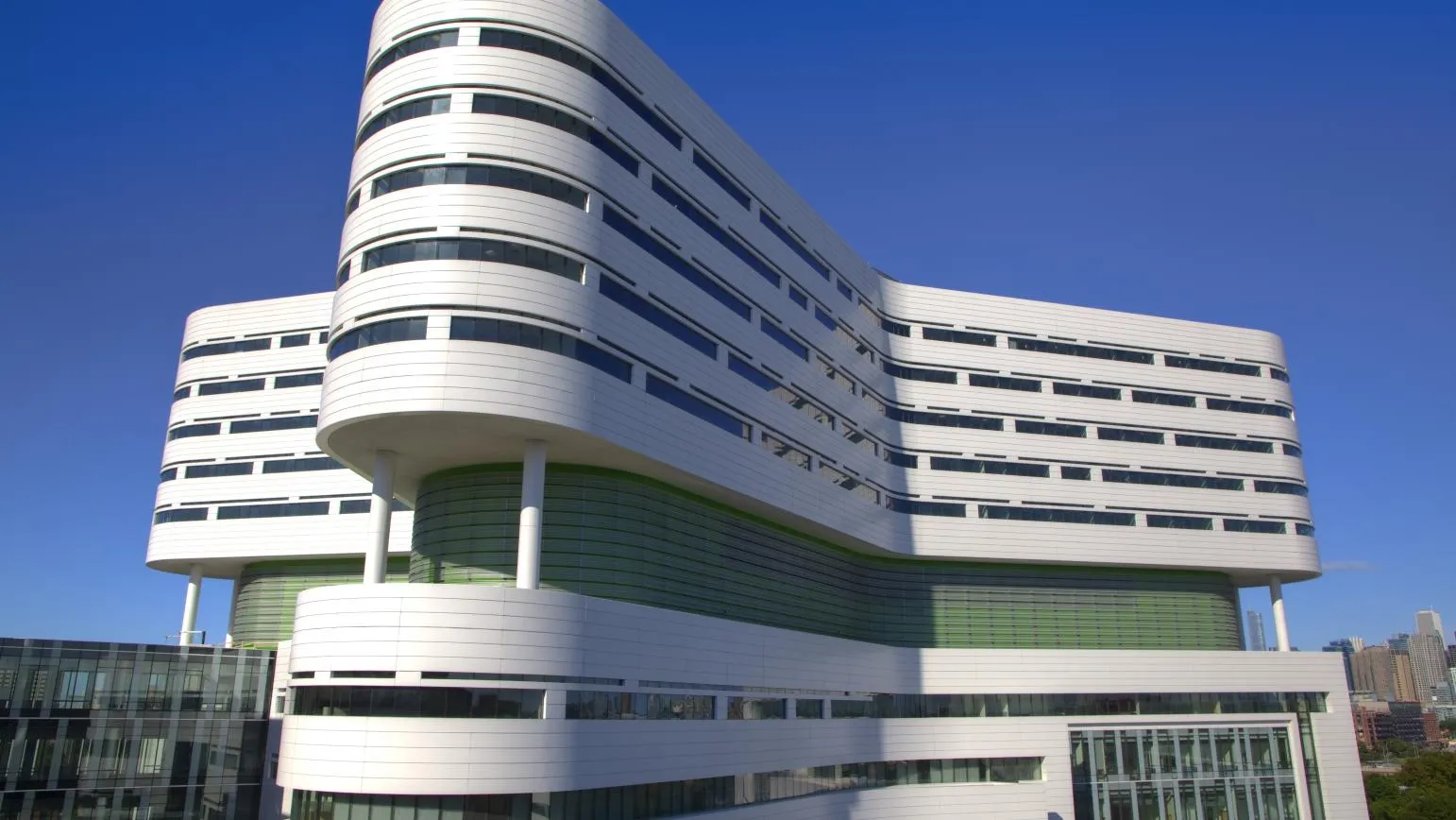
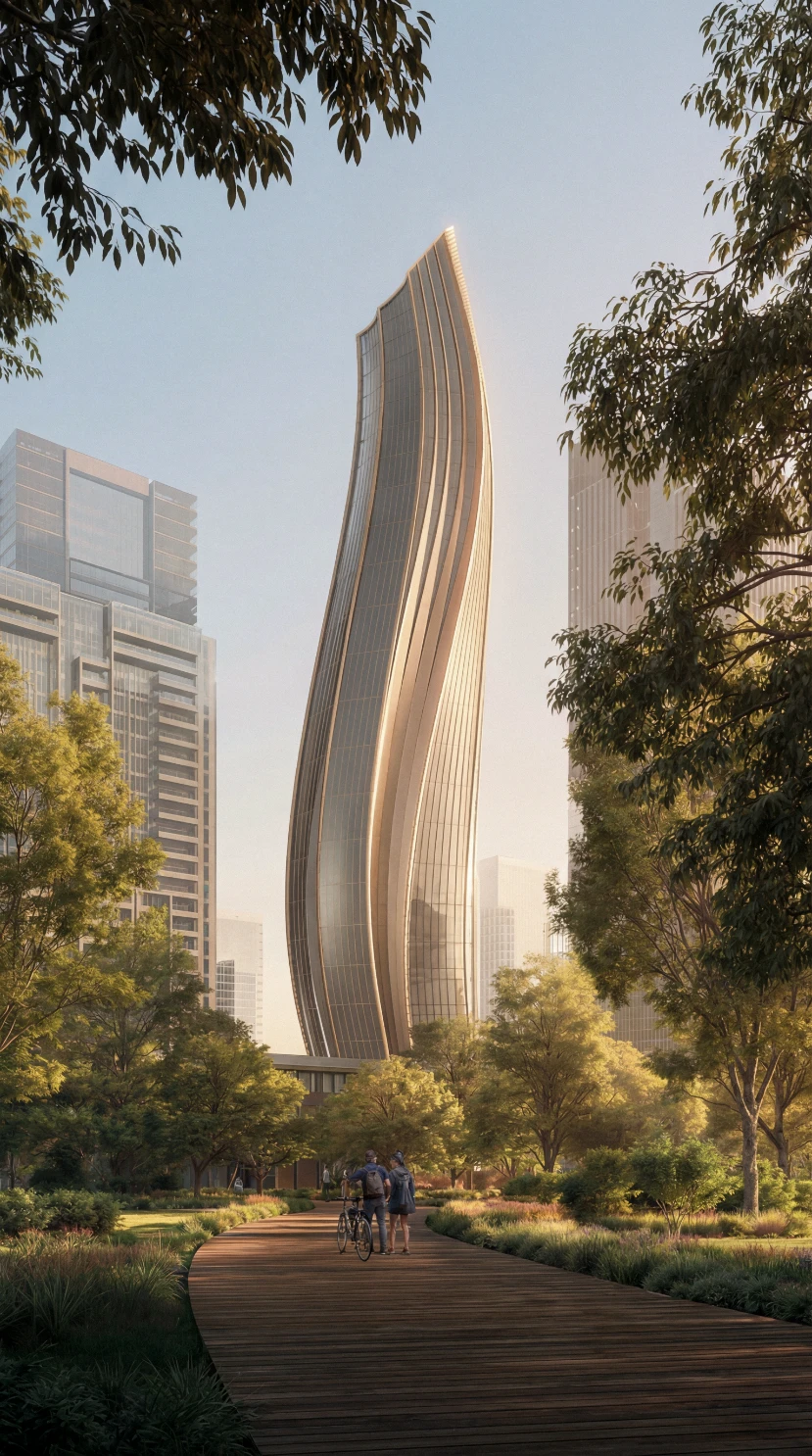
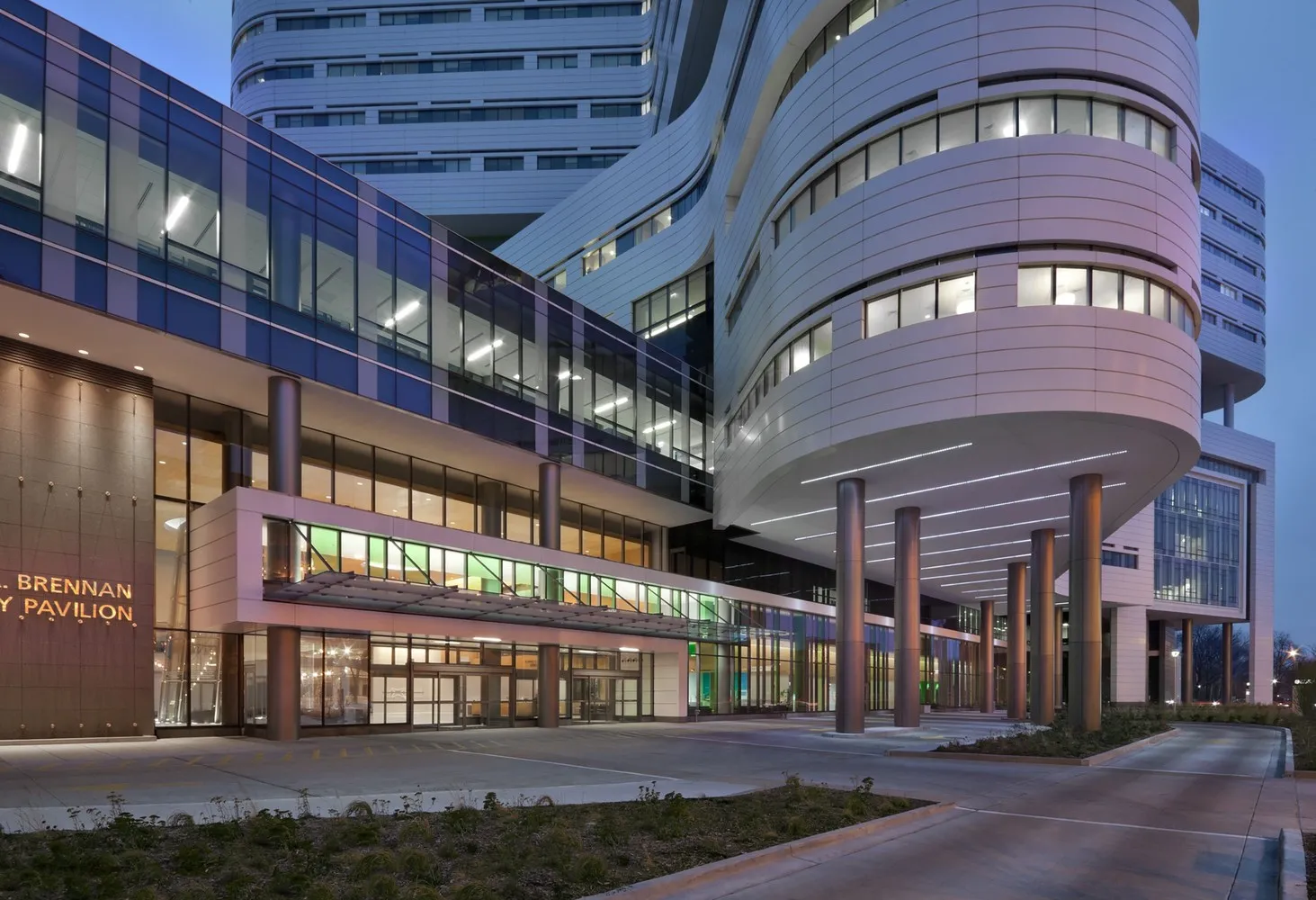
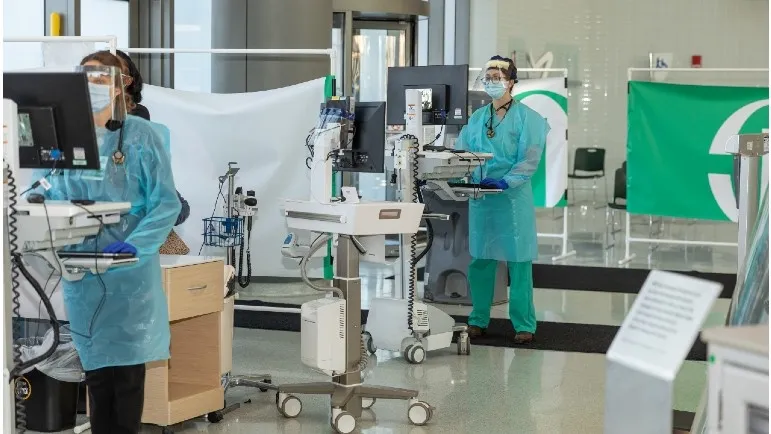
Rush University Medical Center in Chicago, designed by Perkins&Will, demonstrated how forward-thinking design can prepare hospitals for global health crises. Its butterfly-shaped tower includes 40 negative-pressure rooms, compartmentalized emergency units, separate airflow systems, and an ambulance bay that immediately isolates infectious patients upon arrival while protecting others in the building.
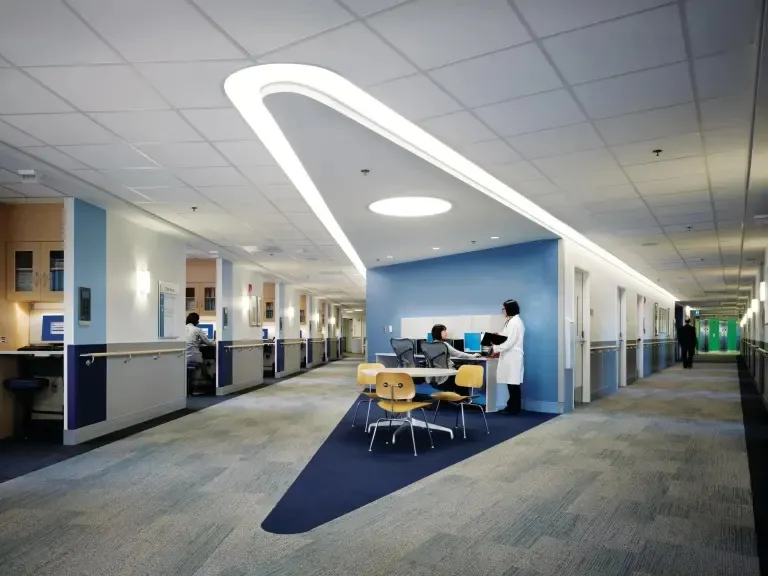
Their flexible architectural design reconfigures circulation routes and provides additional usable areas, including the lobby, which already has medical gas outlets and can convert into a surge ward. Also, its multi-story entry pavilion bridges new and existing spaces with a roof garden and daylighting, reinforcing how this adaptable planning supports resilient modern healthcare delivery.
4. Cittadella Hospital
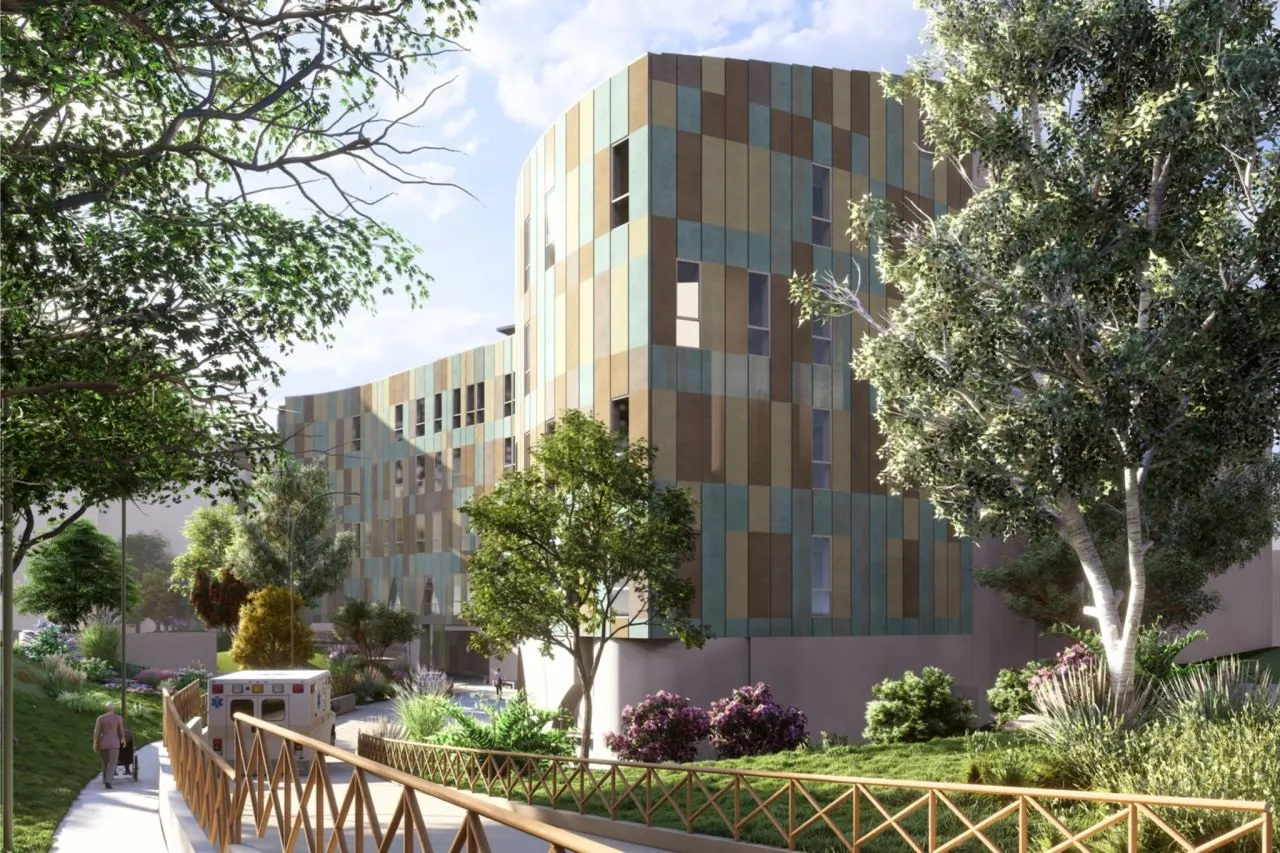
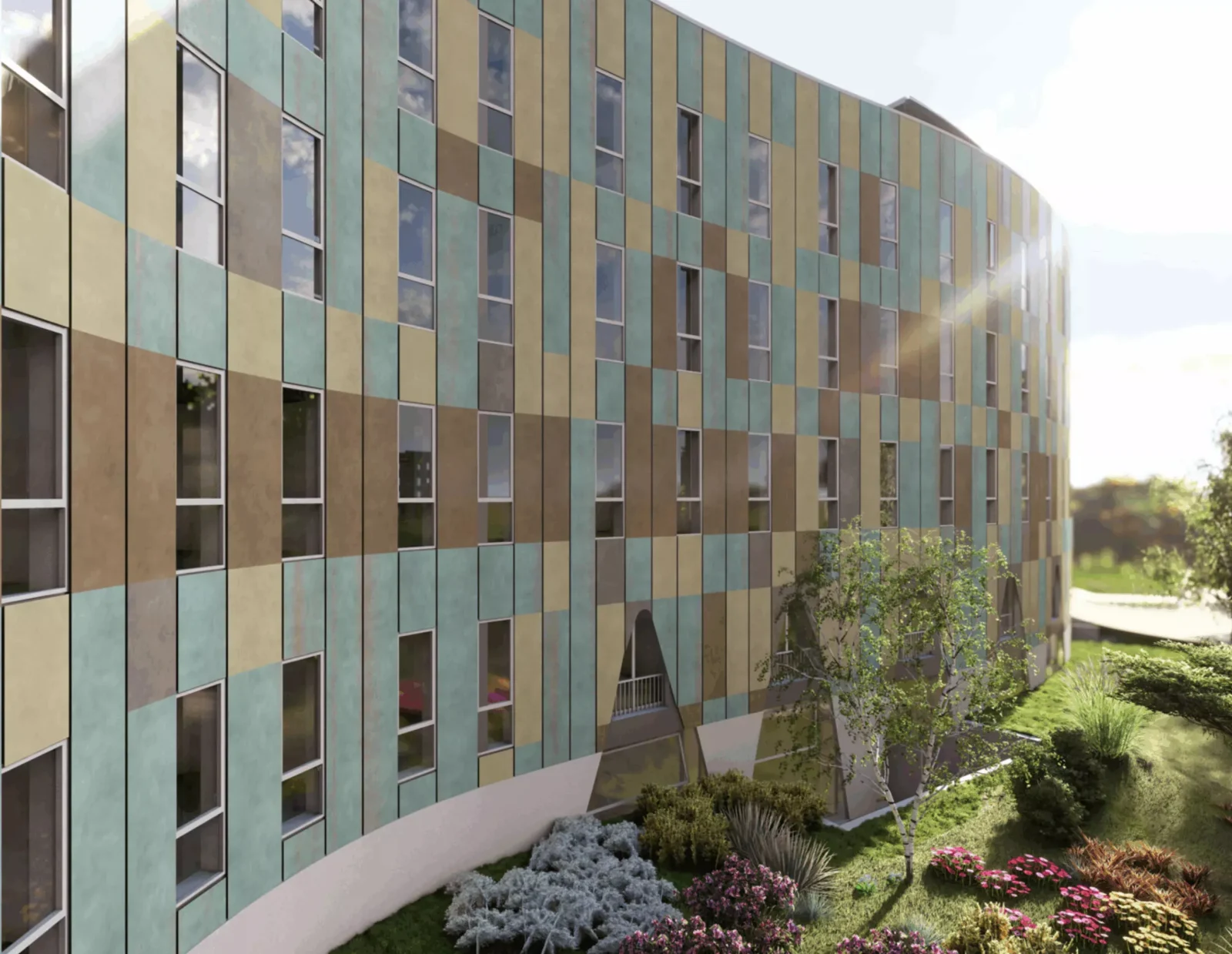
Cittadella Hospital in Padua, Italy, expands flexibility with a new six-level, 22,000-square-meter ward block housing 250 beds and 22-day hospital stations. The design replaces an existing wing and introduces an oval-shaped main body, central courtyard, appendix, and the tau-shaped element, easing patient flow. This tau subdivides the building into three modules and holds the connective system distribution nodes and vertical plant ducts.
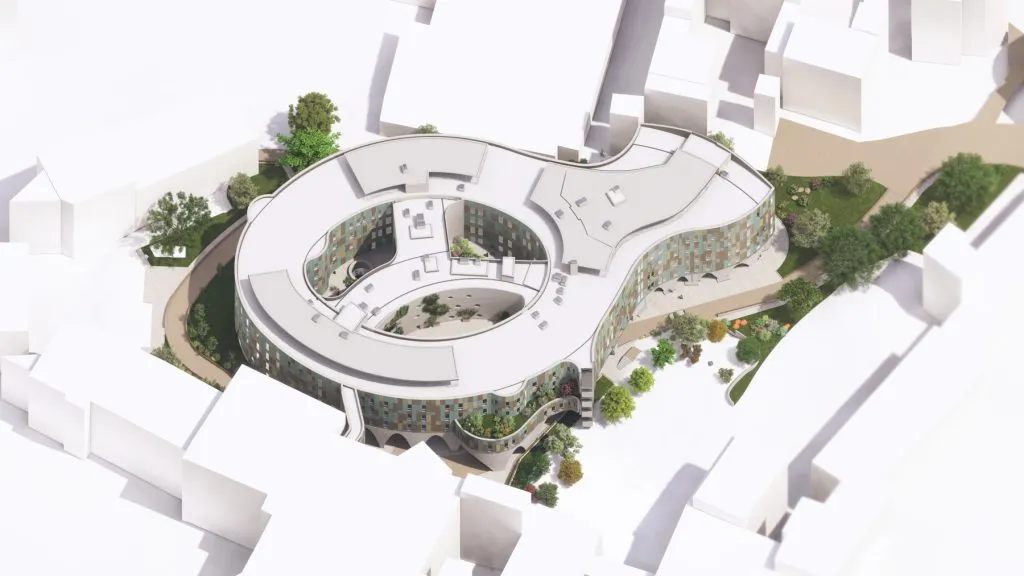
It includes passive ventilation, looping gas lines, and modular equipment that keep operations running under pressure. This future-ready engineering model has even strengthened infection control with stabilized humidity, steam humidification, and multi-stage air filtration. The project, set to finish in 2027, aligns with modern healthcare requirements and prioritizes environmental principles with photovoltaics, trigeneration, dual-network water supply with anti-legionella protections, and smart building automation.
5. Eastern General Hospital
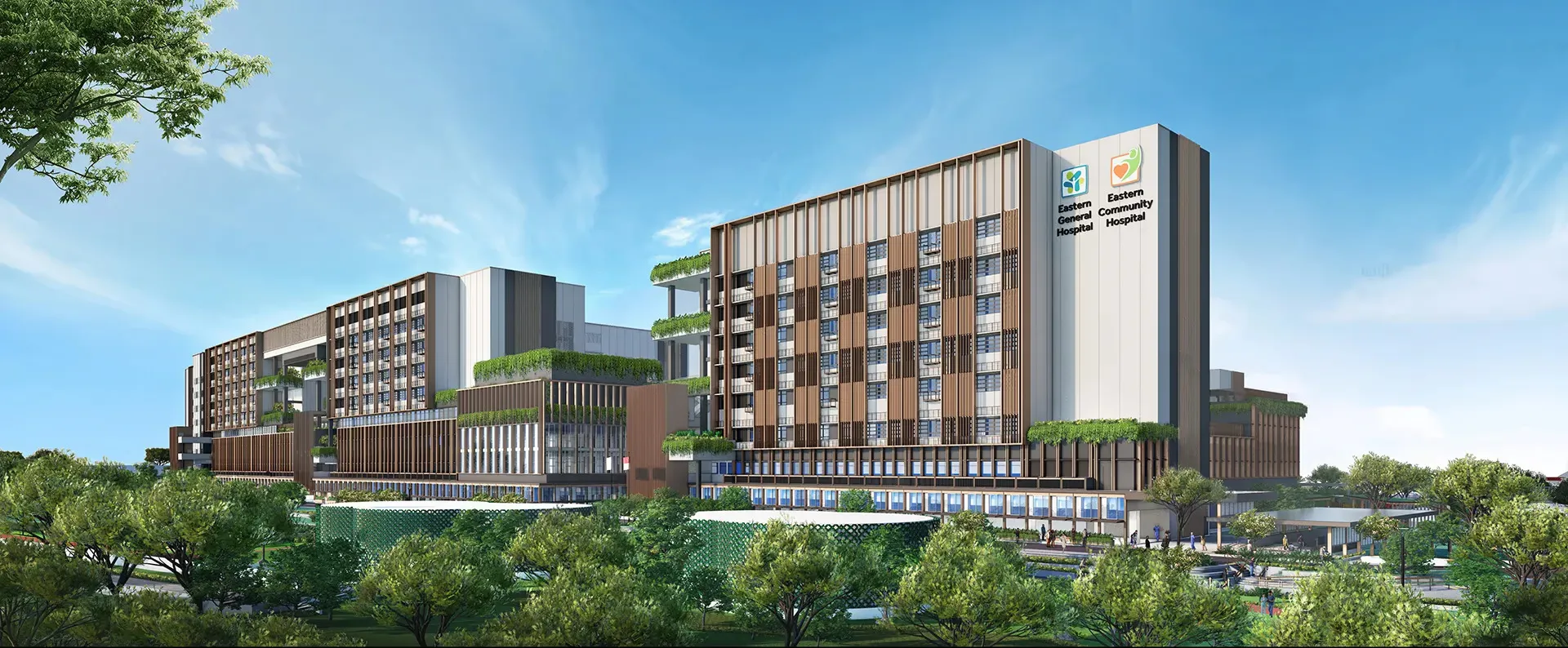
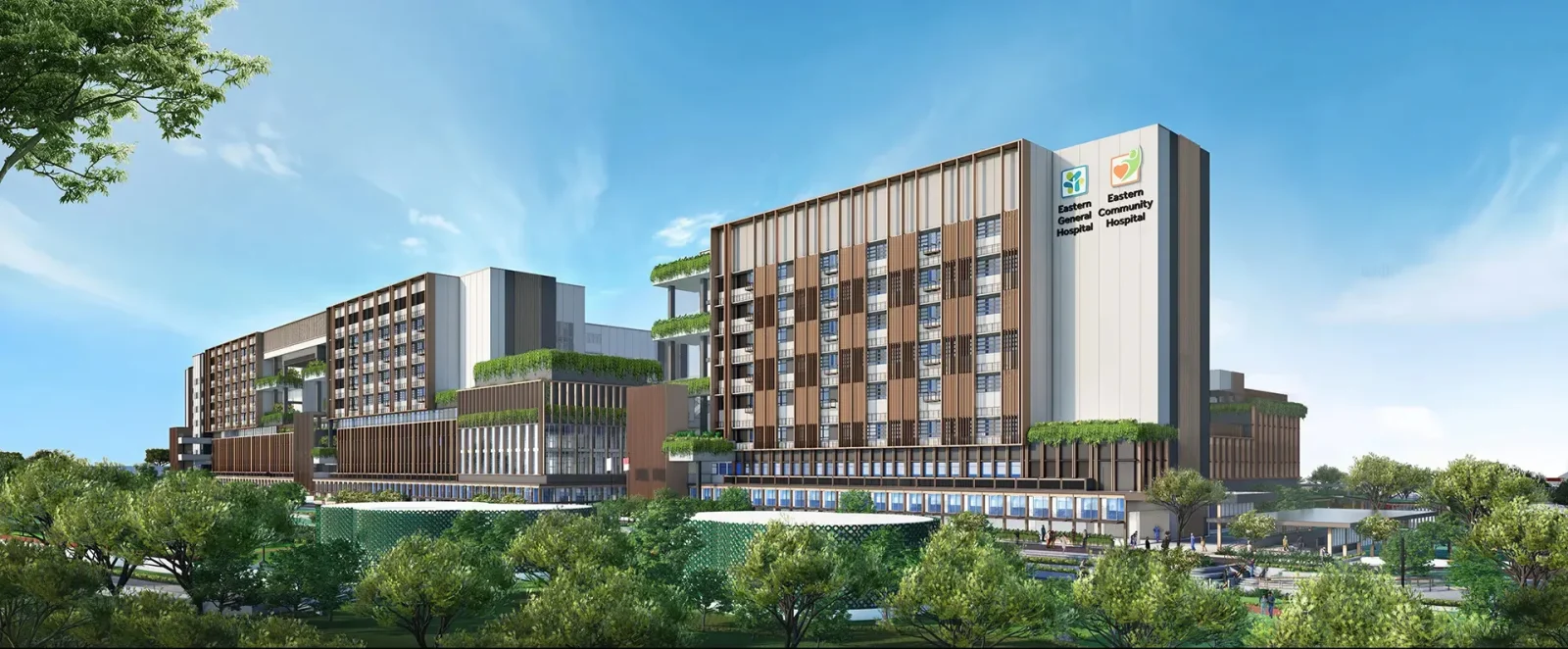
Singapore’s Eastern General Hospital builds surge readiness and digital care into its core, reflecting lessons from the pandemic. This 1,400-bed facility, opening in phases from 2029, combines acute and community care with specialist clinics, diagnostics, and rehabilitation services.
Sustainability, digital integration, and flexibility are key design elements letting staff seal off sections without disrupting operations and adapt wards or waiting areas rapidly during outbreaks. Eastern General Hospital also integrates Green Mark-certified materials, energy-efficient systems, daylight access, and water-saving measures.
If you want to learn these aspects of design, PAACADEMY’s Ladybug software course provides training in energy modeling and daylight analysis. The skills gained from the course help create resilient and sustainable healthcare facilities.
6. Intermountain Health’s Lutheran Medical Center
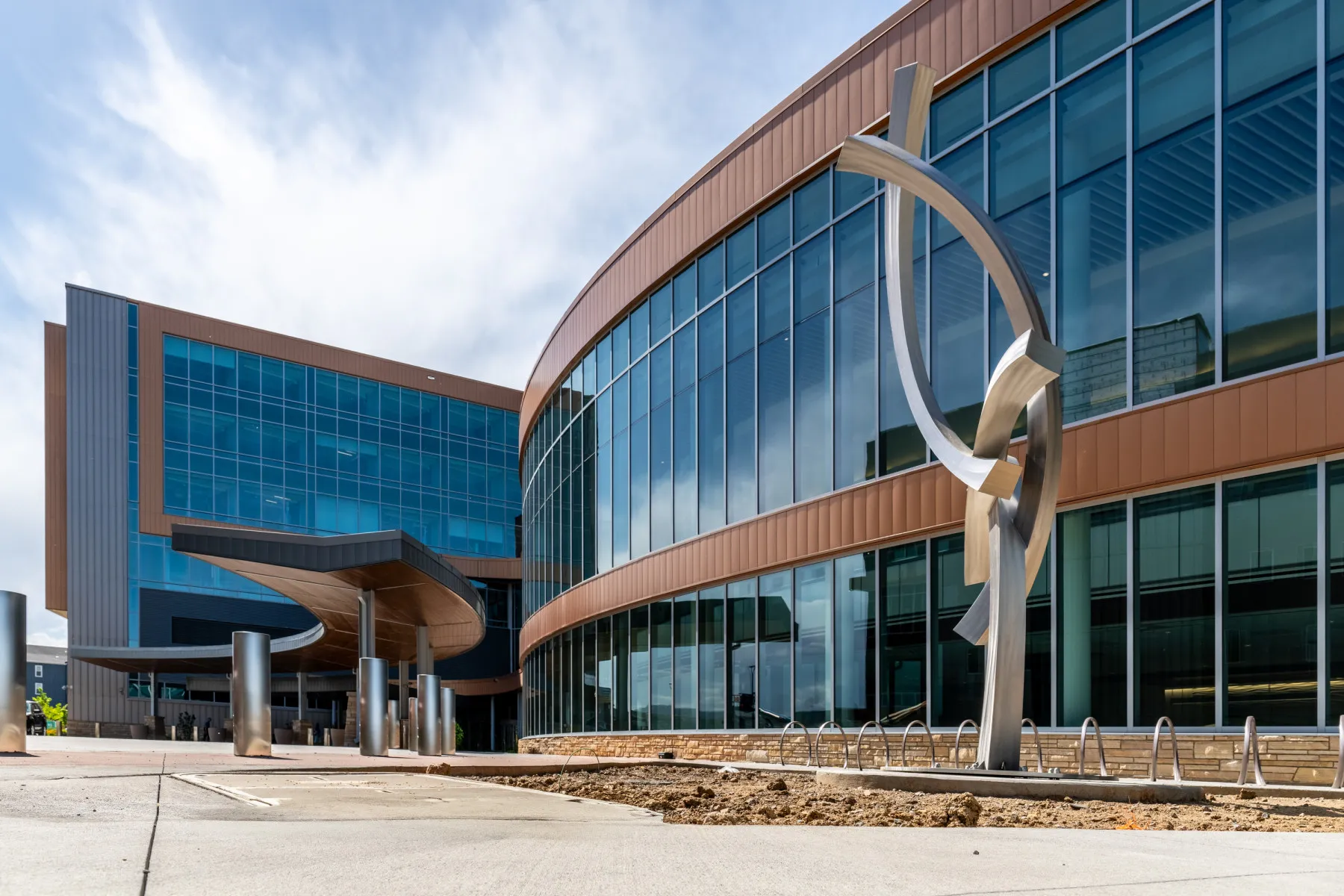
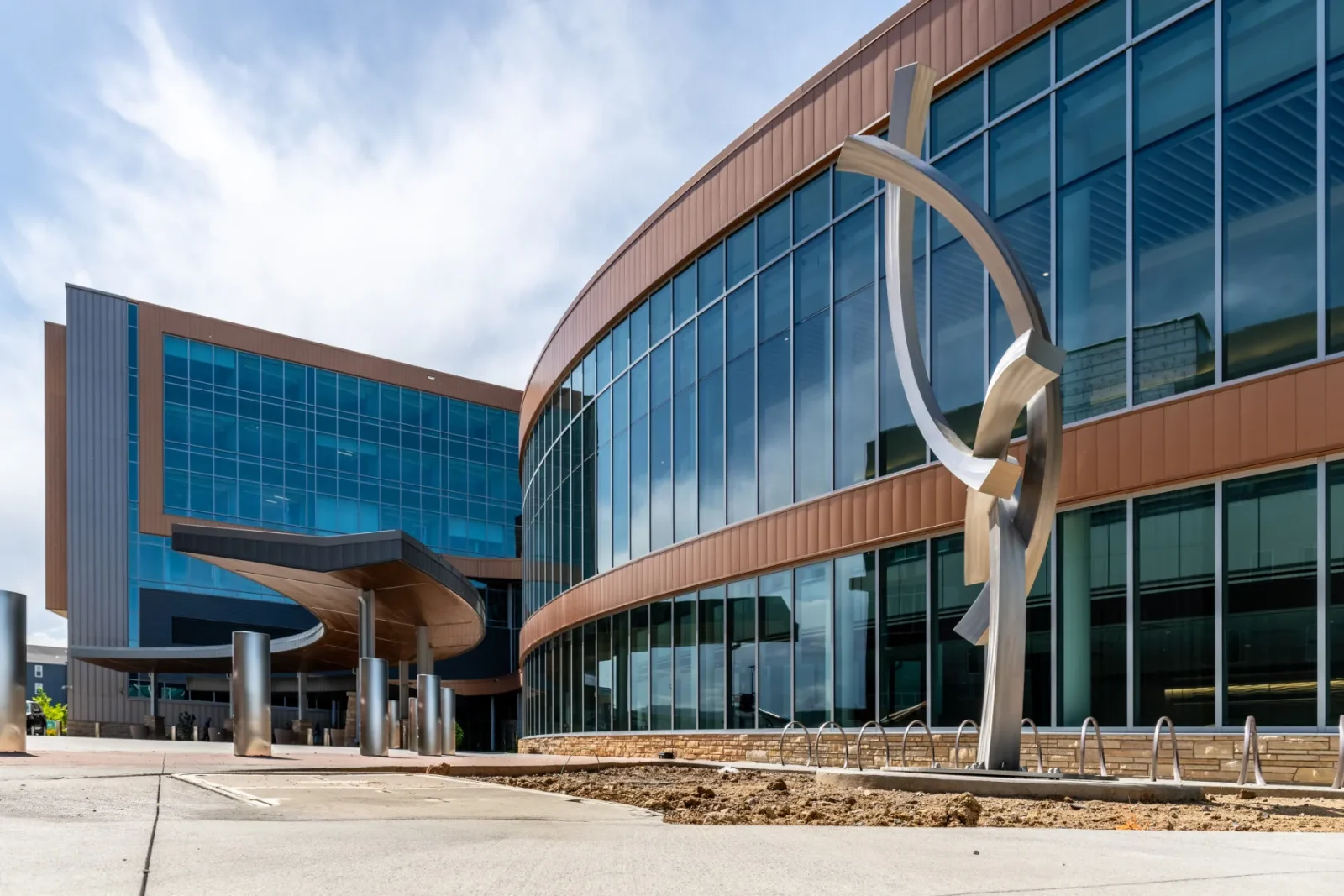
Intermountain Health’s Lutheran Medical Center in Wheat Ridge is relocating to a new $680 million campus at Clear Creek Crossing, designed with flexibility and safety at its core. Its floor-to-ceiling glazing brings natural light into patient rooms, while a centrally located courtyard and full-service cafeteria support families and long-term care.
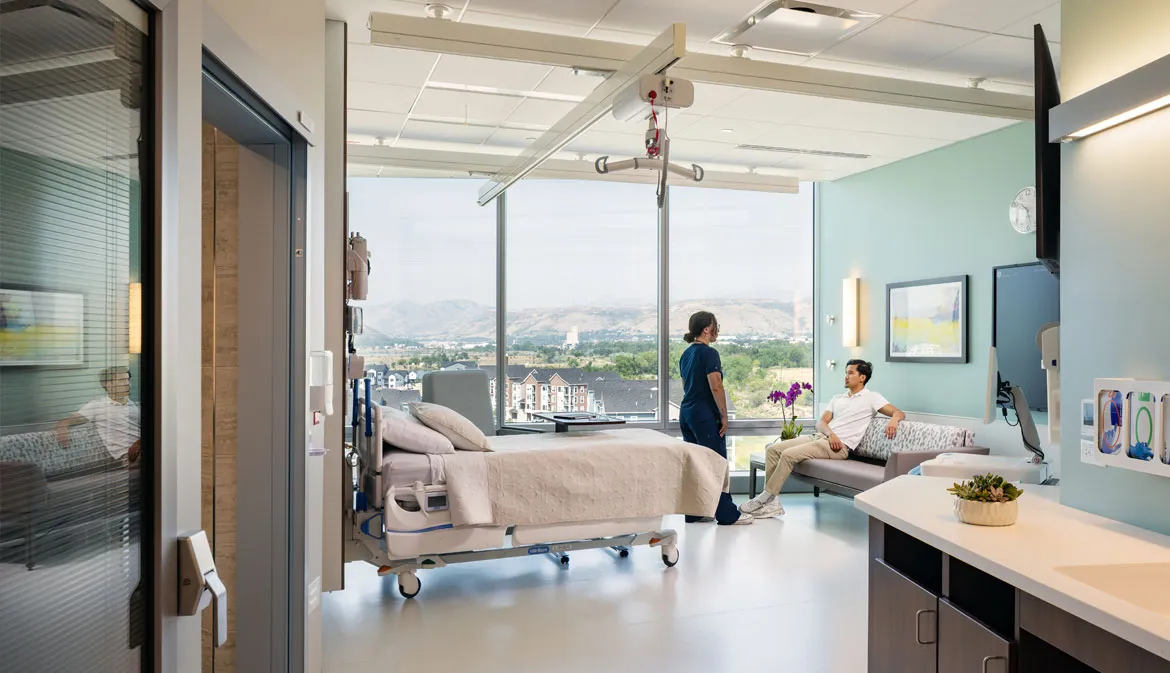
The hospital aligns with modern healthcare requirements with a flexible layout, and each of its 226 patient rooms contains essential supplies, enabling staff to convert it into a critical care unit when needed. Its architectural layout shortens distances between key functions and expands universal rooms that can become ICUs. Also, the prefabricated pods, digital whiteboards, and ready-to-use operating rooms equip the hospital to handle daily care and emergencies from day one.
7. NYC Health + Hospitals
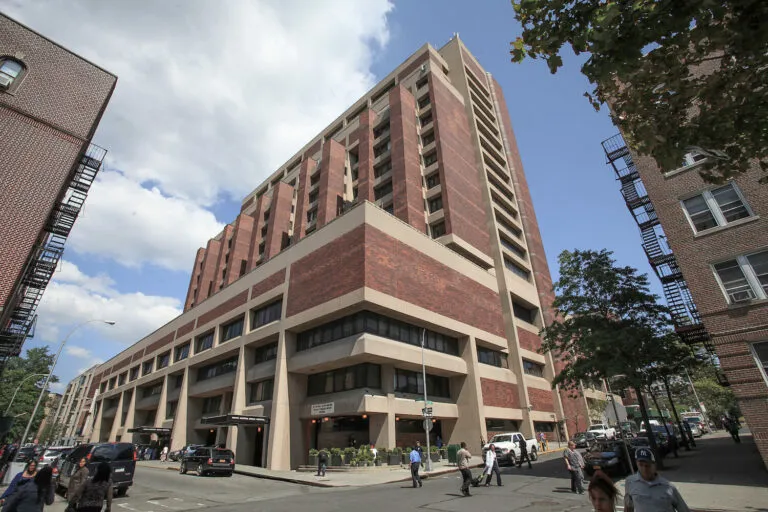
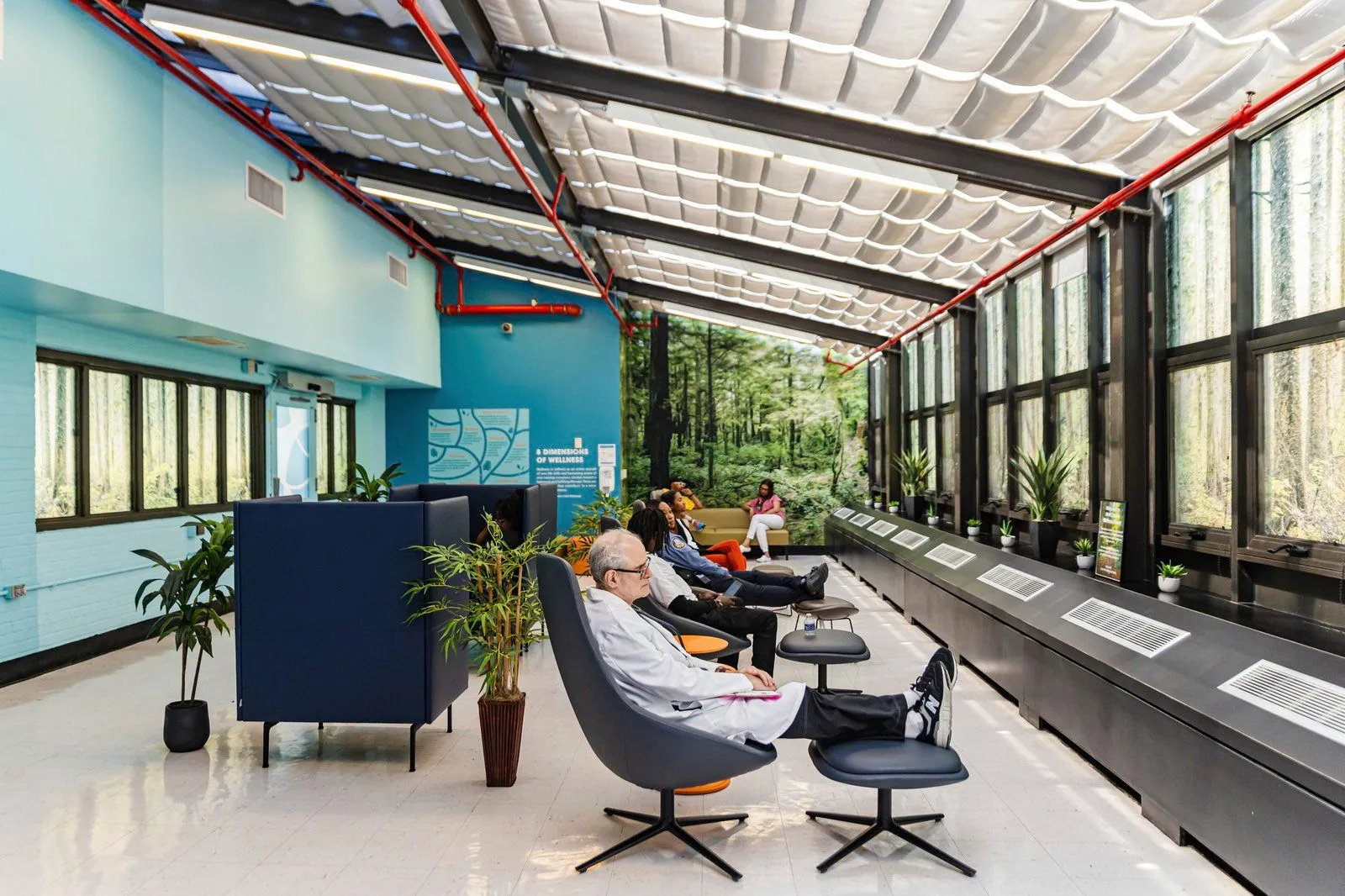
NYC Health + Hospitals is the largest municipal health care system, and it continues to upgrade its infrastructure to fight future outbreaks. It provides extensive infection testing, lung care products like supplemental oxygen, and isolation rooms for infected patients. The key upgrade features dedicated wellness rooms that use antimicrobial materials and rich greens and blues, creating calm environments distinct from typical sterile spaces.
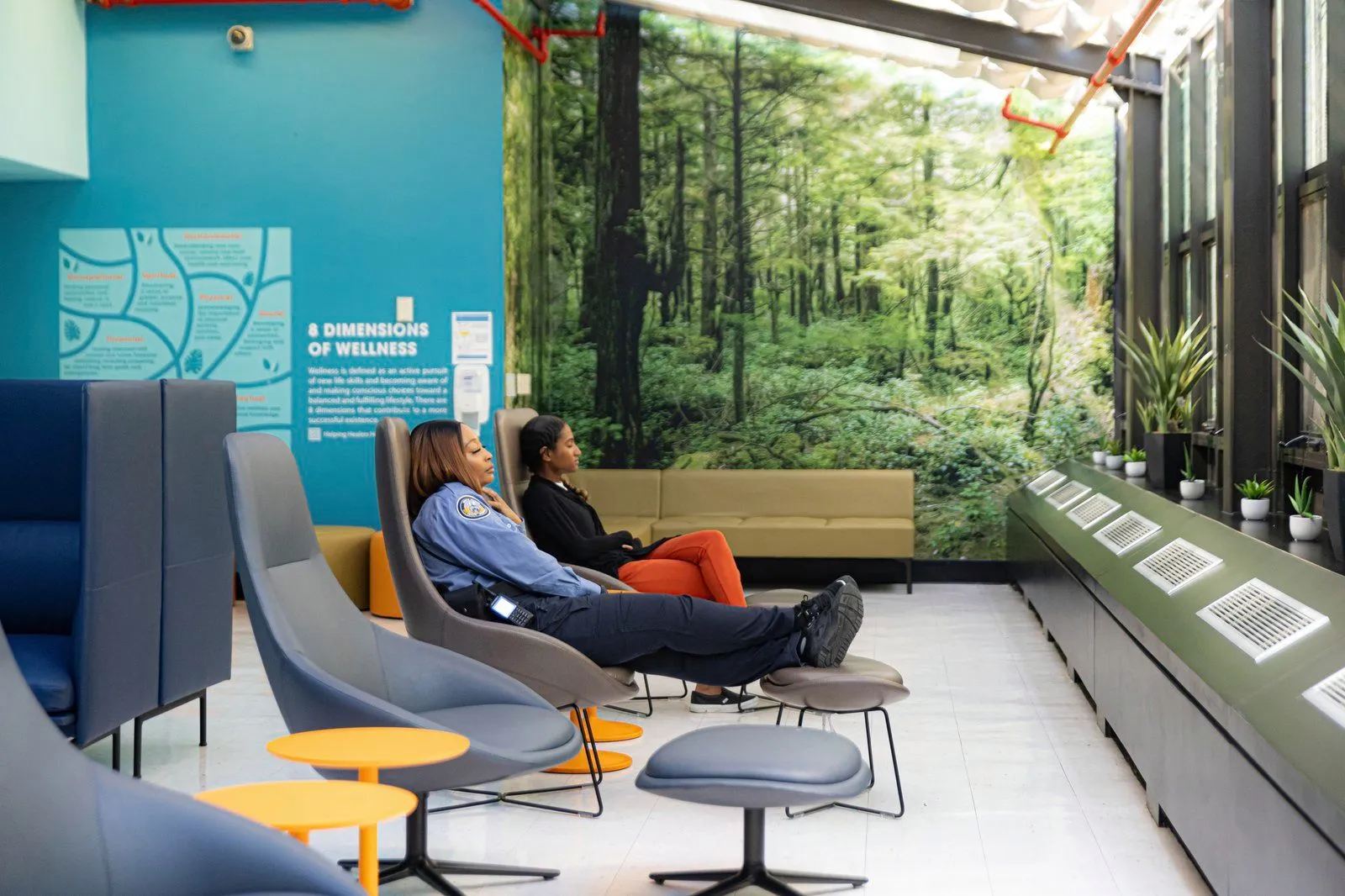
Moreover, each space features nature-inspired elements like dimmable light boxes featuring serene forests or underwater scenes, and art from the Arts in Medicine collection supports mindfulness and emotional recovery. While its flexible programming and vast telemedicine network reduce the number of people in healthcare institutions, creating a space that manages patients while staying updated with future healthcare.
Architecture as Healthcare Infrastructure
Hospitals around the world are no longer static buildings; they are opting for modular planning, better airflow, open circulation, and adaptable layouts to evolve into resilient healthcare systems. These spaces support care during normal operations and scale up smoothly for emergencies. Safety now begins at the door and continues through every material, room, and corridor.
Explore Courses
.jpg "Ondrej Chybik - Rethinking Architecture")