




New York is a city best understood by walking through it. Its architecture is not a static backdrop, but a layered narrative. For architects and urban thinkers, the city offers a kind of open syllabus: cast-iron lofts in SoHo, postwar slabs in Midtown, adaptive reuse in Brooklyn, all speaking across time and ideology.
This guide is not a ranking, but a curated map, 30 landmarks that together sketch the contours of New York’s architectural identity. Some are canonical, others quietly radical. A few may seem too familiar, even invisible to the everyday passerby. But each holds a lesson in form, material, or intent, and collectively, they offer a deeper understanding of how cities are imagined, built, and continually redefined.
1. Empire State Building
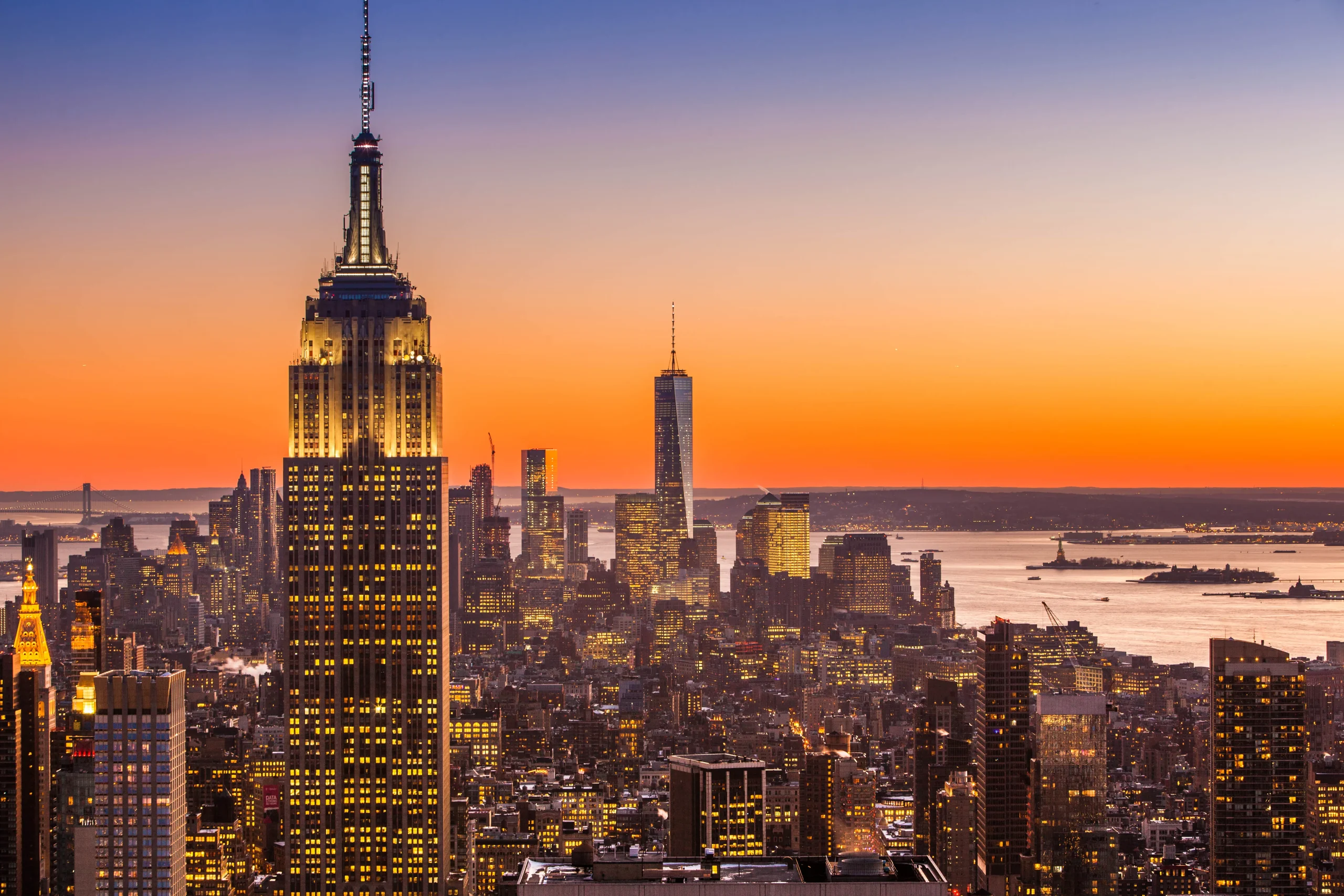
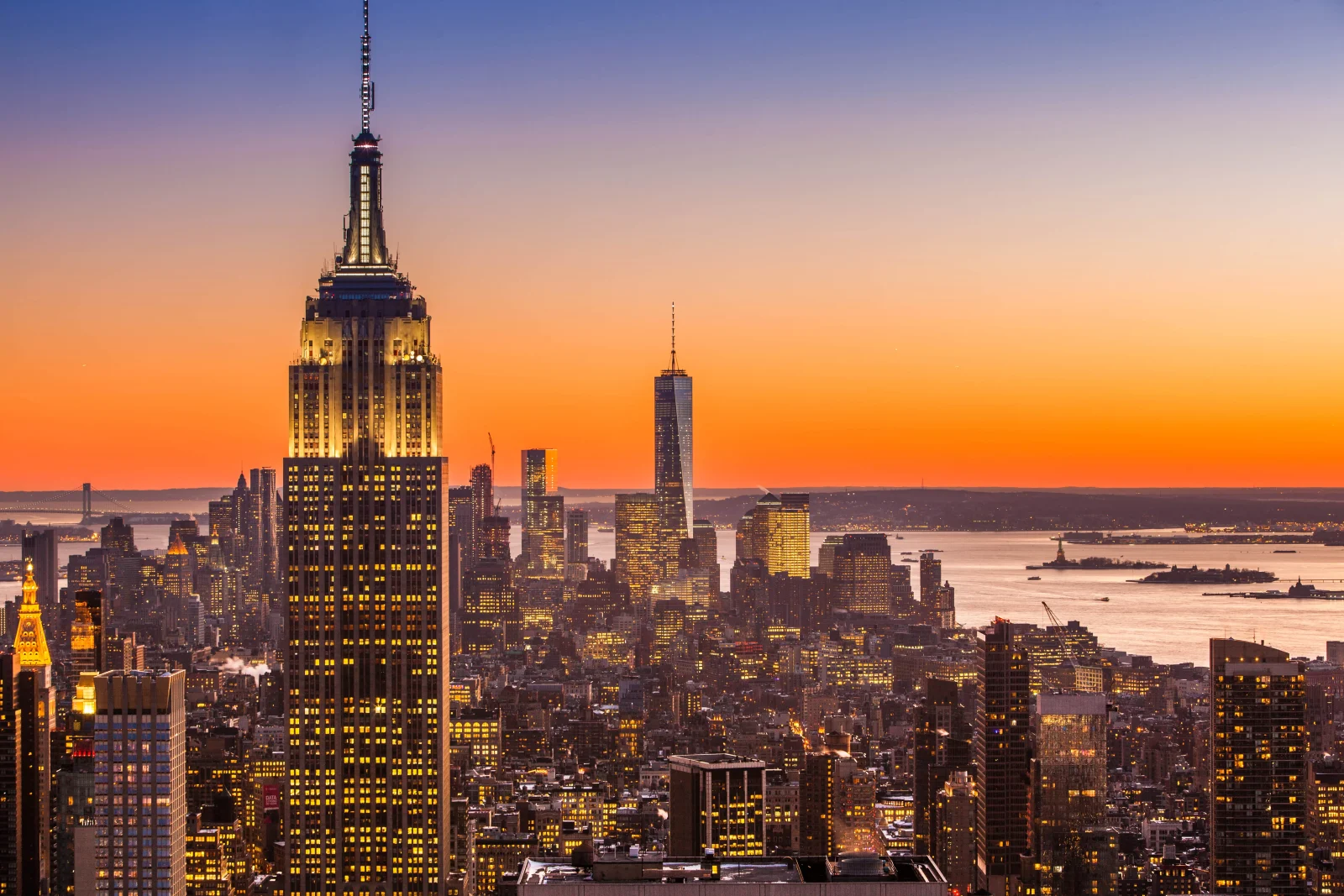
The Empire State Building is one of New York’s most iconic symbols and among the world’s most recognizable skyscrapers. Completed in 1931, during the Great Depression, it stood as a sign of ambition and resilience at a time when the city needed it most. Rising 1,454 feet, it held the title of the world’s tallest building for nearly 40 years and remains a beloved part of the city skyline. Millions of visitors climb to its observatories each year to take in sweeping views across Manhattan and beyond.
Architecturally, the tower is a masterpiece of Art Deco design. Its stepped form emphasizes verticality with clean lines and geometric patterns, drawing the eye upward. The limestone facade adds a sense of strength, and the iconic spire crowns the building with a dramatic finish.
2. Chrysler Building
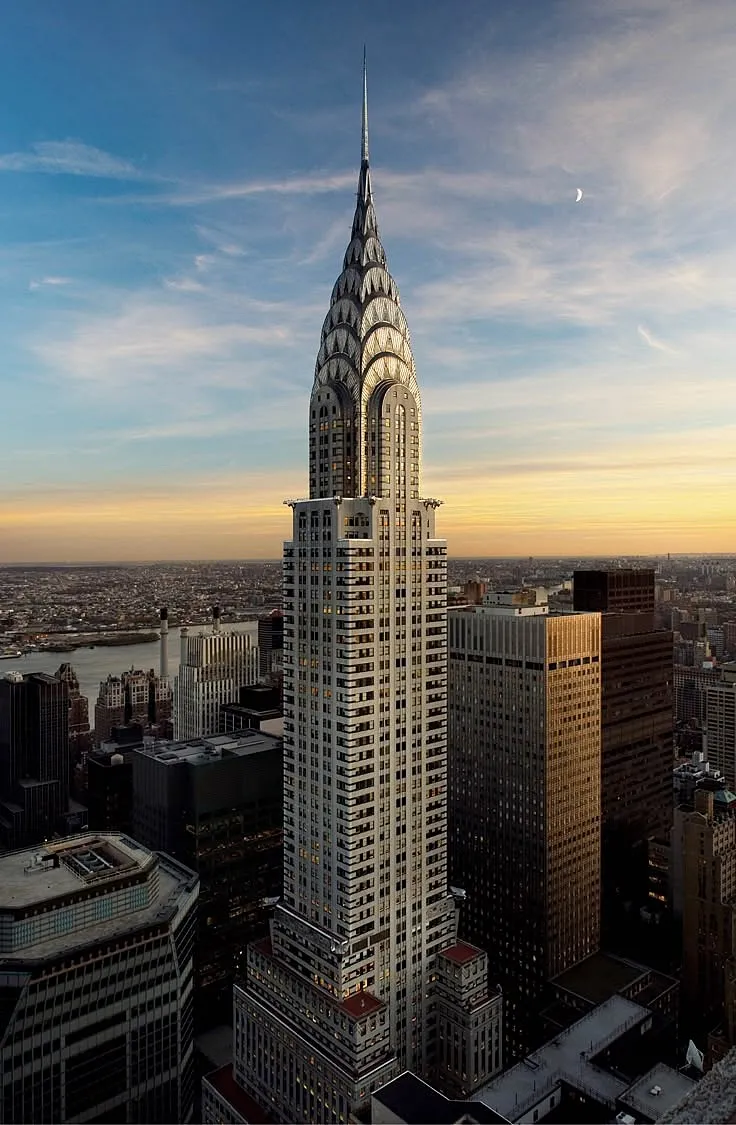
The Chrysler Building is often called the jewel of New York’s skyline. Completed in 1930, it briefly held the title of the world’s tallest building before being overtaken by the Empire State. Commissioned by automobile magnate Walter Chrysler, it was meant to showcase the power and glamour of the modern age. Today, it remains one of the city’s most beloved landmarks and a shining example of Art Deco design.
What makes the building special is its dramatic crown. The spire, made of stainless steel, gleams in the sunlight and sparkles at night, while its triangular windows and layered arches give it a futuristic look that feels timeless even 90 years later. The facade combines brickwork with decorative details inspired by cars such as hubcaps and radiator caps. Unlike many modern glass towers, the Chrysler is a true work of ornamentation and art.
3. Central Park
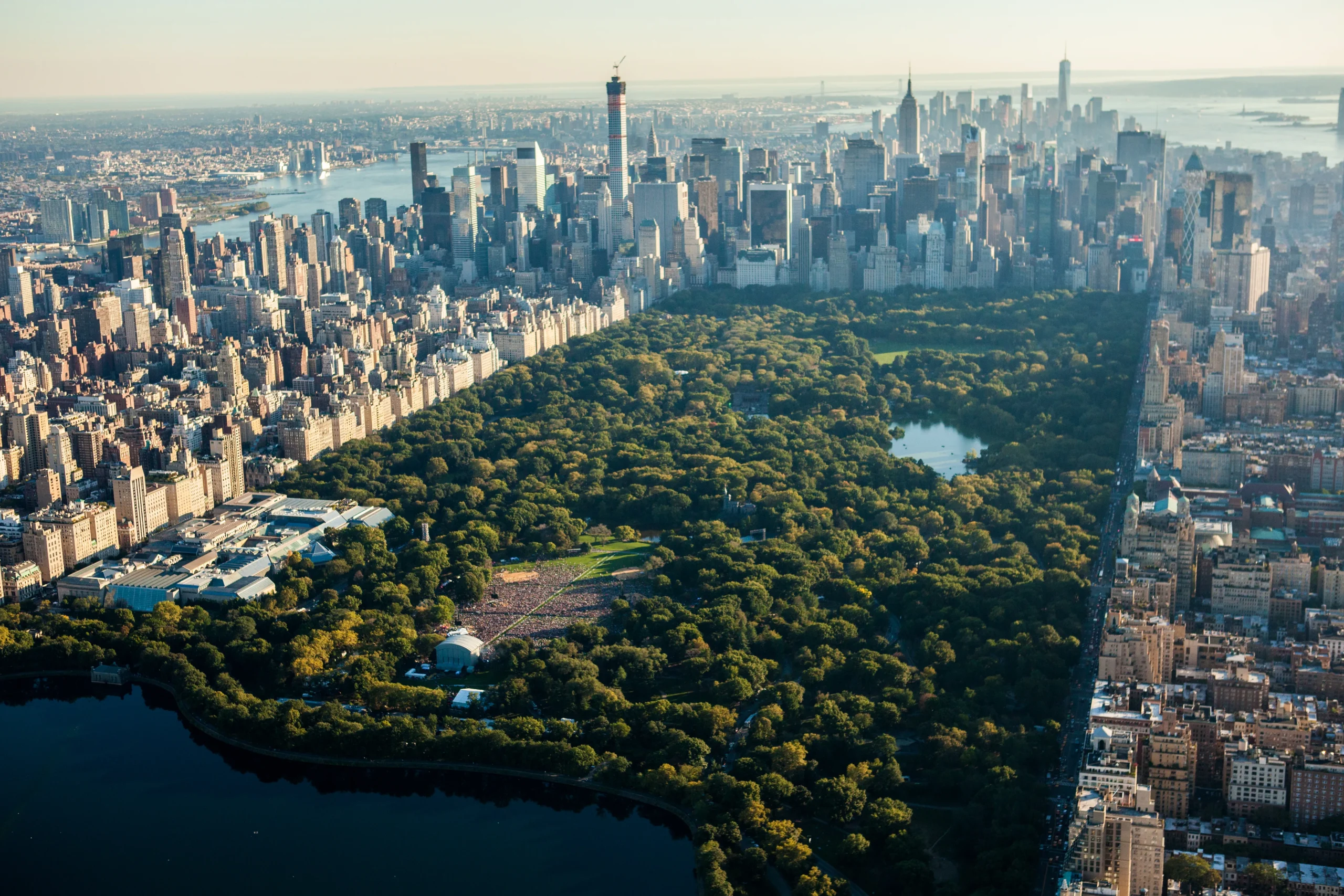
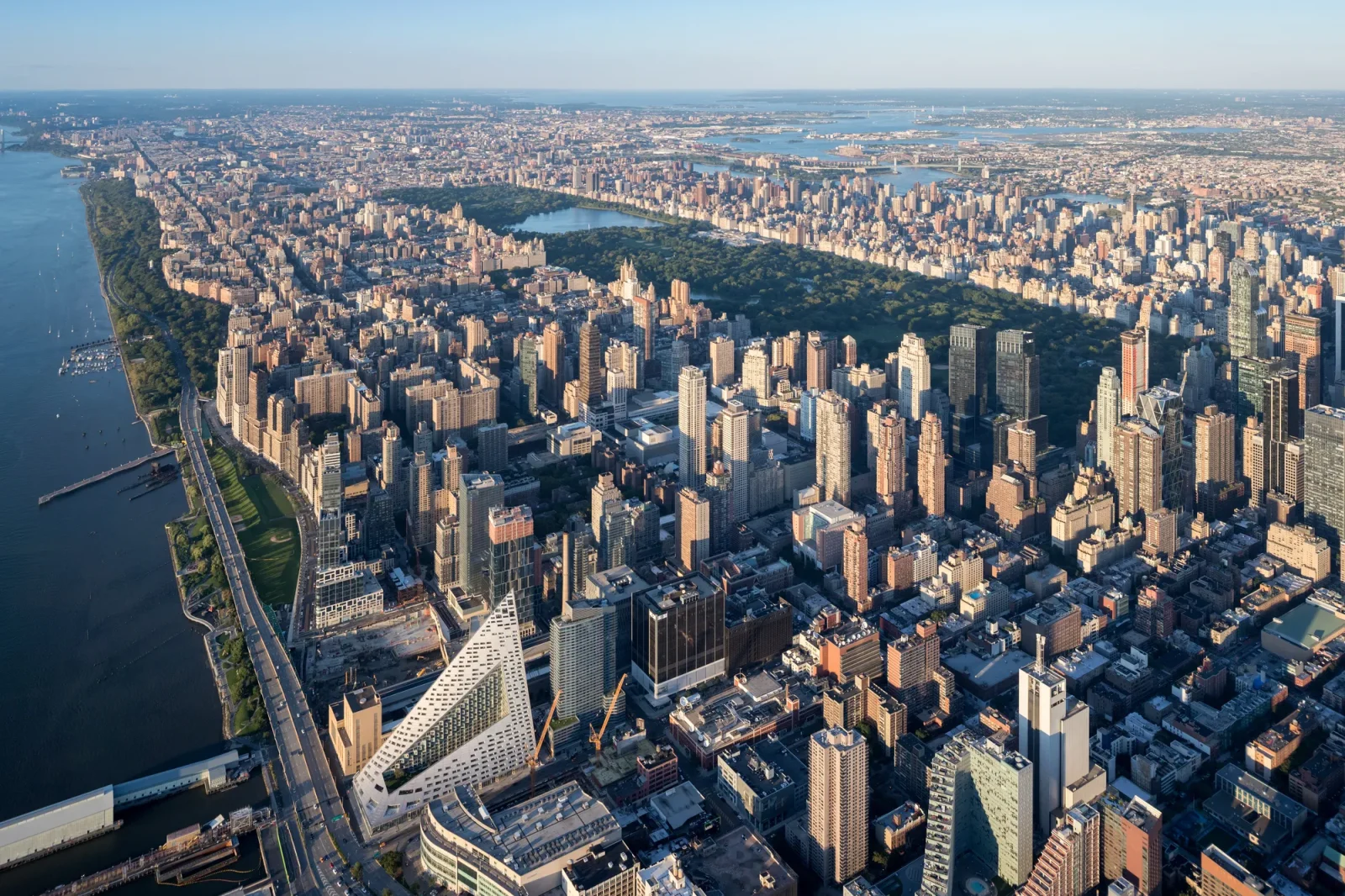
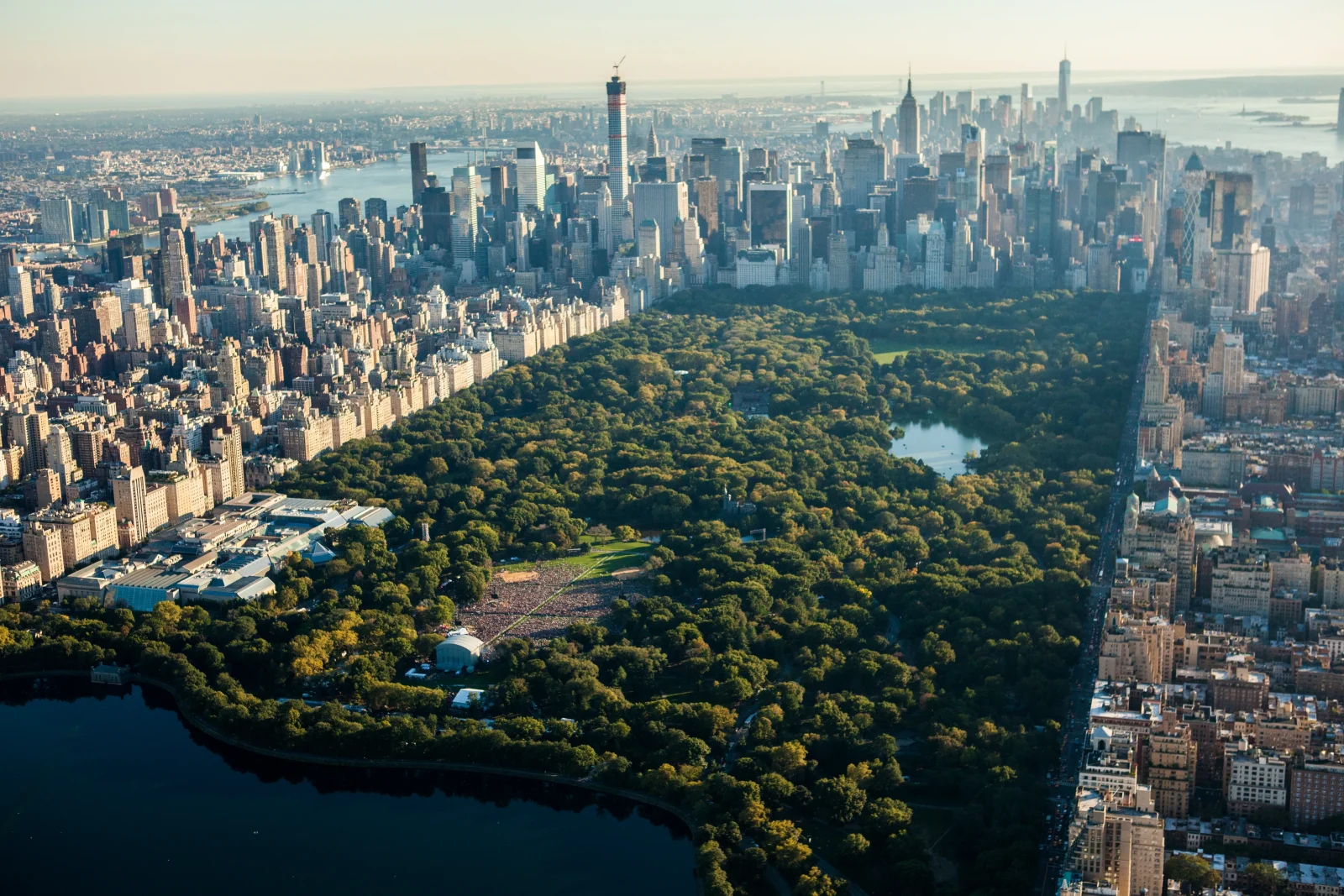
Central Park is New York’s famous green space, stretching over 840 acres in the middle of Manhattan. Designed in 1858 by Frederick Law Olmsted and Calvert Vaux, it was one of the first major landscaped public parks in the United States. The park provides a natural retreat from the dense city around it, offering spaces for walking, sports, cultural events, and quiet reflection.
Central Park has rolling meadows, winding paths, lakes, and woodlands. These were crafted to feel natural, even though much of the terrain was man-made. The park balances open spaces with intimate corners, creating a variety of experiences for visitors.
4. Times Square
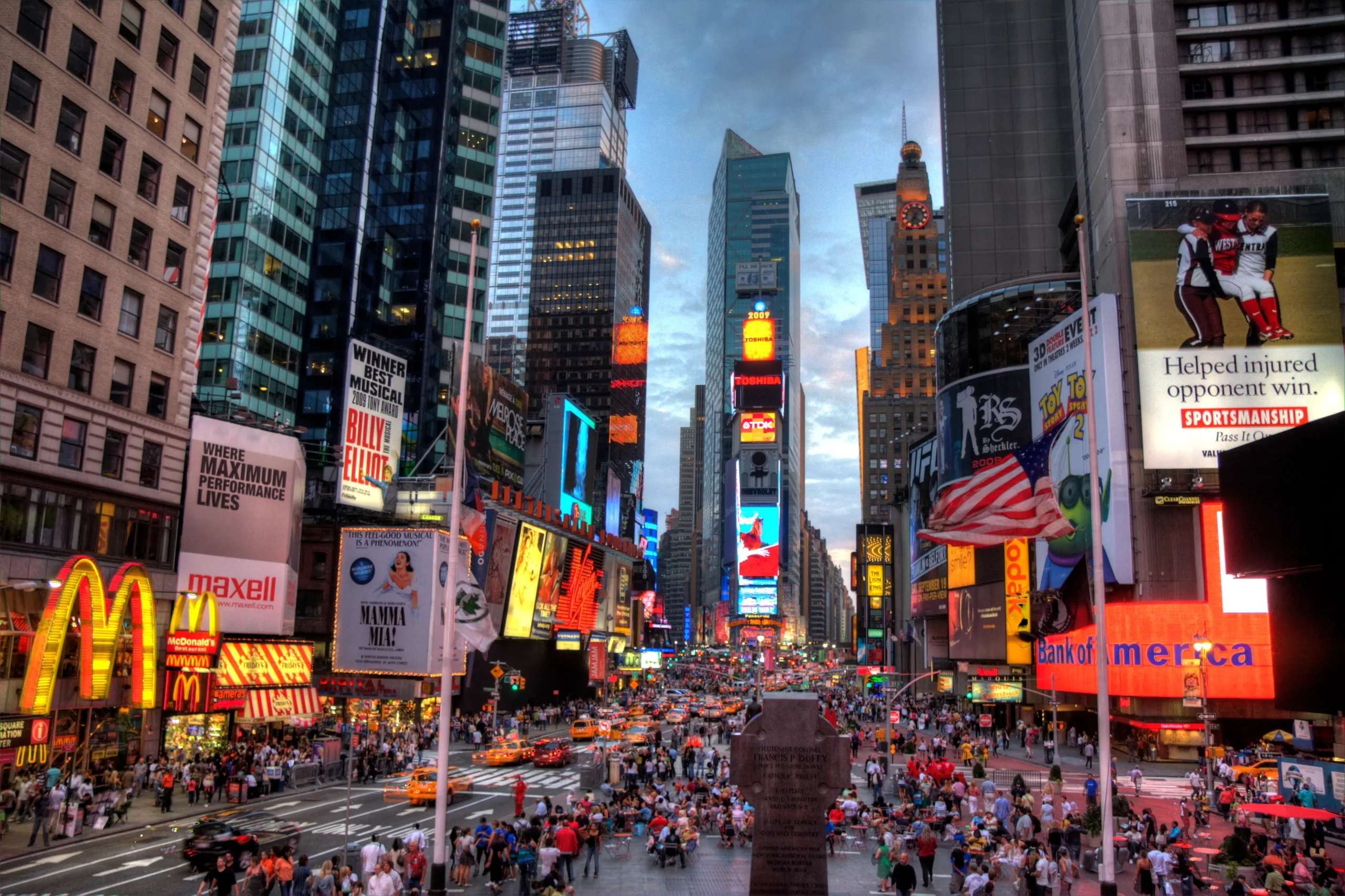
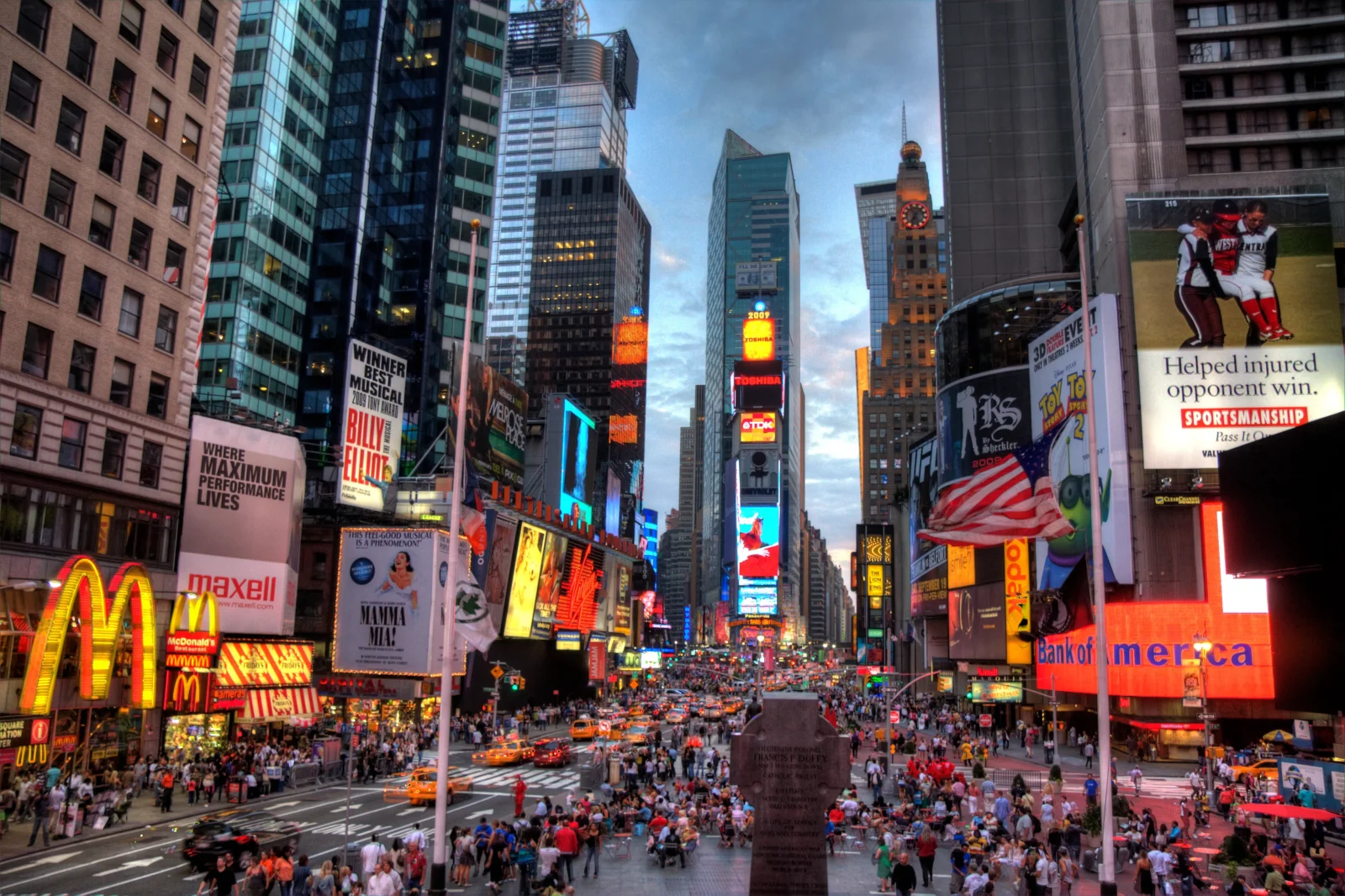
Times Square is not a single building but one of the most recognizable urban spaces in the world. Located at the crossroads of Broadway and Seventh Avenue, it became a major entertainment hub in the early 20th century and is now famous for its theaters, neon lights, and bustling crowds. Known as “The Crossroads of the World,” Times Square represents the energy and constant motion of New York City.
Times Square is defined by its bright electronic billboards, dense building facades, and layered signage. The space itself is a mix of historic theaters, office towers, and contemporary commercial buildings, all tied together by the glow of its lights. Its pedestrian plazas, redesigned in recent years, create a stage-like experience where the city itself becomes a spectacle.
5. Rockefeller Center
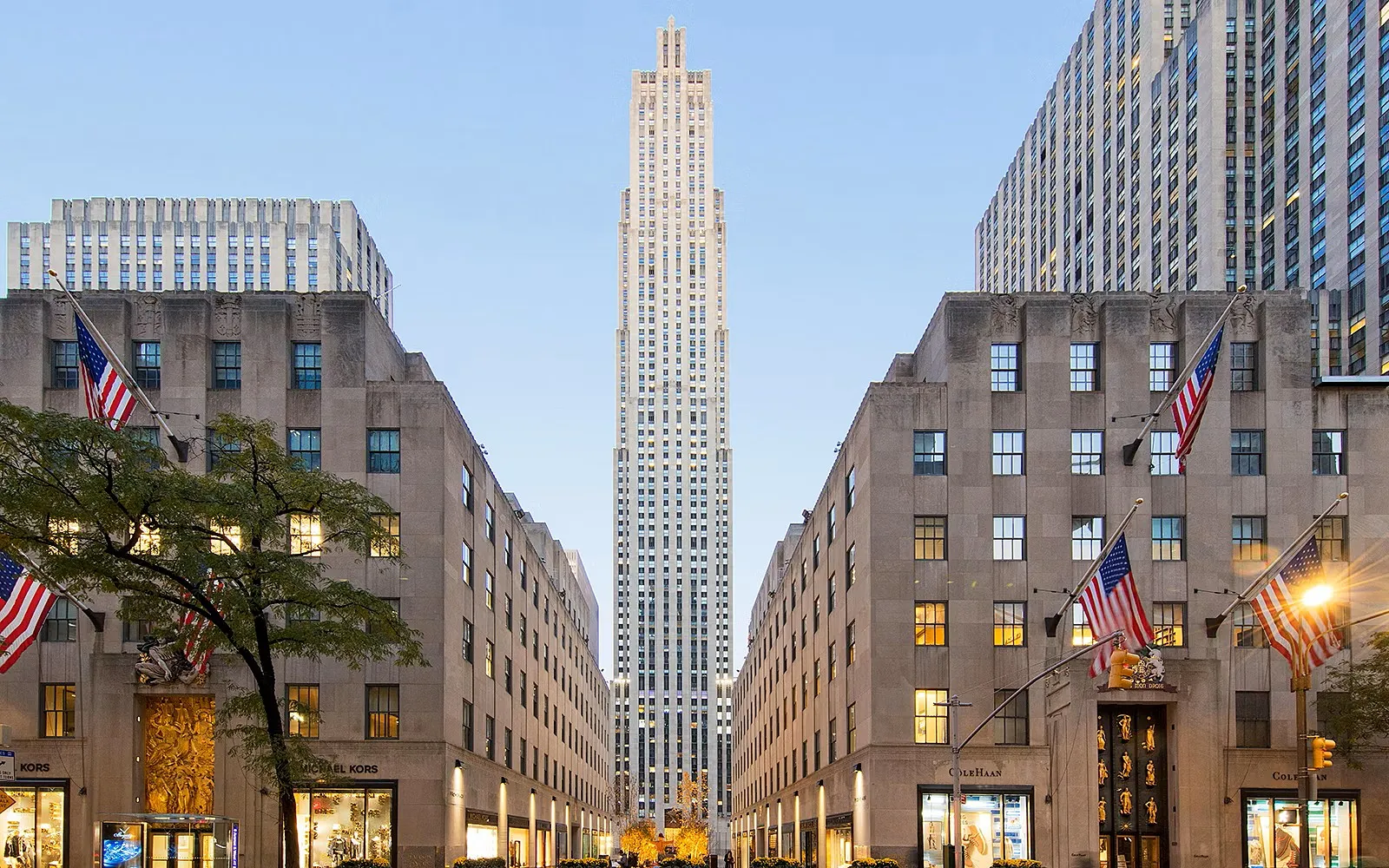
The Rockefeller Center is a whole complex that redefined what an urban space could be. Built during the Great Depression, it was one of the largest private construction projects in American history. Built by the Rockefeller family, the center brought together offices, shops, performance venues, and public art into one coordinated plan. Today, it’s famous worldwide for the skating rink, holiday tree, and its role as a cultural hub in Midtown Manhattan.
The complex is a showcase of Art Deco design and urban planning. Its centerpiece, the 30 Rockefeller Plaza tower, rises with clean vertical lines and limestone facades that emphasize height and strength. The layout is just as important: plazas, terraces, and promenades create a lively pedestrian experience, while murals and sculptures make art part of everyday life.
6. World Trade Center Transportation Hub (Oculus)
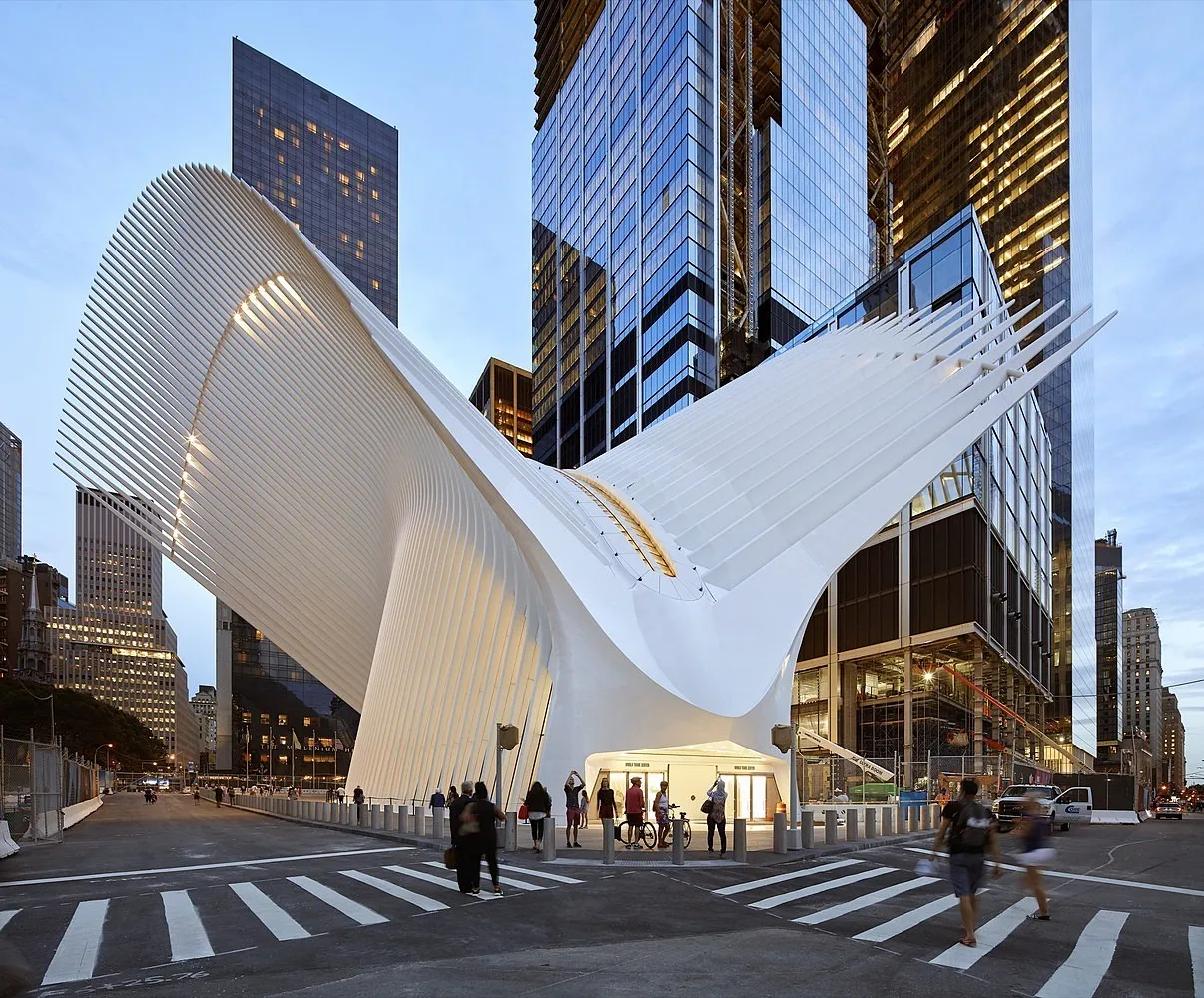
The Oculus at the World Trade Center is New York’s contemporary landmark. Opened in 2016, it was designed as a transit hub and a civic space, linking subway lines with the PATH trains to New Jersey. Beyond its function, it stands as a symbol of renewal and hope after the 9/11 attacks, marking a new chapter in Lower Manhattan’s history.
The Oculus is unforgettable for its soaring white steel ribs that rise upward like wings in flight. The central hall is flooded with natural light from the glass skylight above, creating a cathedral-like atmosphere within a transportation hub. Its sculptural form makes it as much a public monument as a functional space.
7. One World Trade Center
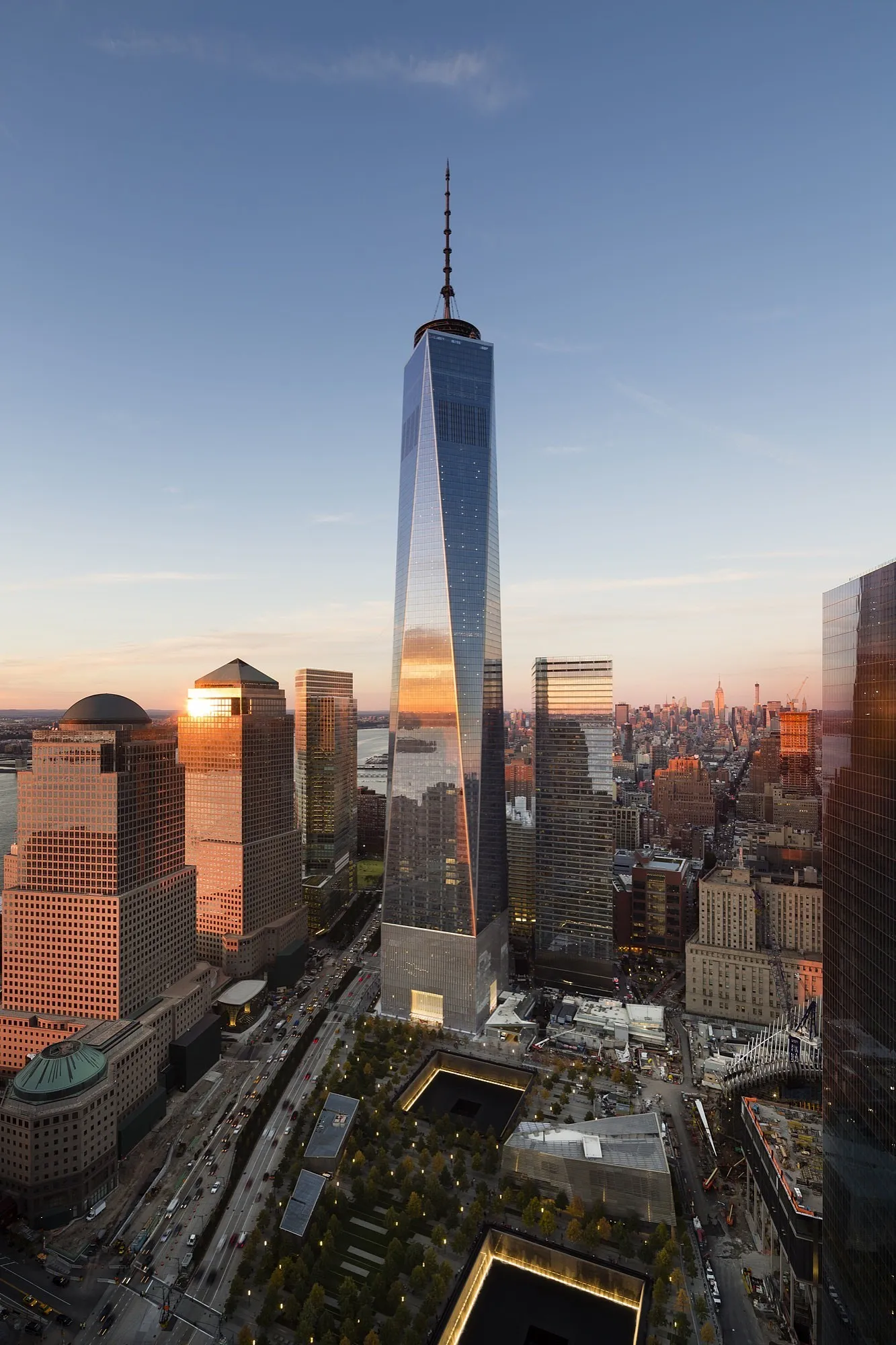
One World Trade Center is the tallest building in the Western Hemisphere and a powerful symbol of resilience for New York City. It was completed in 2014 on the site of the original World Trade Center towers. It rises 1,776 feet as a tribute to American freedom and perseverance. Beyond its symbolic meaning, it is a modern office tower that anchors the revitalized Lower Manhattan skyline.
The building’s tapered form and glass facade reflect light differently throughout the day, giving it a dynamic presence. The spire rises from the building’s square base, turning into an octagon before reaching the sky, creating a striking geometric design. One World Trade Center also incorporates advanced engineering and sustainability features.
8. Woolworth Building
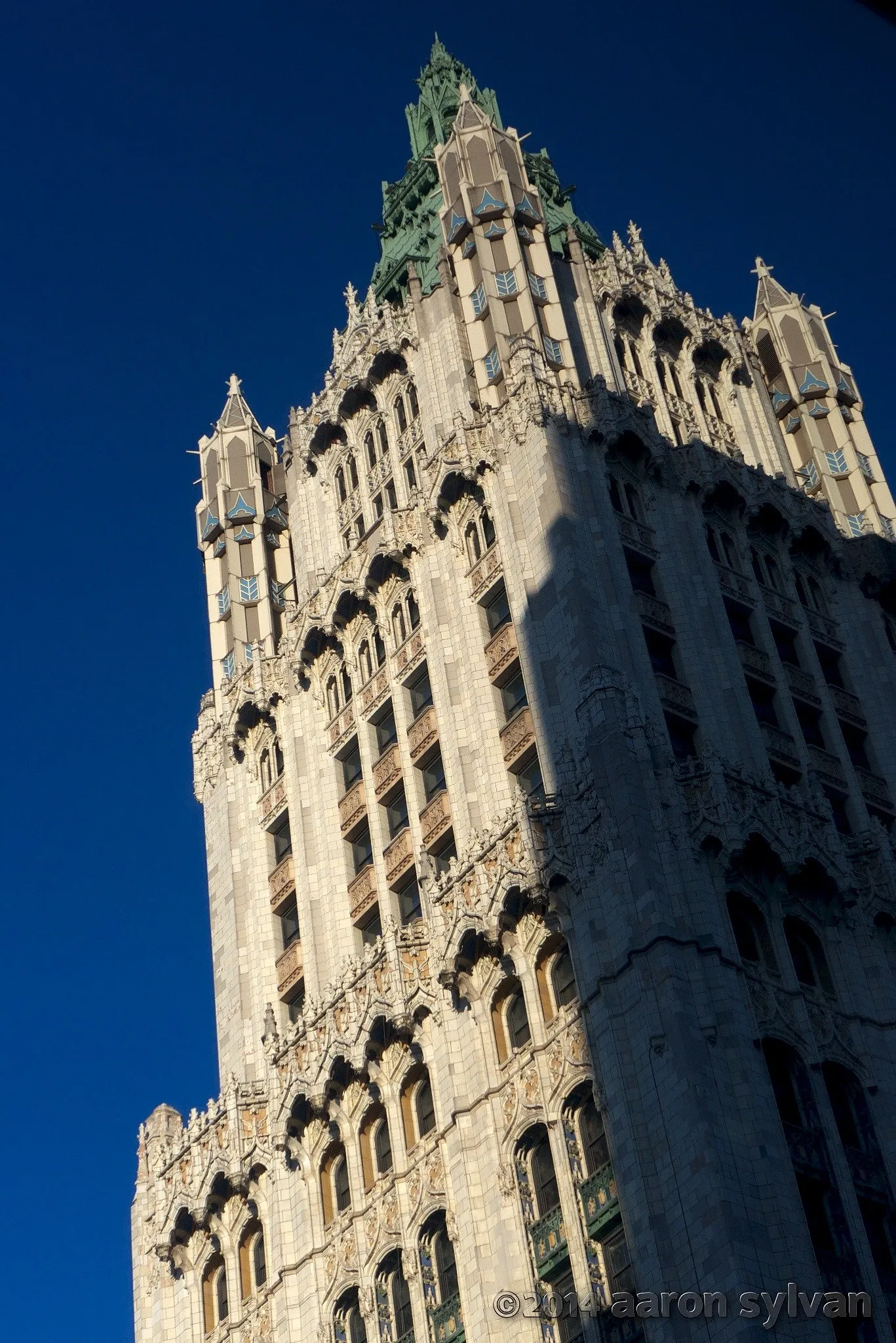
The Woolworth Building was the tallest in the world at the time it was completed in 1913. The building earned the nickname “The Cathedral of Commerce” for its intricate Gothic-inspired design. Commissioned by retail magnate Frank W. Woolworth, the tower was meant to showcase wealth and architectural innovation, and it quickly became a symbol of early 20th-century ambition.
The Woolworth Building stands out for its Gothic detailing and terracotta ornamentation. Its pointed arches, intricate spires, and decorative motifs give it a sense of vertical grandeur. The steel frame allowed it to reach new heights, while the detailed facade turned every glance upward.
9. 56 Leonard Street (Jenga Tower)
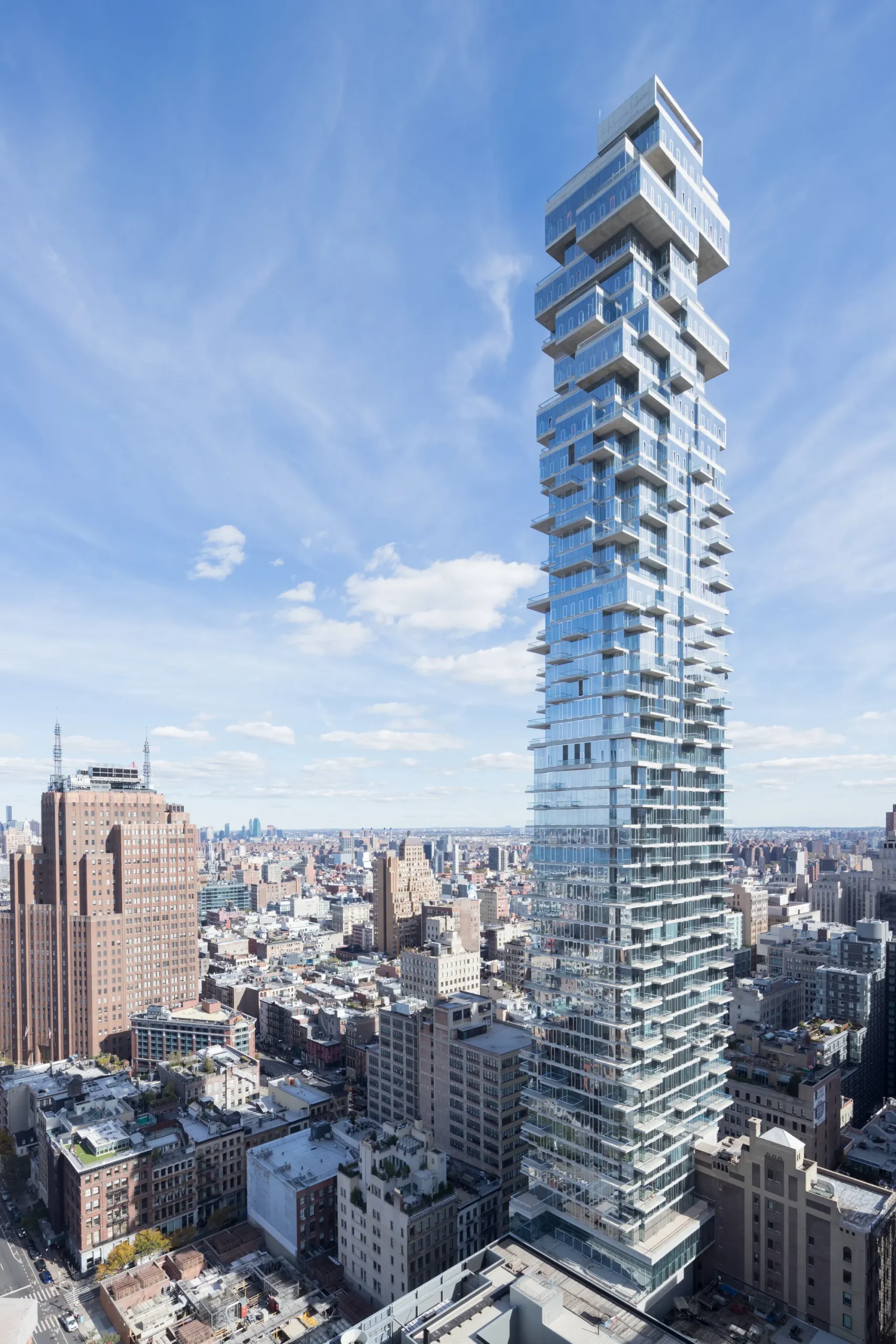
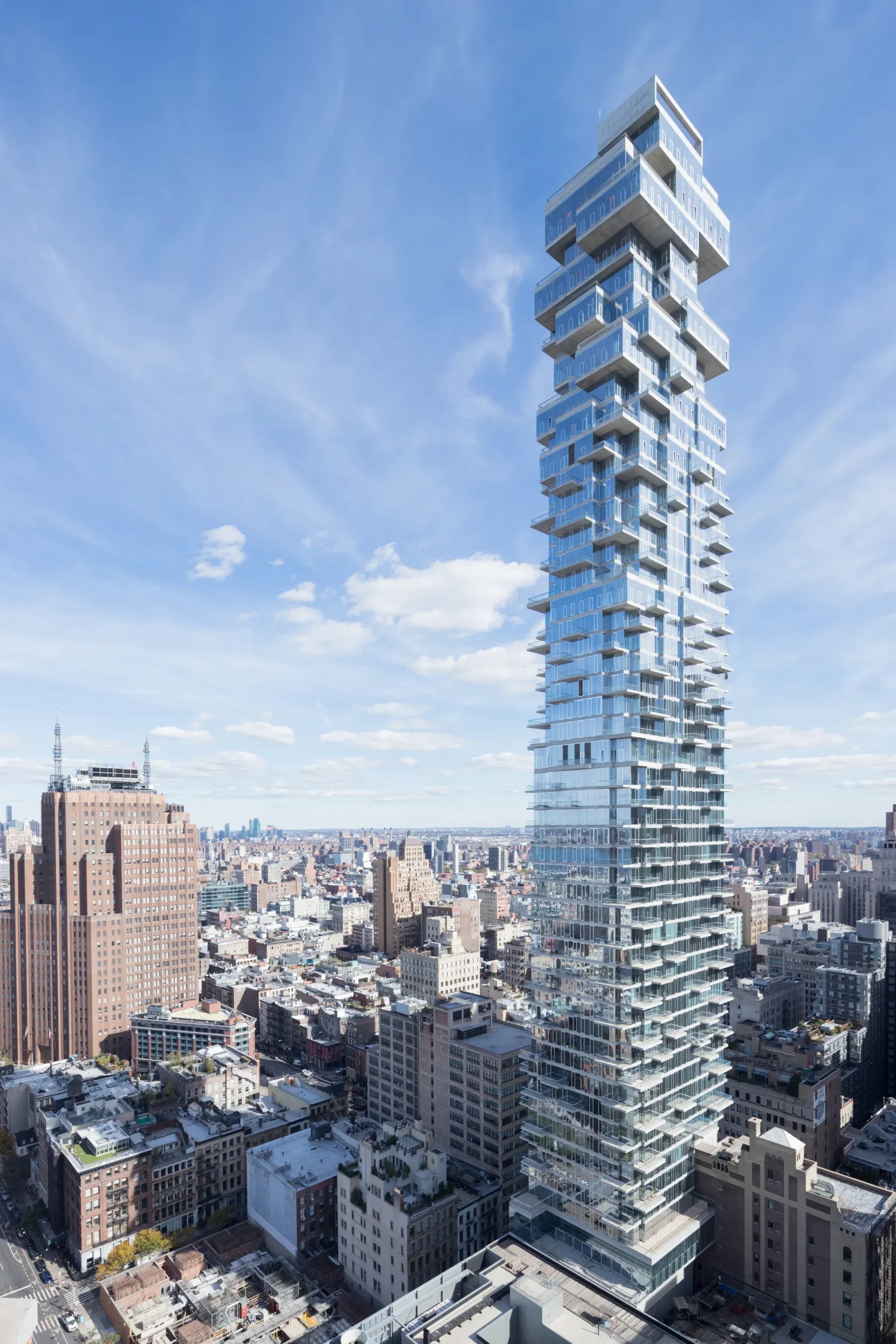
56 Leonard Street, often called the “Jenga Tower,” is a contemporary residential building. Completed in 2017 in Tribeca, it stands out for its unusual stacked-block design, which looks like each floor is slightly rotated or shifted.
The tower’s irregular form creates terraces and balconies that give each apartment a unique identity. The glass facade reflects light differently across its surfaces, adding depth and dynamism to the structure. Herzog & de Meuron used this playful, sculptural approach to turn a residential tower into a piece of public art.
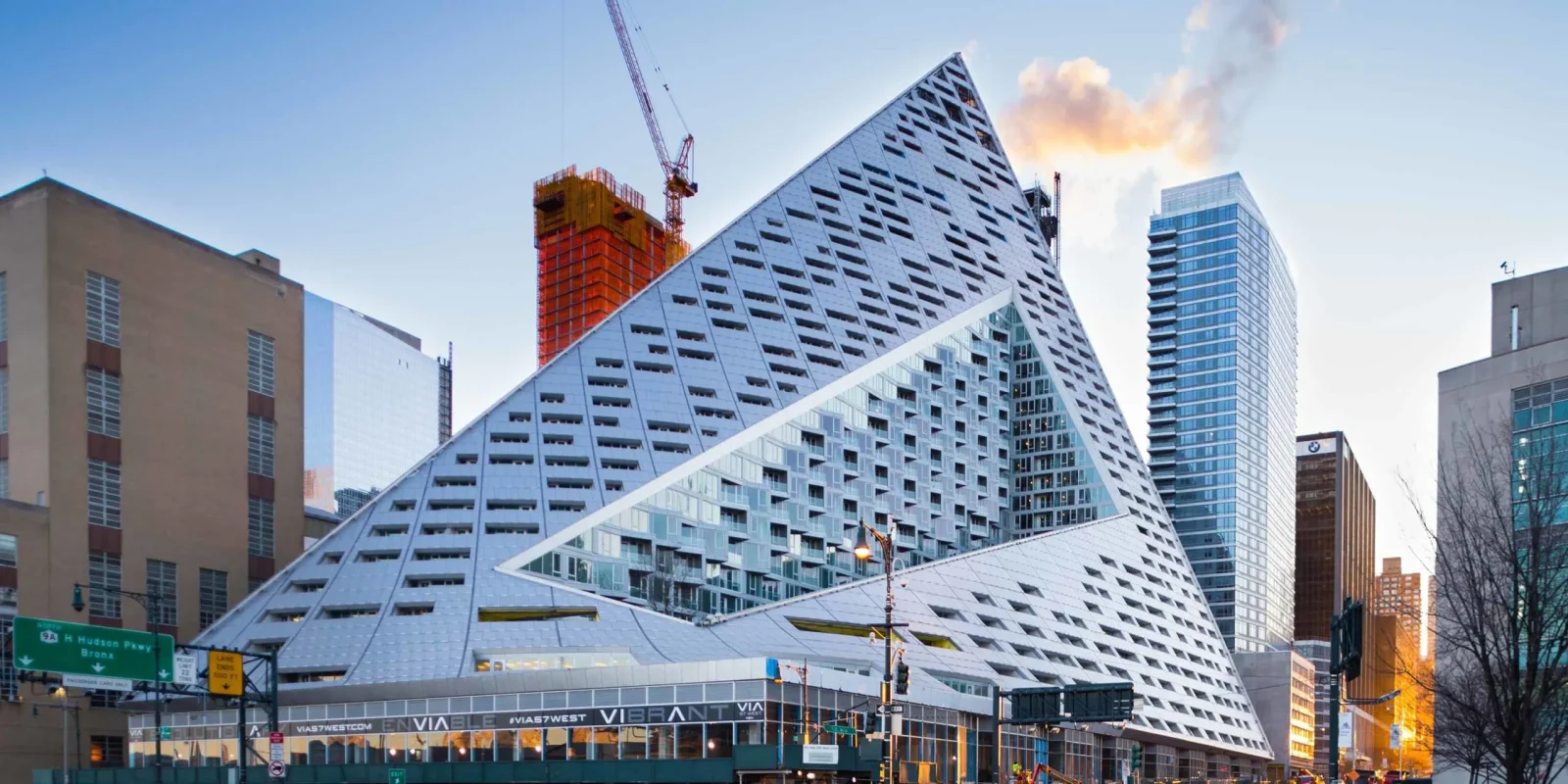
10. VIΛ 57 West
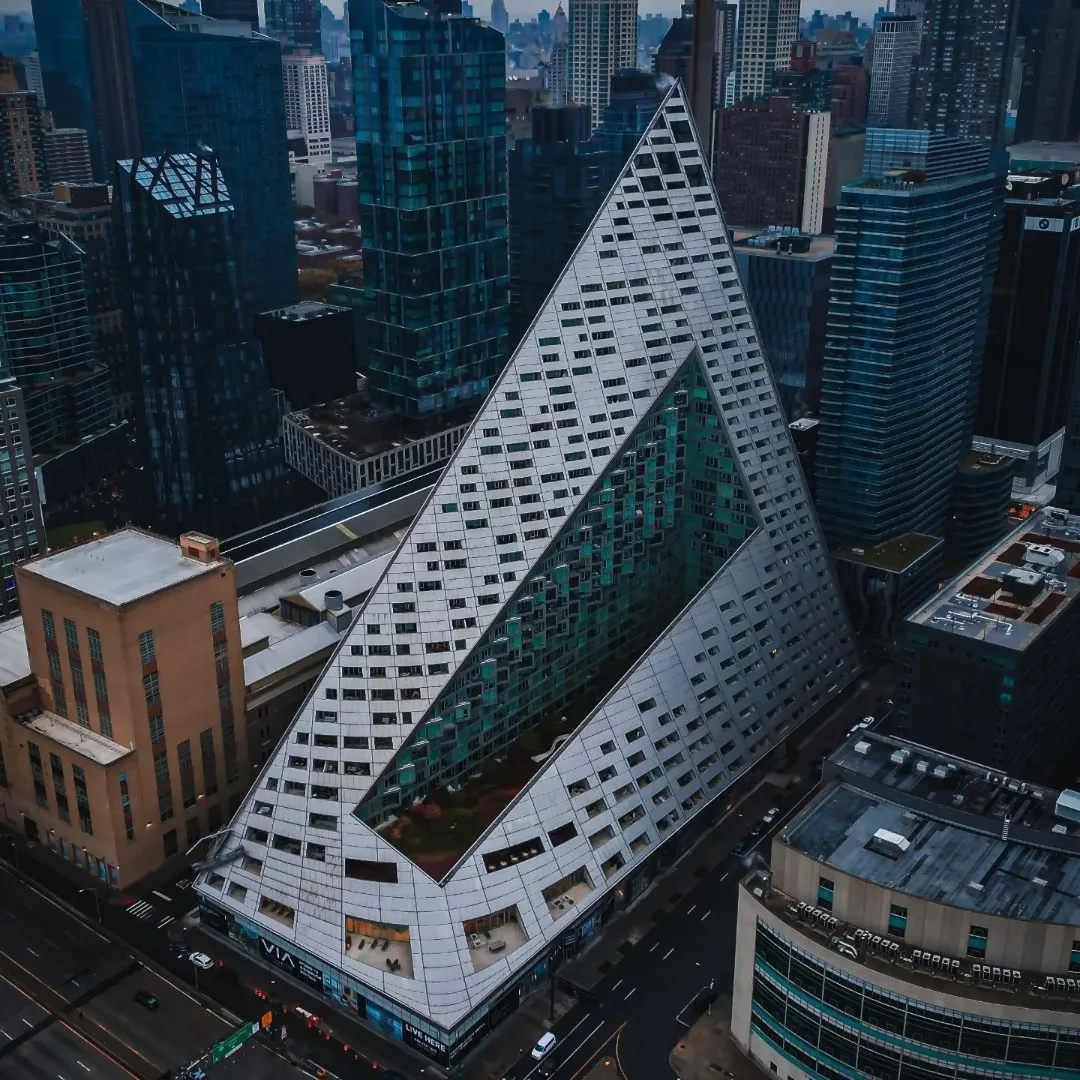
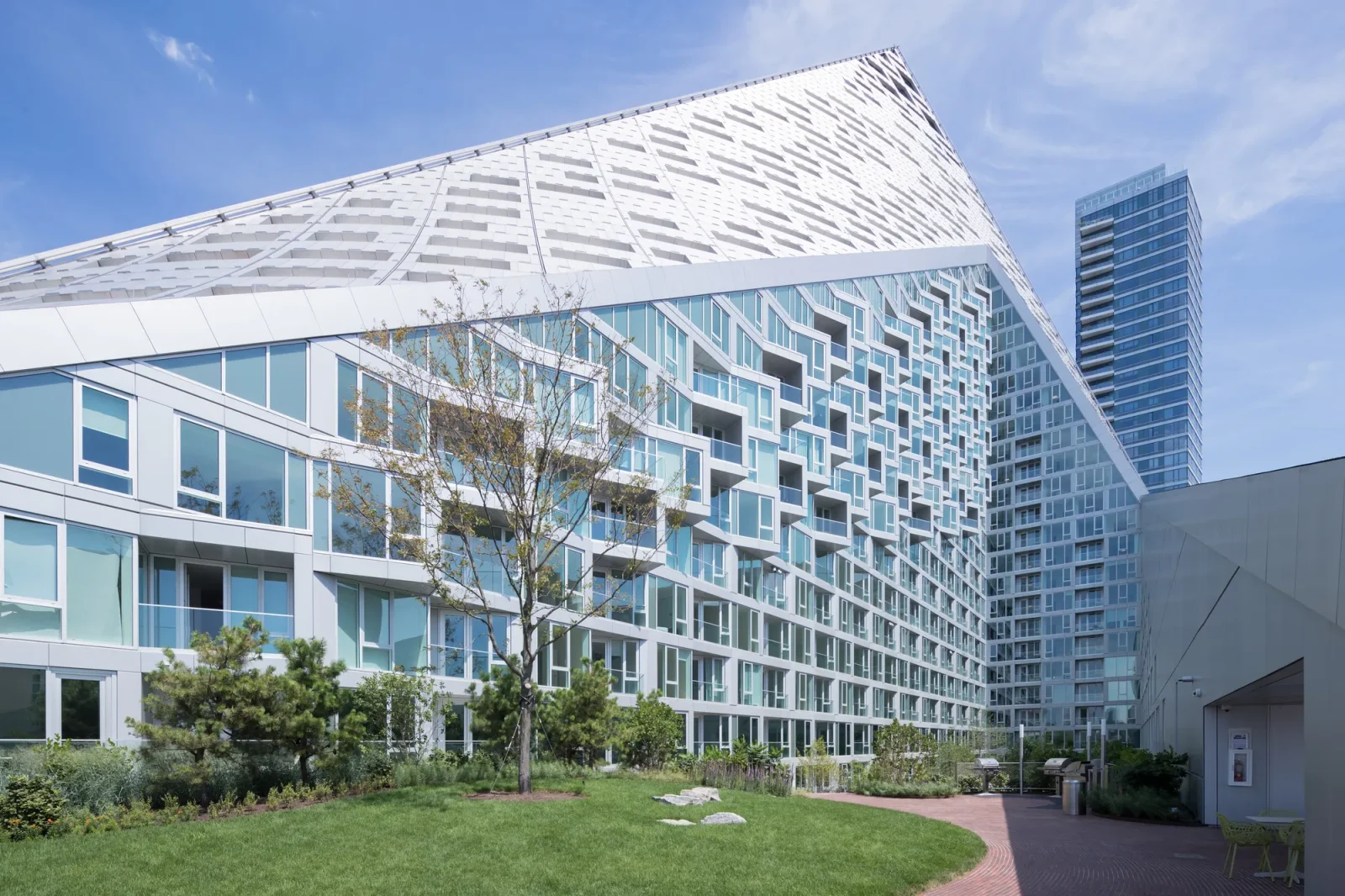
VIΛ 57 West is a residential building on the West Side. It combines the height of a skyscraper with the openness of a courtyard, creating a new typology called a “courtscraper.”
VIA 57 West slopes inward toward a large central courtyard, allowing natural light to reach every apartment and creating shared outdoor space for residents. Its angular, crystalline form stands out among the city’s regular rectangular towers, while the glass facade reflects the sky and river, giving it a light and sculptural presence.
11. Statue of Liberty

The Statue of Liberty is an enduring symbol of both New York and the United States. A gift from France in 1886, it stands on Liberty Island at the entrance to New York Harbor, welcoming millions of immigrants and visitors with its message of freedom and hope. The statue is an extraordinary work of 19th-century engineering and art.
The statue combines neoclassical design with pioneering metalwork. Sculptor Frédéric Auguste Bartholdi created the form, while Gustave Eiffel engineered the internal iron framework that supports the copper exterior. The result is a monumental figure that appears structurally robust.
12. Whitney Museum of American Art
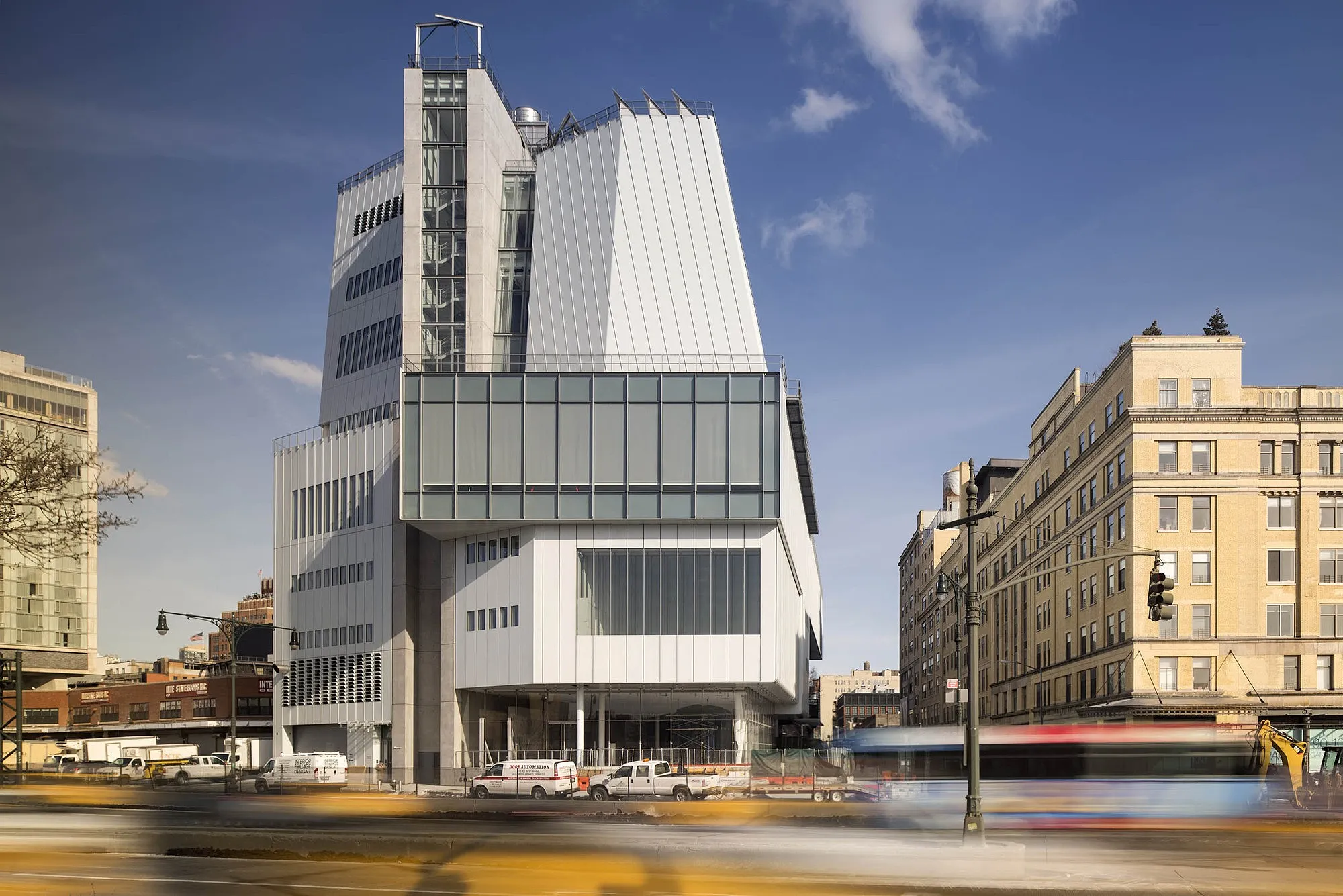
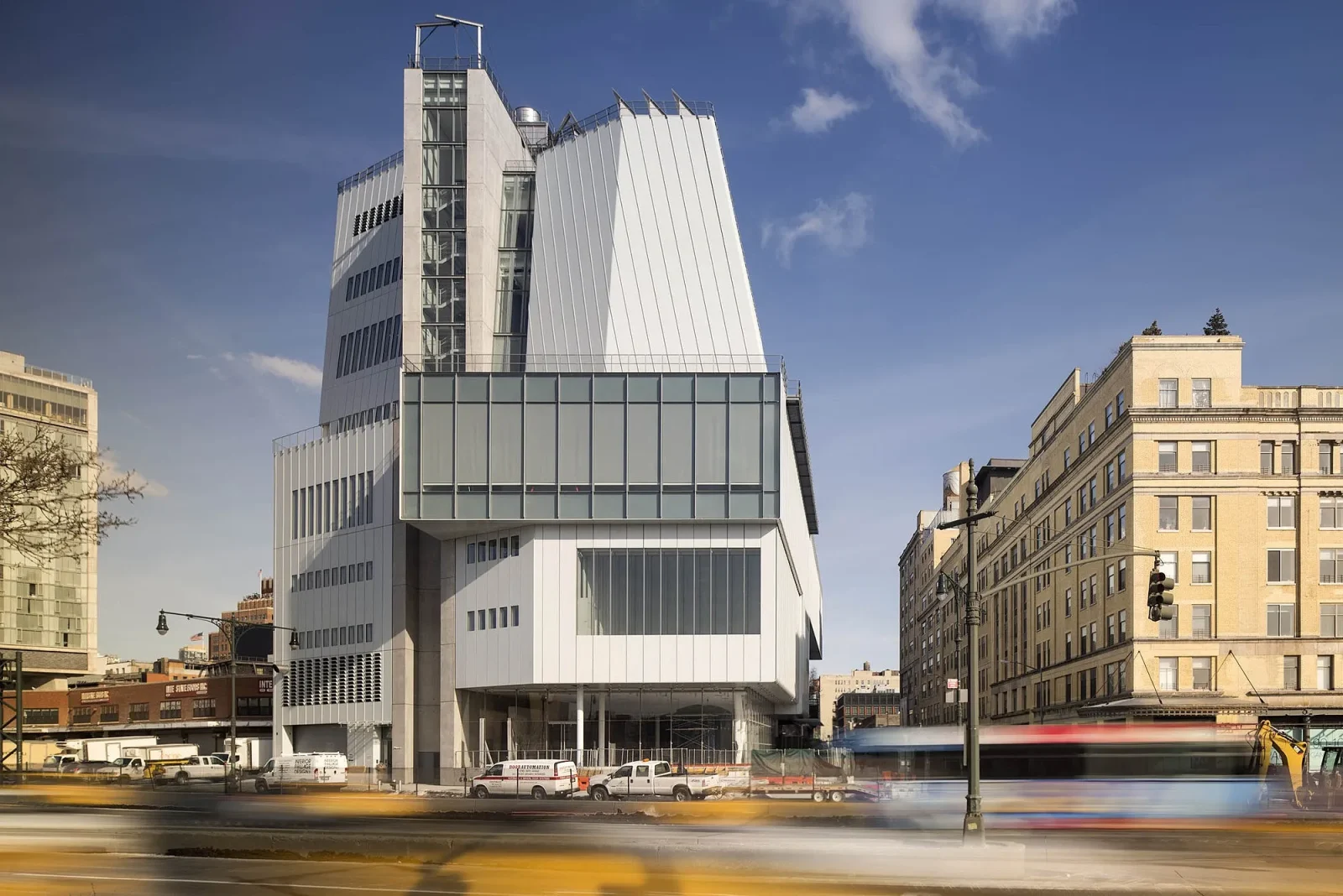
The Whitney Museum is located at the southern end of the High Line in Manhattan. It was designed to showcase 20th- and 21st-century American art, and its location connects visitors directly with the city’s urban life.
The Whitney is known for its industrial-inspired form. The building’s stacked, asymmetrical blocks create terraces and outdoor spaces that offer views of the city and the Hudson River. The facade combines steel and glass, reflecting the museum’s mission to be open, flexible, and dynamic.
13. The Shed
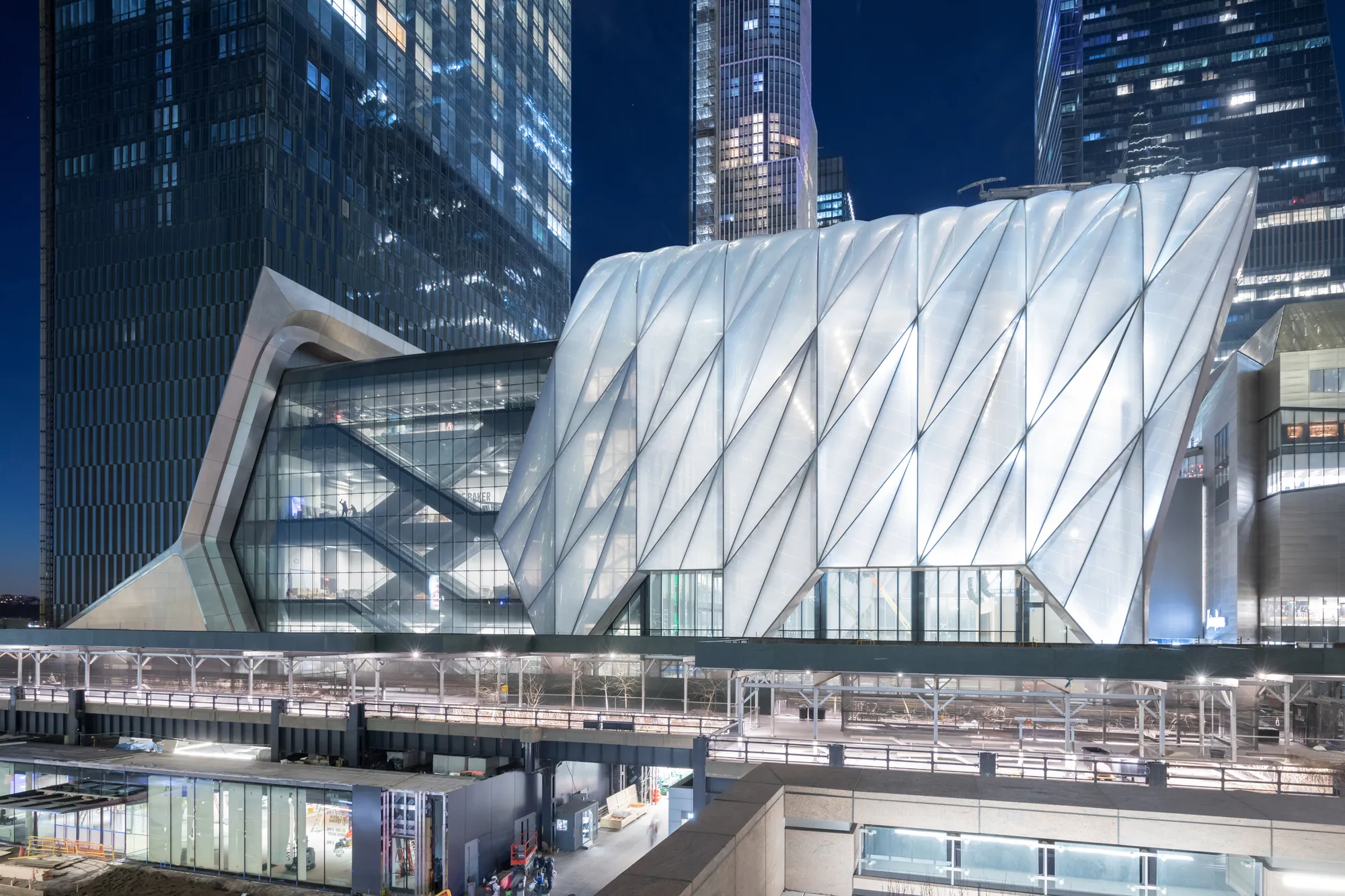
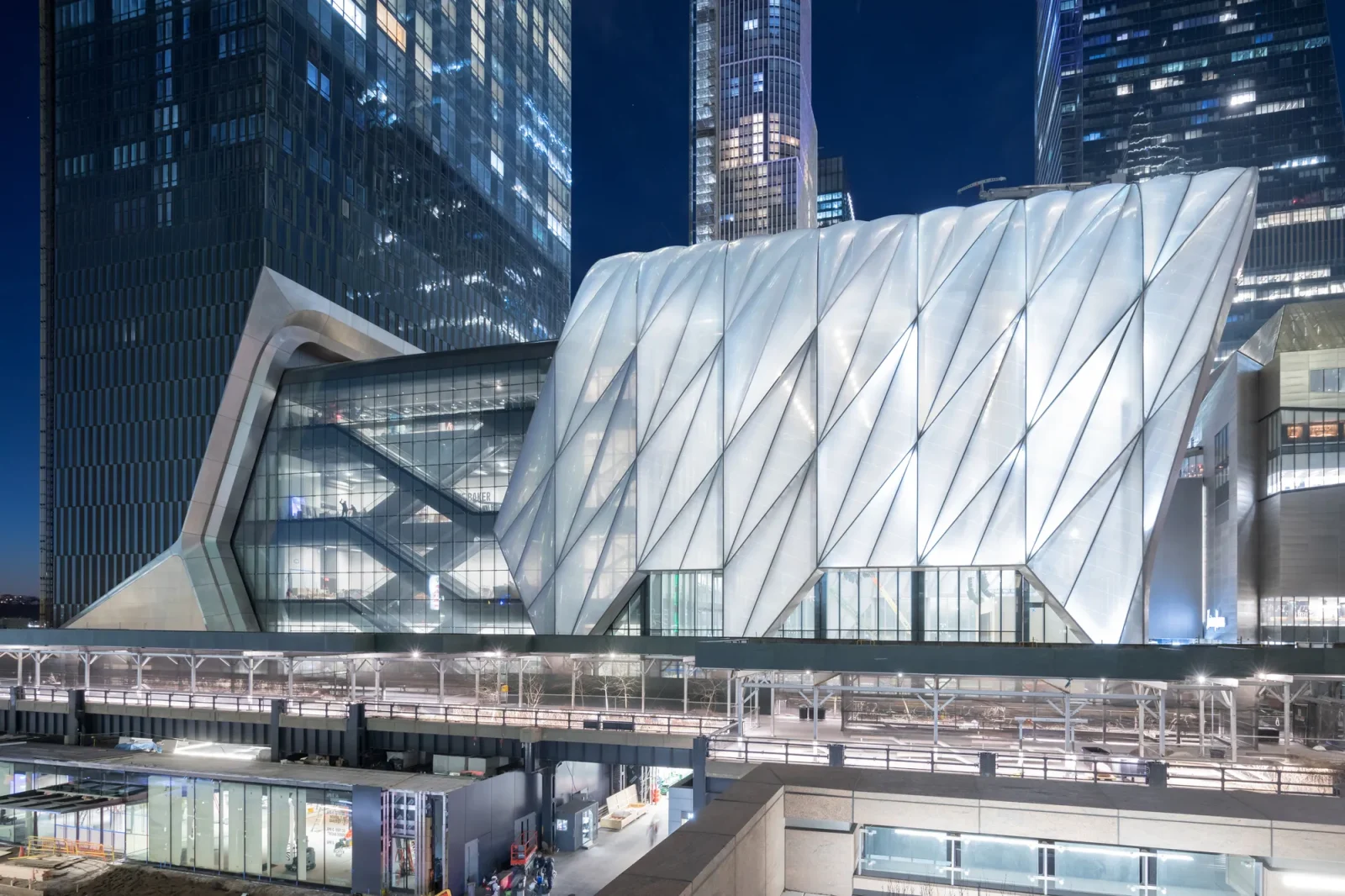
The Shed is a one-of-a-kind cultural venue in Hudson Yards, designed to host performances, exhibitions, and events that can change in scale and form. It is known for its flexible design and innovative engineering, making it a standout example of contemporary architecture in New York.
What makes The Shed special is its movable outer shell, which can extend or retract depending on the event, creating a dynamic interior and exterior space. The building combines steel, glass, and fabric in a sculptural form that interacts with the surrounding plaza. Its design shows how architecture can adapt to different functions, turning a performance space into a public landmark and a model for multipurpose cultural buildings.
14. MoMA Expansion
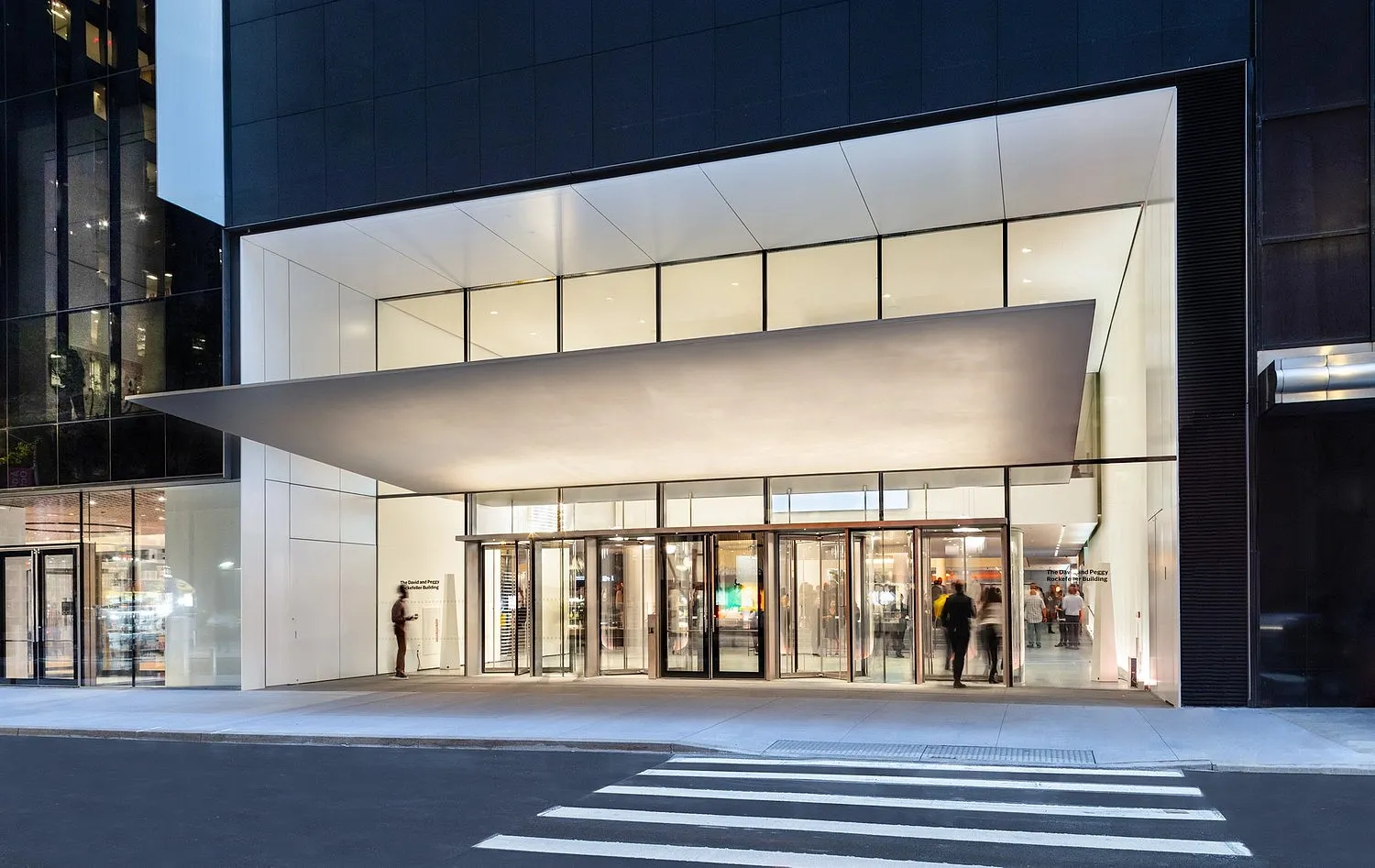
The Museum of Modern Art (MoMA) Expansion in Midtown Manhattan opened in 2019. The expansion significantly increased the existing MoMA’s gallery space by about a third, totaling approximately 165,000 square feet. The expansion allowed the museum to showcase a larger portion of its collection while improving visitor circulation and accessibility.
The expansion is light, open, and contemporary. Glass facades and widened gallery spaces bring in natural light and create a sense of transparency, connecting the museum to the city streets outside.
15. Lincoln Center for the Performing Arts
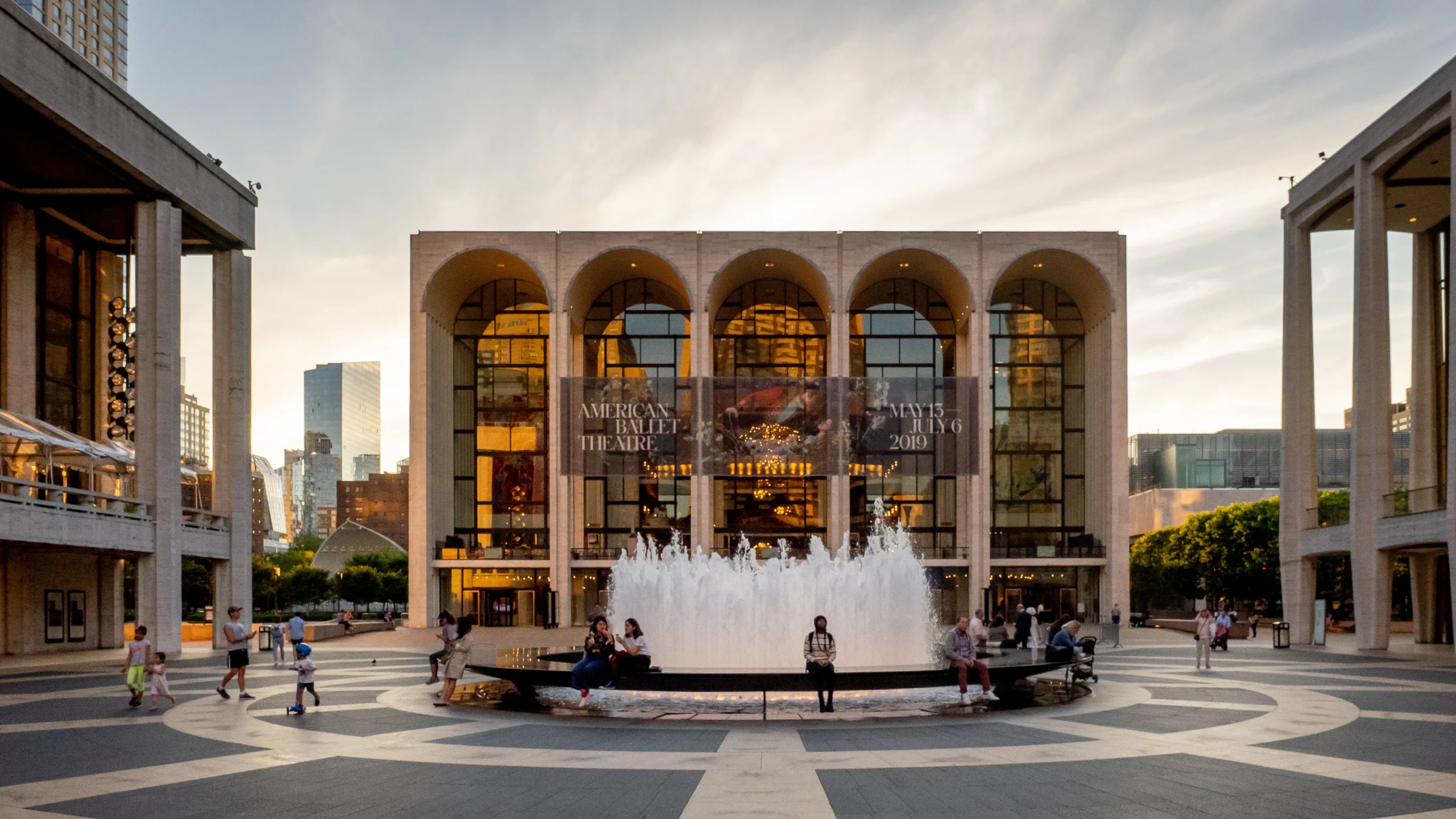
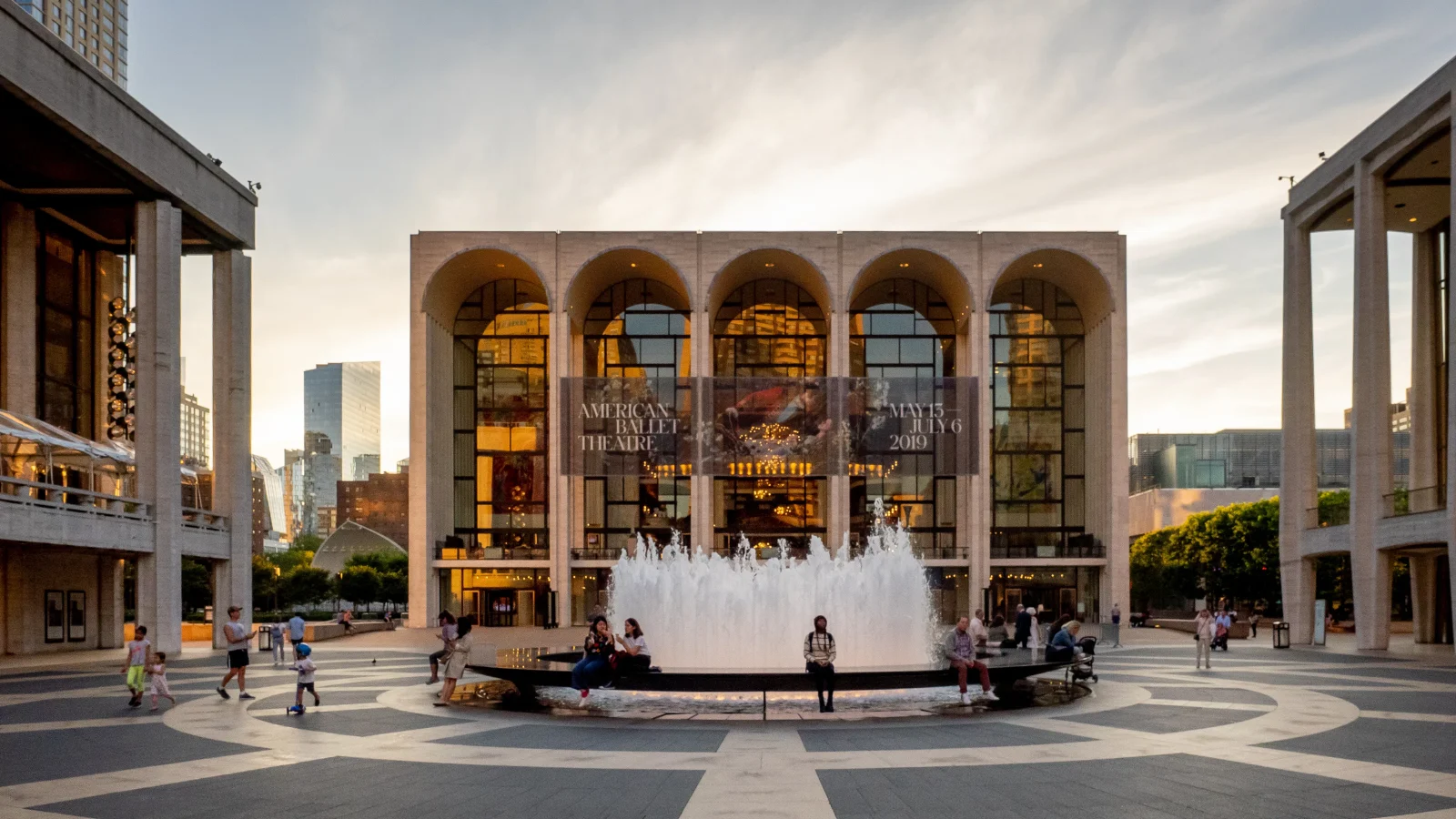
Lincoln Center is a world-famous cultural complex on Manhattan’s Upper West Side. Built in the 1960s, it brought together multiple performing arts institutions, including the Metropolitan Opera, New York City Ballet, and the New York Philharmonic, into a single coordinated campus. The center transformed the neighborhood and became a model for integrating large-scale cultural facilities within a city.
Lincoln Center is known for its modernist planning and clean, geometric forms. Wide plazas, reflecting pools, and symmetrical layouts create open public spaces that encourage gathering and movement. Each building has a distinct design while contributing to a cohesive ensemble.
16. Guggenheim Museum
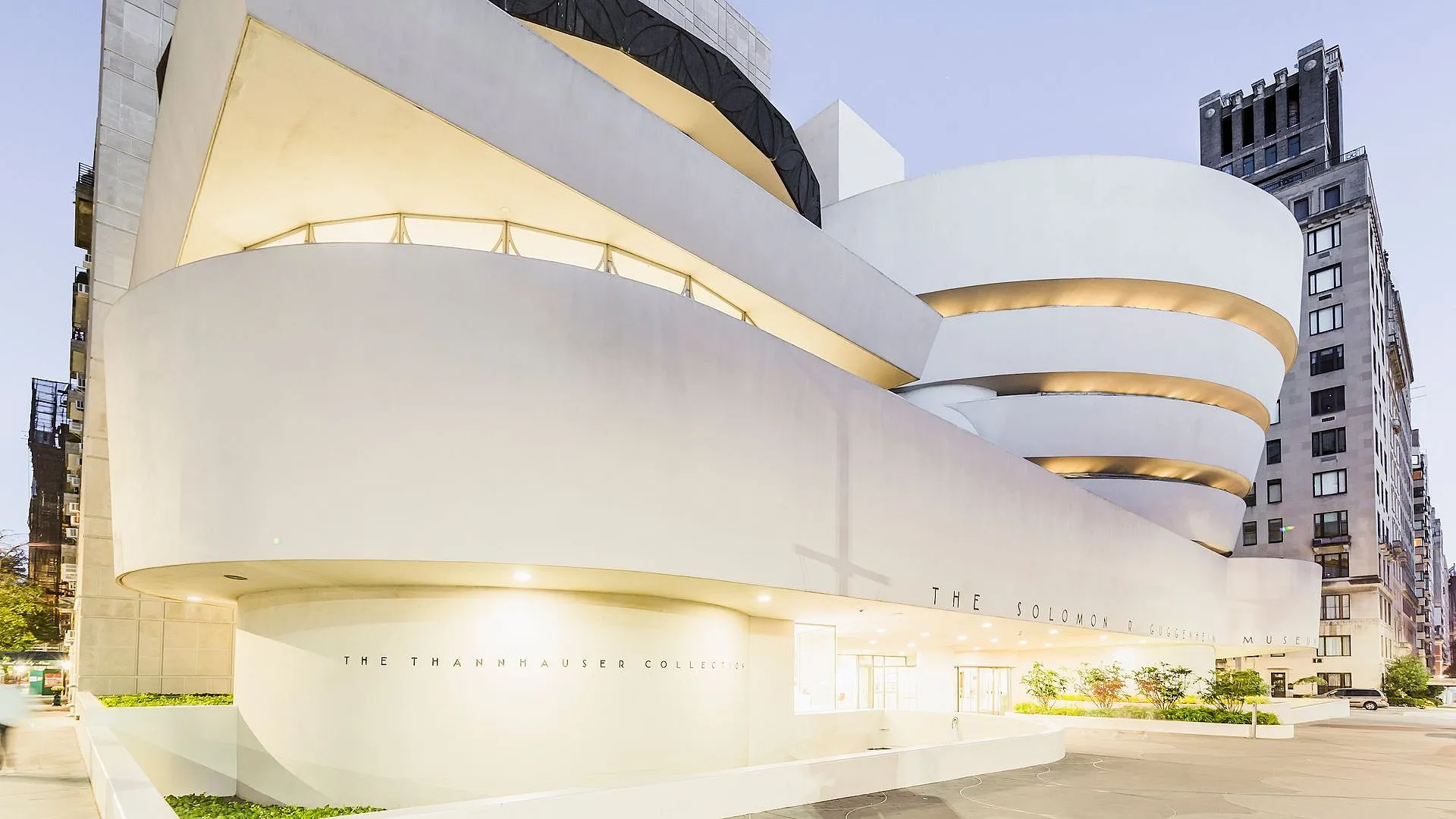
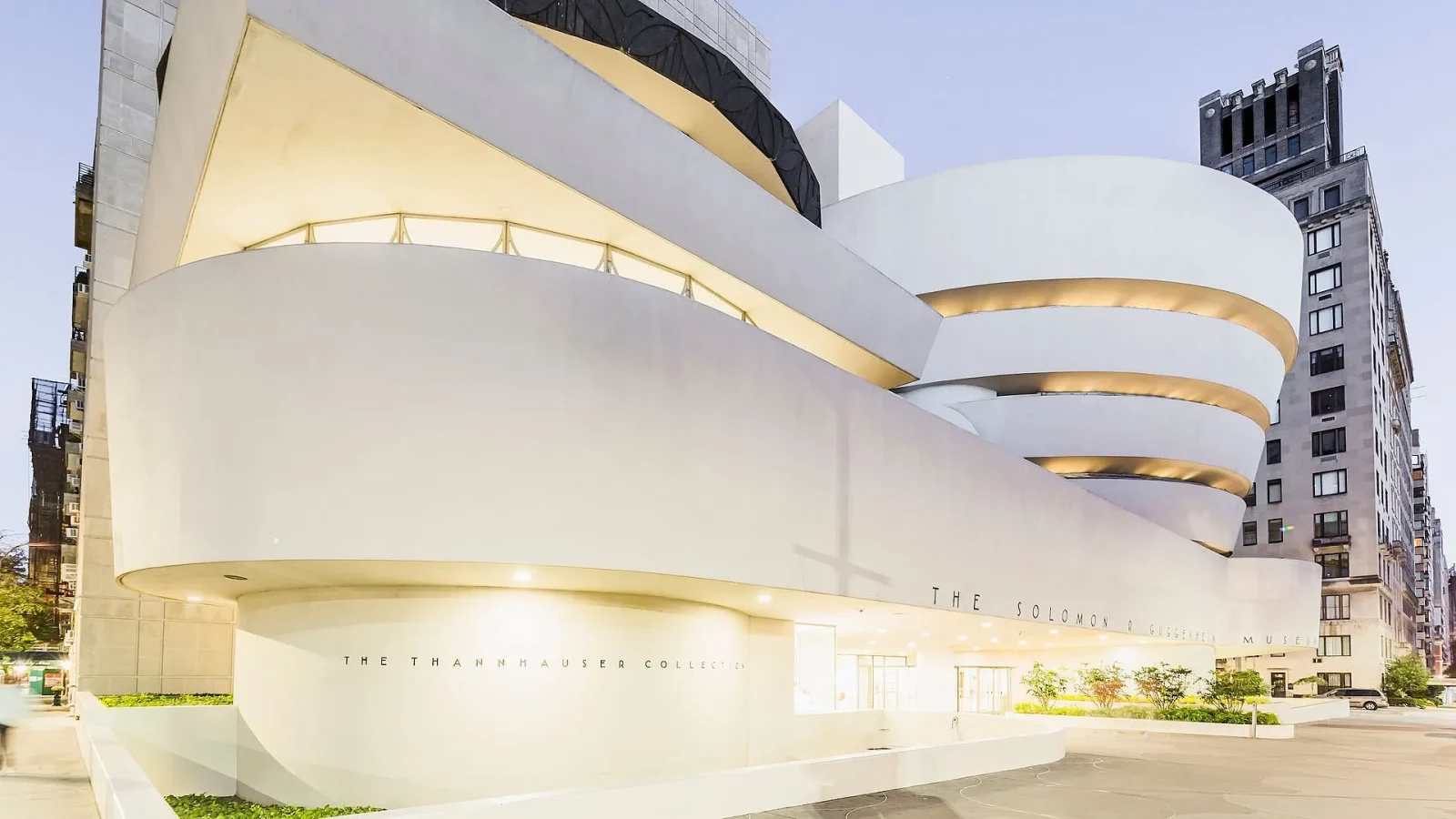
The Guggenheim Museum on Fifth Avenue is one of New York’s most recognizable buildings. It was designed by Frank Lloyd Wright to house modern and contemporary art in a space that felt dynamic and different from traditional museums. Its spiral ramp and open central atrium create a unique way to experience art, guiding visitors on a continuous journey through the galleries.
The museum is famous for its curved, organic form. The white concrete exterior rises in a smooth spiral, contrasting sharply with the city’s typical grid of rectangular buildings. Inside, the continuous ramp and open central space allow artworks to be viewed from multiple angles, creating a fluid experience.
17. The Metropolitan Museum of Art
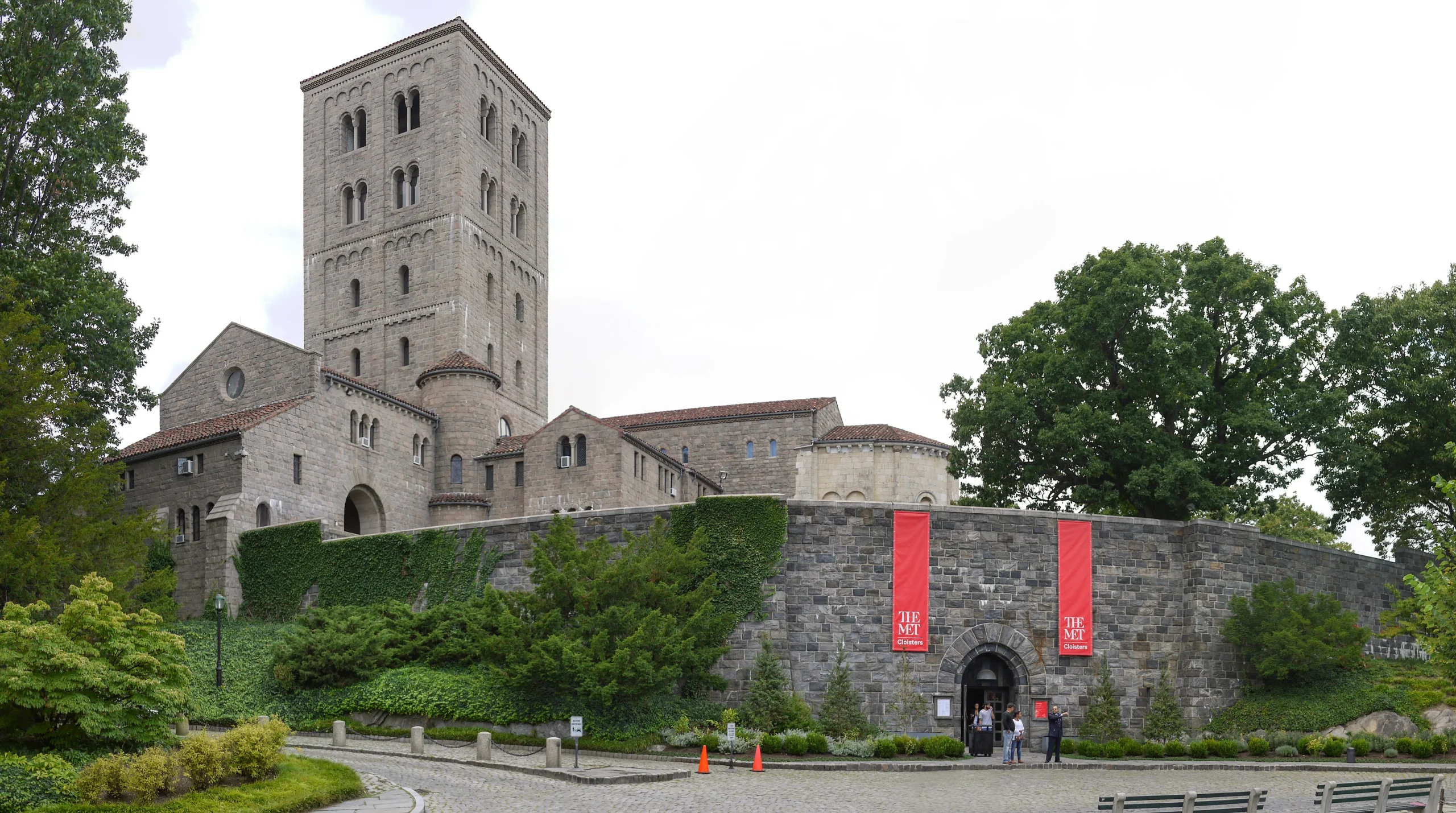
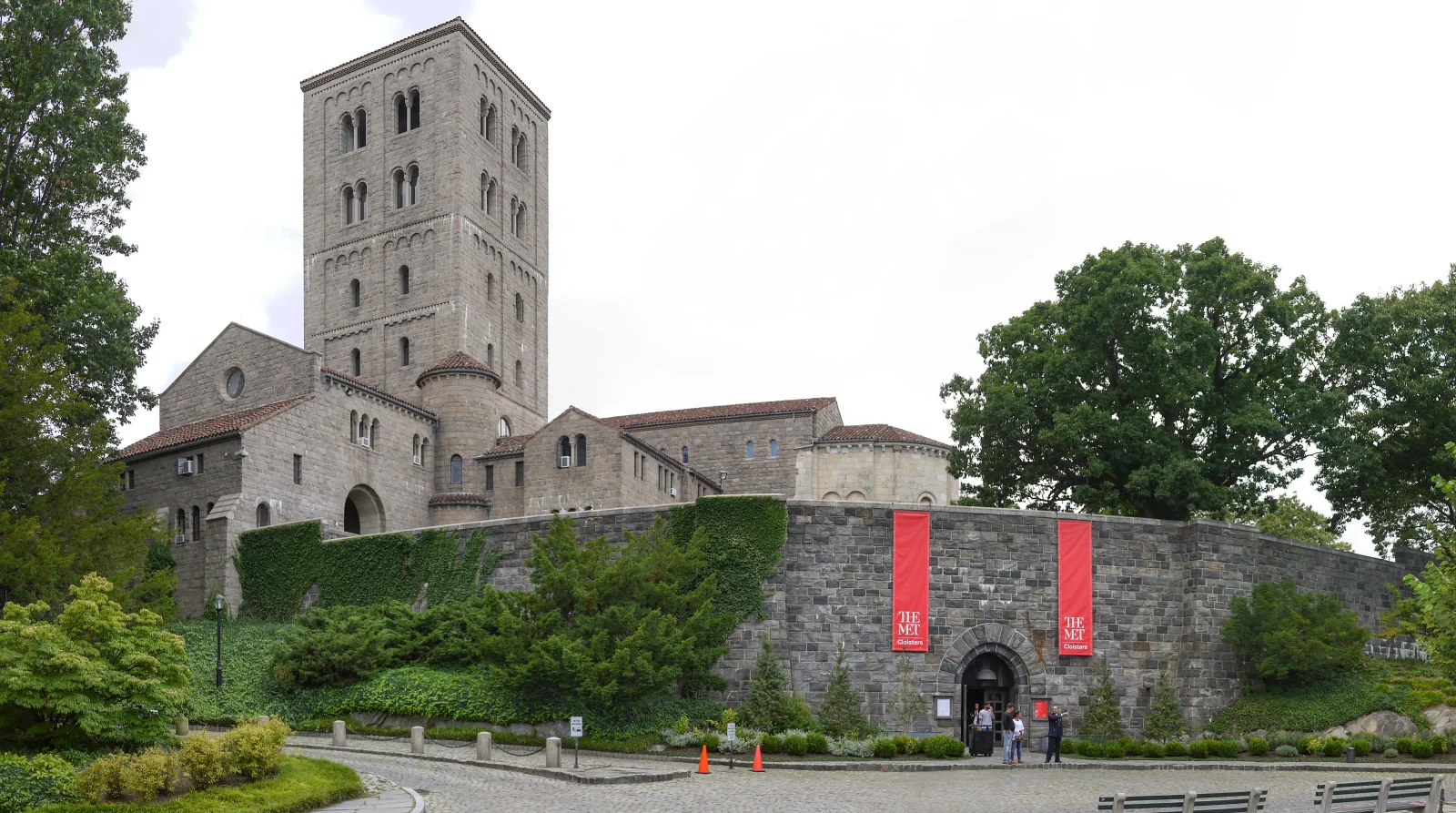
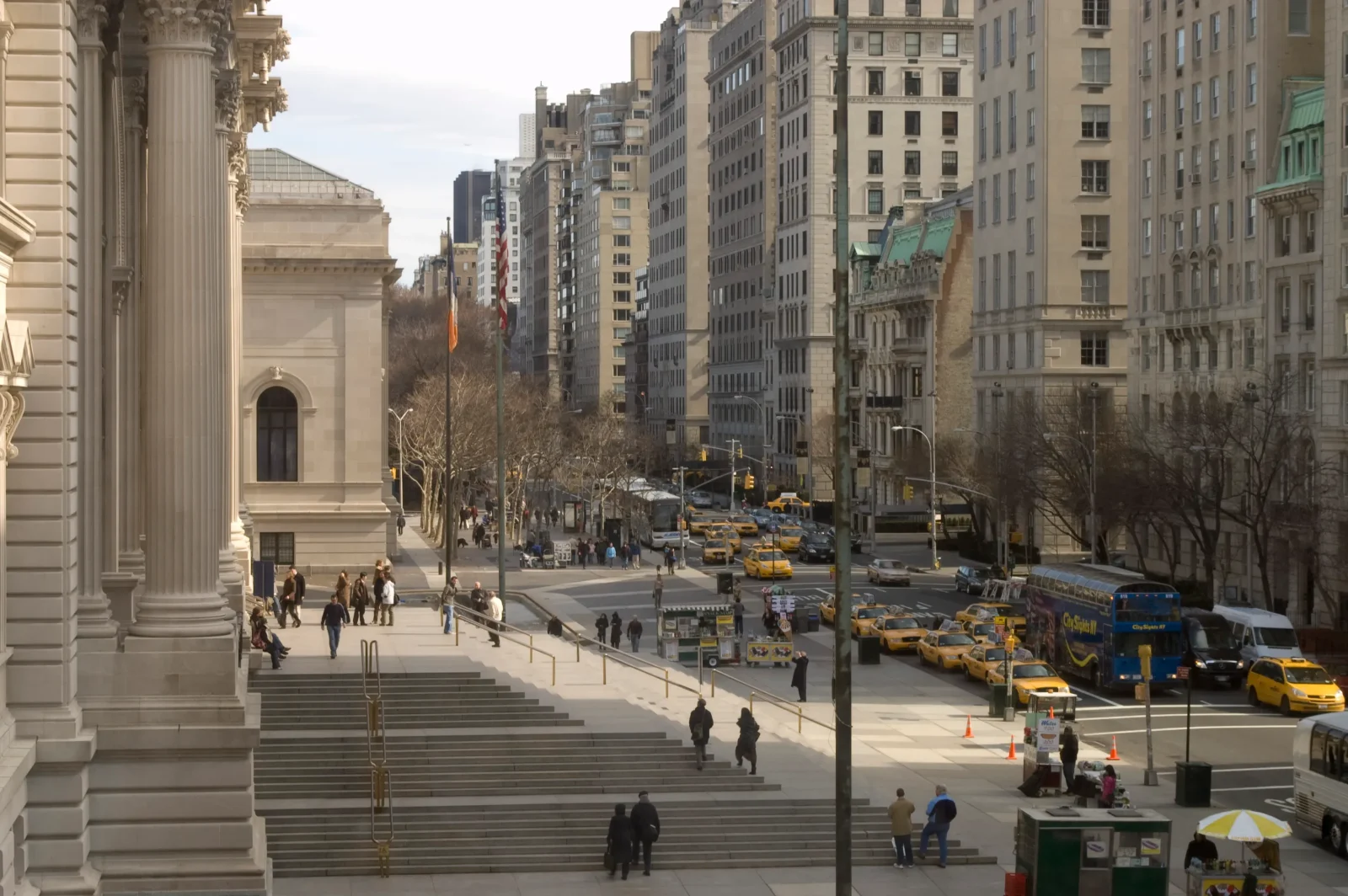
The Met is located along Fifth Avenue. Its construction began in 1870, and over the years, it has grown through multiple expansions, creating a complex that reflects centuries of architectural styles. The museum is a major cultural destination, attracting millions of visitors who come to explore art from around the world.
The Met is a blend of Beaux-Arts grandeur and historic additions. Its iconic facade features classical columns and grand steps, giving it a monumental and inviting presence. Inside, the galleries range from historic period rooms to modern exhibition spaces, connected through circulation.
18. New York Public Library, Main Branch
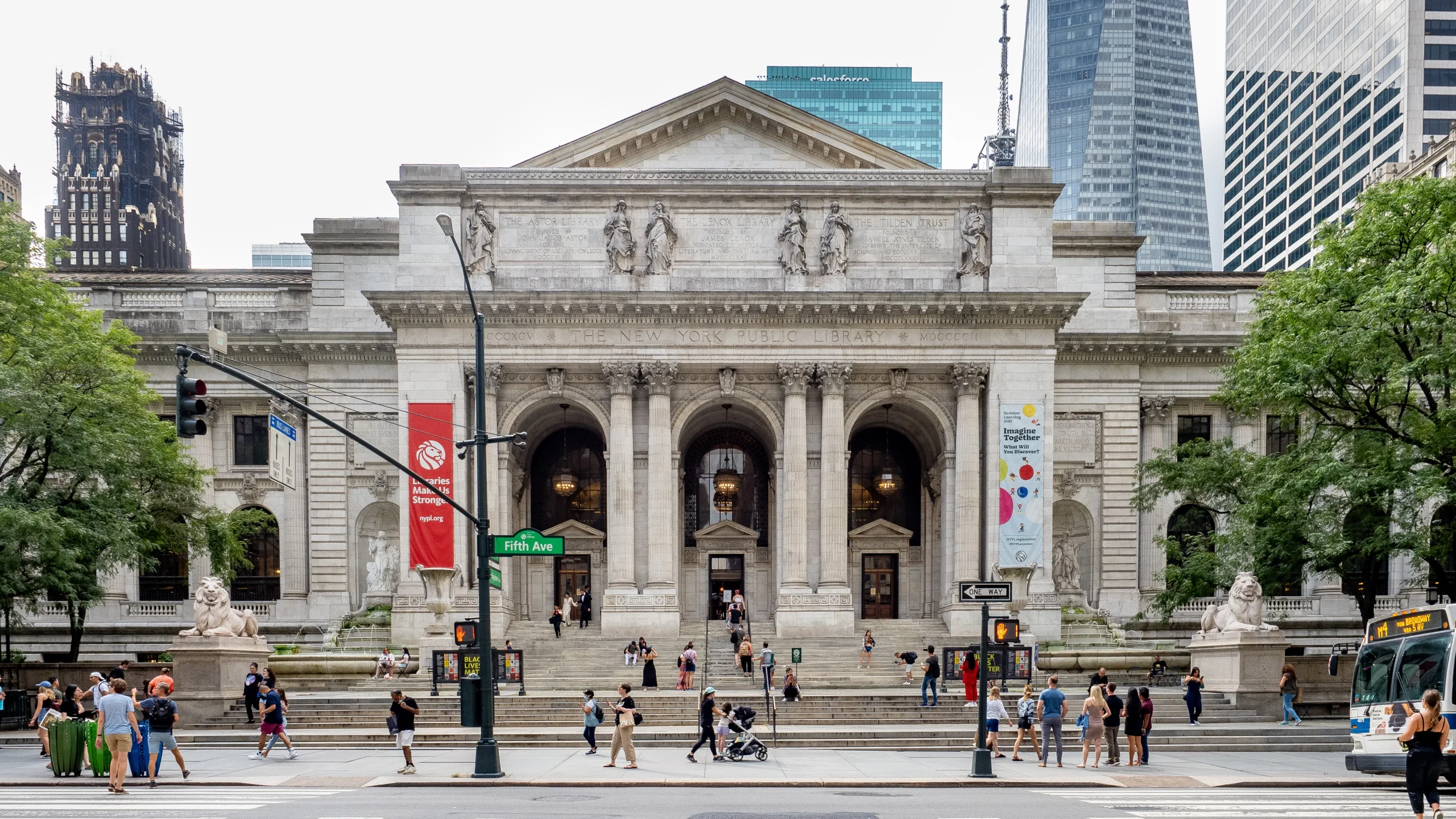
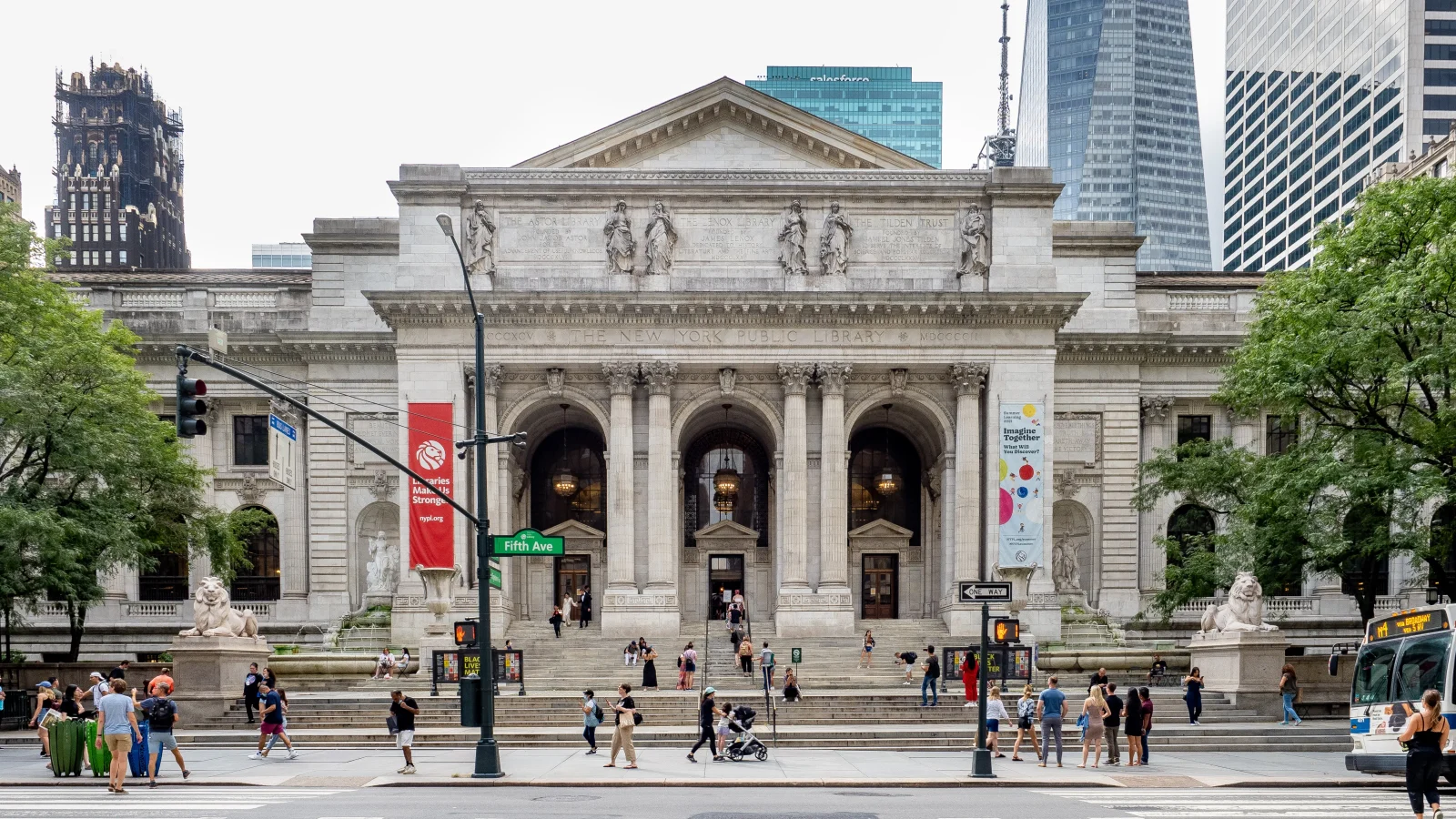
The New York Public Library’s Main Branch on Fifth Avenue is a symbol of classical architecture. It has served as a public space for learning and culture for over a century. Its grand entrance, guarded by the famous lion statues “Patience” and “Fortitude,” welcomes millions of visitors each year.
The building is a masterpiece of Beaux-Arts design. It boasts a marble facade, detailed columns, and large arched windows. Inside, spacious reading rooms, high ceilings, and ornate details make the library functional.
19. United Nations Headquarters
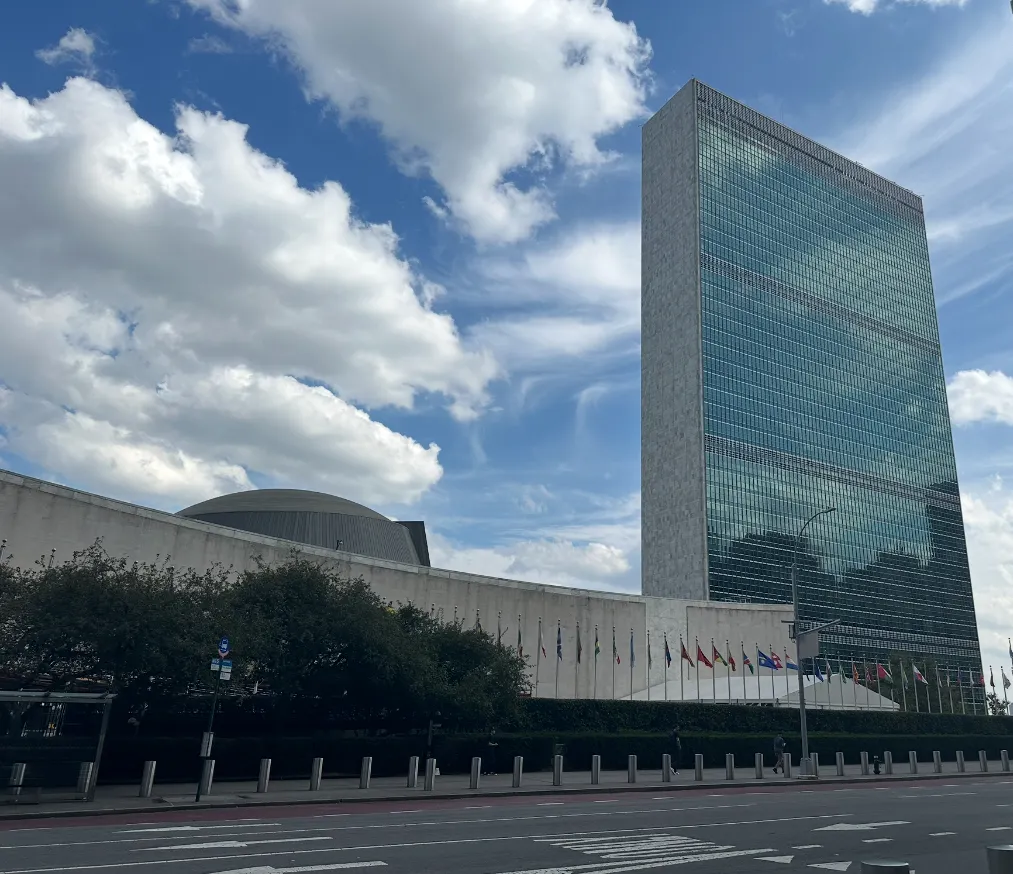
The United Nations Headquarters along the East River is an important symbol of international diplomacy and modernist architecture. It was designed to represent transparency, cooperation, and progress. The complex houses the General Assembly, Security Council, and other offices, making it a hub of global decision-making.
The complex is known for its modernist design and sleek lines. The centerpiece, the Secretariat Building, is a tall glass tower that reflects light and creates a sense of openness. Surrounding it are low-rise structures with clean, horizontal forms, organized around landscaped plazas.
20. Domino Sugar Refinery Redevelopment
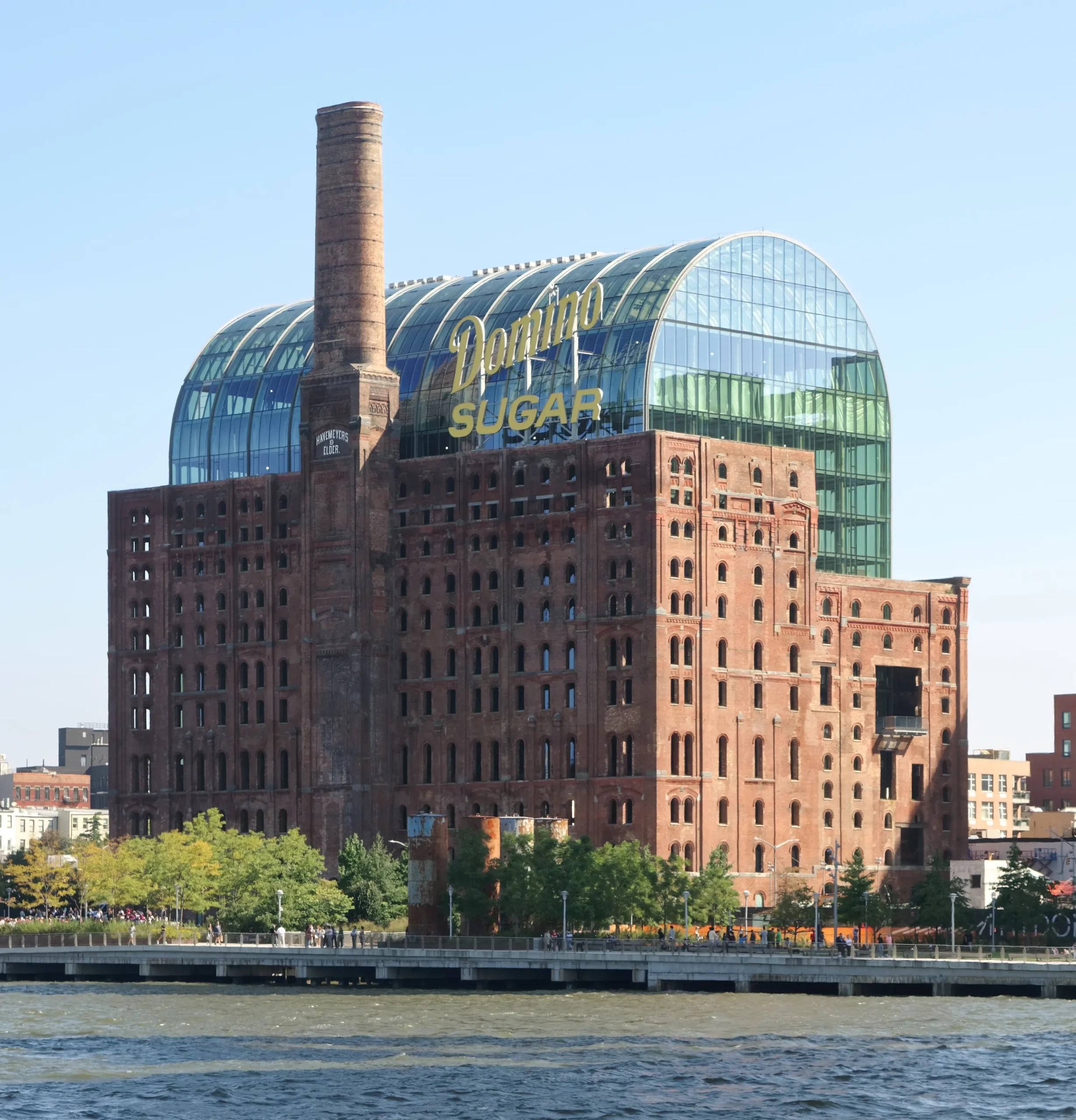
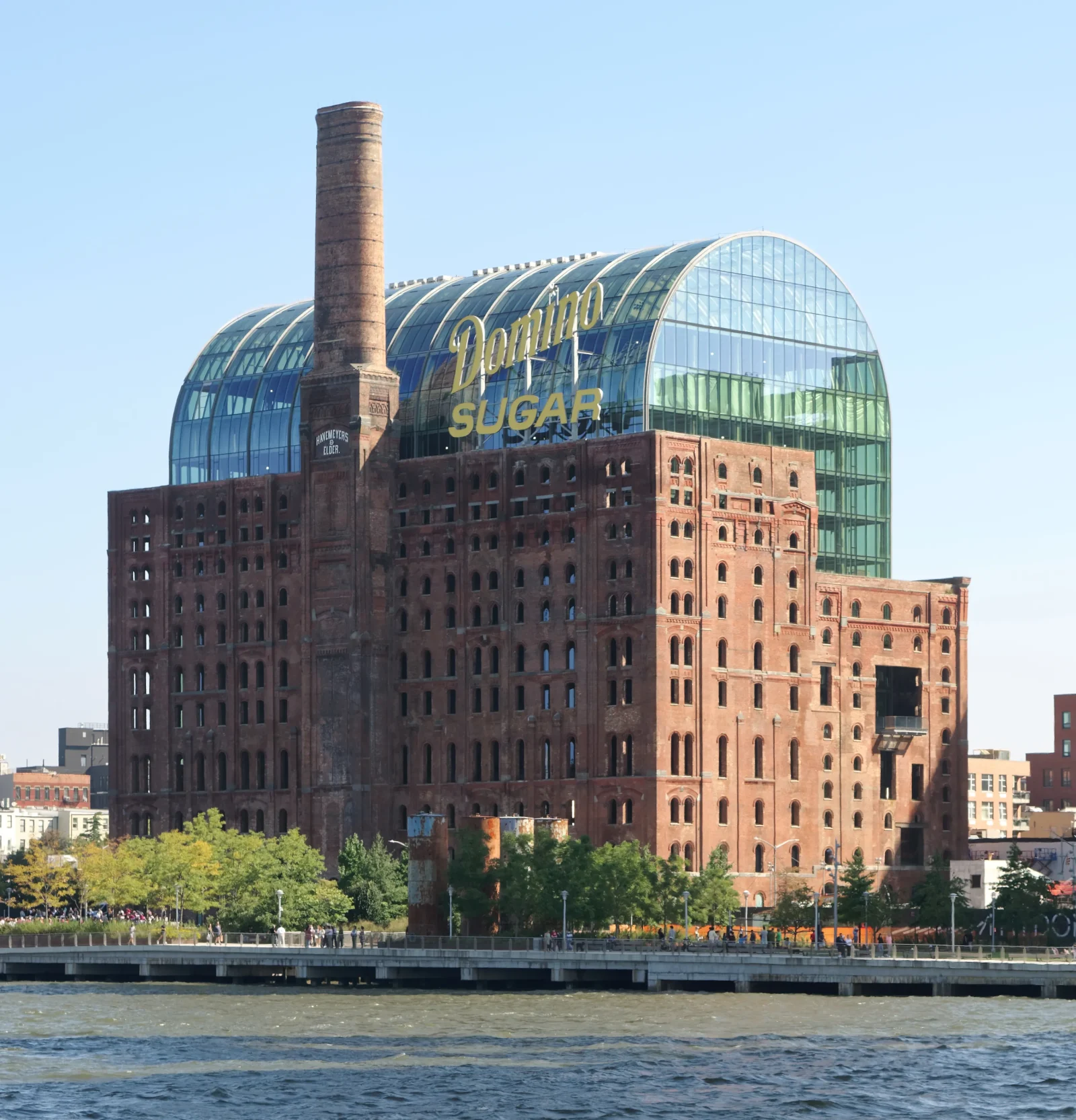
The Domino Sugar Refinery in Brooklyn has been transformed into a modern mixed-use development. The redevelopment preserves much of the original brick structure while adding new residential, commercial, and public spaces. The project shows how old industrial sites can be creatively reused to bring new life to a neighborhood.
The design highlights the building’s original brick facades and industrial character, with contemporary glass and steel additions. Large windows, terraces, and open spaces invite interaction between the building and the city, while respecting the site’s historic scale and materiality. The Domino Sugar project is a great example of adaptive reuse.
21. Barclays Center
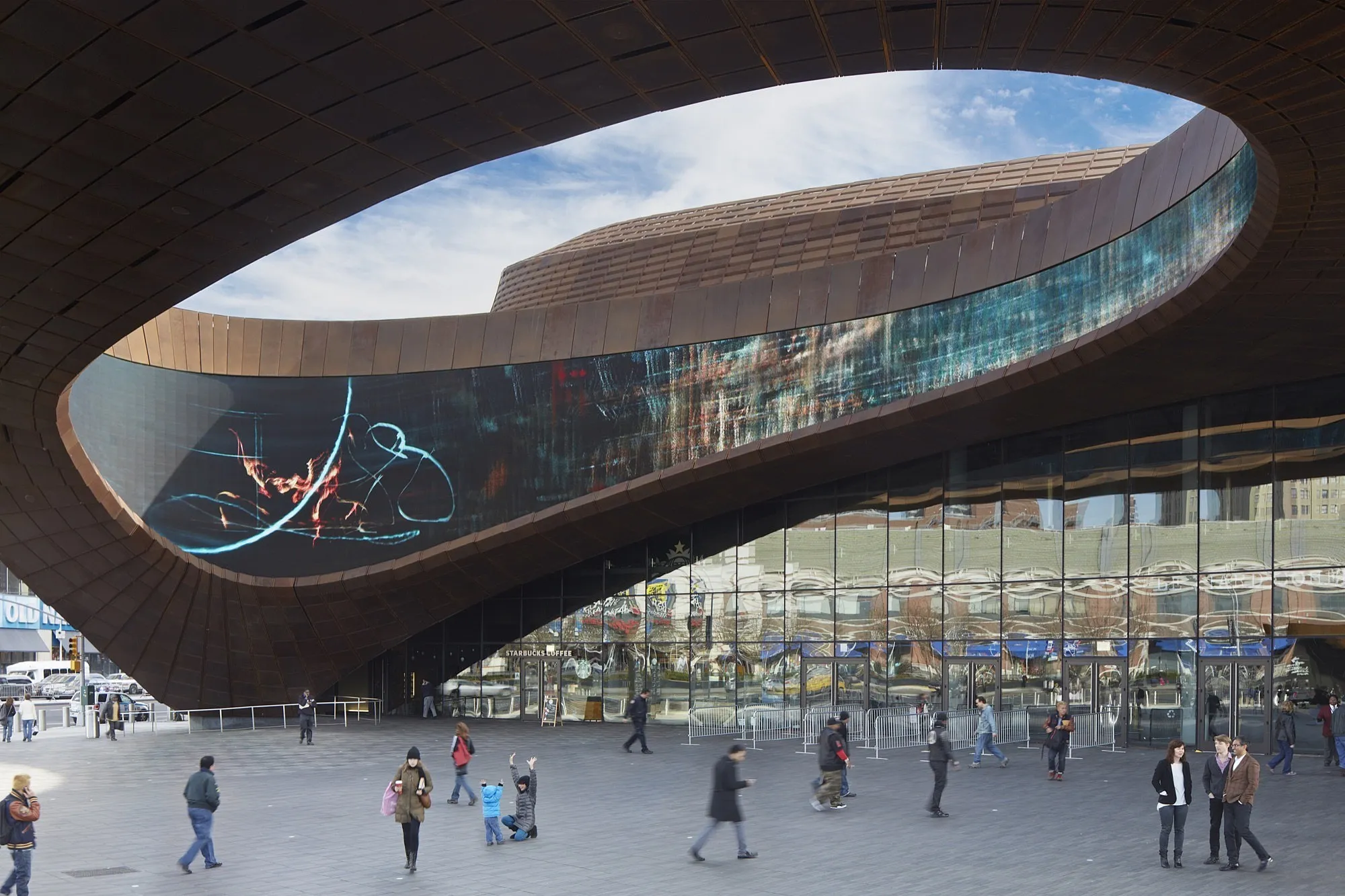
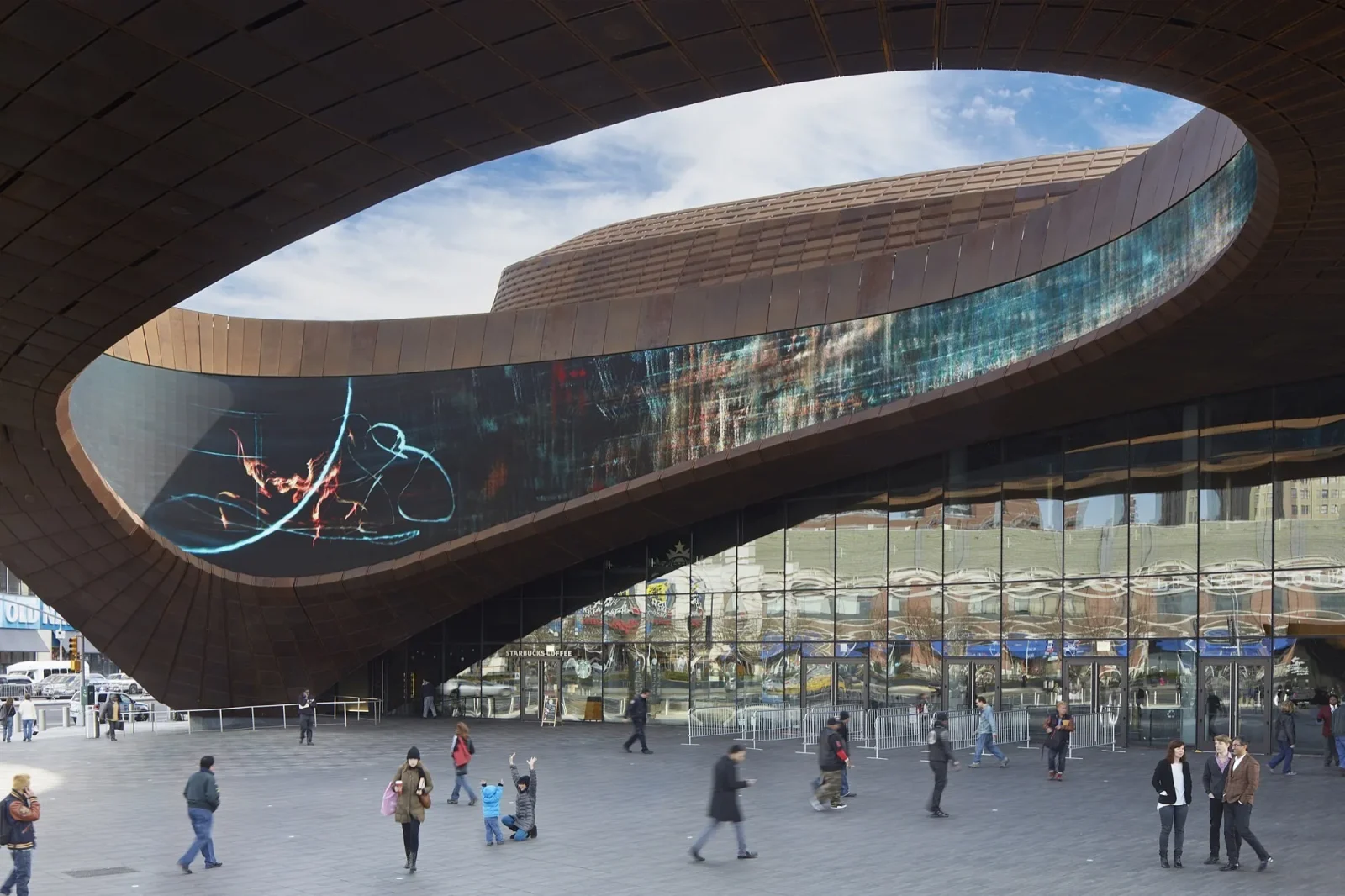
The Barclays Center in Brooklyn is a sports and entertainment arena, best known as the home of the Brooklyn Nets. Opened in 2012, it brought new energy to Downtown Brooklyn, making it a hub for concerts, games, and large events. Its design and strong urban presence make it stand out among New York’s newer landmarks.
The arena is recognized for its distinctive rust-colored steel facade made of weathering steel panels that give it a rugged, urban feel. The sweeping, curving form frames a dramatic entrance plaza, which often serves as a gathering space before events. The roof also features green elements, showing a commitment to sustainability. The design demonstrates how a large-scale venue can integrate with its neighborhood.
22. Flatiron Building
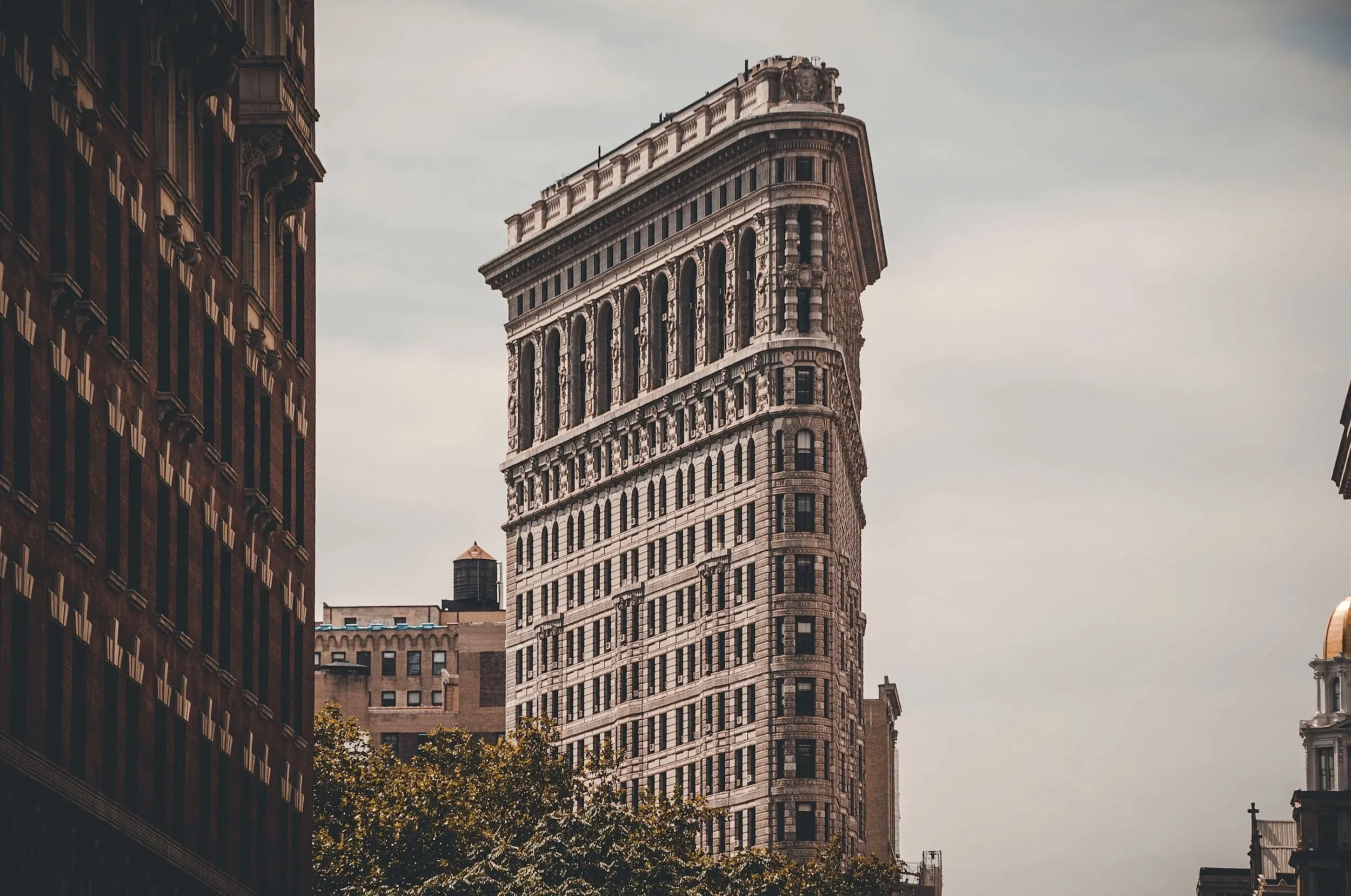
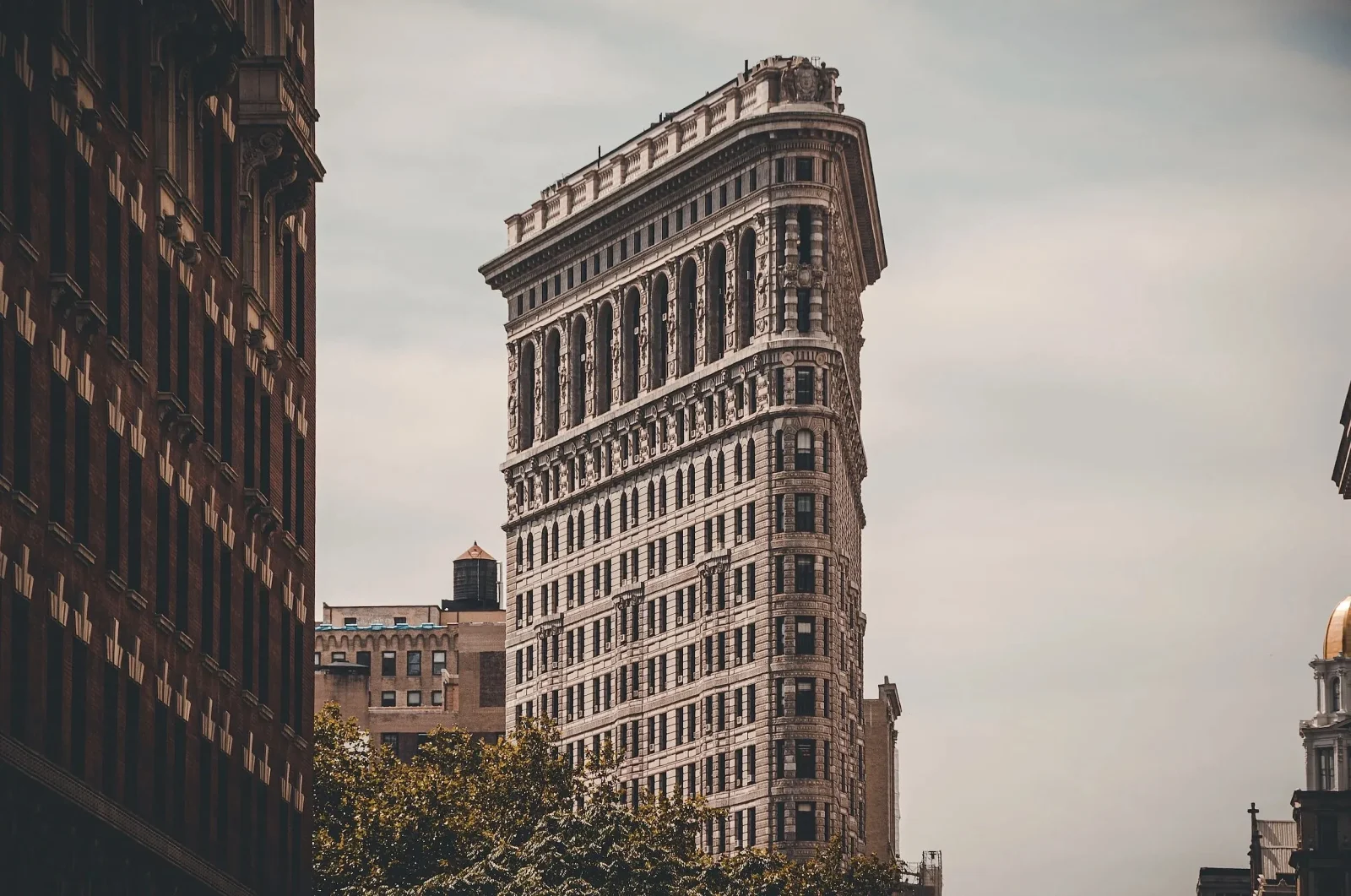
The Flatiron Building was completed in 1902. It became famous for its unusual triangular shape, created by the sharp angle where Fifth Avenue and Broadway meet. At just 22 stories tall, it was one of the city’s tallest buildings at the time.
The Flatiron is celebrated for its Beaux-Arts detailing and steel-frame structure. Its narrow, wedge-shaped form gives it a dramatic presence from every angle, while its limestone and terracotta facade adds texture. The building was groundbreaking for its time and continues to inspire architects and photographers alike, showing how creative solutions to urban site constraints can result in amazing design.
23. New York Times Building
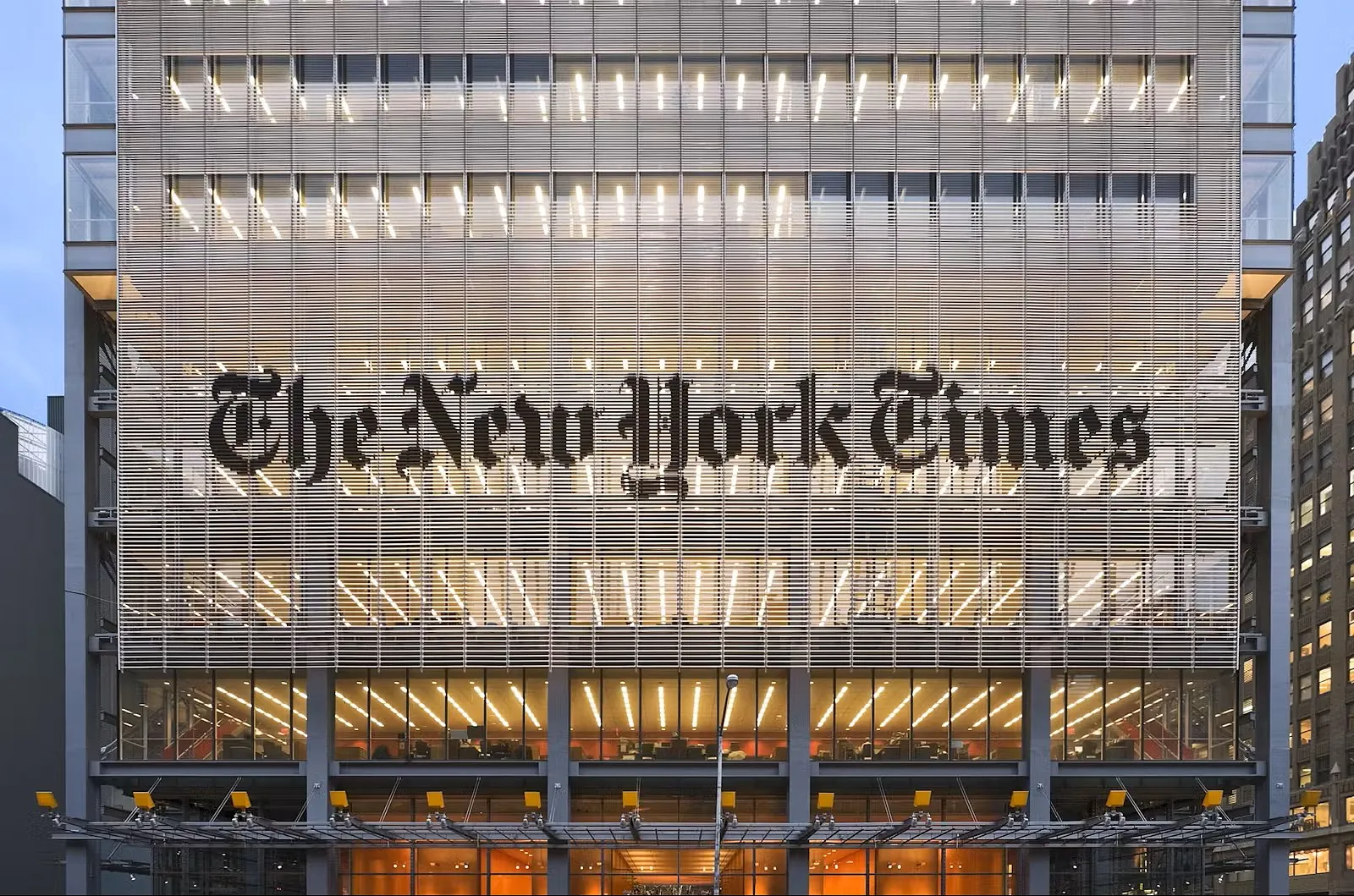
The New York Times Building in Midtown Manhattan is the headquarters of one of the world’s most influential newspapers. Completed in 2007, it reflects the values of journalism in its architectural design. Its slim, elegant profile rises 52 stories.
The tower is defined by its glass facade wrapped in a screen of ceramic rods, which both filter sunlight and give the building a light, shimmering appearance. At night, the structure glows from within, emphasizing the idea of visibility and access. Inside, open office layouts encourage collaboration, while gardens and atriums bring natural light deep into the building.
24. Hearst Tower
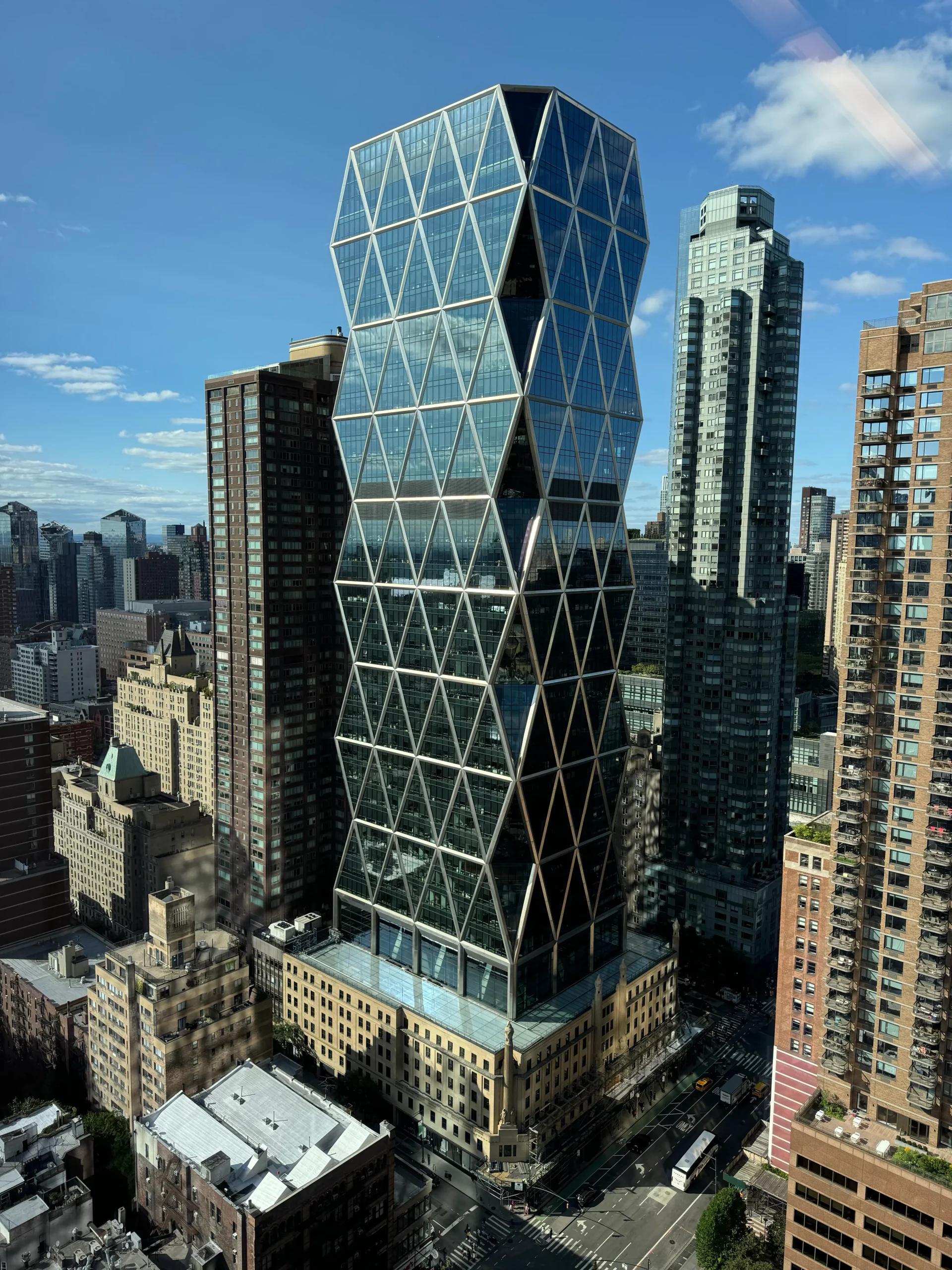
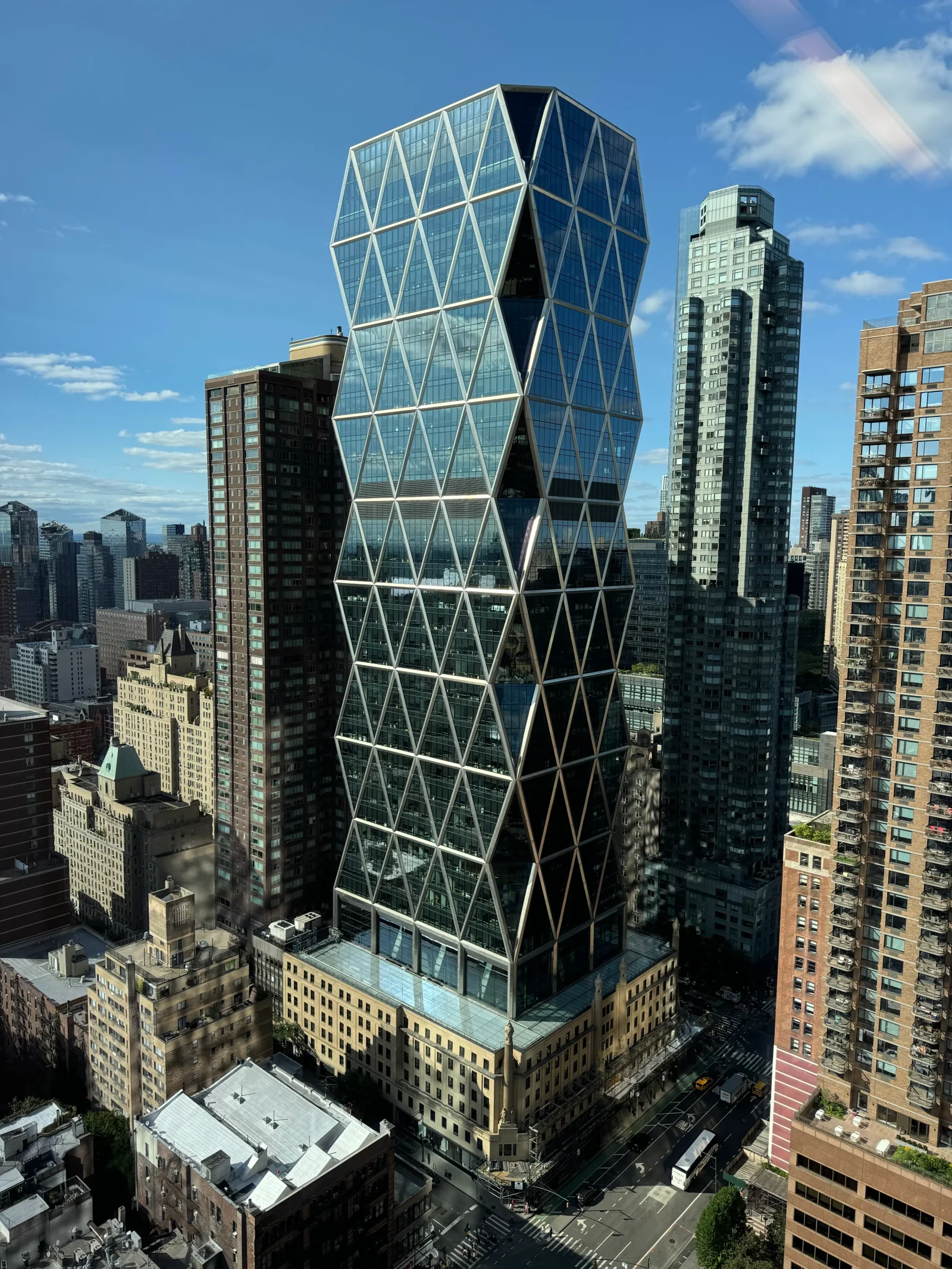
The Hearst Tower rises above the original 1928 Hearst Magazine Building, blending historic stonework with a glass-and-steel tower. It was also the first skyscraper in New York to receive a LEED Gold certification.
The tower is known for its distinctive diagrid structure, a network of diagonal steel beams that reduces the need for extra steel while creating a dynamic geometric pattern across the facade. The contrast between the solid, ornate base and the sleek, modern tower makes the building stand out.
25. Lever House
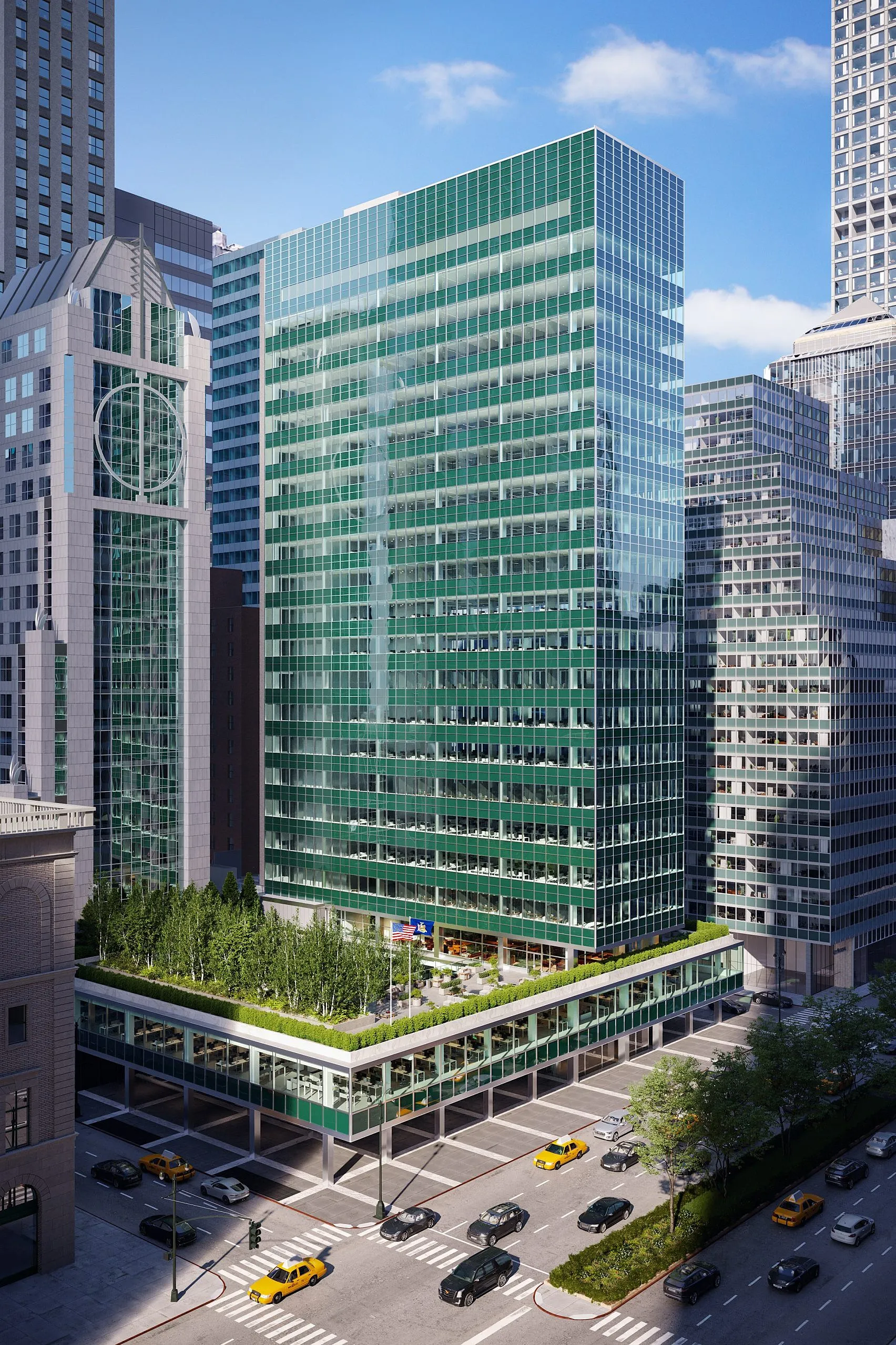
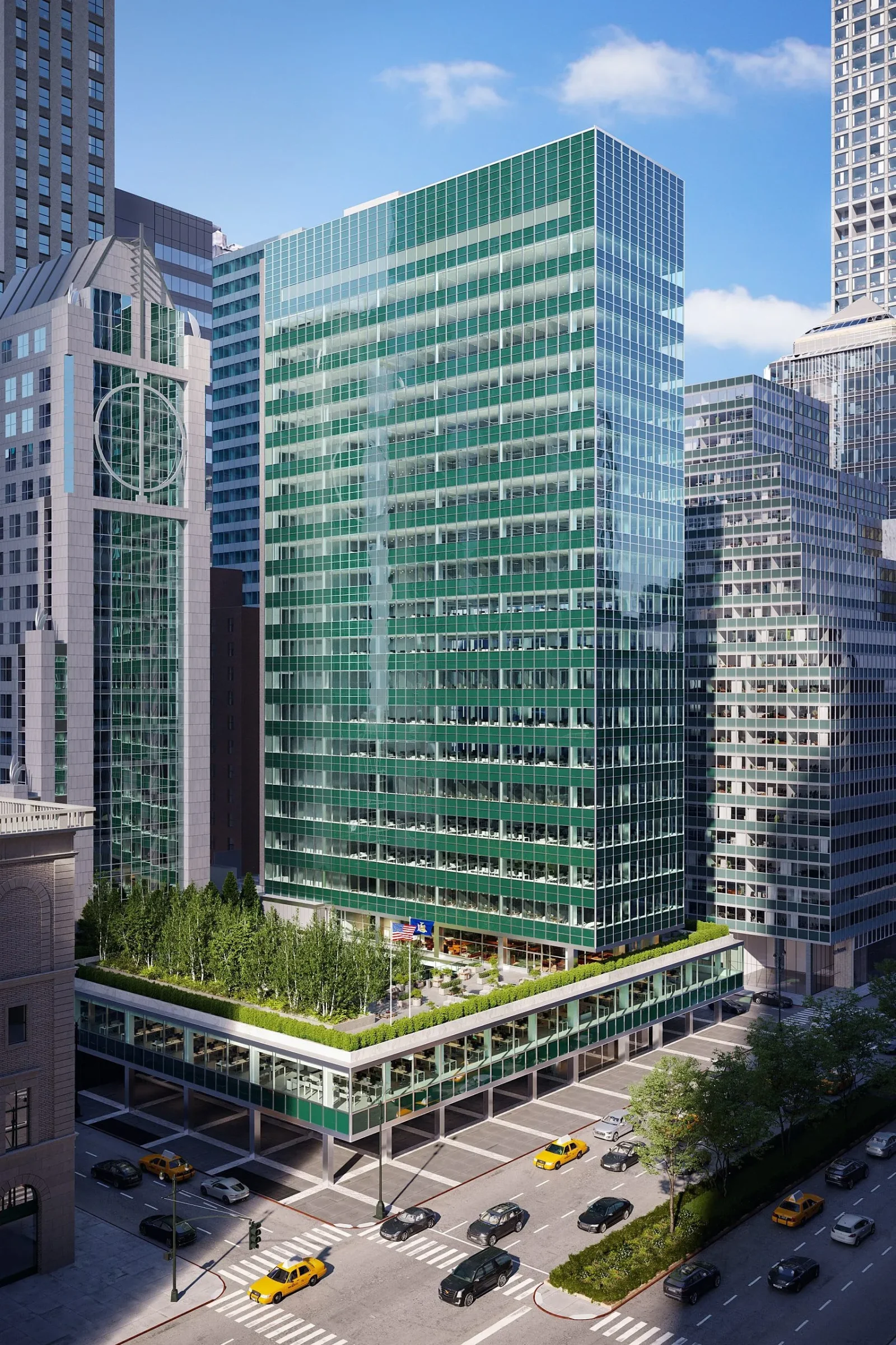
The Lever House was one of the first glass curtain-wall skyscrapers in New York. It was completed in 1952 for the soap company Lever Brothers. It stood out immediately against the masonry buildings that dominated Park Avenue at the time. Its reflective facade gave the avenue a new identity and set the stage for the wave of modern towers that followed.
The tower rises as a slim slab of green-tinted glass, floating above a horizontal base that creates an open plaza at street level. This approach was groundbreaking in Manhattan, where buildings usually filled the entire lot. By lifting the structure and giving space back to the city, SOM showed how corporate headquarters could be light, transparent, and connected to the urban fabric. Today, Lever House stands as a perfect partner to the nearby Seagram Building.
26. Seagram Building
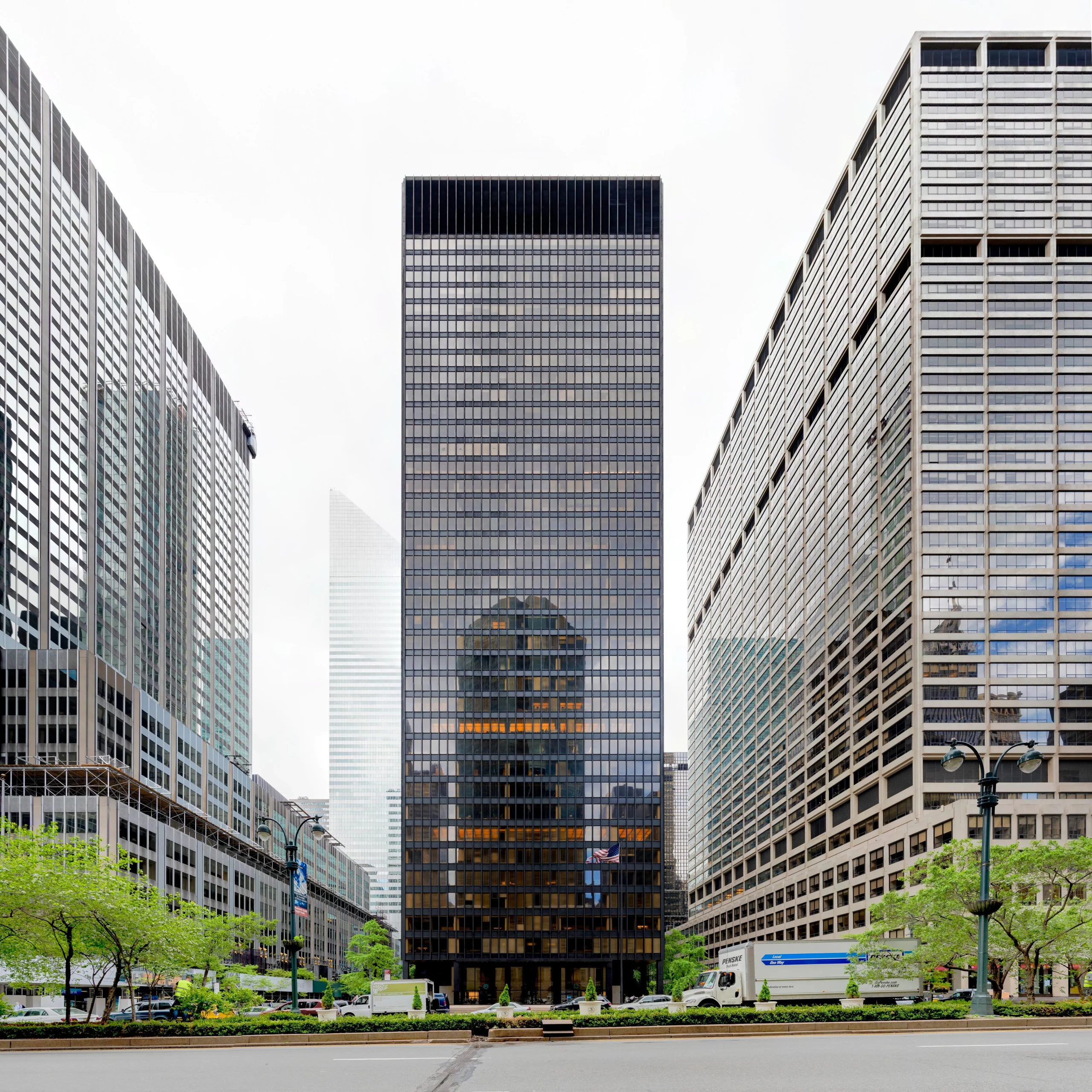
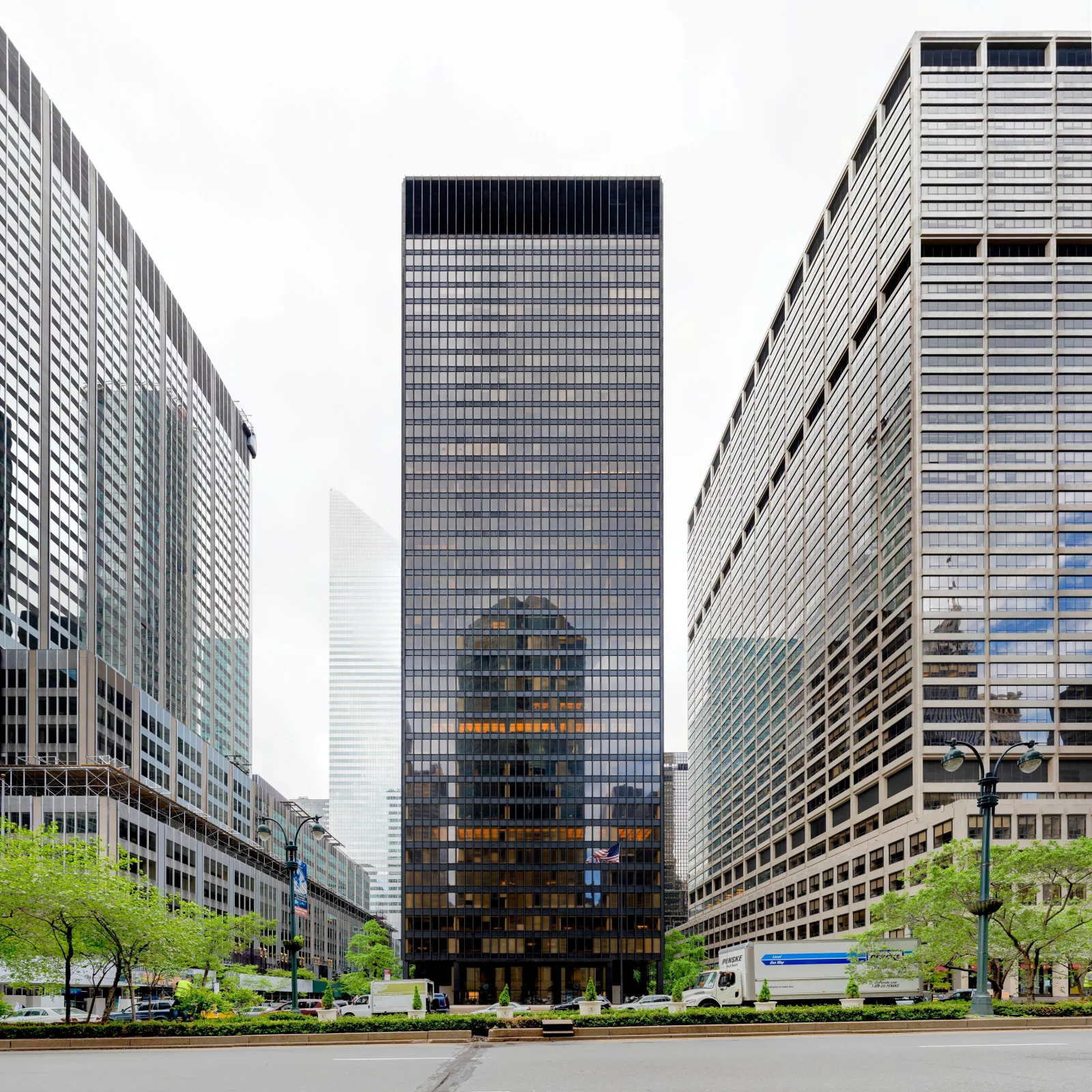
The Seagram Building introduced a new way of thinking about office towers—simple and stripped of decoration. Built for the Seagram Company, the building stands on Park Avenue and quickly became a model for corporate architecture around the globe. Completed in 1958, its plaza at the front also set a new standard for giving public space back to the city.
The tower is a perfect example of International Style modernism. It rises as a glass-and-steel box, with bronze-toned vertical lines that highlight its height. The design hides nothing. The structure itself becomes the building’s expression. By pulling the tower back from the street and placing it on a plaza, Mies van der Rohe created breathing room in the dense city grid, showing how skyscrapers could feel powerful and graceful at the same time.
27. The High Line
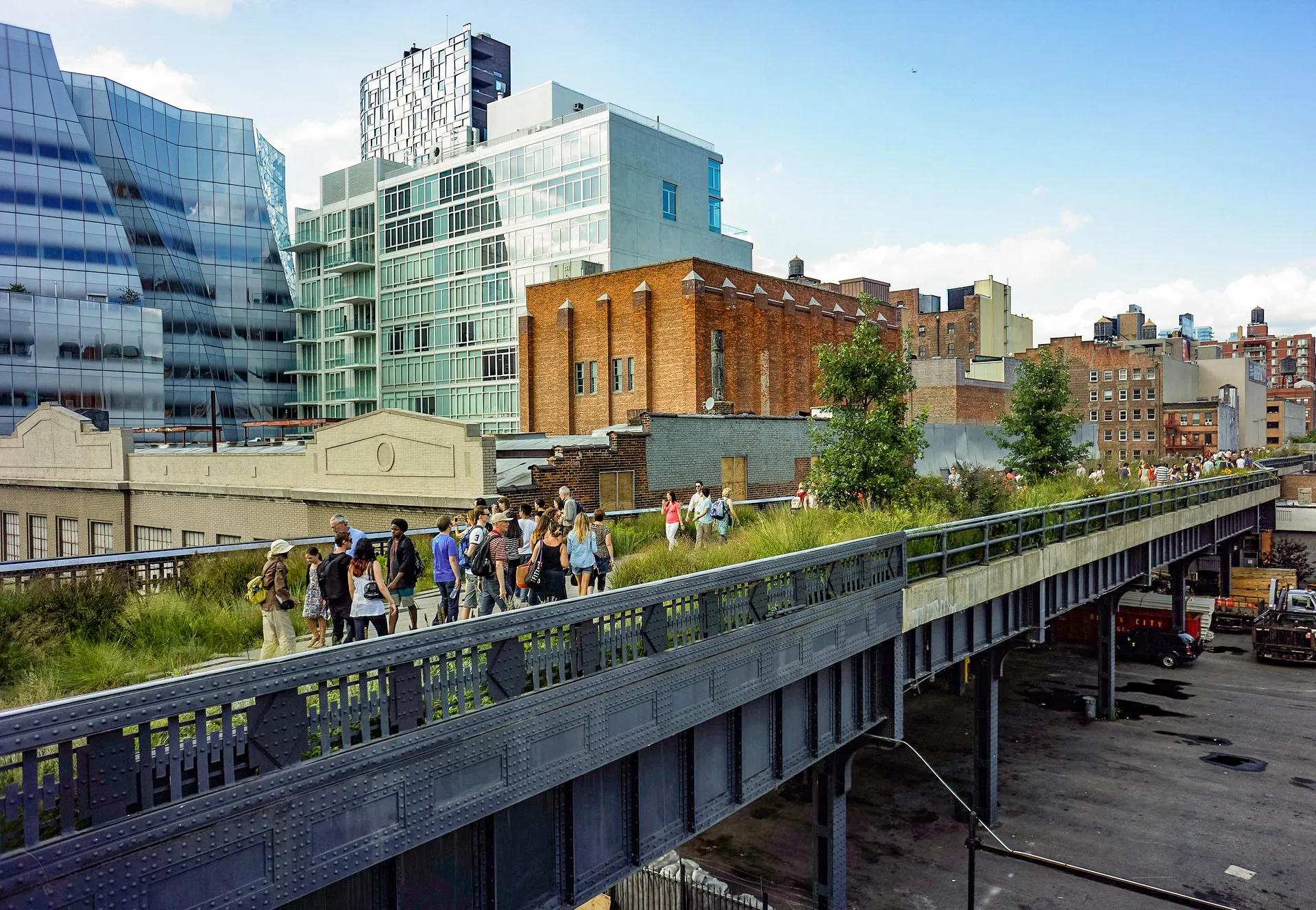
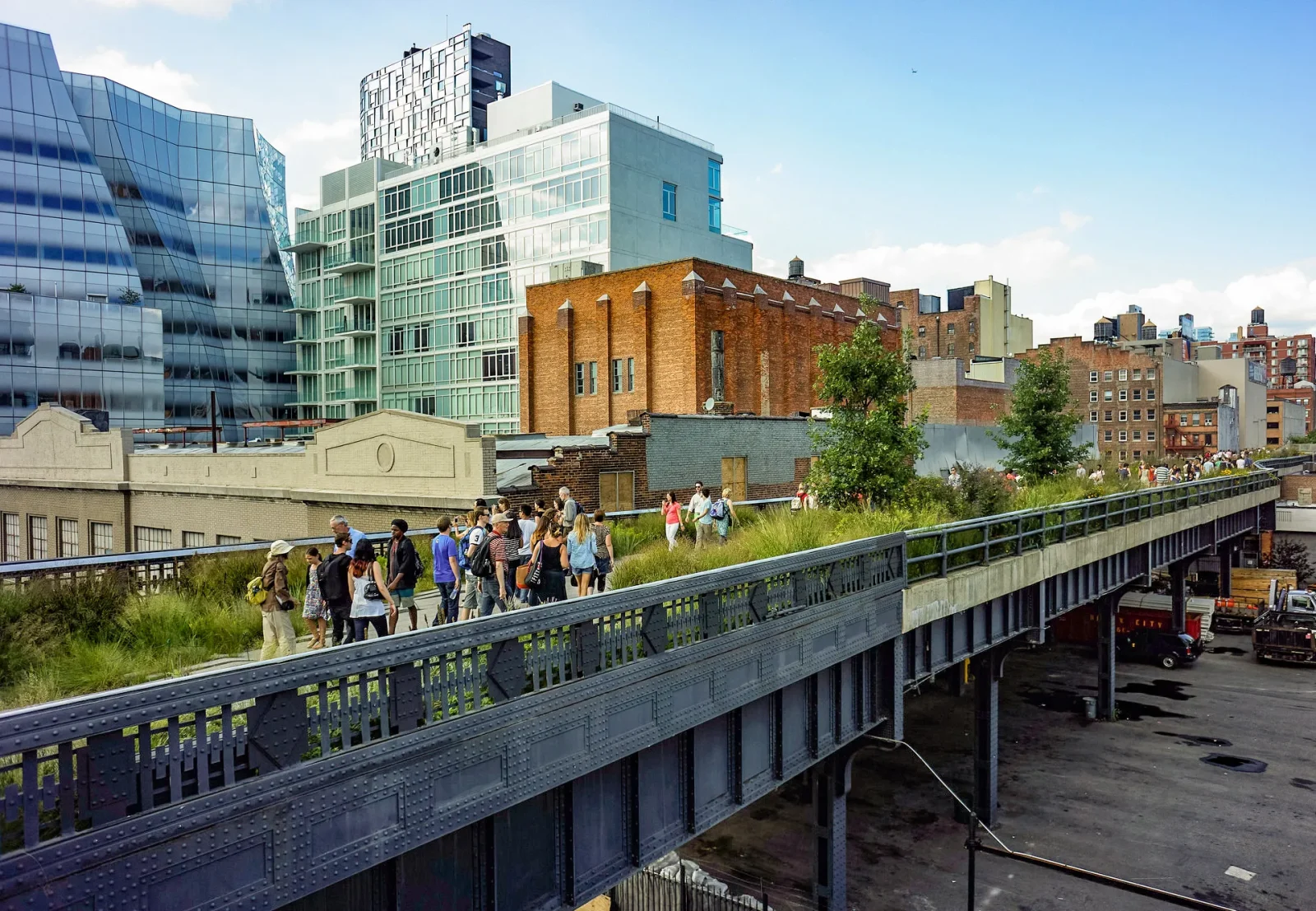
The High Line is an urban design project. Built on an old elevated railway in Manhattan’s West Side, it was transformed into a public park between 2009 and 2019. The project has revitalized surrounding neighborhoods and attracted millions of visitors. The project has inspired cities around the world on how disused infrastructure can become a vibrant public space.
The High Line combines landscape architecture with modern urban planning. Native plants, walking paths, seating areas, and art installations create a sequence of experiences along the 1.45-mile park. The designers retained elements of the old railway. Its elevated perspective gives visitors unique views of the city.
28. Brooklyn Bridge
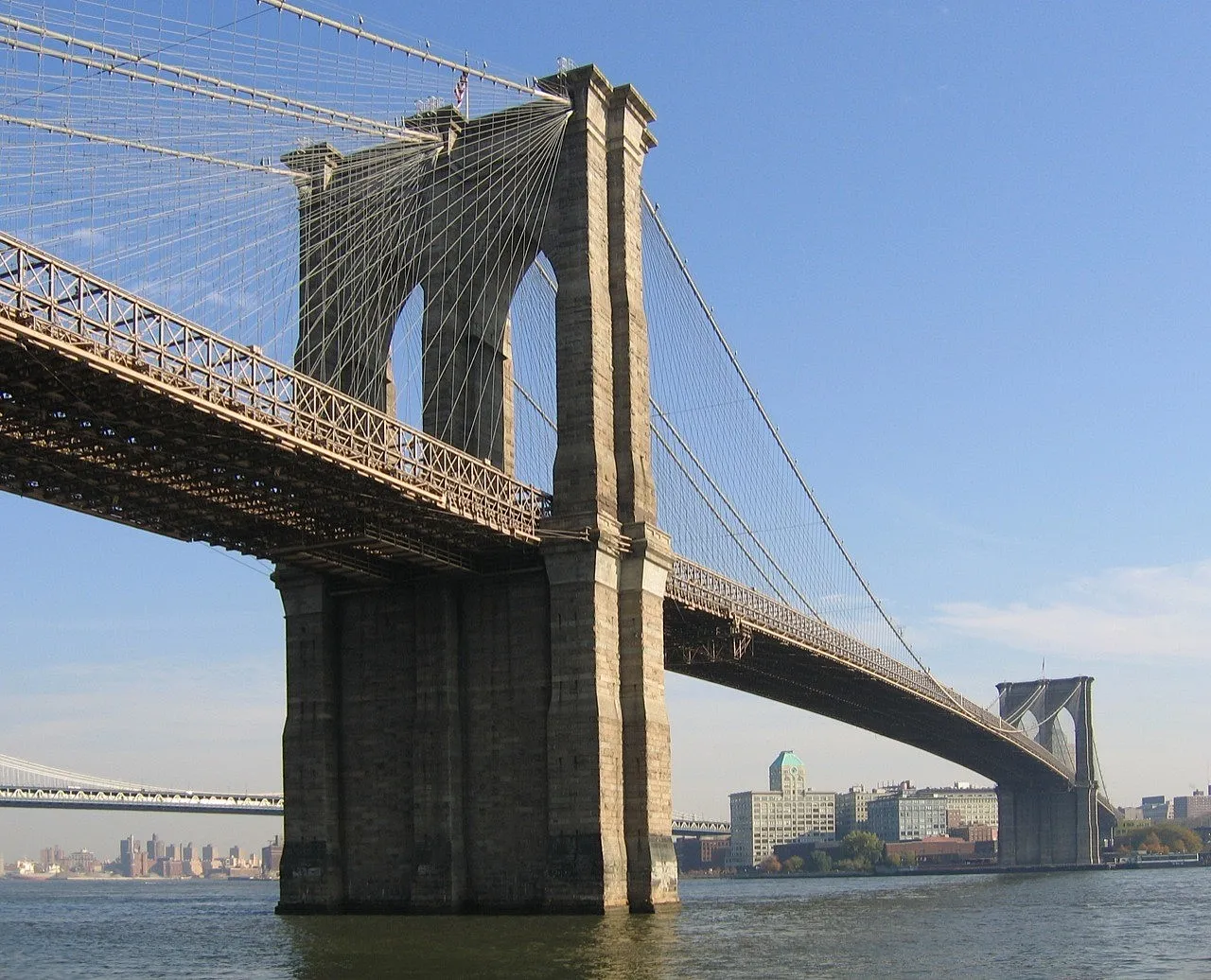
The Brooklyn Bridge of New York was the first steel-wire suspension bridge in the world, connecting Manhattan and Brooklyn across the East River. For over a century, it has carried pedestrians, cyclists, and vehicles while remaining one of the most photographed landmarks in New York.
The bridge combines Gothic-inspired stone towers with steel cables. Its pointed arches and massive granite supports give it a monumental presence, while the web of cables creates a delicate, almost lace-like pattern against the sky. The pedestrian walkway offers sweeping views of the city.
29. Fifth Avenue (Urban Corridor, evolving since the 19th century)
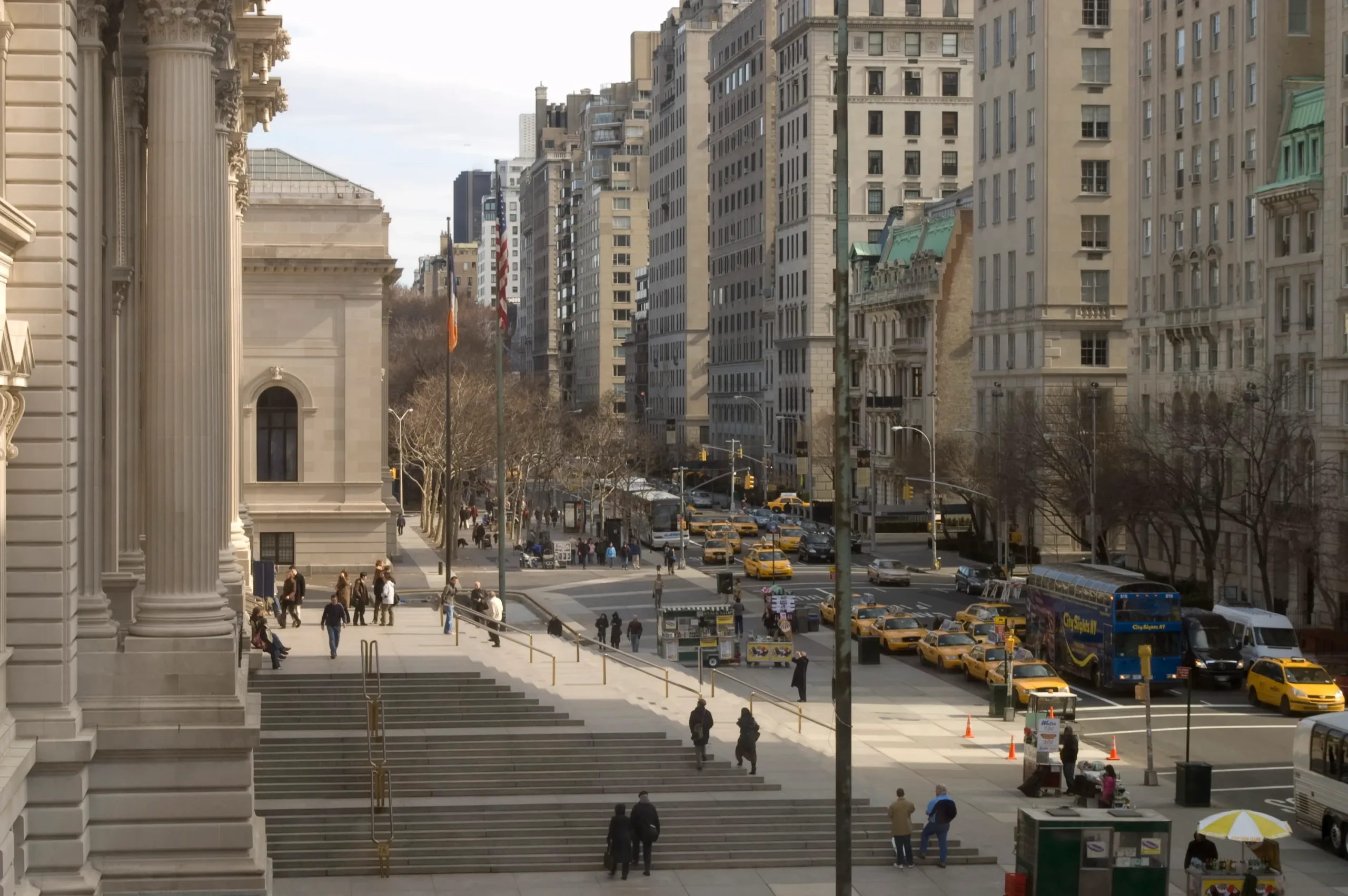
Fifth Avenue is often called the city’s “main boulevard.” Running through Manhattan, it has been a center of culture, shopping, and architecture since the 19th century. From luxury boutiques and historic department stores to cultural icons like The Met and the New York Public Library, Fifth Avenue captures the city’s energy and diversity in a single corridor.
The avenue is a showcase of different styles and eras. Beaux-Arts landmarks sit alongside modern towers, while cultural institutions and grand hotels line its blocks. Its wide sidewalks, storefront displays, and constant crowds give it the feel of a living urban stage.
30. Jacob K. Javits Convention Center
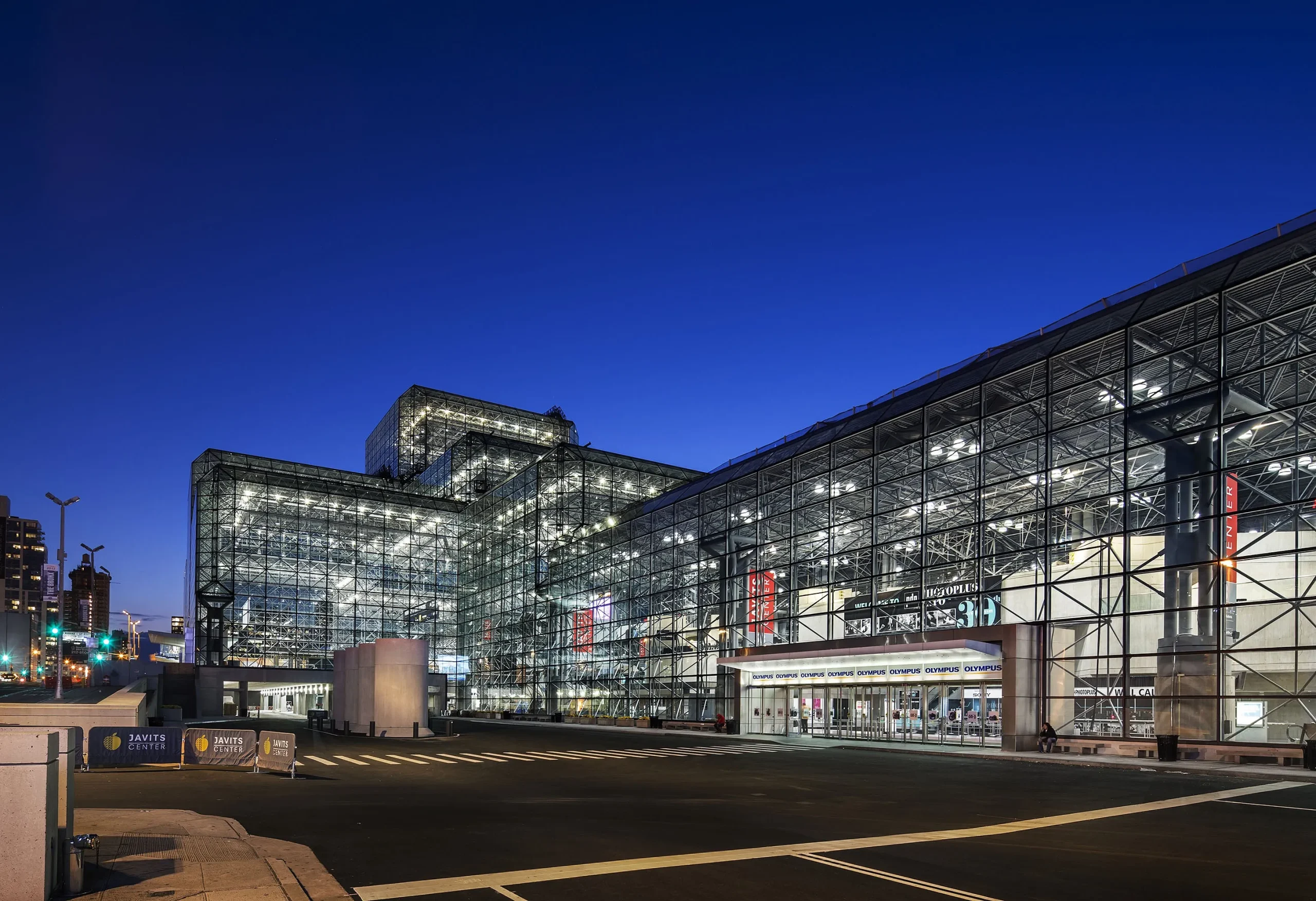
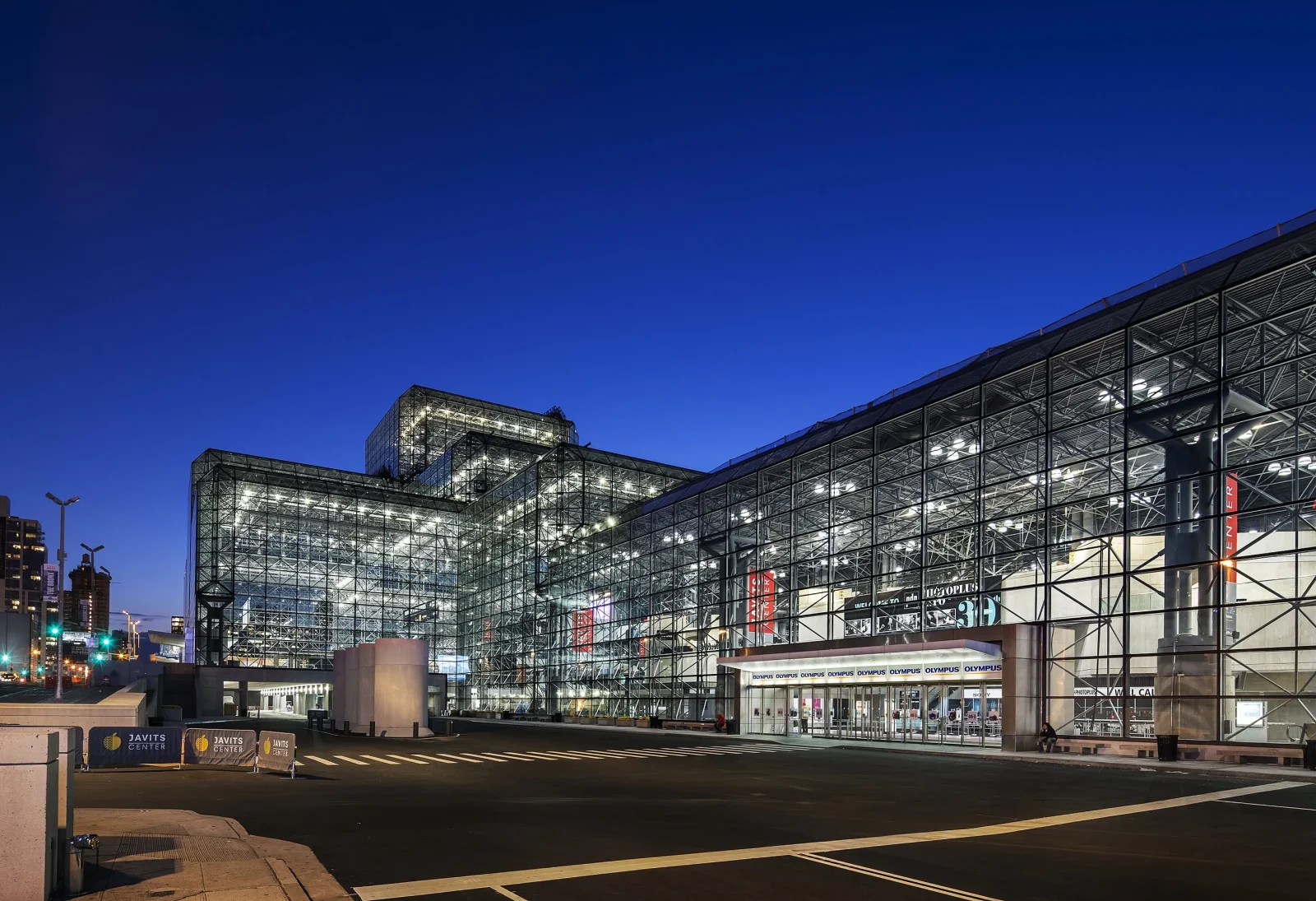
The Jacob K. Javits Center is New York’s largest convention facility, located on Manhattan’s West Side. It was designed with a glass-and-steel structure that gave it a futuristic look for its time. In 2021, the center underwent a major expansion led by FXCollaborative and WSP, transforming it into one of the most sustainable convention centers in the country.
The architecture features transparent glass walls, exposed steel framing, and expansive interior halls that can accommodate events ranging from international trade shows to cultural exhibitions. The new expansion features a five-acre green roof, urban farming facilities, and enhanced public spaces, transforming the building into more than just an event venue. The Javits Center reflects New York’s ability to reinvent its large-scale civic buildings to meet contemporary needs of sustainability and flexibility.
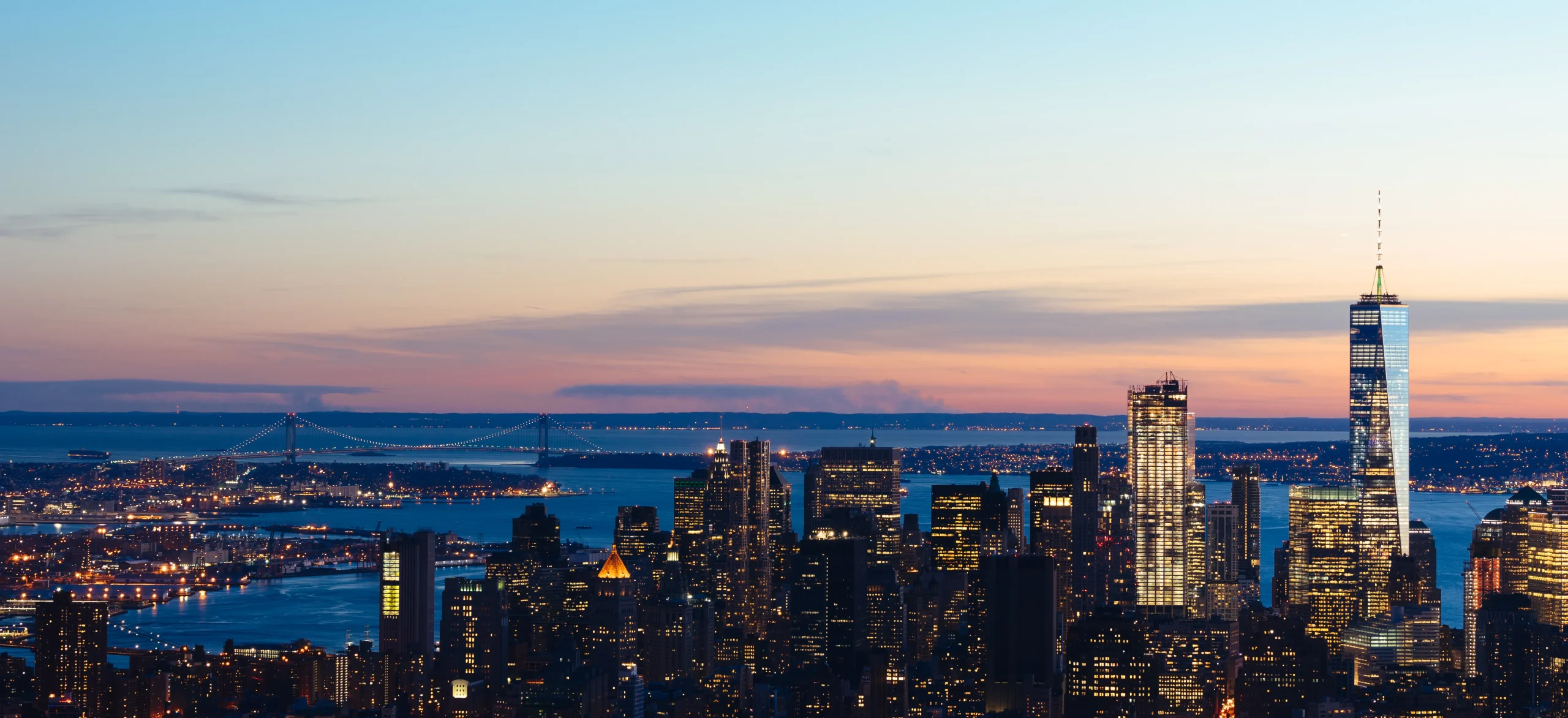
Walking through New York, you can see the past, present, and future of architecture all standing side by side. This mix is what makes the city so special. It reminds us that buildings are part of the energy, history, and identity of the place. For architects, designers, and visitors alike, New York will always be a city of inspiration.
Explore Courses
.jpg "Ondrej Chybik - Rethinking Architecture")