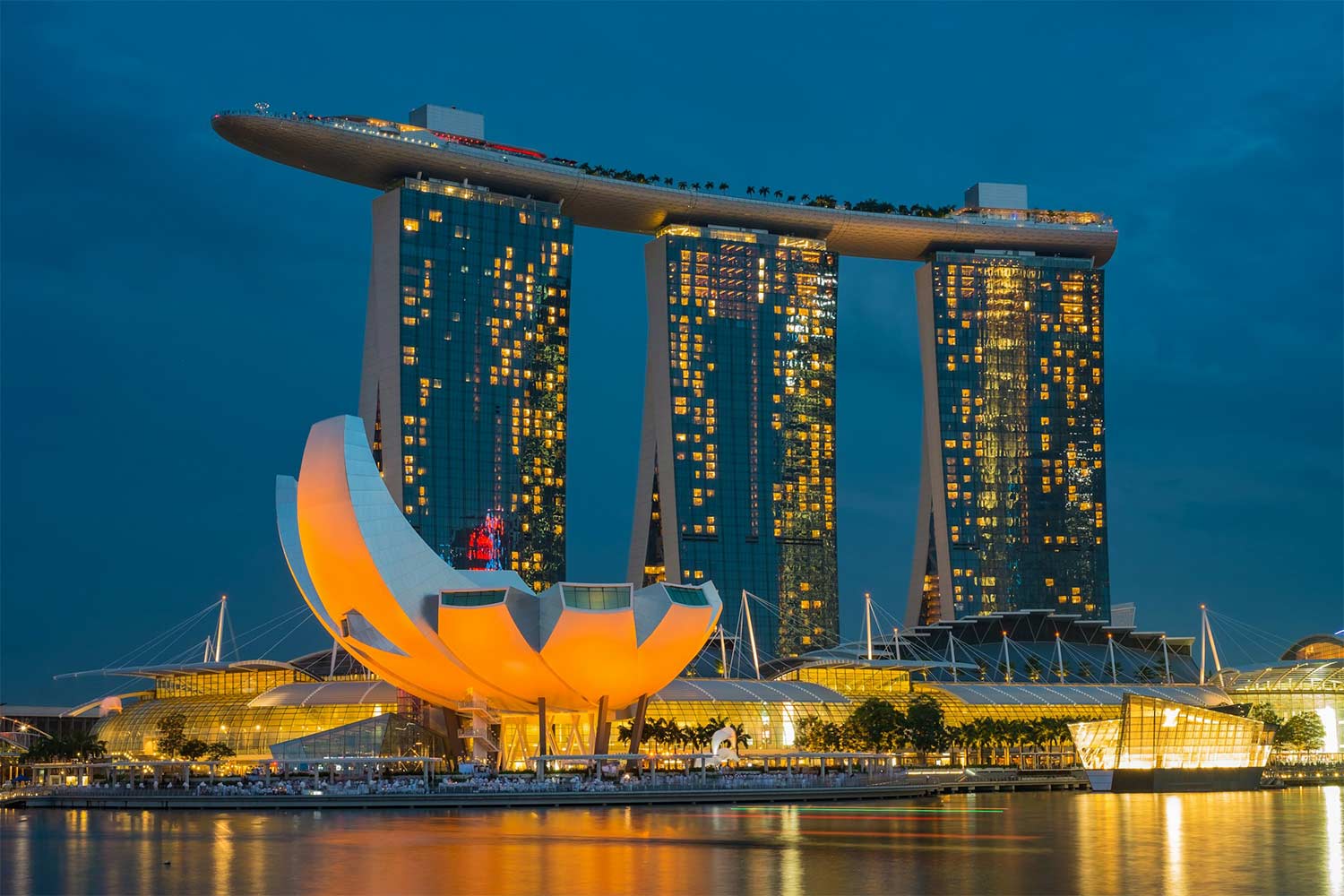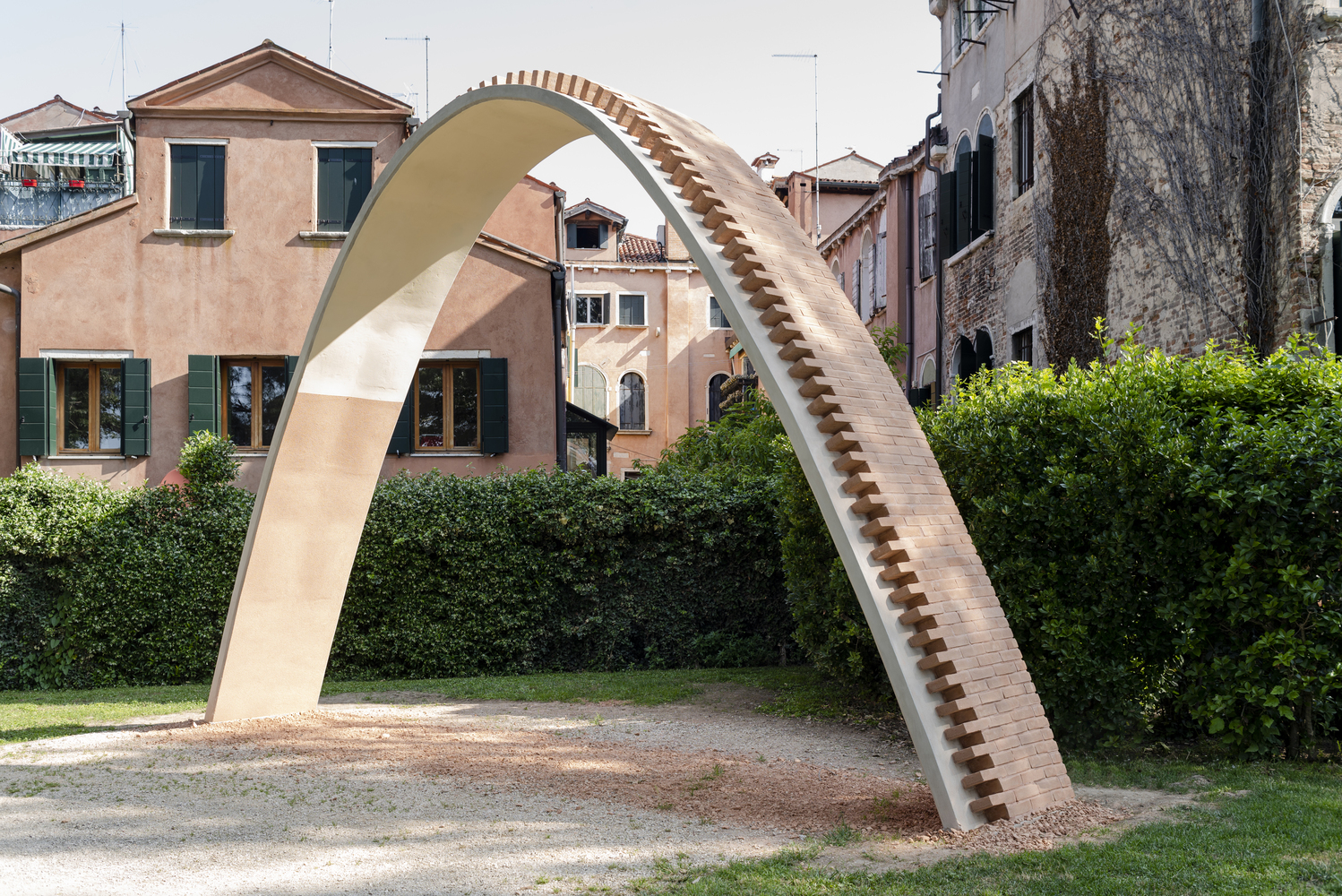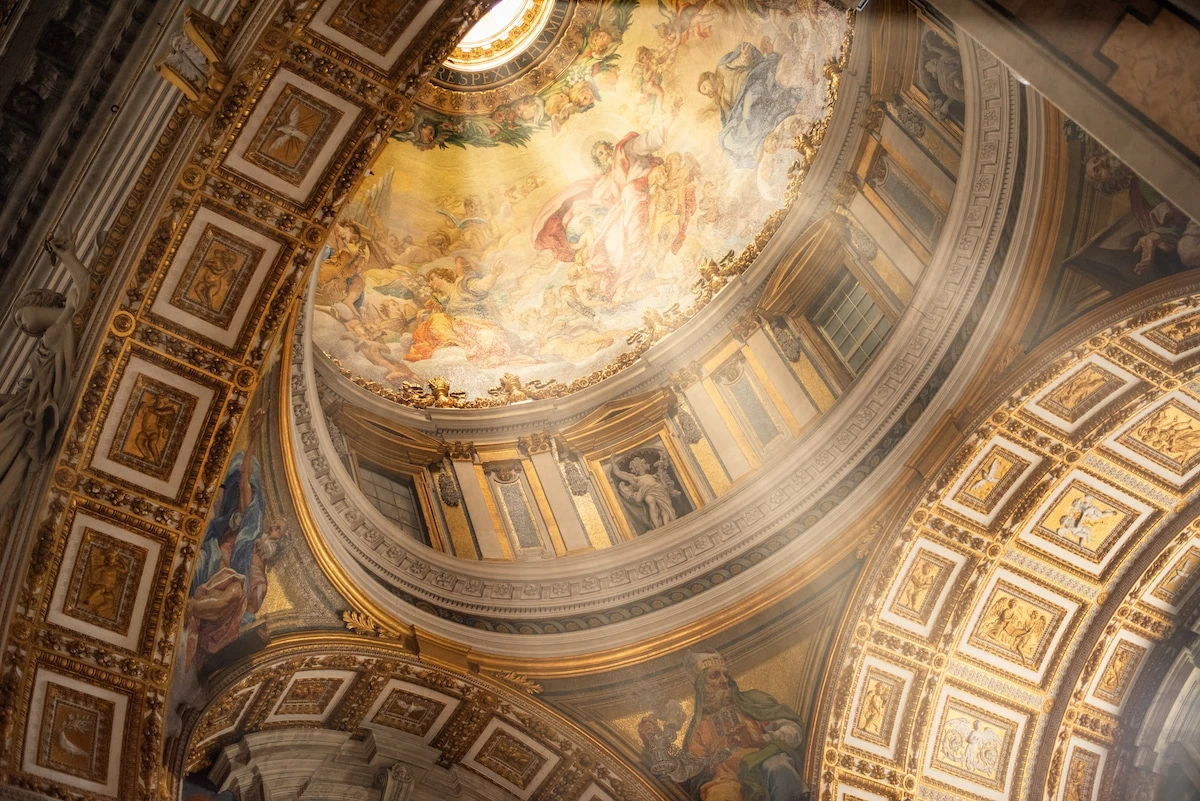
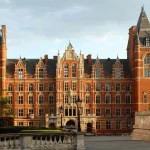



Architecture moves forward not by ignoring history, but by reinterpreting it in ways that respond to present needs and future possibilities. What we call “contemporary architecture” is not a complete break from history but an ongoing dialogue with it. Across cities, campuses, towers, and institutions, architects are increasingly recognizing that innovation often lies not only in invention but also in reinterpretation. The most interesting projects today do not simply replicate the past, but they question it, draw from its intelligence, and reinterpret it through new materials, technologies, and evolving human needs.
This emerging condition might best be understood as modern traditionalism: a quiet yet deliberate convergence where carbon fiber meets classical proportion, parametric software reinterprets Renaissance geometry, and mass timber restores the tactile warmth once associated with stone and craft.
Classical Architecture: Permanence as an Environmental Strategy
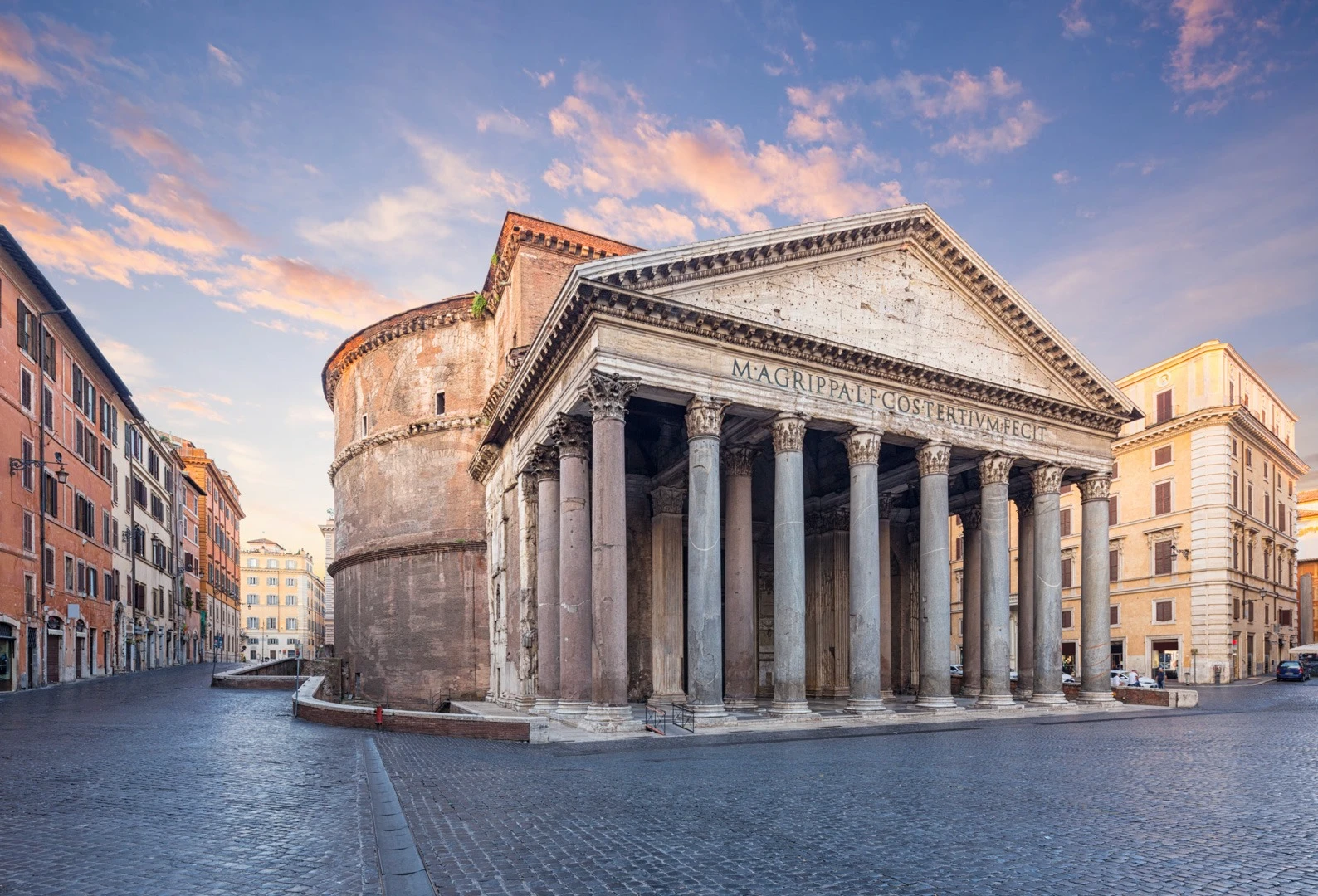
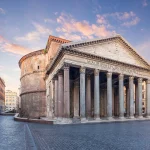
Classical architecture remains influential not just because it is beautiful but because it expresses clear ideas. Rooted in ancient Greece and Rome, its use of symmetry, proportion, and the Doric, Ionic, and Corinthian orders helped define architecture as a civic language that conveyed order, permanence, and collective identity.
Today, the growing interest in classical principles is not simply nostalgic; it reflects a broader search for permanence. In contrast to the short-term logic of much speculative modern construction, the New Classical movement presents tradition as a model for durability and long-term value. The recognition of architects through the Richard H. Driehaus Prize reinforces this position, particularly in the work of John Simpson, whose projects demonstrate that traditional architecture can also be environmentally responsible.
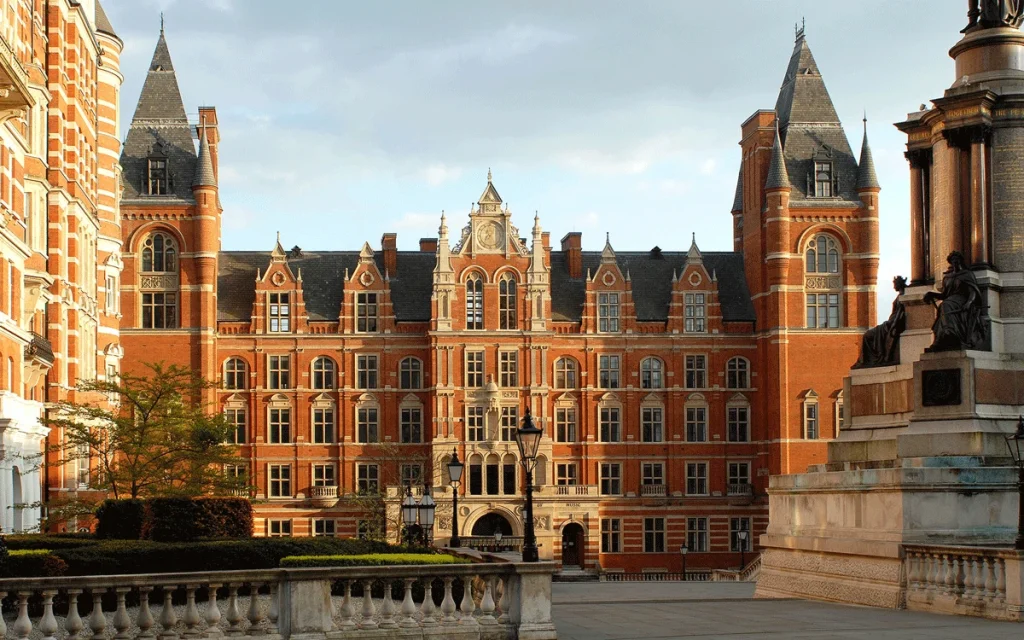
At the University of Notre Dame, the Walsh Family Hall of Architecture shows how drawing on precedent allows buildings to be durable and long-lasting, with key aspects of sustainable design and not just aesthetic preference.
Gothic Architecture: Engineering Emotion Through Structure
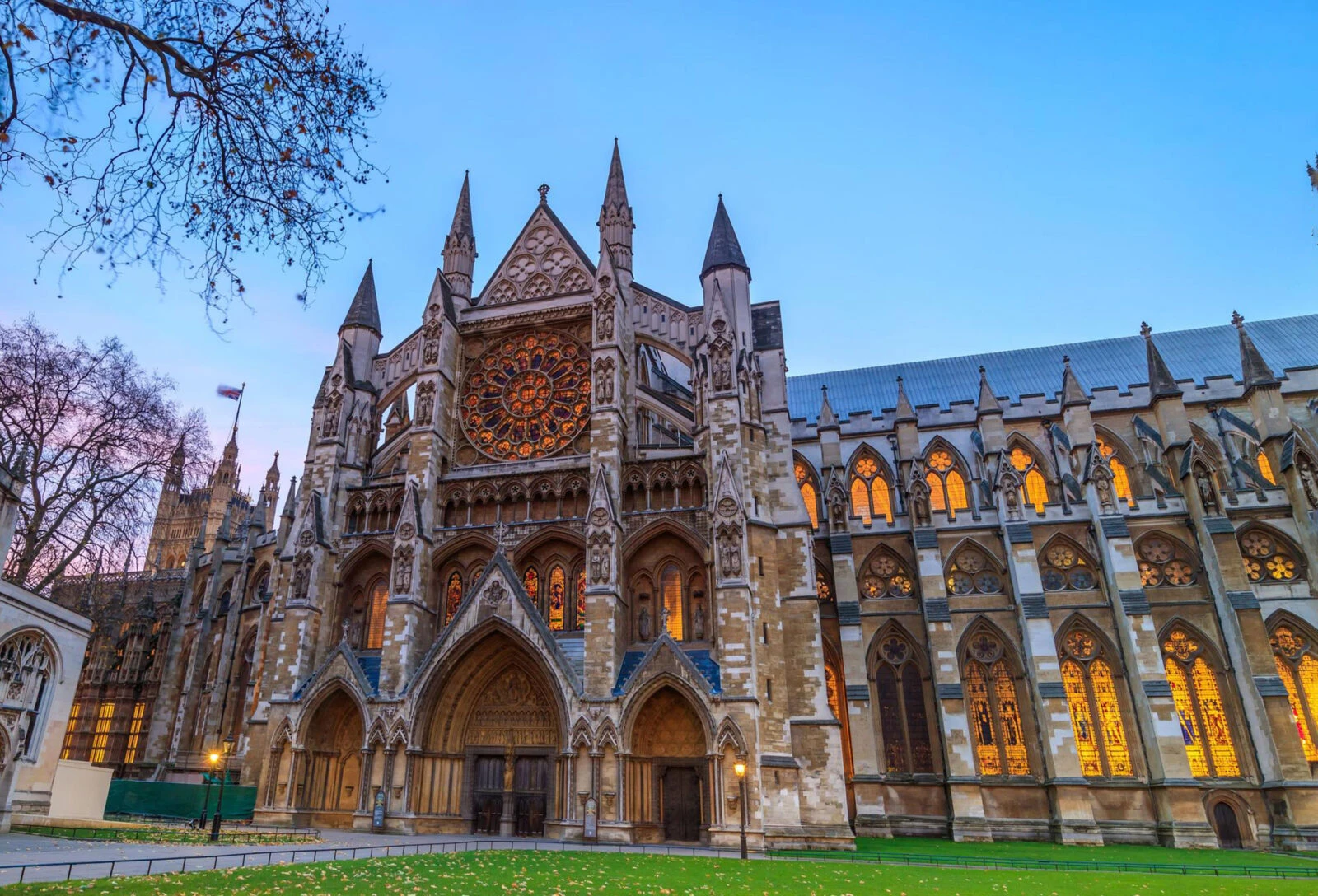
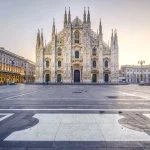
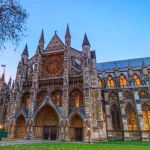
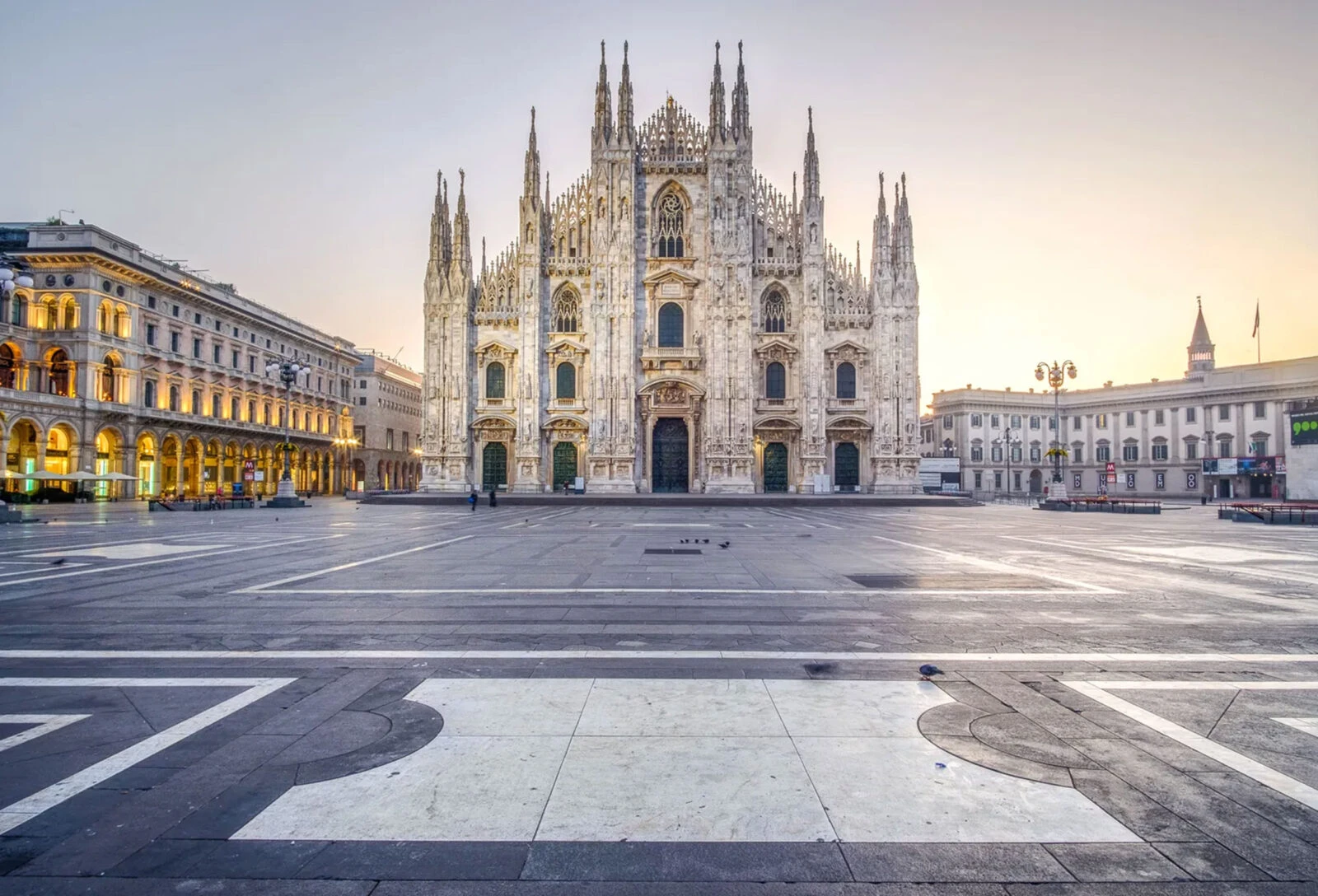
If classical architecture grounded cities, Gothic architecture taught them how to aspire. Gothic architecture, emerging in 12th-century France, introduced structural brilliance to replace Romanesque heaviness. Pointed arches, ribbed vaults, and flying buttresses transformed stone walls into frameworks that let light pass through.
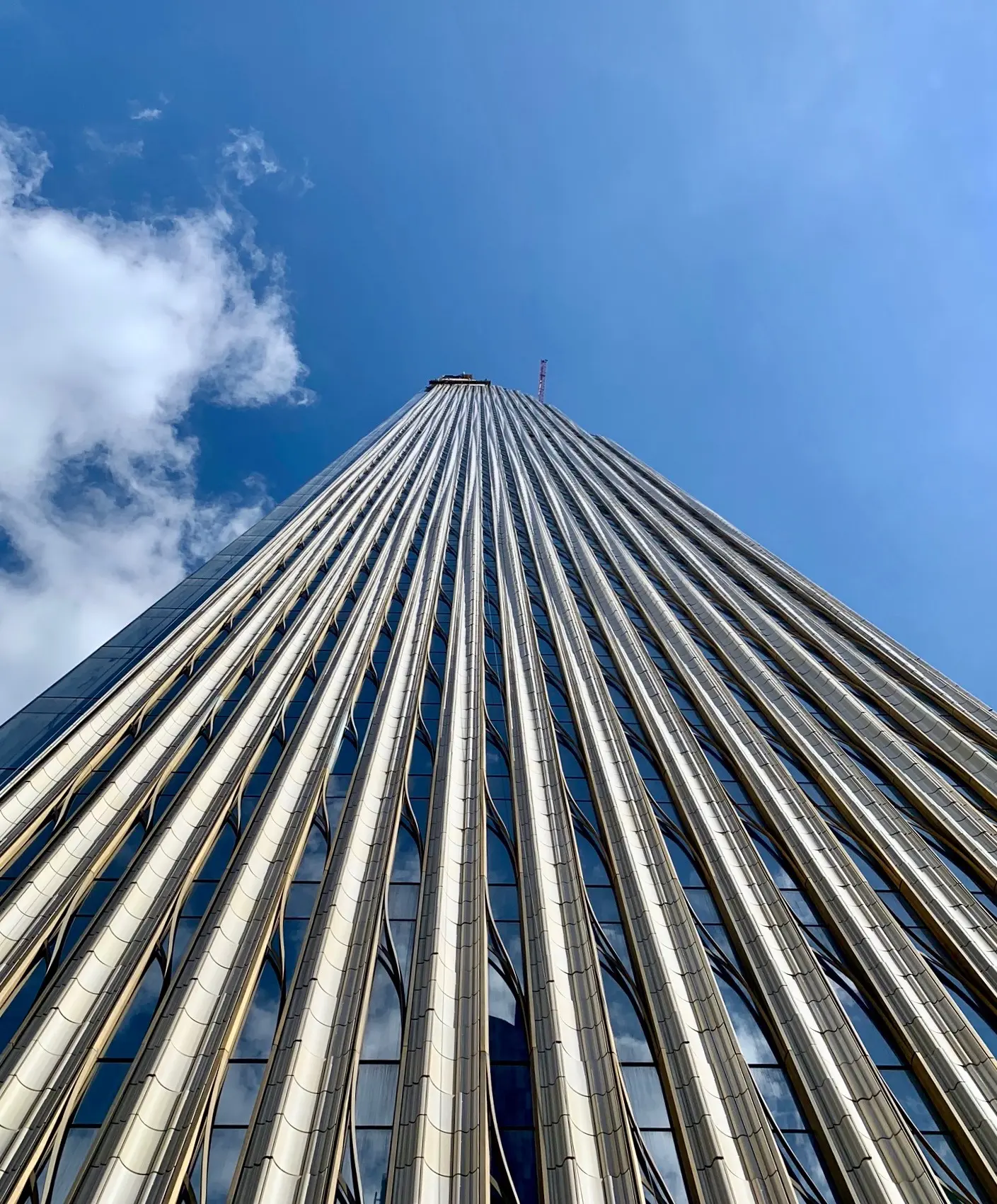
The drive for verticality remains strong today. Manhattan’s slender towers, such as 111 West 57th Street, reinterpret Gothic ambitions with modern engineering. Their narrow forms and terracotta facades not only create striking visuals but also improve wind stability and structural performance, where historical design guides contemporary solutions.
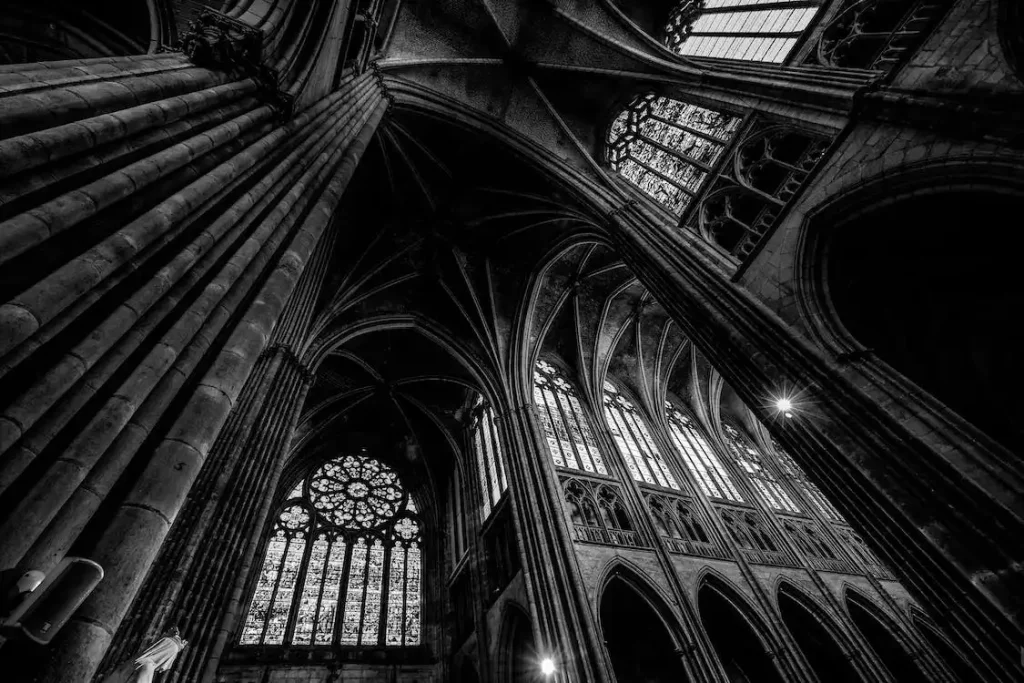
Meanwhile, the restoration of Gothic landmarks has become a laboratory for digital preservation. After the 2019 fire at Notre-Dame Cathedral in Paris, laser scanning, LiDAR mapping, and BIM technologies enabled architects to construct an extraordinarily precise digital twin. In this context, technology does not supplant craftsmanship—it preserves it. Each vault and each nuanced geometric variation is recorded as data, enabling history to be faithfully rebuilt.
Renaissance Architecture: Designing for the Human Mind
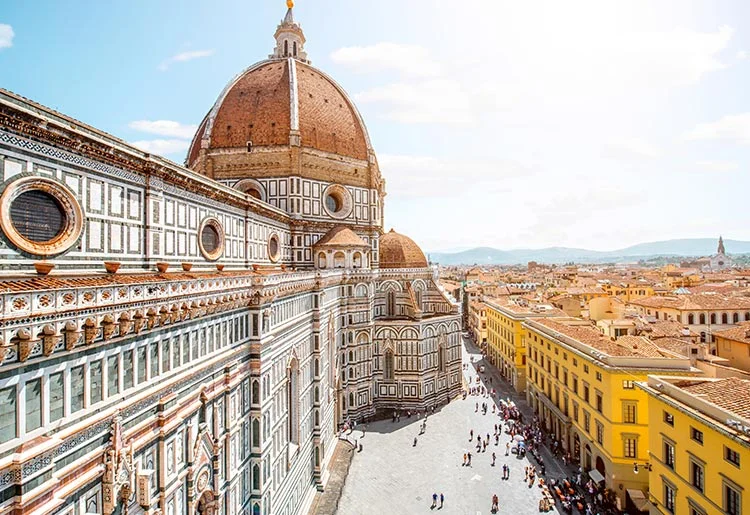
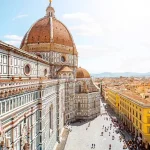
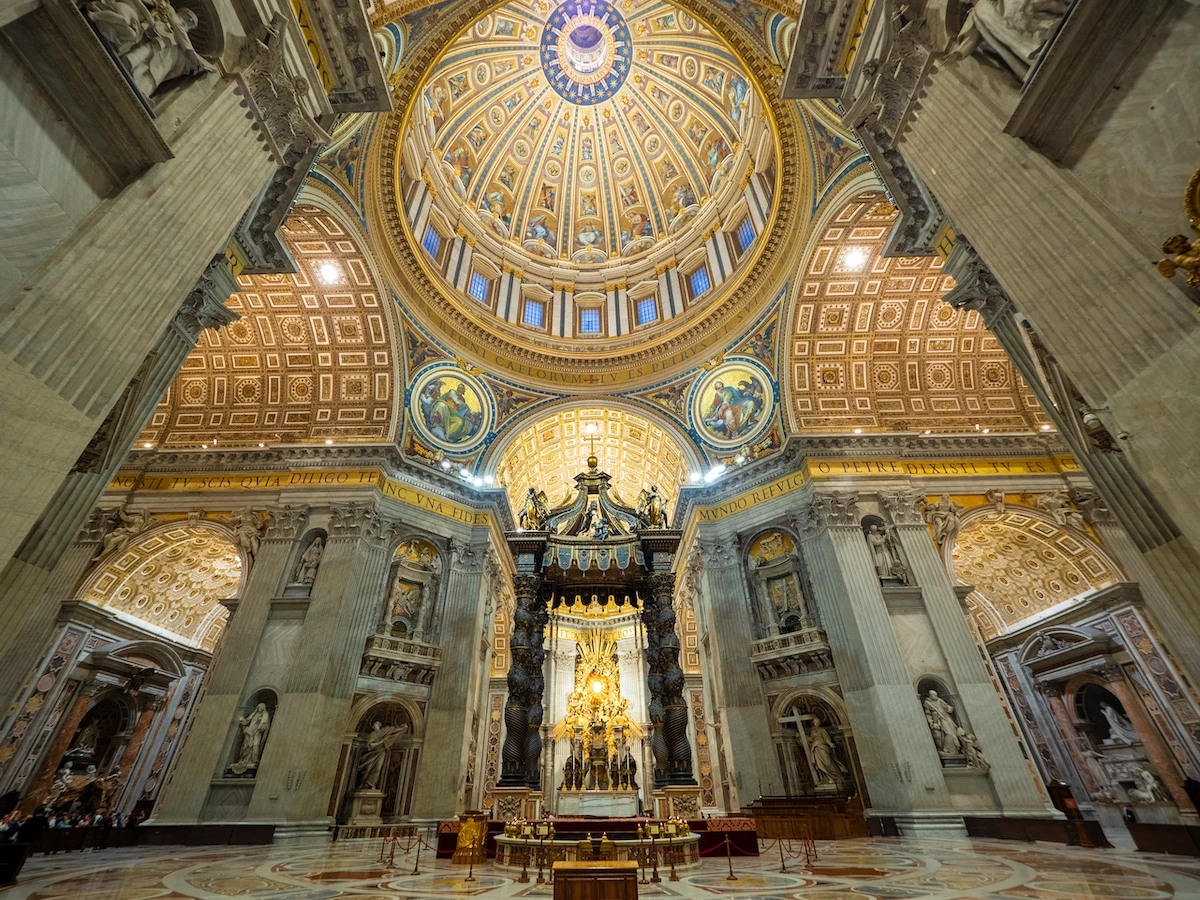
While Gothic architecture aspired skyward, the Renaissance focused inward, aligning buildings with the human body and intellect. Architects like Filippo Brunelleschi and Leon Battista Alberti treated architecture as a science of harmony, mapping geometry to perception and proportion.
Palladio’s Villa Rotonda is a prime example of Renaissance thinking, with its balanced plan and symmetry influencing homes across continents. Today, its importance lies less in style and more in method. Computational tools now let architects study historic proportions with great precision, and parametric modeling carries forward the Renaissance quest to understand spatial harmony.
Art Deco: Ornament as Optimism
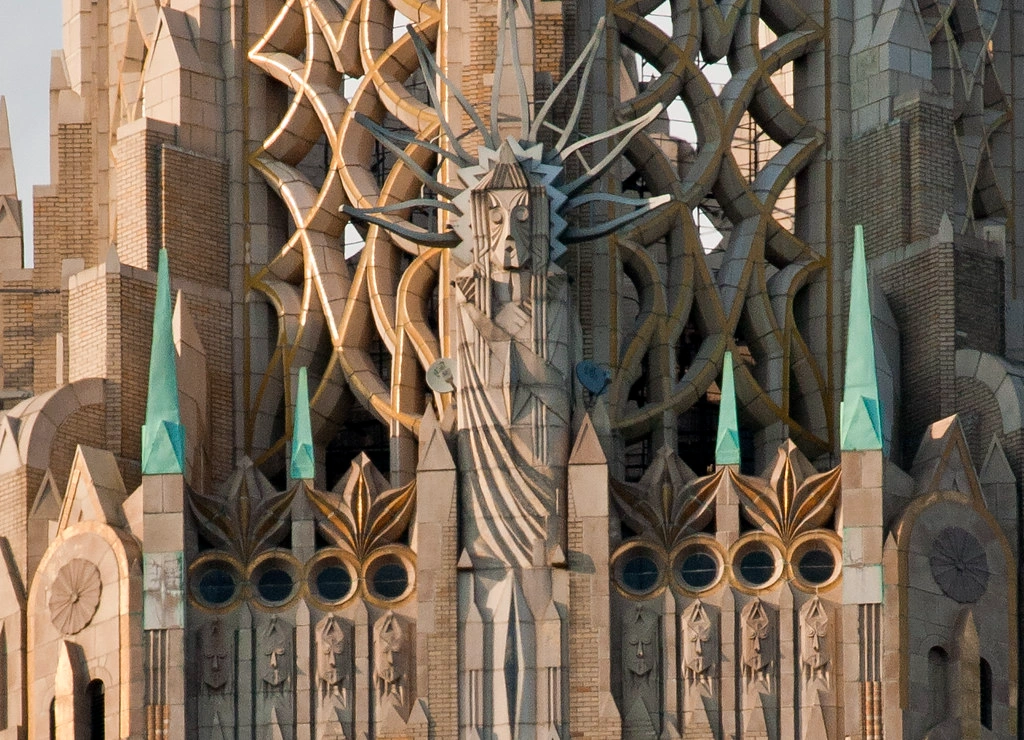
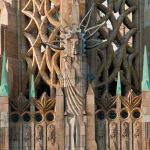
Every period leaves a physical trace of its hopes. Art Deco reflected the optimism of the early 1900s through its geometry, detailed craftsmanship, and belief in progress. Its zigzag patterns, sunbursts, and stepped shapes were not just decoration; they represented movement, industry, and confidence in the future.
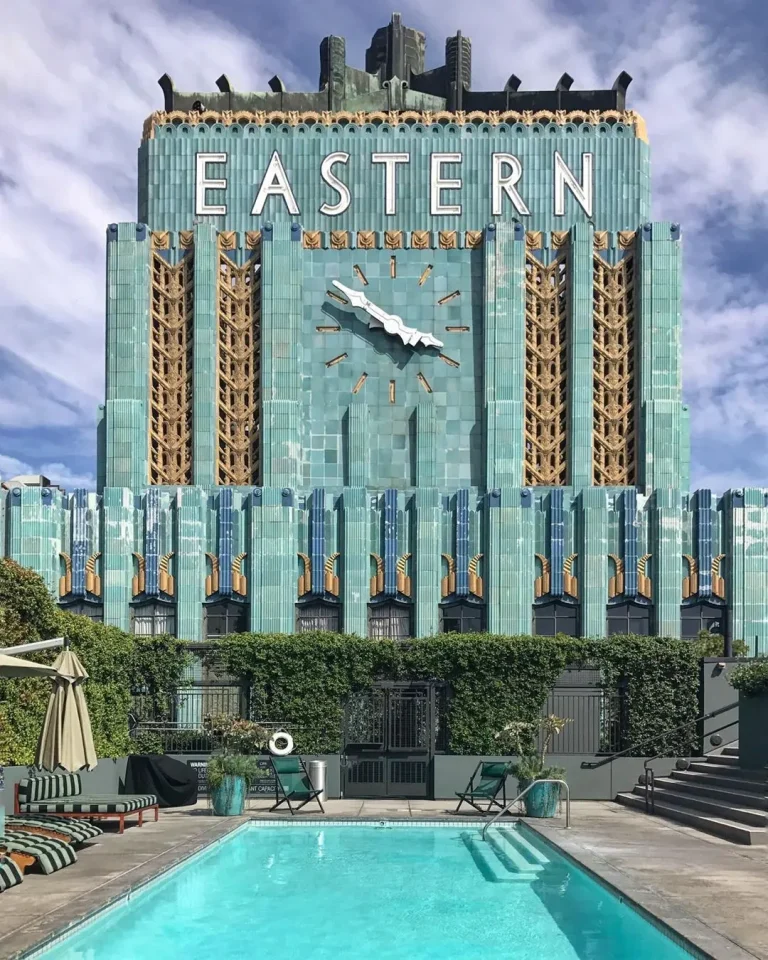
The contemporary return to Art Deco reflects more than nostalgia. Residential developments using Deco motifs strive for emotional connection in crowded urban settings. Today, the style is softened with warm materials like brushed metal, textured wood, and stone, moving the emphasis from mere visual drama to atmosphere. Residents are not just buying square footage; they are buying character and a sense of home.
Arts and Crafts: The Return of Material Honesty
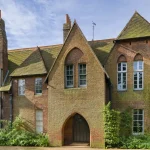
Long before sustainability was a mainstream goal, the Arts and Crafts movement approached it as an ethical practice. Figures such as William Morris resisted industrial uniformity, promoting craft, local materials, and a visible connection between making and meaning. Today, that ethos continues. The renewed use of mass timber, bamboo, hempcrete, and mycelium reflects environmental need and a desire for authentic, tactile building materials.
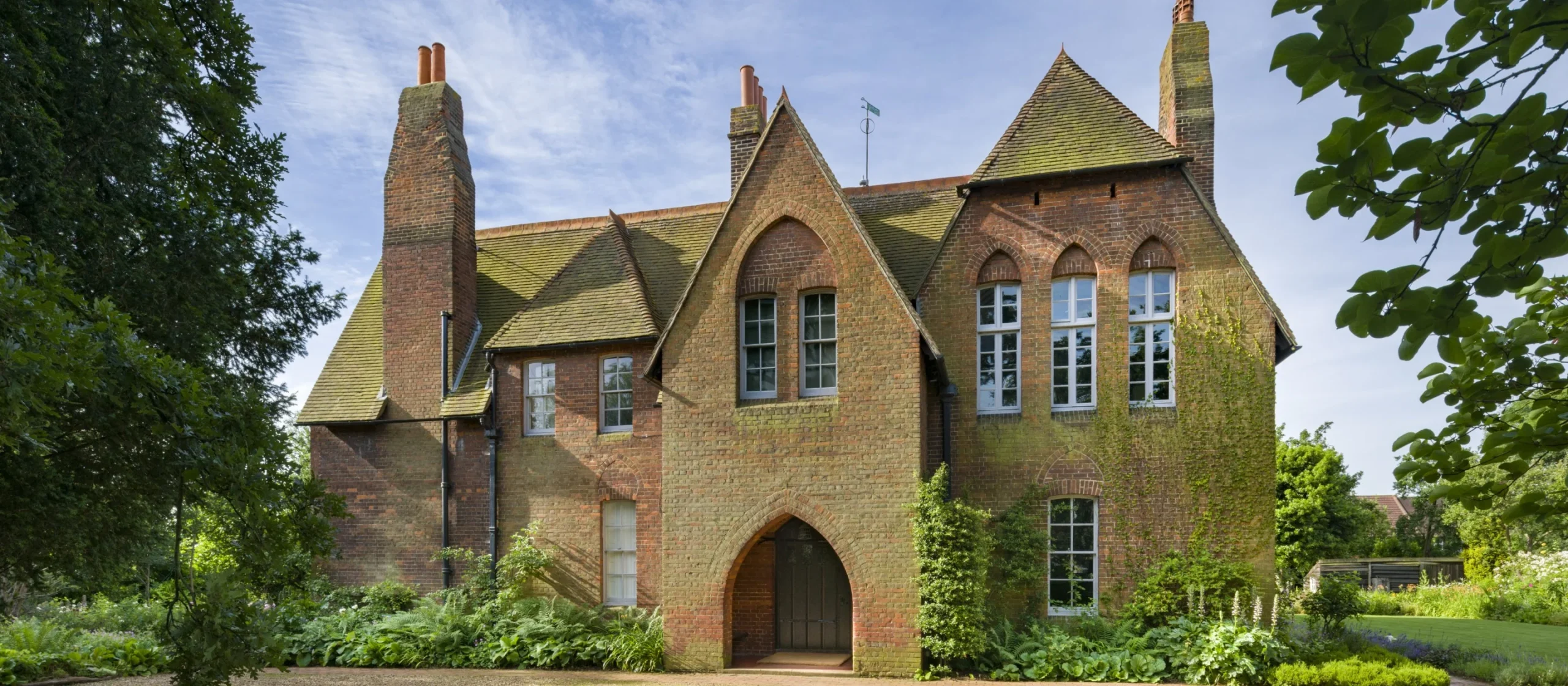
These materials do more than cut carbon as they bring back texture, aging, and imperfection, helping buildings feel alive rather than manufactured. This highlights an important truth that sustainability is as much about emotional durability as it is about technical efficiency.
Vernacular Lessons: Climate as the Original Designer
Vernacular and colonial architectures share a timeless intelligence: they respond to their environment. Thick walls, shaded verandahs, operable windows, and natural ventilation were necessities rather than style. Today, architects are rediscovering these passive strategies through climate-conscious design and New Urbanist principles.
Modernism Revisited: Performance Over Purity
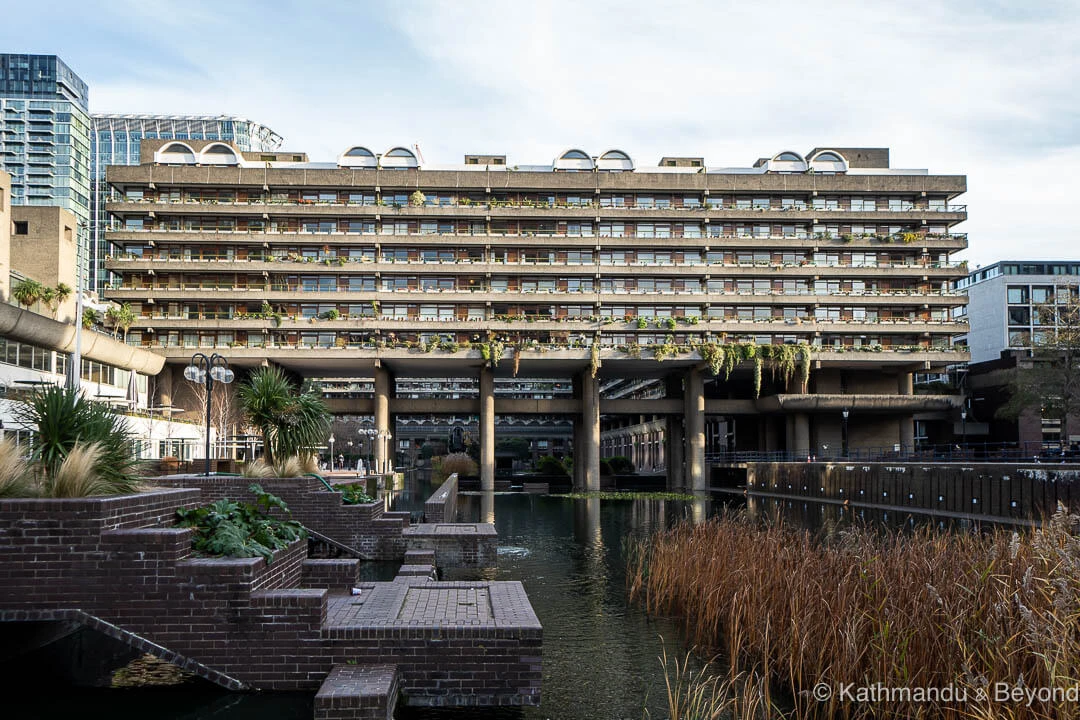
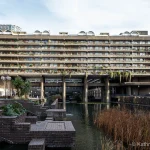
Modernism celebrated efficiency, using glass, steel, and concrete to create a universal architectural language. Mid-century modernism added a human scale with open plans and indoor-outdoor flow. Today, these ideas are revived less as ideology and more as practical strategies.
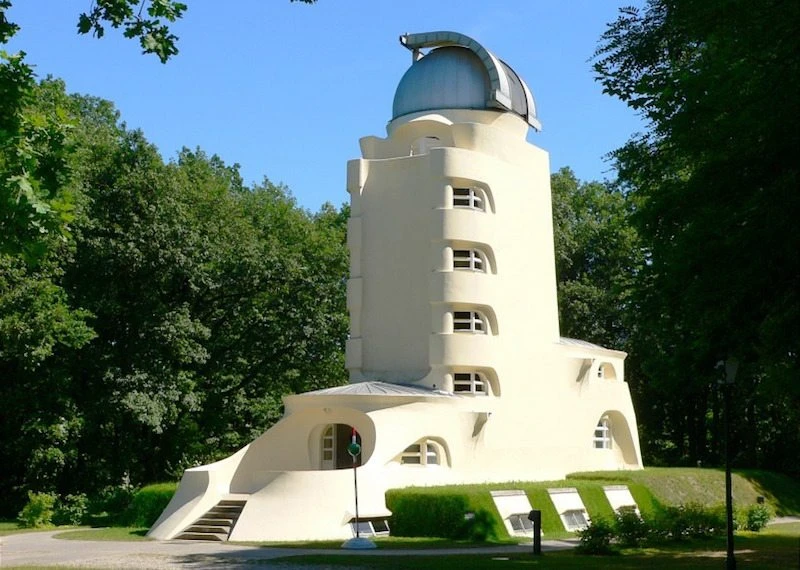
Designs using organic shapes and data-driven forms show a move away from strict universality toward responsive modernism, adapting to site, climate, and user behavior. The key question is no longer about minimalism, but about intelligent performance.
Technological Convergence
Perhaps the most fascinating evolution lies in the union of ancient forms and advanced fabrication. Modern materials like carbon-fiber-reinforced concrete and polymers allow architects to recast the thin profiles of classical buildings and the lightness of Gothic structures while achieving unmatched structural performance.
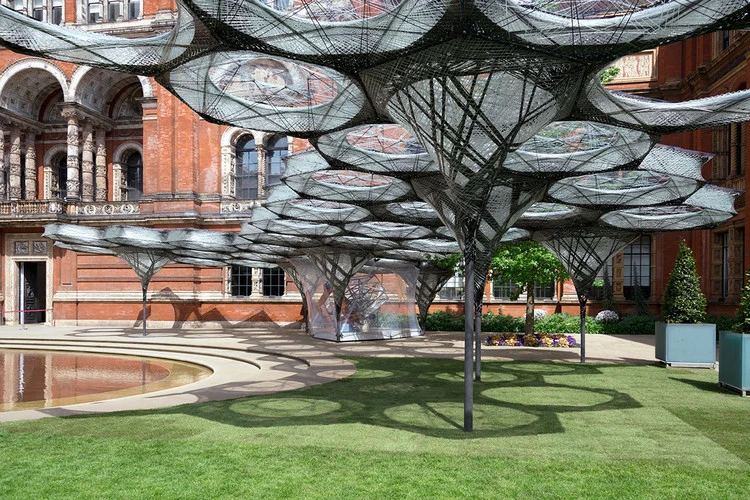
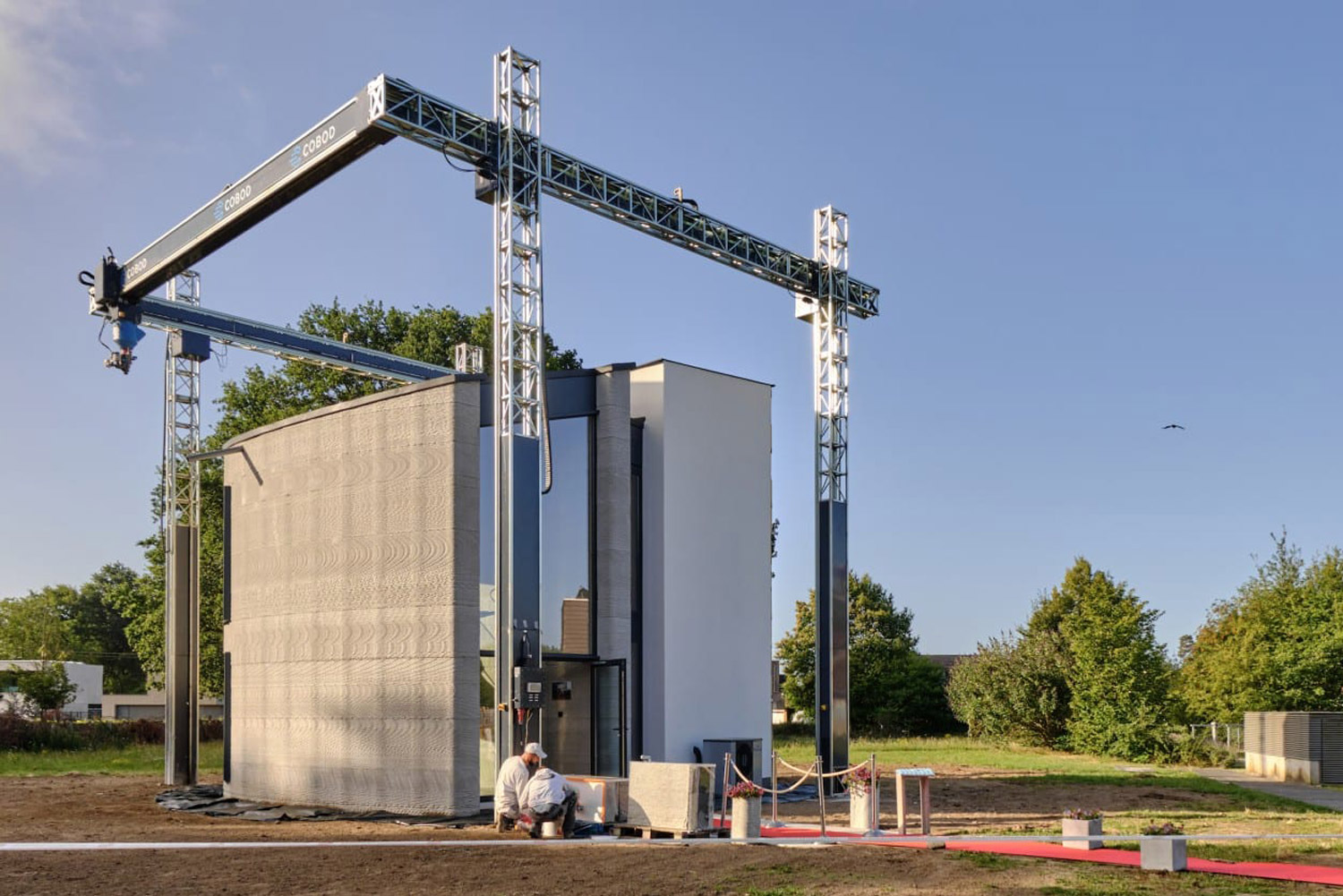
Robotic fabrication allows architects to build complex shapes that once demanded extraordinary skill. These technologies do not replace the past, but they make historical ambitions possible today. The implication is clear: the future of architecture may be less about entirely new forms and more about reinterpreting old ones with modern methods.
What connects these movements is not style, but continuity. Every period offers more than aesthetics—it teaches durability, climate sensitivity, human comfort, and meaning. Contemporary architecture is beginning to learn this. The challenge is not choosing between historic and modern but creating buildings smart enough to be both.