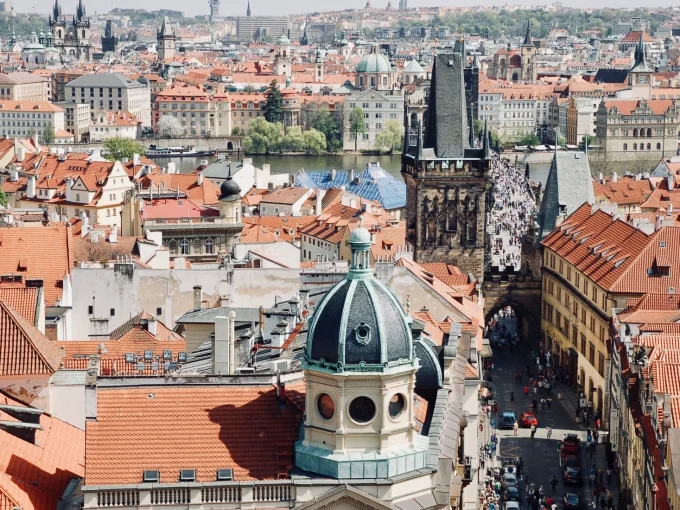








Born on a small island on the banks of the Seine River (Île de la Cité) and now stretching beyond Ménilmontant into a vast metropolis, Paris is one of the world’s must-see cities with its iconic tourist attractions and famous landmarks.
As the capital of France, Paris boasts centuries of history and is replete with meaningful structures that have witnessed wars, revolutions, and countless love stories. Considered a capital of culture and art, the city’s unique architecture, which blends the past with the future, is a must-see for any traveler who appreciates architecture. The streets of Paris, where centuries-old historic buildings stand alongside boldly designed contemporary structures, make it an architecturally fascinating city to explore.
Here are 20 places to visit in Paris if you love architecture:
1. Les Étincelles du Palais de la Découverte
Architect: Atelier Construire
Year: 2021
Project Type: Science Center
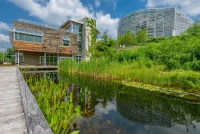
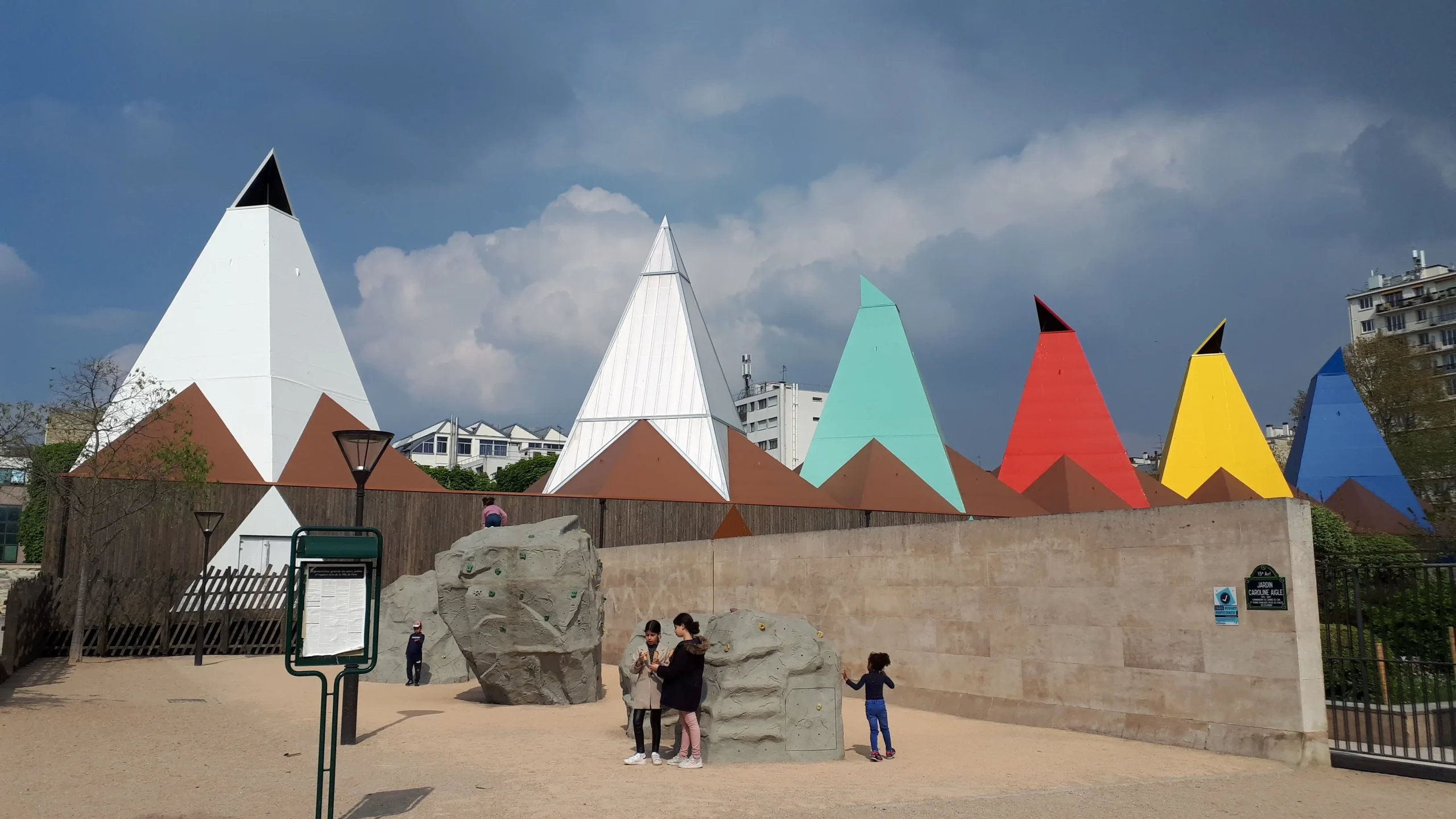
Les Étincelles du Palais de la Découverte, a temporary structure designed to host off-site activities during the renovation of the Palais de la Découverte, is a must-visit for architecture enthusiasts in Paris. Designed to house exhibitions and scientific activities during the renovation, which will last until 2025, the structure’s temporary construction is nevertheless architecturally impressive.
Located within André-Citroën Park, around the Caroline Aigle Garden, Les Etincelles covers 770 m². Entirely built from wood, the structure is raised on supports placed over metal distribution plates set into the ground; these plates can be removed at the end of the dismantling process. With its sustainable materials and environmentally friendly production processes, as well as its design prioritizing community engagement, Les Etincelles du Palais de la Découverte, a temporary structure, has achieved lasting impact.
To know more about how you can leverage smart digital tools to create more sustainable and efficient buildings, you can check out PAACADEMY‘s courses. PAACADEMY offers various courses on computational design that can help you stay abreast with the latest data on architectural design technologies.
2. Paris Philharmonic
Architect: Jean Nouvel
Year: 2015
Project Type: Musıc Center
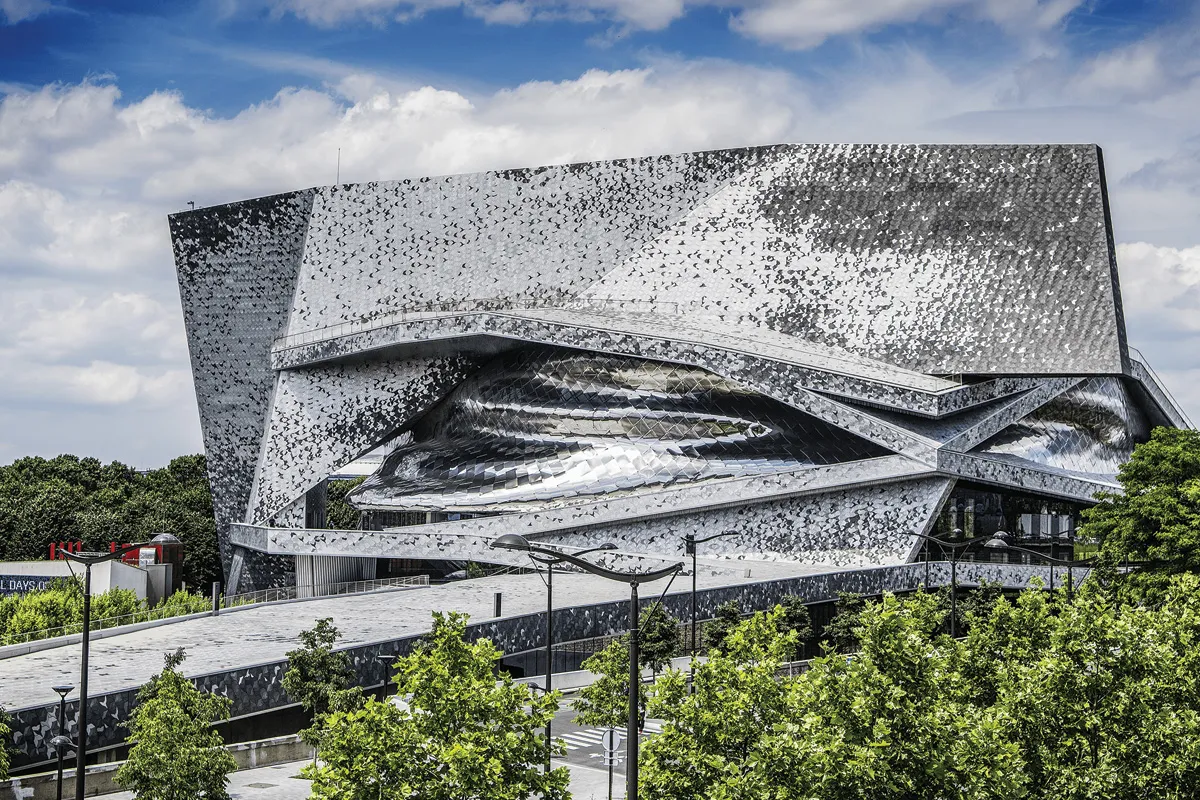
Designed as a living space for music, the Paris Philharmonic, with its impressive architecture, is a must-see during a trip to Paris. Its organic, sinuous façade is covered with approximately 340,000 aluminum-leafed bird motifs, abstractly representing music’s relationship with freedom and flight. To tackle the building’s geometric complexity, Bouygues Bâtiment Île-de-France created a digital model using the BIM (Building Information Modeling) method. This approach proved particularly valuable in the construction of the roof, which features a 30% slope.
This music complex, which combines technological breakthroughs and environmental innovations, boasts excellent acoustics. Its oyster shell-shaped auditorium provides internationally recognized listening comfort. The hall merges two classical models of symphonic venues, with a maximum distance of just 32 meters between the farthest audience member and the conductor, allowing every listener to feel as if they are suspended within the music.
Equipped with two retractable stands and a modular stage, Pierre Boulez Hall offers 17 different configurations, ranging from symphonic seating for 2,400 to a standing-room-only amphitheater for up to 3,700 people. This provides unprecedented flexibility of use.
3. La Bourse de Commerce
Architect: NeM Architectes, Pierre-Antoine Gatier, Tado Ando Architect & Associates
Year: 2020
Project Type: Museum of Modern Art
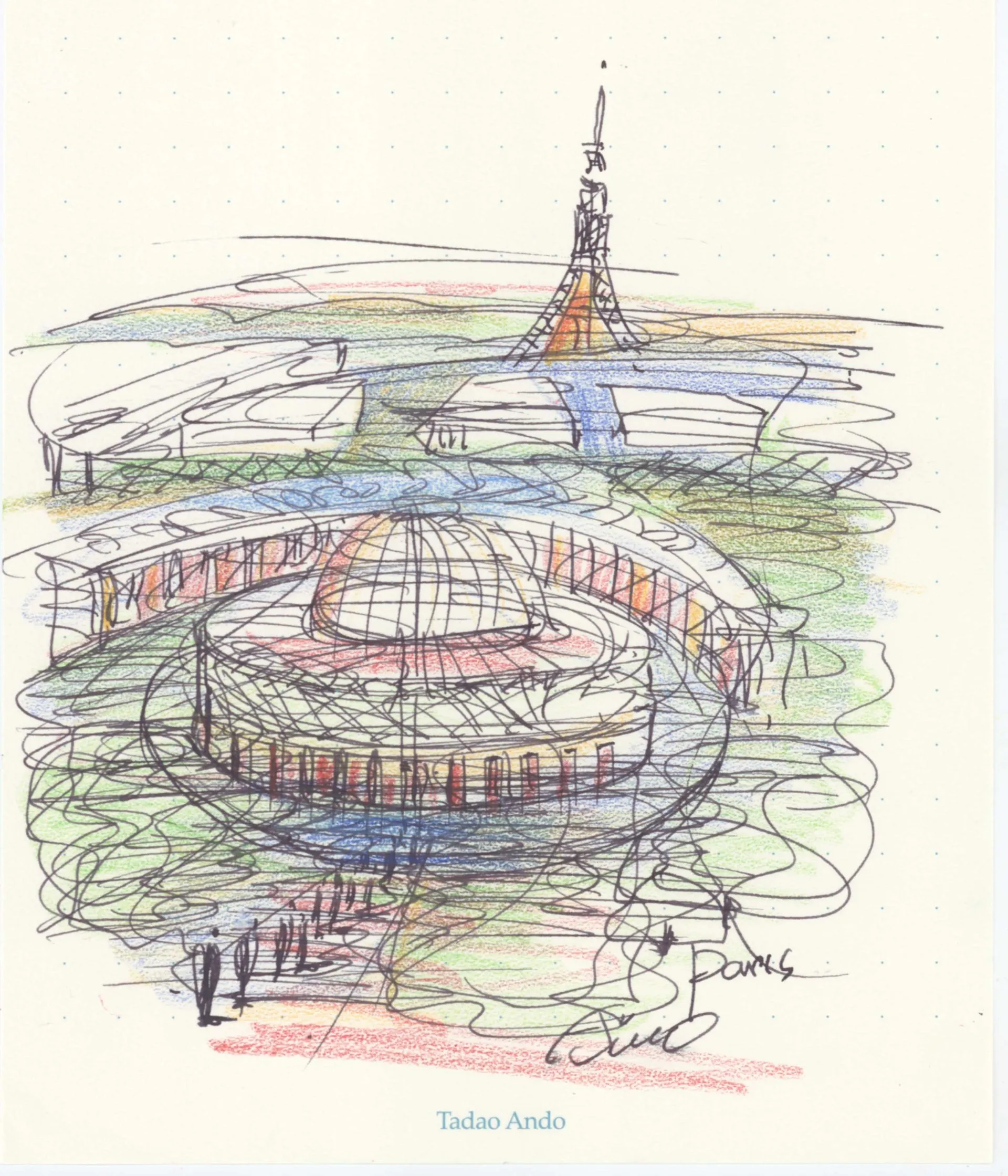
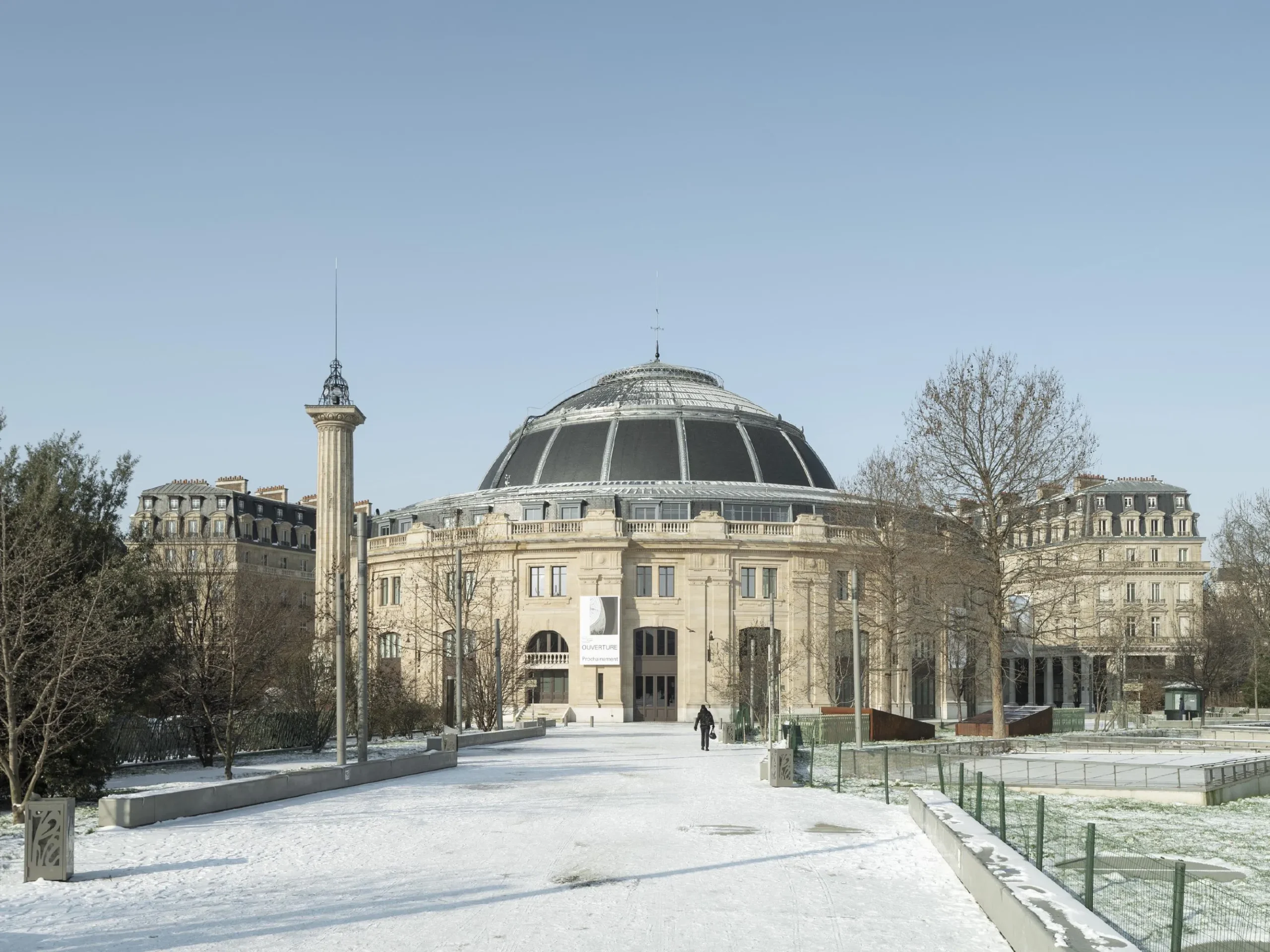
Designed in the 18th century, the Bourse de Commerce is a historic and architectural landmark of Paris, known for its striking glass dome, and is a must-visit destination. Revitalized by the contemporary approach of Japanese architect Tadao Ando, the space features a modern art collection. Bearing witness to four centuries of transformation, the Bourse de Commerce features Paris’s first freestanding interior columns, circular grain exchange floors dating back to the 18th century, and a glass-and-metal dome added in 1812.
As part of the renovation, a 9-meter-high concrete cylinder was inserted inside the rotunda beneath the dome. Created with an “architecture within architecture” approach, the column shapes the main gallery where the works are exhibited and redefines circulation along the façade. The striking contrast between the ornate décor of the classical building and Ando’s minimalist concrete intervention offers the visitor an experience that questions the relationship between past and present.
4. Le Monde Group Headquarters
Architect: Snøhetta
Year: 2020
Project Type: Office
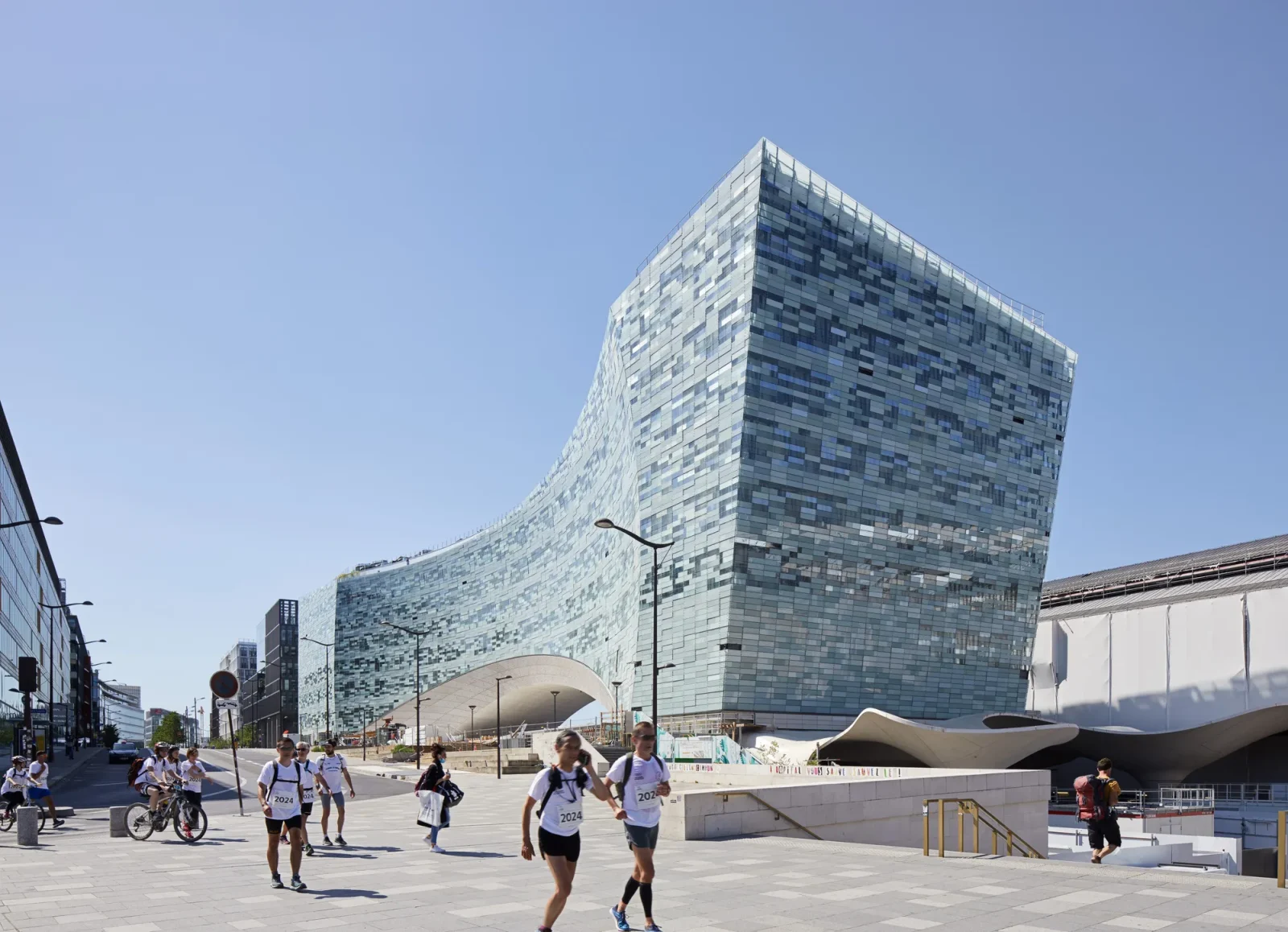
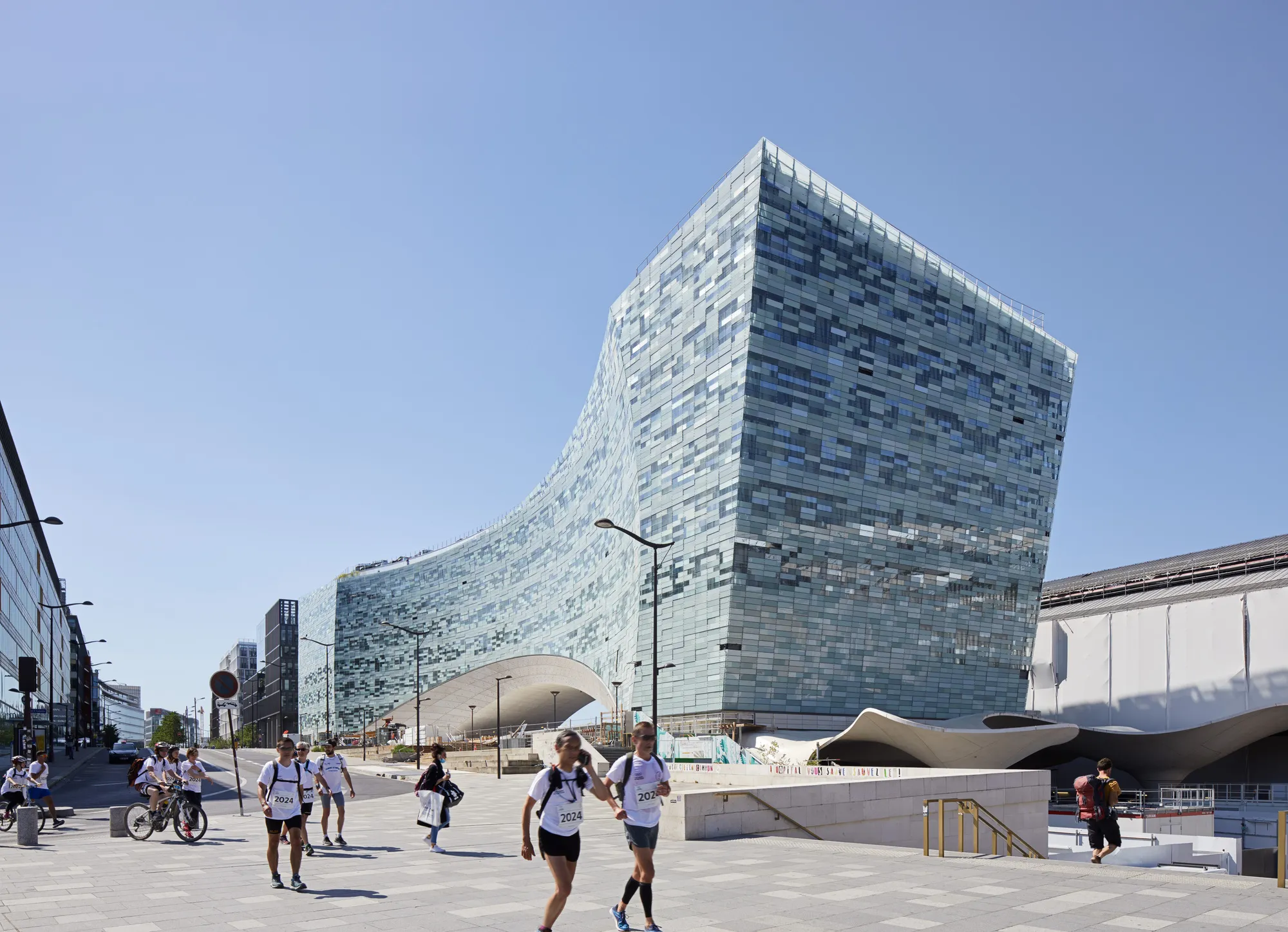
Bringing together all Le Monde newspaper subsidiaries in a single building, Le Monde Group Headquarters expresses the principles of communication, transparency, and openness through architectural language. Rising like an arched bridge over the railway line next to the historic Gare d’Austerlitz train station, the building’s façade features over 20,000 glass panels that optimize daylight and create a pixel-like graphic effect when viewed from a distance.
The square’s material structure is highlighted by concrete, which references the building’s urban context. The concrete environment creates a sense of continuity and coherence, as if sections of the ground floor have been gently peeled away and merged with the arched roof that rises above the square. T
his impressive design is inspiring for architecture enthusiasts visiting Paris. Inside, the building features flexible workspaces, visually connected floors, open circulation zones, and public terraces on the upper levels. Its interior configuration, centered around the creation of public space, sustainability, and an engaged dialogue with the city, establishes the headquarters as a model for contemporary urban architecture.
5. Saint-Denis Pleyel Station
Architect: Kengo Kuma & Associates
Year: 2014
Project Type: Train Station
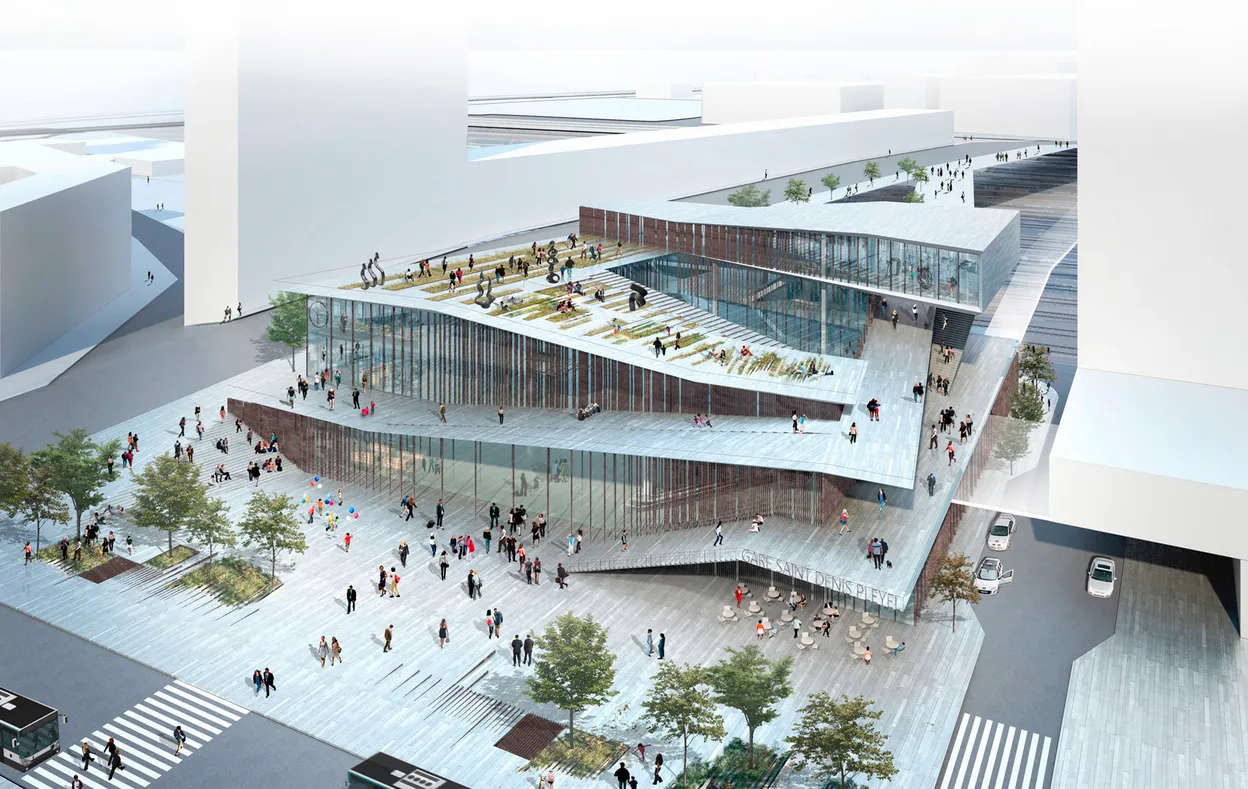
Part of the Grand Paris Express, a new rapid transit system on the outskirts of the city, Saint-Denis Pleyel Station serves as a transfer point between four metro lines, carrying 250,000 passengers daily. The steel-framed structure features an angular form composed of wedge-shaped layers clad in vertical wooden louvers. Circulation is facilitated by exterior ramps that wrap around the building, while glazed openings on each floor invite visitors inside.
Designed as a true public space, the station extends from a multi-level forecourt into the interior, encompassing four underground levels and five above-ground floors. The lower levels connect the various metro lines. At the heart of the project lies a 30-meter-deep atrium, covered by a glass roof that floods the interior with natural light. Inside, wooden flooring covers the walls and ceilings, creating a warm and inviting architectural feel.
6. Embassy of Australia
Architect: Harry Seidler & Peter Hist
Year: 1978
Project Type: Embassy
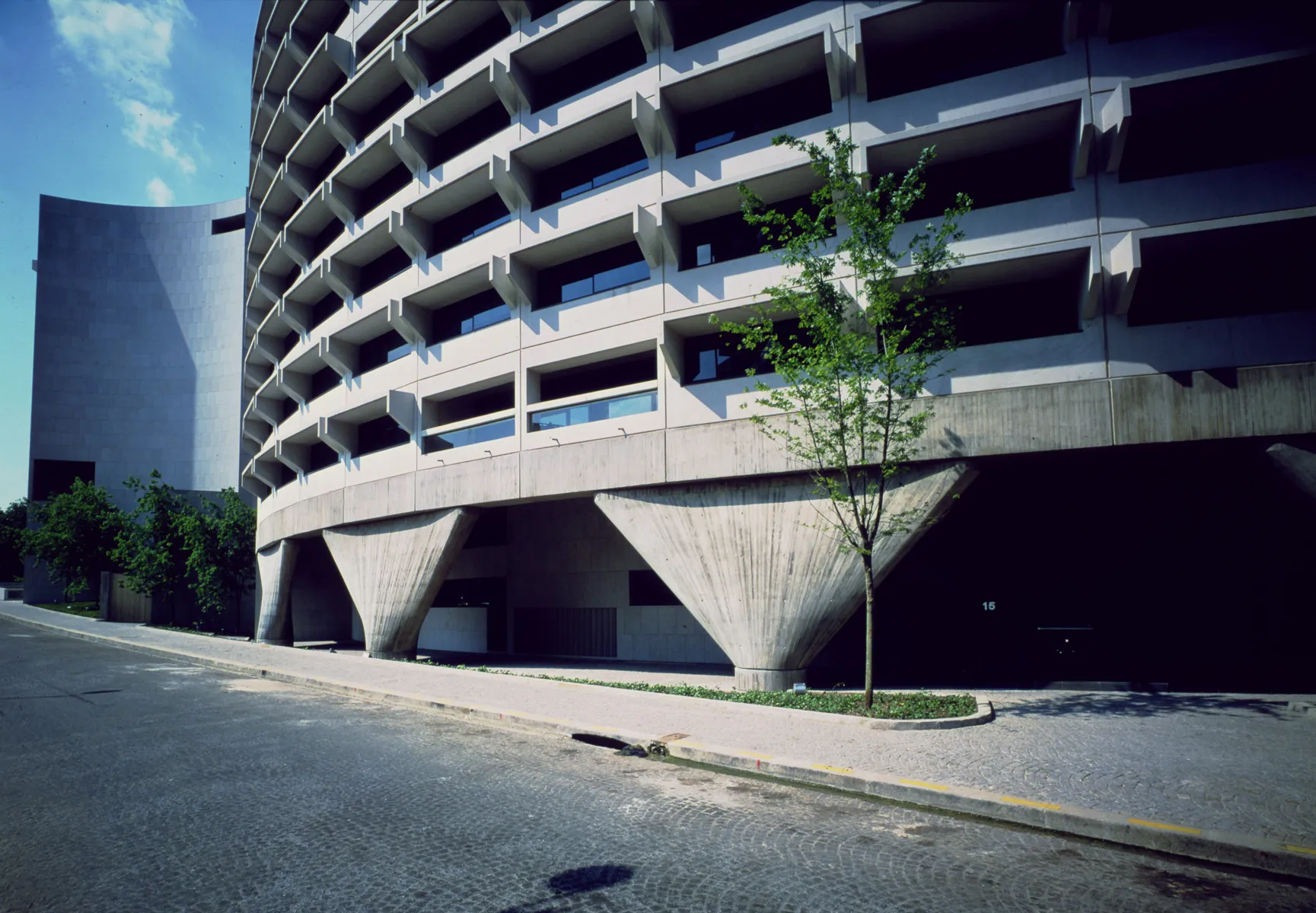
Designed with the elegance of modernist brutalism, the Ambassade d’Australie is a must-see destination in Paris for architecture enthusiasts. Located 400 meters from the Eiffel Tower, the embassy comprises two buildings: the Chancellery, which houses Australia’s diplomatic missions to France, the OECD, and UNESCO, and a 34-unit apartment building for Australian diplomats.
The design also functions as a center for public cultural events. The Embassy of Australia was constructed using precast concrete and pre-stressed and precast floors. The formal and rigid texture of the reinforced concrete structure is balanced with a vibrant, human-centered function, combining brutalism with social functions.
7. National Library of France (BNF)
Architect: Dominique Perrault Architecte
Year: 1989-1995
Project Type: Library
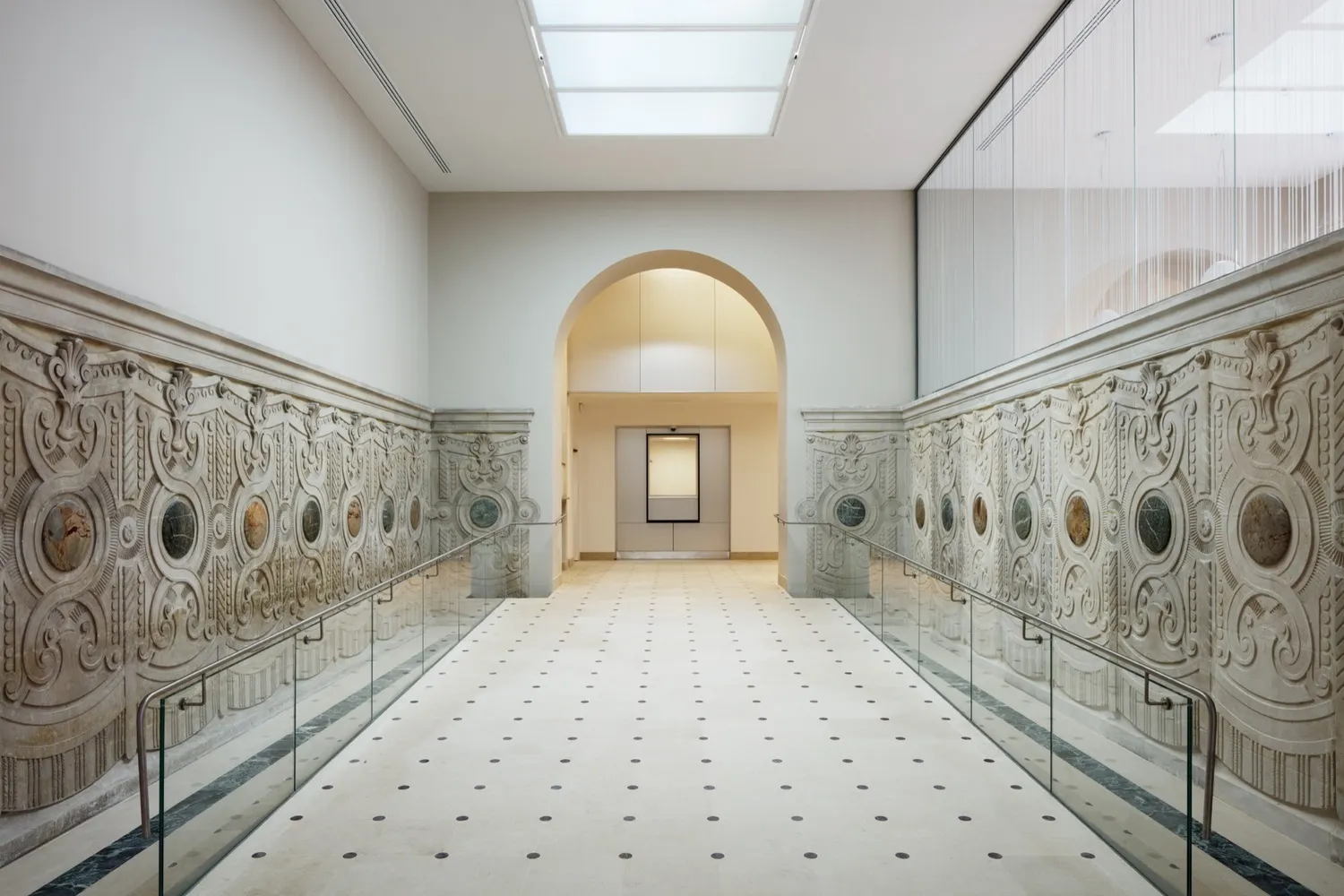
A landmark for Paris’s eastern bank, the Bibliothèque nationale de France (BNF) stands as one of the most ambitious architectural and cultural initiatives in French history. Symbolizing a new era for knowledge and learning as part of the “Grand Projets” initiative, the library is a bold expression of minimalism and urban integration, offering a memorable presence and a contemplative sanctuary.
The library’s four iconic towers, each shaped like an open book and forming an inward-facing square, symbolize the accumulation of knowledge. With its minimalist aesthetic that prioritizes space and light over ornate details, the BNF is one of the must-see venues in Paris, boasting a stunning architectural design.
8. La Samaritaine
Architect: Francois Brugel Architectes Associes, LAGNEAU Architectes, SANAA, SRA Architectes
Year: 2021
Project Type: Shopping Centre
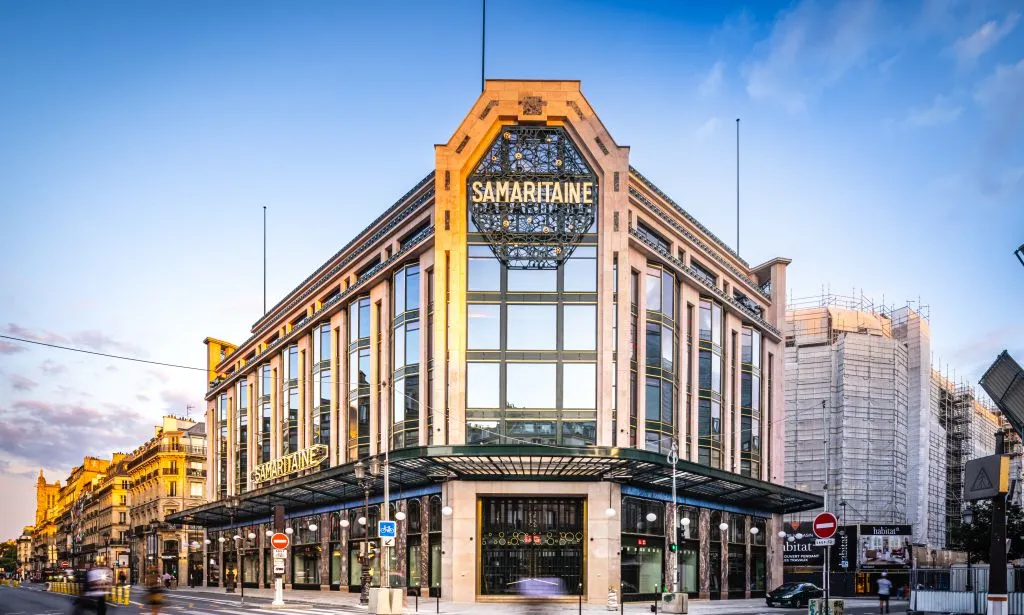
Built in the late 19th century as a “Grand Magasin,” La Samaritaine has drawn attention for its striking architecture since reopening in 2021 following extensive renovations. The iconic building, situated on the banks of the Seine River, retained its Art Nouveau and Art Deco façades while adding an undulating glass façade that adds transparency and fluidity. Respecting the historical texture, this glass façade refracts light, reflecting the Paris skyline, and creates an elegant contemporary feel.
The new design features the “Passage de La Samaritaine,” a social and commercial corridor that spans the length of the existing building. Two new courtyards connect with the original courtyard, collectively creating an alternative series of interior spaces and activity zones that open up to views of the sky.
9. Centre Pompidou
Architect: Renzo Piano, Richard Rogers
Year: 1977
Project Type: Museum of Modern Art
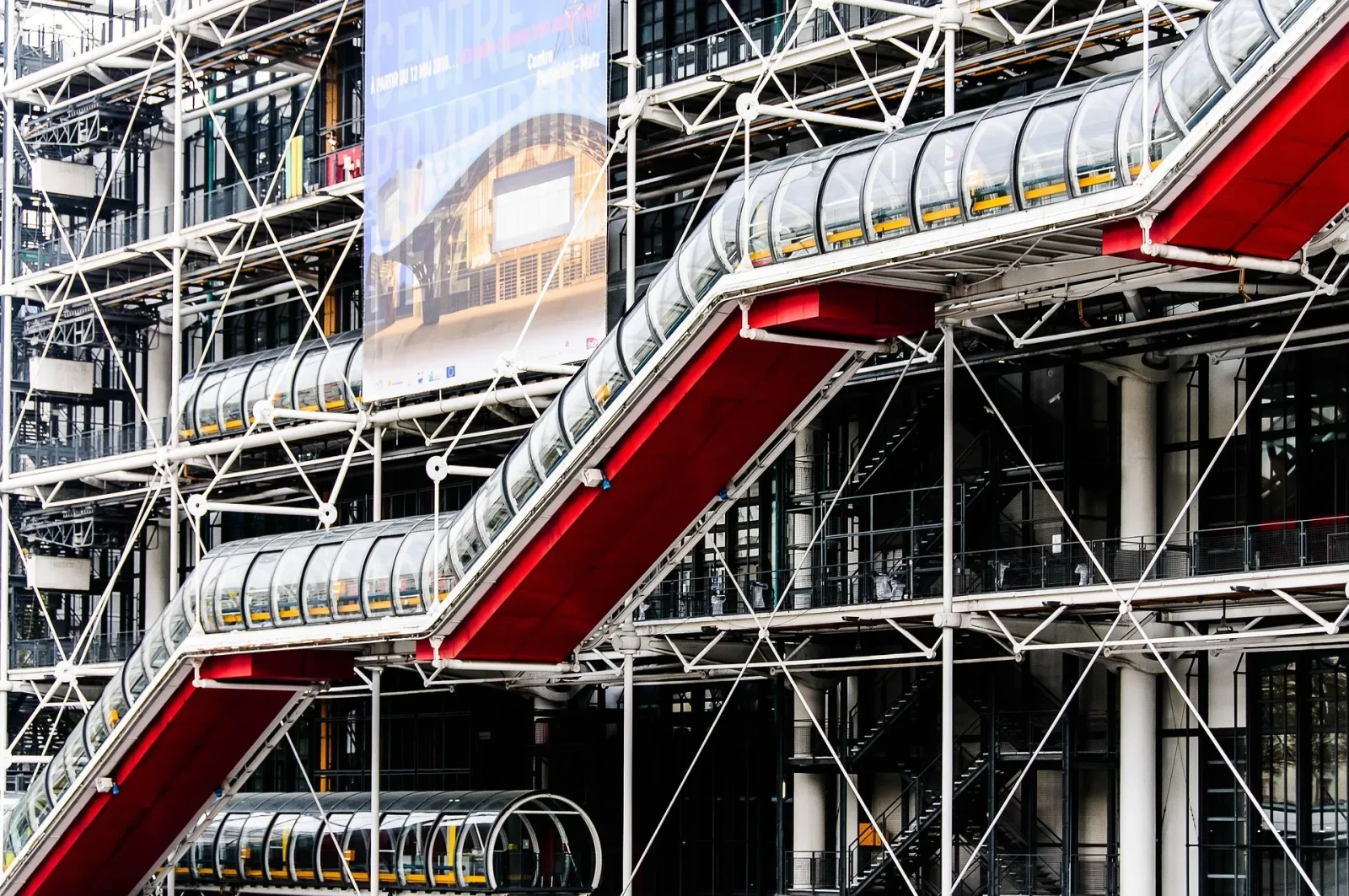
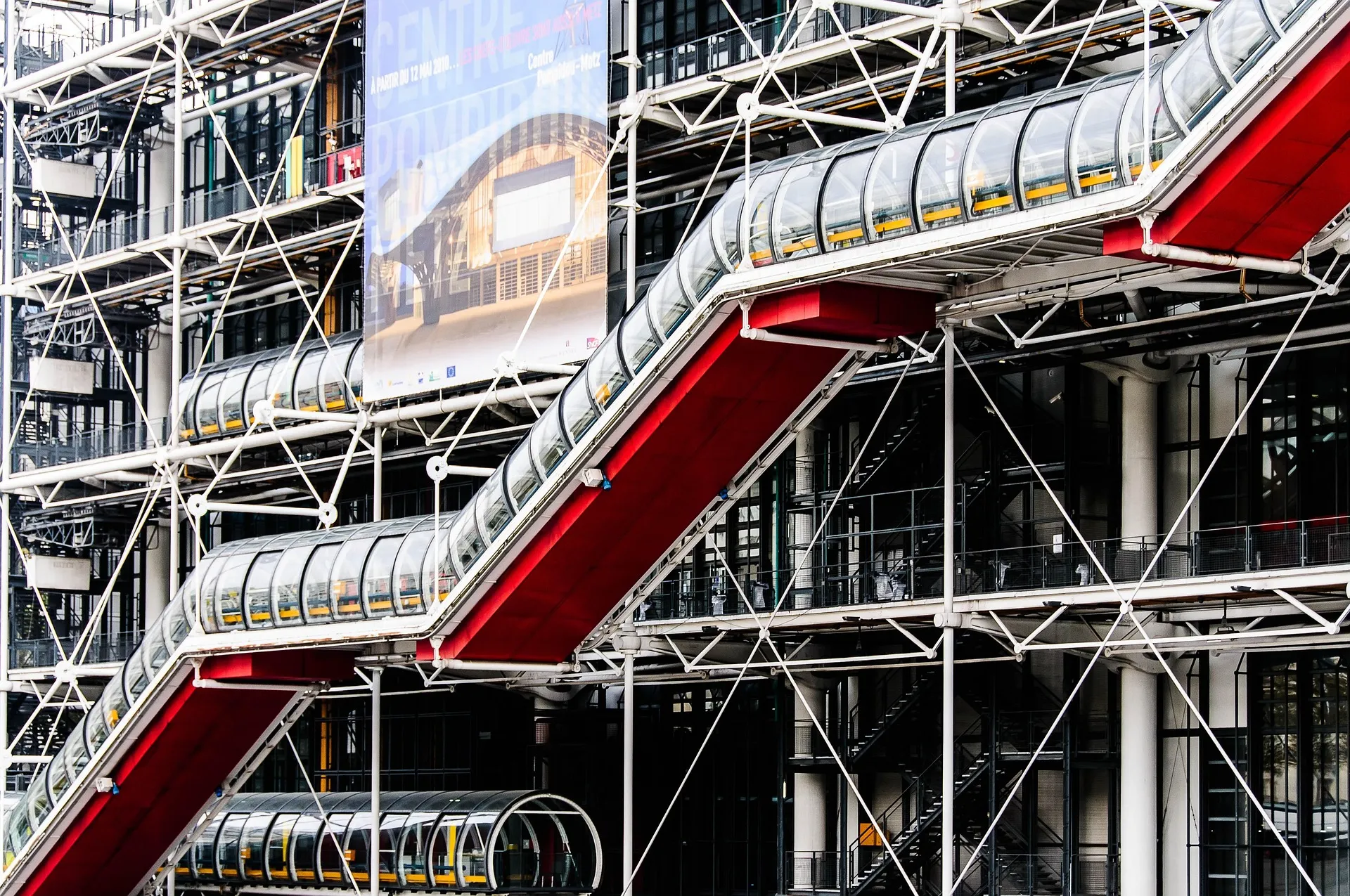
One of the most iconic structures in Paris and a landmark of modern architecture, the Centre Pompidou stands as one of the city’s premier art centers, housing contemporary artworks from around the world. Its structural system, designed to avoid interruptions on any floor and to maximize the freedom of the interior space, makes it a must-visit building for architecture enthusiasts.
The Centre Pompidou’s interior is fully flexible and customizable, with all service and circulation elements designed externally. Constructed entirely of steel, the building features 10 floors, with seven of them located underground. Its massive 48-meter span was spanned in a single piece using truss beams. The façade facing Beaubourg Street features pipes painted in blue, green, yellow, and red.
Blue pipes represent ventilation ducts; green pipes carry water; yellow conduits are for electrical systems; and red denotes vertical circulation. Beyond their functional roles, these exposed mechanical elements contribute to the building’s aesthetic, becoming an integral part of its visual identity.
10. Housing Blocks – South Villette Area
Architect: Aldo Rossi, Bernard Huet, Claude Züber
Year: 1986-1992
Project Type: Residential
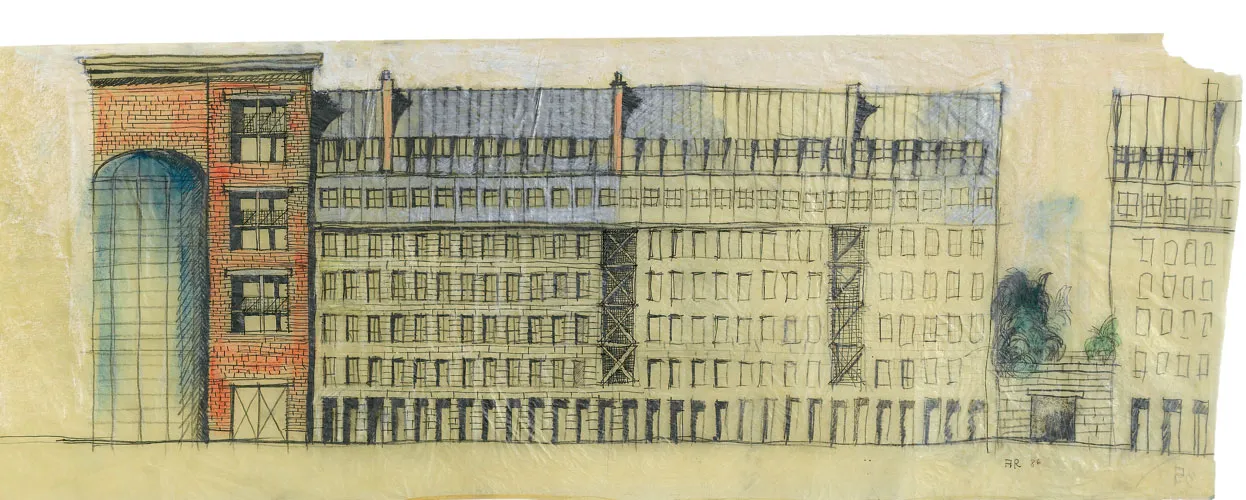
A must-see for those who appreciate architecture, especially residential architecture, in Paris, the Villette Sud Residences are situated on the southern edge of Parc de la Villette. Its design, in harmony with the park, simultaneously challenges it, creating an urban façade.
The building’s massive, metallic, soaring roof leaves a powerful mark on the urban skyline. Villette Sud’s stone-looking façade, which reimagines the classic mansard roof with a groundbreaking metal approach, contrasts with the rooftops. Despite not being originally Parisian, this residential building’s modern and innovative roof design has a greater impact than many avant-garde structures unrelated to Paris.
11. National Dance Center
Architect: Jacques Kalisz
Renovation: Antoinette Robain, Claire Guieysse
Year: 1972
Project Type: Dance Center
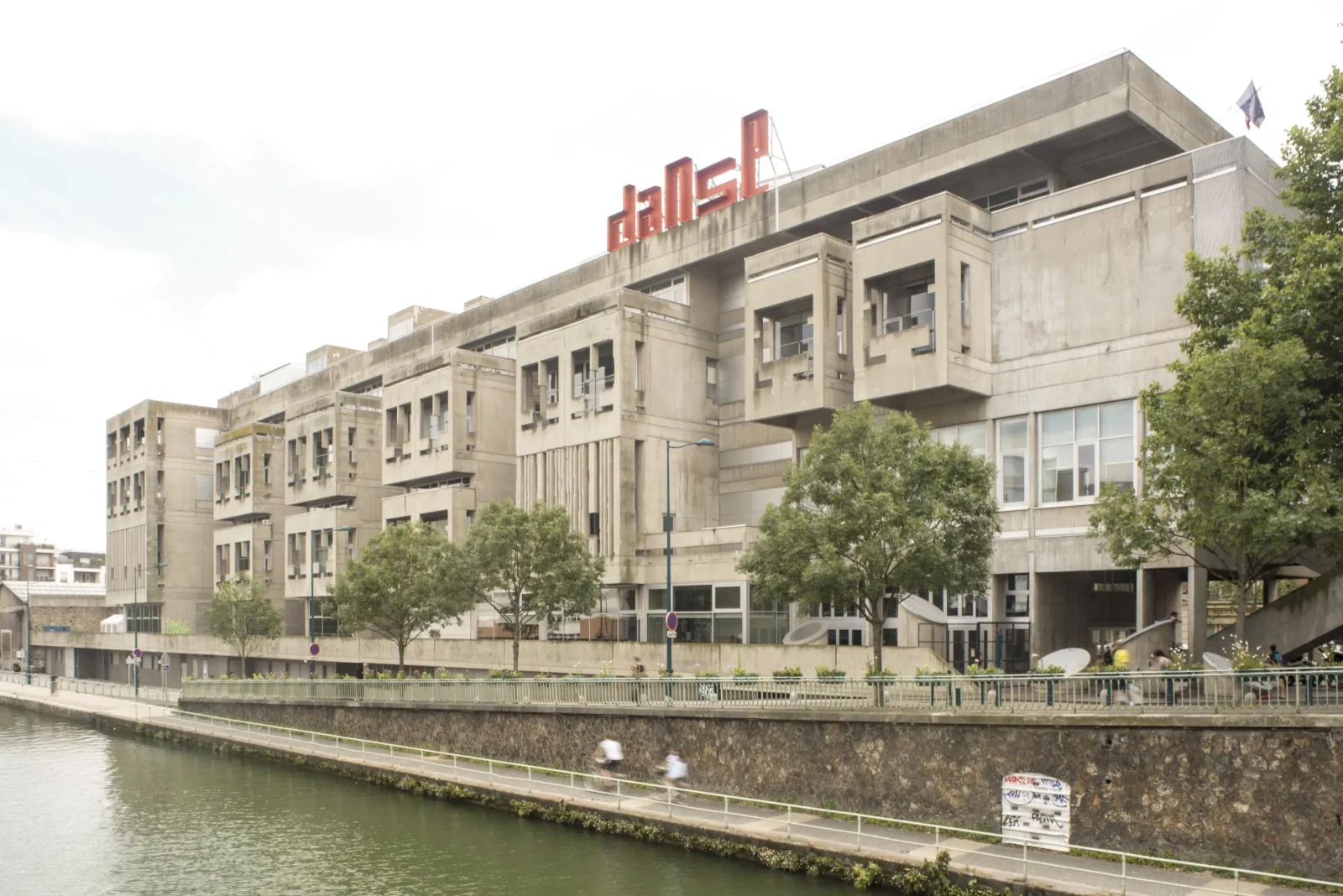
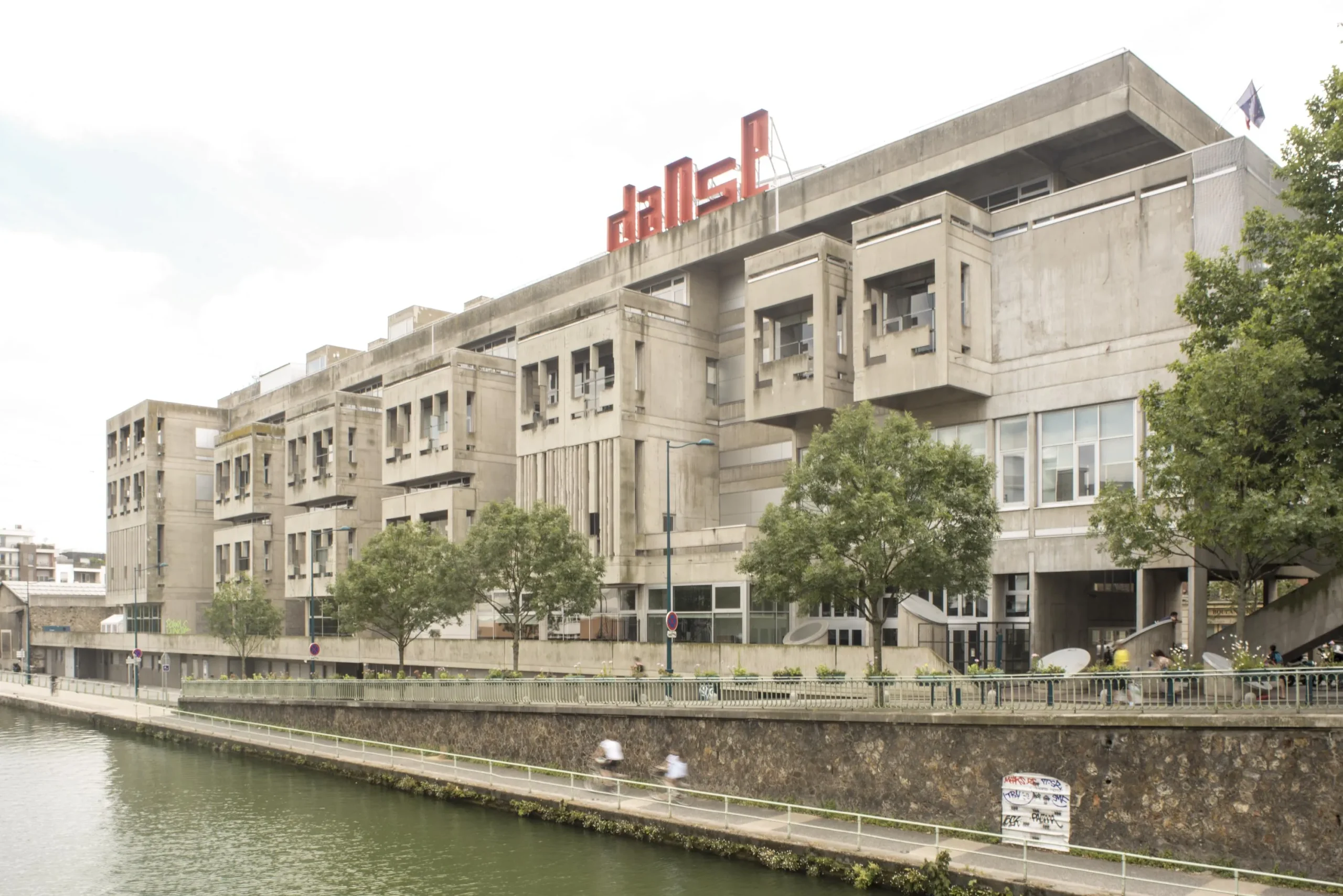
Located in the former administrative center of Pantin, the National Dance Center (Centre National de la Danse) features striking architecture characterized by its use of thick concrete in a brutalist style and dramatic atrium volumes. Over time, the building had fallen into disrepair but was renovated between 2000 and 2004 to adapt to the center’s evolving needs.
The renovations included the addition of new spaces while preserving the existing building’s architectural style, height, and atrium. Developed across four floors, these include eleven rehearsal studios, a foyer for dancers, around thirty dressing rooms, a company headquarters, a media library, a projection room, exhibition areas, classrooms, and administrative offices. All functions are organized around the central hall, composed of long, high, and low-angle views.
Behind the sculptural staircase and balustrade, a continuous “painted track wall” spans the entire height of the building and is visible on every floor. This wall conceals mechanical systems, elevators, staircases, and access corridors. With its architectural simplicity and bold concrete aesthetic, the National Dance Center can be considered a model project for art and architecture enthusiasts.
12. Fondation Jérôme Seydoux-Pathé
Architect: Renzo Piano
Year: 2014
Project Type: Cultural Foundation / Cinema Museum
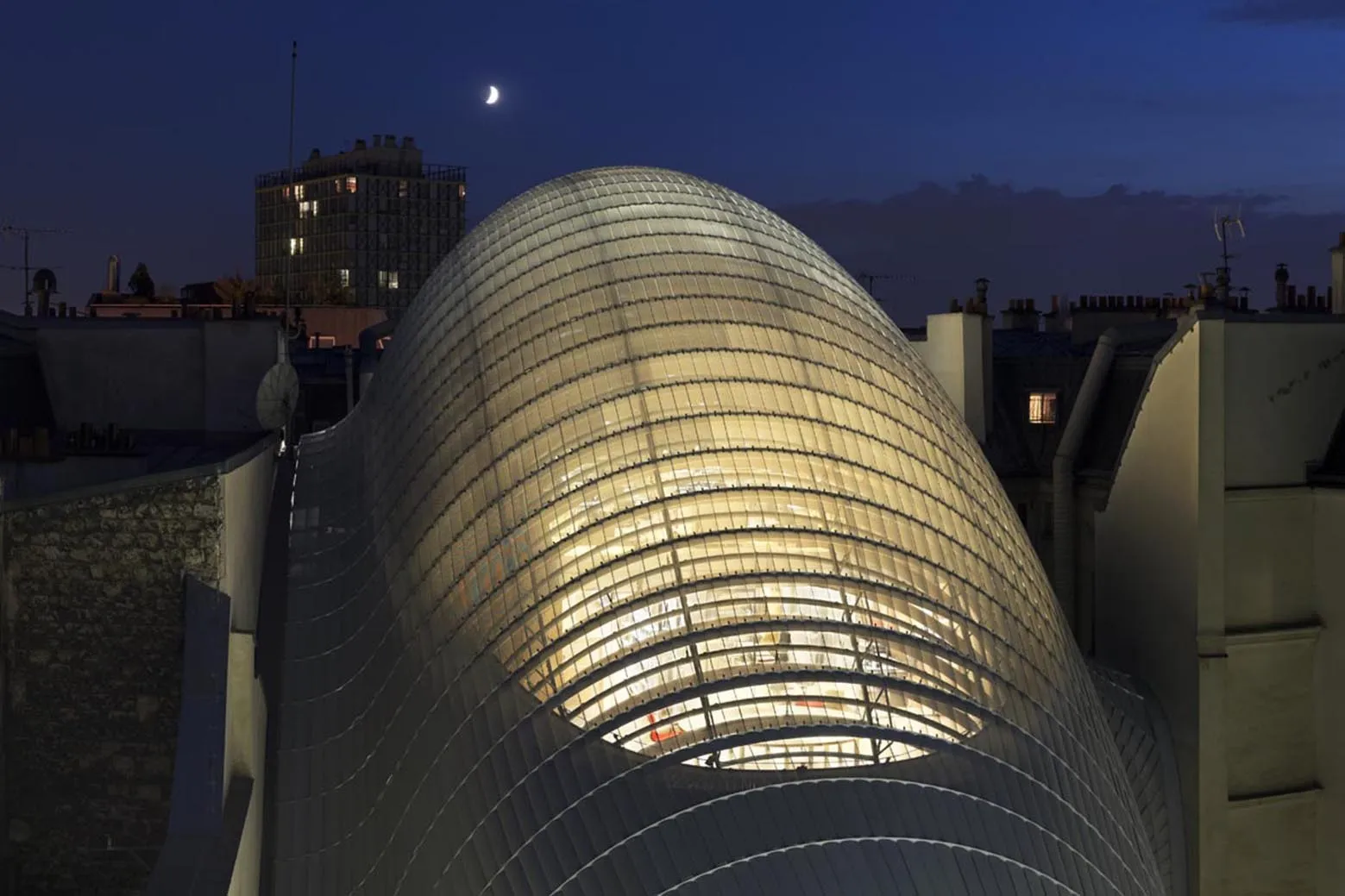
The project, designed to design a new headquarters for the Fondation Jerome Seydoux-Pathe, is among the iconic structures of Paris’ historic city. Located behind a 19th-century theater, the building is an undulating architectural pavilion clad in translucent aluminum. Its iconic form contrasts with Paris’s historical fabric while completely disappearing into the city.
The building, which preserves the cinema archives while creating a cultural institution open to the public, houses galleries for temporary and permanent exhibitions, a 70-seat pocket cinema, and offices. By merging “heritage preservation” with a “contemporary formal language,” it stands as a must-visit destination for lovers of architecture.
13. Quai Branly Museum
Architect: Ateliers Jean Nouvel
Year: 2006
Project Type: Museum
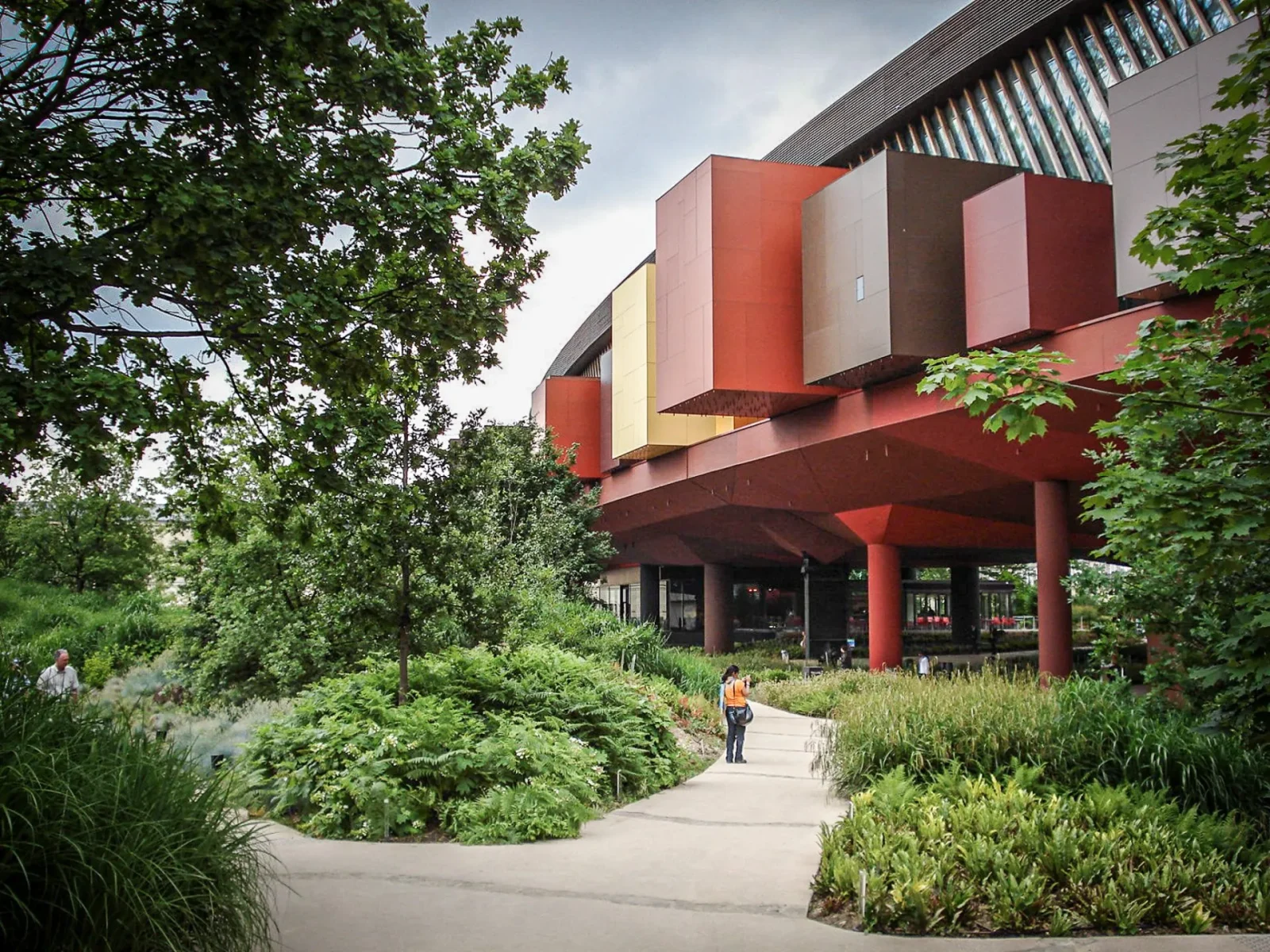
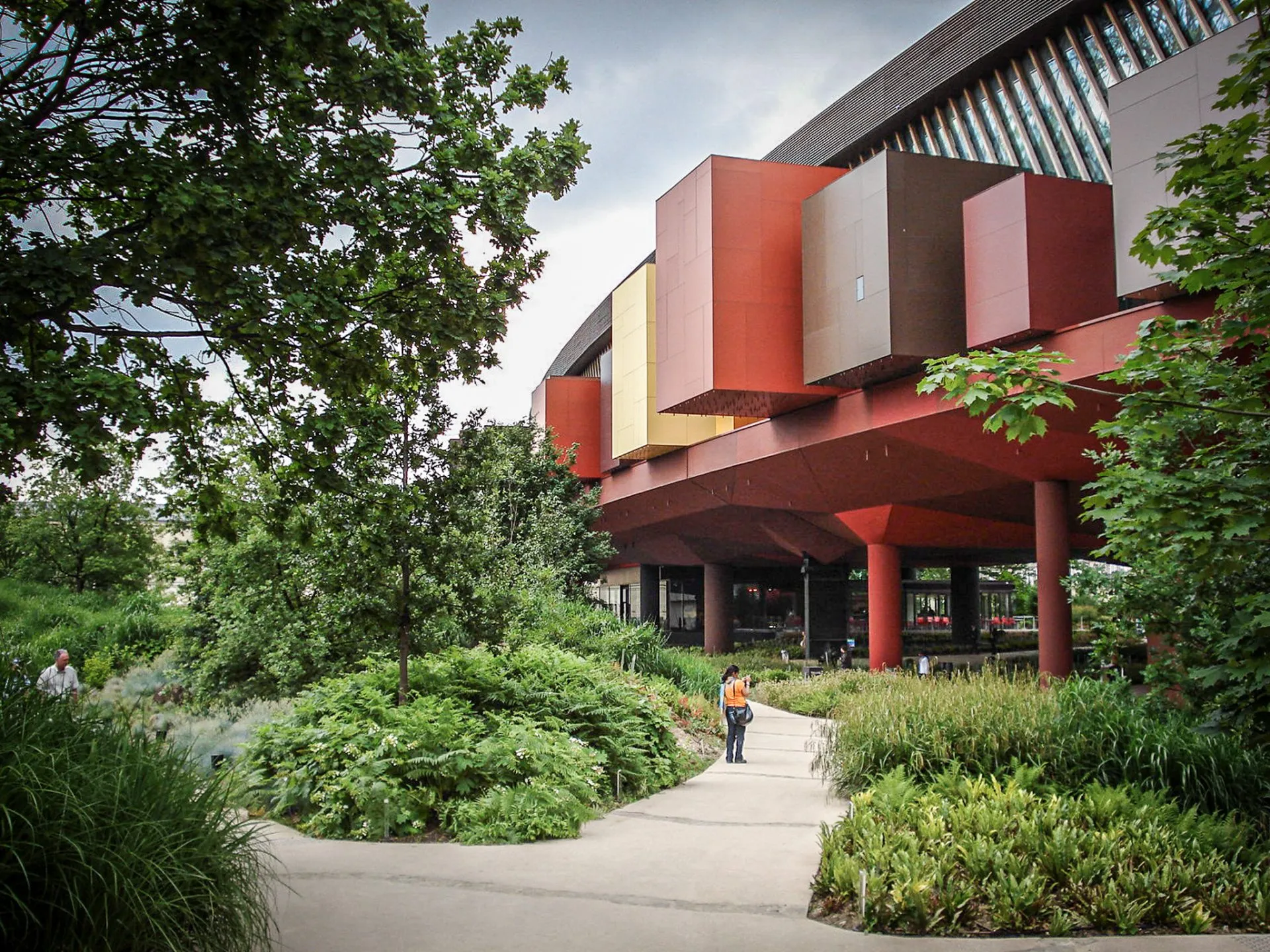
The Musée du Quai Branly, a striking structure situated on the banks of the Seine River, will house nearly 300,000 works and is a must-see during any visit to Paris. Built on a collection-centric design, the museum is characterized by its curved, fluid, and transparent architecture. Positioned on stilts near the river, the building stretches like a bridge, connecting volumes suspended at varying heights. The glass wall at the entrance creates an elegant and mysterious barrier between the building and the garden.
The colorful boxes on the facade create a rhythmic movement. The museum’s design, which aims to bridge cultures, also offers visitors an engaging experience. Suspended above an 18,000 m² garden designed by Gilles Clément, the museum rests atop a lush and layered landscape. This landscape, featuring undulating paths, small hills, and dense vegetation, creates a wild garden experience.
14. Le Corbusier’s Apartment-Studio (Immeuble Molitor)
Architect: Le Corbusier, Pierre Jeanneret
Year: 1934
Project Type: Residential
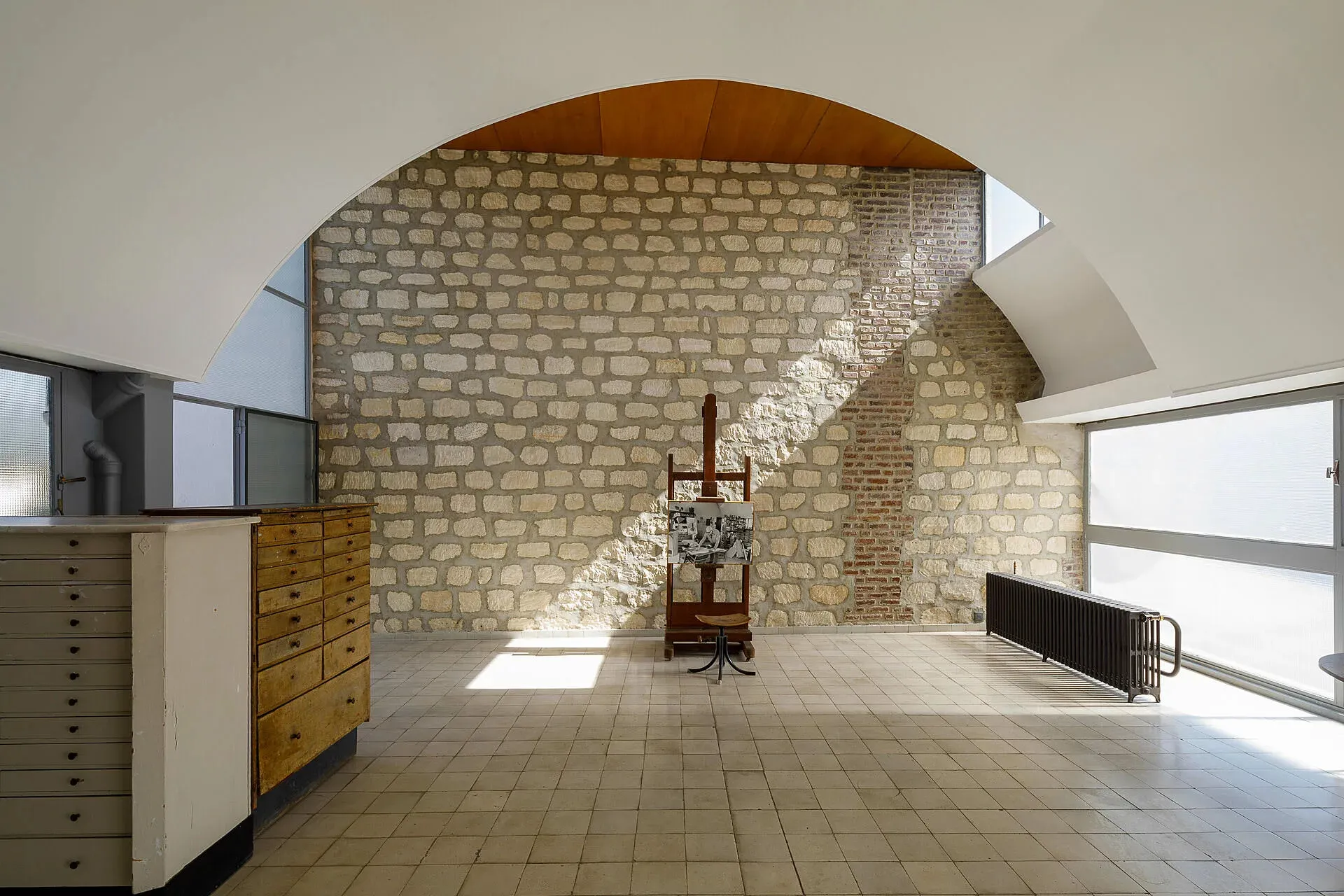
Located on the border of Paris and Boulogne, a studio apartment occupying the top two floors of a completely innovative building is a must-visit destination for architecture enthusiasts. The eight-story, glass-fronted Molitor building, the first glass apartment block in architectural history, is a UNESCO World Heritage Site. Adapted to the “glittering urban conditions” of the city, the building provided architect Le Corbusier with an opportunity to test the validity of his urban proposals.
The studio apartment, which spans the building’s top two floors, also housed his painting studio. The condo reflects Le Corbusier’s Five Points of a New Architecture, featuring an open plan, free façade, movable partitions, a rooftop terrace, and polychromy. Rotating pivot doors provide spatial flexibility, enabling rooms to be separated or combined as needed, thereby creating a functional and architectural masterpiece.
15. La Roche House
Architect: Le Corbusier, Pierre Jeanneret
Year: 1925
Project Type: Residential
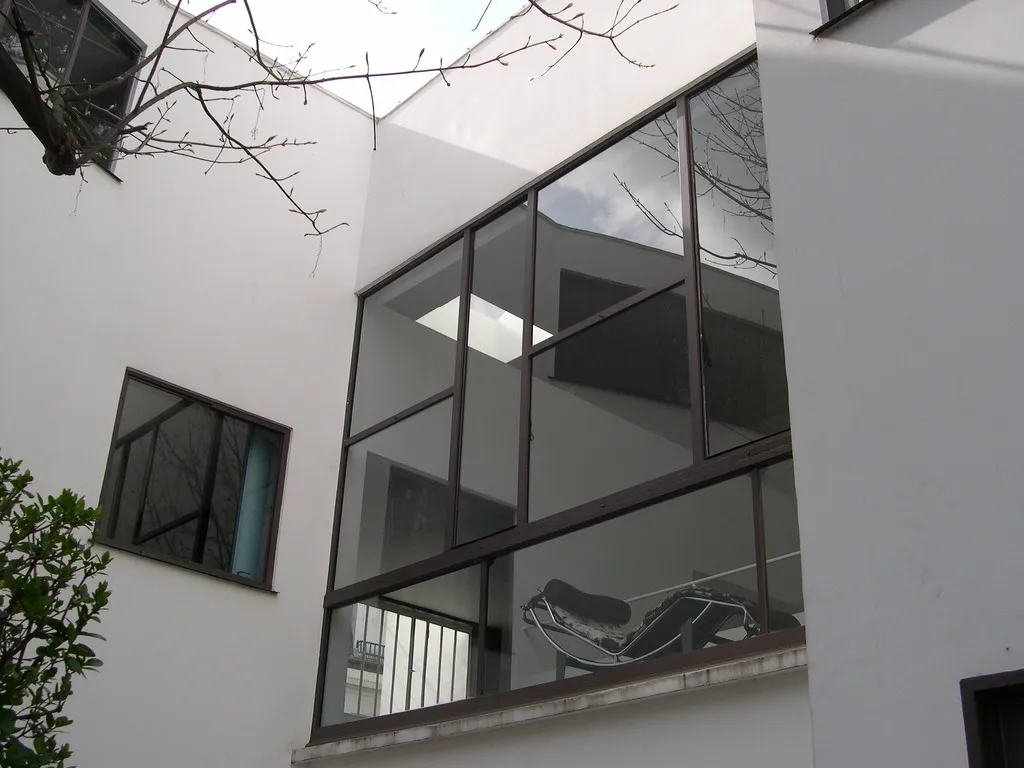
La Roche House, a prominent symbol of modern architecture, embodies all of Le Corbusier’s “five principles of architecture”: free façade, free plan, horizontal strip windows, terraced roofs, and pilotis. For anyone interested in Le Corbusier’s work, this house is a must-see destination in Paris.
The residence consists of two adjoining buildings: Maison La Roche, designed as a private home and art gallery for collector Raoul La Roche, and Maison Jeanneret, built for Le Corbusier’s brother, Albert Jeanneret, and his family. These two functions are designed to be spatially separated. The building features a painting gallery and library on one side, and a living space on the other. The pilotis located beneath the gallery create space and freedom on the ground floor.
The removal of load-bearing walls enables the construction of large glass surfaces on the façade, allowing the house to be flooded with sunlight. At the entrance, a small balcony appears to float in space, enhancing the sense of lightness. The staircase leading to it is set back into the hall, reflecting Le Corbusier’s desire to avoid dividing the central space with vertical circulation. The principle of the promenade is symbolized here by a ramp connecting the painting gallery and the library.
16. Montreuil Conservatory
Architect: Claude Le Goas, Robert Bezou
Year: 1976
Project Type: Conservatory
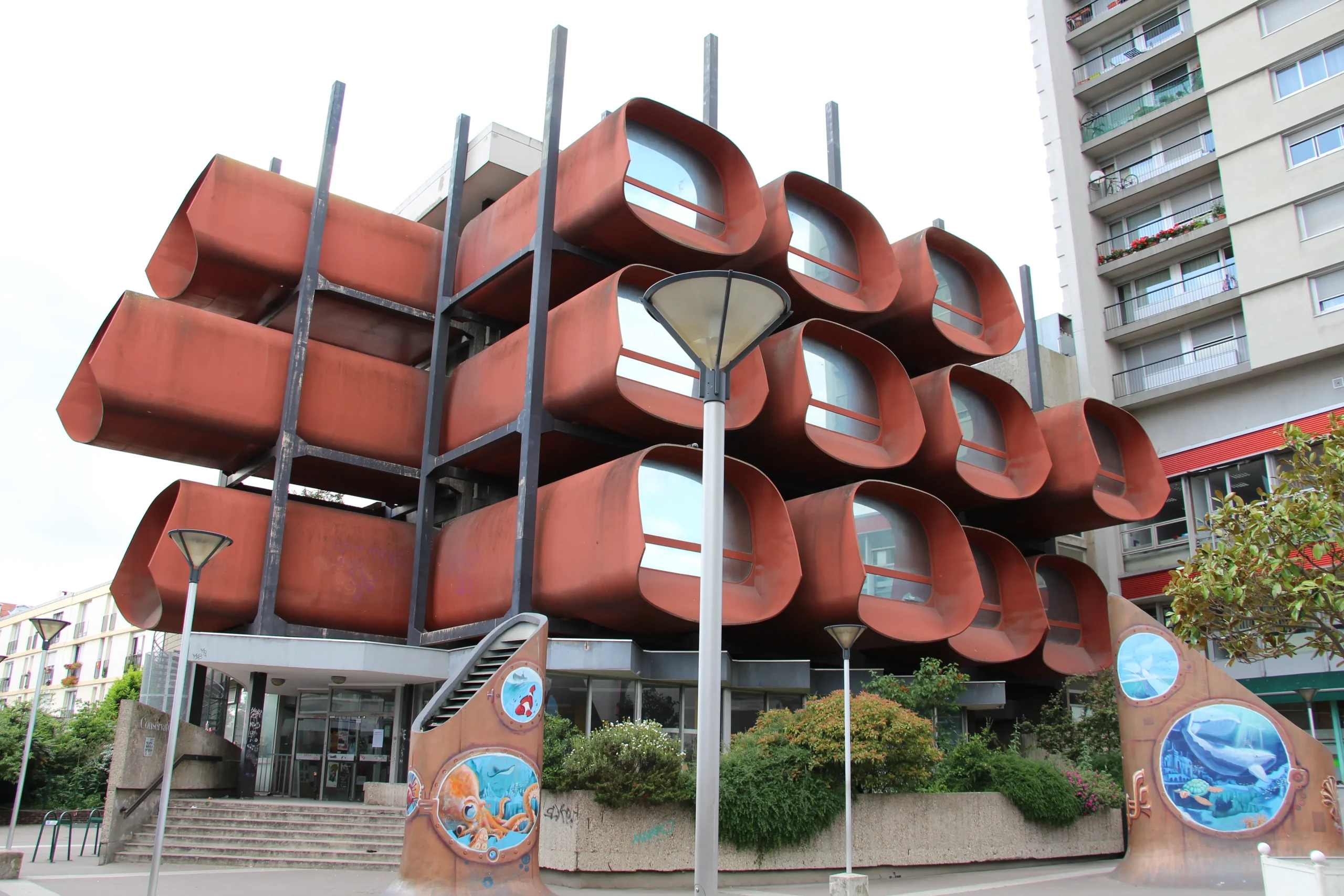
A striking example of modernist architecture, the Montreuil Conservatory (Conservatoire de Montreuil )features a unique honeycomb-like structure composed of 14 metallic cocoons, each functioning as an independent acoustic cell. The lightweight metal shells, each constructed from thin, resin-coated sheet metal, provide sound insulation from the others, a fine example of the “form follows function” principle in modern architecture.
The tubular steel frame that supports the structure also houses the interior walls and gives the impression that the building is suspended above the street at a human scale. Hosting 1,200 students and offering a wide range of performance opportunities, the conservatory underwent a comprehensive restoration in 2023–2024 after being closed for four years.
The renovation of the Montreuil Conservatory included the creation of new rooms, improvements for persons with reduced mobility (PRM), enhanced acoustics, a more accessible reception area, and the installation of an elevator, bringing both functionality and modernity to this iconic structure.
17. Futuro House
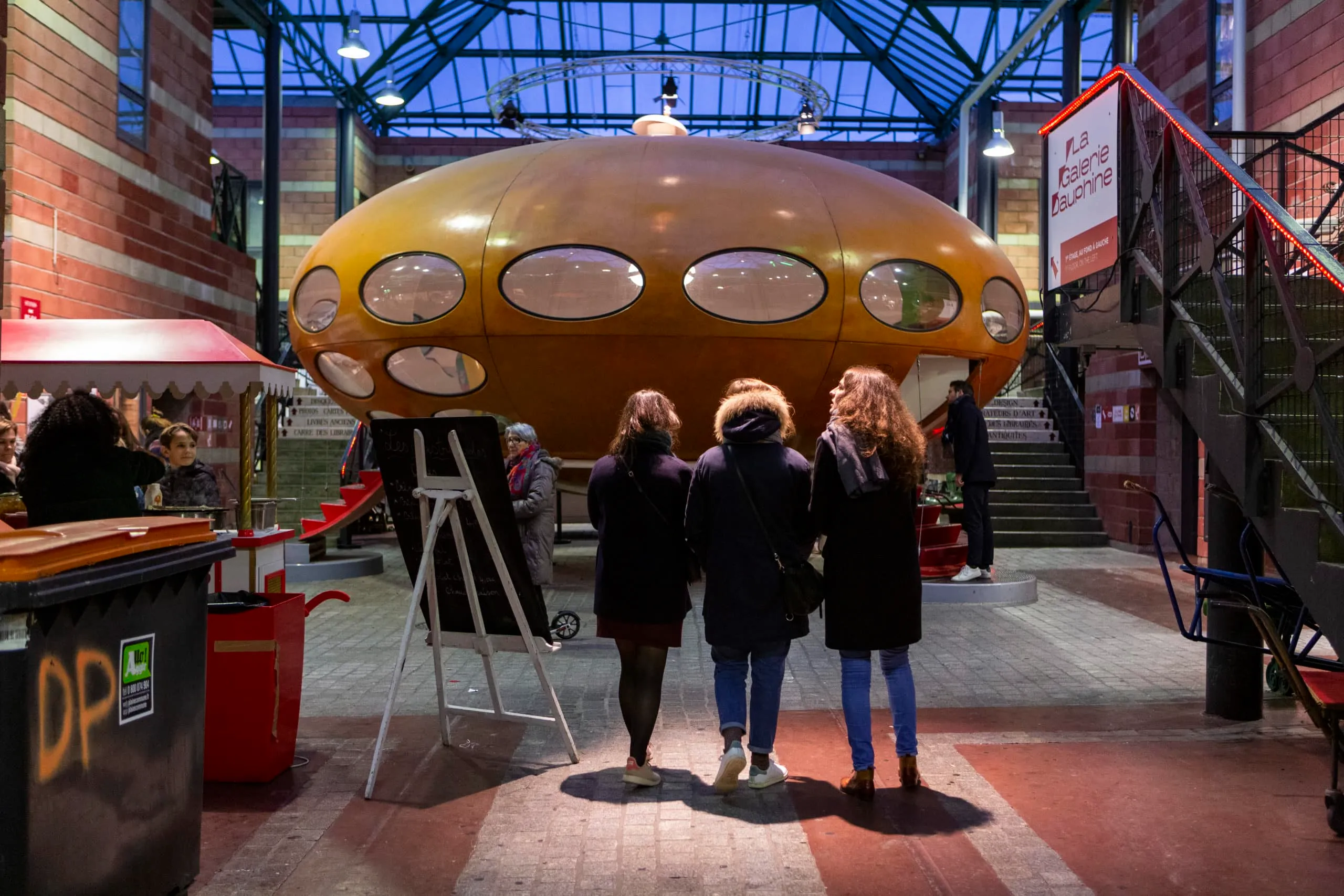
Architect: Matti Suuronen
Year: 1968
Project Type: Residential
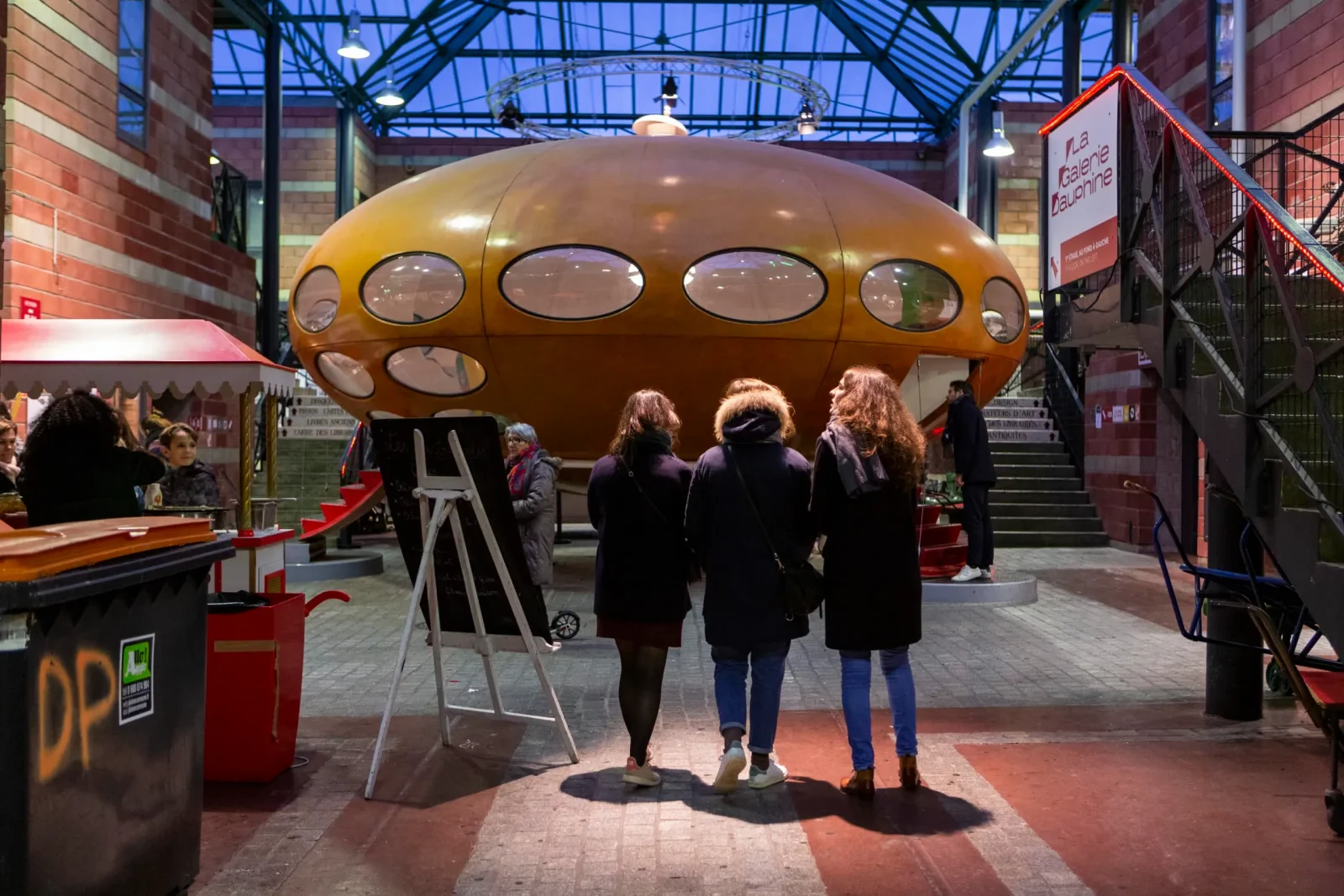
Reflecting the experimental forms, new materials, and optimistic visions of late 1960s space-age architecture and design, the Futuro House was originally conceived as a ski cabin, designed to be easily assembled and capable of rapid heating, even on rugged terrain. With only 100 copies ever produced, one Futuro House was temporarily installed at the Marché Dauphine in 2012 for an exhibition.
However, due to its popularity, it became a permanent fixture and a symbol of the market itself. Measuring 8 meters in diameter and 4 meters high, it can withstand temperatures as low as -20 degrees Celsius. Visitable during the opening hours of the Paris Saint-Ouen flea market, the Futuro House is an impressive structure for those interested in space-age aesthetics.
18. Paris 2024 Olympic Village
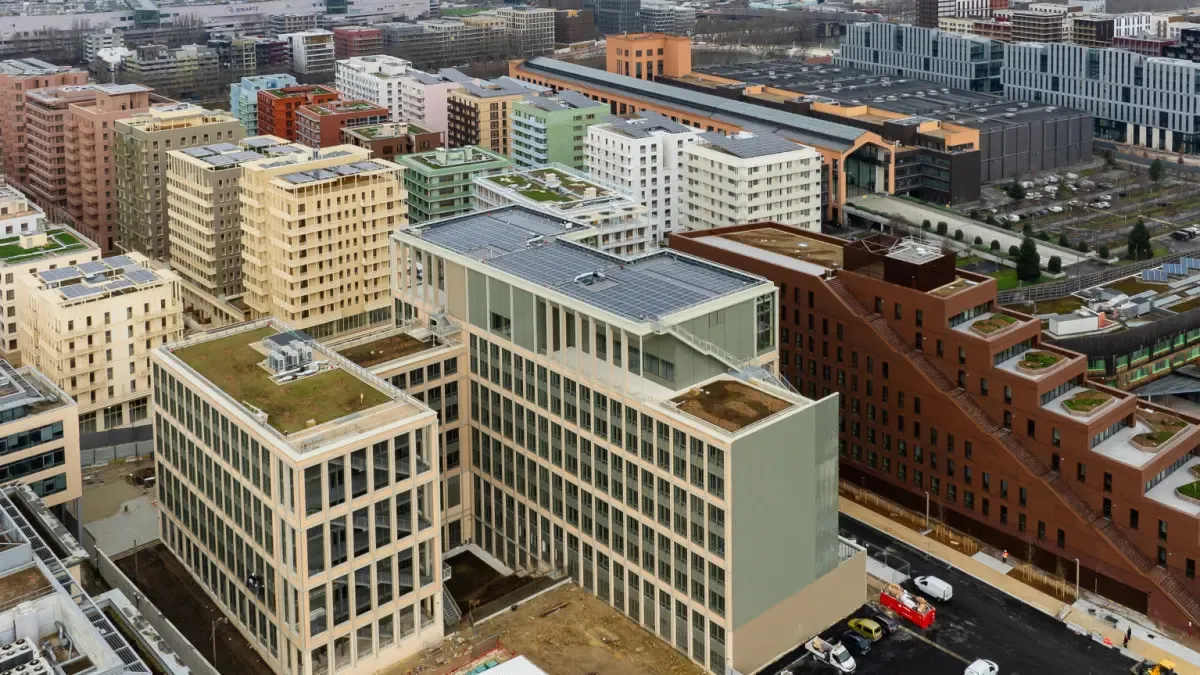
Architect: Dominique Perrault Architecture
Project Type: Temporary Residential Settlement
A key part of the legacy of the Paris Games, Olympic Village features 2,400 residential units and 119,000 m² of diverse amenities, offices, and services. Located in an area undergoing significant urban transformation, the master plan is designed to integrate with the metropolitan scale centered around the Seine River by 2050. Aiming to evolve from a temporary settlement into a long-lasting urban neighborhood, the design consists of six urban clusters referred to as “island boats.” Each unit has its own unique identity and role within the overall plan. The tower block form was chosen to balance sustainability with good sunlight and external views of the Seine River.
These adaptable buildings will host a mix of uses, including housing, offices, hotels, student accommodations, and retail, and are designed to create open public spaces and internal courtyards with views over the surrounding landscape. Focusing on high sustainability standards, generous public spaces, environmentally friendly transportation, and increasing greenery and biodiversity, the project has integrated numerous green spaces to enhance the riverbanks and create open inner courtyards with waterfront views.
19. The Arcades of The Lake (Les Arcades du Lac)
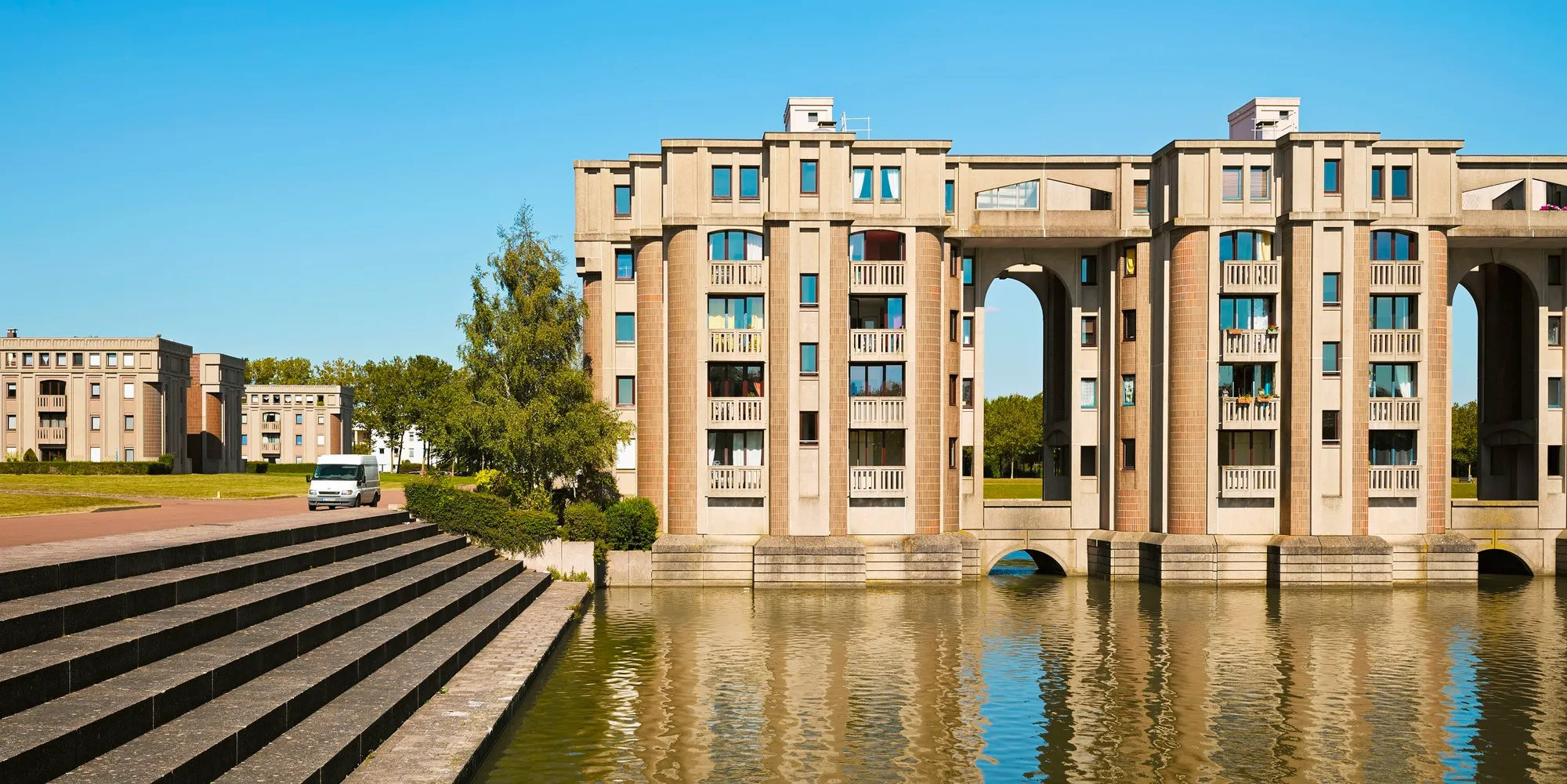
Architect: Ricardo Bofill
Year: 1982
Project Type: Residential
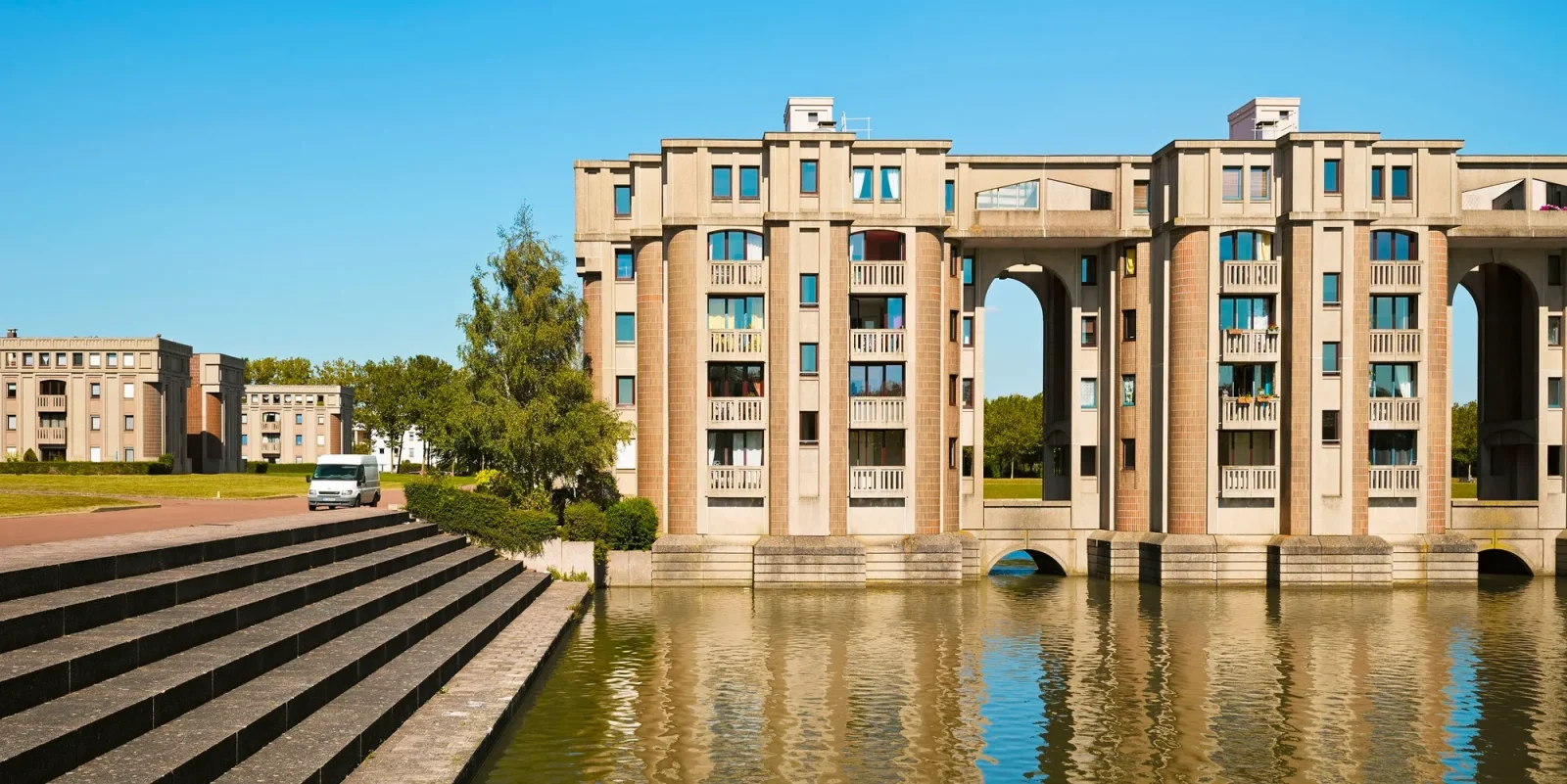
Les Arcades du Lac, Ricardo Bofill’s first project in France, is a must-see for architecture enthusiasts during their Paris trip. Aimed at addressing housing needs rapidly and economically, the design of the apartment blocks draws inspiration from the geometric layout of classical French gardens, replacing hedges with buildings to create a symbolic transformation.
This layout has created public spaces such as a street for circulation and a square for meeting and socializing. The 389 social housing units are grouped into four square blocks with spacious interior courtyards, each consisting of a ground floor and three floors. All apartments, each with a maximum depth of 8-10 meters, offer two-way views and ventilation. Staircases are located in projecting pavilions on the façade, serving both entry doors and providing direct access to the parking areas.
20. Notre-Dame de la Sagesse
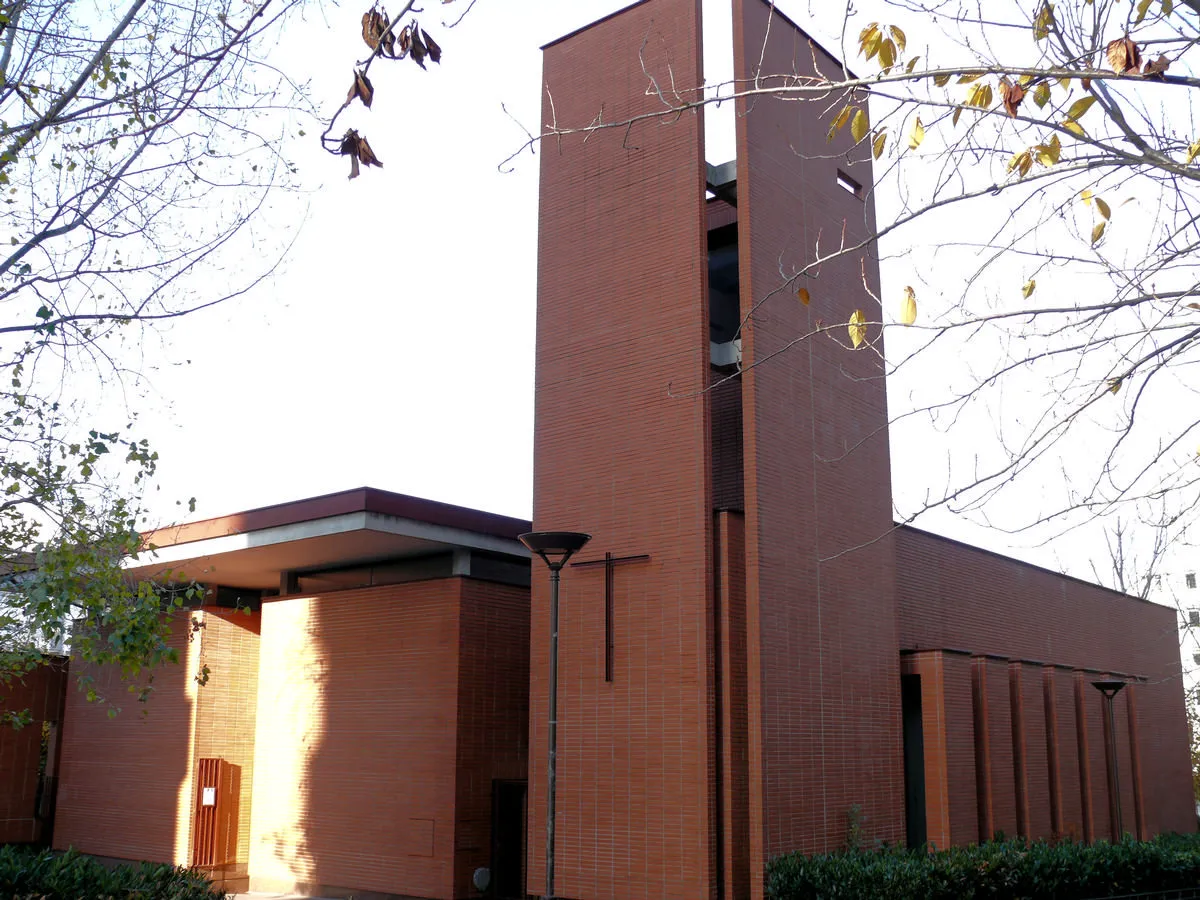
Architecture: Pierre-Louis Faloci
Year: 2000
Project Type: Church
Notre-Dame de la Sagesse, a structure that will impress visitors with its architecture, is concealed within a brick shell. The striking red brick exterior is offset by the bare, raw, and simple concrete texture inside. This trend, frequently encountered in contemporary architecture, is inspired by Cistercian architecture. The harshness of the concrete is softened by thin, white glass cracks and natural light filtering through stained-glass windows.
The church’s interior makes a subtle reference to Le Corbusier’s Notre-Dame-du-Haut chapel in Ronchamp. At the center lies the main gathering space for the congregation. On the left side, a light-filled area with stained glass houses the baptismal sacrament, while on the right, the confessional sacrament extends along a long wall. All these areas are designed with a gentle slope toward the choir and altar area.
Explore Courses
.jpg "Ondrej Chybik - Rethinking Architecture")