



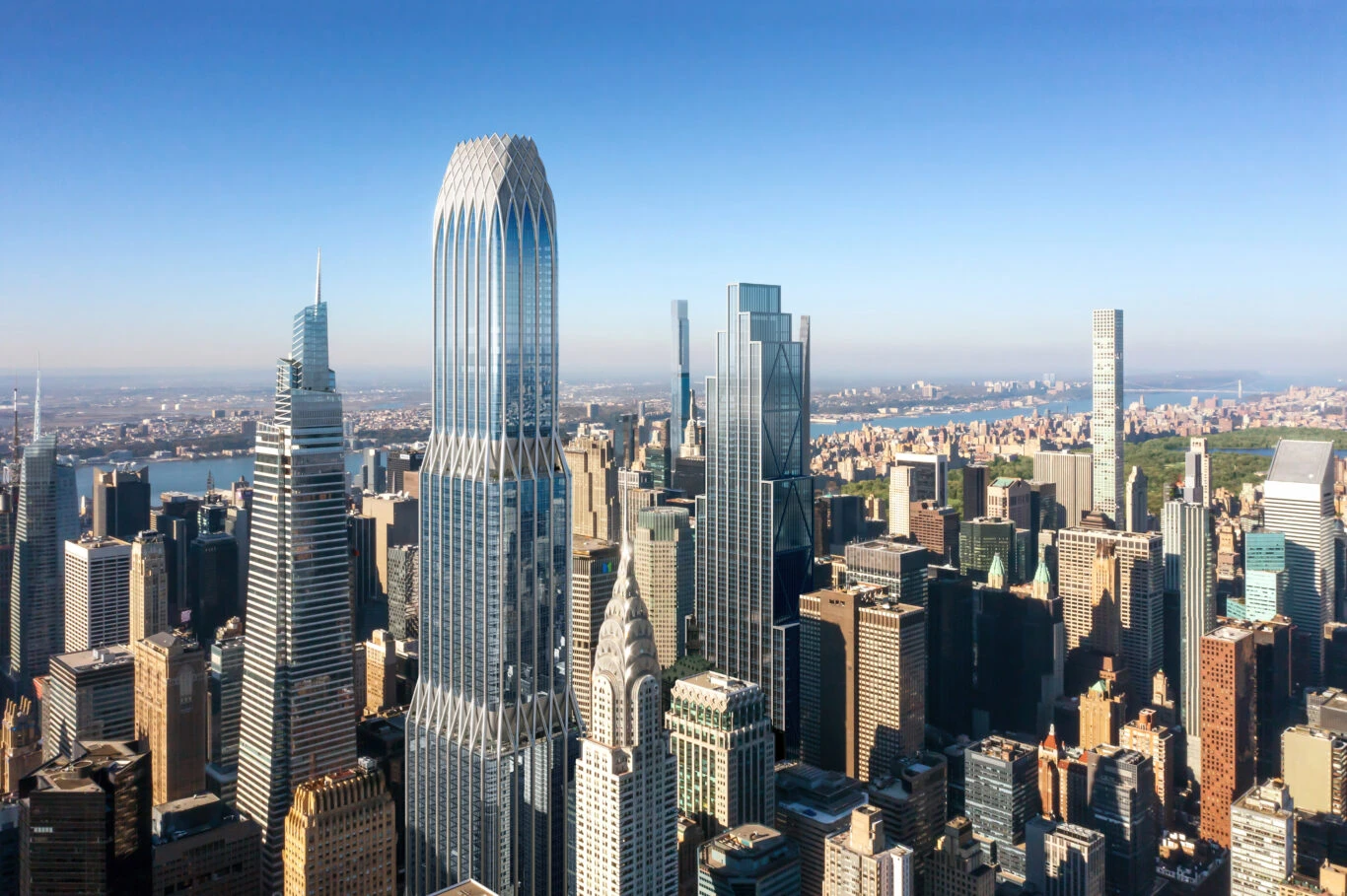
Rising beside Grand Central Terminal, 175 Park Avenue is set to become one of the most ambitious skyscraper developments in New York City’s modern history. Designed by Skidmore, Owings & Merrill (SOM) and developed by RXR Realty in partnership with TF Cornerstone, the project represents a fusion of architectural expression, structural innovation, and transit-oriented urbanism.
With a projected height of around 1,550–1,580 feet and up to 95 stories, the tower is balanced to reshape the Manhattan skyline while redefining how supertall buildings integrate with infrastructure and public space.
New York’s Next Supertall Icon: Redefining Midtown Manhattan
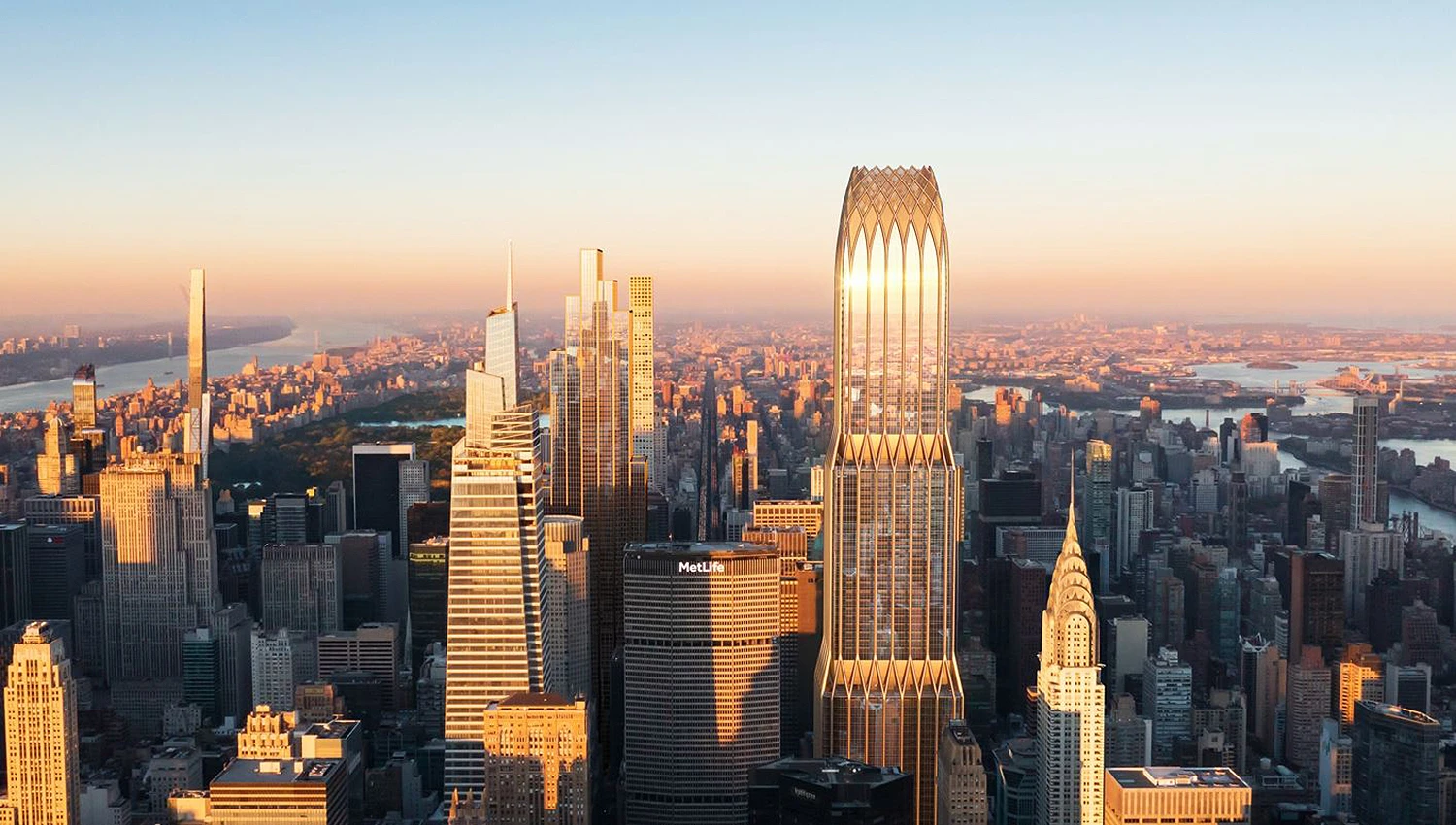
Located in Midtown East, Manhattan, 175 Park Avenue rises from the site of the former Grand Hyatt, marking a major shift in how this part of New York is being reimagined. The tower is planned to reach a height of roughly 1,545 to 1,581 feet, placing it firmly in the supertall category and making it one of the tallest structures in the city. Depending on final approvals, the building will range between 83 and 95 floors, accommodating a mix of uses that includes premium office space, a hotel component, retail areas, and direct integration with transit infrastructure.
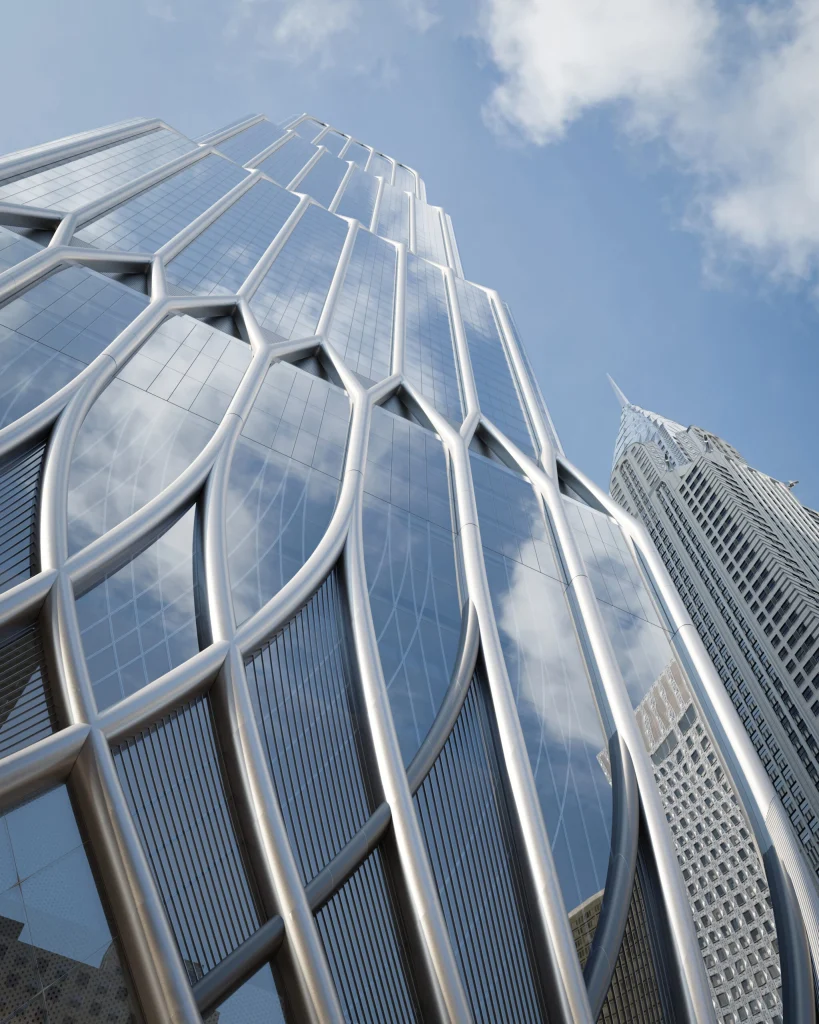
With a total floor area of up to 3 million square feet, the project is designed to support large-scale commercial activity while maintaining flexibility for different types of tenants. The estimated cost of around $6.5 billion reflects both the complexity of building above active rail lines and the ambition of creating a next-generation skyscraper. Targeted for completion around 2032, the development is not just a standalone tower but part of a broader effort to reposition East Midtown as a modern, transit-connected business district.
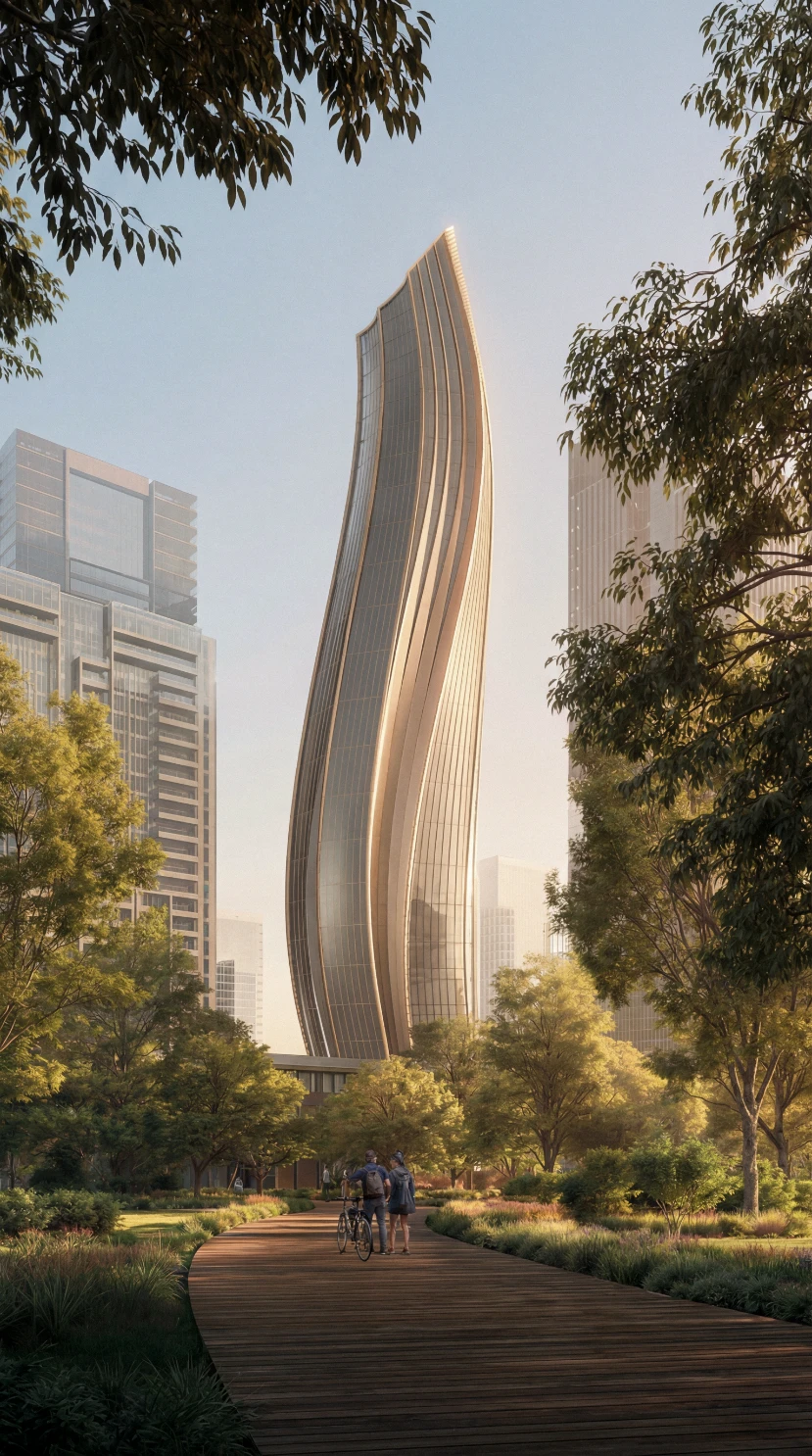
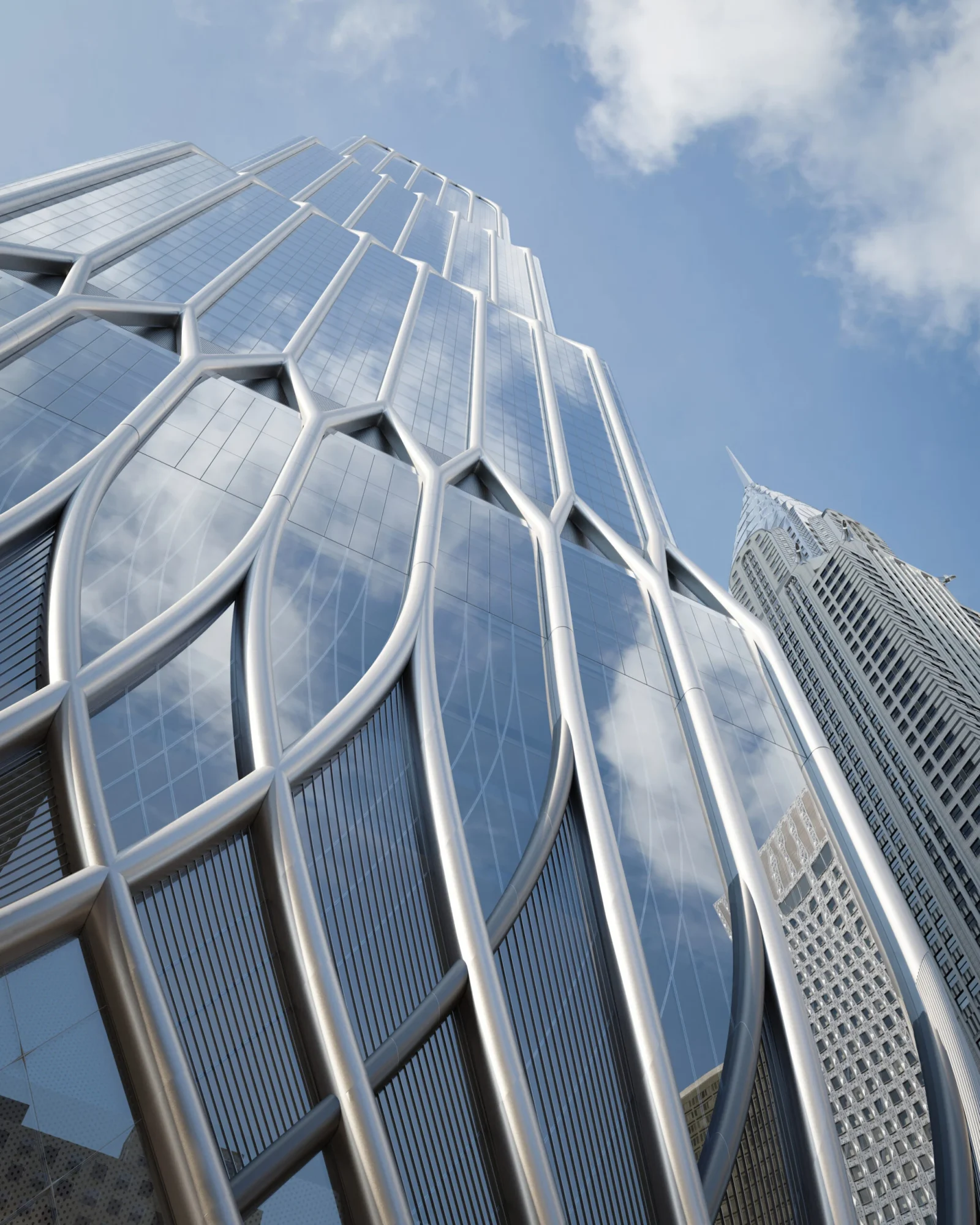
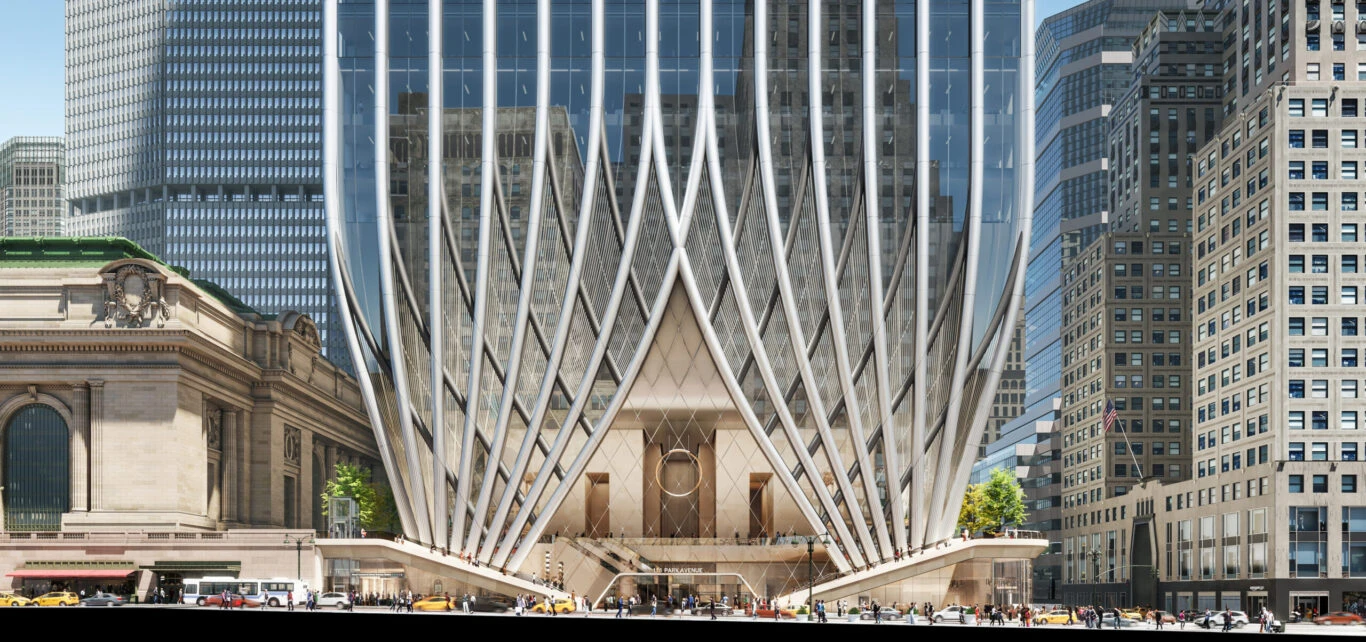
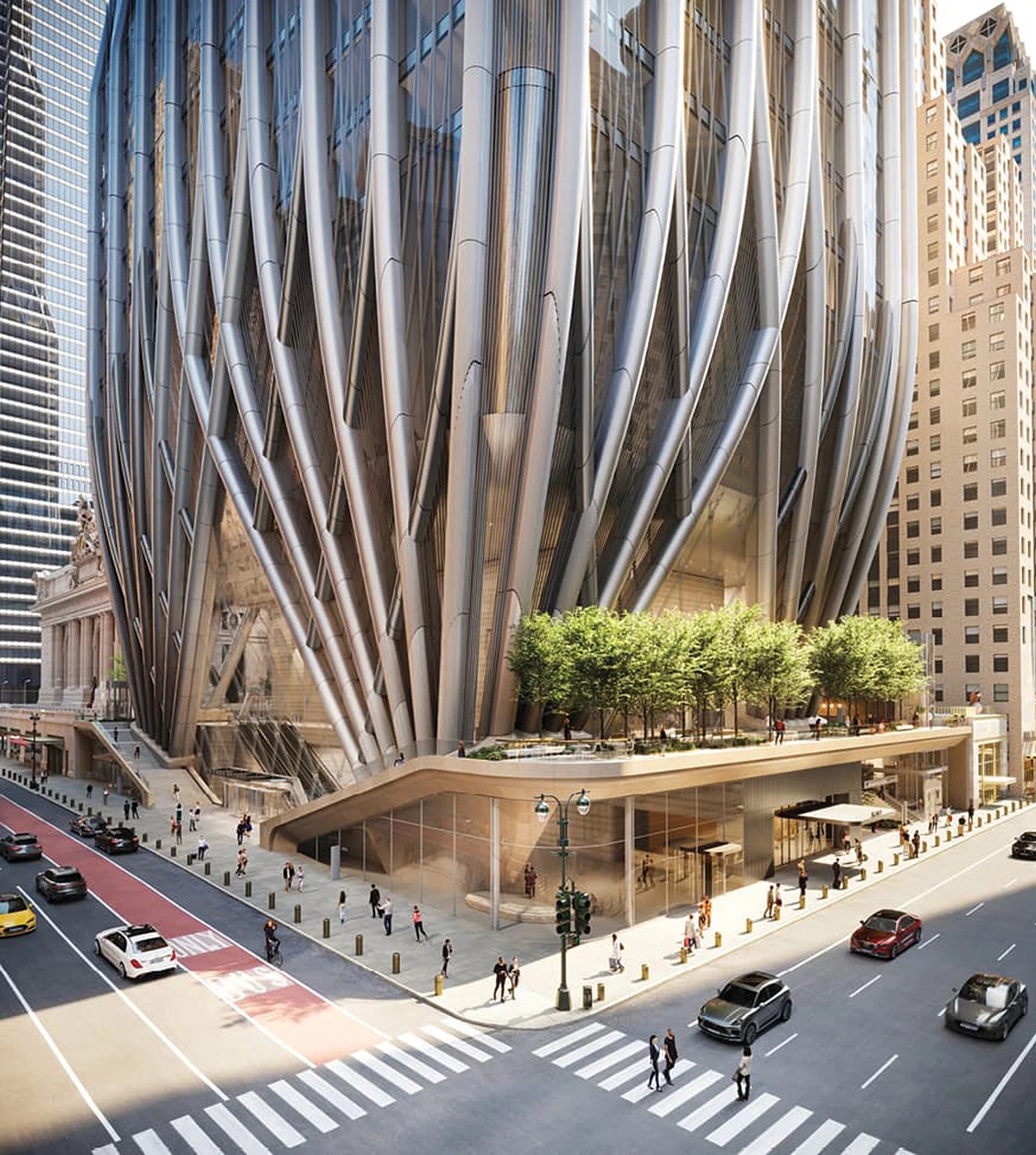
At the core of the design for 175 Park Avenue is a striking exoskeletal lattice system that reflects SOM’s long-standing approach of merging architecture with engineering. The building brings it to the forefront. Interlaced steel columns define the exterior, starting as tightly bundled elements at the base, then gradually fanning outward as the tower rises, before converging again into a refined lattice crown at the top.
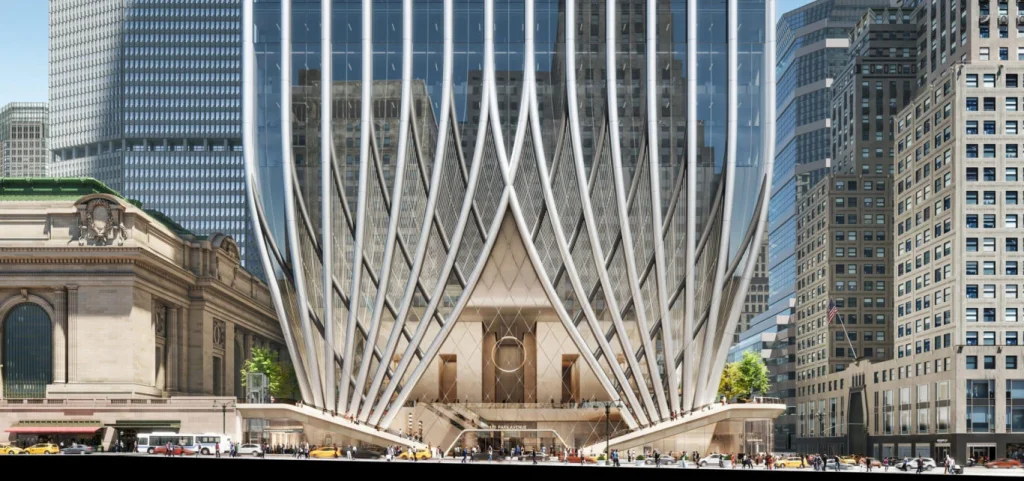
This changing structural pattern gives the tower a strong vertical rhythm and makes it more structurally sound. The design subtly references the craftsmanship and vertical emphasis of nearby Art Deco landmarks such as the Chrysler Building, yet it avoids imitation by presenting a distinctly modern interpretation. By expressing its structural system on the outside, the tower turns engineering into a visual feature, creating a façade that is both functional and architecturally expressive.
Massing Strategy and Vertical Zoning of 175 Park Avenue
The tower is shaped through a tiered massing approach defined by three setbacks that play both functional and visual roles. These setbacks introduce landscaped terraces that open up panoramic views across the city while also helping to reduce the visual bulk of the supertall form. By stepping the building profile as it rises, the design allows more natural light to reach both the internal spaces and the surrounding streets, creating a more dynamic and breathable urban presence.
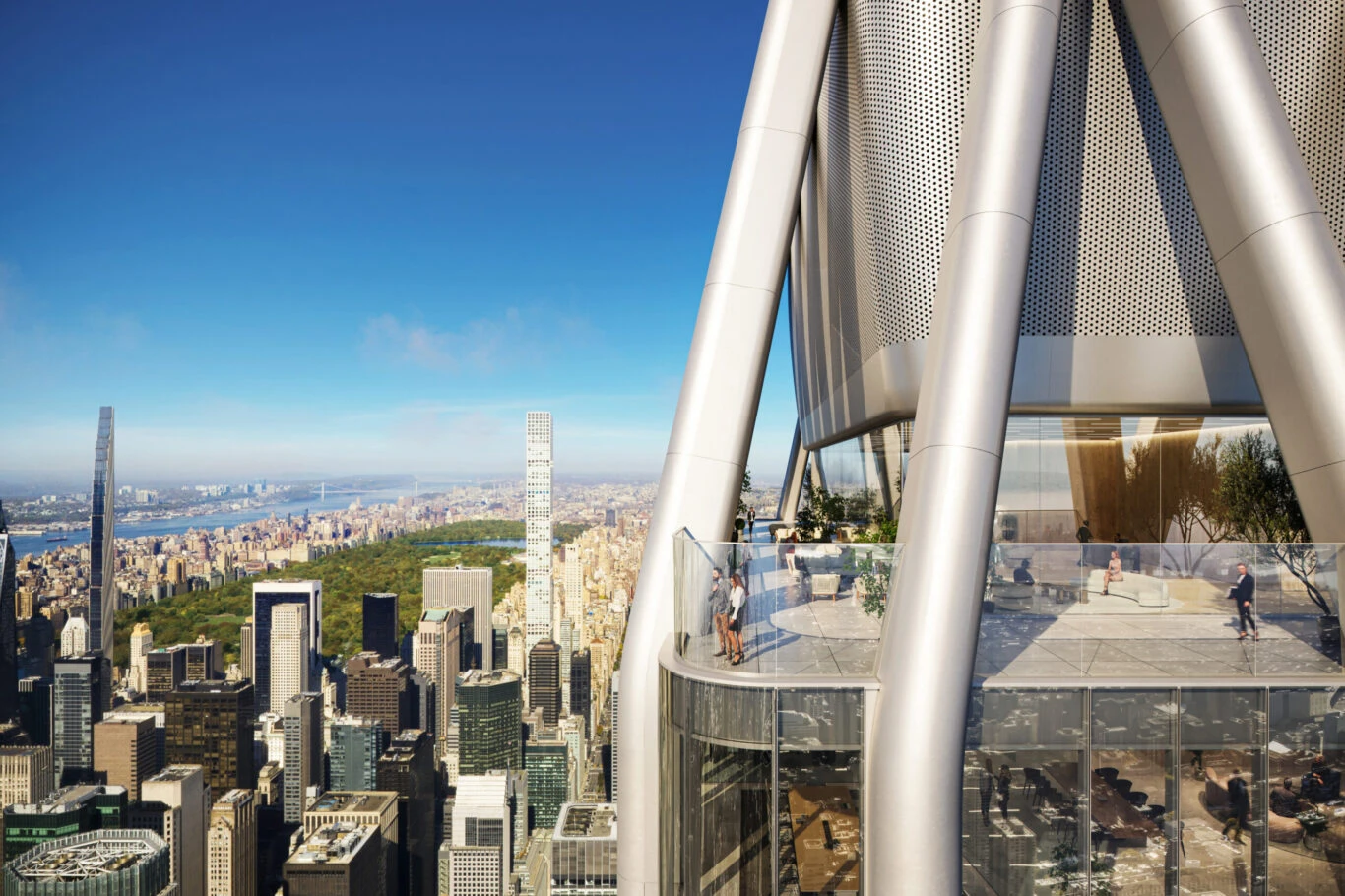
These shifts in form divide the tower into four distinct vertical zones. The lower levels are designed with large, efficient office floor plates suited for major corporate tenants, while the upper sections gradually transition into smaller, more exclusive spaces. This progression creates a clear hierarchy within the building. In the end, the design manages to combine the scale and presence of a landmark skyscraper with a level of detail and proportion that feels more connected to human experience.
Engineering a Supertall Above Active Infrastructure
Constructing 175 Park Avenue involves an extraordinary level of structural coordination, largely because the site sits directly above one of the busiest rail networks in the world. Building engineers must work around a dense web of underground tracks and existing infrastructure. The foundations are carefully positioned to navigate this complexity, anchoring into limited areas of available bedrock while avoiding disruption to ongoing rail operations.
Above ground, the structural system continues this precision. Columns are strategically placed to align with gaps between tracks below, while the building’s load is distributed through a combination of bundled and branching structural elements. This approach ensures stability at extreme heights and allows for efficient use of space within the tower, maintaining both strength and flexibility.
Flexible Interiors and Next-Generation Workspaces
Inside, the tower is conceived as a forward-looking workplace that prioritizes adaptability and user comfort. Large, column-free floor plates provide tenants with the freedom to configure spaces according to their needs, whether for open-plan offices or more segmented layouts. The façade incorporates high-performance glazing with softened, rounded edges, helping to maximize daylight while improving energy efficiency.
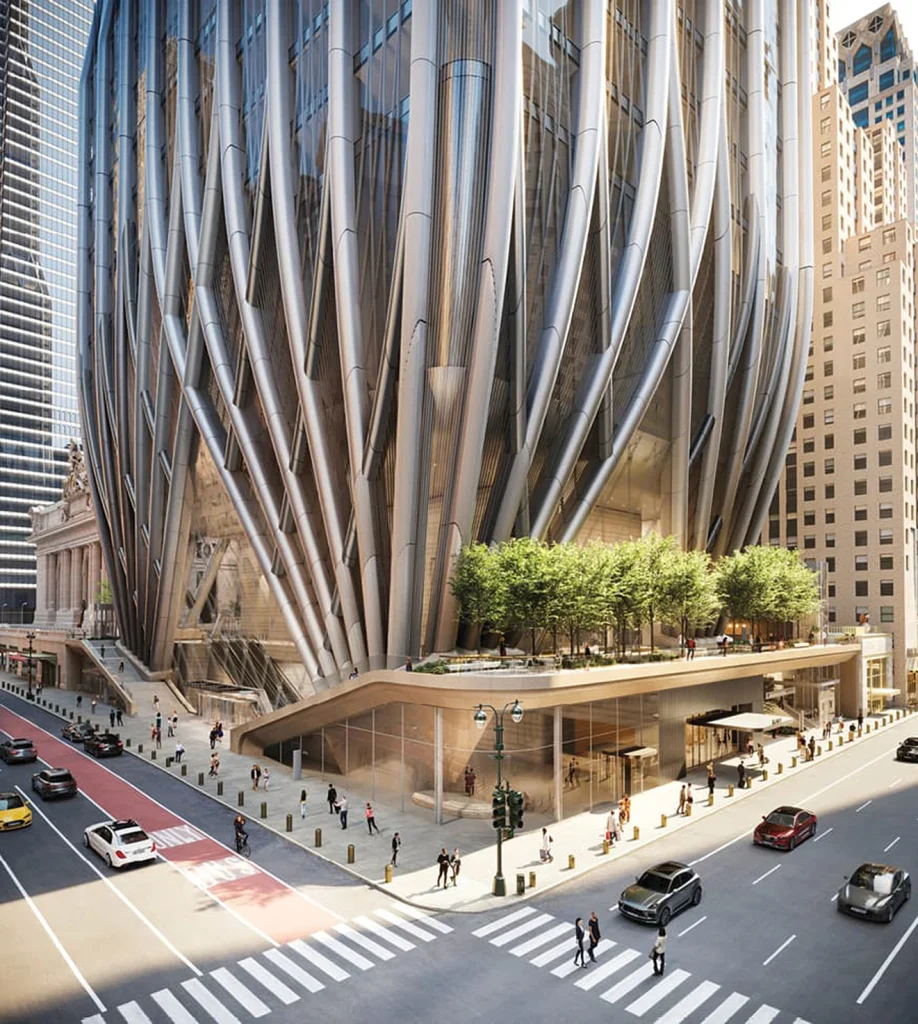
The building also offers a range of floor plate sizes, making it suitable for various occupants, from major corporations to smaller, high-end tenants. Natural light is a constant feature throughout, with all sides of the tower designed to bring daylight deep into the interiors. The upper levels of the structure are reserved for hotel use, creating a clear vertical hierarchy within the program, despite the dominance of office space.
Public Spaces and Urban Connectivity
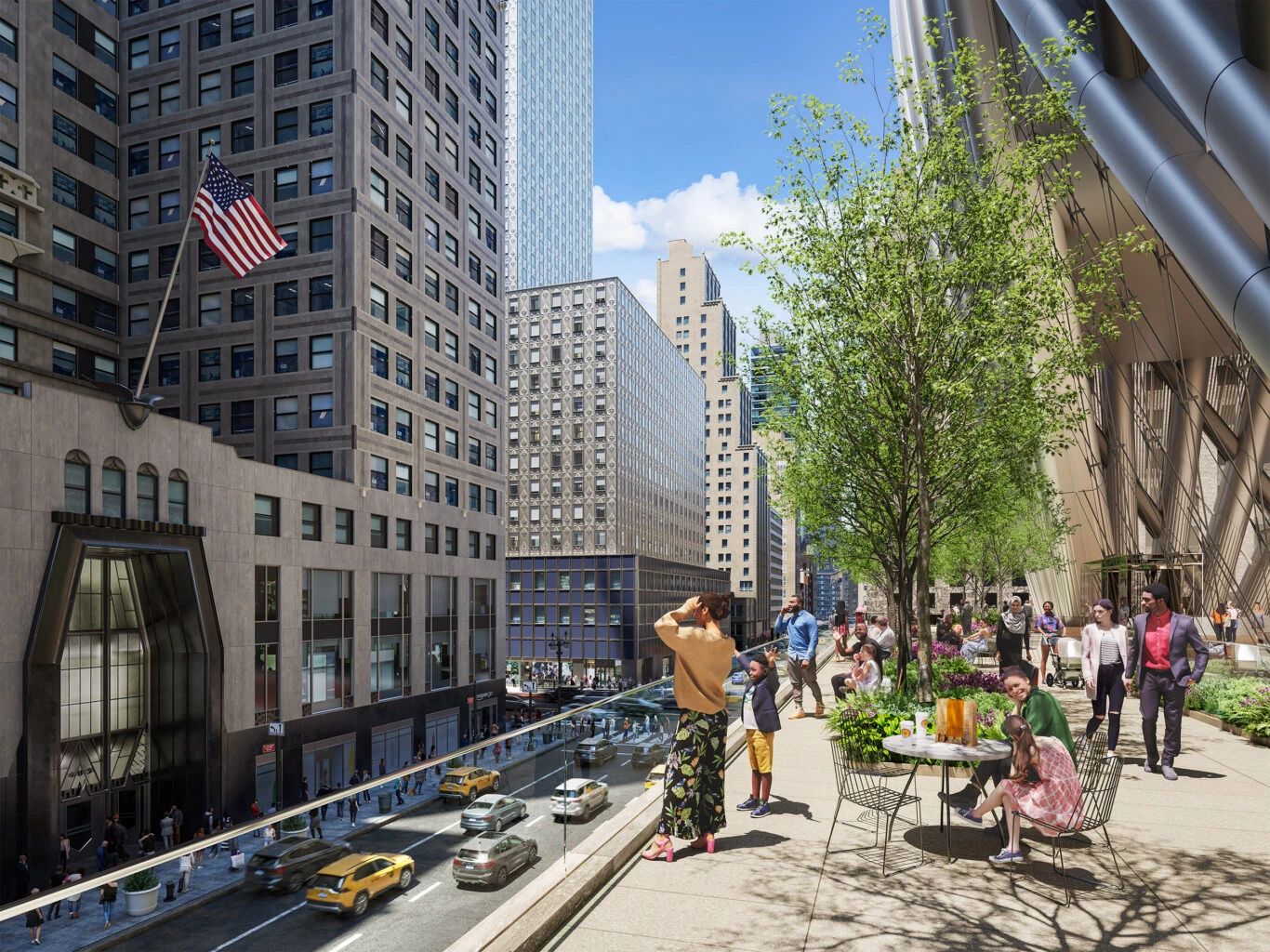
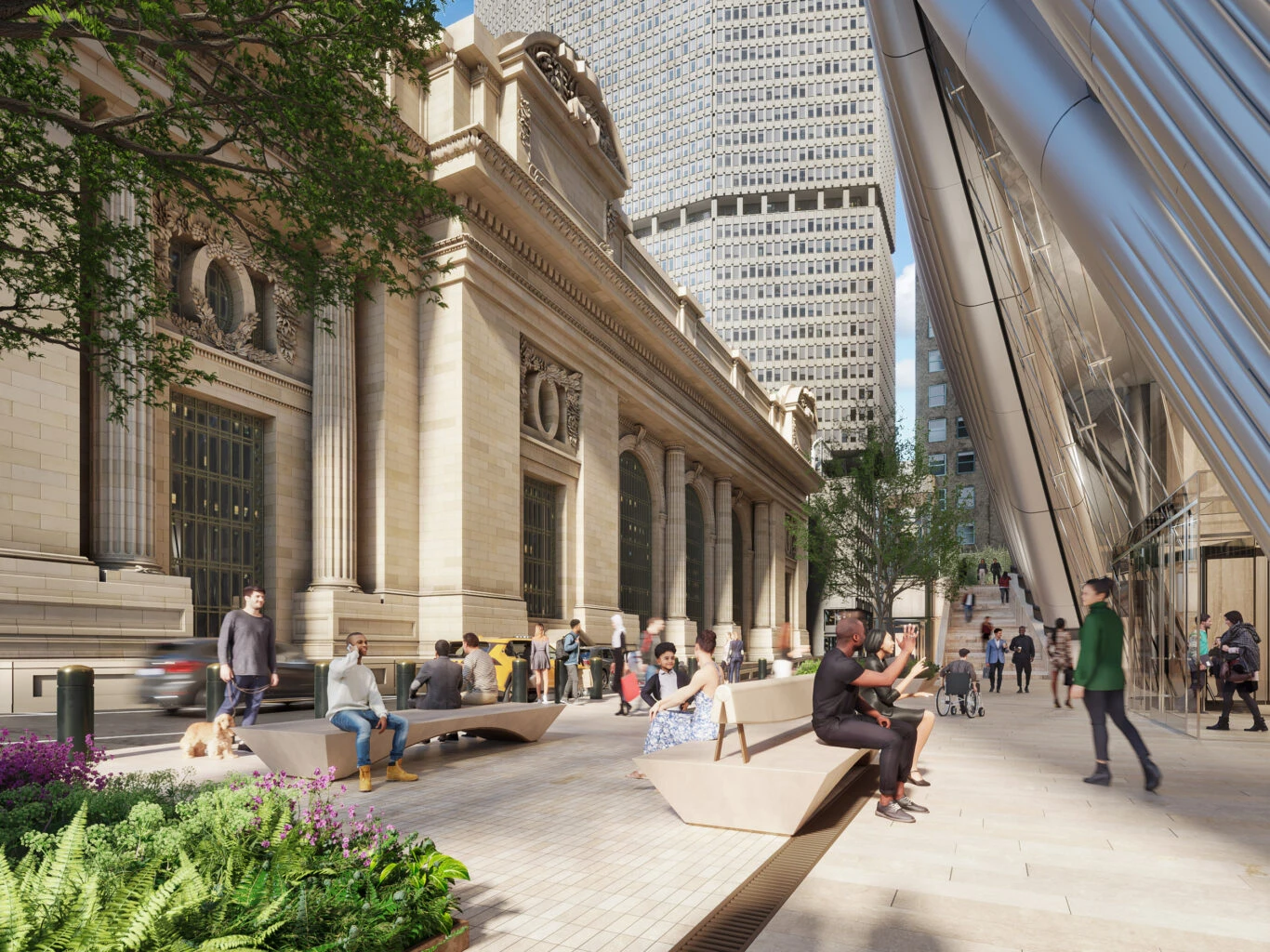
Beyond its commercial functions, 175 Park Avenue places strong emphasis on public access and urban integration. The project introduces approximately 24,000 square feet of elevated public terraces, offering new vantage points over Midtown Manhattan. These spaces invite engagement with the building, even for non-occupants.
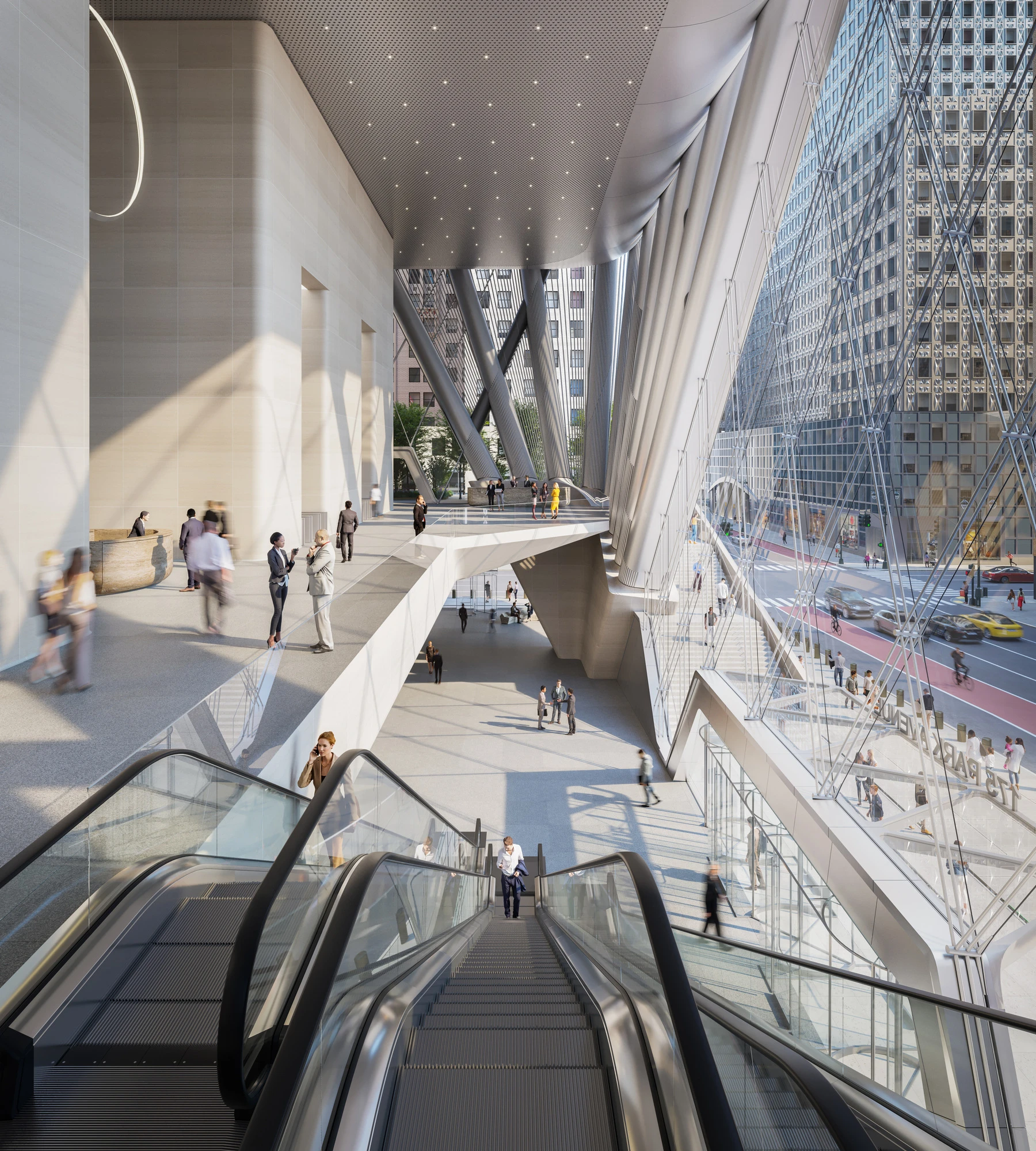
The development also strengthens pedestrian connectivity at street level, linking directly to surrounding pathways and transit points. One of the most notable features is a terrace aligned with the Pershing Square Viaduct, which provides a unique and elevated view of Grand Central’s eastern façade. Through these elements, the tower moves beyond the traditional role of a private skyscraper and becomes an active participant in the public life of the city.
Transit Integration and Infrastructure Enhancement
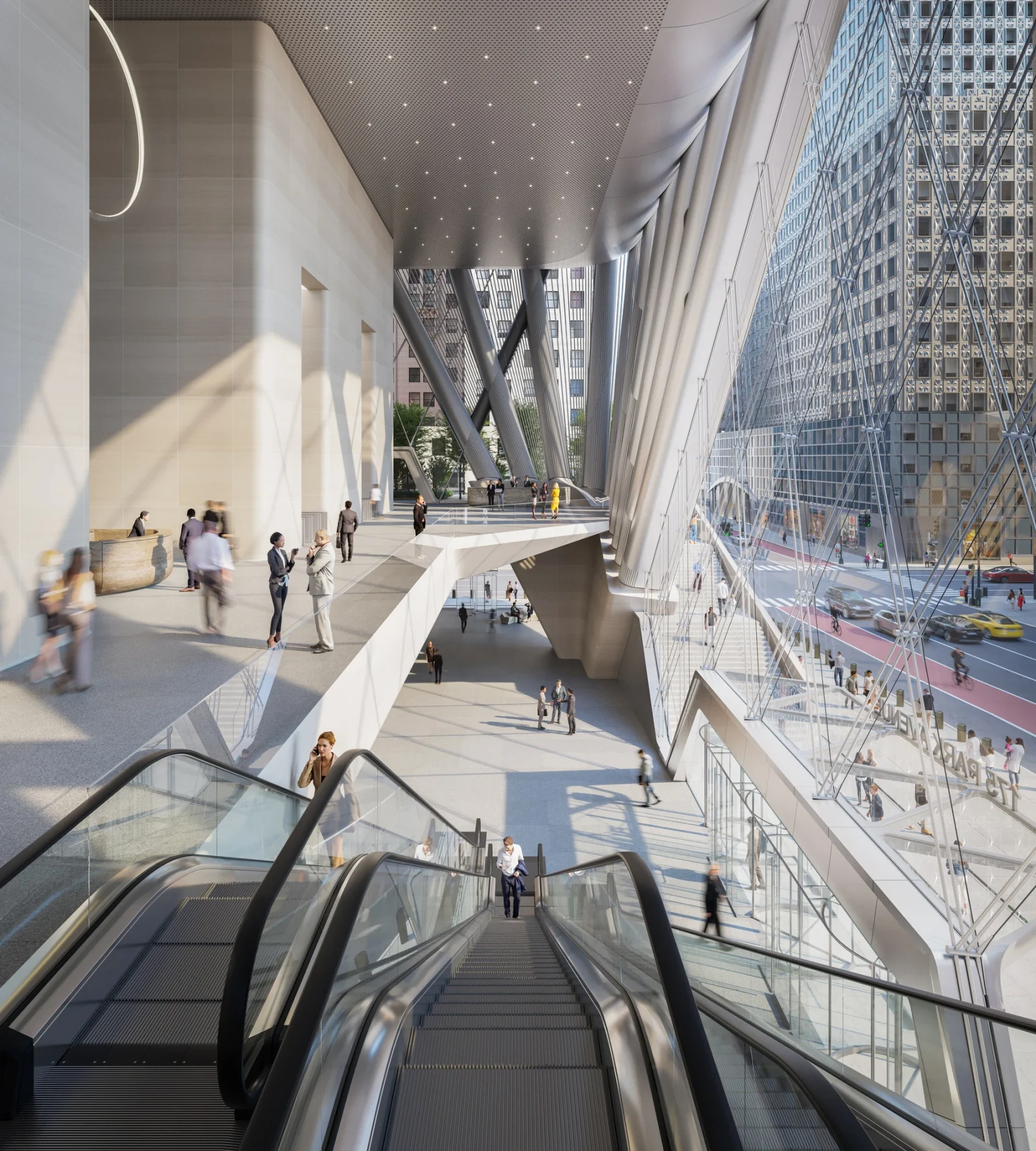
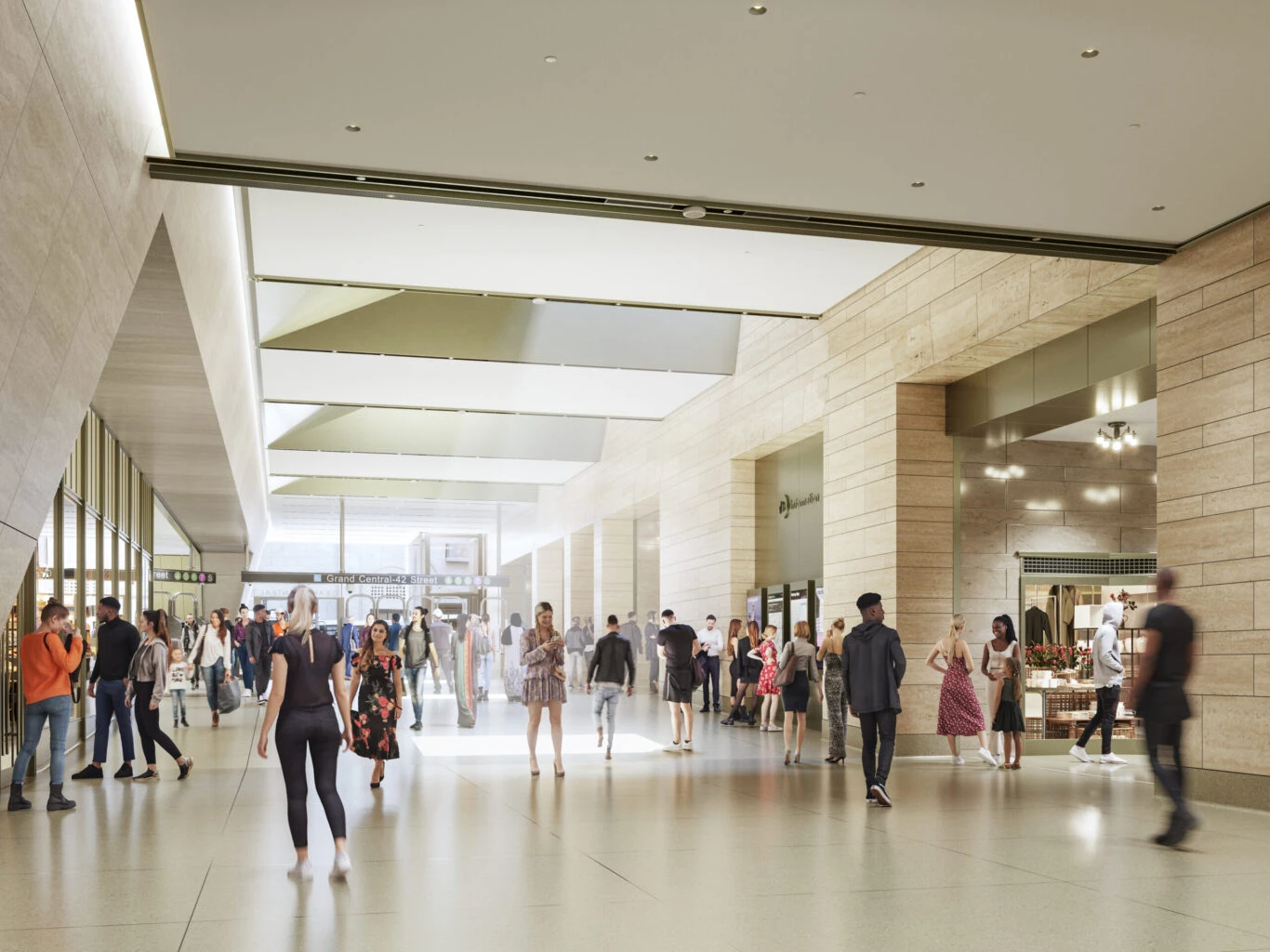
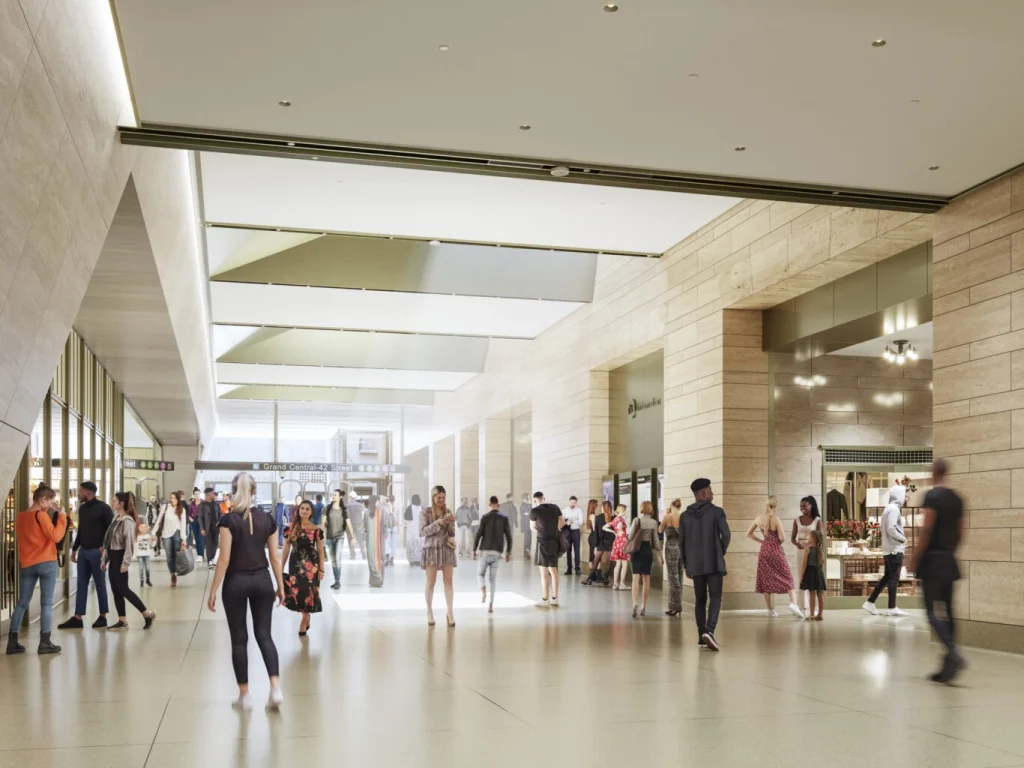
A central idea behind 175 Park Avenue is its deep integration with the transit systems surrounding Grand Central. It functions as a transit-oriented megastructure that actively improves how people move through this dense part of the city. The project includes a new transit hall spanning around 5,400 square feet, designed to ease passenger circulation and create a more organized entry point into the network.
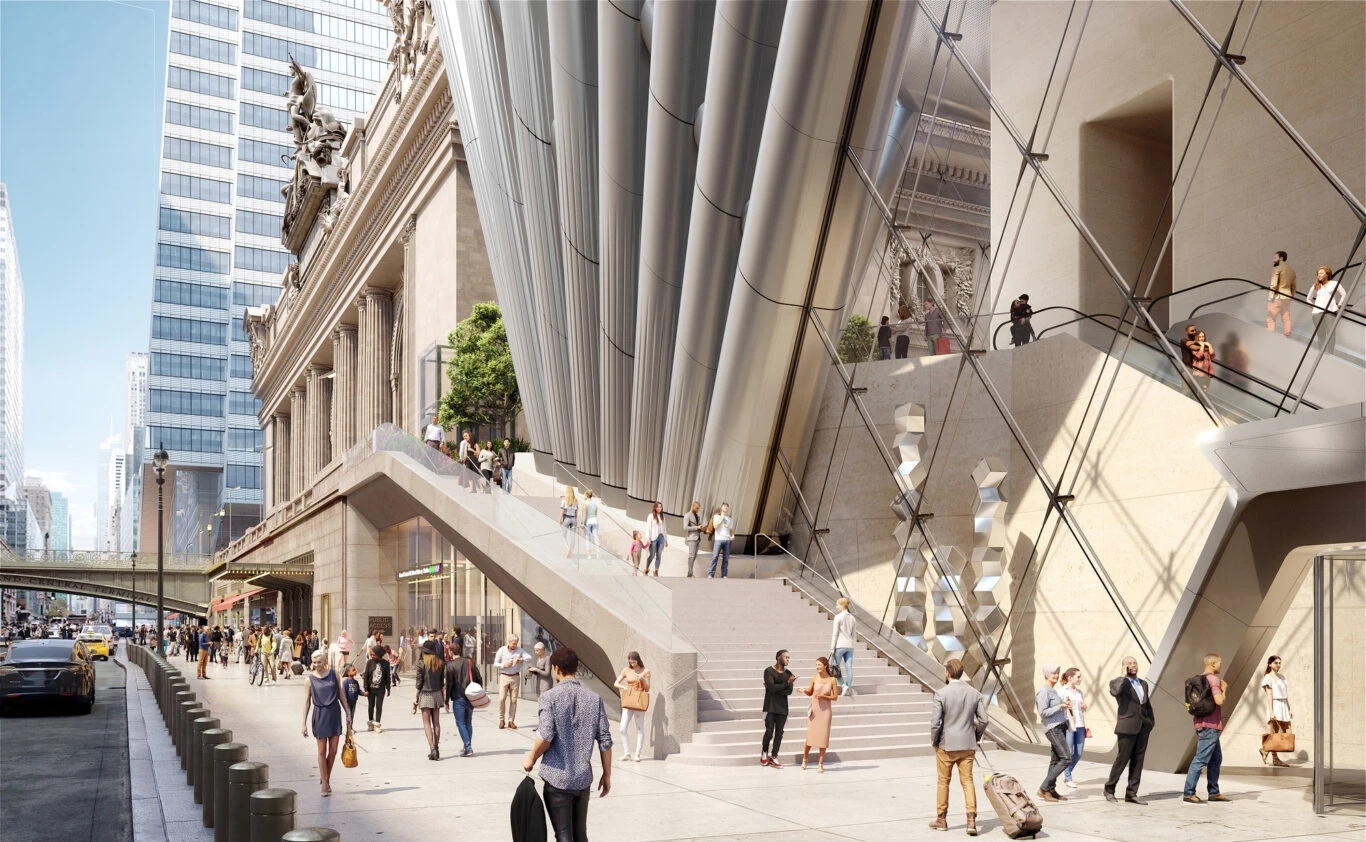
Subway access points will be relocated and brought closer to street level, making them easier to find and use. Connections between the subway, Metro-North, and Long Island Rail Road are also being streamlined to reduce transfer times and confusion. Alongside these changes, additional retail and circulation spaces are planned, helping to spread foot traffic more evenly. Together, these upgrades are expected to significantly reduce congestion and improve the daily commuting experience at Grand Central.
Sustainability and High-Performance Design
Sustainability plays a key role in shaping the tower’s design and operation, with the project aiming for LEED Platinum certification. The building incorporates high-performance façade systems that help regulate temperature and reduce energy consumption, while efficient mechanical systems support long-term operational sustainability.
Its location and density also contribute to a lower environmental impact. By building vertically on a site already served by major transit infrastructure, the project encourages public transportation use and reduces dependence on cars. This approach makes efficient use of limited urban land, demonstrating how high-density development can align with environmental goals in a constrained city setting.
After an extended period of planning and regulatory approvals, 175 Park Avenue is moving forward with renewed momentum. Updated filings for a 95-story version of the tower signal progress toward realization, with construction expected to begin in the near future. As with many large-scale developments, financing remains an important factor, and potential federal support is being explored to move the project ahead.
175 Park Avenue Project Details
Architect: Skidmore, Owings & Merrill (SOM)
Location: Midtown East, Manhattan, New York
Height: ~1,545–1,581 feet
Program: Office, hotel, retail, transit integration
Completion Target: Around 2032
Developer: RXR Realty in partnership with TF Cornerstone
Image credit: © SOM
Explore Courses
.jpg "Ondrej Chybik - Rethinking Architecture")