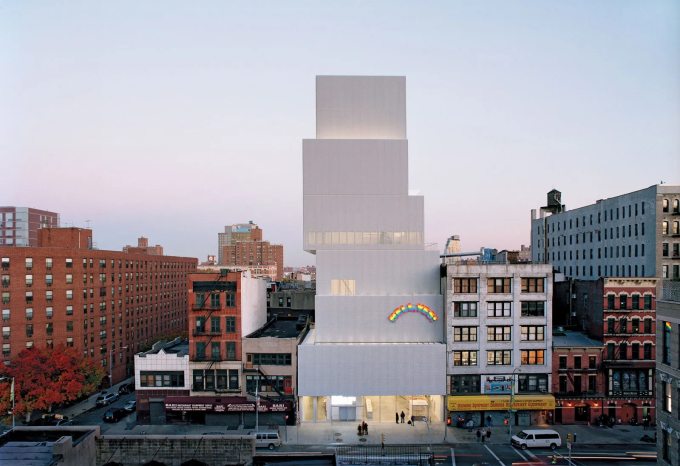


In 2025, the opening of ten major global cultural institutions and museums marks a collective investment in the infrastructure that embodies monumentality, artistic significance, and a self-sustaining ecosystem. This year will be remembered not for the art it unveiled, but for the forward-thinking designs created to house it. This global cultural architecture asserts a new, vital role in the civic, political, and even environmental life of cities. Each building tells its own story, whether it be about climate resilience, social equity, or radical accessibility.
Here are the 10 major museums and cultural buildings that opened in 2025:
1. Edelman Fossil Park & Museum
Location: Mantua Township, New Jersey, USA
Architect: Ennead Architects
Opening Date: March 2025
Area: 44,000 square meters (Total building area)
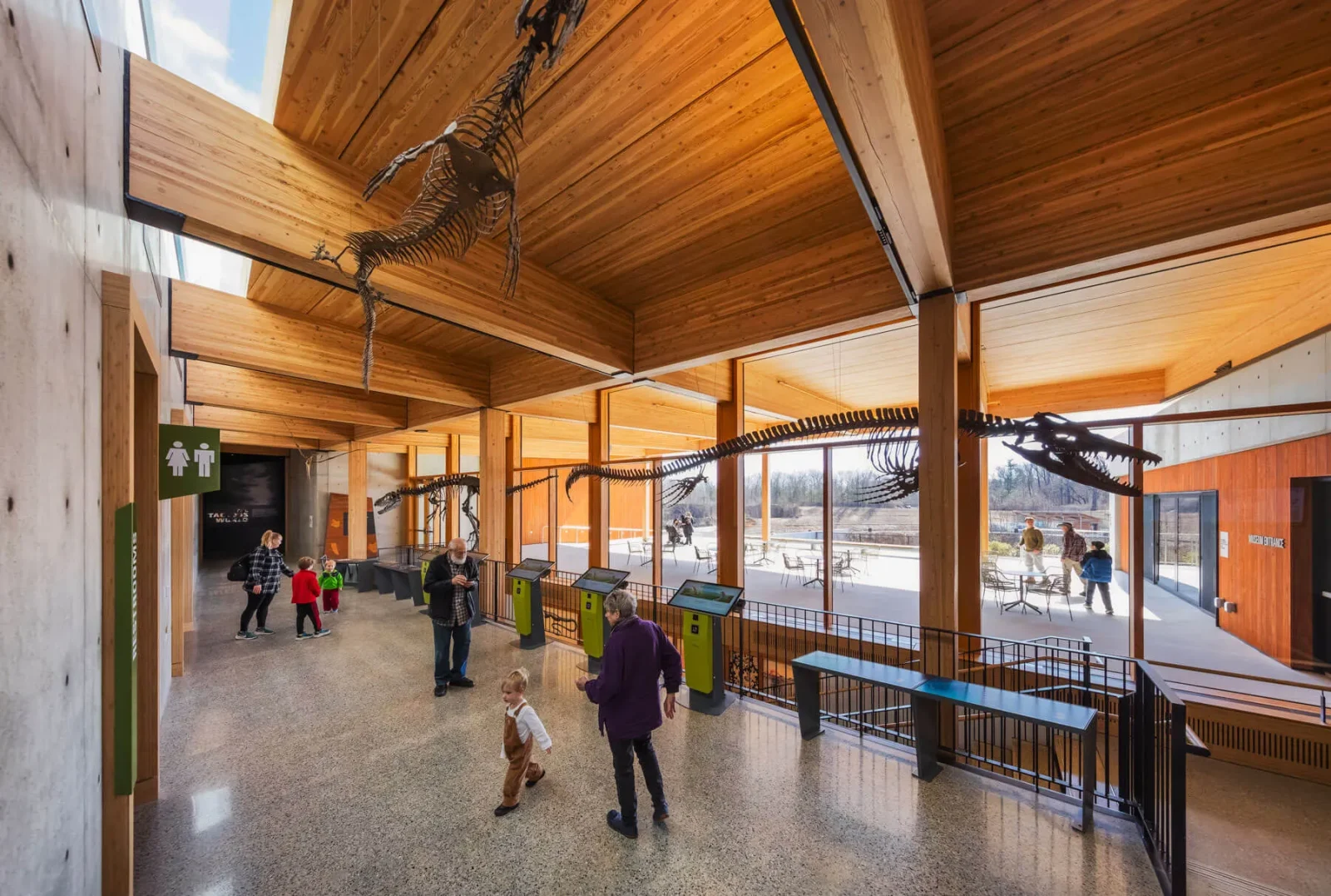
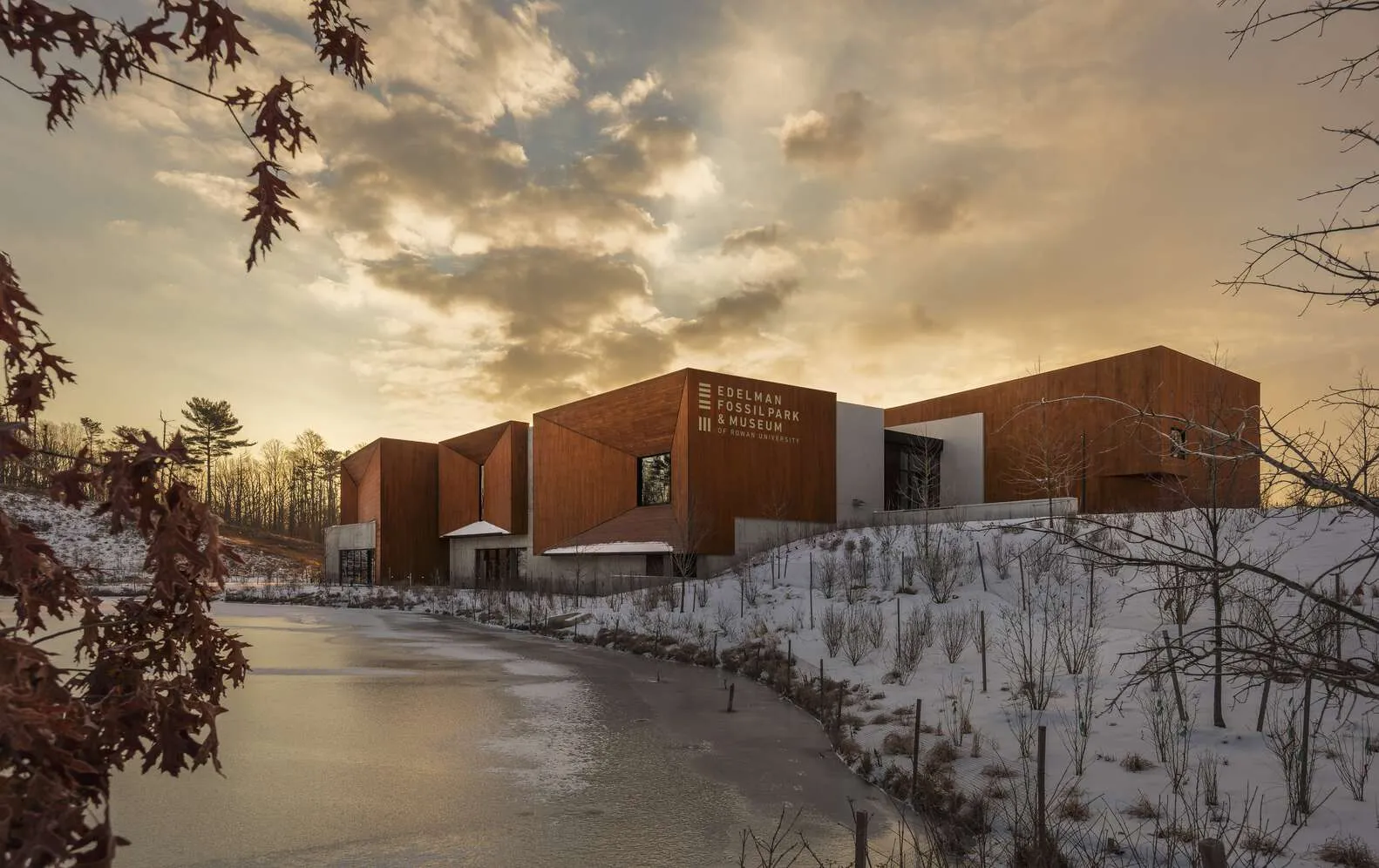
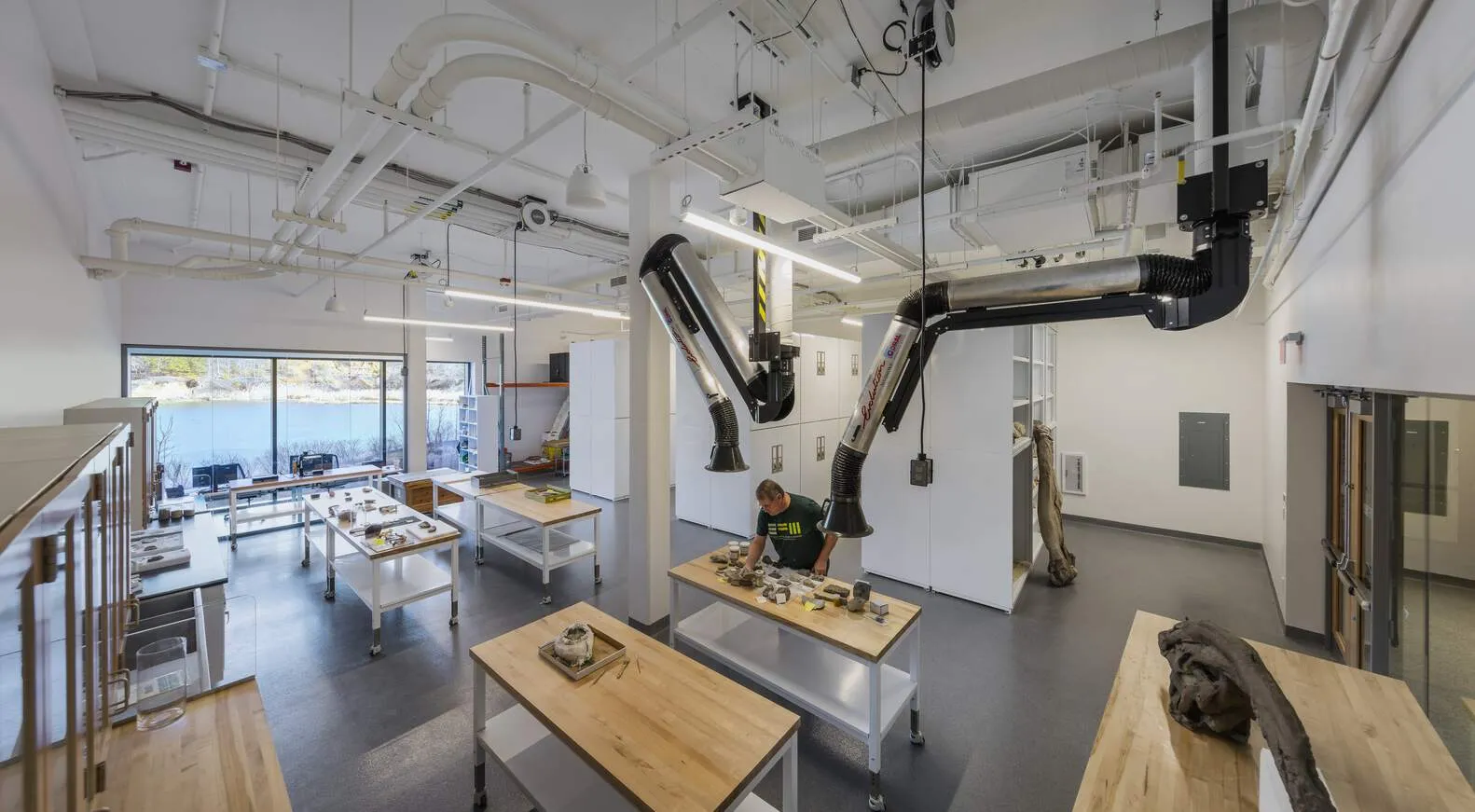
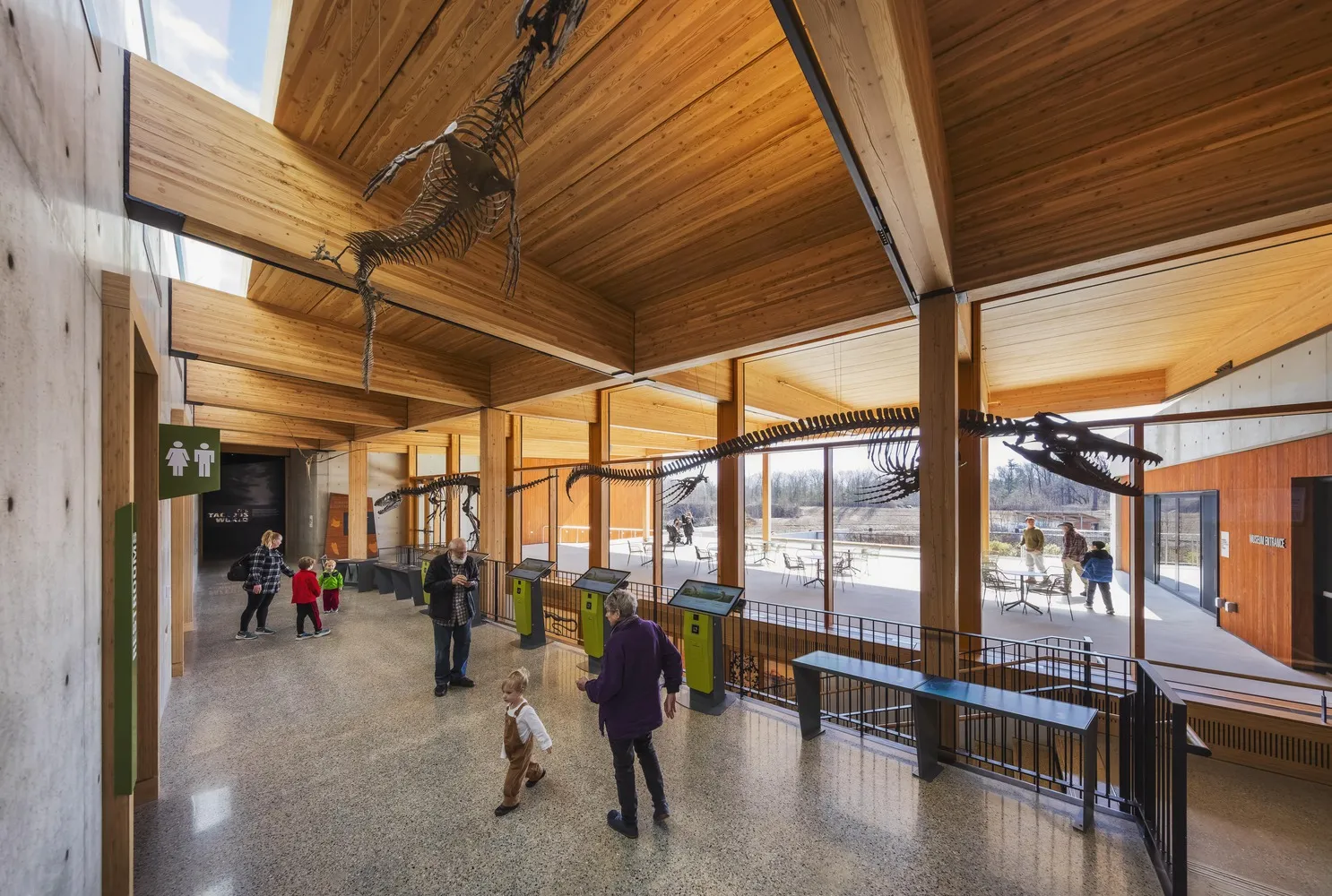
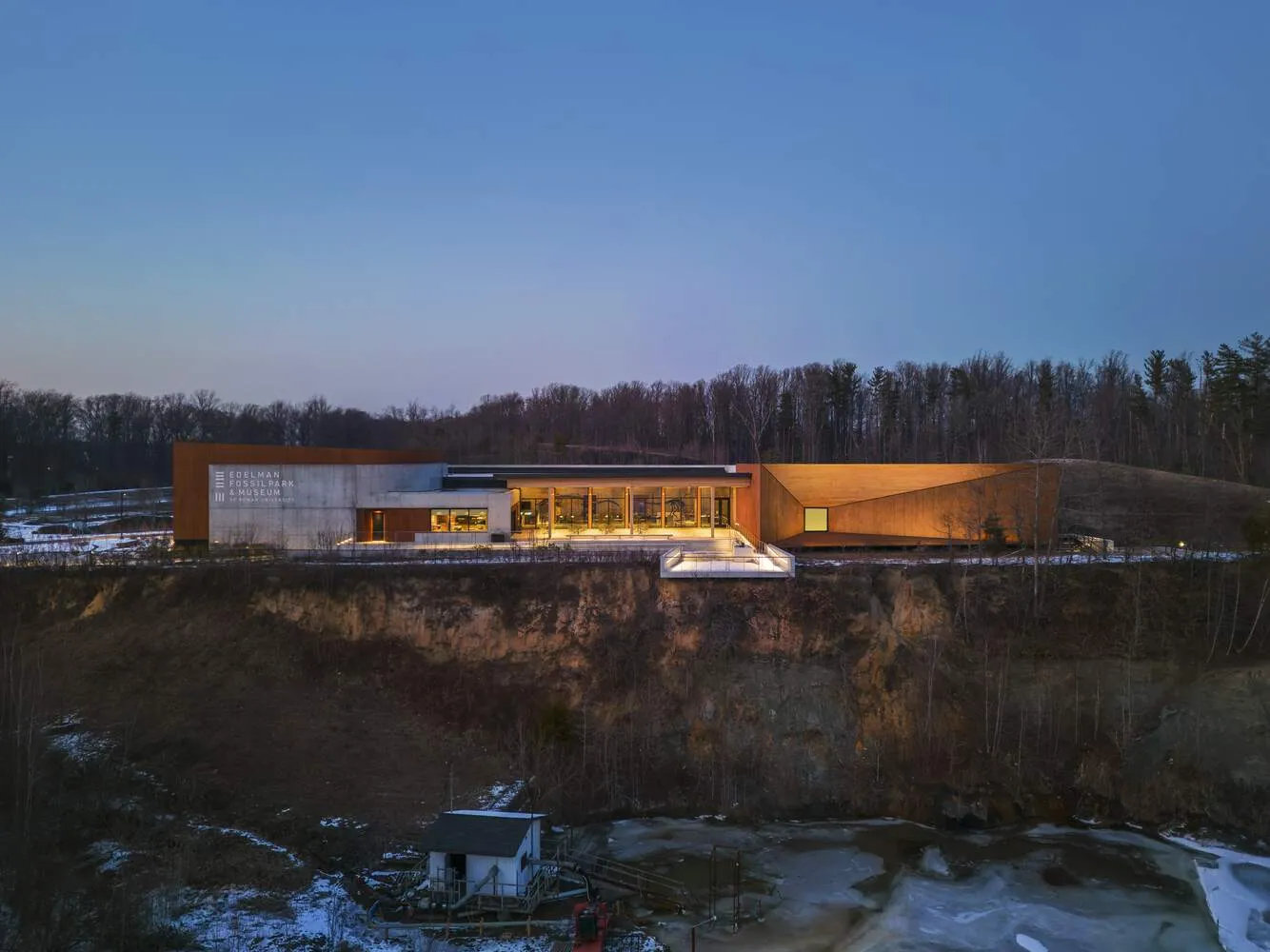
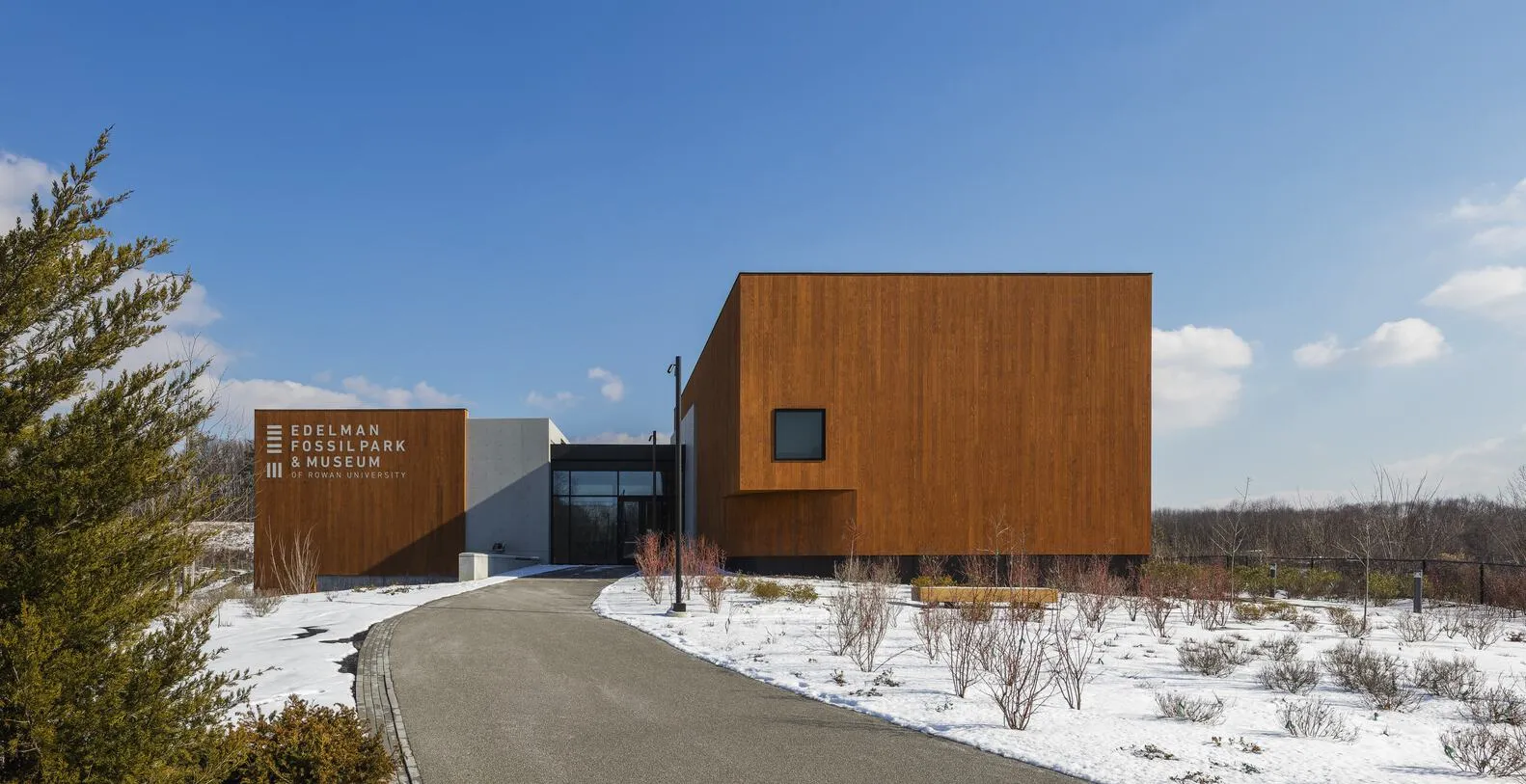
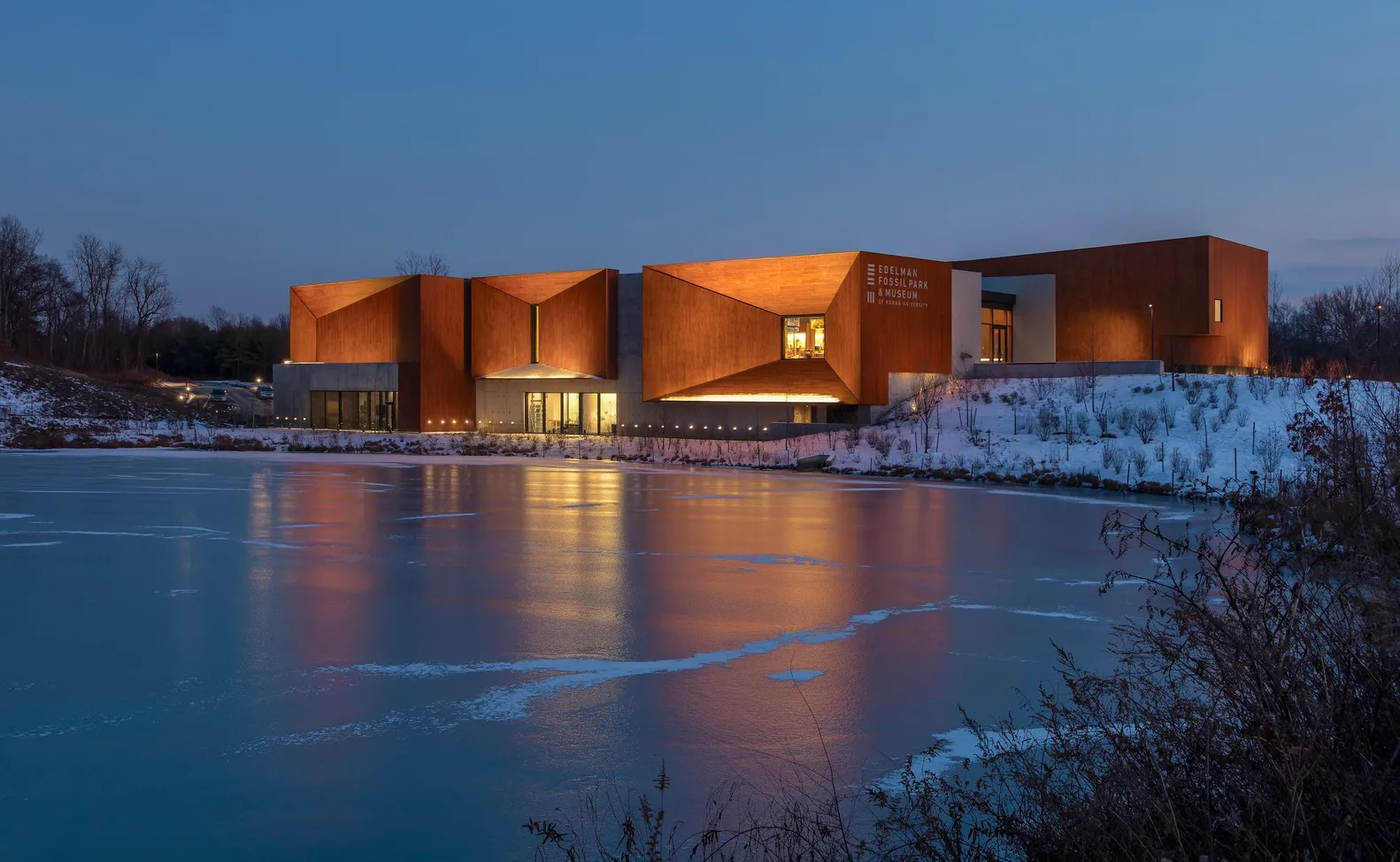
The $75 million Jean & Ric Edelman Fossil Park & Museum (EFM) of Rowan University in Mantua Township, New Jersey, with a dual focus: to explore the past and protect the future. Designed by Ennead Architects, the museum is built on a former marl quarry where researchers and visitors have unearthed over 100,000 fossils, predominantly marine, dating back to the late Cretaceous period.
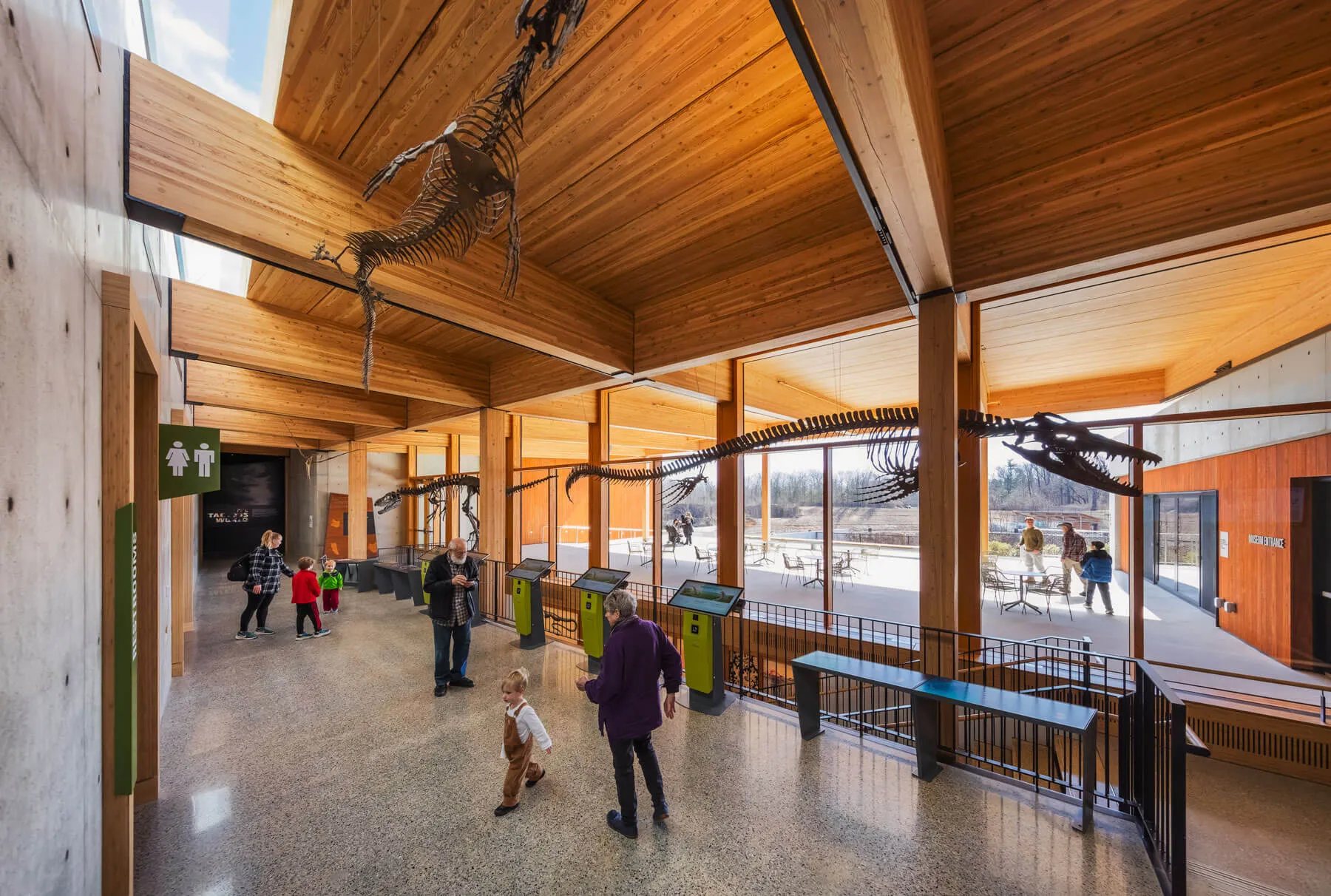
It offers visitors the opportunity to dive deep into Earth’s history and actively hunt for fossils at the K/Pg boundary site, transforming the experience from passive viewing to hands-on participation in scientific research.
2. Naoshima New Museum of Art
Location: Seto Inland Sea, Naoshima Island, Japan
Architect: Tadao Ando
Opening Date: May 2025
Area: 3,176 square meters (Total building area)
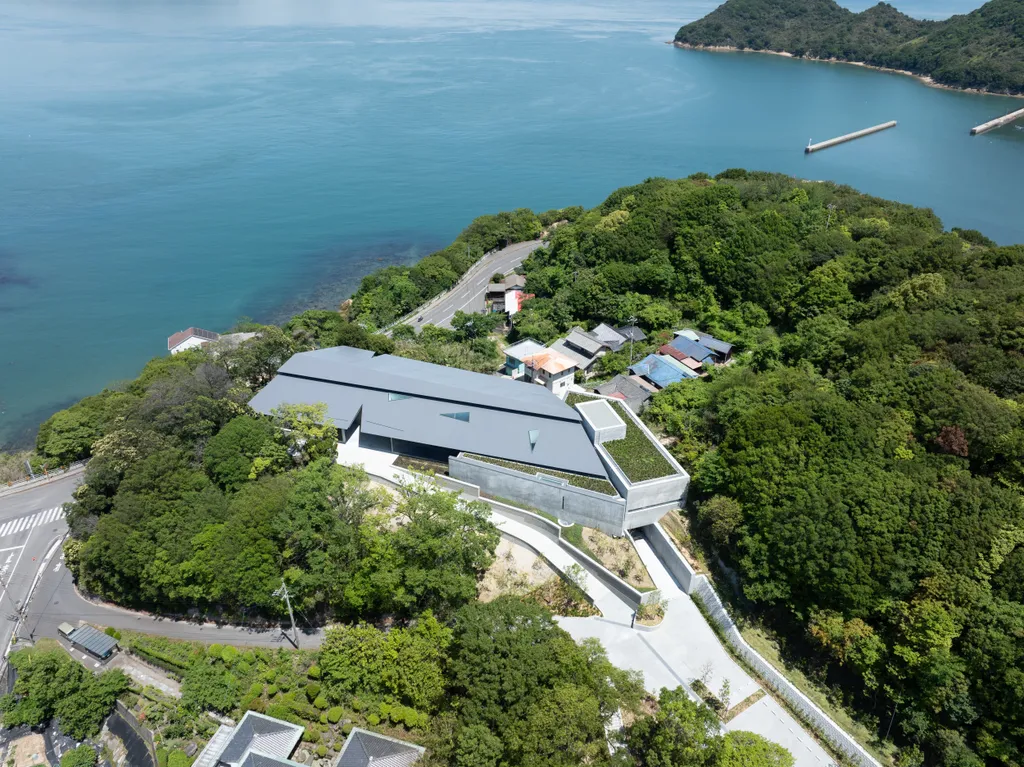
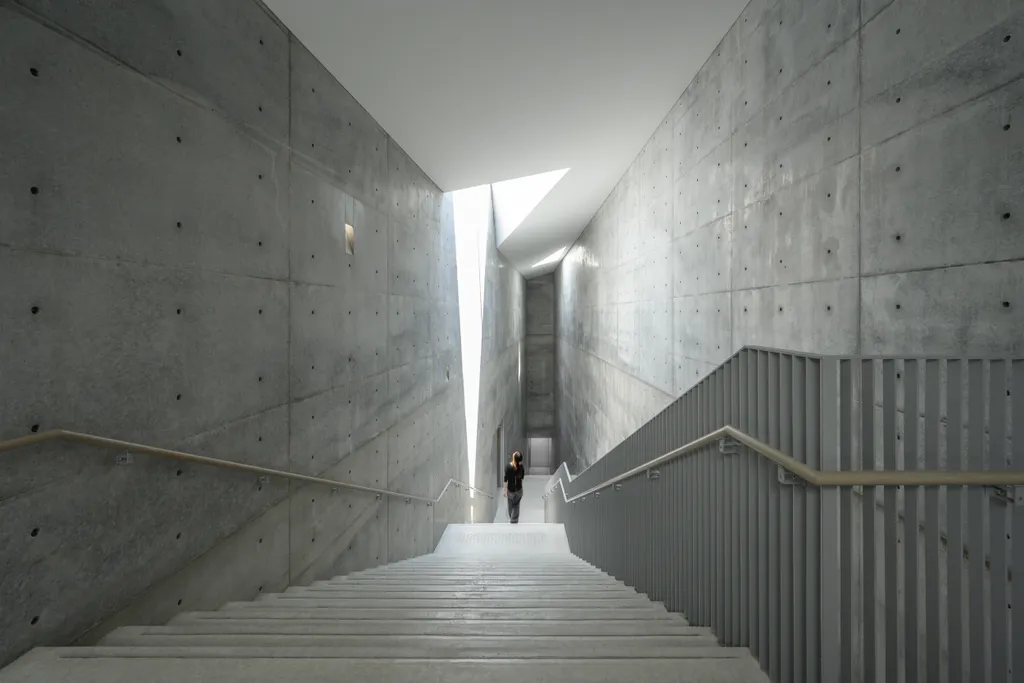
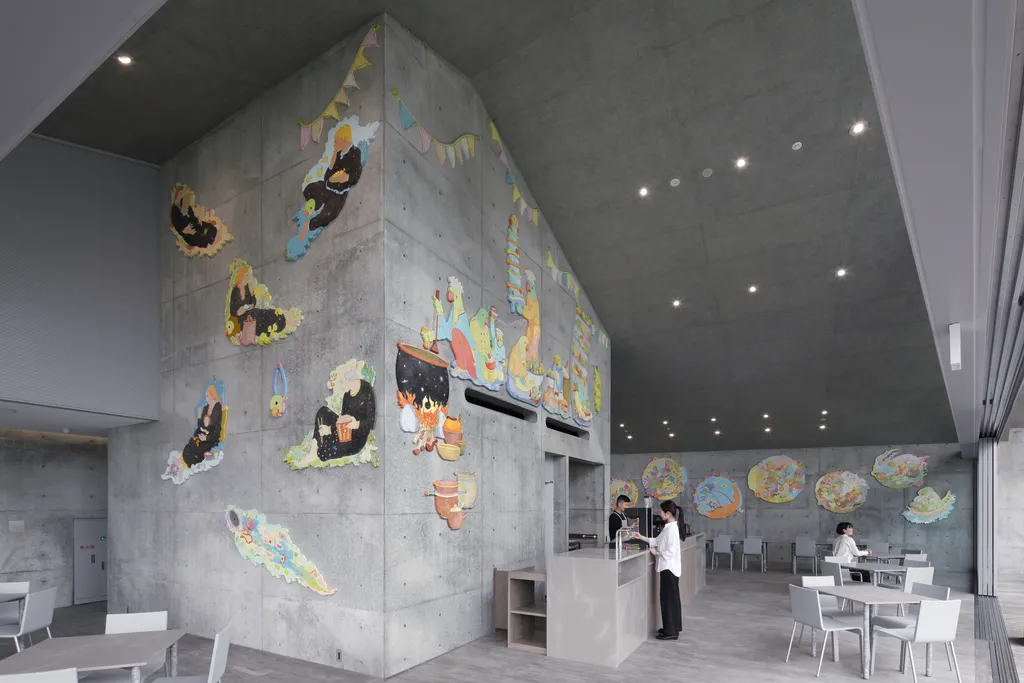
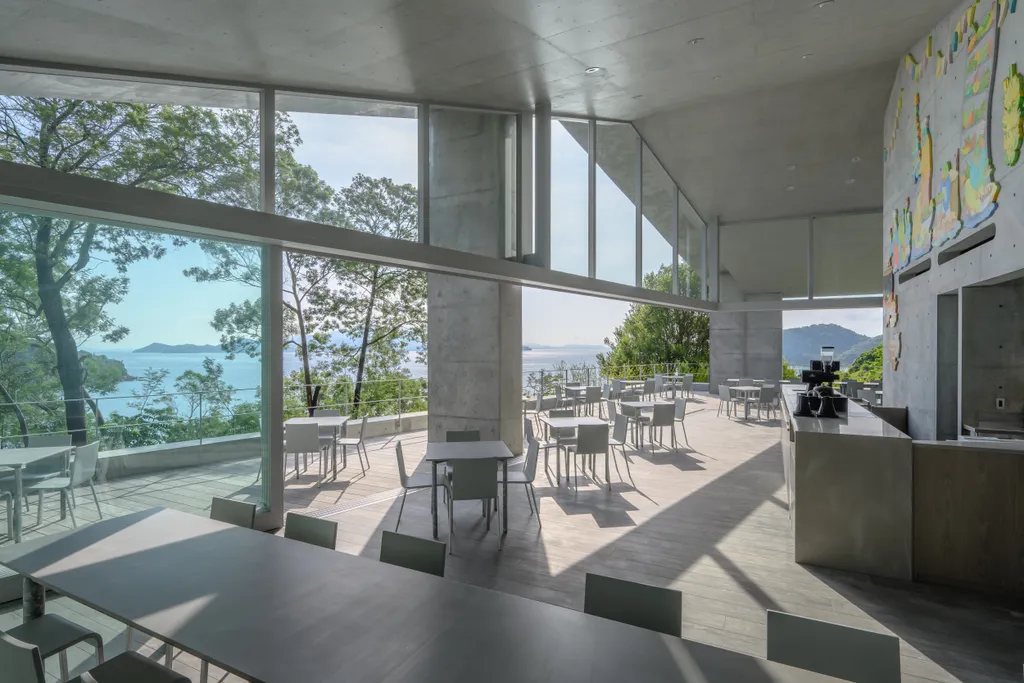
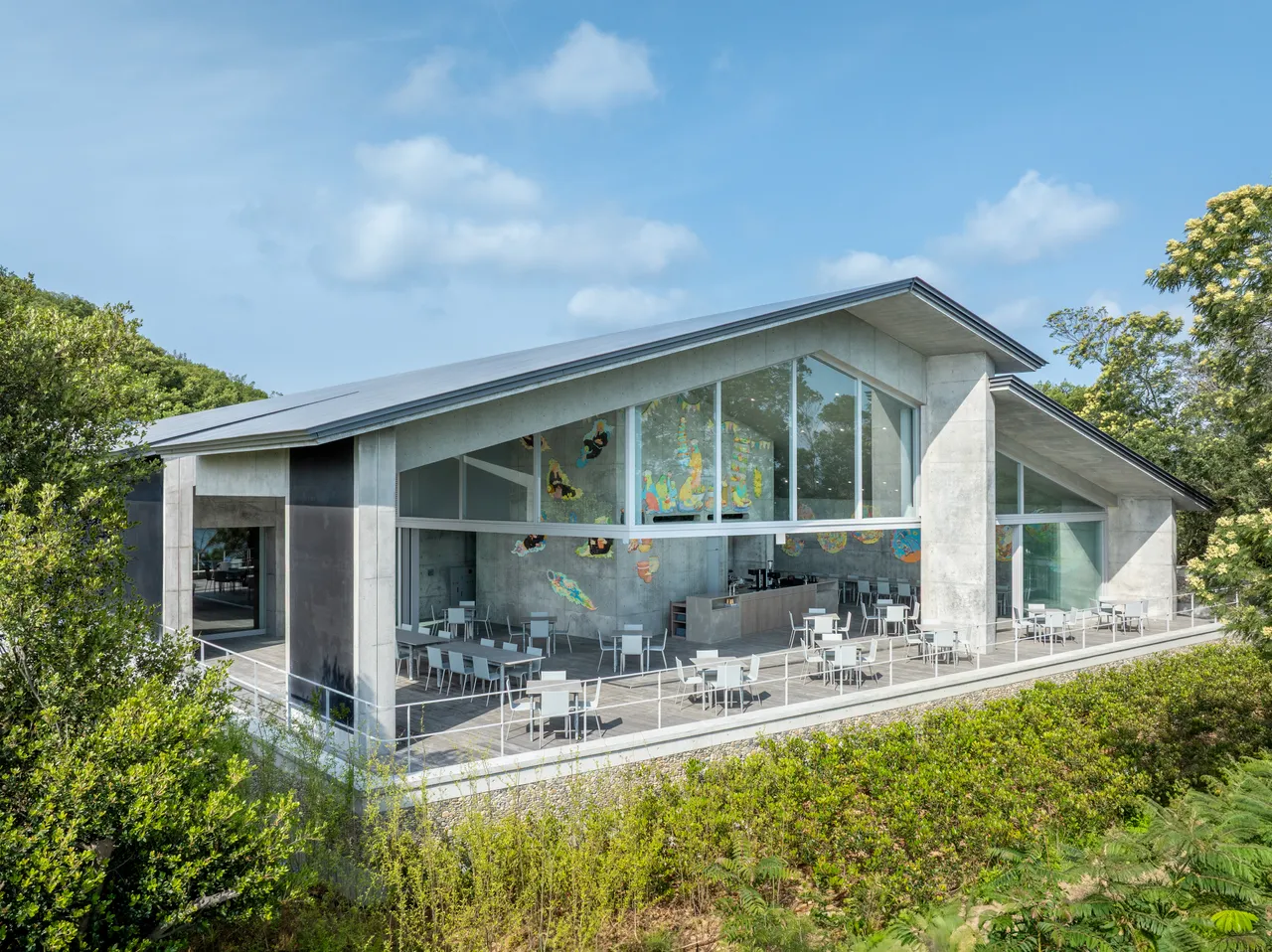
Transforming the Seto Inland Sea islands into a global hub for contemporary art, the Naoshima New Museum of Art represents the latest significant addition to the renowned Benesse Art Site Naoshima project in Japan. Designed by Tadao Ando, it is the first art facility intended to deepen the symbiosis of art, architecture, nature, and community. The three-story building with two basement floors and one ground floor features a sloping roof that integrates raw concrete, natural light, and a strong connection to the surrounding environment.
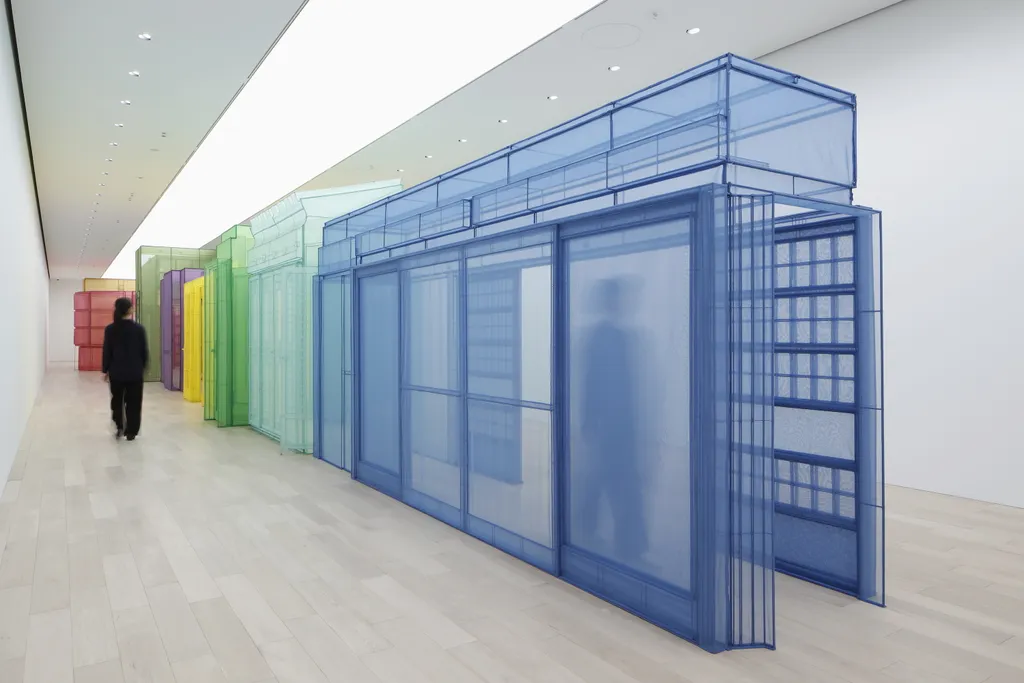
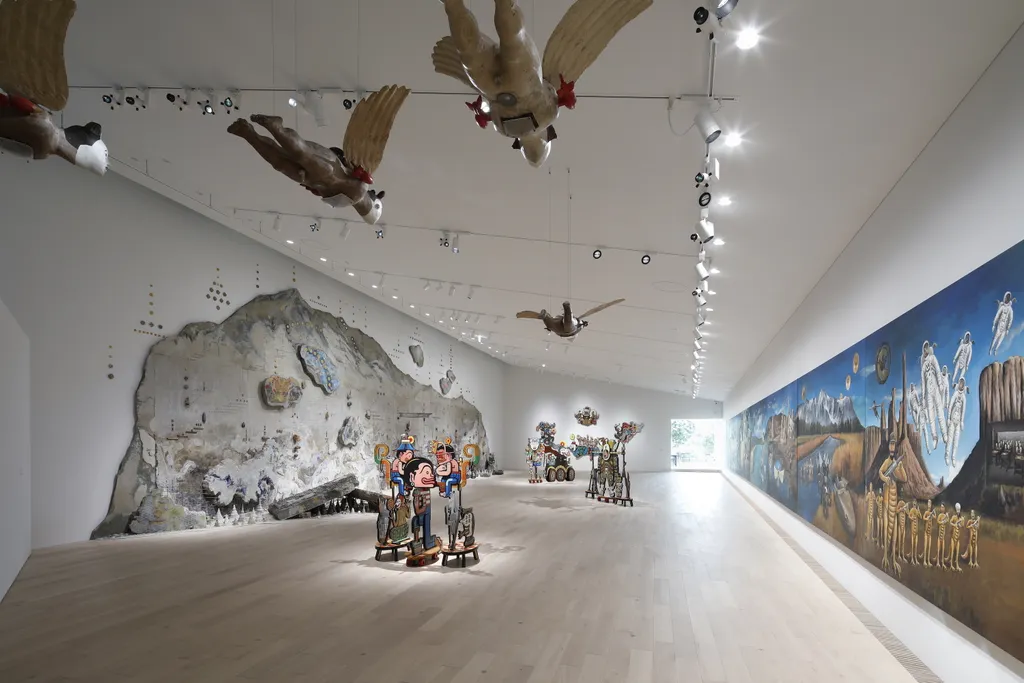
The exterior utilizes black plaster, reminiscent of traditional burned cedar walls, and stacked pebble fences, blending with the local Honmura area. The opening exhibition, From the Origin to the Future, featured large-scale, site-specific installations from 12 prominent and emerging artists or groups from various Asian countries, including Japan, China, Korea, Indonesia, Thailand, and the Philippines.
3. Fenix Museum
Location: Rotterdam, Netherlands
Architect: MAD Architects (in collaboration with EGM architects and Bureau Polderman)
Opening Date: May 16, 2025
Area: 16,000 square meters (Gross Internal Area)
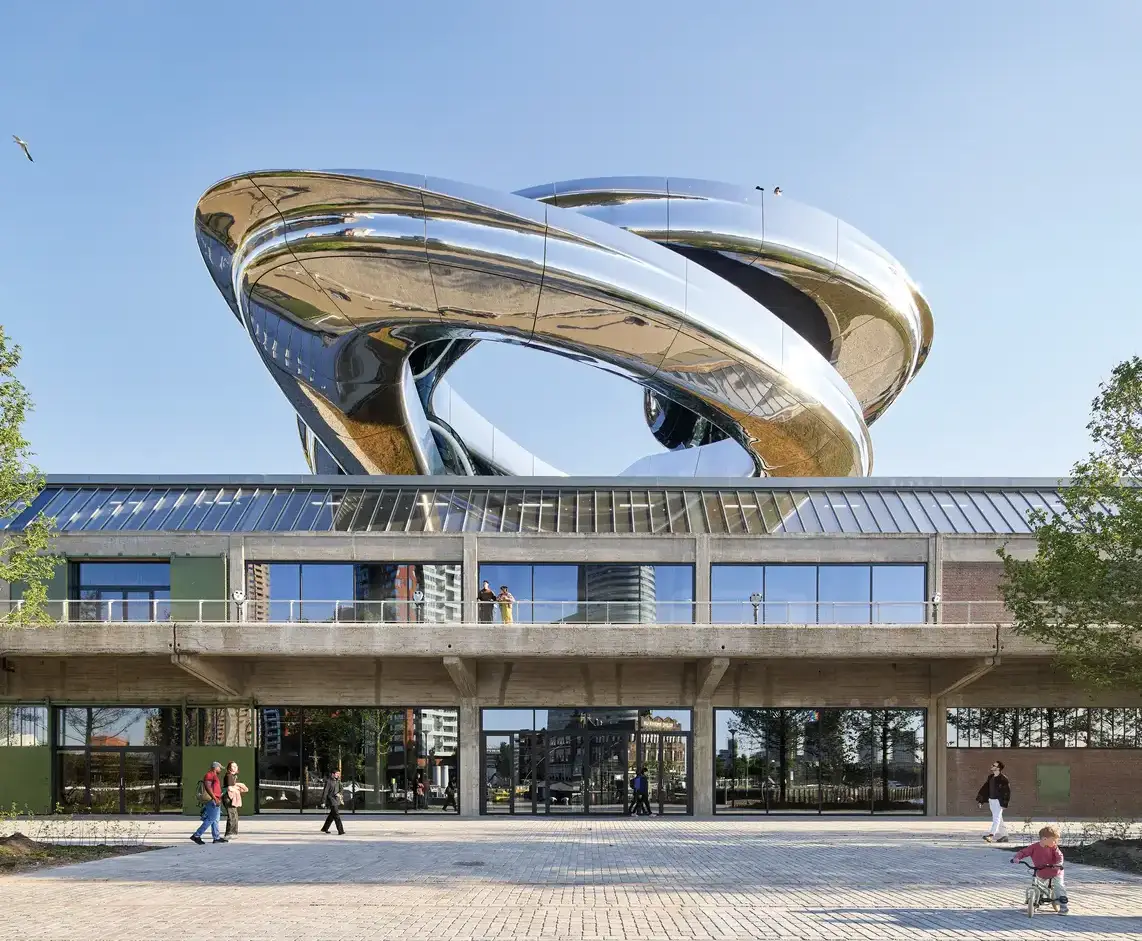
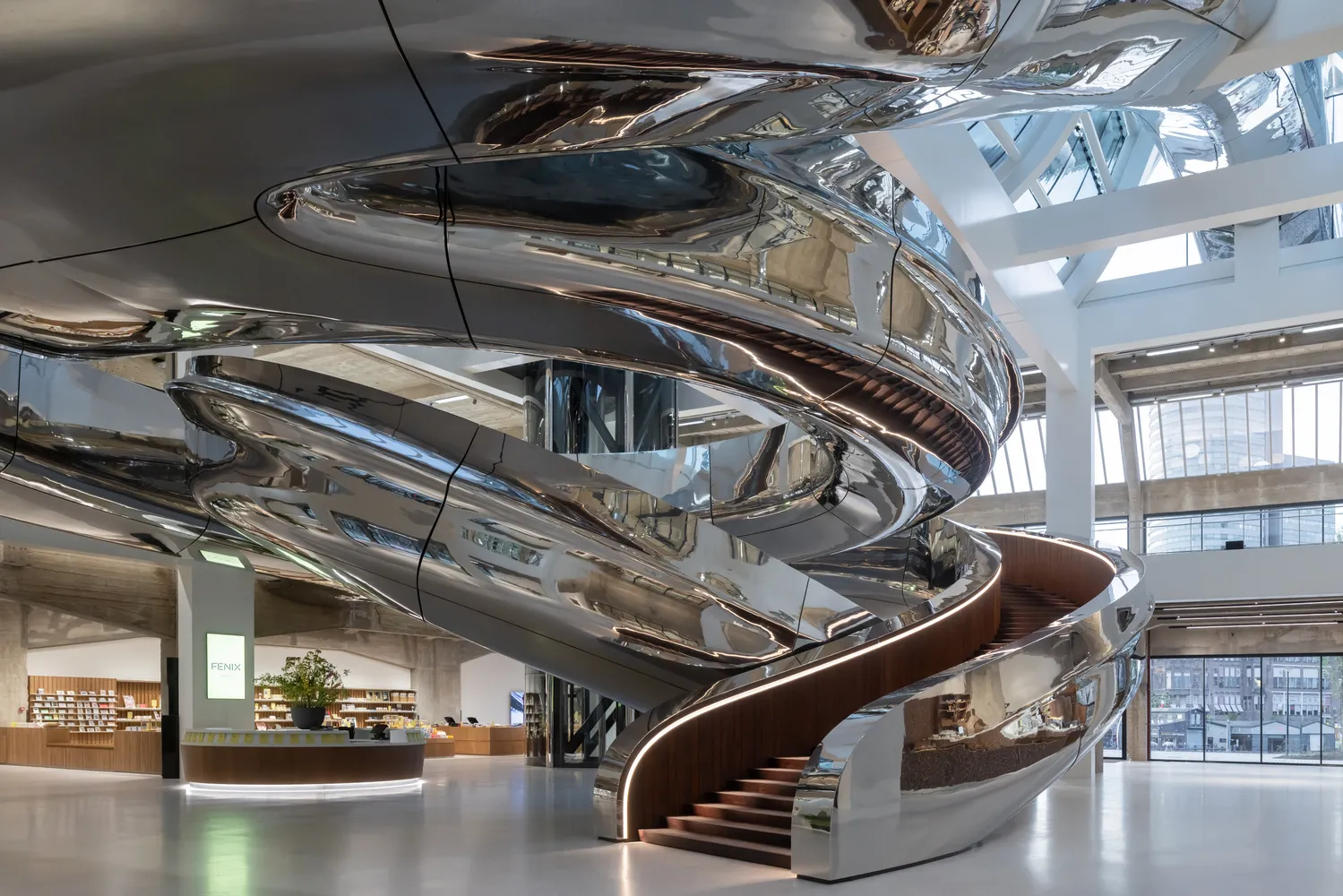
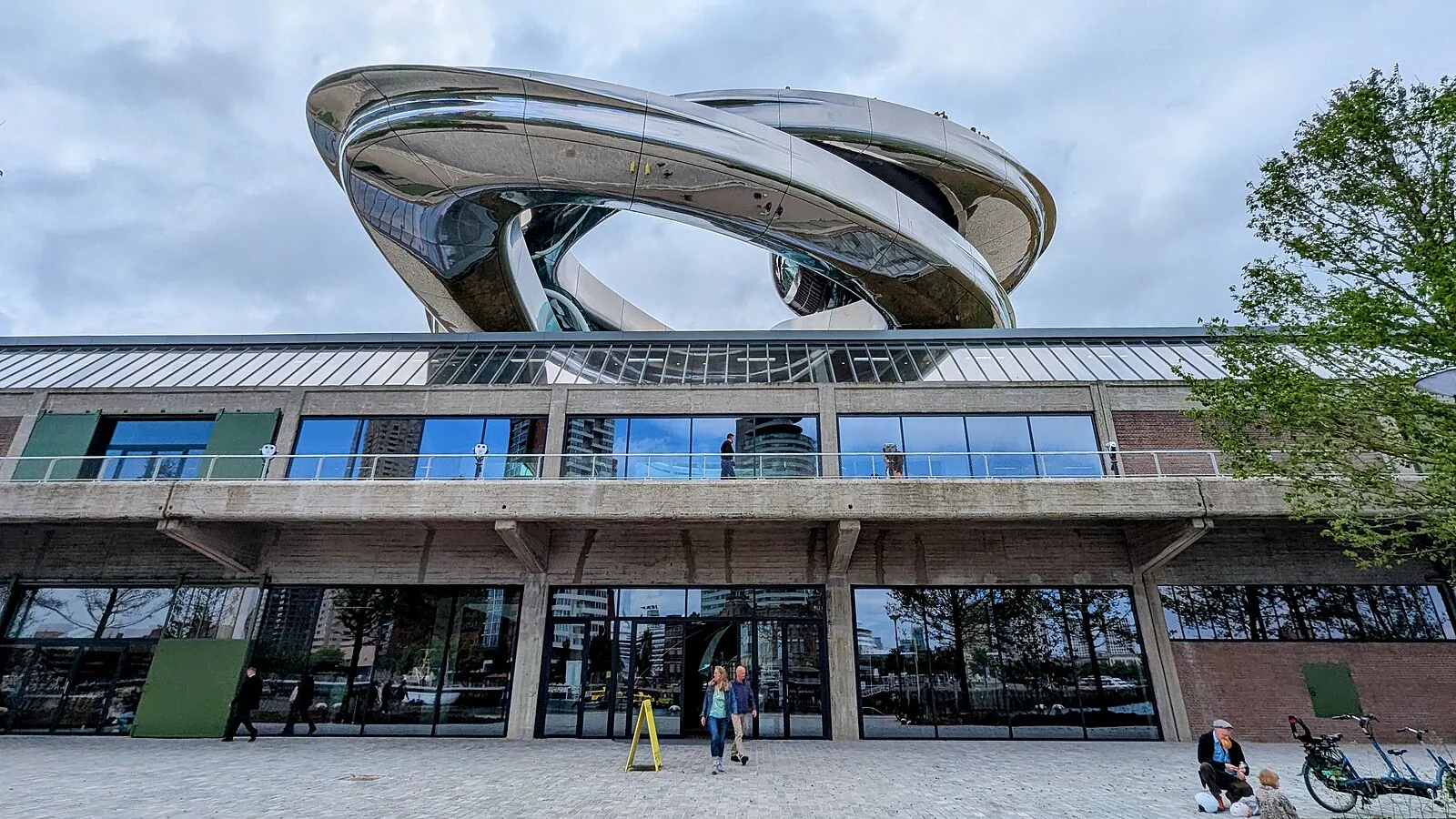
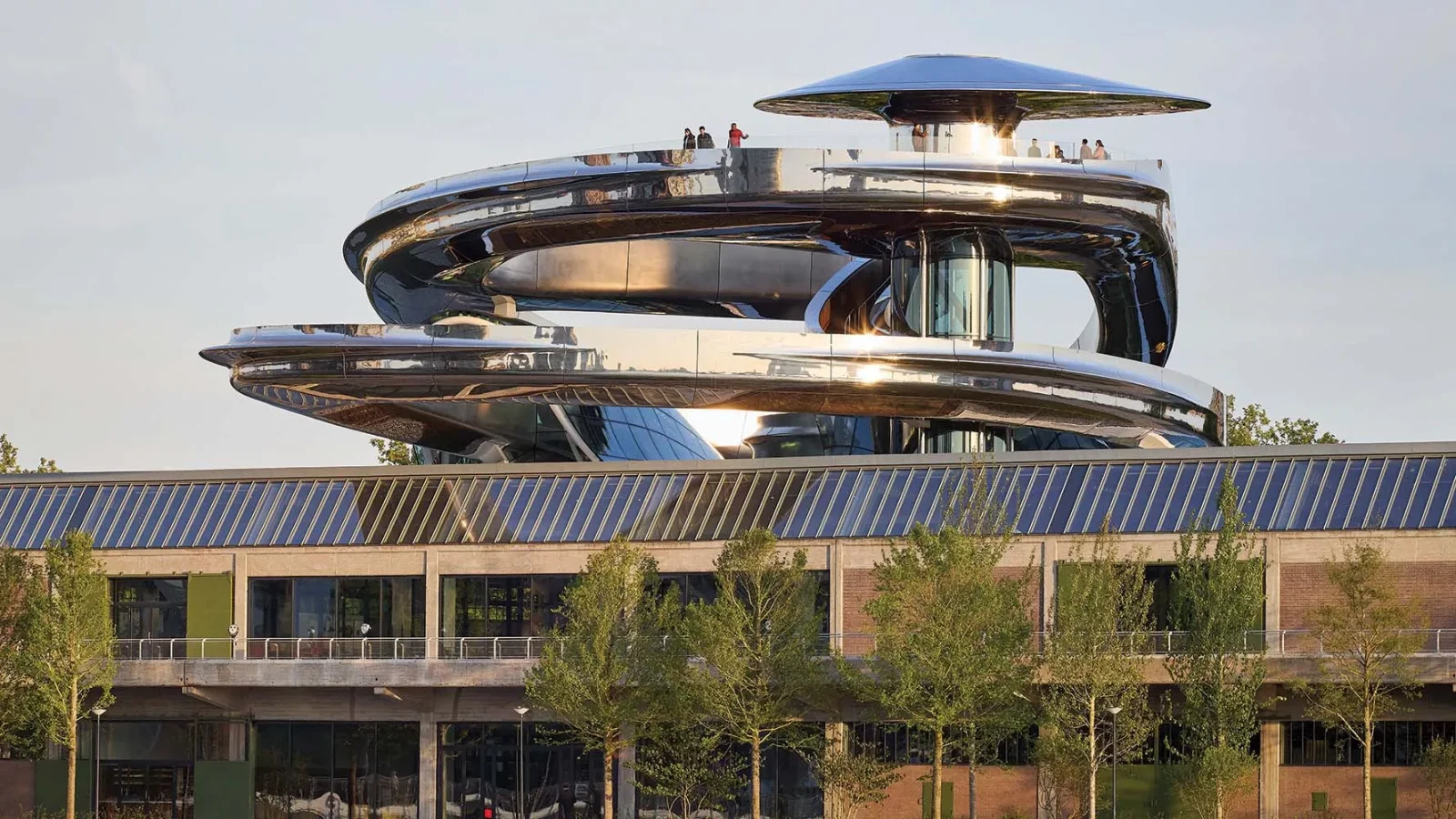
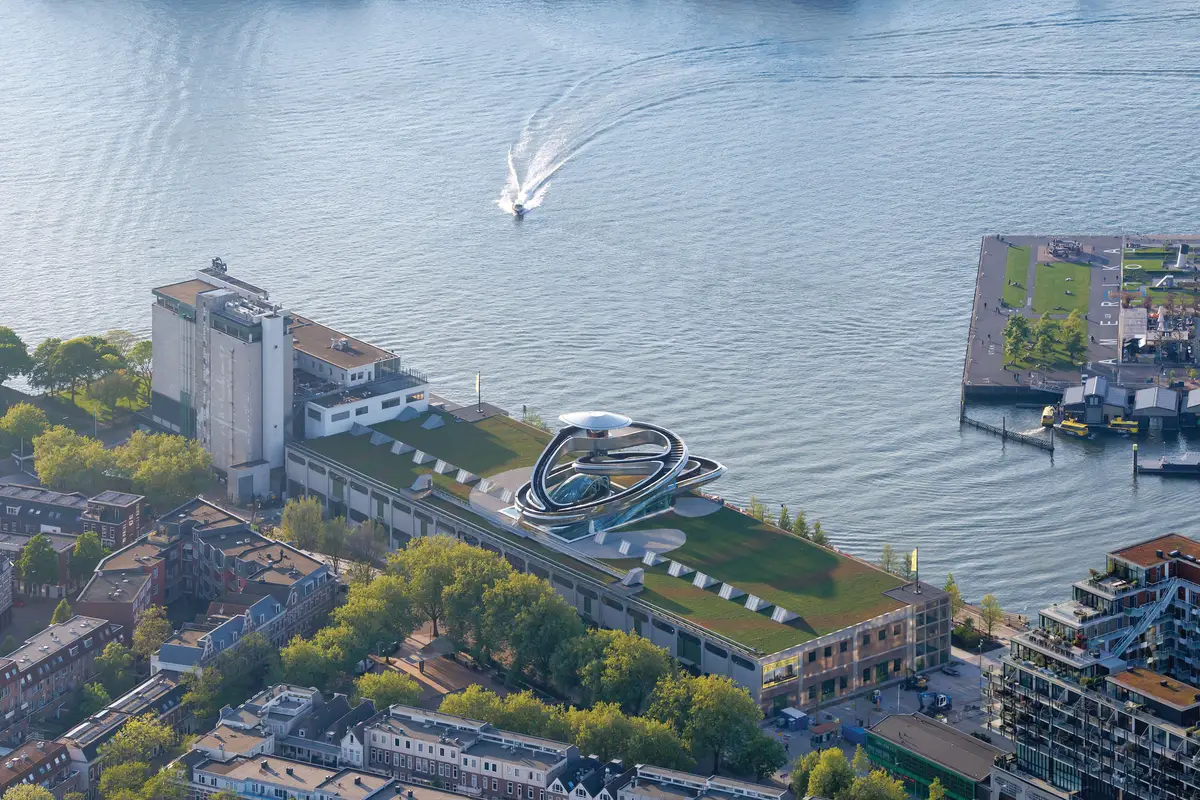
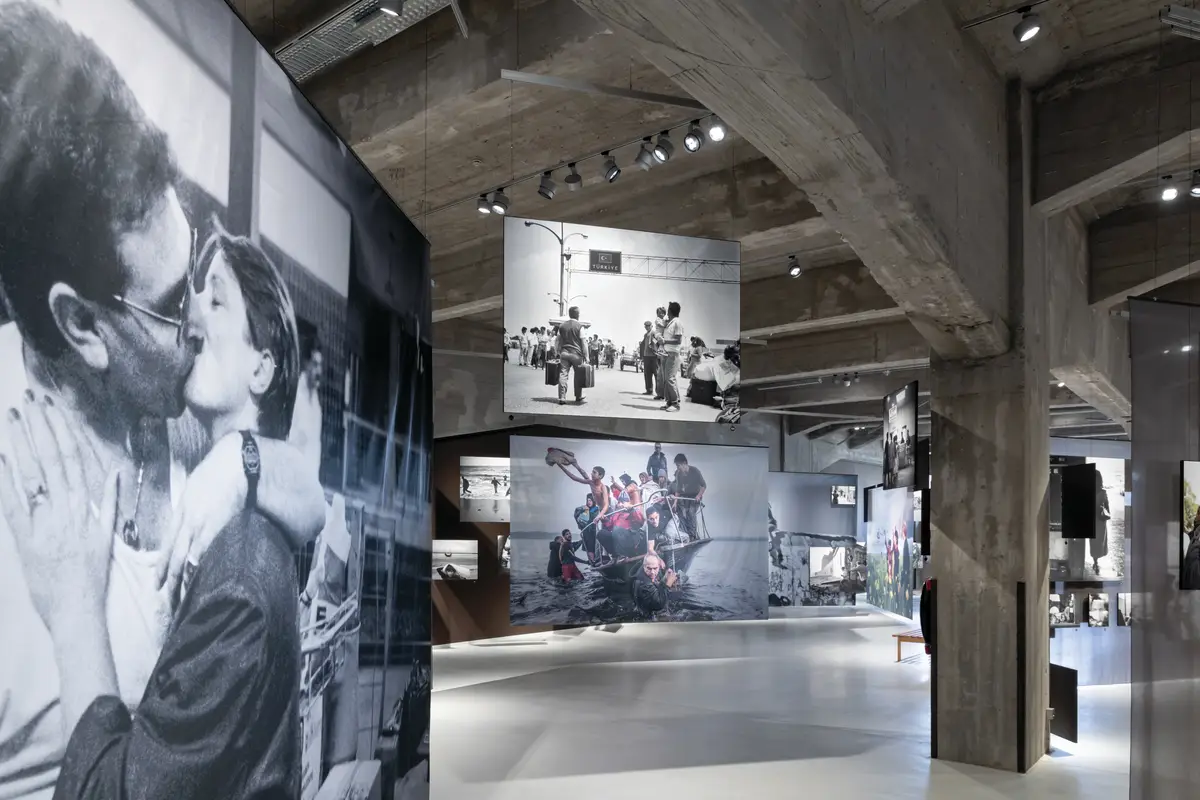
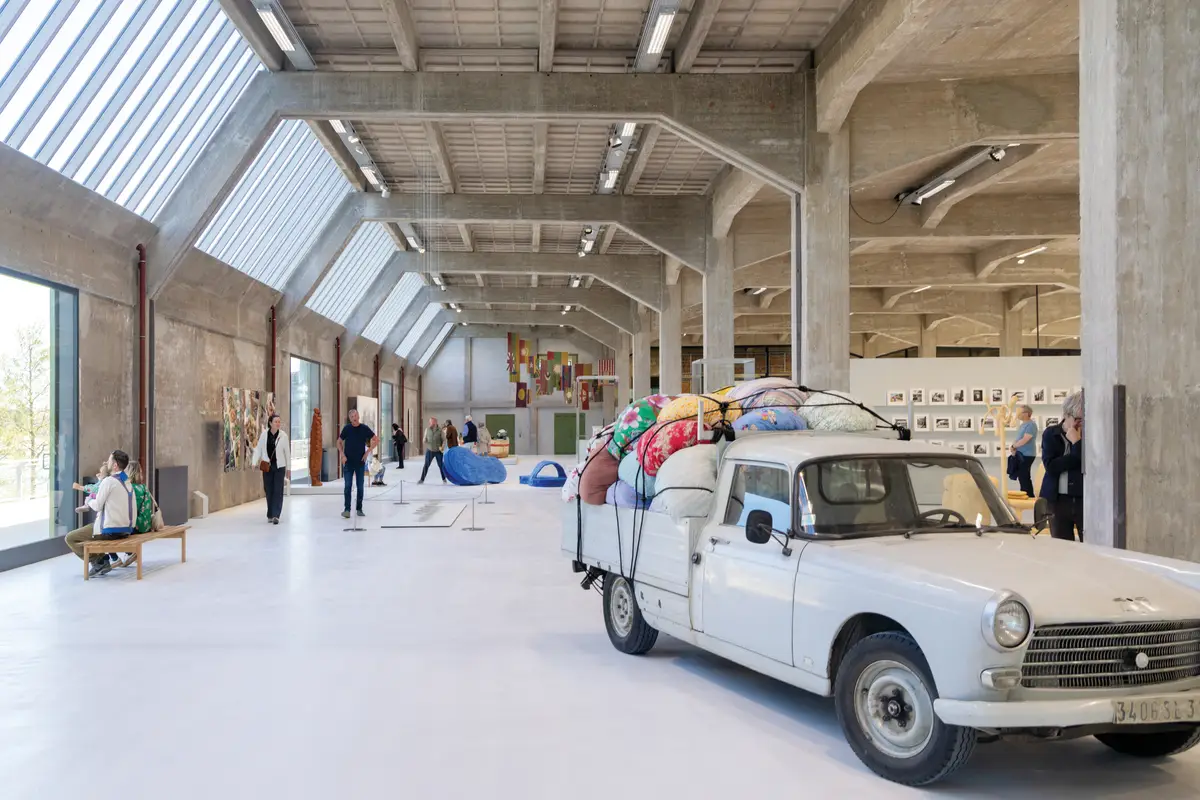
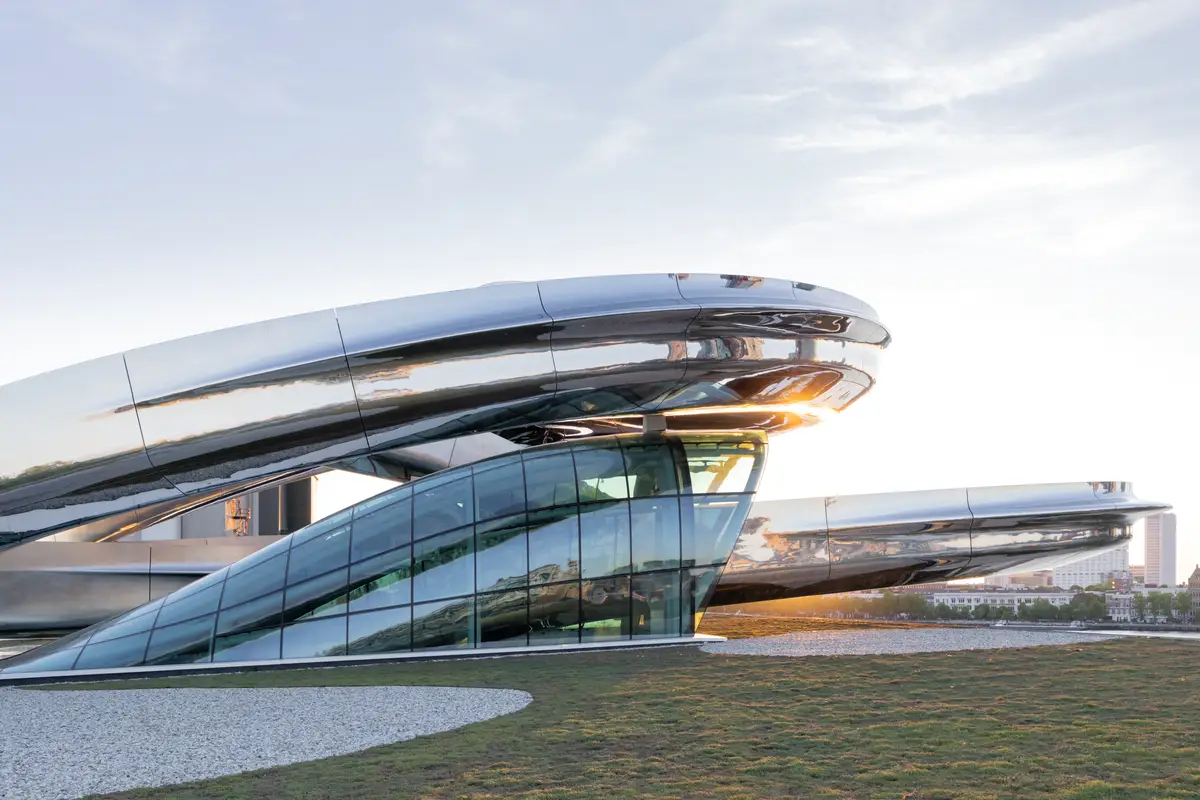
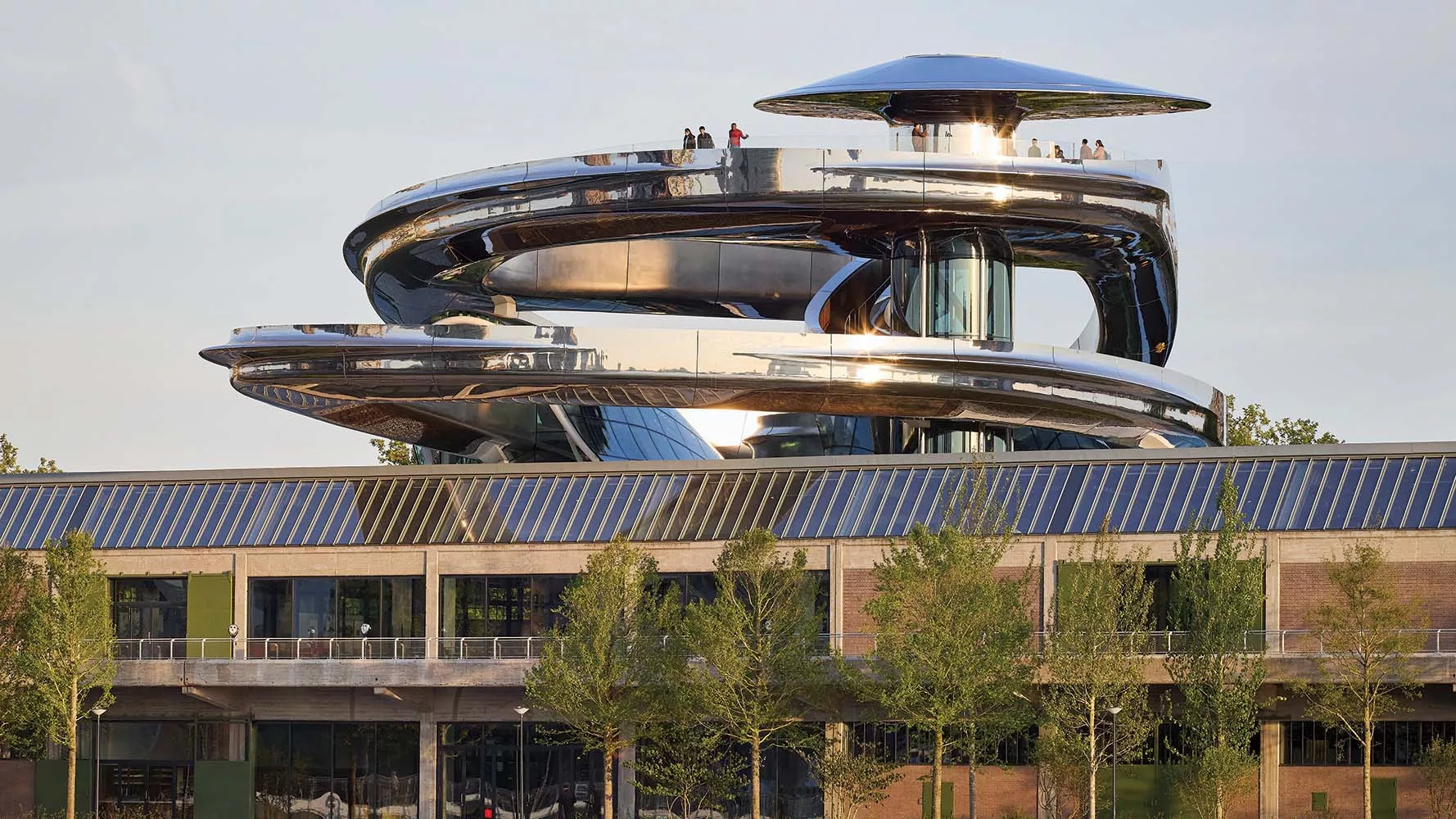
Fenix Museum of Migration in Rotterdam is a striking contemporary design spearheaded by MAD Architects in collaboration with EGM architects and Bureau Polderman. A massive 100-year-old former transshipment warehouse built in 1923 was transformed into Fenix Warehouse II, preserving the building’s layered history.
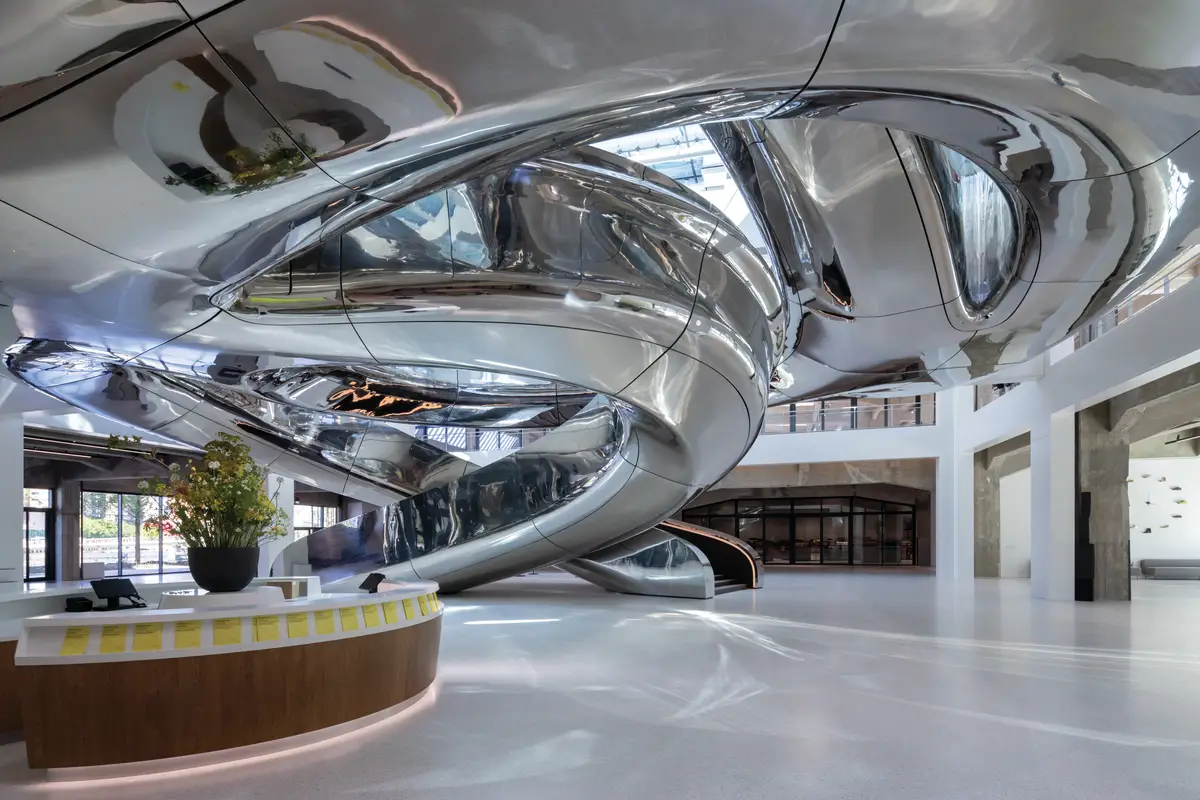
The fluid, twisting structure serves as a design metaphor for the universal journey of migration, featuring a sculptural, spiraling double-helix staircase that rises from the ground floor, pierces through the original roof, and culminates in a 24-meter-high viewing platform. Clad in 297 polished stainless-steel panels, it reflects the surroundings, the port, and the shifting sky, integrating dynamic elements into the visitor experience.
4. V&A East Storehouse
Location: Queen Elizabeth Olympic Park, London, UK
Architect: Diller Scofidio + Renfro
Opening Date: May 31, 2025
Area: 16,000 square meters (Gross area)
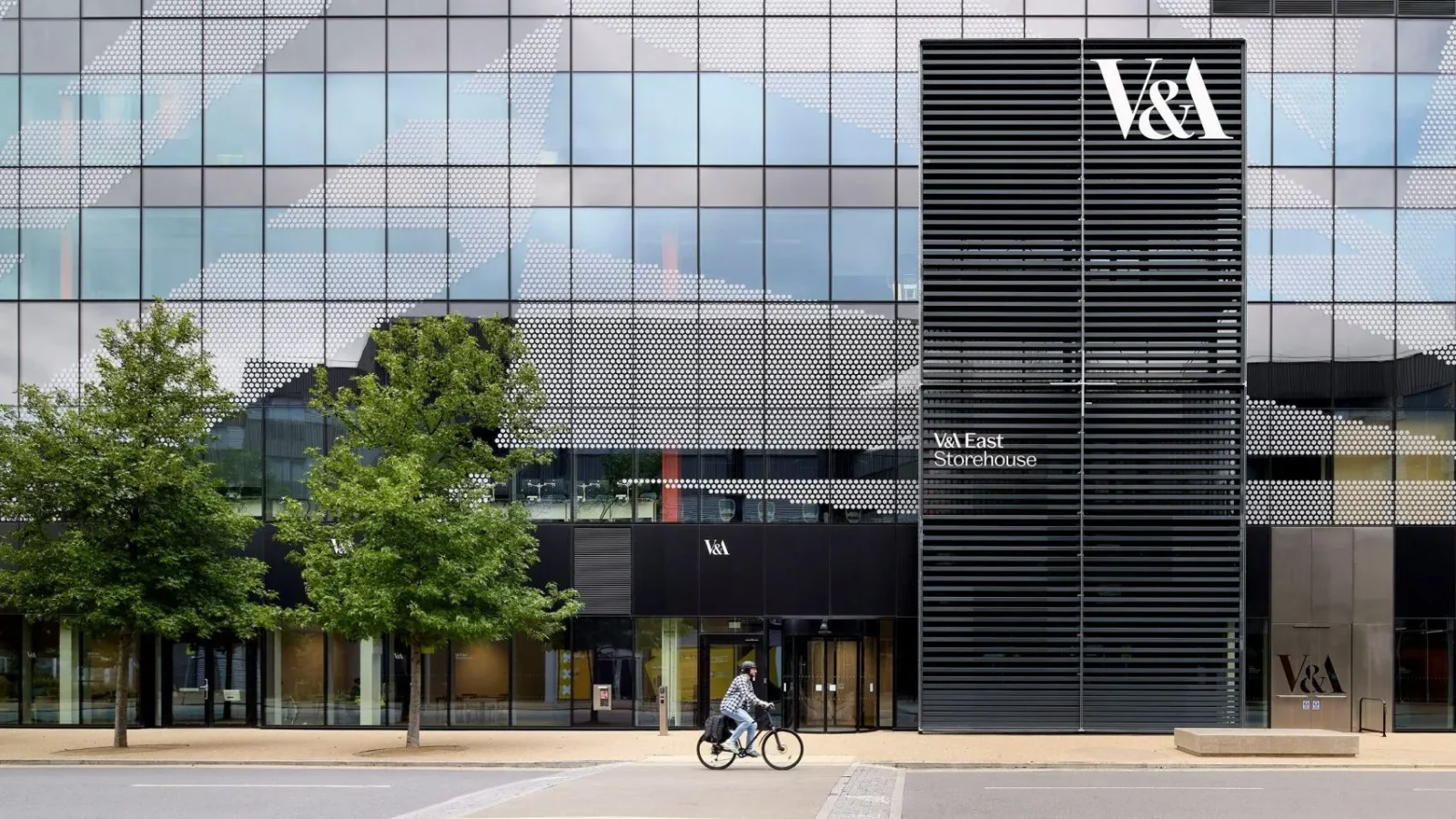
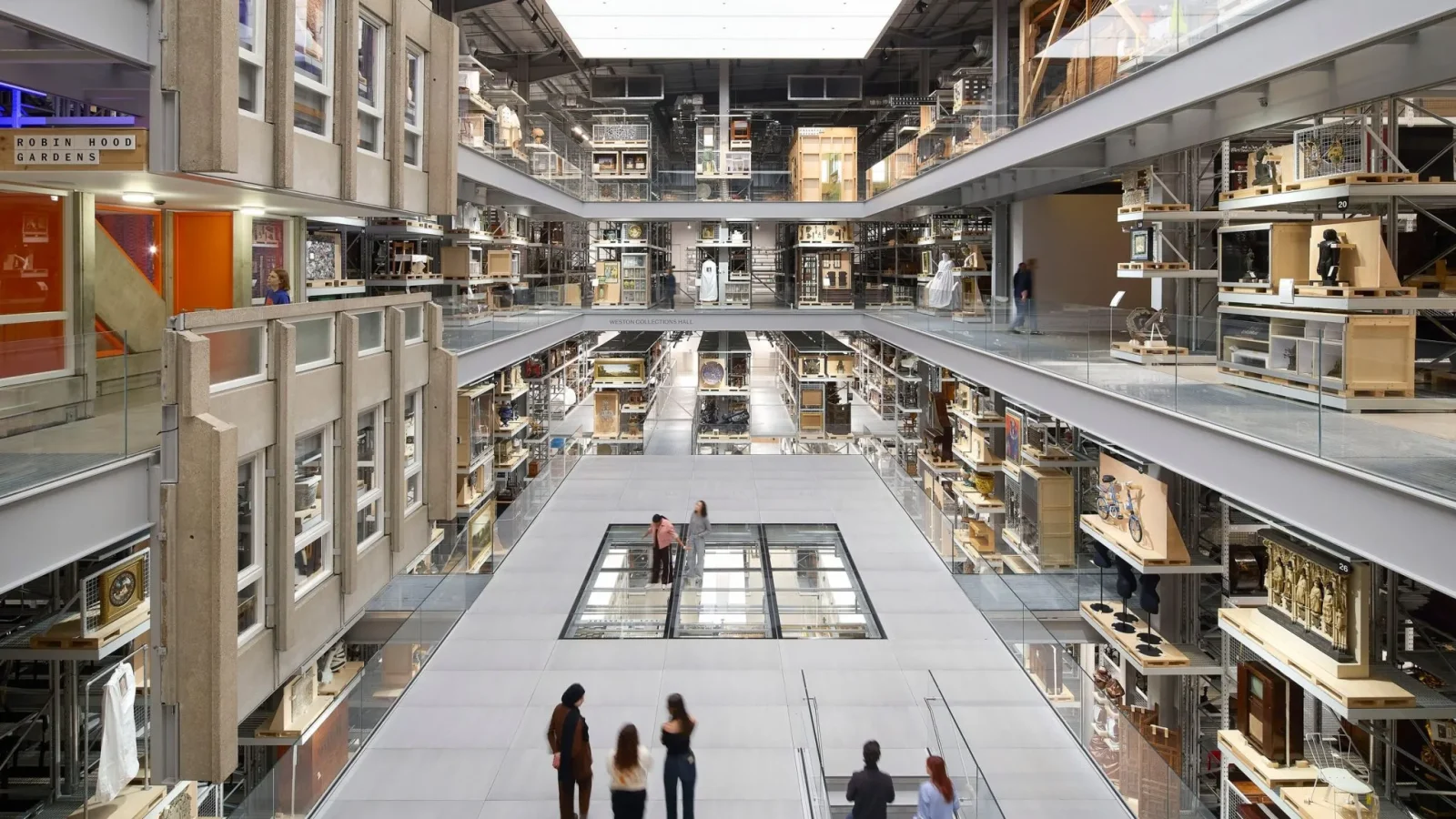
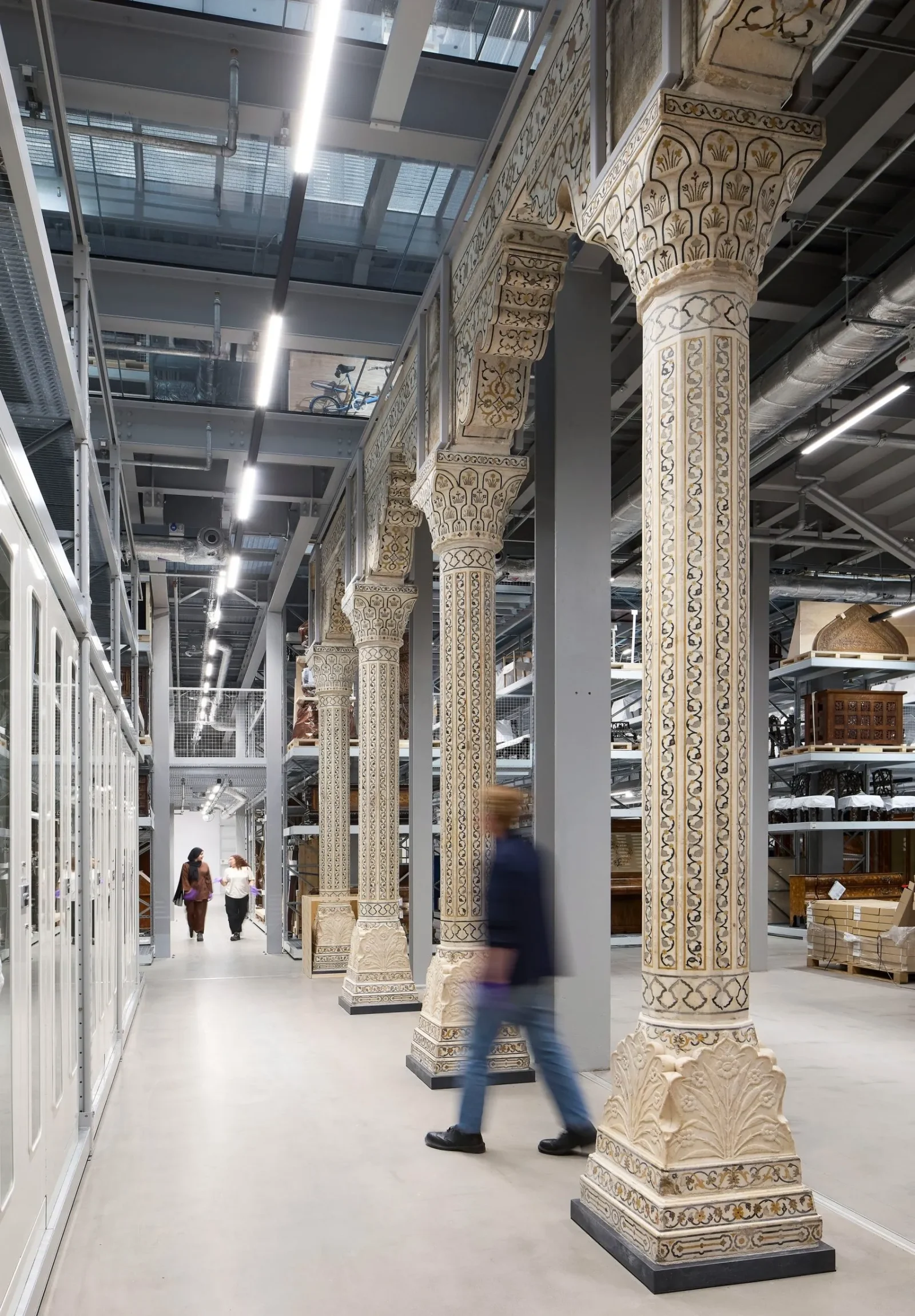
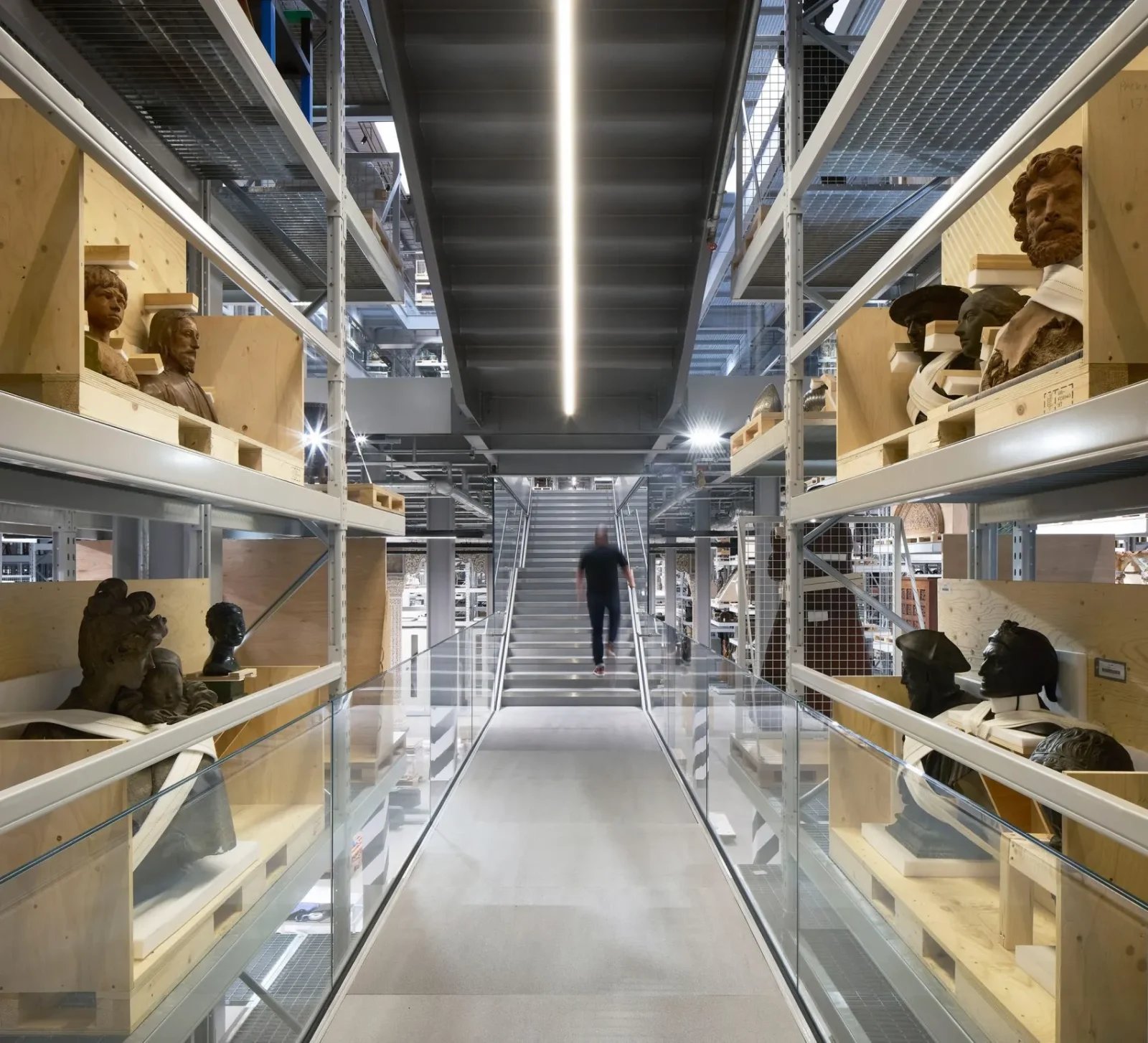
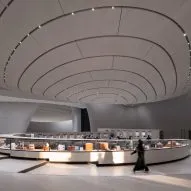
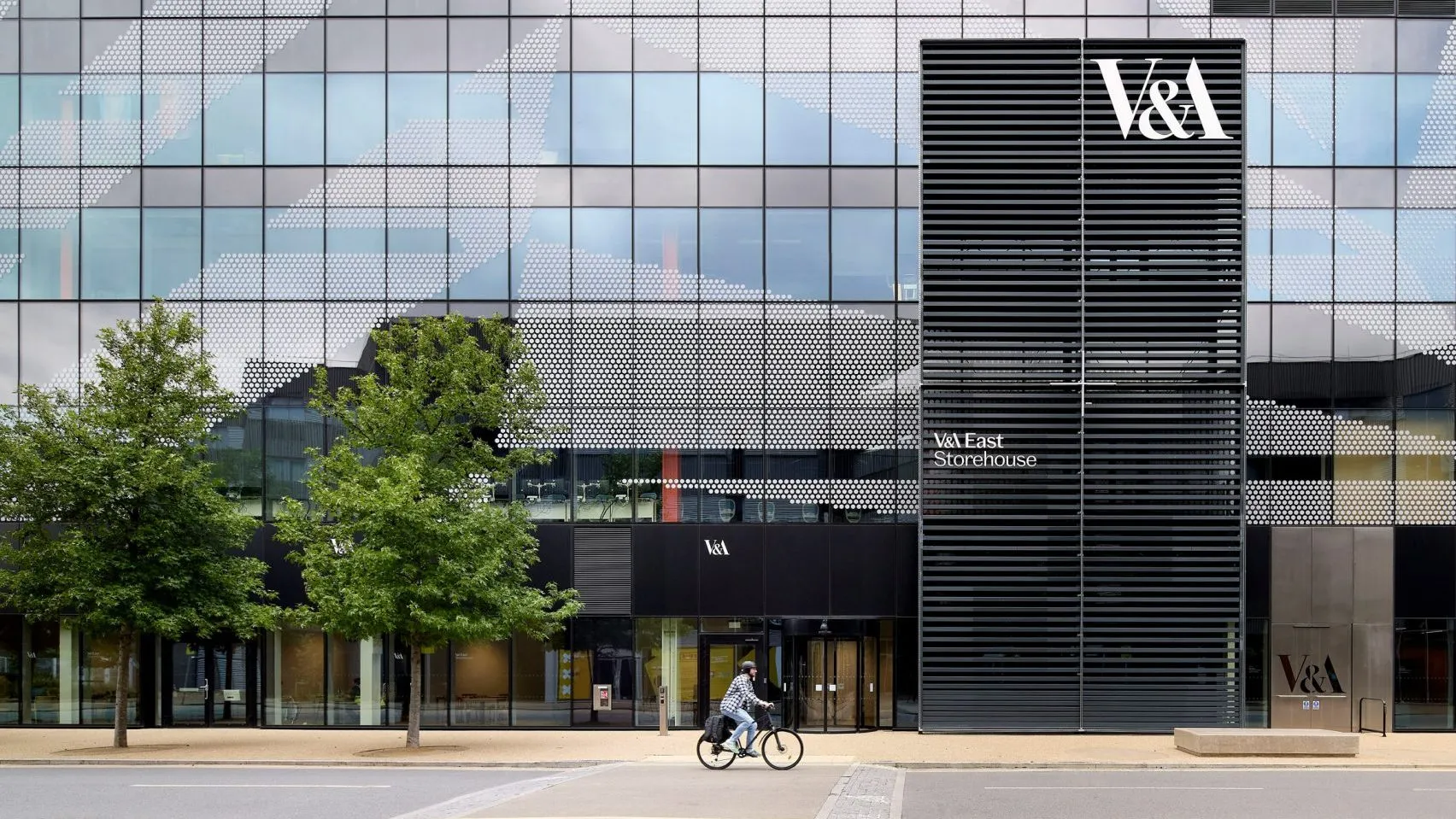
Opened on May 31, 2025, in the Queen Elizabeth Olympic Park, V&A East Storehouse was designed by Diller Scofidio + Renfro to provide public access to over half a million works, including 250,000 objects, 350,000 library books, and 1,000 archives from the V&A’s comprehensive collection. It is the first museum of its kind in scale and mission, repurposing existing public infrastructure while incorporating historic elements, including Frank Lloyd Wright’s 1930s office interior and a 15th-century marquetry ceiling from Spain, which has been reimagined as an architectural feature above a new public space.
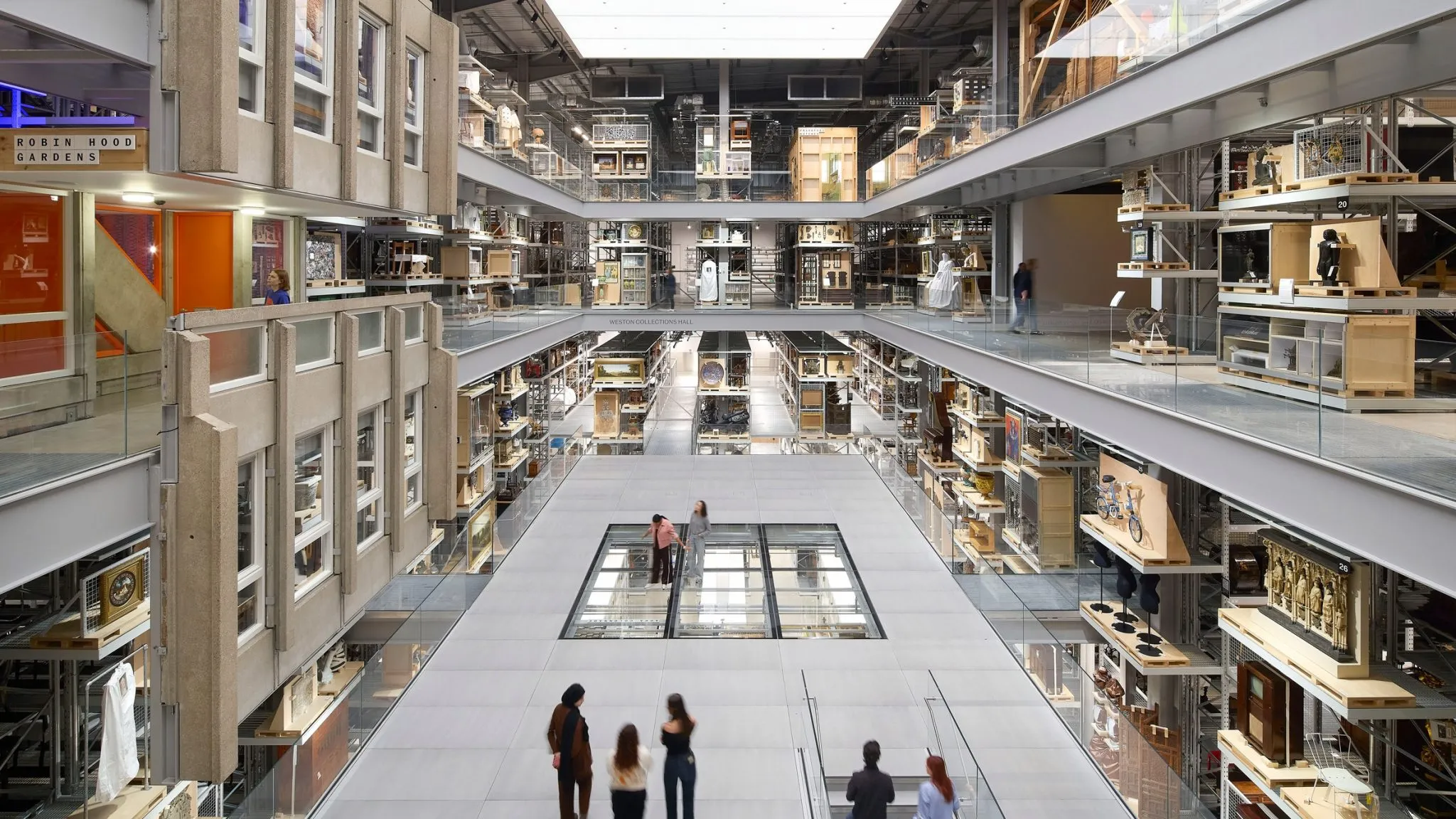
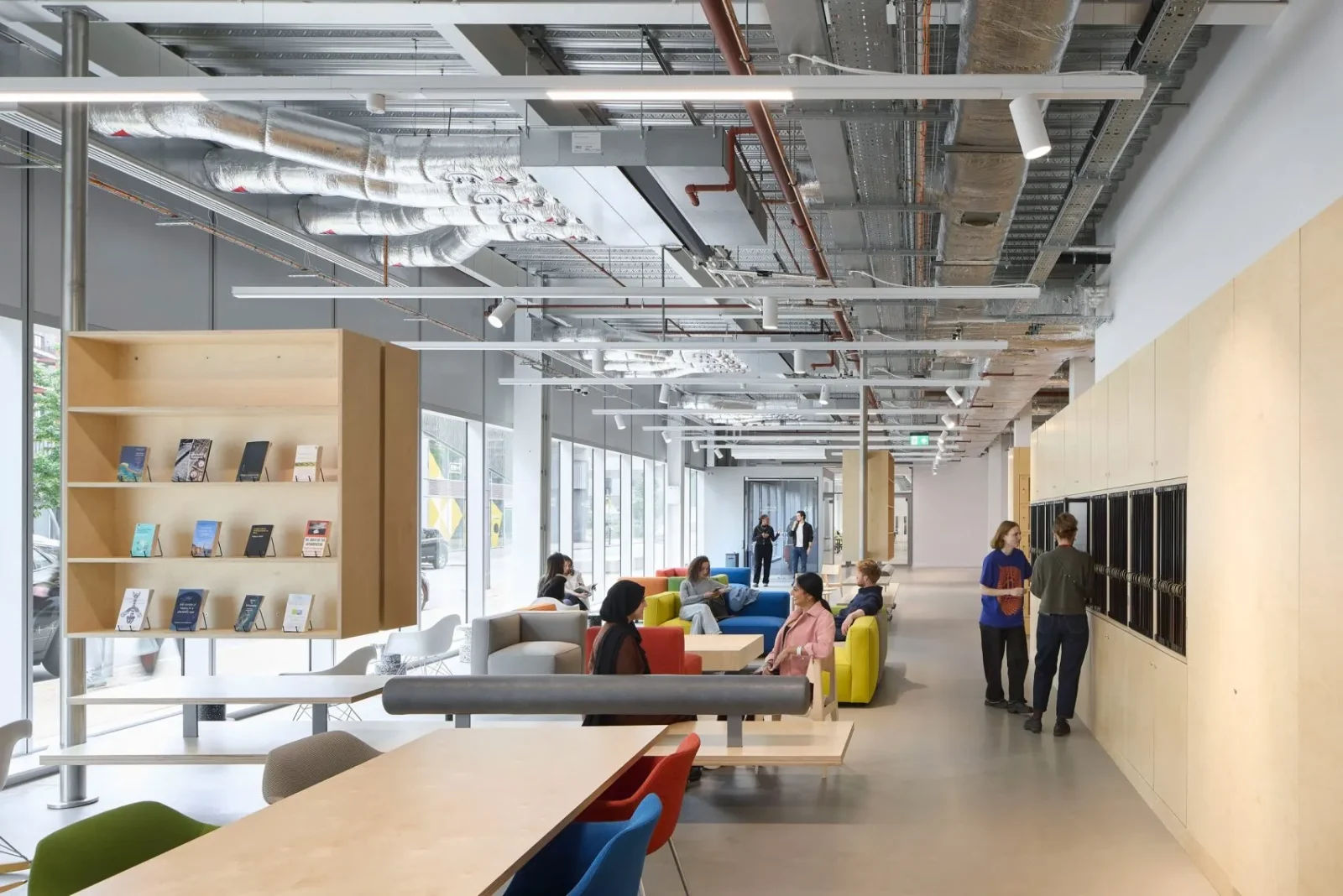
The project repurposed a section of the former London 2012 Olympic Media Centre and presents conservation, research, and collecting processes as part of a public exhibition. By presenting objects within their functional storage and working environments, rather than as isolated treasures, the V&A East deliberately challenges traditional museum conventions. This approach shifts focus from the celebrated masterpiece to the richness of the whole collection and the intricate systems that sustain it, inviting visitors to engage more critically and thoughtfully with the practice of museology itself.
5. Almaty Museum of Arts, Kazakhstan
Location: Almaty, Kazakhstan
Architect: Chapman Taylor
Opening Date: September 12, 2025
Area: 10,060 square meters (Total building area)
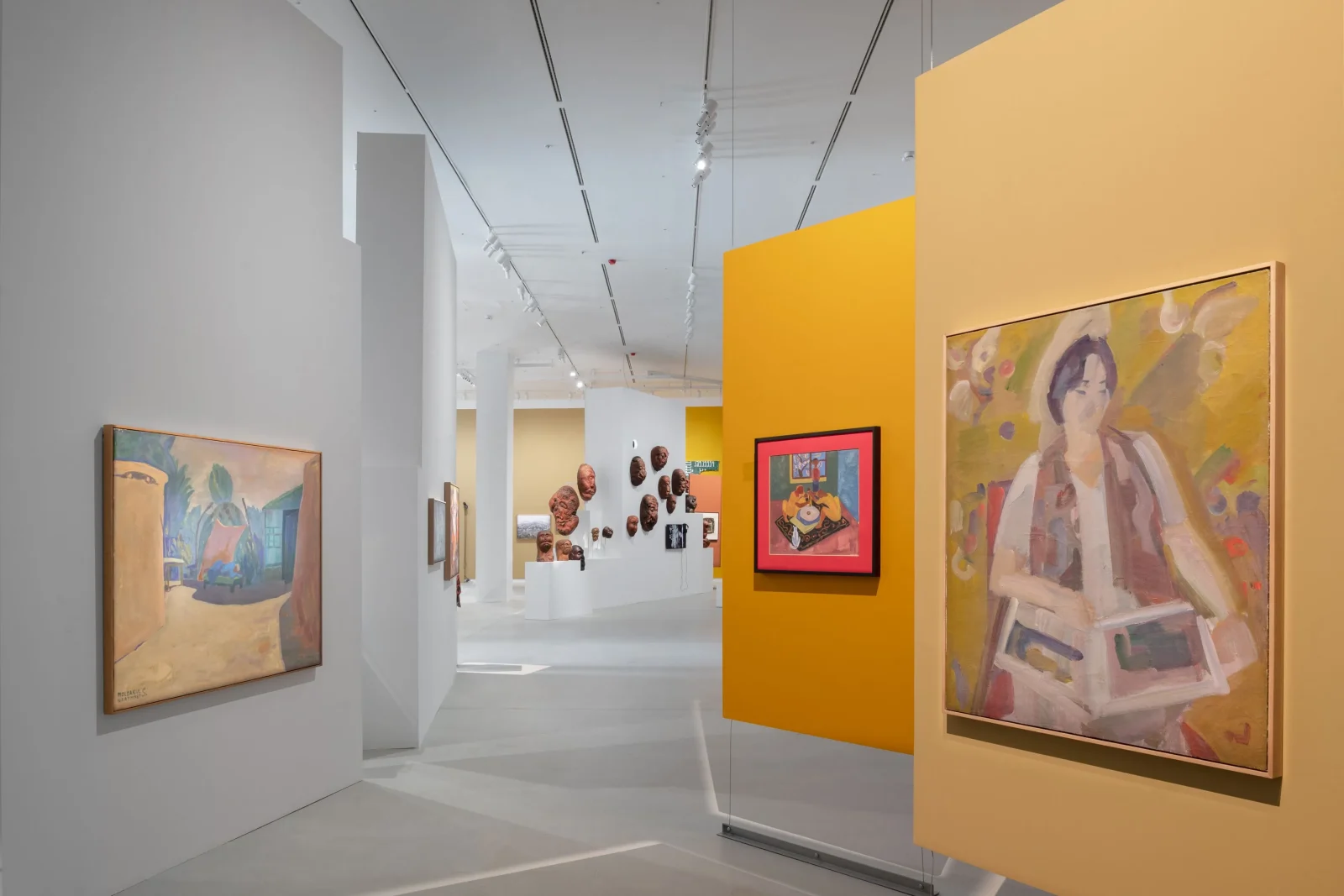
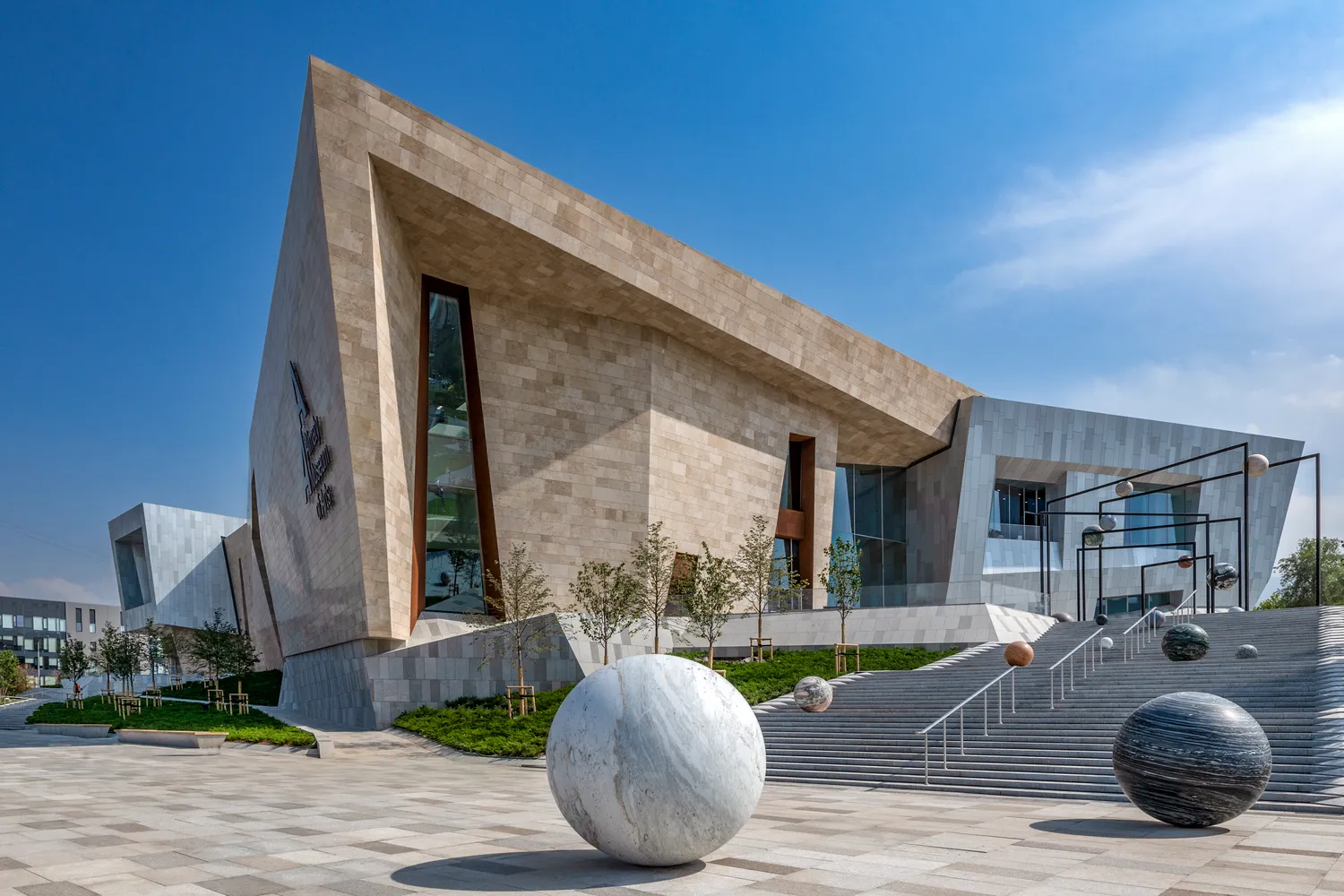
Almaty Museum of Arts represents a major cultural milestone for Central Asia, establishing itself as the region’s first private museum for modern and contemporary art since the fall of the Soviet Union in 1991. Spanning 10,060 square meters, the museum was designed by the London-based British firm Chapman Taylor and founded by businessman, philanthropist, and collector Nurlan Smagulov, who financed the institution through private patronage.
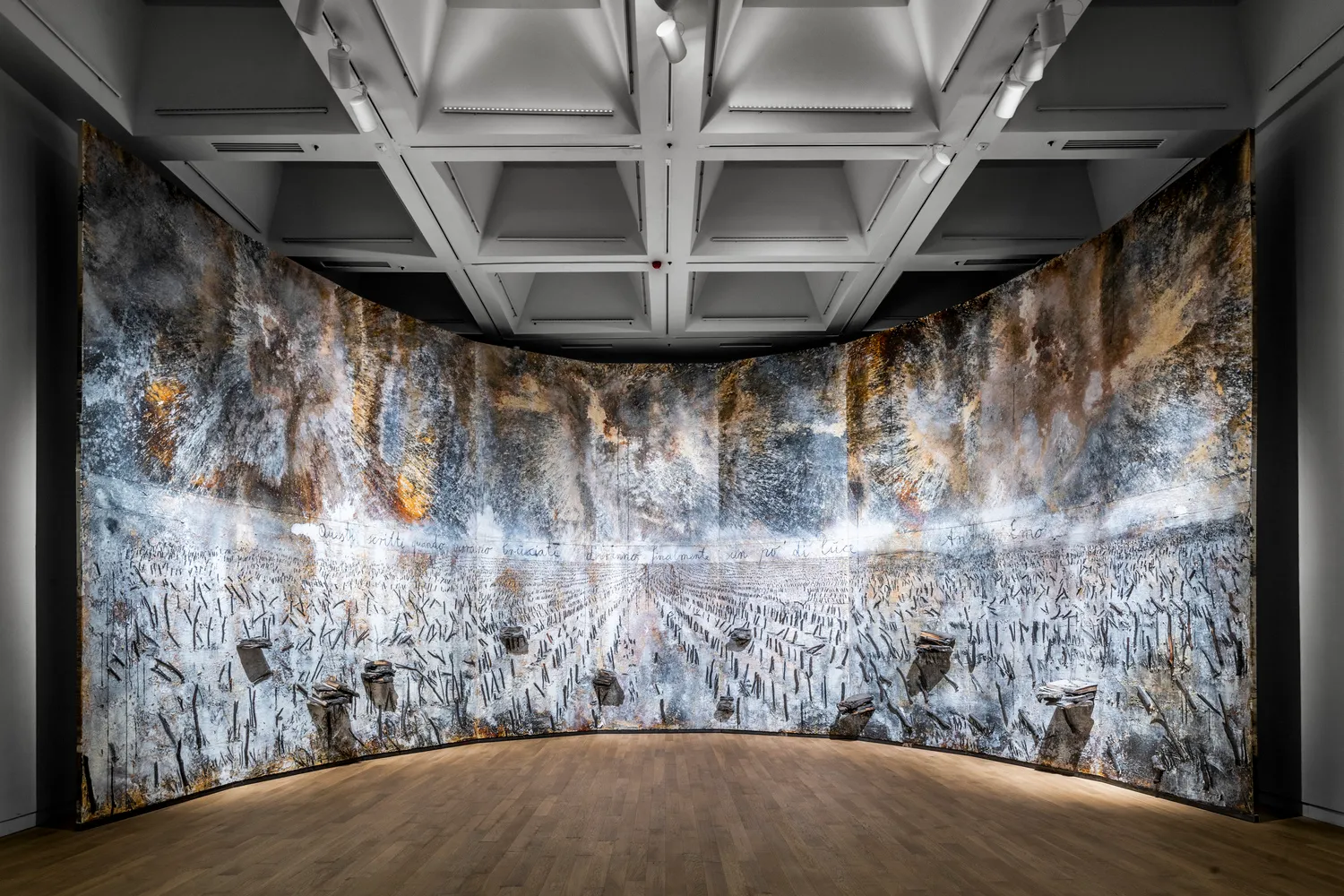
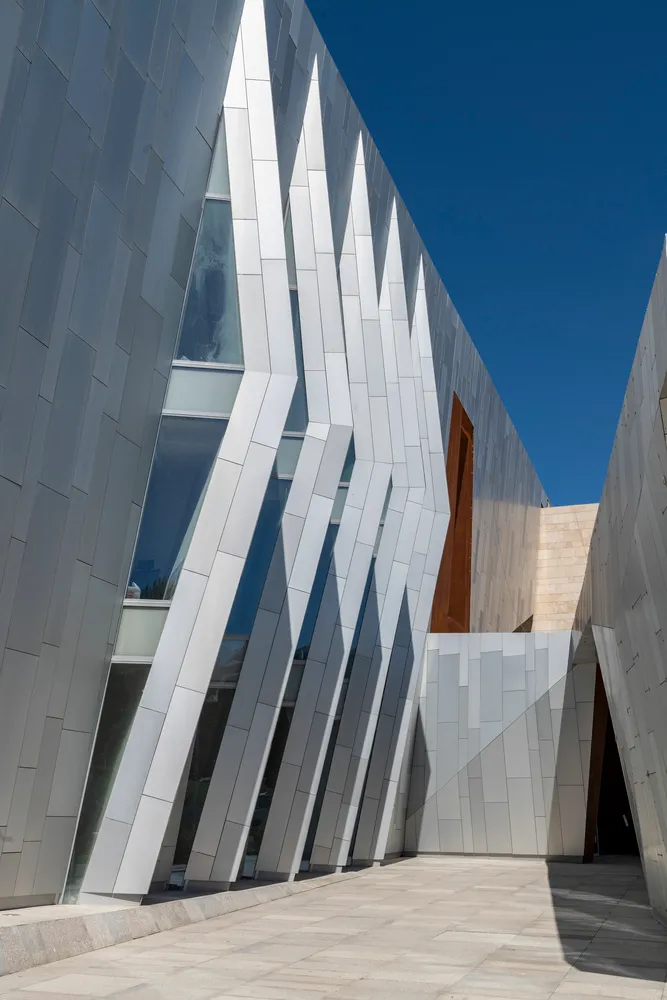
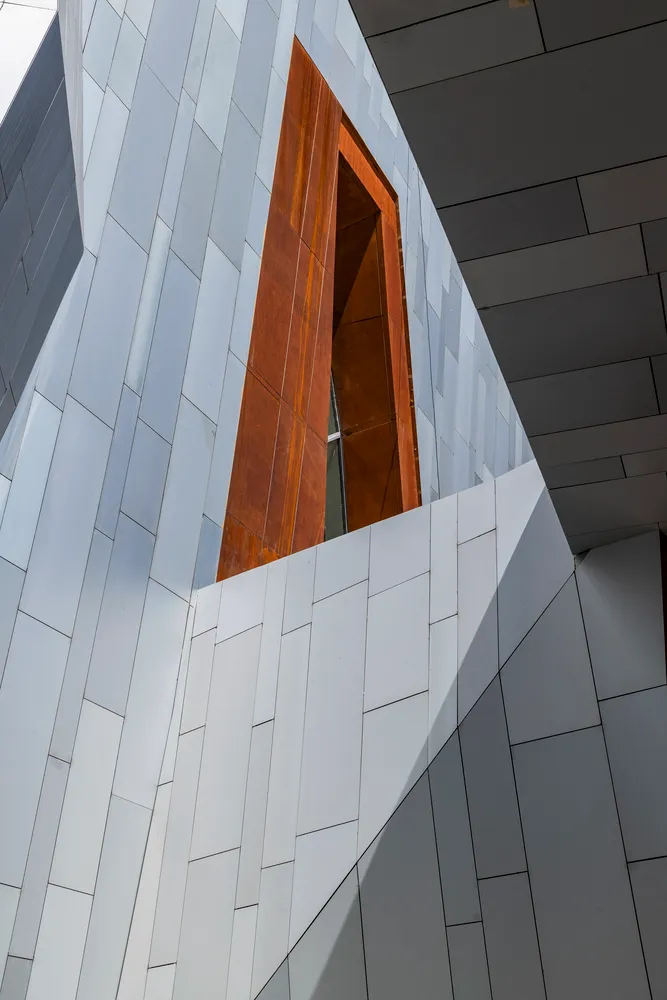
Drawing inspiration from the city of Almaty and the rugged Zailiyskiy Alatau mountains, the design features two intersecting wings, one clad in robust Jura limestone and the other in sleek aluminum. The museum elevates Central Asian art by presenting it alongside globally recognized artists, while also highlighting regional voices through major retrospectives and large-scale outdoor installations inspired by local cultural symbols.
6. Fondation Cartier pour l’art contemporain
Location: Paris, France (at 2 Place du Palais-Royal)
Architect: Jean Nouvel
Opening Date: October 25, 2025
Area: 8,500 square meters (Publicly Accessible Space)
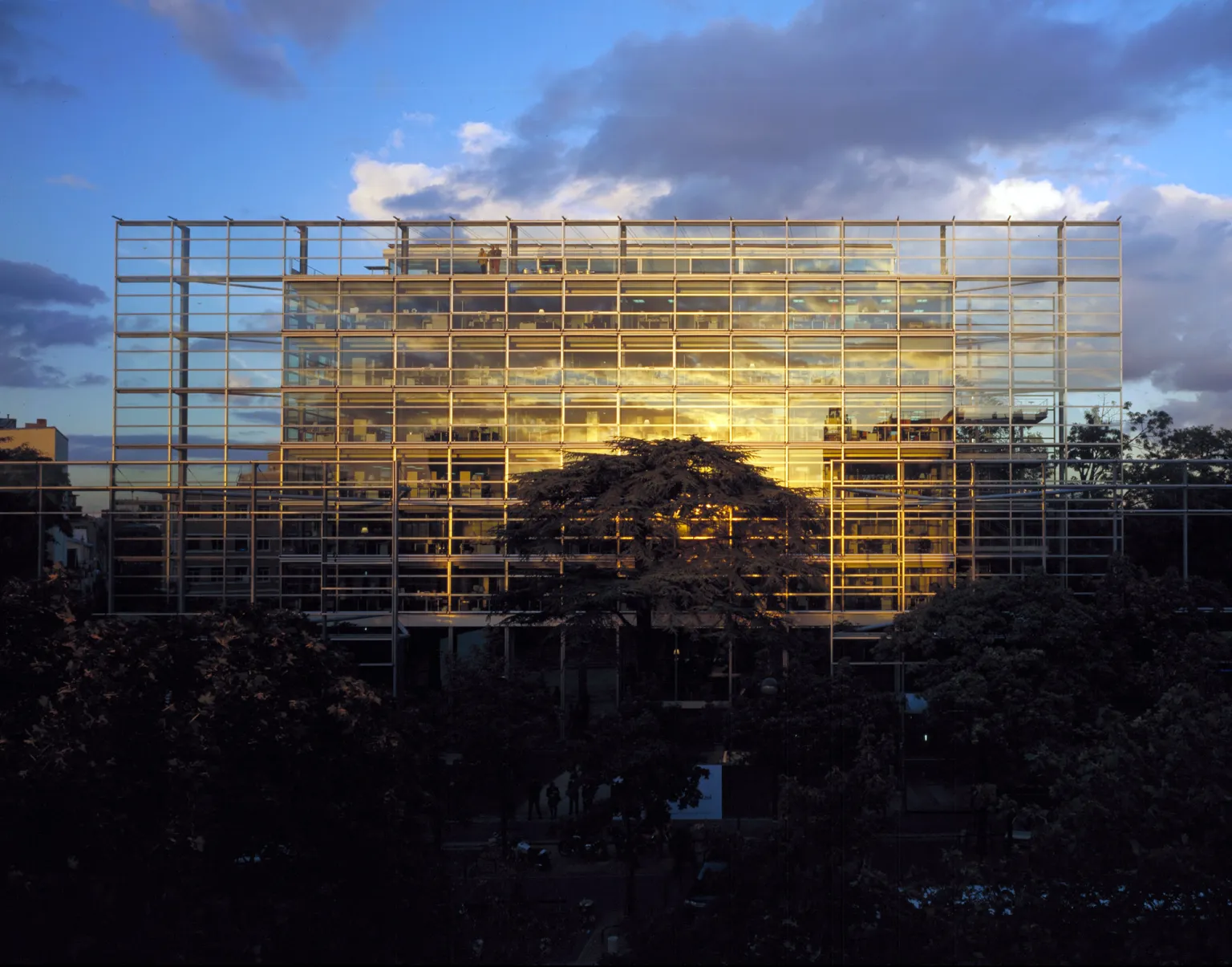
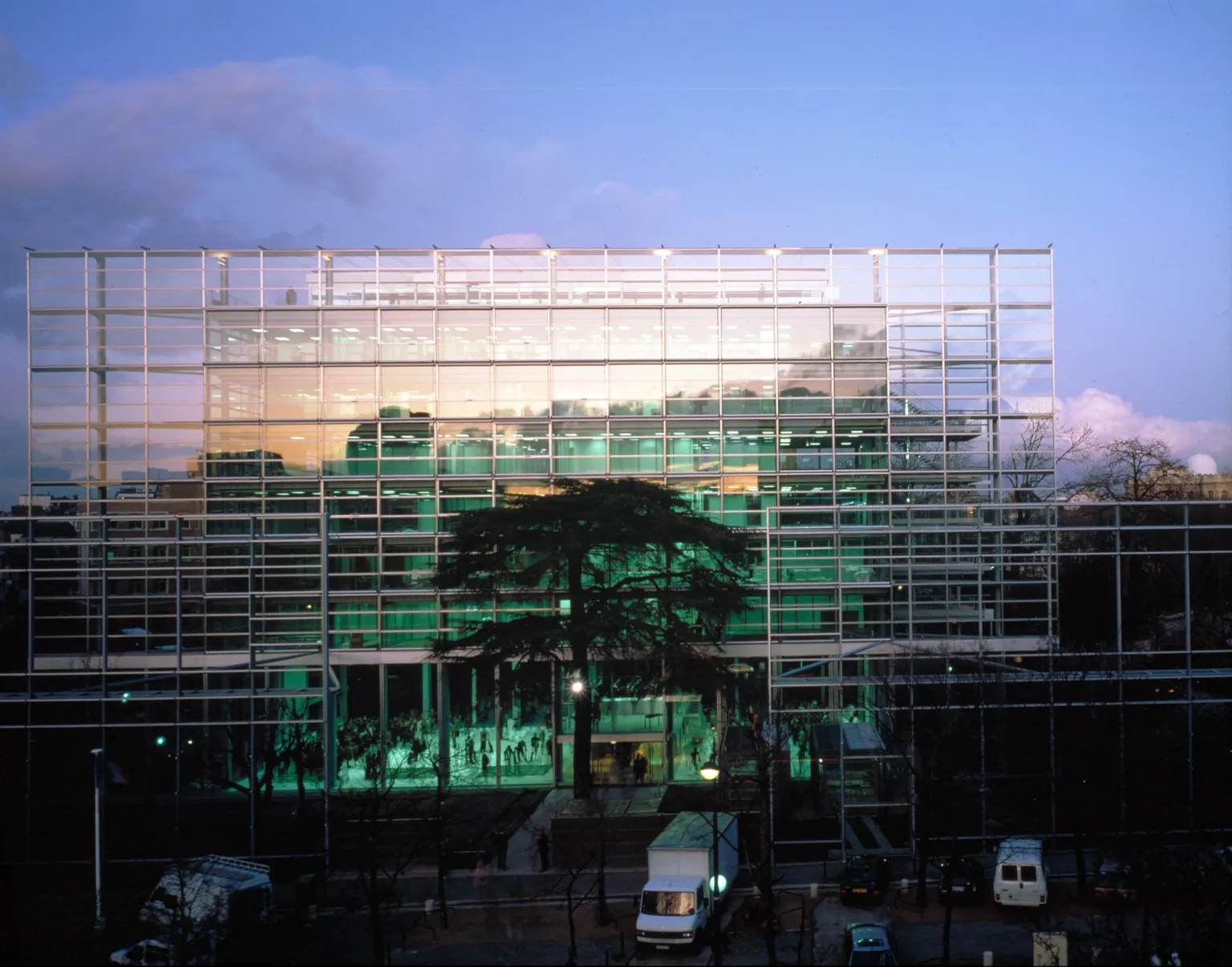
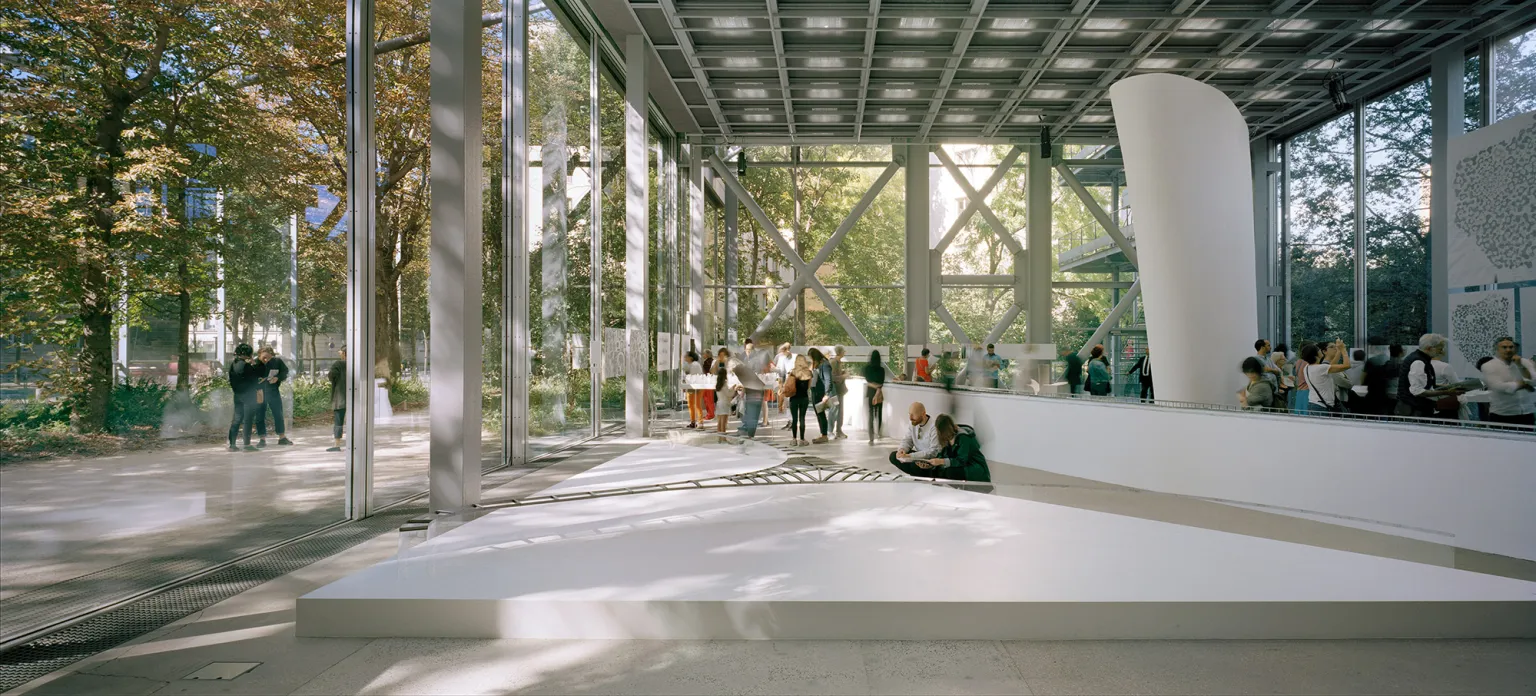
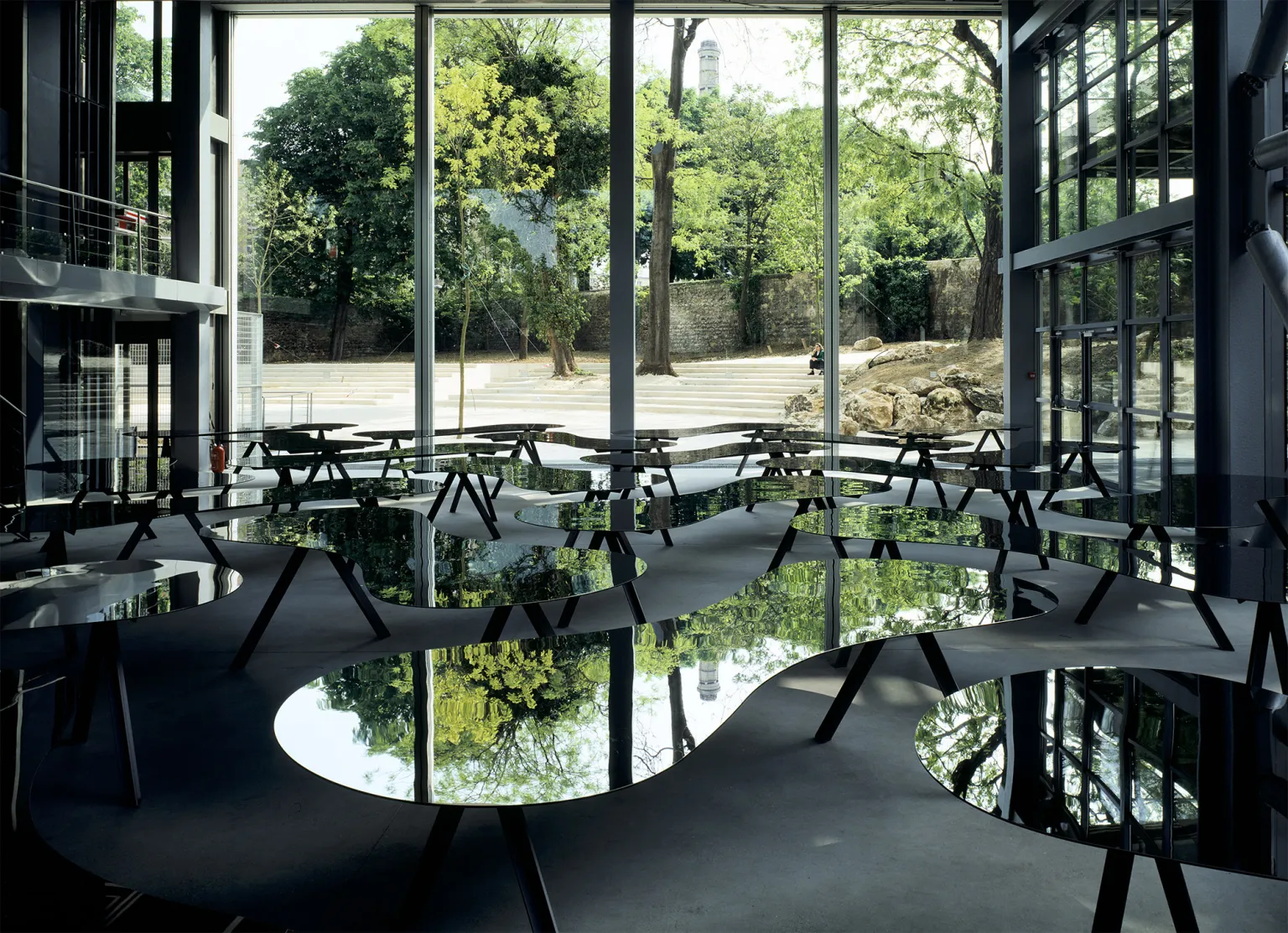
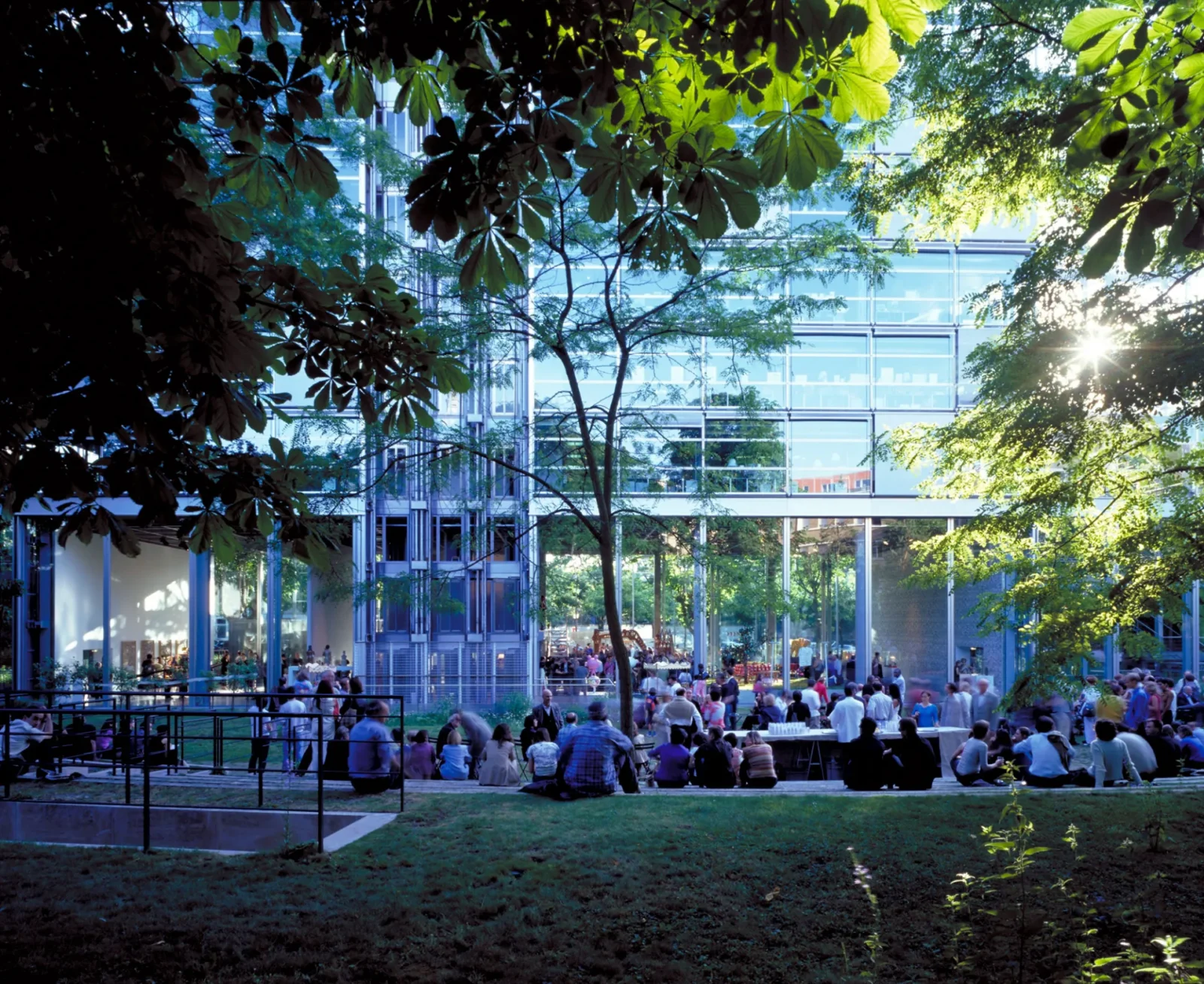
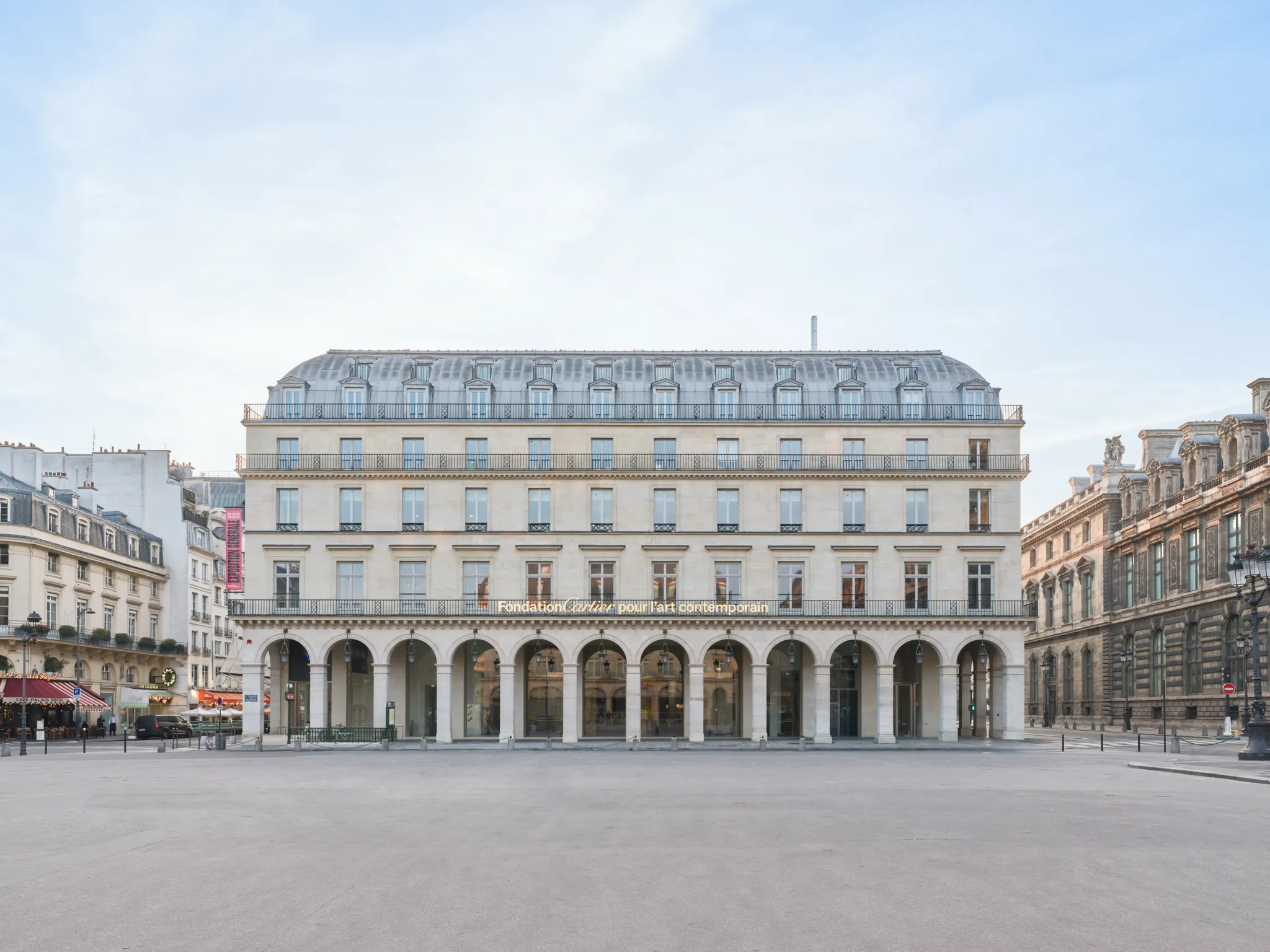
The prominent institution dedicated to contemporary art was designed by the acclaimed French architect Jean Nouvel and is located at 2 Place du Palais-Royal. The new design sits directly across from the Louvre Museum of Paris, which involved the transformation of a historic 19th-century Haussmannian building.
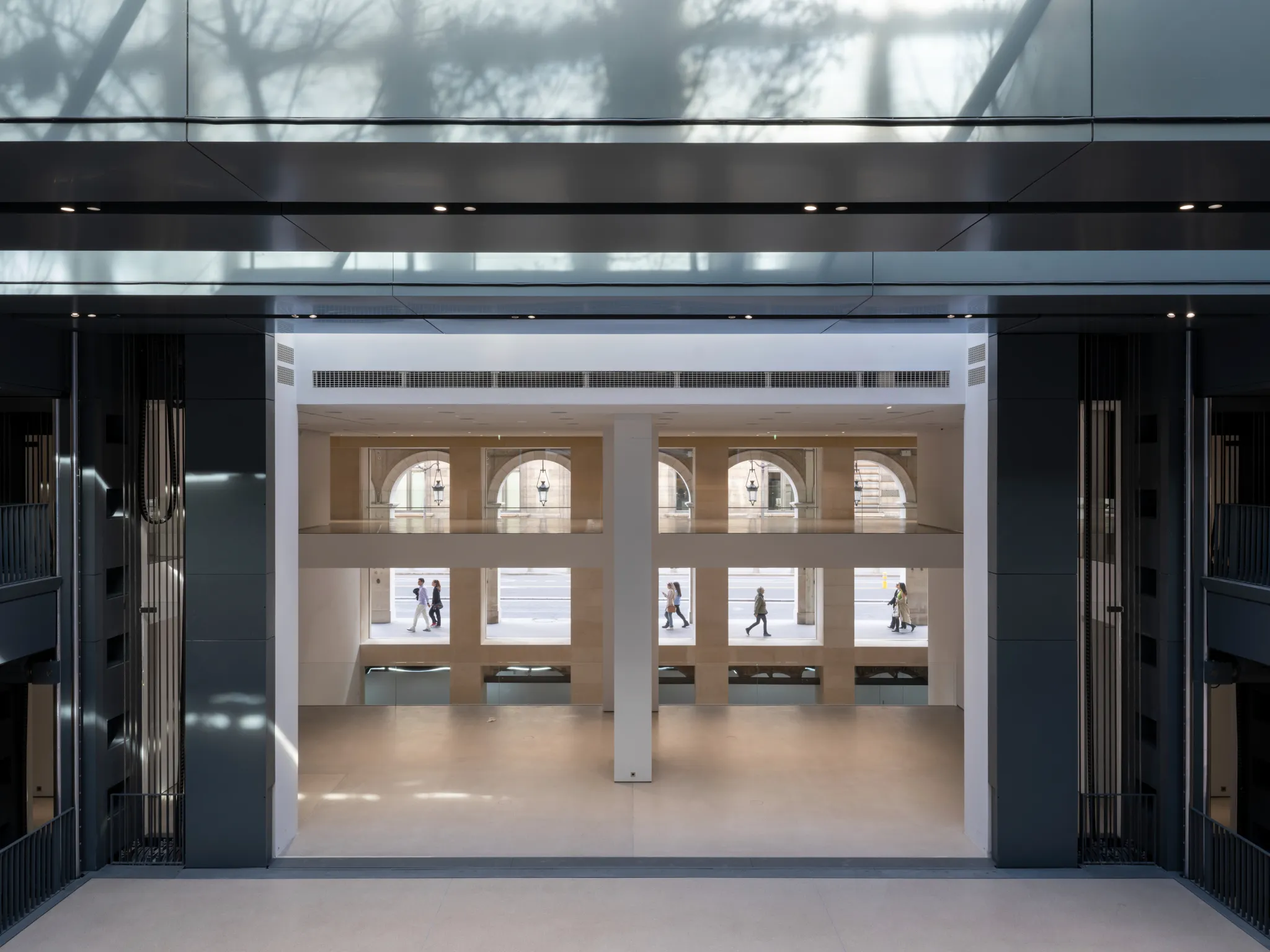
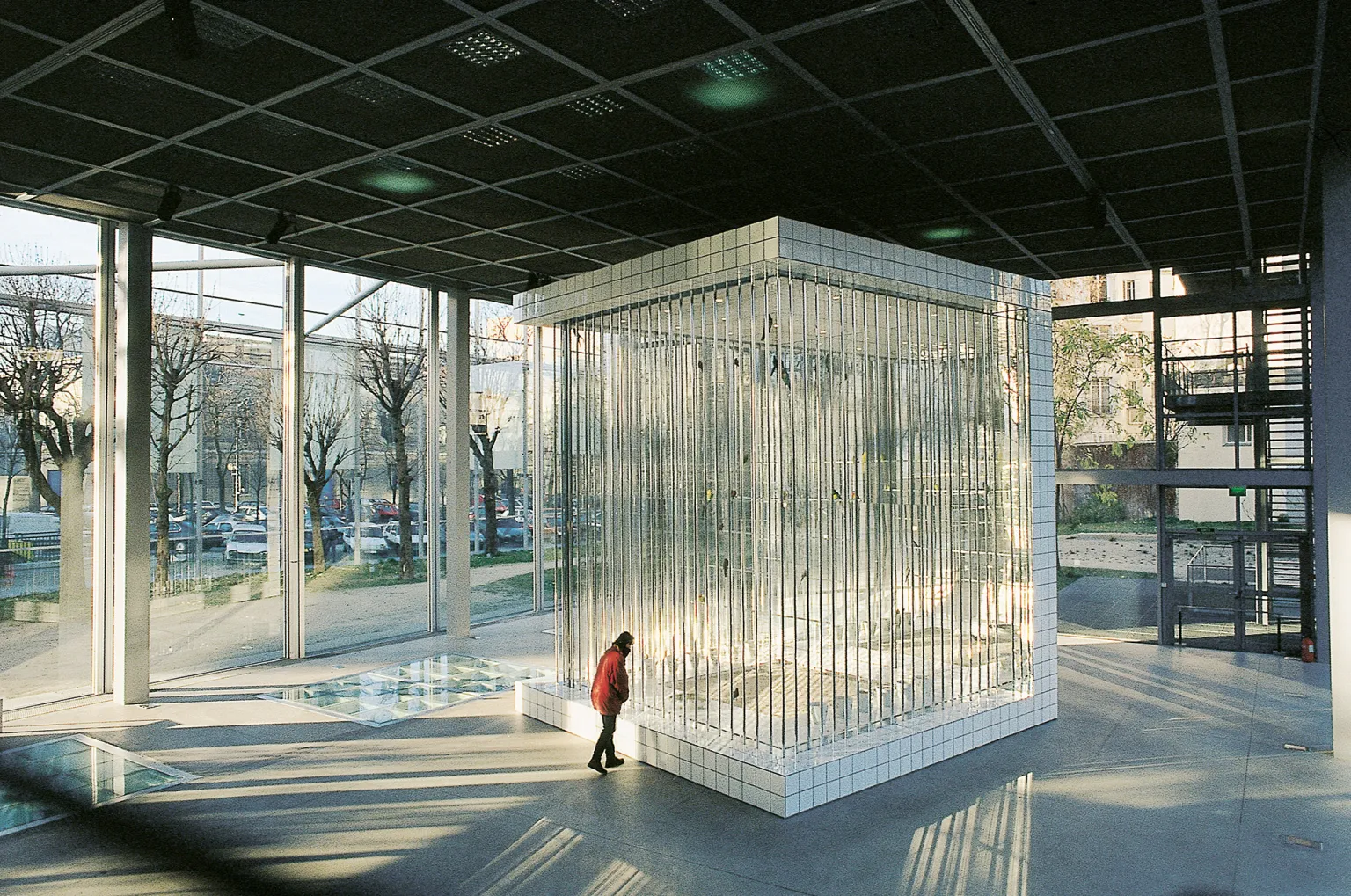
The interior features five monumental kinetic steel platforms that can be vertically adjusted to create countless configurations of exhibition space, creating dynamic architecture. The first exhibition in the new venue was titled Exposition Générale, showcasing over 600 works from the Foundation’s collection, tracing its 40-year history.
7. The Grand Egyptian Museum
Location: Giza, Egypt (near the Great Pyramids)
Architect: Heneghan Peng Architects
Opening Date: November 4, 2025
Area: 92,000 square meters (Main Museum Building)
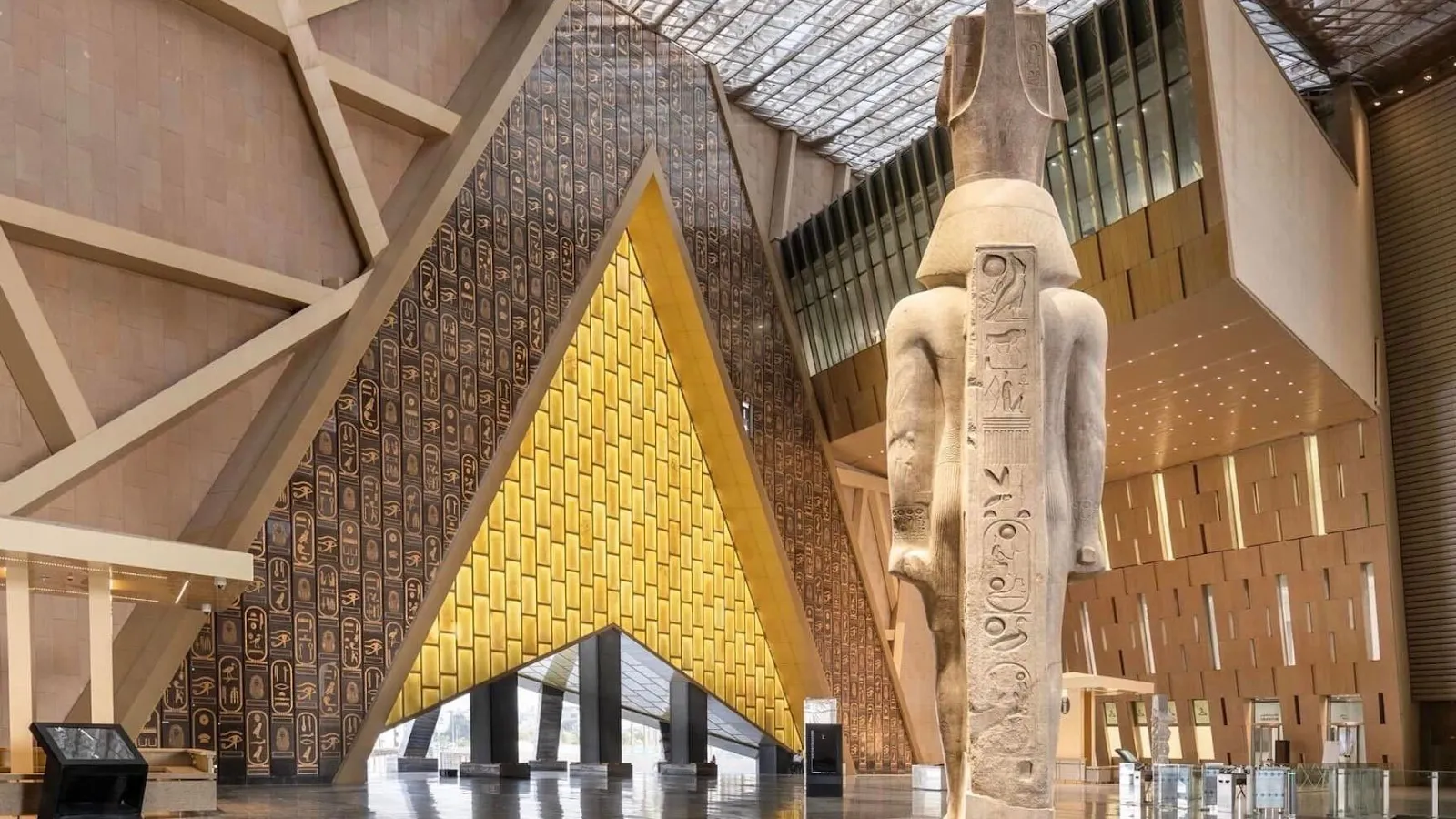
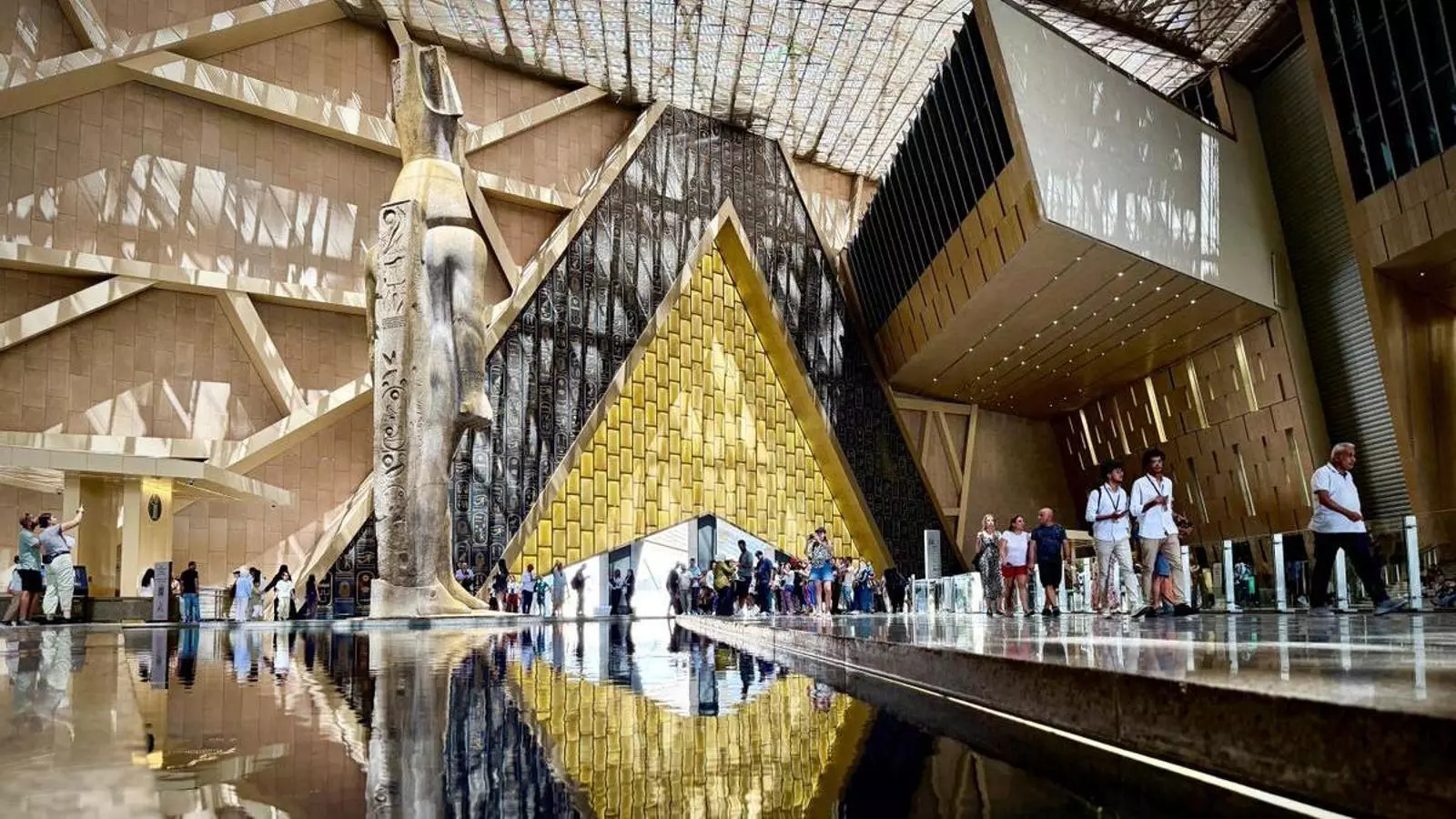
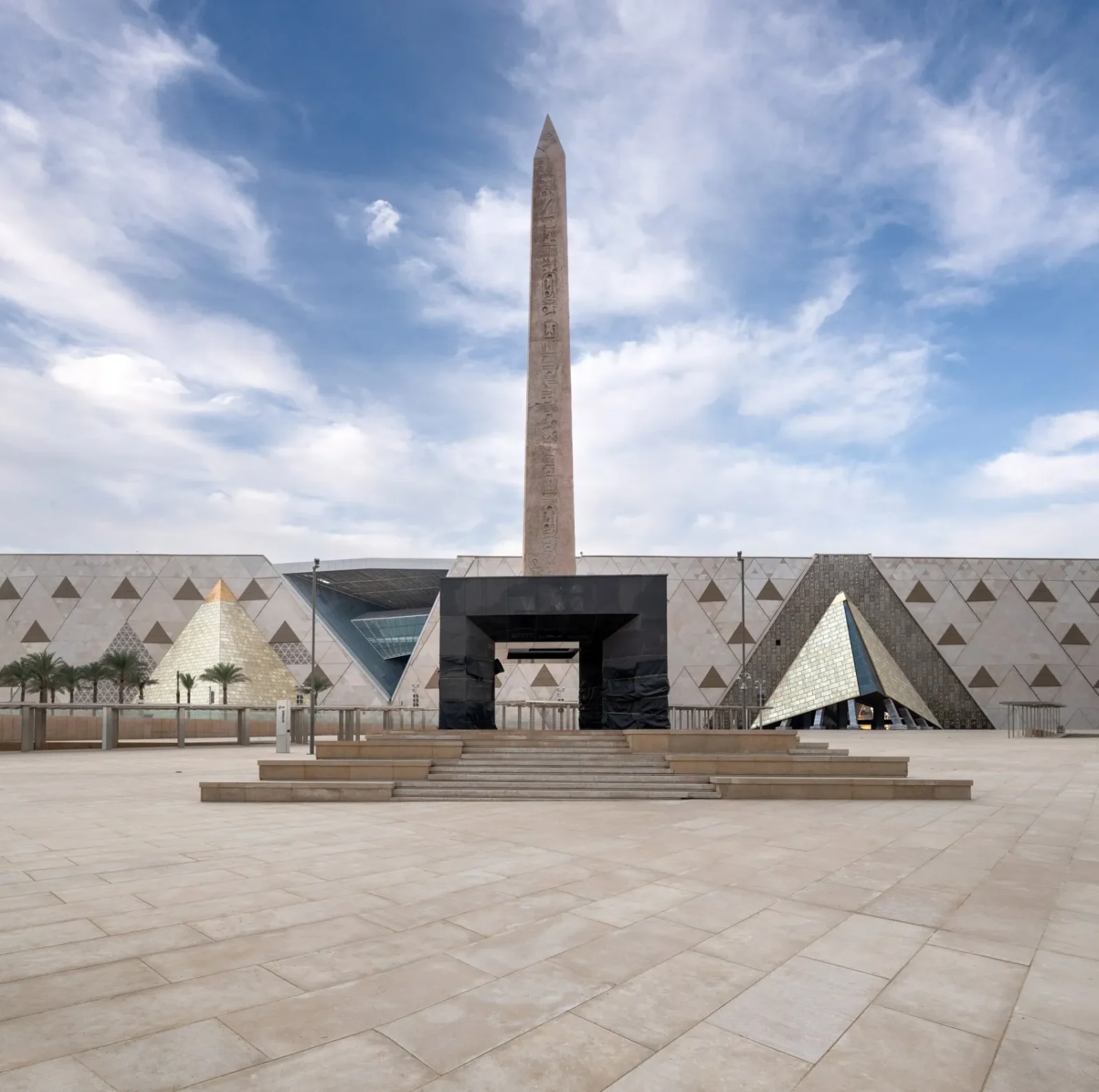
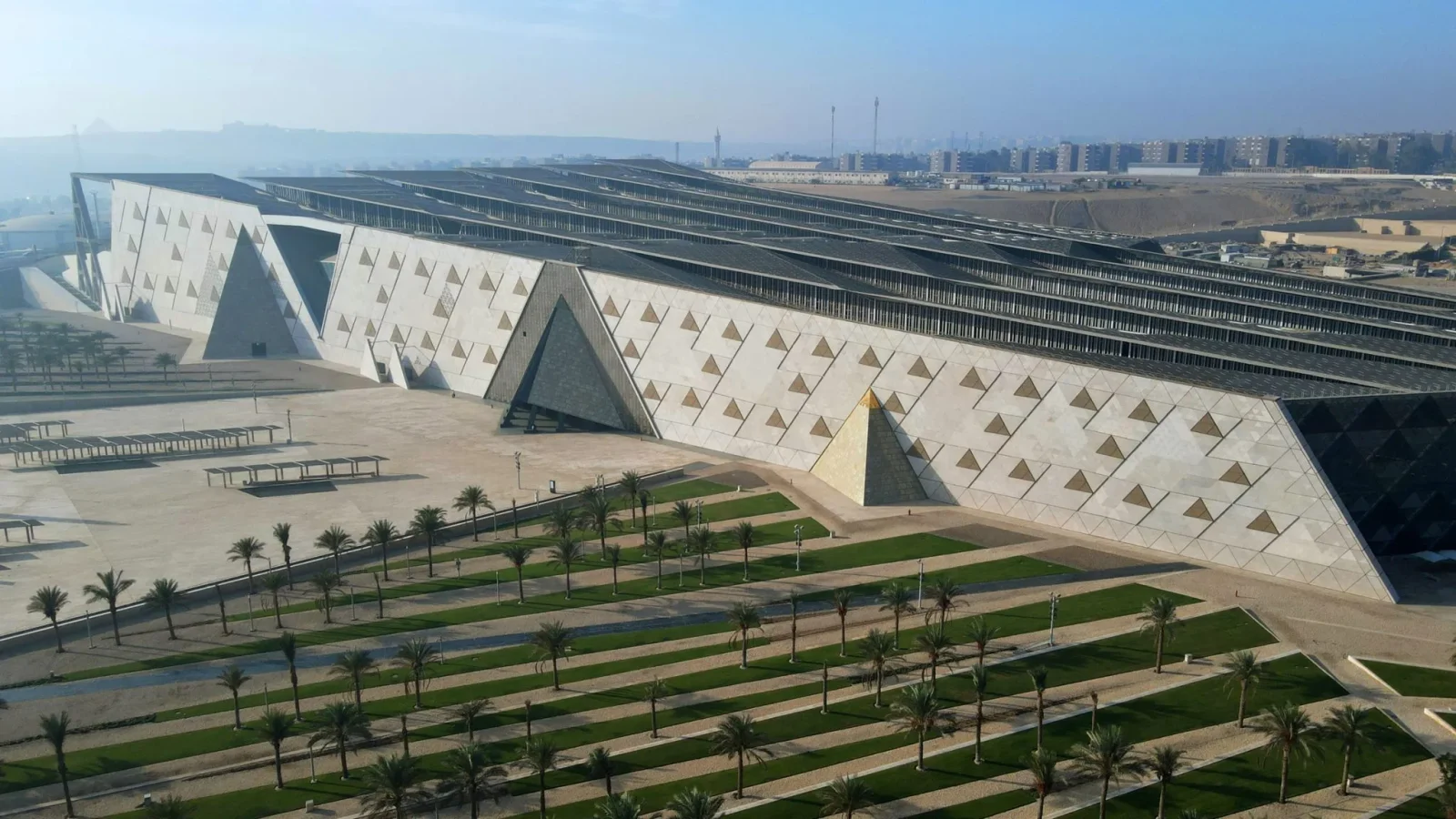
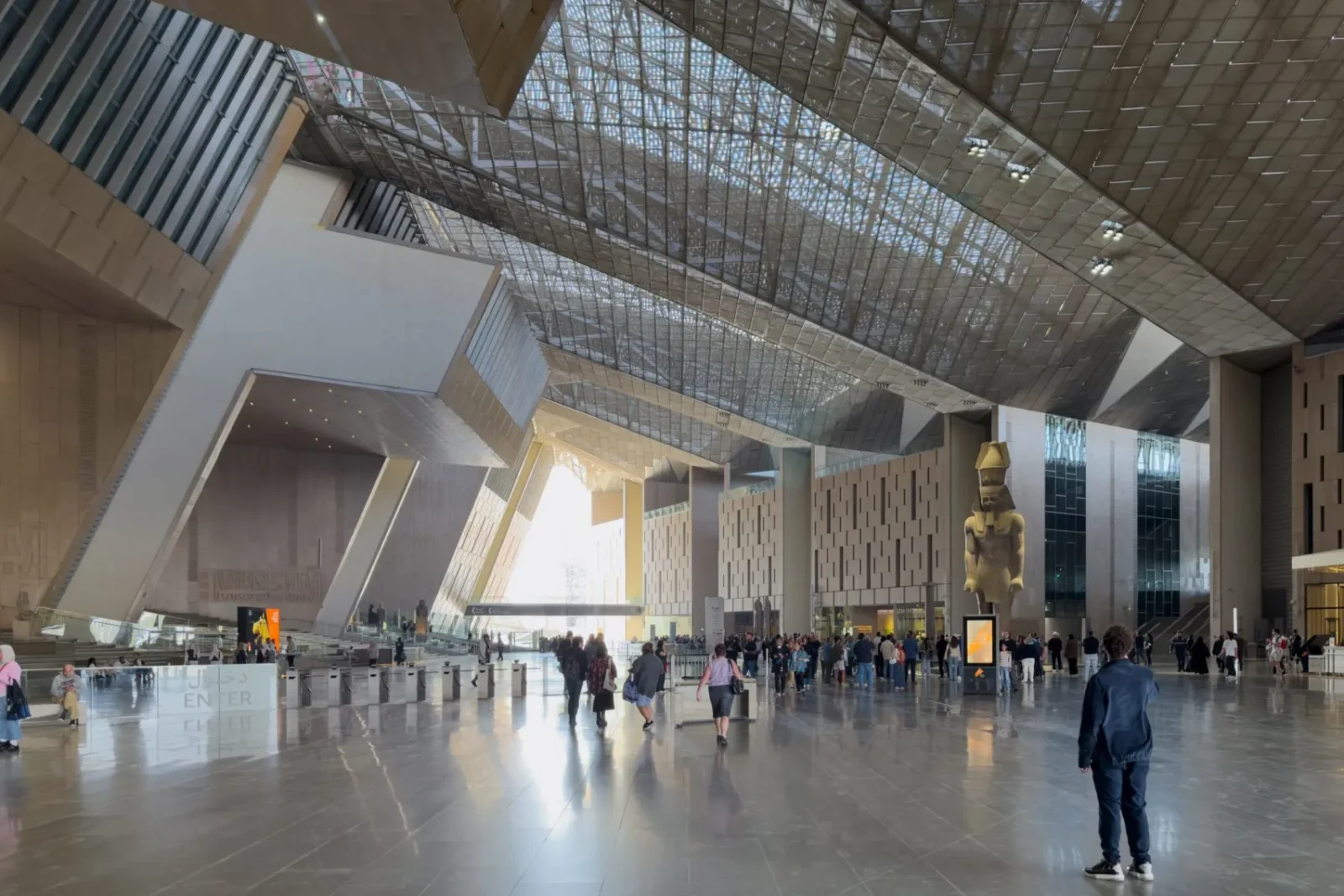
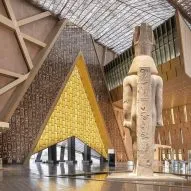
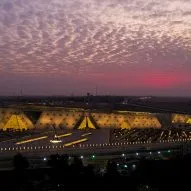
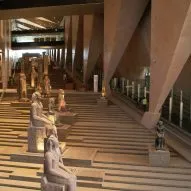
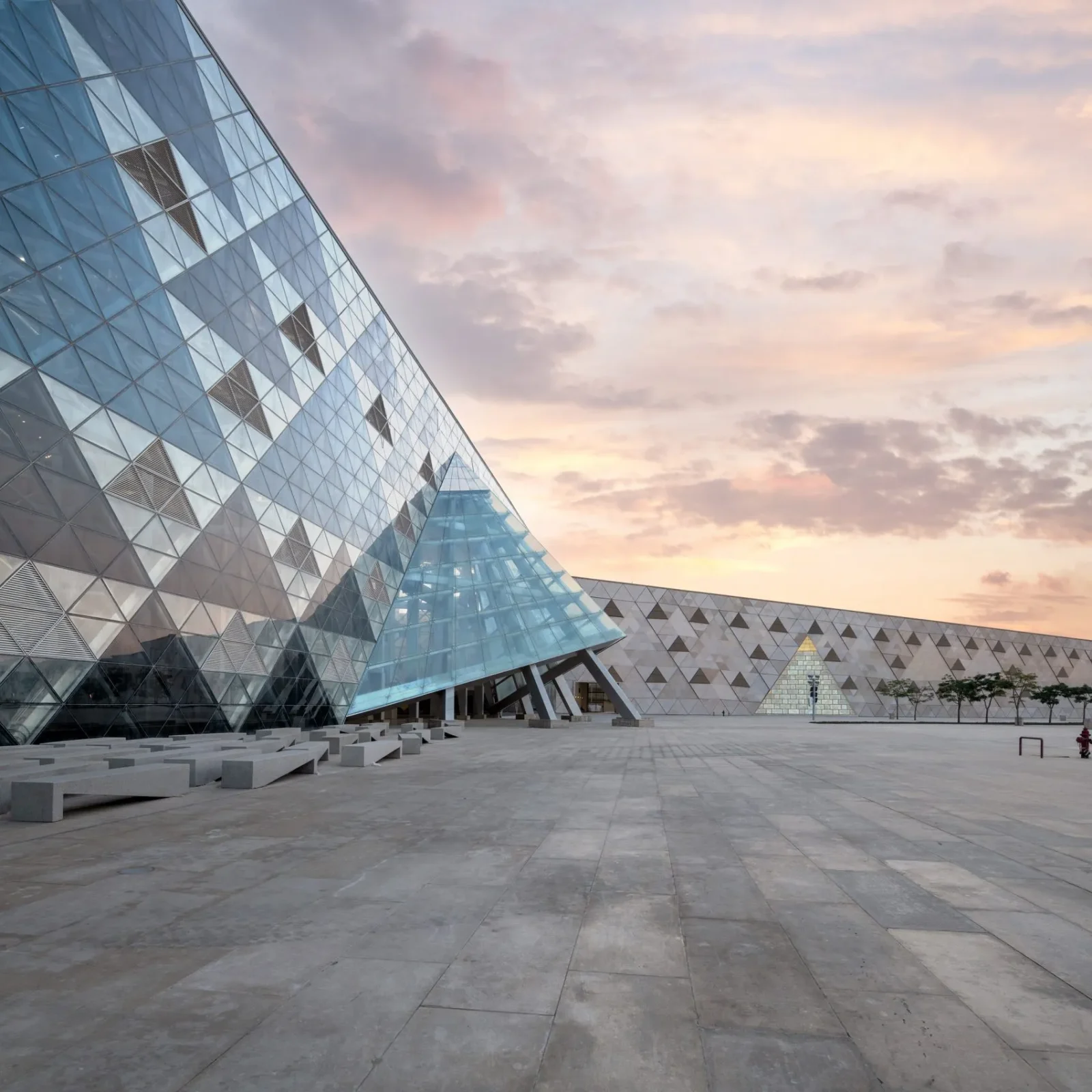
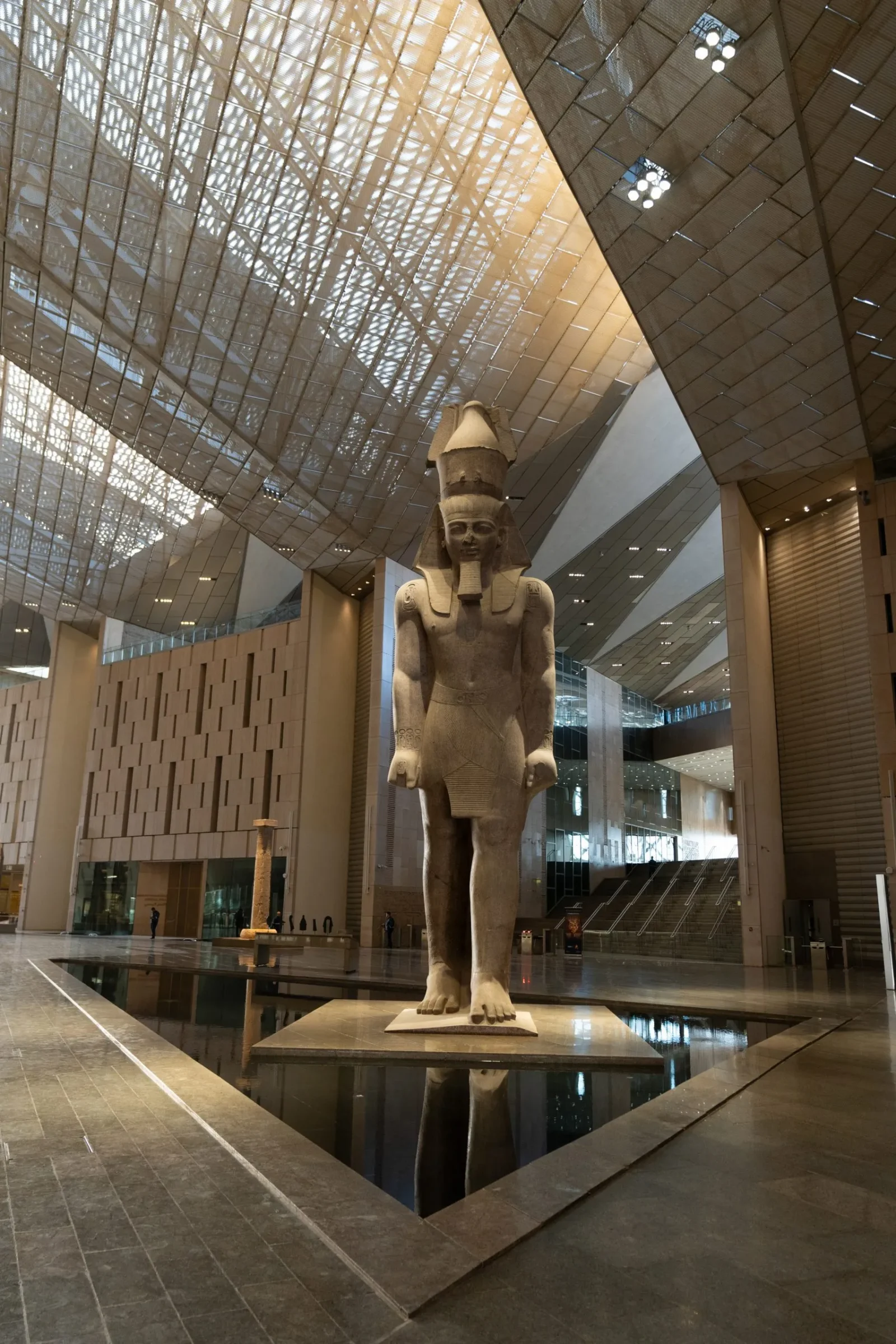
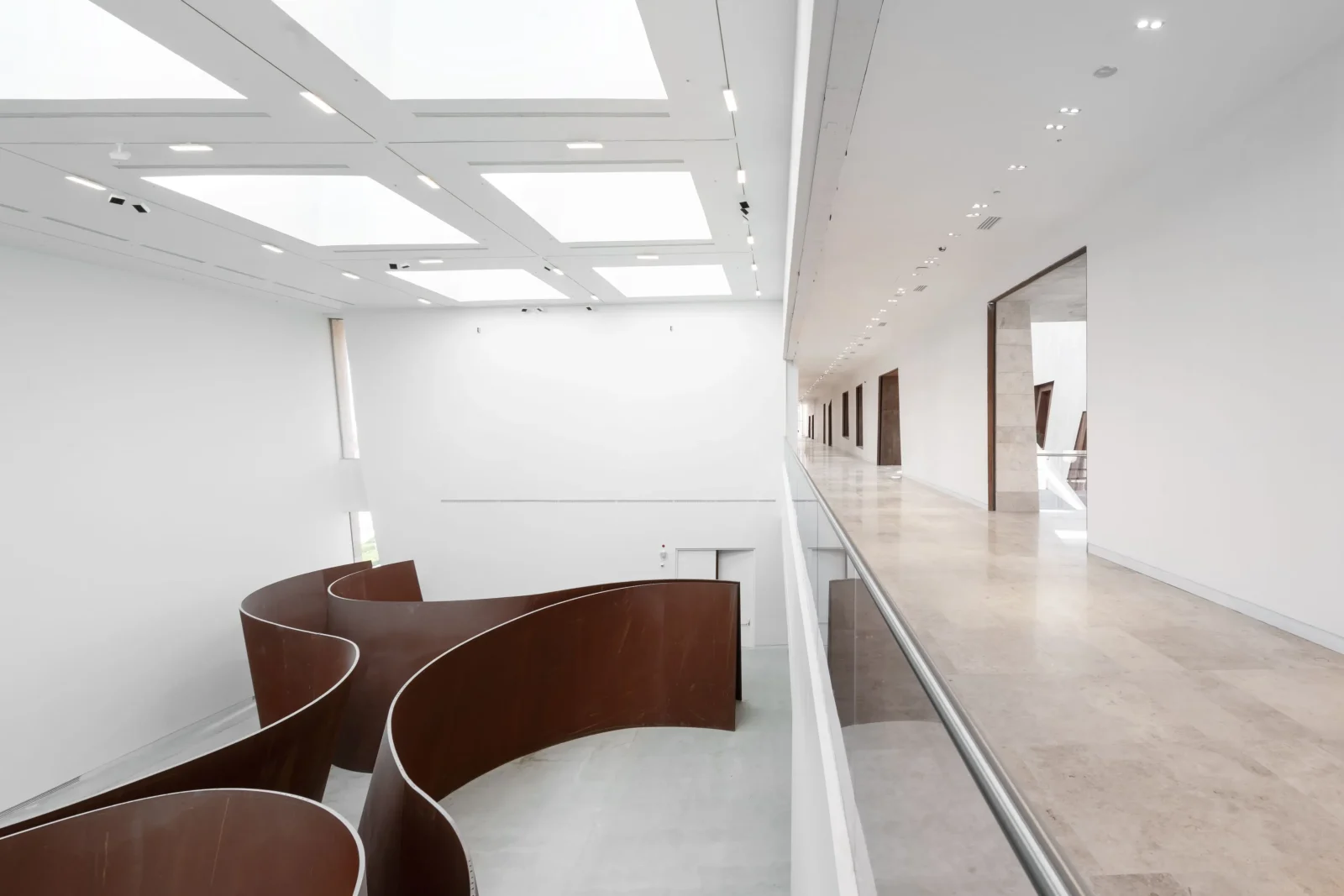
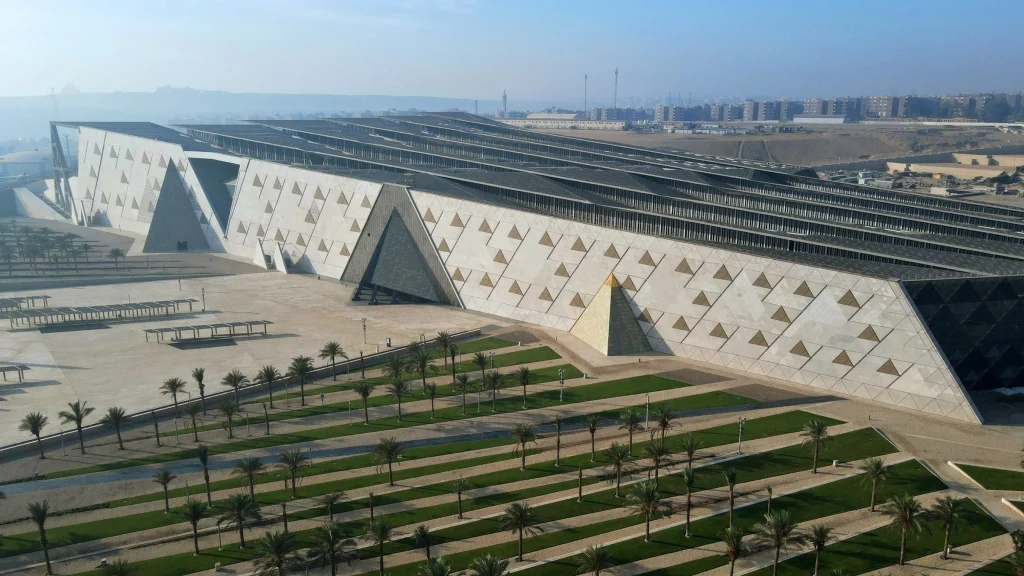
The Grand Egyptian Museum in Giza is the largest archaeological museum in the world, officially opened on November 4, 2025, representing a historic milestone in global heritage. Strategically located just 1.2 kilometers from the Great Pyramids of Giza, it creates a powerful visual and intellectual dialogue with the ancient wonders. Designed by the Irish architectural firm Heneghan Peng Architects, the structure, with its sand-colored concrete and translucent alabaster stone on its main facade, takes the form of a massive chamfered triangle, echoing the geometry of a pyramid.
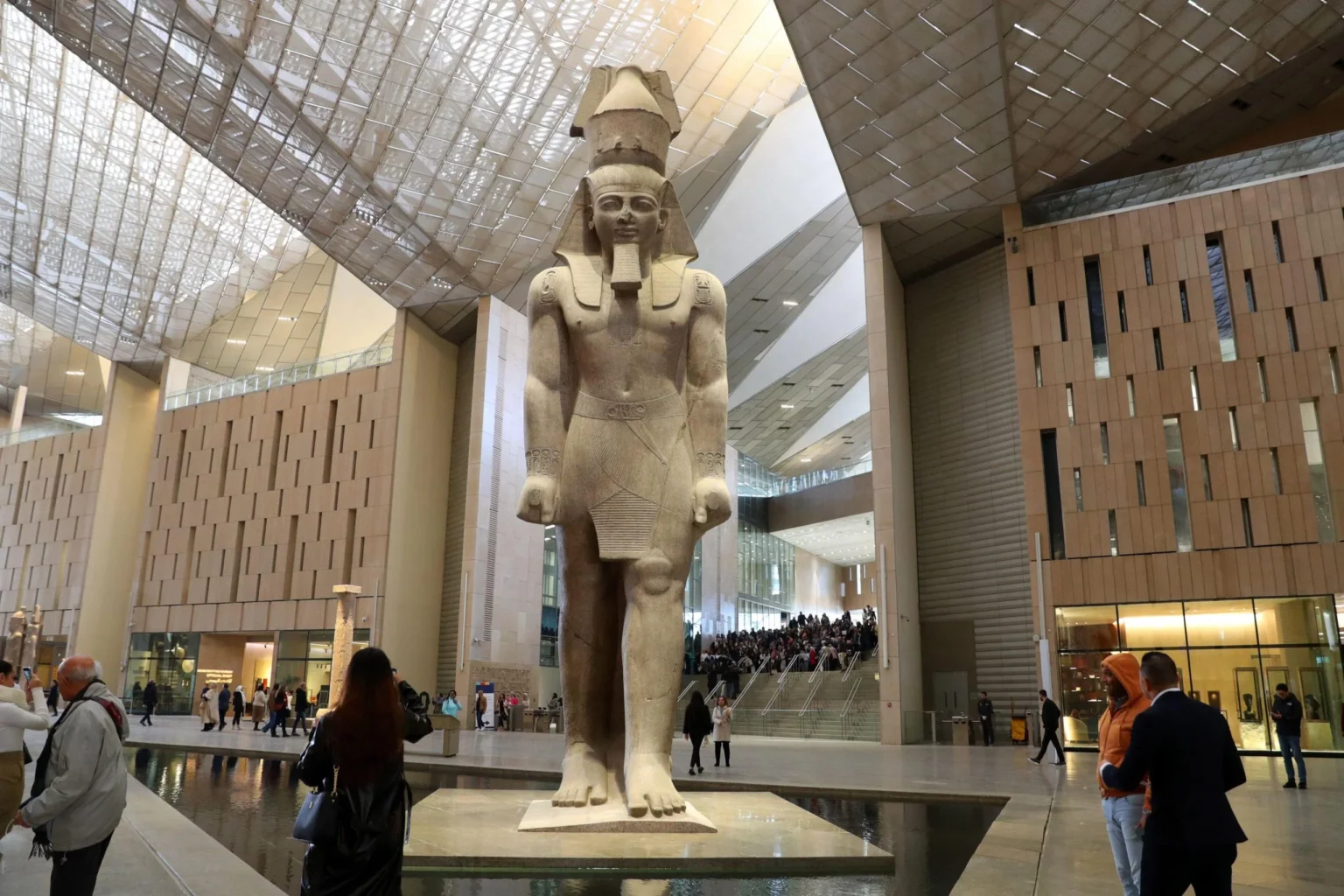
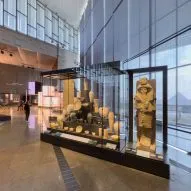
The museum covers 3,500 years of ancient Egyptian history and over 100,000 artifacts, including the King Tutankhamun collection. The Grand Egyptian Museum Conservation Center was developed with support from Japan’s National Research Institute for Cultural Properties and includes a research hub as well as state-of-the-art conservation facilities.
8. Studio Museum in Harlem
Location: Harlem, New York, USA
Architect: Adjaye Associates (with Cooper Robertson as executive architect)
Opening Date: November 15, 2025
Area: 82,000 square meters (Total building area)
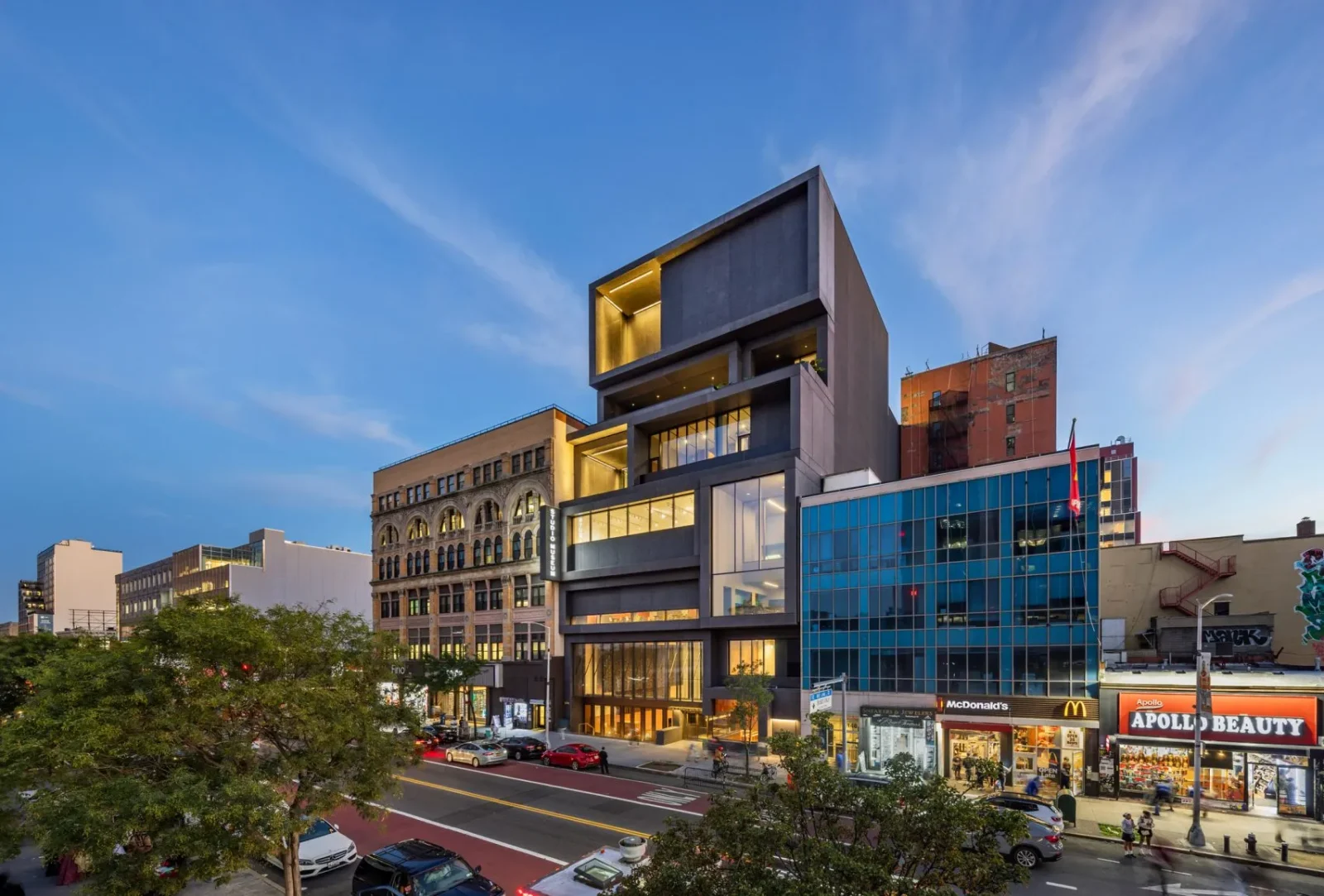
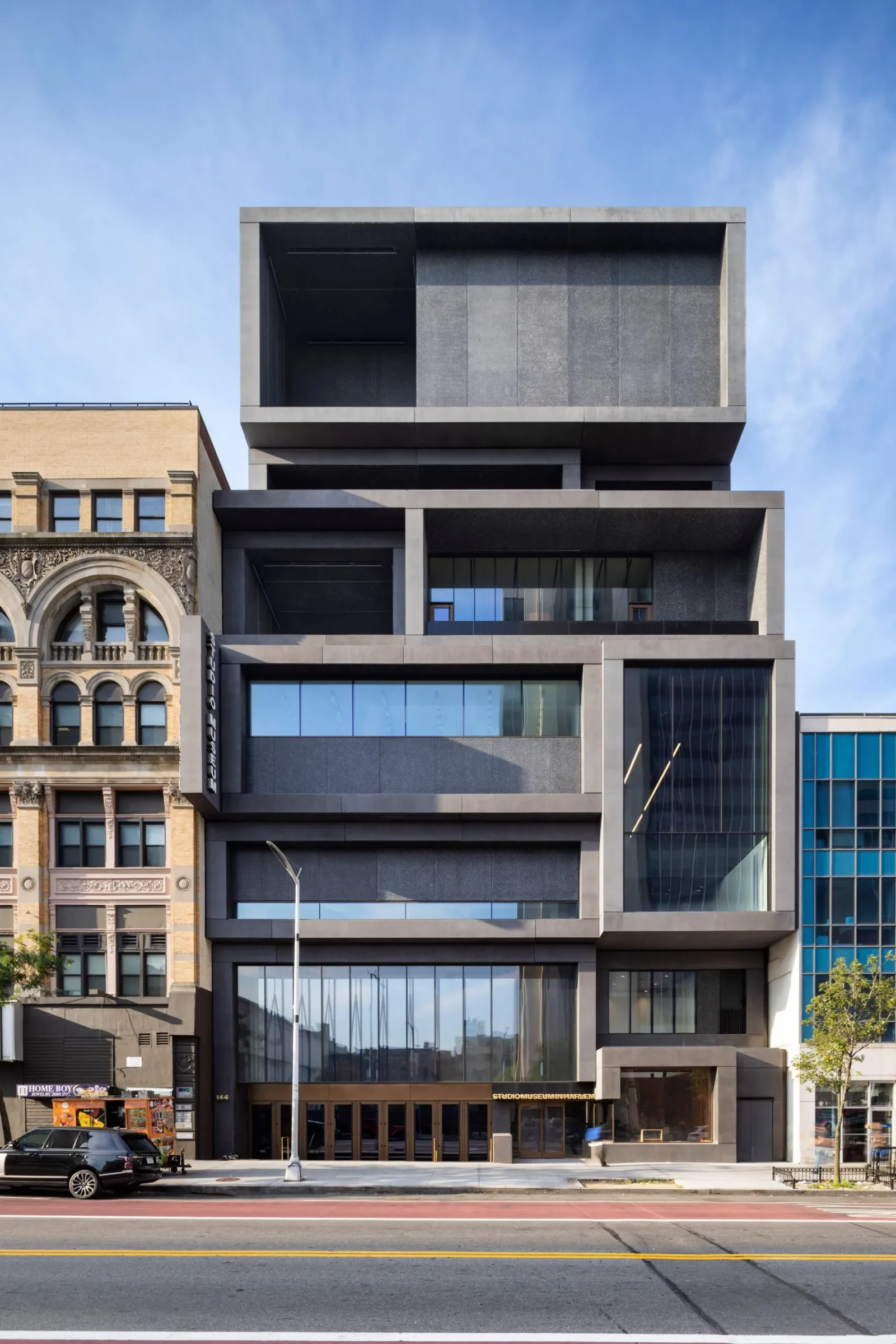
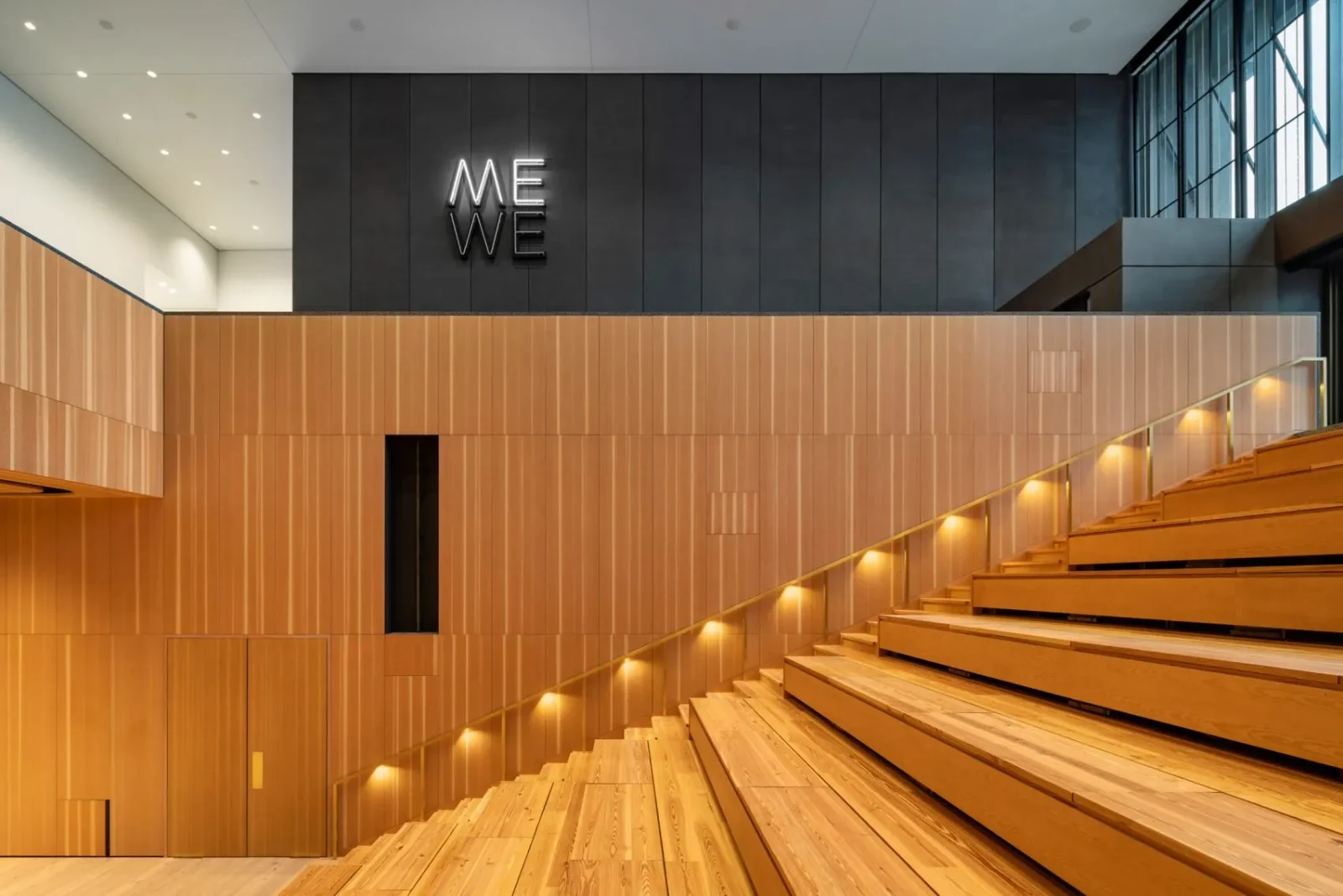
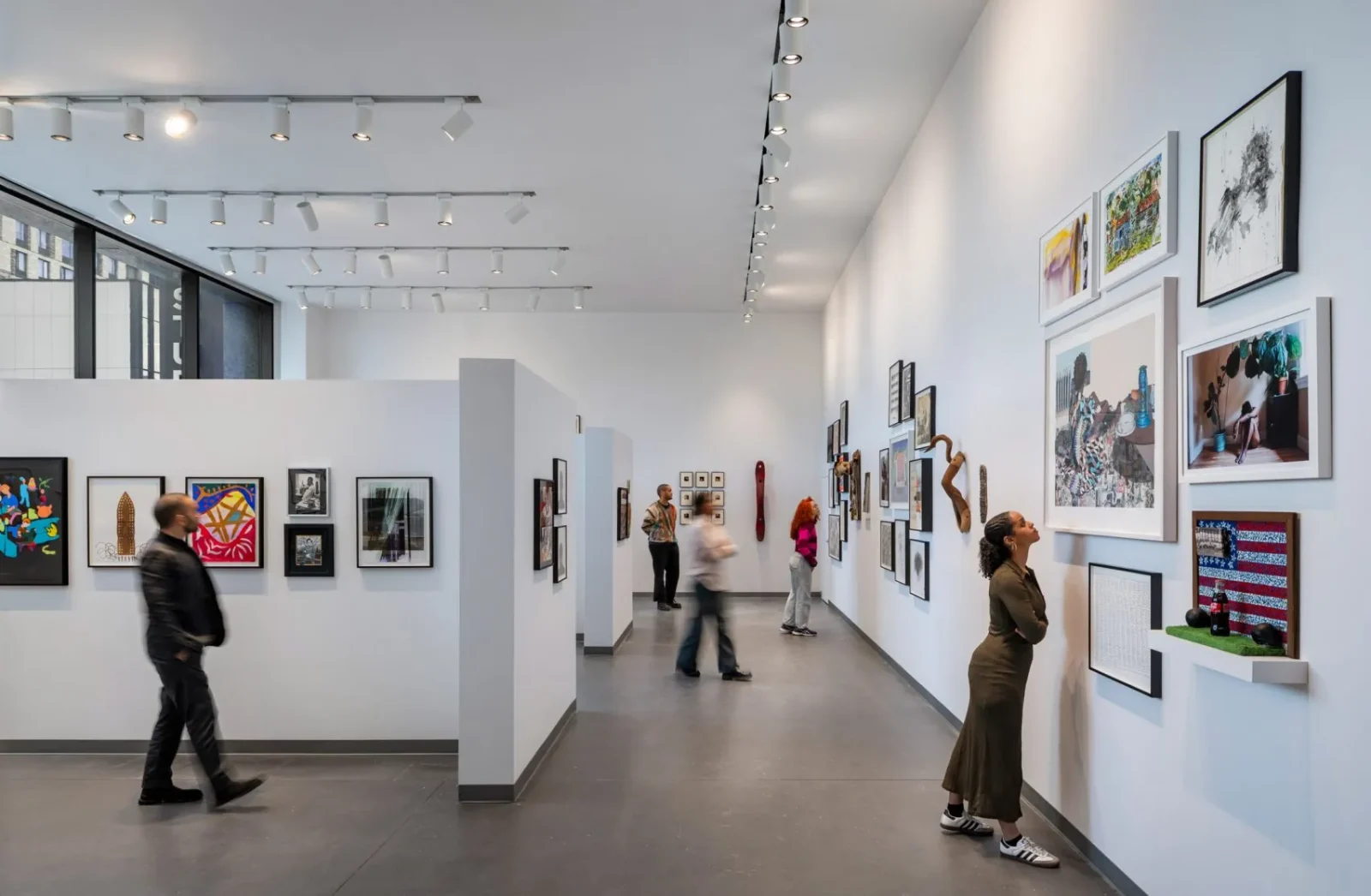
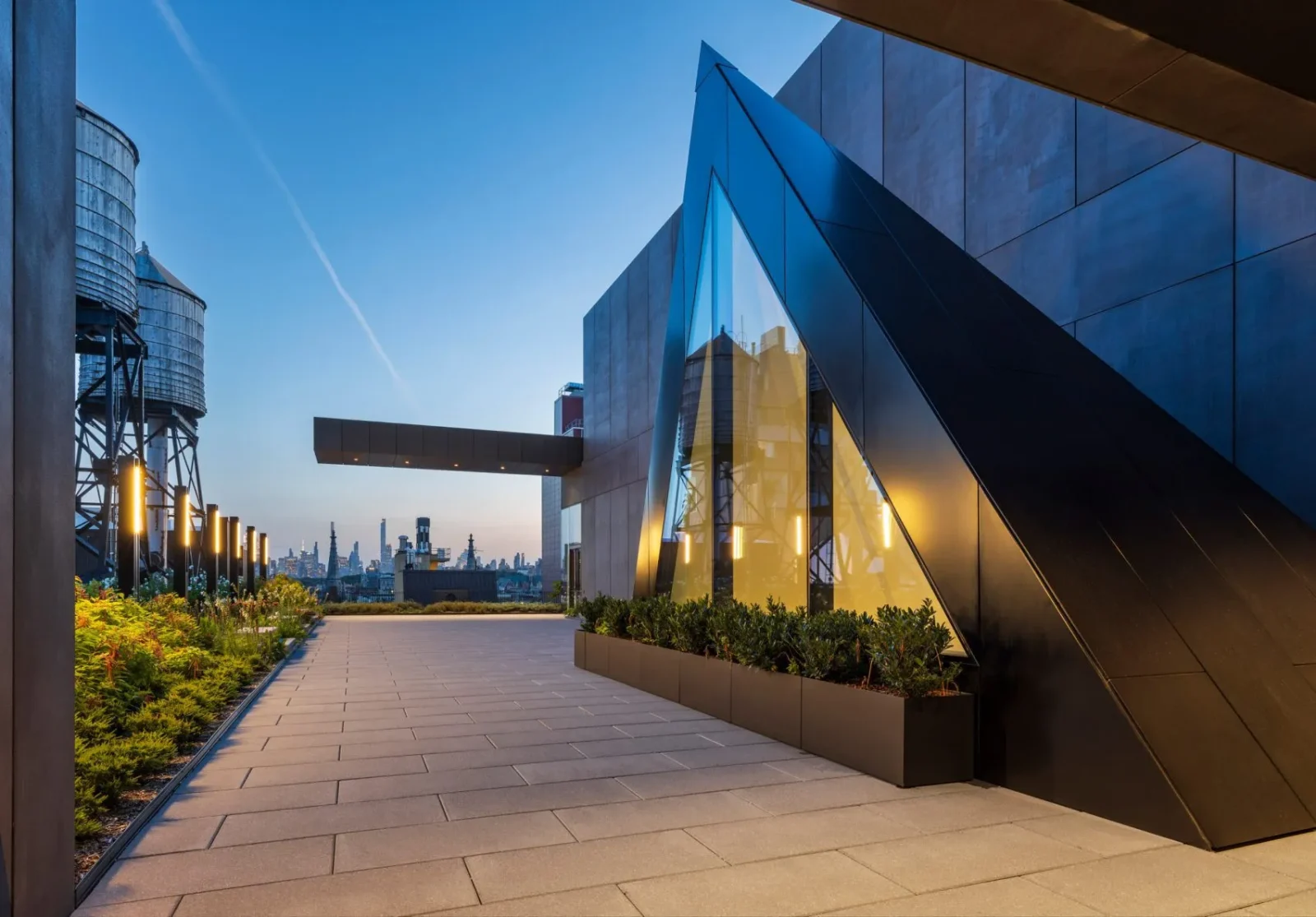
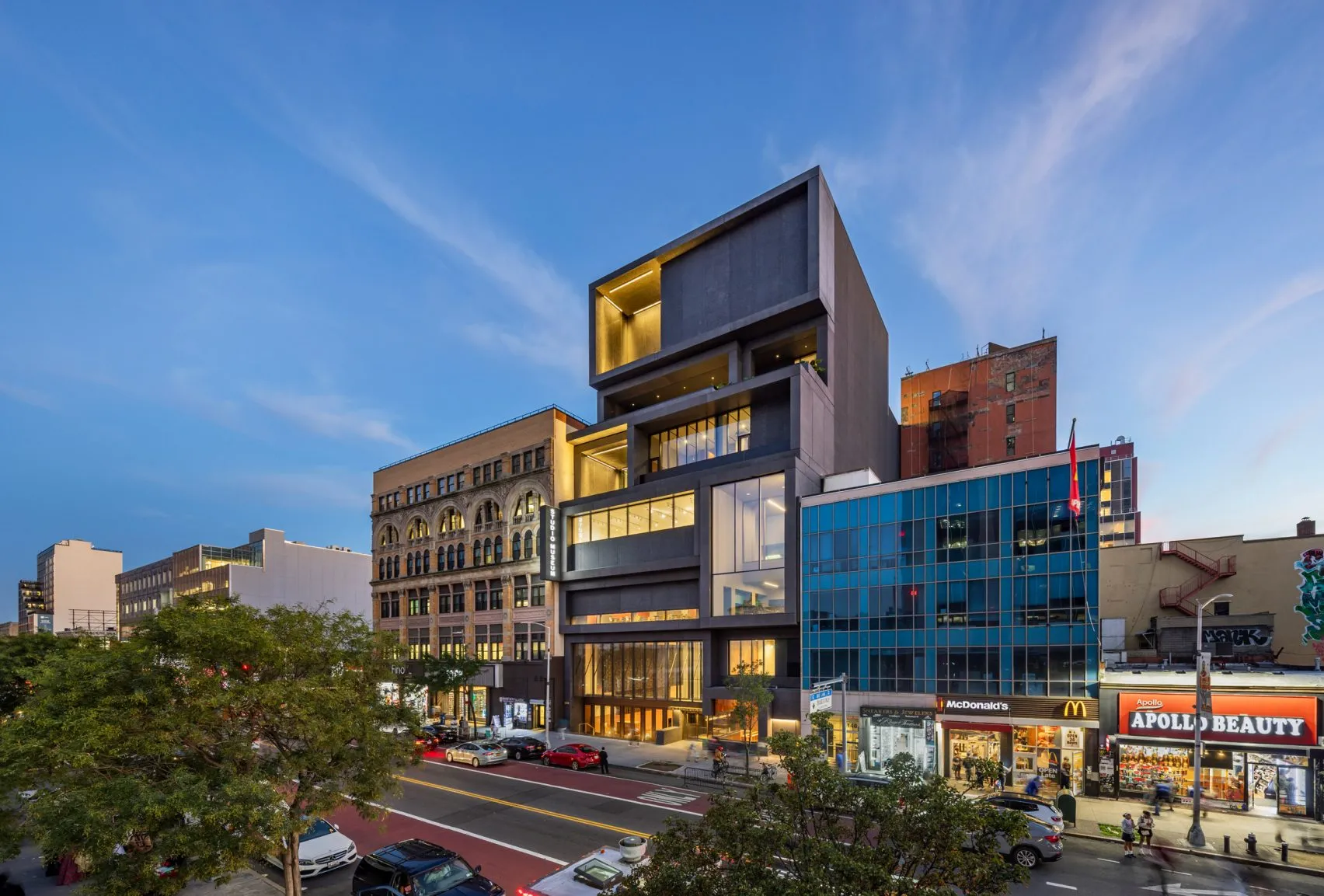
Designed by Adjaye Associates, with Cooper Robertson serving as executive architect, the Studio Museum reopened on November 15, 2025, marking a milestone in its 57-year history. Spanning 82,000 square feet on seven floors, the $300 million structure is a definitive architectural and financial statement dedicated to Black art. The core design element supports cultural exchange, including gallery spaces, an education workshop, and enlarged areas for public programs.
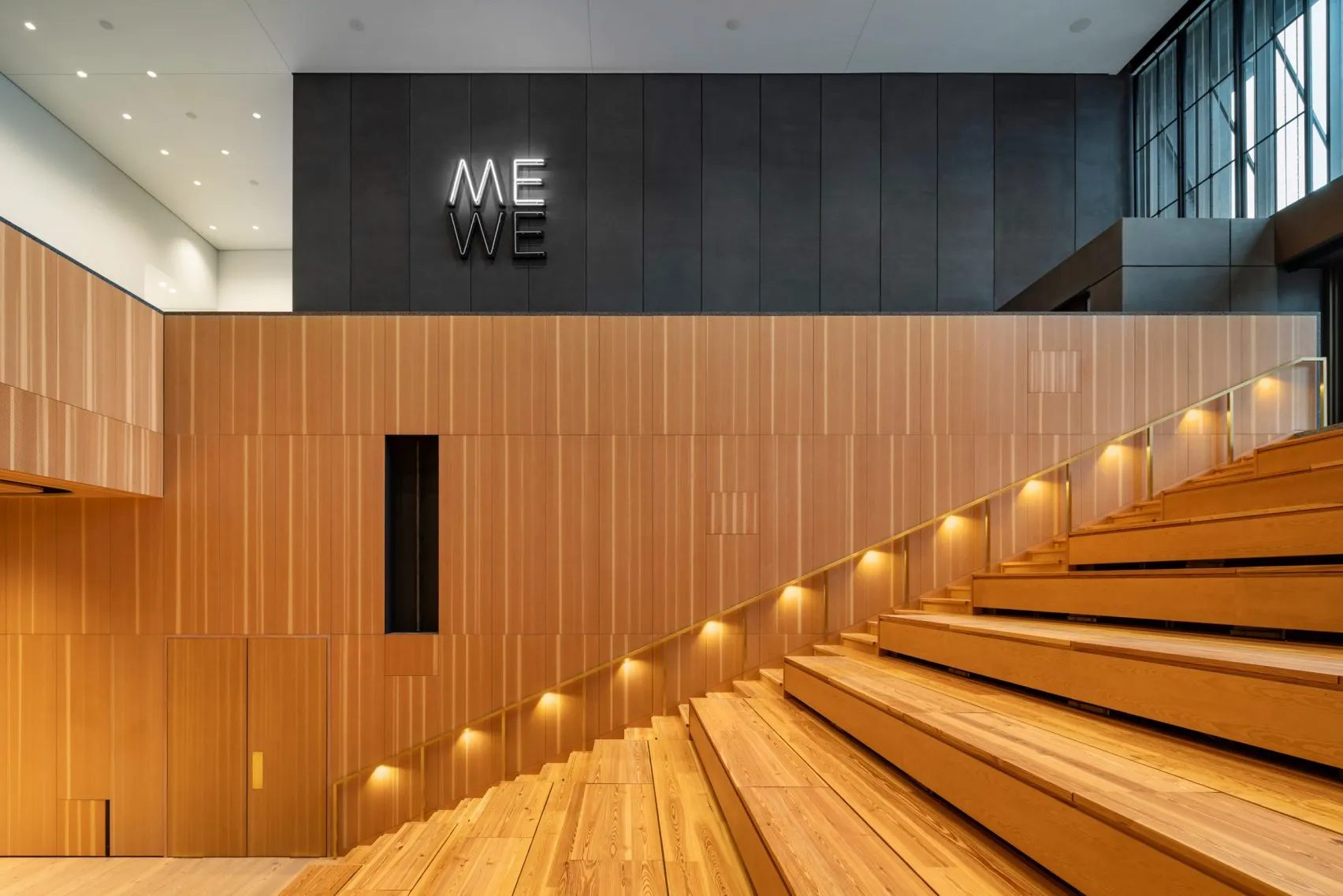
The inaugural exhibitions feature both contemporary art and a collection overview, highlighting foundational figures such as Faith Ringgold, Jean-Michel Basquiat, and Tom Lloyd, whose work was part of the museum’s very first exhibition in 1968.
9. Natural History Museum Abu Dhabi (Mecanoo)
Location: Saadiyat Island, Abu Dhabi, UAE
Architect: Mecanoo
Opening Date: November 2025
Area: 35,000 square meters (gallery/public space area)
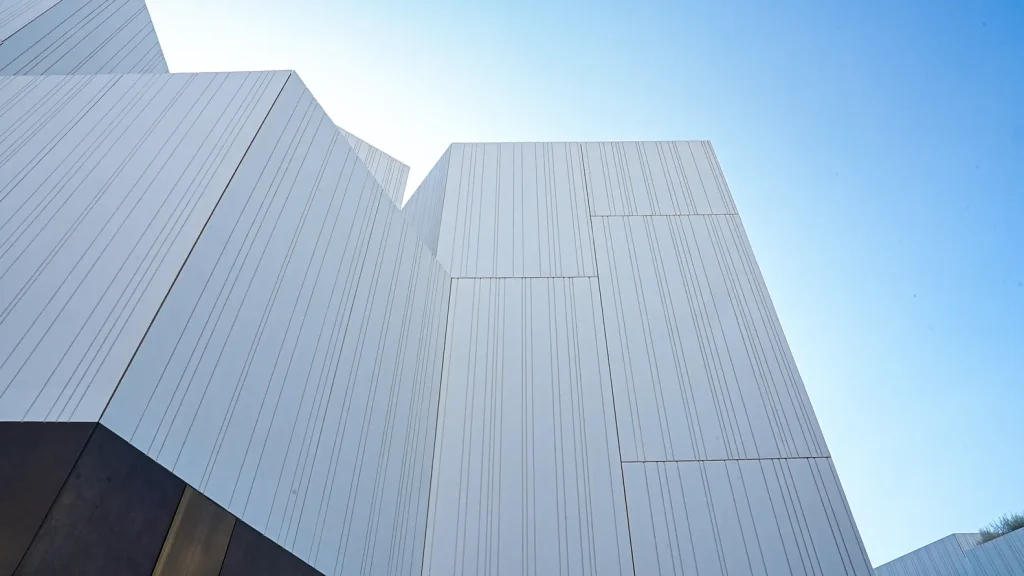
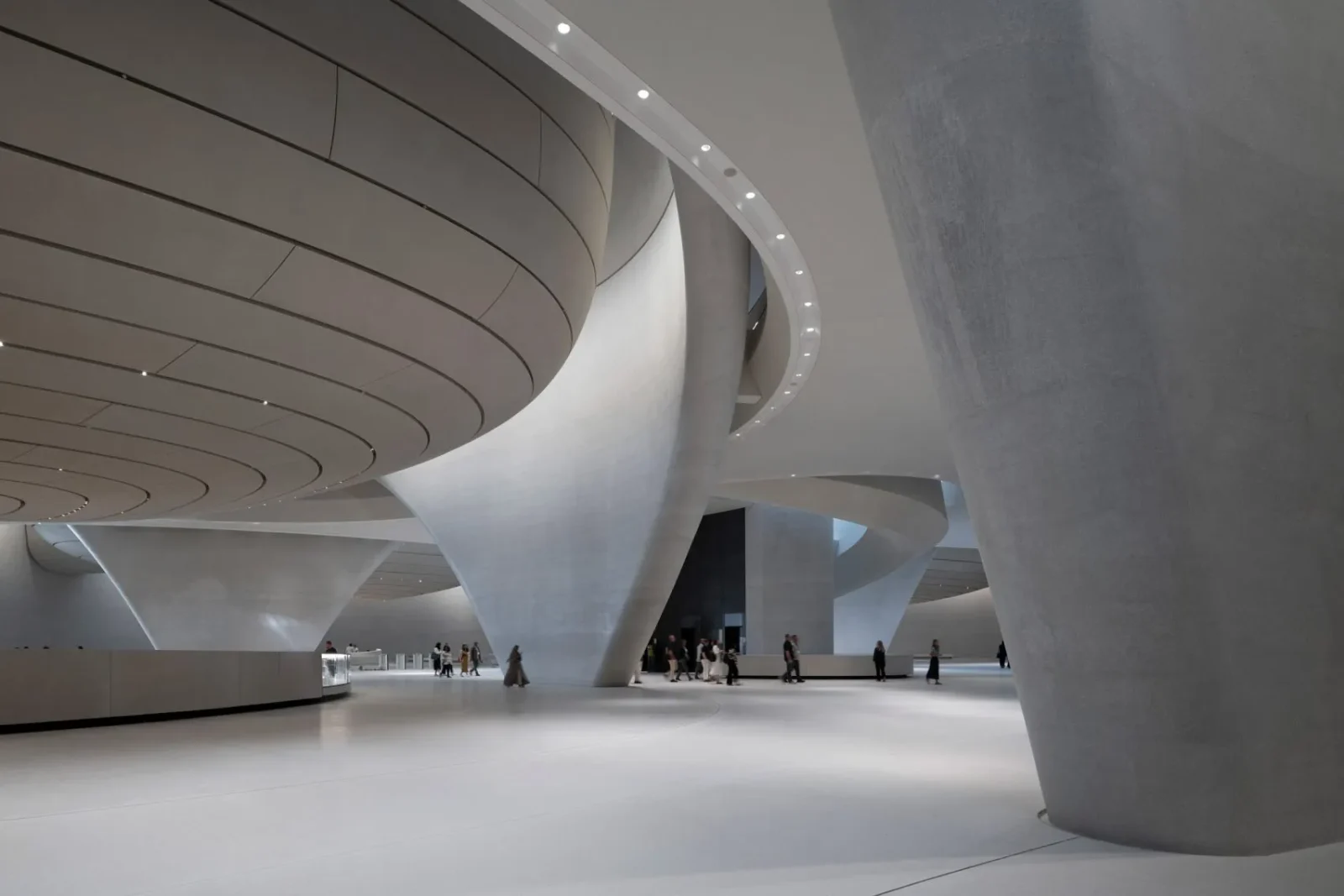
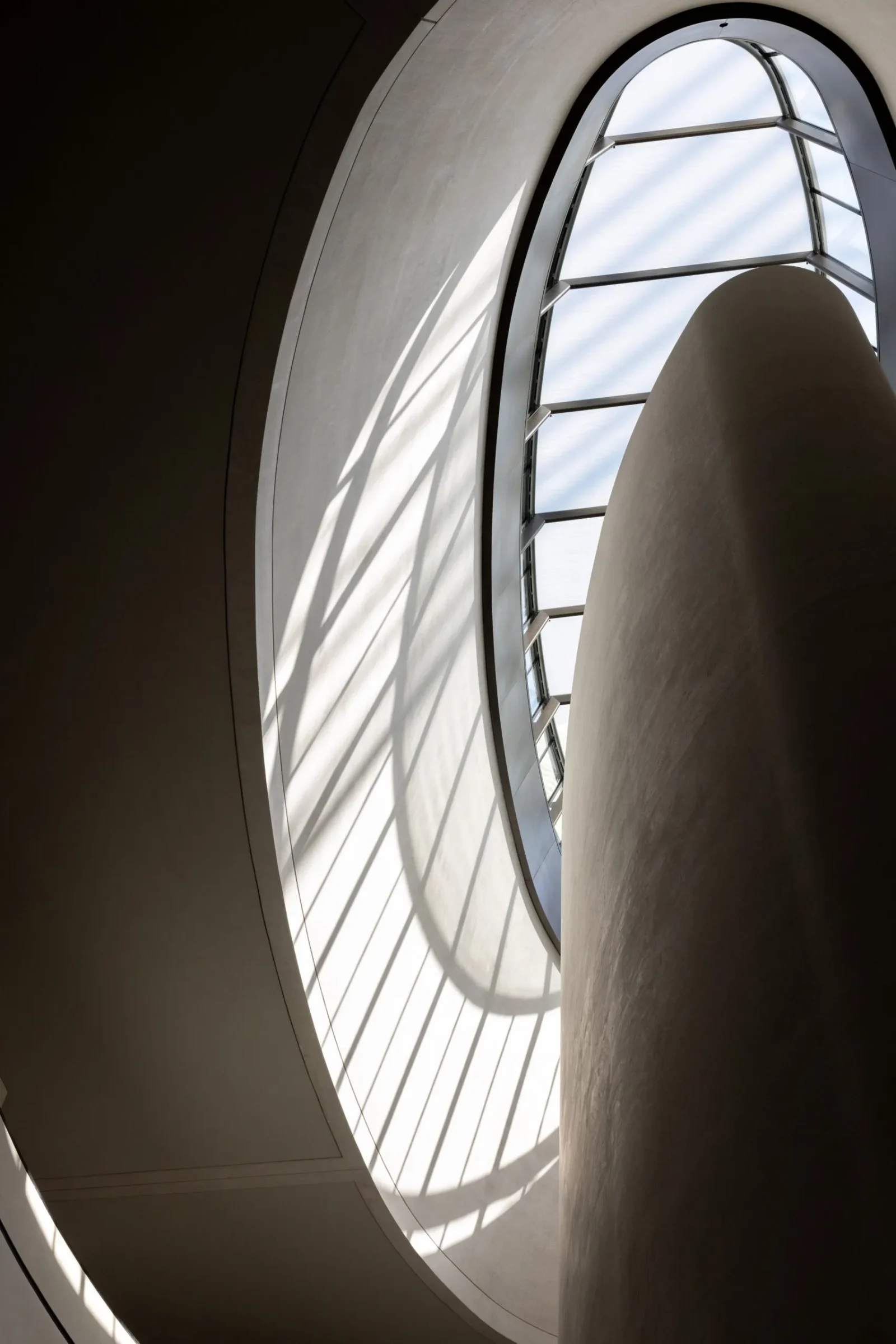
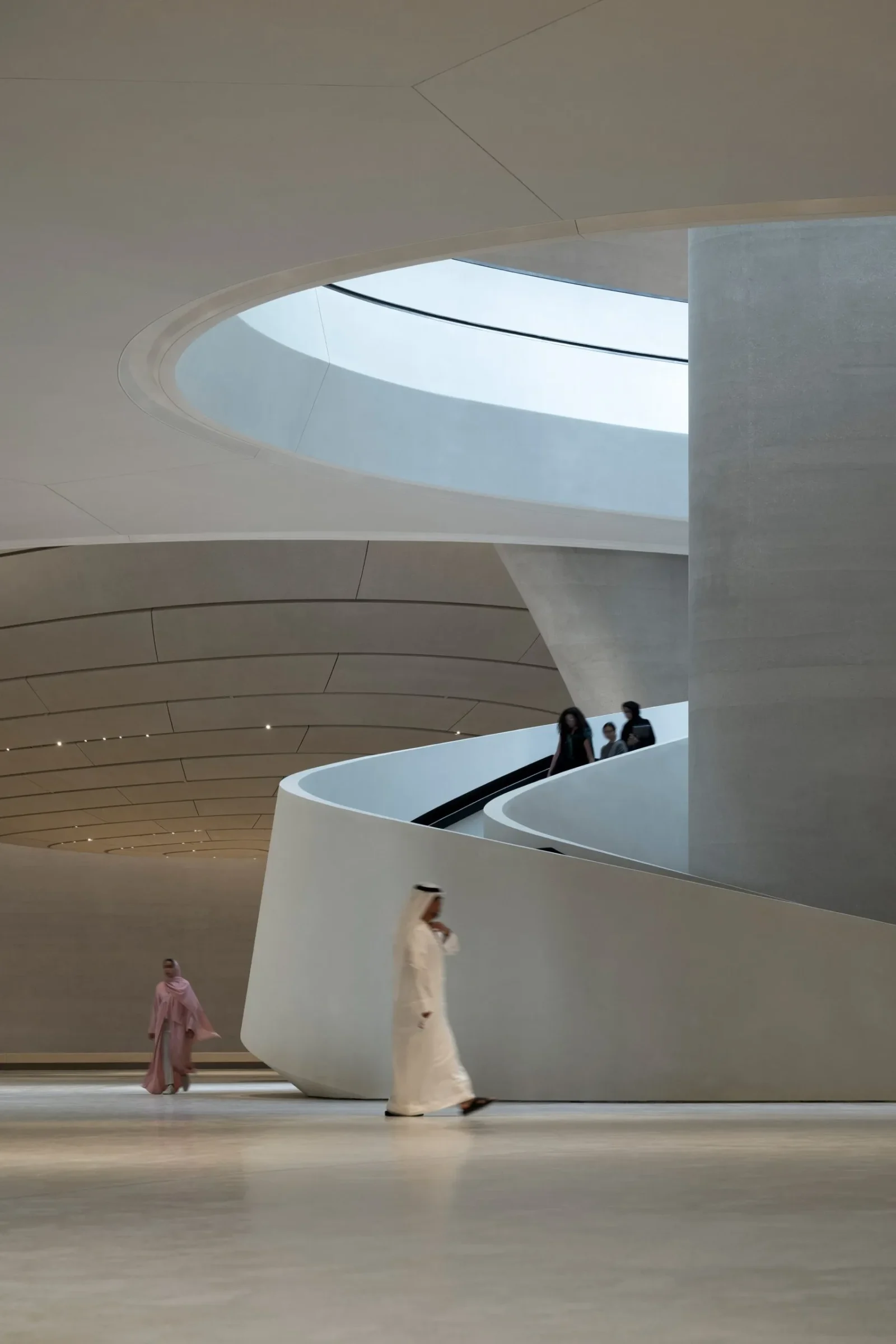
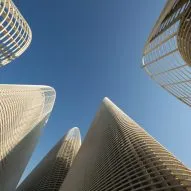
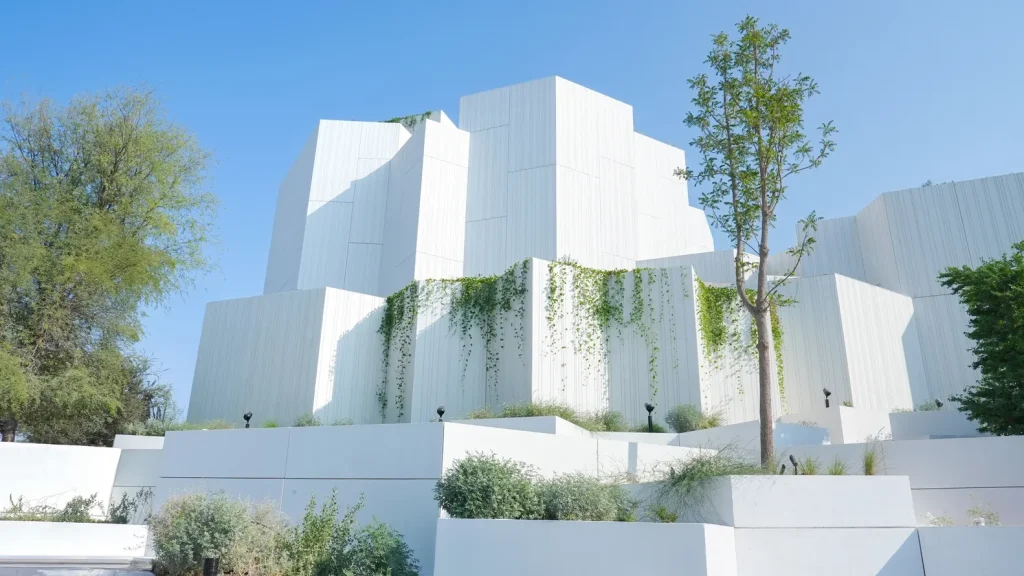
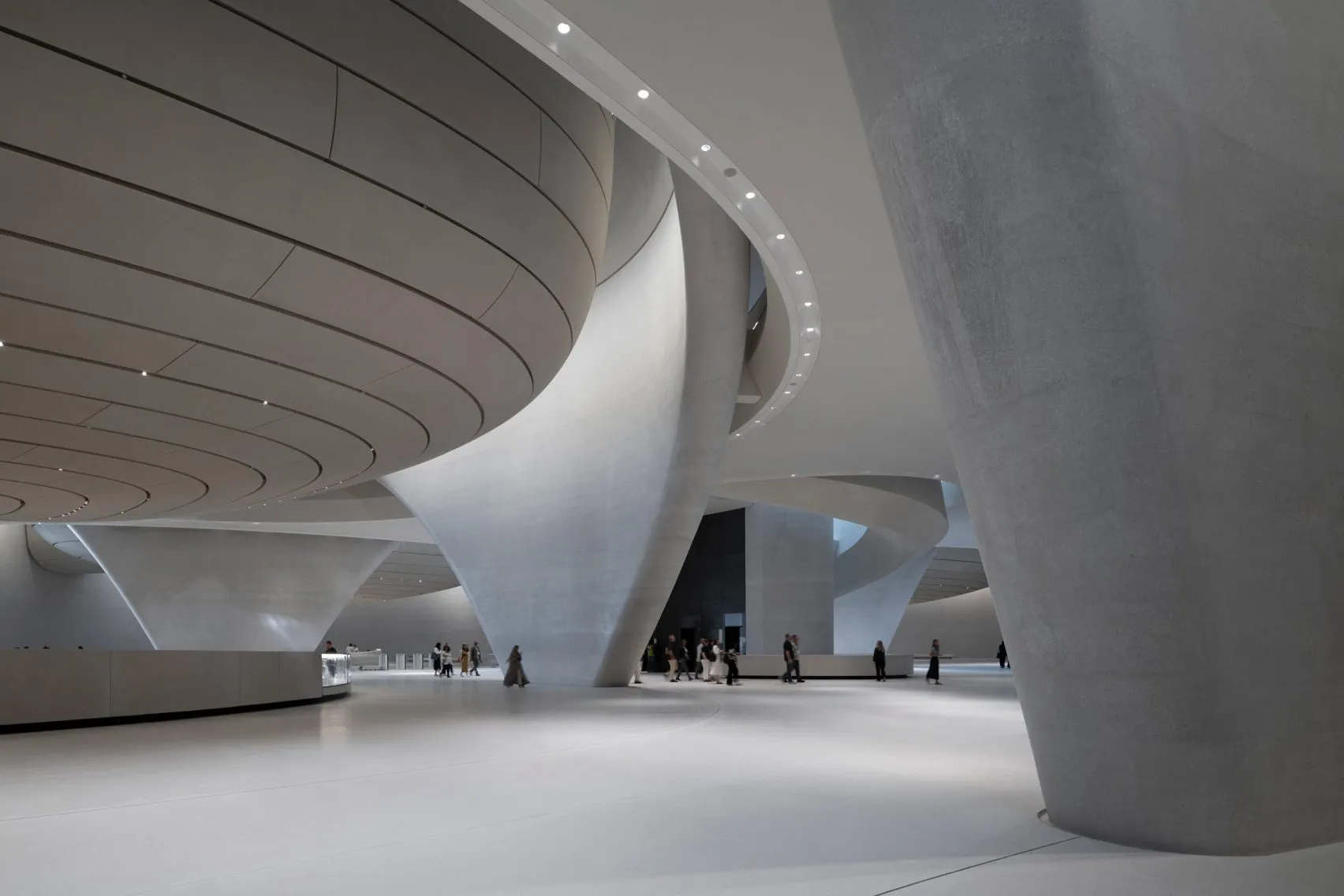
Opened in November 2025, the Natural History Museum Abu Dhabi, featuring narratives of Deep Time and global scientific history, draws its inspiration from rocks and cellular structures, mimicking biological forms. Designed by Mecanoo, the exterior features ridged panels of ultra-high performance concrete (UHPC), a material known for its durability in the harsh desert climate.
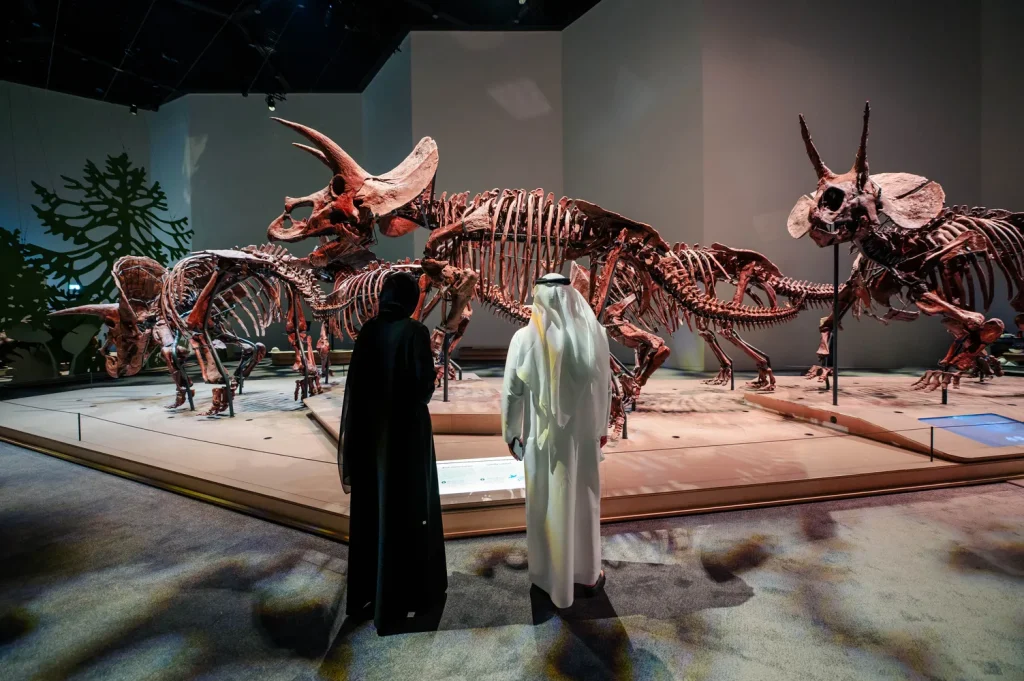
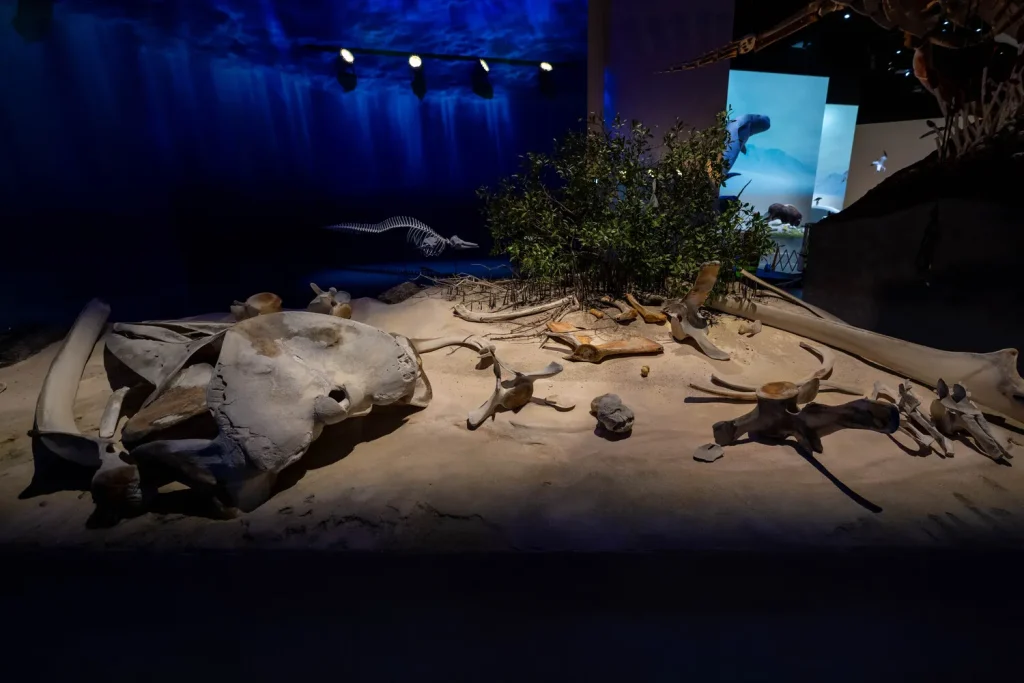
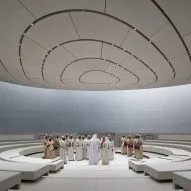
The museum is not a static structure; it invites visitors to experience the geological story, enhancing visitors’ sense of entering an urban cave. The scale and proportion of the structure were dictated by the functional requirements of housing the monumental artifacts, including an entire blue whale skeleton.
10. Zayed National Museum
Location: Saadiyat Island, Abu Dhabi, UAE
Architect: Foster + Partners
Opening Date: December 3, 2025
Area: 44,000 square meters (gallery/public space area)
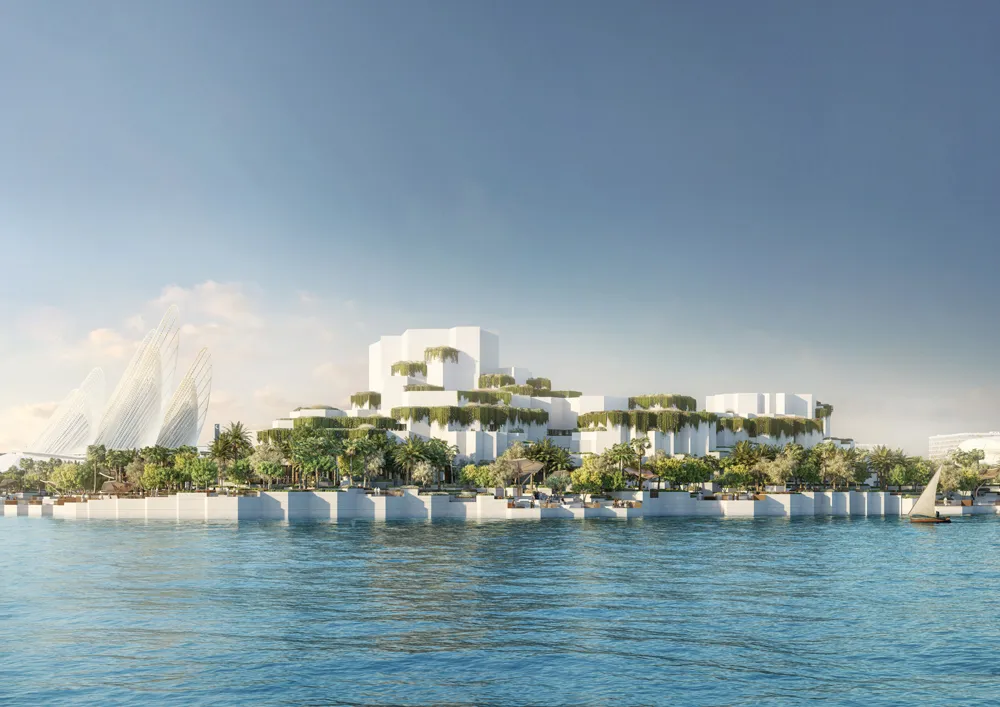
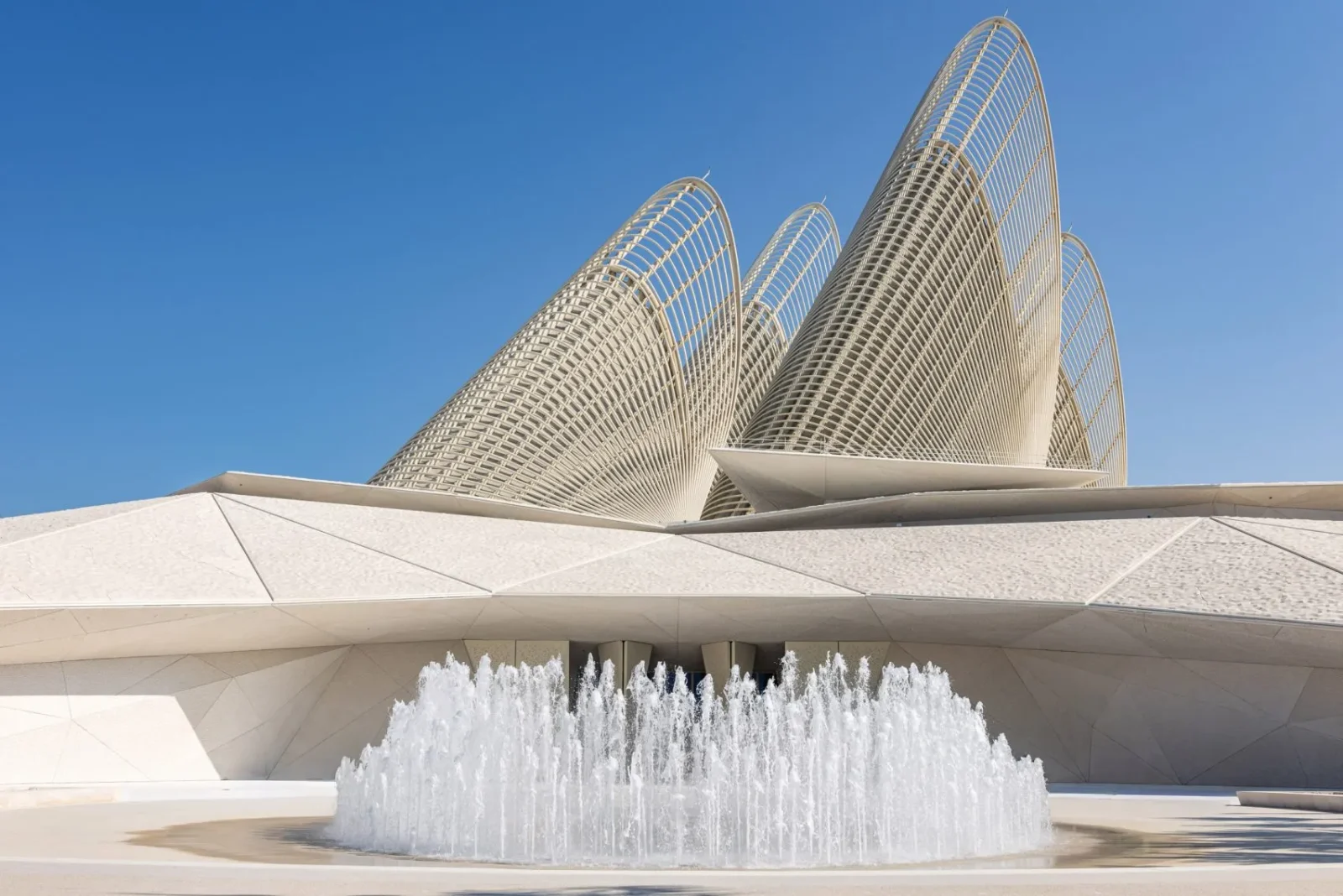
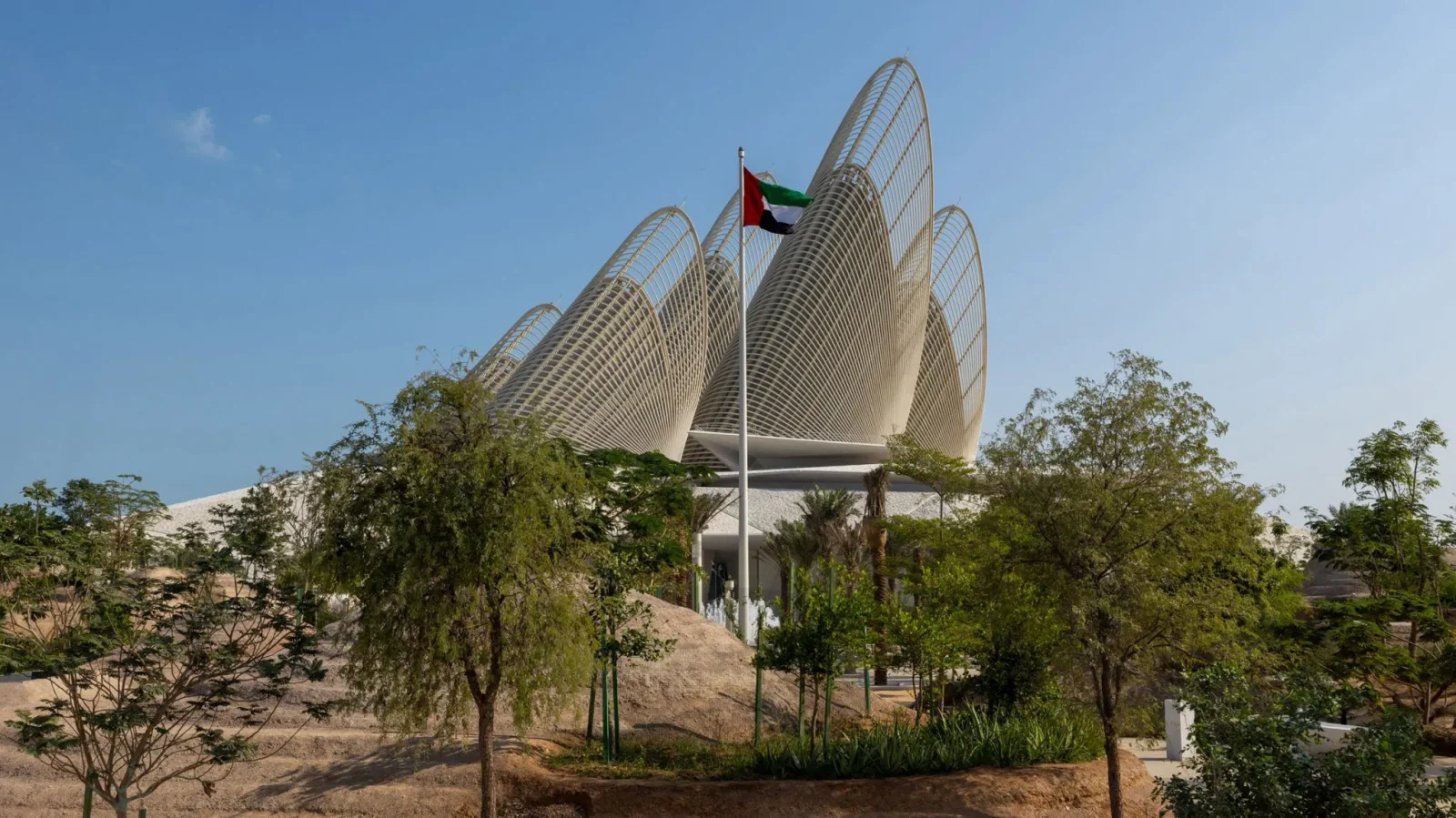
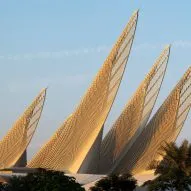
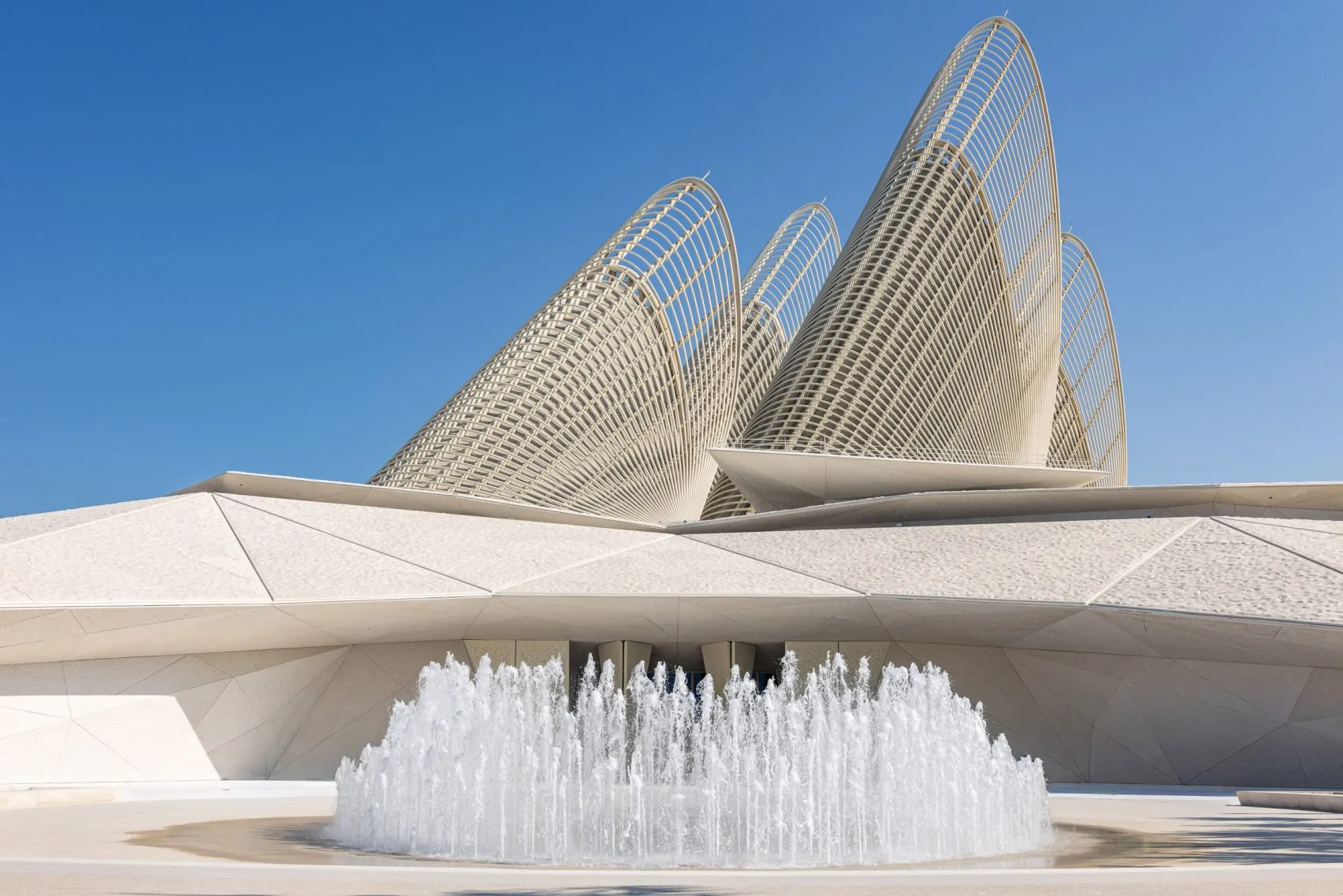
The Zayed National Museum opened its doors to the public on December 3, 2025, designed by Pritzker Prize-winning firm Foster + Partners. Located along the coastline between the Louvre Abu Dhabi and the recently opened Natural History Museum Abu Dhabi, the museum serves as a new cultural anchor for Saadiyat Island. The striking feature of the design demonstrates advanced environmental engineering, with five lightweight steel wings that rise dramatically from the building, acting as solar thermal chimneys. Symbolically, these wings evoke Sheikh Zayed’s love of traditional falconry.
The interior features cutting-edge technology, including six permanent galleries, four of which are suspended, and pod-shaped volumes above the central atrium. The project also functions as a civic space with the 600-meter Al Masar Garden, an outdoor gallery featuring native plantings and a working falaj irrigation system, which deepens the museum to its cultural and environmental context.
Explore Courses
.jpg "Ondrej Chybik - Rethinking Architecture")