

For decades, luxury architecture was measured by what it could accumulate with materials like rare stone, exotic timber, technological spectacle, and increasingly complex systems that showcased wealth through abundance. Today, a quieter but far more radical shift is underway. Some of the most ambitious projects today are not defined by what they add but by what they remove, particularly from the air around us. This goes beyond sustainability. It points to a new way of thinking about architecture and its role in the world.
The new prestige lies in restraint as buildings are beginning to function like environmental instruments with structures capable of storing carbon, conserving resources, and participating in ecological repair. In this emerging paradigm, design intelligence is measured by lifecycle thinking.
Material Responsibility
For years, sustainability conversations in architecture focused largely on operational performance, how efficiently a building could heat, cool, and power itself. While important, this approach addressed only part of the problem. As renewable energy becomes more widespread and building systems become more efficient, attention has shifted towards a more complex question: What is the carbon cost of making architecture in the first place?
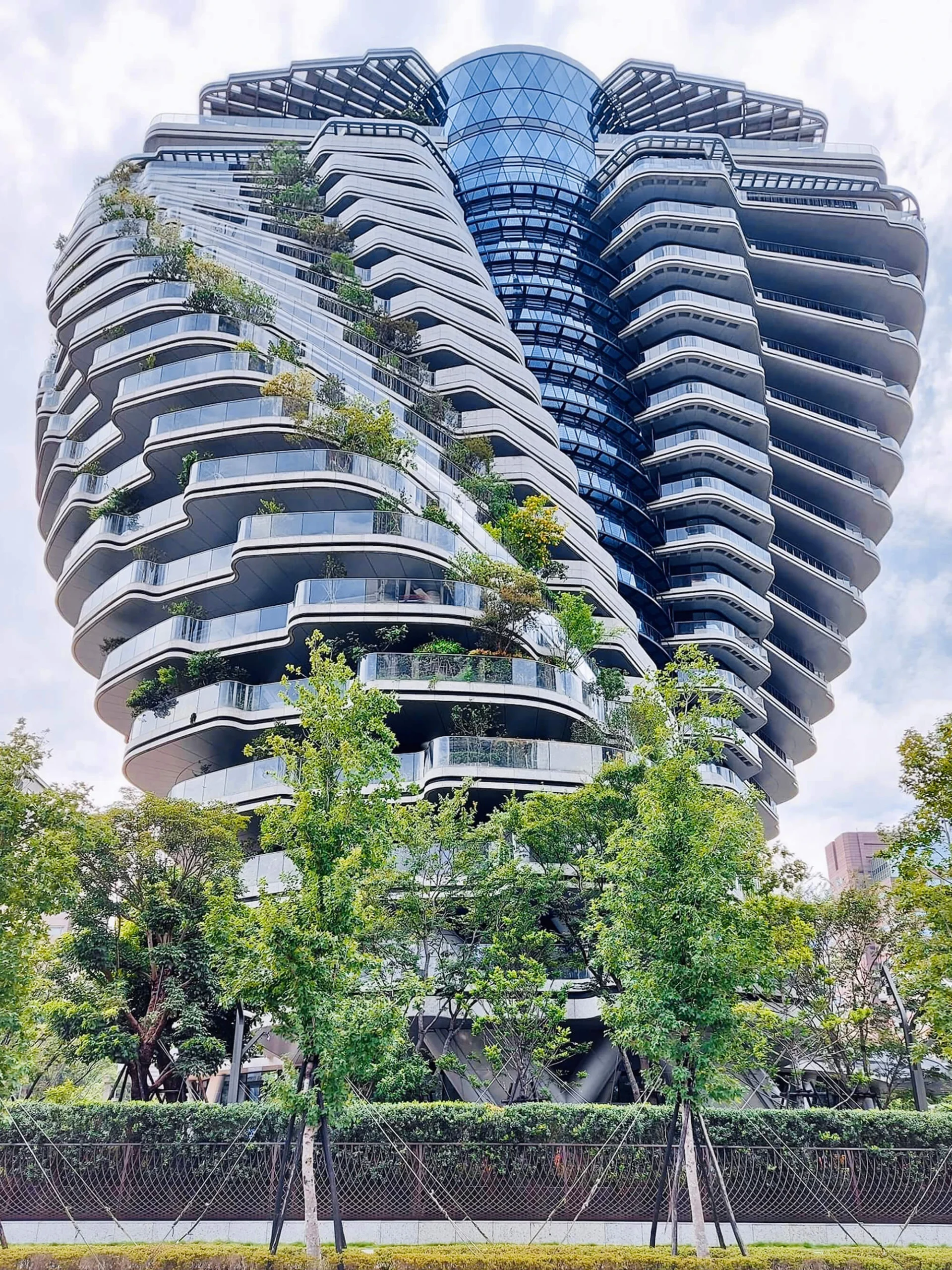
This is where embodied carbon smart design starts to matter, not as a technical layer added at the end, but as something that shapes the architecture from the beginning. Every extraction process, fabrication method, transport route, and construction decision leaves a carbon trace. Tools like Life Cycle Assessment (LCA), once limited to technical documentation, are now entering the design conversation much earlier. They are beginning to influence form, material choices, structural logic, and even the way a building expresses itself. The result is a new kind of architecture where sustainability is not applied afterward but embedded from the outset.
Net-Zero and Carbon-Positive Developments
Among the clearest examples of this shift are projects that treat buildings less as sources of emissions and more as long-term carbon reservoirs.
1. Populus Hotel
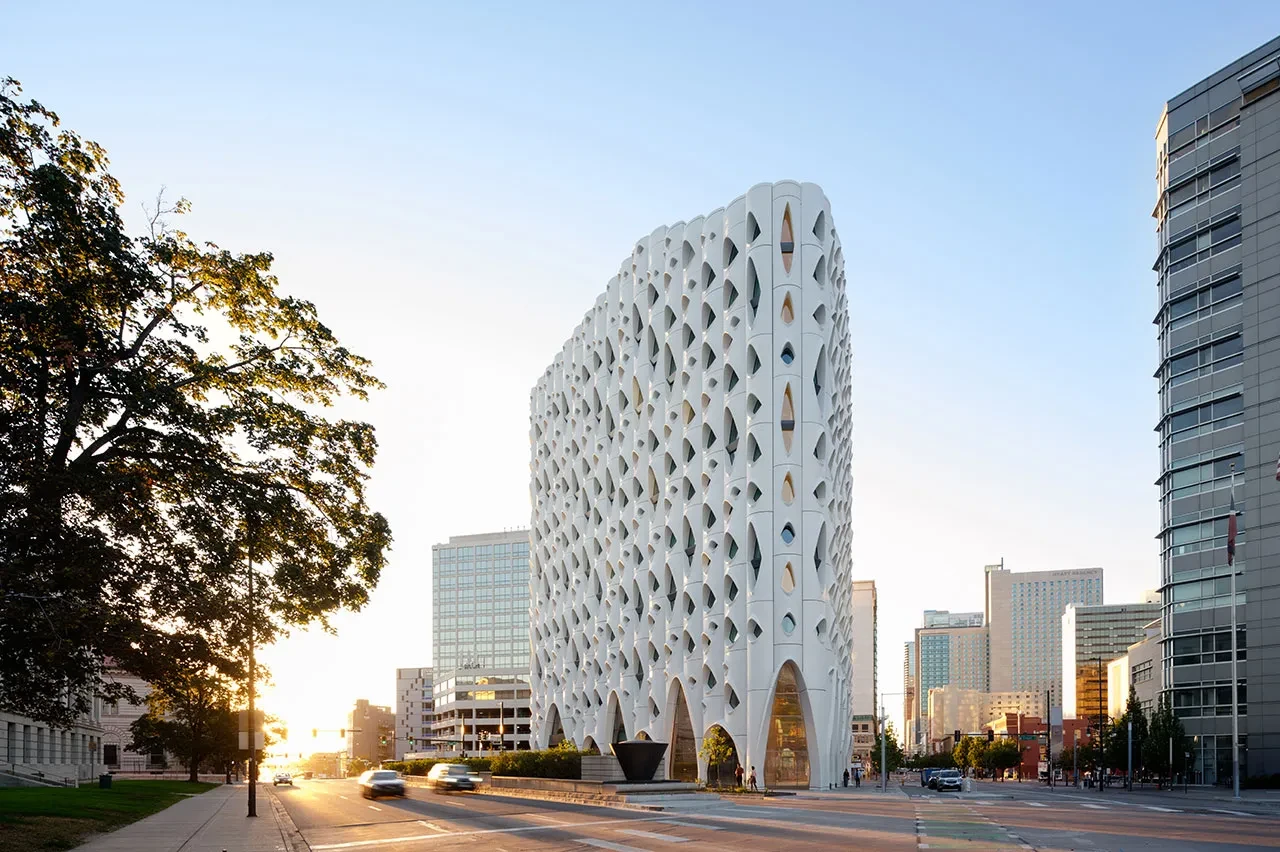
Location: Denver, USA
Innovation: Biophilic Aspen-eye shading
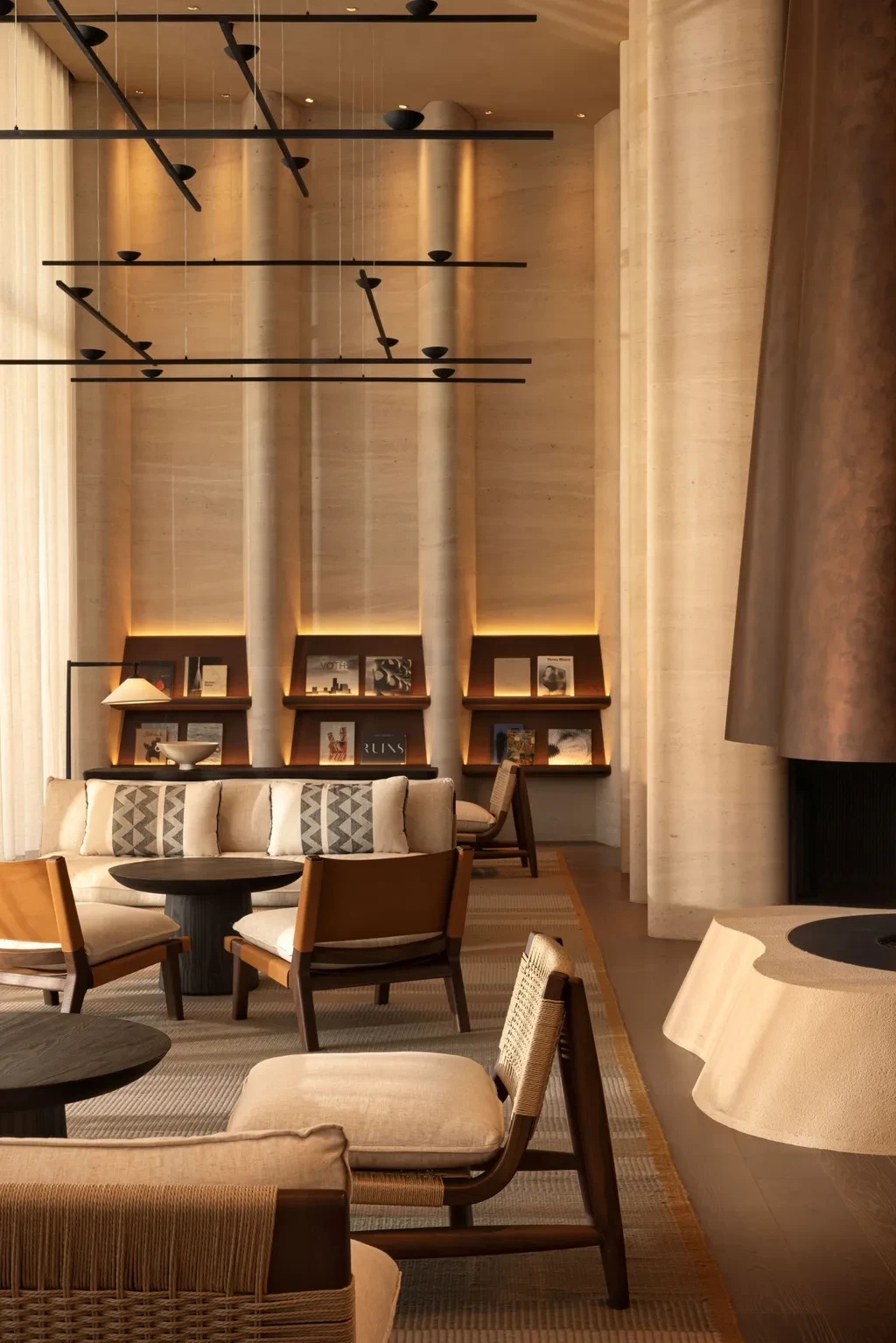
The Populus Hotel in Denver shows how environmental performance can be woven into architecture rather than hidden behind it. Its distinctive façade, inspired by the markings and growth patterns of aspen trees, does more than give the building its character. The deep window openings also work hard in the background, helping to reduce solar gain, manage water, and ease the building’s dependence on mechanical systems.
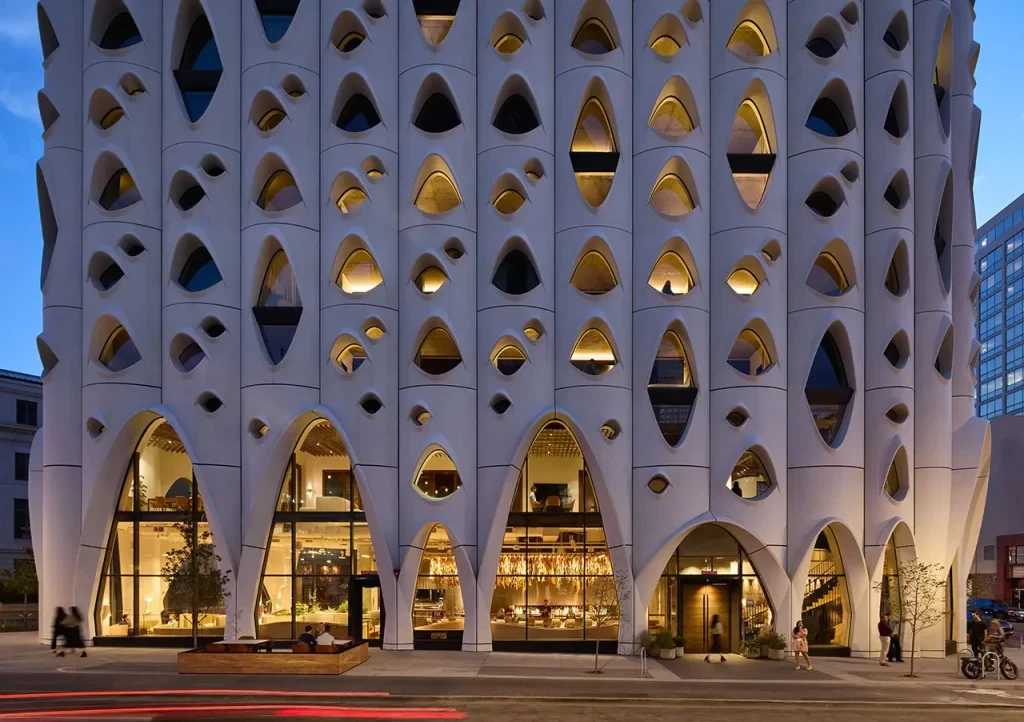
Low-carbon concrete mixtures, bio-based interior finishes, and the elimination of carbon-intensive parking structures indicate how subtraction can become a design strategy. What is interesting is not the technology itself, but the clarity of intention, where every decision acknowledges carbon as a smart design parameter.
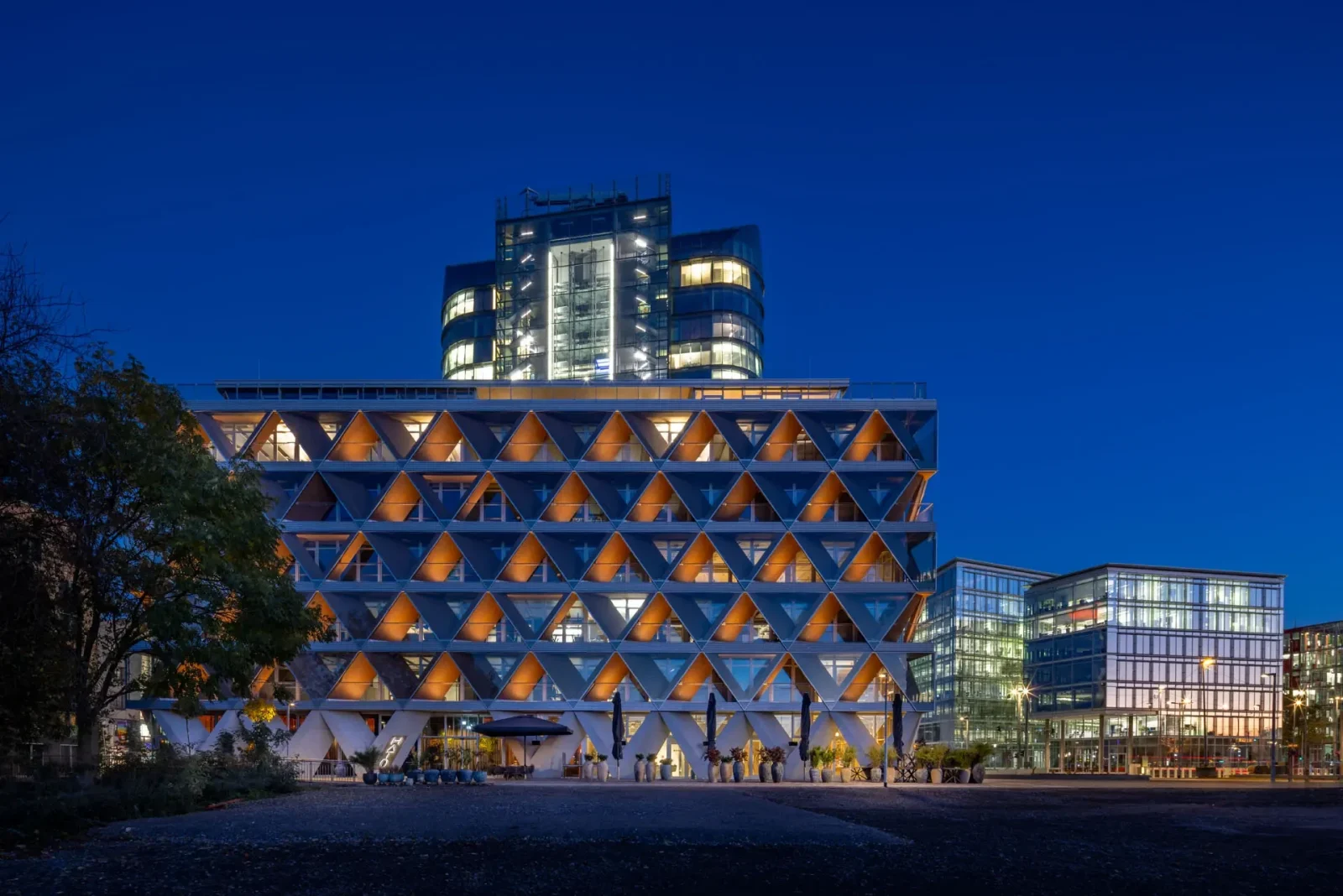
2. The Cradle
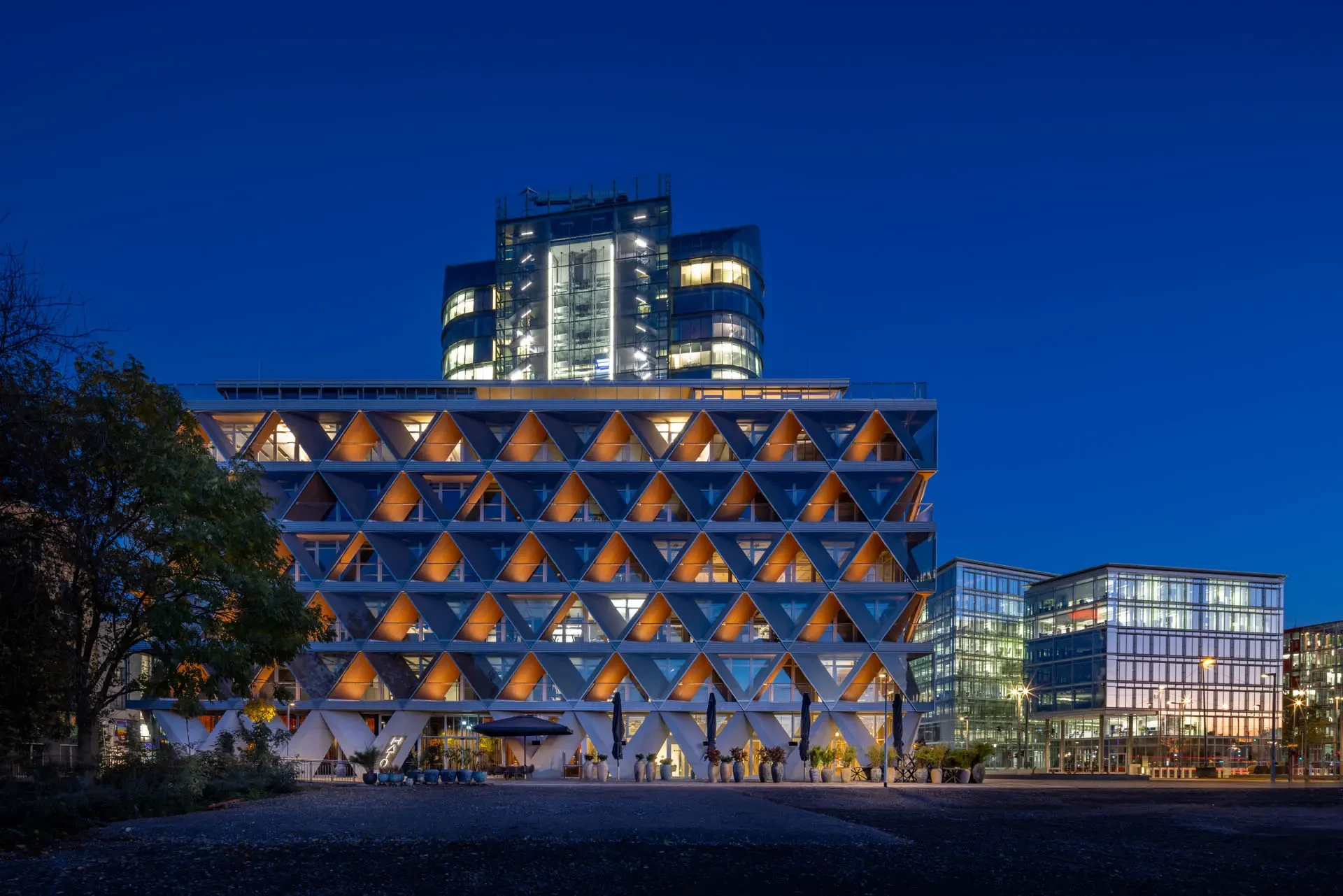
Location: Düsseldorf, GER
Innovation: Timber-hybrid Material Store
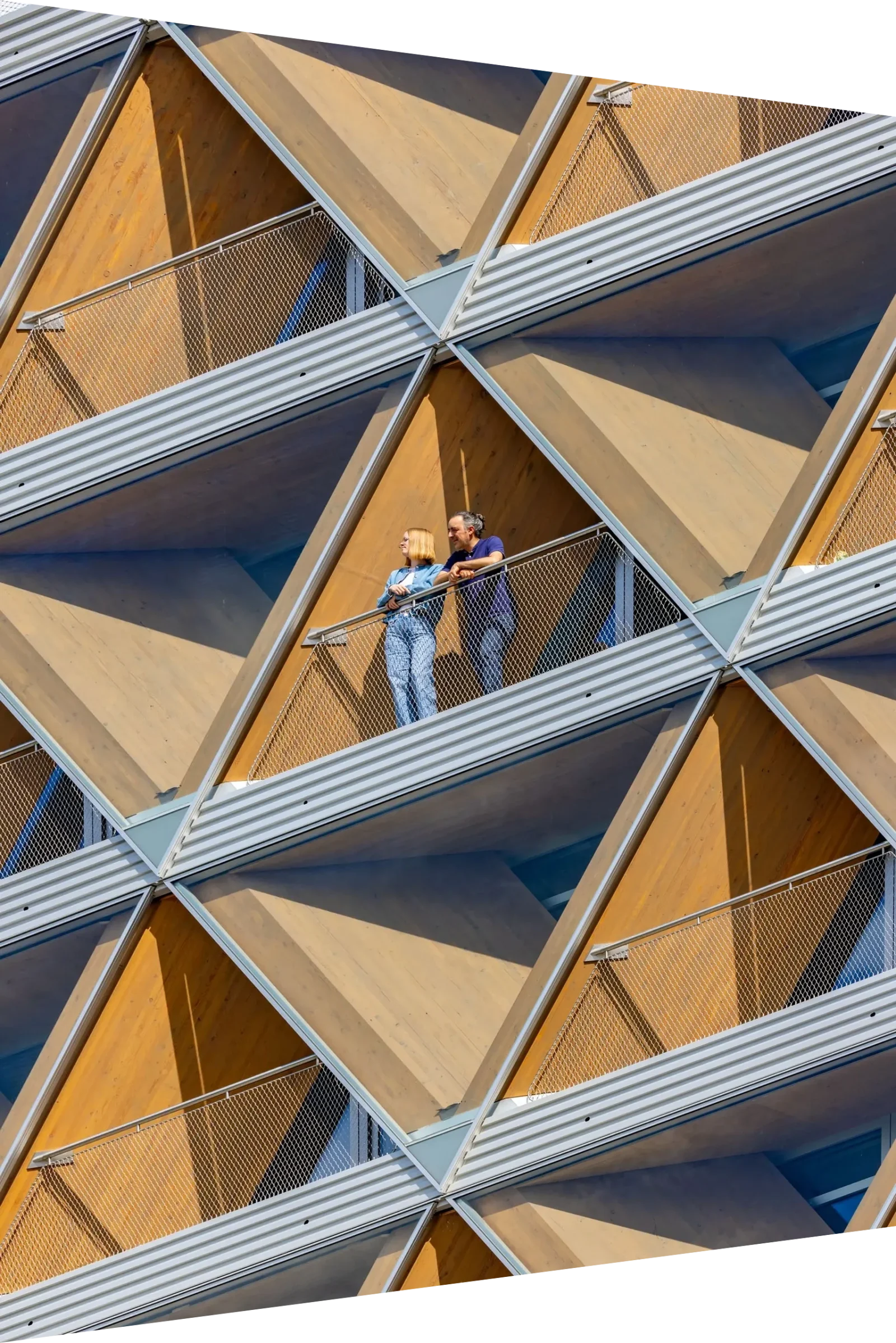
In Düsseldorf, The Cradle Düsseldorf explores a different but equally transformative idea: the building as a temporary assembly of materials rather than a fixed and final object. Designed around Cradle-to-Cradle principles, it treats each component as a future resource, carefully selected and assembled so it can be reused, recovered, or reintroduced into new construction cycles so that it is not discarded as waste.
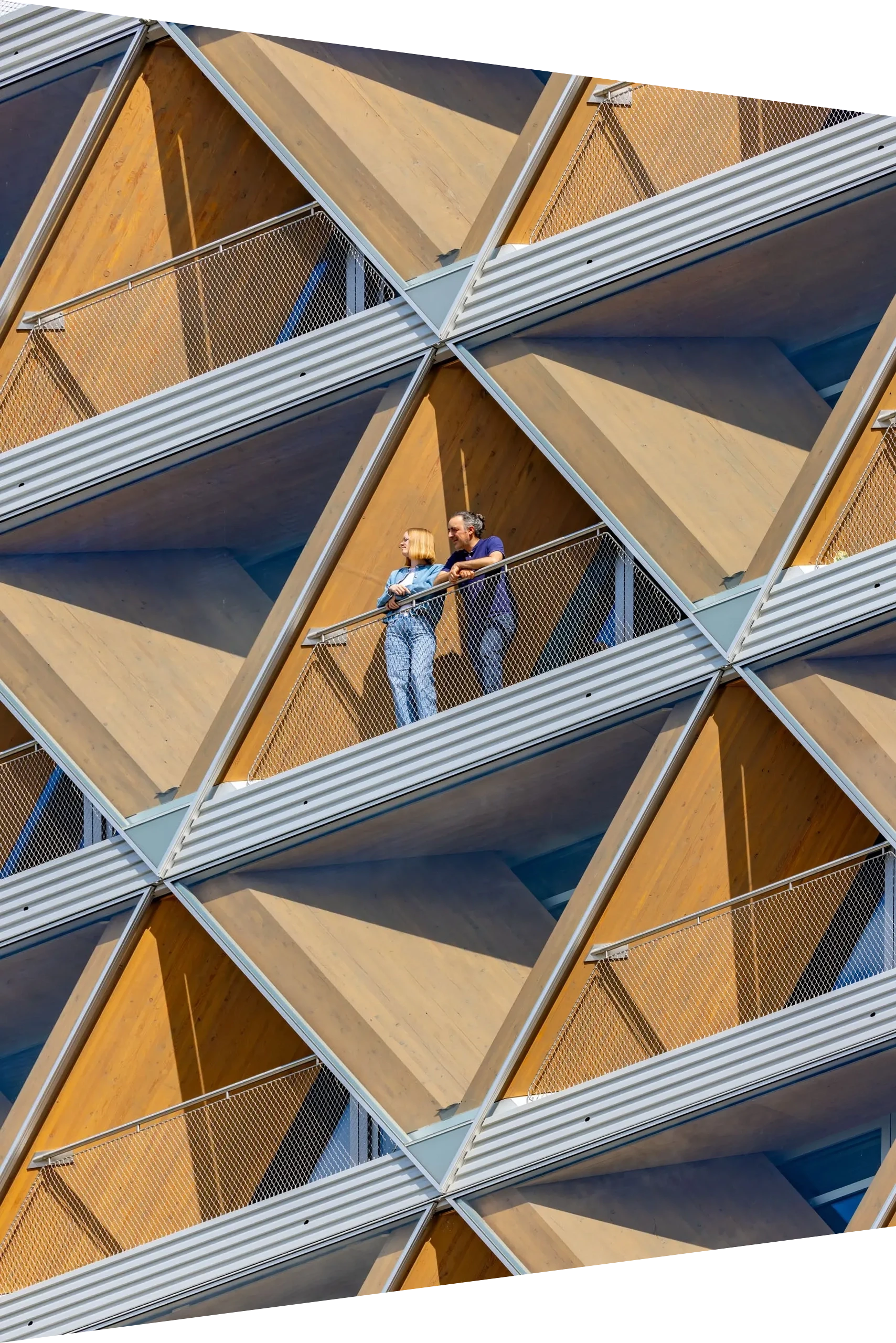
Its timber-hybrid structure and demountable façade systems point to an architecture designed not only for use, but also for disassembly. Registered within a digital material registry, the building is planned with its own afterlife in mind. This reflects a deeper intellectual shift, one that sees architecture not as a final product but as a temporary phase in a longer material cycle.
3. BEEAH Headquarters
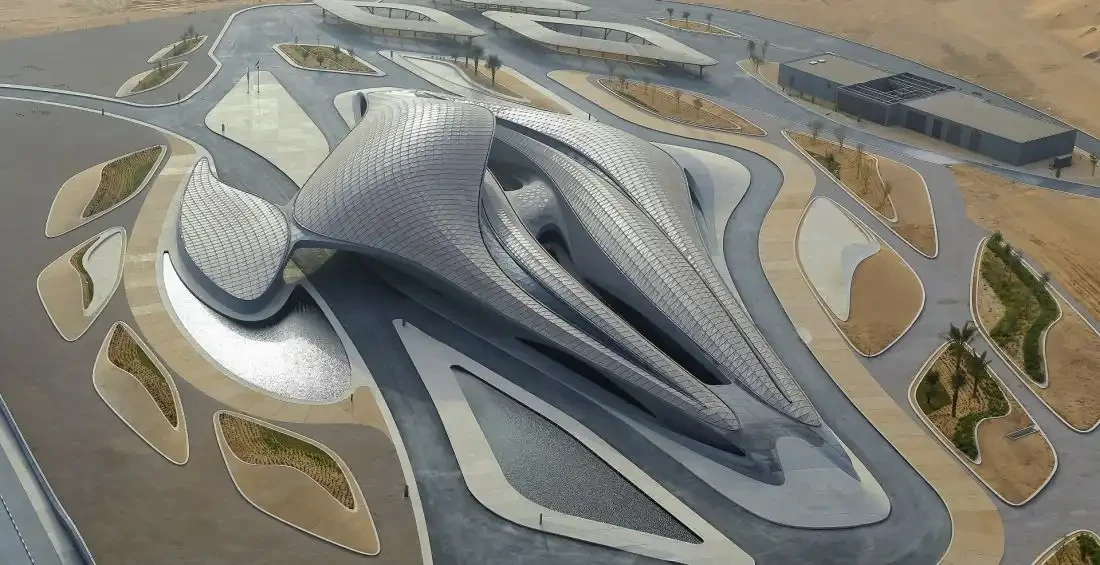
Location: Sharjah, UAE
Innovation: Dune-form solar-powered oasis
Designed by Zaha Hadid Architects, this sinuous structure is inspired by desert dunes and operates at LEED Platinum standards. It is powered entirely by a solar array linked to Tesla battery packs and features an on-site water treatment facility and a breathing facade that facilitates natural ventilation.
4. 270 Park Avenue
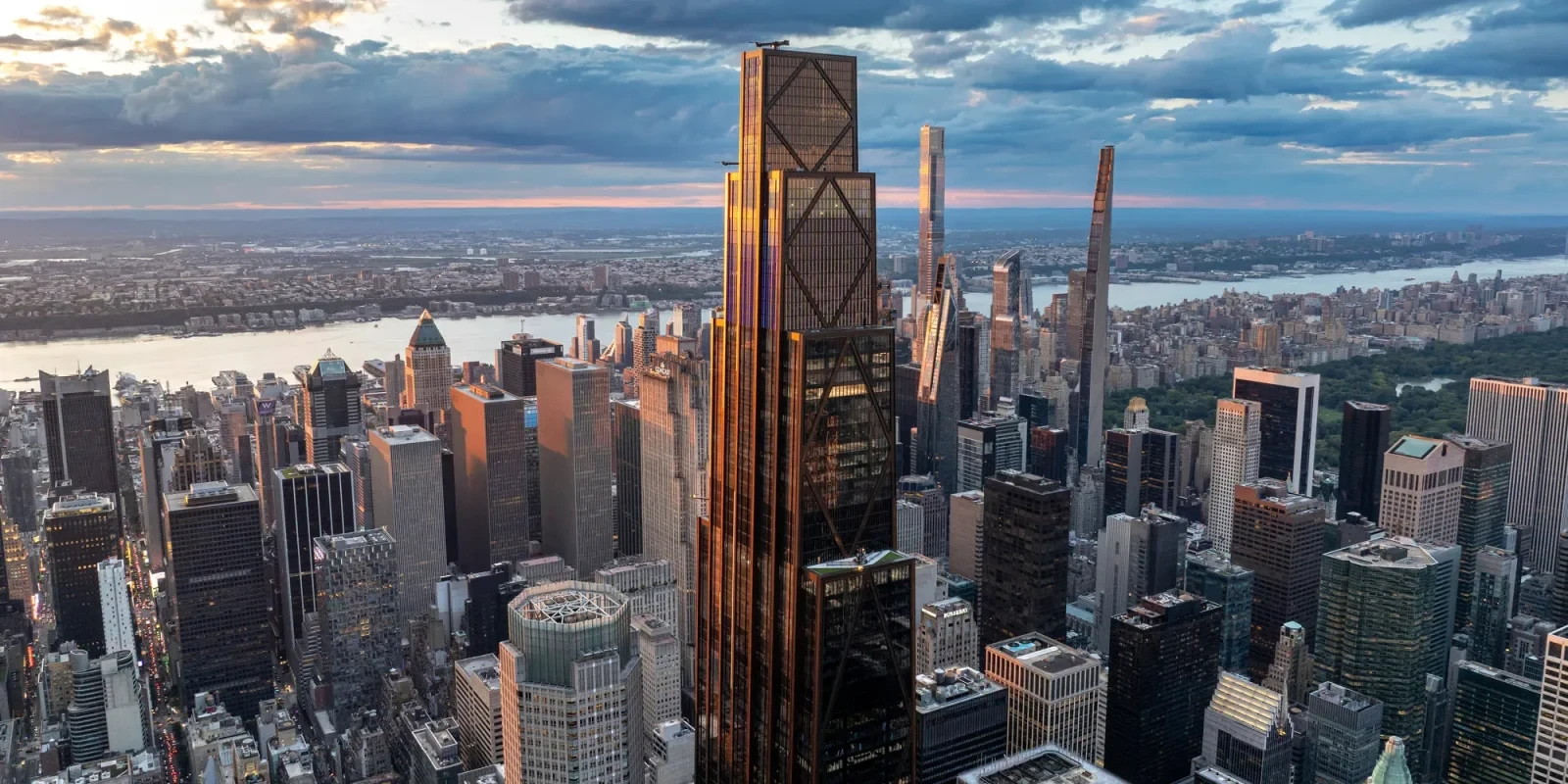
Location: New York, USA
Innovation: Modular bronze & glass facade
The new JPMorgan Chase headquarters, designed by Foster + Partners, stands at 434 meters and is the largest all-electric tower in New York City with net-zero operational emissions. The project reused 97% of materials from the demolished building that previously occupied the site and features triple-glazed insulated glass units and circadian lighting to support employee wellness.
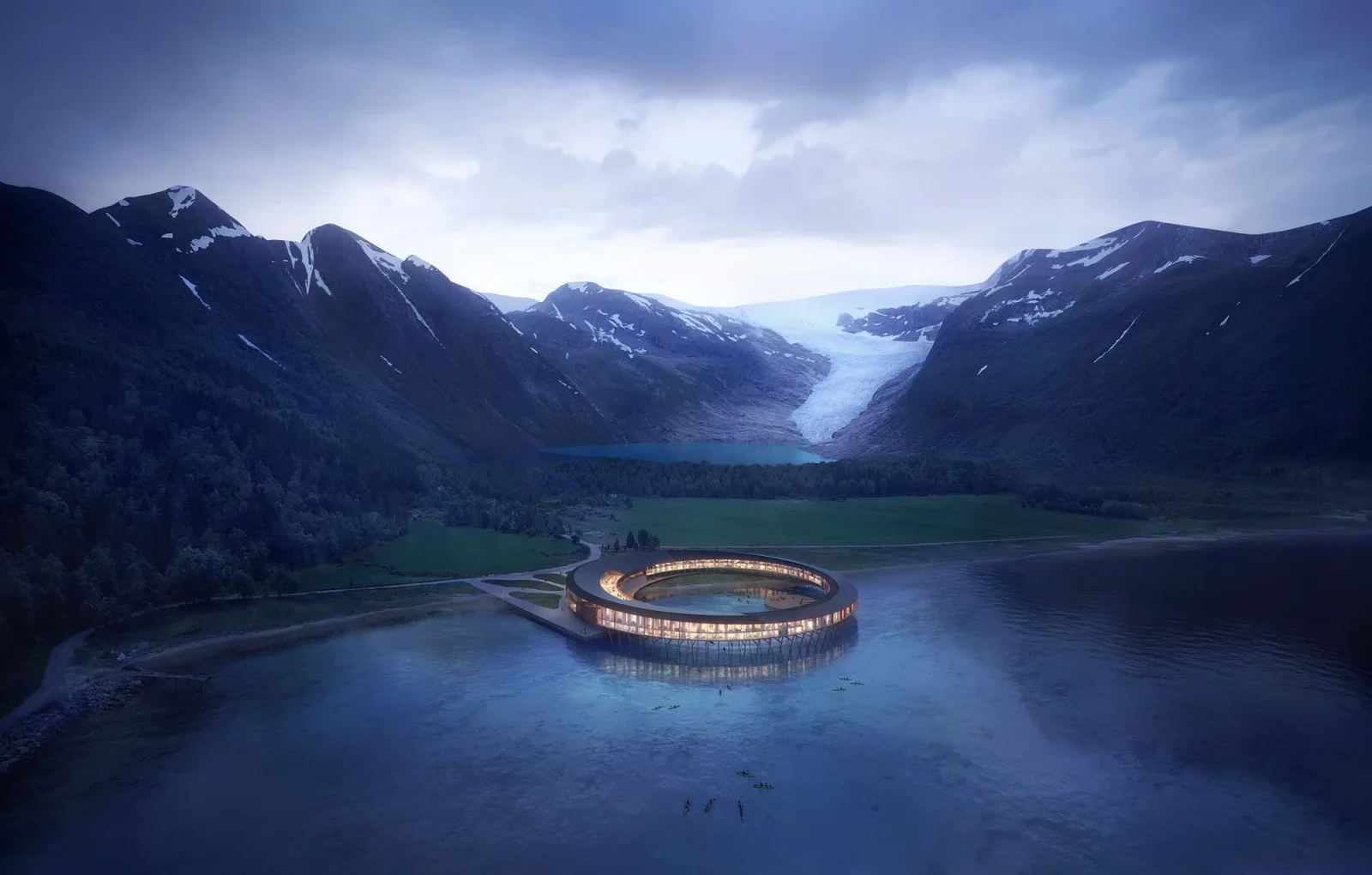
5. Svart Hotel
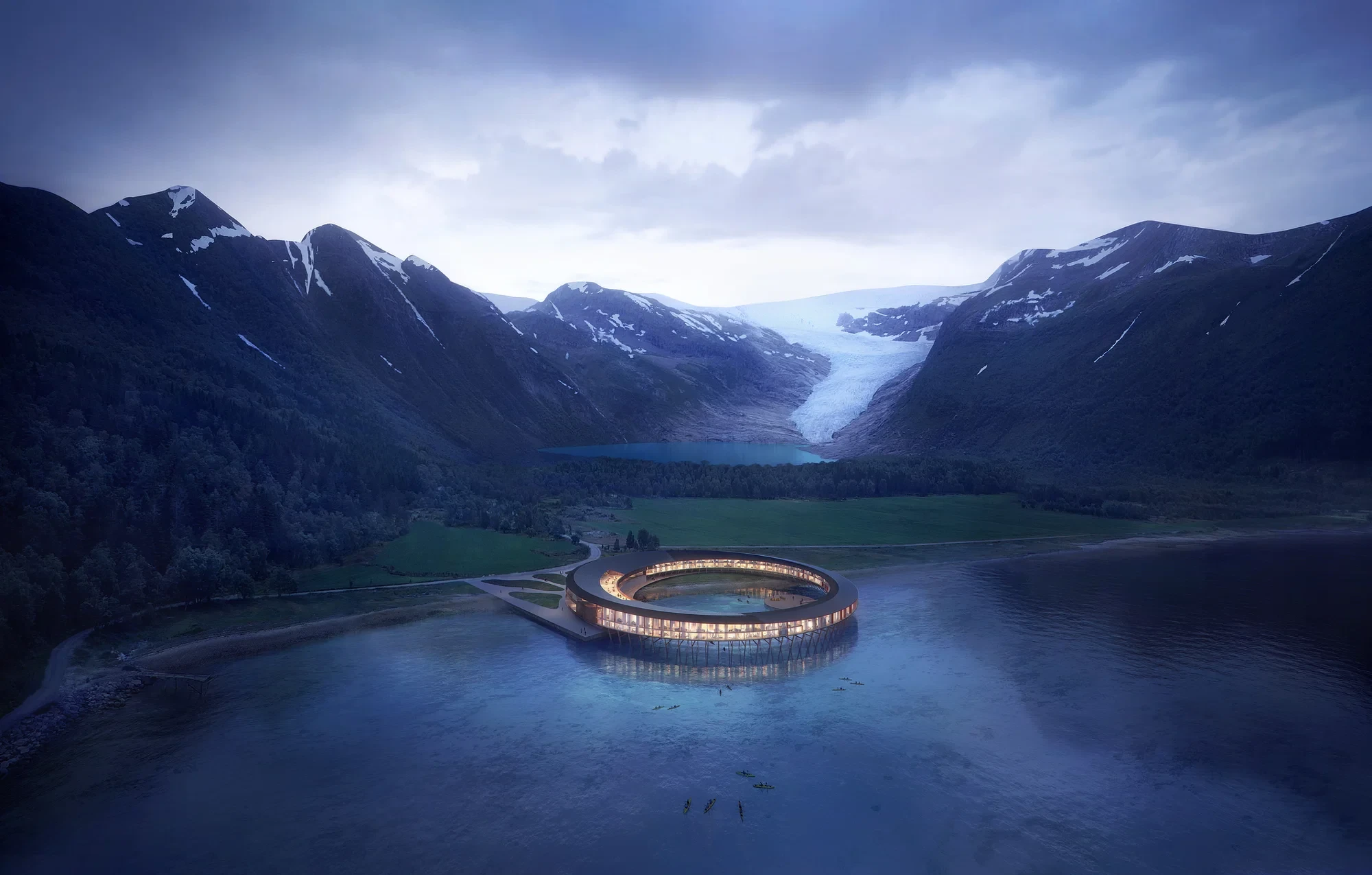
Location: Norway
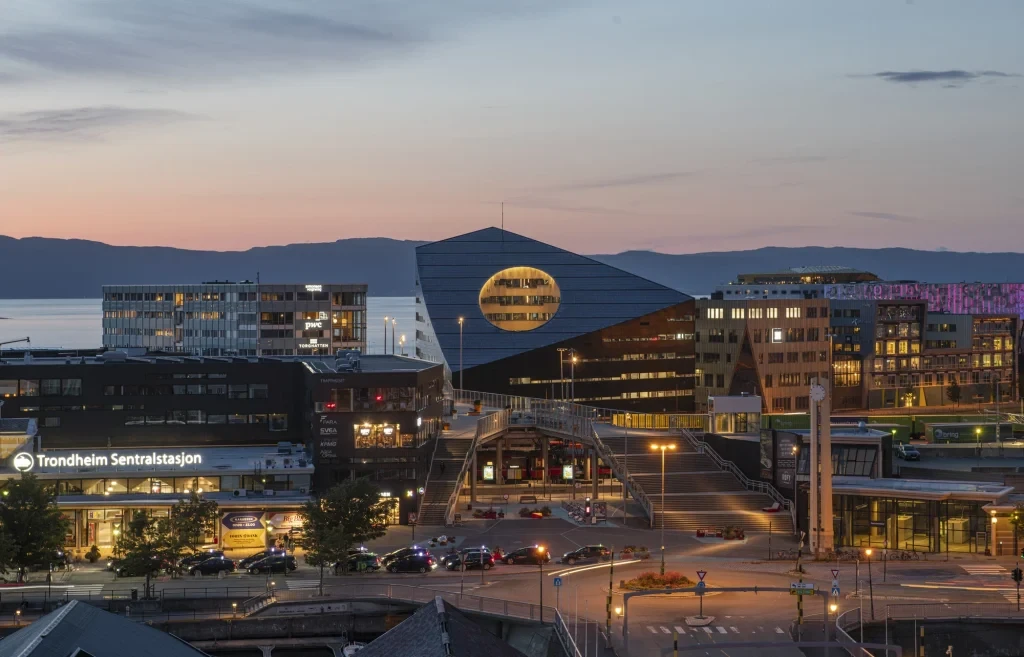
Innovation: Powerhouse
A Snøhetta project situated above the Arctic Circle, this is the first building constructed to the energy-positive Powerhouse standard in a northern climate. It reduces yearly energy consumption by 85% and sits on weather-resistant wooden poles to minimize its physical footprint on the pristine fjord environment.
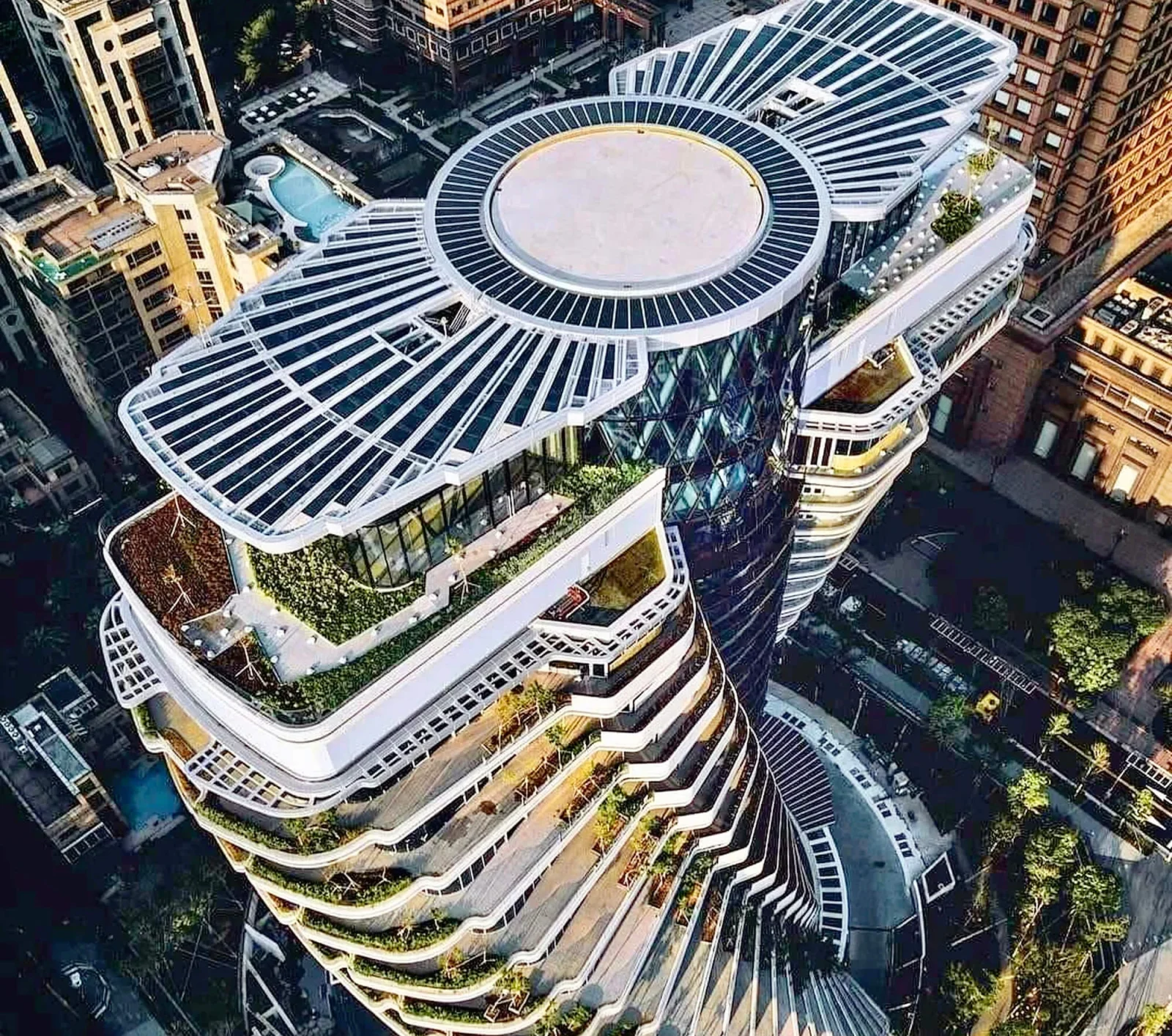
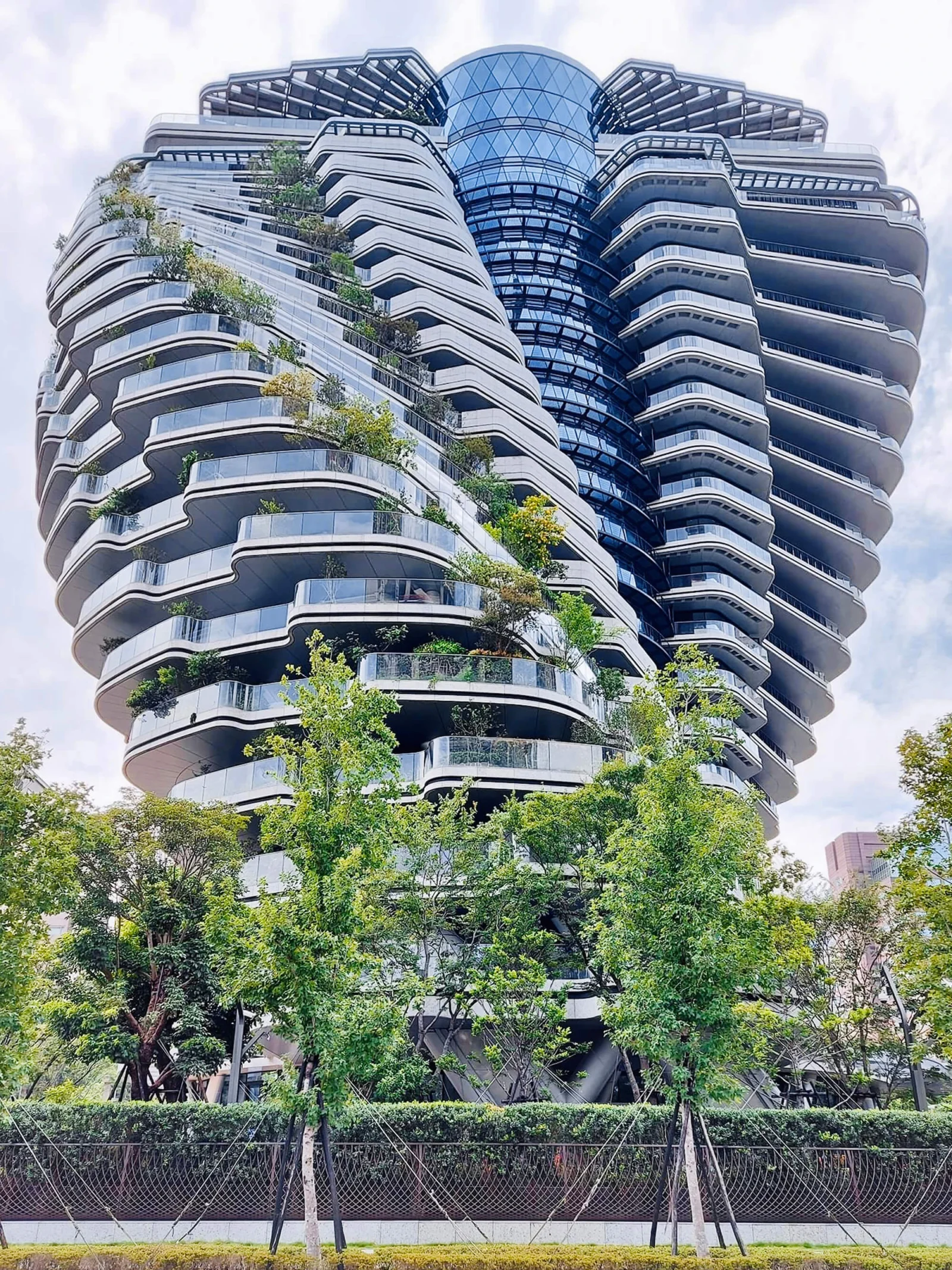
6. Urban Forest
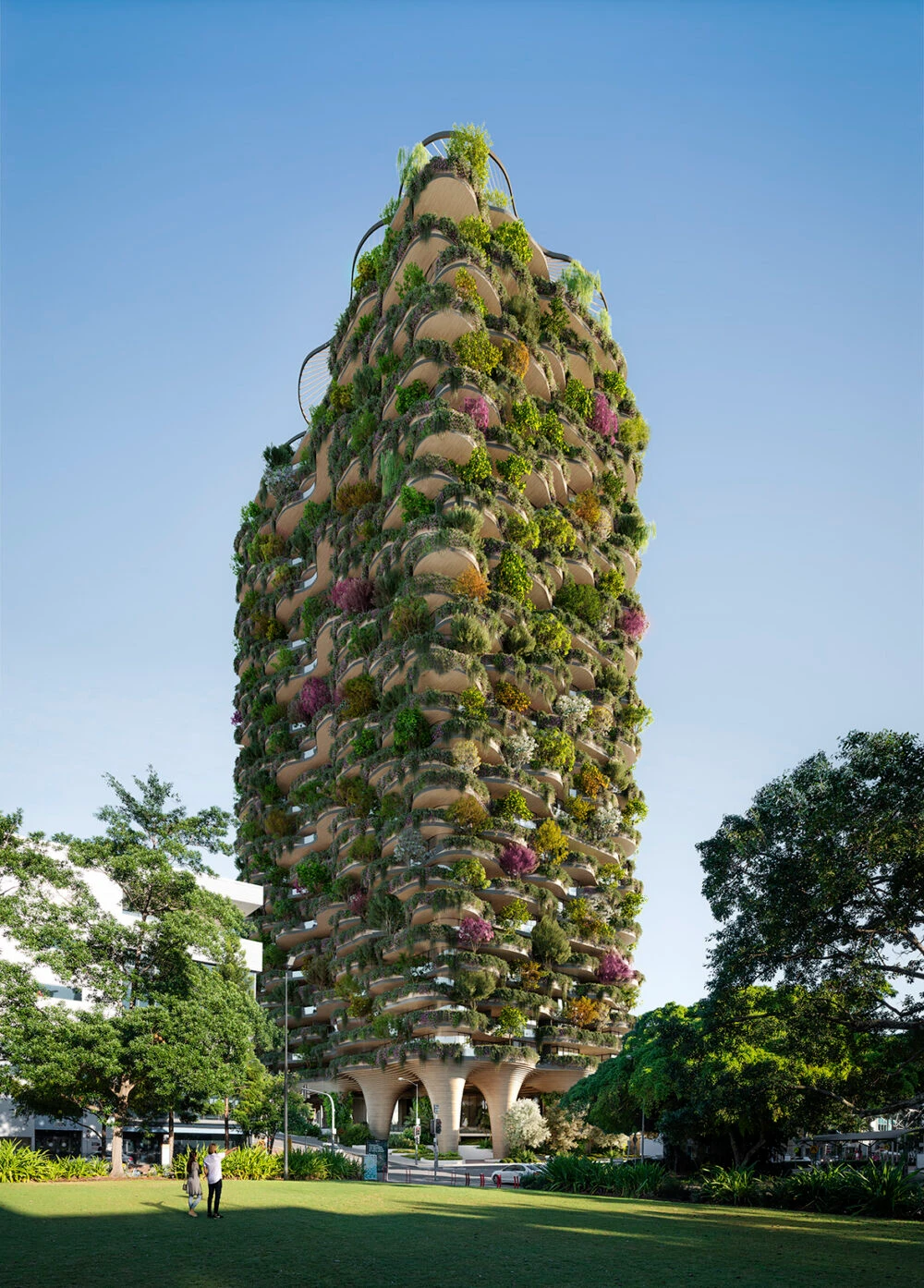
Location: Brisbane, Australia
Innovation: 300% site-to-green ratio
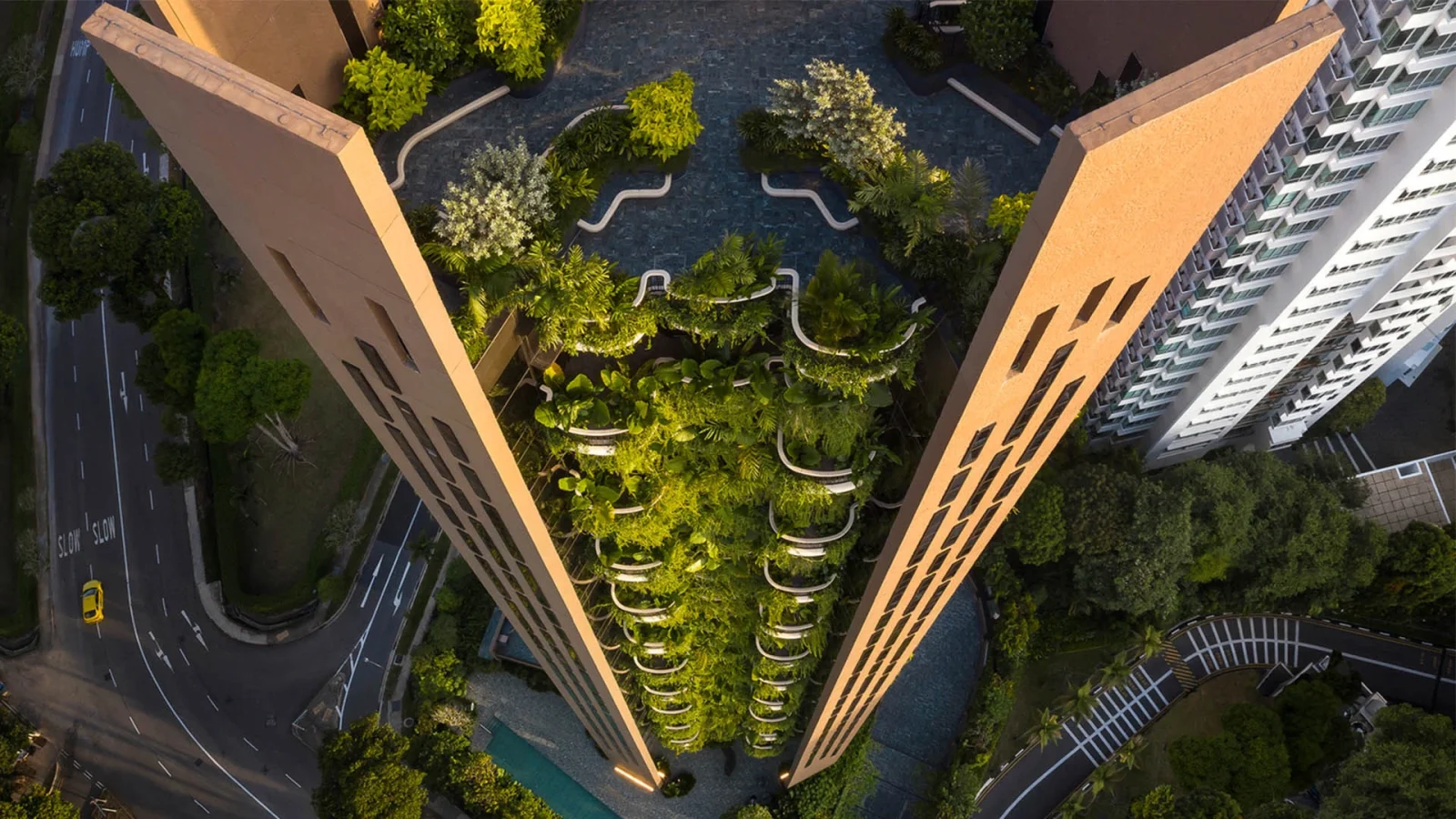
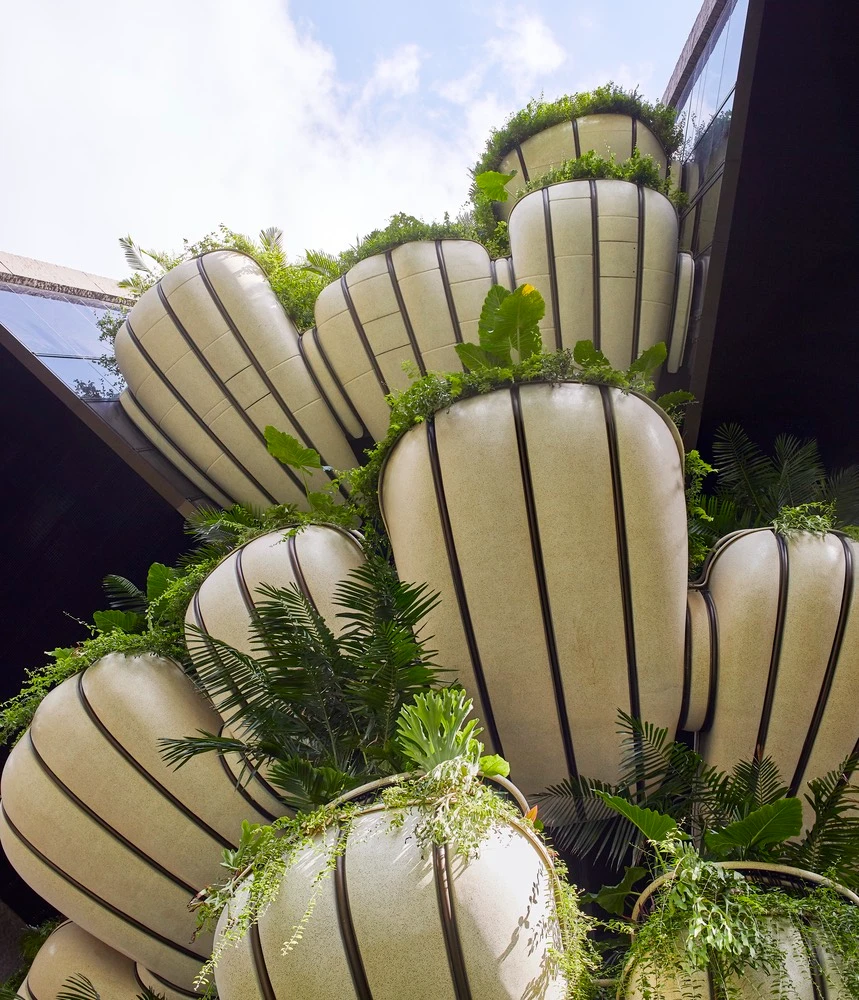
Designed by Koichi Takada Architects, this 30-storey tower is conceived as a green spine for the city, featuring over 1,000 trees and 20,000 plants. The building achieves a 300% site-to-green ratio, using vertical planting to provide oxygen, biodiversity, and mental health benefits to its residents while maintaining a carbon-neutral status.
The House as Environmental Prototype
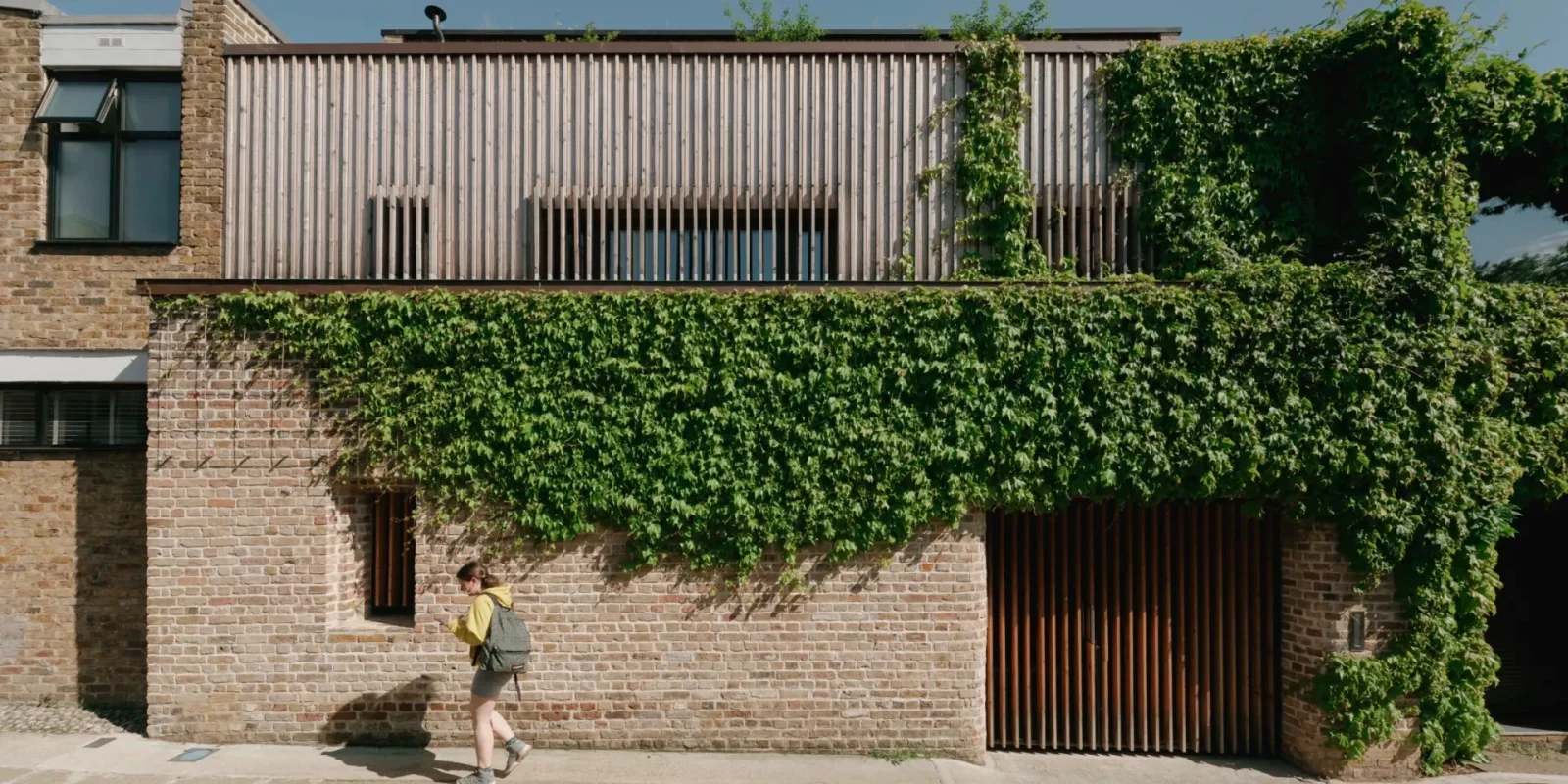
The experimental residence of engineer Max Fordham in London demonstrates how technical rigor can produce architectural restraint. Airtight construction, high-performance glazing, and timber structures were not treated as sustainability add-ons but as fundamental spatial decisions. Even the carbon offsets associated with the project were approached not as accounting exercises but as investments into better industry practices.
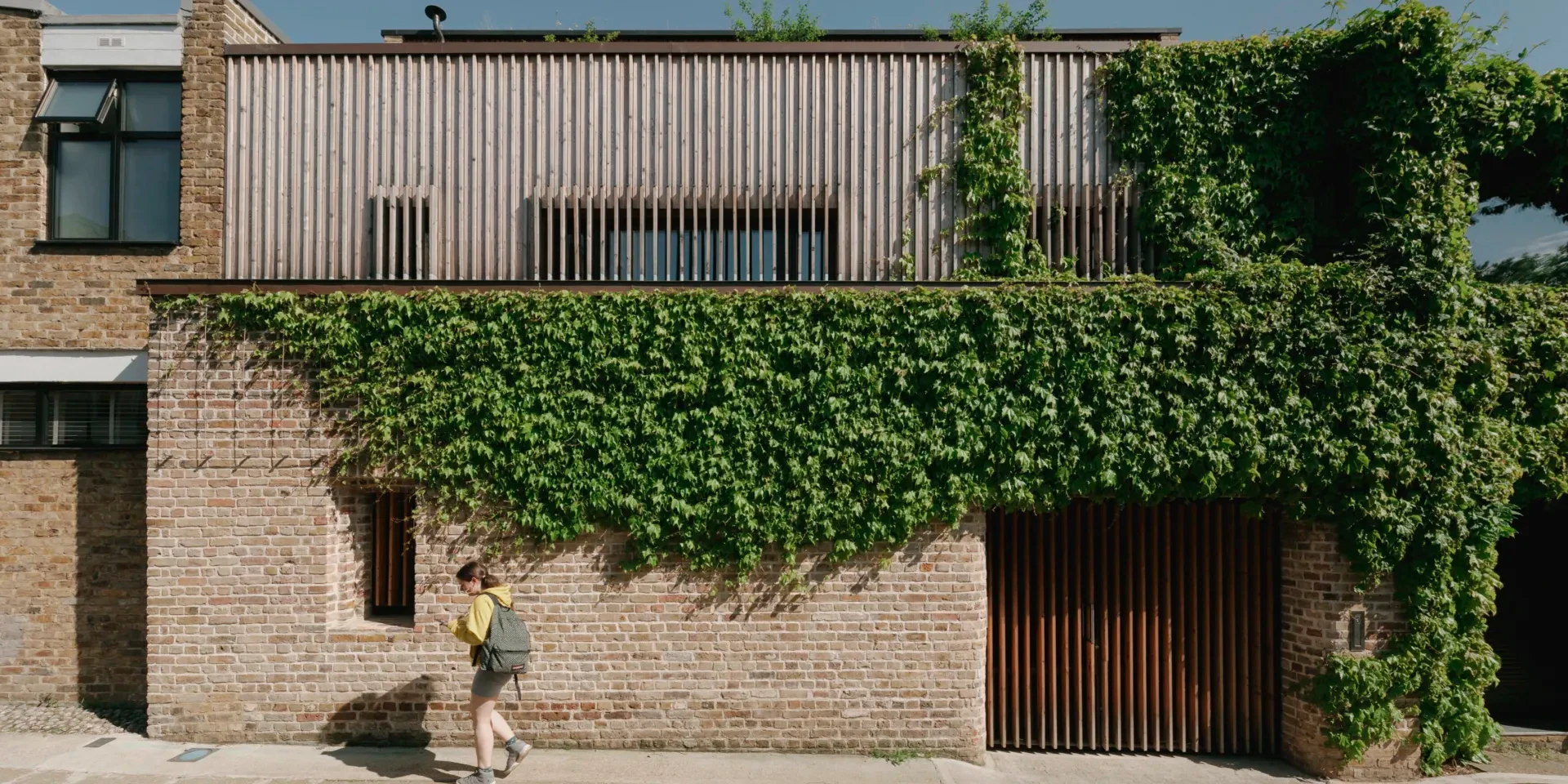
Similarly, new residential developments in the Hamptons are reframing the luxury home as an energy ecosystem rather than a consumption hub. Through orientation strategies, geothermal integration, and solar infrastructure, these projects suggest that the future high-end house may be defined less by size and more by environmental autonomy.
Building With the Landscape, Not On It
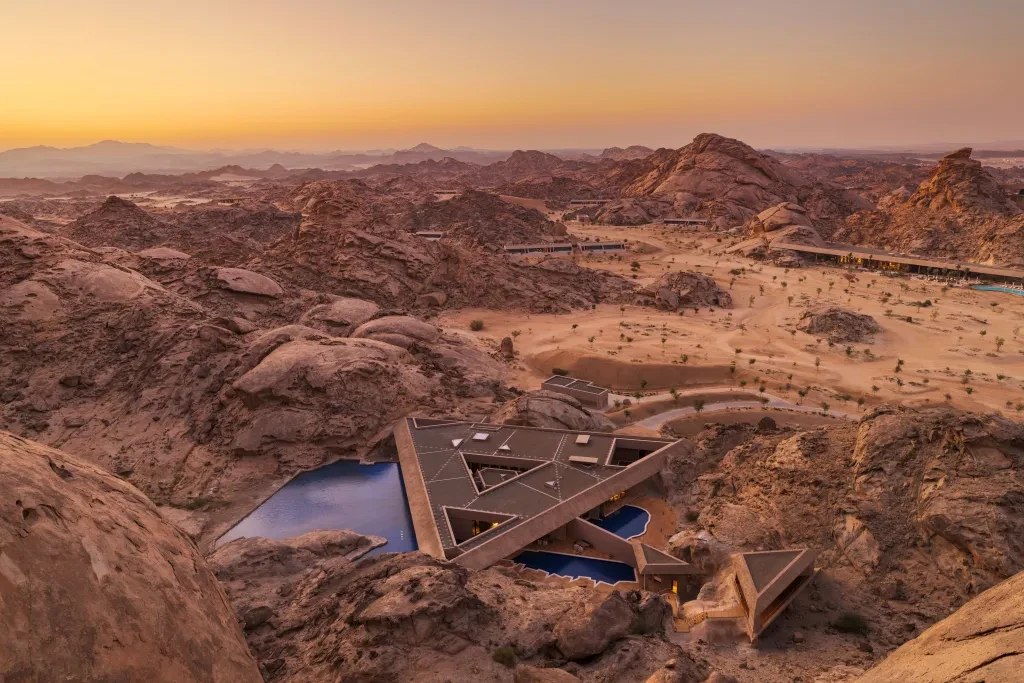
Some of the most powerful projects today are those that blur the boundary between architecture and landscape. At Desert Rock Resort, the design feels less like an intervention and more like a careful incision, carved into the mountain rather than placed on top of it. Excavated stone is brought back into the interiors, local sand contributes to the structure, and solar infrastructure works at a much larger, site-wide scale.
The Logic of Stored Carbon
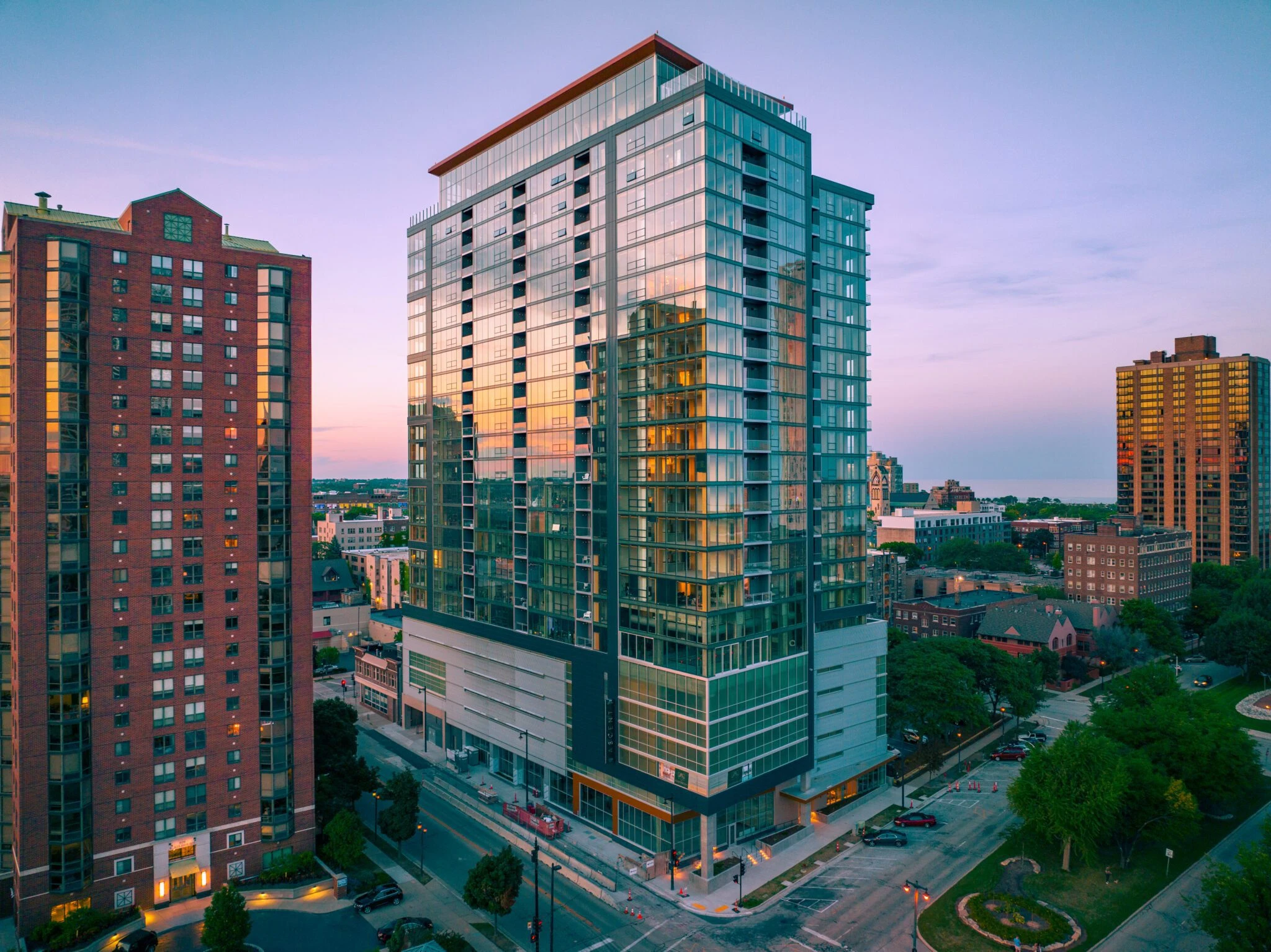
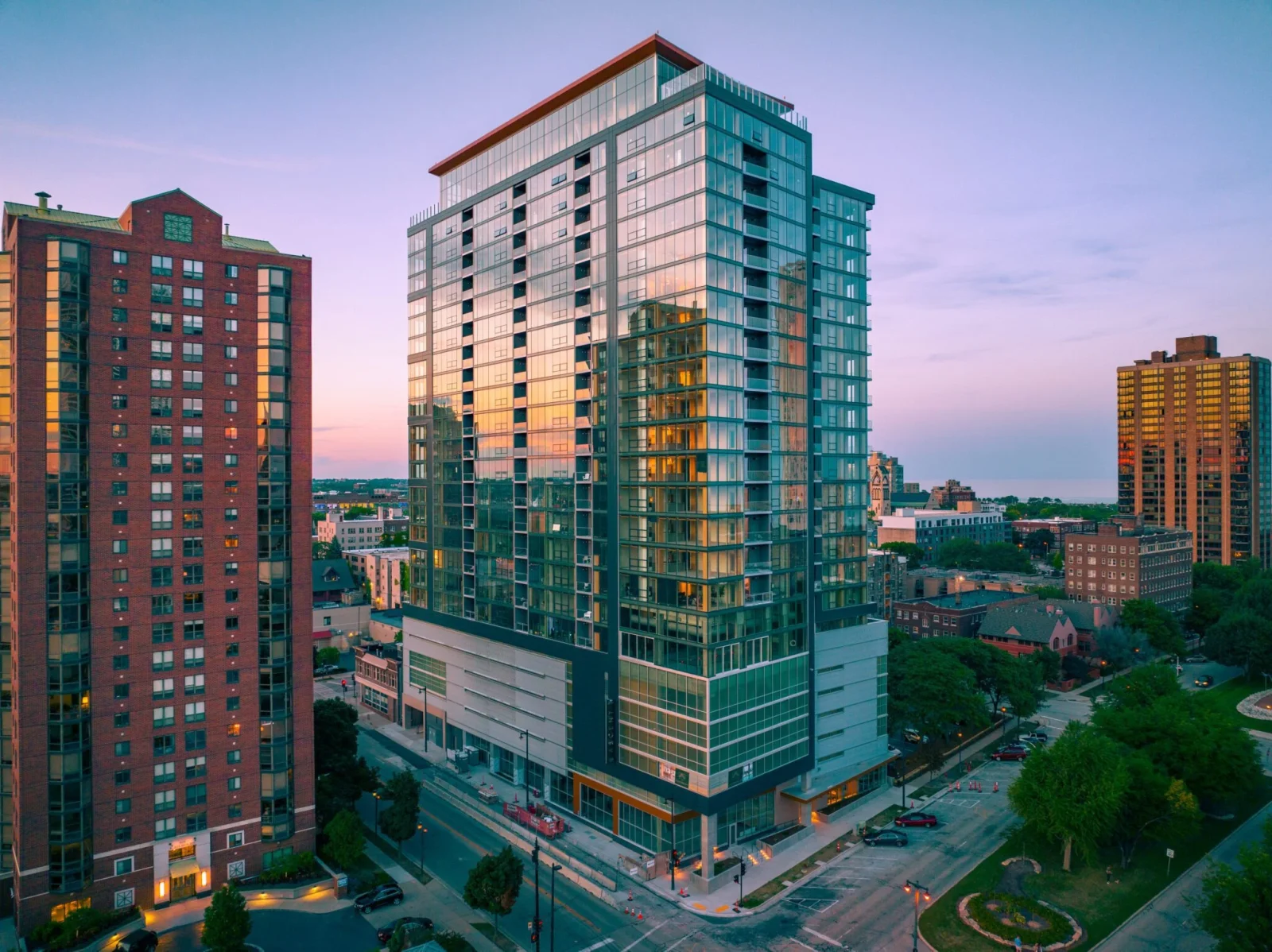
Parallel to these individual projects is the broader re-emergence of mass timber as a serious urban material. Buildings like Ascent MKE show how engineered wood can operate at a metropolitan scale, storing significant volumes of atmospheric carbon while challenging the dominance of steel and concrete.
This is not nostalgia for traditional materials but is a technologically advanced re-engagement with one of humanity’s oldest construction resources, now backed by precision manufacturing and environmental data.
The New Design Brief
What connects these very different projects is a shared way of thinking. They reflect a profession that is beginning to accept that environmental responsibility can no longer sit at the level of certification checklists alone. It has to shape the concept itself, where carbon intelligence is becoming a design condition, as fundamental as budget, structure, and program.
Digital tools from BIM modeling to material passports are accelerating this transition by making the impact measurable and therefore actionable. But ultimately, the shift is cultural as clients are beginning to understand that long-term asset value may depend less on rarity and more on resilience. If the twentieth century celebrated architecture as an expression of power, the twenty-first may judge it by its consequences.
The emerging generation of carbon-smart buildings suggests a more mature ambition for the discipline, one where beauty is inseparable from responsibility, where materials carry memory of their environmental cost, and buildings quietly perform ecological work long after their opening ceremonies.
Explore Courses
.jpg "Ondrej Chybik - Rethinking Architecture")