


Porto is one of the few places that exemplify the conversation between the past and present. This seaside city, which sits on Portugal’s northern border, is a mosaic of opposites, with granite cathedrals coexisting with modern museums and concrete wonders on street corners. In this location, centuries of design are layered into a living, walkable archive, and architecture compresses it.
Architects like Álvaro Siza Vieira contributed to Portuguese modernism. Porto has emerged as a silent hub of contemporary architecture in recent decades. Meanwhile, the city’s facades still bear the scars of its past, most notably its weathered granite walls, Gothic spires, and azulejo tilework.
Let’s explore Porto through the lens of design and architecture:
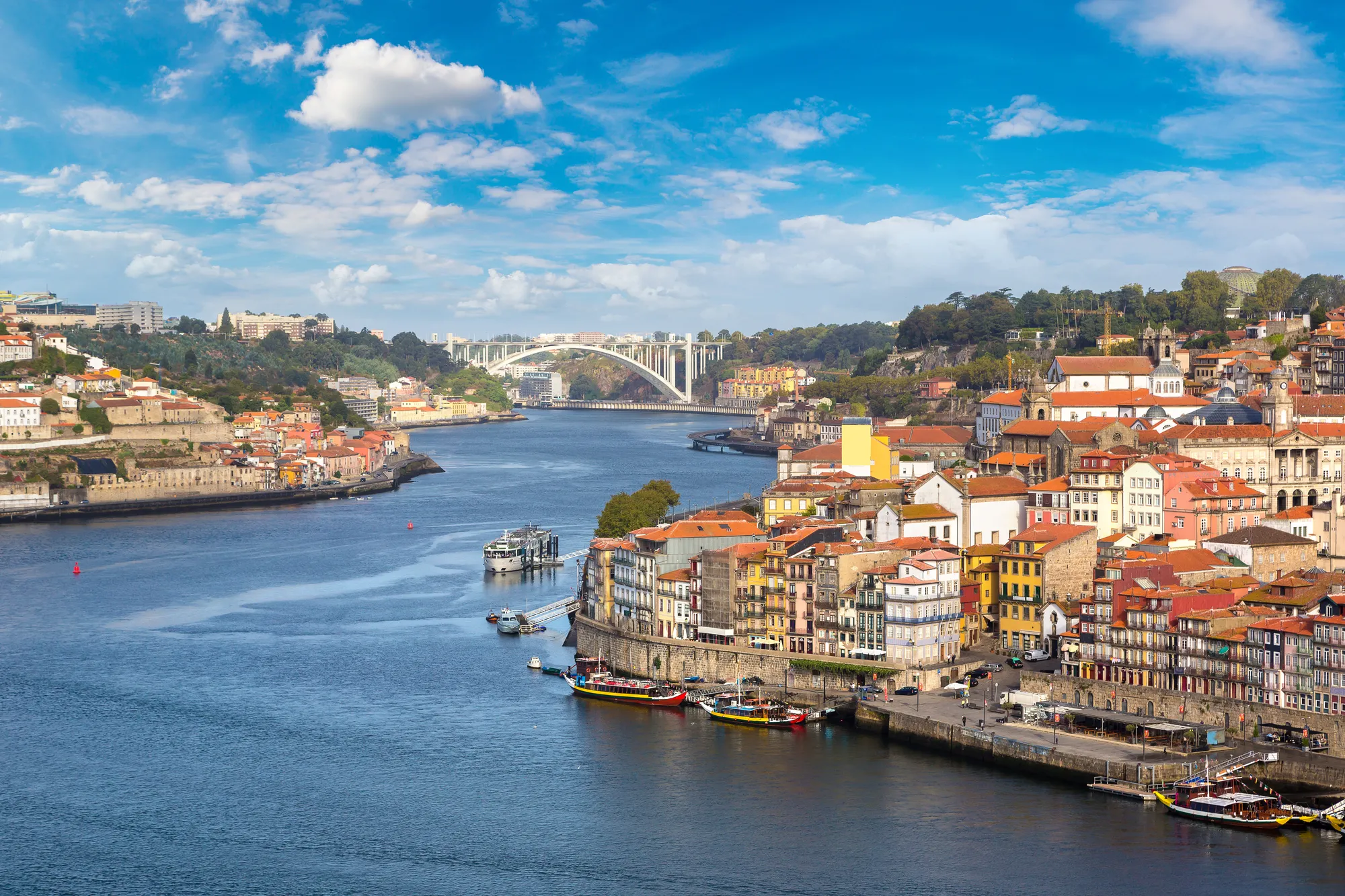
Ribeira District
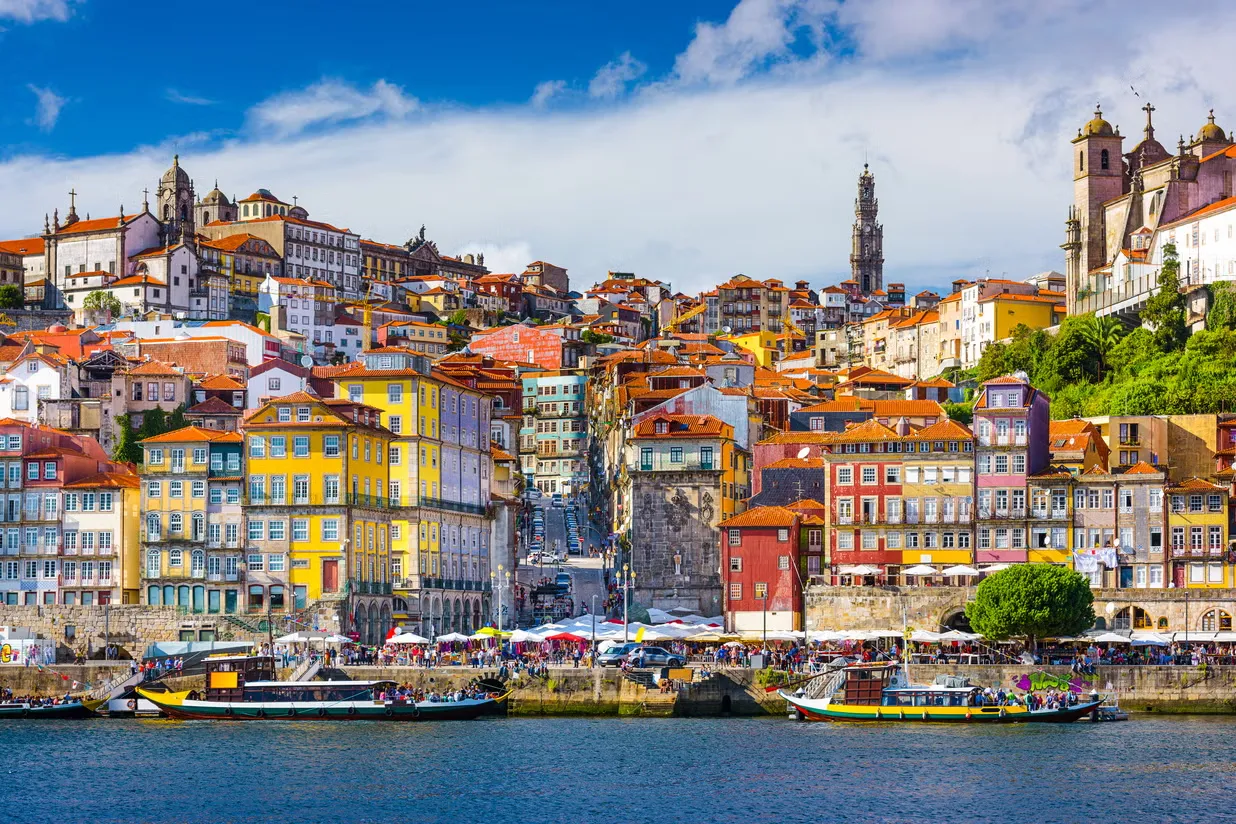
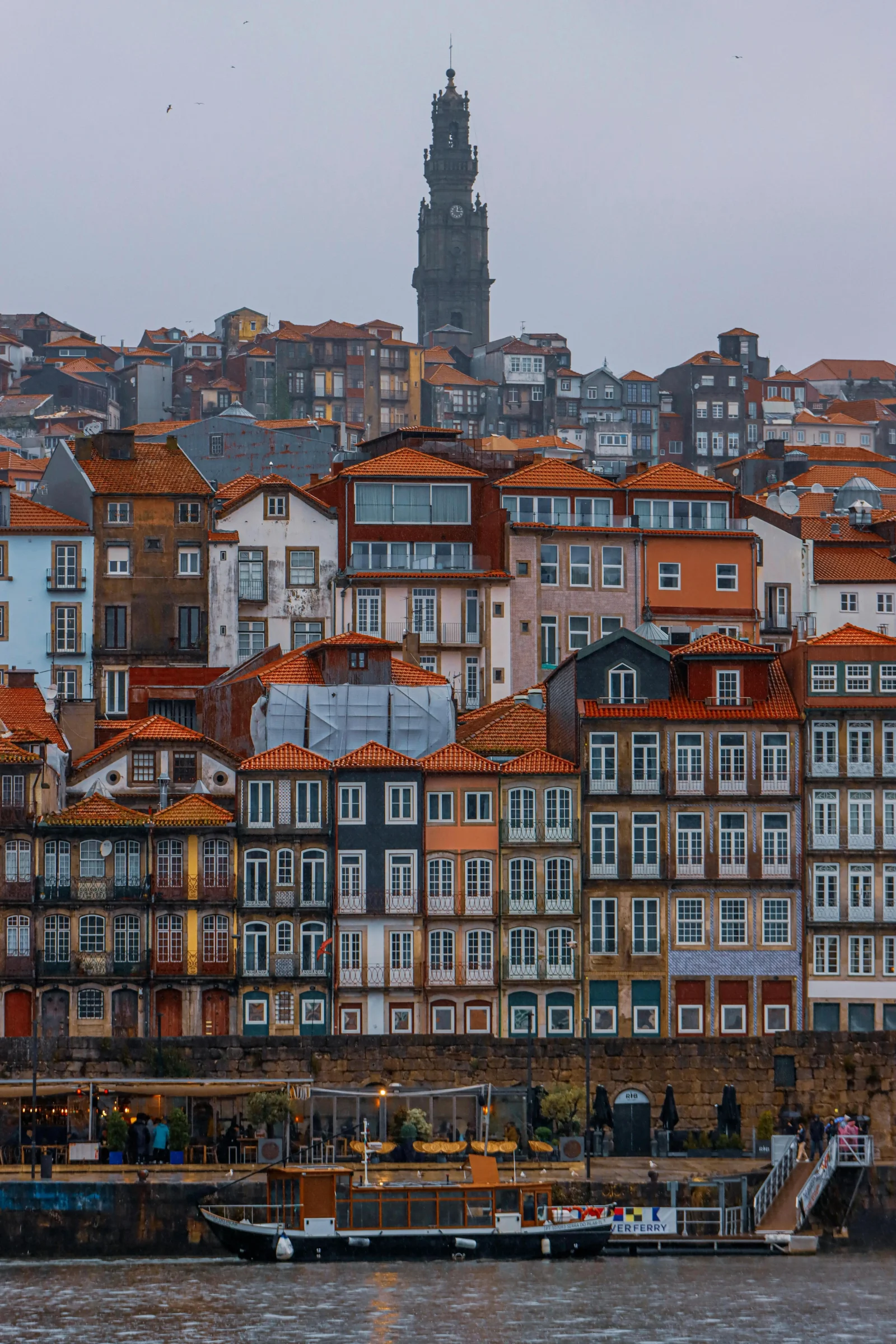
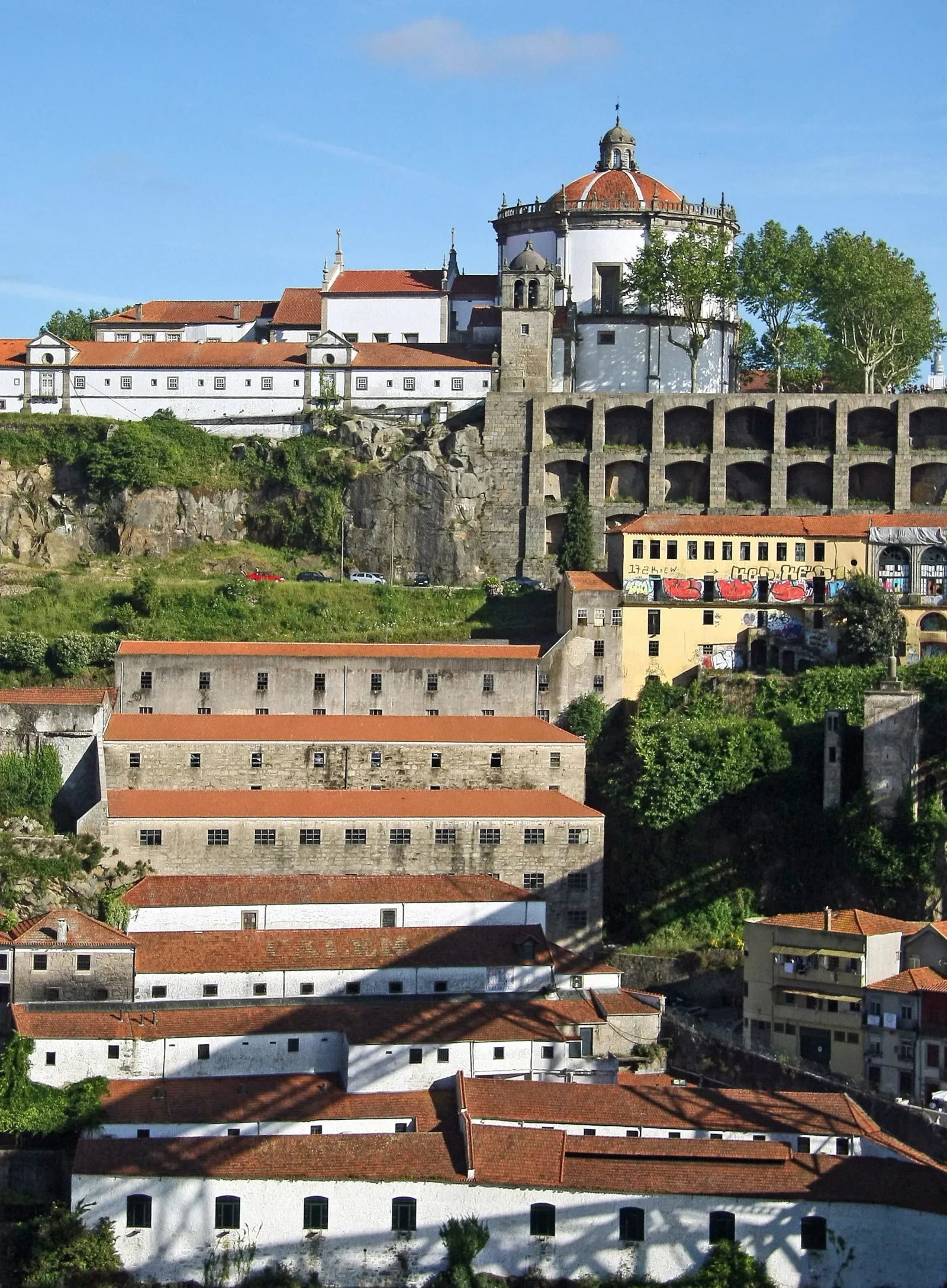
The UNESCO-listed neighborhood of Ribeira, which clings to the Douro River, is where any exploration of Porto’s architecture starts. The city’s mercantile heritage is reflected in its vibrant facade, which is covered in ceramic tiles and accented with wrought-iron balconies. Here, every facade tells a story. Sunlight terraces are connected by small stairways, transforming density into beauty.
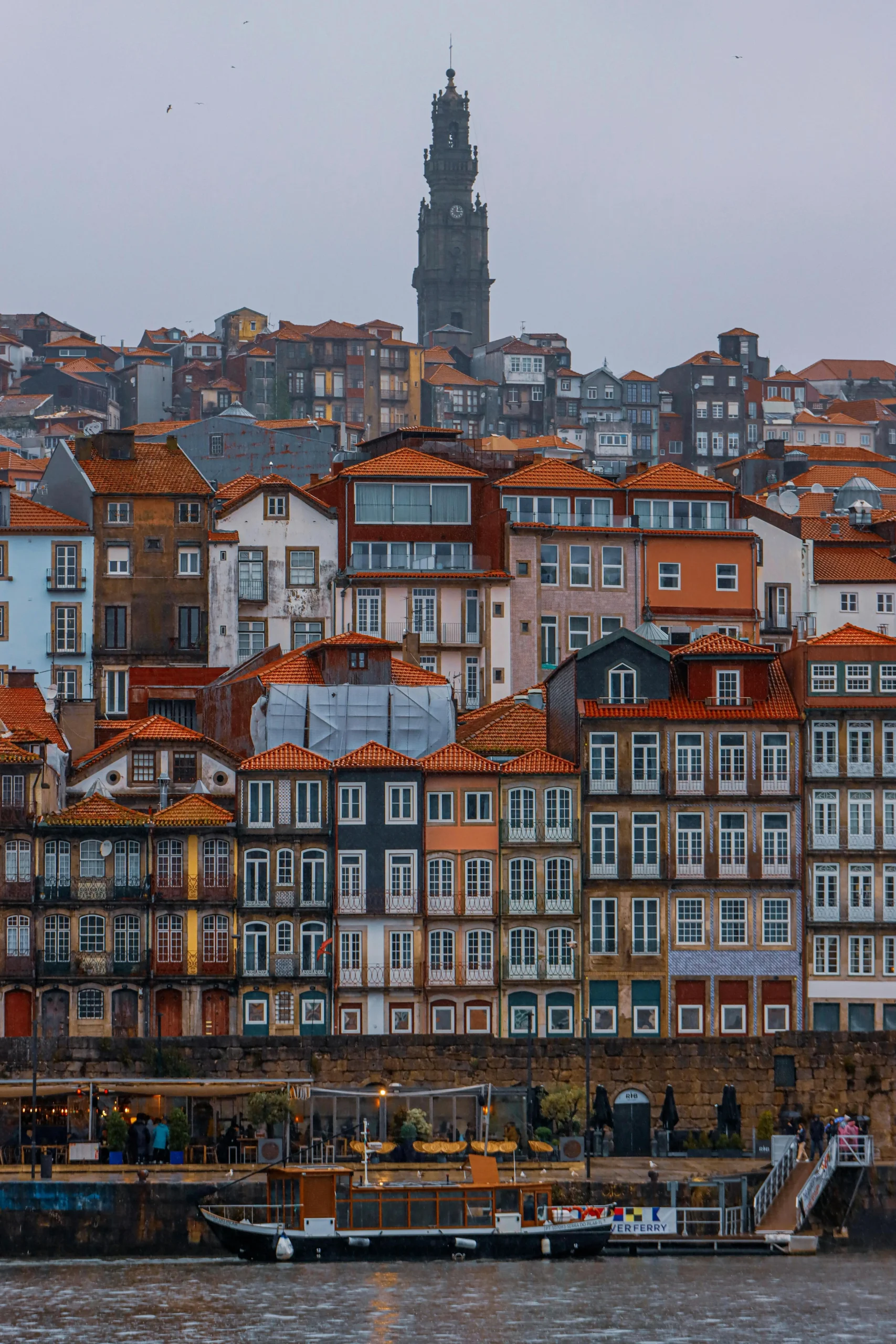
Ribeira has the air of a movie set in a bygone era, yet if you venture inside a repurposed warehouse, you’ll discover well-chosen wine bars, galleries, and design stores with interiors that honor the bones of old stone. Porto repurposes its history, not just preserving it behind glass. Locations like Armazém, a former antique market that has now become a cultural center, demonstrate how the city can incorporate contemporary architecture into old buildings without compromising their character.
Álvaro Siza and the Porto School of Architecture
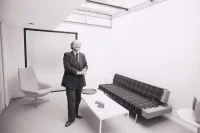
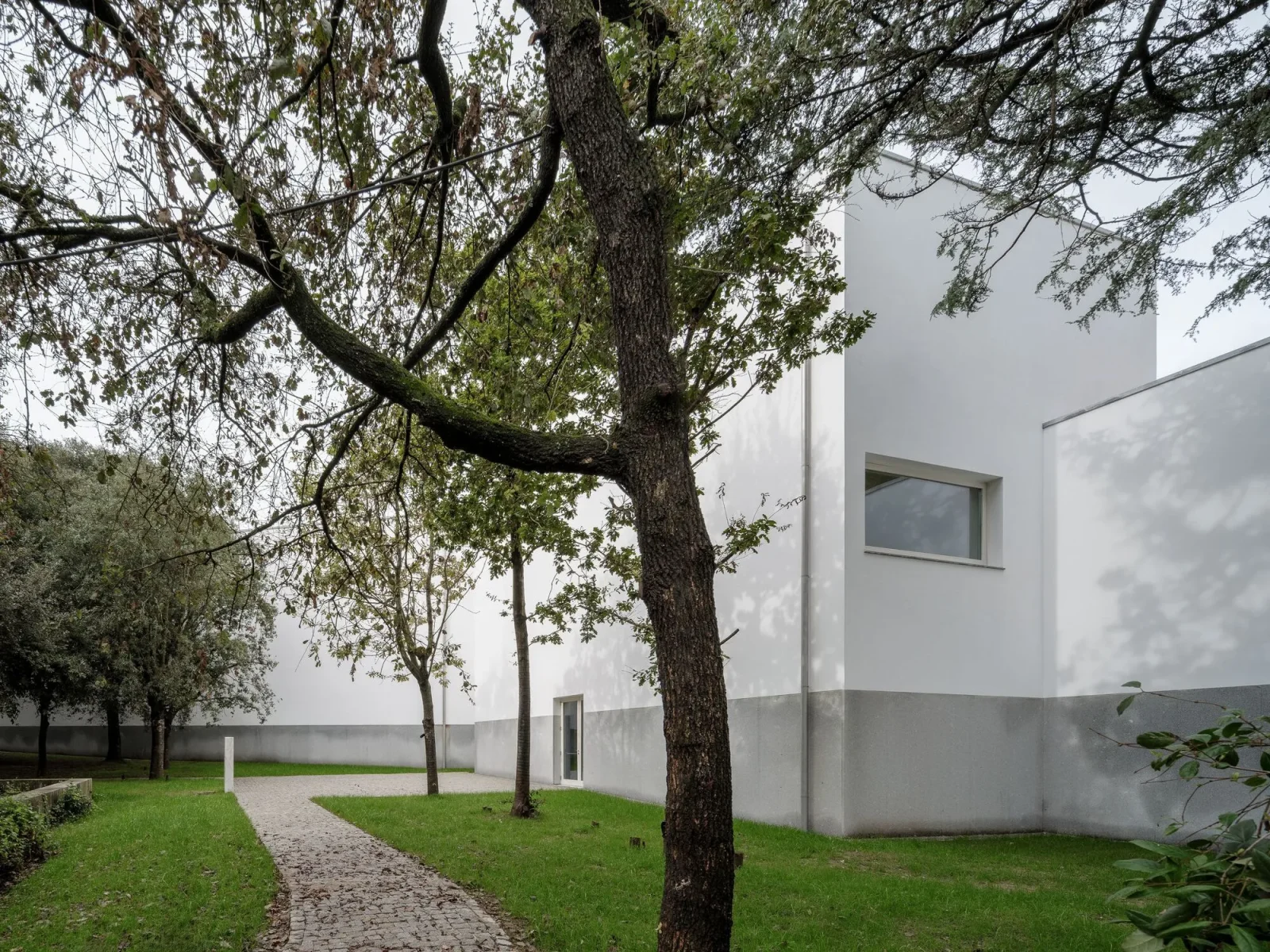
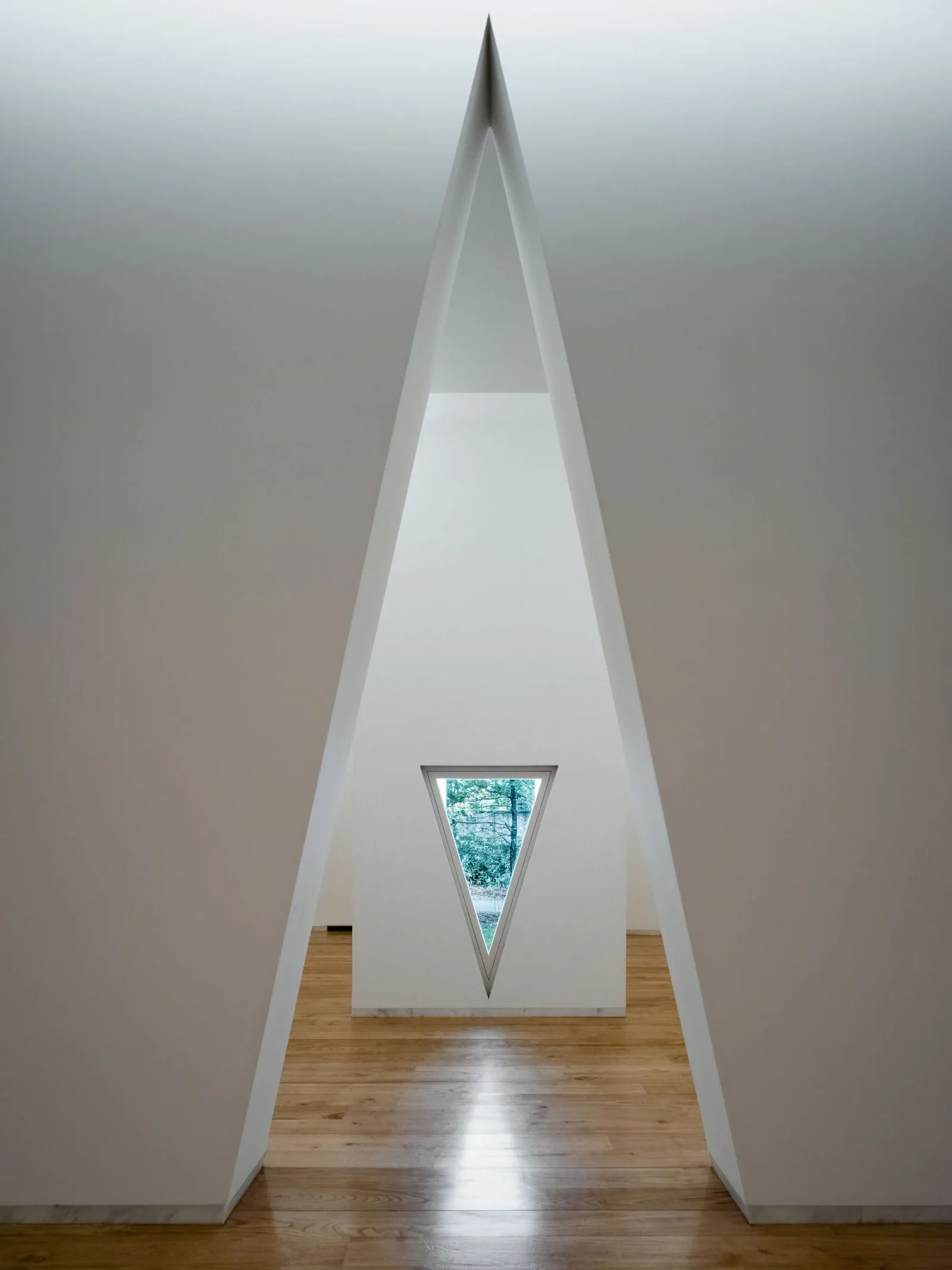
Without including Porto’s most renowned design expert, Álvaro Siza Vieira, no architectural guide would be complete. Siza, the 1992 Pritzker Prize winner, established a school of architecture that is poetic and restrained.
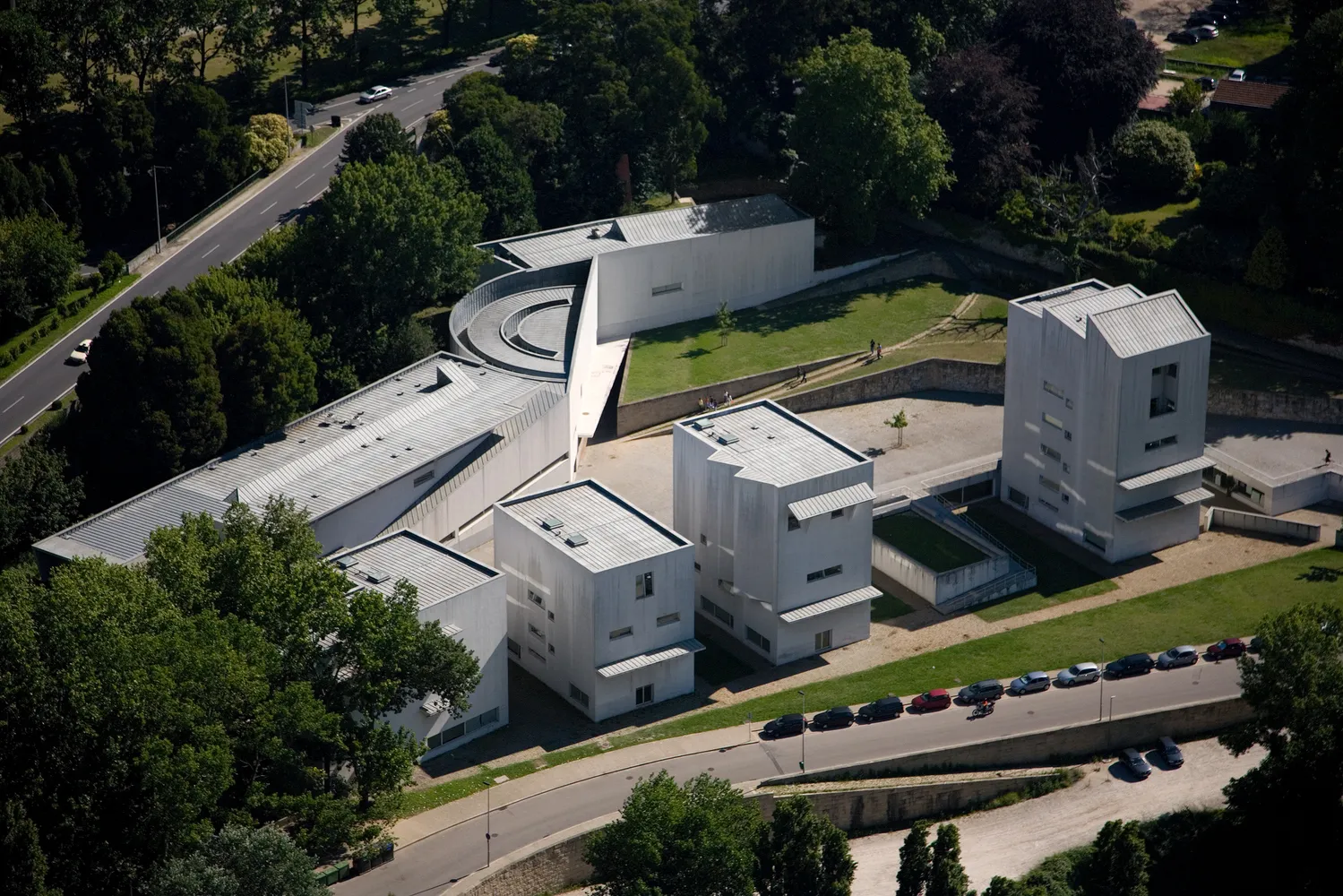
Start at the Porto’s School of Architecture, a hilltop campus that Siza himself constructed. When you walk through its austere concrete volumes, you’ll see how they softly let light flood inside, how organically they respond to terrain, and how perfectly they frame views of the river.
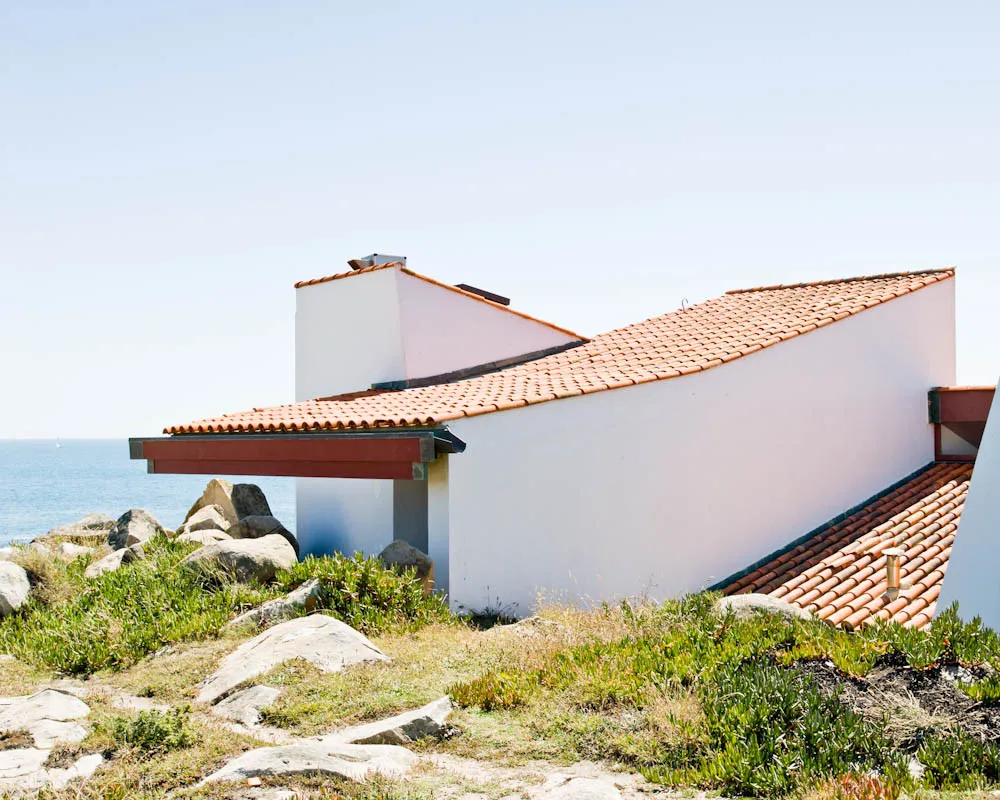
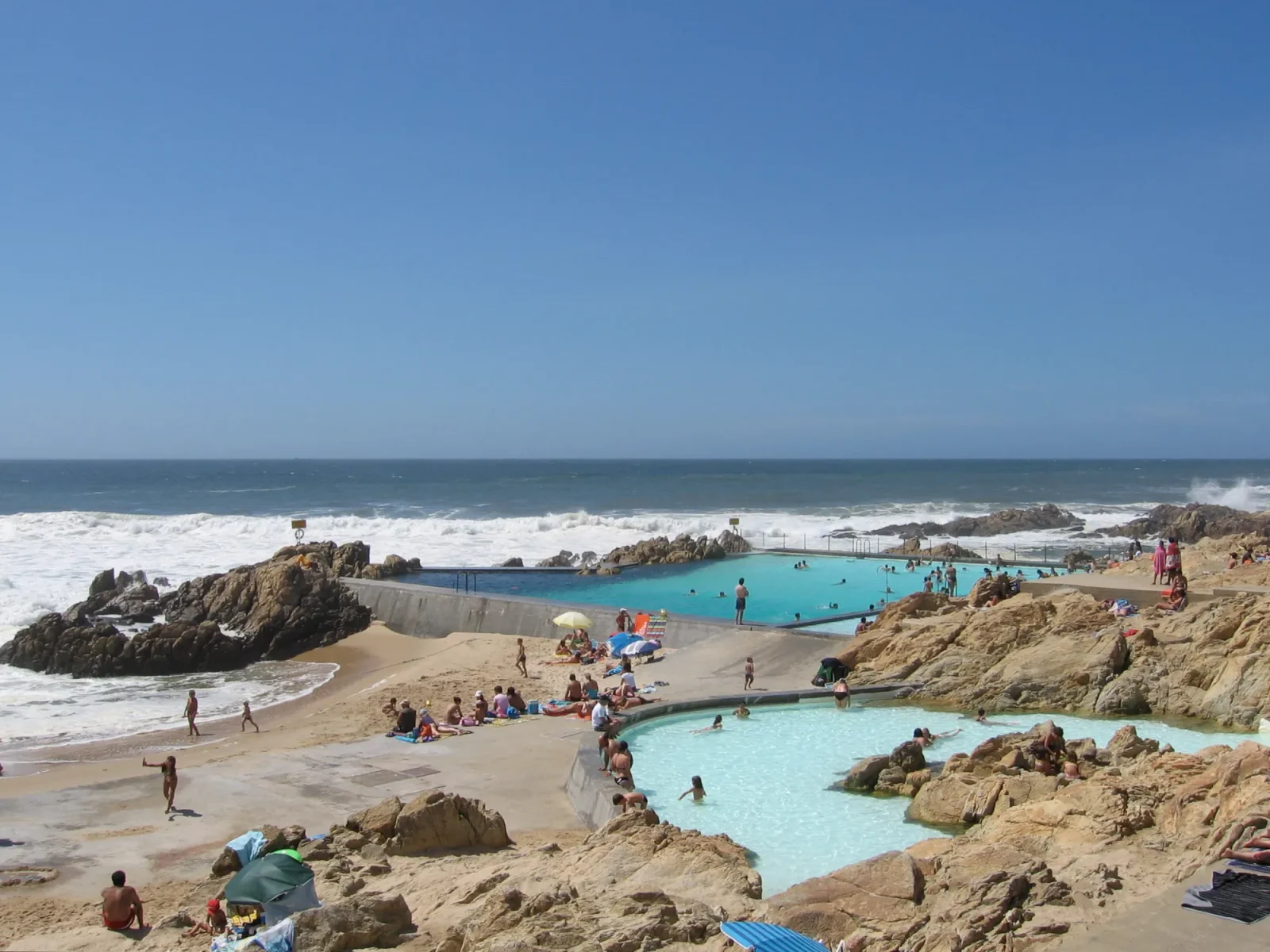
Continue on to the Boa Nova Tea House, which is situated on the rocky Atlantic coast. Modernist lines are incorporated into the landscape here, demonstrating how site conditions can naturally give rise to architectural form. At the Serralves Museum of Contemporary Art, Siza’s characteristic restraint allows art and nature to overpower architecture.
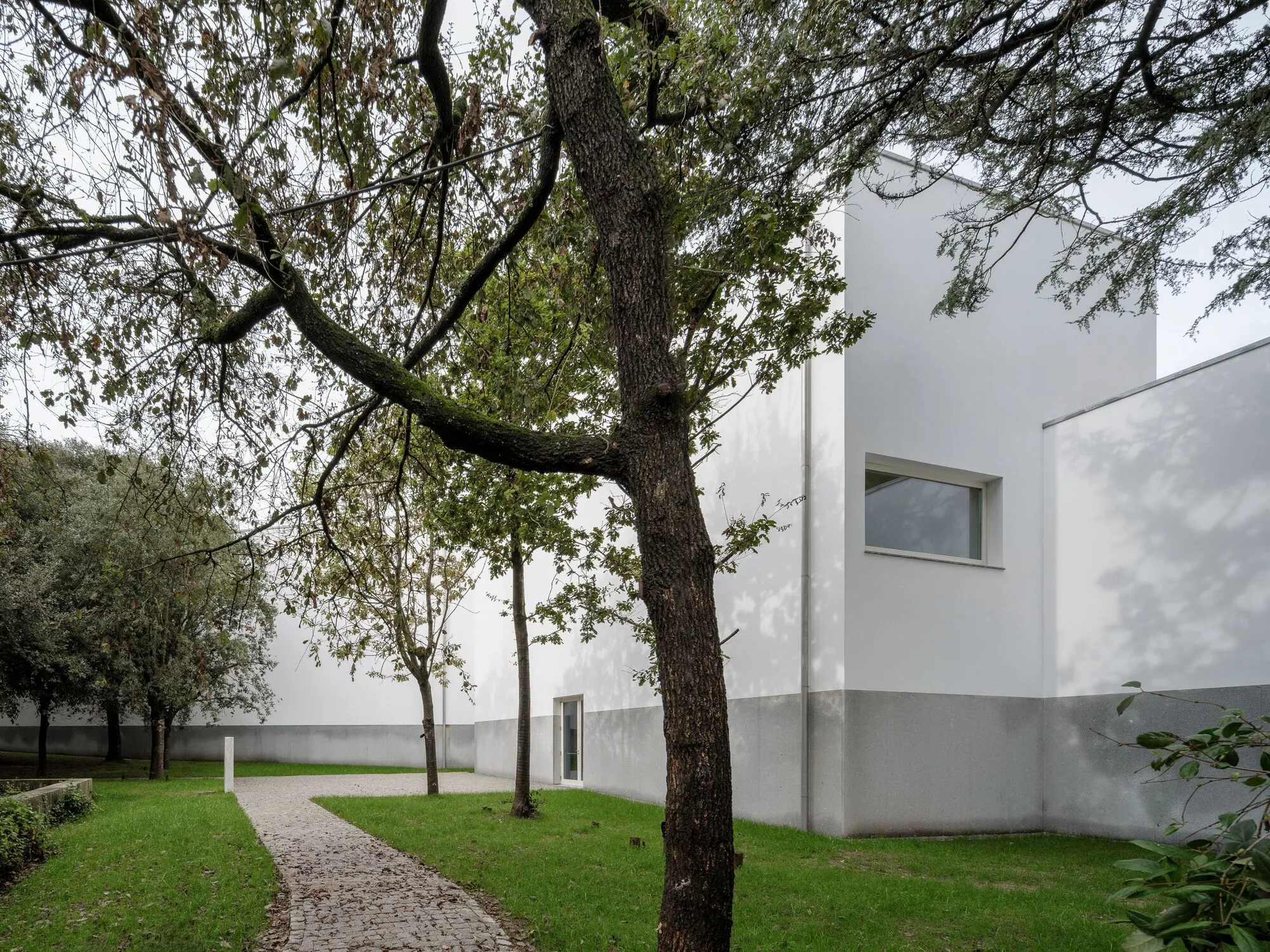
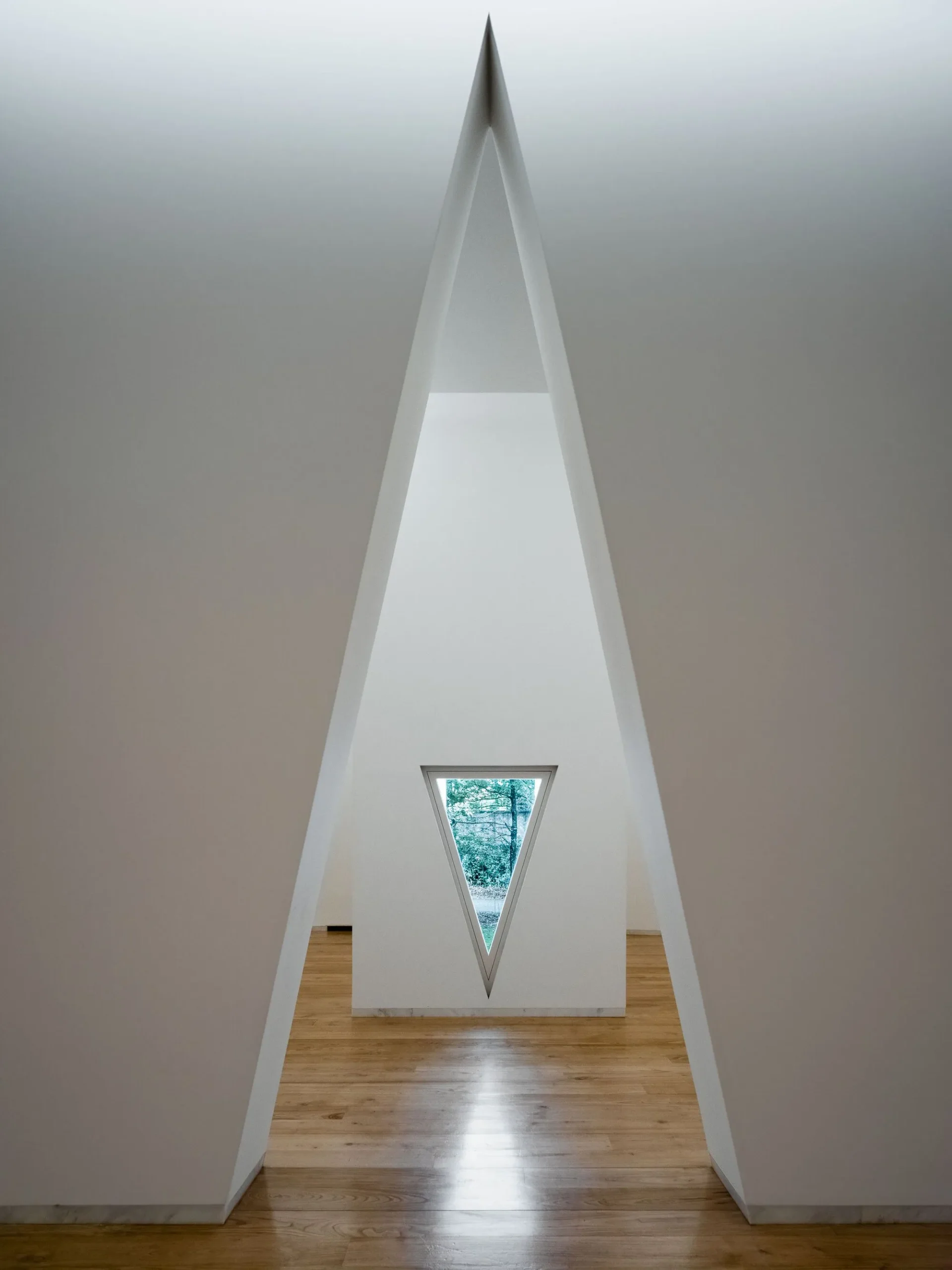
This is modernism as a regional vernacular, influenced by stillness, stone, and the sea.
Porto’s Bridges
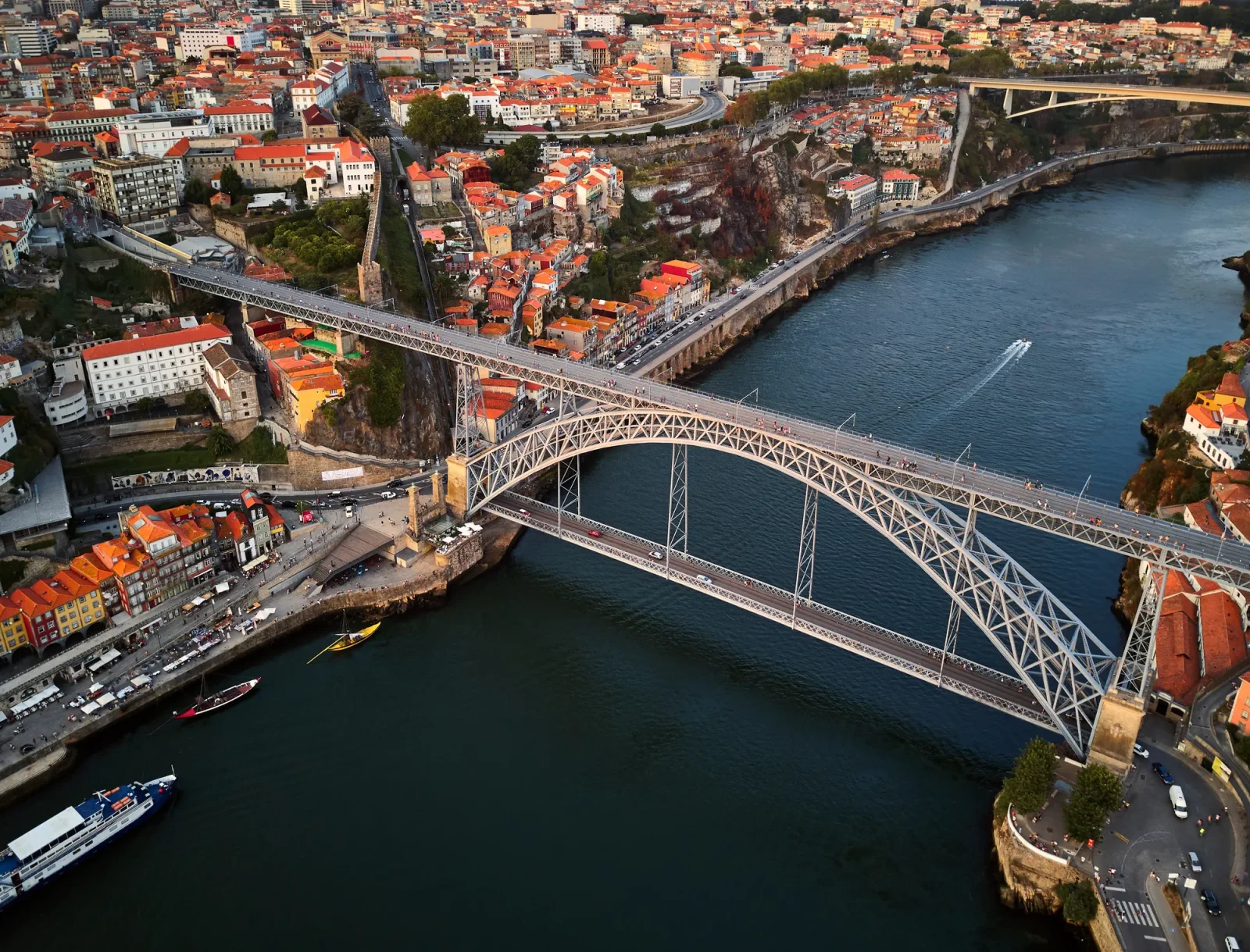
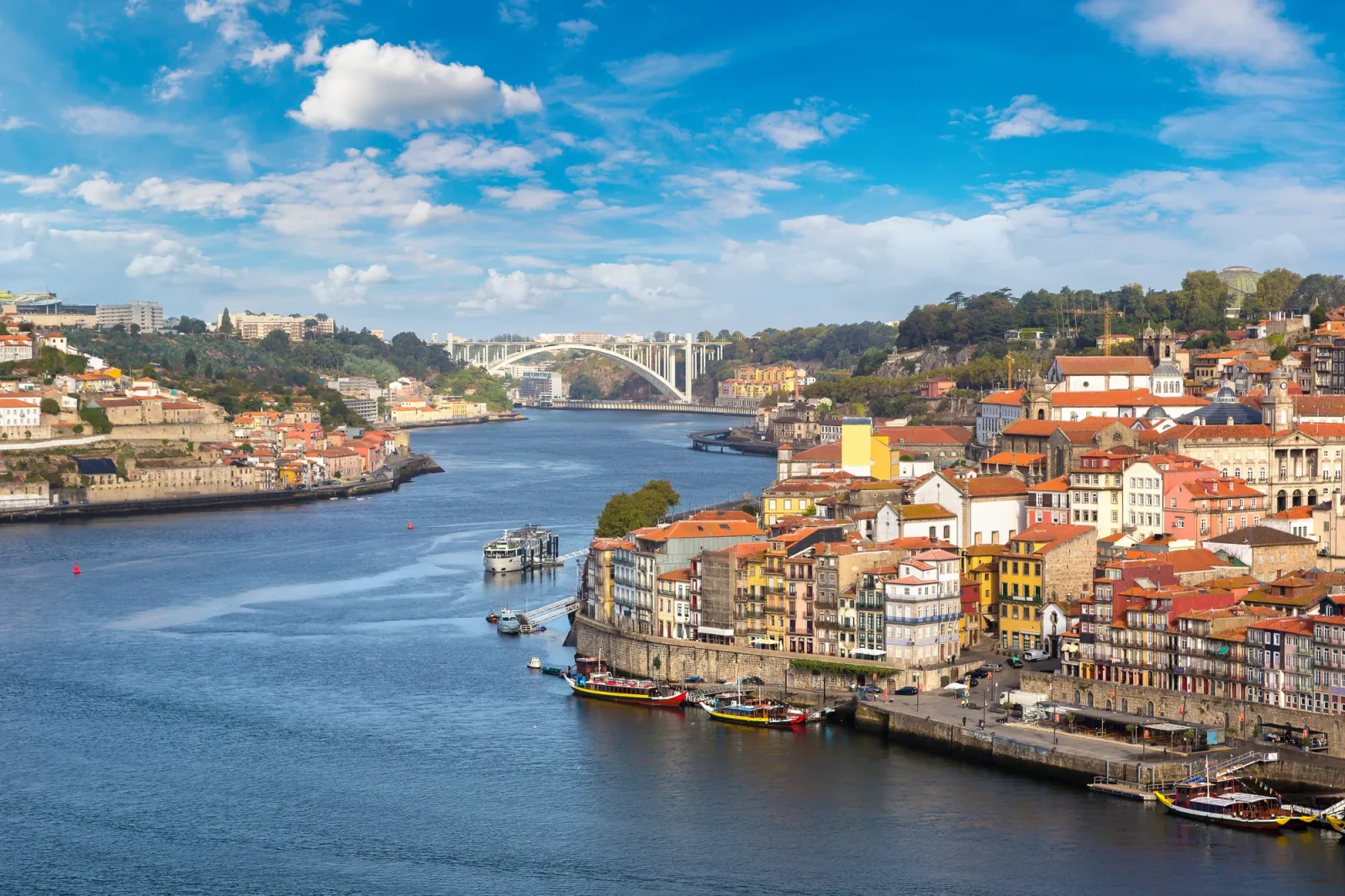
Six bridges, each with its own individuality, straddle the Douro, making Porto a city of bridges. However, one in particular sticks out: the Dom Luís I Bridge, which was partly designed by a protege of Gustave Eiffel. Its double-decker iron arch is a sculpture and more than just a link.
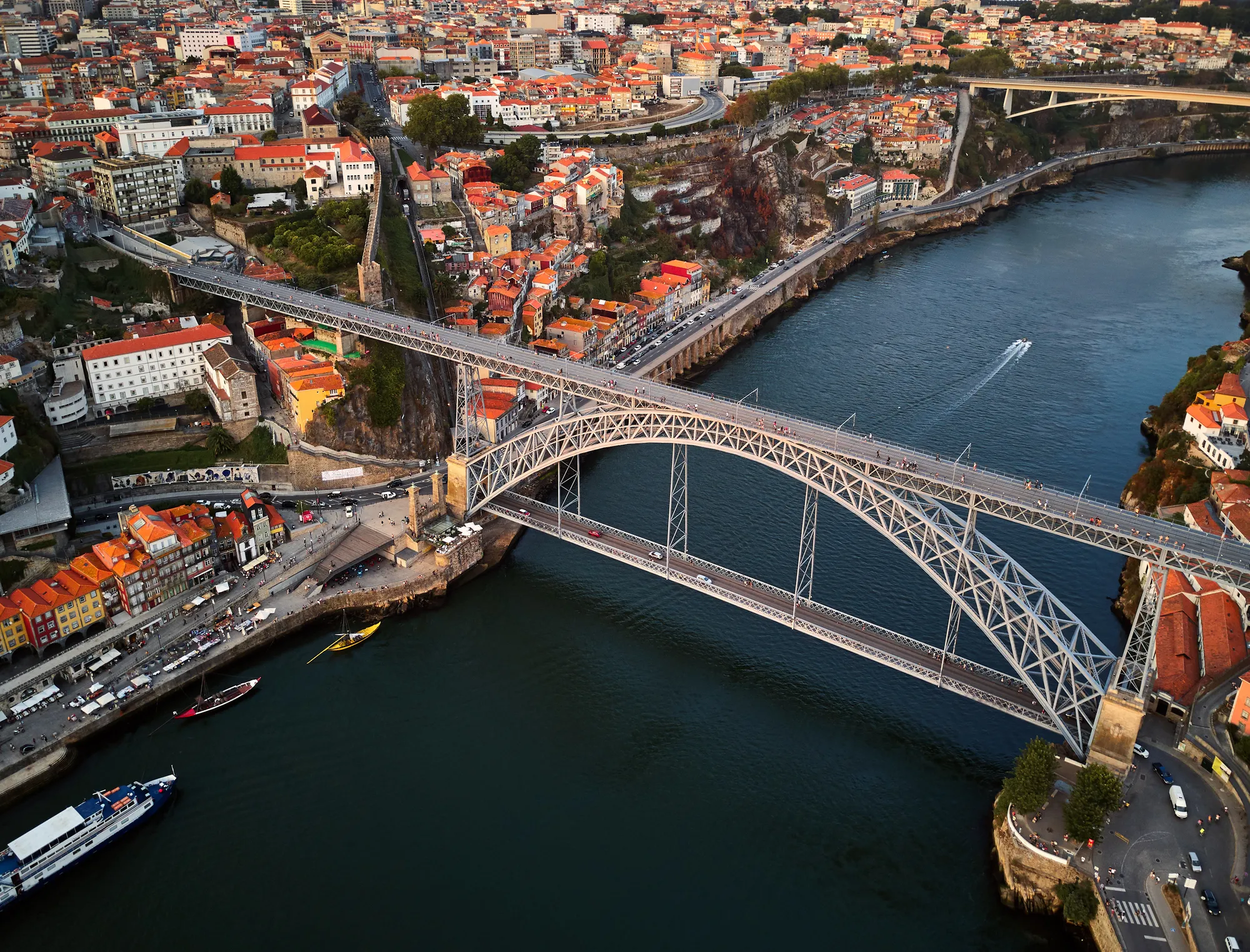
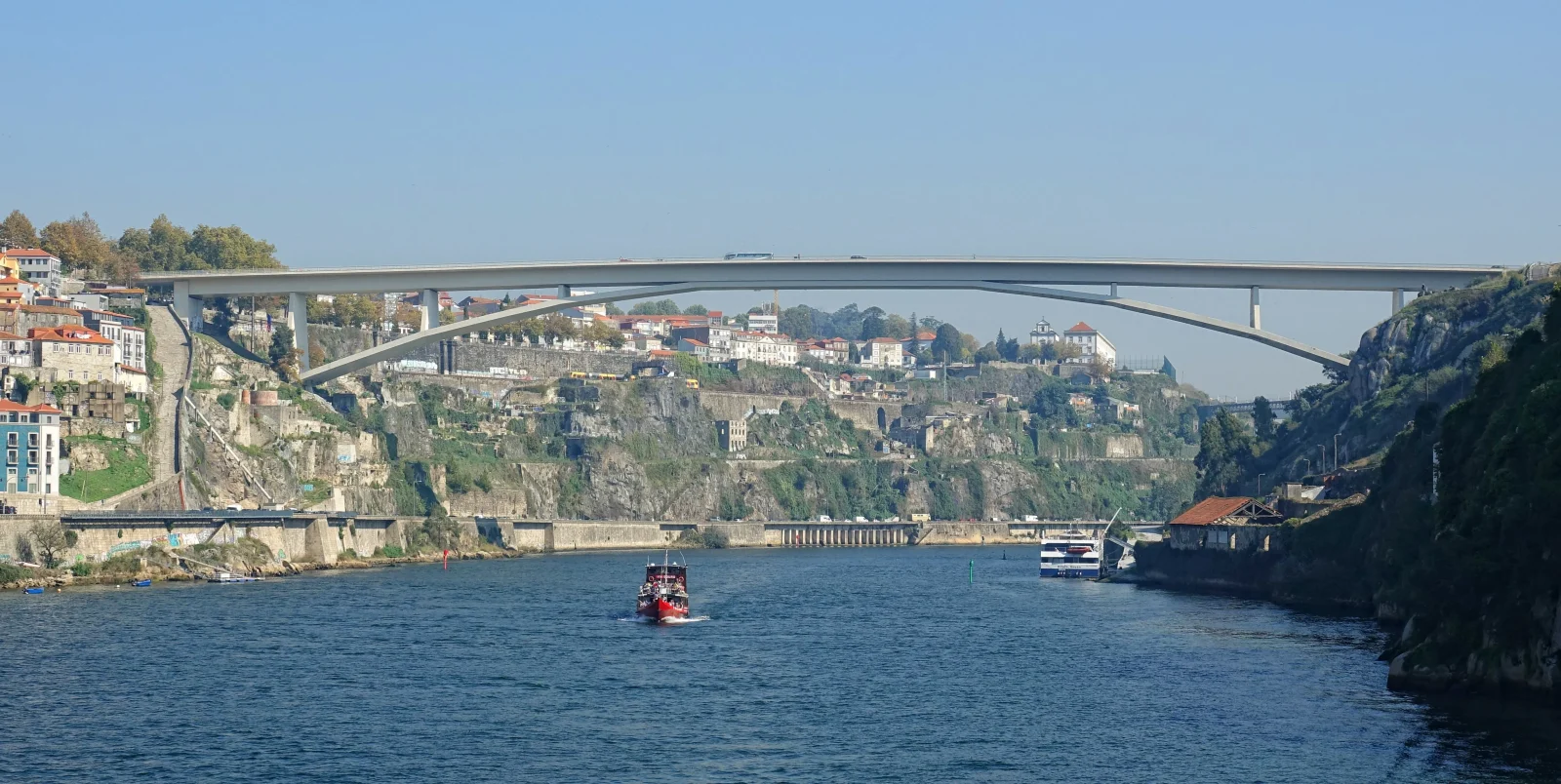
The cityscape develops as a dramatic arrangement of rooftops, towers, and tiles from the Jardim do Morro on the Vila Nova de Gaia side. The Infante Dom Henrique and Arrábida bridges, which are gigantic concrete constructions that arc across the canyon like calligraphy, demonstrate farther downriver how engineering and grace go hand in hand.
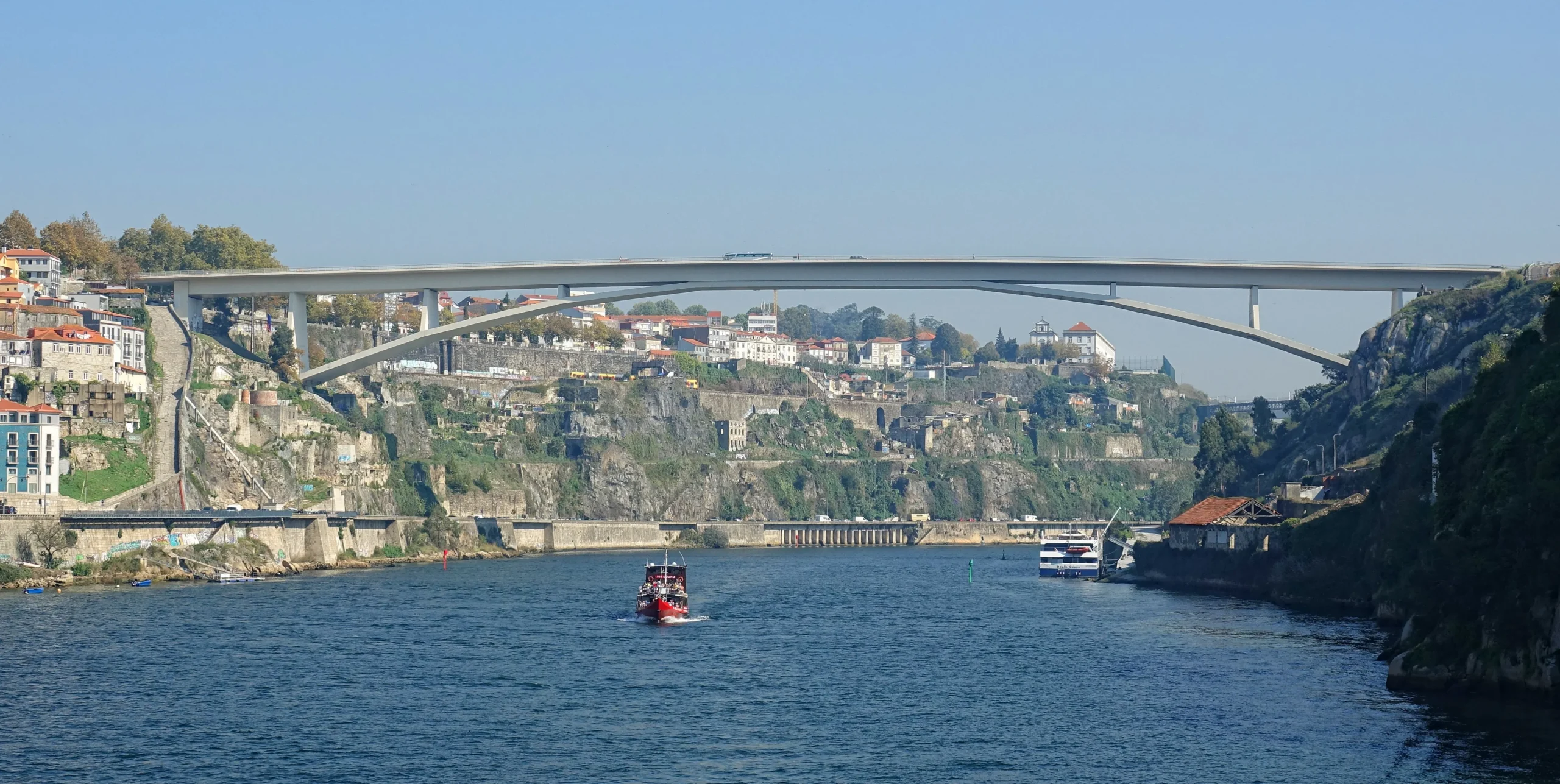
Merely crossing a river can become a design experience for you!
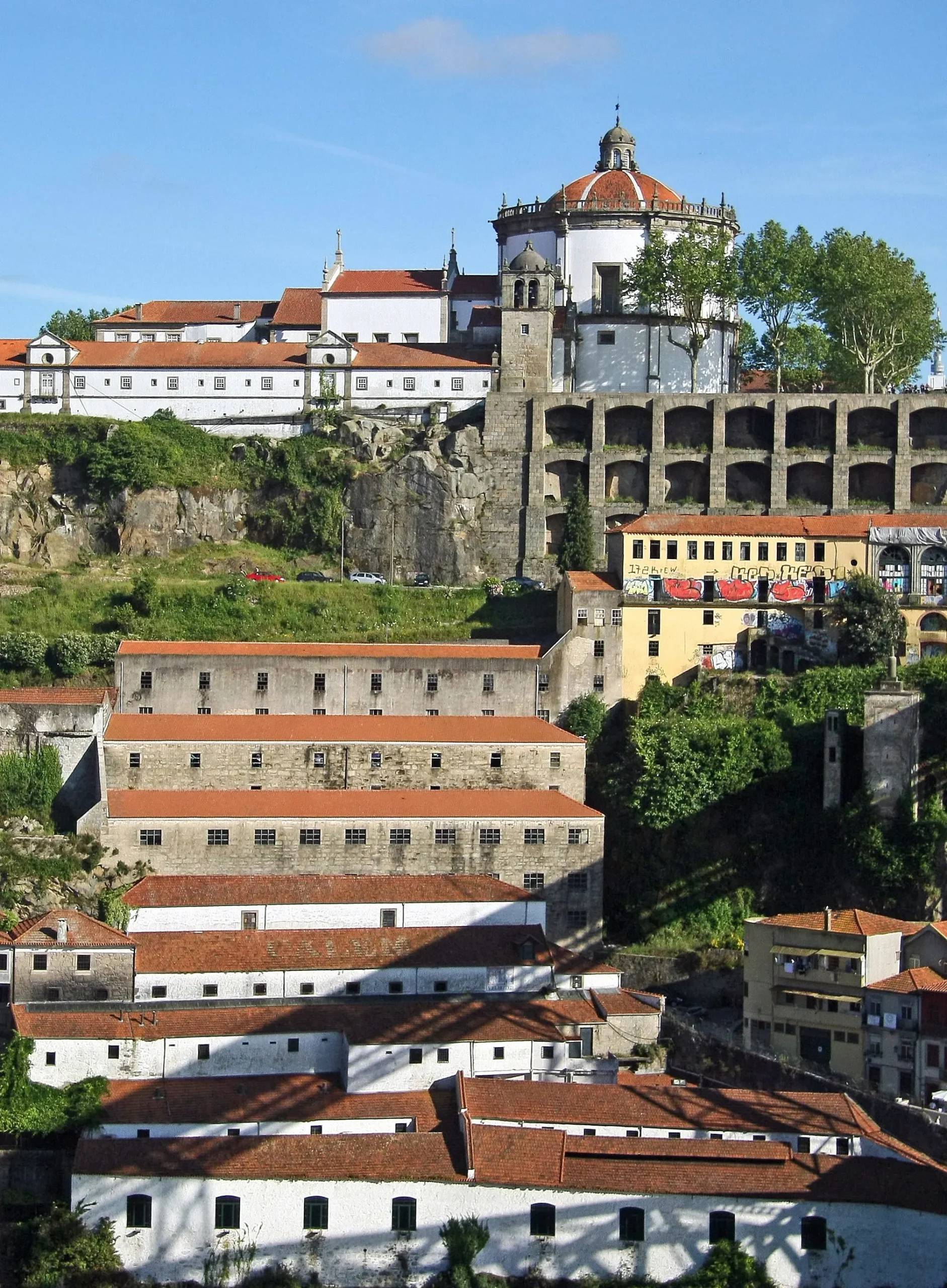
Casa da Música and the Contemporary Turn
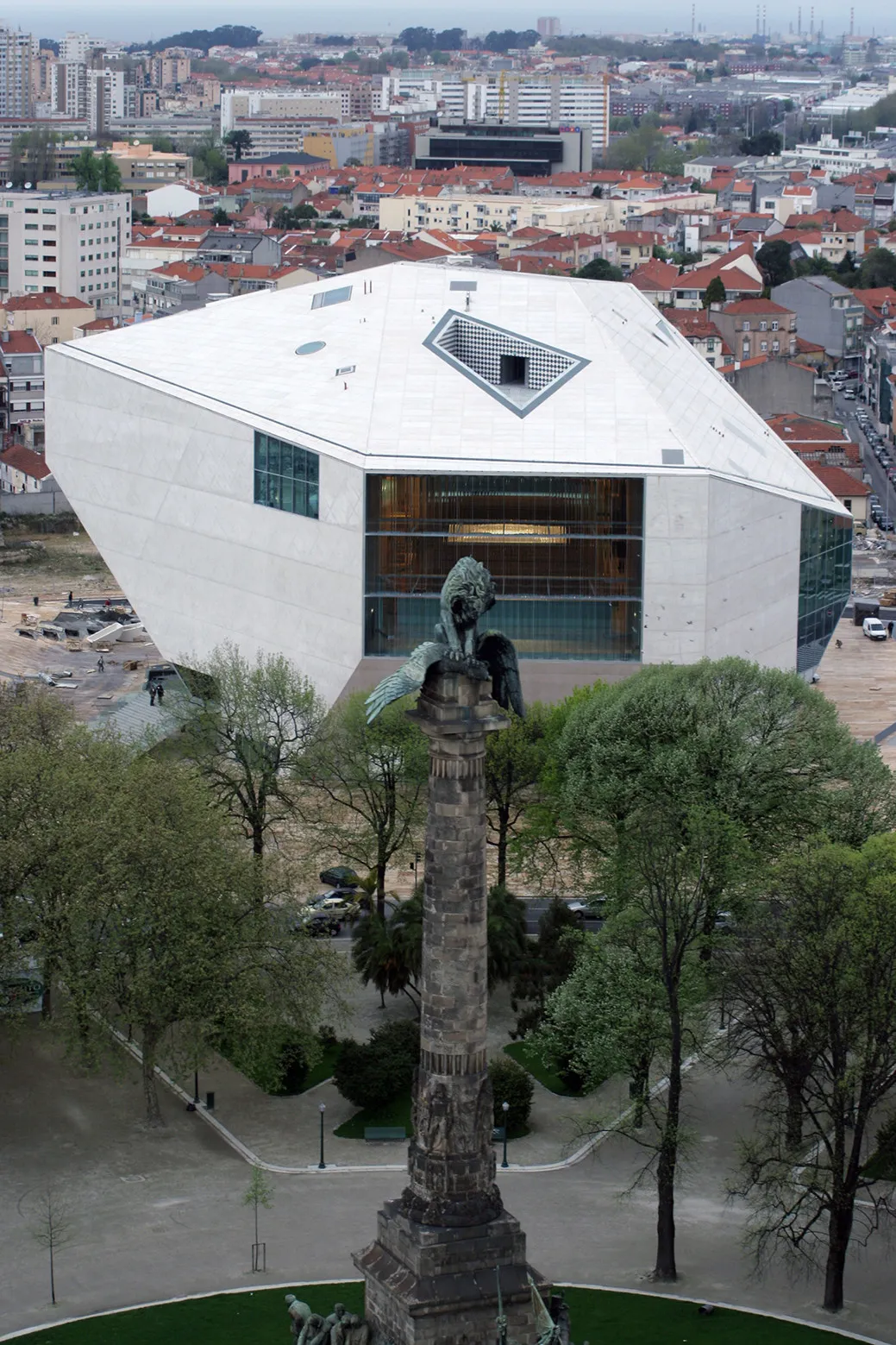
Rem Koolhaas and OMA’s Casa da Música is arguably Porto’s most startling architectural feature. Like a meteorite planted in the center of the Rotunda da Boavista, this faceted white monolith defies all acoustic and urban conventions.
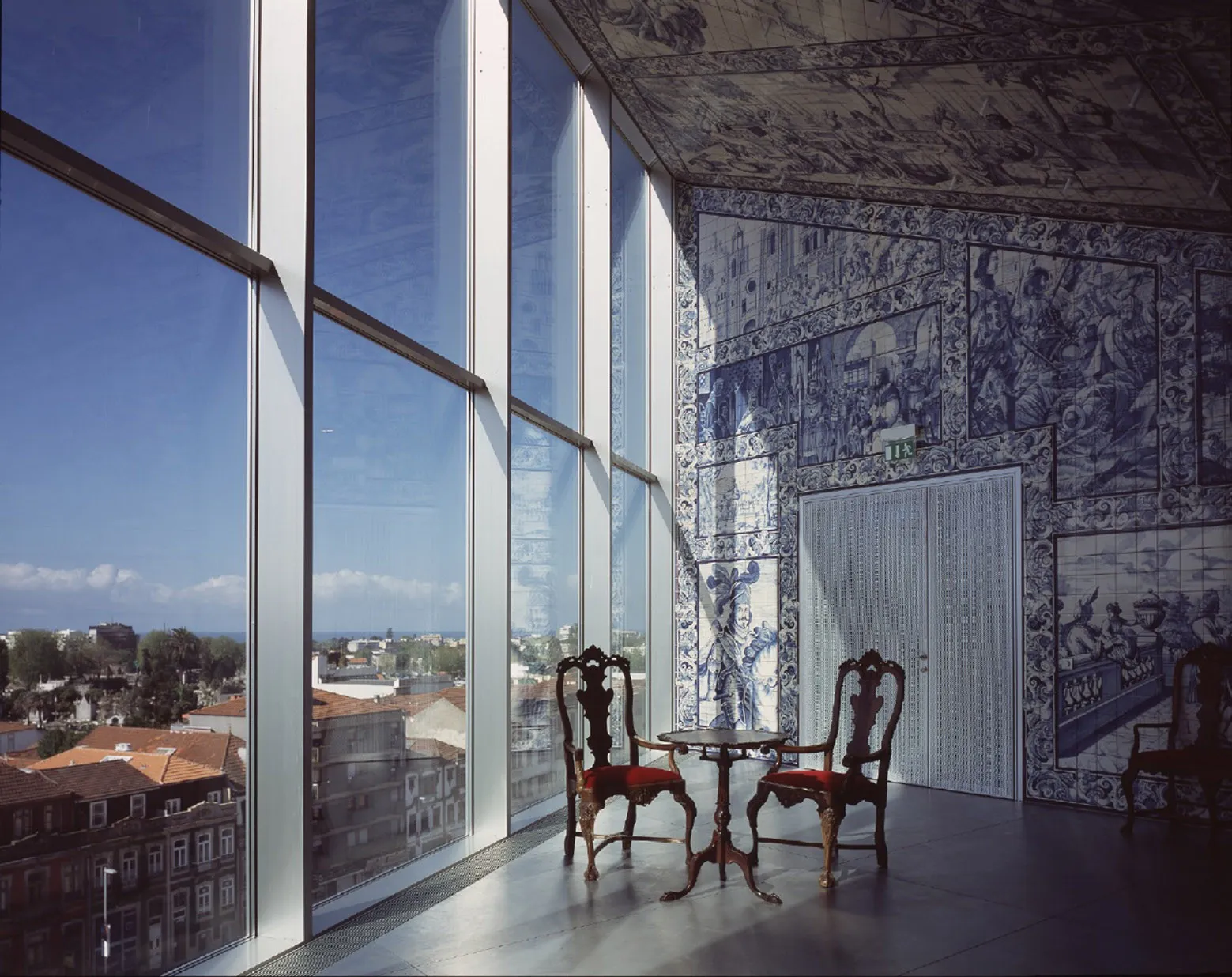
Despite the difference between its aggressive geometry and the surrounding 19th-century fabric, it manages to work. Inside, a sensory architecture of surprise, contrast is created by panoramic windows, corrugated concrete, and gold-leaf walls. It serves as a provocation, a venue, and a cultural statement. Casa da Música was an important turning point in Porto’s design history.
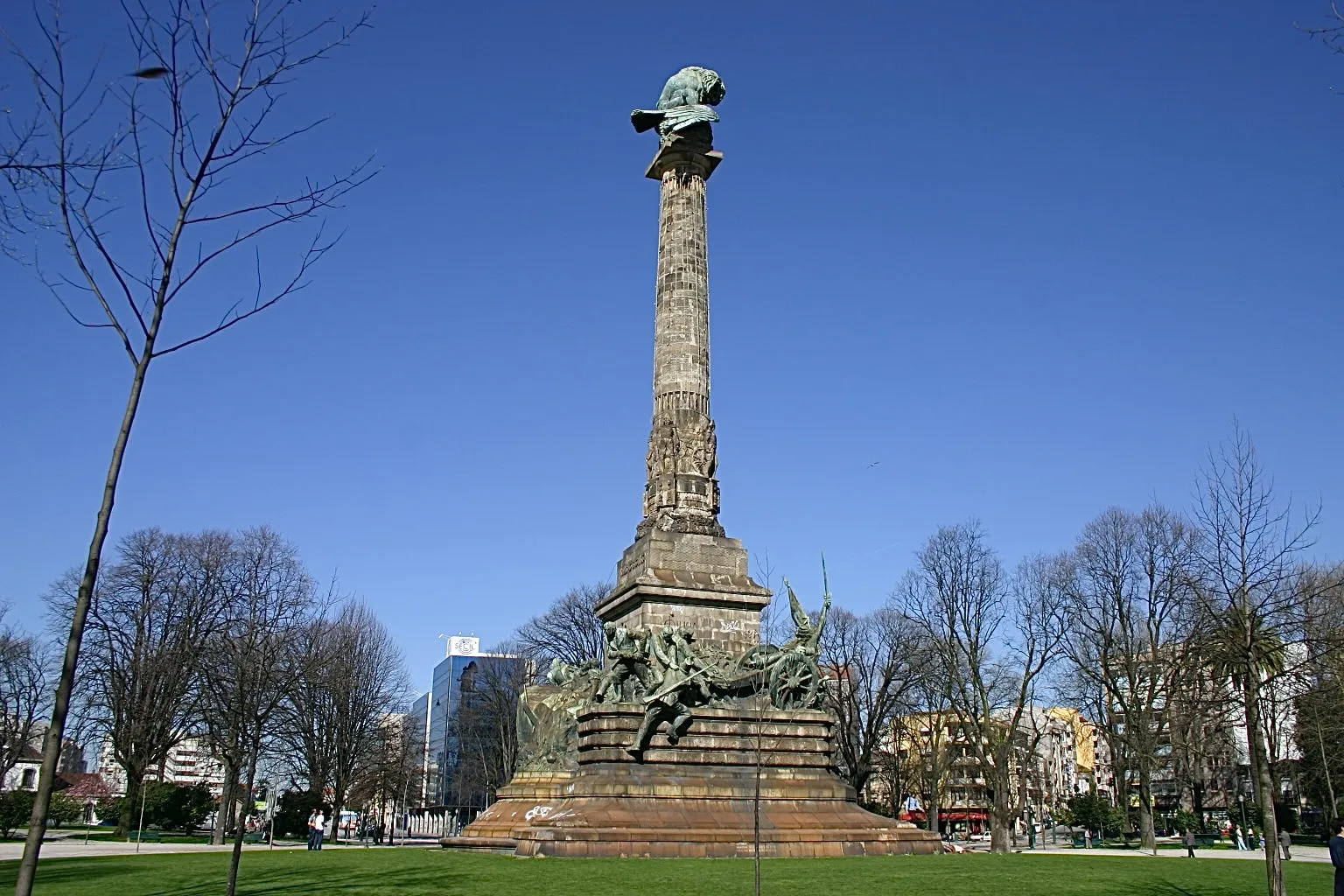
Adaptive Reuse: Future Within the Past
Porto’s design culture is among its most captivating features, with the ability to master adaptive reuse. Historic wine vaults have been converted into museums, dining establishments, and exhibition spaces in the WOW Porto neighborhood (World of Wine). This architecture aims to revitalize entire neighborhoods.
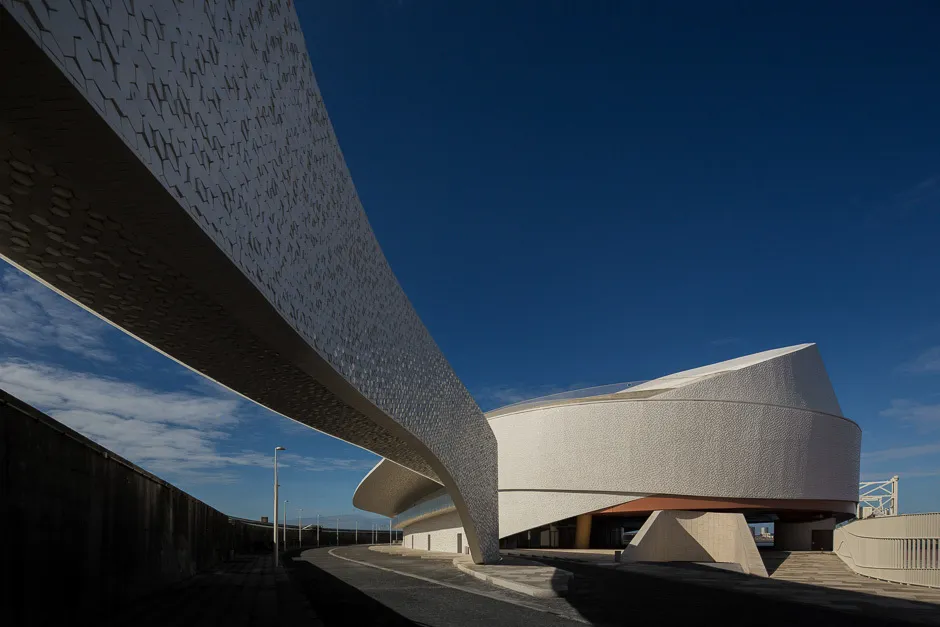
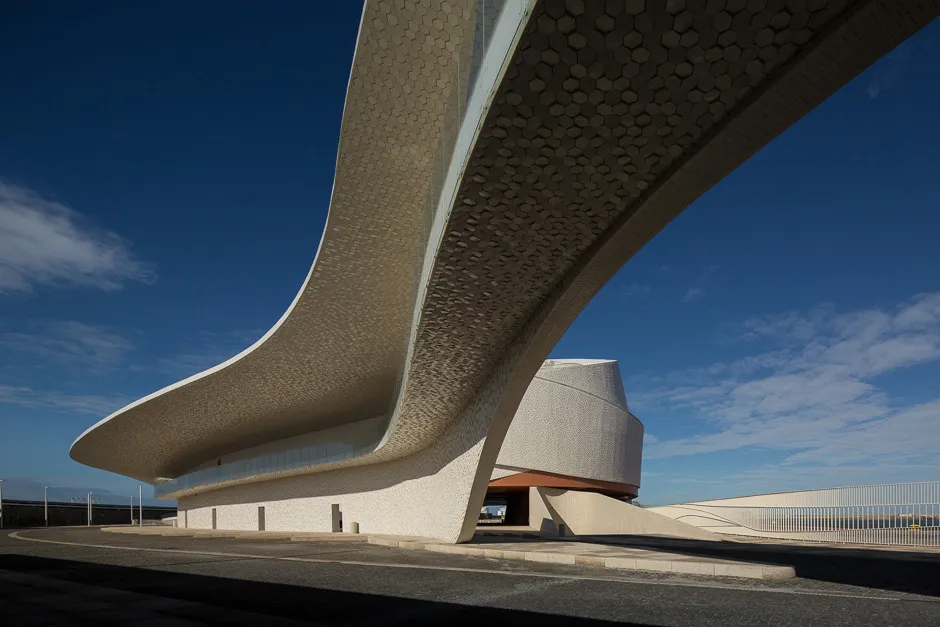
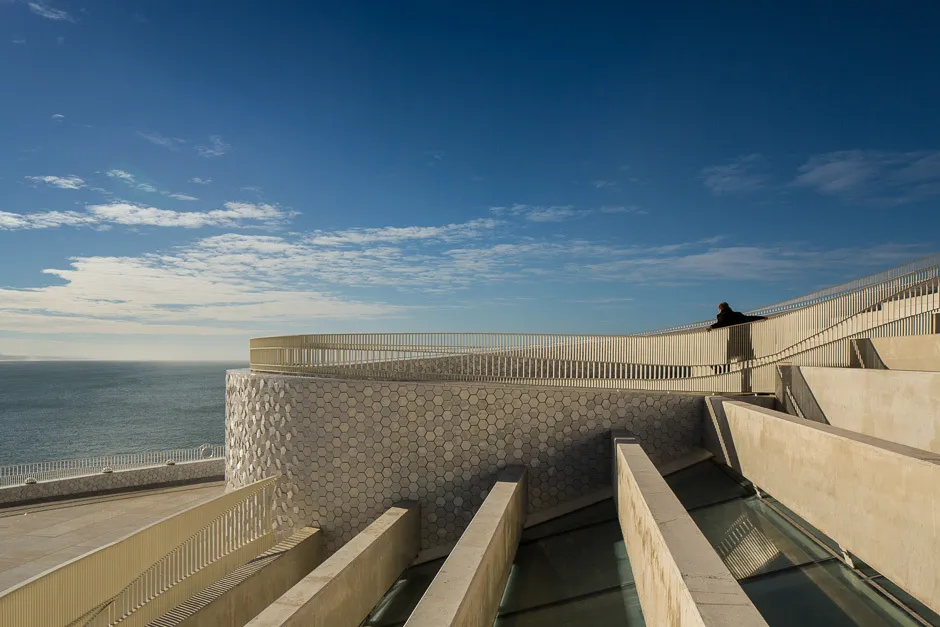
Another example is Luís Pedro Silva’s Terminal de Cruzeiros, a shell-shaped, sinuous white concrete building that hugs the coast of Matosinhos. It evokes coastal geology and maritime heritage despite its modern presentation.
Tiles, Churches, and the Spirit of Ornament
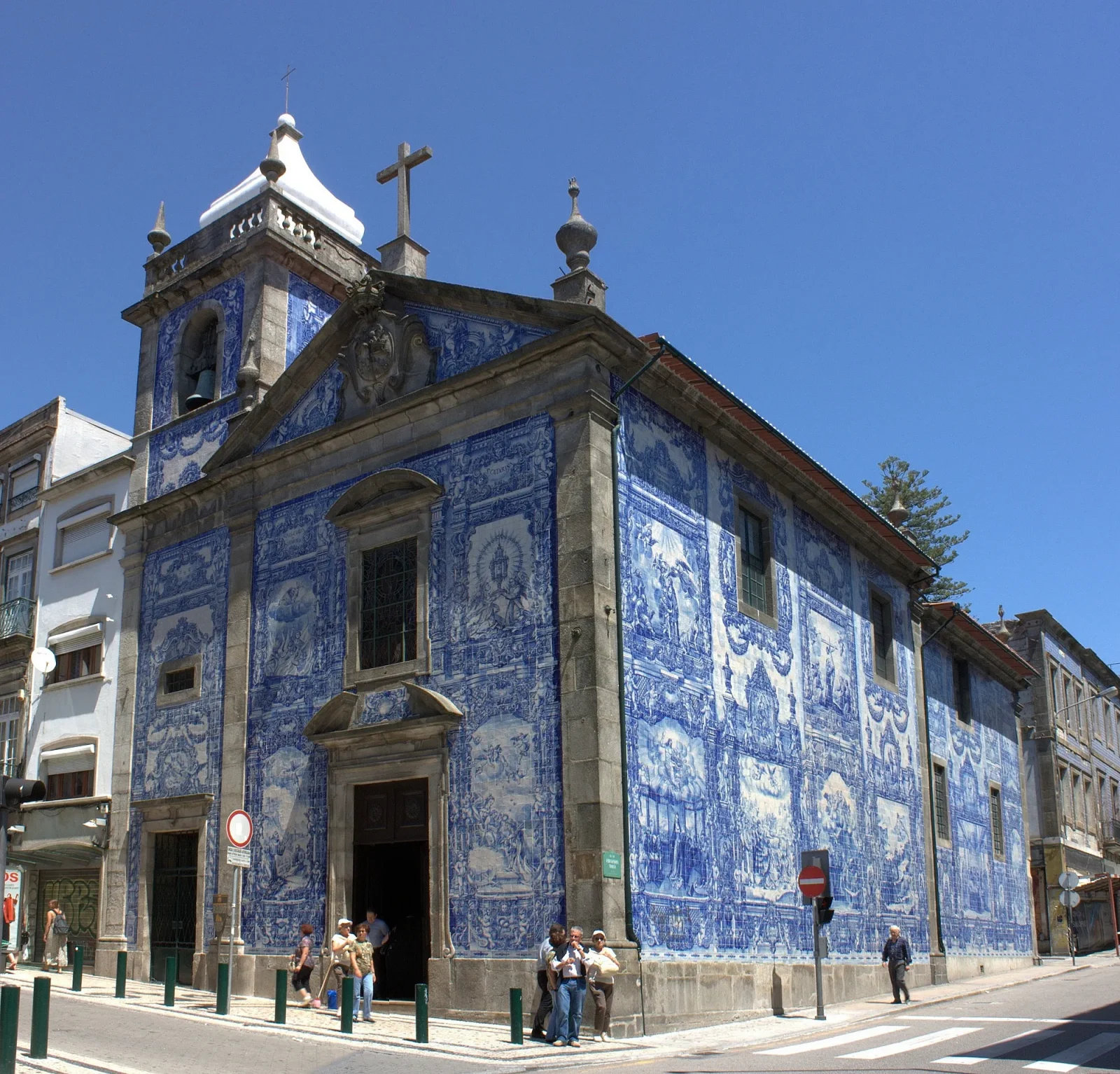
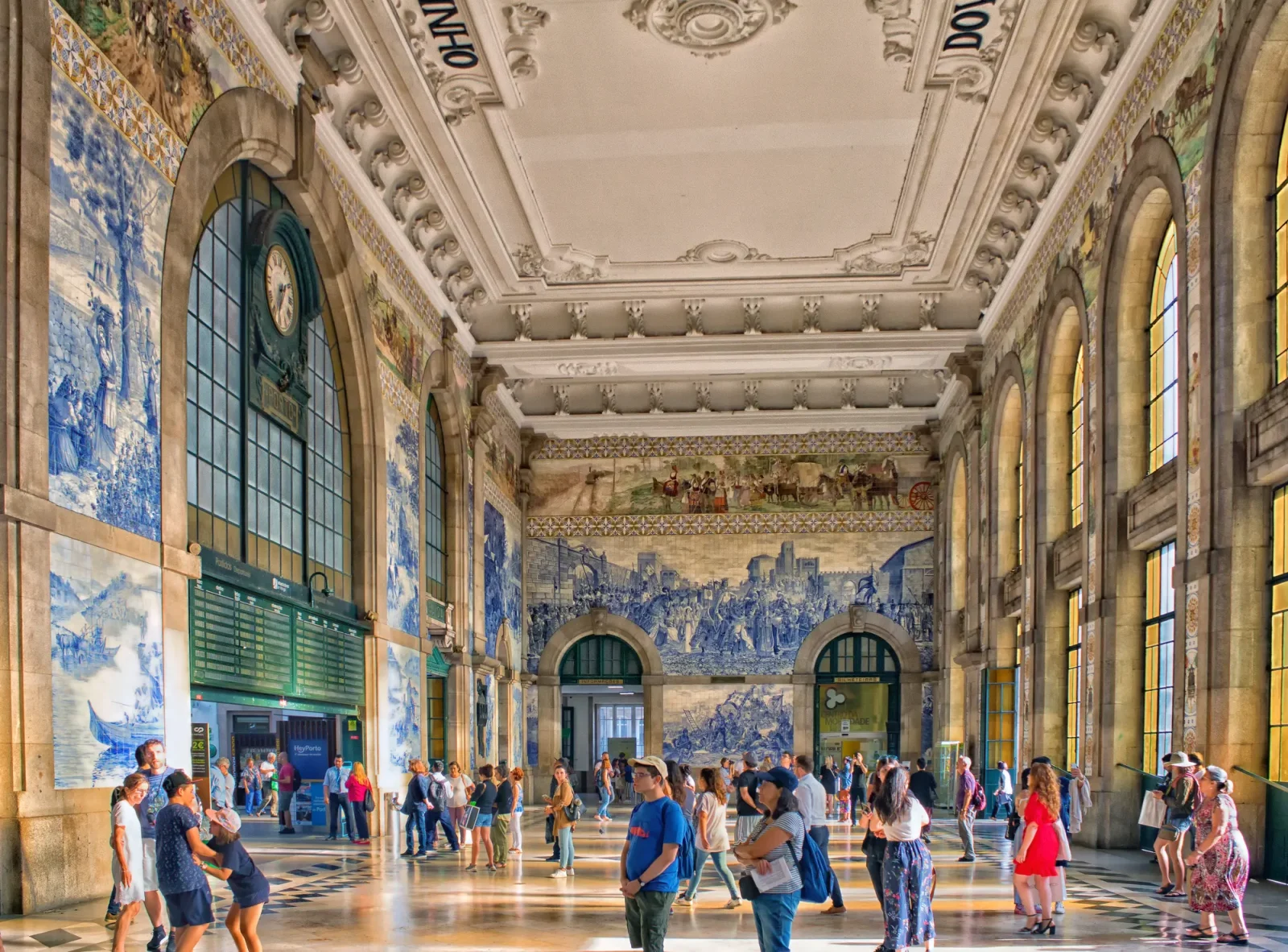
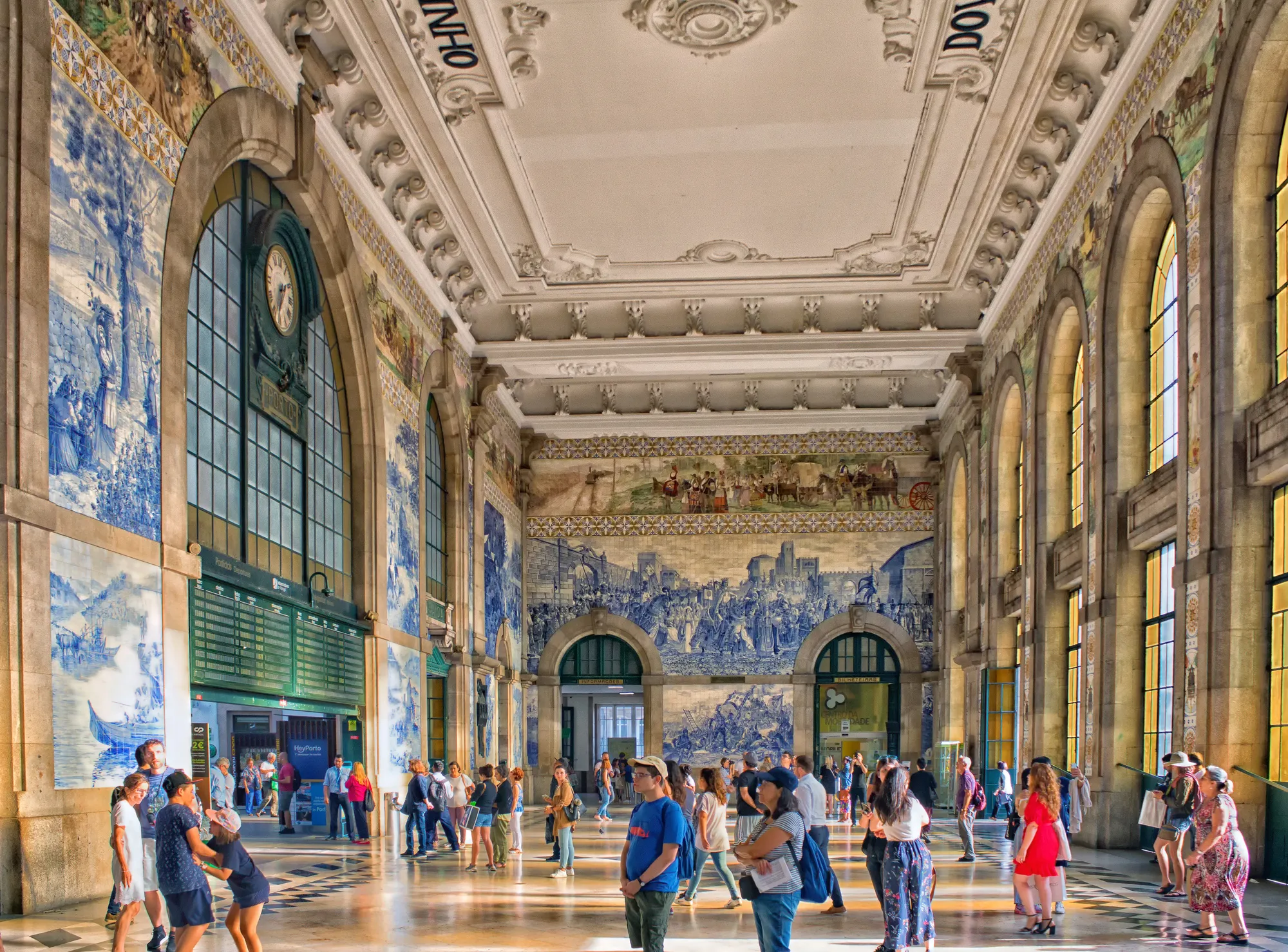
The most renowned material in Porto is azulejo, not granite or glass. These blue-and-white tiles serve as storytelling tools, adding visual poetry to the facades of homes, churches, and rail stations.
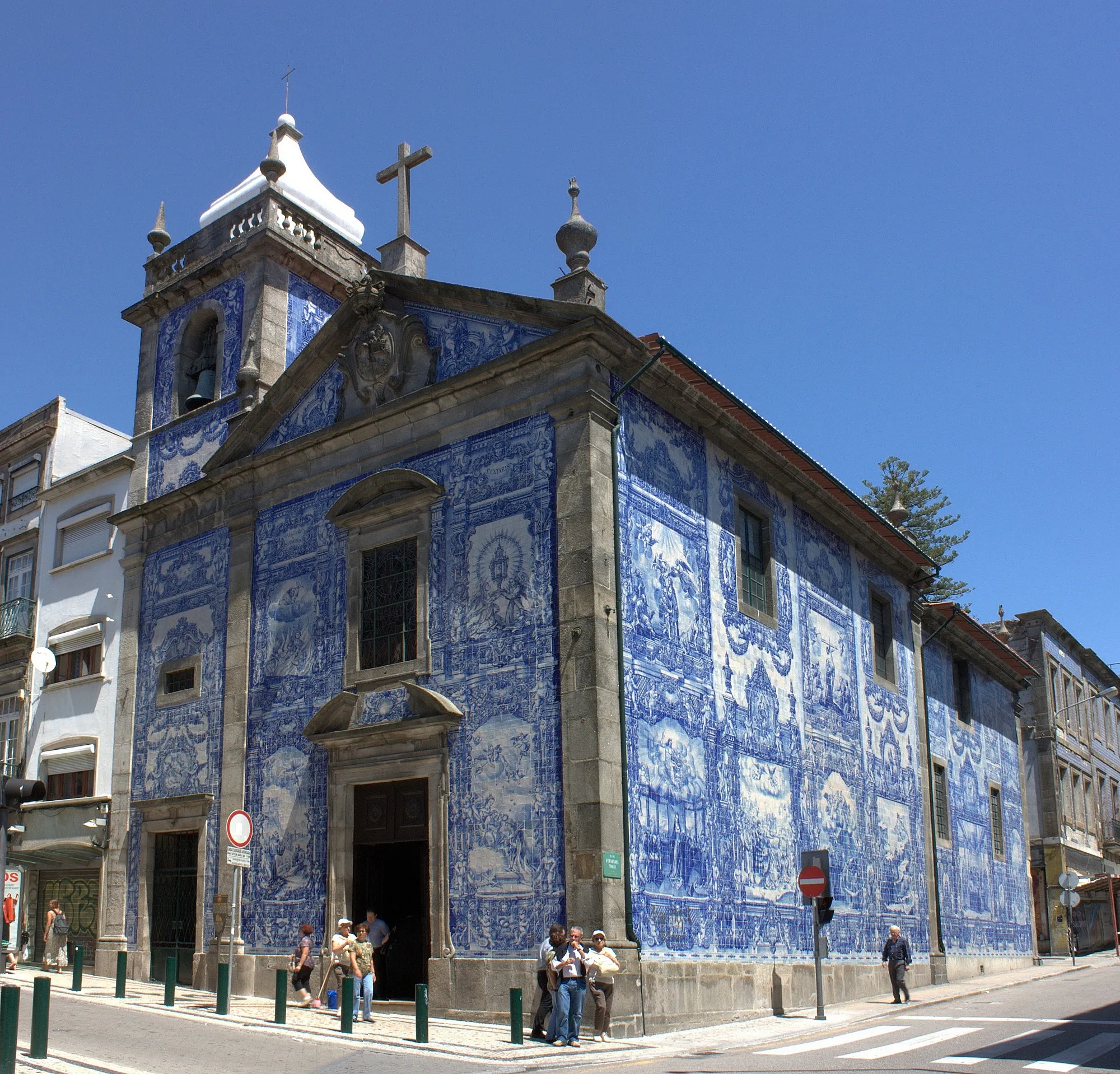
See the São Bento Station, where thousands of hand-painted tiles portray Portuguese history, or the Capela das Almas, where walls tell the stories of entire saints. As a sign of cultural pride, even modest residential buildings are adorned with azulejos.
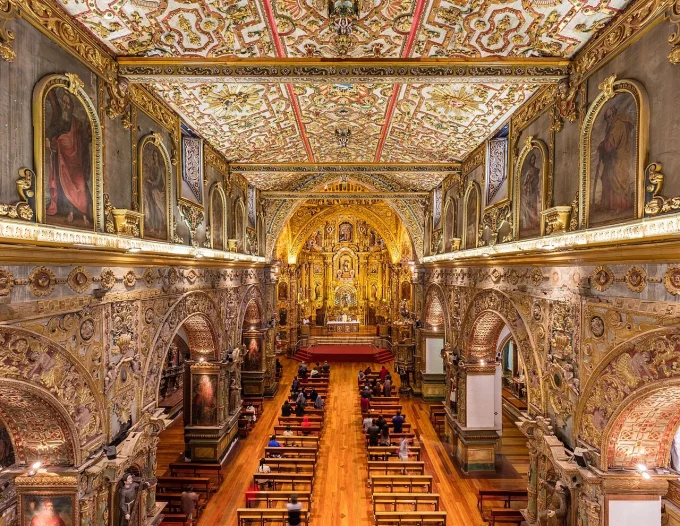
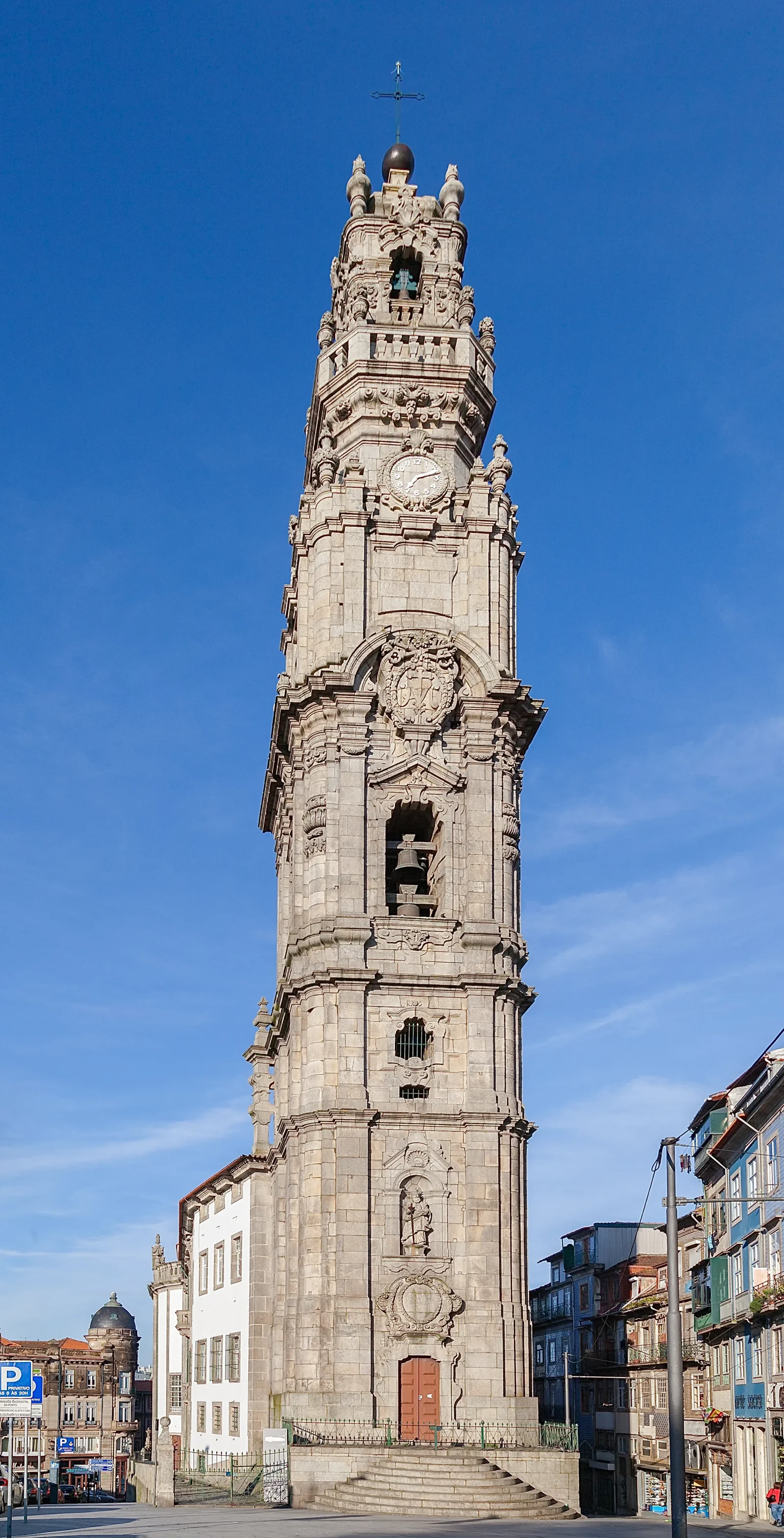
Another layer is added by religious architecture. The golden interior of São Francisco Church and the Baroque Clérigos Tower are only two examples of Porto’s churches, which are an exercise in expressive extravagance and a contrast to the city’s contemporary restraint.
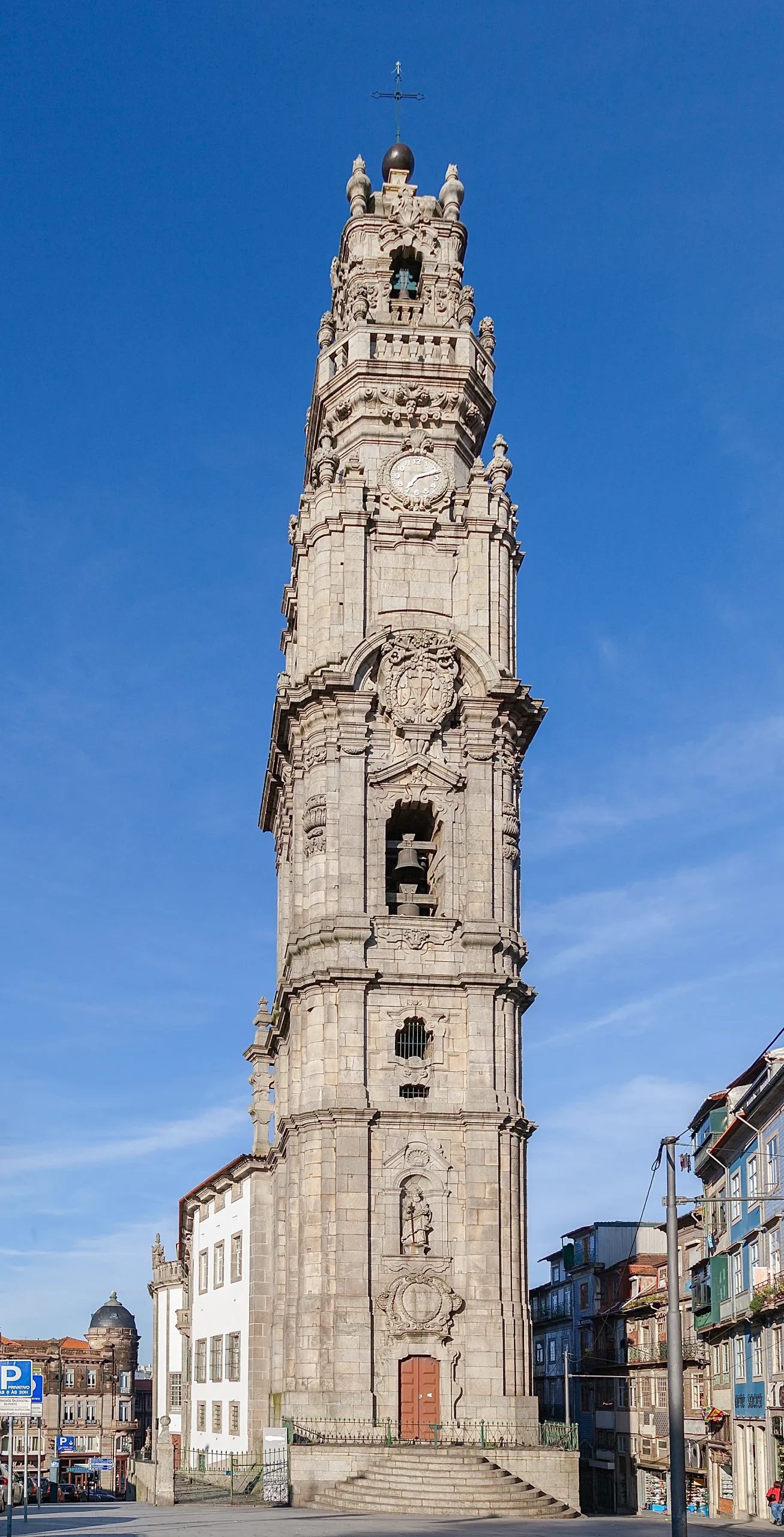
Every element of Porto life, including where you eat and sleep, is influenced by design. Choose to stay at Torel Avantgarde, where each room is designed by a different artist or designer, or stay in Maison Albar Le Monumental Palace, which exhibits Art Deco grandeur.
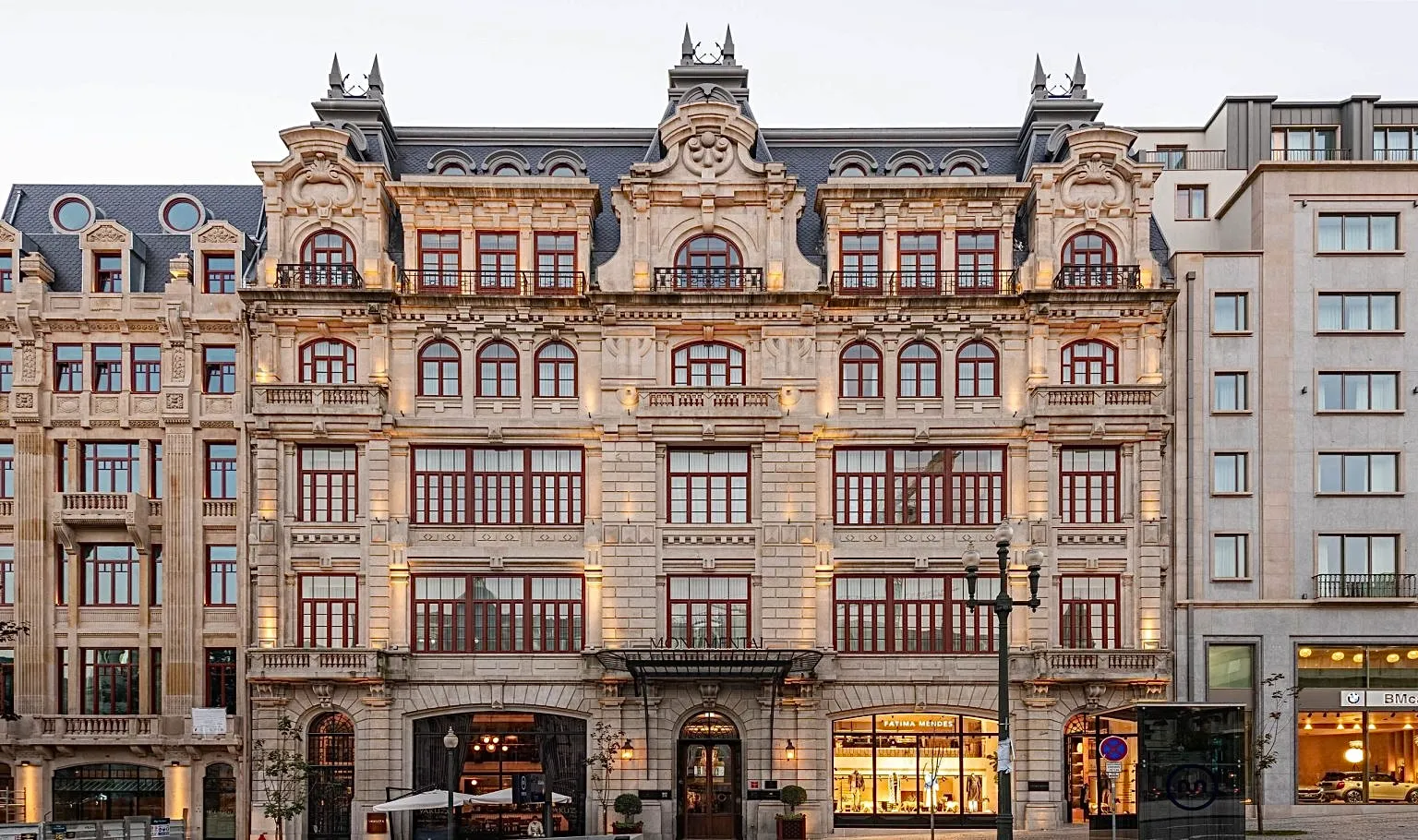
Porto is a city in action, not a museum. Its architecture is always changing due to contrast rather than being stuck in one place. It embraces conflict as a component of who it is, between the ancient and the contemporary, between simplicity and adornment, between quiet and show.
Porto maintains its rugged charm in an era when many cities are refining their edges. It’s a city for people who enjoy tales told with wood, tile, and stone. It’s also a living classroom for designers and architects, where design is the solution, the future hums, and the past whispers.
Explore Courses
.jpg "Ondrej Chybik - Rethinking Architecture")