




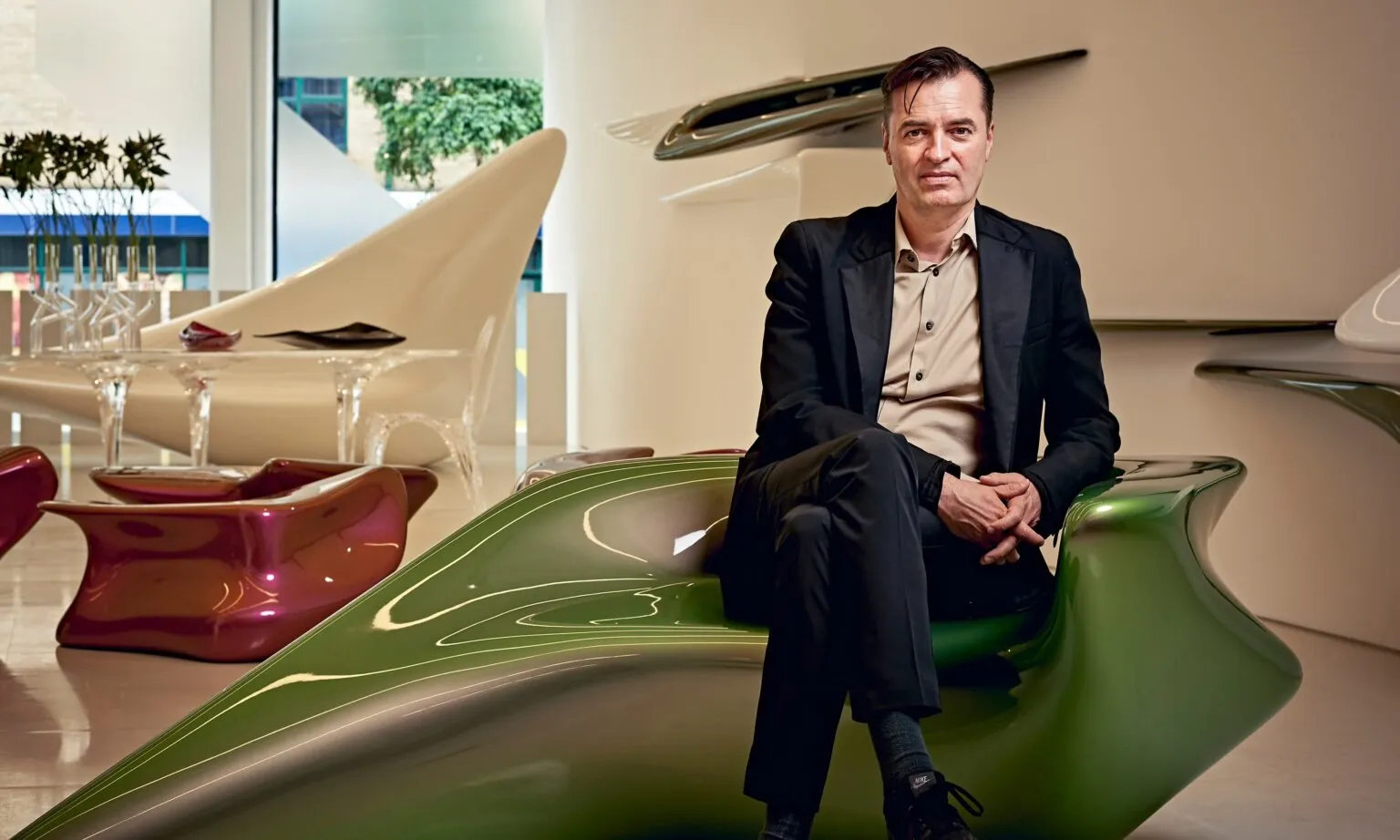
Zaha Hadid Architects (ZHA) principal Patrik Schumacher has secured a significant legal victory against the Zaha Hadid Foundation in the U.K., allowing the internationally renowned firm to renegotiate or potentially terminate its long-standing licensing agreement governing the use of the late founder’s name.
The Court of Appeal in London ruled this week that the 2013 trademark license agreement, which formerly bound ZHA to use the name “Zaha Hadid” in perpetuity and pay royalties of six percent of net income, contains an implied right to terminate on reasonable notice. The contract had been interpreted by a previous High Court judgment as binding the practice indefinitely to the terms set out then.
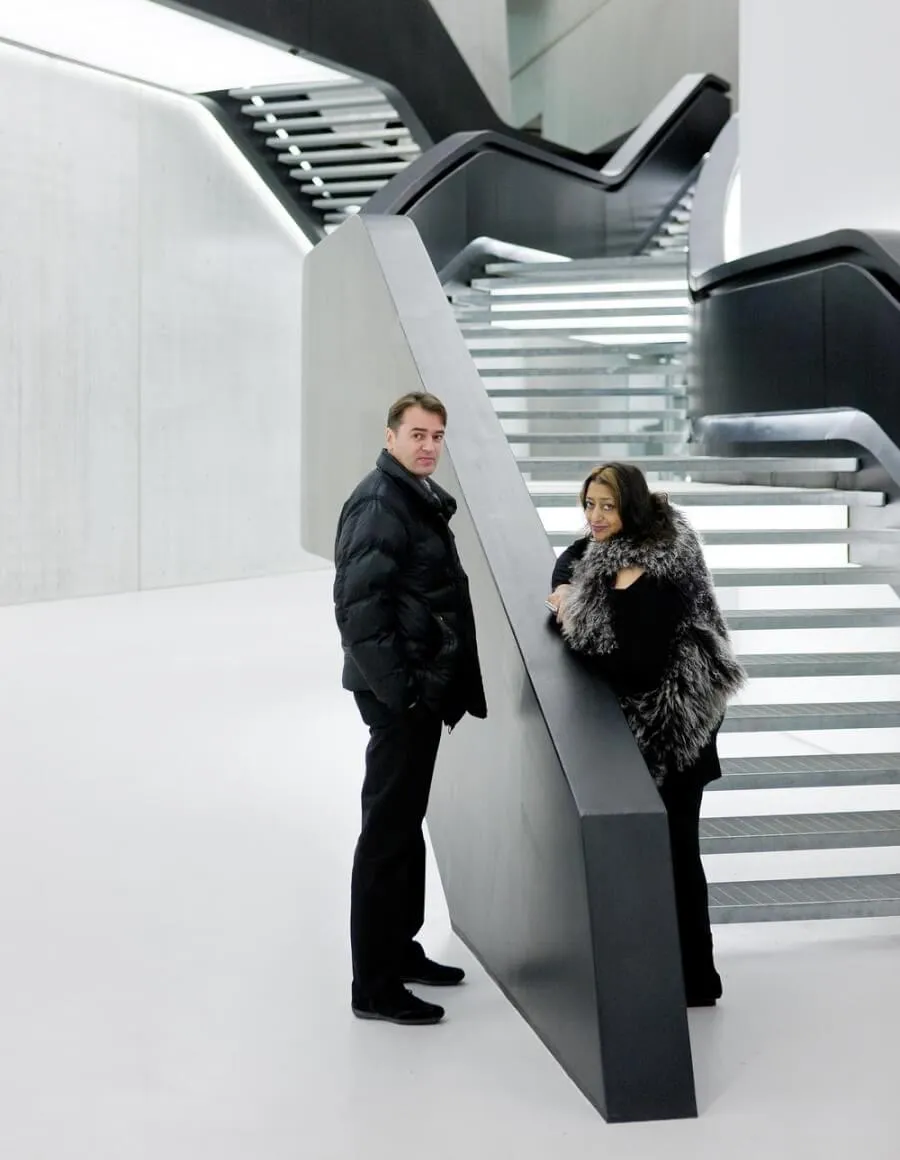
The original license had required ZHA to pay the foundation a share of its revenue in exchange for the right to continue trading under Hadid’s name. Since 2018, those royalties have amounted to £21.4 million, a point of contention cited by the firm in arguing that the terms had become unduly burdensome.
In overturning the earlier ruling, the appeals court concluded that although the contract did not include a specific clause allowing the company to end the license, legal principles for contracts with no fixed end date mean that a reasonable notice period can be implied. This means ZHA may now give notice and exit the agreement if it wishes and can also seek to adjust financial terms linked to the name’s continuing use.
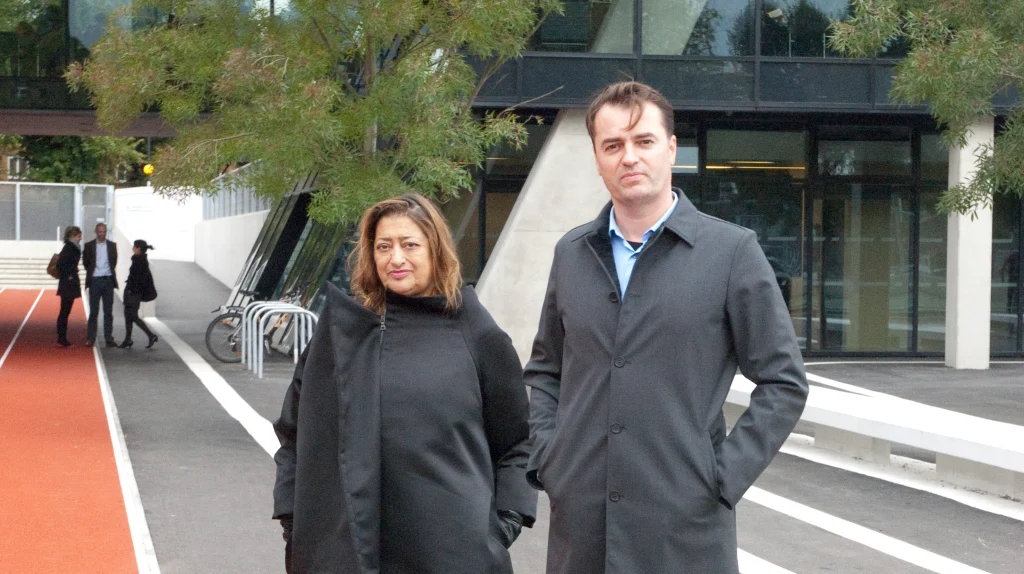
In a statement following the judgment, Zaha Hadid Architects said it would now enter “constructive discussions” with the Zaha Hadid Foundation about updating the licensing arrangement to reflect the firm’s future purposes and financial sustainability.
The dispute originated from Zaha Hadid’s (1950–2016) establishment of both the architectural practice, which she built into a globally recognized design, and the foundation intended to preserve her legacy. After her death, control of both entities passed to successors; Schumacher, who had worked with Hadid for decades and later became the firm’s principal, led efforts to challenge aspects of the licensing deal.
Legal experts say the case could set a precedent for how long-running creative and branding licenses are interpreted when founders’ estates and professional firms have overlapping interests.
For a deeper look into Schumacher’s thinking, watch PA Talks 65 with Patrik Schumacher, where he discusses parametricism, computational design, and the future of architecture.
Explore Courses


.jpg "Ondrej Chybik - Rethinking Architecture")