


The Pingtung County Government has selected the design proposal submitted by MVRDV, in collaboration with HWC Architects, for the transformation of Jialeshui, a renowned scenic area in southern Taiwan known for its dramatic rock formations shaped by wind and water. The project, titled Nature Rocks, introduces a comprehensive master plan that strengthens tourism infrastructure while respecting and enhancing the site’s natural environment.
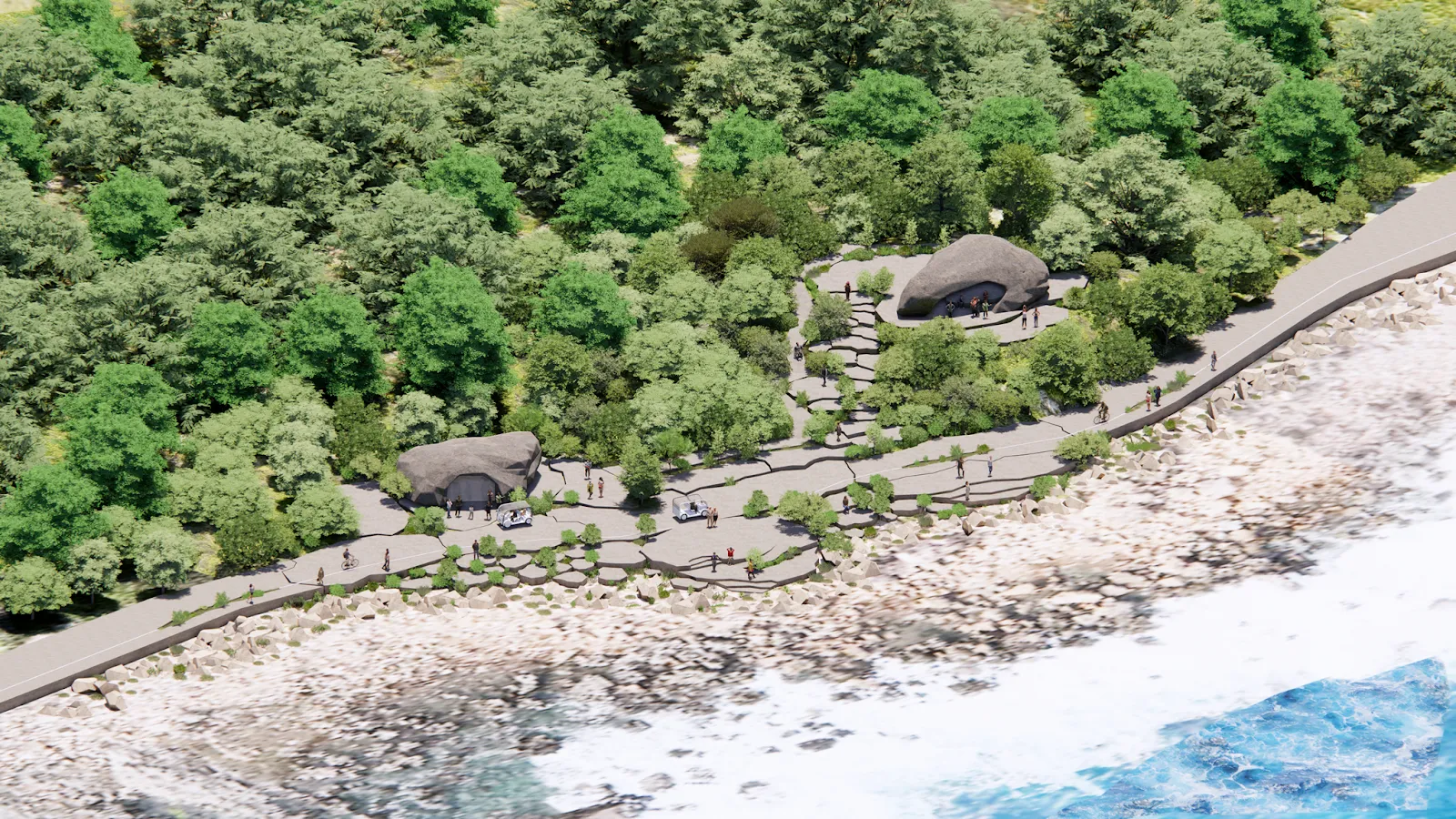
The design adds a network of pathways and public spaces, improves accessibility, and introduces small-scale buildings, including a central visitor centre and three lookout points, all within the existing built footprint.
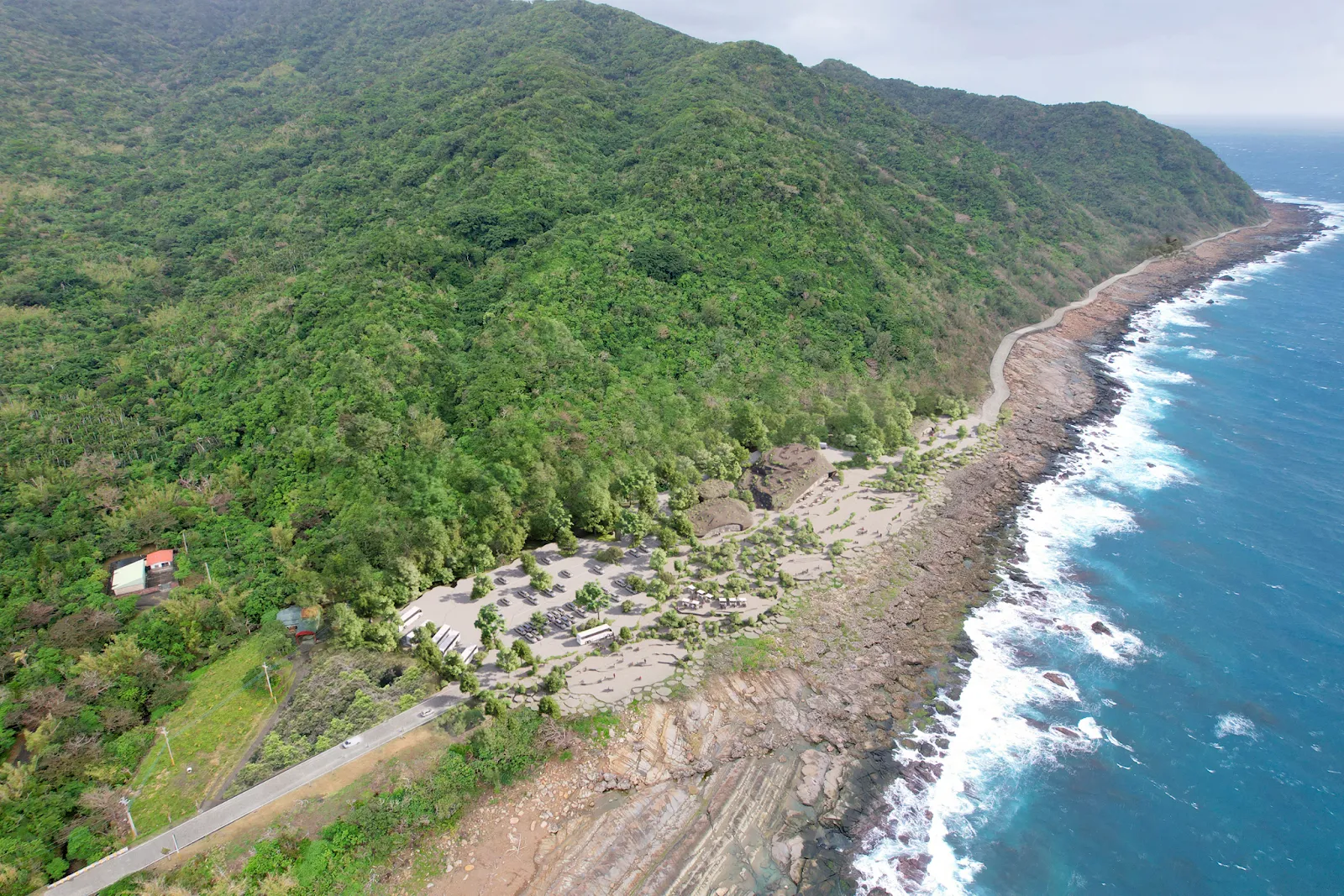
Located at the southern tip of Taiwan within Kenting National Park, Jialeshui is celebrated for its sandstone coastline, sculpted over thousands of years into rock formations resembling animals such as Rabbit Rock, Toad Rock, and Seal Rock. Despite its popularity, the area’s tourist infrastructure remains limited. Today, a single narrow road separates the forest from the shoreline, serving shuttle buses, pedestrians, and cyclists alike, while small pavilions and kiosks along the route have suffered damage from typhoons and seawater.
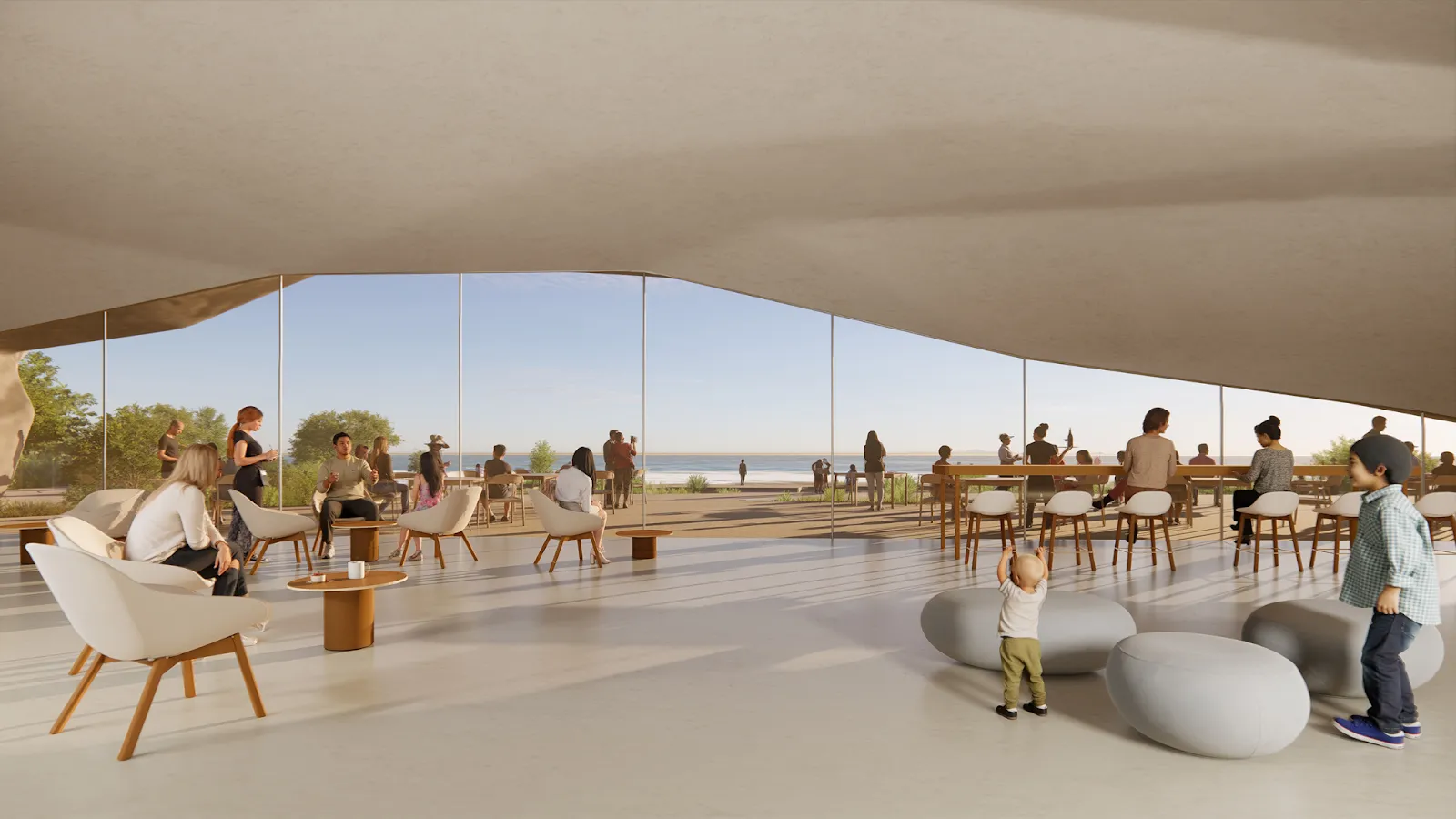
MVRDV’s proposal replaces outdated infrastructure while strengthening the park’s natural identity. All new construction will be confined to already-developed areas, ensuring the untouched landscape remains preserved.
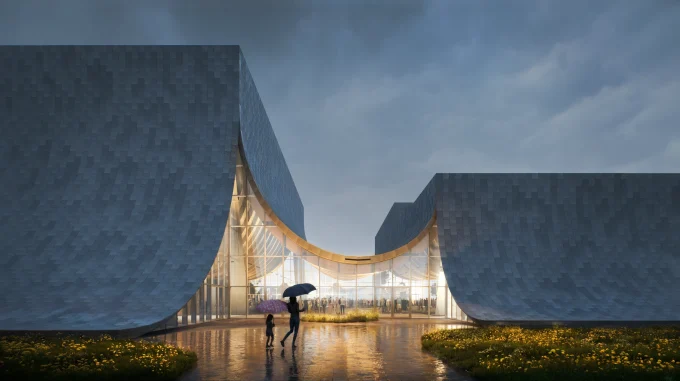
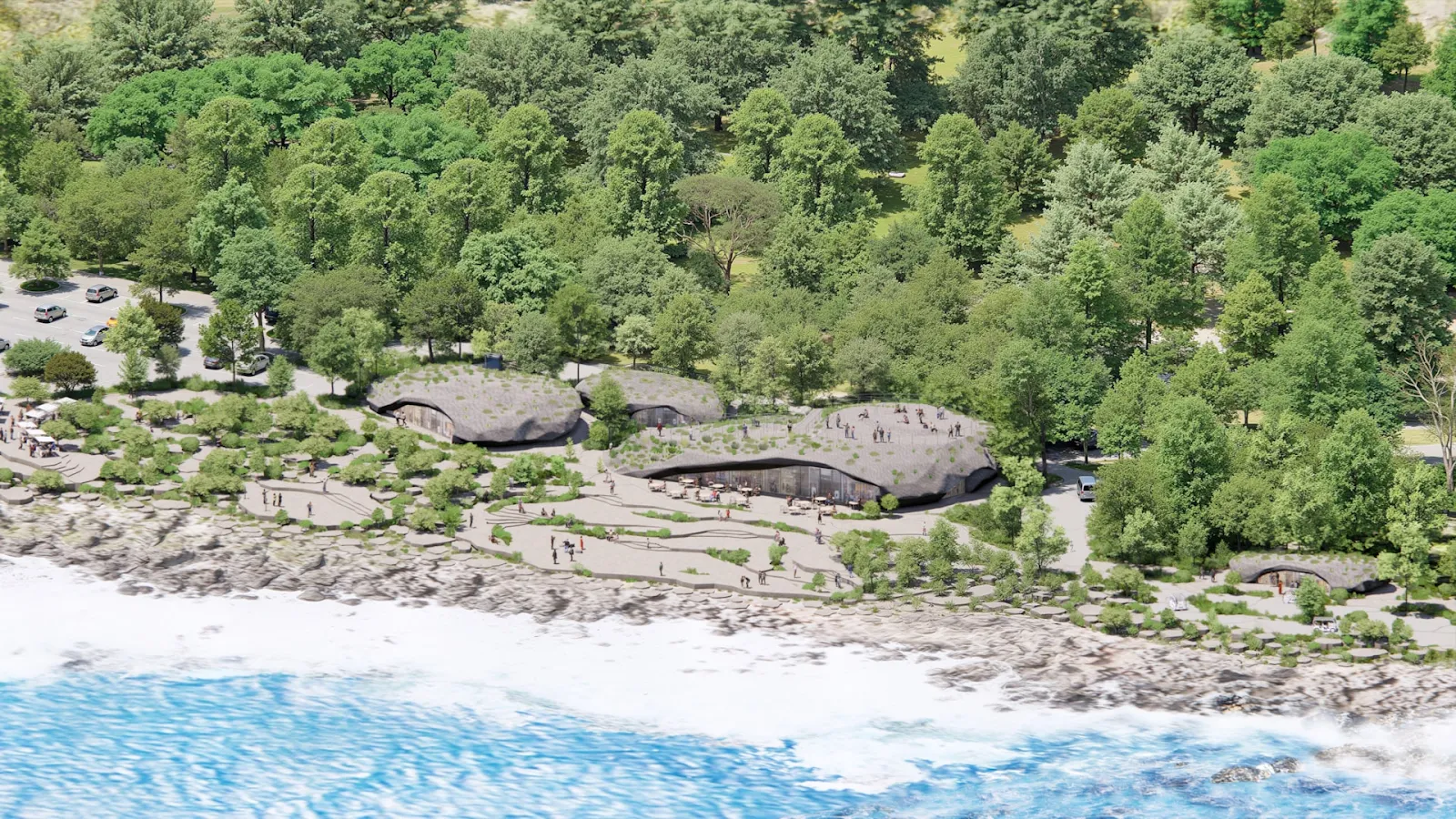
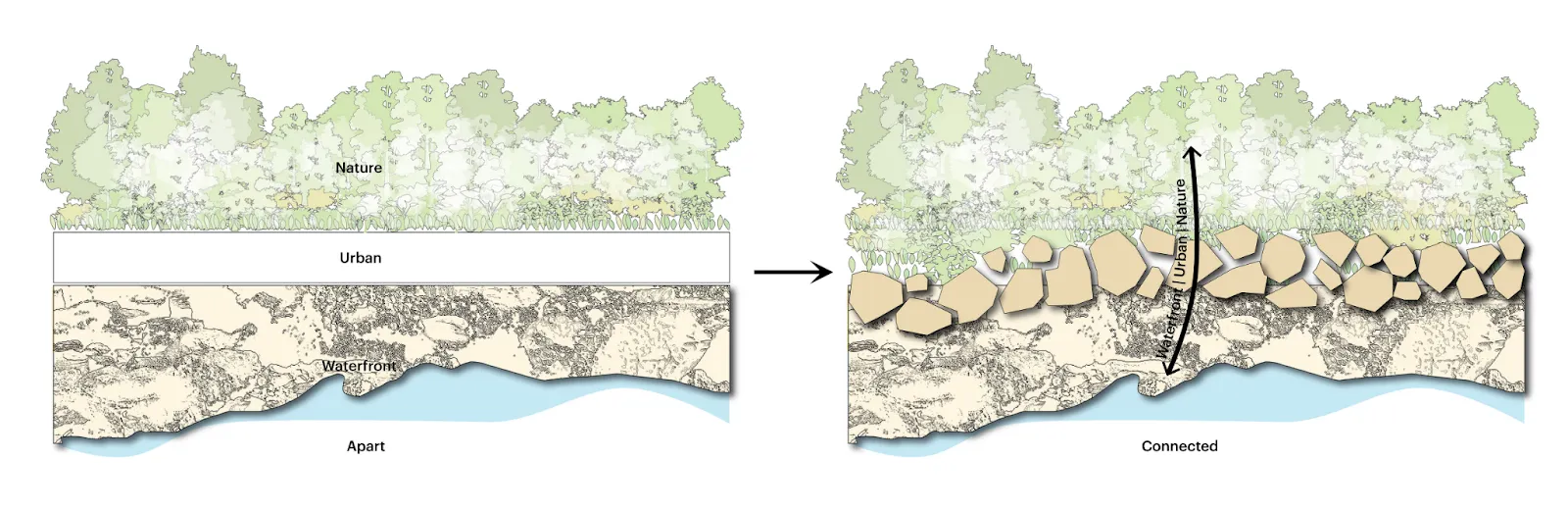
Drawing inspiration from the layered coastline, the design transforms the existing straight road into a fractured, naturalistic pathway that reconnects the forest with the sea. Rock-like fragments define circulation zones and gathering spaces, while others rise as buildings that echo Jialeshui’s distinctive rock formations.
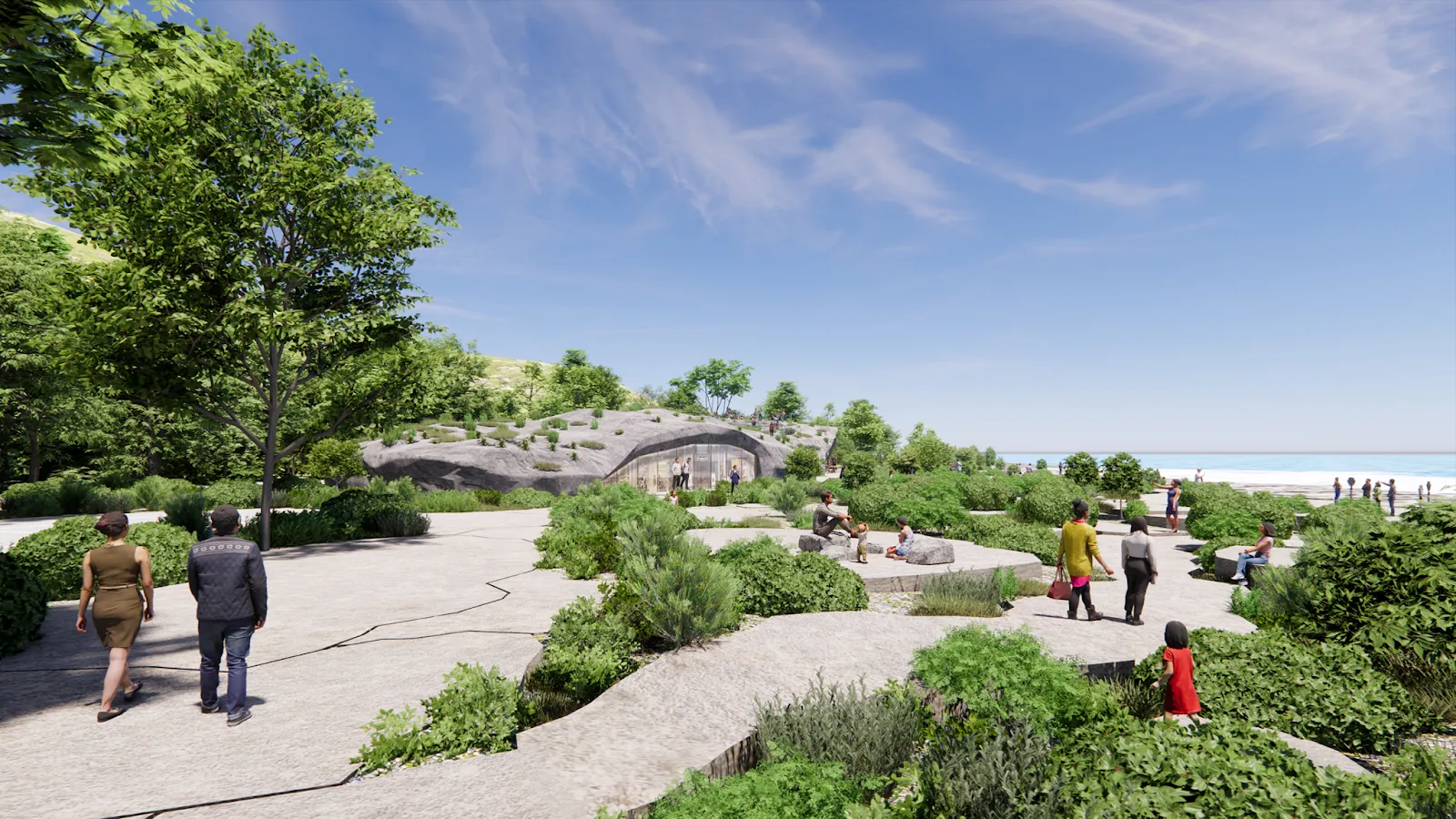
“What you see today at Jialeshui shows a clear boundary between the natural and the artificial; in turn, this artificial trail separates nature from itself, separating forest from coastline,” says MVRDV founding partner Winy Maas. “In our design, the artificial elements take the shape of the surrounding nature, like natural extensions of the site rather than foreign objects. Our goal was never to impose architecture on the landscape, but to let it emerge from the natural conditions; to break the monotony of the straight line… and to emphasize that Nature Rocks!”
Designing for resilience and regeneration
Central to the Nature Rocks concept is resilience. Cracks in the pavement act as natural drainage channels, helping manage stormwater and protect against flooding and typhoon damage. These cracks also foster biodiversity, enabling plants to grow and providing pathways for small animals.
A gradient planting strategy complements this, with tall, dense native vegetation near the forest gradually shifting to salt-tolerant species closer to the sea. Building surfaces are designed to be colonized over time by moss and small plants, blending further into the landscape. Concrete, the only material suitable for the site’s harsh coastal conditions, will be used, incorporating recycled aggregate sourced from demolished structures.
A welcoming entrance and improved visitor journey
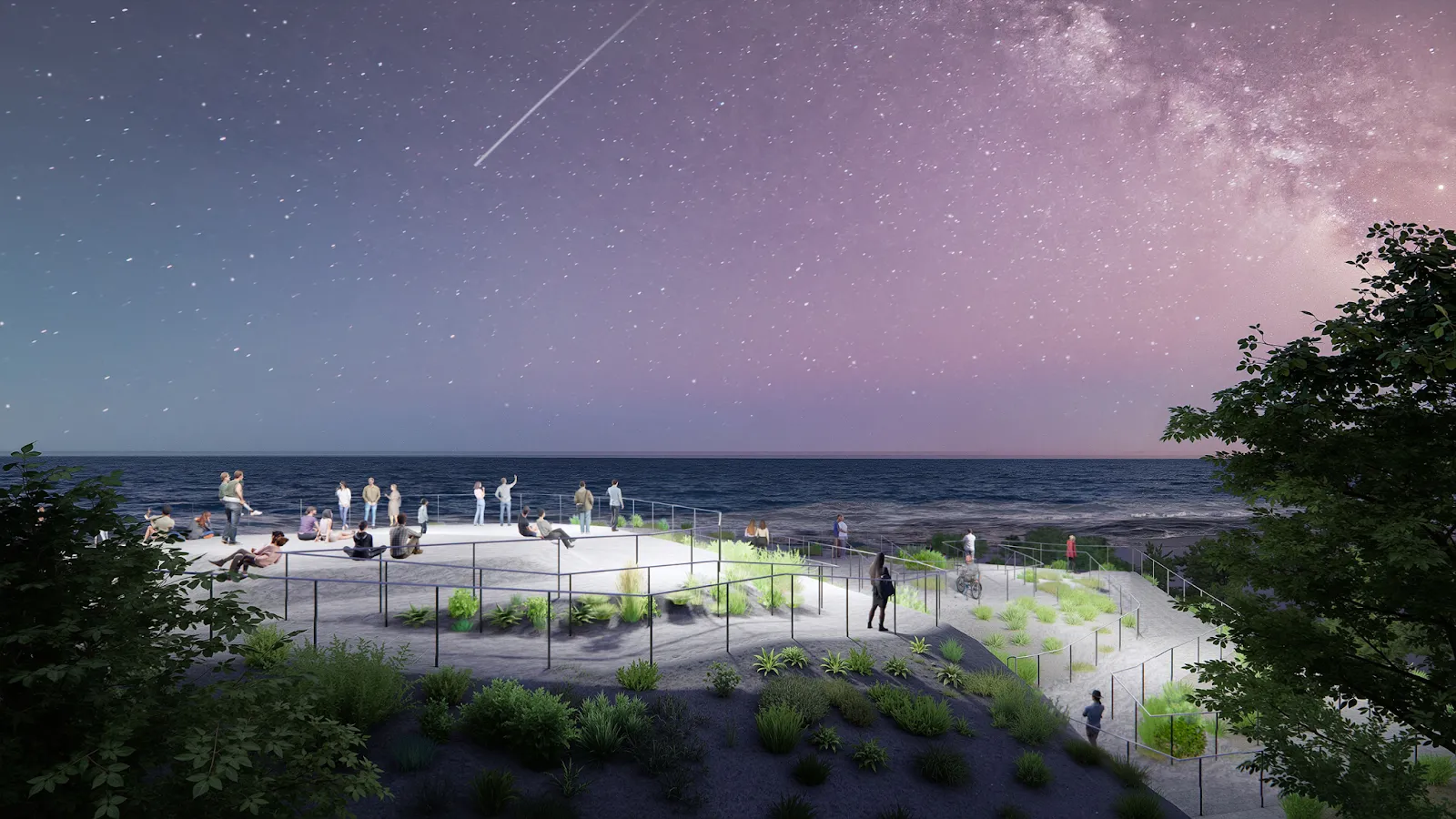
At the park entrance, three sculptural “rock” buildings form a welcoming cluster. The largest contains a visitor centre, café, and souvenir shop, with a roof terrace offering panoramic views and stargazing opportunities. The second accommodates exhibitions and environmental education, while the third provides restrooms. These are set within a sloping landscape of terraces and plazas designed for events, markets, and relaxation.
Along the route, the existing road will be reimagined as a multi-modal path for pedestrians, cyclists, and shuttle buses, with clearly defined areas for movement and rest. Key stops, including the stone viewing deck, sea lookout, and waterfall, will feature new viewpoints, kiosks, and facilities to replace outdated structures.
With Jialeshui Rocks, MVRDV demonstrates how coastal destinations can be upgraded in a sustainable and sensitive manner. The masterplan enhances accessibility and visitor experience without overbuilding or disturbing the natural environment. Instead, it allows the scenery itself to shape the design, positioning Jialeshui as one of Taiwan’s leading geological parks while preserving its unique identity.
MVRDV Nature Rocks Project Deatils
Location: Manzhou Township, Pingtung County, Taiwan
Project Name: Nature Rocks
Architects: MVRDV / HWC Architects
Year: 2025
Client: Pingtung County Government
Size: 140,000 sqm
Courtesy: MVRDV Winy Maas, Jacob van Rijs, Nathalie de Vries
Explore Courses
.jpg "Ondrej Chybik - Rethinking Architecture")