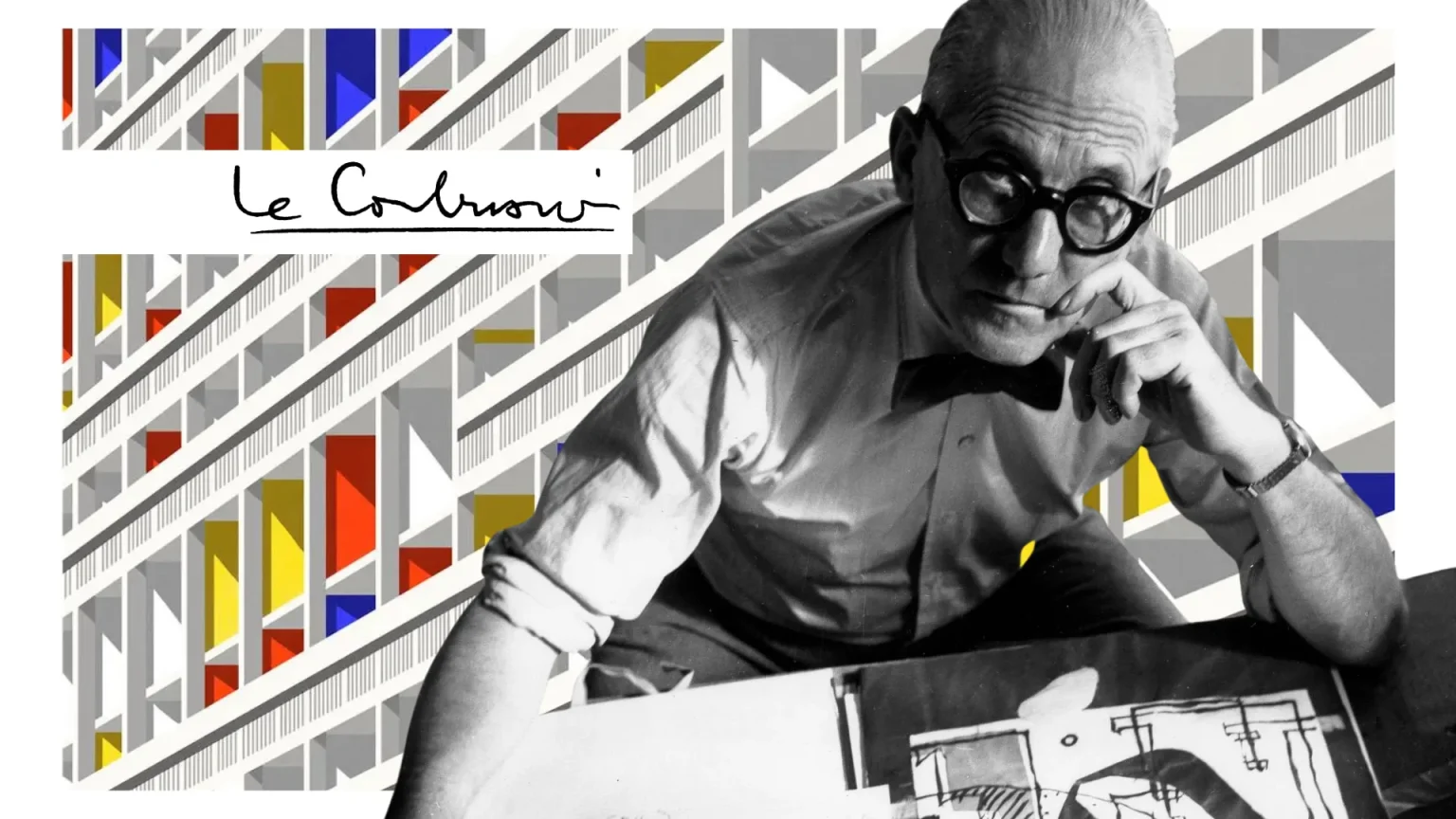




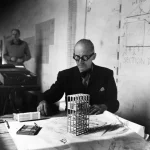
Every year, Le Corbusier’s birthday invites architects and thinkers to revisit the seismic shifts he brought to the built world. Born on October 6, he rose from a provincial craftsman to one of the most influential voices in global architecture.
Le Corbusier’s belief that architecture could reshape how humanity lives, works, and interacts with cities made him both a revolutionary and a controversial figure. His theories from the “Five Points of Architecture” to the Modulor continue to frame debates about housing, scale, and the social responsibilities of design. More than a century later, his ideas remain astonishingly relevant, inviting admiration and scrutiny in equal measure.
Le Corbusier: Architect of Modernity
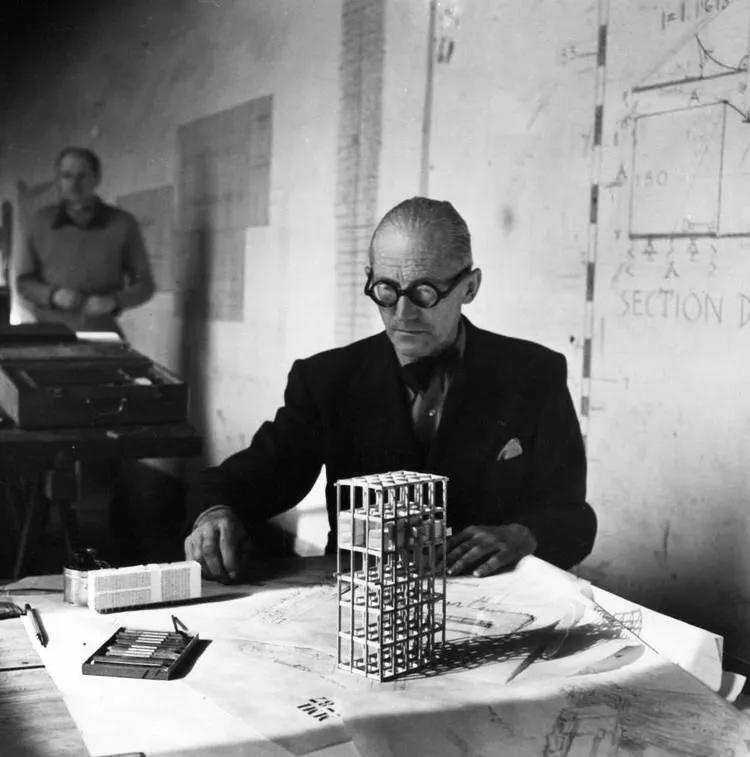
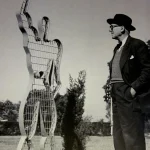
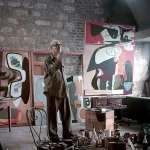
Charles-Édouard Jeanneret, better known by his adopted name Le Corbusier, occupies a singular place in 20th-century architecture. Born in 1887 in La Chaux-de-Fonds, Switzerland, he transformed himself from a young draughtsman into a visionary thinker whose imprint is visible in cities and buildings around the world. He combined rigorous theorizing with bold experiments in form, materials, and urban planning. Over his lifetime, he was known as an architect, writer, urban planner, painter, furniture designer, but more than anything, he saw himself as a researcher, constantly seeking new ways to respond architecturally to modern life.
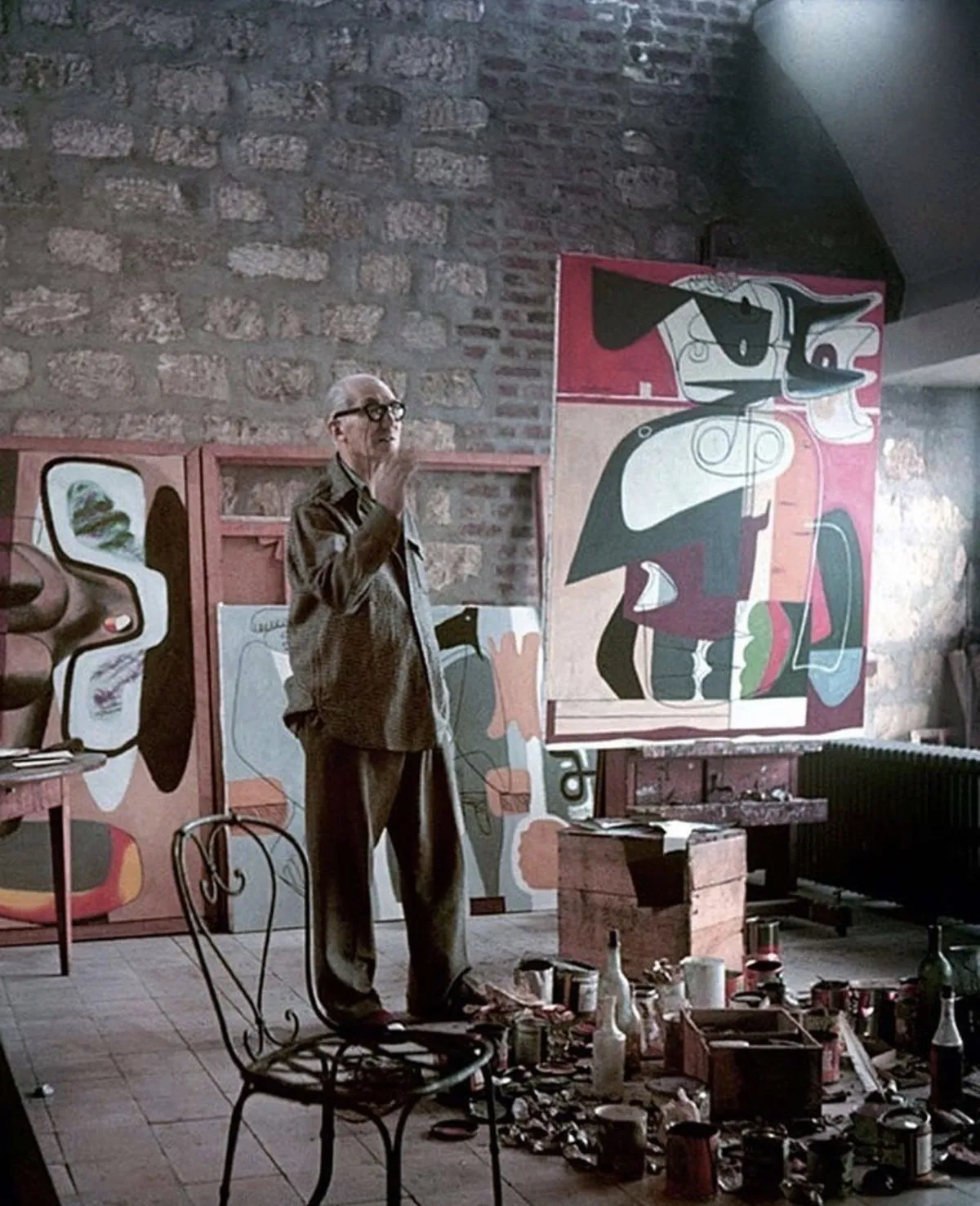
Le Corbusier’s approach to housing, density, and urban structure often provoked opposition, especially when applied at scale. But his influence is undeniable: in 2016, UNESCO inscribed 17 of his works across seven countries as “The Architectural Work of Le Corbusier — An Outstanding Contribution to the Modern Movement.” UNESCO World Heritage Centre. Through his built works, published manifestos, and global projects, he shaped discourse about the modern city, standardization, and the role of architecture in society.
10 Landmark Projects by Le Corbusier
1. Villa Savoye
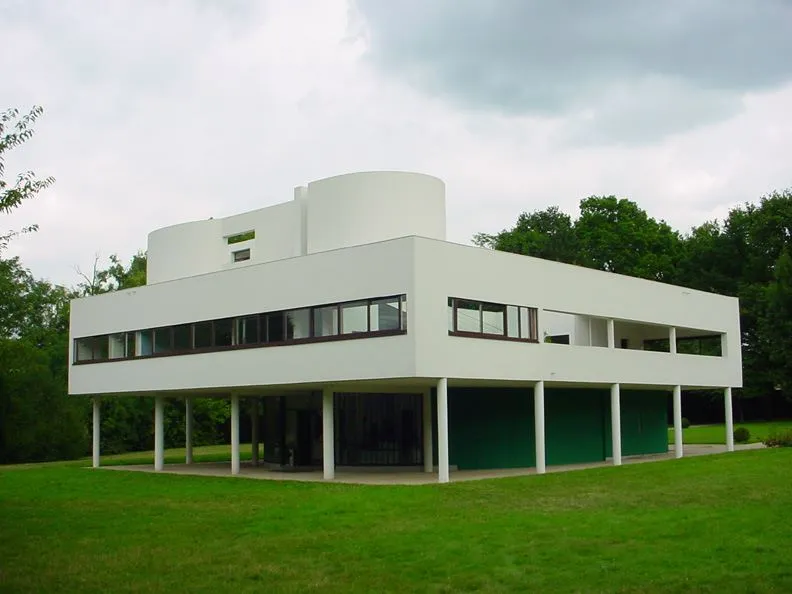
Location: Poissy, France | Year: 1928
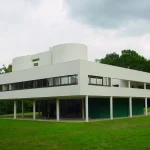
Villa Savoye stands as the built manifesto of Le Corbusier’s “Five Points of a New Architecture.” The house is lifted on slender pilotis, its façade released from structure, its plan open, and its roof transformed into a garden terrace. More than a weekend retreat for the Savoye family, it was a living diagram of modern life, the automobile gliding beneath, the inhabitant ascending a ramp toward sunlight and view. The carefully staged “promenade architecturale” reveals his conviction that architecture should be experienced in movement, not as a static object.
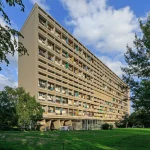
2. Unité d’Habitation
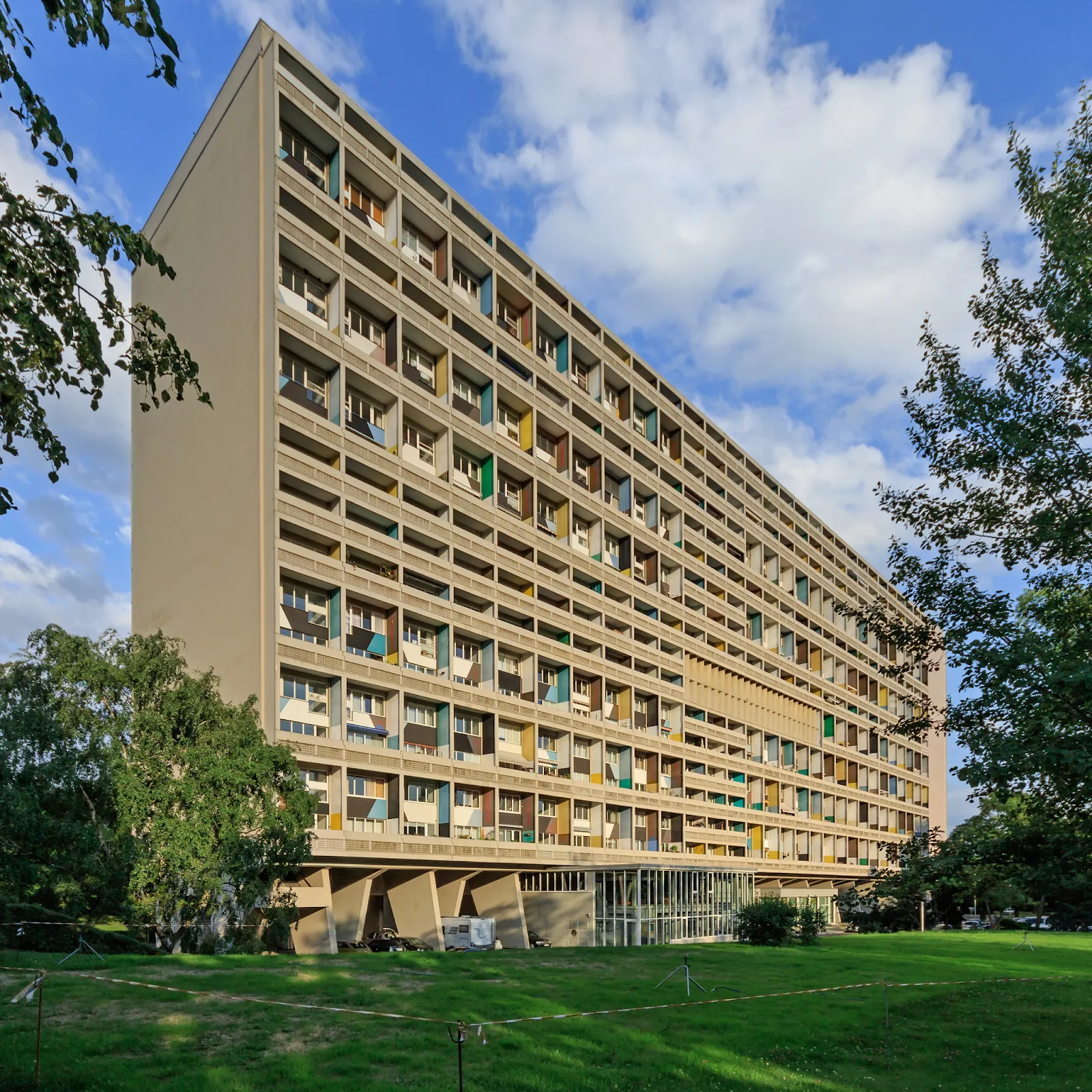
Location: Marseille, France | Year: 1947–1952
Designed after World War II, the Unité d’Habitation reimagined collective living for the modern city. Within its sculptural concrete block, Le Corbusier stacked duplex apartments like drawers in a cabinet, threaded by interior “streets,” a rooftop gym, nursery, and shops, an entire neighborhood in the sky. The use of rough concrete, or béton brut, symbolized honesty in construction and inspired the later Brutalist movement. Here, his human-scaled Modulor system guided dimensions, proving that rational planning could still serve daily life.
3. Notre Dame du Haut (Ronchamp Chapel)
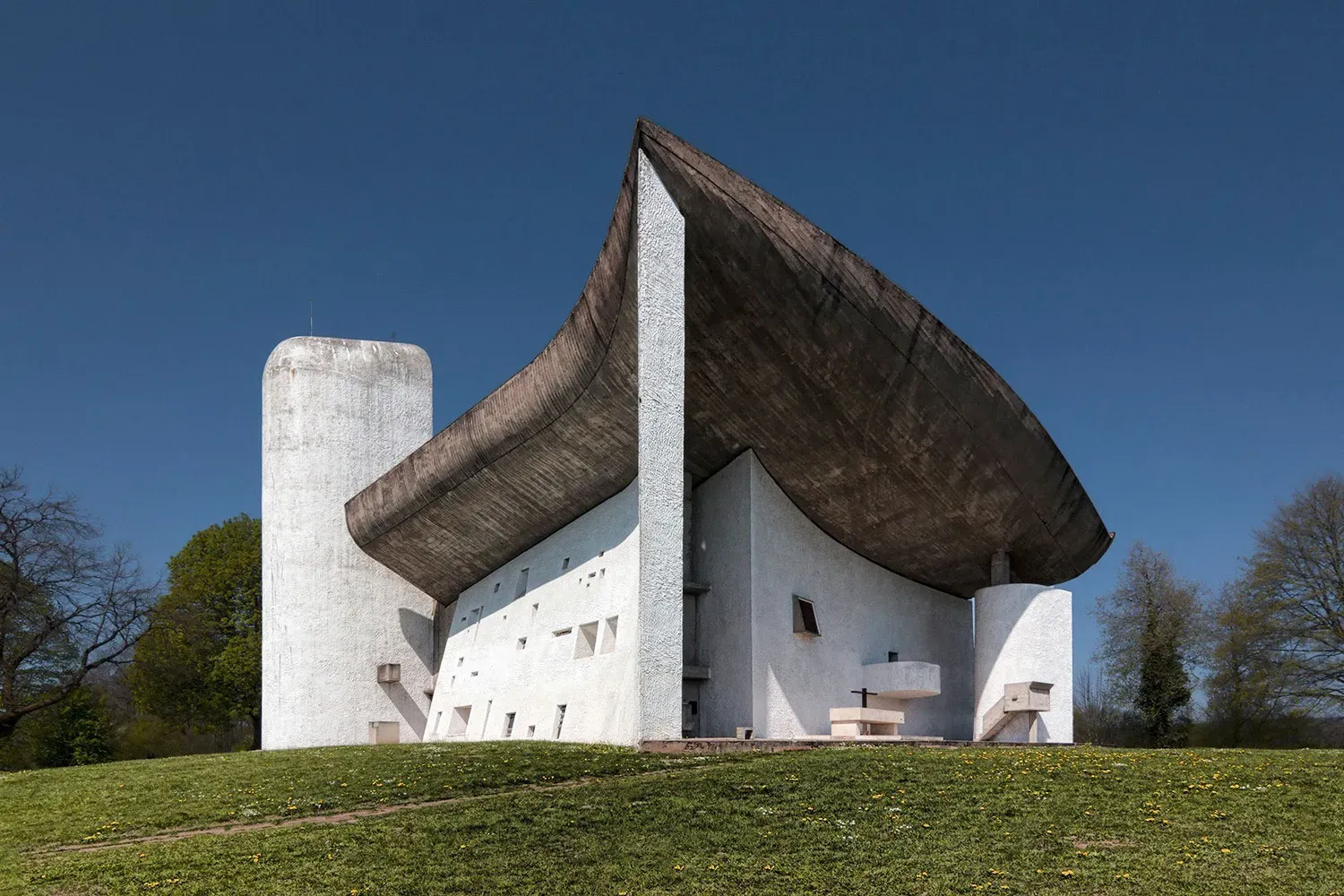
Location: Ronchamp, France | Year: 1950–1955
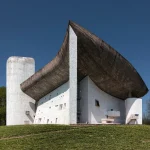
At Ronchamp, Le Corbusier departed dramatically from his earlier geometric purism. The chapel’s thick, curved walls, irregular windows, and massive roof form a poetic dialogue between light and shadow. It represents the spiritual dimension of his architecture, a space where intuition overtakes logic. While its sculptural form stunned contemporaries, Le Corbusier argued that sacred architecture must evoke emotion above all. Ronchamp became a turning point in modern religious design, proving modernism could be mystical, even tender.
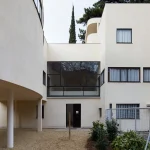
4. Maisons La Roche–Jeanneret
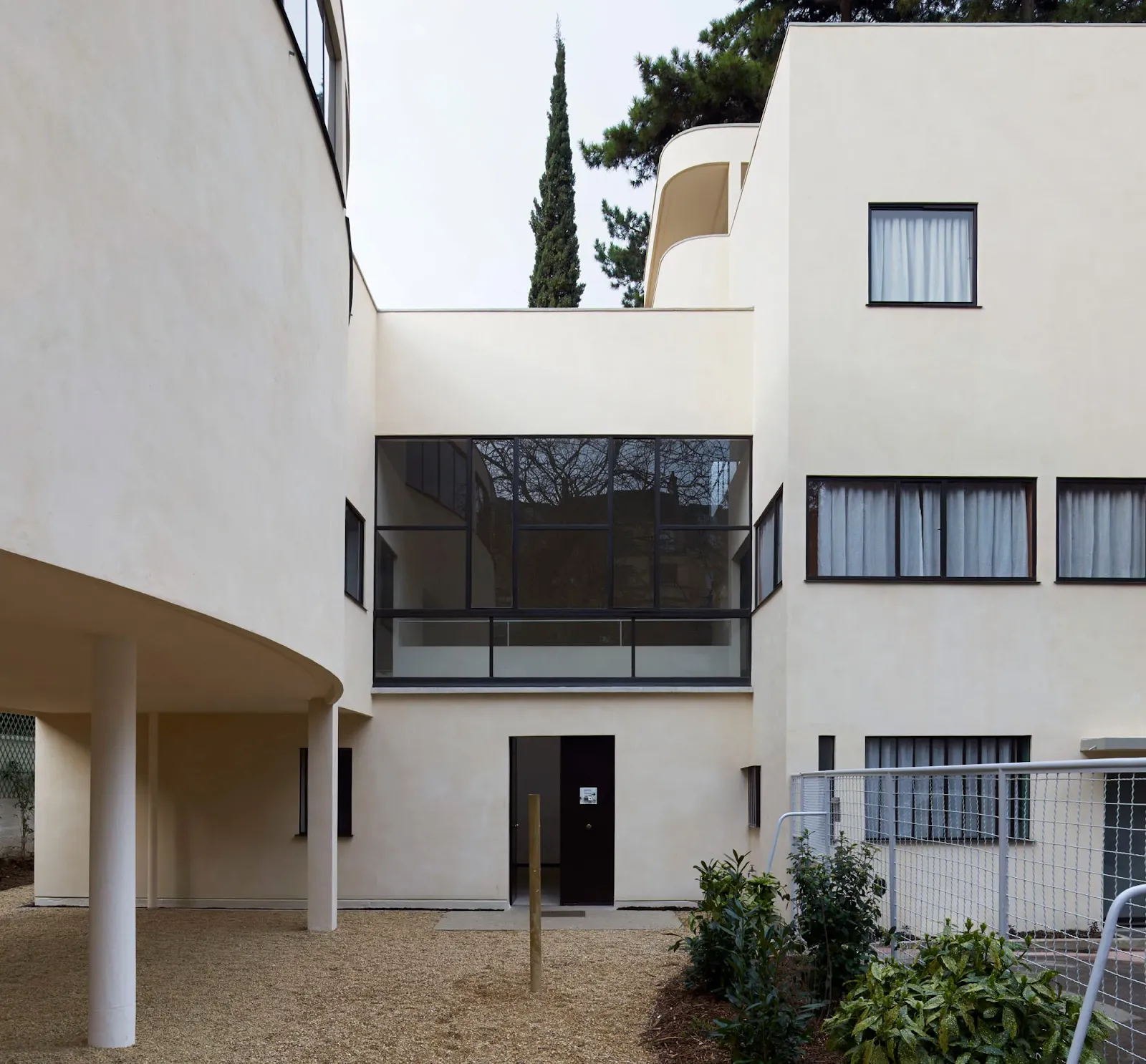
Location: Paris, France | Year: 1923–1925
Designed for art collector Raoul La Roche and Le Corbusier’s cousin Pierre Jeanneret, these twin houses showcase his early ideals, clean lines, white volumes, and interlocking spaces bathed in natural light. Inside, ramps guide the visitor through galleries and living areas, embodying movement and spatial rhythm. Beyond being residences, they served as laboratories for his evolving thoughts on domestic architecture and remain home to the Fondation Le Corbusier, a testament to his lifelong pursuit of architectural clarity.
5. Immeuble Clarté
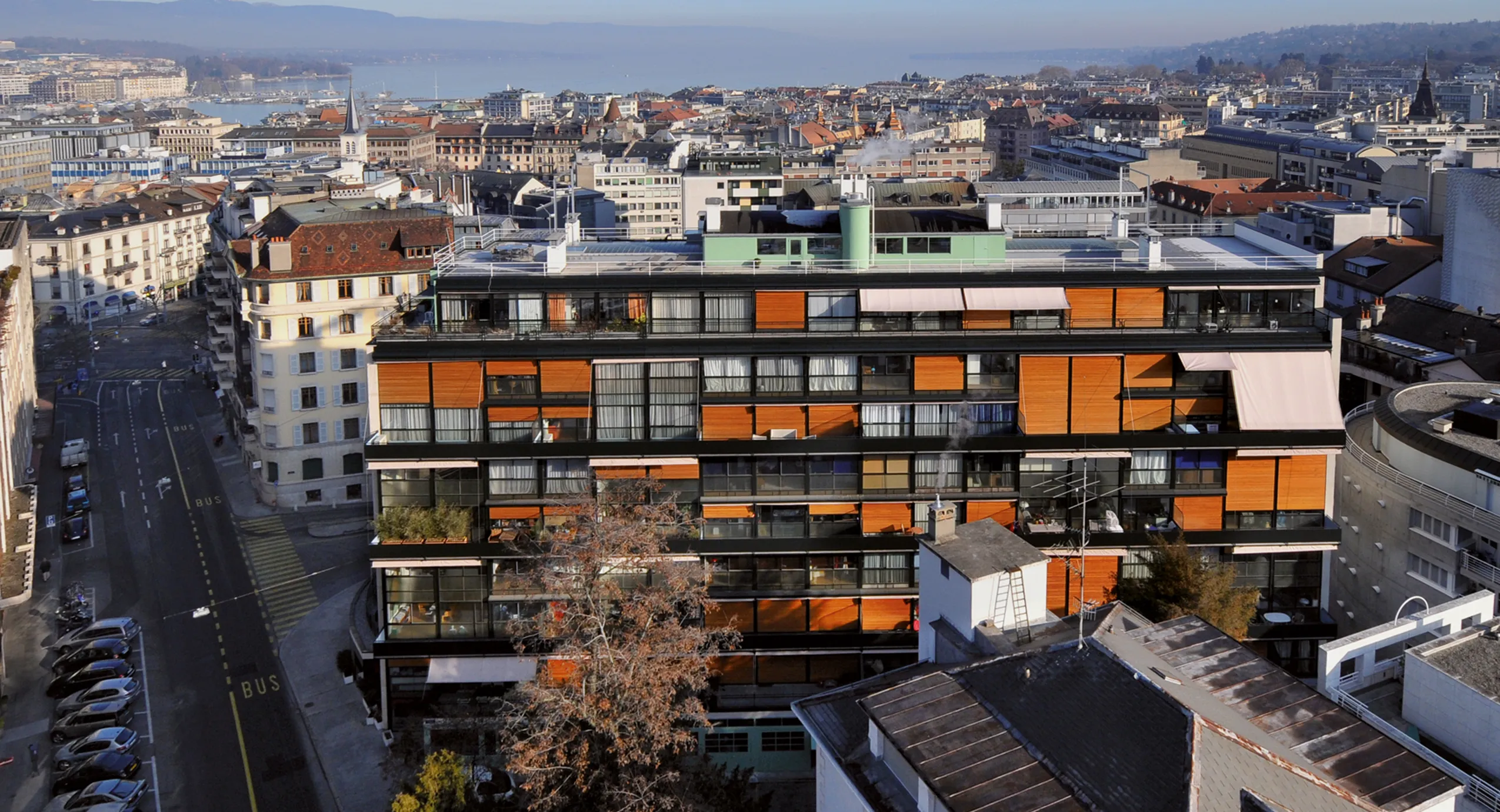
Location: Geneva, Switzerland | Year: 1930
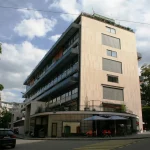
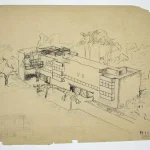
Immeuble Clarté was an experiment in transparency and urban density. Its glass façade, alternating translucent, transparent, and opaque panels, anticipates the curtain walls of later skyscrapers. The structure’s steel frame freed the walls, allowing for cross-ventilated apartments flooded with daylight. Le Corbusier envisioned it as a prototype for industrialized housing, where mass production and comfort could coexist. Though modest in scale, it encapsulates his lifelong tension between machine precision and human need.
6. Palace of Justice, Chandigarh
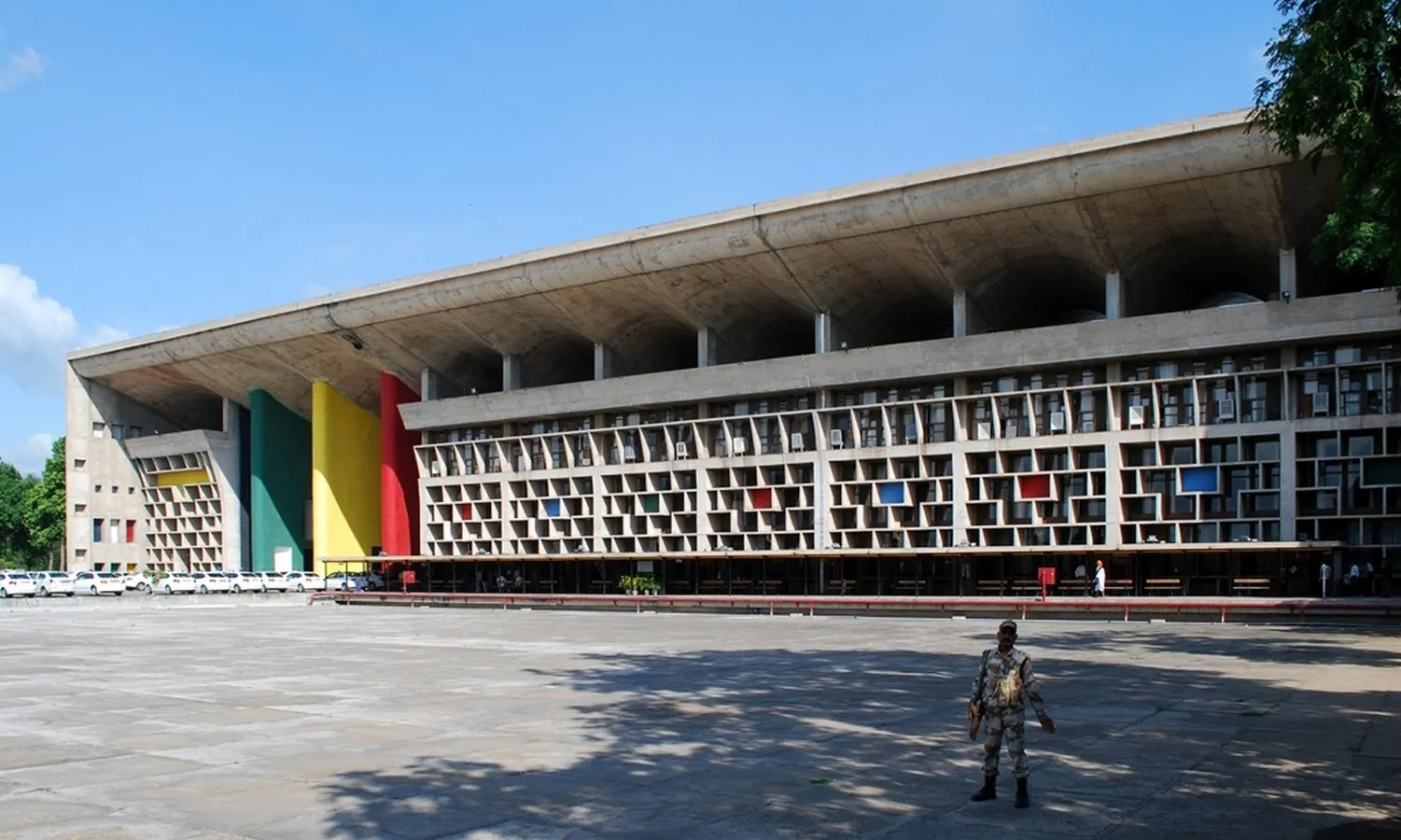
Location: Chandigarh, India | Year: 1956
Rising boldly against the foothills of the Himalayas, the Palace of Justice in Chandigarh stands as one of Le Corbusier’s most profound architectural manifestos, an embodiment of order, symbolism, and raw poetic force. Completed in 1956, this monumental structure, also known as the High Court of Punjab and Haryana, is not merely a courthouse but a declaration of India’s modern identity.
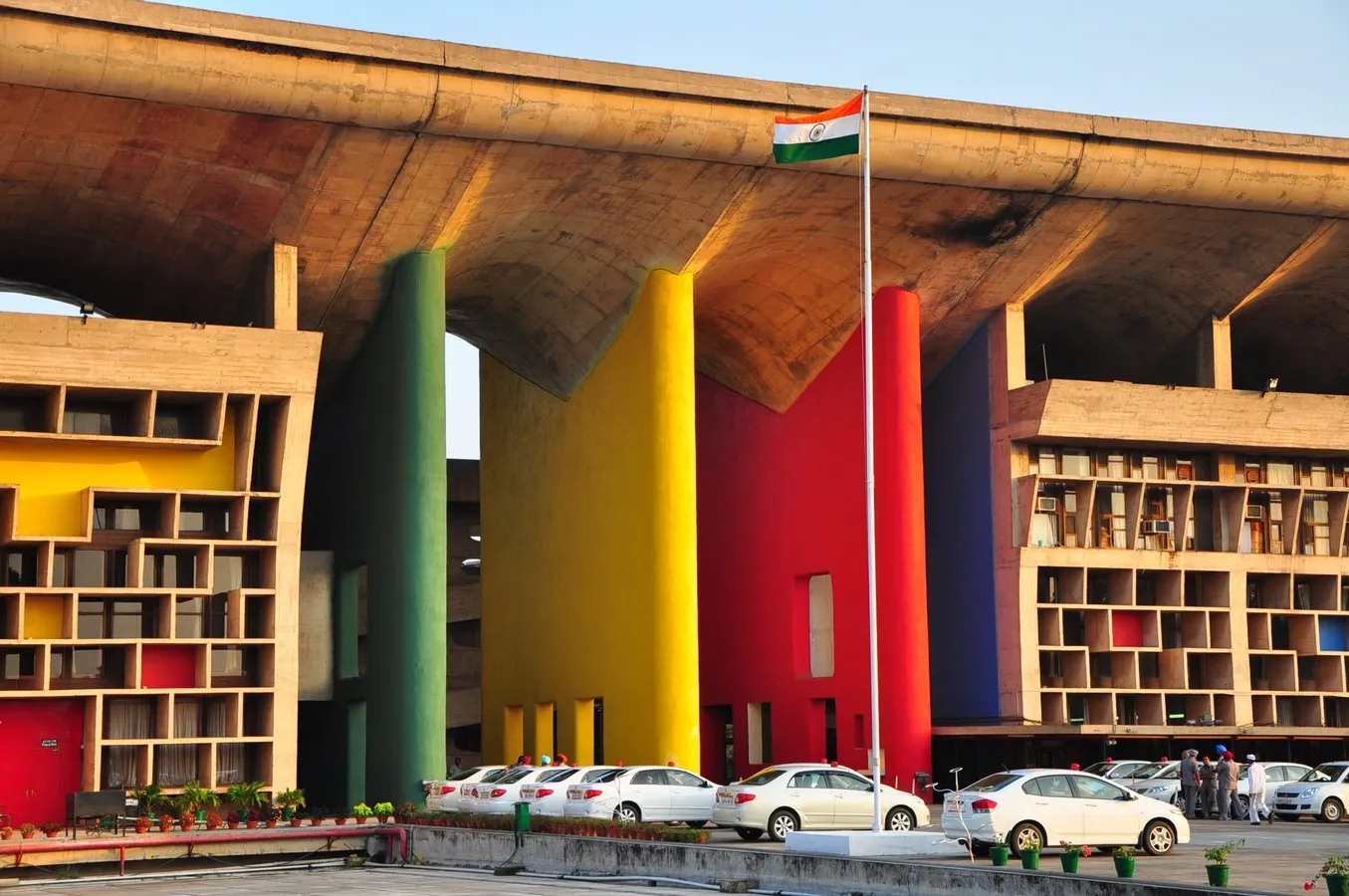
Its colossal parasol roof, deep brise-soleil, and sculptural façade transcend function, turning the act of governance into an architectural ritual. Corbusier envisioned justice as light filtering through shadow, an interplay between power and humility, geometry and emotion, carved into reinforced concrete and drenched in the searing sun of the north Indian plains.
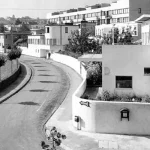
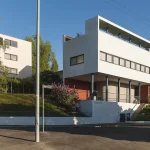
7. Weissenhof Estate (Weissenhofsiedlung)
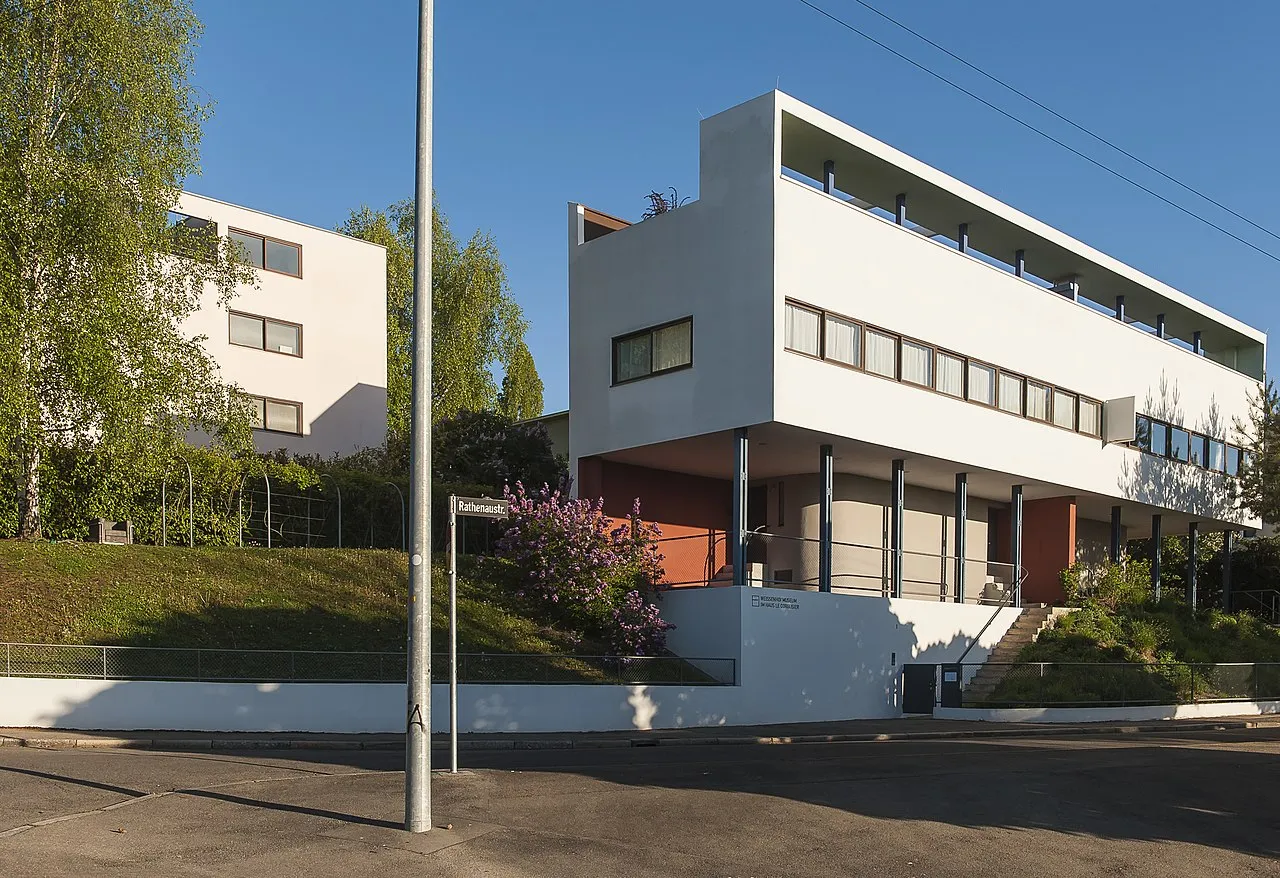
Location: Stuttgart, Germany | Year: 1927
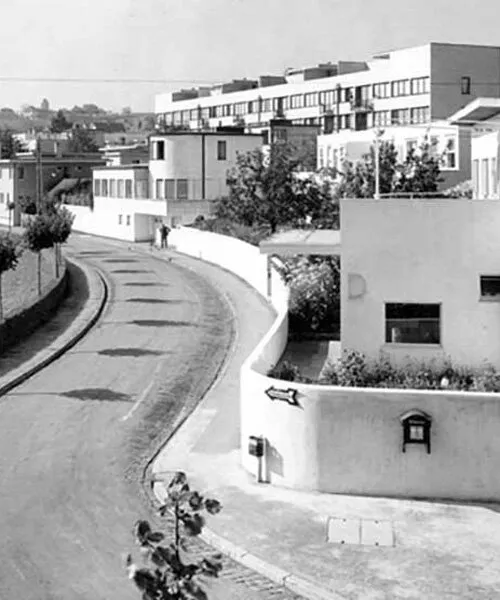
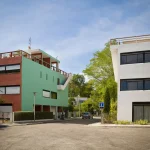
Built for a housing exhibition organized by the Deutscher Werkbund, the Weissenhof Estate gathered modernist architects like Mies van der Rohe and Gropius. Le Corbusier’s two contributions embodied his “Five Points”: flat roofs, open plans, pilotis, ribbon windows, and garden terraces. They illustrated his concept of the home as a “machine for living in,” efficient yet humane. These modest white cubes became visual icons of the International Style and elevated his status on the global stage.
8. Couvent Sainte-Marie de La Tourette
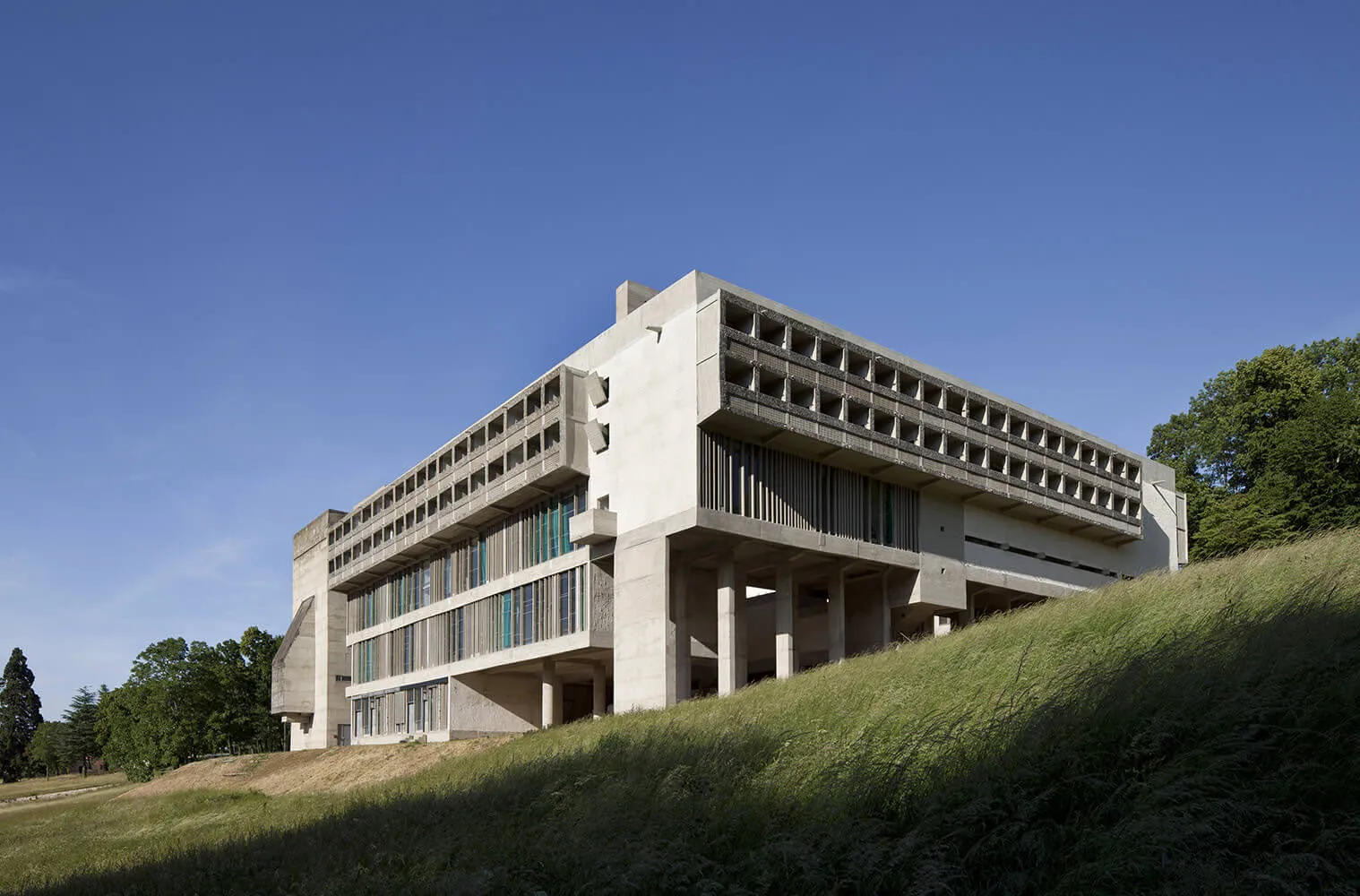
Location: Éveux (south of Lyon), France | Year: 1953–1960
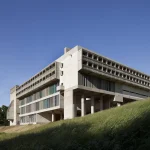
For a Dominican monastery, Le Corbusier conceived a serene complex of concrete volumes suspended over the hillside. Light filters through brise-soleils, corridors echo with silence, and each monk’s cell frames a view of the valley. The building’s austere rhythm reflects spiritual introspection while maintaining precise geometric order. In La Tourette, the architect’s rationalism meets his sensitivity to solitude and light, a dialogue between structure and spirit that remains deeply moving.
9. Palace of Assembly, Capitol Complex
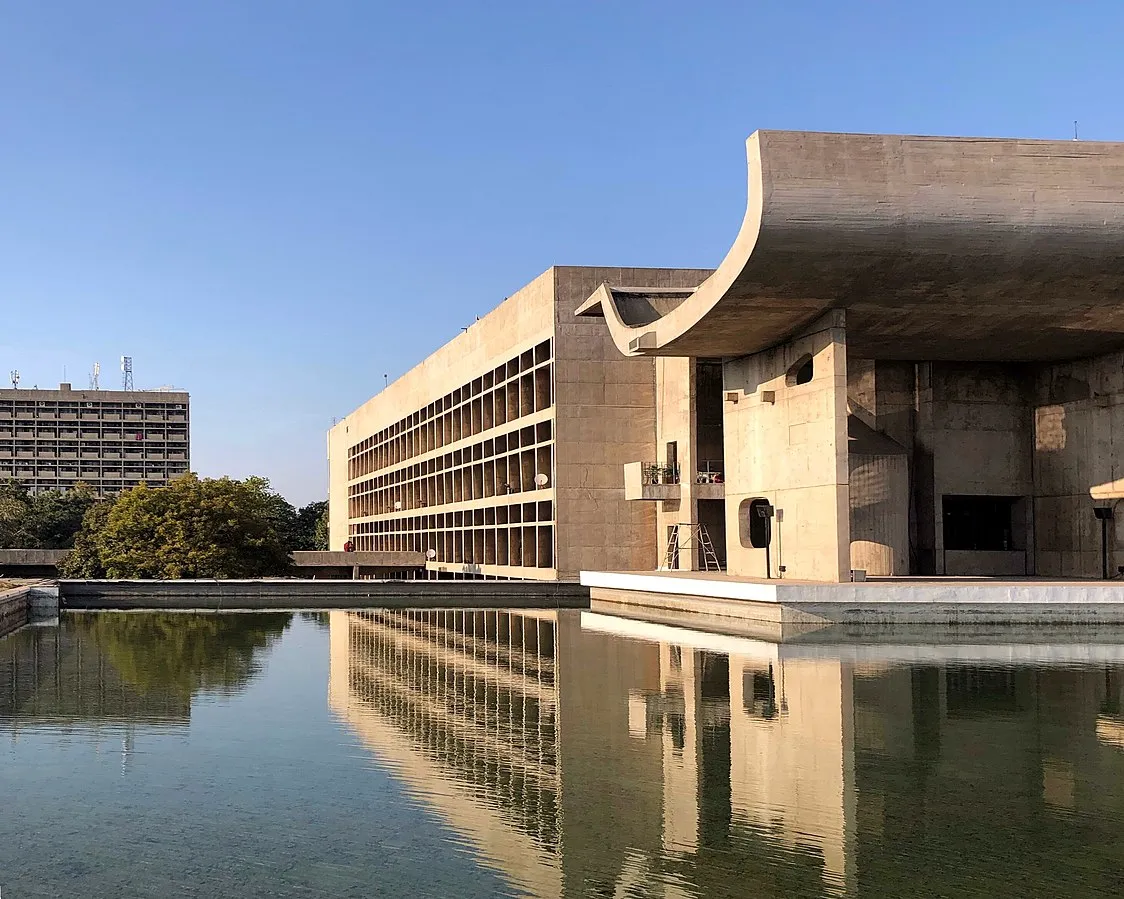
Location: Chandigarh, India | Year: 1951–1963
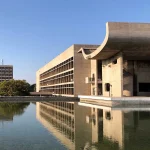
When India trusted him to plan Chandigarh, Le Corbusier finally realized his vision of a modern city from the ground up. The Palace of Assembly, centerpiece of the Capitol Complex, features monumental concrete forms sculpted for the harsh North Indian sun. Massive brise-soleils shade interiors, while sweeping ramps encourage civic procession. The building fuses symbolism and functionality, democracy embodied in form. Chandigarh remains a rare example of his urban theories fully executed at scale.
10. Museum of Western Art
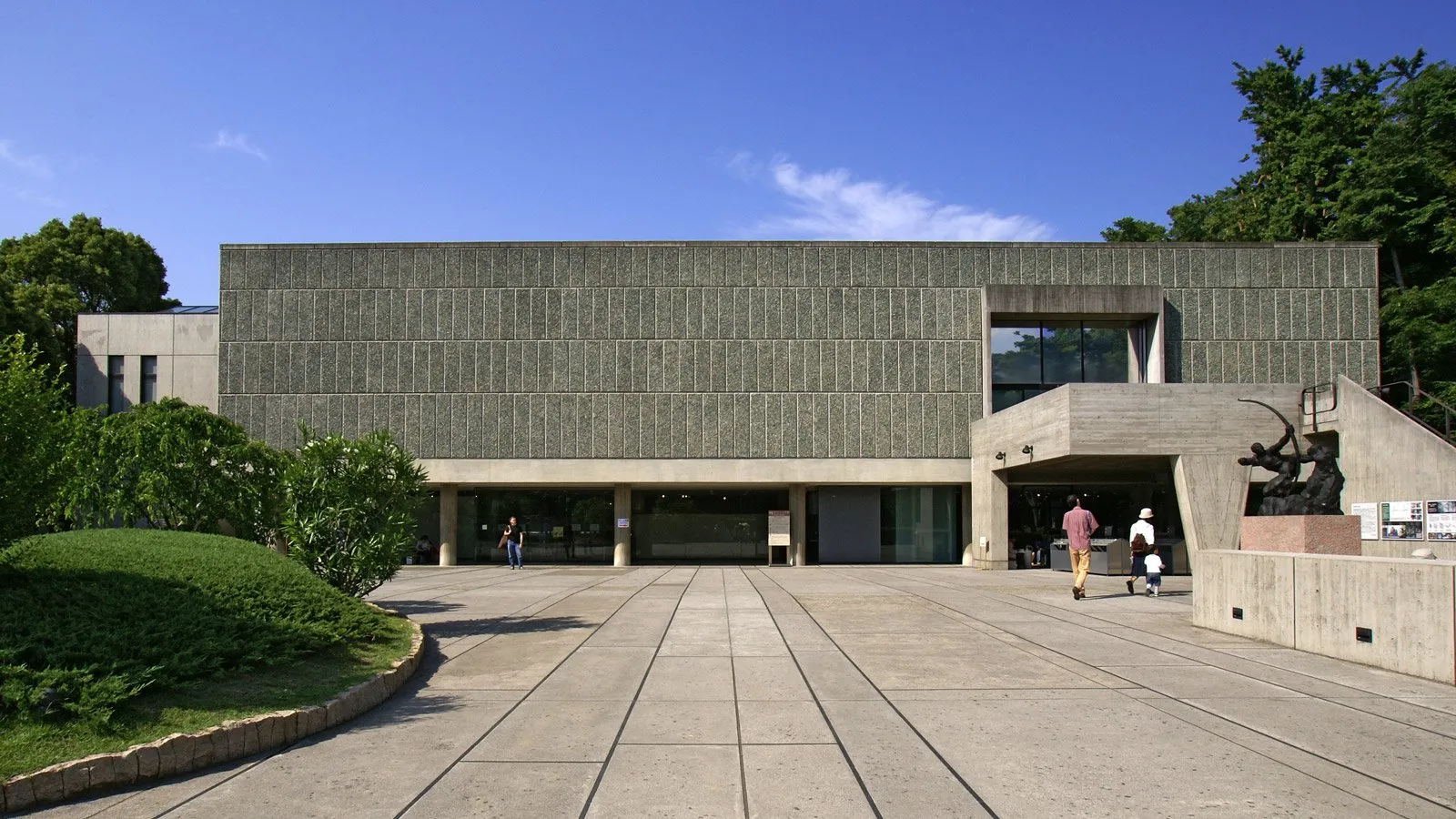
Location: Tokyo, Japan | Year: 1959
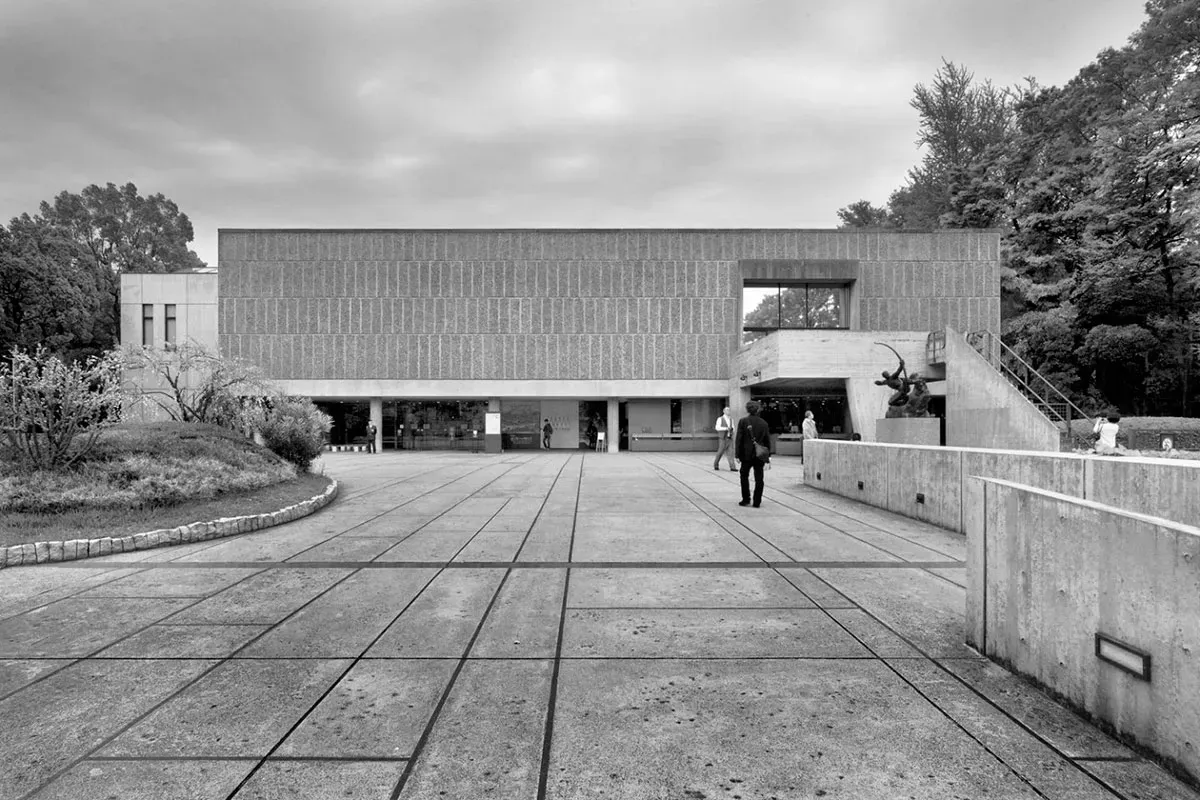
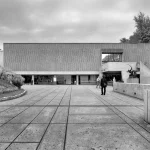
Commissioned by the Japanese government to house the Matsukata collection, the Museum of Western Art translates Le Corbusier’s universal design language into an Asian context. Raised on pilotis, its galleries spiral around a central courtyard, illuminated from above by zenithal light. He envisioned it as a “museum of unlimited growth,” capable of modular expansion, a living organism rather than a static monument. It symbolizes his belief that architecture should evolve like culture itself, adaptable and alive.
Beyond the Buildings: Le Corbusier’s Ideas, Legacy, and Controversies
Le Corbusier’s architecture always came paired with theory. He published extensively, including Vers une architecture, The Radiant City, and The City of To-morrow and Its Planning, arguing for standardisation, modular systems, and rational urban order. His Modulor system, based on human proportions and the golden ratio, was meant to bridge human scale and machine precision.
His urban plans and city proposals continue to spark debate. Chandigarh is his most realized city-scale project; elsewhere, his vision of towering slab blocks and open green belts influenced but also provoked backlash when replicated indiscriminately. Critics argue that his models sometimes dehumanize street life, flatten social complexity, or impose rigid geometries that clash with local context.
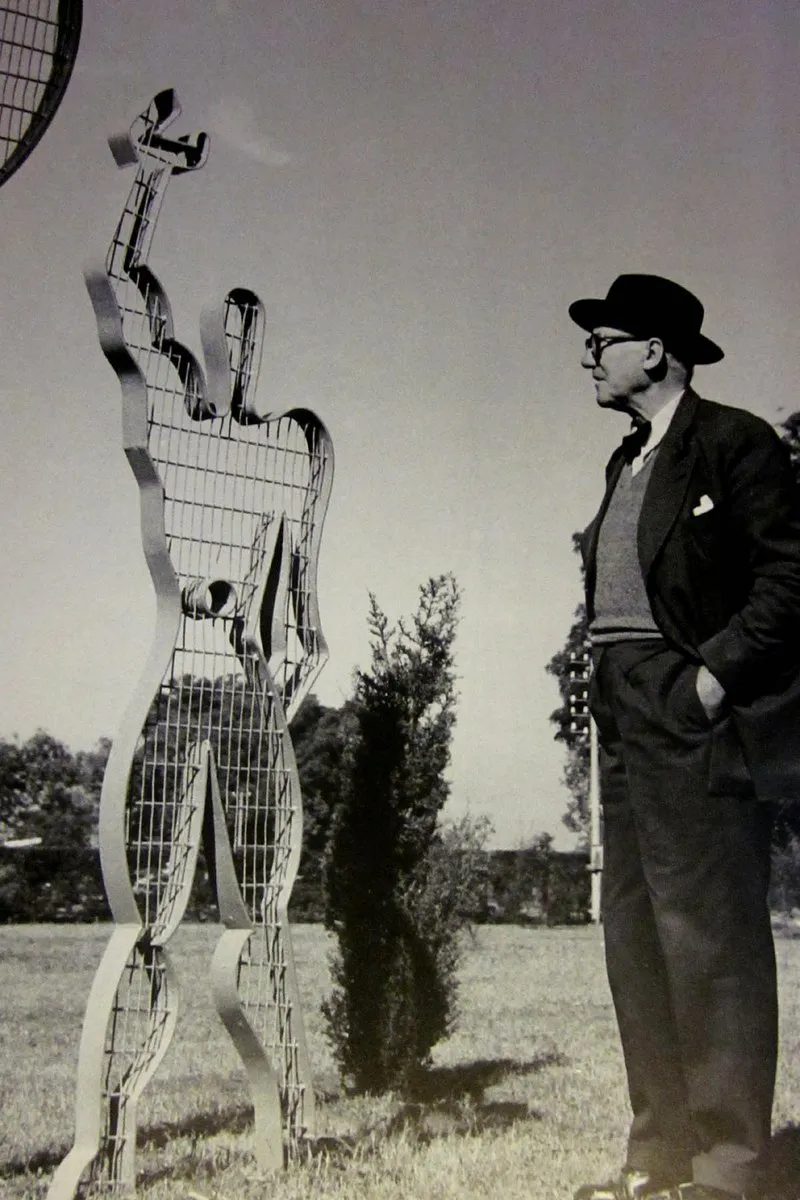
Yet even critics concede that Le Corbusier’s boldness changed the terms of architectural possibility. His experiments in concrete, light, space, and modular coordination pushed architecture into new territories. The fact that so many of his works are now UNESCO-recognized reflects his place not as a perfect master but as a restless pioneer.
In practice, his buildings vary widely from the soft curves of Ronchamp to the strict geometry of Savoye, from housing blocks in Marseille to sacred spaces in Éveux, and from India’s Capitol to Japan’s museum. This diversity reveals that Le Corbusier was never a doctrinaire stylist; he was, above all, a provocateur, always testing new formal devices, always challenging the status quo.
Today, his influence endures in debates on mass housing, modular systems, mixed-use, daylighting, and urban morphology. While not all his ideas survive intact, many are absorbed, critiqued, reinterpreted, or rejected, but almost always referenced. For any architecture student or city-maker, understanding Le Corbusier is unavoidable, not as a blueprint to mimic, but as a source of constant provocation, innovation, and resistance.