


SOA Architecture, together with an international team led by Bechu & Associés, has emerged as the winner of the international open competition to shape the master plan for Hunnu City, a visionary new urban district south of Ulaanbaatar, Mongolia.
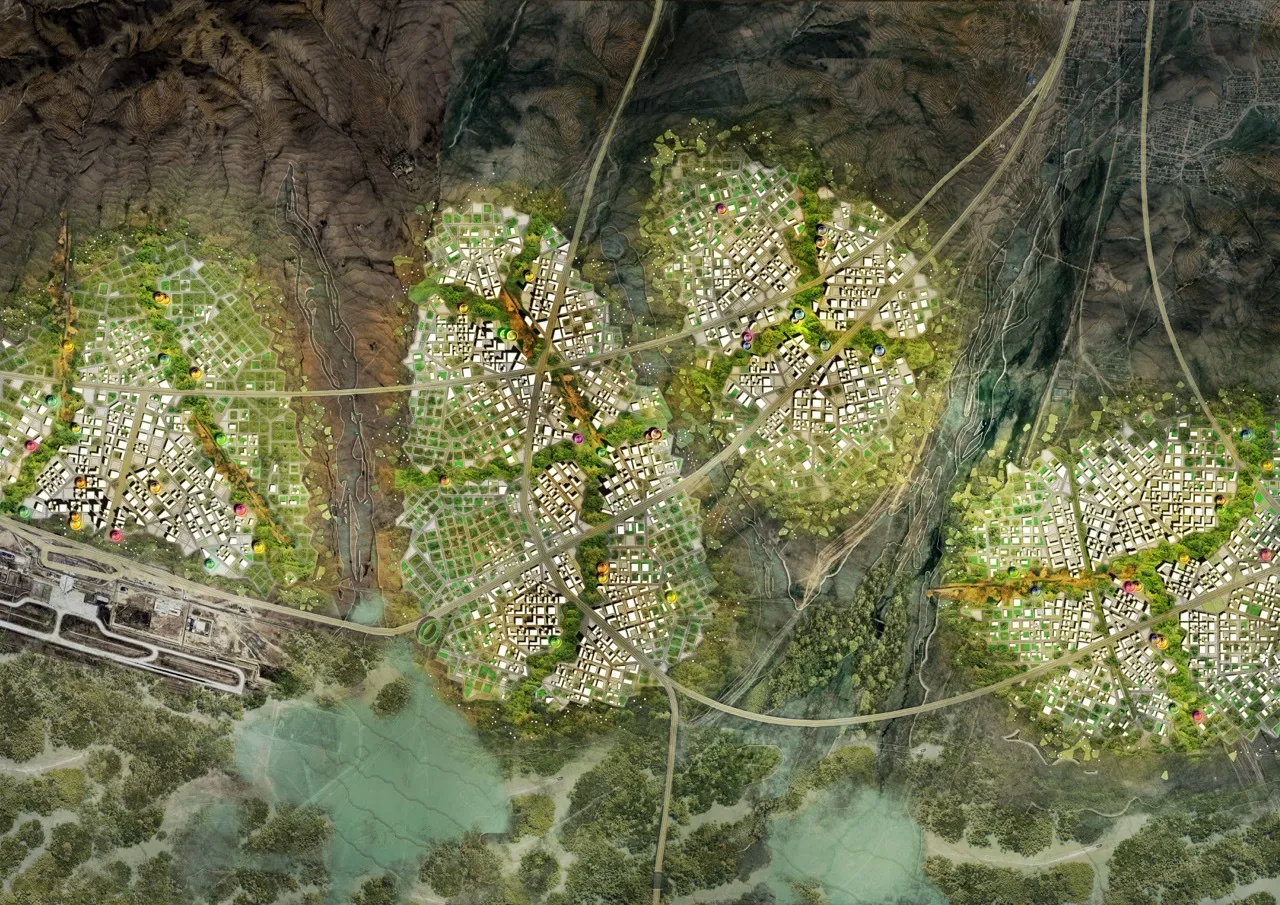
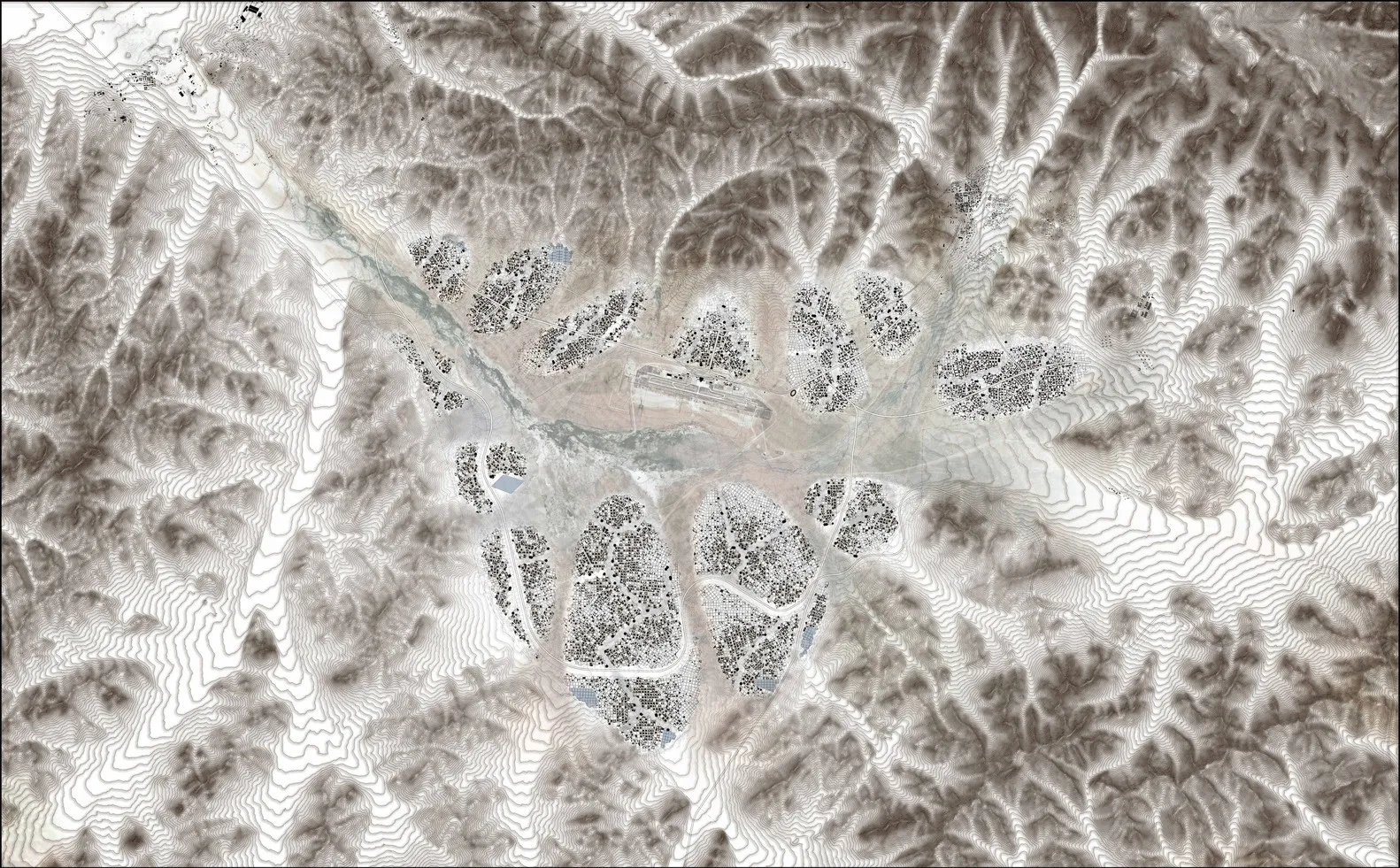
Announced in 2025, the proposal sets out a long-term framework for a vast 31,503-hectare site near Chinggis Khaan International Airport, with development unfolding in carefully planned stages to grow through 2045. Rooted in Mongolia’s national Vision 2050 agenda, designed as a future urban city at the center of national priorities, supporting economic independence, strengthening climate resilience, and celebrating cultural identity.
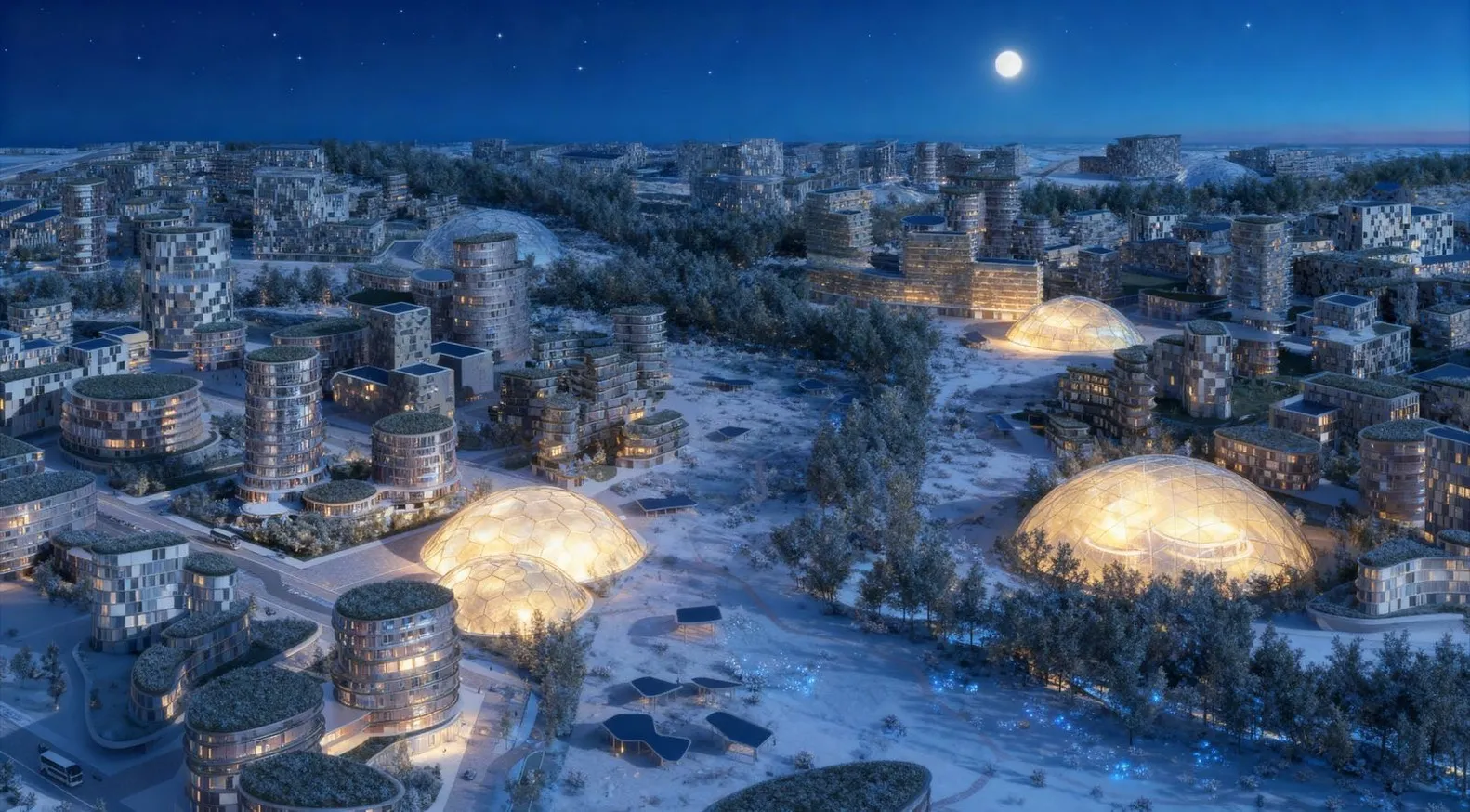
Hunnu City is envisioned as a regenerative urban masterplan where infrastructure, landscape, housing, and community life grow together in balance with nature, society, and innovation. Developed through an international design competition launched to create a new territorial capital south of Ulaanbaatar, the project attracted 43 teams from 21 countries.
Designed by the architecture firm SOA Architecture, together with a distinguished European collective (Bechu & Associé, IQP Italdesign, MIC-Hub, Parcnouveau, Atelier Ten, Robert Bird Group, Future Food Institute, Embix, and The Climate Company).
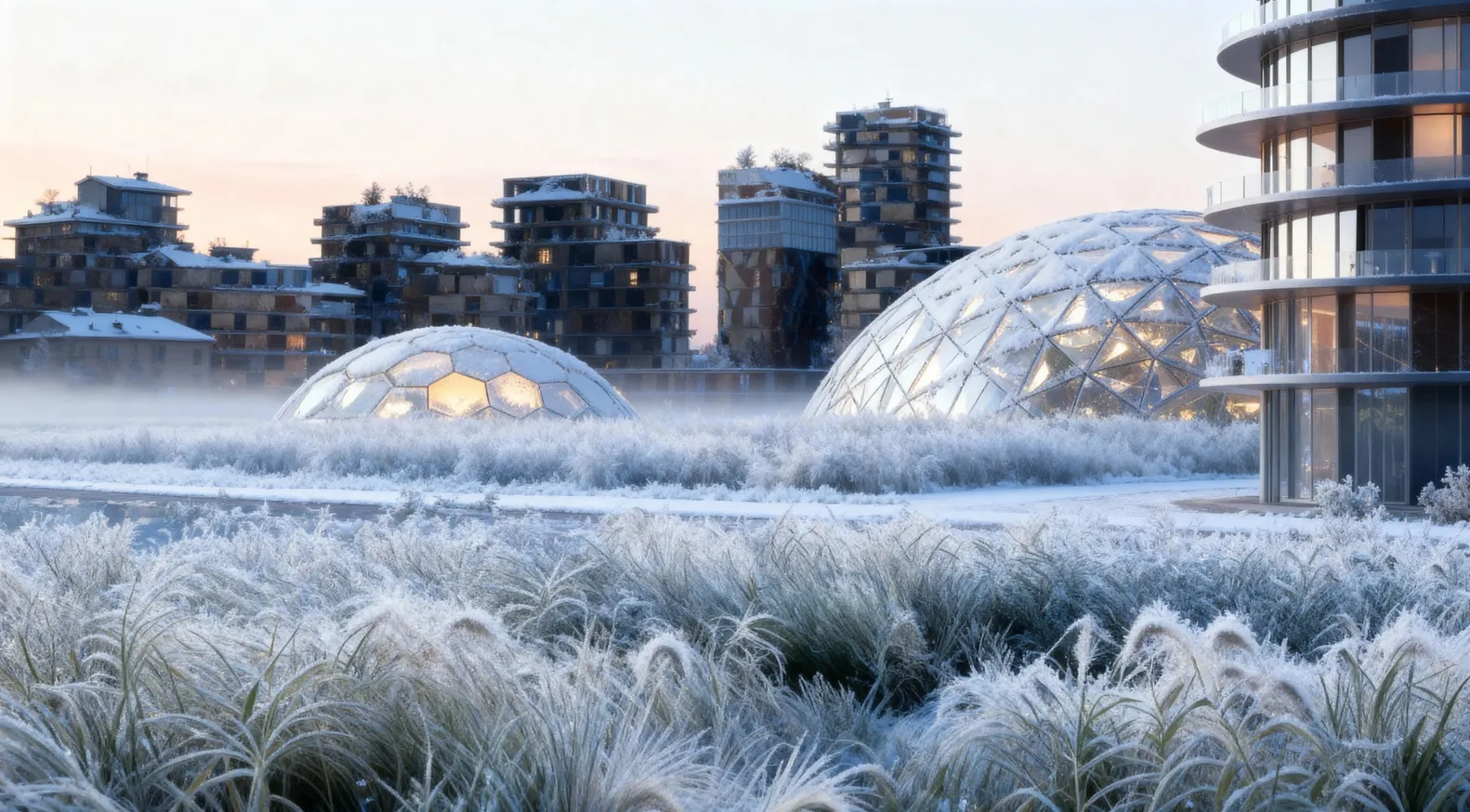
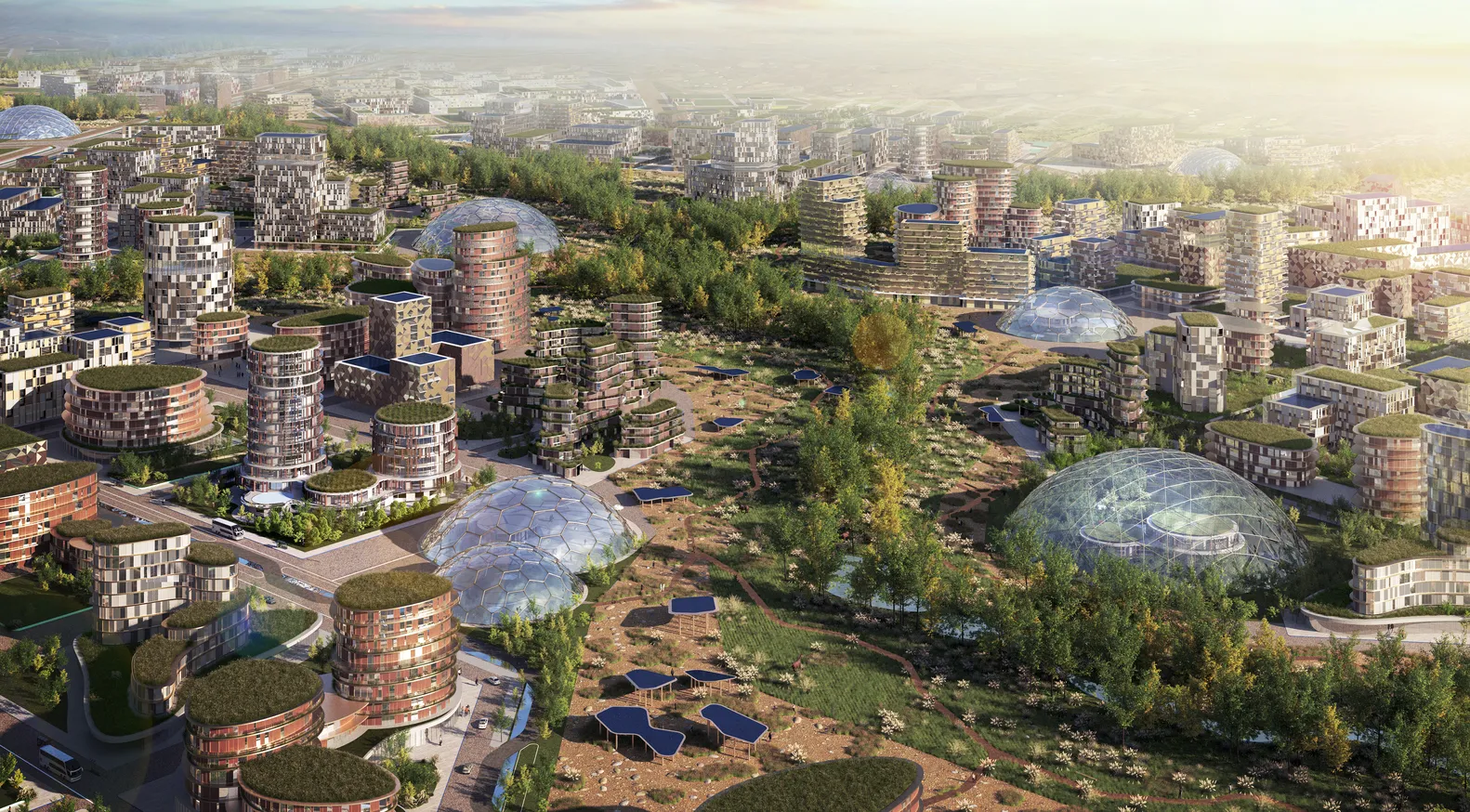
From the very beginning, the design resists rigid geometry, allowing the landscape itself to guide the city’s form, shaped by the open steppe, winds, water systems, and natural cycles. Hunnu City is envisioned as a living urban organism that responds to its environment, blending water reuse, renewable energy, ecological corridors, and gentle mobility into a walkable, human-centered 15-minute city.
Grounded in Mongolian cultural traditions, the master plan is inspired by the sacred symbolism of the number nine, translated into guiding principles centered on nature, heritage, resilience, and time, shaping a city designed to evolve across generations.
Master Plan Conceptualization
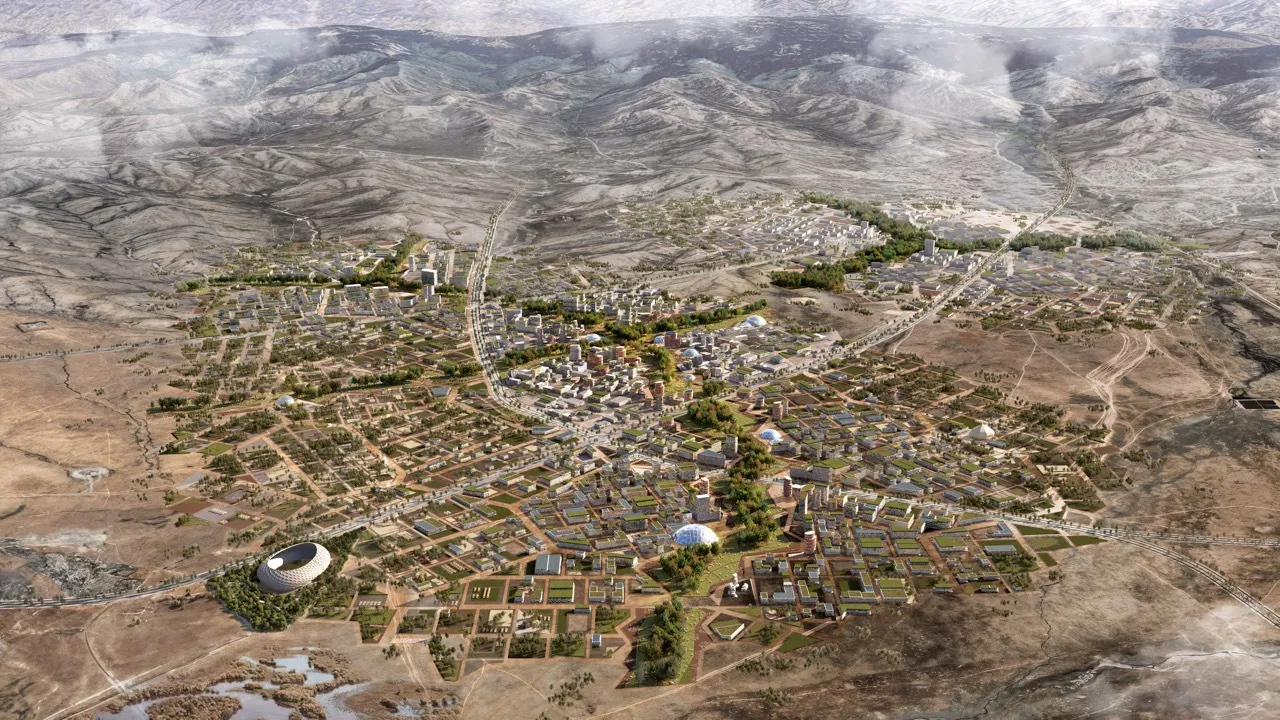
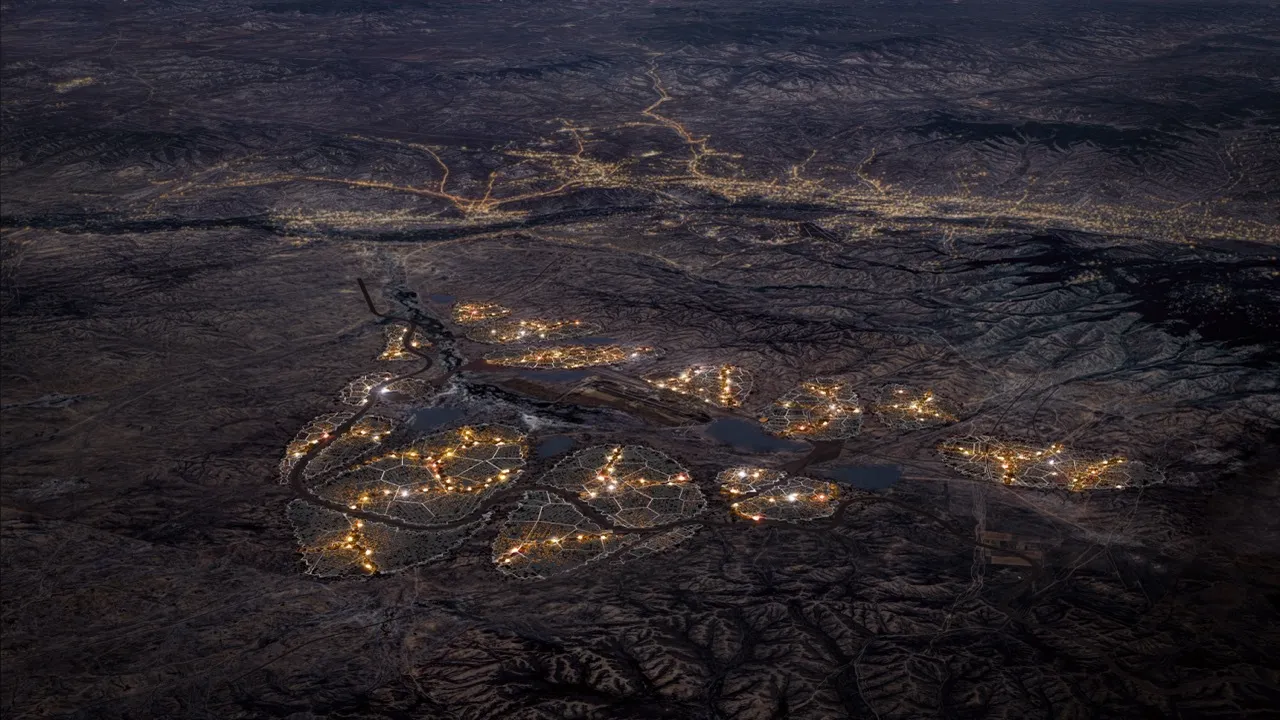
The winning project is grounded in a biomimetic and cultural vision titled “A New Steppe of Constellation: A Living Story, Born from the Steppe, Shaped by Nature, and Built for People.” At the heart of the master plan is the concept of Amid Od, or “stars of life,” shaping the city as a contemporary constellation. These circular centers, inspired by the traditional Mongolian ger, act as strong identity markers and function as cultural, social, energy, and food hubs for future generations. Through a cellular planning approach, the city organizes density and activity around the Amid Od before gradually dissolving into gardens, productive landscapes, and open steppe, allowing urban life and nature to blend seamlessly.
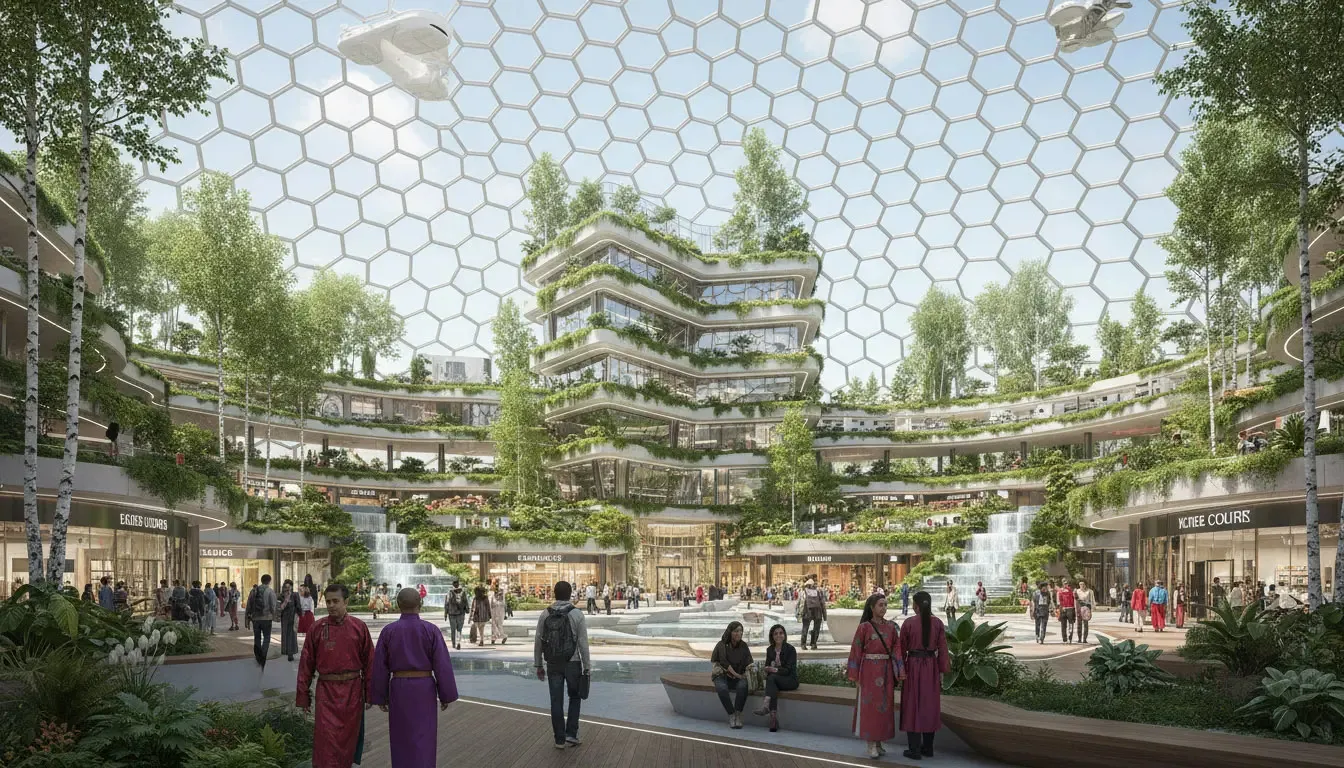
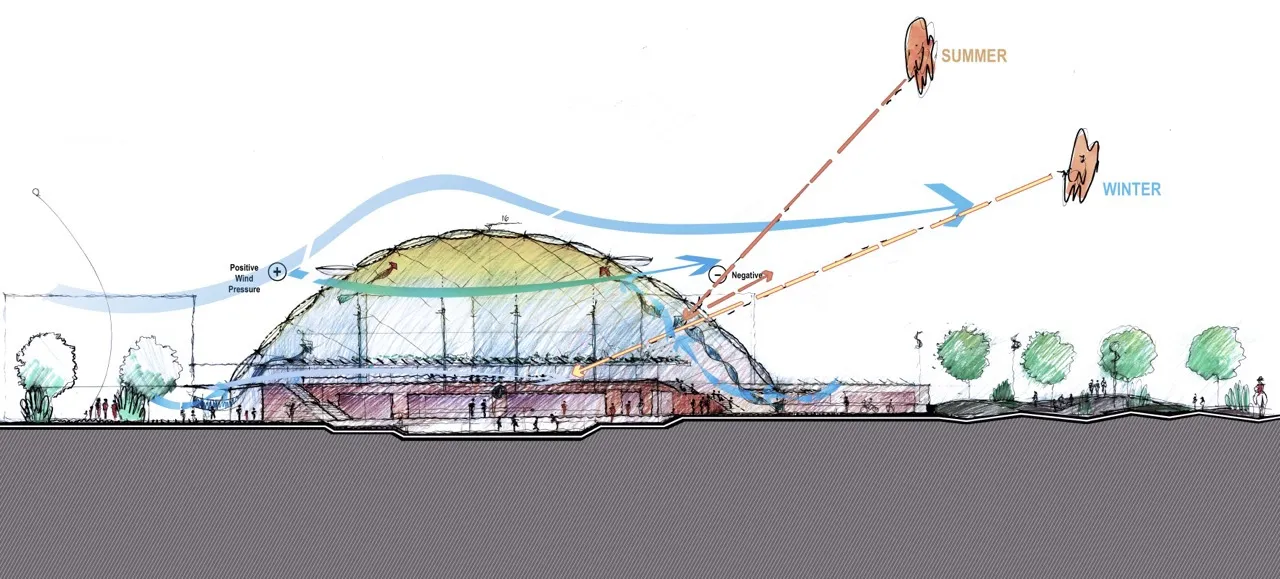
Designed as climatic biomes with lightweight, adaptable envelopes, the buildings ensure comfort in Mongolia’s extreme climate. Passive solar strategies, heat recovery, and rainwater harvesting help balance harsh winters and hot summers. At the urban scale, ecological corridors, no-build zones, and water-sensitive landscapes mitigate wind, flooding, and hydrological risks.
Resilience and circularity are embedded through near-zero-energy urban cells, passively survivable buildings, and locally sourced, demountable materials. These systems are unified by intelligent smart-grid networks that optimize energy and resource use across the city.
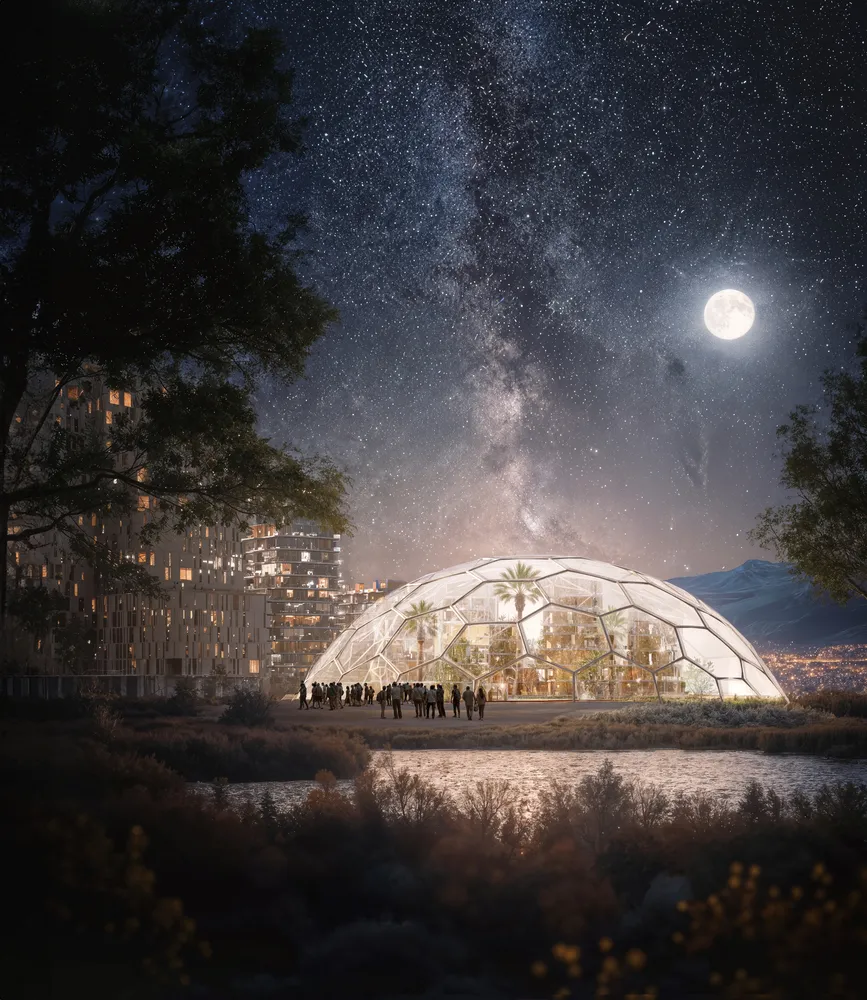
The city’s urban architecture places food and soil at its core, treating food security as a foundation of true sovereignty. Regenerative farming, short supply chains, living soils, and circular water systems create a closed-loop cycle where water nourishes the land, the land produces food, and waste is transformed into energy, compost, and animal feed. This approach supports both settled communities and nomadic traditions, ensuring resources are locally sustained. The system strengthens the connection between human well-being, ecological health, and long-term prosperity.
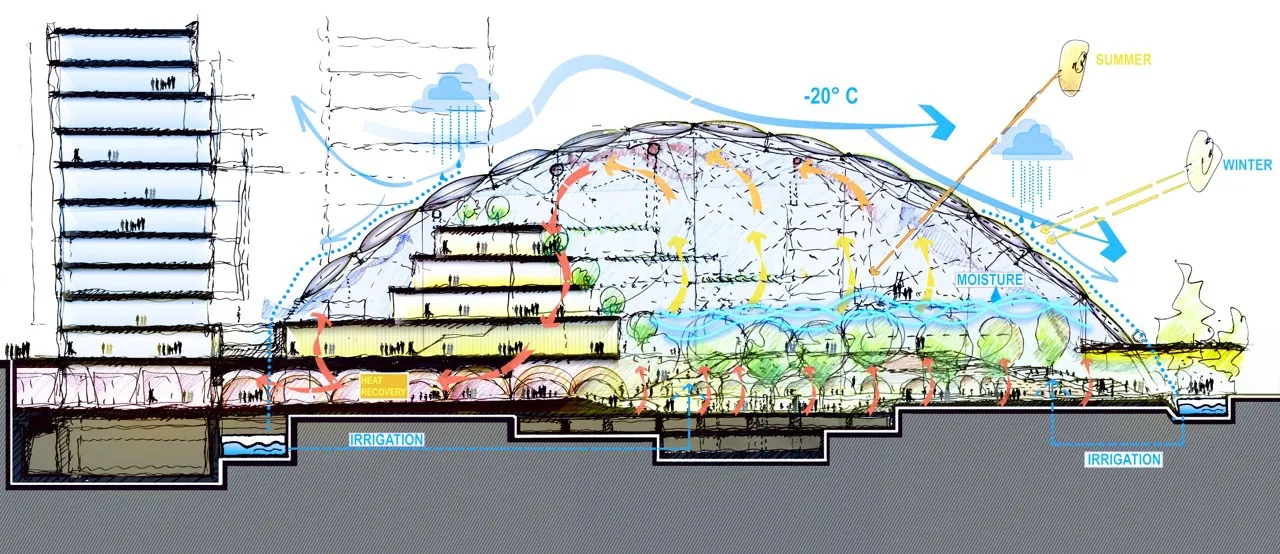
“The vision for the Hunnu City masterplan goes beyond the concept of an urban project: it is a city that takes shape from the Mongolian land itself, its powerful and unmistakable genius loci, its historical memory, and its natural rhythms. Thanks to the contribution of an outstanding international team, we have created a regenerative model that does not merely aim to reduce impact, but aspires to generate value, giving back to the territory more than it takes, while paying tribute to the strength, uniqueness, and timeless richness of Mongolian culture.” – Stefano Bastia and Eurind Caka, co-founders of SOA Architecture.
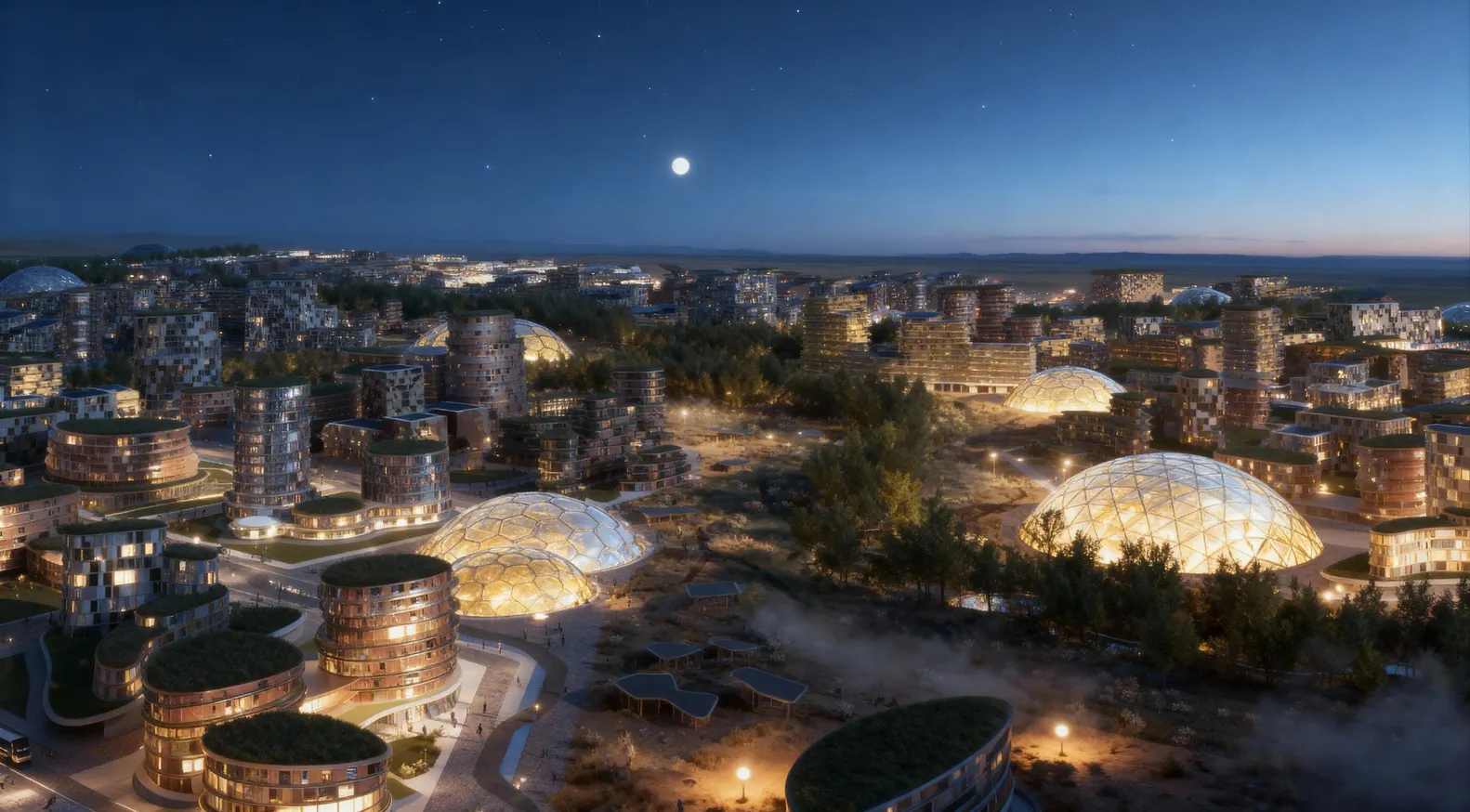
The design unfolds as a living ecosystem where nature, culture, and people evolve together. By blending environmental intelligence with cultural identity, the vision moves beyond conventional urbanism and emerges as a forward-looking urban model that is sustainable and culture-driven.
Hunnu City Project Details
Project name: Hunnu City
Location: Ulaanbaatar, Mongolia
Architect: ‘SOA Architecture’ together with (Bechu & Associé, IQP Italdesign, MIC-Hub, Parcnouveau, Atelier Ten, Robert Bird Group, Future Food Institute, Embix, The Climate Company)
Construction Year: Proposed in 2025 (Set to grow until 2045)
Photography: SOA Architecture
Explore Courses
.jpg "Ondrej Chybik - Rethinking Architecture")