





“Architecture is the learned game, correct and magnificent, of forms assembled in the light.”
— Le Corbusier
But what if, before we master that game, we pause to observe the rules differently? A gap year may seem like a diversion in the demanding field of architecture education, where deadlines and late nights are the norm. But it can be one of the most rewarding and influential decisions a young architect can make in their career.
A well-organized gap year for architects can assist you in growing and recalibrating in ways that the studio could never, regardless of whether you are between academic years or have just graduated from architecture school.
Architectural studies take a lot of time and effort. The majority of graduates possess technical expertise and software proficiency, but lack a stronger bond with their location, craft, or culture. An uncommon chance to close those experiential gaps is provided by a gap year, which can be taken after graduation or in between degrees.
Some of today’s most renowned architects didn’t have a straight line. Before going back to architecture, Frank Gehry was a truck driver. While touring throughout Asia and sketching in Europe, Charles Correa picked up cultural quirks that subsequently shaped his contextual approach. Even Peter Zumthor has talked about his formative years spent working as a cabinetmaker, which would influence his tactile and architectural style.
1. Sketch Tours & Architectural Pilgrimages
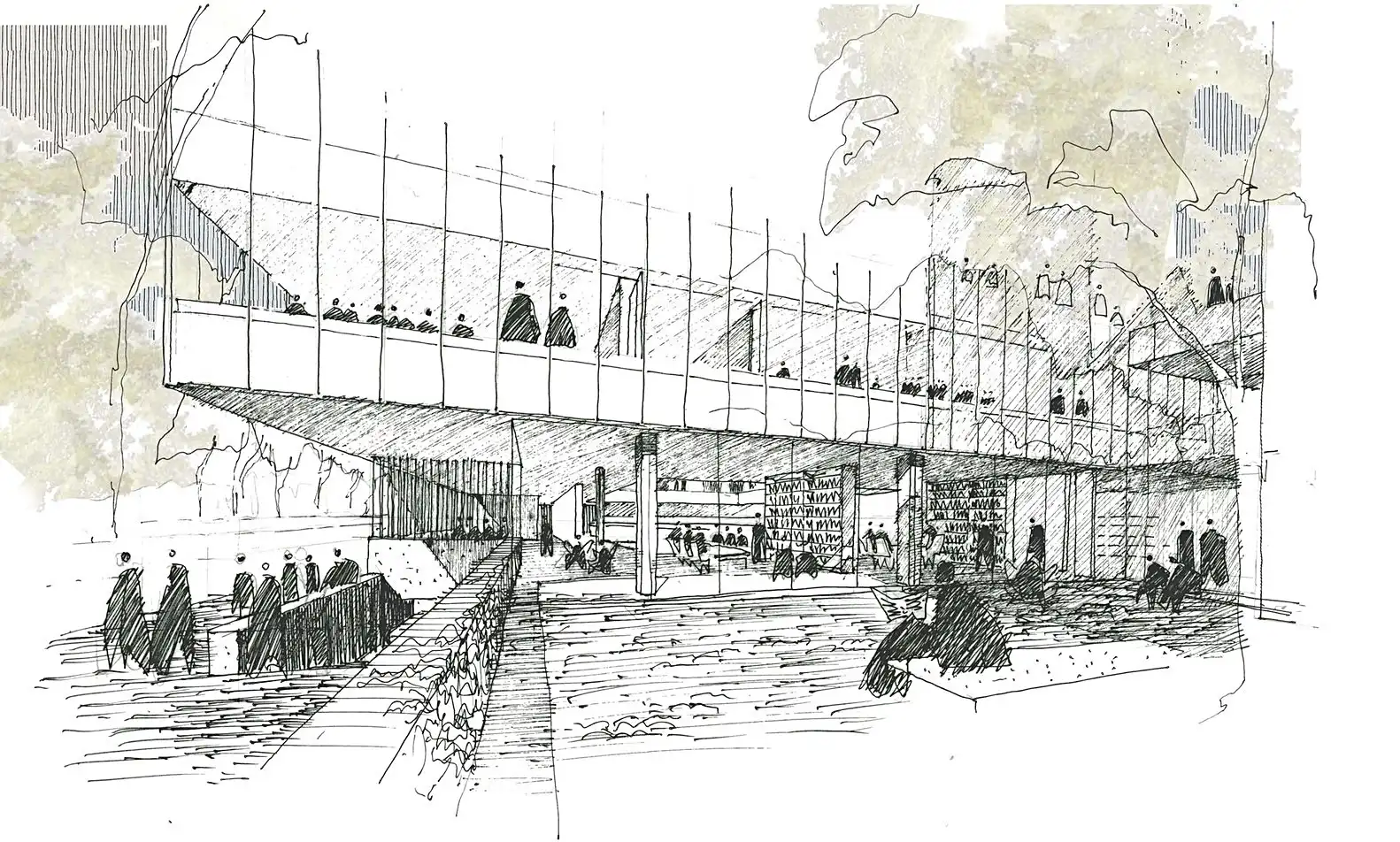
It is necessary to stroll and draw architecture in order to comprehend it. Drawing by hand is still a powerful way to learn, not only about structures but also about space, proportion, atmosphere, and time, even in a world when renderings and digital walkthroughs are commonplace. Emerging architects can experience legendary and commonplace buildings through a tactile, personal perspective during a carefully organized trip sketching pilgrimage.
There is much more to sketching than just visual reproduction. It interprets abstraction, selective attention, and observation. Sketching allows you to interact with the geometry in nuanced ways, such as when a building reacts to light, shade, and people. This architecture is experienced with the touch, eye, and body rather than with Google Earth or PowerPoint slides.
Whether you travel internationally or regionally, choose places of architectural storytelling. Here are some of the places among the many that the world has to offer; each is a fascinating chapter of architecture:
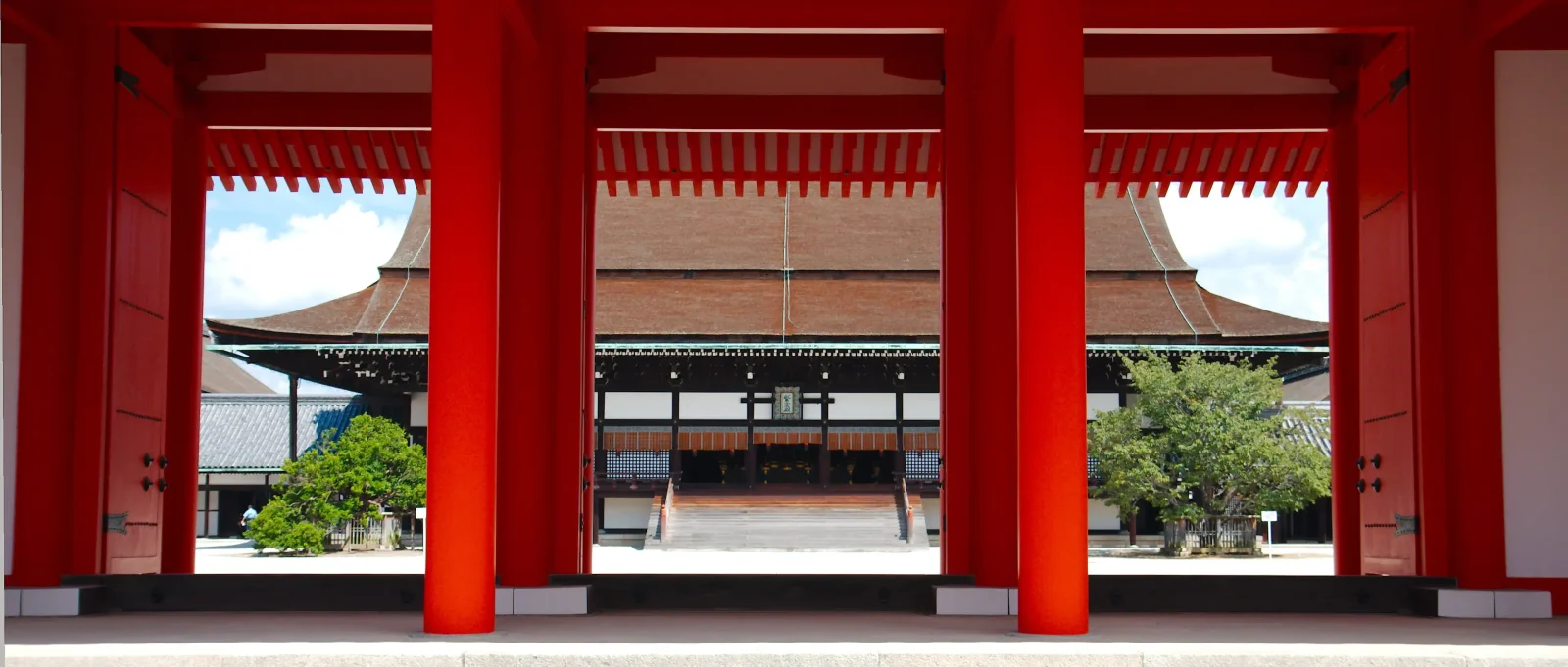
Kyoto, Japan
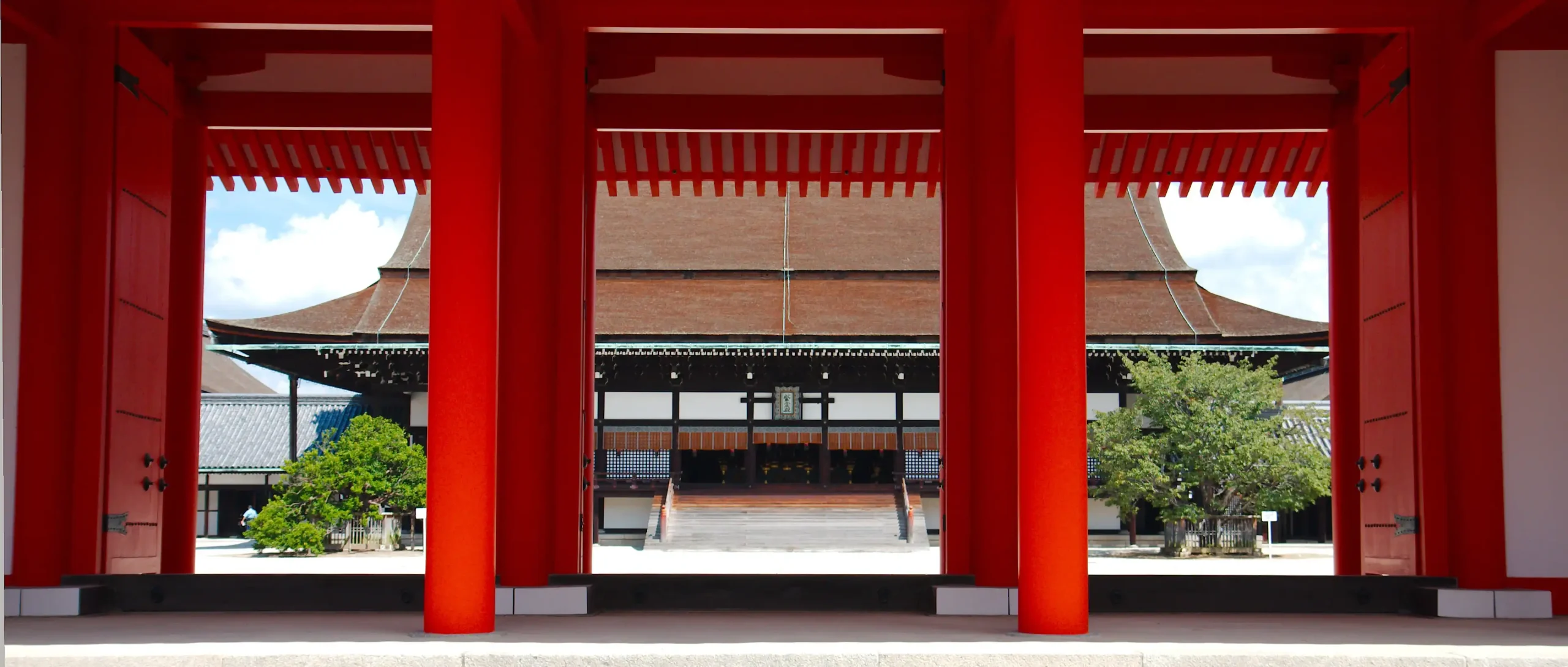
Wooden temples and Zen gardens. Observe joinery details, seasonal transitions, and spatial fluidity in buildings like Kinkaku-ji and Katsura Imperial Villa.
Chandigarh, India
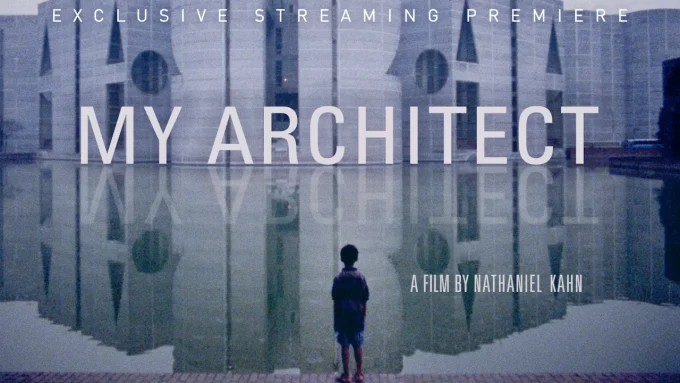
A city of modernist monumentality and urban logic. Le Corbusier’s High Court, Secretariat, and Open Hand are masterclasses in form and light.
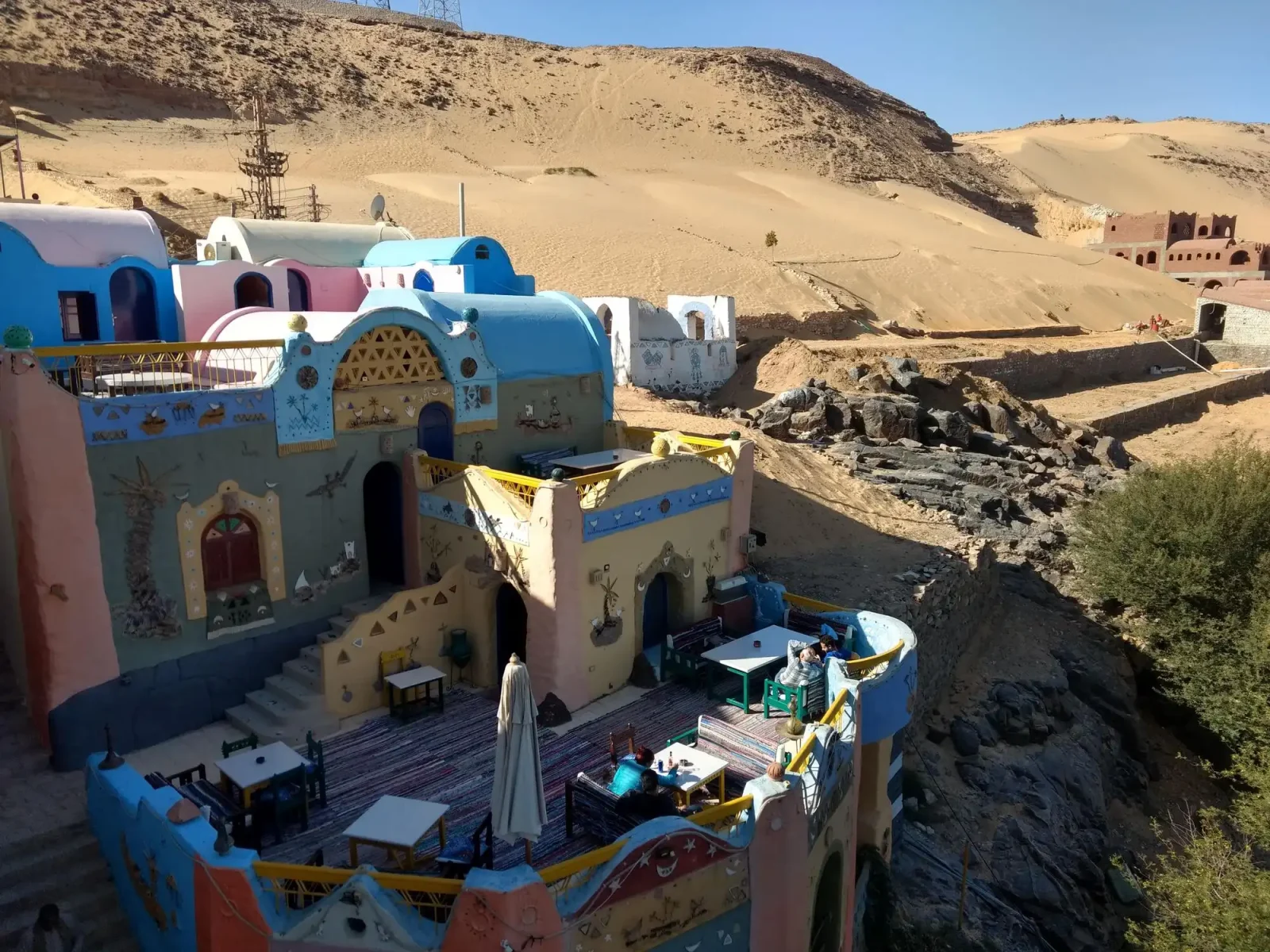
Aswan, Egypt
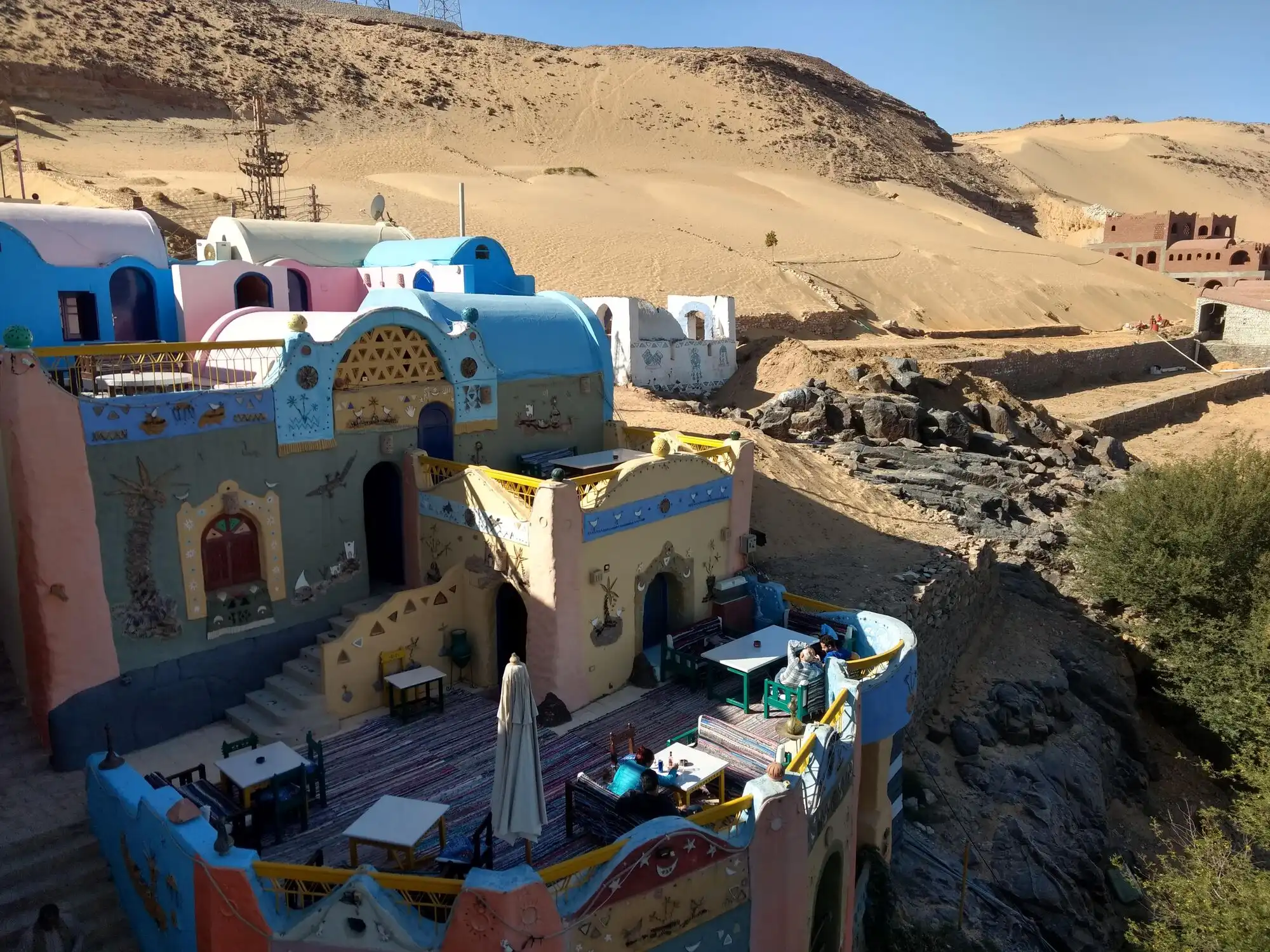
Explore the Nubian vaulted typologies. Ideal for studying passive design in extreme contexts.
Medellín, Colombia
Document how architecture became a tool for social transformation. Metro cables, libraries, and hillside housing.
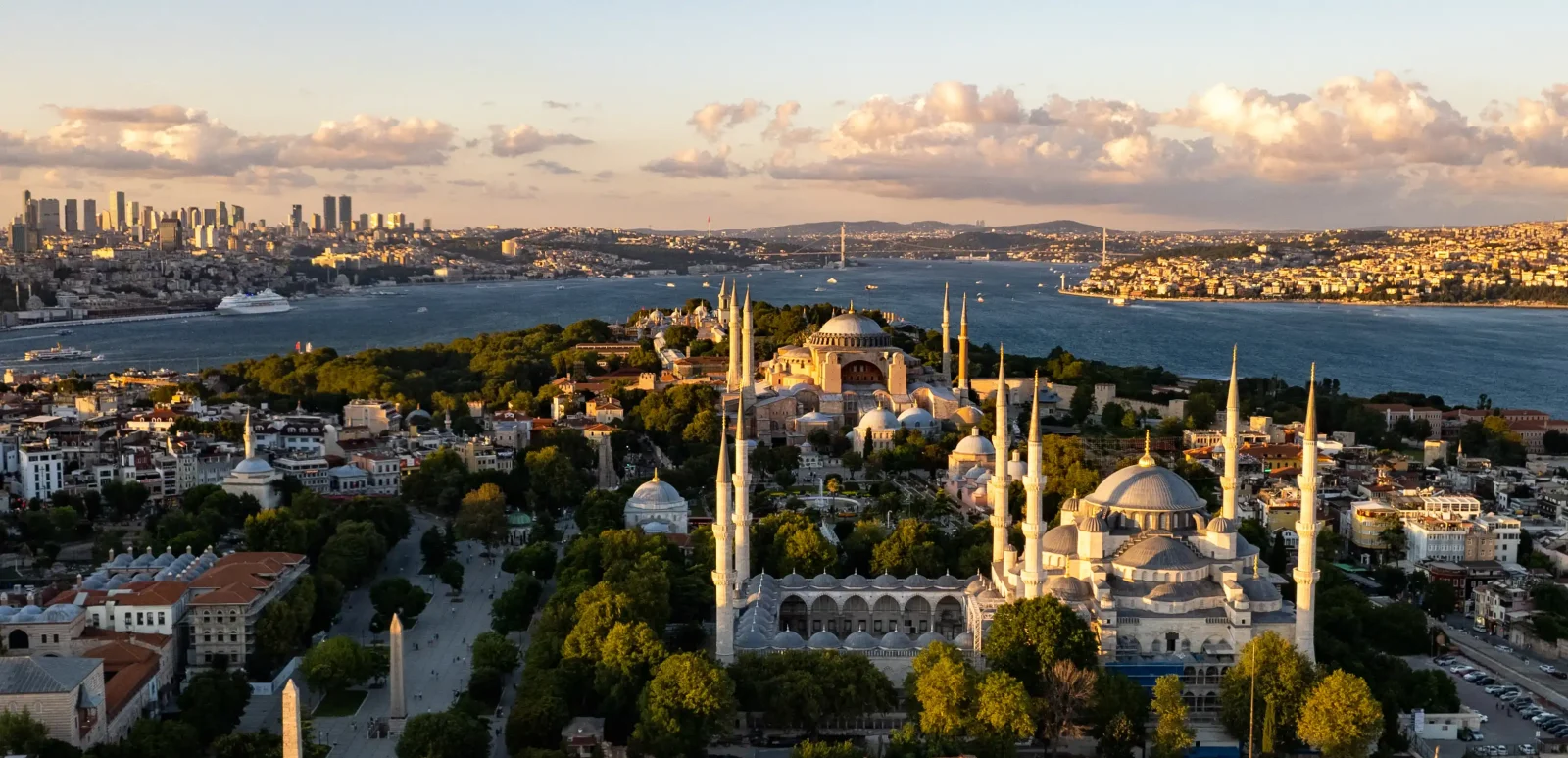
Istanbul, Turkey
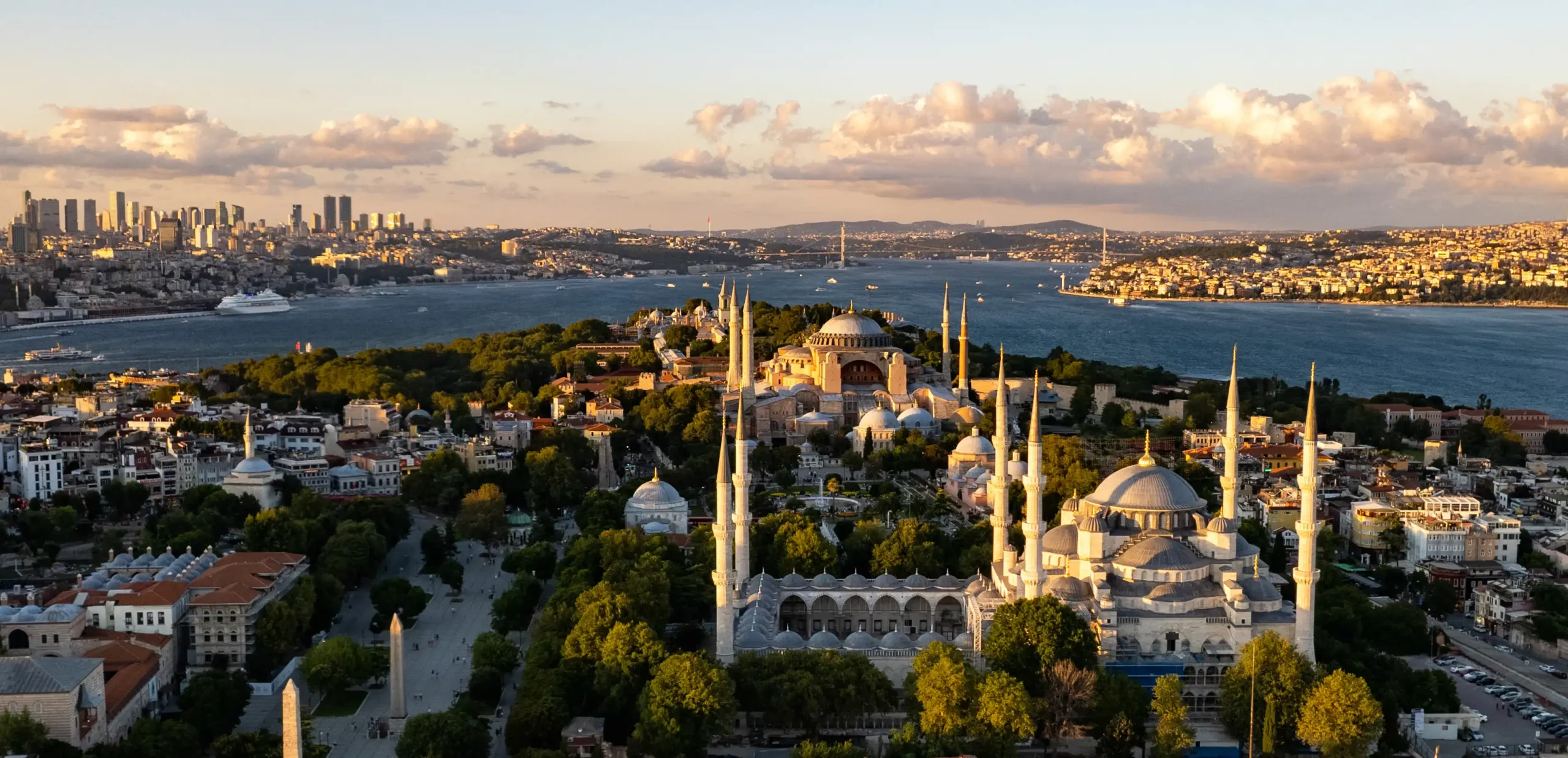
Byzantine and Ottoman empires. Sketch Hagia Sophia’s domes, urban courtyards, and informal street edges.
Kolkata, India
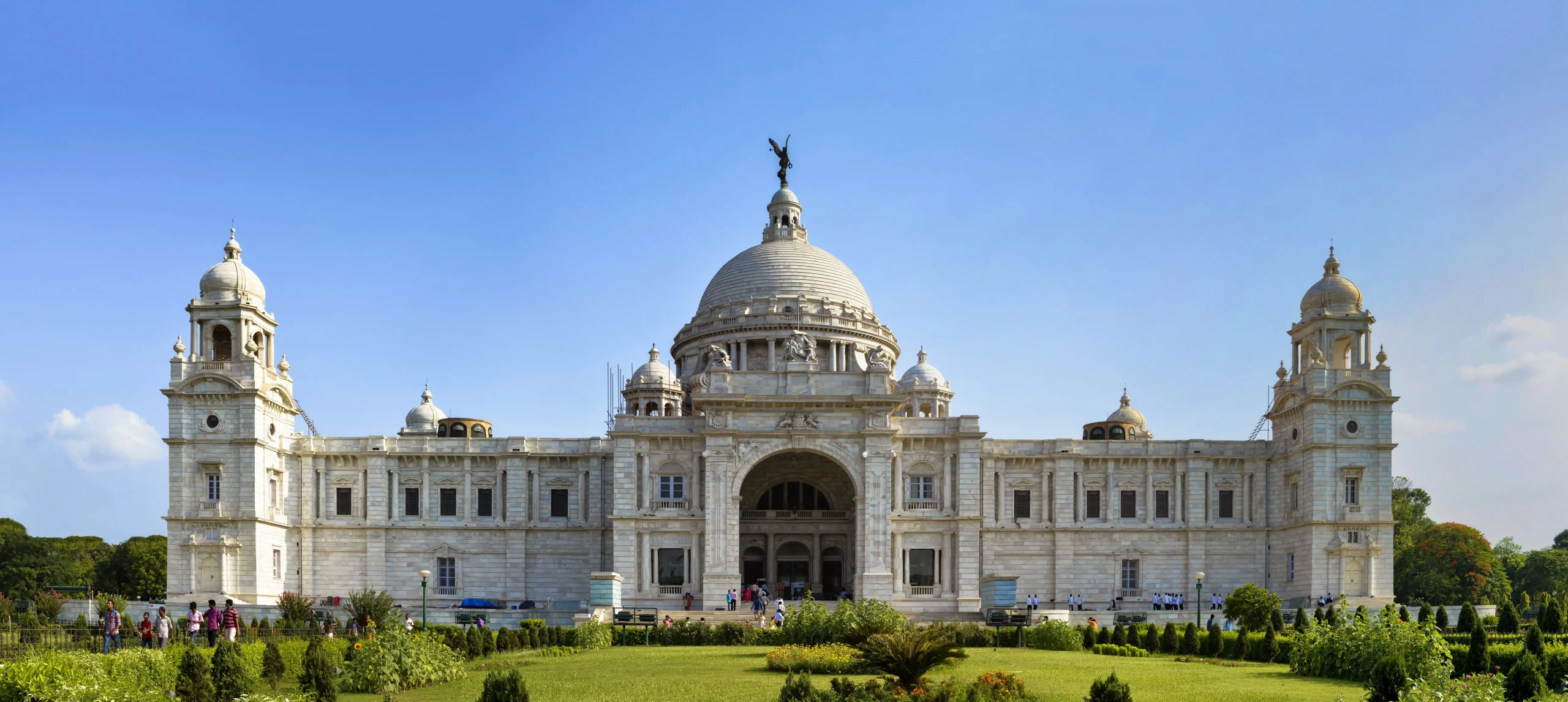
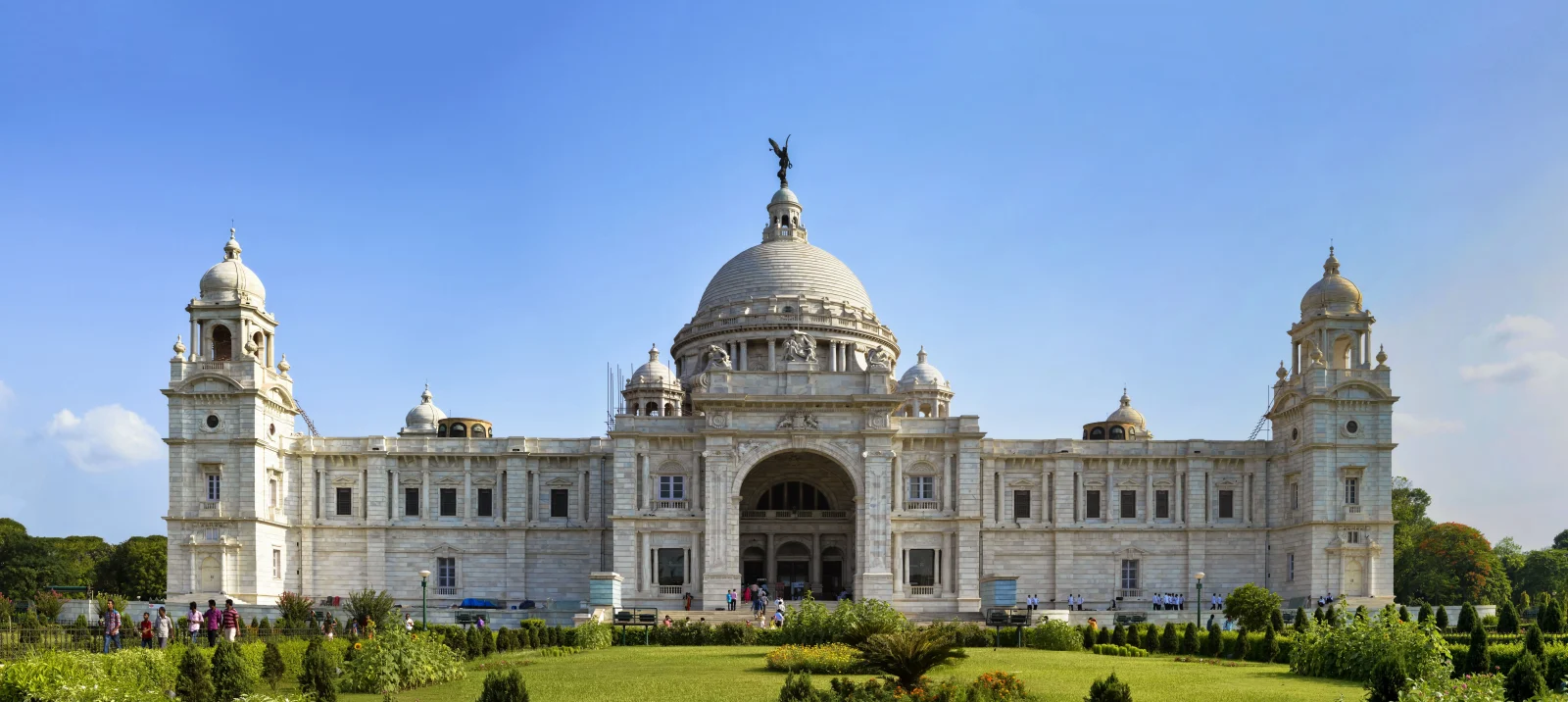
Colonial facades, Art Deco cinema halls, and organic urban layering.
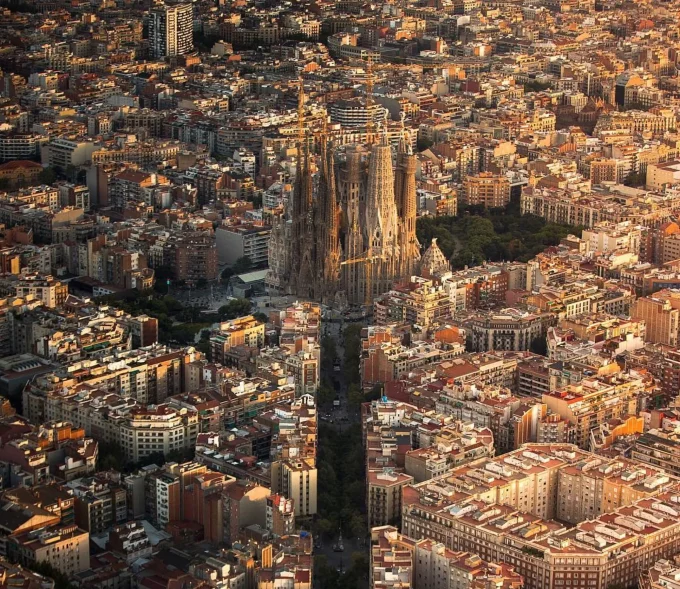
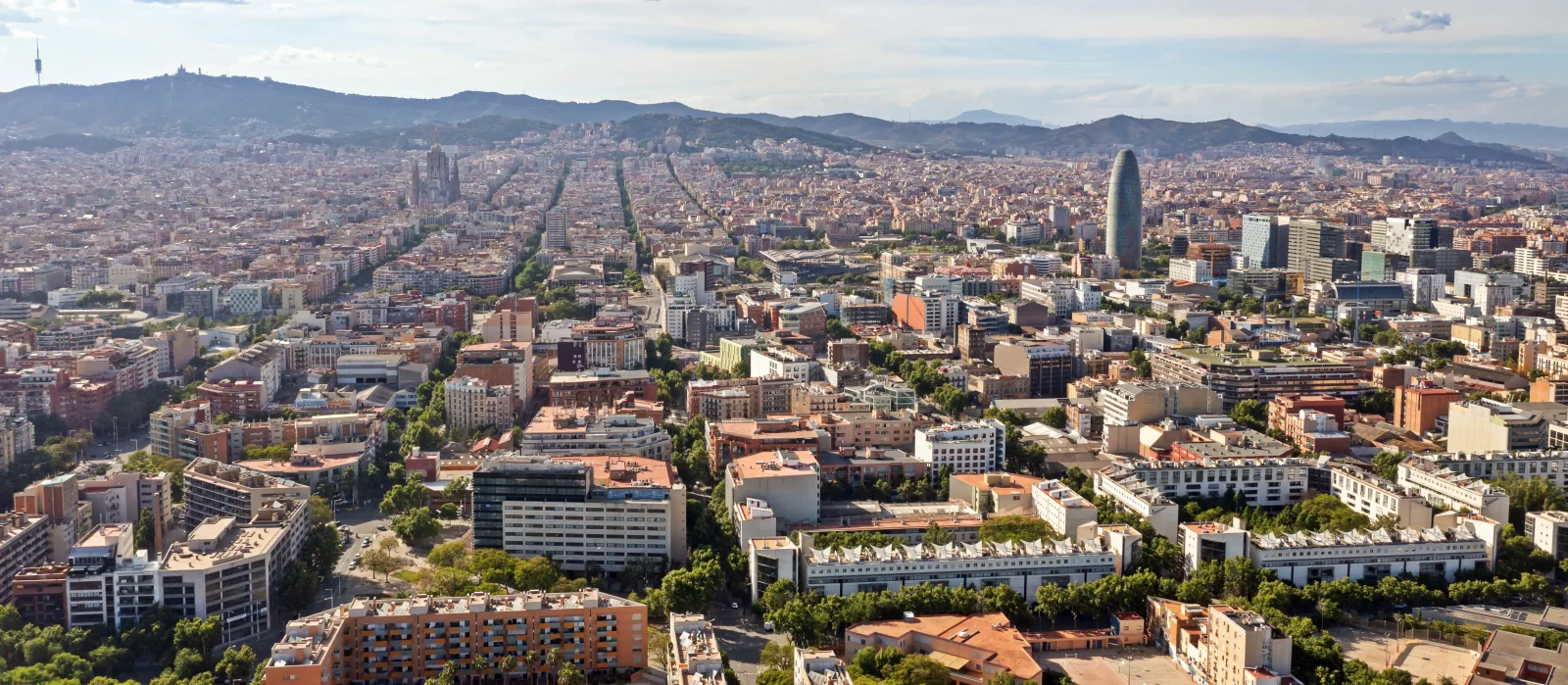
Barcelona, Spain
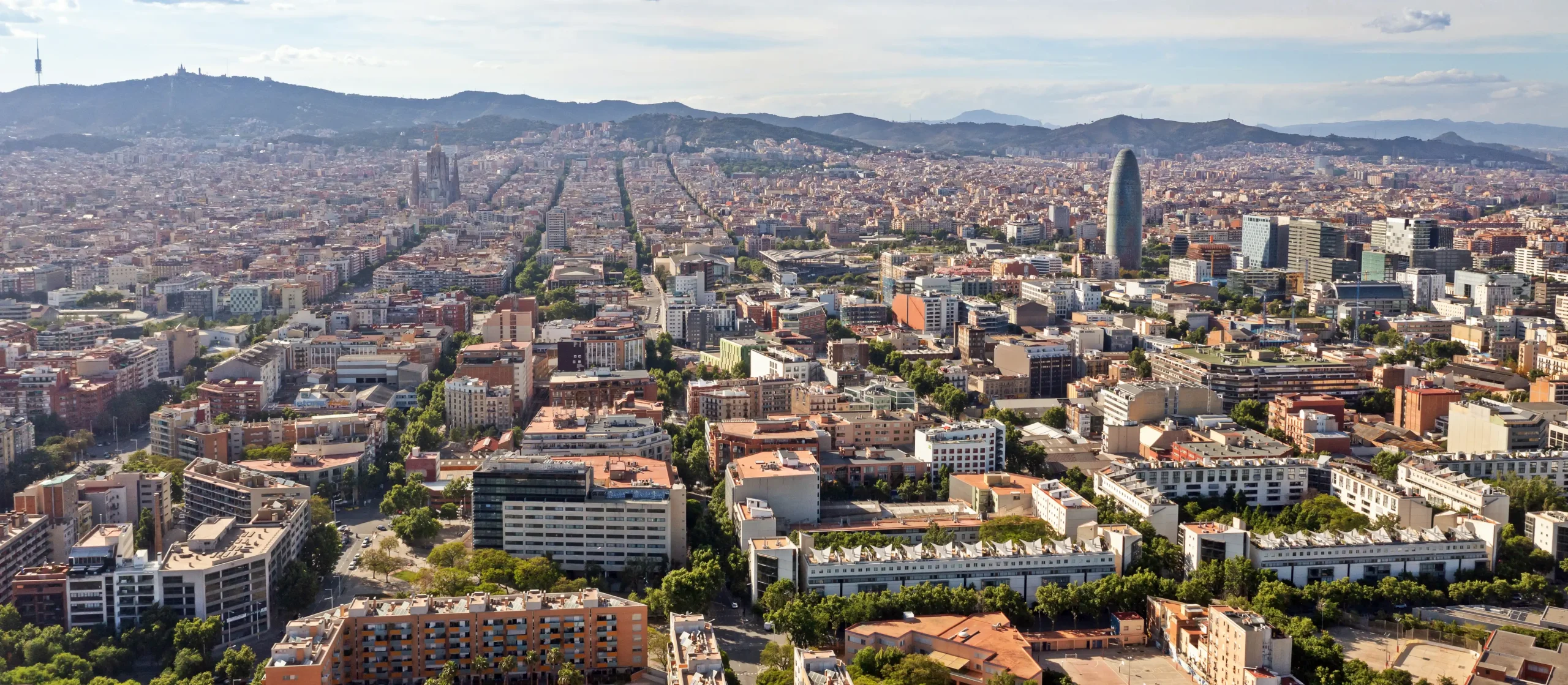
From Gaudí’s whimsical geometries to Enric Miralles’ expressive forms, the city offers rich textures to decode.
São Paulo, Brazil
At SESC Pompéia, Lina Bo Bardi designs public spaces with brutalist philosophy.
Additionally, joining a group can enhance your trip, whether you’re sketching alone or looking for connection. The global network, Urban Sketchers Global, has local chapters all over the world. Sketch travel is encapsulated in their motto, “We show the world, one drawing at a time”. In the United Kingdom, Drawing Matter organizes publications, archives, and exhibitions in architectural thought.
2. Internships & Notable Collectives
The majority of traditional internships, particularly those that take place during architecture school, limit interns to producing drawings, doing simple 3D modeling, and occasionally creating models. Although these encounters are crucial for comprehending office culture and procedures, they hardly ever provide tactile exposure to the tangible reality of architecture.
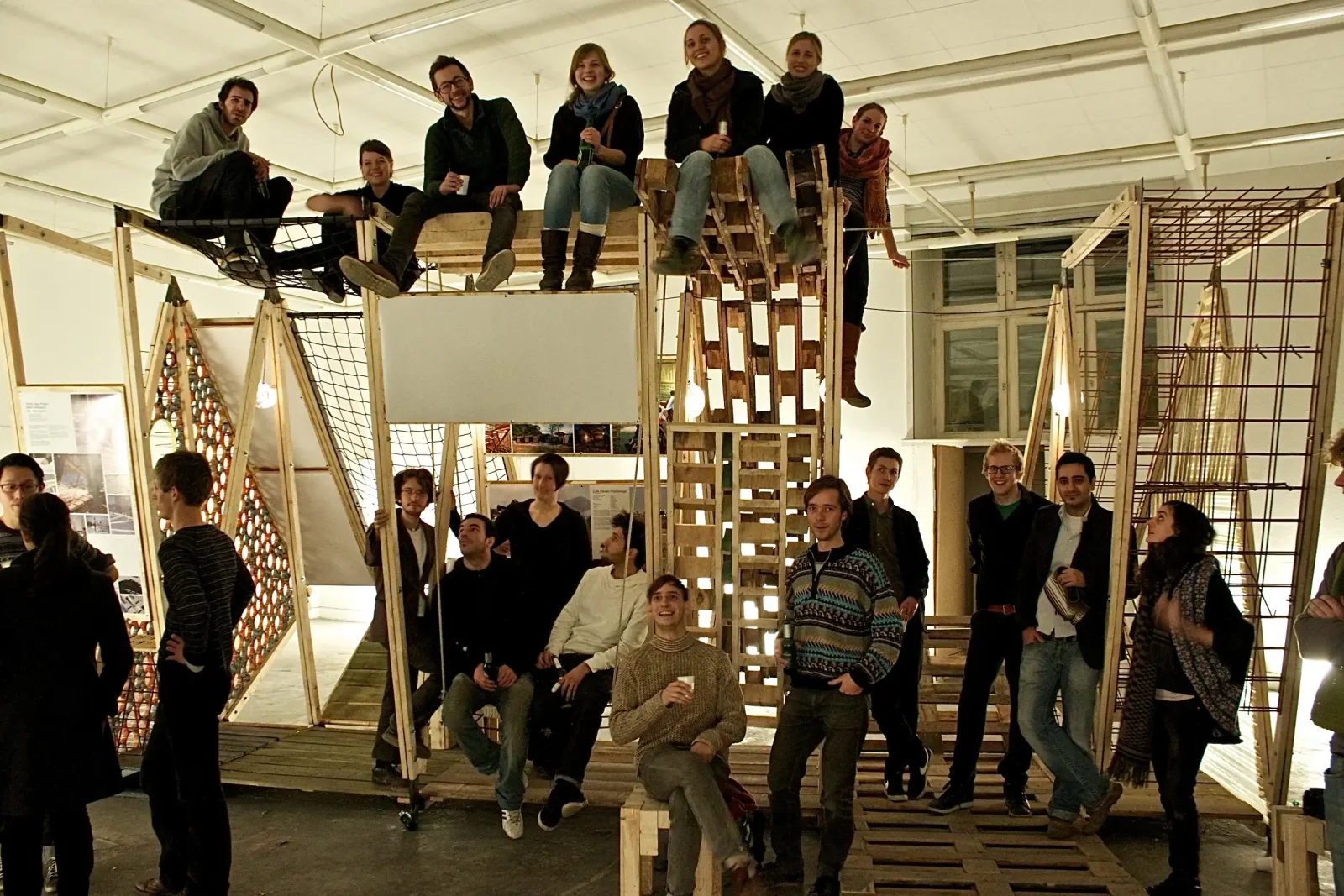
You can break out of this structure. Explore unconventional studios, field-based initiatives, and craft-driven learning that emphasizes construction as a way of thinking throughout this period.
Design is one aspect of architecture; the process of creating is another. You can visit locations, attend workshops, and interact with local communities throughout your gap year to gain insight into how design is implemented and challenged.
Deeper engagement is provided by smaller, more targeted practices than by larger ones. Here, interns are more than just helpers; they are partners.
TYIN Tegnestue (Norway)
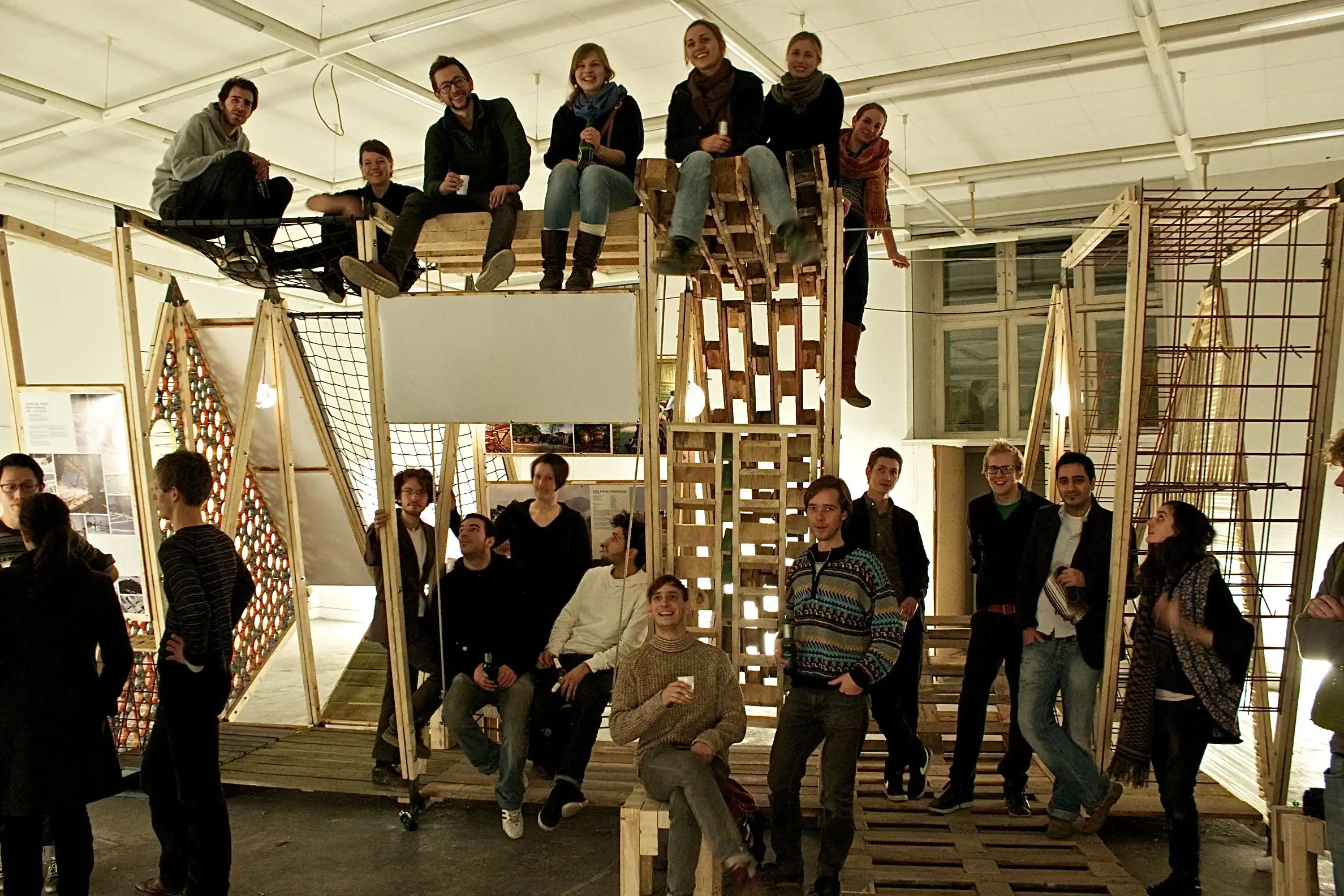
Known for their community-based projects in Thailand and beyond, they offer experiences in design-build architecture.
BC Architects & Studies (Belgium & Africa)
Work on projects of bioregional materials like earth, and engage in design as a collaborative, research-led process.
Anupama Kundoo Architects (India/Spain)
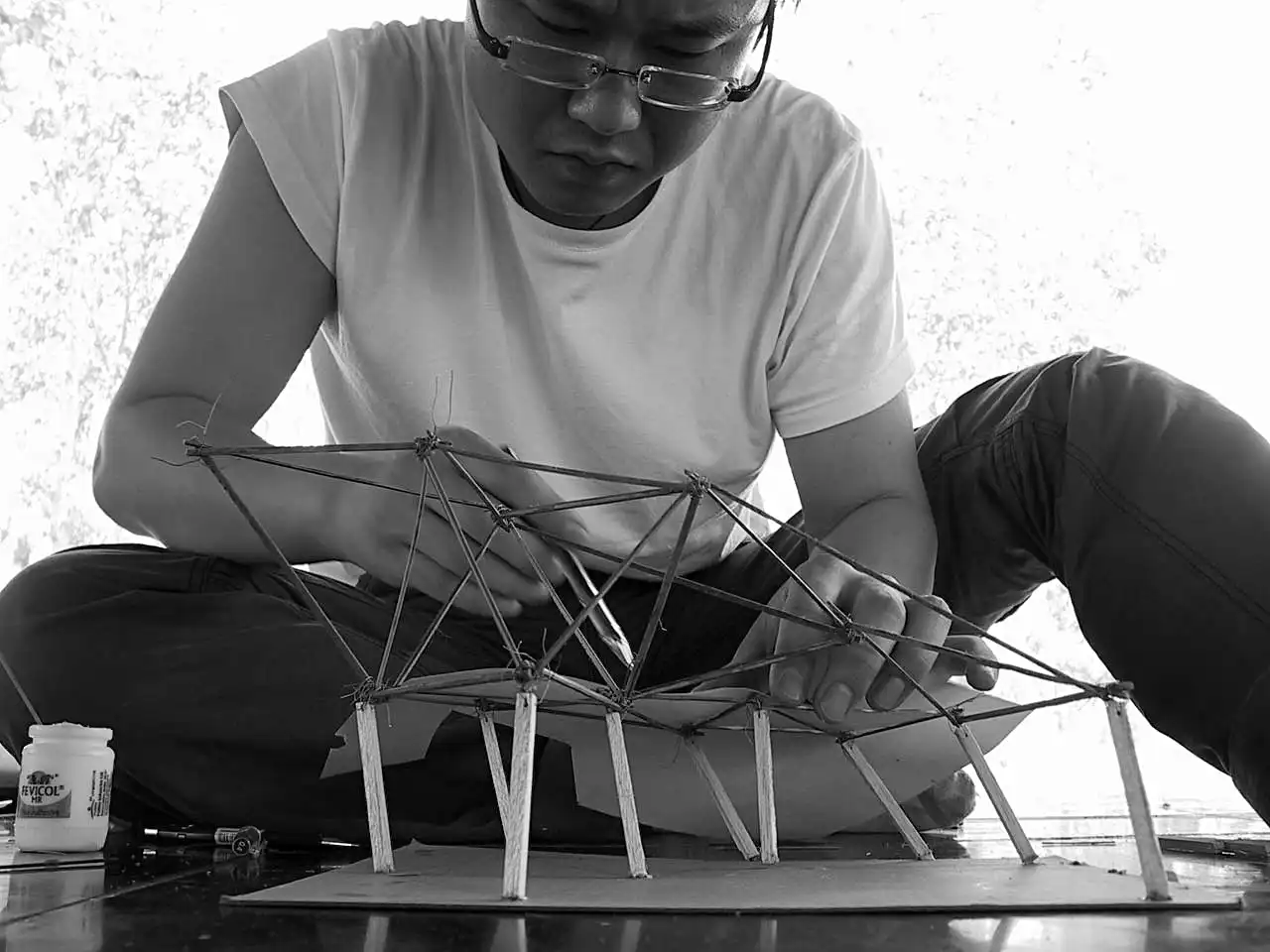
With an emphasis on experimental materials and participatory design, interns gain exposure to both site and research-based work.
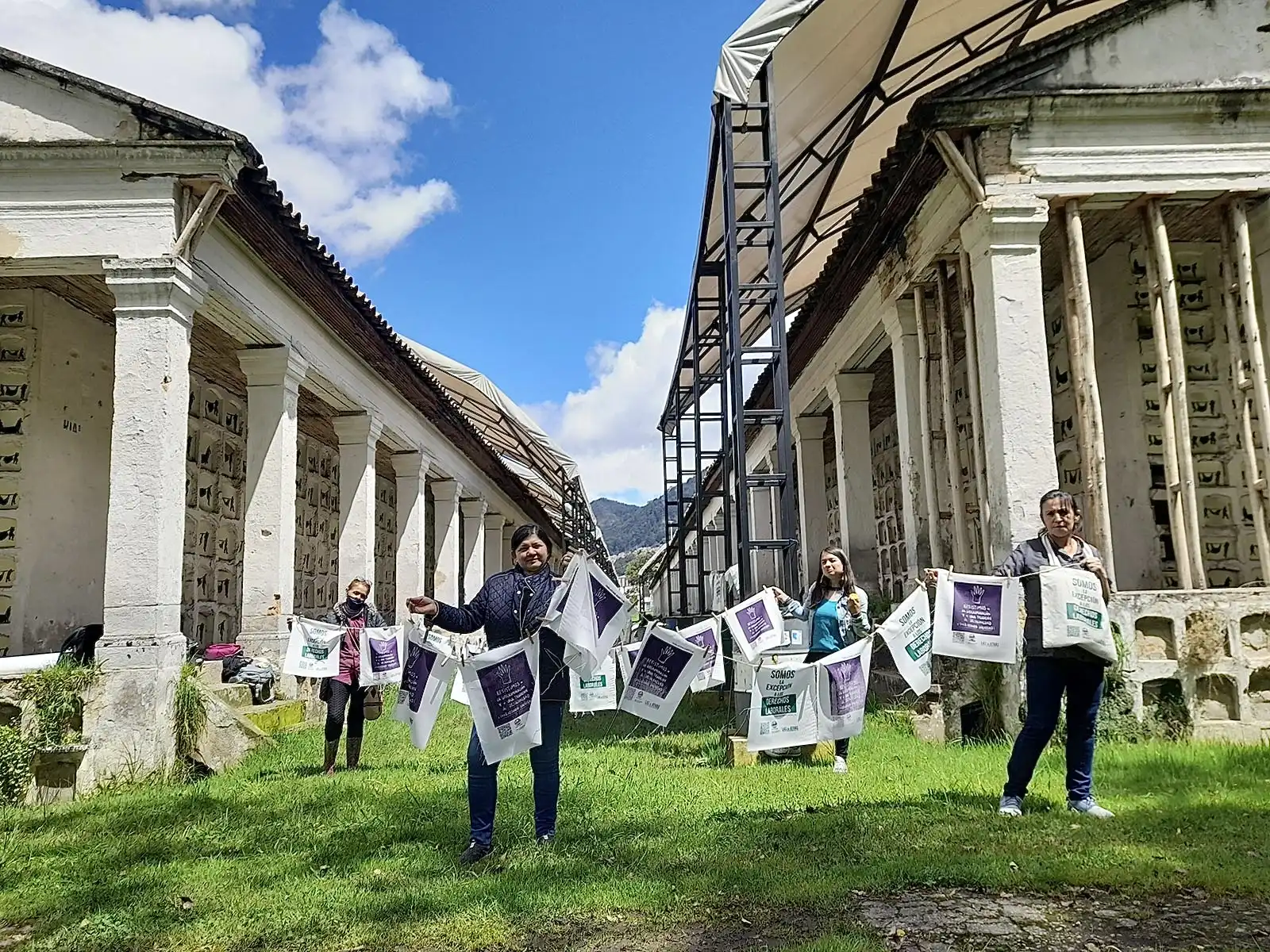
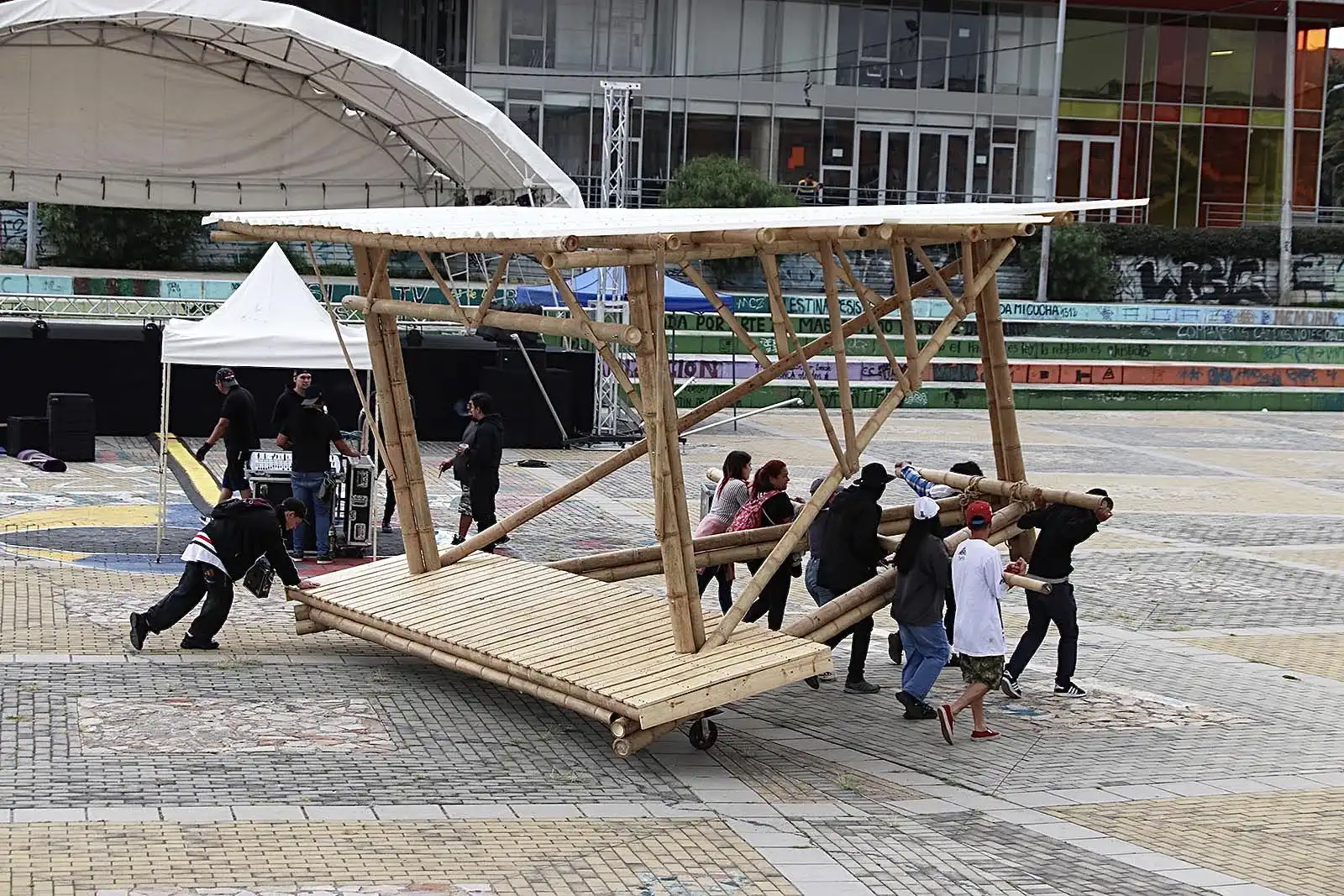
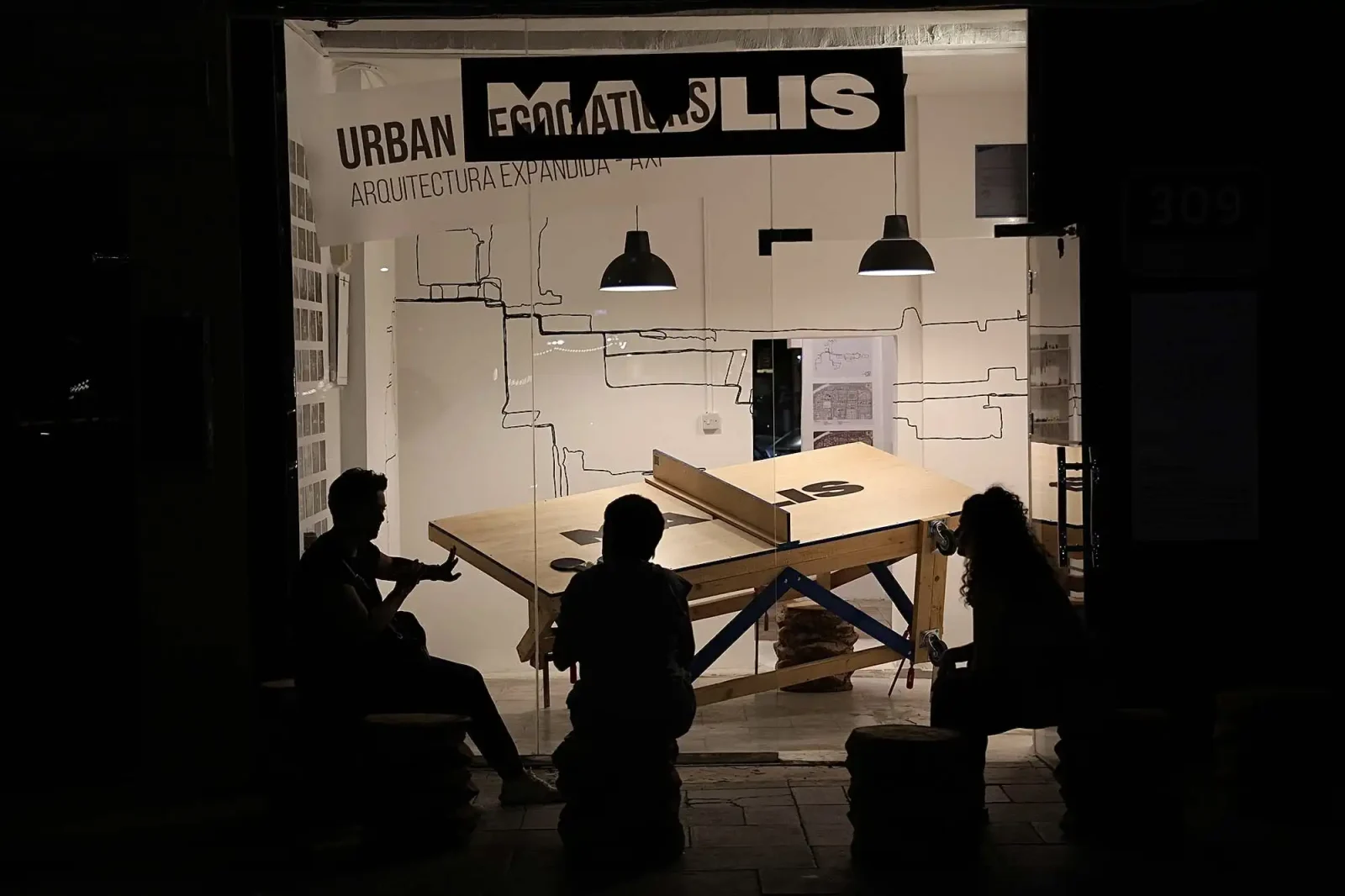
Arquitectura Expandida (Colombia)
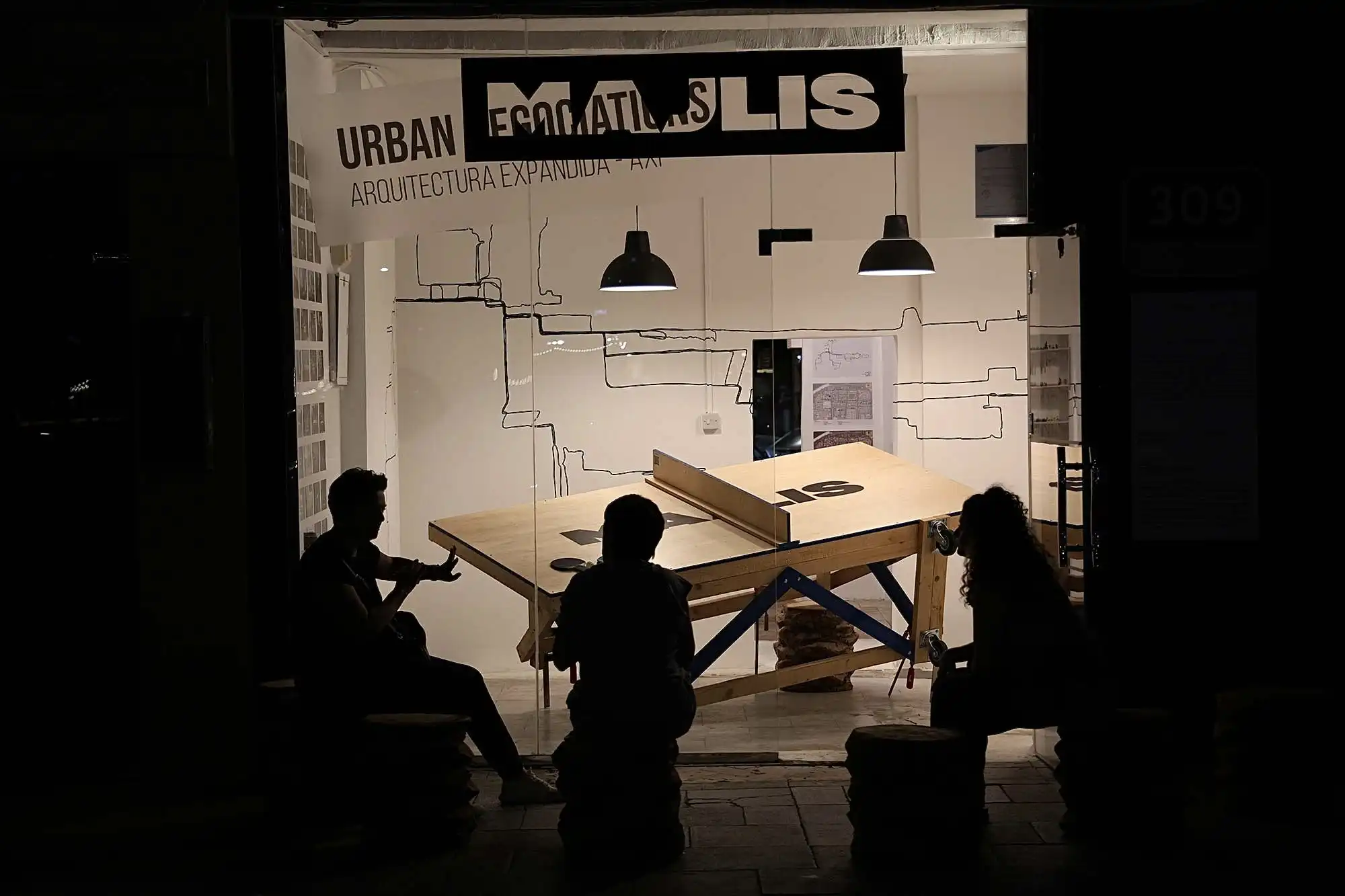
A collective operating at the intersection of urban activism, social infrastructure, and DIY construction in underserved communities.
Activities that question architectural norms, such as material experimentation, ecological research, or participatory construction models, are ideal during a design gap year.
DesignBuildBLUFF (USA)
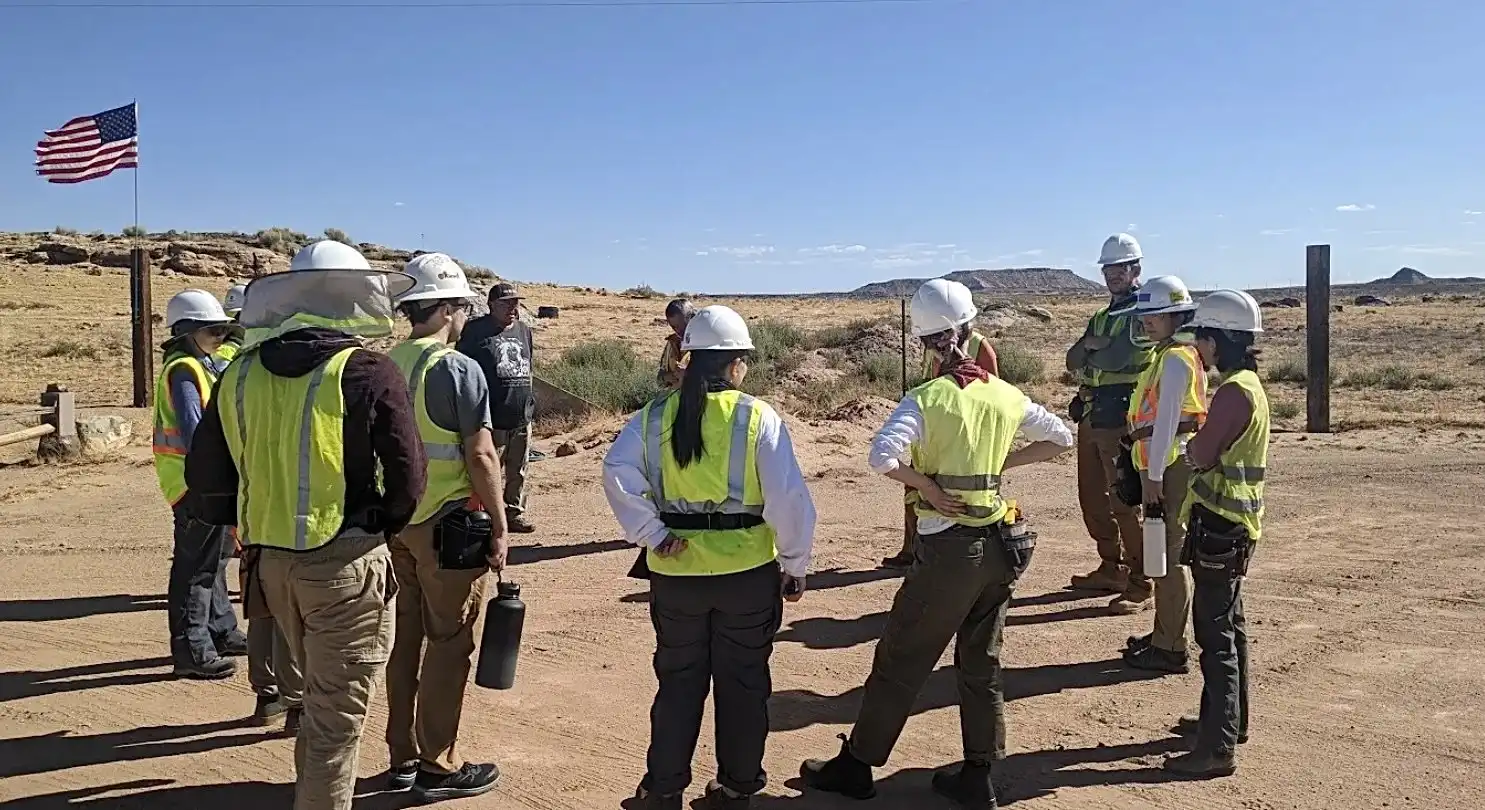
A Utah-based program that brings students to build a full-scale work of architecture in collaboration with the Navajo community.
Building Trust International (Global)
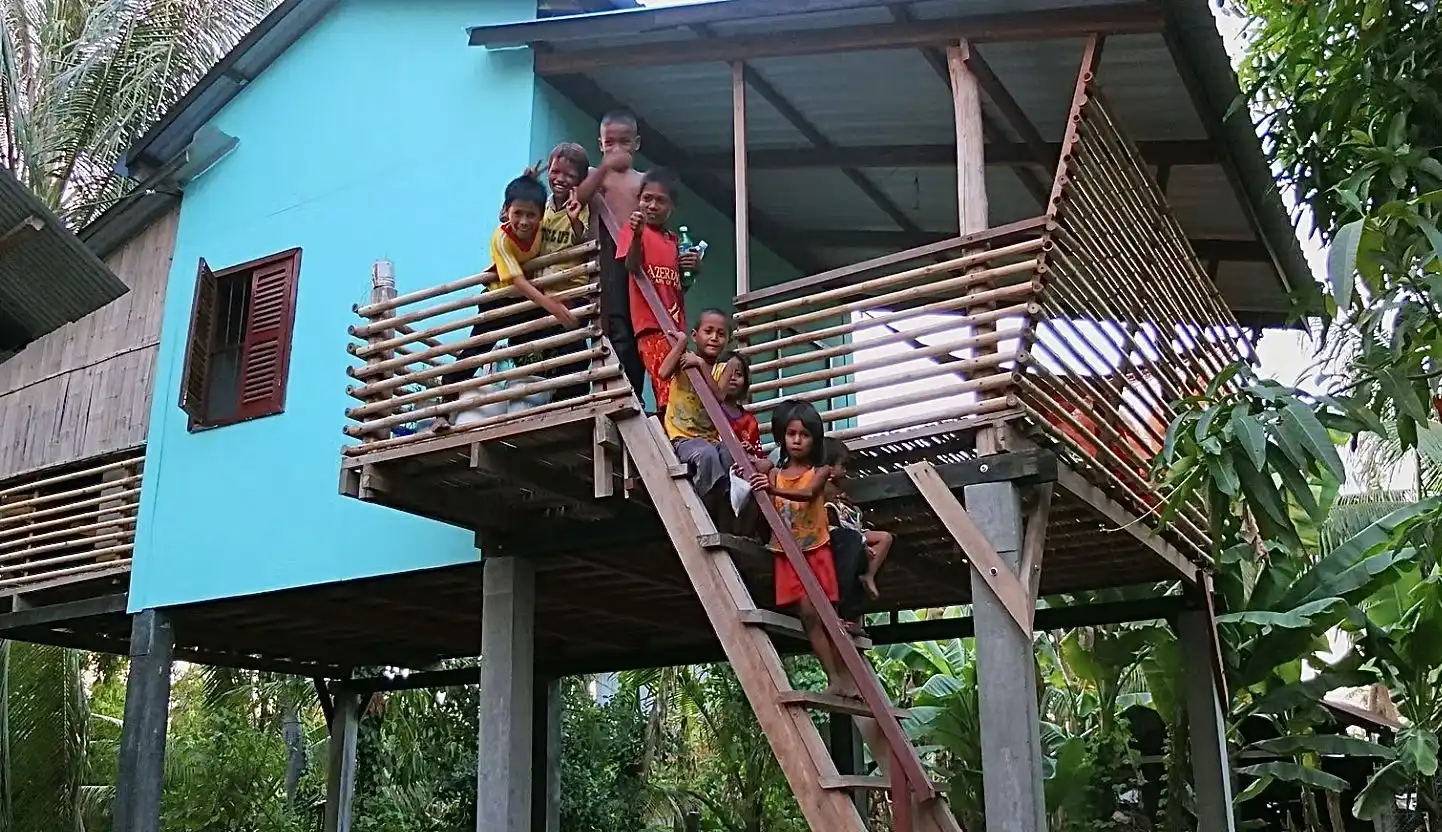
Offers project-based volunteer placements across Southeast Asia and Africa with a strong humanitarian architecture focus, such as affordable housing.
Short-term design-build workshops are some of the most transforming experiences. These enable you to work together, develop, and build in shorter amounts of time, testing concepts rapidly and gaining knowledge from mistakes and criticism.
Bamboo U (Indonesia)
Based in Bali, this hands-on workshop teaches the philosophy and practice of bamboo construction, from theory to full-scale building.
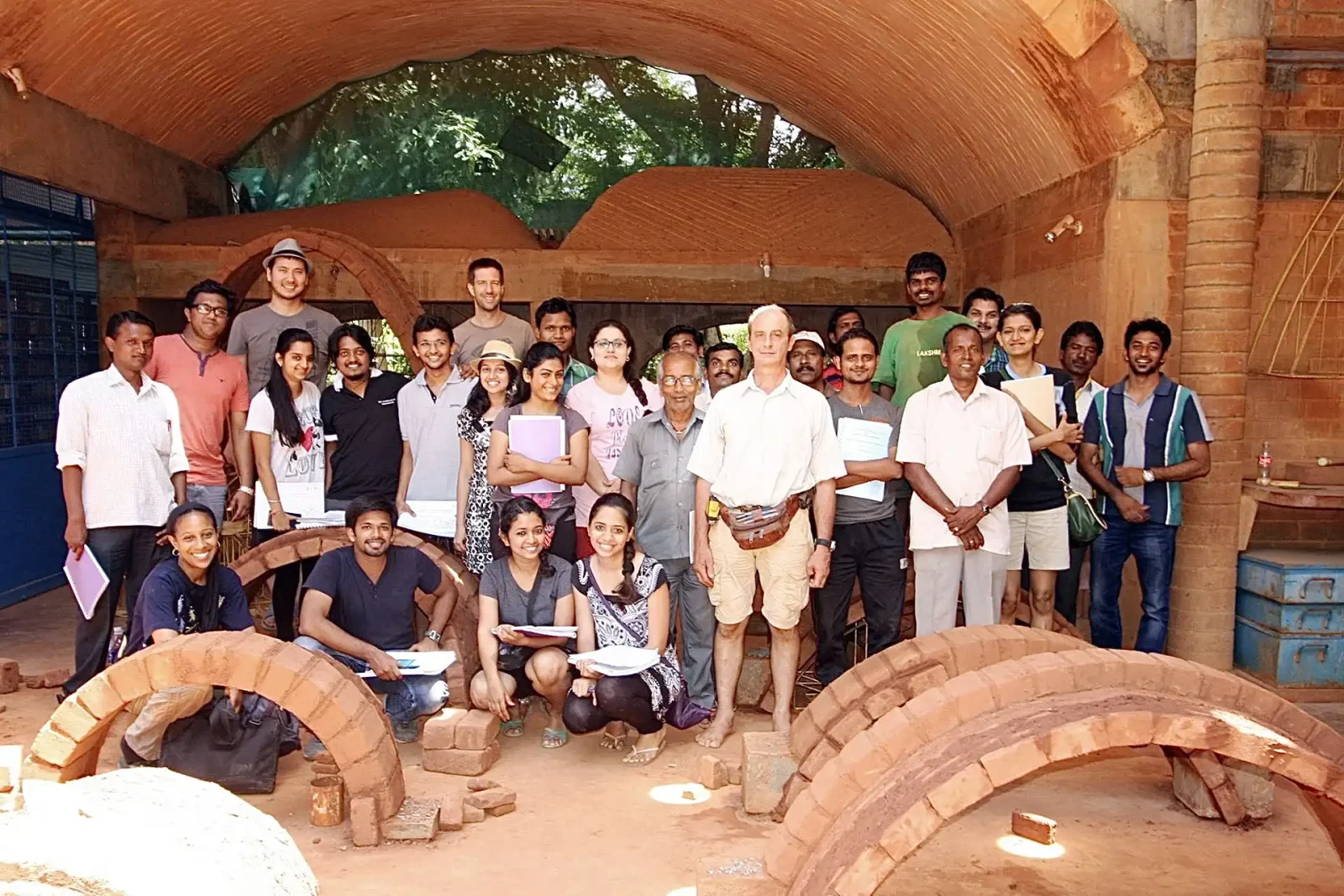
Auroville Earth Institute (India)
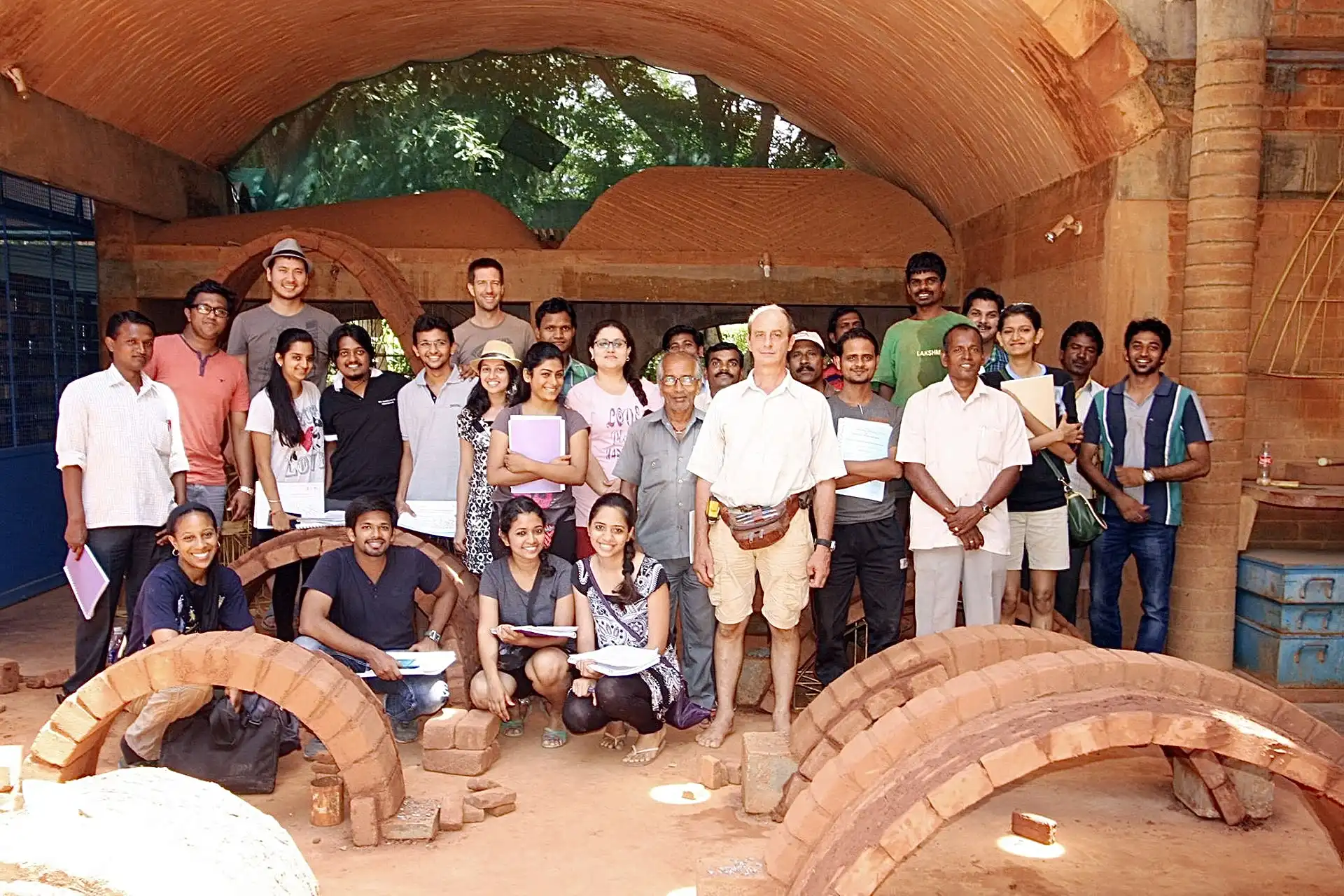
Specializes in earthen architecture, vaults, and sustainable design. Perfect for students seeking climate-conscious design and technical rigor.
Hello Wood (Hungary)
A camp-style summer school where international participants stay for seven to ten days. Students, artists, and architects live and work together to co-create timber installations.
3. Writing & Curation
Writing about structures allows for a completely different kind of architectural expression than just designing them. Think about developing a curatorial or critical voice during your year off. More than just builders are needed in architecture today; it also needs critics, storytellers, and thinkers who can transform spatial experience into gripping narratives.
Create a blog or Substack first, where you can post your travel experiences, sketching insights, and criticisms of places you see. Send writings to pensive websites that appreciate new viewpoints on the built world, such as KooZarch, Parametric Architecture, Archinect, or Uncube.
Instagram may also be used as a curatorial tool; create mini-essays that explore material details, cultural layers, or spatial themes by combining images and words. To capture the various voices that influence architecture beyond the drawing board, go one step further and conduct interviews with architects, masons, craftspeople, or regular users. Not only can writing help you think more clearly, but it also helps you define the sort of architect you want to be, develop your communication skills, and polish your ideals.
4. Summer Schools & Design-Build Studios
Summer schools and design-build studios can help you discover why you create, even if traditional schooling teaches you how to do it. These workshops are based on cooperation, construction, and cross-cultural interaction. They condense months of conceptual and technical learning into brief, intense sessions.
Design-build programs require you to work with your hands, pay attention to local context, and make real-time decisions between idea and implementation, unlike theoretical studio projects. You learn to trust the process, to design alongside others, and to draw less and build more.
AA Visiting Schools (Worldwide)
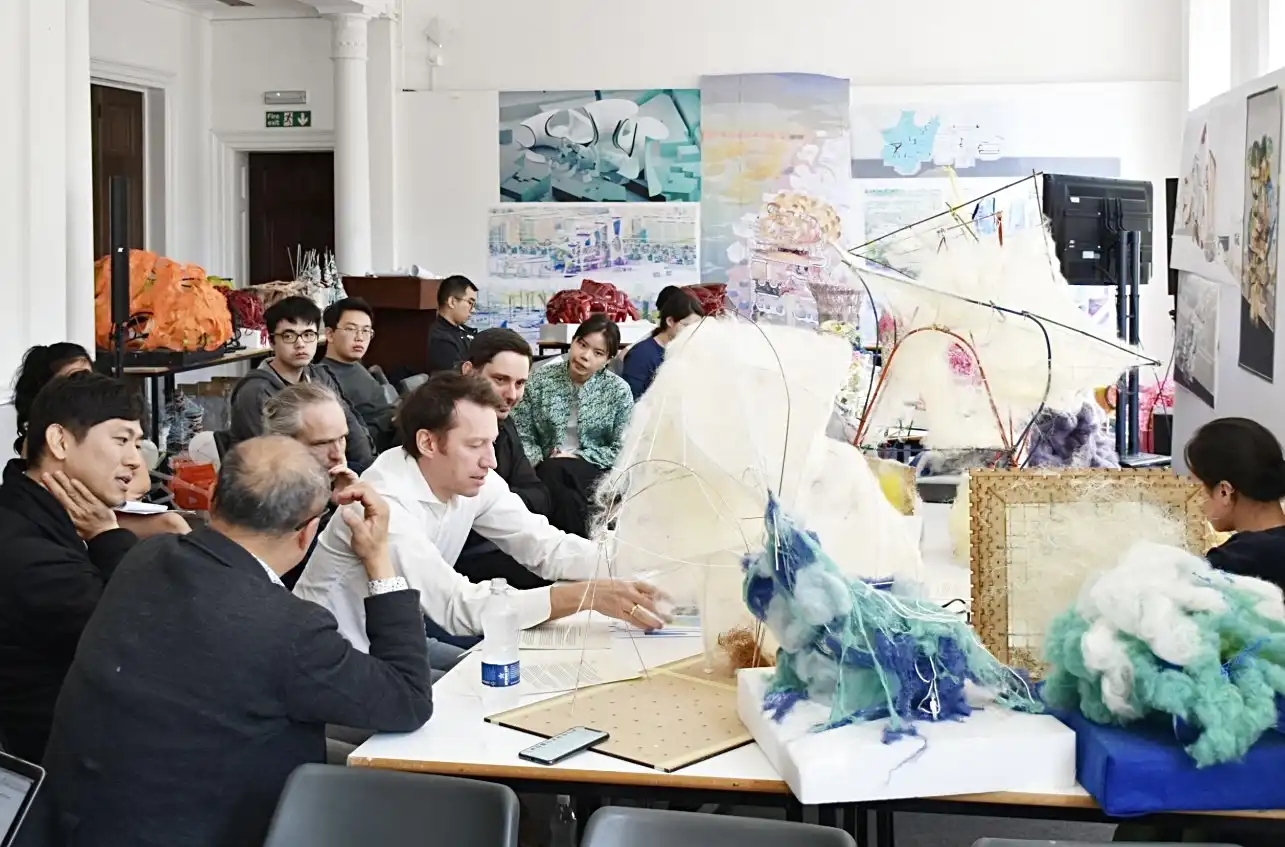
The Architectural Association (UK) is in charge of organizing this international tour of experimental design studios. The programs at each place have a distinct topic that is influenced by the local environment, such as Iceland’s light, Patagonia’s geology, or Tehran’s urbanization.
From geopolitical cartography to robotic manufacture, previous editions have examined architecture as a statement and a source of conjecture.
Several Visiting Schools are scheduled for 2025, including ones in Hanoi, Shanghai, and São Paulo.
ETH Zurich Summer Schools (Switzerland)

ETH’s summer programs are hosted by one of the most prestigious technical architecture schools in the world, combining digital design tools with material research and practical production. Computational design for climate responsiveness, robotic weaving, and 3D concrete printing are a few examples of projects.
5. Architecture Photography & Film Making
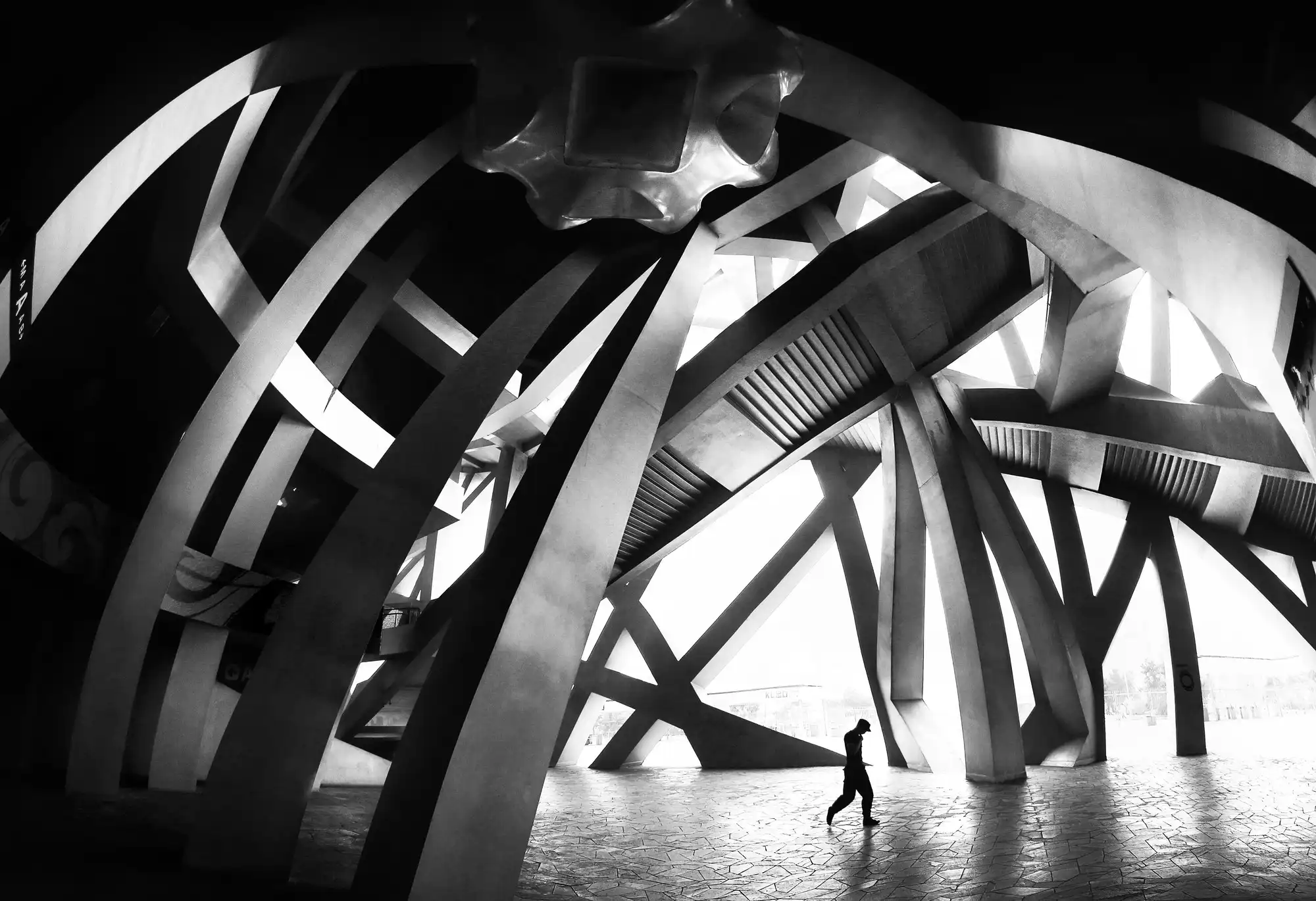
Architecture must be experienced before it can be communicated. Drawings or models alone might not be able to convey mood, memory, scale, and human presence, but photography and film provide strong instruments for doing so. Photography and filmmaking can provide a creative outlet and a lens for observation during your year off. Learn how to capture texture, rhythm, contrast, or periods of silence and emptiness by taking a stab at street and site photography.
Try developing short films that use spatial montage to tell tales about the choreography of space, building transitions, or public life. Drone photography allows you to examine architecture at a scale that shows creation as a process and performance or urban patterns.
Gaining proficiency with editing programs like Premiere Pro, Lightroom, or DaVinci Resolve enables you to clearly create your visual storytelling. Making a photo essay or brief video out of your travels, whether they are a sketching tour, a practical workshop, or the natural beauty of your own city, not only enhances your portfolio but also has the potential to become a stand-alone design project.
6. Computational Learning
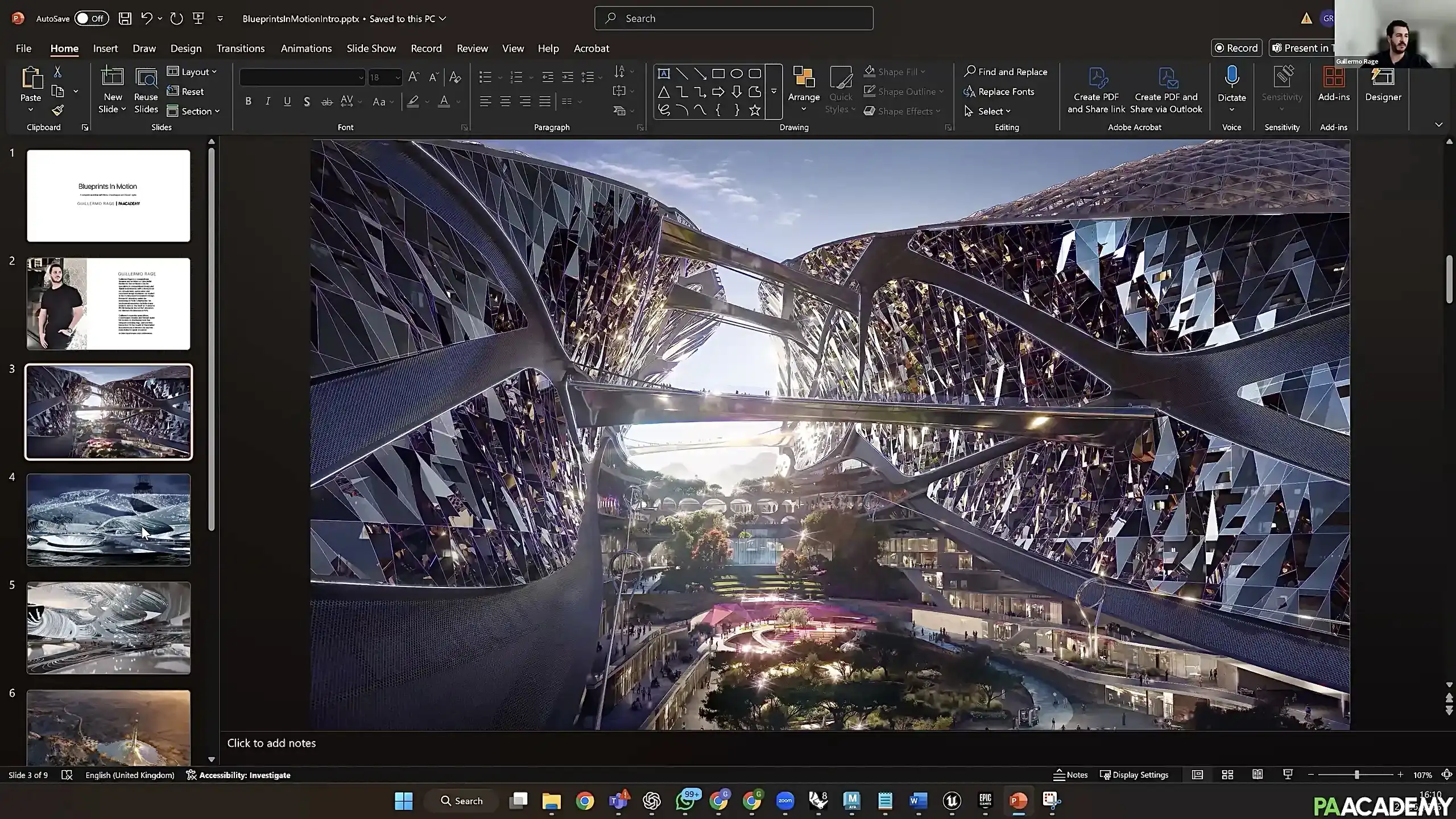
The influential architects of today are not just skilled designers but also data readers, programmers, and computational designers at a time of complicated problems and limitless options.
The time and mental capacity to delve into these related areas is provided by a design gap year. It’s an opportunity to explore new forms of representation, communication, and analysis in addition to the conventional arsenal of AutoCAD and Revit. You can develop abilities that challenge your viewpoint and, consequently, your work. By enabling you to view architecture from a variety of perspectives, including ecological, political, digital, and emotional, they help you hone your design sense.
Early in her career, Zaha Hadid experimented with painting and abstract art. Instead of software synthesis, what allowed for the emergence of new architectural languages was the source of her creative breakthroughs.
Grasshopper + Rhino
Create responsive, adaptive geometries that react to environmental or programmatic input.
Blender
Open-source and increasingly powerful for architectural animation and conceptual modeling.
ArcGIS (Esri)
Industry-standard with richer layers, tools, and analytics.
Processing / p5.js
Introduce yourself to generative design, coding visual behaviors in space.
QGIS (Free & Open Source)
Analyze population density, land use, transport corridors, or flood risk.
Grasshopper plugins
Elk or DeCodingSpaces integrates GIS with generative design.
Ladybug Tools (for Grasshopper)
Simulate solar gain, daylight hours, and thermal comfort.
ClimateStudio / Sefaira
Quick analysis for early-stage performance.
7. Invent Your Own Brief
The one you create for yourself is possibly the most life-changing of all the formal possibilities a gap year may provide, including internships, summer courses, and sketching trips.
A passion project is an independent, self-directed investigation that lies at the nexus of your creativity, values, and curiosity. You can challenge the canon, follow your gut, or elevate marginalized voices there. All you need is the desire to start; official finance and institutional approval are not necessary.
Not all great architecture starts with a customer. It can start with a question, a stroll, a drawing, a camera, or a spot in your city. Architecture gets personal when it comes to passion projects. They demonstrate not your abilities and your motivations.
Architectural Documentation
Capture vanishing or underappreciated spaces through interviews, mapping, photography, or sketching.
Explore stepwells, temple towns, traditional house shapes, street morphologies, and the understated urban threshold design to learn about vernacular typologies. Deep ecological, social, and cultural intelligence is frequently encoded in these spatial patterns. Analyzing the sizes and shapes of religious structures from many civilizations, including synagogues, churches, mosques, and temples, can also reveal insights into holy design concepts and the universal language of symmetry, light, and ritual.
Engage with neighborhood shrinkage sites concurrently, where urban structures are vanishing as a result of redevelopment, economic neglect, or gentrification. By documenting these changes and by mapping, photography, or interviews, one can preserve memory even as the built environment evolves. This is the ultimate architectural witnessing.
A book, visual zine, or even a traveling exhibition can be the result of fieldwork. Architecture Without Architects by Bernard Rudofsky is documented through photography and storytelling, showcasing vernacular architecture from throughout the world, actual structures, local communities, and construction knowledge outside of the official field.
Media & Publications
Not only is architecture constructed, but it is also questioned, discussed, and shared. Using media and publications as venues to spread ideas, question conventions, and start fresh discussions about space and society. Launch a podcast in which you can speak with colleagues, regional artisans, neighborhood activists, or architectural thinkers. These casual discussions can reveal surprising viewpoints on how people relate to space across disciplines, scales, and cultures. Consider starting a zine, which is a self-published booklet that is released every two months and covers a vast range of topics. It might convey narrative by combining text, maps, sketches, and photographs.
A video essay, which captures the sense of space, is a potent approach for those who are interested in moving images to study architectural concepts. The media tools enable you to filter and evaluate, whether you’re reporting on public life or analyzing local markets. Being a mindful storyteller is also a sort of architecture in an era of limitless content; it fosters critical discourse and awareness.
8. Architects as Brand Thinkers

Partnering with local artists, craftspeople, or small enterprises can open up opportunities to build visual identities such as logos, packaging, presentations, or even spatial storytelling for retail and cultural spaces.
Architectural training brings an understanding of proportion, hierarchy, and composition. When combined with tools like Figma, Illustrator, or InDesign, these sensibilities can help shape brand systems that convey how something looks and how it feels. From designing a zine layout or a café’s visual identity to creating a portfolio template, branding becomes another way to engage with architecture as a form of narrative and cultural expression.
9. Competitions & Open Briefs

Architecture contests provide a special chance to test your concepts in controlled and creative environments. These open briefs are unrestricted by clients, codes, and construction budgets, and serve as venues for design experimentation. Entering contests during your gap year can help you hone your graphic communication, storytelling, and design thinking skills while interacting with real-world concerns like cultural identity, housing equity, and climate change.
Site-sensitive and socially relevant competitions are a hallmark of platforms such as TerraViva, which encourage participants to use contextual architecture and thoughtful design to address urgent global issues. Ideal for students and young designers seeking formats that go beyond conventional studio work, UNI.xyz offers requirements focused on urbanism, environmental design, and speculative futures. Another noteworthy example is Archstorming, which collaborates with NGOs to organize humanitarian-driven design challenges in underprivileged areas. Bee Breeders provides thematic challenges that are visually expressive and full of ideas.
Winning shouldn’t be the only goal of these competitions. Consider them to be idea incubators where you may practice collaborative workflows, investigate topics you’re enthusiastic about, or develop your portfolio with concept-driven work. Even unawarded entries have the potential to develop into strong scholarly or professional works that showcase your design philosophy, methods, and vision.
10. Reflect, Work, Sustain
A gap year is also a time for introspection and sustainable growth. Amidst the energy of travel, sketching, or competition entries, it’s as vital to pause, readjust, and connect with the calmer rhythms of life. Many students use this time to work part-time, freelance, or save up.
Freelancing in areas like graphic design, architectural visualization, or illustration can help you refine creative talents while building a portfolio and network.
Teaching, whether it’s organizing a local sketching club, providing software seminars, or mentoring juniors, deepens your own expertise and strengthens communication talents crucial to architectural practice.
Engaging in volunteering, whether with housing rights collectives, rural artisan communities, or grassroots education projects, helps you to go outside the academic bubble and encounter architecture as a tool for service and lived experience.
Even the simplest work, like stocking stores, photographing heritage homes, or conducting a site survey, can illustrate how locations and processes affect daily living. Architecture, at its core, is about people: how they live, move, gather, and dream.
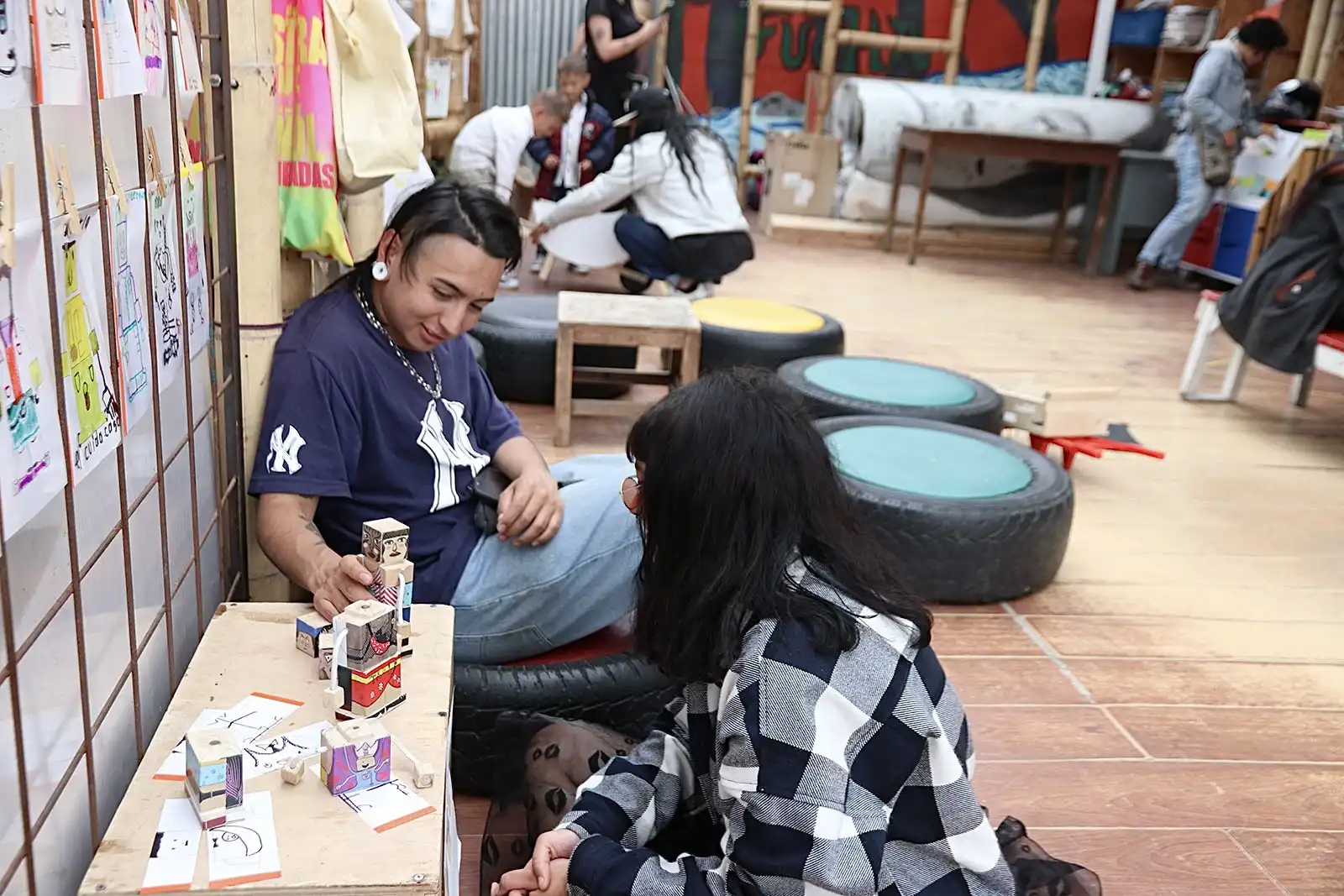
Taking a gap year can feel radical and almost rebellious. Perhaps, however, architecture requires revolt. One that returns to curiosity, listening, and learning from the world outside the drafting table.
A gap year focused on design is a deepening of architecture, not a break from it. Theory opens up to community, software gives way to dirt, the self rediscovers purpose, and lines on paper turn into shadows on the ground.
Explore Courses

.jpg "Ondrej Chybik - Rethinking Architecture")