


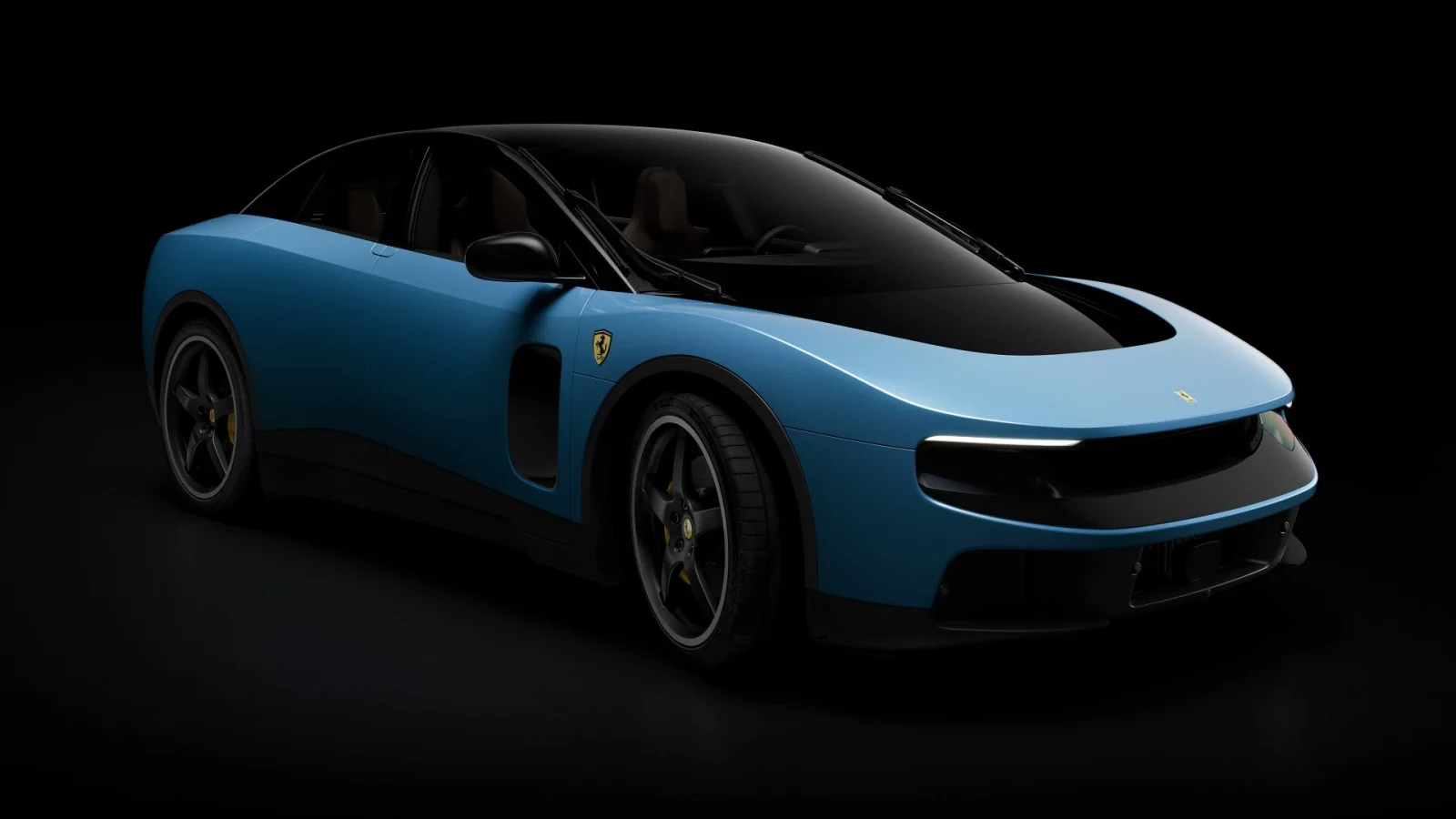
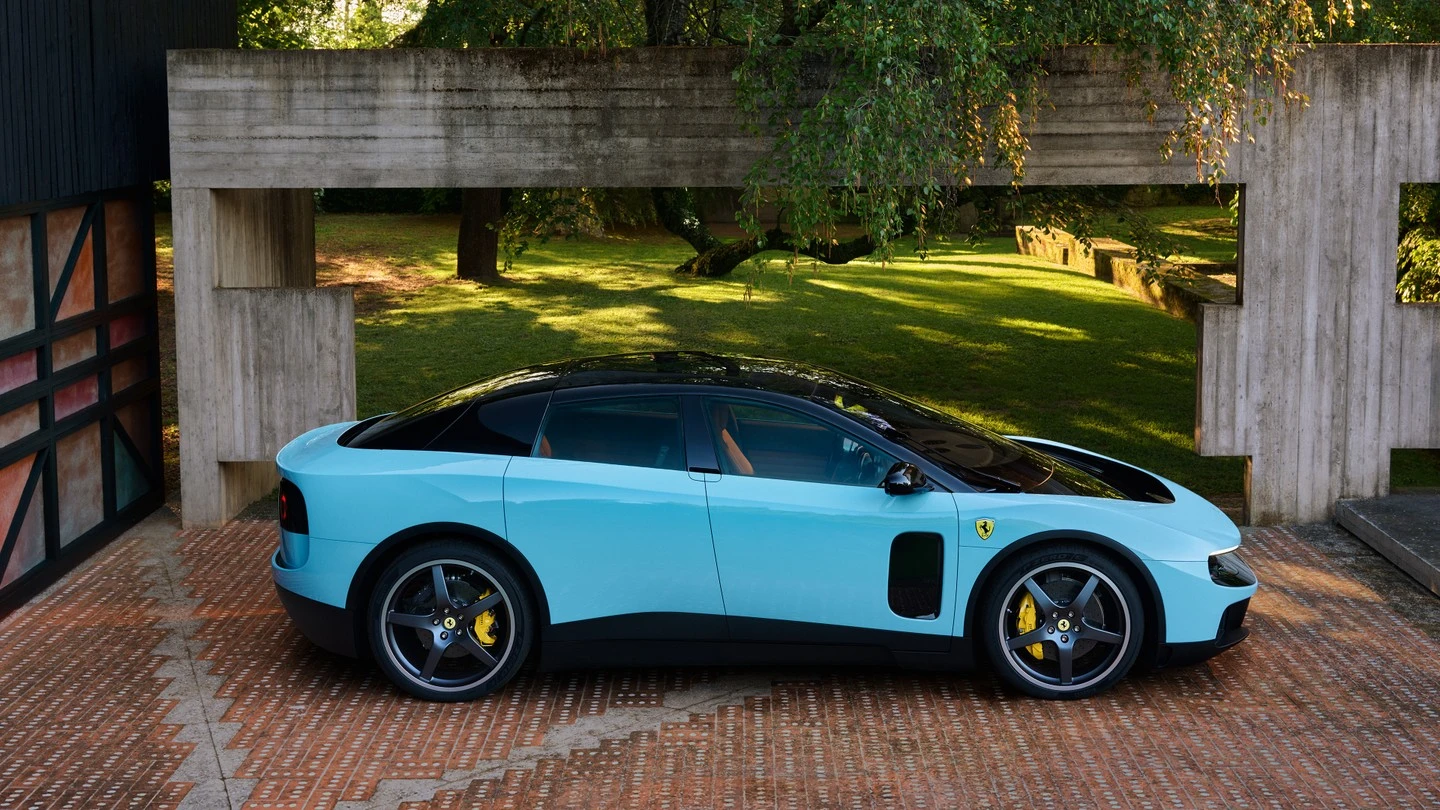
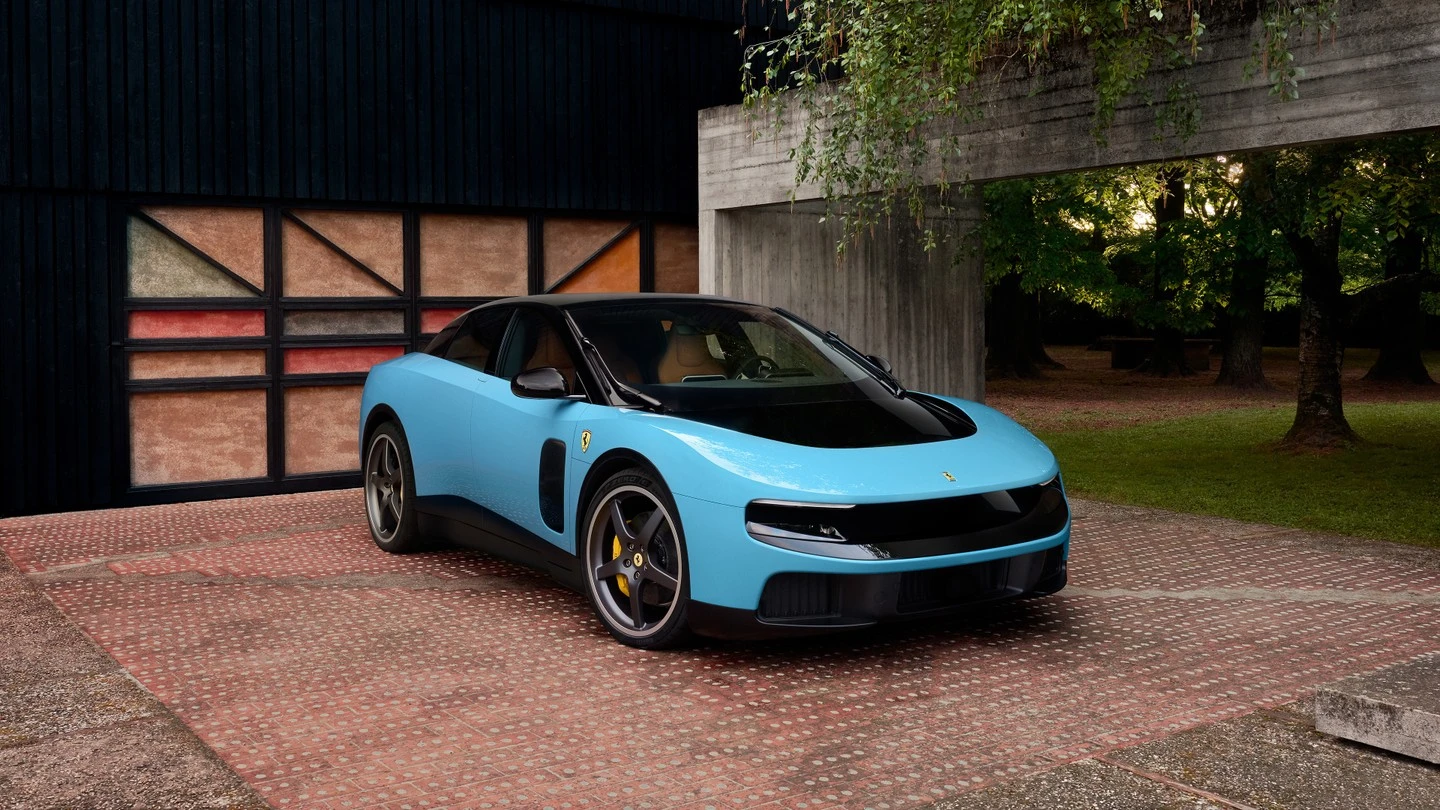
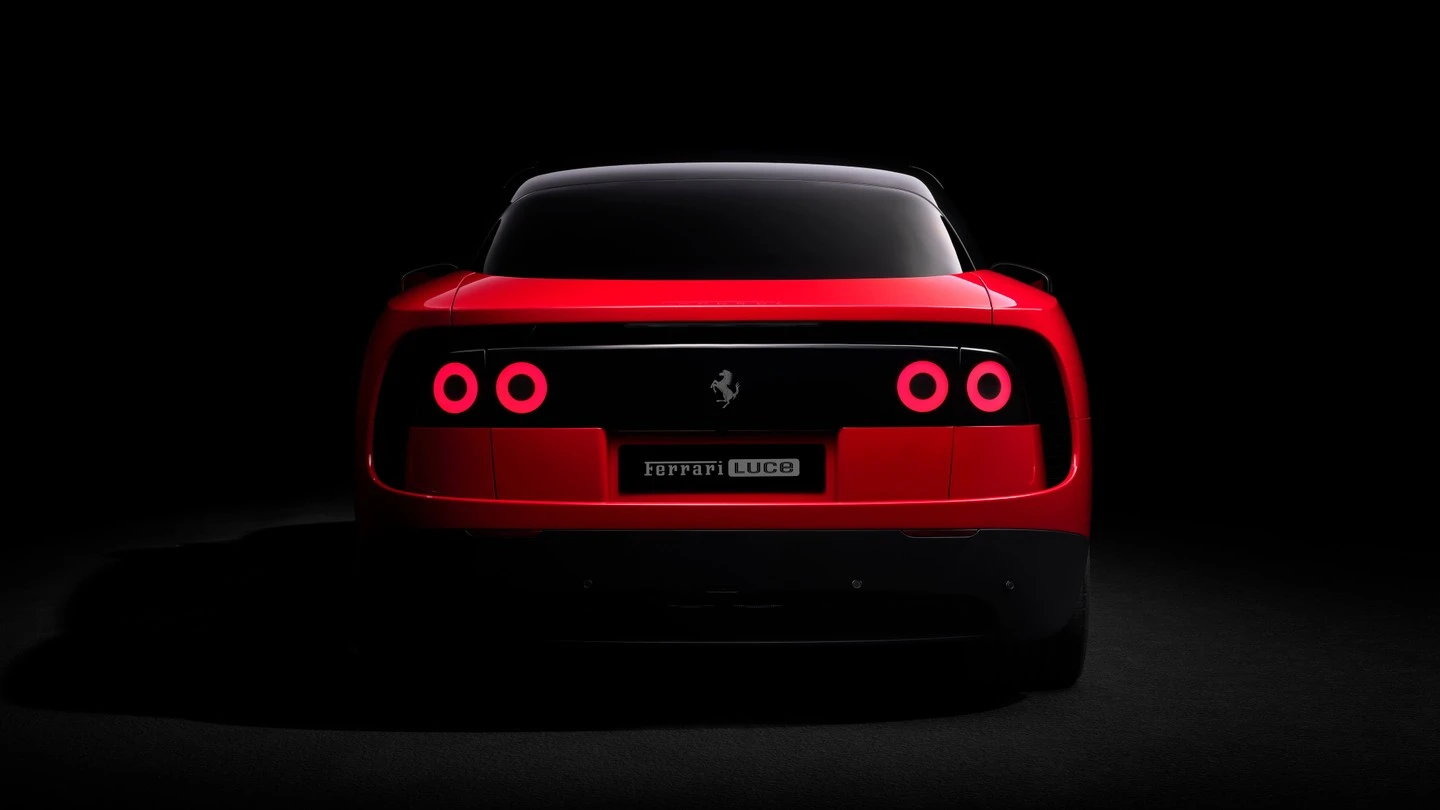
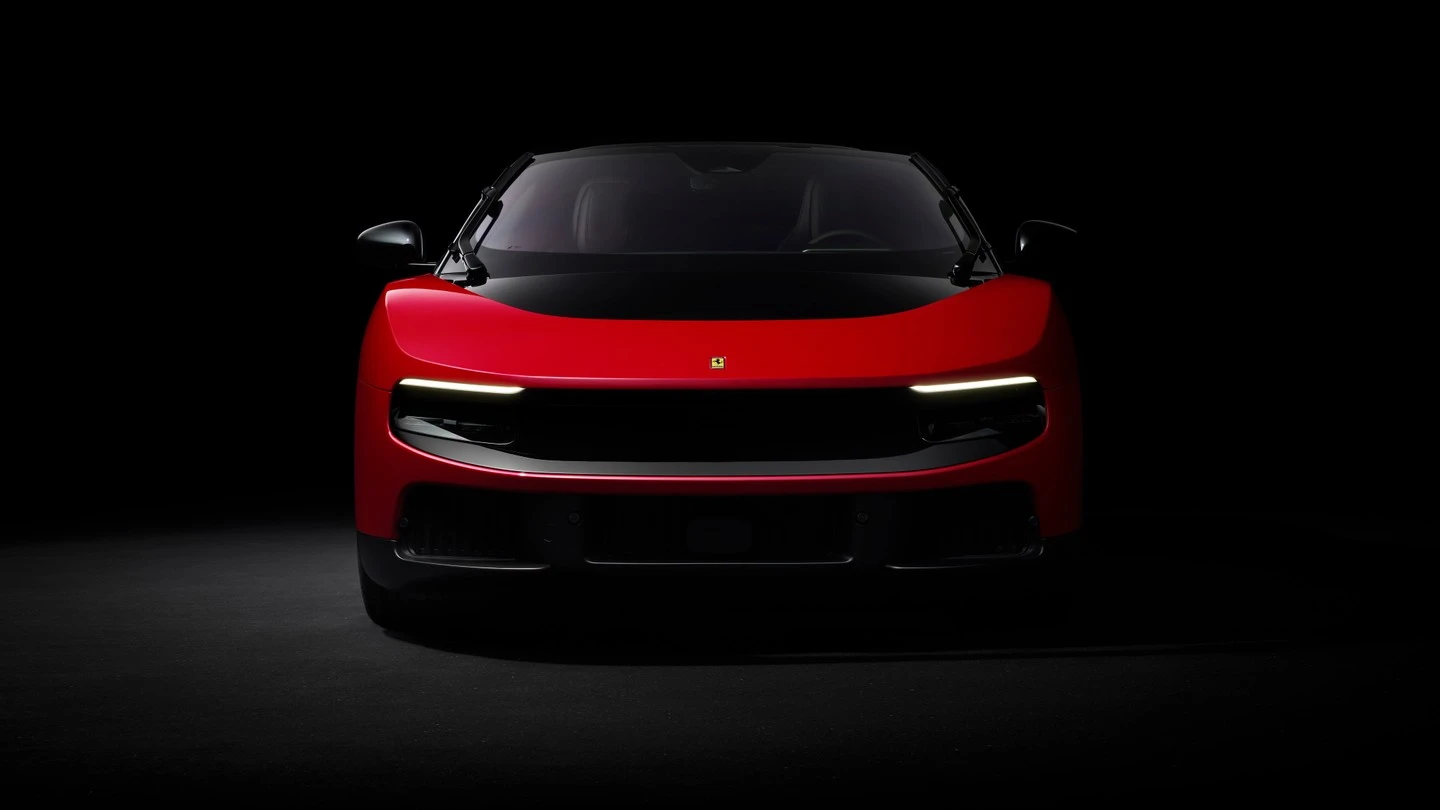
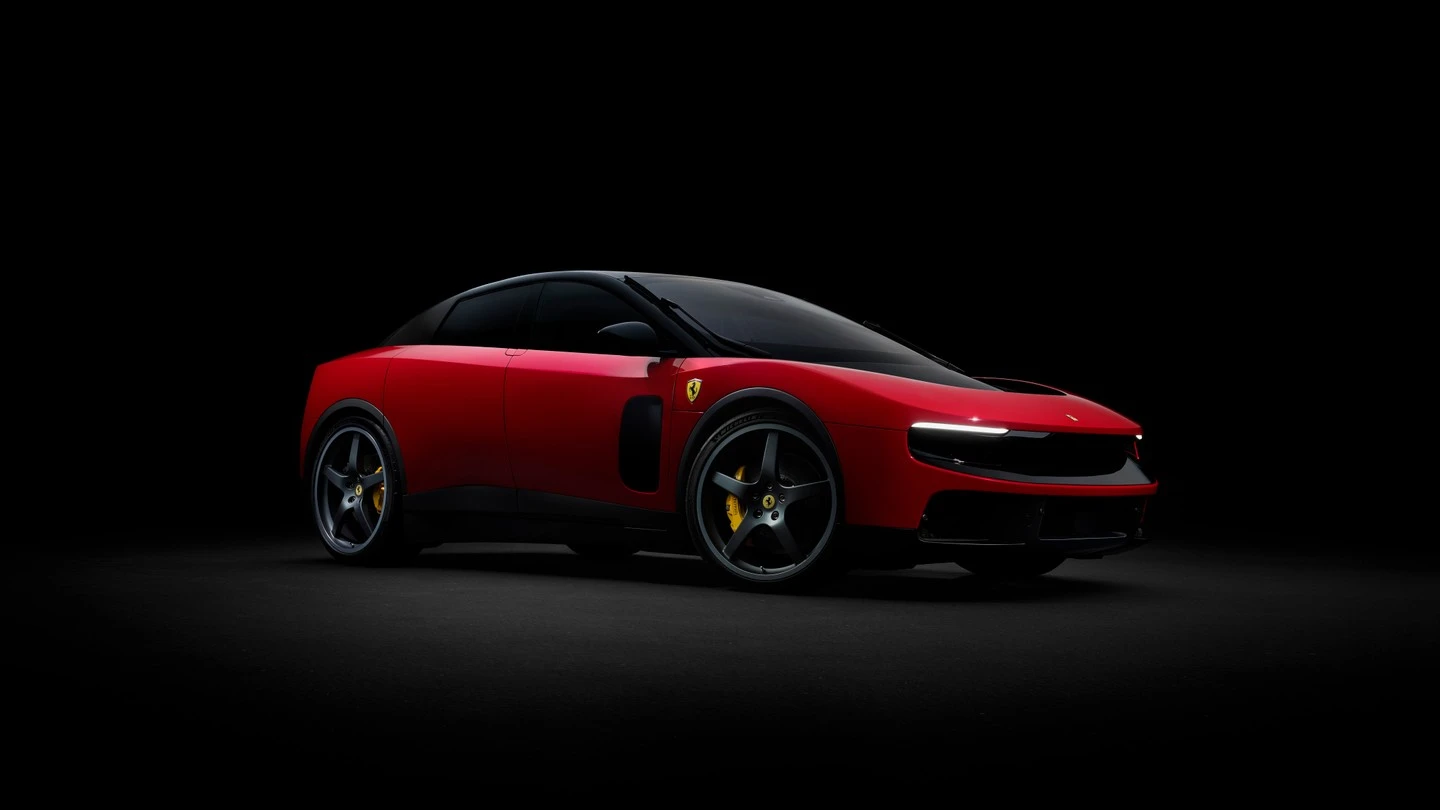
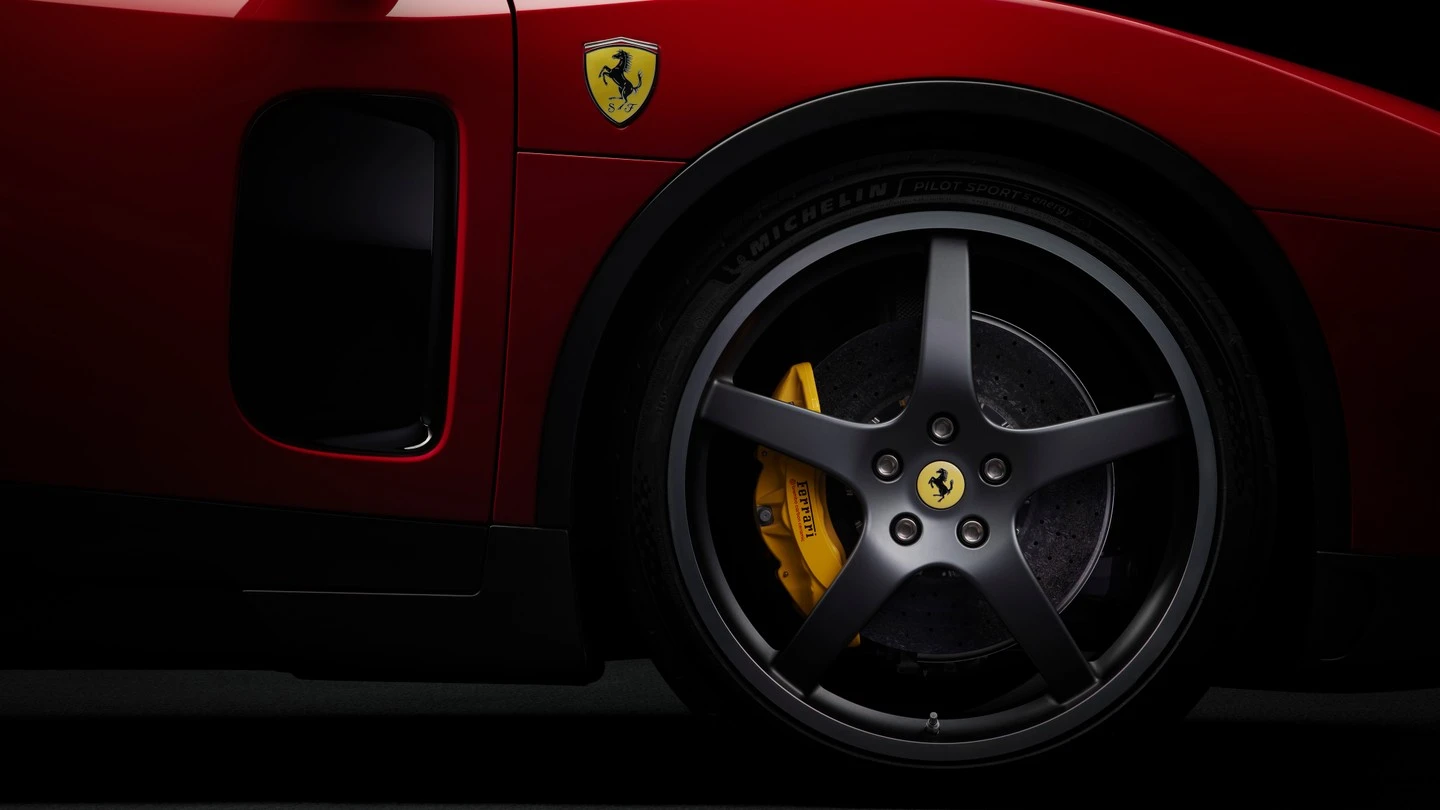
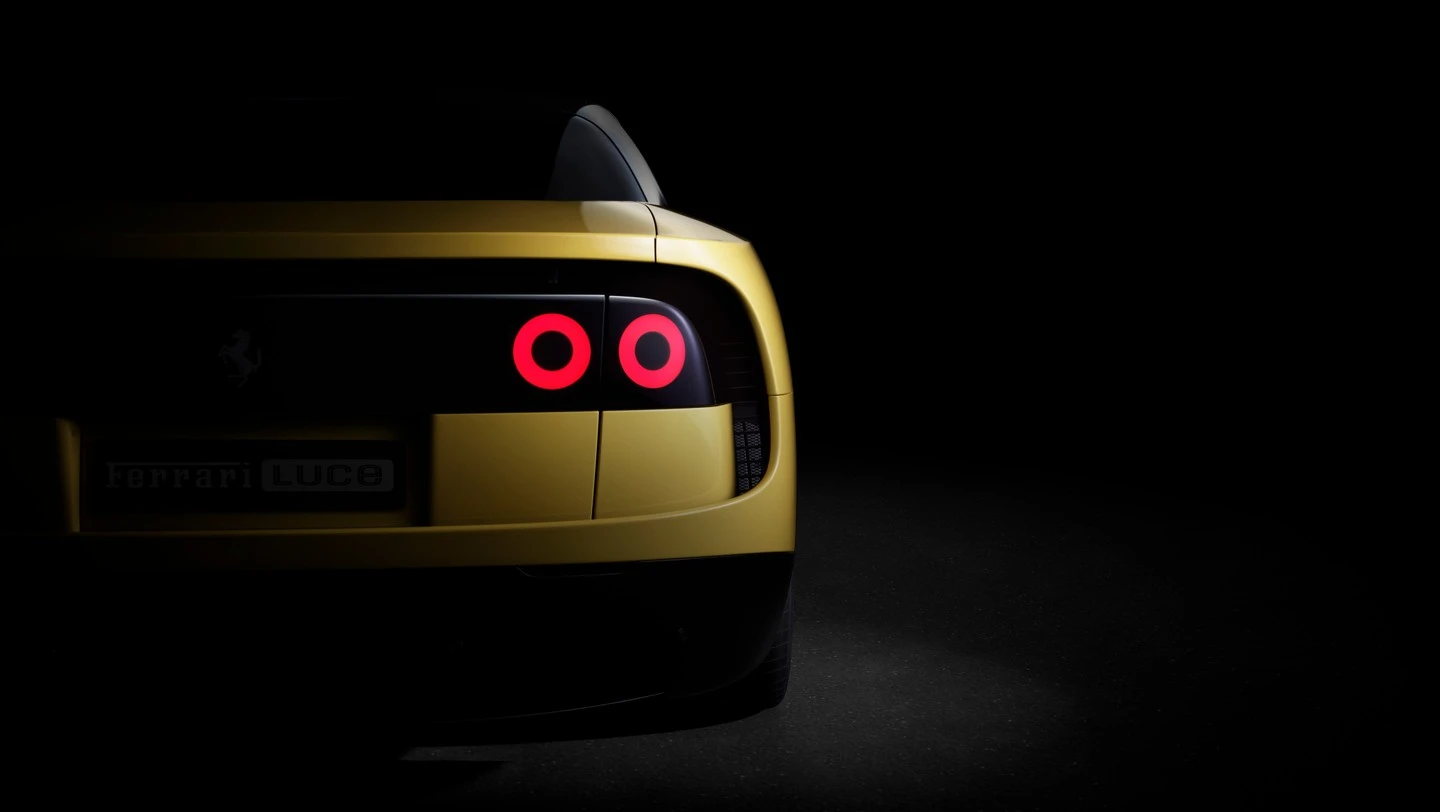
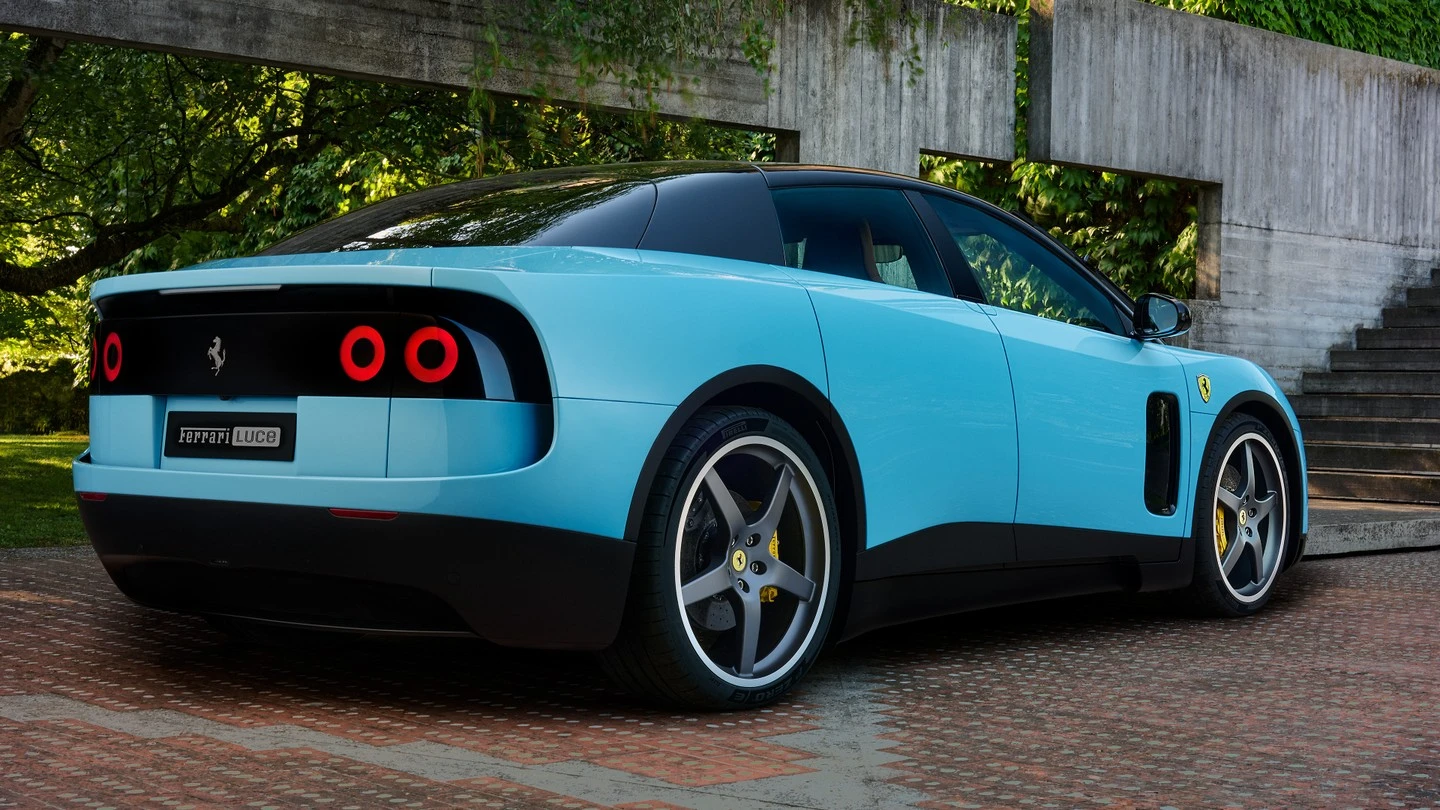
Ferrari unveiled the Ferrari Luce in Rome, its first electric car. It introduced a new philosophy for what could become in the age of software-defined mobility, tactile interfaces, and ultra-luxury electrification. Designed in collaboration with LoveFrom, the creative collective led by Jony Ive and Marc Newson, the Luce arrives as a radical departure from Ferrari’s design language while still attempting to preserve what defines the marque.
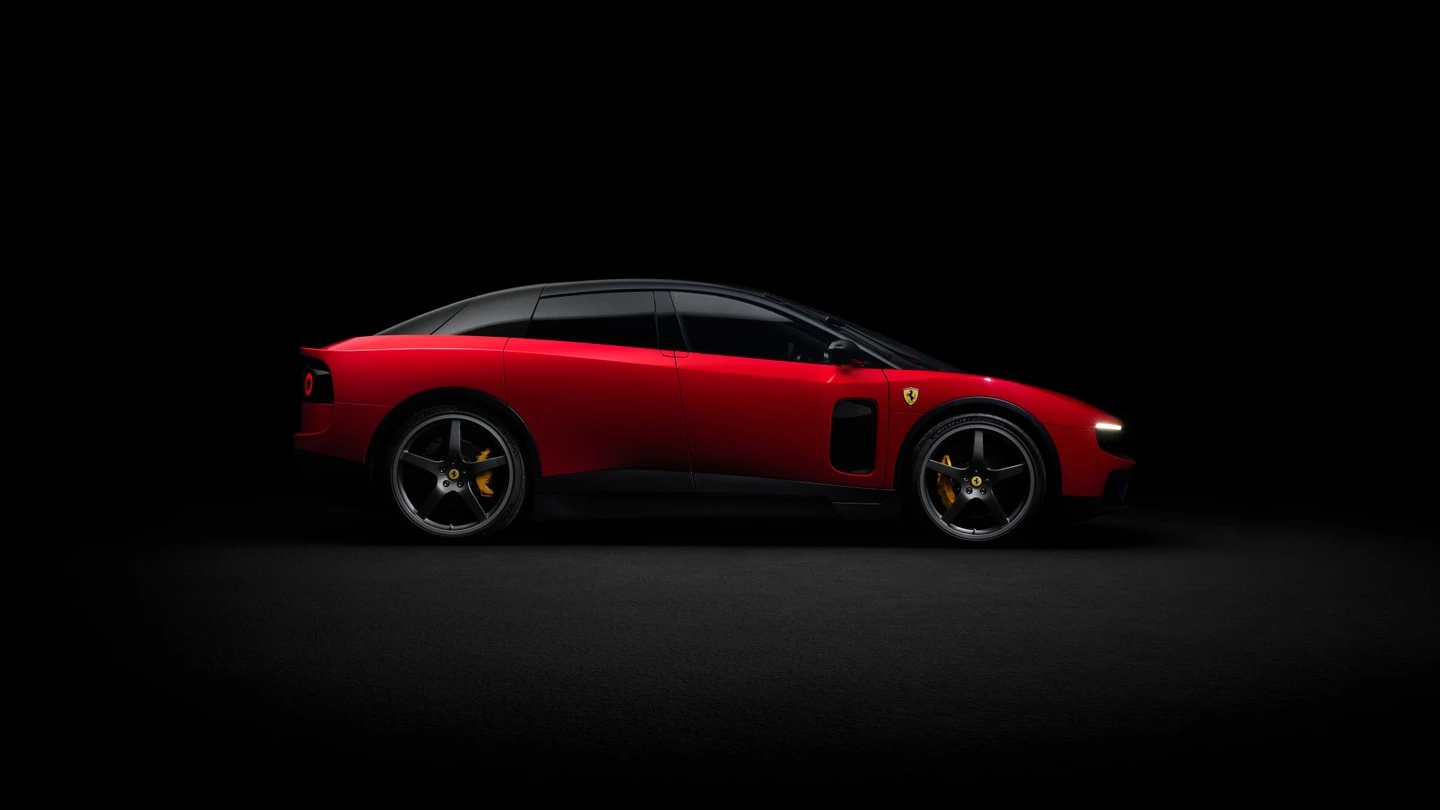
The name “Luce,” meaning “light” in Italian, feels intentionally paradoxical. The car is technologically dense, visually sculptural, and emotionally engineered, positioning it as something more intuitive and human-centered than the screen-heavy EVs dominating the market today. Ferrari appears to be rewriting it through an Italian lens of craftsmanship, mechanical tactility, and sensory engagement.
Ferrari Designed Like a Product Ecosystem
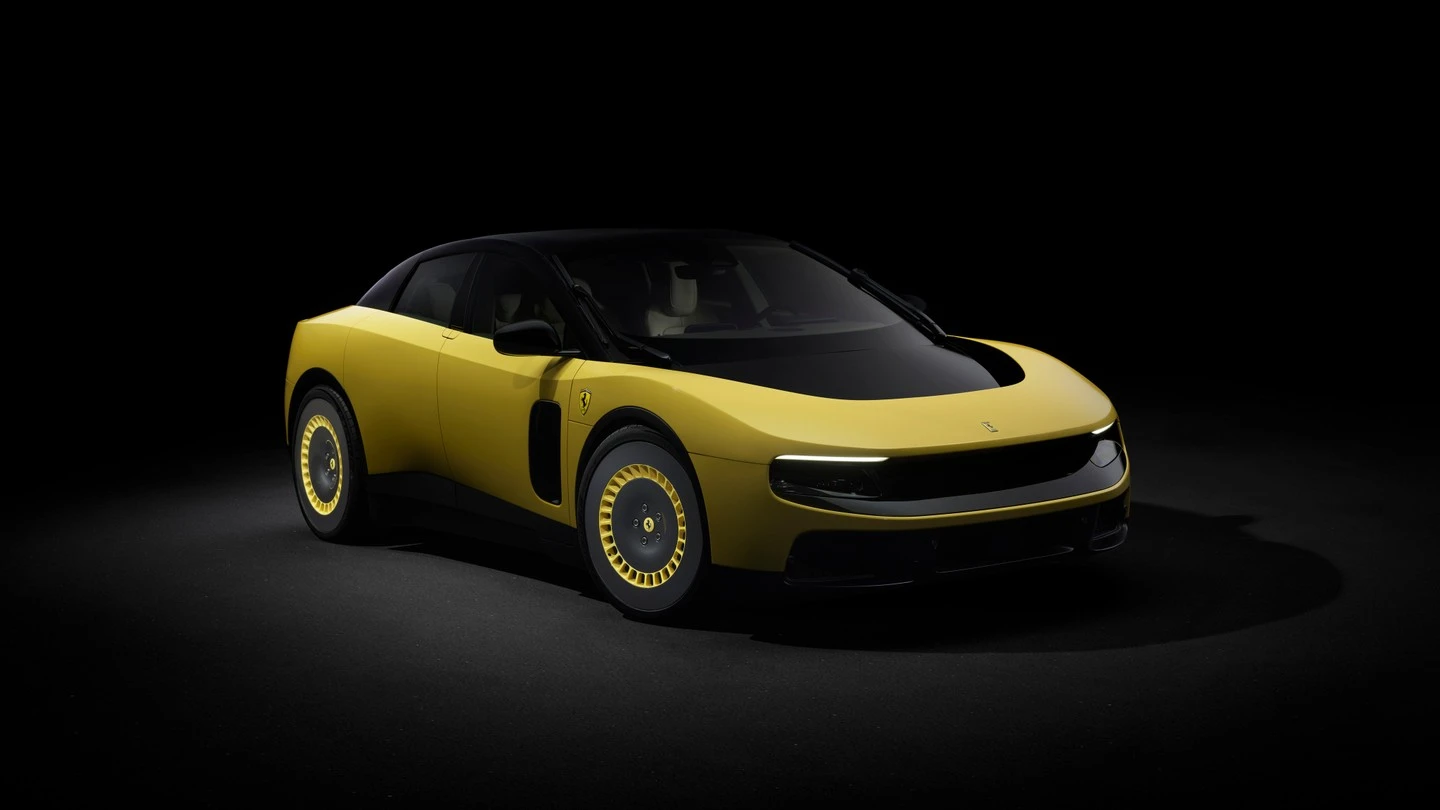
The Luce may be Ferrari’s first EV, but its biggest disruption lies in how it has been conceptualized. The vehicle was reportedly developed from the outset as a fully electric architecture with design collaboration embedded into the engineering process itself. LoveFrom brought the dashboard to style; the company confirmed that the studio helped define the vehicle’s direction “from the outset.”
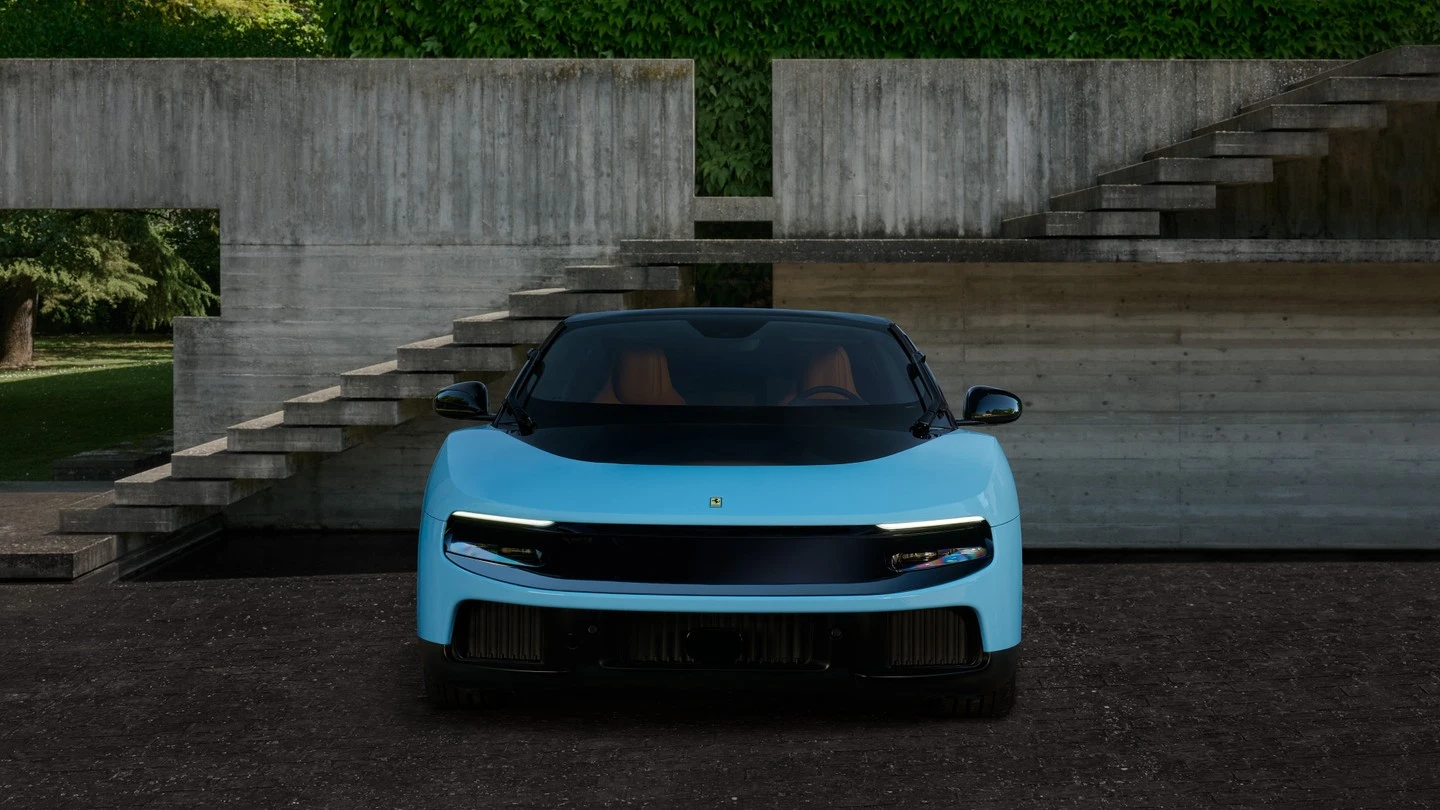
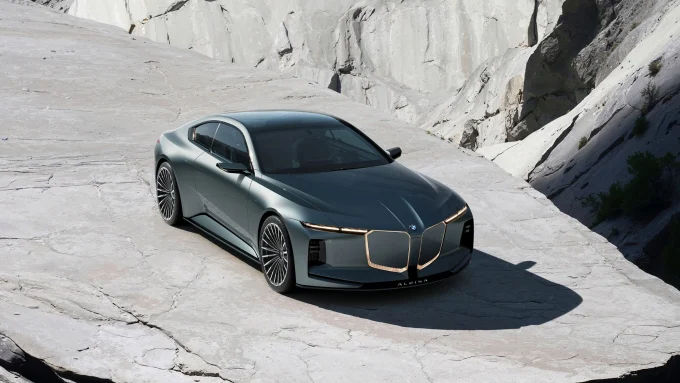
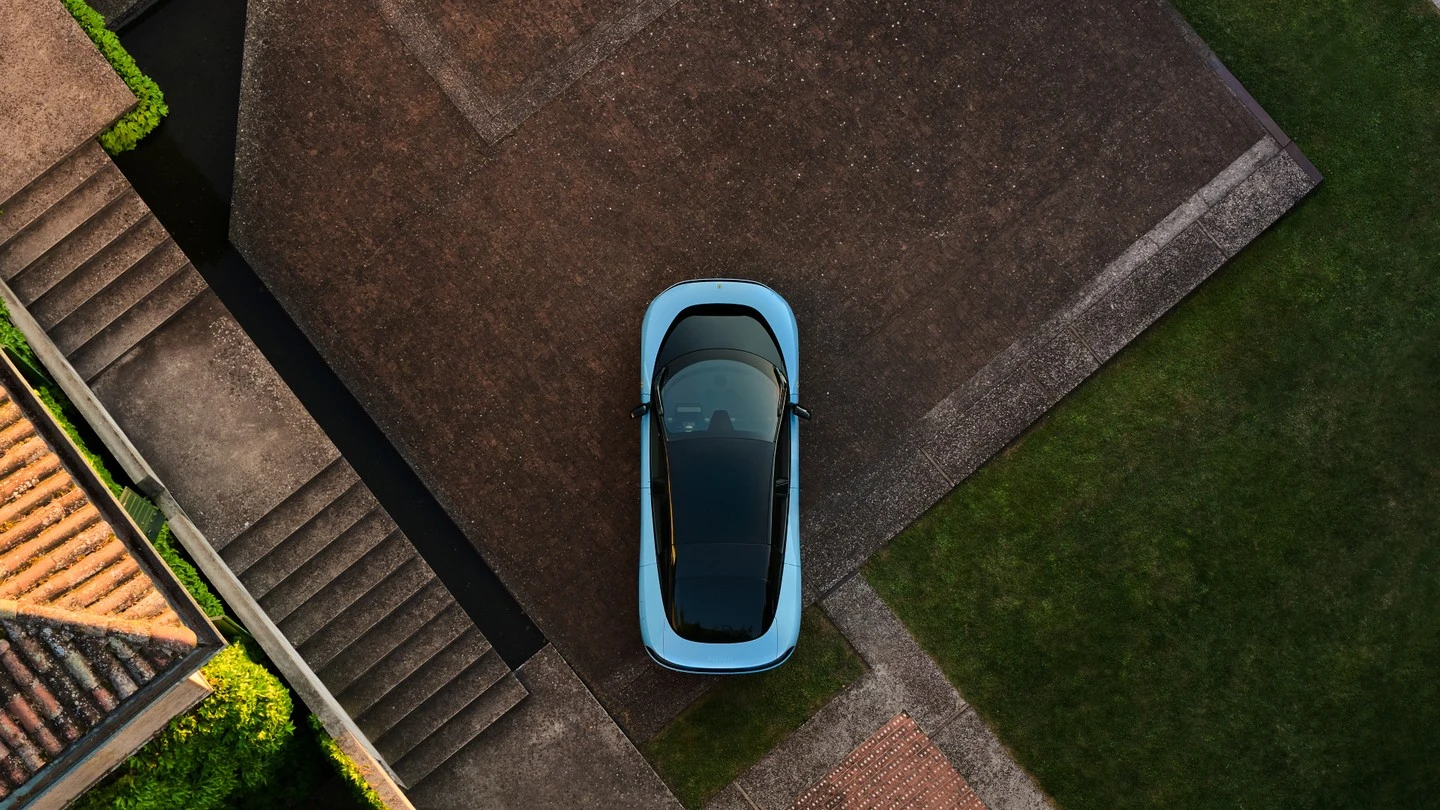
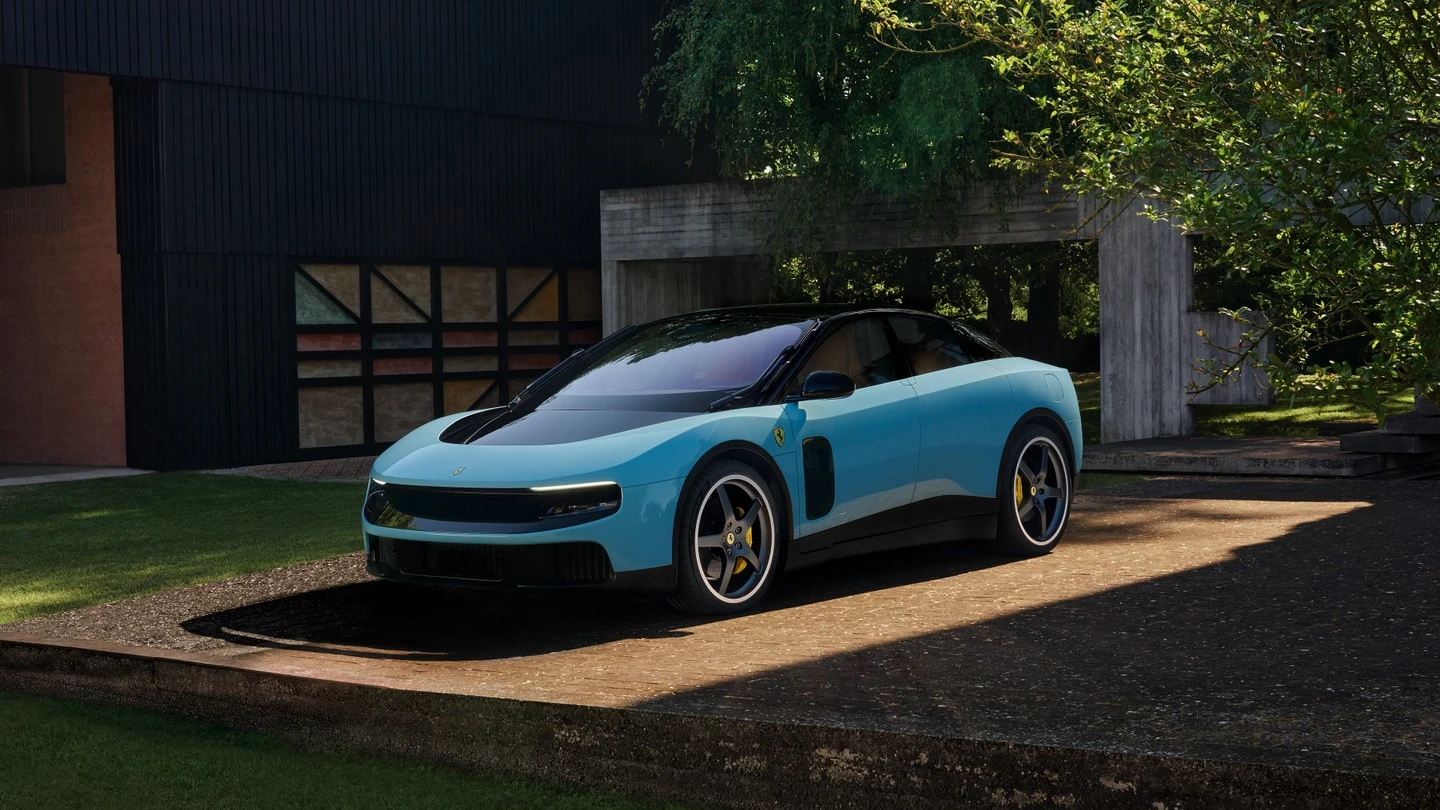
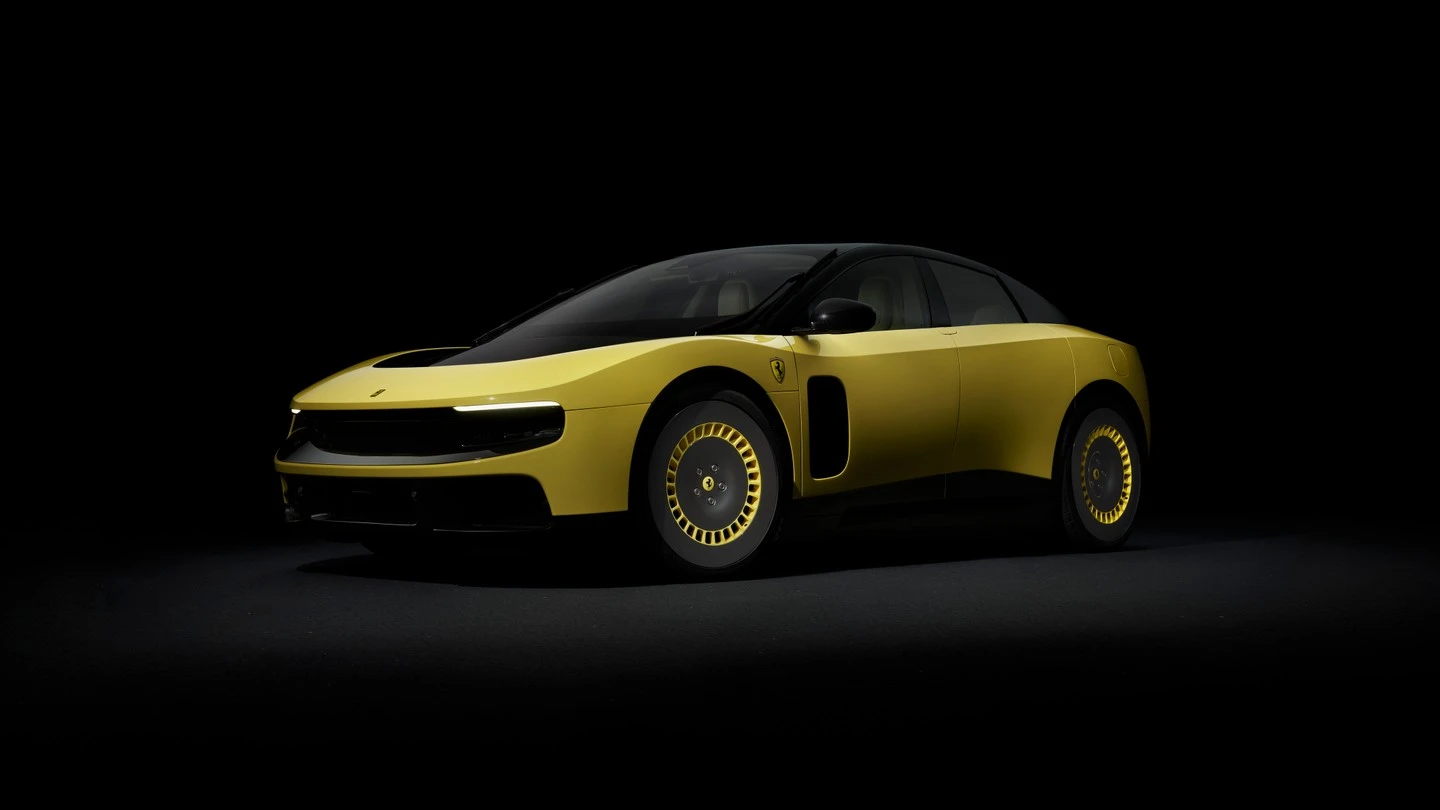
This is visible in the car’s unusually clean profile. The Luce incorporates characteristics of a grand tourer, a luxury sedan, and a crossover, yet it doesn’t fit neatly into any category. The proportions are smoother in combustion-era vehicles, with an aerodynamic shell-like body, hidden lighting elements, and uninterrupted surfacing replacing aggressive vents and sculpted intakes. Several critics have described it as the “Apple Car that never happened,” a comparison the company seems fully aware of.
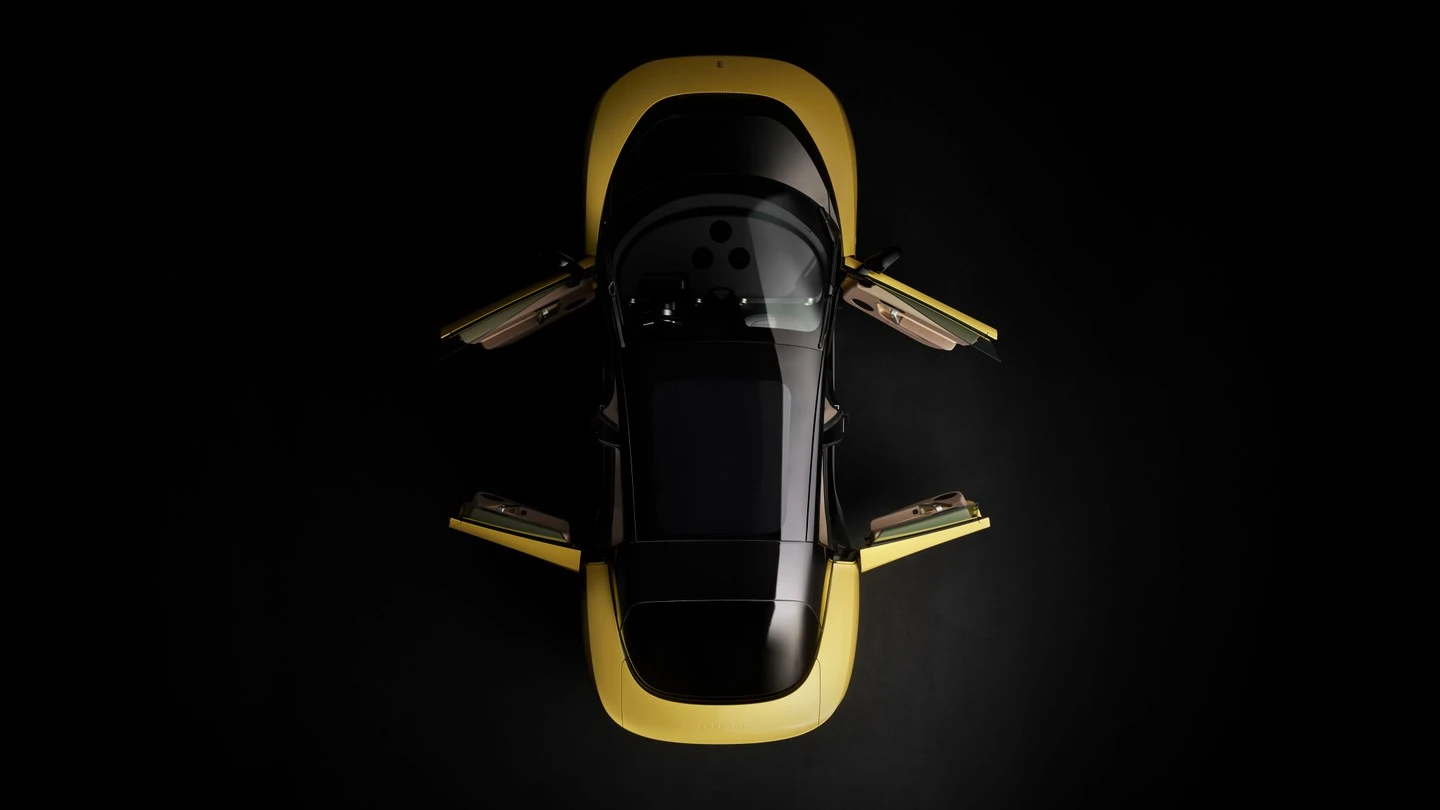
The Luce conceals complexity beneath simplified forms. Even the drag coefficient has reportedly become Ferrari’s lowest ever achieved on a production vehicle, emphasizing efficiency without abandoning theatricality.
The Luce Interior Brings Back Tactile Luxury
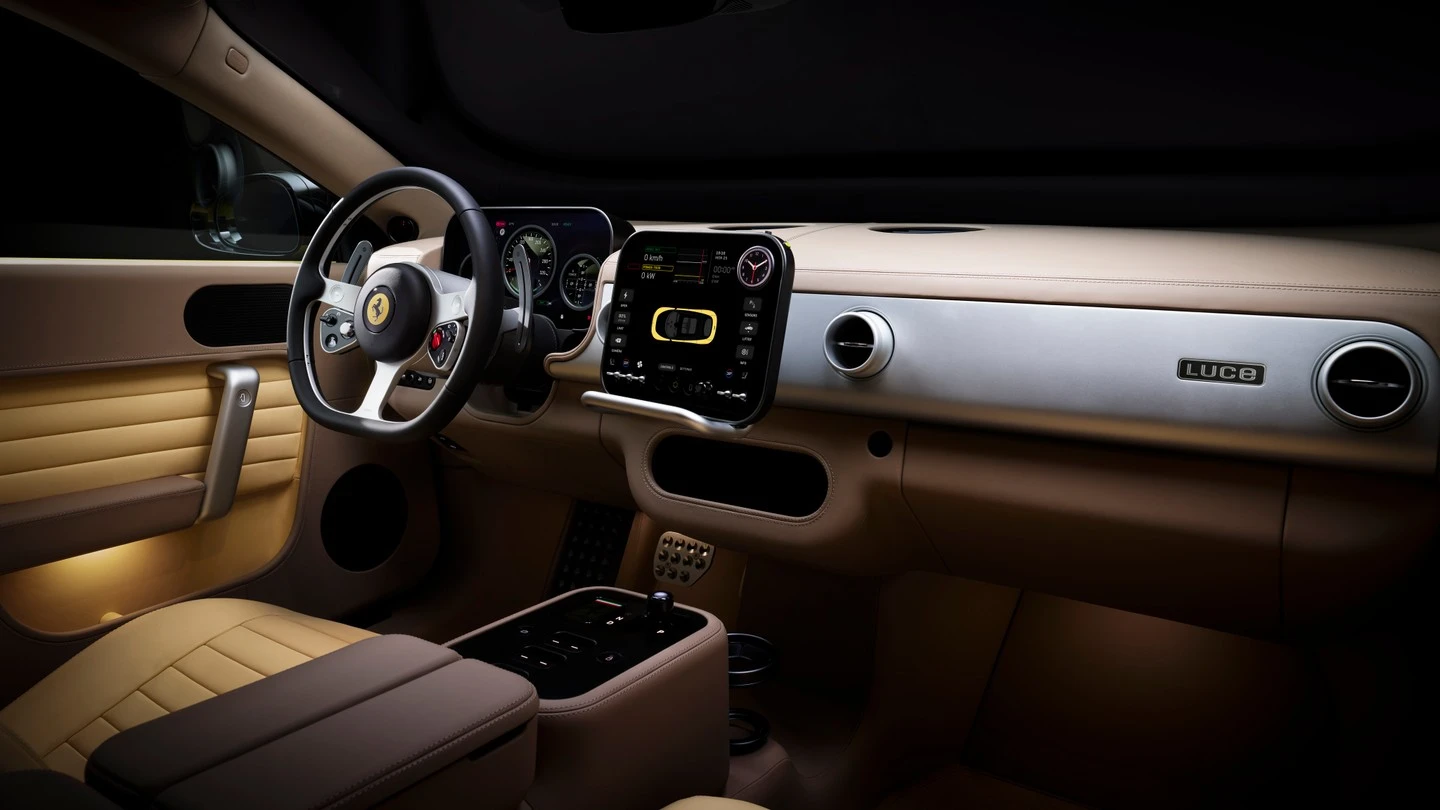
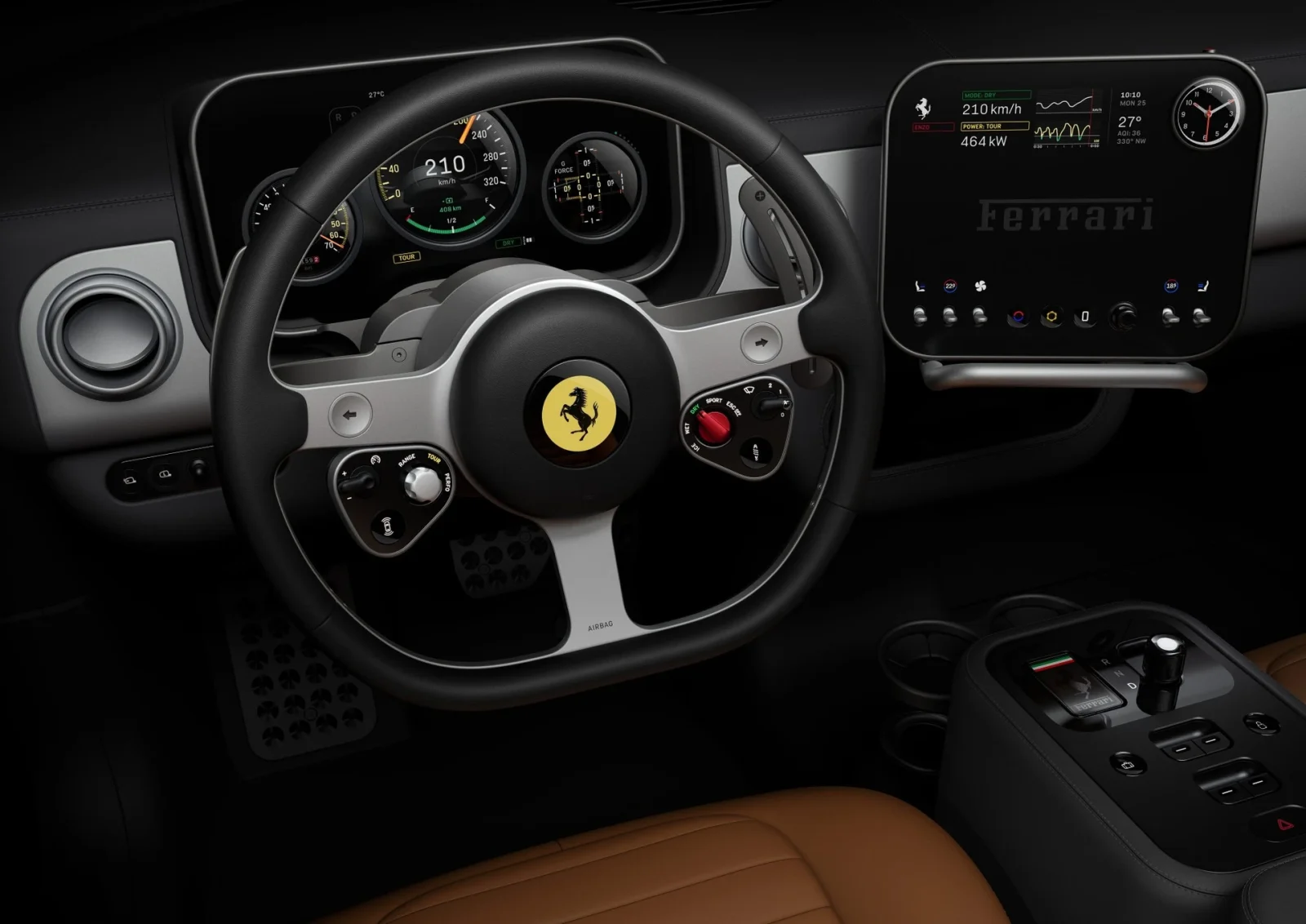
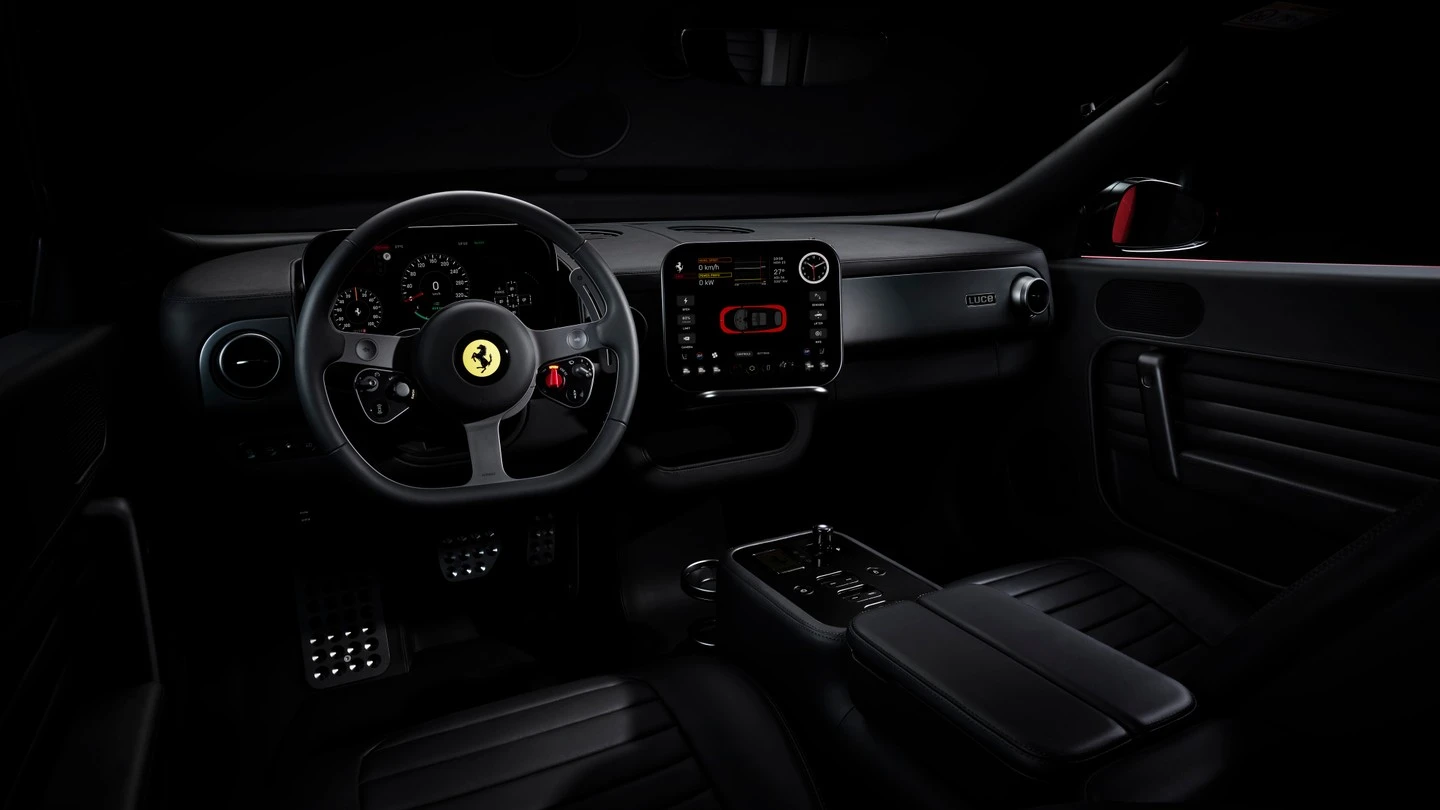
The designers behind some of the world’s most influential touchscreen devices have used EV to push back against touchscreen dependency in automobiles. Jony Ive publicly claimed that touch interfaces are unsuitable for primary vehicle controls because they force drivers to look away from the road.
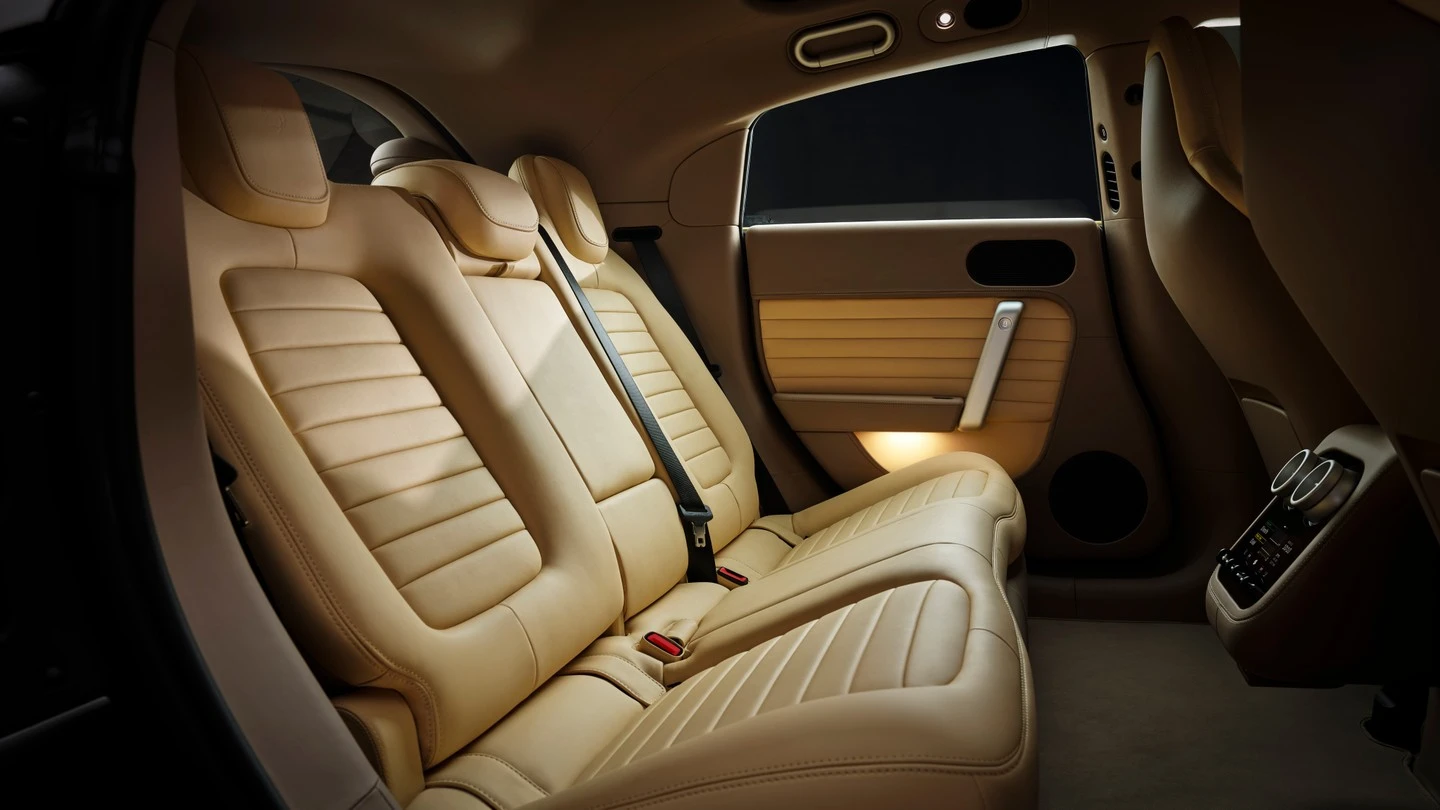
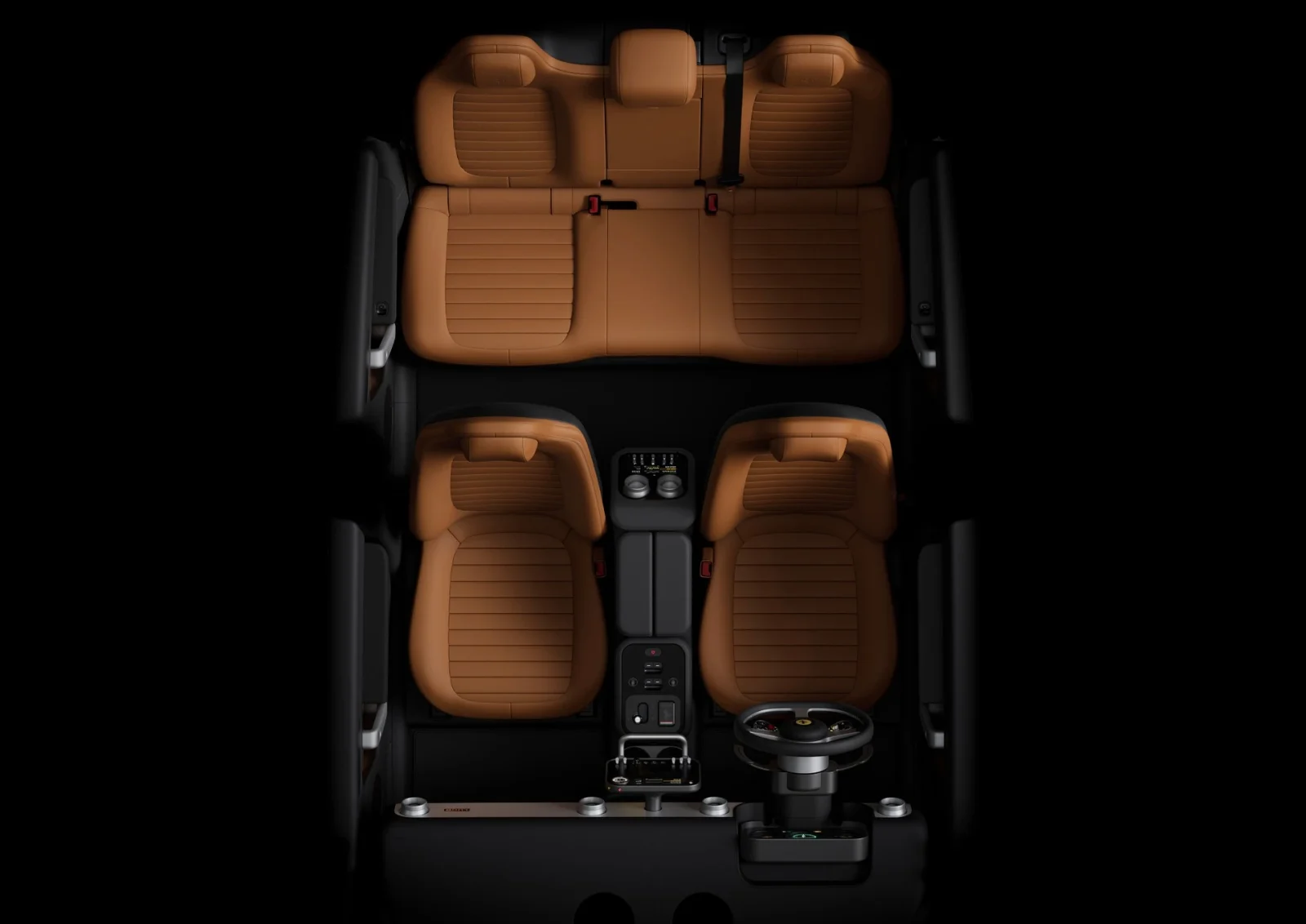
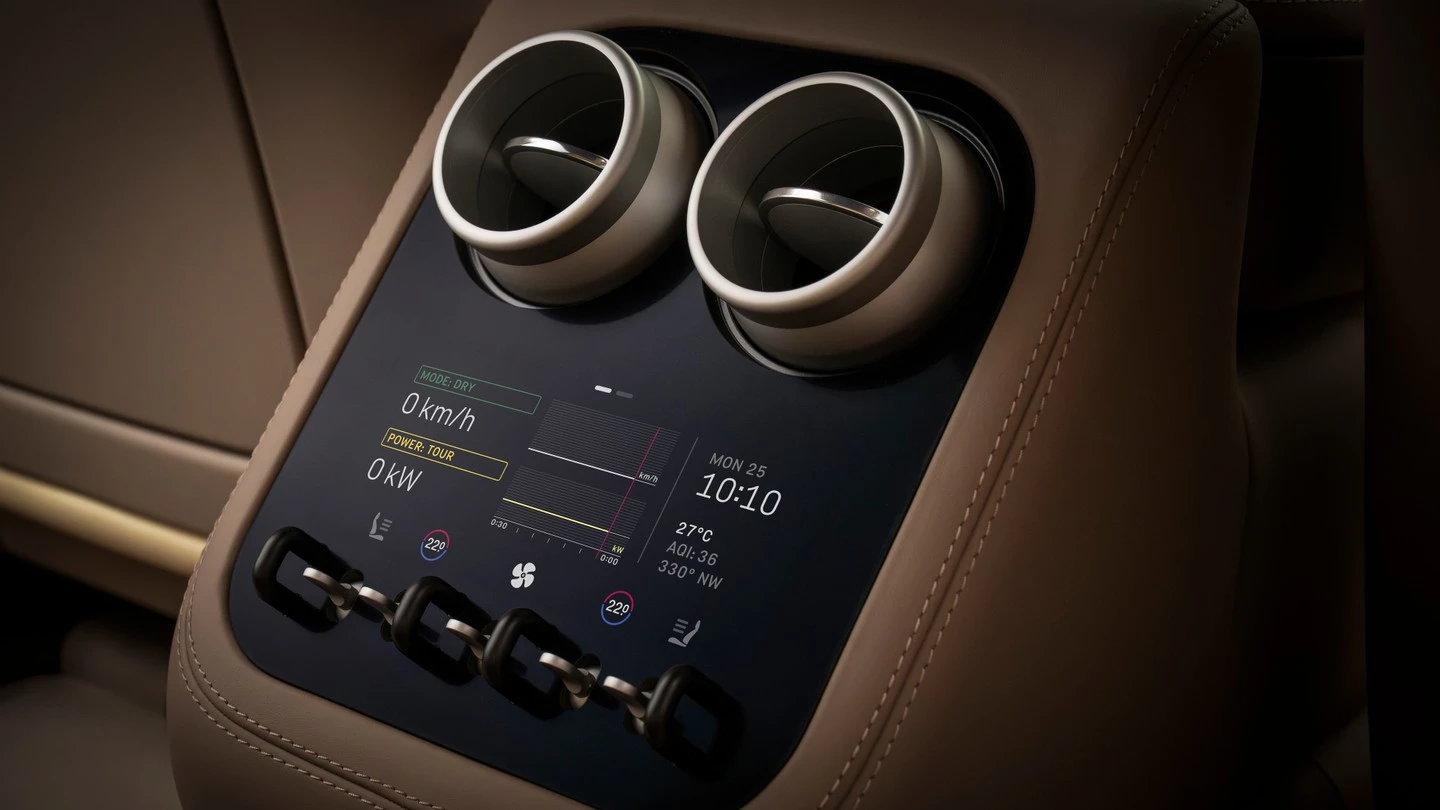
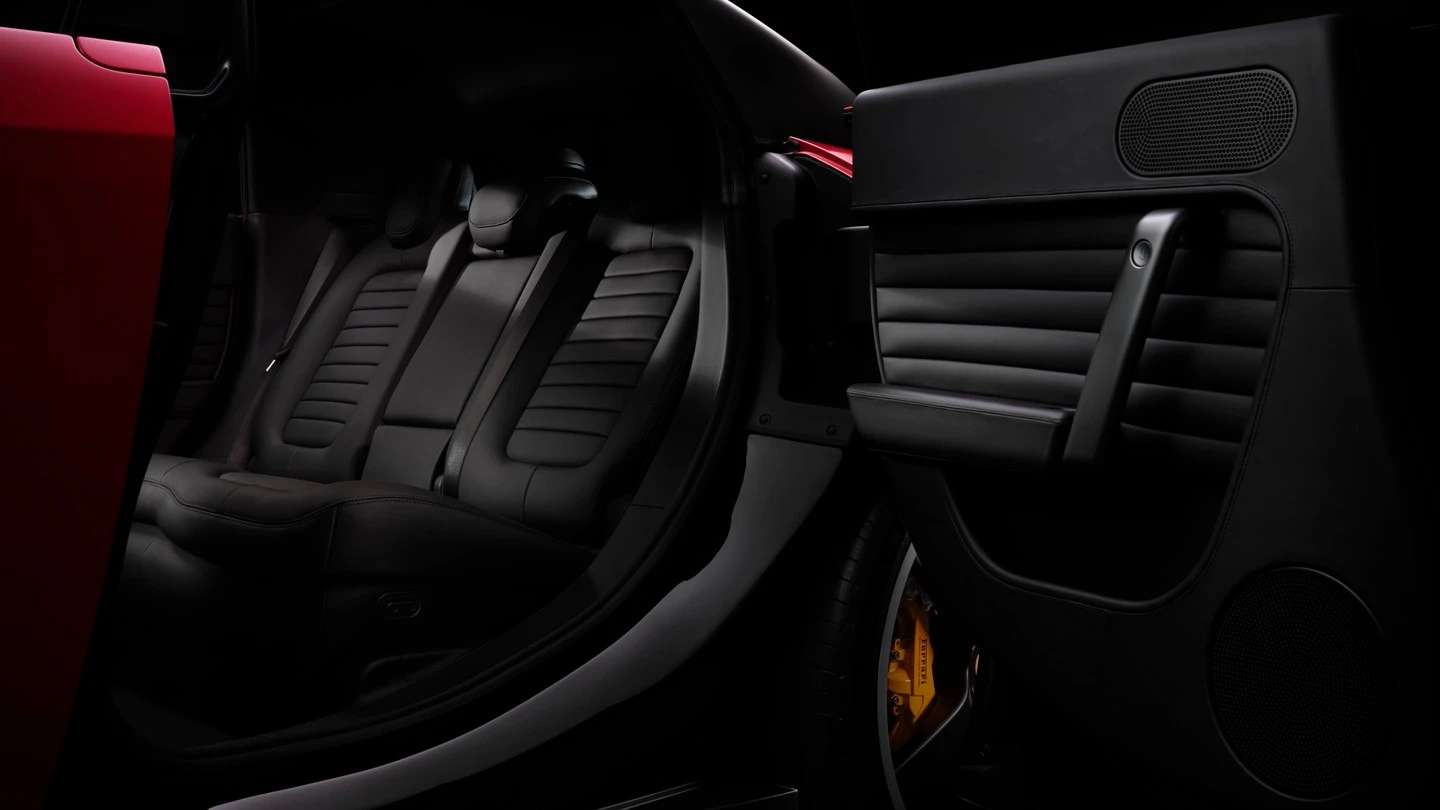
As a result, the Luce cabin is filled with tactile interactions. Aluminum switches, analog-inspired rotary controls, glass selectors, and physical steering-wheel inputs dominate the experience. OLED displays still exist, but they are integrated more discreetly into the architecture. Ferrari’s approach appears to prioritize muscle memory and sensory feedback over purely digital interaction.
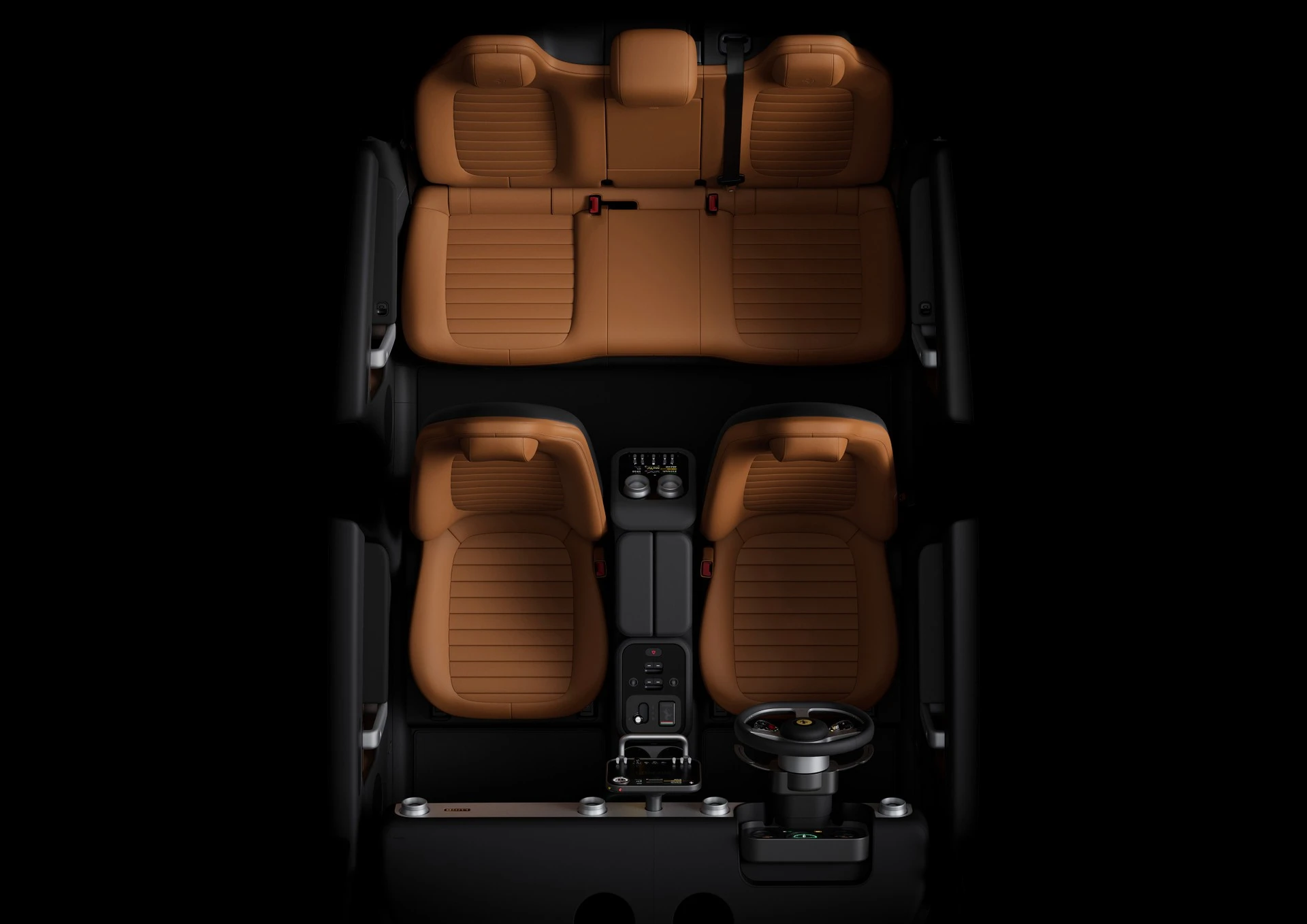
The interior also reflects product-design thinking rarely seen in automotive design. Materials such as matte steel, polished aluminum, and strengthened glass are treated almost like consumer electronics objects, emphasizing precision finishes and haptic quality. The result is a cabin that feels closer to luxury industrial design than conventional automotive interiors.
Engineering a More Sensory Electric Driving Experience
For Ferrari, electrification was never only about power figures. The company faced a larger challenge: how to make an EV feel emotionally “Ferrari-like” without a combustion engine soundtrack. The Luce reportedly amplifies vibrations generated by the rear motors and processes them into a layered acoustic experience. Engineers even referenced musical instruments while tuning the sound character.
Beneath the sculpted bodywork sits a quad-motor setup producing more than 1,000 horsepower. Early reports suggest a 0–100 km/h sprint in approximately 2.5 seconds and a top speed nearing 193 mph. The company developed much of the powertrain architecture in-house, including motor systems inspired by Formula One technologies and a bespoke 800-volt electrical platform.
The battery pack is expected to exceed 120 kWh, delivering roughly 300-plus miles of range depending on testing standards. Focus appears less centered on maximum range and more on maintaining performance consistency, weight distribution, and emotional responsiveness. The Luce reportedly uses advanced torque vectoring, rear-wheel steering, and active suspension systems to disguise the mass typically associated with large EVs.
Ferrari’s Most Expensive and Most Strategic Launch
At over €550,000, the Luce instantly becomes one of Ferrari’s most expensive production vehicles. But the pricing reflects more than exclusivity. Ferrari is effectively positioning the Luce as a technology flagship—a halo object designed to redefine the brand’s future audience. Interestingly, reports suggest many guests invited to the unveiling were not existing Ferrari owners, attempting to attract younger luxury-tech consumers already familiar with premium EV ecosystems.
The timing is equally significant. While several performance brands have delayed or softened EV ambitions due to slowing market demand, Ferrari appears determined to enter the segment on its own terms. The Luce is therefore less about competing with mainstream electric cars and more about establishing Ferrari as the benchmark for ultra-luxury emotional EV design.
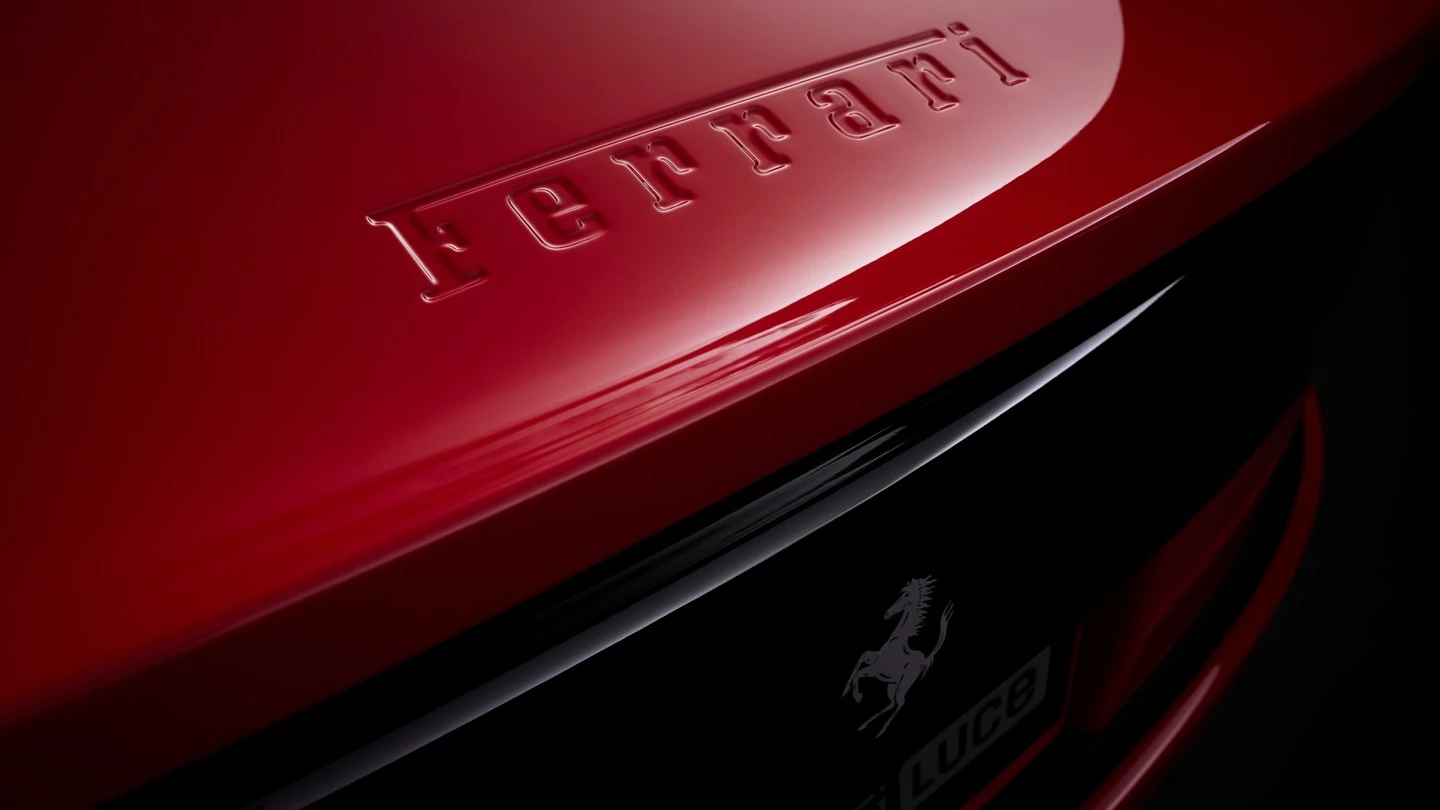
The Ferrari Luce is ultimately a response to the future of luxury itself. It merges automotive engineering with interface design, sensory psychology, and industrial craftsmanship in ways rarely attempted at this scale. Whether enthusiasts embrace the absence of a V12 soundtrack remains uncertain, but Ferrari has clearly avoided building a conventional electric supercar.
Credit: Ferrari
Explore Courses
.jpg "Ondrej Chybik - Rethinking Architecture")