

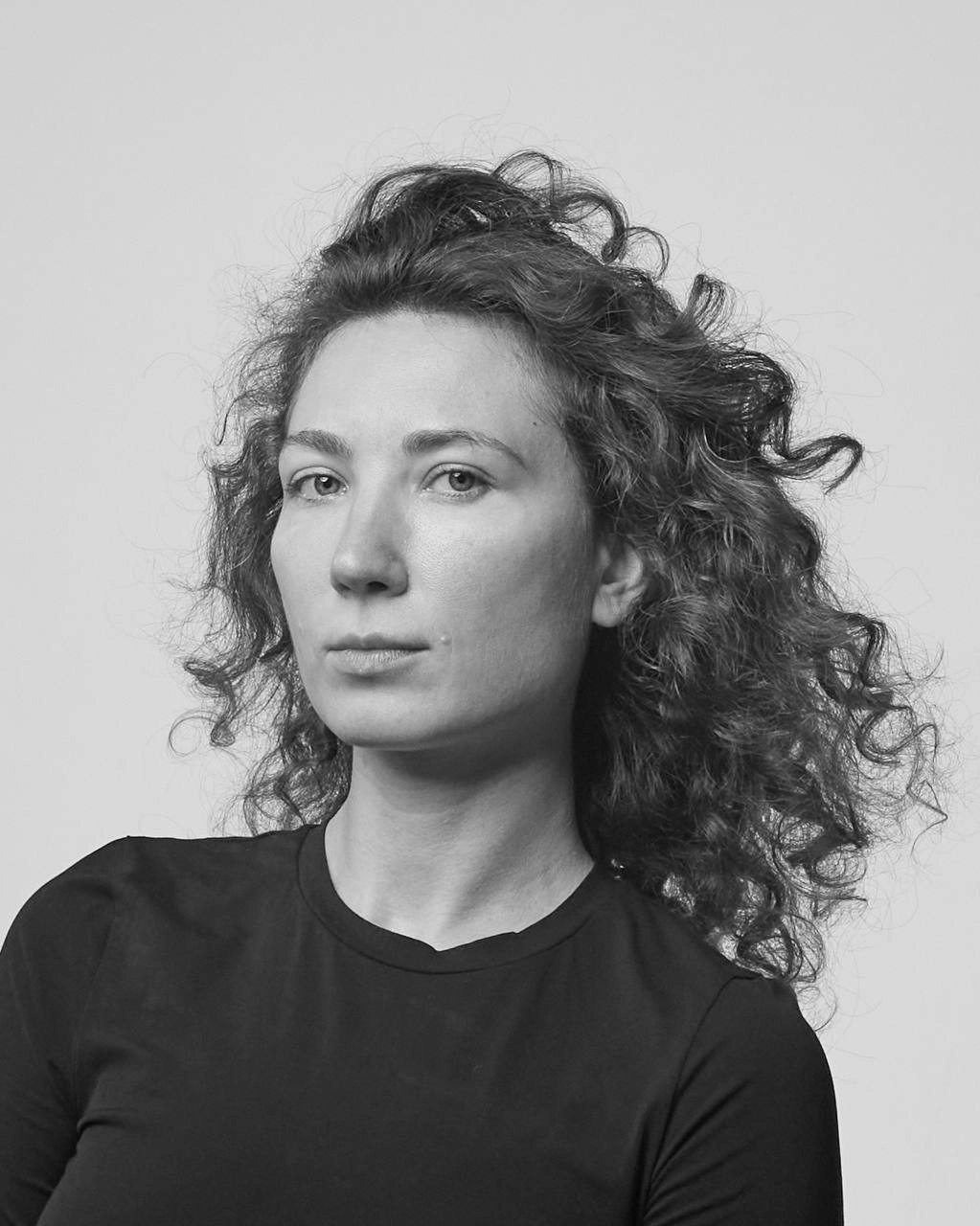
In today’s landscape of experiential design, where music, light, and space converge into total environments, Ekaterina Konovalova works at the intersection of stage and visual design to develop new formats for performance. Since joining SILA SVETA in 2018, she has worked across concept development, visual storytelling, and large-scale scenography, culminating in her current role as Head and Creative Director of SILA SVETA Music.
Her portfolio spans a wide range of formats and contexts, from raves at ARMA club to the international stage, including content for Phish’s concert series at the MSG Sphere in Las Vegas, ARGY’s New Year’s Eve show in Dubai, and scenography for festivals such as OUTLINE, Sensor, and New Star Camp. In this conversation, Konovalova reflects on her creative evolution, the rise of responsive stage environments, and the role of immersive design in translating music into space, rhythm, and emotion.
You’ve led SILA SVETA Music since 2023, but your journey with the studio began in 2018. How has your creative role evolved over time, and what inspired the formation of a dedicated division focused solely on music?
With a background in graphic design, I shifted my focus in 2018 to concept development and joined SILA SVETA as a concept artist. Having gone through the full journey, from drawing storyboards and pitching visual ideas to leading projects, I developed a deep understanding of the creative process within the company. Over time, I took on broader responsibilities and eventually became Art Director, overseeing visual storytelling across music, live performance, and experimental media. By 2023, music-oriented projects had grown both creatively and strategically, prompting the launch of SILA SVETA Music, a dedicated studio that merges sound and visuals into immersive, audio-driven experiences.
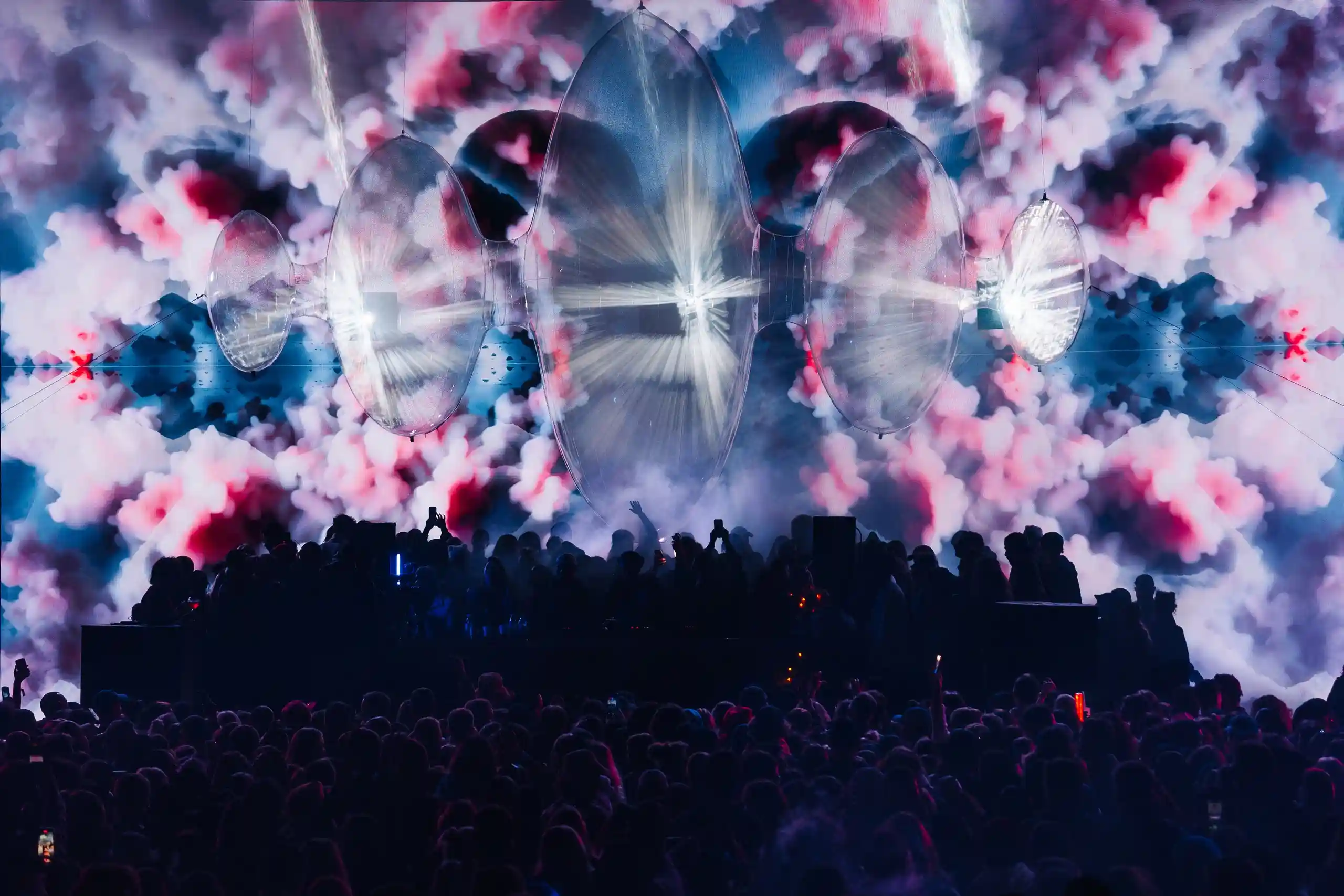
We’re reimagining the visual language of music events through stage design and content. Our musical scope is wide, from large-scale concerts for A-list pop artists like Drake, The Weeknd, and Billie Eilish to music festivals, immersive exhibitions, global ceremonies, fashion shows, and other formats where music is an integral part of storytelling. This direction helps us explore new creative territory and craft experiences where music and visuals are deeply connected.
Your work has redefined stage design as a form of spatial storytelling, from Phish’s concert visuals at the MSG Sphere to massive open-air festivals like OUTLINE and Sensor. How do you begin crafting a visual narrative around sound?
I’ve been listening to electronic music for as long as I can remember. Many of the genre’s iconic albums came out before I was even born, yet electronic music still feels like the avant-garde of the scene. It’s been my teacher, shaping my taste, my sense of rhythm, and it’s what I draw my visual style from.
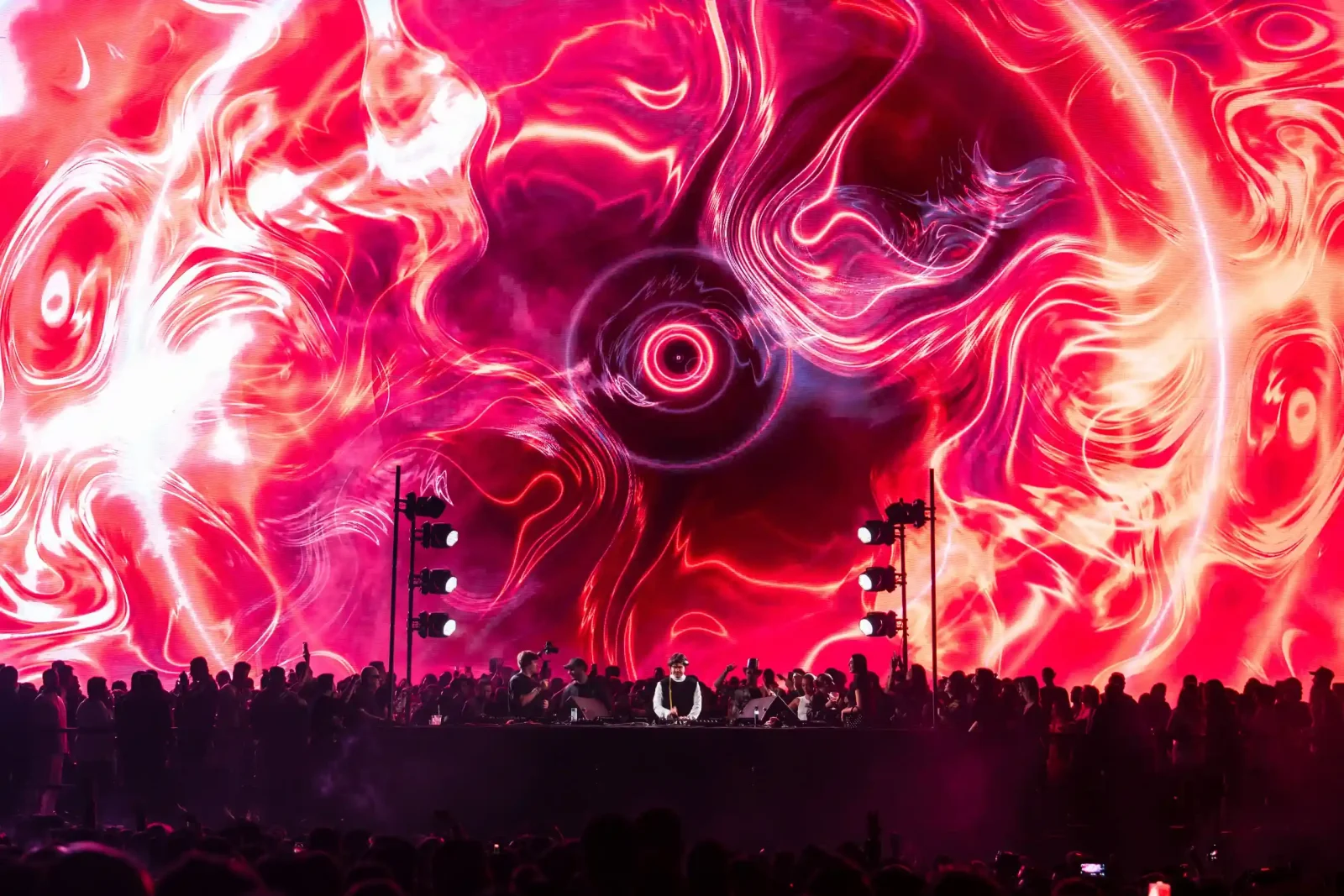
Unless the format defines it, like a festival or a collaboration with a particular artist, we let the narrative and emotional intent guide the musical direction. In many of our projects, music and light are fully synchronized to create immersive audiovisual experiences. Light responds to rhythm, enhances dynamics, and supports the atmosphere.
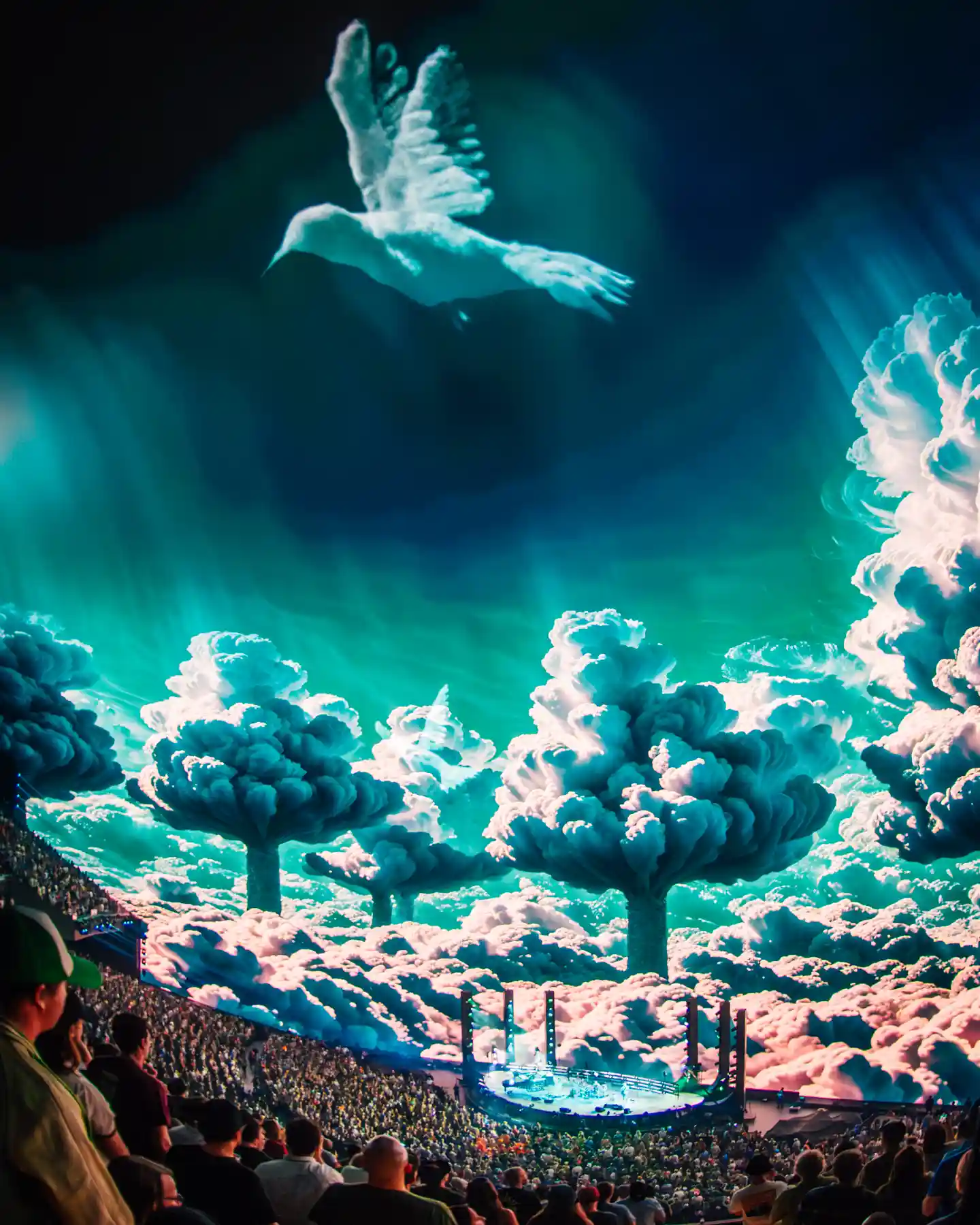
The MSG Sphere in Las Vegas is one of the most technologically ambitious venues in the world. What were some of the challenges and creative breakthroughs in designing visuals for a band like Phish within that 360° context?
Designing visuals for Phish at the MSG Sphere was both a technical and creative challenge. This is the world’s largest 16K wraparound LED screen, 240 feet high with over 170 million pixels, so every detail matters. Phish’s shows are known for their jam sessions and improvisations. In our case, the show featured 4-hour sets with jam tracks lasting 10 to 30 minutes, which meant we had to develop a flexible visual language that could support both spontaneous moments and longer immersive scenes.
We created more than 60 abstract render loops and crafted two fully pre-rendered scenes, Surreal Clouds and Starry Sky, using Houdini and Cinema 4D. The rendering process was particularly demanding: some frames took up to four hours to render. Overall, the entire content creation process took about four months. Our goal was to merge visual storytelling with the band’s improvisational energy, creating a dreamlike world where the music and the visuals were in constant dialogue.
In projects like ARGY’s show in Dubai or open-air festivals, you’re often dealing with extreme environmental variables. How do these physical and atmospheric conditions shape your design approach?
Working on open-air concerts and festivals inevitably means dealing with weather and other external factors. That’s why we carefully plan, considering different scenarios and building in technical solutions to ensure everything runs smoothly and the team is well-supported on site. When developing the creative concept, we always take the venue’s unique characteristics into account, its scale, terrain, and environment. This can affect the execution: some ideas may need to be adapted to real-world conditions, and sometimes decisions have to be made on the site.
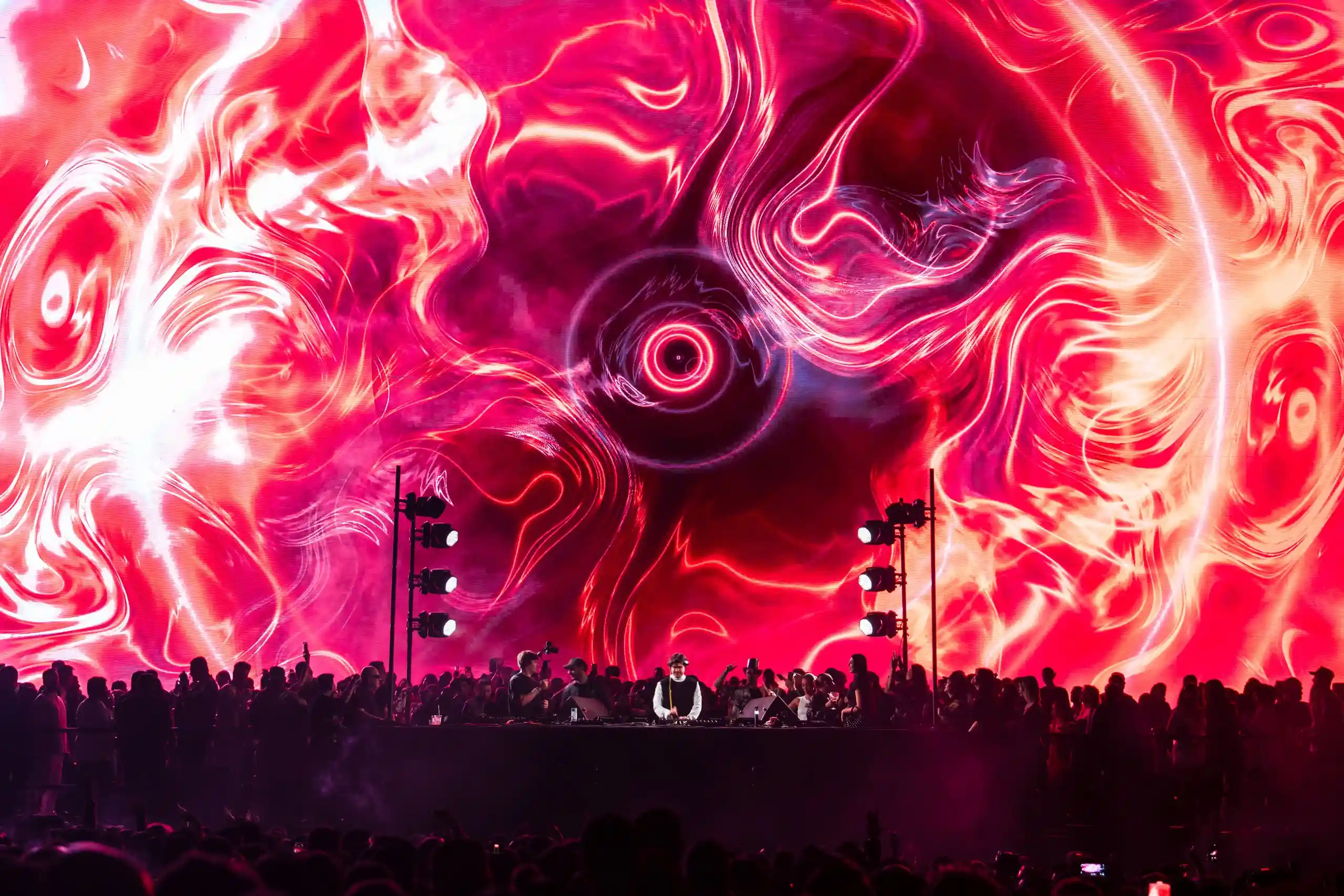
There’s a growing trend of music stages becoming more architectural and sculptural, almost like temporary cathedrals of light and sound. Do you see your work as a form of temporary architecture?
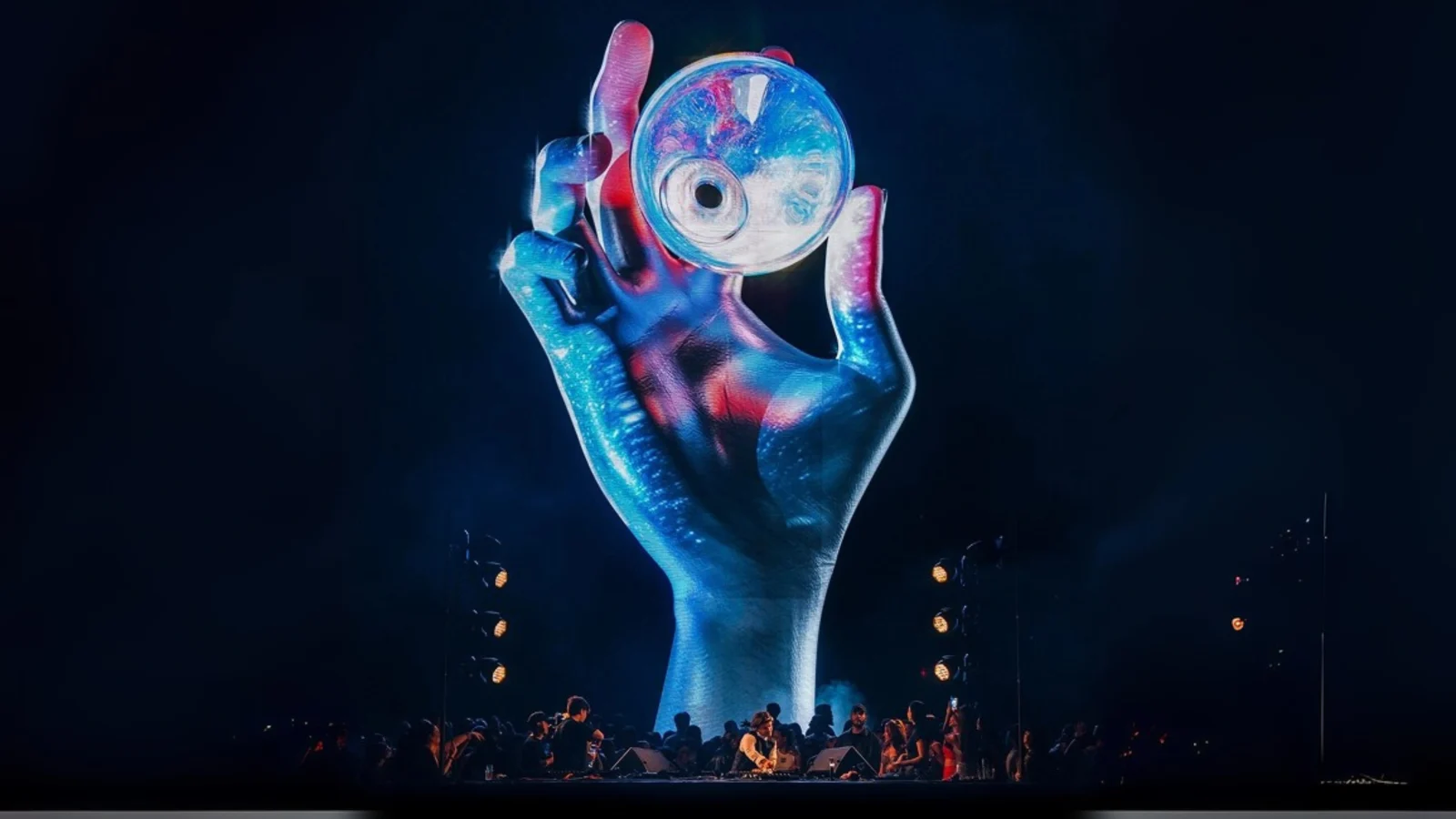
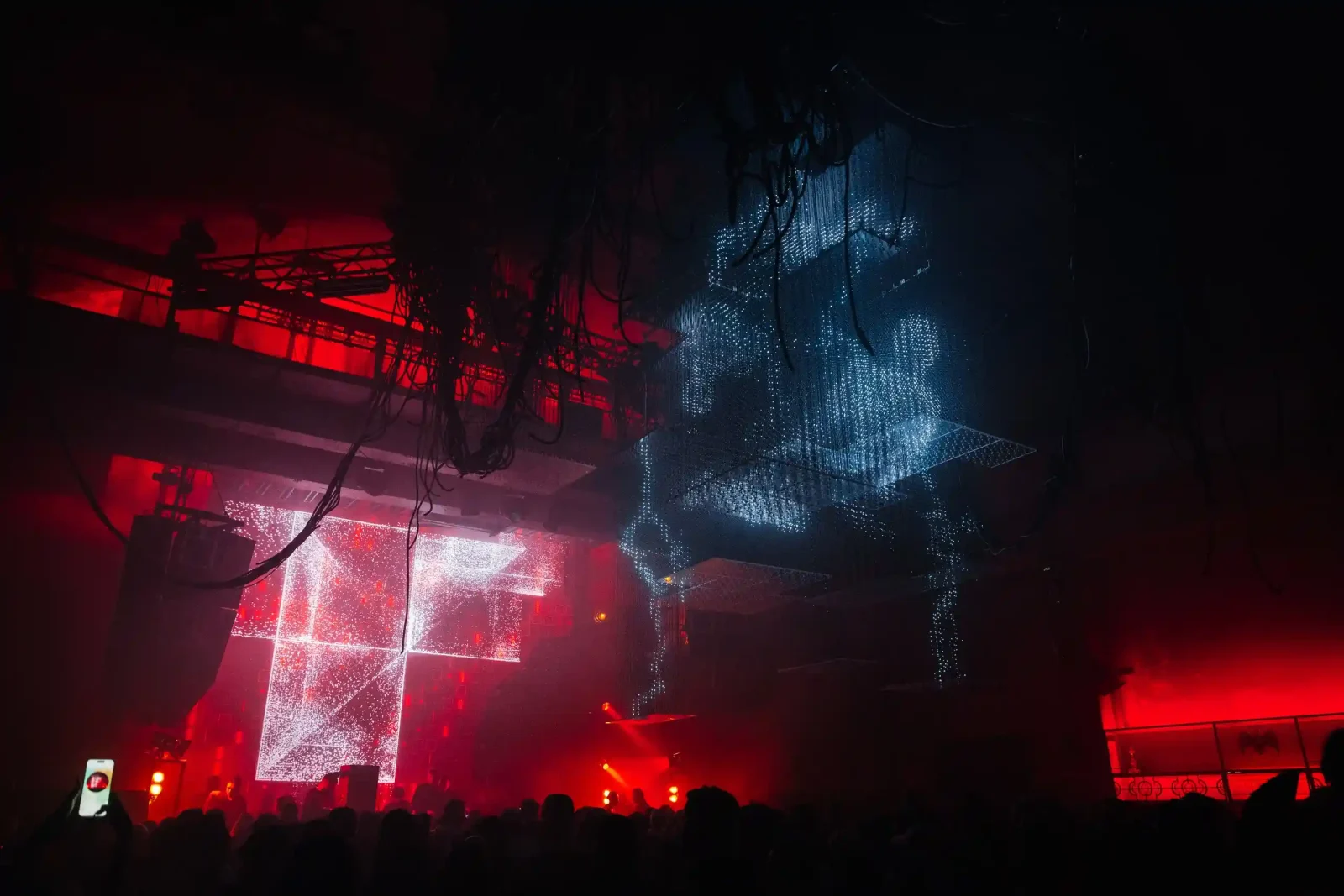
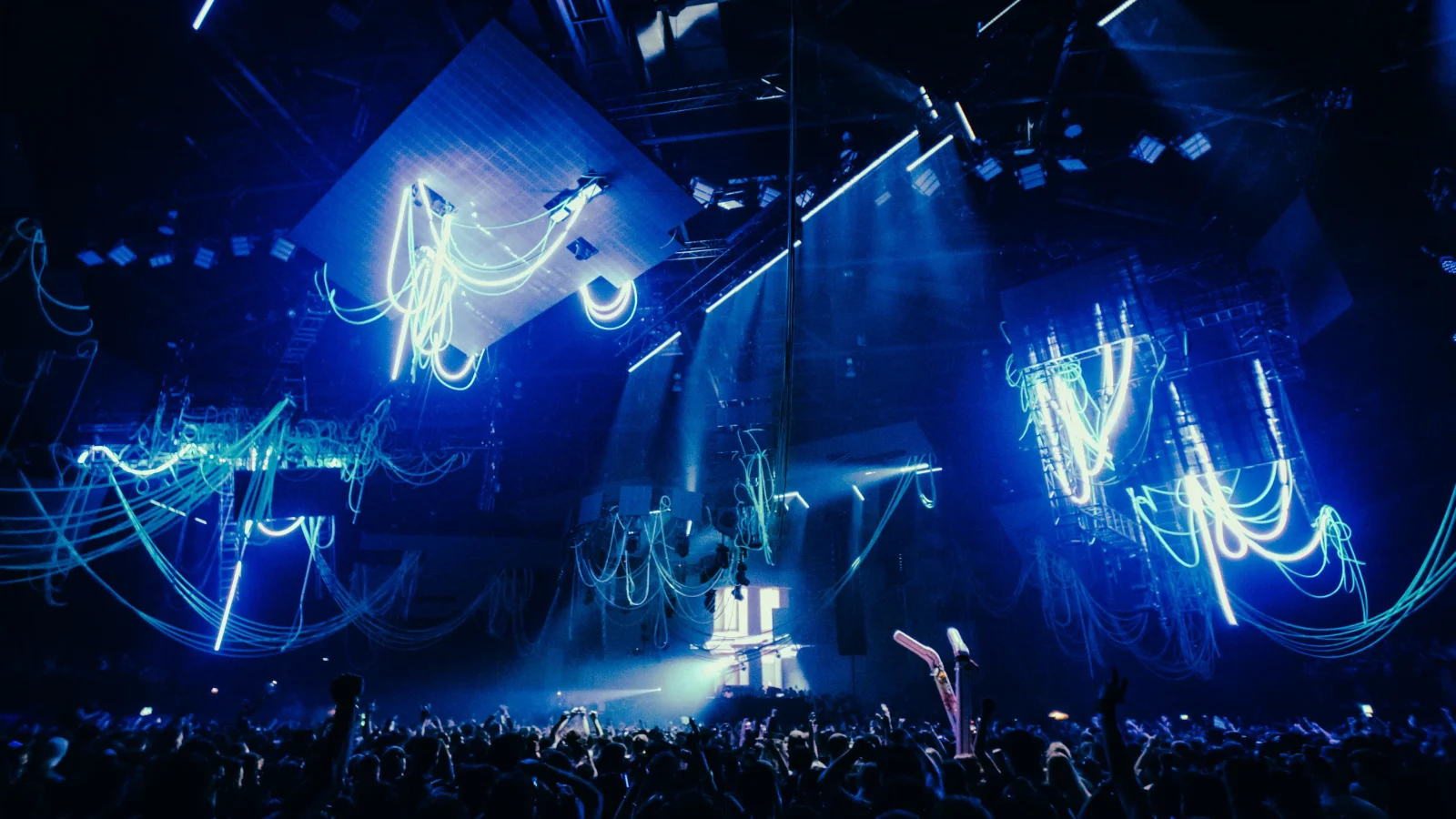
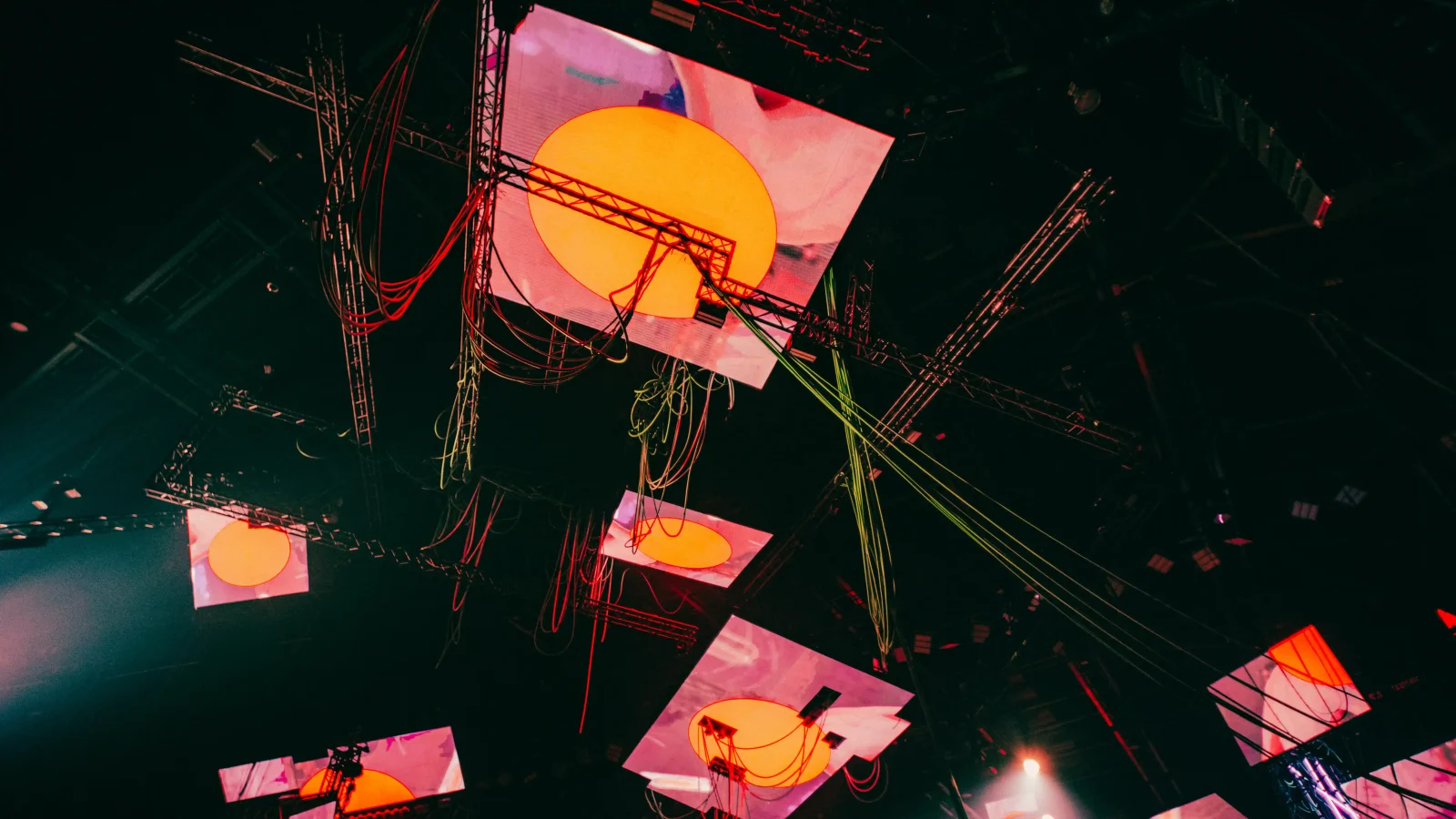
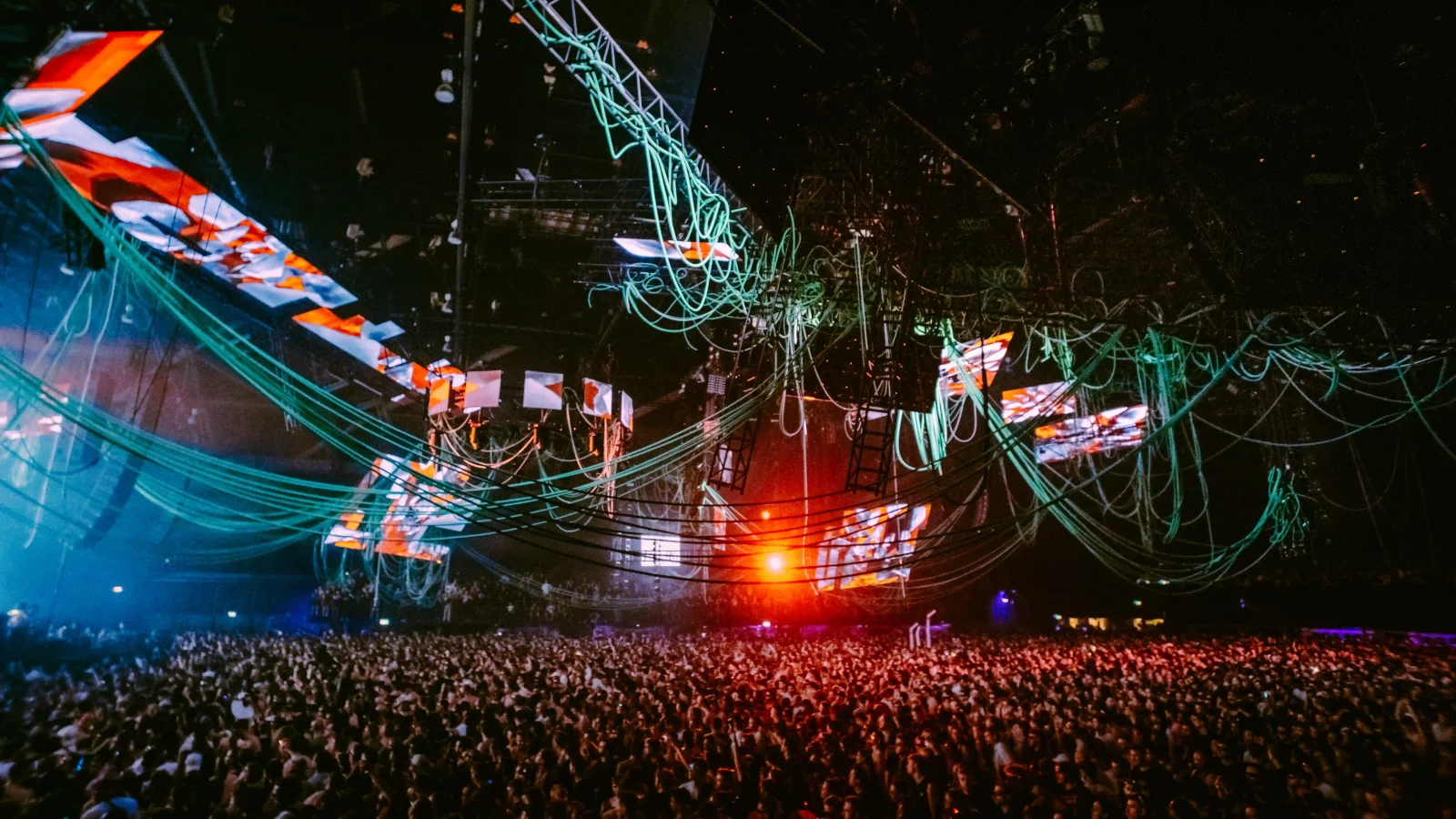
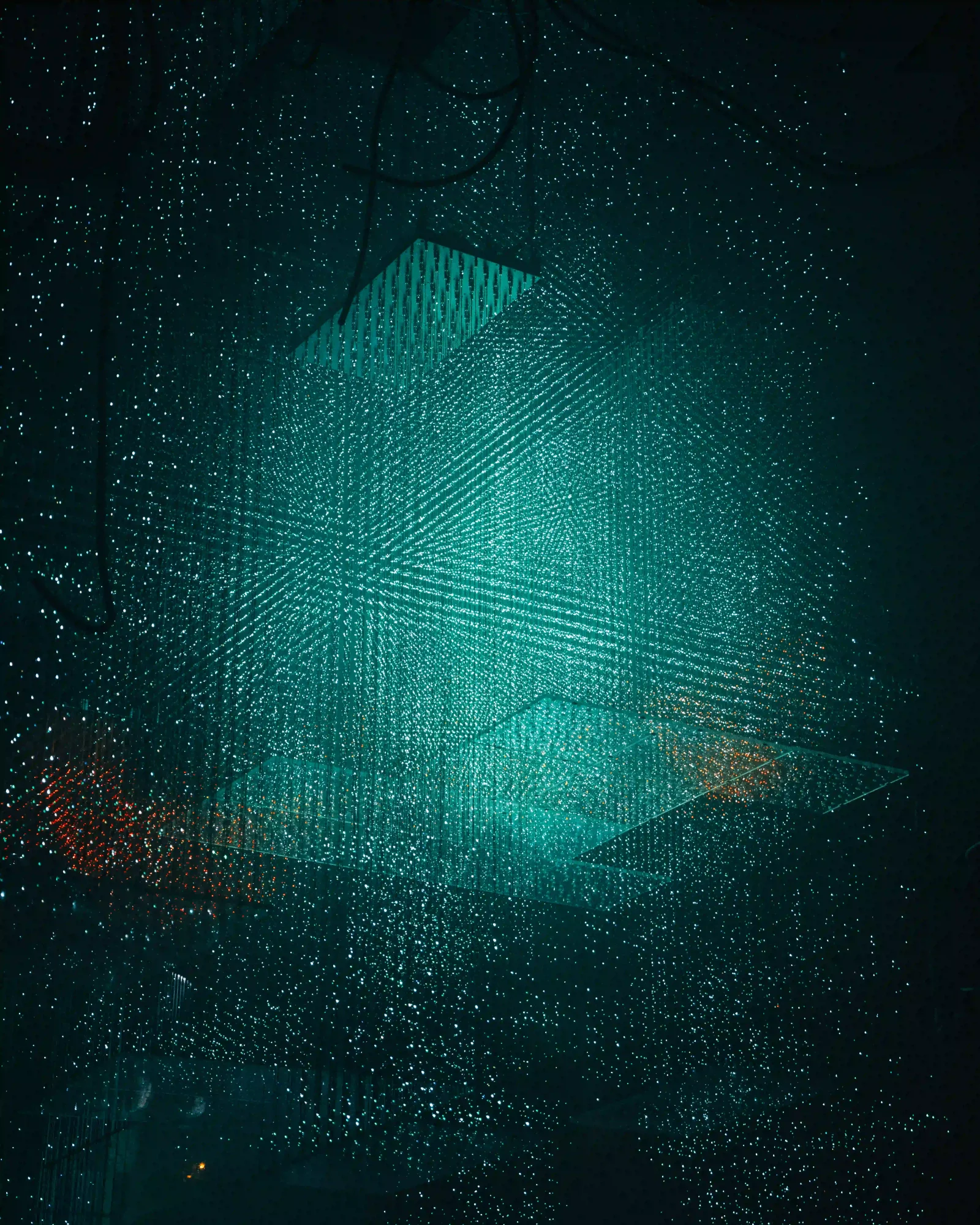
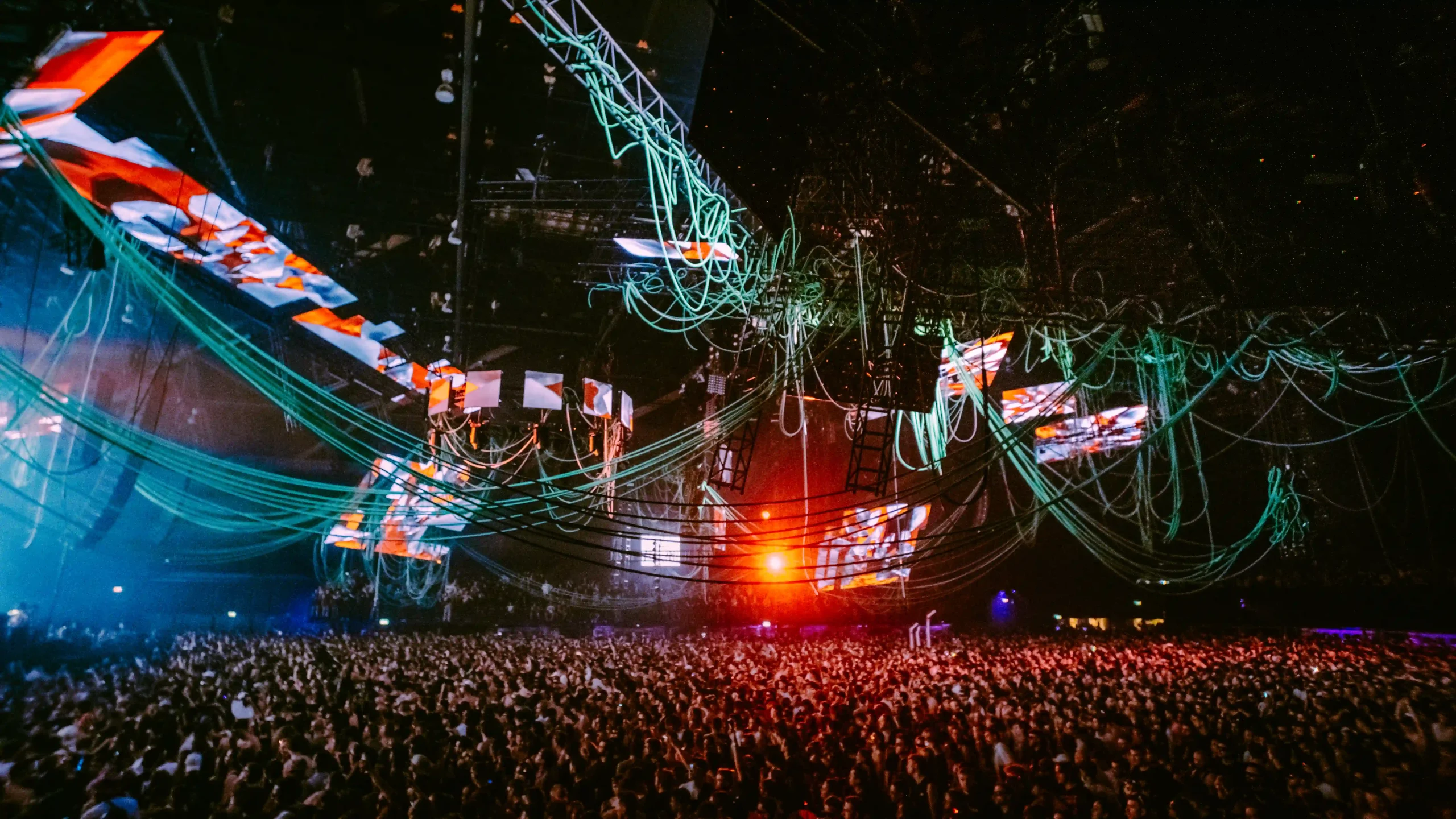
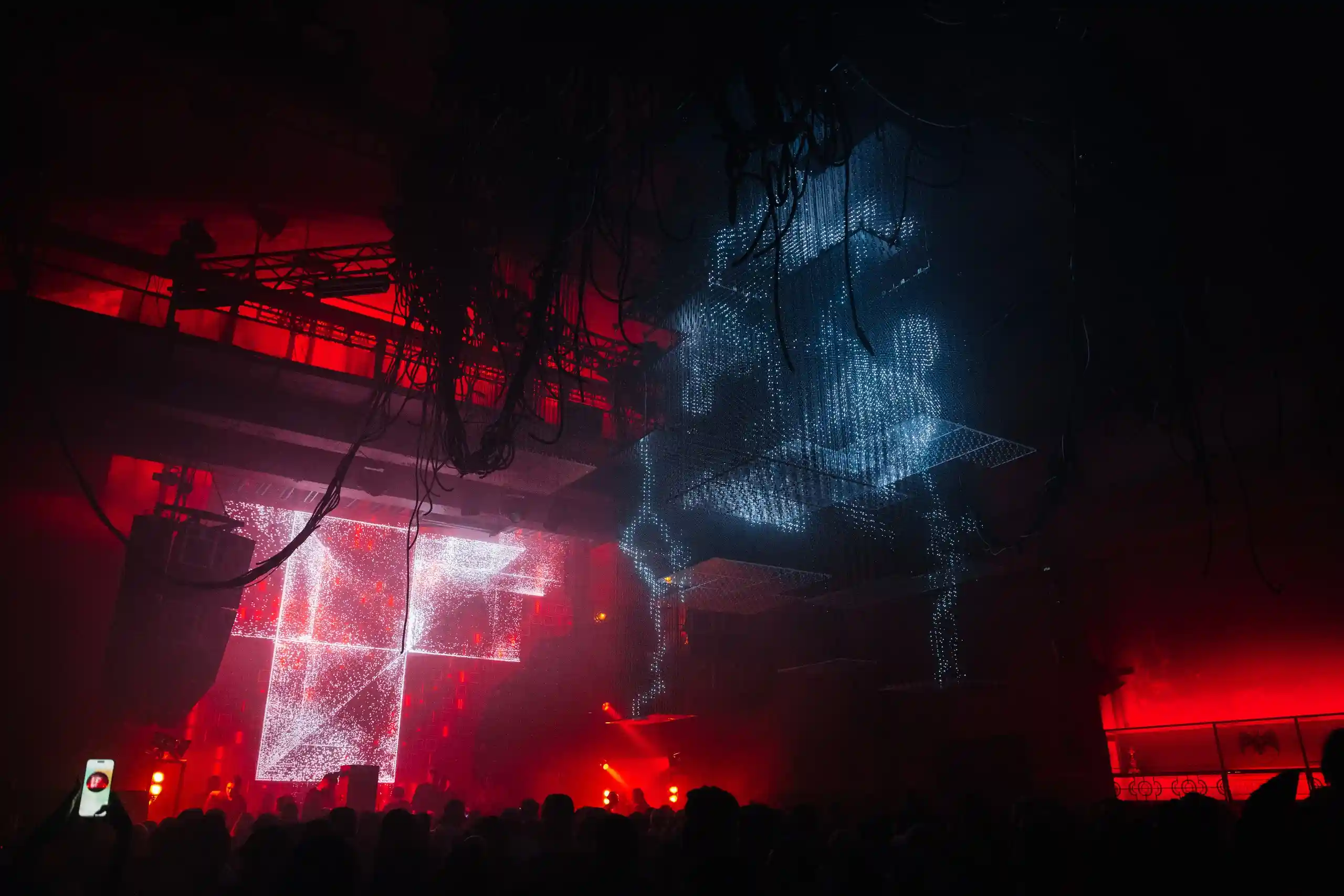
Absolutely. We believe that stage design can go beyond its functional role, it can become a sculptural centerpiece that defines the atmosphere and stands as an independent artwork. For example, at this year’s edition of Rave Rebels, Belgium’s largest indoor rave, we created Deus Ex Machina, a large-scale AV installation that stood at the heart of the arena like a living supercomputer. With shattered screens, hanging wires, and layers of fragmented LED mesh, the structure embodied a state of digital disintegration, pulsing with light and distortion. We used thermal camera inputs and real-time effects, turning the stage into a visual epic of collapse and rebirth.
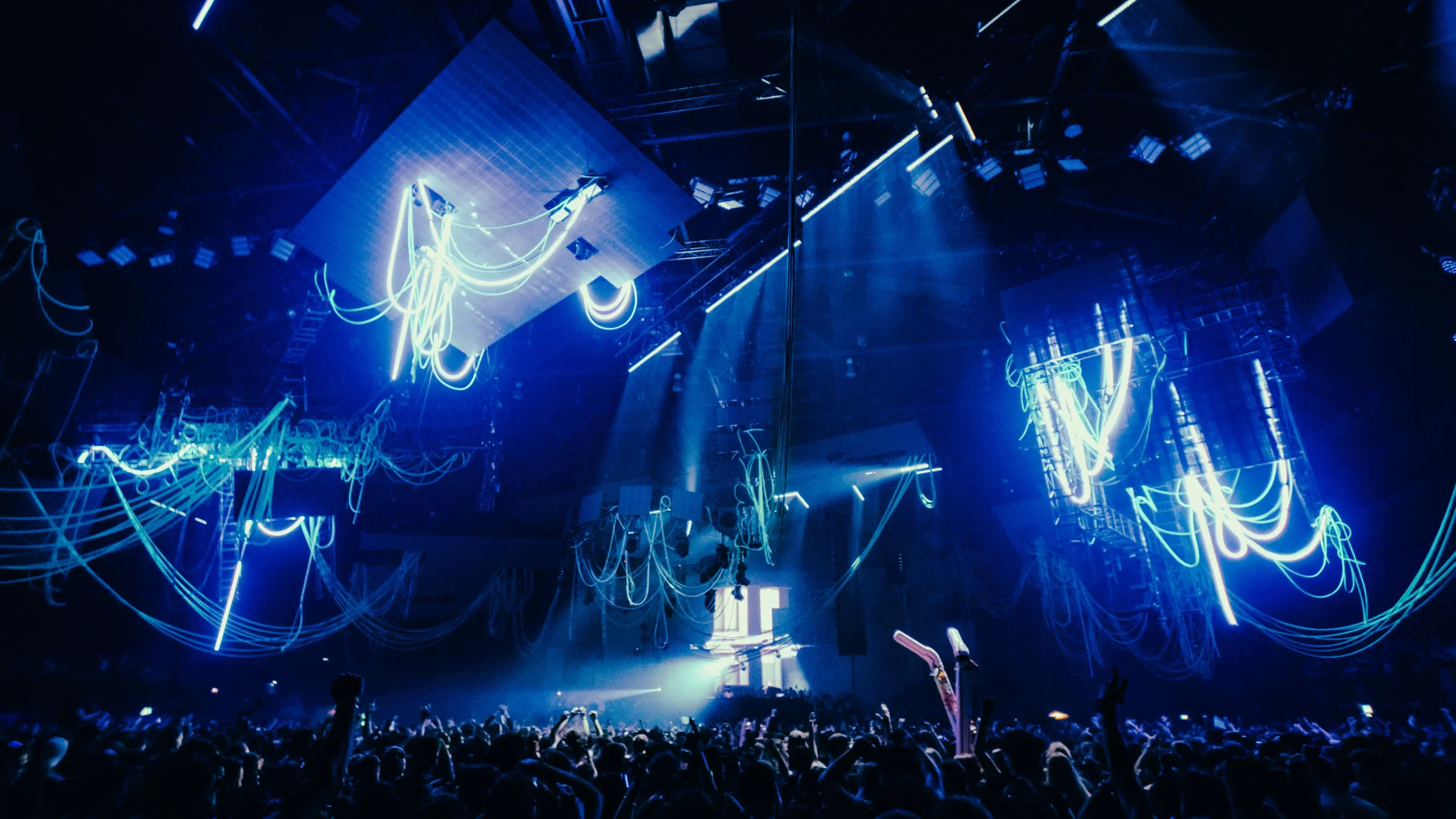
The physical design echoed the venue’s brutalist architecture: massive metal trusses, deliberately exposed gaps, and flickering surfaces gave the impression of a machine glitching in real time. For us, it was about more than stage design. It was about building an environment, an ephemeral structure that lives, breathes, and amplifies the emotional experience of the music.
SILA SVETA’s roots are in digital storytelling and spectacle, but your division often feels more intimate, curating emotional resonance through scale, rhythm, and texture. How do you balance spectacle with subtlety?
It’s about focus. Even within monumental set-pieces, we carve out moments of human scale, a flickering texture, a rhythmic shimmer, that resonates emotionally. We design for climatic peaks, yes, but also for silence, anticipation, and breath. That contrast is where intimacy lives.
Of course, none of that happens alone. I rely on my team, the best part is, I don’t have to be a multi-skilled superhero to solve everything on my own. We’ve got great specialists, each doing their part, and together we make things happen.
Whether it’s the underground rave scene or the massive open-air shows, your work touches different subcultures within music. How do you adapt your visual language to resonate authentically with each audience?
We dive into the culture: its history, aesthetic codes, even fabrics and materials. At underground rave events, we favor raw, deconstructed forms that echo DIY sensibilities. At big branded stages, we lean into polished generative systems or volumetric constructions, always informed by the music’s identity and the venue’s spirit.
Personally, I’ve been into electronic music since childhood. Over time, I’ve developed a strong visual sensitivity, shaped by both what I’ve seen and what I’ve heard. That foundation helps, but it always starts with the artist: their cultural code, and the meaning behind their lyrics or sound. While my path began in electronic music, I’ve since explored many other genres and contexts. Each has its own visual logic and emotional tone. It’s incredibly inspiring to dive into those worlds and translate them into a graphic language.
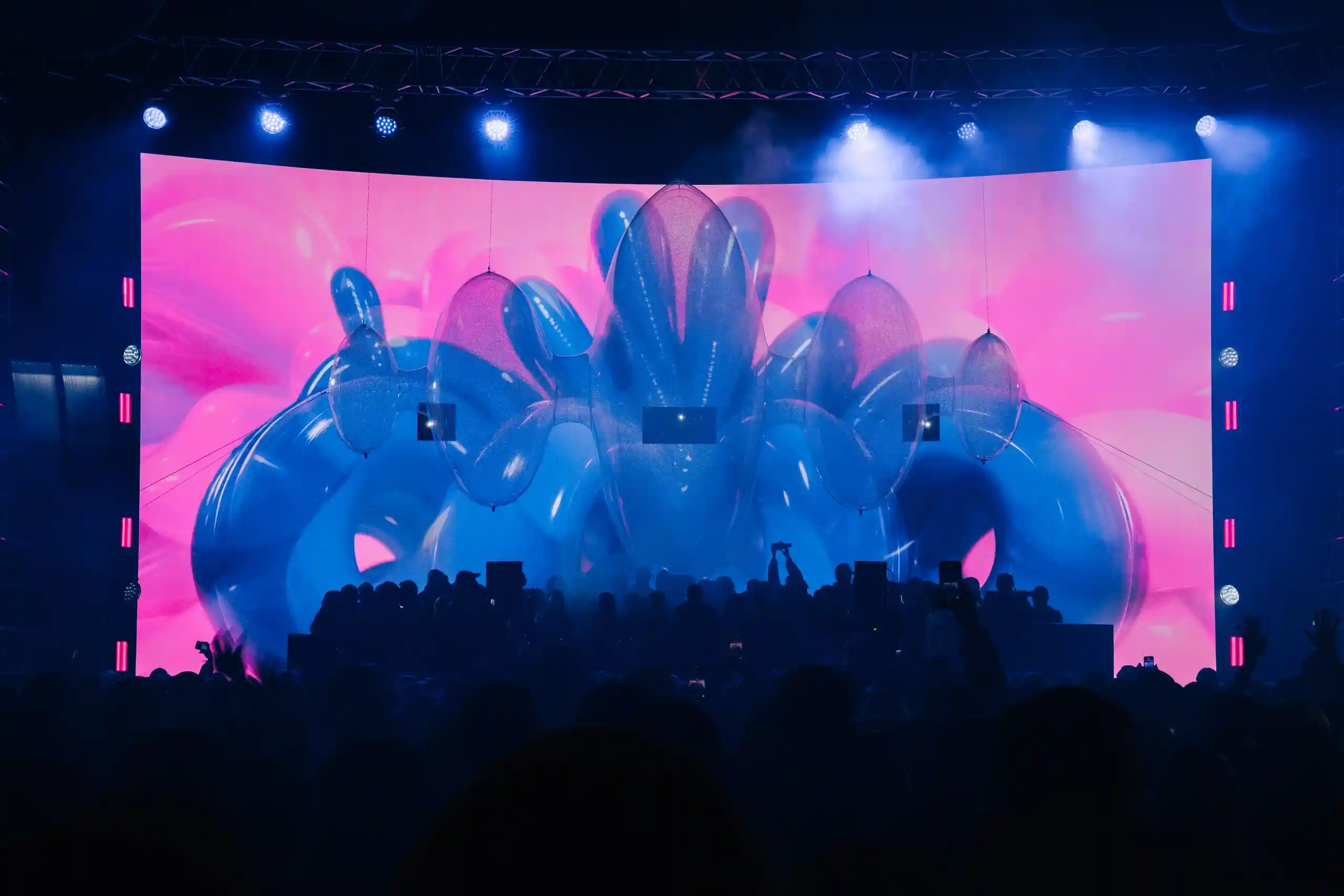
You’ve described stage design as not just creating backgrounds, but building “worlds.” How much of your creative process is driven by the artist, and how much by your own vision for the emotional arc of a show?
It’s a symbiotic process. The artist brings themes, identity, and sonic mood; I bring spatial dramaturgy, how it unfolds over time. My job is to amplify their story through form. Together, we co-create a world based on their vision and our interpretation of its emotional structure.
At the same time, the venue plays a huge role in shaping the final experience. A festival in the mountains is nothing like one in an urban setting. Each space comes with its own challenges, from the technical setup to the overall concept. The environment itself often suggests how the story should evolve.
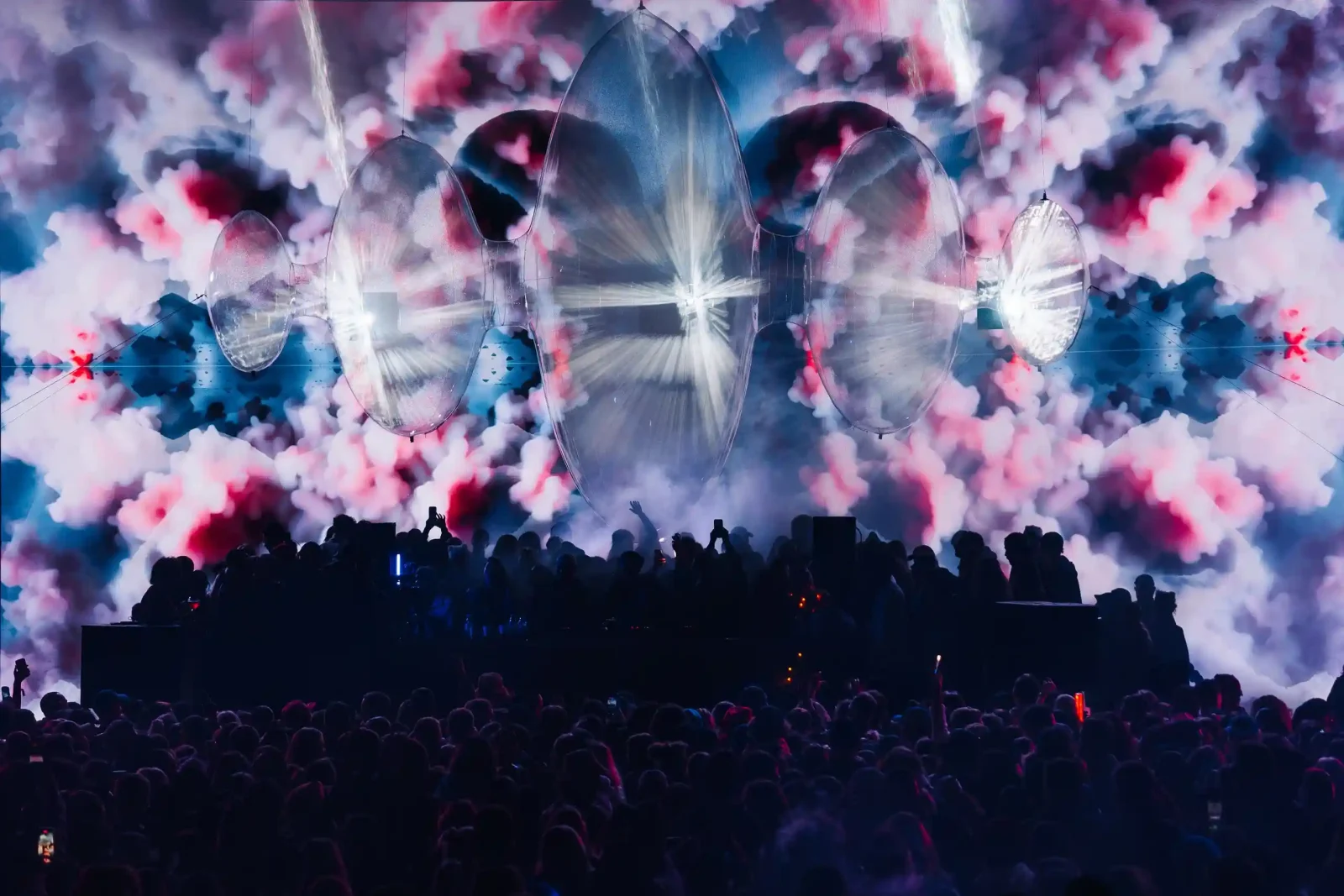
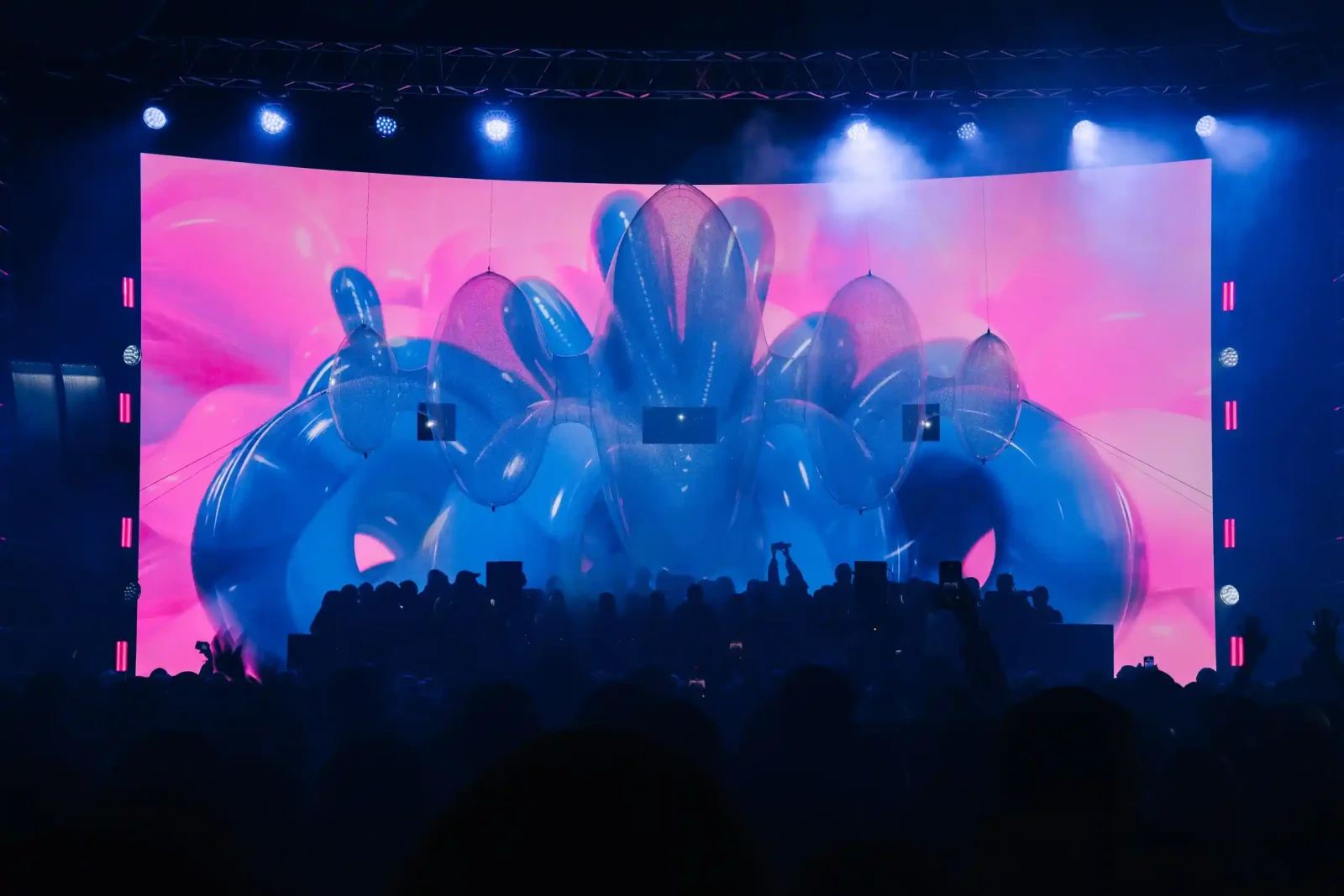
Festivals also tend to have overarching themes that inform our direction. For example, at New Star Weekend, the theme was “Air.” That got us thinking: how can we hold air, make it visible or tangible? That question sparked the idea for an installation. We designed an object that interacted with light and projection to express that feeling. The result felt right, and it all grew from the theme, which became the starting point for the art piece.
Immersive technology, from AR to spatial audio to real-time generative visuals, is transforming the concert experience. What tools or innovations are you most excited about right now?
We’re working more and more with real-time generative visuals synced with music, and spatial audio that reacts to both performers and audience. For example, at the pre-event for Outline 2025, we used real-time neural feedback to drive visuals in a 360° immersive setup. That, combined with volumetric screens showing layered imagery and dancing figures synced to the music, created this feeling of a single, living organism
AI is another big one. It’s already a part of our workflow, used at different stages, from writing show scenarios to generating visual content. We closely follow the development of AI, they’re an exciting and rapidly evolving field. I’m genuinely fascinated by everything happening there. The same goes for TouchDesigner. I’ve been working with it for years, and it still feels like there’s always more to uncover. It’s incredibly versatile, whether we’re building control systems or creating generative visuals, we’re constantly finding new ways to push it further.
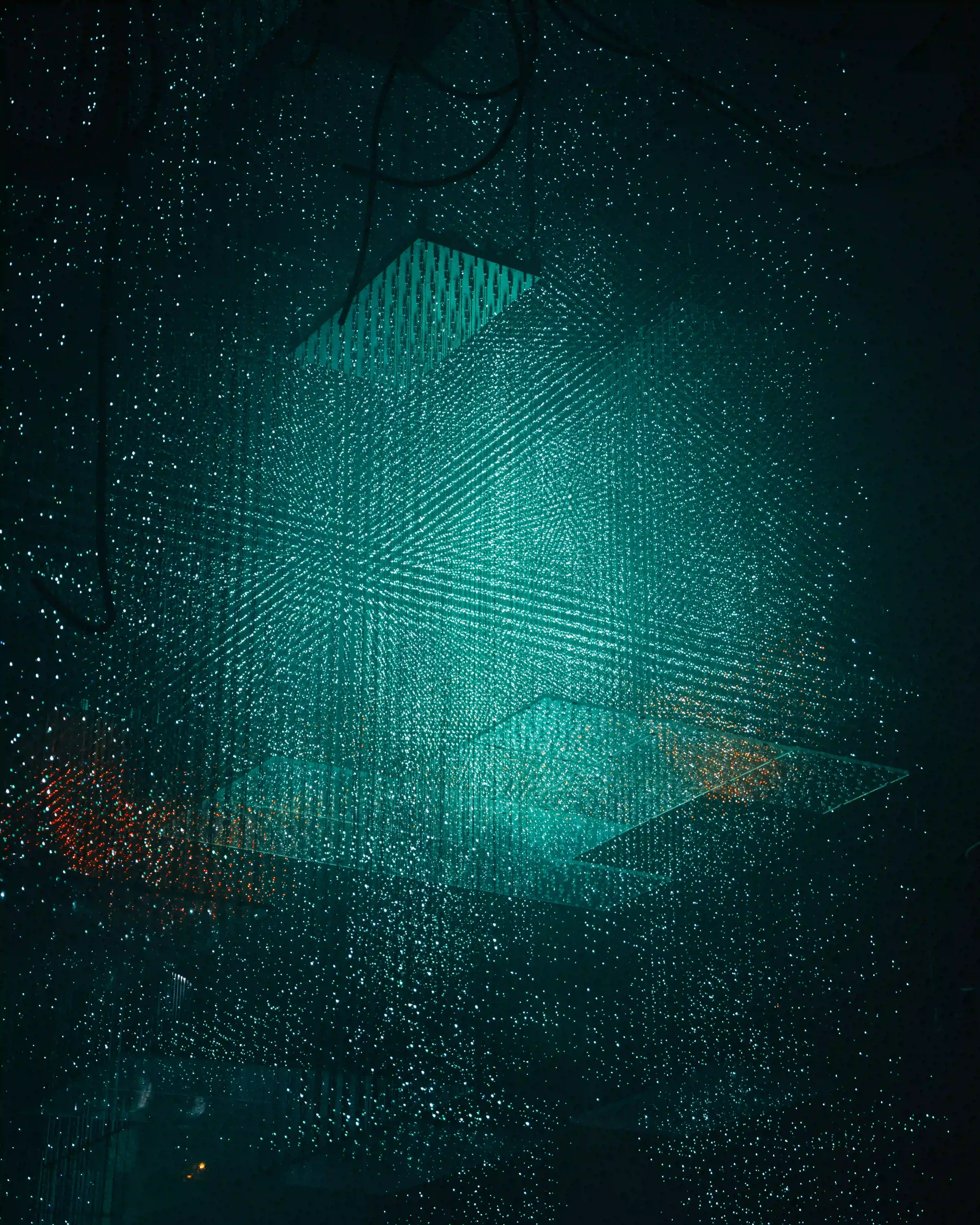
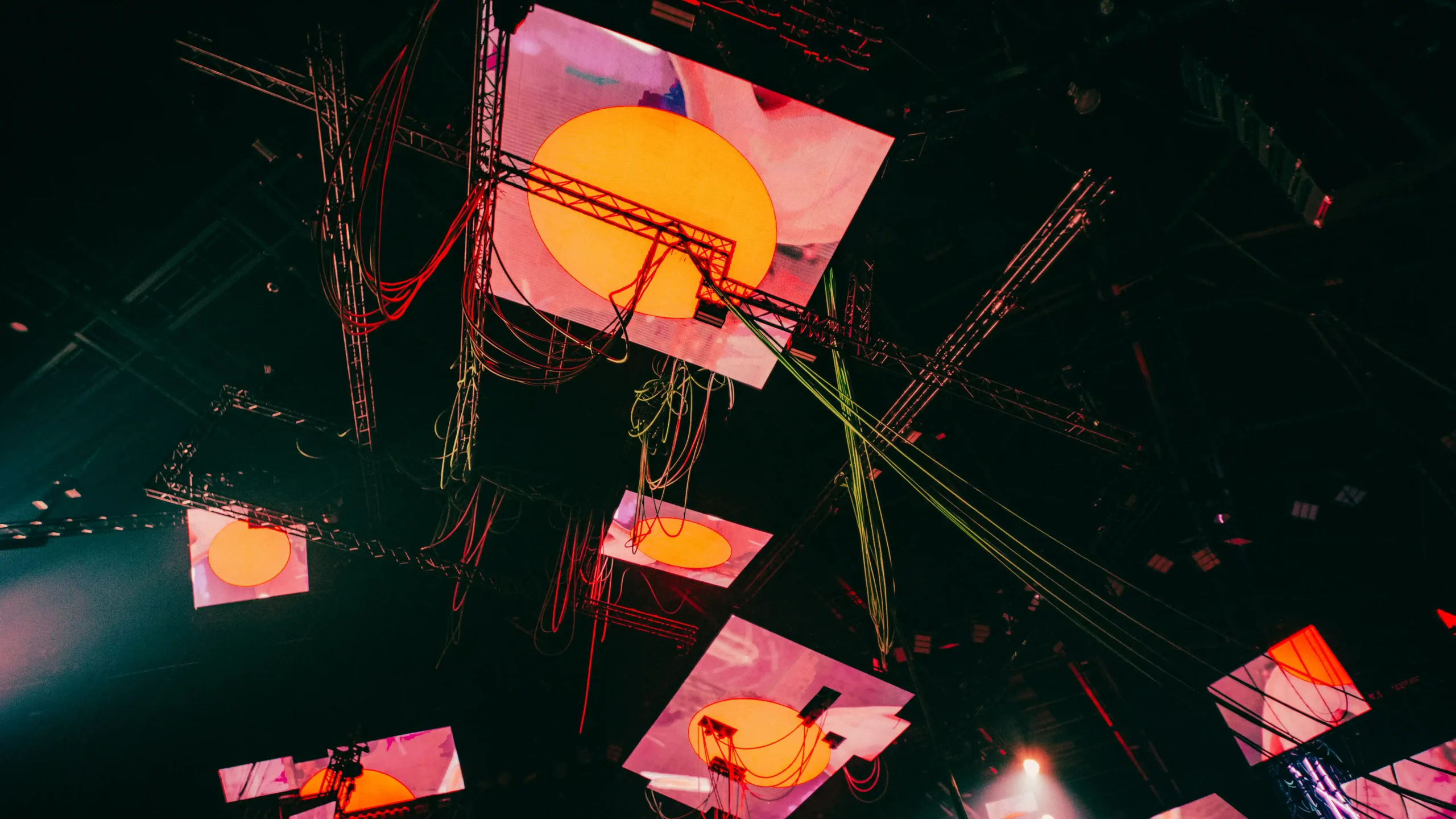
Another trend we’re seeing, and actively working with, is the shift toward massive screens. And it makes perfect sense. The larger the screen, the deeper the immersion; it pulls the viewer into the environment in a powerful way. I’ve visited several teamLab spaces, and their approach to full 360-degree immersion is truly unmatched. I really admire how they combine projection with physical elements, floating meshes, balloons, air, water. Everything feels handmade and intentional, and that’s something we try to bring into our own projects as well.
We’re not interested in using screens and lighting gear as just a technical construction kit. We’re always looking for ways to bring in a sense of craftsmanship. That’s why, for our setup at Rave Rebels, we invited the art collective Panterra to help us infuse the structure with a more handmade, tactile quality, wires, raw textures, physical materials. It helped transform a massive, tech-heavy setup into something that felt much more alive and organic.
You’ve worked on everything from underground raves to global-scale shows. What project has challenged you the most creatively, and why?
It’s always most creatively challenging, and exciting, when we’re working with someone new for the first time. Each collaboration brings its own language, expectations, and emotional world. Finding a visual approach that feels authentic to that artist or context requires deep listening and flexibility.
Whether it’s an underground rave or a large-scale show, that first project together always pushes us to rethink our methods and come up with something that feels truly fresh, for both sides.
What artists, movements, or cultural references have shaped your sensibility as a creative director? Where do you draw inspiration beyond the world of music?
I’m really inspired by young and fresh artists, by new movements and emerging creative directions. I follow them closely because that’s where the most exciting shifts tend to happen. I’ve always been drawn to rave culture, as well as rap and dance music scenes. These spaces are incredibly responsive to trends, what appears there often sets the tone for what later becomes mainstream.
That’s why staying connected to young artists and creators is so important to me. Smaller projects and youth-driven festivals are especially energizing. I love jumping into those spaces, creating visuals for emerging performers, and soaking up new styles and aesthetics along the way. It’s one of the best ways to stay creatively sharp and continue evolving as an artist.
For young stage designers and creatives hoping to work at the intersection of music and digital art, what advice would you offer, especially in navigating such a fast-evolving landscape?
Immerse yourself in both technology and narrative. Learn to code visual systems, but also study storytelling and audience psychology. Be curious, test limitations, and collaborate across disciplines, musicians, programmers, architects, to sharpen your sensitivity to experience design.
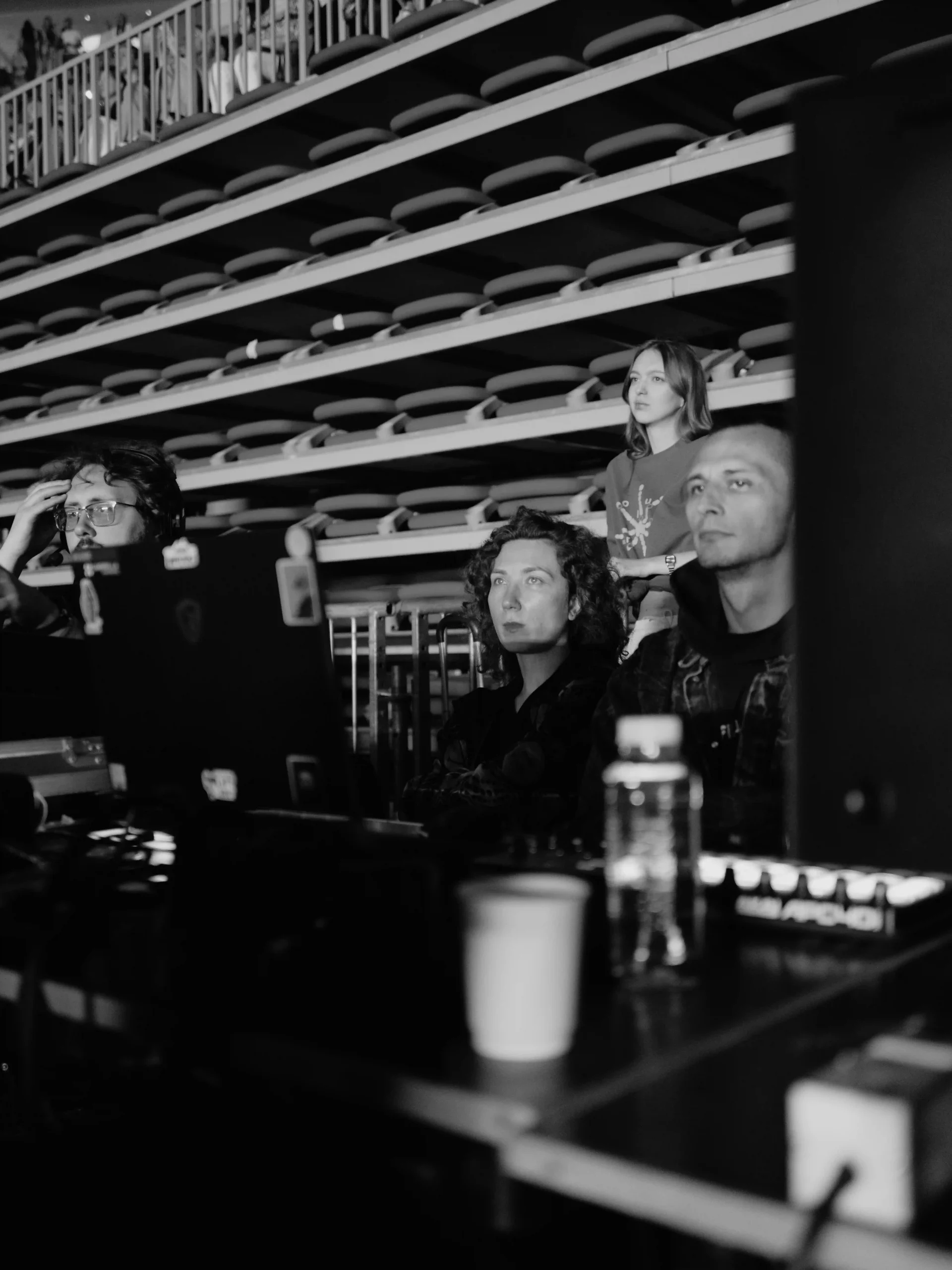
It’s also important to start working early, especially if you want to build a truly multidisciplinary foundation. And don’t limit yourself to the most obvious paths. You can learn a lot from institutions, curators, or teams working on museum projects, but just as much from more technical environments. For example, working at an equipment rental company gives you hands-on experience with lighting, screens, and lenses, helping you understand the technical side in depth. There’s no single school that can teach you everything. But by collecting skills from different contexts, bit by bit, you build a toolkit that really makes a difference, especially when working on large-scale events, where every detail counts.
Explore Courses
.jpg "Architecture Diagram Mastery: Concept to Portfolio")
.jpg%202.jpg "Building Performance with Forma & Opossum")
.jpg "Ondrej Chybik - Rethinking Architecture")