

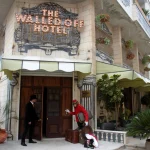
The reopening of the Walled Off Hotel in Bethlehem marks a shift from a boutique art hotel to a cultural platform dedicated to the Palestinian narrative. The hotel examines the structural, economic, and semiotic dimensions of its resurgence within the context of an uneasy ceasefire and a transformed international diplomatic landscape, marked by the United Kingdom’s 2025 recognition of the State of Palestine.
Re-emergence of the Walled Off Hotel
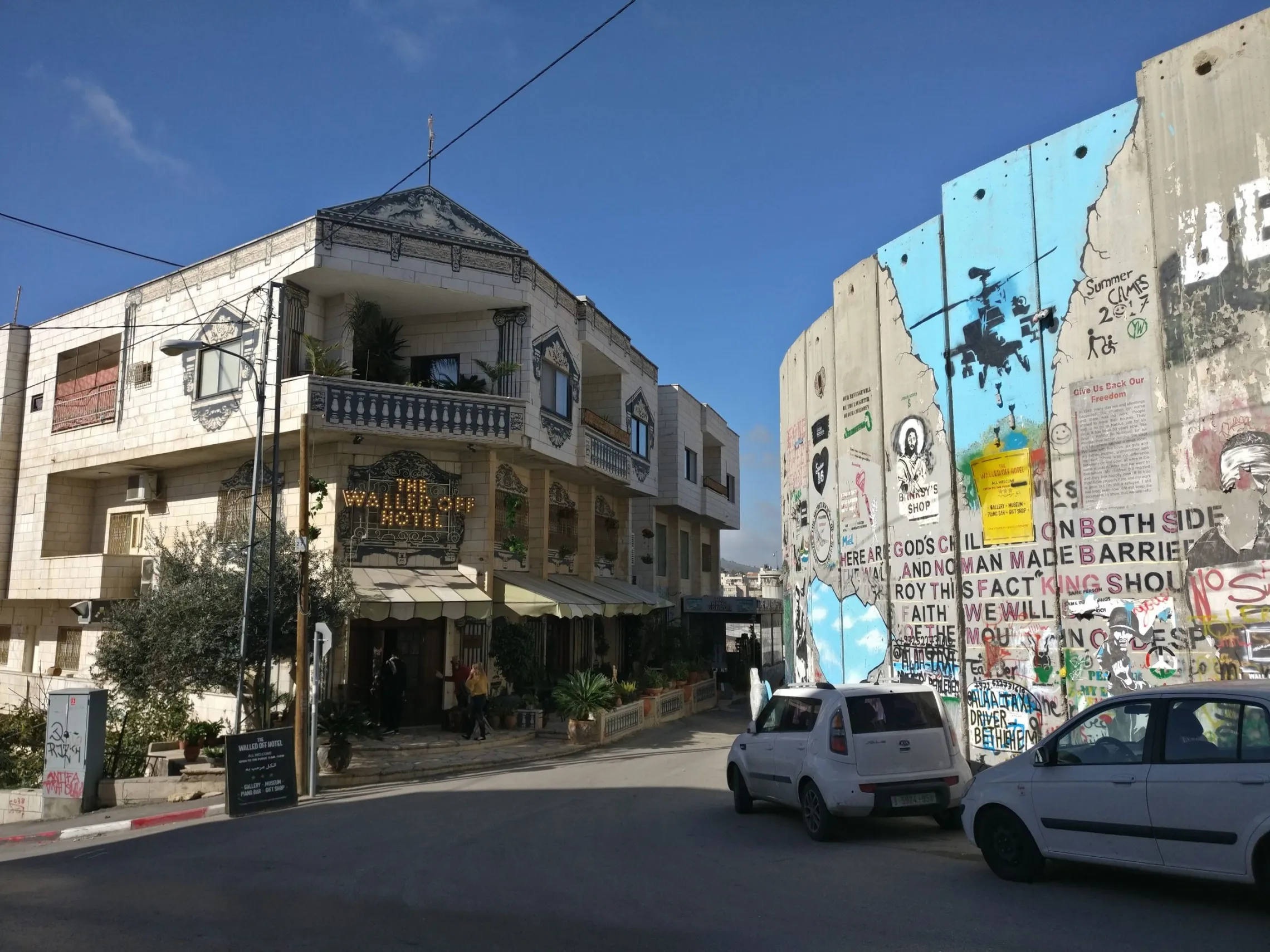
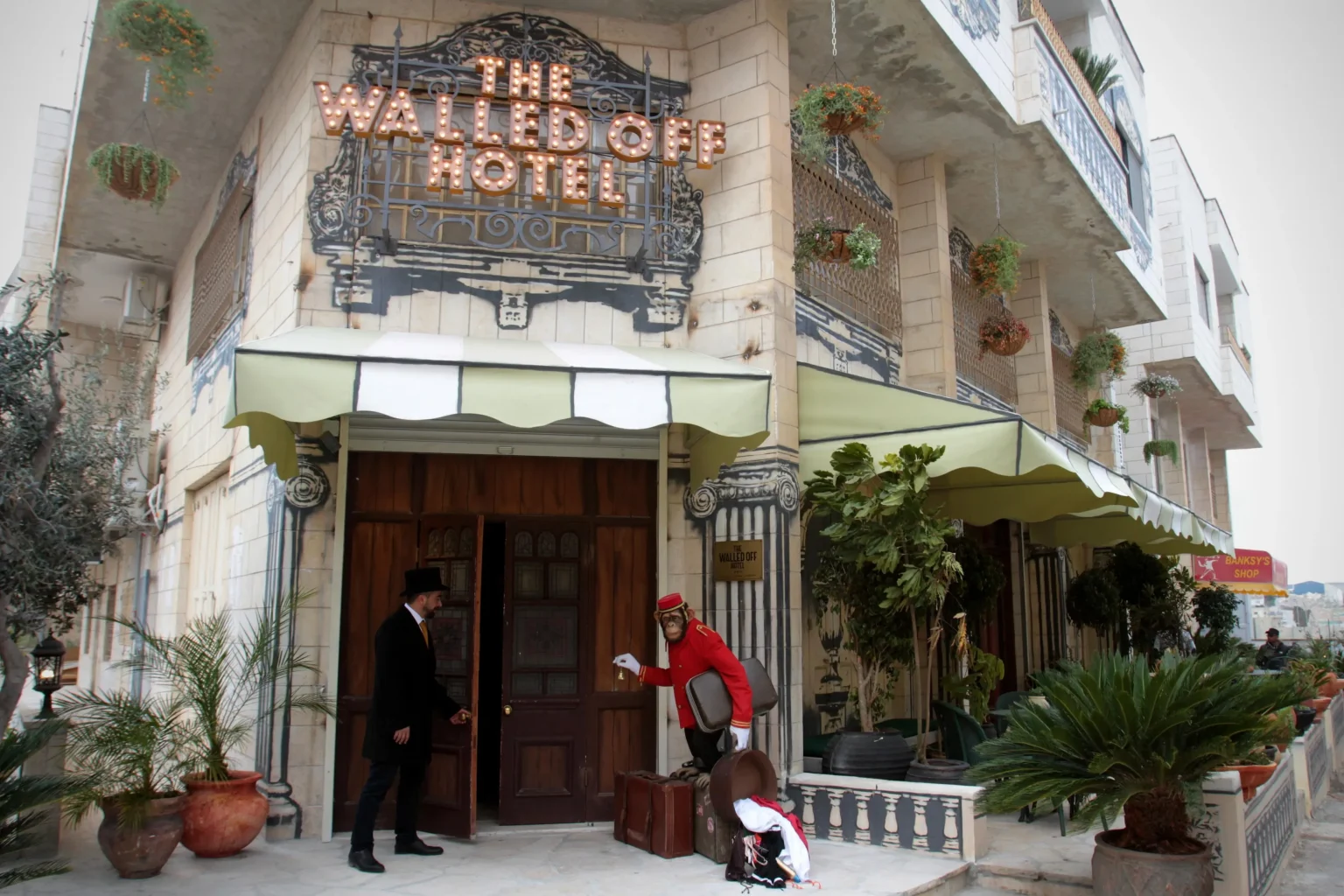
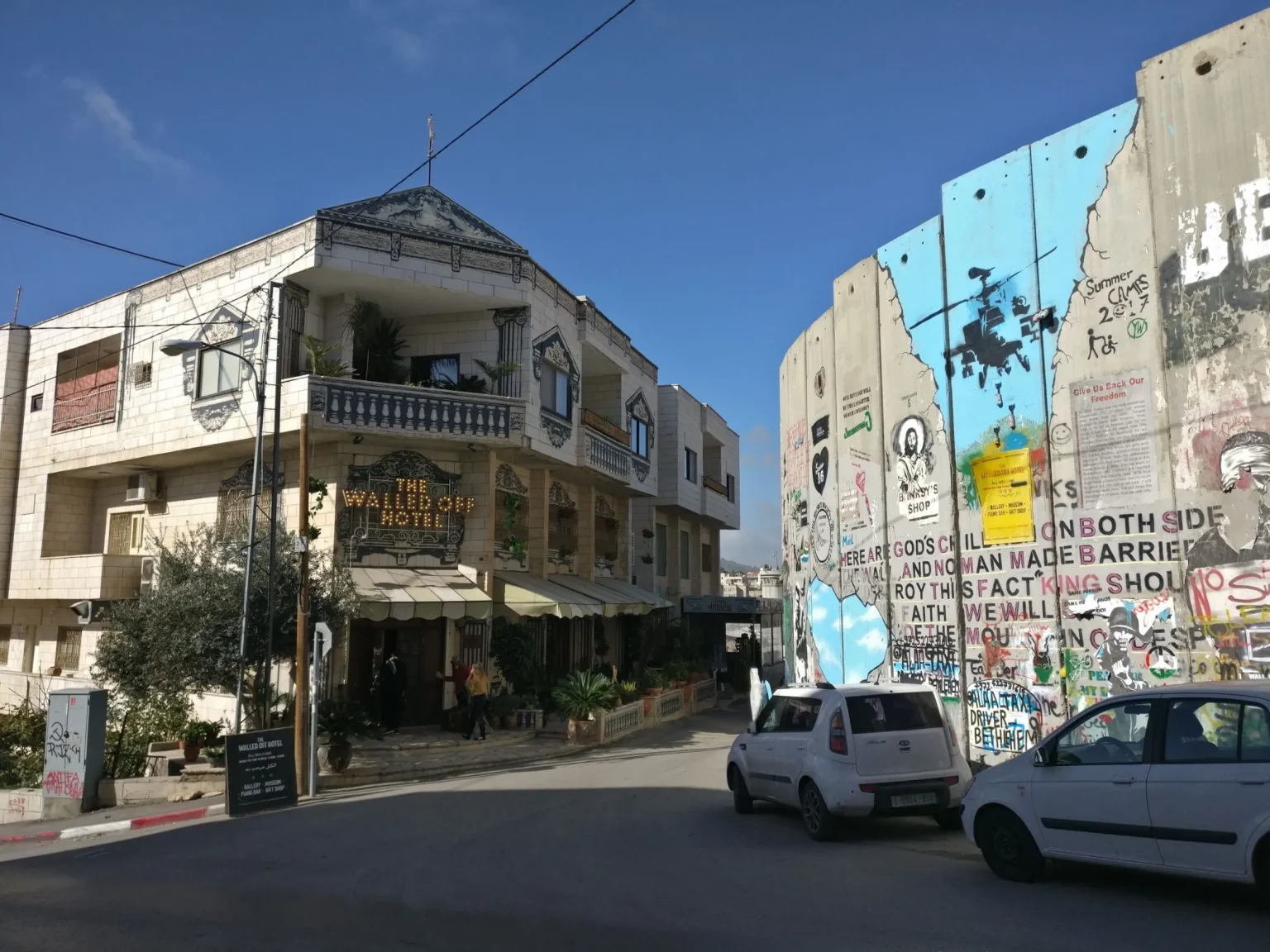
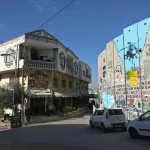
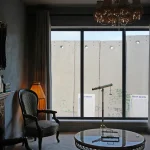
Conceived by British street artist Banksy, the site is situated 500 meters from the Jerusalem checkpoint, transforming military tension into a locus of international attention and economic utility. Over twenty years of artistic interventions in the region contextualize the hotel within the broader timeline of Banksy’s activity in the Palestinian territories.
The decision to shut down the hotel on October 7, 2023, was driven by the gravity of the unfolding conflicts, resulting in the city’s economic lifeblood collapsing entirely. The closure of the Walled Off Hotel was particularly significant for Banksy tourism, removing international currency and global visibility for the local community.
Banksy’s Decadal Engagement with Palestine
The reopening of the Walled Off Hotel is defined by a strategic shift in purpose. While it continues to function as a hotel, providing accommodation and luxury, it is ultimately positioned as a cultural platform, assuming an active role in the global dissemination of Palestinian narratives. The core ideas integrated with the hotel’s programming pillars employ carefully constructed forms of passive observation.
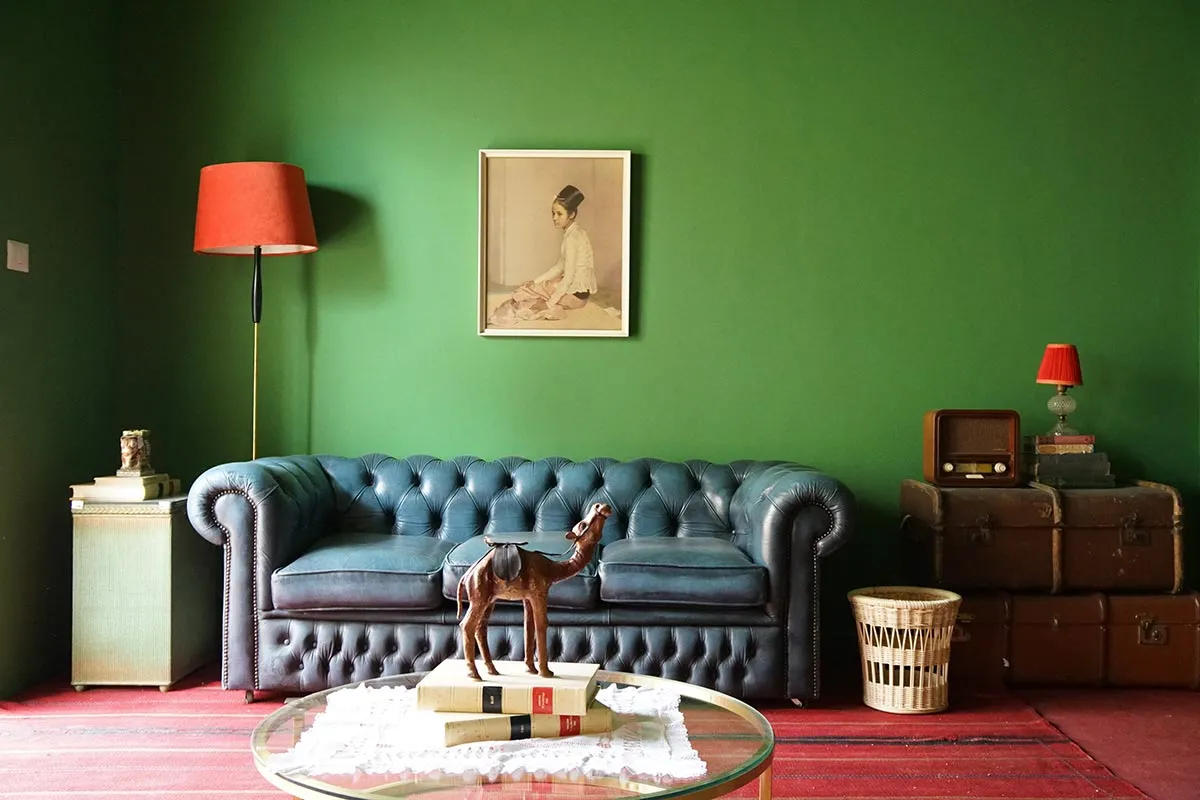
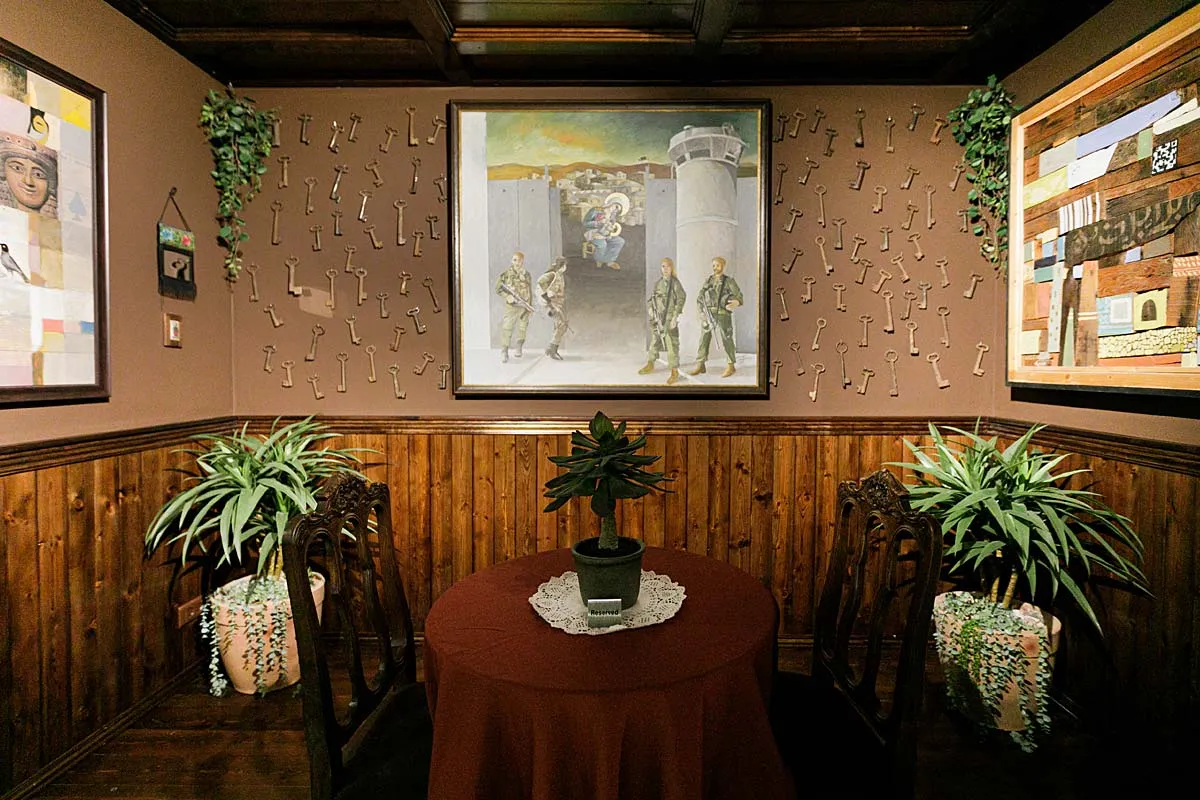
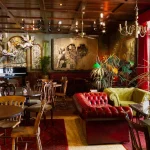
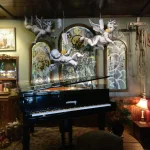
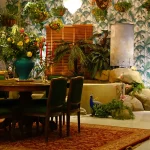
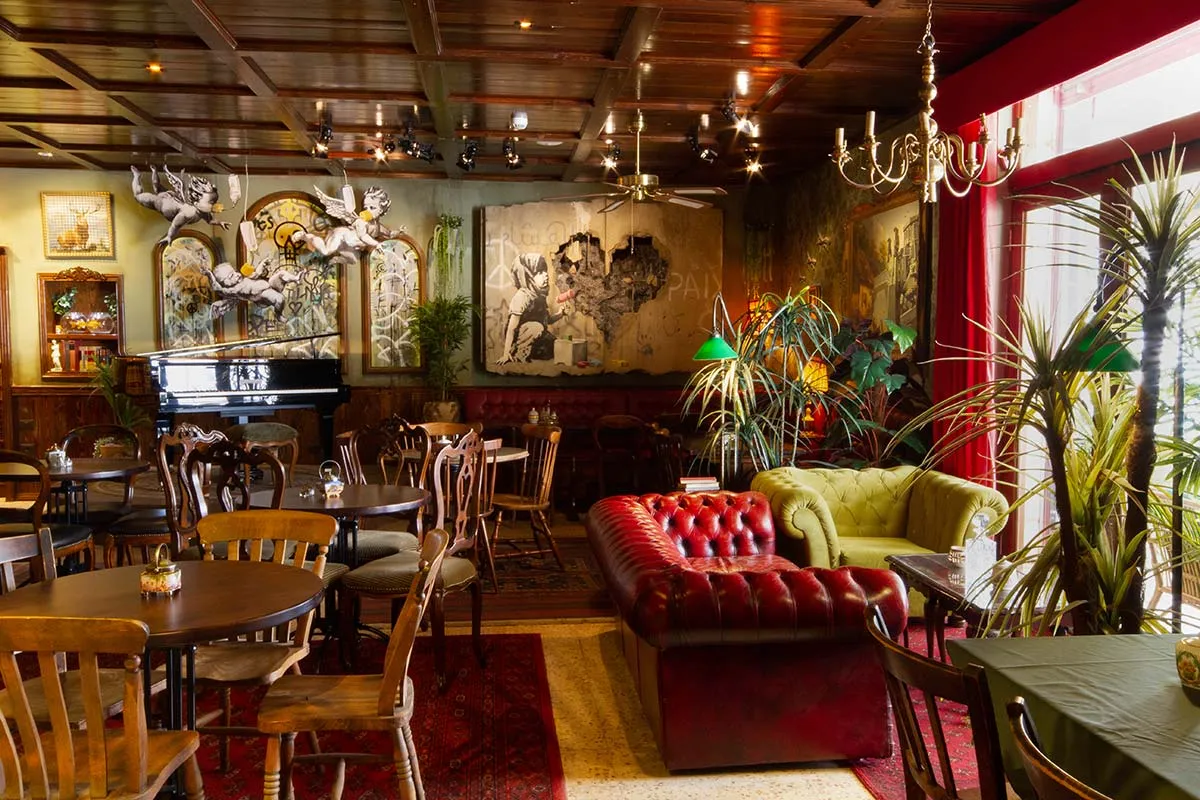
The platform explores archives of Palestinian experience, while new artistic residencies provide space and resources to develop critical strategies. A piano bar and museum attract tourists and emphasize an inside-out mode of transmission, in which Palestinian curators and artists control visual and symbolic arrangements. The architectural language utilizes dystopian strangeness, presenting layered aspects of the Palestinian reality.
Architectural Thematic Design
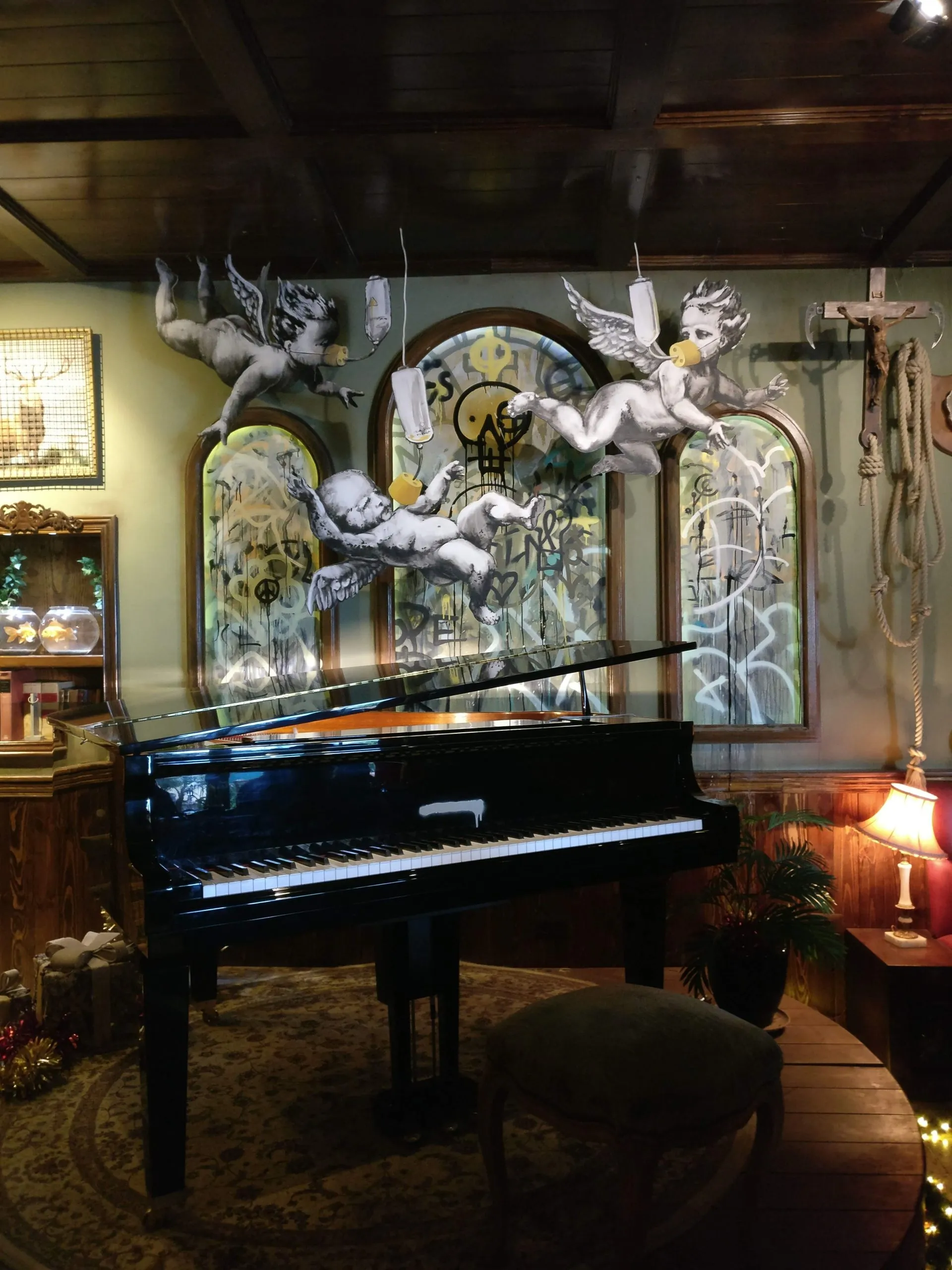
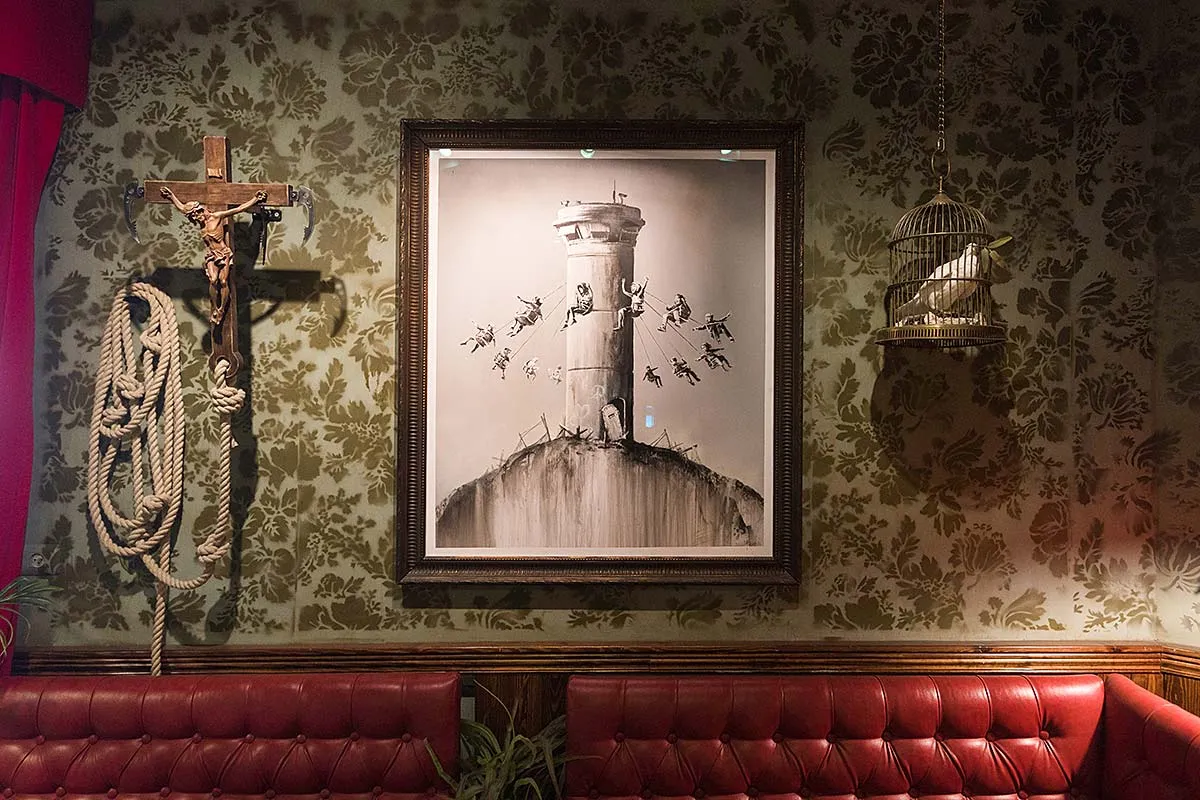
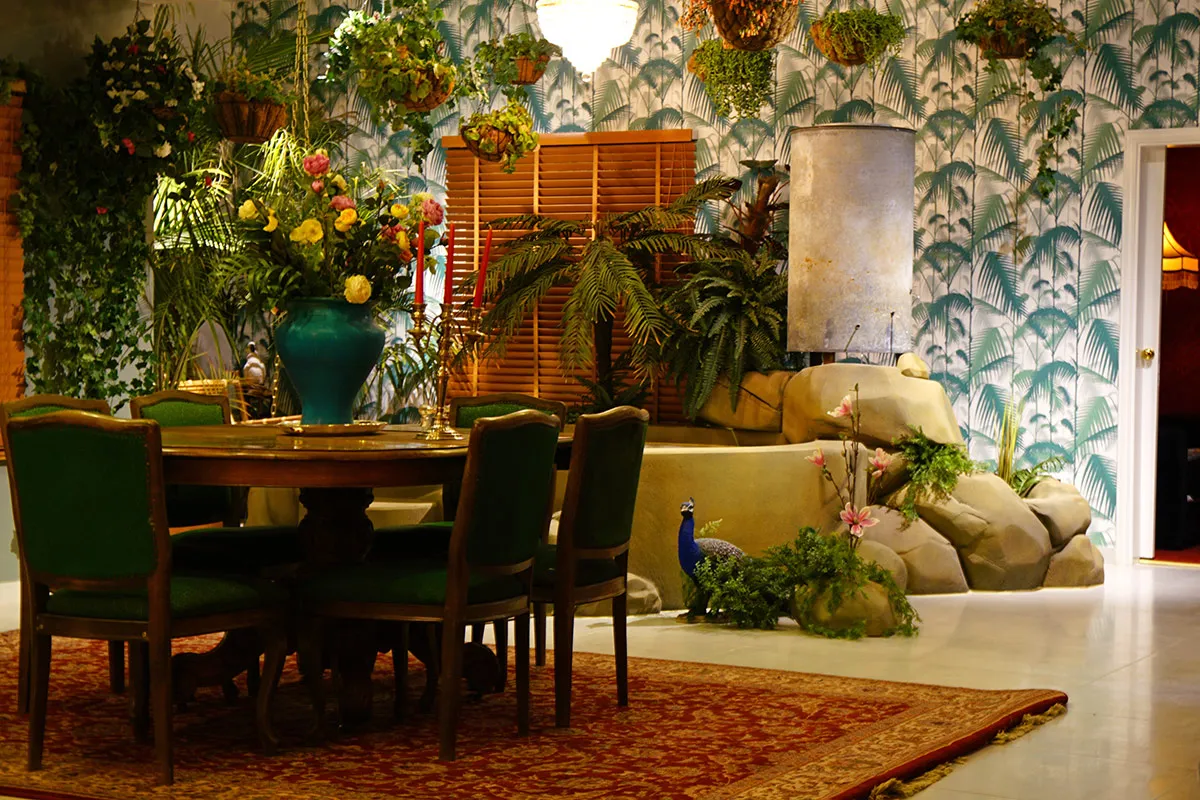
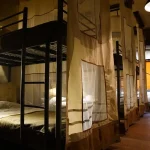
The piano bar features vandalized oil paintings and sculptures depicting figures choking on tear gas fumes, referencing the historical mechanisms of British control during the mandate of Palestine. Three main room types include:
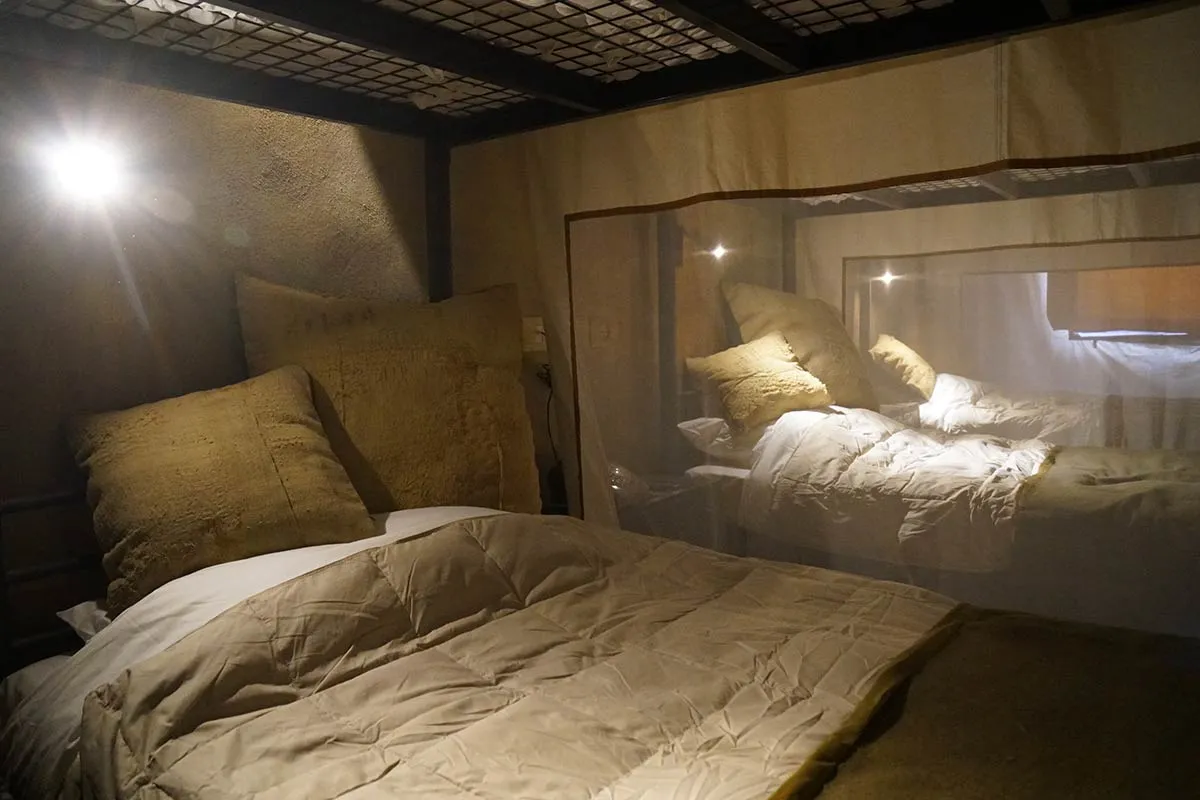
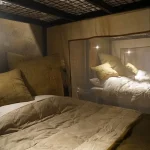
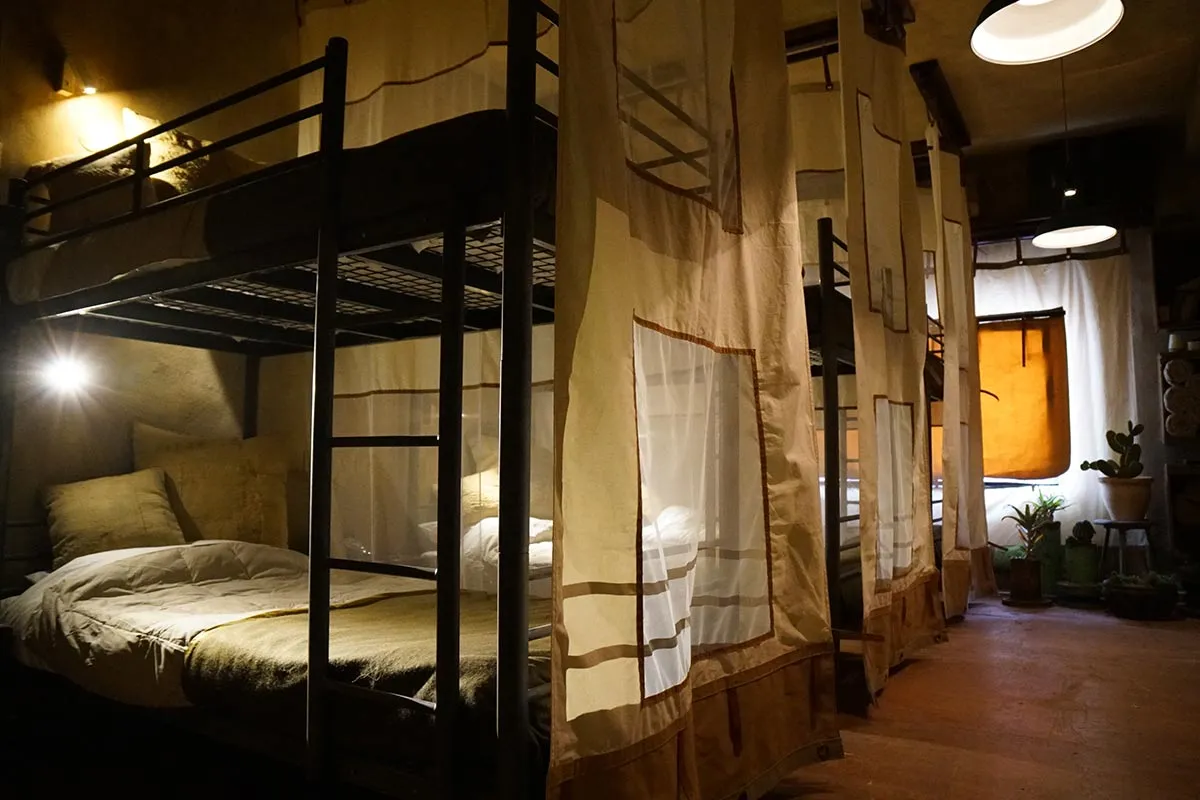
- Budget bunk beds sourced from Israeli military barracks, allowing guests to inhabit the physical infrastructure of the military occupation
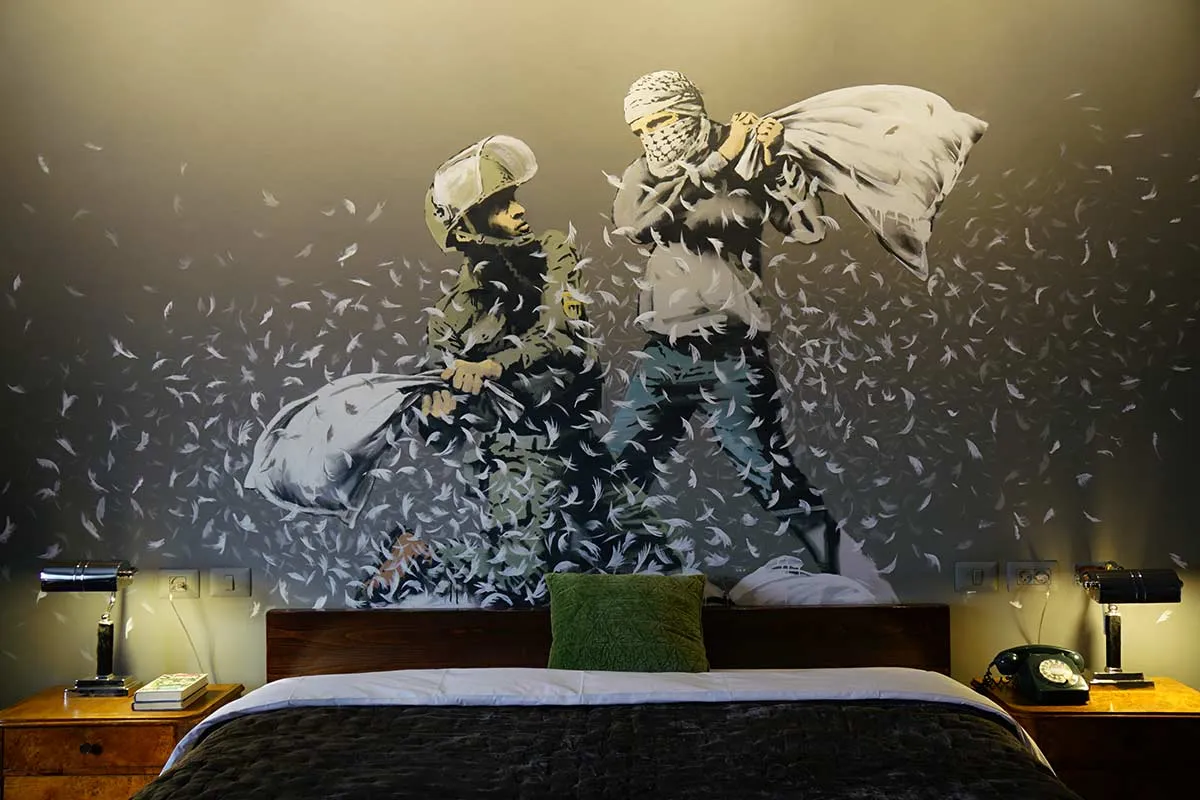
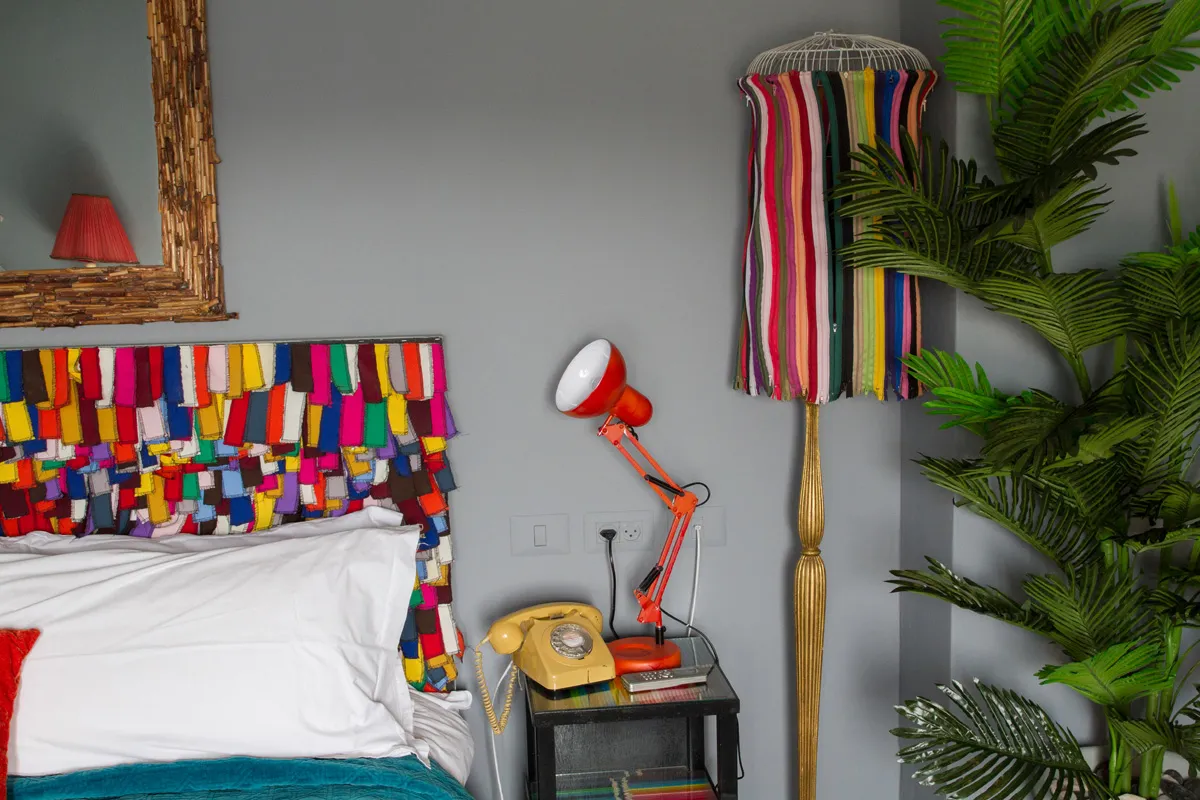
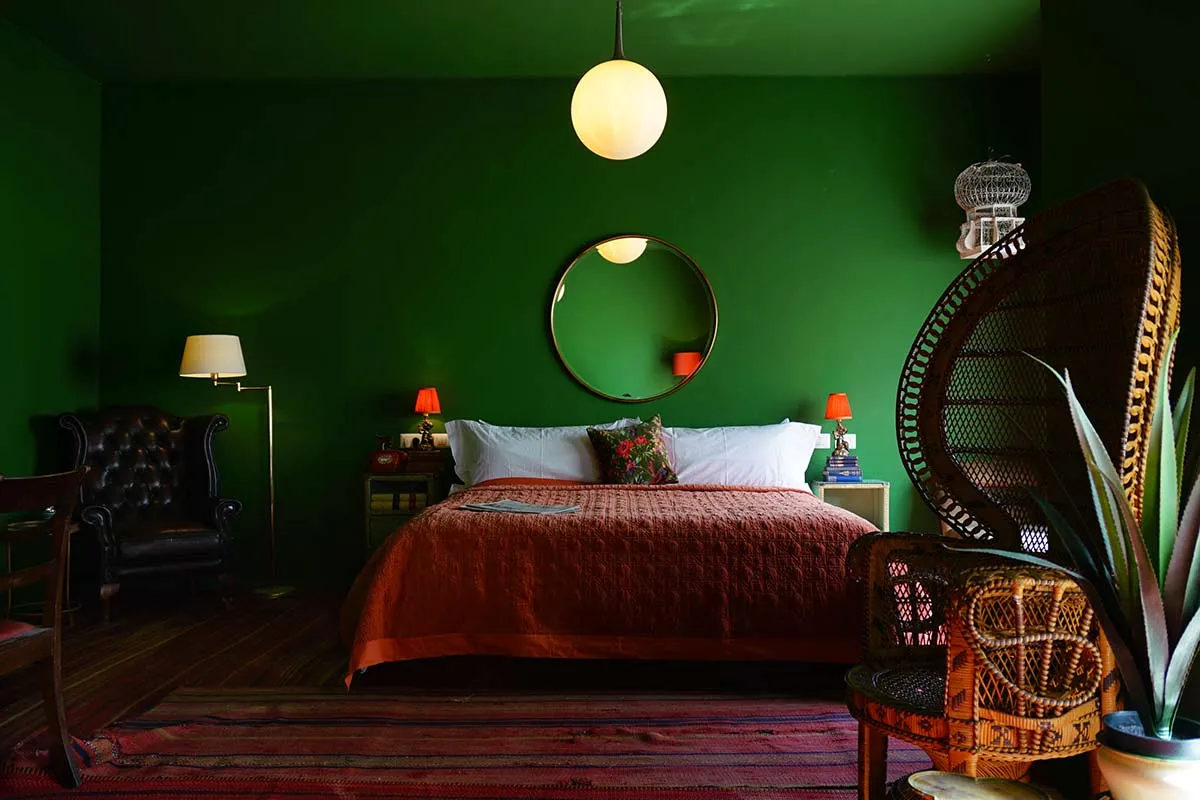
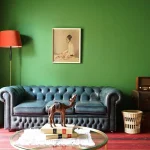
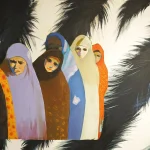
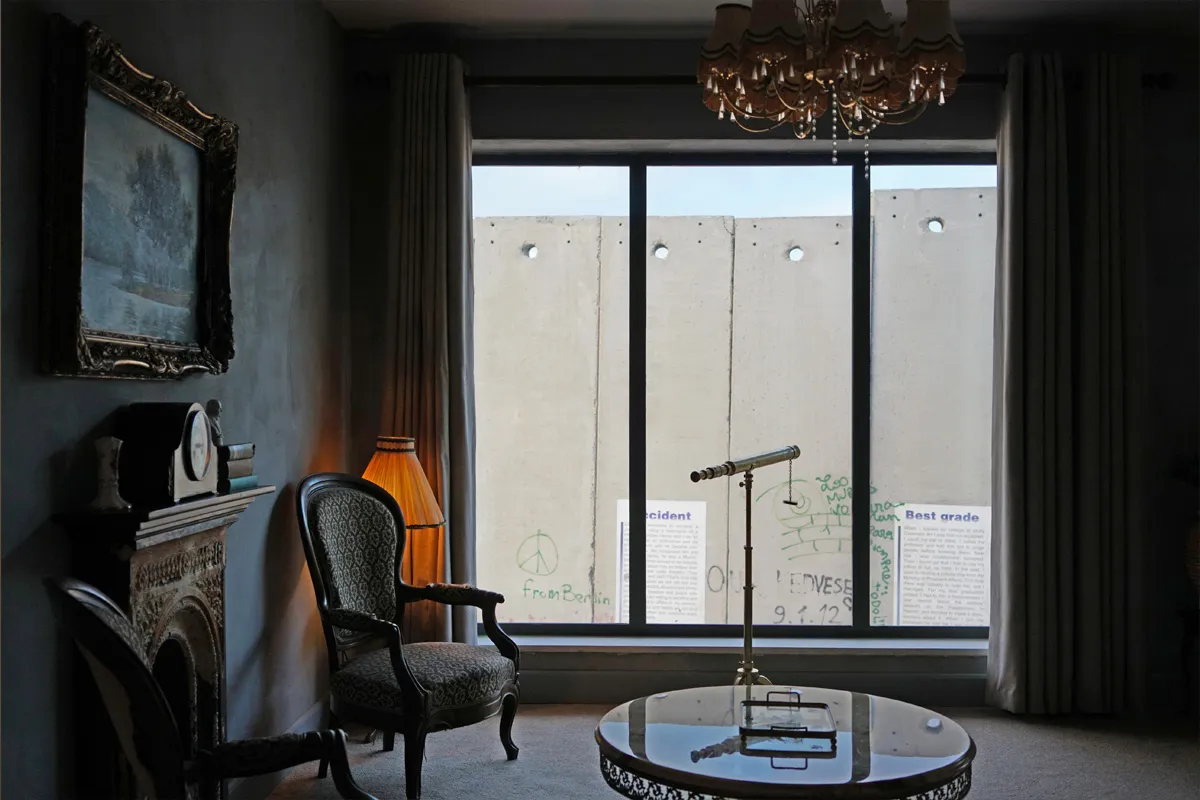
- Artistic rooms include murals by Banksy, Sami Musa, and Dominique Petrin, offering interiors where art and politics are indistinguishable.
- The Presidential Suite, which showcases a bullet-riddled water-tank fountain, a red velvet bed, and a home cinema, advances the provocative idea of luxury amid conflict.
The Art Gallery: A Platform for Resistance
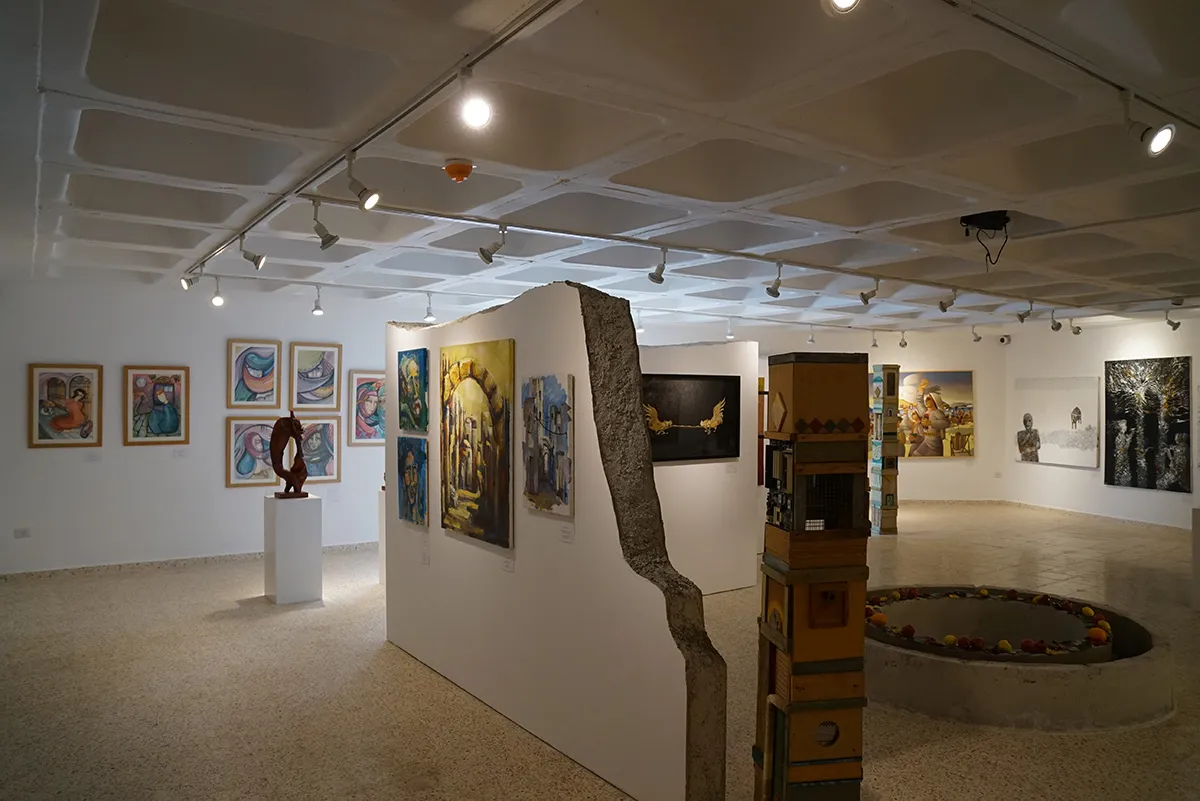
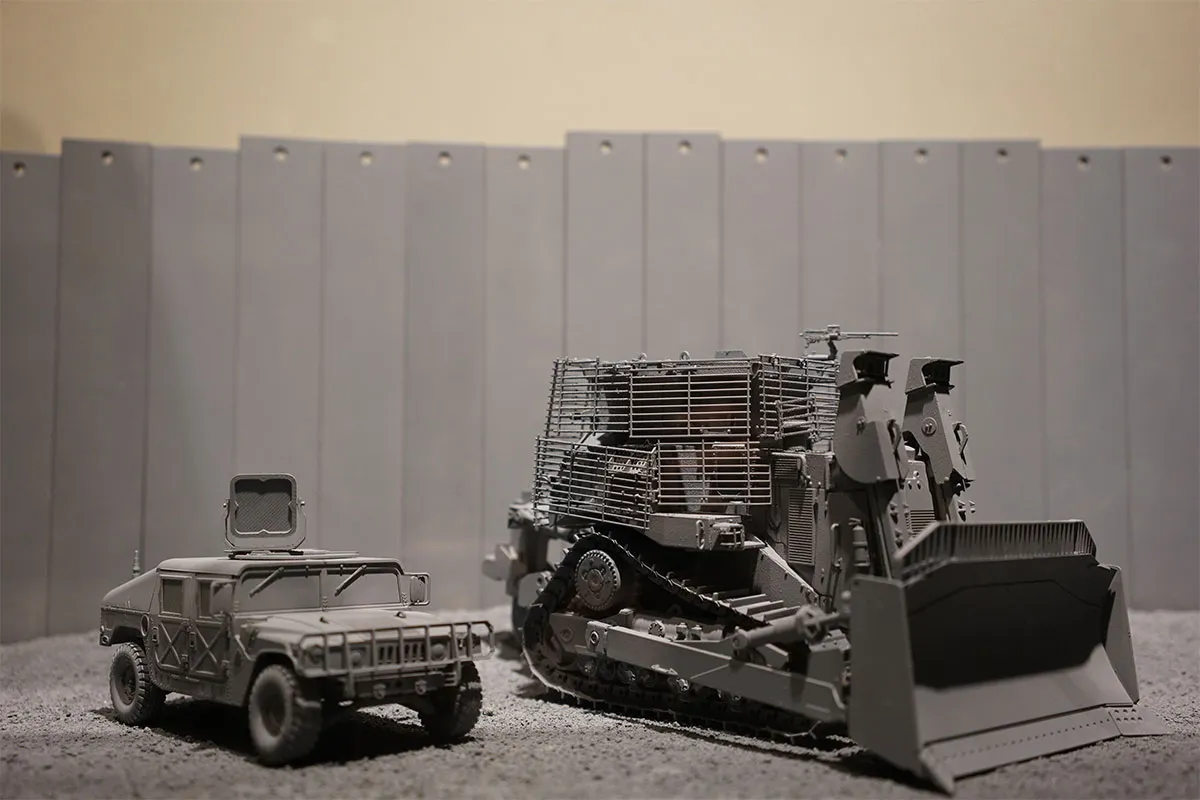
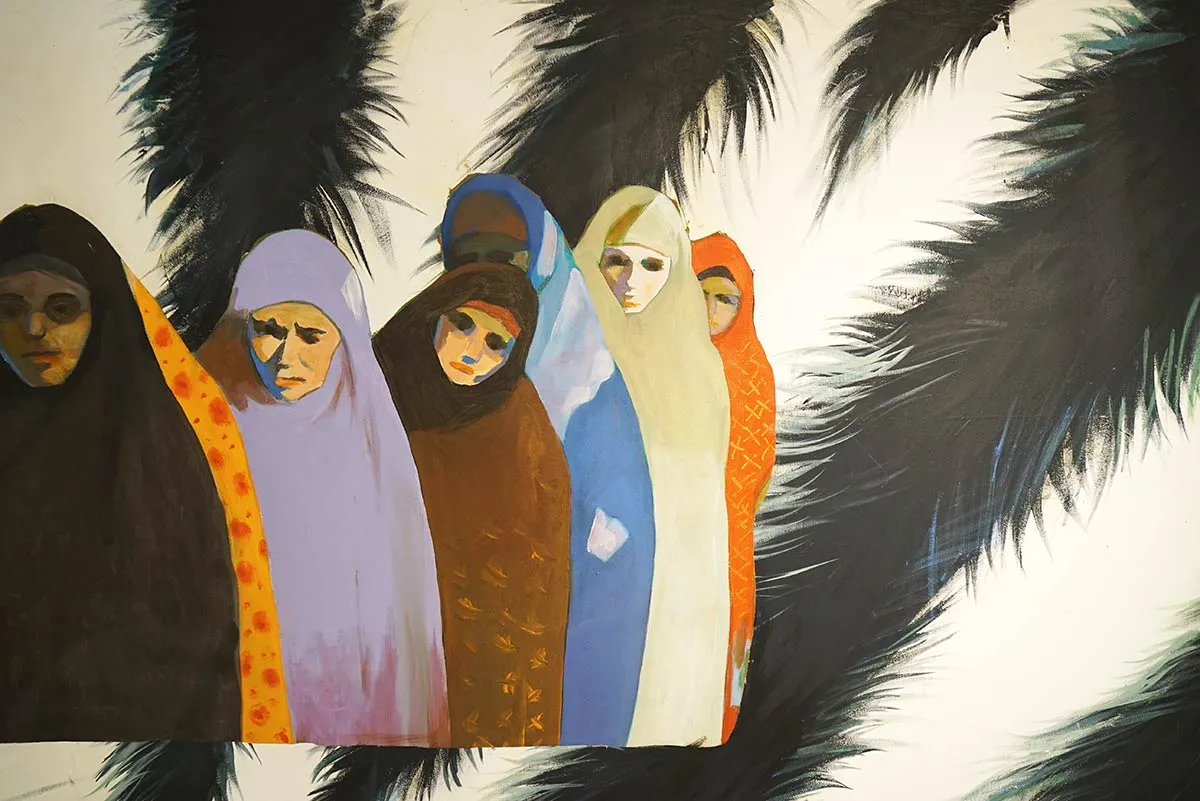
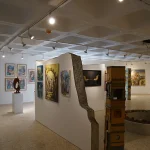
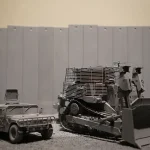
The gallery aims to bring Palestinian history and identity to a wider audience through rotating exhibitions curated by local professionals such as Suliman Mansour, Nabil Anani, and Munther Jawabreh. The wall museum explores the historical narrative of the wall’s construction, utilizing audiovisual installations and artifacts associated with structures declared illegal by the United Nations in 2004.
The reopening of the Walled Off Hotel in Bethlehem, in the era of uneasy ceasefire and shifting diplomatic borders, illustrates a vital node of dialogue through its unique combination of colonial satire, economic sumud, and high-caliber artistic curation. It employs 45 residents, providing stable income and employment while ensuring tangible economic benefits for the community.